




Abstract
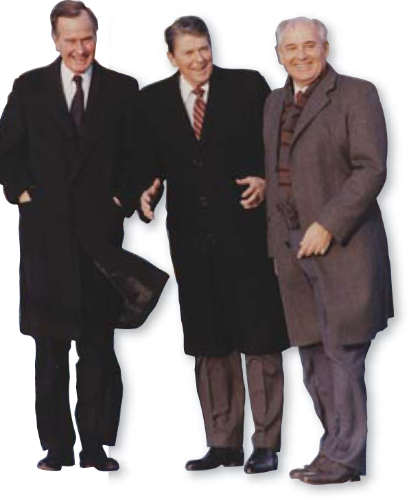
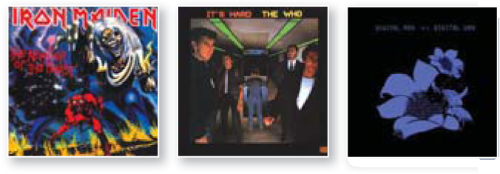
From Iron Maiden to Ronald Reagan, songwriters, politicians, and novelists have made the Doomsday Clock and its “minutes to midnight” refrain their own.
The time of creation
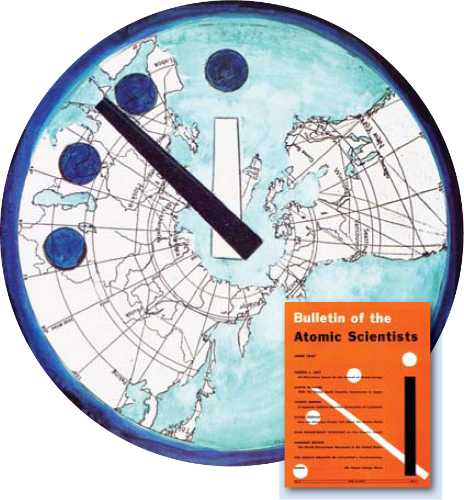
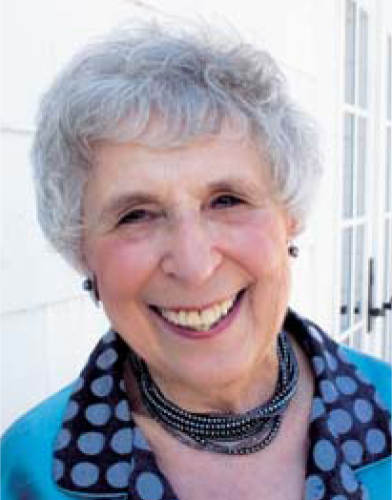
Somehow, her anecdotes always wondrously interconnect, with one enchanting tale or name quickly leading to another. “I speak in footnotes,” says Martyl, the famed artist whose most renowned work, the Doomsday Clock, differs greatly from the landscapes that mark many of her creations. These footnotes invariably include prominent figures of the nuclear age–Edward Teller, Arthur Compton, Cyril Smith, and, of course, Hyman Goldsmith and Eugene Rabinowitch, the Bulletin's founders.
Doomsday Clock creator Martyl.
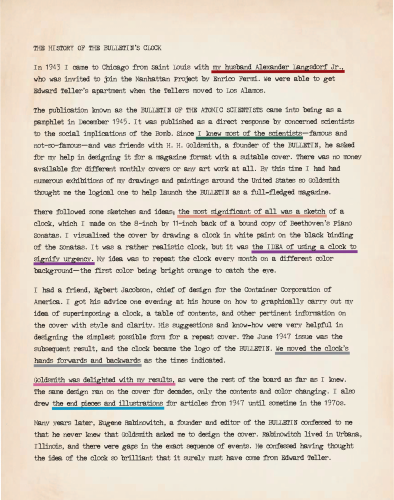
She designed the Clock twice actually. Once at Goldsmith's behest in 1947, as she recounted in an internal memo she wrote in the 1980s (at right), and again in 1989 when she updated the design by placing the Clock's hands on the globe. Each time the confines remained virtually the same–design something clever without a budget. In her mind, the limitations merely strengthened the idea. “Sometimes restrictions are helpful,” she says. “With parameters, you can do really interesting things.”
JOSH SCHOLLMEYER
“Except for J. Robert Oppenheimer, I was the only artist any of those scientists ever knew. It seems like I still am on account of the Clock.”
“My husband never wanted to work at Los Alamos. Other scientists found it to be an intriguing scientific pursuit. Everyone draws their own line, and he felt differently. The research, yes. But he refused to go where the bombs were made.”
“The creativity in art and science are the same. I once painted cyclotrons and radio oscillators. They were unusual shapes and just wonderful objects. I exhibited them in New York. The reviewer said I had this unusual originality. I wrote him, ‘If I invented these, I would have won a Nobel Prize a long time ago.’ But the scientists hated it. They didn't want anyone taking liberties with their work.”
“It was a panicky time. My husband was recruited for speaking tours around Chicago. Nobody knew anything. It's hard to believe today that the word ‘atom’ was alien. The scientists, however, wanted to inform the public. So they went on the rubber chicken circuit–Rotary Clubs, Better Business Bureaus, etc. The groups would say, ‘We'll give you 20 minutes to tell us about atomic energy.’ It's insane, but they tried.”
“That I can't take credit for. It was a wonderful idea, and it fit with the urgency theme. I originally set the Clock at seven minutes to midnight simply because it looked good.”
“The editor wanted some illustrated relief on the page so they'd send me the stories to illustrate. My friends did it, too. It was all done gratis; there was never any money. They did it because I asked them.”
“It was just a good idea, and the fact that it survived–and became even more important–is one of the nicer things that's happened in my life.”