




Abstract
This study investigates the impact of board gender diversity on equity, diversity, and inclusion (EDI) practices within global construction project-based organizations, positioning EDI as a core component of social sustainability. Underpinned by the resource dependence theory and Hofstede’s cultural dimensions theory, this study analyzed data from the top 100 construction firms to assess how female board representation influences EDI outcomes. The findings reveal a positive relationship moderated by cultural traits such as power distance and indulgence. This study highlights the strategic value of gender-diverse leadership and culturally responsive governance in advancing inclusive and socially sustainable practices in male-dominated industries.
Introduction
Corporate sustainability requires organizations to integrate social justice within their operational frameworks, particularly in industries with high societal impacts such as construction. For project-based organizations in this sector, focusing on social sustainability as part of the triple bottom-line framework by Elkington (1998) is becoming an essential aspect of corporate responsibility. This framework highlights the need to balance the social, environmental, and economic considerations. However, although environmental and economic aspects have been emphasized, social sustainability, especially involving equity, diversity, and inclusion (EDI), has often been underexplored in construction (Karakhan et al., 2020).
Social sustainability in project-based organizations involves fostering inclusivity and supporting community welfare through diverse equitable workplace practices (Kordi et al., 2022; McKenzie, 2004). This includes strategies for recruitment, training, and development to create a balanced workforce (Dhanasekar et al., 2023; Ullah et al. 2021). Despite its importance, social sustainability remains the least-studied dimension of sustainability within the construction domain (Hossain et al., 2018). As global awareness increases, frameworks such as the United Nations Sustainable Development Goals (SDGs)—particularly SDG 5 (Gender Equality) and SDG 10 (Reduced Inequalities)—emphasize the need for inclusivity across industries.
Social sustainability refers to broader societal well-being and justice encompassing equitable access to opportunities, community cohesion, and intergenerational equity (McKenzie, 2004; Kordi et al., 2022). EDI, on the other hand, constitutes a key mechanism through which social sustainability is pursued within organizations. By promoting fair representation, inclusive practices, and valuing of diverse identities, EDI initiatives contribute directly to the creation of socially sustainable workplaces and communities. Thus, acknowledging EDI as both an outcome and an enabler of social sustainability clarifies its strategic importance in the construction industry.
Despite this global emphasis, the construction industry remains predominantly male and lacks diversity (Ness, 2012). The Project Management Institute (PMI, 2023) has suggested that addressing this disparity can mitigate skill shortages and enhance performance. Studies show that diverse teams improve problem-solving, adaptability, and organizational competitiveness (Baker et al., 2023; Sang & Powell, 2013). Specifically, gender diversity has been linked to balanced decision-making and market insights, making it a valuable asset for project-based organizations (Baker et al., 2021a). Furthermore, organizations prioritizing gender diversity see positive outcomes in financial performance and team collaboration (Bear et al., 2010; Campbell & Vera, 2010; Wukich et al., 2024. However, the construction workforce remains overwhelmingly male, with 89% of workers identifying as male and 87.3% as white in the United States (U.S. Bureau of Labor Statistics, 2022), highlighting the structural barriers for minority groups (Sang & Powell, 2013).
There is growing interest in diversity within the construction industry (Dhanasekar et al., 2023). Traditional equality approaches, often focused on equal rights regardless of group differences, have faced criticism for enforcing conformity to majority norms rather than addressing the specific needs of diverse groups (Pilcher & Whelehan, 2016; Barnard et al., 2010). For instance, gender equality policies can inadvertently reinforce stereotypes in male-dominated roles by overlooking gender-specific challenges (Dozier, 2017; Heilman et al., 2004). The focus has shifted from equality to diversity, emphasizing the importance of social identities, such as race, ethnicity, and gender, in shaping workforce composition (Bagilhole, 2009; Kossek & Pichler, 2006. However, true inclusivity goes beyond mere representation, creating environments where diverse perspectives are valued and integrated.
In construction, diversity is often limited to gender and race, with little attention being paid to areas such as sexual orientation and disability. Public sector initiatives have taken more proactive steps toward LGBTQ + inclusivity, but research on such inclusivity in construction is limited (Wright, 2013; Dhanasekar et al., 2023). Regional contexts also shape diversity approaches; the Global North frequently focuses on racial diversity, whereas the Global South emphasizes indigenous representation (Budhwar & Debrah, 2013). For instance, in China, the Han majority represents 91.11% of the population, with 55 recognized ethnic minorities (Chinese National Bureau of Statistics, 2021).
Limited research has examined whether and how increased female representation at the leadership level translates into stronger EDI outcomes for construction firms, particularly in different cultural environments. The intersection of internal leadership diversity and external national culture remains underexplored in the context of social sustainability in project-based organizations. To address this knowledge gap, this study develops a theory-driven framework by integrating resource dependence theory (Pfeffer & Salancik, 1978; Hillman et al., 2000) and Hofstede’s cultural dimensions theory (Hofstede et al., 2010). This research aims to understand EDI initiatives within the global construction industry. The specific objectives of the research are: (1) to assess diversity disclosure practices, (2) to analyze performance across various diversity dimensions, (3) to investigate how board gender diversity influences EDI outcomes, and (4) to understand the moderating role of national culture on the relationship between women on boards and EDI initiatives of construction organizations.
This study makes several important theoretical and practical contributions. First, it bridges the gap between internal governance factors and the external cultural context by integrating resource-based and cultural perspectives, thereby advancing our understanding of the drivers of social sustainability in project-based sectors. Second, it empirically demonstrates the impact of board gender diversity on tangible EDI outcomes in the global construction context, extending the resource dependence theory to social sustainability performance metrics beyond the financial domain. Third, it introduces a standardized metric for evaluating EDI practices, offering a practical benchmarking tool for organizations, and highlighting the best practices in diversity management. Together, these contributions highlight the strategic importance of diverse leadership coupled with culturally cognizant strategies to foster sustainable and inclusive organizations.
This article is structured as follows. First, the literature review discusses social sustainability and the role of EDI within project-based organizations, highlighting specific diversity dimensions including gender, sexual orientation, ethnicity, and disability in the construction industry. The research design section describes the content analysis method employed to assess EDI practices among the top 100 global construction firms. Following this, the results section presents findings on sustainability reporting, general EDI disclosures, and correlations between national culture and diversity scores. Finally, the discussion and conclusion explore the implications of these findings and suggest future research directions.
Literature Review
Social Sustainability and Diversity in Project-Based Operations
Project-based organizations in construction, engineering, and mining significantly influence employment, economic growth, and community welfare (Baker et al., 2023; Bredin, 2008; Crawford et al., 2013). As sustainability frameworks have expanded to embrace social dimensions alongside economic and environmental considerations (Elkington, 1998), organizations face growing expectations to advance social sustainability, defined as the promotion of equitable, inclusive, and just societies (McKenzie, 2004). Within corporate settings, this goal is pursued through EDI initiatives, which collectively aim to dismantle systemic barriers, cultivate diverse workforces, and integrate various perspectives into decision-making processes (Mavi et al., 2021; Liu et al., 2019; Hossain et al., 2018).
Equity refers to the fair allocation of resources and opportunities, ensuring the identification and removal of systemic impediments (Pilcher & Whelehan, 2016). Diversity denotes the representation of different demographic and cognitive attributes, including gender, ethnicity, disability, and sexual orientation, as critical enablers of organizational resilience and innovation (Bagilhole, 2009; Kordi et al., 2022). Inclusion involves cultivating an environment in which diverse individuals feel valued, empowered, and able to contribute fully to organizational objectives, thereby enhancing decision quality and stakeholder engagement (Mavi et al., 2021; Liu et al., 2019; Hossain et al., 2018). EDI initiatives can help create supportive cultures, reduce discrimination, encourage the retention of diverse talents, and enhance social outcomes (Mavi et al., 2021; Liu et al., 2019). These initiatives not only improve worker satisfaction but also contribute to broader societal goals, aligning with the United Nations Sustainable Development Goals (SDGs), particularly Goal 5 on gender equality and Goal 8 on inclusive economic growth (United Nations [UN], 2019, 2023). Loosemore (2020) further emphasizes that increasing female participation in construction supports these SDGs, contributing to a sustainable social impact by promoting gender equality. The construction industry also faces skill shortages that affect productivity (Crawford et al., 2013; PMI, 2023; Baker et al., 2021b). EDI measures can help address these shortages by fostering a more inclusive workforce, thus attracting diverse talent and addressing representation gaps (Dezsö & Ross, 2012; Joecks et al., 2013; Vafaei et al., 2015). A comprehensive approach involving capacity planning, training, supply chain collaboration, and promoting gender equity is crucial for sustainable industrial growth (Loosemore et al., 2020).
Gender diversity has been extensively examined in both professional practice and scholarly literature (for example, Dezsö & Ross, 2012; Joecks et al., 2013; Vafaei et al., 2015); other critical dimensions of diversity, such as sexual orientation, ethnicity, and disability, also need consideration given their substantive implications for social sustainability within the construction sector. LGBTQ + professionals frequently encounter exclusionary practices, stigma, and apprehension regarding the disclosure of identity, often resulting in concealment or attrition toward ostensibly more inclusive environments (Barnard et al., 2023; Hansford, 2016, 2017; Rumens, 2013; Ozturk & Tatli, 2016; Wright, 2013). Ethnic minority workers experience systemic discrimination, marginalization from leadership pathways, and linguistic challenges that exacerbate occupational segregation and resource insecurity (Dupree & Boykin, 2021; Ahmed et al., 2022; Berntsen, 2016; Buckley et al., 2016; Dimitriadis, 2023). Individuals with disabilities comprising only 6% to 9% of the construction workforce in jurisdictions, such as Australia and the United Kingdom, confront infrastructural inaccessibility and productivity biases that severely constrain employment opportunities (Build Australia, 2021; Chartered Institute of Building, 2022; Bailey et al., 2022; Loosemore et al., 2020; Clarke et al., 2009; Van Laer et al., 2022).
The Impact of Board Diversity on EDI Initiatives
Diverse leadership significantly influences EDI initiatives, because female leaders are associated with lower discrimination rates and the development of more robust EDI policies (Odusami et al., 2003; Piwowar-Sulej & Iqbal, 2023; Bossler et al., 2020; Gorman & Kmec, 2009). Studies have demonstrated that female supervisors correlate with fewer instances of workplace discrimination, thereby advancing gender equity and fostering more inclusive environments (Lucifora & Vigani, 2022). Furthermore, female managers tend to hire and promote other women, creating a reinforcing cycle of inclusivity within organizations (Bossler et al., 2020; Baker et al., 2023). In the context of Australian construction and engineering, Baker et al. (2021a, 2023) found that boards with greater gender diversity positively influenced human resource practices and work-life balance initiatives, underpinning sustainable diversity outcomes. While these findings emphasize the strategic value of gender-diverse leadership for advancing EDI, there remains a clear research gap in examining how such dynamics manifest across different organizational structures and regional contexts worldwide.
National Culture, Board Diversity, and EDI Initiatives
National culture plays a critical role in shaping the effectiveness of women on boards and the success of EDI initiatives. Cultural dimensions, such as power distance, individualism, uncertainty avoidance, and long-term orientation, influence corporate governance structures and the extent to which diverse perspectives are valued in decision-making (Hofstede et al., 2010). In high-power distance cultures, hierarchical structures often limit female directors’ ability to challenge dominant viewpoints and advocate social sustainability initiatives (Weaver, 2001; Okpara, 2014). Similarly, in high uncertainty avoidance cultures, organizations favor rigid decision-making processes and resist change, reducing the ability of female directors to push for progressive sustainability policies (Ringov & Zollo, 2007). These cultural traits can create barriers to inclusive governance and weaken the impact of gender diversity on board effectiveness and stakeholder engagement. Conversely, low power distance and low uncertainty avoidance cultures encourage open dialogue and participatory decision-making, enhancing the influence of female board members in shaping sustainability strategies (Dimitratos et al., 2011).
Cultural attitudes toward individualism and long-term orientation also affect EDI initiatives and the impact of women on boards. High individualism cultures prioritize personal success and internal networks, potentially limiting collective efforts toward inclusion and stakeholder engagement (Westerman et al., 2007; Thanetsunthorn, 2015). In contrast, low-individualism cultures emphasize teamwork and shared responsibility, creating an environment in which female directors can contribute more effectively to corporate decision-making (Griffith et al., 2006; Mitchell et al., 2000). Similarly, in cultures with high long-term orientation, organizations often prioritize financial stability and strategic planning over immediate social sustainability concerns, potentially sidelining gender diversity and inclusion efforts (Ringov & Zollo, 2007; Gallego-Álvarez & Ortas, 2017). Meanwhile, cultures with low long-term orientation, which emphasize flexibility and responsiveness, are more likely to integrate EDI initiatives into governance structures and encourage the active participation of diverse board members (Hofstede et al., 2010; Luo & Tang, 2022). These insights suggest that national culture shapes not only the representation of women on boards, but also the extent to which EDI initiatives are embedded in corporate strategies and governance.
Conceptual Framework and Hypothesis Development
Corporate sustainability is increasingly recognized as an essential component of organizational strategy, particularly in project-based industries such as construction. Within this context, social sustainability, operationalized through EDI initiatives, has emerged as a key determinant of long-term organizational success. However, despite the widespread recognition of the benefits of diversity, the construction sector remains characterized by a lack of gender representation, with persistent structural barriers limiting progress toward inclusivity. This study integrates resource dependence theory and Hofstede’s cultural dimension theory to develop a conceptual framework that explains how board gender diversity influences the EDI initiatives of project-based organizations within the construction industry and how cultural dimensions moderate this relationship.
Building on the theoretical foundations of the resource dependence theory and Hofstede’s cultural dimension theory, the conceptual framework illustrated in Figure 1 postulates that board gender diversity (independent variable) enhances social sustainability performance (dependent variable) by aligning with stakeholder expectations for inclusivity and promoting EDI. However, this relationship is moderated by Hofstede’s cultural dimensions—power distance, motivation to succeed, individualism, and indulgence—which can either increase or weaken the impact of board diversity on social sustainability, depending on the cultural context. Previous studies have linked cultural factors to corporate decision-making through Hofstede’s framework (Gray, 1988; Halkos & Skouloudis, 2017). In this study, Hofstede’s cultural dimensions are proposed to moderate the relationship between board gender diversity and their EDI initiatives.
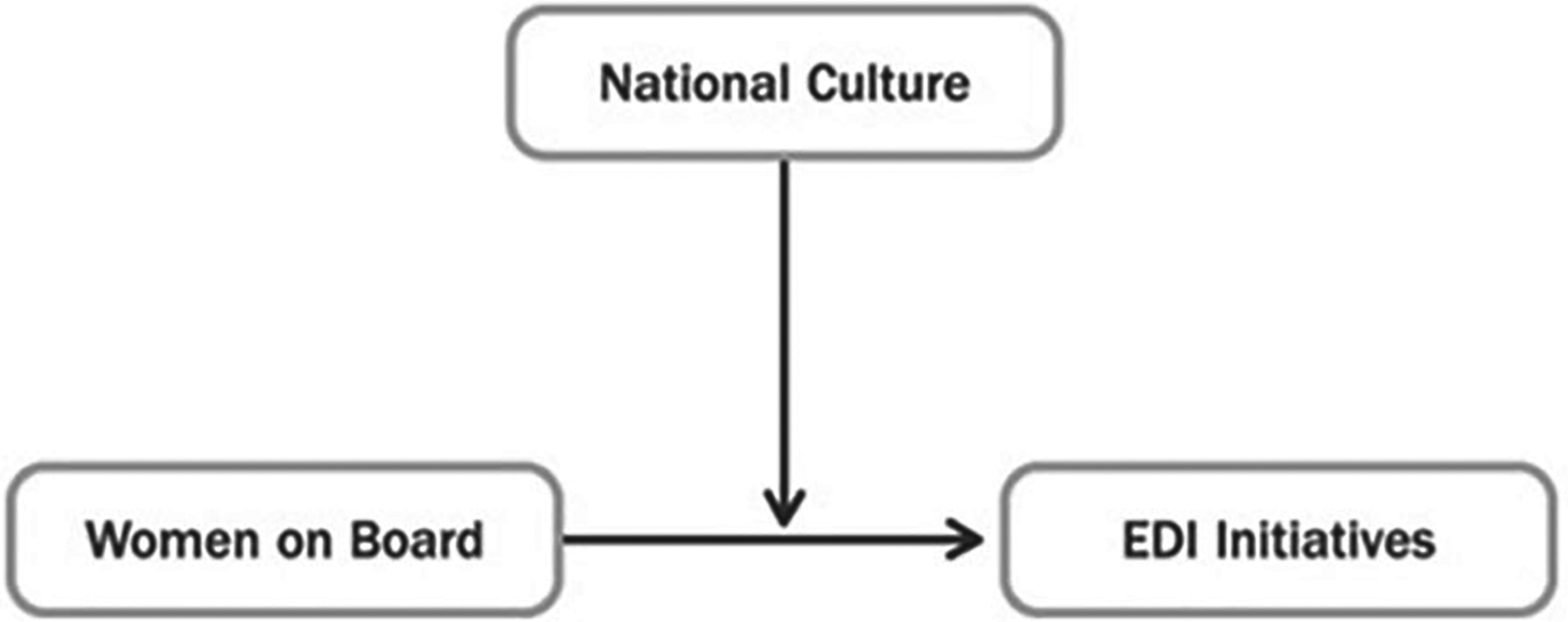
Conceptual framework and relationships.
Resource Dependence Theory
Resource dependence theory asserts that organizations depend significantly on external resources for a sustained competitive advantage (Pfeffer & Salancik, 1978). Within this framework, board composition is pivotal for securing resources, legitimacy, and stakeholder support. Gender-diverse boards offer expanded networks, diverse perspectives, and enhanced stakeholder relationships, which positively impact organizational performance. By fostering diversity, boards demonstrate alignment with stakeholder expectations regarding social responsibility, enhancing legitimacy, and credibility. Previous studies have indicated that diverse leadership significantly contributes to organizational innovation and adaptability, strengthening overall resource acquisition and management capabilities (Hillman et al., 2000).
Resource dependence theory supports the argument that board gender diversity positively influences organizational commitment to social sustainability through proactive advocacy of EDI initiatives. Diverse boards effectively promote inclusivity, thereby enabling broader organizational responsiveness to stakeholders’ demands for equitable representation and social justice. Thus, the foundational hypothesis is as follows:
Hofstede’s Cultural Dimensions Theory
Hofstede’s cultural dimensions theory (Hofstede et al., 2010) offers a robust analytical lens for understanding cultural influences on organizational behavior, decision-making processes, and managerial attitudes. Hofstede identified six critical dimensions: power distance, individualism vs. collectivism, motivation towards success, uncertainty avoidance, long-term vs. short term orientation, and indulgence vs. restraint shape societal attitudes toward equity, diversity, and inclusion. These cultural dimensions moderate how board diversity translates into social sustainability outcomes, influencing whether diversity initiatives succeed or encounter resistance.
Cultural contexts significantly impact how organizations perceive and implement diversity policies. In high-power distance cultures, hierarchical structures might limit inclusive decision- making, whereas individualistic societies could encourage leveraging diverse viewpoints for enhanced EDI outcomes. Consequently, this study proposes that each cultural dimension moderates the influence of board gender diversity on social sustainability.
Power Distance
Power distance, reflecting societal acceptance of hierarchical structures and centralized decision-making, strongly influences governance and organizational behavior. In high-power distance contexts, strict hierarchies and centralized authority diminish the contributions of diverse board members, limiting their impact on social sustainability. Studies indicate that such cultures discourage inclusive practices, negatively affecting organizational transparency and stakeholder engagement (Ringov & Zollo, 2007; Luo & Tang, 2022).
Conversely, low-power distance cultures, characterized by flatter structures and participative decision-making, support diverse leadership contributions and effective EDI advocacy. Inclusive governance practices in these settings enhance stakeholder responsiveness and social sustainability outcomes (Okpara, 2014). Therefore, the following hypotheses are formulated:
Individualism versus Collectivism
Individualism pertains to societies emphasizing personal autonomy and individual goals, often affecting organizational collaboration and decision-making. Collaborative decision-making and consensus building are prevalent in collectivist cultures, creating favorable conditions for inclusive governance and stakeholder integration. These settings enhance board members’ ability to positively influence EDI initiatives, leading to stronger social sustainability practices (Mitchell et al., 2000; Griffith et al., 2006).
In contrast, highly individualistic cultures may restrict inclusivity due to fragmented decision-making and prioritization of individuals over collective goals. Consequently, EDI efforts might face diminished organizational support, weakening their effectiveness (Thanetsunthorn, 2015). Based on these considerations, we hypothesize:
Motivation Towards Success
Motivation towards success denotes societal emphasis on competitive achievement and material gains. Highly successful cultures typically prioritize short-term profitability over long-term sustainability objectives, limiting the influence of board members on comprehensive social sustainability efforts. This competitive environment might reduce incentives to invest in EDI initiatives, as managerial incentives remain tightly coupled with financial performance outcomes (Peng et al., 2021).
Conversely, cultures that are less driven by material success prioritize quality of life and societal harmony, supporting more balanced decision-making and stronger commitments to social sustainability. Organizations in such settings demonstrate greater openness to stakeholder demands and proactive sustainability initiatives (Gallego-Álvarez & Ortas, 2017). Hence, we propose:
Uncertainty Avoidance
Uncertainty avoidance reflects societal preferences for structured environments and predictable outcomes. High uncertainty avoidance cultures typically prefer formalized governance processes and structured policies that could facilitate structured EDI initiatives. Organizations in these environments may embrace clearly defined diversity strategies as mechanisms to reduce ambiguity and stabilize organizational practices (Calza et al., 2016).
Conversely, cultures characterized by lower uncertainty avoidance might resist structured EDI frameworks, viewing them as unnecessary bureaucratic constraints. Nonetheless, they may demonstrate greater flexibility and innovation in informal inclusive practices. Given these dynamics, we hypothesize:
Long-Term versus Short-Term Orientation
Long-term orientation captures societal emphasis on future planning and sustained growth versus immediate outcomes. Societies with a high long-term orientation focus on gradual progress and risk mitigation, potentially delaying immediate responses to evolving stakeholder demands around social sustainability. Such cultures might limit the immediate impact of diverse board perspectives, emphasizing stability over rapid change (Ringov & Zollo, 2007).
In contrast, short-term–oriented societies emphasize quick, visible achievements, potentially favoring the swift implementation of EDI practices. Diverse board perspectives might exert a greater influence under conditions favoring immediate action and visible outcomes (Gallego-Álvarez & Ortas, 2017). Thus, we propose:
Indulgence vs. Restraint
Indulgence characterizes societal openness to pleasure, well-being, and personal freedom. Indulgent societies are typically receptive to diverse perspectives and inclusive governance practices that enhance their social sustainability performance. These cultures foster environments conducive to inclusive decision-making, employee engagement, and stakeholder transparency (Hofstede et al., 2010; Luo & Tang, 2022).
Conversely, societies characterized by restraint prioritize discipline, structure, and control, potentially limiting the effective implementation of comprehensive EDI practices. Such environments may constrain the influence of diverse board members on governance decisions, restricting their advocacy of EDI initiatives (Ringov & Zollo, 2007). Therefore, we hypothesize:
Research Design
This study adopts a positivist research philosophy, leveraging quantitative analysis of secondary data to explore relationships among board diversity, cultural dimensions, and EDI outcomes. A cross-sectional design was selected to analyze patterns across the top 100 global construction organizations at a fixed point in time, aligning with resource dependence theory’s emphasis on external contextual factors (Hillman et al., 2000). The approach prioritizes generalizability and hypothesis testing while acknowledging limitations in establishing causality. Downe-Wamboldt (1992) describes content analysis as a systematic and objective method for analyzing written, verbal, or visual communication. This research technique is widely applied in sustainability-related studies (e.g., Afzal et al., 2017; Torelli et al., 2020) to assess published materials. Krippendorf highlighted the significance of content analysis, suggesting that the extent of disclosure can reflect the importance of a particular issue to the reporting organization (Krippendorf, 1980).
Data Collection and Sample Profile
Data were gathered from publicly accessible sources, specifically annual reports, sustainability disclosures, and corporate websites of the top 100 global construction organizations, as listed by Engineering News-Record (ENR). This approach aligns with similar studies (e.g., Afzal et al., 2017) using secondary data to access social sustainability and board diversity. By focusing on these leading organizations, the study leverages a representative sample that offers insights into practices within diverse geographic and cultural contexts, as well as across varying organizational structures.
The top 100 ENR-listed organizations were selected to ensure representation of industry leaders driving EDI practices. This cutoff was chosen to balance data availability and analytical depth, capturing ∼80% of total global construction revenue (Engineering News-Record [ENR], 2023). While the sample reflects market dominance, sensitivity analysis confirmed no significant skewing by region or revenue tier. For each organization, detailed information on board composition and EDI policies were extracted, with specific attention given to gender diversity on the board and the extent of EDI initiatives reported. This methodology aligns with previous approaches to examine social sustainability in project-based organizations (Karakhan et al., 2020; Dhanasekar et al., 2023), allowing for cross-sectional analysis that links organizational structure to EDI performance.
Organizations use corporate social responsibility and ESG reporting to communicate their environmental, financial, and social goals to stakeholders. Although some view these disclosures as indicators of genuine sustainability performance, others argue they primarily serve to shape perceptions (Herbohn et al., 2014). Armache (2012) suggests that transparency in reporting and a strong reputation for diversity attract talent and enhance employee performance when diversity is valued (Choi & Rainey, 2010; Momin & Chong, 2023). Additionally, voluntary diversity disclosures may indicate efforts to address systemic inequalities and improve diversity initiatives (Adediran, 2023; Hossain et al., 2016).
For each organization, both the annual report and any stand-alone sustainability reports from 2022 through 2023 were collected and reviewed to determine whether social responsibility and EDI commitments were included. Additionally, organizational websites were examined for relevant information on EDI initiatives. Data collection was conducted via organizations’ websites in June 2023, and any data released after this period was not included in the study.
The sample was segmented into countries for the purpose of analysis. Table 2 shows all the countries that are represented in the sample. The largest group was China, comprising 40 organizations, followed by the United States and South Korea containing 25 and 10 organizations, respectively. It was noted that some organizations lacked a stand-alone report but maintained prominent website sections dedicated to diversity and inclusion, from which data was extracted. Out of the 100 organizations selected, information from 82 was deemed valid, with the rest being inaccessible. The presence of women on boards was also noted by manually reviewing each organization’s official website or report.
Content Analysis Procedure
A structured coding framework was developed based on prior research in sustainability reporting and diversity management (Afzal et al., 2017; Campbell & Vera, 2010). The coding framework defined EDI disclosure categories, including general diversity policies, gender diversity, ethnic diversity, LGBTQ + inclusivity, and disability inclusion. Each disclosure category was further operationalized into specific indicators such as the presence of gender diversity targets, board diversity composition, and inclusive recruitment policies.
Organizations were evaluated using a three-level scoring system to assess the depth and specificity of EDI disclosures. A score of 0 was assigned when there was no mention of a given diversity category; 1 when diversity was acknowledged as a corporate priority without evidence of concrete policies or initiatives; 2 when there was evidence of specific initiatives or policies addressing diversity dimensions; and 3 when organizations demonstrated a comprehensive EDI strategy with measurable outcomes and regular reporting. The total EDI score for each organization was computed by summing scores across all diversity categories, with a maximum possible score of 17 points.
To ensure reliability, two independent researchers conducted the coding process. A random subset comprising 20% of the sample was double-coded, and any discrepancies were resolved through discussion. Intercoder reliability was assessed using Cohen’s Kappa coefficient, achieving a value of 0.85, which indicates strong agreement and coding consistency (Landis & Koch, 1977). Additionally, content extracted from corporate reports was cross verified with data from company websites and third-party sources such as Global Reporting Initiative (GRI) disclosures. The most recent and detailed source was prioritized when discrepancies were identified to enhance accuracy.
Reliability and Validity Assurance
To ensure methodological rigor, several measures were implemented to enhance the reliability and validity of the content analysis. Reliability was strengthened through a pretest conducted on a pilot sample to refine coding definitions and ensure consistency before the full-scale analysis. Periodic coder calibration meetings were held to maintain alignment throughout the data extraction process. The use of standardized coding manuals minimized subjectivity, improving reproducibility.
Validity was ensured through multiple approaches. Construct validity was reinforced by grounding the coding framework in established literature on corporate diversity disclosures (Afzal et al., 2017; Karakhan et al., 2020). Content validity was established through expert review, in which three independent diversity and sustainability researchers evaluated the coding framework prior to its application.
Measures
Dependent Variable
Social sustainability performance is operationalized as the total EDI score, representing each organization’s commitment to diversity, equity, and inclusion. Following the scoring methods used in studies, such as those by Campbell and Vera (2010) and Afzal et al. (2017), the EDI score aggregates disclosures on various diversity metrics such as gender representation, ethnic diversity, and inclusion initiatives. This score is derived through content analysis of organization reports, with each organization’s disclosures rated based on the depth and breadth of its EDI policies. This scoring provides a quantitative measure of social sustainability performance, aligning with the concept of social sustainability as defined by McKenzie (2004) and further explored by Kordi et al. (2022).
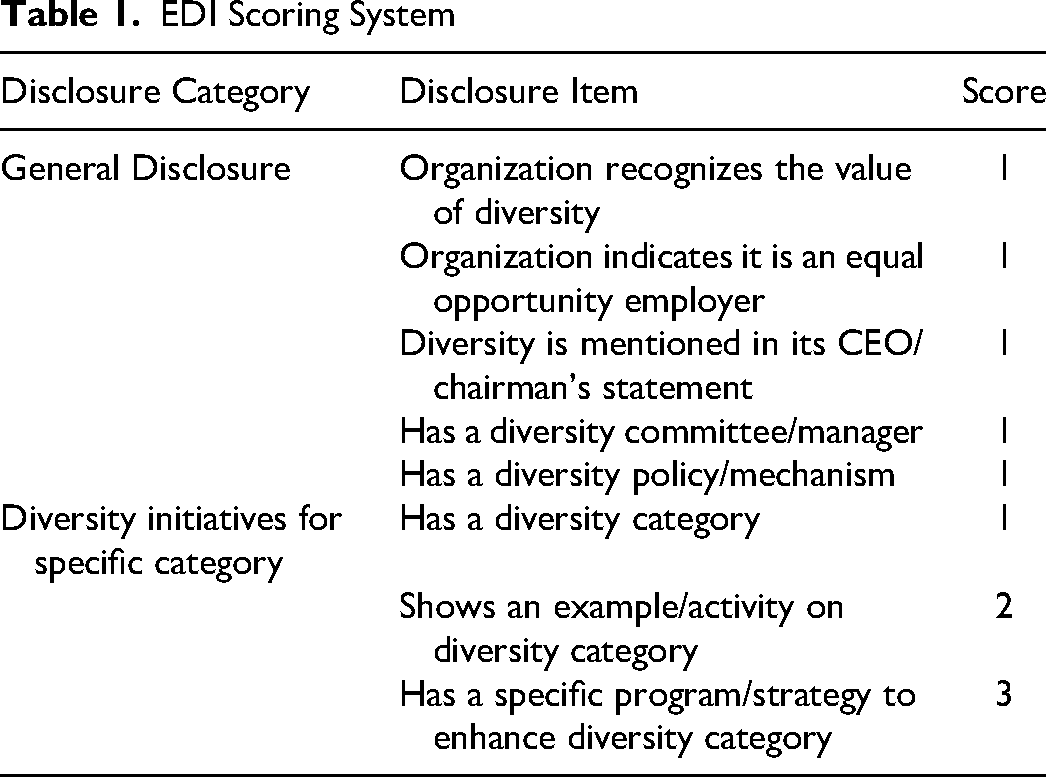
First, general diversity disclosures of each organization were assessed based on the measurement items mentioned in Table 1, with each item scored as 1 for disclosure and 0 for nondisclosure. After that, a three-level score for each diversity category based on information quality and detail was developed. A score of 0 was given to organizations that did not mention or acknowledge a particular diversity dimension. A score of 1 was given to organizations that recognize the importance of a diversity dimension but lack detailed evidence of active policies; a score of 2 was given to organizations that not only acknowledge diversity but also implement specific initiatives targeting that dimension, and a score of 3 was given to organizations that have a specific program/strategy to enhance diversity. The sum of these scores provided a total diversity score for each organization, serving as an indicator of workforce diversity performance. Each organization could get a maximum EDI score of 17 points.
EDI Scoring System
Independent Variables
The primary independent variable is board gender diversity, measured as the proportion of women on the board. Gender diversity has been shown to influence organizational outcomes in several studies (Roberson et al., 2017; Baker et al., 2021b) and is particularly relevant in construction, where representation gaps are prevalent (U.S. Bureau of Labor Statistics, 2022).
Moderating Variables
Six of Hofstede’s cultural dimensions of power distance, individualism vs. collectivism, motivation towards success, uncertainty avoidance, long-term vs. short term orientation, and indulgence vs. restraint are included to assess the moderating effects of national culture on the relationship between board gender diversity and social sustainability performance. Power distance reflects the degree to which hierarchical structures are respected, potentially affecting how board diversity impacts EDI policies. Motivation to success and individualism capture cultural attitudes toward competition and collaboration, potentially influencing inclusivity (Hofstede et al., 2010). These cultural dimensions have been shown to shape organizational values and behaviors, particularly concerning inclusivity (Wright, 2013; Pilcher & Whelehan, 2016).
Data Analysis and Hypothesis Testing
Data analysis was conducted in SPSS using multiple regression to examine the effects of Hofstede’s cultural dimensions and board gender diversity on the total EDI score. Data was loaded into SPSS, including variables such as the rate of women on boards, power distance, individualism, motivation towards success, uncertainty avoidance, long-term orientation, and indulgence, with the total EDI score as the dependent variable.
In Model 1, a standard multiple regression tested the direct impact of these predictors on EDI. SPSS provided R, R², adjusted R², and significance levels, enabling assessment of variance explained and identification of significant factors. Model 2 introduced moderating variables (M1 to M6) to explore if these affected the relationship between primary predictors and EDI scores. The model summary offered additional insights through F Change and Sig. F Change values, which indicated that the moderators did not significantly improve the model’s explanatory power. Significant direct effects in Model 1 were noted for variables such as power distance, uncertainty avoidance, and indulgence.
The study drew on Hofstede’s well-validated cultural dimensions (The Cultural Factor Group, 2024), ensuring accuracy in capturing cultural characteristics. Interrater reliability checks on EDI scoring, with two independent coders, achieved consensus, following established content analysis practices (Afzal et al., 2017). Additional robustness checks and sensitivity analyses confirmed the consistency and stability of findings across various cultural contexts.
Results
Descriptive Analysis
The analysis of EDI disclosure among the top 100 global construction organizations shows that 40% published their EDI commitments on websites, 19% issued separate sustainability reports, and 18% included EDI initiatives in their annual reports, as illustrated in Figure 2. Notably, only 13% released information through ESG reports, with a concentration on financial reporting among Chinese and U.S. organizations. Some Chinese organizations used CSR-based models for EDI reporting, aligning with findings from previous research on inconsistent sustainability disclosures in construction due to project-based operations (Alnsour et al., 2022; Datta et al., 2023).
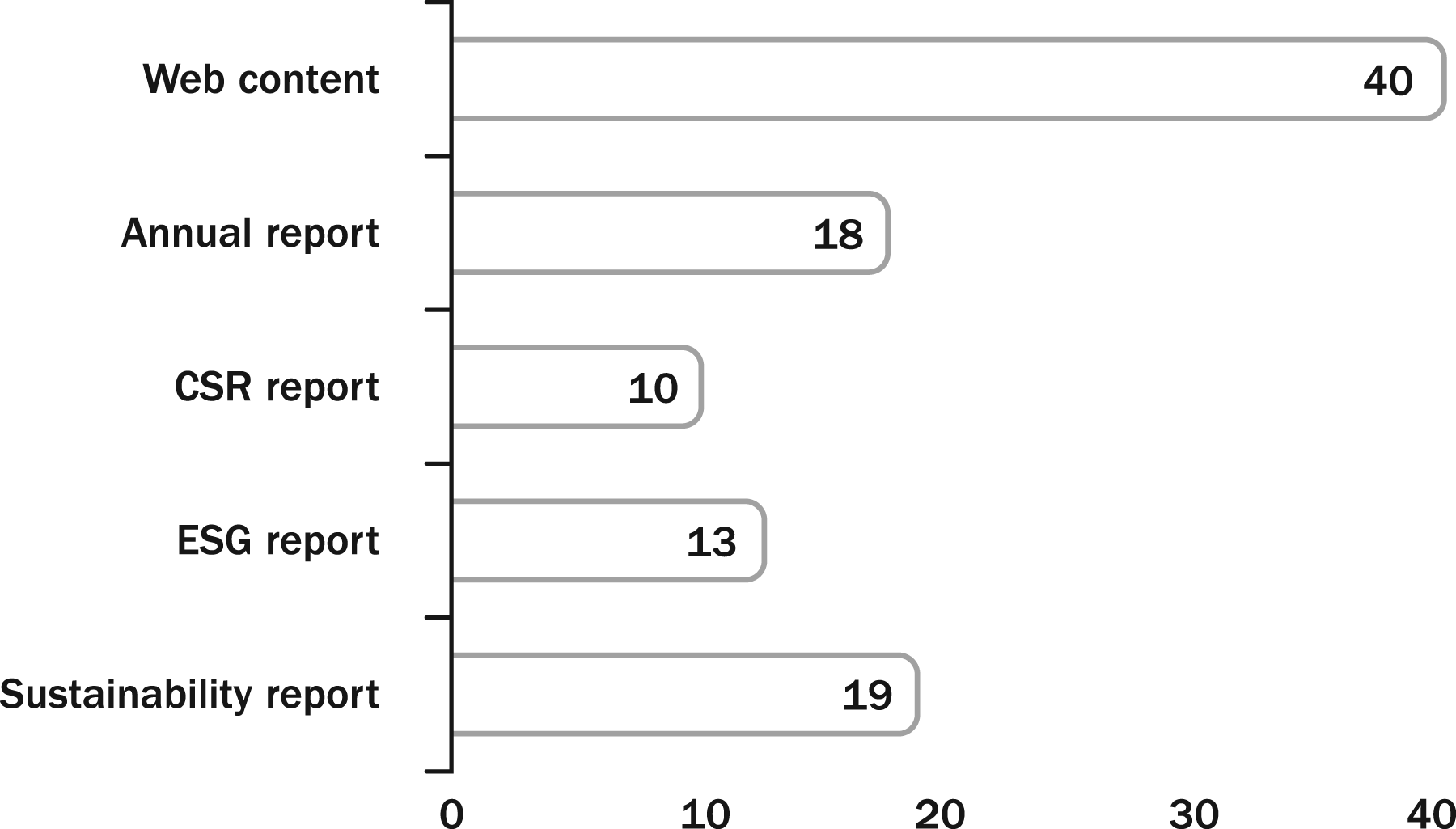
Sustainability disclosure of the sample organizations.
As shown in Table 2, construction organizations in Australia, Portugal, France, and Canada achieved the highest scores, indicating a strong commitment to EDI and measurable progress. For example, Montaengil’s sustainability report notes a 30% increase in women in management roles. In contrast, Chinese organizations reported the lowest scores, with only seven firms publishing sustainability reports for 2022–2023.
EDI Scores of Countries Across Various Categories
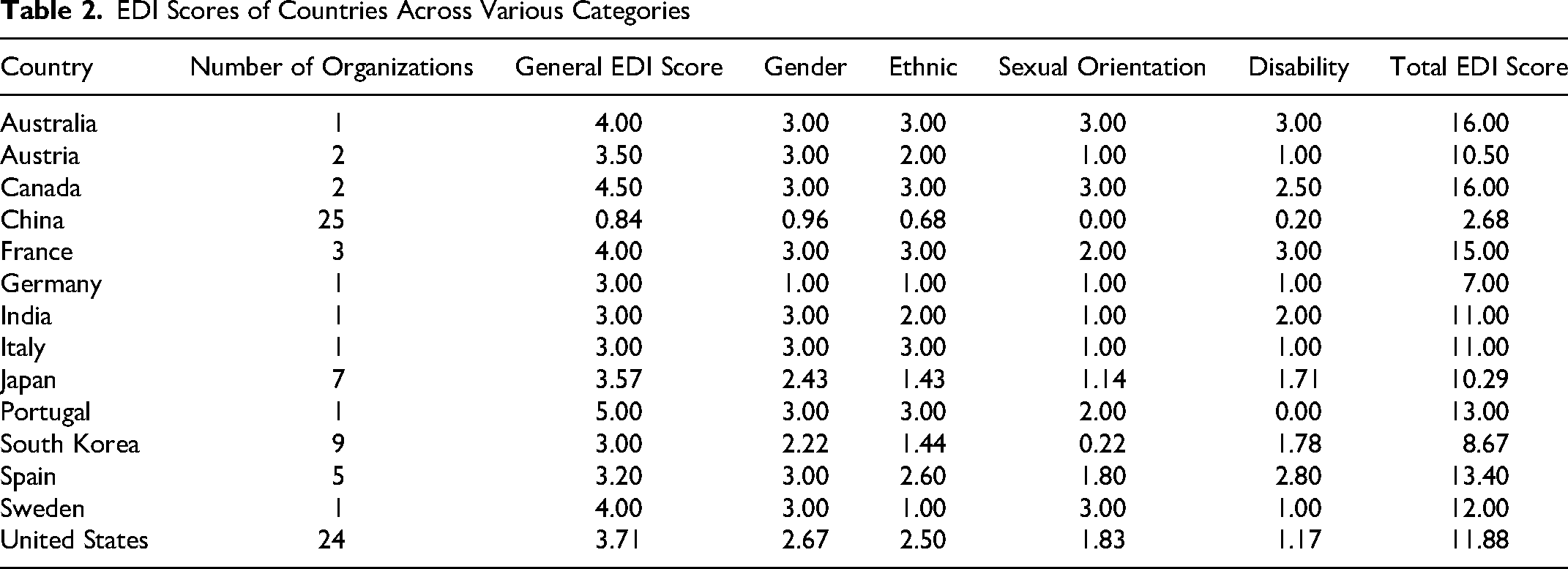
Table 2 highlights significant variation in gender diversity scores across countries. Australia, Canada, France, Italy, and Spain score around 3.0, reflecting a high level of commitment to gender inclusivity. Conversely, China scores notably low (0.96), showing limited gender diversity efforts. Japan and South Korea show moderate progress, scoring below 3.0, whereas the United States has a mid-range score of 2.67, indicating mixed commitment levels.
Ethnic diversity scores are also lower than gender diversity in many countries. Australia, Canada, France, Portugal, and Spain achieve high scores in this area, whereas Chinese organizations score the lowest (0.68), reflecting minimal focus on ethnic diversity. Terms used for ethnic groups vary; U.S. organizations often refer to “race” and “indigenous groups,” European organizations use “cultural background” and “ethnicity,” and Chinese firms emphasize “foreign employees.”
For sexual orientation diversity, U.S. organizations lead, likely due to more established LGBTQ + workplace equality initiatives. In China, no organizations address sexual orientation, reflecting limited protections for LGBTQ + employees (Badgett et al., 2021).
Disability diversity scores show Australia and France leading (3.0), with Canada and Spain at moderate levels (2.5 and 2.8). In contrast, the United States (1.17), South Korea (1.78), and Japan (1.71) show limited prioritization, and China scores the lowest (0.20), indicating minimal disability inclusion in its construction sector.
Hypotheses Testing
To meet objectives three and four of this study, a regression analysis was conducted to examine the influence of women on boards and Hofstede’s cultural dimensions on organizations’ social sustainability performance measured as overall EDI score. Two regression models were developed: Model 1 to test the direct effects and Model 2 to assess the moderating effects of specific cultural dimensions.
In Model 1, primary predictors, including women on boards, indulgence, uncertainty avoidance, power distance, motivation towards success, long-term orientation, and individualism, accounted for approximately 67.1% of the variance in total EDI score (R² = .671, Adjusted R² = .635), as shown in Table 3. This high R² value indicates that these cultural and diversity-related factors significantly explain EDI outcomes. The model was statistically significant (F = 18.926, p < .001), affirming that the collective influence of these predictors contributes substantially to explaining variations in EDI scores.
Summary of Regression Model

In Model 2, additional moderators (M1 to M6) were incorporated to explore potential interaction effects. The inclusion of these moderators marginally increased the explained variance to 71.7% (R² = .717, Adjusted R² = .655), reflecting a 4.6% increase in R² compared to Model 1. However, this increment was not statistically significant (F Change = 1.600, p = .163), suggesting that the moderators did not significantly enhance the predictive power of the model beyond the main effects captured in Model 1.
Overall, these findings highlight the robustness of Model 1, where direct effects are notable, whereas the additional interaction terms tested in Model 2 do not add significant explanatory power. This indicates that the primary cultural and gender diversity factors themselves are strong predictors of EDI, with limited moderating impact from the other tested variables.
The results of hypothesis testing are presented in Table 4. Each hypothesis was evaluated based on the significance and direction of the relationships observed in the regression analysis, and the findings are summarized below.
Hypothesis Testing
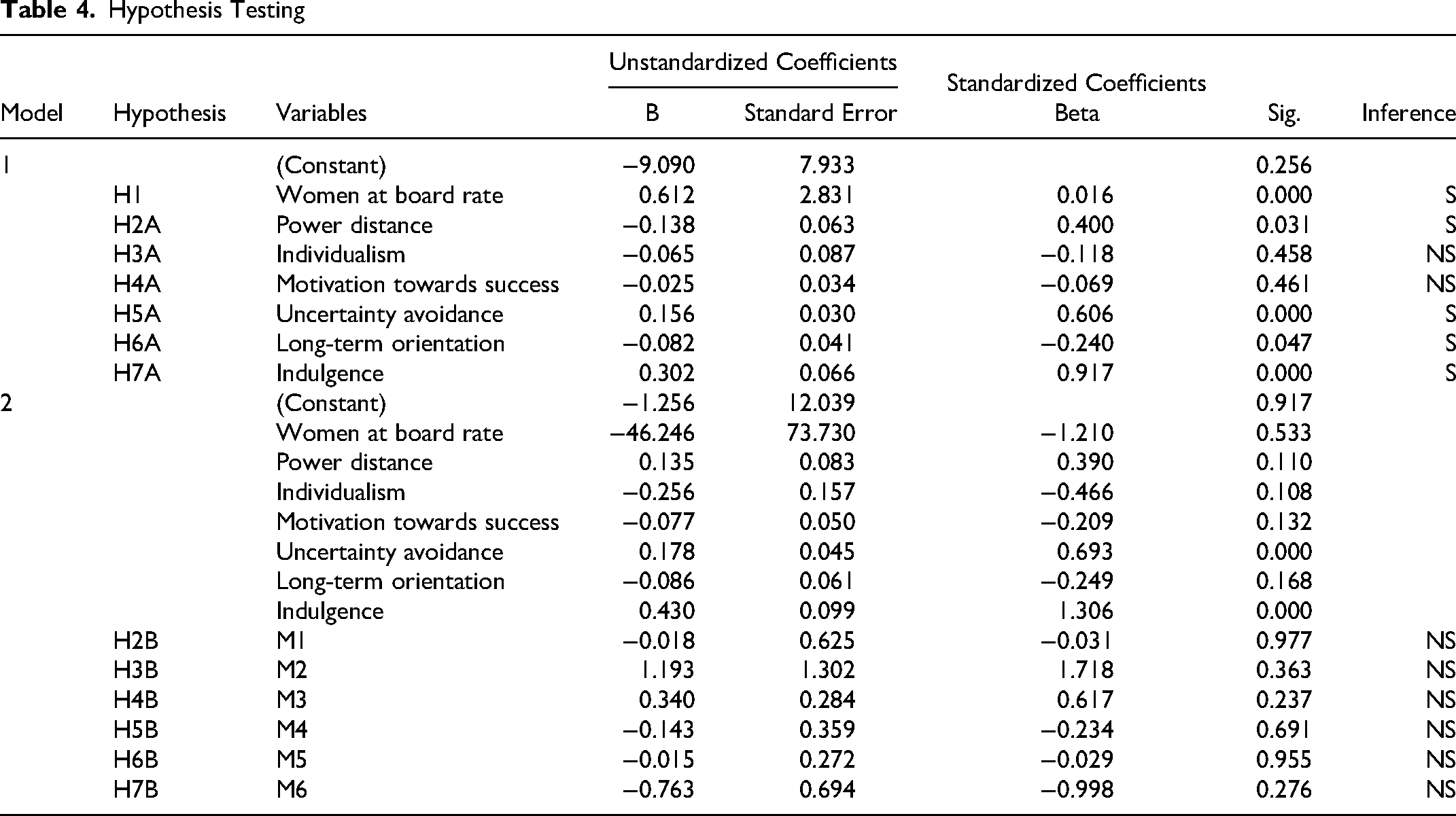
The results supported Hypothesis 1, confirming that increased female board representation positively influences EDI scores (B = 0.612, t = 4.216, p < .001). This finding aligns with existing literature suggesting gender-diverse boards foster inclusivity through broader perspectives and improved resource access. Similarly, Hypothesis 2A was confirmed, revealing a negative relationship between power distance and EDI scores (B = -0.138, t = -2.199, p = .031). This outcome reflects prior research indicating hierarchical cultures often resist diversity efforts due to rigid authority structures. Contrary to expectations, Hypothesis 3A was not supported, with individualism showing a nonsignificant impact on EDI practices (B = -0.065, t = -0.746, p = .458). This suggests individualism may not substantially influence diversity initiatives in the construction sector, differing from its effects noted in other industries. Likewise, Hypothesis 4A, which anticipated a negative effect of motivation towards success, was unsupported (B = -0.025, t = -0.741, p = .461), possibly reflecting the collaborative and team-oriented nature of construction projects. In contrast, Hypothesis 5A received strong support, as uncertainty avoidance positively correlated with EDI scores (B = 0.156, t = 5.128, p < .001), indicating structured, predictable environments better institutionalize diversity policies. Hypothesis 6A, predicting a negative association between long-term orientation and EDI scores, was confirmed (B = -0.082, t = -2.029, p = .047), suggesting short-term cultures prioritize immediate diversity outcomes. Finally, Hypothesis 7A was strongly supported, demonstrating indulgent cultures’ openness to inclusivity (B = 0.302, t = 4.577, p < .001).
As shown in Table 4, while the direct effects of uncertainty avoidance and indulgence remained significant in Model 2, the previously significant effects of women at the board rate and power distance were no longer statistically significant, suggesting that these relationships may be sensitive to additional contextual factors not captured by the moderators tested. Among the moderators (M1 to M6), none reached significance, indicating that these variables did not significantly alter the relationship between the primary predictors and EDI scores. For example, M1 (p = .977), M2 (p = .363), and M6 (p = .276) all had p values well above the conventional threshold of .05, suggesting that their interaction effects were not statistically meaningful. Thus, hypotheses H2B, H3B, H4B, H5B, H6B, and H7B are not supported.
Table 5 presents correlations between the percentage of women on boards and various diversity dimensions. A strong, significant positive correlation was found between the percentage of women on boards and total EDI scores (0.645**), suggesting that organizations with more women on their boards are likely to have stronger EDI practices and outcomes. Moreover, board gender diversity was significantly correlated with gender (0.505**), ethnic (0.645**), sexual orientation (0.617**), and disability diversity (0.411**) EDI components, supporting the link between gender-diverse boards and broader EDI advocacy.
Correlations Among Women on Board, Cultural Dimensions, and EDI Scores
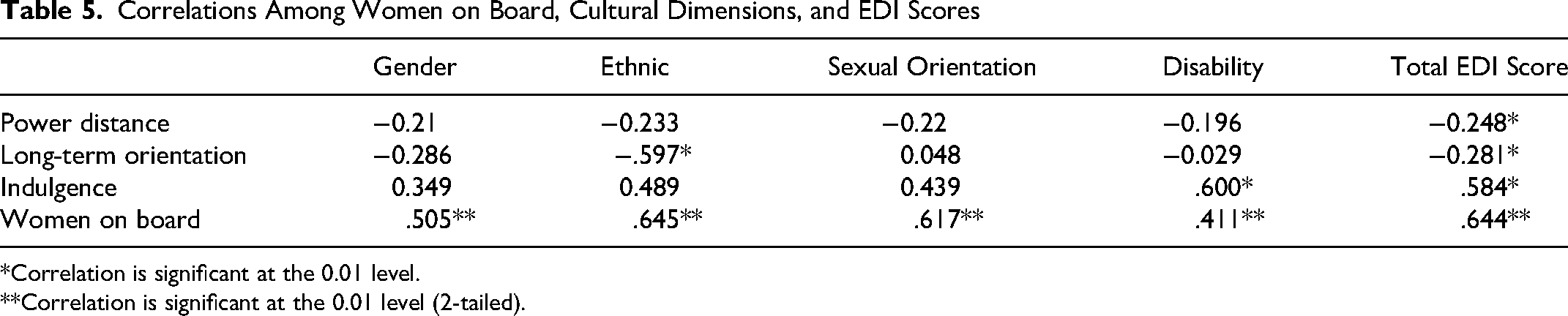
Correlation is significant at the 0.01 level.
Correlation is significant at the 0.01 level (2-tailed).
The correlations between Hofstede’s cultural dimensions and average diversity scores of various countries are reported in Table 5. It is found that power distance has a small negative significant correlation (-0.248*) with the total EDI score. These negative values suggest that in cultures with high power distance, there is less support for diversity across these categories. This is consistent with hierarchical cultures where inequality in power is accepted, potentially limiting diversity initiatives. The negative correlation between EDI scores and power distance (-0.248*), indicates that higher power distance cultures are less likely to support comprehensive EDI initiatives. For instance, China has the highest score of power distance in the sample and Chinese organizations have the lowest overall EDI score.
Long-term orientation shows negative correlations with most EDI variables, including gender (-0.286) and ethnic diversity (-0.597*), with the latter being statistically significant at the 0.05 level. This suggests that cultures with a long-term orientation may be less focused on immediate diversity improvements, particularly regarding ethnic diversity. The overall EDI score also correlates negatively (-0.281*), implying that long-term–oriented cultures may not prioritize EDI initiatives in the short term.
Indulgence shows positive correlations with all EDI variables with disability (0.600*) being statistically significant at the 0.05 level. This suggests that indulgent cultures, which value personal freedom and gratification, are more supportive of diverse groups, especially regarding disability inclusion. The overall EDI score has a strong positive correlation (0.584*), indicating that indulgent cultures are generally more favorable toward EDI initiatives. This is evident from the sample the Australia and Swedish organizations have scored high in the over EDI score.
Discussion
This study examined the relationship between board gender diversity and EDI practices within a project-based organizations in the global construction industry, highlighting how national cultural dimensions moderate this relationship. Consistent with previous research (Alnsour et al., 2022; Datta et al., 2023), our findings revealed significant regional discrepancies in EDI practices, particularly regarding gender diversity. Organizations with higher female board representation exhibited stronger diversity scores across multiple EDI dimensions, aligning with the literature that associates gender diversity with enhanced social disclosures (Wukich et al., 2024. Additionally, these findings reinforce that leadership composition significantly shapes organizational commitments to EDI (Duppati et al., 2020), suggesting a bidirectional relationship where inclusive cultures promote gender-diverse leadership, which, in turn, reinforces broader inclusivity (Baker et al., 2021a). However, although gender diversity is positively associated with overall EDI scores, dimensions such as ethnicity and sexual orientation remain underrepresented, particularly in regions with more traditional cultural norms (Badgett et al., 2021; Isingizwe et al., 2023).
Our analysis also highlighted the moderating role of national cultural dimensions in influencing the effectiveness of diversity initiatives. Specifically, high power distance negatively impacted EDI scores, indicating that hierarchical cultures may resist inclusive practices, consistent with prior findings (Ahmed et al., 2022; Hofstede, 1984). Conversely, more indulgent societies, such as Australia and Sweden, displayed higher EDI scores, particularly concerning disability inclusion, supporting previous research suggesting indulgent cultures are more receptive to inclusivity (Gallego-Álvarez & Ortas, 2017; Hofstede et al., 2010). Furthermore, uncertainty avoidance positively correlated with EDI scores, indicating structured environments prefer formalized diversity initiatives. Organizations within high uncertainty–avoidance cultures likely perceive structured EDI policies as stabilizing factors, aligning with Hofstede et al.’s (2010) framework, which argues that predictability facilitates institutionalizing diversity.
Theoretical Contributions
This study significantly advances the theoretical understanding of EDI in organizations by integrating resource dependence theory (Pfeffer & Salancik, 1978; Hillman et al., 2000) with Hofstede’s cultural dimensions framework (Hofstede et al., 2010). Our findings support resource dependence theory by demonstrating that diverse boards provide broader perspectives and resources, enhancing organizational capacity to implement inclusive policies. Thus, board gender diversity is positioned as a crucial resource facilitating EDI initiatives, moving beyond the traditional financial focus of resource dependence theory (Meckling & Jensen, 1976). This study extends the literature by illustrating how internal governance structures, specifically diverse leadership, interact with external cultural contexts to shape organizational behaviors and social sustainability performance.
Furthermore, applying Hofstede’s cultural dimensions framework provided valuable cross-cultural insights, highlighting the influence of macrolevel cultural attributes on organizational diversity practices. The moderating effects of cultural dimensions, such as power distance, indulgence, and uncertainty avoidance, offer deeper theoretical understanding of why EDI initiatives vary in effectiveness across different national contexts. By integrating cultural dimensions with internal organizational practices, this study offers a nuanced model explaining regional differences in EDI outcomes, thus enriching both resource dependence and cross-cultural management theories.
Practical Implications
The practical implications of this research are substantial for industry leaders and policymakers within the construction sector. Given the positive relationship identified between board gender diversity and enhanced EDI practices, organizations should proactively appoint women to leadership positions to foster inclusive cultures. Multinational construction firms must consider local cultural contexts when developing and implementing EDI policies. For instance, companies operating in hierarchical societies characterized by high power distance should prioritize structured and formalized EDI initiatives to overcome cultural resistance. Conversely, in indulgent societies, emphasizing flexible work arrangements and disability inclusion can effectively leverage the openness to inclusivity characteristics of these cultures (Gallego-Álvarez & Ortas, 2017).
Additionally, this study highlights the importance of incorporating comprehensive EDI metrics into sustainability reporting frameworks. Firms should enhance transparency by integrating detailed EDI disclosures into their ESG reports. Such practices can not only increase organizational accountability for EDI progress but also enhance brand reputation and attractiveness to socially conscious investors, thereby improving market competitiveness. By strategically aligning diversity initiatives with specific cultural contexts, organizations can more effectively address talent shortages and foster socially sustainable and inclusive workplaces.
Limitations and Future Research Directions
Despite these contributions, this study has certain limitations that highlight avenues for future research. The cross-sectional design restricts the ability to draw causal inferences among board diversity, cultural factors, and EDI outcomes. Longitudinal research would be valuable to establish causal relationships and track the temporal dynamics involved. Furthermore, our exclusive focus on gender diversity within leadership does not fully capture the multifaceted nature of diversity. Future studies should broaden the scope to include other dimensions, such as ethnicity, age, and intersectionality, offering a more comprehensive understanding of diversity dynamics within the construction industry.
Additionally, reliance on publicly available data may have overlooked internal organizational nuances regarding EDI practices. In-depth qualitative methodologies, such as case studies or interviews, could provide richer insights into how board diversity influences EDI initiatives across various cultural contexts. Lastly, the study focused on the top 100 global construction organizations, potentially limiting generalizability to smaller firms or specific regional contexts. Future research could examine these relationships in different organizational sizes and regional settings, potentially uncovering unique size-dependent or locality-specific effects. These directions promise to enrich our understanding further and offer practical guidance for enhancing diversity practices within the construction sector.
Conclusion
This study contributes to the literature on social sustainability by demonstrating the critical role of board gender diversity and cultural dimensions in shaping EDI practices within the construction industry. Drawing on resource dependence theory, the findings highlight that organizations with greater female representation at the leadership level exhibit more comprehensive EDI initiatives. This supports the notion that gender diversity within leadership fosters a broader organizational commitment to inclusivity. Moreover, by examining the moderating influence of Hofstede’s cultural dimensions, such as power distance, uncertainty avoidance, and indulgence, this research highlights the cultural specificity of diversity strategies. These insights emphasize that leadership diversity alone may be insufficient to achieve optimal EDI outcomes without alignment with supportive cultural attributes.
Nevertheless, this study has certain limitations. The cross-sectional research design restricts causal inferences, limiting our ability to conclude definitively whether increased gender diversity directly enhances EDI practices or whether inclusive organizations are simply more likely to appoint women to leadership roles. Additionally, this study focuses on selected cultural dimensions and EDI indicators, which, while providing targeted insights, exclude other relevant factors such as age diversity, socioeconomic background, and intersectionality. These dimensions could further explain EDI practices and reveal nuances not captured in this analysis. The industry-specific scope also limits the generalizability of the findings, as the construction sector has unique structural and operational characteristics that may not directly translate to other industries.
Future research should consider longitudinal approaches to more accurately assess the causal relationship between board diversity and EDI practices, providing insights into how diversity influences organizational evolution over time. Expanding the scope to include additional diversity dimensions, such as intersectionality, would enrich the understanding of EDI practices across diverse sectors and cultural contexts. Further exploration into the barriers to EDI in non-Western and high-power distance cultural settings could also offer deeper, culturally contextualized perspectives on effective diversity strategies. Through these avenues, future research can build upon this study’s findings, advancing the development of inclusive organizational practices across diverse global contexts.
Footnotes
Declaration of Conflicting Interests
The author(s) declared no potential conflicts of interest with respect to the research, authorship, and/or publication of this article.
Funding
The author(s) received no financial support for the research, authorship, and/or publication of this article.
