




Abstract
The main objective of this paper is to investigate the coexistence of polymers and nanoparticles, demonstrating improved mechanical and corrosion resistance characteristics when applied to mild steel surfaces. For this investigation, various polymer-based hybrid nanocomposite combinations were considered. Combinations of nanomaterials, such as multiwalled carbon nanotubes (MWCNTS), zinc oxide (ZnO), cerium oxide (CeO2), silicon oxide (SiO2), and graphene oxide nanoparticles (GO), as well as polymers including polyester, phenolic, epoxy, and polyurethane were employed. Mild steel samples covered with hybrid nano composites underwent 3.5% NaCl immersion and standard Salt Spray (Fog) test method ASTM B117:2016 to evaluate their corrosion resistant qualities. Tensile strength test (A370:2017) and hardness test [IS 101(Part-5, Sec.2):1988] were performed and determined the mechanical properties. An ideal proportion of polymer and nanoparticles combination that results in both enhanced mechanical and corrosion resistance characteristics was determined in this study. From the obtained results, epoxy resin has been exhibited a 97% corrosion resistance, with a 10% increase in tensile strength around 700 mg of surface hardness. The MSPS3 recorded with the highest of all the combination values of 89% corrosion resistance, 400 mg of surface scratch hardness and 25% increased tensile strength. In case of MZPU2, 80% corrosion resistance, 25% increased tensile strength with 600 mg of surface hardness. Whereas MGPH1 shown 69% anticorrosion, 600 mg of scratch hardness and 27% rise in tensile strength. With these outputs, this research can be applied to various materials for different engineering applications.
Keywords
Introduction
Corrosion is the process by which the external environment causes a chemical reaction on a metal surface, reducing the metal’s strength. When ferrous material comes into contact with chemicals and atmospheric moisture, an electrochemical reaction known as corrosion naturally occurs. Corrosion has a negative impact on the structure and is a major risk to building engineering. Steel structures corrode and crumble as a result. Numerous oil pipelines sustain damage, which might result in chemical plant leaks, etc. The cost of maintaining a structure increases due to corrosion. Corrosion causes a reduction in shear capacity, ductility, and structural strength. 1
Adhering to corrosion resistance techniques is essential to preventing corrosion in the buildings. The finest quality features are possessed by multi-walled carbon nanotubes (MWCNT), which find extensive commercial uses. When included into a composite construction, MWCNT functions well as an electrical conductor. With a length to diameter ratio of 100:1, it has a high aspect ratio. 2 Its tensile straightness is outstanding. Nonetheless, thermoset or thermoplastic materials can boost strength. MWCNTs as materials for woven or non-woven fabrics or as resin implants When bucky paper is submerged in thermoset resins, it significantly improves the quality and hardness of composite structures, such as golf club shafts and structural laminates used in aerospace applications.3,4
The silica-based organic and inorganic material has numerous benefits, including outstanding strength, superior barrier performance, and ease of processing. Catalysts, optical devices, protective coatings, and composites are its principal applications. Nanotechnology The chemical compound silicon oxide (SiO2), often known as silica, is an oxide of silicon. Silica is what sand is thought to be. Another name for silicon oxide nanoparticles is silica nano-silica. The primary use of silica nanoparticles is as an addition in rubber and polymers. They serve as reinforcing fillers in composite construction materials. By incorporating SiO2 nanoparticles into the resin composition, diapering the material can enhance its performance. The materials' improved surface finishing qualities, strength, elongation, anti-aging, and water resistance are all examples of the improvement. 5 Epoxy resin (E) substance is distinguished by its strong electrical characteristics and resistance to chemicals. It is quite strong and absorbs little moisture. Two significant categories of epoxy resins are non-glycidyl and glycocidyl epoxy. Epoxy is exceptionally strong mechanically. In comparison, it is less expensive. Epoxy resin is incredibly resistant to chemicals. It also has thermal resistance. It is the perfect chemical for usage in electronics, electrical systems, and other industrial settings. Epoxy resins have minimal curing contraction and exceptional mechanical strength. The most widely used nanofillers include carbon nanotubes, montmorillonites, fullerenes, and nano silica. 6
Utilizing acetonitrile at 70°C, a straightforward and efficient green in situ solvothermal reduction technique of multi-layered graphene oxide (MLGO) was created to create a hydrophobic and corrosion-resistant epoxy coating on carbon steel. FT-IR, TGA, Raman spectroscopy, and mapping EDX research demonstrated that acetonitrile was a successful solvothermal reducer of MLGO. In comparison to MLGO/epoxy, the long-term salt spray and EIS analysis demonstrated that reduced multi-layered graphene oxide (RMLGO)/epoxy nano-coating provided better corrosion protection. The hydrophobic property of the RMLGO/epoxy coating was confirmed by the water contact angle tests, which yielded results of 66.66°, 72.18°, and 91.66° for the pure epoxy, MLGO/epoxy, and RMLGO/epoxy coatings, respectively. Additionally, TEM pictures demonstrated that the RMLGO generated by in situ solvothermal reduction had a higher grade of dispersion than that of ex-situ solvothermal reduction
Mild steel is essential to a civil engineering structure’s longevity, while carbon steels' performance is typically compromised by surface characteristics including surface roughness and surface energy from corrosion.1,7 Because of the decline in shear capacity, ductility, bond strength, and structural strength, it is seriously affecting the building industry.8,9 There have been numerous attempts to improve the tensile strength and prevent corrosion of mild steel by surface coating techniques such as inorganic coatings, paints, resins, alloying additives, and many more. Numerous resin kinds have been independently investigated in the literature and have been shown to be highly successful in preventing the corrosion of civil structures. Numerous investigators have assessed the anticorrosion capabilities of diverse resin coating varieties on mild steel surfaces. When applied to galvanized steel, epoxy-silane hybrid coatings with coating ratios ranging from one to three wt percent have been shown to increase the surface’s adhesion and corrosion behavior. However, when applied up to 5 weight percent, the surface’s corrosion and adhesion performance was reduced.10,11 The results of the scanning Kelvin probe (SKP) demonstrate that cathodic delamination of polyurethane/multiwalled carbon nanotube composite coatings up to 0.5 wt percent on steel substrate has improved the corrosion protection performance in the NaCl solution.
Potentiodynamic polarization tests and EIS corrosion-performance evaluation studies in a 3.5 wt% NaCl solution have demonstrated that the MWCNT in polypyrrole (PPY) coating has significantly decreased the corrosion rate. 12 It’s interesting to note that the PPY/MWCNT-COO-functionalized nanocomposite offered a covering with greater corrosion resistance than PPY/MWCNT by itself. When mild steel was coated with 0.75 wt percent MWCNT/epoxy nanocomposite, the corrosion rate dropped to 2.5 × 10³ MPY and the protection effectiveness reached 99.99%. 13 Based on electrochemical experiments, it was discovered that the hybrid coating in a 0.75% saline solution greatly increased the corrosion resistance of carbon steel.14,15 A different experimental investigation found that the ideal graphene oxide (GO) content for creating GO-epoxy nanocomposites with the best corrosion resistance was around 0.1 wt percent. 16 It was discovered that MWCNTs were evenly distributed throughout the PU matrix at a weight percentage of 4 to 6 wt%, and that no aggregation or precipitation phenomena occurred during the quick spraying procedure. 17 Ramezanzadeh et al. 18 demonstrated that adding 0.1 wt percent GO and PI-GO nanosheets to the polyurethane resin improved its ability to resist corrosion. Studies on specific resin coatings for mild steel surfaces have focused on improving the materials’ mechanical, physical, thermal, water, and antibacterial properties. Still, relatively little study has been done to determine which resin will yield the highest mechanical and anticorrosion qualities when applied to mild steel surfaces. Therefore, the goal of this study is to identify the best resin for a mild steel substrate that would have improved mechanical qualities and anticorrosion. The appropriate accelerator, hardener, and thinners were used to produce the resins (phenolic, epoxy, polyester, and polyurethane). On the mild steel surface that was created, the prepared resins were applied as coatings. In addition, an immersion and salt spray test were used to analyze the corrosion on the surface. Furthermore, tests for scratch hardness and tensile strength were conducted to assess the mechanical characteristics of the mild steel surface. The epoxy’s morphological properties and level of anticorrosion performance,6,10,14,19 polyurethane,12,18,20–25 phenolic ,20,26,27 and polyester resins28,29 as mild steel surface coatings were contrasted and talked about.
Materials and experimental methodology
Materials required are multi-walled carbon nanotube’s (MWCNT’s), Zinc Oxide Nano particles (ZO), Silicon Oxide Nano Particles (SiO), Zinc Oxide Nano Particles (ZO), Cerium Oxide (CeO2) Nanoparticles and Graphene Oxide (GO) Nanoparticles. Resins like Epoxy, Polyurethane, Polyester, and Phenolic. Mild steel, chemicals like Thinner (Thinner-643), Ethanol, Deionized water, Acetone, and Isopropyle alcohol etc.
Nano materials and their details
Technical specification of nanomaterials.

Resins selected for fabrication
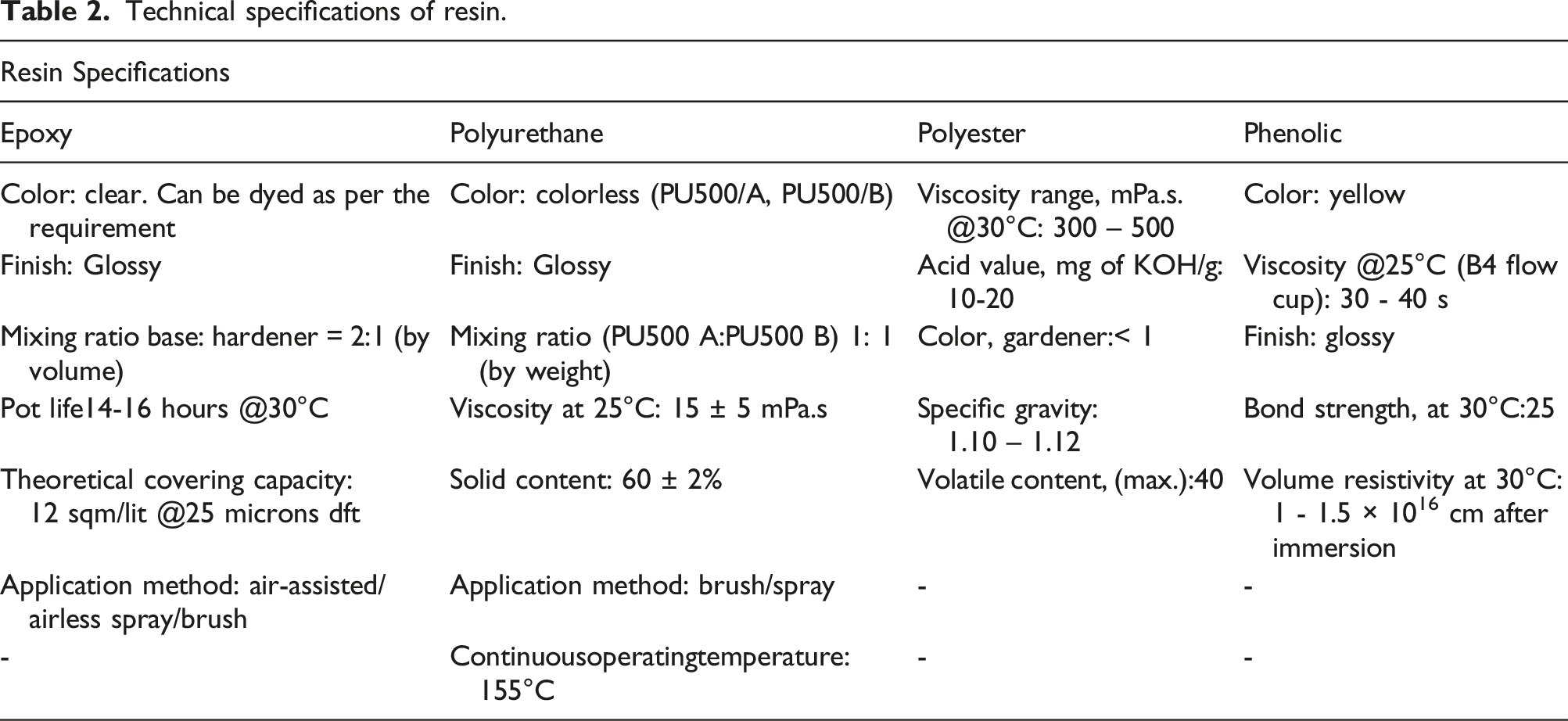
Technical specifications of resin.
Experimental procedure
Field emission scanning electron microscopy studies
To investigate, using a field emission scanning electron microscopy (FESEM), the corrosion surface morphology of mild steel covered with MWCNTs, silicon oxide nanoparticles, and epoxy resin in various combinations. To prevent any charging, the corroded surface has been examined using a gold coating, and pictures have subsequently been taken at various magnifications. FESEM was used to operate at a 20 kV accelerating voltage on the corroded surface.
Corrosion analysis
Immersion test
By immersing samples coated in mild steel, the hybrid nanocomposite’s corrosion resistance characteristics were examined. The samples were submerged in 3.5% NaCl-containing distilled water for 336 h, and the weighing method was used to calculate the corrosion rate. To calculate the corrosion rate, the weight of the specimen sample coated with resins was measured both before and after it was submerged in the aforementioned solution.
Salt spray test
The hybrid nanocomposite-coated mild steel’s resistance to corrosion is further assessed using the conventional Salt Spray (Fog) test procedure in accordance with ASTM B117:2016 standard. For the duration of the test, mild steel specimens coated with resins were maintained at a constant temperature and subjected to a fine spray of a 5% salt solution. After the prescribed amount of time, the specimens were rinsed in water and allowed to dry. The percentage of red rust indicates how much the test items have corroded.
Mechanical properties
Tensile strength test
Tensile testing on a universal testing machine (A370:2017) set up in accordance with ASTM standard was used to examine the impact of MWCNT’s hybrid nanocomposite coating on the surface of mild steel. The yield load, ultimate tensile strength, yield stress, and ultimate load were ascertained.
Scratch hardness test
A flat, simple mild steel sample of 120 mm in length, 60 mm in width, and 6 mm in thickness was subjected to a scratch hardness test. The method used for measuring scratch hardness was IS 101 (Part-5, Sec.2):1988. The hardness of the hybrid nano coating was found to be the minimal load required to produce failure.
Specimen preparation
The mild steel specimen with a 12 mm diameter bar was cut to a span of 300 mm (Figure 1) for the tensile test, and the flat specimen with dimensions of 125 × 60 × 6 mm (Figure 2) for the scratch hardness test was sandblasted with P80 sanding paper on the surface before being cleaned and oxides were removed with acetone. After that, the specimen was left to dry for over an hour at room temperature before the resin coating was applied. Following coating, the specimens were allowed to dry at ambient temperature for 48 h before spending an hour in an oven set at 1500°C. Using a pneumatic spray cannon, the produced MWCNTs/2nd Nano particle/Resin Nano composites in various ratios were sprayed onto the mild steel surface. Maintaining a distance of around 100-150 mm between the spraying cannon and the specimen allows for a coating thickness of 160-180 μm. Tensile and salt spray test specimen. Specimen sample after salt spray test.

The preparation of MWCNTs +2nd nanoparticles composite
Different percentages of MWCNTs (0.25, 0.5%, 0.75%, and 1% by weight of resin) and second nanoparticles (2%, 4%, 6%, and 8% by weight of resin) were mixed to create nano-composite materials. Both of the nanomaterials were ultrasonically sonicated separately for 30 min in chemical media containing 40% weight of resin in order to disperse them, and then they were combined for an additional 30 min of ultrasonography. The ultra-sonication composite was then mixed using a magnetic stirrer for 30 min at 50°C to create a hybrid nanocomposite of MWCNTs and second nanoparticles. The detailed procedure followed for manufacturing of Nano-composites is shown in Figure 3 schematically. The considered hybrid Nano-composite combinations are shown in Table 3. An illustration of the mild steel specimen’s coating procedure. Hybrid nano-composite combinations.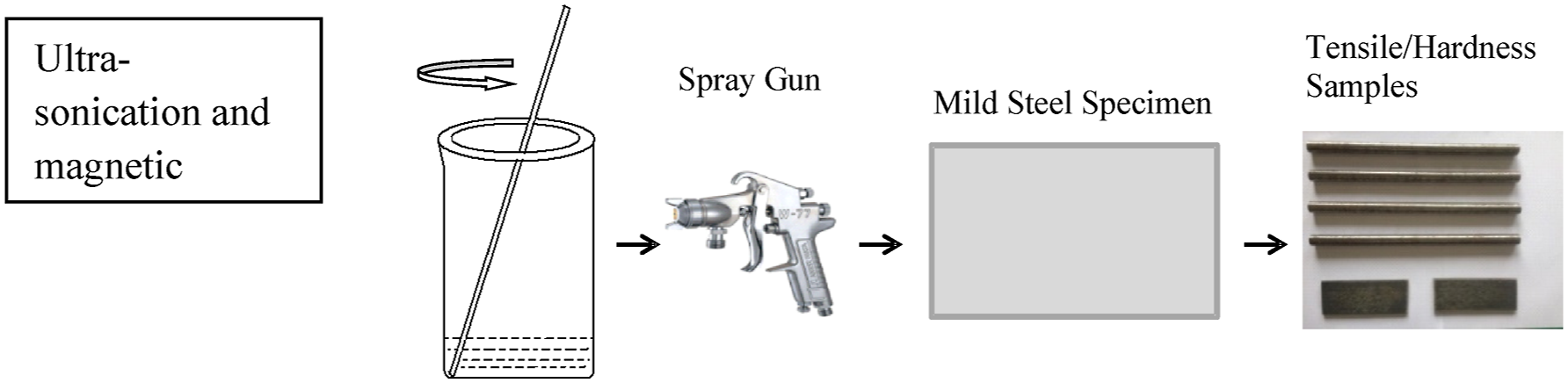

Preparation of MWCNT’s + 2nd nanoparticles + resin composites
The nanocomposite is combined with 10 g of resin, agitated for an hour, and allowed to degas in an ultrasonicator for 20 min. After adding the hardener (Finecoat PU 500B) to the MWCNTs/ZnO/PU mixture, the composite and thinner were manually mixed for 5 minutes. The mild steel (12 mm diameter and 300 mm length) was then cleaned and oxides from its surface were removed by sandblasting it with sanding paper P80 and washing it in acetone. On the mild steel surface, the prepared MWCNT/ZnO/PU nanocomposite coating was sprayed using a pneumatic spray cannon. Maintaining a distance of around 100-150 mm between the spraying cannon and the specimen allows for a coating thickness of 160-180 μm. The mild steel specimens were coated, allowed to dry for 48 h at room temperature, and then placed in an oven set at 150°C for an hour.
The prepared nanocomposite is sprayed using a pneumatic gun method on the mild steel surface, and it is then left to dry at room temperature for 24 h. To find the corrosion rate expressed as a percentage of weight loss, the mild steel samples coated with nanocomposite coating were submerged in distilled water containing 3.5% NaCl for 336 h. After that, they were subjected to a salt spray at 34.8 to 35.1°C, 5% NaCl, salt type AR grade, for 24 h. The AGIS 250 kN fully computerized servo hydraulic universal testing machine was used to perform tensile testing on specimens with the same combinations. For every sample, the toughness property is also computed.
Result and discussion
Corrosion properties of resin coating
Figure 4 displays a plot of the average corrosion resistance qualities for each type of mild steel sample coated with resin that was acquired from an immersion test. In comparison to samples of bare mild steel and hybrid nano coated mild steel, the neat resin coated mild steel samples have demonstrated good results. When compared to the uncoated mild steel surface shown in Table 4, the epoxy resin-coated mild steel sample showed the highest corrosion resistivity at 97%, followed by the polyester resin (85%), polyurethane resin (60%) and phenolic resin (56%) coated samples. Additionally, it is noted that samples coated with epoxy resin have the highest level of corrosion resistance. This is likely due to the chemical structure of the resin, which produces strong chemical resistivity and excellent adhesive qualities in a variety of corrosive environments. Anticorrosion protection in percentage. Corrosion resistance of various Hybrid Nano composite coated mild steel, neat resins coated mild steel and plain mild steel.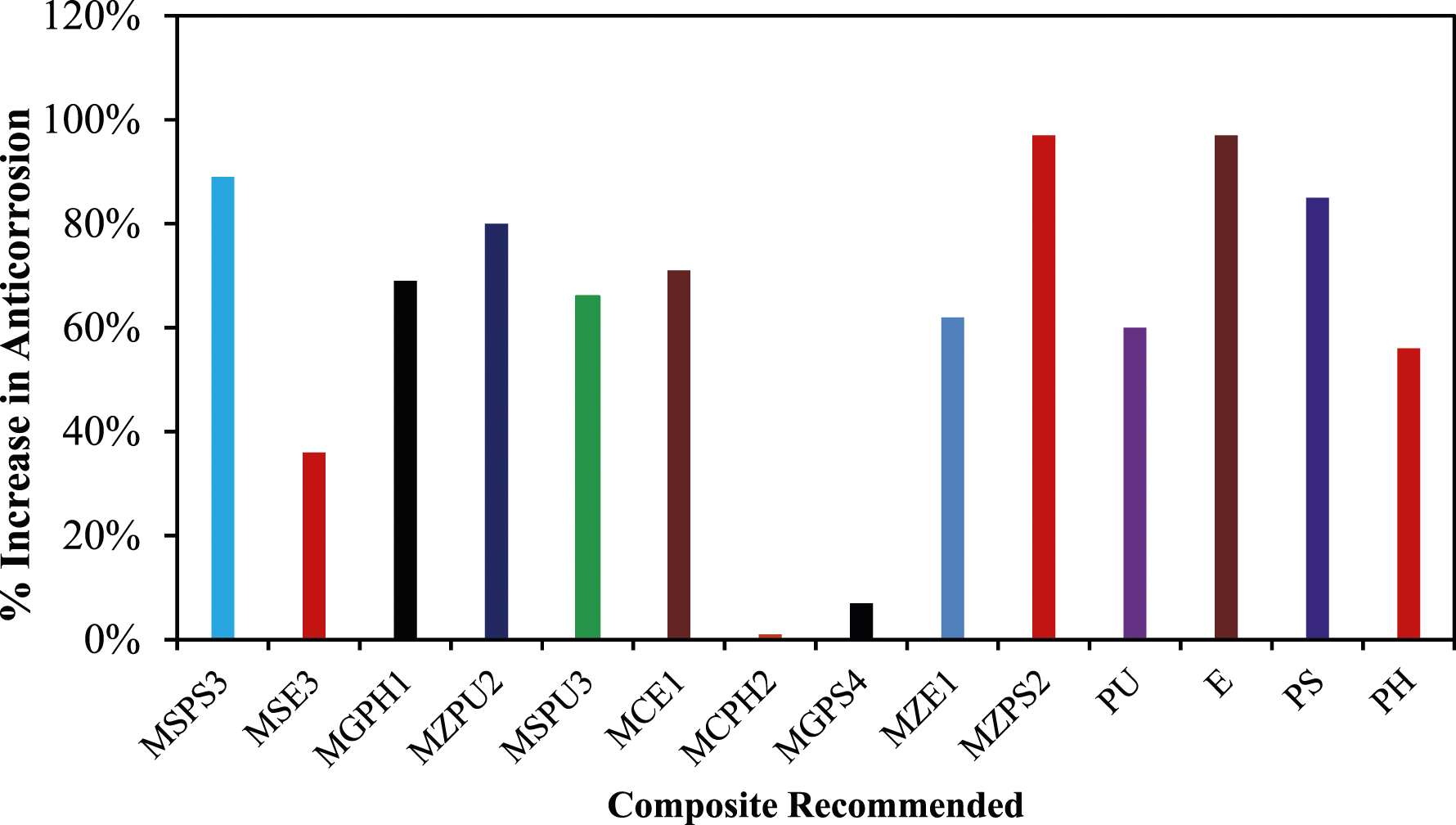

The hybrid Nano-composite mild steel specimens have shown a variety of corrosion resistance. The anticorrosive property of MSPS3 with 89%compared with mild steel sample. The corrosion resistance of MSE3 with is 36%. The oxidation of MGPH1 is 69% increase compared with mild steel sample. The MZPU2 specimen sample shows80% increase match up to mild steel sample. The corrosion resistance of MSPU3 66%rise when mild steel sample is considered. MCE1 specimen sample71% increased anticorrosive property when steel sample was considered. The MCPH2 and MGPS4samples show the least 1%and 7% raise in corrosion resistance with mild steel sample. The anticorrosion property ofMZE1 coated samples shows62% increase among mild steel sample (Table 4). When compared to mild steel samples, the MZPS2 coated samples exhibit a maximum value of around 97% increase in corrosion resistance. Polyester resin FINESTER-1100, which has been adjusted to be a medium viscosity ISO link stronger, has the highest combination of Zinc Oxide Nanoparticles and MWCNTs. This allows the mild steel specimen to stay intact in extremely corrosive and humid environments.
Tensile strength test (A370:2017)
Mechanical characteristics of several hybrid nanocomposite mild steels, plain mild steels, and mild steels coated with neat resins.

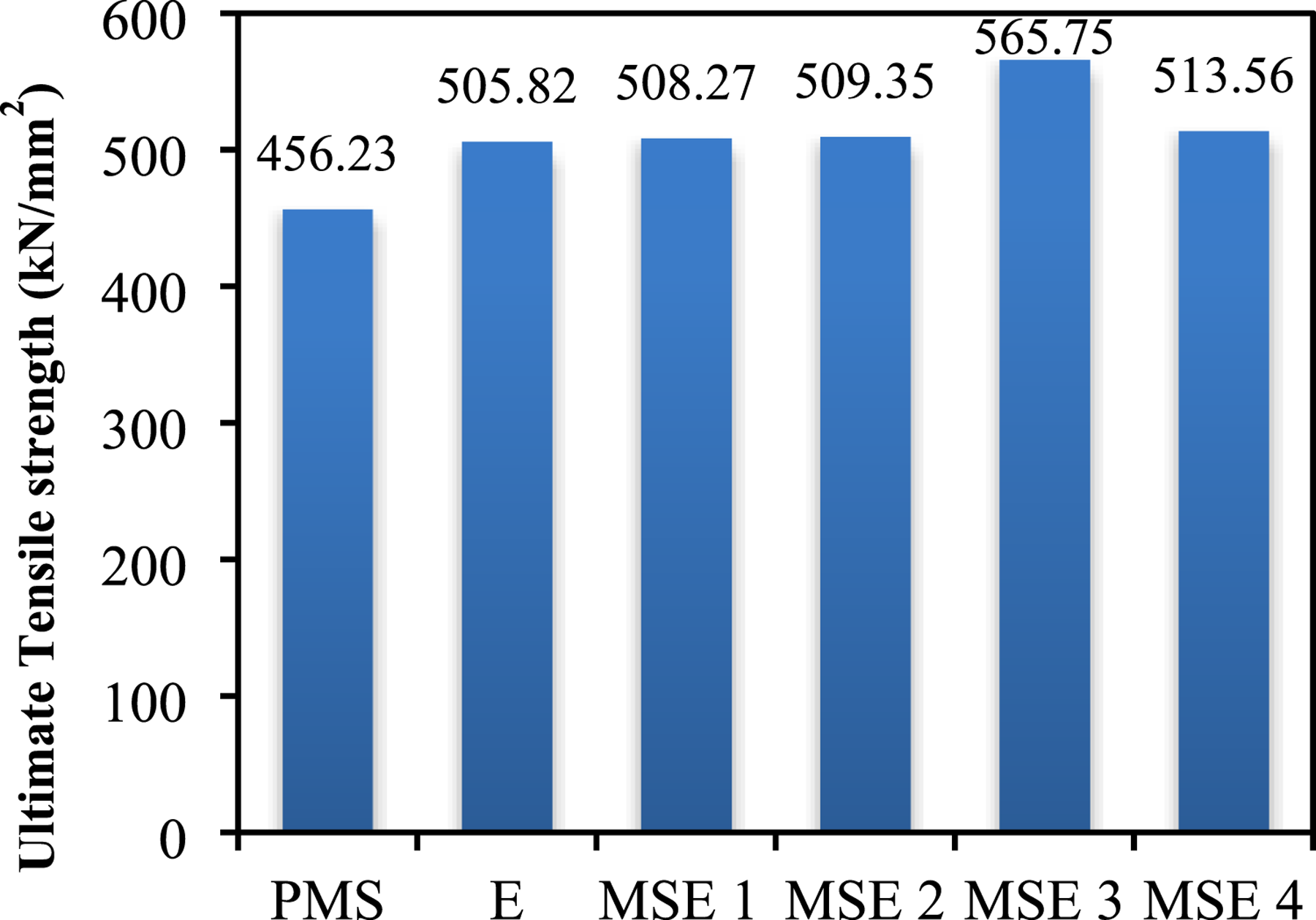
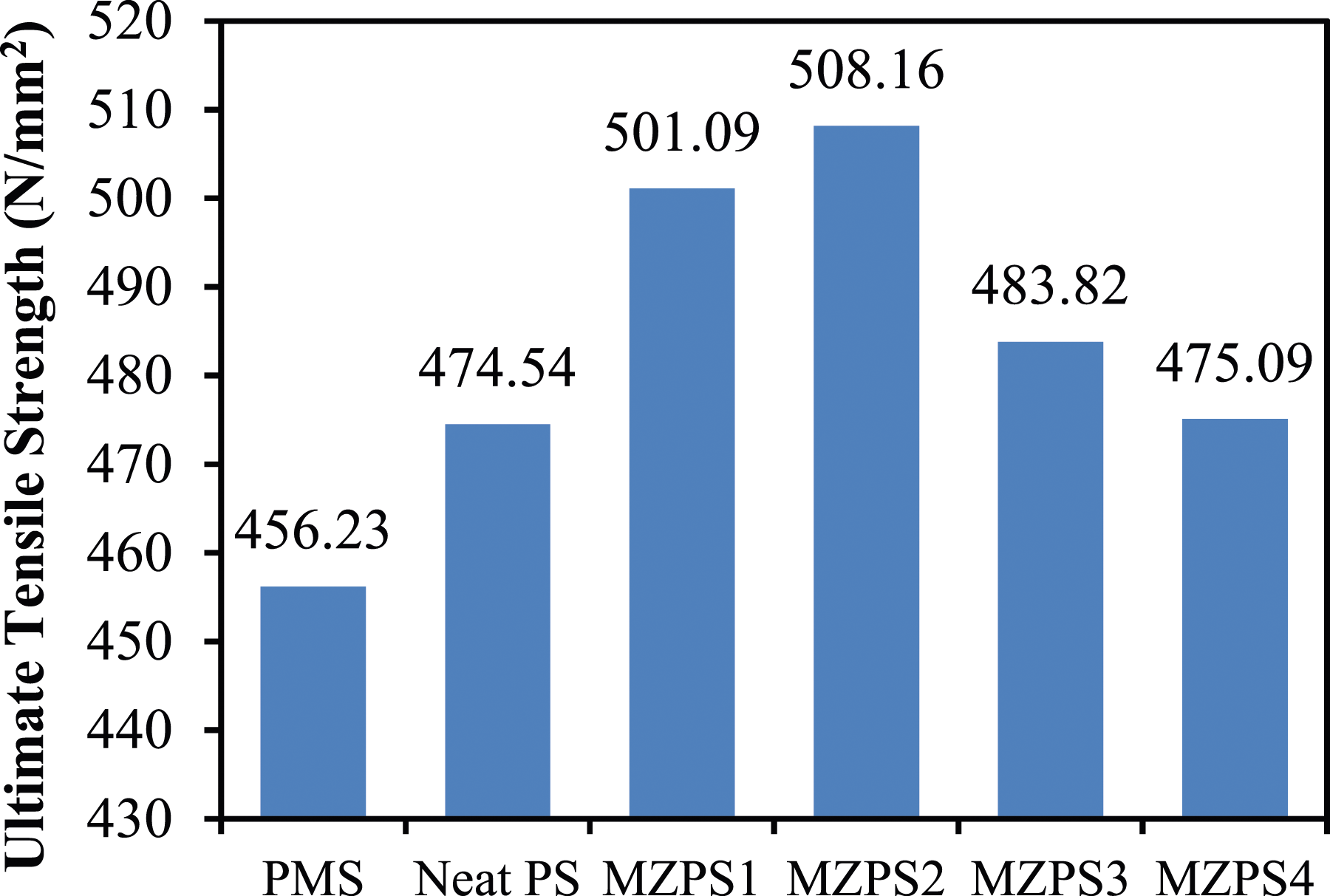
Plotting the average ultimate tensile strength value over all hybrid Nano coated sample types and resin coated sample types in relation to plain mild steel specimens was done, and the results are displayed in Figures 5–14 through Figure 15. The specimens of mild steel covered with hybrid Nano composite have demonstrated a range of tensile strength. With a 24.66% increase in Ultimate Tensile Strength over the mild steel sample, MSPS3’s tensile strength is 605.63 N/mm2. With a 19.35% improvement in Ultimate Tensile Strength over the mild steel sample, the tensile strength of MSE3 is 565.75 N/mm2. With a 26.50% improvement in Ultimate Tensile Strength over the mild steel sample, the tensile strength of MGPH1 is 620.74 N/mm2. With a 22.41% improvement in Ultimate Tensile Strength above the mild steel sample, the tensile strength of MZPU2 is 588.02 N/mm2. With a 26.59% improvement in Ultimate Tensile Strength over the mild steel sample, the tensile strength of MSPU3 is 621.5 N/mm2. With an 11.75% improvement in Ultimate Tensile Strength over the mild steel sample, the tensile strength of MCE1 is 517.03 N/mm2. With a 7.94% improvement in Ultimate Tensile Strength over the mild steel sample, the tensile strength of MCPH2 is 495.62 N/mm2. With a 14.47% improvement in Ultimate Tensile Strength over the mild steel sample, the tensile strength of MGPS4 is 533.47 N/mm2. With a 22.02% increase in Ultimate Tensile Strength above the mild steel sample, MZE1’s tensile strength is 585.08 N/mm2. With an 11.38% improvement in Ultimate Tensile Strength over the mild steel sample, the tensile strength of MZPS2 is 508.16 N/mm2.The mild steel samples coated with MGPH1 and MSPU3 exhibited the highest tensile strength values (about 25% increases) at 620.74 N/mm2 and 621.5 N/mm2. Ultimate load of MSPS. Ultimate load of MSE. Ultimate load of MGPH. Ultimate load of MZPU. Ultimate load of MSPU. . Ultimate load of MCE Ultimate load of MCPH. . Ultimate load of MGPS. Ultimate load of MZE. Ultimate load of MZPS Ultimate load of neat resins.



Toughness test
Figures 16 – 25 show the hardness of mild steel specimens covered with resin and nanocomposites. It is evident that the specimens of mild steel coated with resin and nanocomposites had toughness values that were relatively greater than those of the sample of mild steel without any coating. Out of all the resins, the sample coated with epoxy resin had the greatest toughness index (7057.32 N/mm), followed by the samples coated with phenolic resin (5394.345 N/mm), polyurethane resin (5893.224 N/mm), and polyester resin (6738.417 N/mm). Thanks to the two-component epoxy clear lacquer that was cured with polyamide hardener and had a strong comparative tracking index >500V, the toughness result for the epoxy-coated samples was improved. Furthermore, epoxy resin has physical characteristics that are superior than those of polyester, phenolic, and polyurethane resins. Toughness of MSPS samples. Toughness of MSE samples. Toughness of MGPH samples. Toughness of MZPU samples. Toughness of MSPU samples. Toughness of MCE samples. Toughness of MCPH samples. Toughness of MGPS samples. Toughness of MZE samples Toughness of MZPS samples.

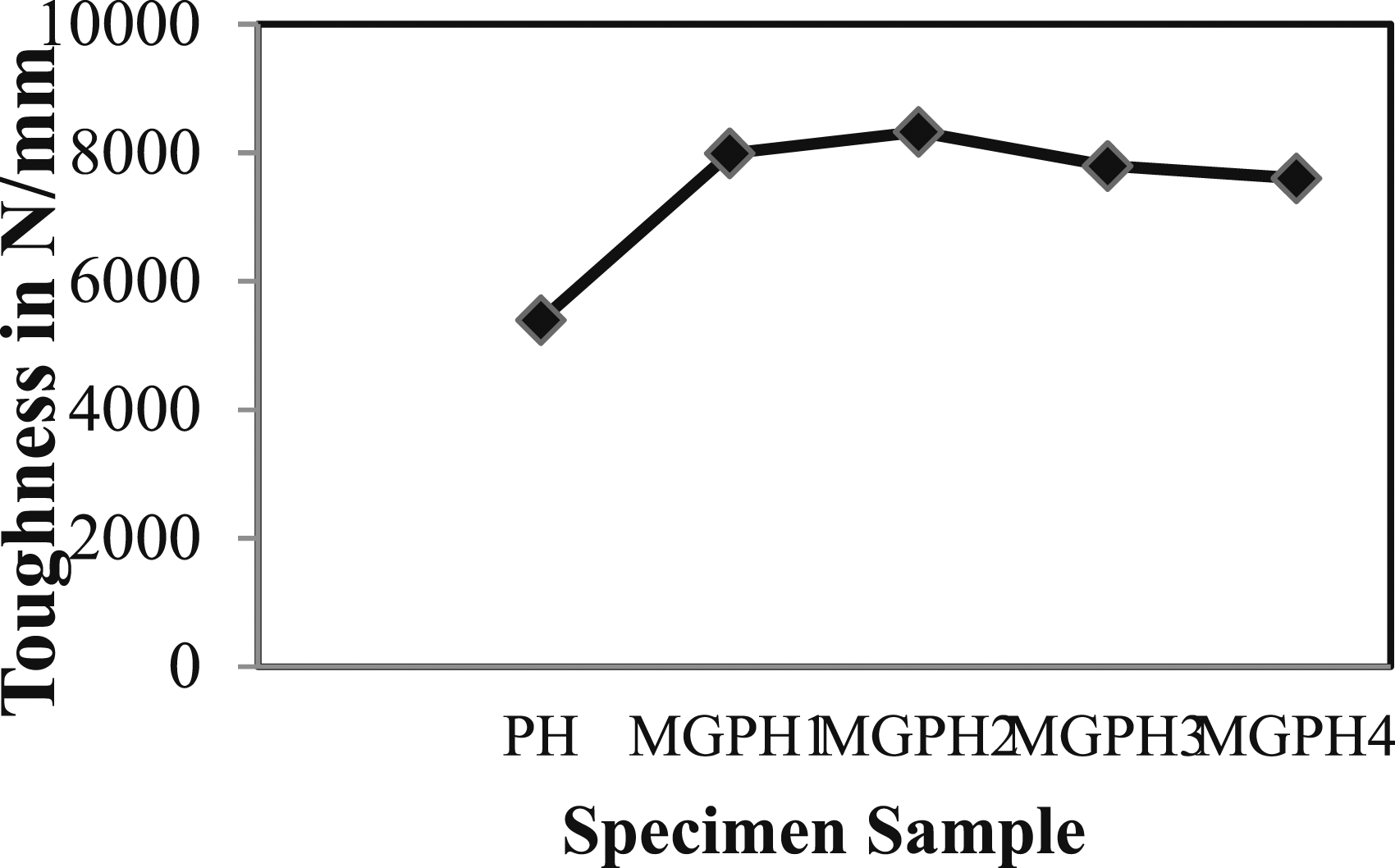
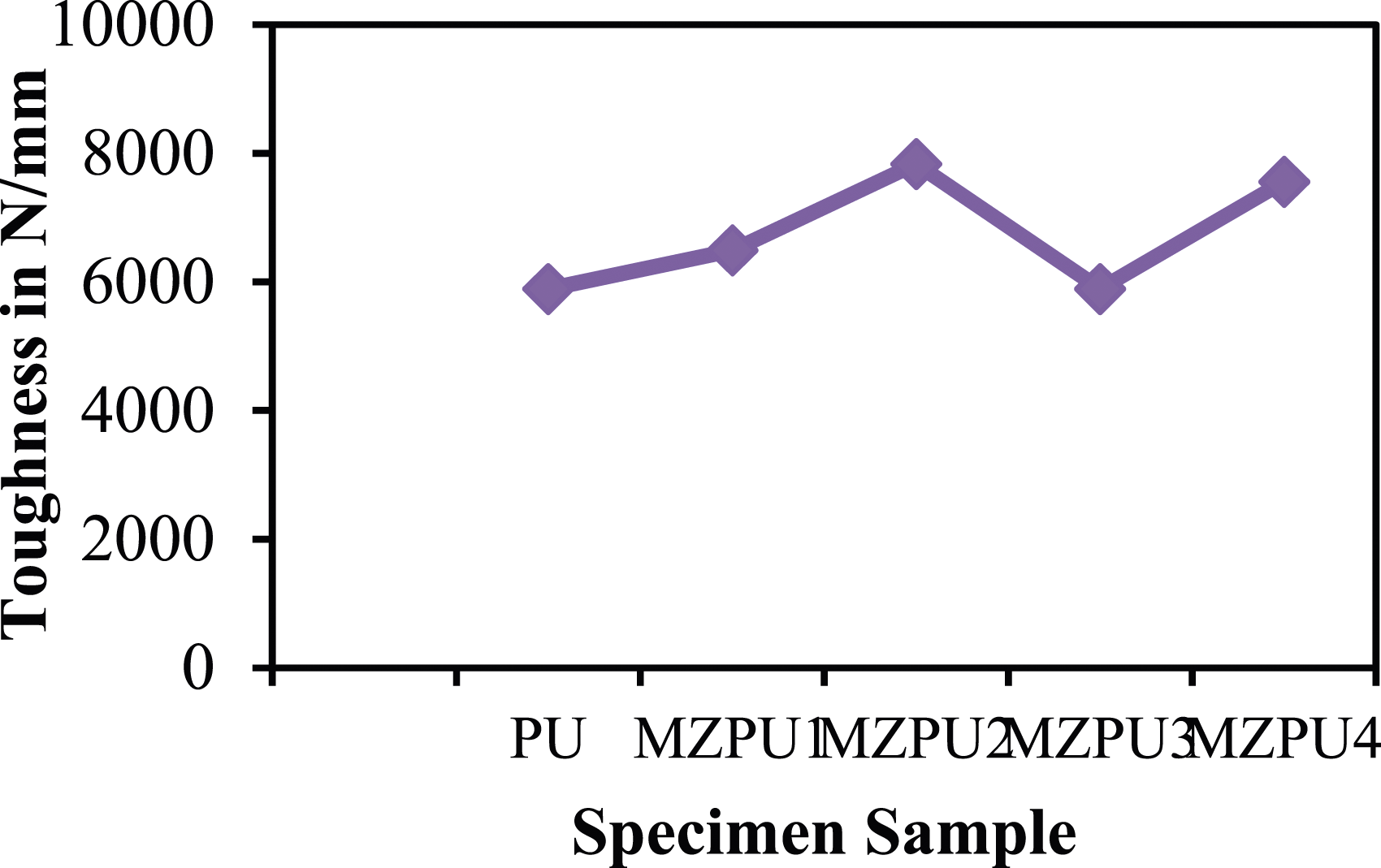

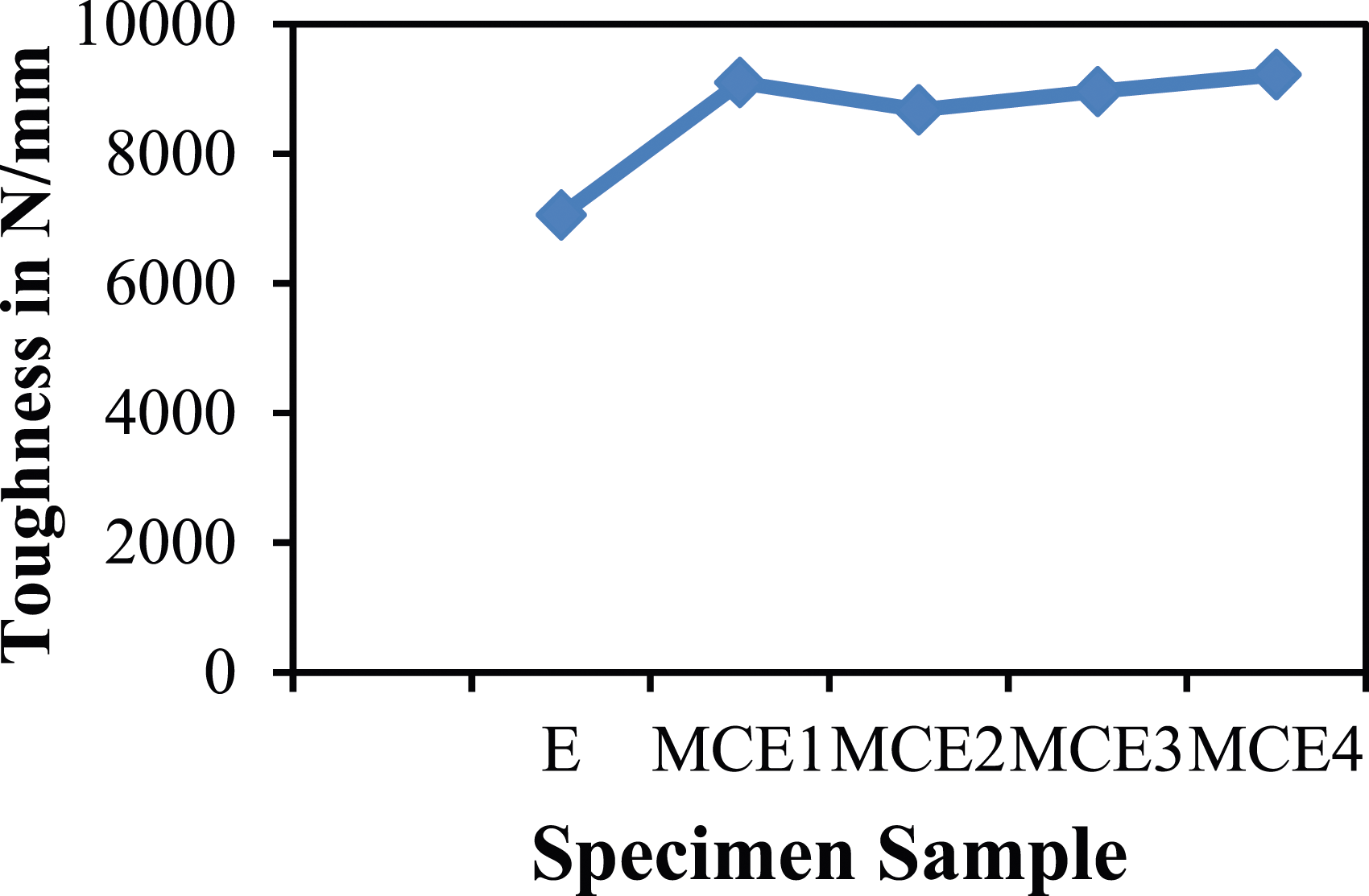
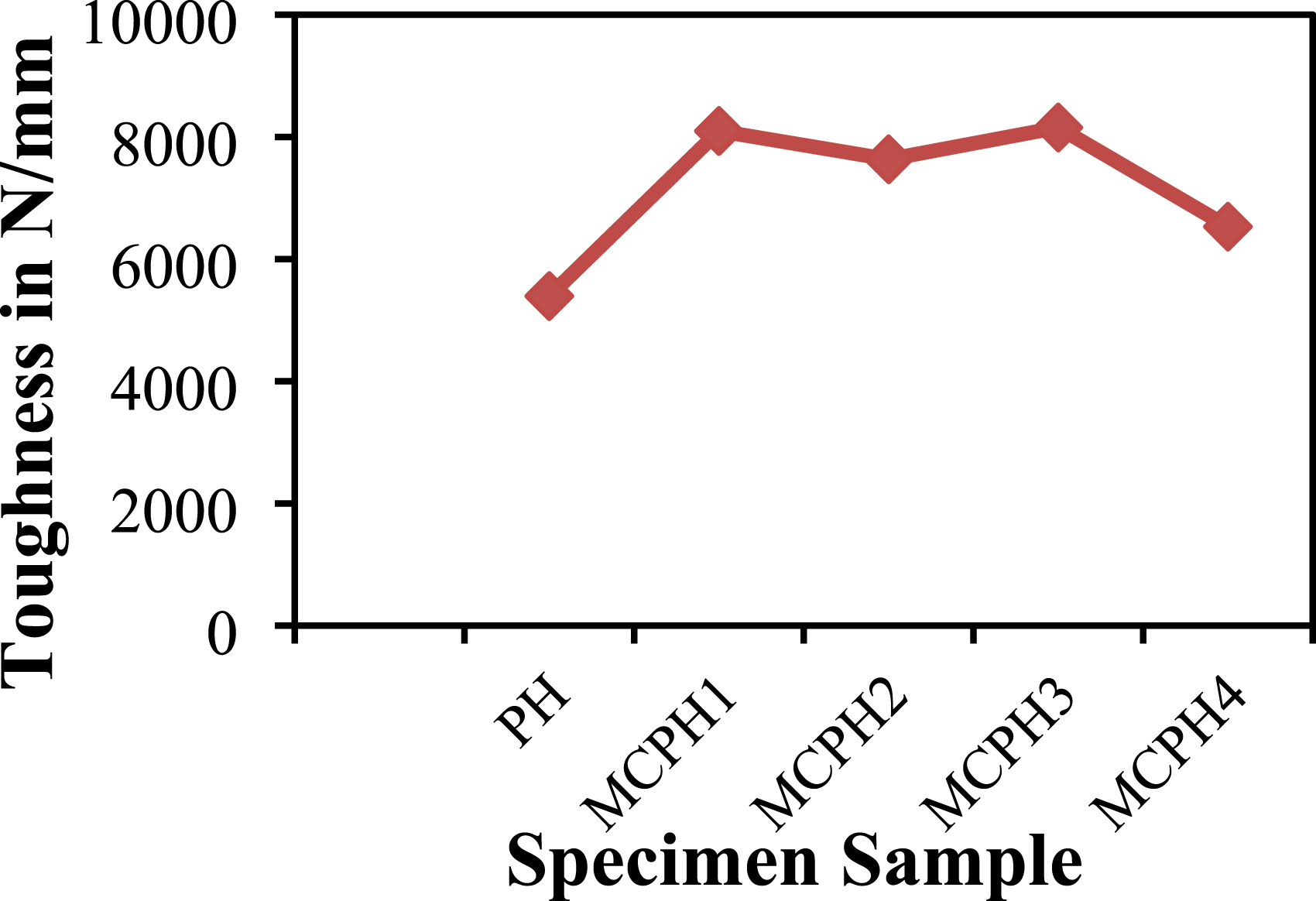


The hybrid Nano-composites are processing better toughness index than the neat resins and bare mild steel. The combinationMSPS3 shows the toughness index with 9124.946 N/mm, MSE3 sample toughness index with 7207.08 N/mm, MGPH1 sample toughness index with 7991.70 N/mm, MZPU2coated sample with7836.321 N/mm, MSPU3 coated sample shows the highest toughness index with 9536.19 N/mm, MCE1 coated sample with 9101.208 N/mm, MCPH2 coated sample with 7633.575 N/mm, MGPS4 coated sample with 9465.31 N/mm, MZE1 coated sample with 8740.395 N/mm, andMZPS2 coated sample with 8184.09 N/mm. Amongst all above samples MSPS3, MGPS4 and MZPS2 samples with polyester resin with a medium viscosity modified ISO cured with the help of accelerator – 1100 and catalyst–1100 is performing better with MWCNT and other Nano materials for the toughness of the coating surface.
Scratch hardness test
In order to analyze the hardness of the various Nano-composites applied on the mild steel surface, scratch hardness test was conducted. Scratch hardness describes the resistance of material surface to plowing by a tough stylus. The hardness test results of various Hybrid Nano composite and neat resins coated mild steel specimens are shown in Figure 26. Scratch hardness of various hybrid nano composite and neat resins coated mild steel specimens.
The sample covered with polyurethane resin had the highest scratch hardness (800 mg) among the plain resins, while the sample coated with epoxy resin had the second-highest scratch hardness (700 mg). When compared to pure mild steel samples, samples coated with polyester and phenol resin exhibited the least amount of hardness increase (300 mg). Because the polymer layer utilized here can shield the base material from weathering, abrasion, corrosion, and other processes that would prevent the material from deteriorating over time, the polyurethane resin coated samples produced the highest scratch hardness results.
The scratch hardness of combination MSPS3 shows 400 mg, followed by MSE3 with 900 mg, MGPH1 combination exhibits600 mg of scratch hardness, MZPU2 shows 600 mg of scratch hardness, combination MSPU3 with 400 mg, composite MCE1 with 800 mg, MCPH2 combination with 300 mg of scratch hardness, MGPS4 with least scratch hardness of 200 mg, The combination MZE1 and MZPS2 showing 500 mg of scratch hardness. The combination MSE3 with 900 mg is showing the highest surface hardness among all the Hybrid Nano composite and neat resins coated mild steel specimens. Epoxy resin is a two- component epoxy clear lacquer, cured with polyamide hardener bonds with Nano particles to give better surface hardness of coating surface.
Morphology
SEM analysis was carried out to analyze the morphological characteristics of mild steel surface for corrosion resistance study. The morphology of various hybrid Nano composites and different types of resin coated mild steel samples before and after corrosion are as depicted in Figure 27. The FESEM pictures of tensile breakage specimens coated with hybrid Nano composites shown in Figure A1, B1, C1, D1, E1, F1, G1, H1, I1 and J1 indicates the continuous application of magnetic stirring and ultrasonication provides uniform distribution of MWCNT’s and the 2ndNano particles in the resin. Many of the composites have shown clusters of nano particles. The MSPS3 and MZPU2 combination have revealed minimal cluster formation. FESEM images of samples coated with MSPS (A1) and (A2) before and after corrosion, MSE (B1) and (B2) after corrosion, MGPH (C1) and (C2) after corrosion, MZPU (D1) and (D2) after corrosion, MSPU (E1) and (E2) after corrosion, MCE (F1) and (F2) before and after corrosion, MCPH (G1) and (G2) after corrosion, MGPS (H1) and (H2) after corrosion, MZE (I1) before corrosion and (I2) after corrosion, MZPS (J1) and (J2) after corrosion, Polyurethane resin (K1) before and (K2) after corrosion, Epoxy resin (L1) before and (L2) after corrosion, Polyester resin (M1) before and (M2) after corrosion, Phenolic resin (N1) before and (N2) after corrosion.
The FESEM images of samples coated with MSPS both before and after the corrosion are shown in Figure 27(A1) and (A2). The images of the polyurethane resin’s FESEM before and after the mild steel samples were exposed to corrosion are displayed in Figure 27(K1) and (K2). The corrosion produced on the surface is shown in Figure 27(K2). Pictures of samples covered with epoxy resin are displayed in Figure 27(L1) and (L2). The mild steel surface has been effectively preserved by epoxy resin, as seen in Figure 27(L2), with very little surface rust. Polyester resin coated samples are shown in Figure 27(M1) and (M2) before and after oxidization, with Figure 27(M2) showing minimal corrosion. It’s also important to note that the mild steel sample coated with phenolic resin showed signs of rusting earlier after corrosion exposure (Figure 27(N1)) than it did previously (Figure 27(N2)). When compared to other plain resins and hybrid nano composites, it is evident that the mild steel samples coated with epoxy resin (Figure 27(L2)), MSPS (Figure 27(A2)), and MZPS (Figure 27(J2)) exhibited the least amount of corrosion. The ultimate tensile strength and corrosion resistance test results, which showed that mild steel specimens coated with epoxy resin produced the best results, are consistent with the morphological results.
Conclusions
To summarize, the study’s findings are as follows: • Samples of mild steel covered with plain epoxy resin showed excellent corrosion resistance. Since epoxy resin FINECOAT-EP 200 is a two-component epoxy clear lacquer, cured with polyamide hardener, coated samples showed superior results in comparison with the polyurethane, polyester, and phenolic resins. • There was a notable increase in the rate of tensile strength of mild steel specimens coated with the epoxy resin compared with other resins like polyurethane, polyester, and phenolic resins compared to bare mild steel sample. Epoxy resin is the best material to coat the surface of mild steel in order to prevent corrosion and improve mechanical qualities. It exhibits a 97% corrosion resistance, around 700 mg of surface hardness, and a 10% increase in tensile strength. • The presence of acrylic polyol and isocyanate allowed the neat polyurethane resin coated mild steel specimen to yield a greater scratch hardness when compared to other mild steel specimens. Better hardness is produced on the coated surface as a result. On the other hand, compared to the neat epoxy coated samples, there is poorer corrosion resistance and tensile property. • The existence of Resin, MWCNT’s and 2nd Nano particles together shows enhanced properties of both anticorrosion as well as the mechanical properties when compared to the plain mild steel and neat resin samples. • The hybrid nano composite combinations like Silicon Oxide Nano particle, Graphenenano particles and Zinc Oxide nano particles with MWCNT’s and Polyester resin, Phenolic resin, Polyurethane resin (MSPS3, MGPH1 and MZPU2) has shown the highest values for corrosion resistance and mechanical properties. • The combination MSPS3 containing Polyester resin FINESTER - 1100 is a medium viscosity modified ISO link stronger with MWCNT’s and Silicon Oxide Nano Particles giving highest of all the combination values of 89% corrosion resistance, 400 mg of surface scratch hardness and 25% increased tensile strength. • Since, MZPU2 consisting of Polyurethane is a two-component composition based on acrylic polyol and isocyanate bonds better with combination of MWCNT’s with Zinc Oxide Nano particles shows the second highest result of 80% corrosion resistance, 25% increased tensile strength with 600 mg of surface hardness. • The group MGPH1 which has phenolic resin INSUFINE®-VI 610 is an impregnating varnish based on alkyd attach well with MWCNT’s and Silicon Oxide Nano Particles giving third highest values of 69% anticorrosion, 600 mg of scratch hardness and 27% rise in tensile strength. • FESEM analysis shows the samples coated with neat epoxy resin, MSPS3 and MZPS2 observed to have the least corroded surface compared with the other neat resins and hybrid nano resin composite coated mild steel surfaces.
The above conclusion shows that resins have been better surface coating for corrosion resistance. But, the tensile strength of resin coated specimens shows reduced value compared with hybrid nano composite coated specimens.
Footnotes
Declaration of conflicting interests
The author(s) declared no potential conflicts of interest with respect to the research, authorship, and/or publication of this article.
Funding
The author(s) received no financial support for the research, authorship, and/or publication of this article.
