




Abstract
Abstract
Background: Chronic alcohol dependence is known to cause psychosexual dysfunction, which leads to marked psychiatric morbidity. There is a dearth of studies from India in this area.
Aim: To estimate the frequency of psychosexual dysfunction in individuals with alcohol dependence and to explore the association between psychosexual dysfunction and various socio-demographic and alcohol-related variables.
Materials and Methods: This is a cross-sectional descriptive study conducted on 50 male patients in a tertiary care center. The evaluation was conducted using a specially designed intake pro forma and tools such as the severity of alcohol dependence questionnaire, checklist for sexual dysfunction and International Classification of Disease, Tenth Revision, and diagnostic criteria for research.
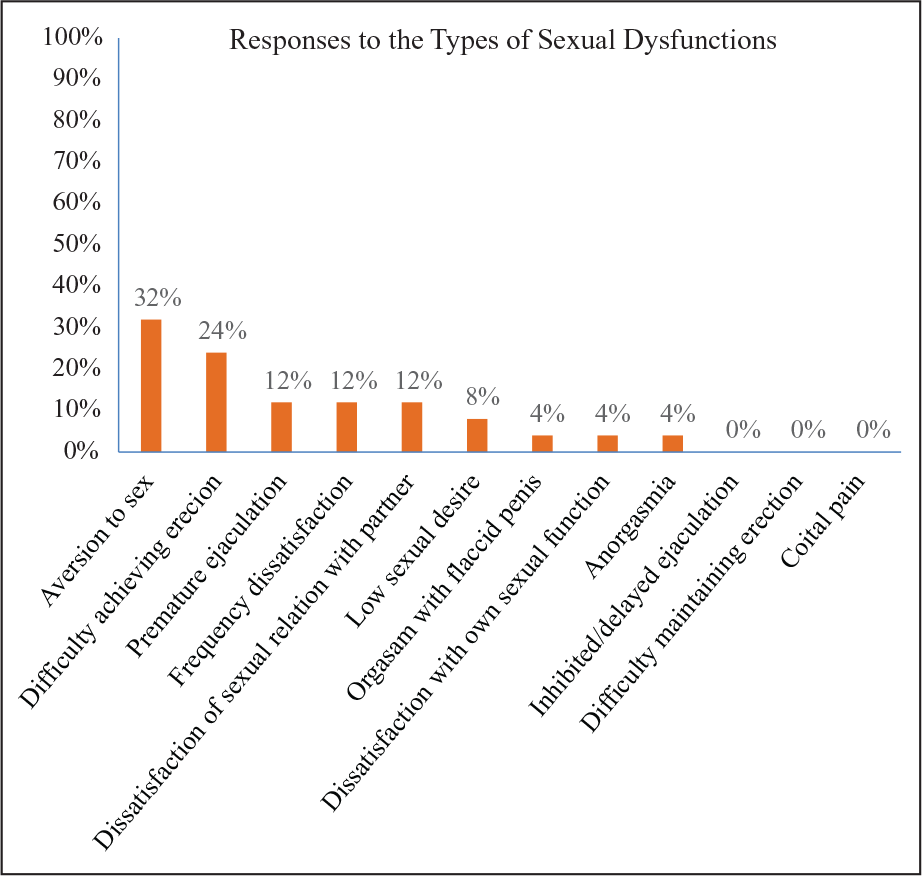
Results: Sexual dysfunction was present in 66% of alcohol-dependent individuals. The most common among them was found to be aversion to sex (32%) followed by erectile dysfunction (24%). In most of the cases, patients having erectile dysfunction were also found to have aversion to sex.
Conclusion: Sexual dysfunction is highly prevalent in male patients with alcohol dependence. The study highlights the detrimental effects of alcohol on sexual function apart from other etiological factors.
Introduction
Sexual dysfunctions occur with a frequency that would overwhelm the health services if they all presented for help. Disinterest or ignorance from the part of a physician is also noticed with respect to the psychosexual complaints of patients. 1 Sexual dysfunction can arise as a result of biological problems, relationship problems, intrapsychic conflicts, lack of proper sexual knowledge, medical disorders, and use of medicines such as antihypertensives and antidepressants. Chronic and persistent alcohol dependence is also a well-known cause of sexual dysfunction, which can cause marked distress and interpersonal difficulty leading to worsening of alcohol abuse. 2
Sexual dysfunction in alcohol dependence can be because of the depressant effect of alcohol, alcohol-related disease, or a multitude of psychological factors related to alcohol use. The Indian population currently passing through the rapid changing phase of substance dependence is manifesting increased psychosexual dysfunction which, in turn, might contribute to the causation of mental illnesses, including mood disorders, among the vulnerable. 2 There are only limited studies from India regarding the psychosexual dysfunction among alcohol-dependent individuals. Alcohol dependence has very high prevalence among Indian population, but the psychosexual problems among the population often remain unattended. The study stresses the need of specialists to look for sexual problems in their clients.
Materials and Methods
The study was conducted among 50 alcohol-dependent individuals attending the Deaddiction Clinic, Department of Psychiatry, Pushpagiri Medical College, Kerala, over a period of 1 month. They belonged to the age group of 20 to 60 years and were married or had a regular partner. Those individuals with primary sexual dysfunction prior to initiation of alcohol use, co-morbid physical disorders (diabetes mellitus, thyroid disorders, and other systemic illnesses, anatomical or structural, perineal or genitourinary lesions, and neurological or spinal cord lesions), co-morbid psychiatric disorders (substance use other than alcohol and tobacco, use of drugs affecting sexual function) were excluded from the study. Ethical clearance was obtained.
The individuals with alcohol dependence were recruited using International Classification of Diseases, Tenth Revision (ICD-10) clinical description and diagnostic guidelines (F10.2). 3 Socio-demographic variables were collected using a semistructured pro forma designed for the study; the severity of AD questionnaire (SAD-Q) 4 was used to assess the severity of alcohol dependence sexual dysfunction checklist 2 which has 12 areas of sexual function including aversion towards sex, low sexual desire, difficulty in erection, premature ejaculation, pain during coitus, and dissatisfaction with frequency of intercourse per week. Sexual dysfunction was rated for the last 1 year and temporary or situational complaints were ignored.
Categorical variables were presented in terms of frequency and percentages. Continuous variables were expressed in terms of descriptive statistics such as mean and standard deviation. To find the association between socio-demographic characteristics and study variables, Pearson’s chi-square test was applied. The statistical analysis was done using SPSS (version 21.0). The statistical significance level was considered at P < .05.
Results
Socio-demographic Variables
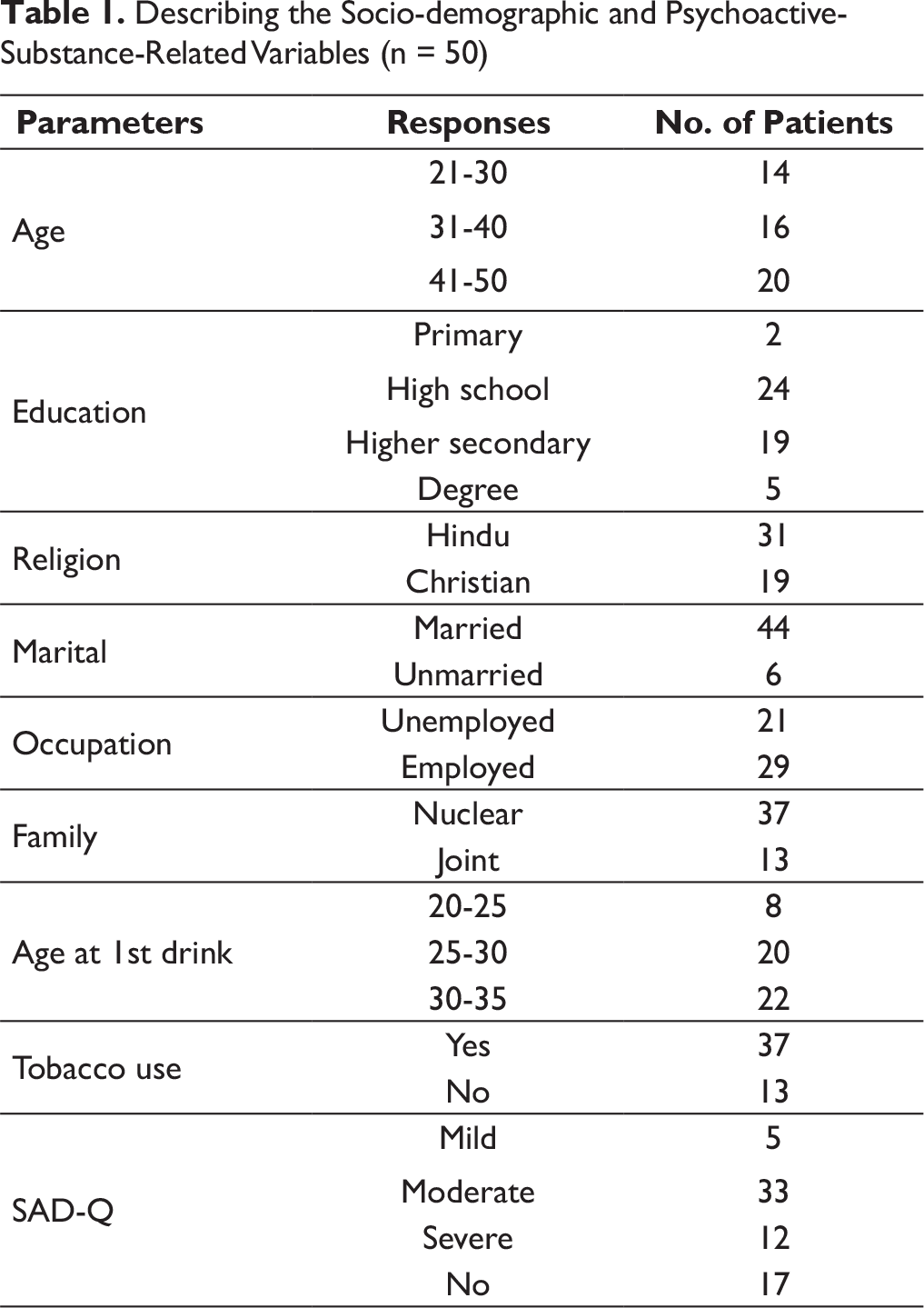
The mean age of the 50 male patients included in the study was 35.9 ± 9.3 years and 40% belonged to the age group 41 to 50 years, 98% had completed their high school of which 10% were graduates and 58% were employed. 88% were married, majority (74%) were from nuclear families (Table 1).
Psychoactive-Substance-Related Variables
Around 44% of the individuals were between 30 and 35 years of age at the time of their first drink and 66% had moderate dependence on SAD-Q and 66% reported sexual dysfunction (Table 1).
Sexual-Dysfunction-Related Variables
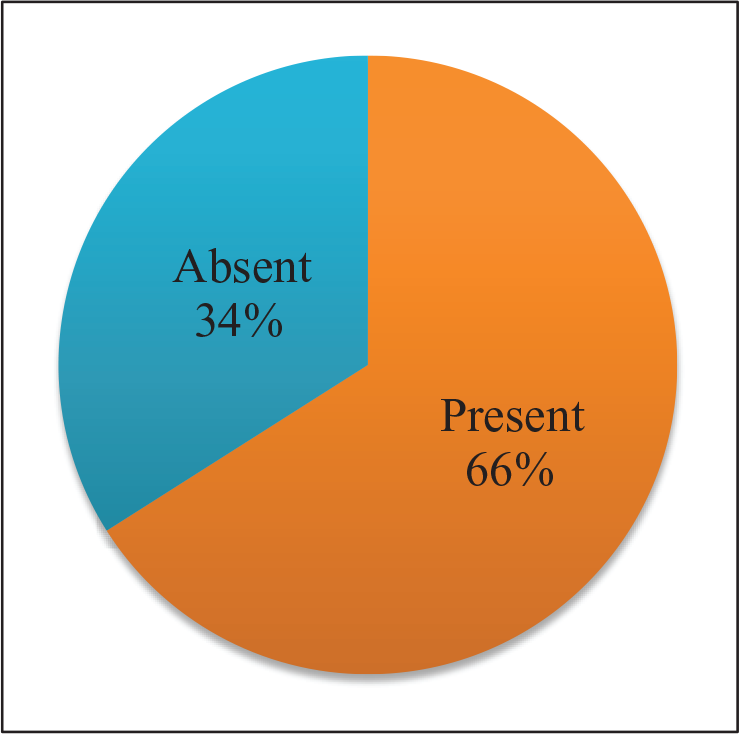
66% of the individuals had sexual dysfunction (Figure 1), of which aversion to sex (64%) was the commonest followed by difficulty in achieving erection (48%), and premature ejaculation and dissatisfaction of sexual relationship with partner (12% each; Figure 2).
Association Between Study Variables and Severity of Alcohol Dependence
There was a statistically significant association between the age group, education, being employed, and tobacco use with severity of alcohol dependence (Table 2).
Association Between Study Variables and Sexual Dysfunction
Describing the Socio-demographic and Psychoactive-Substance-Related Variables (n = 50)
Association Between Study Variables and Severity of Alcohol Dependence
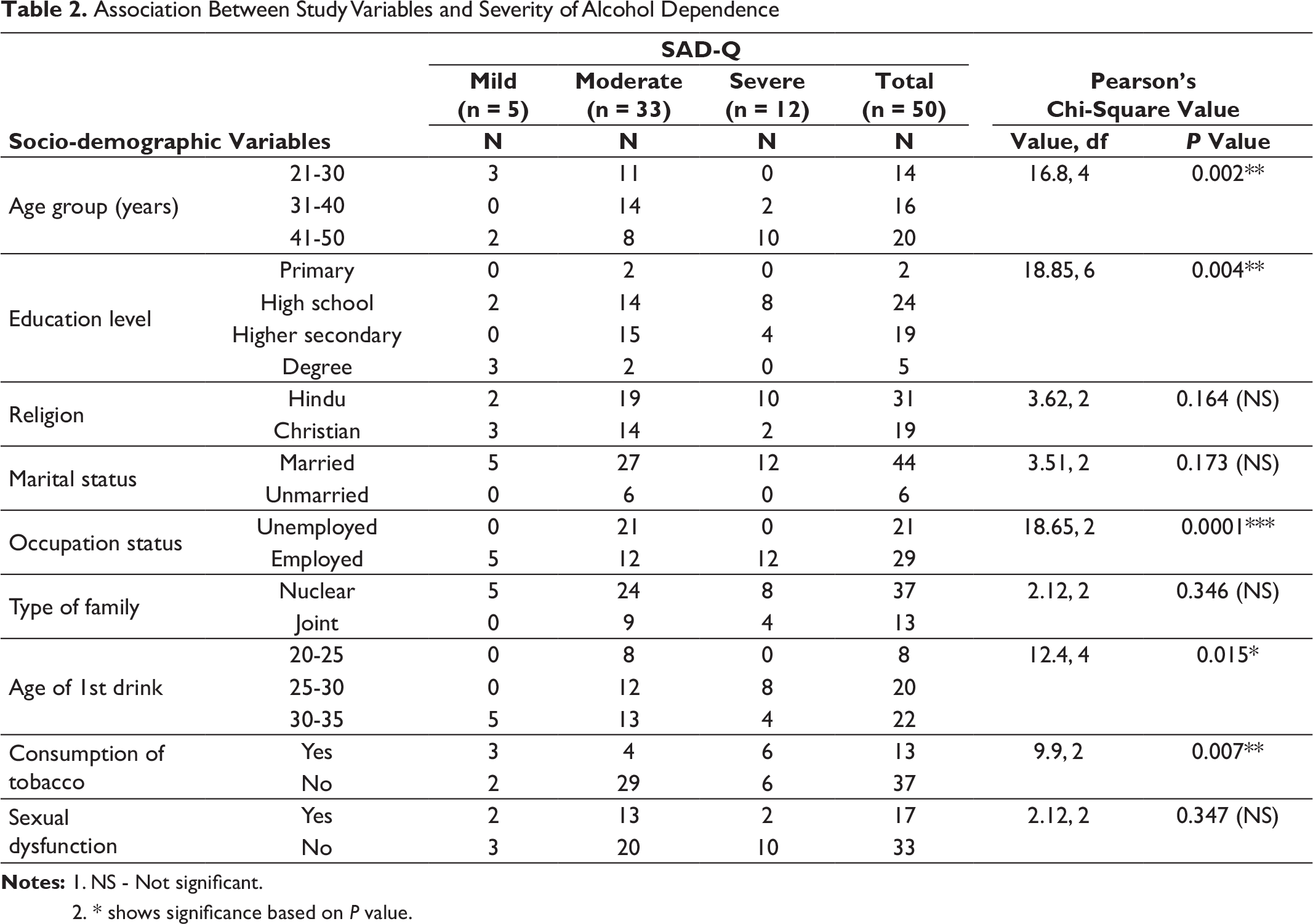
2. * shows significance based on P value.
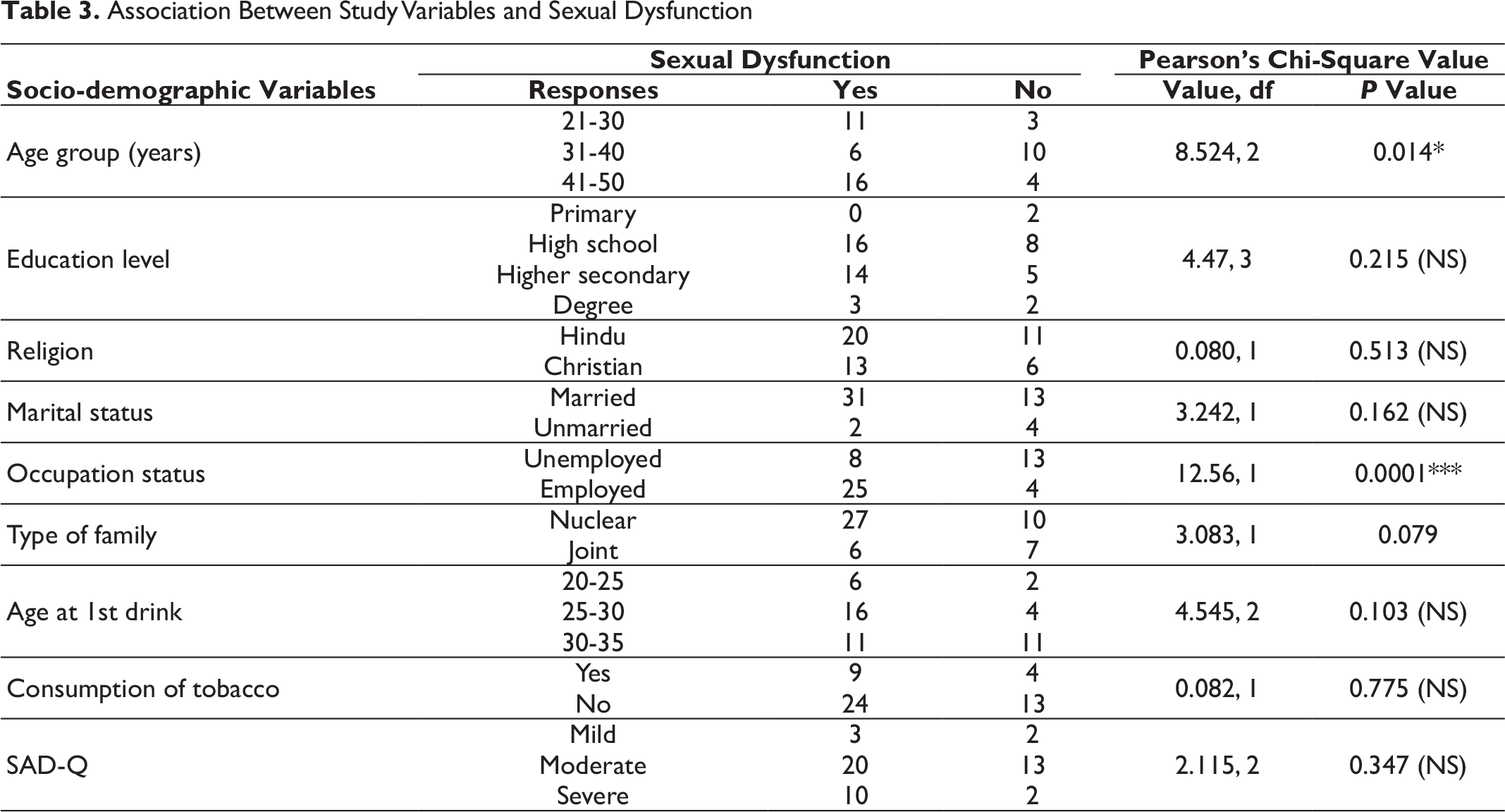
Table 3. Association Between Study Variables and Sexual Dysfunction
Proportion of Sexual Dysfunction
Distribution Based on the Type of Sexual Dysfunction
Discussion
Alcohol as a double-edged sword increases the sexual urge by decreasing the inhibitions, at the same time causes impairment in sexual functioning through different mechanisms. However, sex being a unique aspect of human survival, studying the dysfunctions with respect to sexual functioning is important, especially in the vulnerable population.
To get 50 patients as study sample, we had assessed 82 patients. 32 were excluded because of the presence of physical as well as psychiatric comorbidities. The individuals were then evaluated in a single sitting using various tools.
The mean age of the study population was 35.9 ± 9.3 years. In the study by Arackal and Benegal, 2 the mean age was approximately 37 years and in the study by Prabhakaran et al 4 the mean age was 39.14 ± 6.6 years.
Majority of our patients had studied up to high school (48%) and higher secondary (38%) which reflects the high literacy rate in Kerala, similar to the study by Prabhakaran et al. 4 Majority (88%) of patients reported monogamous relationships with their wives abiding with the traditional concepts of Kerala, even though they were given confidential assurance to report about sexual relationships with others. 4
Majority of the patients were employed (64%) which shows that psychosocial variables such as stress can contribute to the substance dependence. A study by Mattoo et al 5 has stated that psychosocial factors are important contributors of alcohol dependence, especially in relapse.
In this study, majority belonged to nuclear families (54%) though not statistically significant.
Indian society has been transitioning from traditional joint family system to more individualized nuclear family setup. This has led to changes in the family dynamics, which might have implications in the inter-relationship of substance use and the family. With less frequent authority figure in the household, substance-related problems might also increase. 6
In this study, the frequency of psychosexual dysfunction was 66%. According to a study of psychosexual dysfunction in patients with alcohol dependence by Prabhakaran et al, 4 the prevalence of sexual dysfunction was 76%. Sexual dysfunction was also present in 72% of the study population as reported by Arackal and Benegal. 2 The most common sexual dysfunction reported in this study was aversion to sex which was present in 32% of the patients, followed by erectile dysfunction in 24%.
On evaluating the study variables associated with sexual dysfunction, the age of the individual was a significant factor. Among the 20 individuals belonging to the age group of 41 to 50 years, 16 had sexual dysfunction. Considering the association of age with the severity of alcohol dependence, it appears that the severity of alcohol dependence might have contributed to the sexual dysfunction as the other etiological factors were ruled out. The association between employment and both severity of alcohol dependence and sexual dysfunction may be explained by the psychosocial factors associated with the job environment and maladaptive coping strategies learnt from the peer group. Though use of tobacco was found to be significant with the severity of alcohol dependence, it did not contribute to sexual dysfunction, which was a result similar to that of the study by Prabhakaran et al. 4
Implications
Studies on psychosexual dysfunction paved the way for understanding the need for comprehensive, feasible, and psychosocial/sexual services for patients with alcohol dependence having sexual dysfunction. Moreover, this study also enlightens the need to regularly assess sexual function in alcohol dependence syndrome (ADS) patients. Planning of similar studies in urban and rural areas of India and also for females as well as at the community level can be done. 4
Limitations
The study sample was only 50; hence, the study measures only frequency rather than prevalence of sexual dysfunctions. Females were not included in the study.
Conclusion
Sexual dysfunction appears to be common in male patients with alcohol dependence: aversion to sex (32%) followed by erectile dysfunction (24%). However, there is ample evidence that alcohol-induced sexual dysfunction, for the most part, is reversible with cessation of alcohol use. 2 Thus, this information can be used in motivational counseling of heavy drinkers to provide impetus for change. 2
Footnotes
Declaration of Conflicting Interests
The authors declared no potential conflicts of interest with respect to the research, authorship, and/or publication of this article.
Funding
The authors received no financial support for the research, authorship, and/or publication of this article.