




Abstract
Currently, many cities worldwide are changing current existing and mostly outdated lighting situation systems from inefficient lamps to light emitting diodes (LEDs). Providing the opportunity of energy savings, they can help in preventing influences to the night sky and furthermore issues for human health, wildlife and environment. This work simulates a potential LED conversion for the megacity of Mexico City and investigates impacts to conservation areas. Modelled for the whole visible spectrum, the analysis places special focus on the effects of applying various colour temperatures. Additionally, a highly polluted atmosphere was included as theoretical model, something applying to megacities in particular, to see impacts on skyglow of such an environmental contingency. In general, results show that the night sky brightness increases significantly with increasing colour temperature of LEDs if the lumen output is kept constant. It is shown that a potential conversion requires a thorough adjustment, otherwise negative impacts on environment and health might rise. Furthermore, an increased aerosol optical thickness ends in producing more diffuse light, identifying a major concern for the environment. The results obtained in this paper may be a strong motivation to ascertain measurements conducted in other large urban areas correlated to the computational results presented here.
Introduction
Since the 19th century, artificial lighting has changed both the living conditions and the socio-economic and cultural activities of the human being (O'Dea, 1951; Schernhammer and Schulmeister, 2004). These transformations are reflected in the urban environment where public and private lighting sources are part of the nocturnal landscape. Artificial light comprises a complex urban system designed to keep cities illuminated in an industrialized world. However, excessive nocturnal artificial lighting has been recognized as an environmental problem that requires the rearrangement of research priorities to act against its deteriorating growth. This has been an important topic of study in the literature for many years (Kocifaj and Lamphar, 2013; Longcore and Rich, 2004; Navara and Nelson, 2007; Pawson and Bader, 2014). Light pollution and skyglow are ubiquitous characteristics of modern society while the mechanisms of their formation, distribution and amplification should be understood better to address the basic consequences and plan remediation.
Skyglow is spreading continuously (Kyba et al. 2017a) resulting not only in a waste of energy but as well in injudicious and harmful over-illumination of natural environments (Lamphar and Kocifaj, 2013). It is essential to comprehend properties of artificial light in modelling the nocturnal radiance in a complex night-time atmosphere. In this sense, the spatial distribution of the nocturnal radiant intensity is one of the most required properties which characterizes the collective emissions from the whole-city light sources. The artificial light emitted from urban settlements predetermines the sky brightness under ordinary conditions; therefore, attention is often paid to the diffuse light of the night sky. Fluctuations on the night sky radiance, not triggered by long-term seasonal effects like the change of surface albedo (Wallner and Kocifaj, 2019), are stubborn because of a variability of aerosol particles and air molecules which both are the greatest modulators of skyglow under clear sky conditions (Alvarado et al., 2016; Kerker, 2016; Seinfeld and Pandis, 2016). As a result, sky radiance distributions are distorted depending on many factors. Along with atmospheric effects, temporal and spatial changes of the artificial light at night are determined by the emission from terrestrial light emitting sources (Aubé et al., 2005; Cinzano and Castro, 1998; Garstang, 1986; Kocifaj and Lamphar, 2014; Kocifaj et al., 2019; Luginbuhl et al., 2009). Particularly important is the light output pattern (LOP) as a function of zenith angle, otherwise called the city emission function (CEF) (Kocifaj et al., 2015; Lamphar, 2018).
The direct and indirect effects of artificial light on nocturnal environments escalated in recent decades with population and urban growth experienced in cities. The night sky radiance produced by urbanization depends on the socialized individuals and the particular characteristics that are part of an urban system. The spatial and temporal variations of these factors shape skyglow levels at local and global scales. Globally, cities carry a design process of the artificial lighting system with its main focus lying on reacting to new technologies and achieving a master plan that follows the demands of the agenda, e.g. security and infrastructure. As we are now seeing, many cities worldwide are changing current existing and mostly outdated lighting systems from inefficient past generation lamps to modern light emitting diodes (LEDs) delivering significant amount of blue light to the ambient environment (Aubé et al., 2018; Baddiley, 2018; Barentine et al., 2018; Kinzey et al., 2017). Due to their high luminous efficacy, they provide the possibility of energy savings but also danger originated from unintended misdirection and over-illumination features (Kyba et al., 2017b). One of the potential results of poorly designed lighting systems is urban skyglow. Especially blue parts of the emitting spectrum lead to huge issues for human health, environment and wildlife (Falchi et al., 2011; Stevens et al., 2014). It is impossible to eradicate the impact of artificial lighting on the environment and its ecosystems, given the functional requirements of nightlight. However, the artificial light emissions can be adjusted properly in order to achieve optimum levels of illumination while reducing a few negative side effects such as skyglow. That is to say, those that the city needs once diverse environmental criteria are considered.
This work aims to develop a framework to investigate the consequences that a massive LED lighting system conversion could have on the skyglow produced from Mexico City. For the first time, theoretical modelling of light pollution, taking into account atmospheric scattering in a realistic way, has been applied to analyze a light conversion in a megacity for the whole luminosity function of the scotopic vision.
Methods and technique
Location
The location chosen for detailed analysis is Mexico City, since it provides a variety of interesting conditions. First, it is one of the most inhabited cities on Earth with a population of nearly nine million people and a density of 6000 people per km2. The officially recognized extended land area of Greater Mexico City (metropolitan area) is home for more than 21 million people. Its growth was due to both the demographic increase of the native population and the migratory flows from different parts of the country, mainly central Mexico. Industrial and urban growth motivated migrations from the countryside between the 1940s and the 1960s. Further on, the city demonstrates a political structure creating concerns related to light pollution. Its area, talking only about the main city, is divided into 16 boroughs, all being decentralized and autonomous political-administrative bodies in their governmental actions.
Each of the boroughs is headed by a Delegation Chief who is elected by popular and direct vote. In this sense, given that there is the existence of a variety of administrations, decisions regarding public lighting are by far not consistent, resulting in a multitude of lighting systems that foster heterogeneity in the urban planning of the city. Data provided by all administrations, Table 1, summarize all boroughs and lighting installations therein. The numbers reflect that high pressure sodium (HPS) lamps are still the most commonly used technology in Mexico City; only two boroughs seem to have converted to LEDs in the past and four in which LEDs are available in low amounts. Even if only 14% of all lighting systems in the whole city appear to be LEDs, their shift in colour temperature from orange coloured HPS lamps to white LEDs is visible from above as imaged by the International Space Station, pictured in Figure 1.
Summary of all 16 boroughs of Mexico City (the data were contributed in 2019 by the government authorities of each district), number of inhabitants (status of 2010), lighting systems and their percentage distribution.
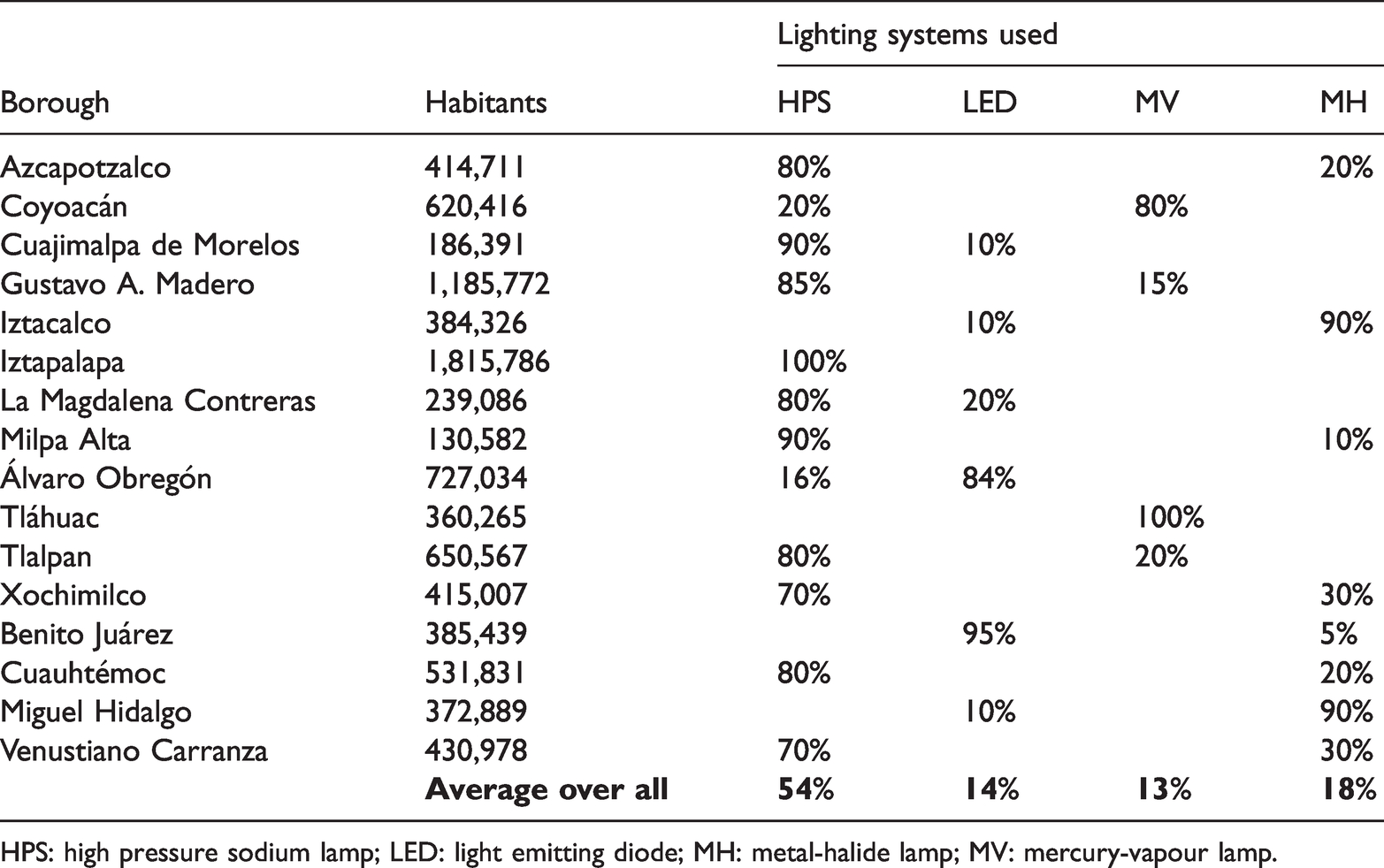
HPS: high pressure sodium lamp; LED: light emitting diode; MH: metal-halide lamp; MV: mercury-vapour lamp.
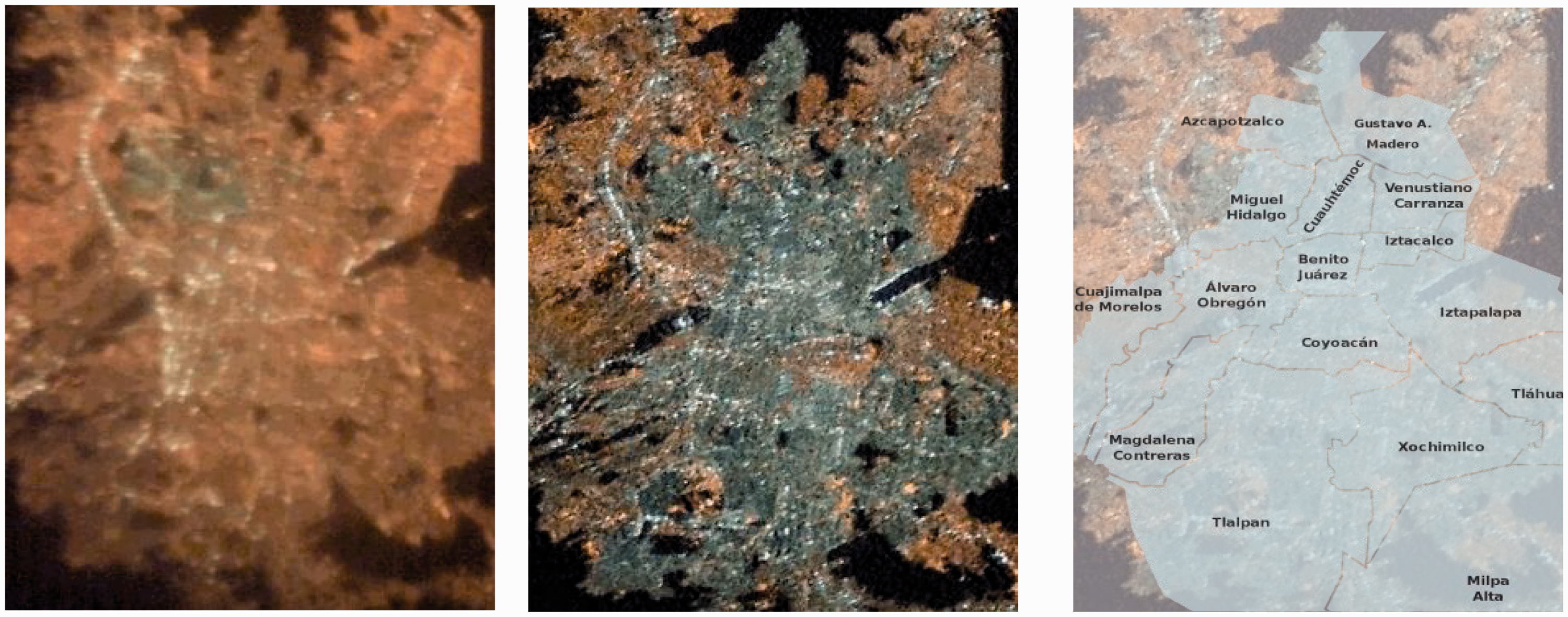
Mexico City as seen from the International Space Station. The first picture (left) was taken in 2003 while the second picture (middle) was taken in 2011. Clearly, a shift from mostly HPS luminaires resulting in orange light to white LEDs is noticeable. In the third picture (right), the boundaries of the 16 boroughs are overlaid.
The observation sites, chosen for skyglow modelling, were selected in accordance to real existing protected natural areas, located inside and in the surrounding of Mexico City. The quantification of changes in lighting situation just in the above locations is preferred because these sites are extremely endangered by the influence of artificial light at night. More precise, the following habitats were selected: Reserva Ecológica del Pedregal de San Ángel (REPSA) and Parque Nacional Cumbres del Ajusco.
The REPSA has been under protection for 25 years by the National Autonomous University of Mexico (UNAM). It represents the last relict of the scree ecosystem of the basin of Mexico. Parque Nacional Cumbres del Ajusco is one of various National Parks near Mexico City. The area is key to the conservation of the ecosystem and is important to endemic species.
The environmental services that these two natural reserves bring to the city are of vital importance for its inhabitants. Unfortunately, the accelerated growth of Mexico City led to a reduction of its extension to less than 10% of the original area. Urbanization causes loss of habitats and disappearances of numerous species.
Modelling approach
One of the key elements of this study is to model the consequences of LED conversion prior to its physical realization, thus avoiding potential economic loses originated from unwanted skyglow effects. The basic prerequisite to do so is a simulating tool that allows for rapid numerical modelling of sky radiance on a large domain, while providing results within the specified error tolerance. The decision fell on the SkyGlow tool (Kocifaj, 2017) due to its easy use in modelling real shapes of Mexico City and evaluation of skyglow levels under various meteorological conditions. We have computed different scenarios considering current lamp technologies and a possible massive change to white LEDs. To model not only the city as a whole, but furthermore also being able to adapt lighting situations to real-world conditions, the modelled city was also divided into the 16 boroughs mentioned before. Figure 2 illustrates the ‘input city’ and its division into sectors as customized for simulations.
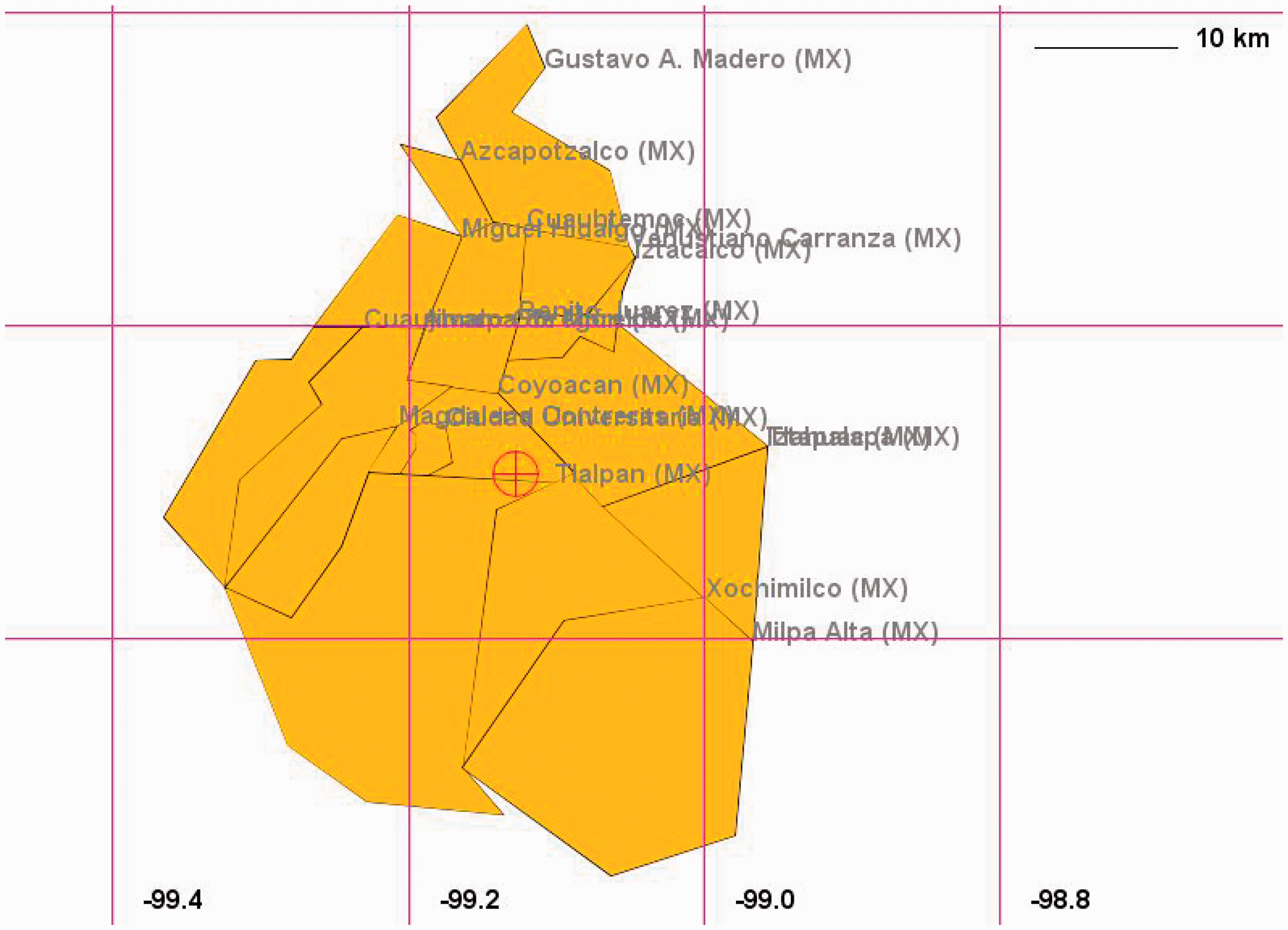
Input city as customized for the SkyGlow model including the division into 16 boroughs. The red cross highlights a random observing site for skyglow simulation which is changeable. The magenta lines describe a coordinate system with a latitude of 19.6° at the top horizontal, 19.0° at the bottom horizontal (not shown), and a longitude of –99.4° at the left vertical and –98.8° at the right vertical.
Various set-up configurations were used according to the purpose of study: Clear sky Inclusion of the entire spectral luminosity function of the scotopic vision, thresholds of wavelengths for computations from 350 to 750 nm Constant Background (to characterize the nature of aerosol particles) Fraction of the light that is isotropically reflected from the ground G = 0.15, and a fraction of the light radiated directly into the upward hemisphere F = 0.25 Aerosol optical thickness (AOT) at the reference wavelength 500 nm = 0.3, 0.9 Ångström exponent = 1.3 Scale height of molecular atmosphere = 8.0 km Vertical gradient of aerosol concentration = 0.65 km−1.
Figure 3 illustrates the locations of the two natural protected areas chosen as observation points for computations. The quantity of light radiated to the upper hemisphere was computed following the Garstang’s emission function, which is usually the only one choice considered in literature for cities when no other direct or indirect indicia on shapes of their LOPs exist. The amount of light installed in cities is calculated following the lumens per habitant approach, i.e. 750 lumens per habitant (Kocifaj et al., 2020). The number of inhabitants of each borough was individually adapted to be in accordance with Table 1. Since the number of inhabitants was not changed for computations of ‘real’ or ‘current’ conditions to hypothetical LED conversion, the lumen output is kept constant. Consequently, we are considering in our model that there are already massive energy savings due to the higher efficacy of LED luminaires. Considering also various colour temperatures of LEDs, Figure 4 shows input spectra used. Having all the variables identified and with assigned values, the simulations were carried out in order to instantly change the existing public lighting systems in the districts of Mexico City to white LEDs of different colour temperatures, and analyze the effects of such a change.
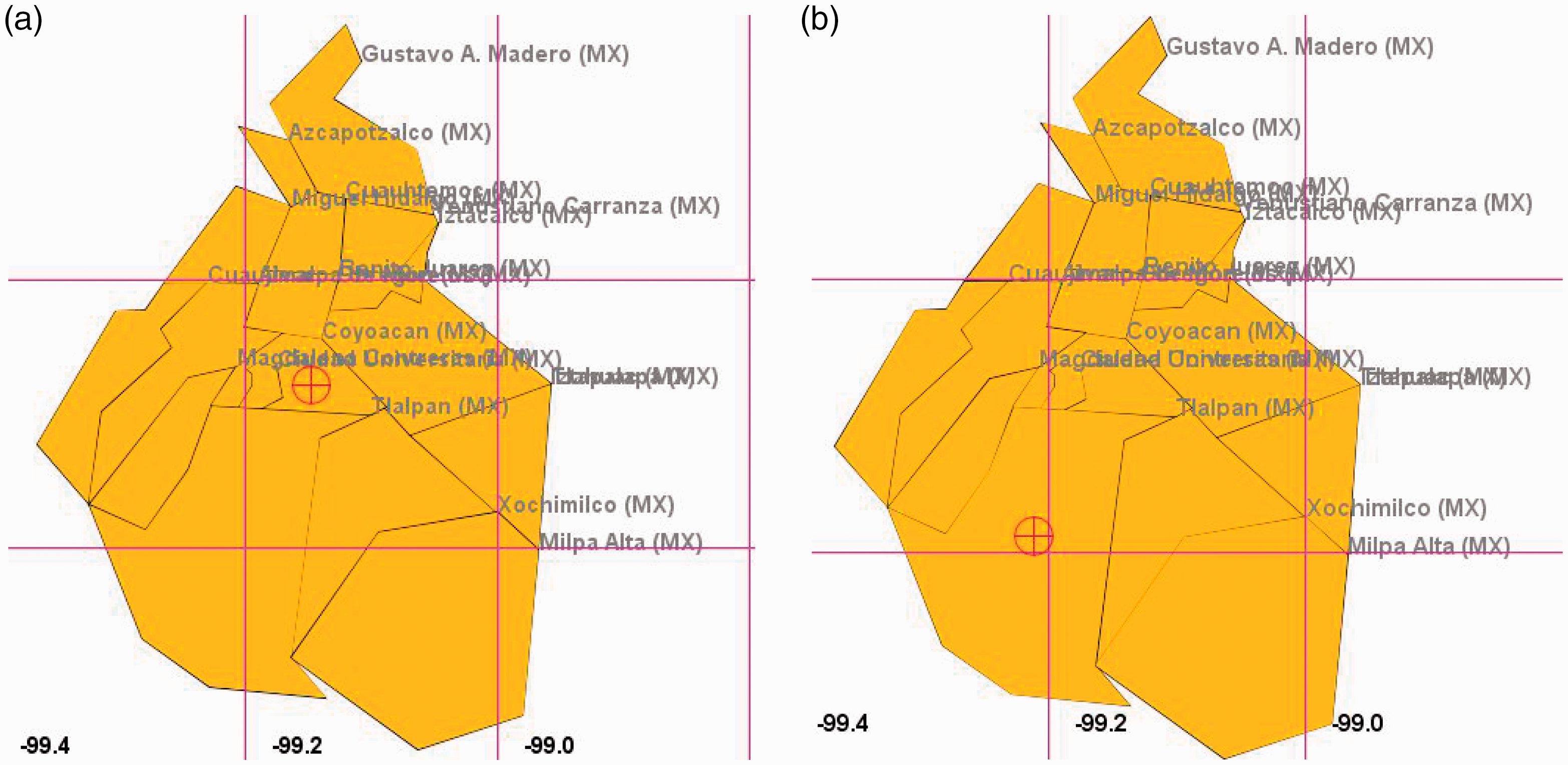
The red crossed circles show locations chosen for simulations in Mexico City: (a) Reserva Ecológica del Pedregal de San Ángel, (b) Parque Nacional Cumbres del Ajusco.
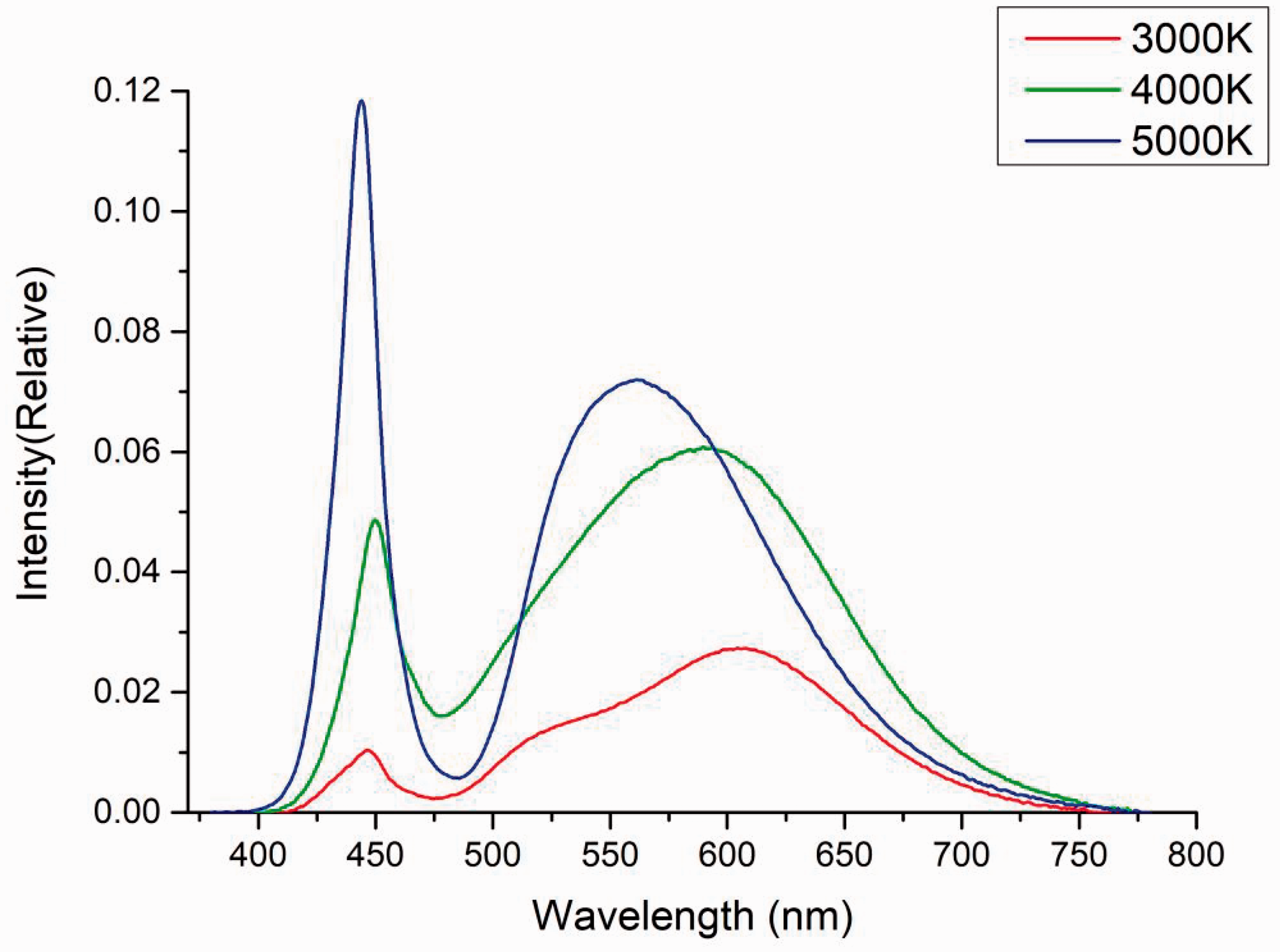
Input spectra for LEDs with various colour temperatures as used for the computations. Source: Data obtained from the Lamp Spectral Power Distribution Database (LSPDD) (Aubé et al. 2013a, 2013b).
Extremely polluted atmosphere
At the beginning of the 21st century, Mexico City was ranked among the most air polluted cities on Earth, even being stated the most by the World Health Organization (WHO) in 1992 (WHO/UNEP, 1992). Conditions improved since then, still due to meteorological phenomena, there are appearances of dangerous air state quantities. Especially due to its location in the Valley of Mexico, the area of the city provides a tendency of accumulating particulate matter. In order to make qualitative assessments regarding this phenomenon in Mexico City, also a value of AOT = 0.9, which is the upper limit for an exceptionally turbid atmosphere (Bäumer et al., 2008), was included to the computations. In the case of environmental contingencies due to air pollution, such as those occurring in Mexico City, there is a risk of respiratory diseases (Hernández-Garduño et al., 1997; Riojas-Rodriguez et al., 2014; Téllez-Rojo et al., 2000). In future works, it may be useful to study particular aspects of the effects of the interrelationship between air pollution and light pollution in human health. In the past, the relationship between the artificial night sky brightness and aerosols occurred empirically (e.g. Posch et al., 2018). In our case, it was possible to carry out an adequate simulation to analyze the results an environmental contingency entailed, see Figure 5 for Input spectra of other luminaires currently in use in Mexico City as used for the computations.
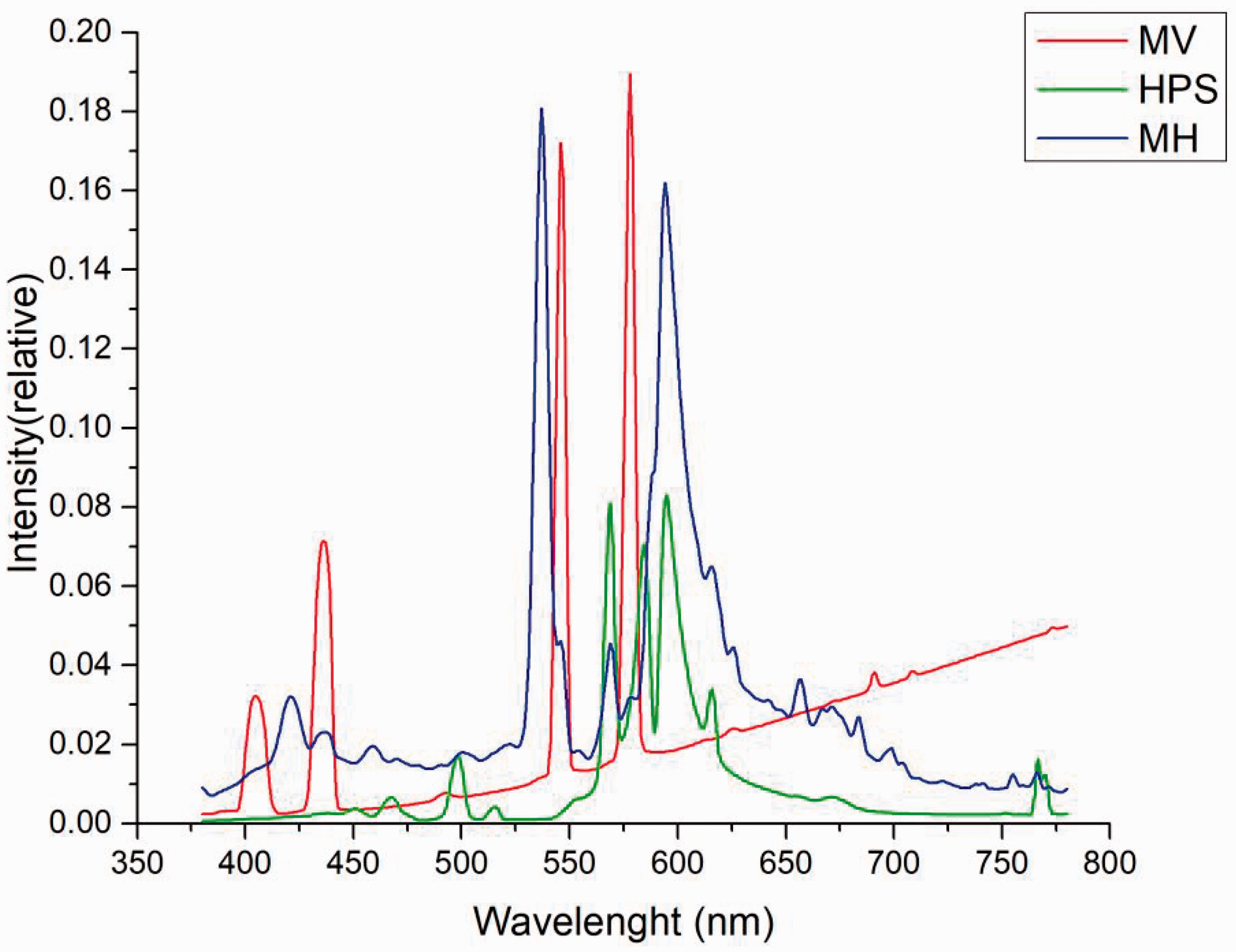
Input spectra of other luminaires currently in use in Mexico City as used for the computations.
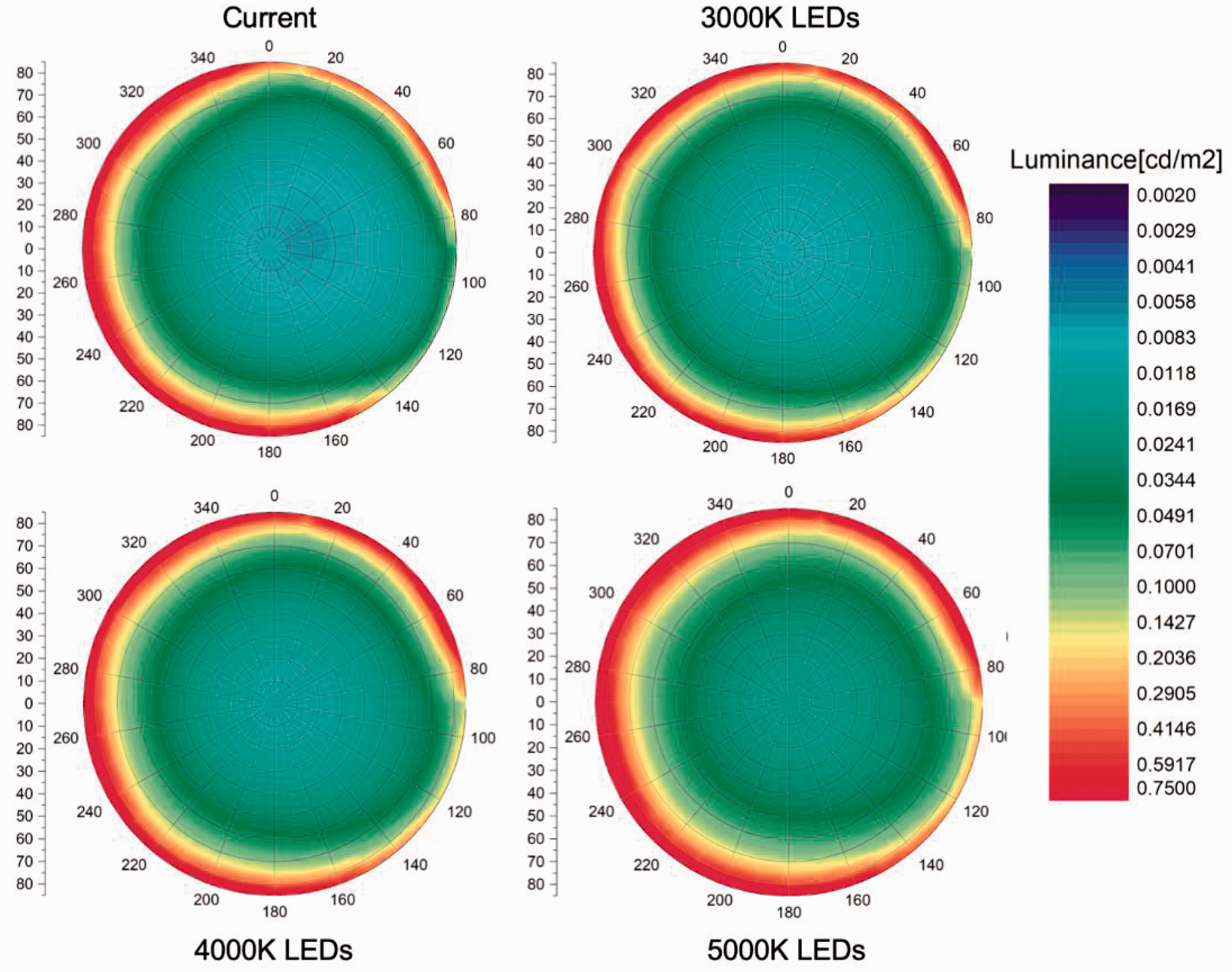
Results of simulations at the location of Reserva Ecológica del Pedregal de San Ángel with an AOT = 0.3.
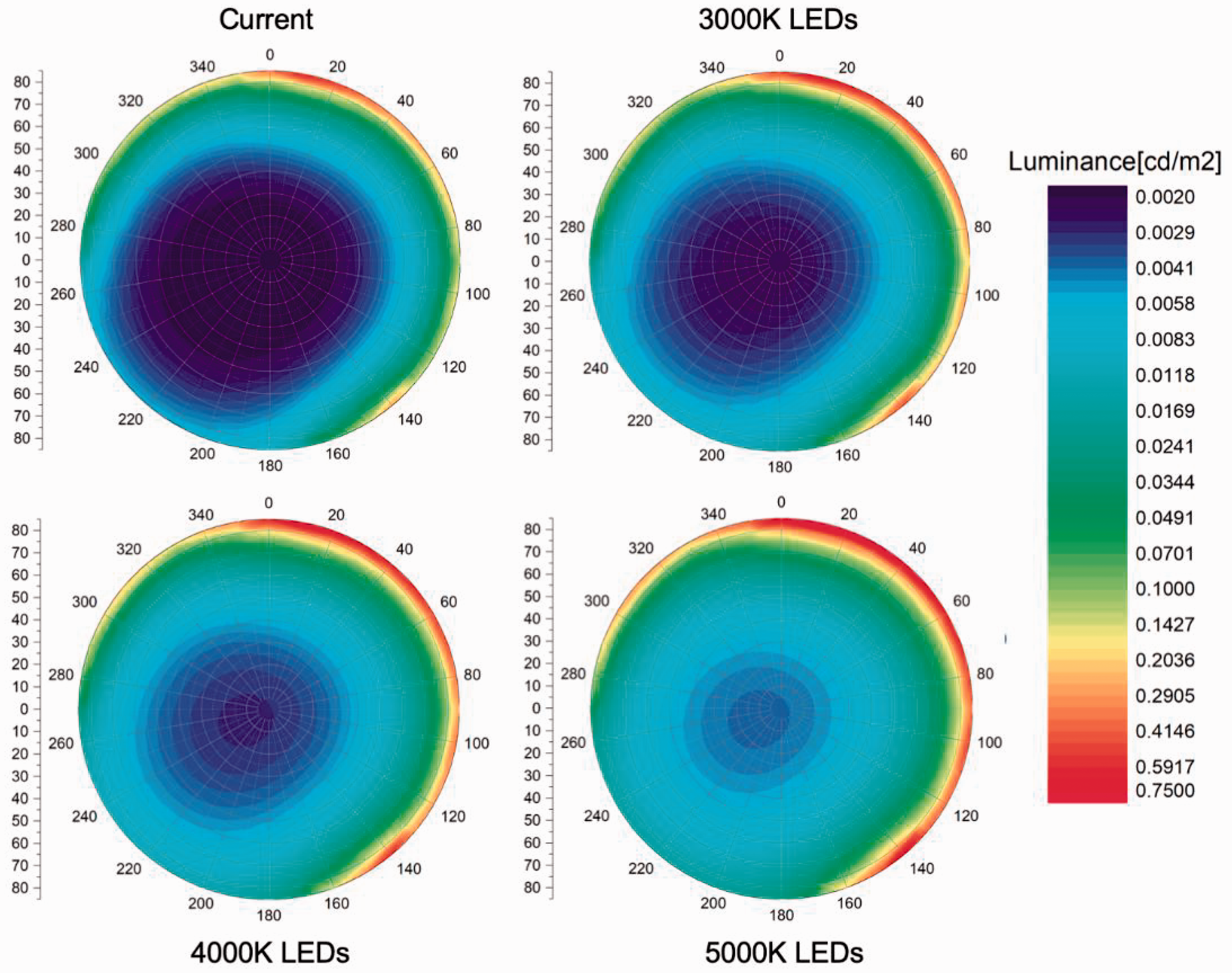
Results of simulations at the location of Parque Nacional Cumbres del Ajusco with an AOT = 0.3.
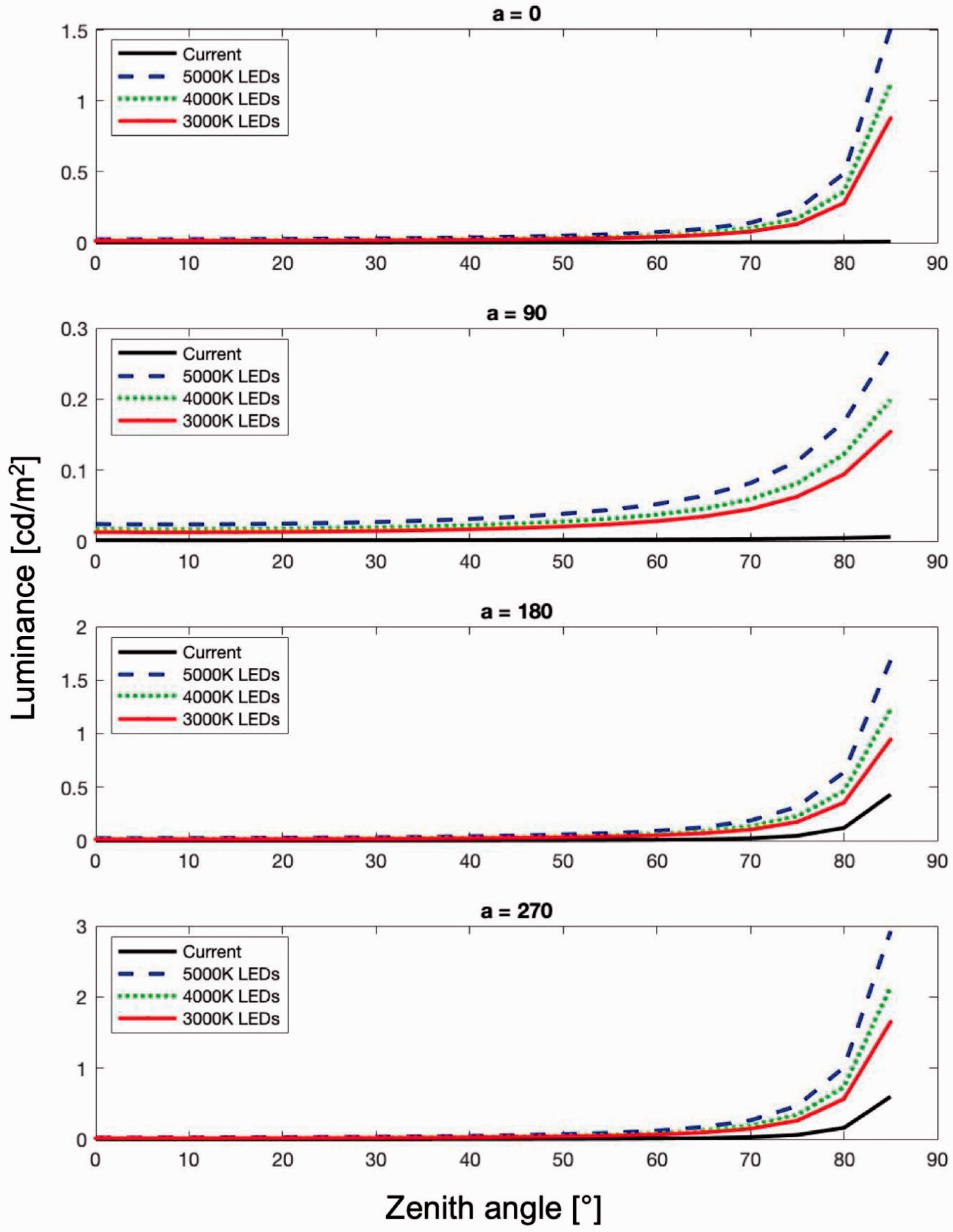
Results as provided by the simulations for Reserva Ecológica del Pedregal de San Ángel. ‘Current’ describes the current state of lamp technologies, ‘5000 K’ is for theoretical city-wide conversion to 5000 K LEDs. The same applies to 4000 K and 3000 K. The four plots from top to the bottom are for azimuths of each cardinal direction: a = 0° (north), 90° (east), 180° (south) and 270° (west).
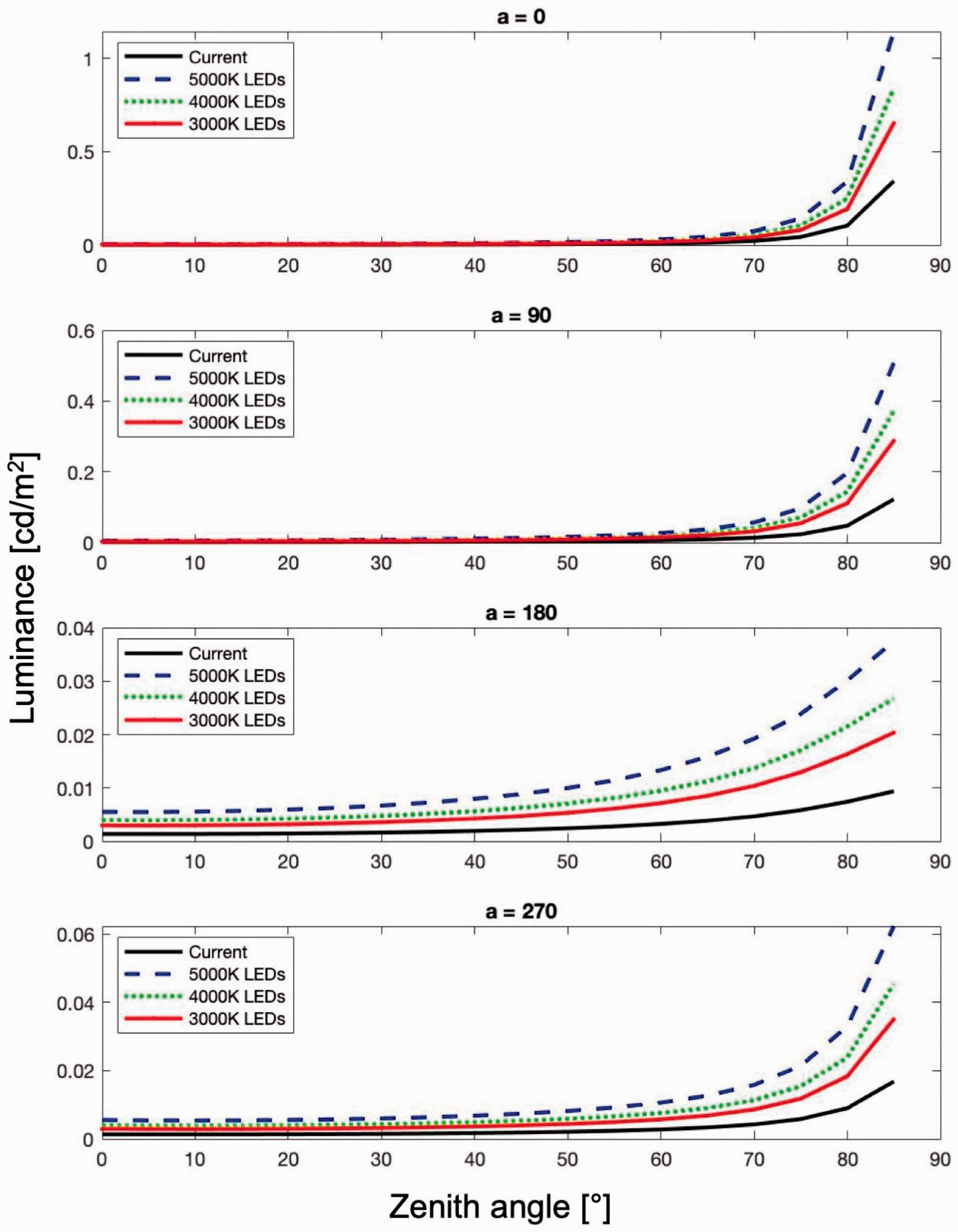
Same as in Figure 8, but for Parque Nacional Cumbres del Ajusco.
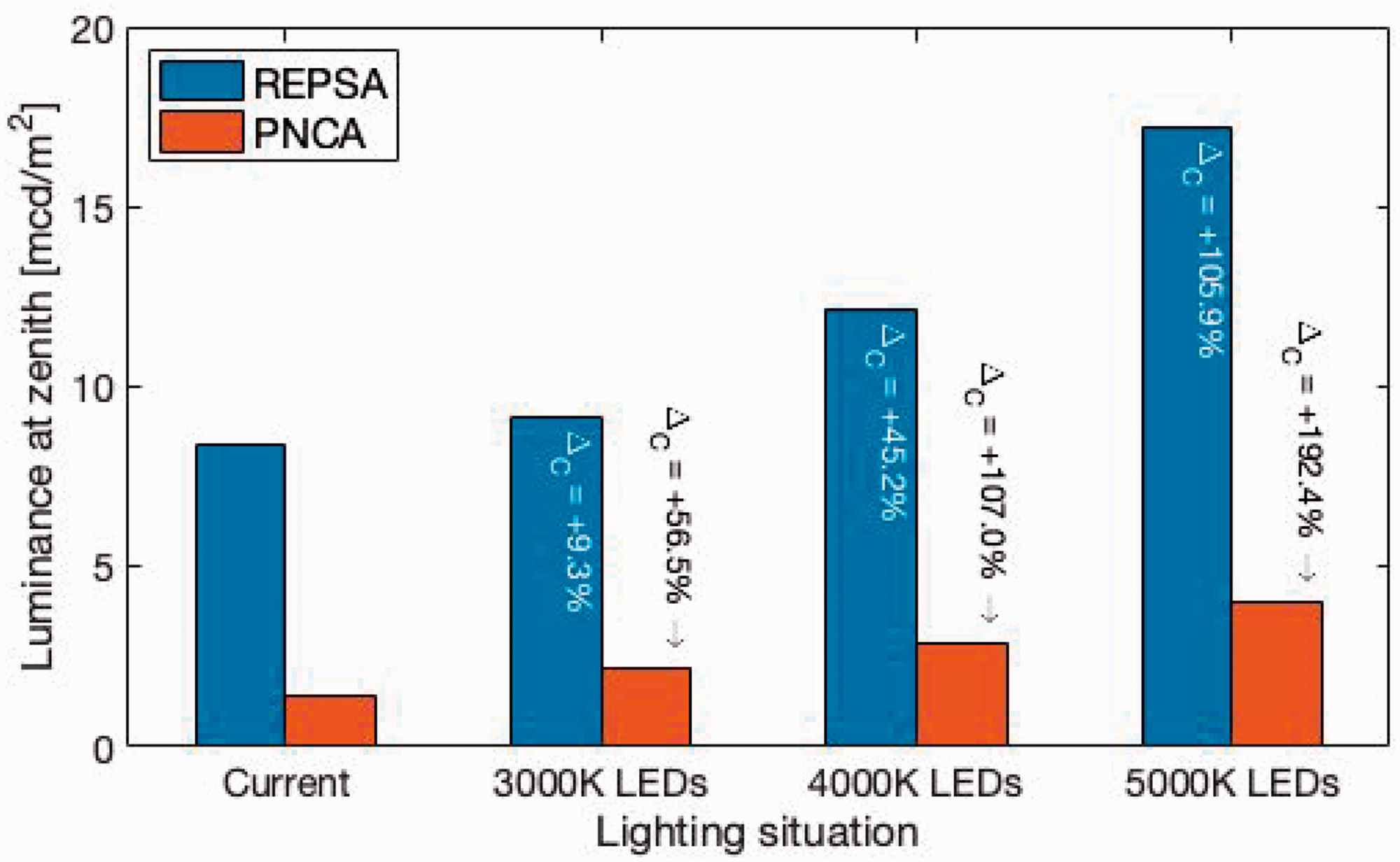
Zenith luminance values as simulated for both locations with an AOT = 0.3. ΔC describes the percentage variance to the ‘Current’ zenith luminance values.
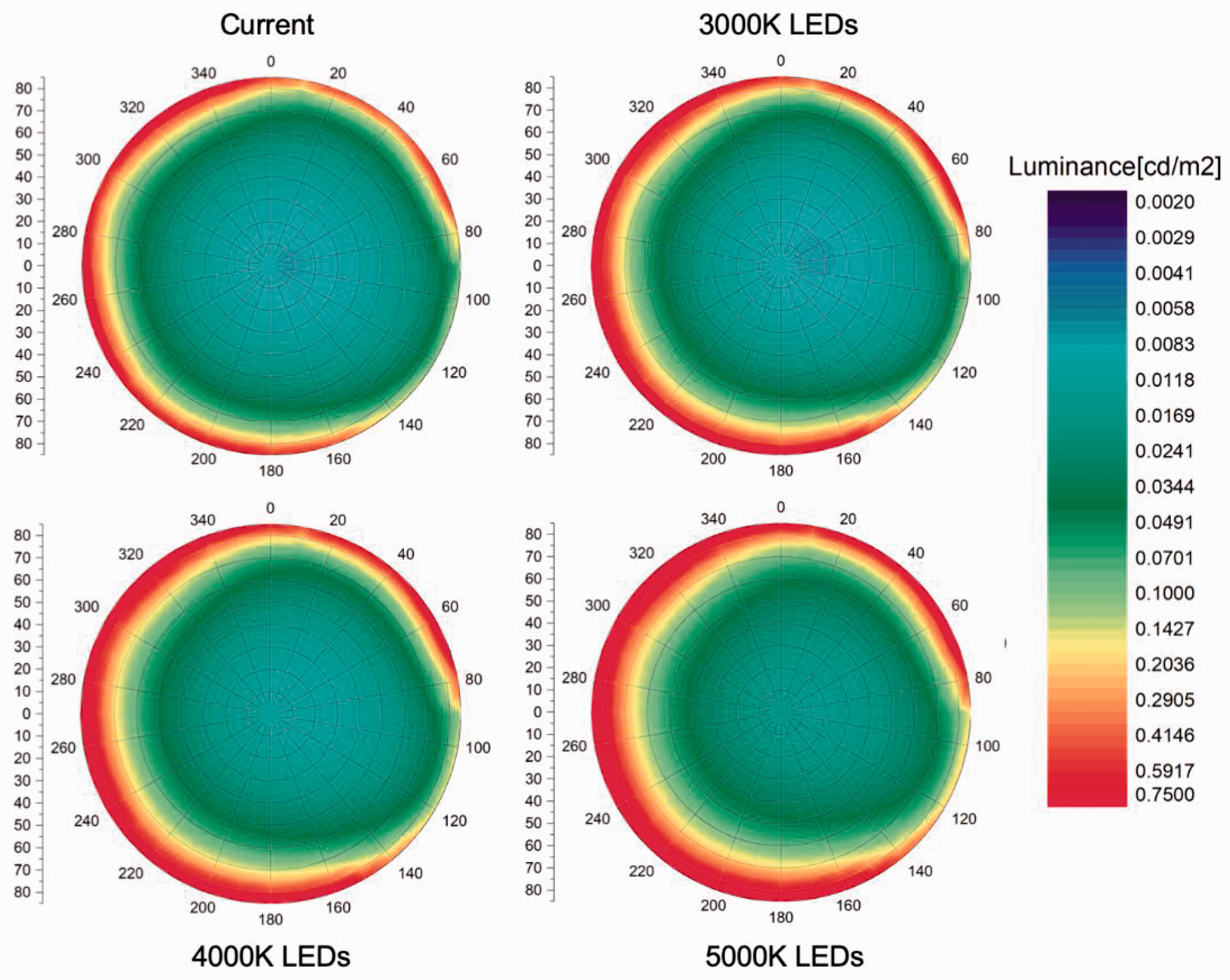
Results of simulations at the location of Reserva Ecológica del Pedregal de San Ángel with an AOT = 0.9.
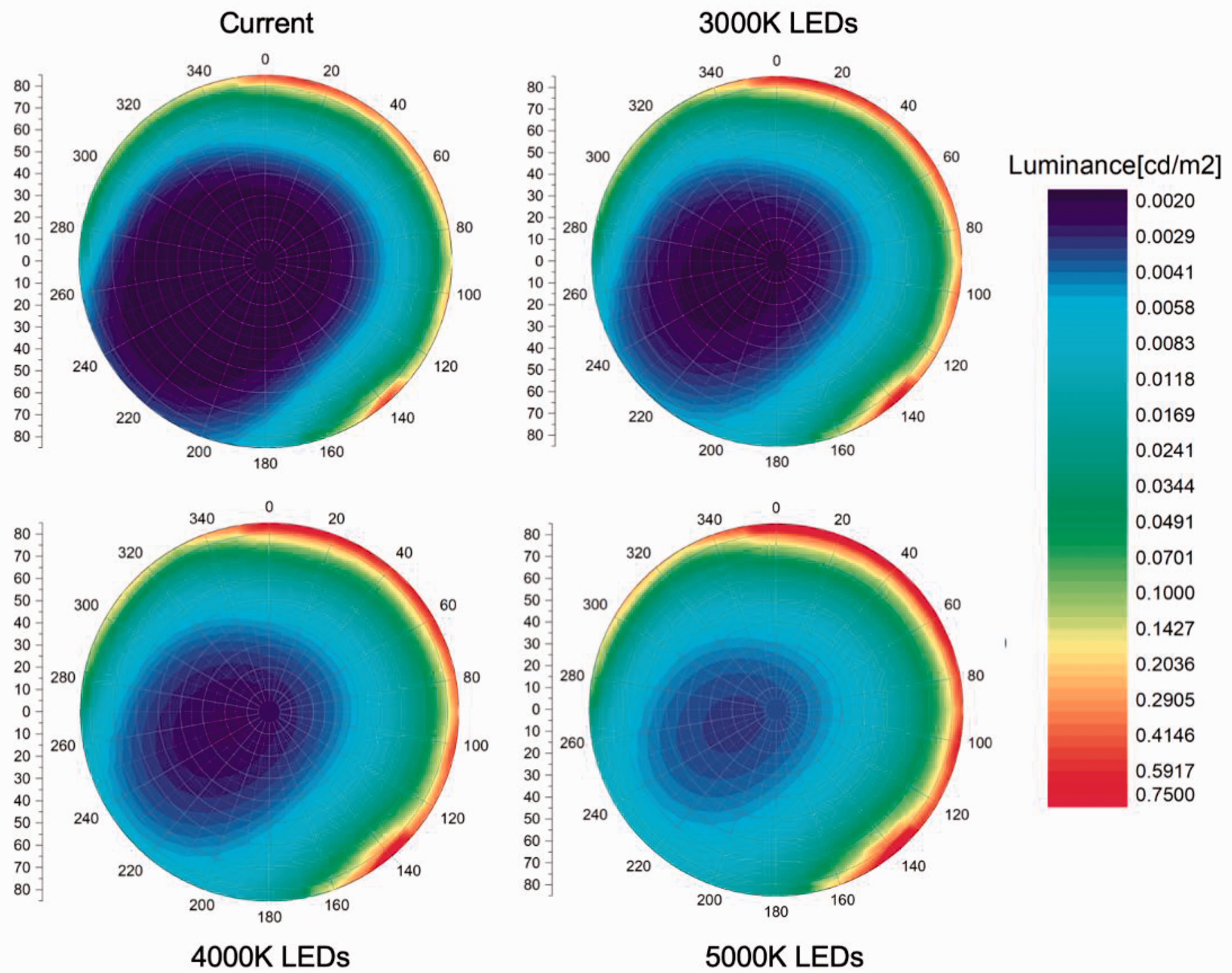
Results of simulations at the location of Parque Nacional Cumbres del Ajusco with an AOT = 0.9.
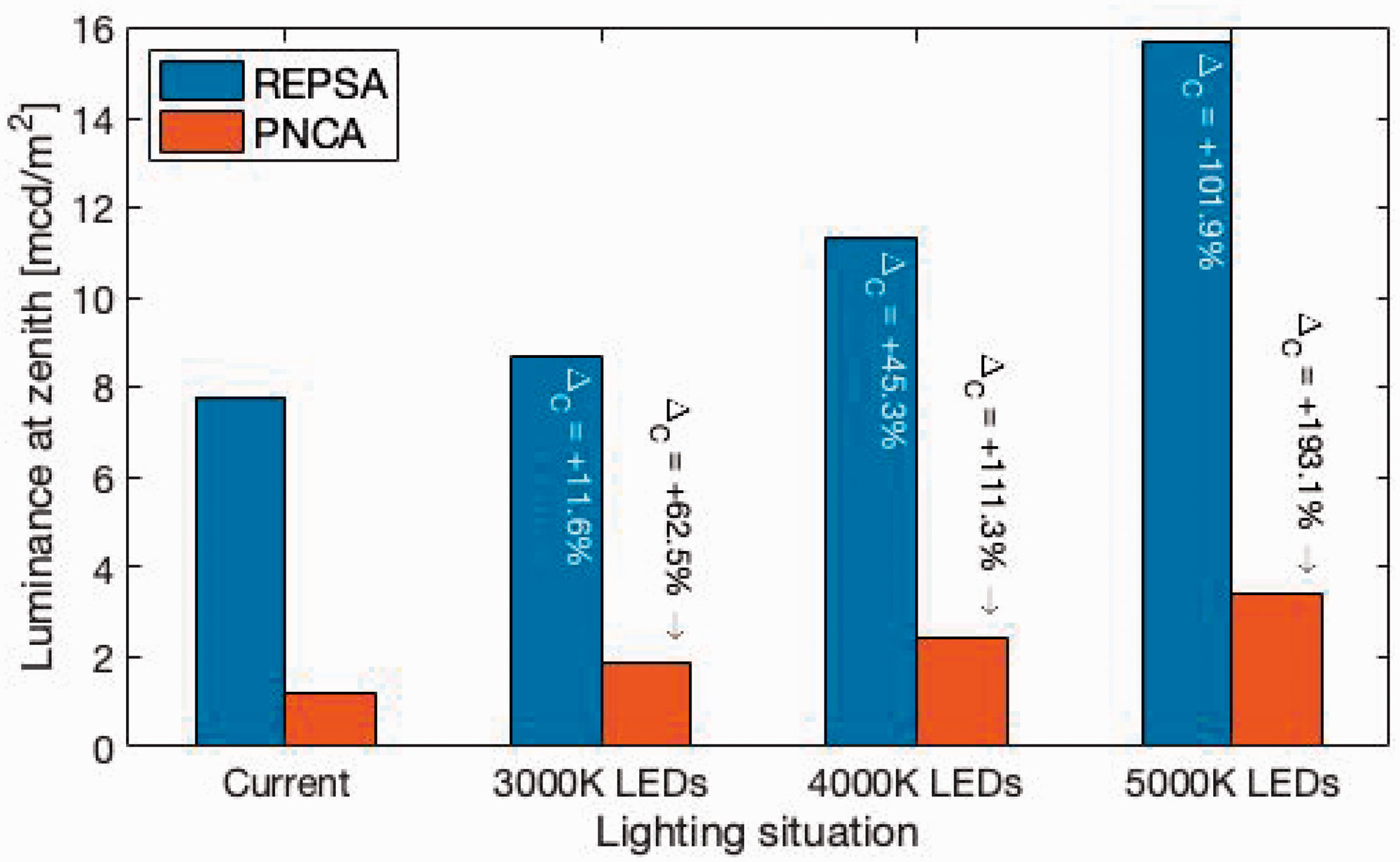
Zenith luminance values as simulated for both locations with an AOT = 0.9. ΔC describes the percentage variance to the ‘Current’ zenith luminance values.
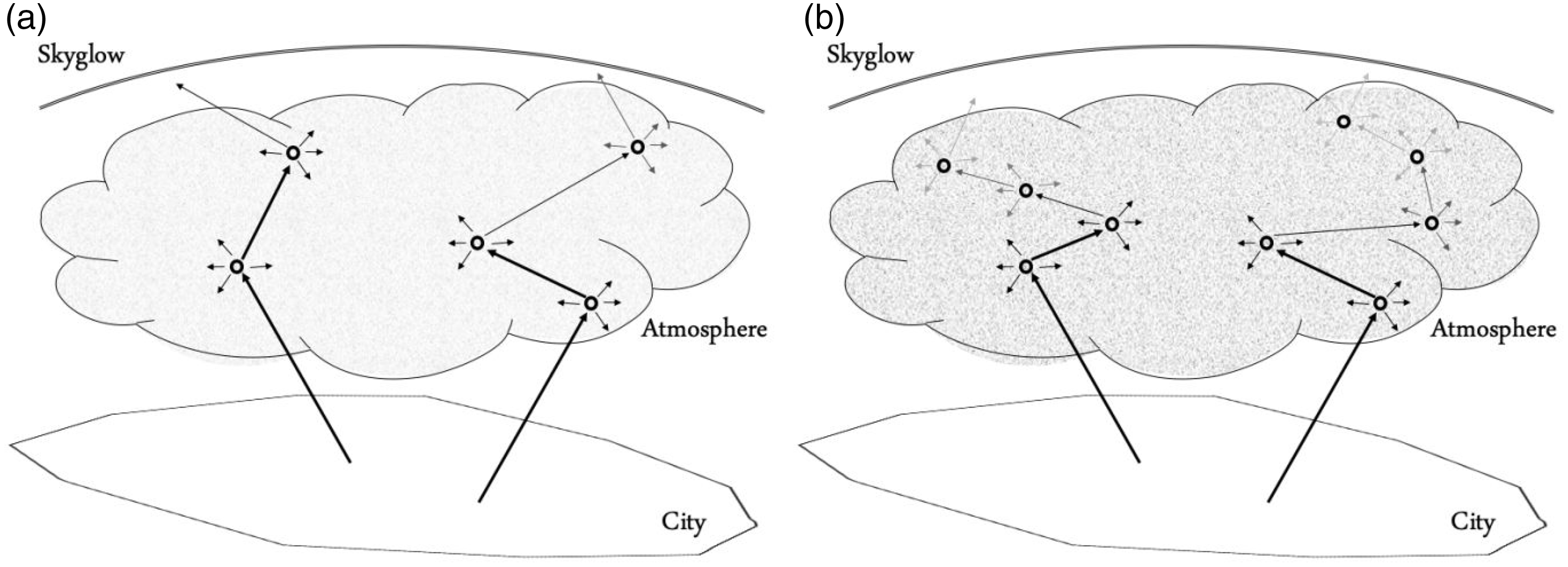
Photon trajectories in the atmosphere under low (a) and high (b) aerosol optical thickness. The mean free path of photons between two scattering events is short under elevated AOT conditions (b), causing the intensity of light rapidly decay as the optical path of photons increases.
Results
In this section the computational results are analyzed and intentionally separated into two subsections, since they show impacts of an LED conversion at two different applicable conditions, at low and elevated turbidity levels. This approach should make it possible to adopt results to any larger city in the world, being strongly air polluted or not.
LED conversion
To receive an impression on the importance of chosen colour temperatures, the results were illustrated as provided by computations and plotted for all zenith angles in cardinal directions, i.e. azimuths 0° (north), 90° (east), 180° (south) and 270° (west). Four input models were considered: the current state of lighting technology (most used luminaire spectrum chosen as seen in Table 1) and a conversion of the whole city light sources to 3000, 4000 or 5000 K LEDs, respectively.
Figures 6 to 9 illustrate the results of all four simulated models for REPSA and Parque Nacional Cumbres del Ajusco. In general, one can see that luminance of the night sky at all azimuths shows the same behaviour, being brightest when considering the city being converted to the highest chosen colour temperature of 5000 K. On the other hand, the current situation of used luminaires seems to have the least influence on the night sky brightness. This can be explained by the increase in luminous efficacy for potential LED conversions while keeping the power input in the simulation constant. As discussed above, this results especially from keeping the lumen output constant for all lighting situations. At low elevation angles, sky luminance can show significant changes with azimuth because of different population density in different parts of Mexico City. In other words, skyglow depends on lumen output not only from the borough the observer is situated in, but also from near boroughs around the observer’s location. Unsurprisingly, the impact of various colour temperatures is increasingly important near the horizon. However, also zenith luminance values, summarized in Figure 10, exemplify the influence on the night sky brightness. If, for example, using LEDs with a colour temperature of 4000 K, as very often used for public street-lighting globally, the zenith brightens increases by a factor of 10 for the location situated near the city centre and a factor of 2 for the southwestern location. Please note that, as defined by the Commission 50 of the International Astronomical Union, the natural sky brightness, without any influence of artificial light, reaches values around 0.17 mcd/m2. It is no surprise that the observer near the centre of Mexico City is more affected by a potential LED conversion than farer away from it. The differences occurring due to various colour temperatures can especially be traced back to higher scattering efficiencies of light in short wavelengths.
Polluted atmosphere
Figures 11 and 12 show results of simulations for both locations for AOT as large as 0.9 while Figure 13 compares the zenith luminance values of all models assumed. Analogously to what we have documented in Section ‘LED conversion’, night sky brightening is also identified here when increasing colour temperature of luminaires used. Still, if comparing figures, a higher AOT seems to result in reduced skyglow.
Discussion and conclusion
Preserving human health and conserving wide diversity of living organisms in cities and their surroundings require increased effort and regulations to be implemented for an entire population at a municipal level. While emerging problems like air-, water-, ground-, or noise-pollution, are mostly all under specific control, the influence of artificial light at night has been overlooked for a long time or left apart from the public policy health agenda. Currently, there is a global movement in case to protect the natural night sky with the installation of new street lighting systems. It has shown that well-shielded LED lamps are on the one hand providing a high efficacy with the possibility of significant energy savings, and on the other hand can be adjusted better to the needs of certain areas. However, there is still the issue of poorly adapted installations, choosing high colour temperatures (> 3000 K) or over-illuminances. The result is a worsening of lighting conditions.
Our numerical simulations reveal the potential consequences to the skyglow expected in protected natural areas of Mexico City as a result of LED conversion if enforced in all 16 city-boroughs. The results of this analysis illustrate that in every case, the situation worsens in all locations selected if the amount of lumen output is kept constant. Specifically, the night sky patterns lose their natural structure due to significantly increased luminance amplitudes. This effect is strengthened with increasing colour temperature of LEDs. Results show that even if conducting the same lumen output and only changing light sources, scattering effects and differences in efficacy can end up in significant impacts on the night sky brightness. There is no doubt that potential conversions of lighting systems to LEDs require a thorough adjustment of other parameters, otherwise negative impacts on environment and health might rise significantly. Some of the useful measures are as follows: (i) define a maximum illuminance for lamps and advertisements, (ii) define a maximum colour temperature of 3000 K, (iii) install only well-shielded lamps with no uplight, (iv) dim (street lighting) or switch off (advertisements, buildings, etc.) light sources during the night (International Dark Sky Association, 2018).
The light emitted from artificial sources upwards undergoes intense scattering in a turbid atmosphere, especially when the AOT is extremely increased (see Figure 14). We know from radiative transfer theories that scattering efficiency increases proportionally with the cross section of scattering bodies. This is why aerosol particles, with sizes and cross sections exceeding significantly those of air molecules, have an important role in shaping the night sky brightness (Joseph et al., 1991). The turbid environments in densely populated urban areas are therefore found to produce more diffuse light compared to what we can observe in rural or even natural spaces. More scattering, however, also means strong attenuation and these two effects combine depending on particle sizes and compositions (chemistry) (Bohren and Huffman, 1983; Horvath, 2014). For instance, the scattering effect produced by light emitted under low elevation angles on large particles not necessarily causes an increased illuminance at the place of emission. Instead, it could amplify the diffuse illumination in surrounding areas, at the expense of backscattered light due to lowered amount of photons traveling backwards (Kocifaj, 2010; Kocifaj and Kómar, 2016). By careful while examining the data of our study, it is illustrated that the natural night does no longer exist in the two areas inspected, although one of them is outside of population centres. As studied before by Falchi et al. (2016), this is coherent to satellite observations of artificial light at night for Mexico. It is important to understand that zenith radiances can peak near large arbitrarily shaped cities with non-uniform distribution of upward emissions. In our case, sky luminance reveals significant increases in the vicinity of municipalities, which could help us to determine the effects on some plant and animal species with a nocturnal behaviour.
The environmental concerns in the metropolitan areas of Mexico City identified imply the needs for alternative solutions for the formulation of public policies. The lighting system of the metropolitan areas is heterogeneous, meaning that the emission spectrum and LOP may both depend on the position within a city (Wallner and Kocifaj, 2019). A large fraction of artificial light at night comes from public lighting sources and there is no doubt that the problem requires a treatment on a local scale. The angular emission function is expected to be consistent with that of street lighting LOP (Barentine et al., 2018), but the light emissions from building interiors, advertisement boards, cars or sport stadiums can influence the emission curve (Barentine et al., 2020). Therefore, the contribution from headlights, billboards, windows and monuments to the brightness of the night sky must not be ignored. Specifically, new urban lighting planning is needed to go further with the research introduced here. In this sense, design and implementation of policies must respond to the spatial criteria in which urban spaces have an influence. Studies should be carried out to propose zoning with lighting criteria that consider the environment and the needs of the city or cities within the metropolitan area according to scientific recommendations. The development of new and more appropriate regulations is a priority topic and a great challenge for experimentalists, urban modellers and light pollution researchers.
Footnotes
Declaration of conflicting interests
The author(s) declared no potential conflicts of interest with respect to the research, authorship, and/or publication of this article.
Funding
The author(s) disclosed receipt of the following financial support for the research, authorship, and/or publication of this article: This work was supported by the Slovak Research and Development Agency under Project No. APVV-18-0014; computational work was supported by the Slovak National Grant Agency VEGA (grant No. 2/0010/20); Open Access Funding was provided by the University of Vienna.
