



Abstract

E-Posters - LATE BREAKING ABSTRACTS
01.00 - ACUTE ISCHEMIC STROKE MANAGEMENT - 01.02 - ACUTE MANAGEMENT - Thrombolysis or thrombectomy
P2628 - ESOC2025-LB-106
THROMBOLYSIS WITH TENECTEPLASE IN ACUTE ISCHEMIC STROKE PATIENTS TAKING DIRECT ORAL ANTICOAGULANTS (PASSION) - A MULTICENTER RANDOMIZED PLACEBO-CONTROLLED CLINICAL TRIAL
1University Medical Center Hamburg-Eppendorf, Department of Neurology, Hamburg, Germany
The primary endpoint will be functional outcome (mRS) at 90 days, safety endpoints will include intracranial hemorrhage, major hemorrhage, death or dependency, and mortality.
PASSION aims to inform clinical practice. In case of positive results, a safe and effective thrombolytic therapy will become routinely available to stroke patients on direct oral anticoagulant therapy in the future.
01.00 - ACUTE ISCHEMIC STROKE MANAGEMENT - 01.02 - ACUTE MANAGEMENT - Thrombolysis or thrombectomy
P2629 - ESOC2025-LB-107
Safety and Efficacy of Treatment with Early Aspirin Administration Following Intravenous Thrombolysis for Acute Ischemic Stroke (TREND-IVT): A Multicenter, Randomized, Placebo-Controlled Clinical Trial
1Xuanwu Hospital, Capital Medical University, Beijing, China
The primary outcome is a favorable functional outcome, defined as a mRS score of 0-1 at 90 days. Secondary outcomes include the proportion of patients with mRS scores of 0-1 at 30 days and 0-2 at 90 days; ordinal shift analysis of mRS scores at 90 days; and changes in NIHSS scores. Safety endpoints include symptomatic intracerebral hemorrhage, any intracerebral hemorrhage within 48 hours, systemic bleeding, recurrent stroke or other vascular events, mortality, and other adverse events within 90-day follow-up.
01.00 - ACUTE ISCHEMIC STROKE MANAGEMENT - 01.01 - ACUTE MANAGEMENT - Neither thrombolysis nor thrombectomy
P2630 - ESOC2025-LB-112
EARLY AND ACCURATE STROKE DETECTION VIA CAROTID MONITORING
1Avertto Medical Ltd, Aderet, Israel, 2galilee medical center, Naharia, Israel, 3val d'Hebron medical center, Barcelona, Spain, 4Sharee Zedk medical center, Jerusalem, Israel, 5Sheba medical center, Ramat Gan, Israel
01.00 - ACUTE ISCHEMIC STROKE MANAGEMENT - 01.07 - IMAGING - Non acute
P2631 - ESOC2025-LB-149
THE EFFECT OF INTERLEUKIN-6 ON CEREBRAL ARTERIOVENOUS MALFORMATIONS
1Tashkent Pediatric Medical Institute, Tashkent, Uzbekistan
01.00 - ACUTE ISCHEMIC STROKE MANAGEMENT - 02.01 - INTRACEREBRAL HAEMORRHAGE
P2632 - ESOC2025-LB-159
A RANDOMIZED TRIAL ON HEMODYNAMIC OPTIMIZATION OF CEREBRAL PERFUSION AFTER ENDOVASCULAR THERAPY IN ACUTE ISCHEMIC STROKE
1Hospital de la Santa Creu i Sant Pau, Barcelona, Spain, 2Hospital Universitari Dr. Josep Trueta, Girona, Spain, 3HOSPITAL GENERAL UNIVERSITARIO DR. BALMIS, Alicante, Spain, 4Hospital del Mar, Barcelona, Spain, 5Hospital Universitario de Salamanca, Salamanca, Spain, 6Hospital Universitario Miguel Servet, Zaragoza, Spain, 7Hospital de Cruces, Barakaldo, Spain, 8Hospital La Fe, Valencia, Spain, 9Hospital Universitario Virgen de la Arrixaca, Murcia, Spain, 10Hospital Universitari Joan XXIII, Tarragona, Spain, 11Hospital Universitario Virgen del Rocío, Sevilla, Spain
enrolled. An interim analysis (march 2024) concluded that the trial can be continued as
planned.
01.00 - ACUTE ISCHEMIC STROKE MANAGEMENT - 02.01 - INTRACEREBRAL HAEMORRHAGE
P2633 - ESOC2025-LB-195
CAROTID ARTERY STENTING DURING ENDOVASCULAR TREATMENT OF ACUTE ISCHEMIC STROKE (CASES) - A MULTICENTER RANDOMIZED CLINICAL TRIAL
1University Medical Center Groningen - Department of Neurology, Groningen, Netherlands, 2UZ Leuven - Department of Neurology, Leuven, Belgium, 3Department of Neurosciences, KU Leuven, Leuven, Belgium, 4University Medical Center Amsterdam - Department of Neurology, Amsterdam, Netherlands, 5University Medical Center Amsterdam - Department of Neurology, Amsterda, Netherlands
01.00 - ACUTE ISCHEMIC STROKE MANAGEMENT - 02.01 - INTRACEREBRAL HAEMORRHAGE
P2634 - ESOC2025-LB-199
EARLY VERSUS DELAYED ANTICOAGULATION IN ACUTE ISCHAEMIC STROKE: PRE-SPECIFIED FUNCTIONAL, COGNITIVE AND PATIENT-REPORTED OUTCOMES OF THE OPTIMAS RANDOMISED CONTROLLED TRIAL
1Stroke Research Centre, UCL Queen Square Institute of Neurology, Department of Neuroradiology, University College London Hospitals NHS Foundation Trust, London, United Kingdom, 2Comprehensive Clinical Trials Unit, Institute of Clinical Trials and Methodology, University College London, London, United Kingdom
01.00 - ACUTE ISCHEMIC STROKE MANAGEMENT - 01.07 - IMAGING - Non acute
P2635 - ESOC2025-LB-237
ACUTE STROKE MANAGEMENT IN INTENSIVE CARE UNITS. INCLUDING FESS PROTOCOL
1National hospital, Bishkek, Kyrgyzstan
01.00 - ACUTE ISCHEMIC STROKE MANAGEMENT - 01.02 - ACUTE MANAGEMENT - Thrombolysis or thrombectomy
P2636 - ESOC2025-LB-311
RADIOMICS ANALYSIS OF ONSET TIME IN ACUTE ISCHEMIC STROKE PATIENTS WITH DWI-FLAIR PARTIAL MISMATCH
1Chengdu Second People's Hospital, Chengdu, China
01.00 - ACUTE ISCHEMIC STROKE MANAGEMENT - 03.03 - PROGNOSIS AND OUTCOME AFTER STROKE
P2637 - ESOC2025-LB-314
IMAGING BIOMARKERS FOR RADIOLOGICAL PROGRESSION AND DELAYED THROMBECTOMY ELIGIBILITY
1Queen Elizabeth University Hospital, Glasgow, United Kingdom
01.00 - ACUTE ISCHEMIC STROKE MANAGEMENT - 05.02 - SECONDARY PREVENTION
P2638 - ESOC2025-LB-323
RESCUE STENTING FOR REFRACTORY VERTEBRO-BASILAR ARTERY OCCLUSION: A SINGLE CENTER EXPERIENCE
1Chosun University Hospital, Gwang ju, South Korea
01.00 - ACUTE ISCHEMIC STROKE MANAGEMENT - 01.02 - ACUTE MANAGEMENT - Thrombolysis or thrombectomy
P2639 - ESOC2025-LB-337
LACUNAR LSA SIGN, AN ANGIOGRAPHIC MARKER OF REPERFUSION HEMORRHAGE DURING MECHANICAL THROMBECTOMY
1CLINICAL LEAD STROKE AND NEUROINTERVENTION, MANIPAL HOPSITALS, KOLKATA, India
Immediately the procedure was terminated and Computed Tomographic scan of brain revealed evidence of reperfusion bleed correlating with the areas of dye extravasation.
Identification during the thrombectomy procedure may warn the operator of reperfusion bleed and early measures may be taken to prevent furthger damage which may include bp control or lowering,
Coiling or closing the leaking vessel or even compression of the reperfused carotid, immediate ct brain aborting the procedure should be done with urgent decompression by neurosurgery if mass effect is found.
01.00 - ACUTE ISCHEMIC STROKE MANAGEMENT - 05.02 - SECONDARY PREVENTION
P2640 - ESOC2025-LB-366
TYG INDEX EFFECT ON FIRST PASS RECANALISATION IN ACUTE ISCHEMIC STROKE
1Antalya Training and Research Hospital Neurology, Antalya, Türkiye, 2Antalya Training and Research Hospital Radiology, Antalya, Türkiye
01.00 - ACUTE ISCHEMIC STROKE MANAGEMENT - 01.05 - NEUROINTERVENTION
P2641 - ESOC2025-LB-406
SAFETY AND EFFICACY OF INTRA-ARTERIAL TENECTEPLASE FOR NON-COMPLETE REPERFUSION OF INTRACRANIAL OCCLUSIONS (TECNO)
1Department of Diagnostic and Interventional Neuroradiology, University Hospital Bern Inselspital, University of Bern, Bern, Switzerland, 2Department of Neurology, University Hospital Bern Inselspital, University of Bern, Bern, Bern, Switzerland, 3Department of Neurology, HUS Helsinki University Hospital, Helsinki, Finland, 4Department of Neurology, University Hospital Basel, University of Basel, Basel, Switzerland, 5Department of Diagnostic and Interventional Neuroradiology, Cantonal Hospital St. Gallen, St.Gallen, Switzerland, 6Department of Neuroradiology, University Hospital Zürich, University of Zürich, Zürich, Switzerland, 7Department of Neuroradiology, Clinic of Radiology and Nuclear Medicine, University Hospital Basel, Basel, Switzerland, 8Department of Neurology, Hospital Lariboisière, University of Paris, Paris, France, 9Department of Neurology, University Hospitals Leuven, University of Leuven, Leuven, Belgium
01.00 - ACUTE ISCHEMIC STROKE MANAGEMENT - 05.02 - SECONDARY PREVENTION
P2642 - ESOC2025-LB-415
An update of results from the multicentric, randomized study of sovateltide (Tycamzzi®) to treat acute cerebral ischemic stroke patients
1Pharmazz, Inc., The University of Illinois at Chicago, Midwestern University, Willowbrook, United States, 2Radiant Superspeciality Hospital, Amravati, India, 3Lalitha Super Specialities Hospital Pvt. Ltd., Guntur, India, 4New Era Hospital, Nagpur, India, 5KG Hospital and Post Graduate Medical Institute, Coimbatore, India, 6Hi-Tech Hospital and Trauma Center, Jhansi, India, 7Dayanand Medical College and Hospital, Ludhiana, India, 8Guntur Medical College & Government General Hospital, Guntur, India, 9Christian Medical College & Hospital, Ludhiana, India, 10Government Medical College and Attached Hospitals, Kota, India, 11Pushpanjali Hospital & Research Centre, Agra, India, 12Sidhu Hospital Pvt. Ltd., Ludhiana, India, 13Institute of Neurosciences, Kolkata, India, 14All India Institute of Medical Sciences, New Delhi, India, 15KLE’s Dr. Prabhakar Kore Hospital & Medical Research Centre, Belagavi, India, 16Post Graduate Institute of Medical Education & Research, Chandigarh, India, 17Institute of Medical Sciences, Varanasi, India, 18Baby Memorial Hospital, Kozhikode, India, 19Heritage Institute of Medical Sciences, Varanasi, India
01.00 - ACUTE ISCHEMIC STROKE MANAGEMENT - 01.01 - ACUTE MANAGEMENT - Neither thrombolysis nor thrombectomy
P2643 - ESOC2025-LB-421
FRAILTY PREDICTS THE PROGNOSIS OF ENDOVASCULAR TREATMENT IN ADULTS AGED 75 AND OLDER WITH ACUTE ISCHEMIC STROKE
1Xuanwu Hospital, Capital Medical University, Beijing, China
01.00 - ACUTE ISCHEMIC STROKE MANAGEMENT - 04.05 - STROKE IN THE YOUNG (INCLUDING PAEDIATRIC STROKE)
P2644 - ESOC2025-LB-431
First Line Thrombectomy Technique in Medium Vessel Occlusions
1Promedica Stroke Network, University of Toledo College of Medicine and Life Sciences, Department of Neurology, Toledo, United States, 2University of Iowa Cerebrovascular & NeuroInterventional Lab, Iowa City, United States
01.00 - ACUTE ISCHEMIC STROKE MANAGEMENT - 09.01 - PRE-HOSPITAL SERVICE ORGANISATION
P2645 - ESOC2025-LB-444
Intravenous Bevifibatide in Large Vessel Occlusion Stroke Before Endovascular Thrombectomy: A Randomized, Double-blind, Placebo-controlled Trial
1Xuanwu Hospital, Capital Medical University, Beijing, China
01.00 - ACUTE ISCHEMIC STROKE MANAGEMENT - 01.01 - ACUTE MANAGEMENT - Neither thrombolysis nor thrombectomy
P2646 - ESOC2025-LB-457
A Phase I, Open-Label, Dose-Escalation Study to Evaluate the Safety and Tolerability of Intravenous UMC119-06 in Acute Ischemic Stroke Patients
1Department of Neurology, Taipei Medical University - Shuang Ho Hospital, New Taipei, Taiwan
01.00 - ACUTE ISCHEMIC STROKE MANAGEMENT - 05.02 - SECONDARY PREVENTION
P2647 - ESOC2025-LB-459
Safety and Efficacy of Remote Ischemic Conditioning for Acute Ischemic Stroke Treated with Mechanical Thrombectomy (RECAST-MT): A Multicenter, Randomized, Controlled, Open-label, Blinded Endpoint Trial
1Xuanwu Hospital, Capital Medical University, Beijing, China
The primary outcome is the proportion of patients achieving a mRS score of 0-2 at 90 days. Secondary outcomes include dichotomous mRS scores at 90 days, ordinal distribution of mRS scores at 90 days, the proportion of patients with early neurological improvement 24 hours after endovascular procedures, and cerebral infarct volume on the image. All outcomes and serious adverse events are adjudicated by individuals blinded to the treatment allocation.
01.00 - ACUTE ISCHEMIC STROKE MANAGEMENT - 03.02 - LIFE AFTER STROKE
P2648 - ESOC2025-LB-474
Early and Accurate Stroke Detection by Avertto Carotid Monitoring
1Avertto Medical Ltd, Aderet, Israel, 2galilee medical center, Naharia, Israel, 3Sheba medical center, Ramat Gan, Israel, 4Sharee Zedk medical center, Jerusalem, Israel, 5val d'Hebron medical center, Barcelona, Spain
• A 78-year-old undergoing cardiac surgery had an undetected stroke; Avertto™ identified it five days earlier.
• A 61-year-old with MCA stroke showed recanalization; Avertto™ detected improvement 10 hours earlier.
• Vasospasm-related changes were detected in subarachnoid hemorrhage patients, though distinguishing pathological stiffness remains a challenge.
• Sedated patients enabled continuous monitoring, while awake patients tolerated the device for over 12 hours.
A real-time alert study is planned to validate these findings, and assess alerting for clinical decision-making.
01.00 - ACUTE ISCHEMIC STROKE MANAGEMENT - 01.01 - ACUTE MANAGEMENT - Neither thrombolysis nor thrombectomy
P2649 - ESOC2025-LB-515
SUB-ANALYSIS OF SUMMIT MAX SHOWS CORRELATION BETWEEN FPE AND OPERATOR ENROLMENT VOLUME WITH THE MONOPOINT SYSTEM
1Auckland City Hospital, Auckland, New Zealand, 2Oregon Health & Science University, Oregon, United States, 3Rockefeller Neuroscience Institute, Dept of Neuroradiology, West Virginia University, Morgantown, United States, 4Mercy Health St. Vincent Medical Center, Toledo, United States, 5University of Pittsburgh Medical Center, Pittsburgh, United States, 6Baptist Health Jacksonville, Jacksonville, United States, 7Cleveland Clinic, Cleveland, United States, 8Cooper University Healthcare, Camden, United States, 9Boston Medical Center, Boston University Chobanian and Avedisian School of Medicine, Boston, United States, 10Ohio Health, Riverside, Ohio, United States, 11University of Utah, Salt Lake City, United States, 12Fort Sanders Medical Center, Knoxville, United States, 13Medical City Plano Hospital, Plano, United States, 14University Hospital Newark Neurological Surgery, Newark, United States, 15Baptist Hospital of Miami, Miami, United States
01.00 - ACUTE ISCHEMIC STROKE MANAGEMENT - 05.01 - PREVENTION
P2650 - ESOC2025-LB-518
PROGNOSTIC IMPACT OF GLYCEMIC VARIABILITY ON ACUTE ISCHEMIC STROKE. THE GLIAS-III STUDY
1La Paz University Hospital Research Institute (IdiPAZ)., Department of Neurology and Stroke Center, Madrid, Spain, 2Cruces University Hospital. Biobizkaia Health Research Institute., Bizkaia, Spain, 3A Coruña University Hospital., A Coruña, Spain, 4Donostia University Hospital., Donostia, Spain, 5Clinical University Hospital, Health Research Institute of Santiago de Compostela (IDIS), Santiago de Compostela, Spain, 6Torrecárdenas University Hospital, Health Research Center (CEINSA), Almería, Spain, 7University Hospital Complex of Vigo., Vigo, Spain, 8Santa Creu i Sant Pau Hospital, IIB-Sant Pau, Hospital Universitario Son Espases, Palma, Spain., Barcelona, Spain, 9Valladolid University Hospital, Valladolid, Spain, 10University Hospital San Pedro de Alcántara., Cáceres, Spain, 11University Hospital 12 de Octubre., Madrid, Spain
01.00 - ACUTE ISCHEMIC STROKE MANAGEMENT - 01.05 - NEUROINTERVENTION
P2651 - ESOC2025-LB-524
Carotid Webs: Experience of the Neurology Department, Hassan II university hospital, Fez
1hassan II university hospital, fez, Morocco
01.00 - ACUTE ISCHEMIC STROKE MANAGEMENT - 04.01 - DIAGNOSIS/INVESTIGATION OF STROKE ETIOLOGY
P2652 - ESOC2025-LB-529
Impact of Teleconsultation in Neurology: Experience of the Neurology Department of Hassan II University Hospital in Fez
1Hassan II University Hospital, FEZ, Morocco
Hospitalized patients received vitals monitoring, a minimal etiological workup, and physical therapy. We were able to identify and manage the following complications: neurological deterioration and the need for brain imaging, pneumonia, renal failure (1 patient), and constipation.
This activity also allowed us to: initiate curative anticoagulation, prescribe antihypertensive treatment and statins, and manage hyperglycemia. 10 patients died, while the others were admitted to our Neurology Department to continue the etiological management of their ischemic stroke.
01.00 - ACUTE ISCHEMIC STROKE MANAGEMENT - 02.01 - INTRACEREBRAL HAEMORRHAGE
P2653 - ESOC2025-LB-531
LOW GLASGOW COMA SCALE IS RELATED TO POOR PROGNOSIS AFTER DECOMPRESSIVE CRANIECTOMY FOR ACUTE ISCHEMIC STROKE
1Antalya Training and Research Hospital Neurology, Antalya, Türkiye
01.00 - ACUTE ISCHEMIC STROKE MANAGEMENT - 01.04 - THROMBOLYSIS
P2654 - ESOC2025-LB-557
Safety and Efficacy of Tenecteplase Versus Alteplase for Intravenous Thrombolysis in Acute Ischemic Stroke Patients on Direct Oral Anticoagulants: A Retrospective Registry Analysis
1Department of Neurology, University Hospital Erlangen, Erlangen, Germany
01.00 - ACUTE ISCHEMIC STROKE MANAGEMENT - 03.03 - PROGNOSIS AND OUTCOME AFTER STROKE
P2655 - ESOC2025-LB-559
MALONDIALDEHYDE (MDA) AND 8-HYDROXY-2′-DEOXYGUANOSINE (8-OHDG) LEVELS IN ISCHEMIC STROKE PATIENTS: A SYSTEMATIC REVIEW AND META-ANALYSIS
1RSUP Kariadi Semarang, Department of Neurology, Faculty of Medicine, Universitas Diponegoro, Semarang, Indonesia, semarang, Indonesia
01.00 - ACUTE ISCHEMIC STROKE MANAGEMENT - 07.01 - TECHNOLOGY INNOVATIONS: ROBOTS, VIRTUAL REALITY, ARTIFICIAL INTELLIGENCE AND MORE
P2656 - ESOC2025-LB-561
THE IMPACT OF SECRETOME ADMINISTRATION ON INFARCT SIZE AND INFLAMATORY MARKERS IN AN ACUTE ISCHEMIC STROKE RAT MODEL
1RSUP Kariadi Semarang, Department of Neurology, Faculty of Medicine, Universitas Diponegoro, Semarang, Indonesia, semarang, Indonesia
01.00 - ACUTE ISCHEMIC STROKE MANAGEMENT - 01.06 - IMAGING - Hyperacute
P2657 - ESOC2025-LB-562
THE EFFECT OF THERAPEUTIC HYPOTHERMIA ON CHANGES IN SERUM RNA-BINDING MOTIF PROTEIN 3 (RBM3) LEVELS AND STROKE SEVERITY IN PATIENTS WITH ISCHEMIC STROKE
1RSUP Kariadi Semarang, Department of Neurology, Faculty of Medicine, Universitas Diponegoro, Semarang, Indonesia, semarang, Indonesia
01.00 - ACUTE ISCHEMIC STROKE MANAGEMENT - 01.06 - IMAGING - Hyperacute
P2658 - ESOC2025-LB-581
Differential clinical stroke outcome despite succesfull mechanical restoration of flow in the area supplied by the artery being thrombosed - own experience
1Pomeranian Medical University, Szczecin, Poland
This study analyzed factors influencing 90-day functional recovery after successful intracranial mechanical thrombectomy, focusing on return to independence.
Patients were categorized as Group I (modified Rankin Scale [mRS] ⩽2, n=152) and Group II (mRS >2, n=142). Factors analyzed included demographics, stroke risk factors, intervention timing, treatment approach, stroke severity (National Institutes of Health Stroke Scale [NIHSS]), body temperature, blood glucose, inflammatory markers, and blood pressure.
01.00 - ACUTE ISCHEMIC STROKE MANAGEMENT - 03.03 - PROGNOSIS AND OUTCOME AFTER STROKE
P2659 - ESOC2025-LB-65
GEKO VENOUS THROMBOEMBOLISM PREVENTION STUDY
1Royal Stoke University Hospital, Stoke-on-Trent, United Kingdom, 2Firstkind Ltd, High Wycombe, United Kingdom, 3Bournemouth University, Bournemouth, United Kingdom, 4University of California, Irvine, Irvine, United States, 5Keele University, Keele, United Kingdom
This study is funded by the NIHR i4i Challenge (NIHR203425). The views expressed are those of the authors and not necessarily those of the NIHR or the Department of Health and Social Care.
01.00 - ACUTE ISCHEMIC STROKE MANAGEMENT - 01.01 - ACUTE MANAGEMENT - Neither thrombolysis nor thrombectomy
P2660 - ESOC2025-LB-70
NON-INVASIVE VAGUS NERVE STIMULATION IN ACUTE ISCHAEMIC STROKE (NOVIS): A SINGLE-CENTER OPEN-LABEL, BLINDED-ENDPOINT RANDOMISED TRIAL
1Department of Neurology, Leiden University Medical Center, Leiden, Netherlands, 2Department of Neurology, Amsterdam UMC, Amsterdam, Netherlands, 3Department of Radiology, Leiden University Medical Center, Leiden, Netherlands, 4Department of Biomedical Data Science, Leiden University Medical Center, Leiden, Netherlands, 5Nisola Consulting, Maine, United States, 6Department of Neurology, Groningen University Medical Center, Groningen, Netherlands
02.00 - INTRACRANIAL HEMORRHAGE - 03.04 - BRAIN REORGANISATION AND RECOVERY
P2661 - ESOC2025-LB-134
INTERNATIONAL CARE BUNDLE EVALUATION IN CEREBRAL HEMORRHAGE RESEARCH (I-CATCHER): A BATCHED PARALLEL CLUSTER-RANDOMIZED TRIAL WITH A BASELINE PERIOD
1Lund University, Lund, Sweden
02.00 - INTRACRANIAL HEMORRHAGE - 01.02 - ACUTE MANAGEMENT - Thrombolysis or thrombectomy
P2662 - ESOC2025-LB-138
NON-CONTRAST COMPUTED TOMOGRAPHY MARKERS OF HEMATOMA EXPANSION AND RESPONSE TO ANDEXANET IN FXA INHIBITOR-ASSOCIATED INTRACRANIAL HEMORRHAGE – SECONDARY ANALYSES OF ANNEXA-I
1Cumming School of Medicine, University of Calgary, Calgary, Canada, 2Department of Biomedical Sciences, Humanitas University, Milan, Italy, 3Population Health Research Institute, McMaster University, Hamilton, Canada, 4University of Pennsylvania, Philadelphia, United States, 5University Hospital Dresden, Dresden, Germany, 6Sapienza University of Rome, Rome, Italy, 7Biopharmaceuticals Research and Development, AstraZeneca, Gothenburg, Sweden
02.00 - INTRACRANIAL HEMORRHAGE - 06.01 - PATHOPHYSIOLOGY OF STROKE / TRANSLATIONAL MEDICINE
P2663 - ESOC2025-LB-147
THE DUTCH INTRACEREBRAL HAEMORRHAGE SURGERY TRIAL; MINIMALLY INVASIVE ENDOSCOPY-GUIDED SURGERY IN SPONTANEOUS SUPRATENTORIAL INTRACEREBRAL HAEMORRHAGE
1Department of Neurology, Donders Institute for Brain, Cognition and Behaviour, Radboud University Medical Centre, Nijmegen, Netherlands, 2Department of Neurosurgery, Erasmus Medical Centre Stroke Centre, Rotterdam, Netherlands, 3Department of Neurosurgery, Elisabeth-TweeSteden Hospital, Tilburg, Netherlands, 4Department of Neurosurgery, Radboud University Medical Centre, Nijmegen, Netherlands, 5Department of Neurology, Erasmus Medical Centre Stroke Centre, Rotterdam, Netherlands, 6Department of Neurology, Isala Hospital, Zwolle, Netherlands, 7Department of Neurosurgery, Amsterdam University Medical Centre, Amsterdam, Netherlands, 8Department of Neurology, University Medical Centre Groningen, Groningen, Netherlands

02.00 - INTRACRANIAL HEMORRHAGE - 01.02 - ACUTE MANAGEMENT - Thrombolysis or thrombectomy
P2664 - ESOC2025-LB-263
IMAGING MARKERS OF ISCHEMIC CEREBROVASCULAR DISEASE AND RESPONSE TO ANDEXANET IN FXA INHIBITOR-ASSOCIATED INTRACRANIAL HEMORRHAGE – SECONDARY ANALYSES OF ANNEXA-I
1Cumming School of Medicine, University of Calgary, Calgary, Canada, 2Department of Biomedical Sciences, Humanitas University, Milan, Italy, 3Population Health Research Institute, McMaster University, Hamilton, Canada, 4University of Pennsylvania, Philadelphia, PA, United States, 5Rambam Health Care Campus, Technion, Israel Institute of Technology, Haifa, Israel, 6Biopharmaceuticals Research and Development, AstraZeneca, Gothenburg, Sweden
02.00 - INTRACRANIAL HEMORRHAGE - 05.03 - EPIDEMIOLOGY & RISK FACTORS
P2665 - ESOC2025-LB-535
Quantitative evaluation of early antifibrinolytic therapy on 90-day mortality in elderly patients with acute traumatic subdural hematoma: insights from a prospective cohort study
1Department of Neurosurgery, Xuanwu Hospital, Capital Medical University, Beijing, China, 2The George Institute for Global Health, Faculty of Medicine, University of New South Wales, Sydney, Australia, 3Department of Neurosurgery, Tianjin Medical University General Hospital, Tianjin, China
Acute traumatic subdural hematomas (aTSDH) represent a frequent and critical neurosurgical emergency, associated with a significant risk of mortality. Elderly patients with symptomatic aTSDH may benefit from early antifibrinolytic therapy (EAFT).
03.00 - RECOVERY, REHABILITATION AND OUTCOME - 03.01 - REHABILITATION
P2666 - ESOC2025-LB-132
Ongoing trial update for the AVERT DOSE trial: Determining Optimal Early Mobility Training after Stroke
1The Florey Institute of Neuroscience and Mental Health, Heidelberg, Australia, 2University of Melbourne, Parkville, Australia, 3University of Newcastle, Newcastle, Australia, 4University of Glasgow, Glasgow, United Kingdom, 5University of Sydney, Sydney, Australia, 6Australian Catholic University, Sydney, Australia, 7Medical College and Hospital, Ludhiana, India

Intervention delivery and quality trial conduct is feasible in both high and low-income countries. Results will be generalisable.
03.00 - RECOVERY, REHABILITATION AND OUTCOME - 05.04 - STROKE COMPLICATIONS
P2667 - ESOC2025-LB-163
IMPACT OF ORAL ANTICOAGULATION MECHANISMS ON RECANALIZATION OUTCOMES OF MECHANICAL THROMBECTOMY IN LARGE VESSEL OCCLUSION STROKE
1Department of Neurology, University Medical Center of the Johannes Gutenberg University Mainz, Mainz, Germany, Mainz, Germany, 2Department of Neurology, Focus Program Translational Neuroscience (FTN) and Immunotherapy (FZI), Rhine Main Neuroscience Network (rmn2), University Medical Center of the Johannes Gutenberg University Mainz, Mainz, Germany, Mainz, Germany
03.00 - RECOVERY, REHABILITATION AND OUTCOME - 03.01 - REHABILITATION
P2668 - ESOC2025-LB-182
DOSE RANGING IN UPPER LIMB REHABILITATION LATE POST-STROKE (DOSE-UP): A NOVEL MULTIDIMENSIONAL PHASE I TRIAL PROTOCOL
1Royal Melbourne Hospital, Melbourne, Australia, 2University of Melbourne, Melbourne, Australia, 3Monash University, Clayton, Australia, 4Alfred Health, Melbourne, Australia
03.00 - RECOVERY, REHABILITATION AND OUTCOME - 03.01 - REHABILITATION
P2669 - ESOC2025-LB-211
MOBILE MEDICAL APPLICATION BASED POST-STROKE CARE STRATEGY (MOBILITY) FOR SURVIVORS AND THEIR CAREGIVERS: A RANDOMIZED CONTROLLED TRIAL (ONGOING)
1Postgraduate Institute of Medical Education and Research, Chandigarh, India, 2Christian Medical College & Hospital, Ludhiana, India, 3Sree Chitra Tirunal Institute for Medical Sciences & Technology, Trivandrum, India, 4All India Institute of Medical Sciences, Delhi, India, 5Indian Council of Medical Research, New Delhi, India, 6Bangur Institute of Neurosciences, Kolkata, India, 7Christian Medical College, Vellore, India, 8Amrita Institute of Medical Sciences and Research Centre, Kochi, India, 9GNRC Hospitals, Guwahati, India, 10National Institute of Mental Health and Neurosciences, Bangalore, India, 11All India Institute of Medical Sciences, Bhuvneshwar, India, 12Lalitha Super Specialties Hospital Pvt Ltd, Guntur, India, 13Fortis Escorts Hospital, Jaipur, India, 14Government General Hospital, Guntur, India, 15Bharati Vidyapeeth DTU Medical College, Pune, India, 16St Stephens Hospital, Delhi, India, 17Dr Ramesh Cardiacand Multispecialty Hospital, Guntur, India, 18Guru Gobind Singh Medical college and hospital, Faridkot, India, 19Institute of Neurosciences, Kolkata, India
03.00 - RECOVERY, REHABILITATION AND OUTCOME - 07.01 - TECHNOLOGY INNOVATIONS: ROBOTS, VIRTUAL REALITY, ARTIFICIAL INTELLIGENCE AND MORE
P2670 - ESOC2025-LB-23
FEASIBILITY OF CONTEXT-SPECIFIC COMMUNITY-REINTEGRATION GUIDELINES FOR STROKE SURVIVORS IN NIGERIA
1Department of Health Professions, Faculty of Health and Education, Manchester Metropolitan University, Birley Fields Campus, Bonsall Street, Manchester M15 6GX, Department of Medical Rehabilitation, Faculty of Basic Medical Sciences, College of Health Sciences, Obafemi Awolowo University, Ile Ife, Osun 220282, Nigeria, Manchester, United Kingdom, 2Department of Medical Rehabilitation, Faculty of Basic Medical Sciences, College of Health Sciences, Obafemi Awolowo University, Ile Ife, Osun 220282, Ile Ife, Nigeria, 3Department of Medical Rehabilitation, Faculty of Basic Medical Sciences, College of Health Sciences, Obafemi Awolowo University, Ile Ife, Nigeria, 4Department of Medical Rehabilitation, Obafemi Awolowo University Teaching Hospitals Complex, Ilesha Road, Ile Ife, Osun, Nigeria, 5Department of Medical Rehabilitation, Obafemi Awolowo University Teaching Hospitals Complex, PMB 5538, Ile Ife, Osun, Nigeria, 6Department of Medical Rehabilitation, Obafemi Awolowo University Teaching Hospitals Complex, PMB 5538, Ile Ife, Nigeria, 7Department of Health Professions, Faculty of Health and Education, Manchester Metropolitan University, Birley Fields Campus, Bonsall Street, M15 6GX, Manchester, United Kingdom, 8Department of Health Professions, Faculty of Health and Education, Manchester Metropolitan University, Birley Fields Campus, Bonsall Street, Manchester M15 6GX, Manchester, United Kingdom
03.00 - RECOVERY, REHABILITATION AND OUTCOME - 01.02 - ACUTE MANAGEMENT - Thrombolysis or thrombectomy
P2671 - ESOC2025-LB-251
EVALUATING THE IMPACT OF INTEGRATIVE AYURVEDIC THERAPY COMBINED WITH STANDARD MEDICAL CARE IN POST-STROKE REHABILITATION
1Indraprastha Apollo Hospital, New Delhi, New Delhi, India, 2All India Institute of Ayurveda, New Delhi, India
03.00 - RECOVERY, REHABILITATION AND OUTCOME - 05.02 - SECONDARY PREVENTION
P2672 - ESOC2025-LB-276
HABIT-ILE@HOME FOR CHRONIC STROKE: PRELIMINARY RESULTS OF A RANDOMISED CONTROLLED TRIAL
1UCLouvain, Institute of NeuroScience, Brussels, Belgium, 2Health and medical technologies department, CeREF-Santé - Haute Ecole Louvain en Hainaut, Montignies-sur-Sambre, Belgium
03.00 - RECOVERY, REHABILITATION AND OUTCOME - 01.01 - ACUTE MANAGEMENT - Neither thrombolysis nor thrombectomy
P2673 - ESOC2025-LB-284
VALIDATION OF EARLY PROGNOSTIC DATA FOR RECOVERY OUTCOME AFTER STROKE FOR FUTURE, HIGHER YIELD TRIALS (VERIFY) STUDY
1University of Cincinnati, Cincinnati, United States, 2University of California, Los Angeles, United States, 3University of Auckland, Auckland, New Zealand, 4Medical University of South Carolina, Charleston, United States, 5NINDS, Bethesda, United States
03.00 - RECOVERY, REHABILITATION AND OUTCOME - 01.02 - ACUTE MANAGEMENT - Thrombolysis or thrombectomy
P2674 - ESOC2025-LB-321
THE STUDYING OF COGNITIVE DECLINE IN ISCHEMIC STROKE PATIENTS: A FOCUS ON CHORNOBYL LIQUIDATORS
1Ivankiv central district hospital, Ivankiv, Ukraine, 2Kharkiv National medical university, Kharkiv, Ukraine
03.00 - RECOVERY, REHABILITATION AND OUTCOME - 05.02 - SECONDARY PREVENTION
P2675 - ESOC2025-LB-324
INHIBITION OF IPSILESIONAL M1 BETA OSCILLATIONS BY CONTRALESIONAL M1 FOLLOWING ACUTE ISCHEMIC STROKE: A TMS-EEG STUDY
1Department of Neurology, Beijing Tiantan Hospital, Capital Medical University, Beijing, China, 2Beijing Advanced Innovation Center for Biomedical Engineering, School of Biological Science and Medical Engineering, Beihang University, Beijing, China
03.00 - RECOVERY, REHABILITATION AND OUTCOME - 03.01 - REHABILITATION
P2676 - ESOC2025-LB-381
EFFECTIVENESS OF PSYCHOMOTOR REHABILITAION IN POST-ISCHEMIK STROKE RECOVERY: A CONTROLLED TRAIL
1Tashkent Medical Academy, Tashkent, Uzbekistan
• Intervention Group (n=50): Psychomotor therapy + standard therapy
• Control Group (n=50): Standard therapy only
Functional recovery was assessed using the Barthel Index, Mini-Mental State Examination (MMSE), and Wellbeing, Activity, and Mood (WAM) scale at baseline and after 12 weeks.
• Barthel Index: +35.4 vs. +19.1 points (p < 0.001)
• MMSE: +5.1 vs. +2.3 points (p < 0.001)
• WAM Scale: +29.8 vs. +14.2 points (p < 0.001)
These findings highlight psychomotor therapy as a highly effective, holistic approach to stroke rehabilitation.
03.00 - RECOVERY, REHABILITATION AND OUTCOME - 05.04 - STROKE COMPLICATIONS
P2677 - ESOC2025-LB-388
ENHANCING STROKE RECOVERY THROUGH TELE FOLLOW-UP: AN INNOVATIVE SOLUTION FOR RESOURCE-LIMITED SETTINGS
1Director & Clinical Head, Institute of Emergency Medicine, Meenakshi Mission Hospital & Research Centre, Madurai., India, 2Professor, Department of Medicine, Sikkim Manipal Institute of Medical Sciences, Sikkim, Gangtok, India, 3Medical Director & Head of the Institution, Meenakshi Mission Hospital & Research Centre, Madurai., India, 4Assistant Professor, School of Computational & Integrative Science Jawaharlal Nehru University New Mehrauli Road, New Delhi., New Delhi., India
03.00 - RECOVERY, REHABILITATION AND OUTCOME - 01.05 - NEUROINTERVENTION
P2678 - ESOC2025-LB-40
INTEGRATING AI IN STROKE NEUROREHABILITATION: A MULTICENTER RANDOMIZED CONTROLLED TRIAL OF THE AISN SOLUTION FOR AT-HOME REHABILITATION
1University Miguel Hernandez, Elche, Alicante, Spain, 2University Hospital Geneva, UHG, Geneva, Switzerland, 3San Camillo, IRCCS, Venice, Italy, 4Parc Sanitari Sant Joan de Déu, PSSJD, Sant Boi, Spain, 5University of Limoges, UNILIM, Limoges, France, 6University of Medicine and Pharmacy Cluj-Napoca, UMF, Cluj-Napoca, Romania, 7Radboud University, Nijmegen, Netherlands, 8Eodyne Systems, Barcelona, Spain, 9Saddle Point Science, Nijmegen, Netherlands
03.00 - RECOVERY, REHABILITATION AND OUTCOME - 08.01 - CLINICAL PRACTICE, MANAGEMENT AND CARE
P2679 - ESOC2025-LB-426
MUSCULOSKELETAL RESPONSES TO HIGH-INTENSITY INTERVAL TRAINING IN INDIVIDUALS WITH CHRONIC STROKE: A STUDY PROTOCOL FOR A RANDOMIZED CONTROLLED TRIAL
1Department of Rehabilitation Sciences, Faculty of Health and Social Sciences, The Hong Kong Polytechnic University, Hong Kong, China
03.00 - RECOVERY, REHABILITATION AND OUTCOME - 01.02 - ACUTE MANAGEMENT - Thrombolysis or thrombectomy
P2680 - ESOC2025-LB-502
DEVELOPMENT OF A COMMUNITY WATER-BASED THERAPEUTIC EXERCISE PROGRAM FOR STROKE SURVIVORS: A MODIFIED DELPHI STUDY
1School of Rehabilitation Therapy, Queen’s University, Providence Care Hospital, Kingston, Canada, 2School of Kinesiology and Health Studies, Queen’s University, Kingston, Canada, 3School of Rehabilitation Therapy, Queen’s University, Kingston, Canada
03.00 - RECOVERY, REHABILITATION AND OUTCOME - 01.01 - ACUTE MANAGEMENT - Neither thrombolysis nor thrombectomy
P2681 - ESOC2025-LB-534
THE ROLE OF IMMATURE PLATELET FRACTION AS AN OUTCOME PREDICTOR IN STROKE: PRELIMINARY RESULTS FROM A TERTIARY HOSPITAL
1First Propaedeutic Department of Internal Medicine & Acute Stroke Unit, AHEPA University Hospital, Thessaloniki, Greece, 2Intensive Care Department, AHEPA University Hospital, Thessaloniki, Greece, 3School of Medicine, Faculty of Health Sciences of Aristotle University, Thessaloniki, Greece, 4Hematology Department, University of Basil, Basil, Switzerland, 5Microbiology Department, AHEPA University Hospital, Thessaloniki, Greece
03.00 - RECOVERY, REHABILITATION AND OUTCOME - 01.02 - ACUTE MANAGEMENT - Thrombolysis or thrombectomy
P2682 - ESOC2025-LB-547
MAESTOSO STUDY vs CHIMES STUDY: STROKE SEVERITY AT INCLUSION
1National University of Singapore, Singapore, Singapore, 2Raffles Hospital, Singapore, Singapore, 3Jose R. Reyes Memorial Medical Centre, Manilla, Philippines
Few pharmacological agents are available to improve patient’s recovery in the post-acute phase of stroke. The optimized composition of MLC1501, its pharmacology and the design of the trial conceived with the clinical experience gained in the CHIMES/CHIMES-E program suggest great potential for MLC1501 and make the results of MAESTOSO particulary important.
03.00 - RECOVERY, REHABILITATION AND OUTCOME - 05.03 - EPIDEMIOLOGY & RISK FACTORS
P2683 - ESOC2025-LB-555
INVESTIGATING THE INCIDENCE OF POST-STROKE DEPRESSION AND IDENTIFYING ITS RISK FACTORS AMONG PATIENTS ADMITTED TO Booali Sina Hospital, QAZVIN
1Medical Doctor, Student Research Committee, Qazvin University of Medical Sciences, Qazvin, Iran, Qazvin, Iran, 2Rajaie Cardiovascular Medical and Research Center, Iran University of Medical Sciences, Tehran, Iran, Qazvin, Iran, 3Assistant Professor Community Medicine, Metabolic Diseases Research Center, Research Institute for Prevention of Non-Communicable Diseases, Qazvin University of Medical Sciences, Qazvin, Iran, Qazvin, Iran, 4Assistant professor, Department of Neurology, Booali Sina Hospital, Qazvin University of medical sciences, Qazvin, Iran, Qazvin, Iran
03.00 - RECOVERY, REHABILITATION AND OUTCOME - 06.01 - PATHOPHYSIOLOGY OF STROKE / TRANSLATIONAL MEDICINE
P2684 - ESOC2025-LB-57
A MULTIMODAL INDIVIDUALIZED LONG-TERM INTERVENTION TO PREVENT FUNCTIONAL DECLINE AFTER STROKE. THE LAST-LONG TRIAL
1Norwegian University of Science and Technology, St. Olavs Hospital, Trondheim University Hospital, Trondheim, Norway, 2St. Olavs Hospital, Trondheim University Hospital, Trondhiem, Norway, 3Akershus University Hospital, Lørenskog, Norway, 4Trondheim Municipality, Trondhiem, Norway, 5Bærum Hospital, Bærum, Norway, 6Møre and Romsdal Health Trust, ÅLESUND, Norway
03.00 - RECOVERY, REHABILITATION AND OUTCOME - 01.01 - ACUTE MANAGEMENT - Neither thrombolysis nor thrombectomy
P2685 - ESOC2025-LB-77
INTEGRATED UPPER LIMB AND LANGUAGE IMPAIRMENT AND FUNCTIONAL TRAINING (UPLIFT) POST-STROKE: A PHASE IIA ONGOING MULTICENTRE UMBRELLA TRIAL
1University of Melbourne, Melbourne, Australia, 2Perron Institute, Perth, Australia, 3Edith Cowan University, Perth, Australia, 4University of Queensland, Brisbane, Australia, 5The Florey, Melbourne, Australia, 6James Cook University, Cairns, Australia
03.00 - RECOVERY, REHABILITATION AND OUTCOME - 05.02 - SECONDARY PREVENTION
P2686 - ESOC2025-LB-78
STANDARDISED ADAPTIVE MULTIPHASE PLATFORM FOR UNMET STROKE NEEDS ADAPTIVE PIPELINE-PLATFORM TRIAL (SEAMLESS-APPT)
1University of Melbourne, Melbourne, Australia, 2Monash University, Melbourne, Australia, 3Alfred Health, Melbourne, Australia, 4Hunter New England Local Health District, Newcastle, Australia, 5The Ottawa Hospital and Ottawa Hospital Research Institute, Ottawa, Canada, 6University of Cincinnati, Cincinnati, United States
03.00 - RECOVERY, REHABILITATION AND OUTCOME - 06.01 - PATHOPHYSIOLOGY OF STROKE / TRANSLATIONAL MEDICINE
P2687 - ESOC2025-LB-91
FIT 4 ME AFTER STROKE: AN INNOVATIVE TRIAL INVESTIGATING POST STROKE PHYSICAL ACTIVITY DOSE
1Physiotherapy Department, Melbourne School of Health Sciences, The University of Melbourne, Parkville, Australia, 2Stroke Division, Florey Institute of Neurosciences & Mental Health, Heidelberg, Australia, 3Physiotherapy Department, Western Health, St. Albans, Australia, 4Australian Institute of Musculoskeletal Sciences, St. Albans, Australia, 5Physiotherapy Department, Epworth Healthcare, Richmond, Australia, 6Physiotherapy Department, The Royal Melbourne Hospital, Parkville, Australia, 7School of Health Sciences, University of Newcastle, Newcastle, Australia, 8Heart and Stroke Program, Hunter Medical Research Institute, Newcastle, Australia, 9Melbourne Medical School, The University of Melbourne, Parkville, Australia
03.00 - RECOVERY, REHABILITATION AND OUTCOME - 03.03 - PROGNOSIS AND OUTCOME AFTER STROKE
P2688 - ESOC2025-LB-92
FUNCTIONAL OUTCOME PREDICTION IN ACUTE ISCHEMIC STROKE DUE TO MEDIUM OR DISTAL VESSEL OCCLUSIONS USING PROSPECTIVE, RANDOMISED MULTICENTRE DATA
1Department of Neuroradiology, University Hospital Basel and University of Basel, Basel, Switzerland, 2Department of Research and Analysis, University Hospital Basel, Basel, Switzerland, 3Department of Clinical Research, University Hospital Basel and University of Basel, Basel, Switzerland
04.00 - DIAGNOSIS / ETIOLOGY - 05.03 - EPIDEMIOLOGY & RISK FACTORS
P2689 - ESOC2025-LB-208
SPINAL CORD ISCHEMIA IN CHILDREN AND ADOLESCENTS: THE EXPERIENCE OF A TERTIARY PEDIATRIC CENTER
1Istituto Giannina Gaslini, Genova, Italy
We highlight the importance of comprehensive diagnostic evaluations, including imaging, thrombotic, and infectious work-ups in paediatric SCI. Further research is needed to refine therapeutic strategies and assess recurrence risks.
04.00 - DIAGNOSIS / ETIOLOGY - 04.06 - CARDIOEMBOLISM & HEART-BRAIN INTERACTIONS
P2690 - ESOC2025-LB-256
PREVALENCE OF SIGNS AND SYMPTOMS IN POSTERIOR CIRCULATION ISCHEMIC STROKE: A SYSTEMATIC REVIEW AND META-ANALYSIS
1Stroke Unit, Careggi Hospital, Florence, Italy, 2NEUROFARBA Department, University of Florence, Florence, Italy, 3Neurology Unit, Department of Medicine, Nuovo Ospedale San Giovanni di Dio, Florence, Italy, 4Emergency Medicine, University of Florence, Florence, Italy, 5Department of Medicine and Neurology, Royal Melbourne Hospital, University of Melbourne, Parkville, Australia
04.00 - DIAGNOSIS / ETIOLOGY - 01.05 - NEUROINTERVENTION
P2691 - ESOC2025-LB-510
Left ventricular thrombus and cerebral infarction after acute anterior myocardial infarction: a prospective positron emission tomography study
1British Heart Foundation Centre of Research Excellence, University of Edinburgh, College of Medicine and Veterinary Medicine - Edinburgh - United Kingdom of Great Britain & Northern Ireland, Edinburgh, United Kingdom, 2Life Molecular Imaging, Berlin, Germany, Berlin, Germany, 3Cedars-Sinai Medical Centre, Los Angeles, United States of America, Los Angeles, United States
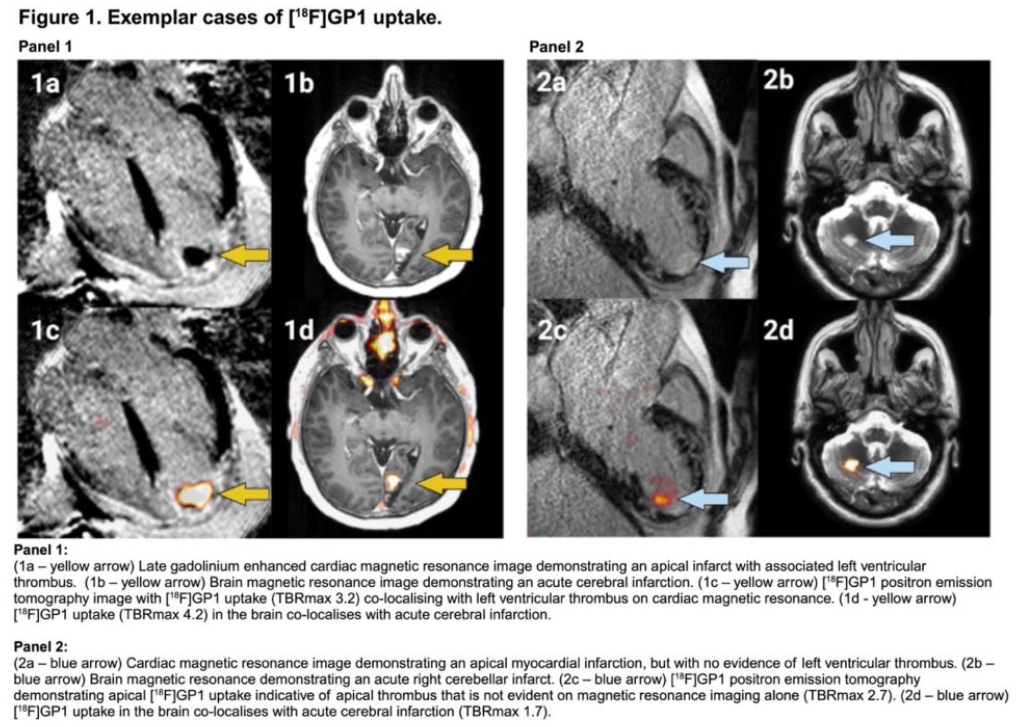
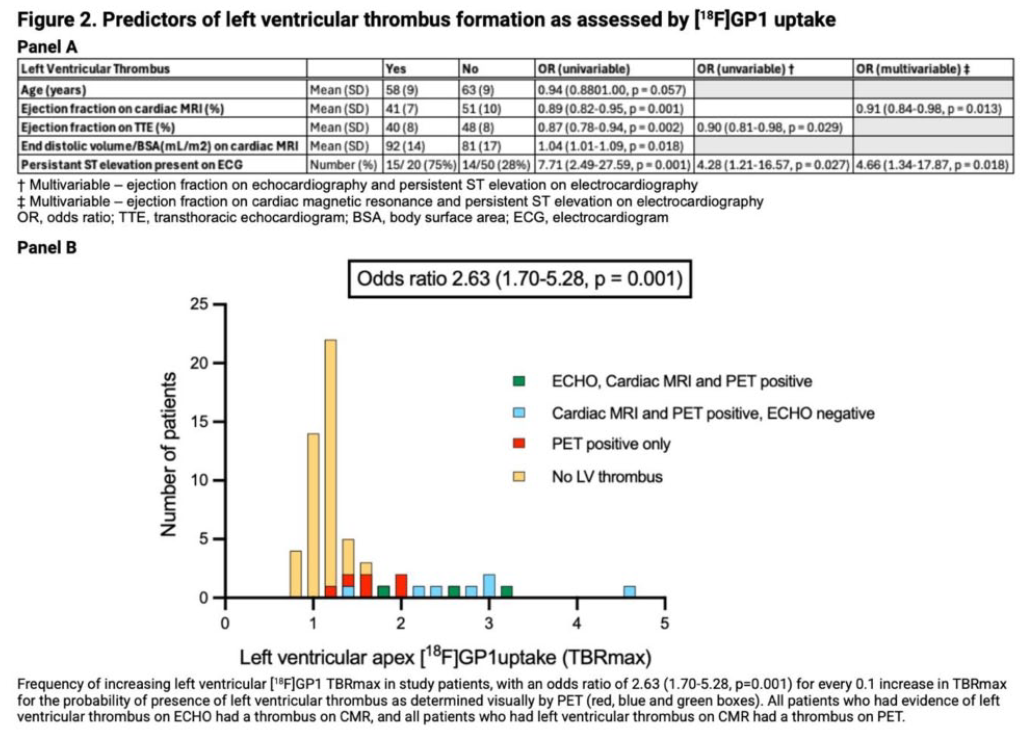
04.00 - DIAGNOSIS / ETIOLOGY - 01.01 - ACUTE MANAGEMENT - Neither thrombolysis nor thrombectomy
P2692 - ESOC2025-LB-570
THE ROLE OF QUANTITATIVE ELECTROENCEPHALOGRAPHY IN STROKE PATIENT
1RSUP Kariadi Semarang, Department of Neurology, Faculty of Medicine, Universitas Diponegoro, Semarang, Indonesia, semarang, Indonesia
04.00 - DIAGNOSIS / ETIOLOGY - 05.04 - STROKE COMPLICATIONS
P2693 - ESOC2025-LB-578
AI DETECTION OF MEDIUM VESSEL OCCLUSIONS: EVALUATING PERFORMANCE OF RAPIDAI VS VIZAI CT PERFUSION IN 1,591 CONSECUTIVE CODE STROKES
1Good Samaritan Hospital, Dept. of Neurosciences and Stroke Center, San Jose, United States, 2Good Samaritan Hospital, Dept. of Radiology, San Jose, United States
04.00 - DIAGNOSIS / ETIOLOGY - 01.05 - NEUROINTERVENTION
P2694 - ESOC2025-LB-594
THE IMPACT OF DIFFERENT CT PERFUSION SOFTWARE ON PATIENTS’ STRATIFICATION STRATEGIES IN ISCHEMIC STROKE
1Department of Neurosciences and Reproductive and Odontostomatological Sciences, University of Naples “Federico II”, Naples, Italy, 2Department of Advanced Biomedical Sciences, University of Naples “Federico II”, Naples, Italy
05.00 - RISK FACTORS AND PREVENTION (PRIMARY AND SECONDARY) - 05.04 - STROKE COMPLICATIONS
P2695 - ESOC2025-LB-173
RANDOMISED TRIAL OF MILVEXIAN VERSUS PLACEBO IN ACUTE ISCHAEMIC STROKE AND TRANSIENT ISCHAEMIC ATTACK: RATIONALE AND METHODS FOR THE LIBREXIA-STROKE TRIAL
1Department of Neurology, University of California, San Francisco, United States, 2Centre for Neuromuscular and Neurological Disorders, Medical School, The University of Western Australia, Perth, Australia

Trial Overview
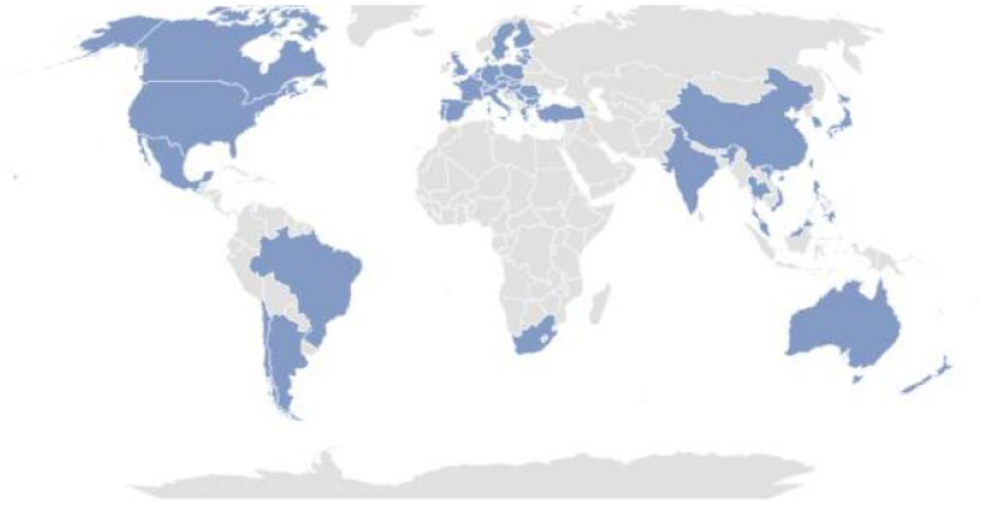
Enrolling Territories
05.00 - RISK FACTORS AND PREVENTION (PRIMARY AND SECONDARY) - 01.01 - ACUTE MANAGEMENT - Neither thrombolysis nor thrombectomy
P2696 - ESOC2025-LB-193
STOPPING OR CONTINUING PLATELET INHIBITORS AFTER CRYPTOGENIC STROKE AT YOUNG AGE: THE STOP TRIAL
1Radboud Institute for Medical research and Innovation, Radboud University Medical Center, Donders Center for Medical Neurosciences, Nijmegen, Netherlands
05.00 - RISK FACTORS AND PREVENTION (PRIMARY AND SECONDARY) - 01.01 - ACUTE MANAGEMENT - Neither thrombolysis nor thrombectomy
P2697 - ESOC2025-LB-197
OPTIMAL BLOOD PRESSURE FOR THE PREVENTION OF MAJOR VASCULAR EVENTS IN STROKE PATIENTS (OPTIMAL - STROKE)
1Hospital Israelita Albert Einstein, Universidade Federal de São Paulo, Sao Paulo, Brazil, 2The George Institute for Global Health, UK, London, United Kingdom, 3Faculdade Medicina de São Paulo ( FMUSP), Ribeirão Preto, Ribeirão Preto, Brazil, 4Hospital das Clínicas de Porto Alegre, Universidade Federal do Rio Grande do Sul, Porto Alegre, Brazil, 5epHealth, São Paulo, Brazil
05.00 - RISK FACTORS AND PREVENTION (PRIMARY AND SECONDARY) - 03.03 - PROGNOSIS AND OUTCOME AFTER STROKE
P2698 - ESOC2025-LB-216
SYMPTOMATIC CAROTID OUTCOMES REGISTRY WITH MULTI-CENTER EVALUATION (SCORE)
1University of Maryland School of Medicine, Baltimore, United States, 2Oregon Health Sciences University, Portland, United States, 3Harvard Medical School, Boston, United States, 4University of Massachusetts School of Medicine, Worcester, United States, 5Calgary Health Sciences Center, Calgary, Canada, 6University of Manitoba, Winnipeg, Canada, 7Baystate Medical Center, Springfield, United States, 8University of Rochester School of Medicine, Rochester, United States
17 centers in the US and Canada are approved for enrollment.
Primary endpoint: Ipsilateral ischemic stroke within 12 months of enrollment
Sample size 114 patients
Enrollment as of Jan 2024: 56
SCORE Registry will provide valuable information on the stroke rate in patients with symptomatic carotid stenosis treated with intensive medical therapy. These data will allow clinicians to refine carotid stenosis decision making in symptomatic patients with >50% stenosis and potentially justify a future phase III RCT.
05.00 - RISK FACTORS AND PREVENTION (PRIMARY AND SECONDARY) - 02.01 - INTRACEREBRAL HAEMORRHAGE
P2699 - ESOC2025-LB-249
HEROES PROJECT – TEACHING CHILDREN THE FIRST SYMPTOMS OF A STROKE
1National hospital, Bishkek, Kyrgyzstan
05.00 - RISK FACTORS AND PREVENTION (PRIMARY AND SECONDARY) - 06.02 - GENETICS, ‘OMICS AND BIOMARKERS
P2700 - ESOC2025-LB-378
OPIUM ADDICTION IN PATIENTS WITH LARGE VESSEL STROKE AND SMALL VESSEL STROKE: A CASE CONTROL STUDY
1Isfahan University of Medical Sciences, Isfahan Neurosciences Research Center, Isfahan, Iran
05.00 - RISK FACTORS AND PREVENTION (PRIMARY AND SECONDARY) - 03.03 - PROGNOSIS AND OUTCOME AFTER STROKE
P2701 - ESOC2025-LB-383
INVESTIGATING THE PREVALENCE OF POST STROKE FATIGUE (PSF) IN ACUTE MINOR STROKE PATIENTS: AQUANTITATIVE ANALYSIS
1Khoo Teck Puat Hospital, Singapore, Singapore
05.00 - RISK FACTORS AND PREVENTION (PRIMARY AND SECONDARY) - 05.03 - EPIDEMIOLOGY & RISK FACTORS
P2702 - ESOC2025-LB-408
Regular Physical Activity in Patients with Symptomatic Intracranial Arterial Stenosis: a Prospective, Randomized, Open-label, Blinded Endpoint trial
1Department of Neurology, Xuanwu Hospital, Capital Medical University, Beijing, China, 2Suzhou Municipal Hospital, Su Zhou, China

05.00 - RISK FACTORS AND PREVENTION (PRIMARY AND SECONDARY) - 03.02 - LIFE AFTER STROKE
P2703 - ESOC2025-LB-424
DEVELOPMENT AND VALIDATION OF PROGNOSTIC MODEL FOR PREDICTING ISCHAEMIC STROKE RECURRENCE IN PATIENTS WITH SYMPTOMATIC INTRACRANIAL ATHEROSCLEROTIC STENOSIS (PROMISE)
1Department of Neurology, Xuanwu Hospital, Capital Medical University, Beijing, China, 2Department of Neurology, Xuanwu Hosptial, Capital Medical University, Beijing, China, 3Center for Evidence-Based Medicine, Xuanwu Hospital Capital Medical University, Beijing, China
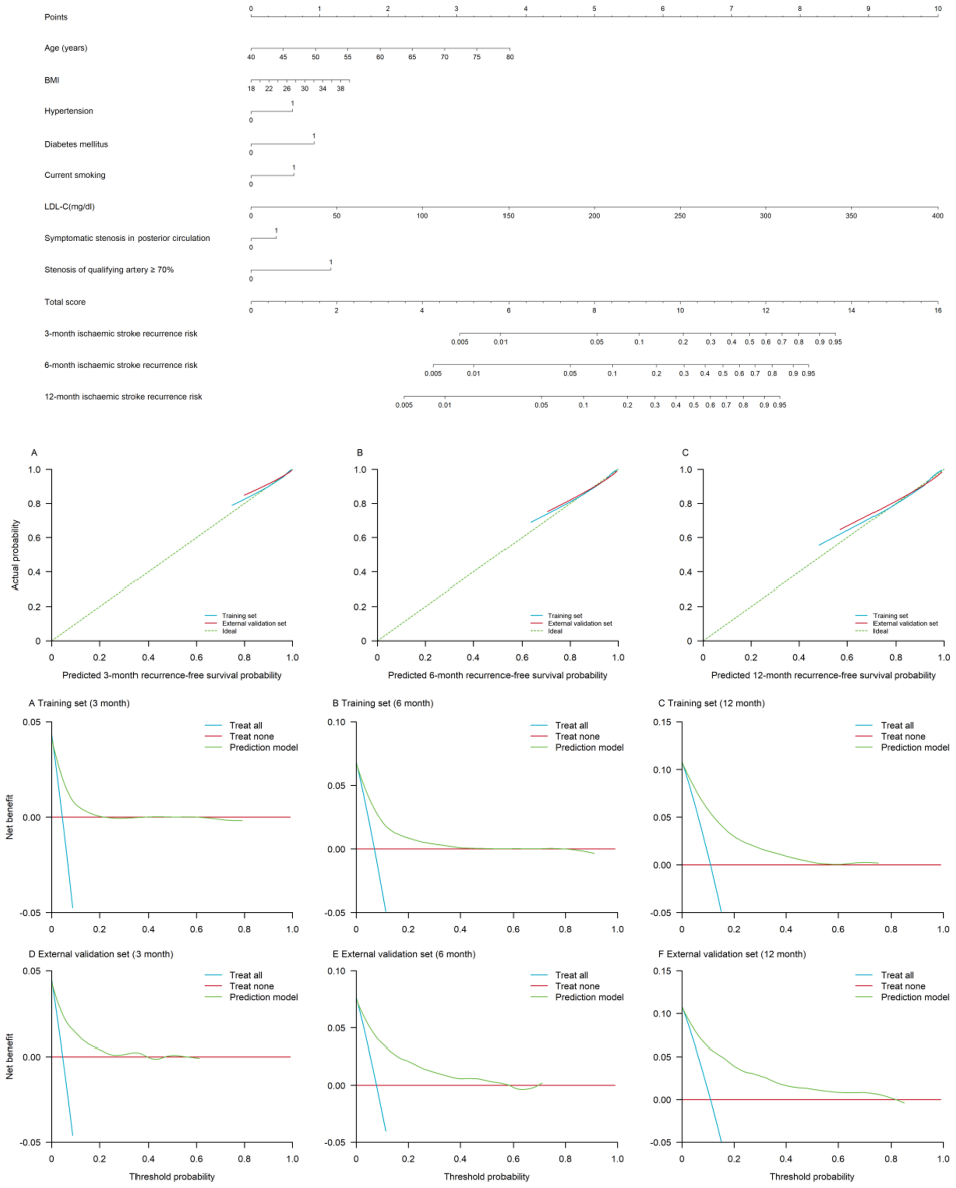
05.00 - RISK FACTORS AND PREVENTION (PRIMARY AND SECONDARY) - 05.02 - SECONDARY PREVENTION
P2704 - ESOC2025-LB-43
COMPARISON OF IOVERSOL AND IODIXANOL RELATED ADVERSE EVENTS IN CEREBROVASCULAR INTERVENTIONAL SURGERY (CAUSE): A PROSPECTIVE RANDOMIZED CONTROLLED TRIAL
1Gansu Provincial Central Hospital, Lanzhou, China
05.00 - RISK FACTORS AND PREVENTION (PRIMARY AND SECONDARY) - 01.04 - THROMBOLYSIS
P2705 - ESOC2025-LB-466
Short-term Exposure to Air Pollution Significantly Associated With the Severity of Acute Ischemic Stroke
1Huashan Hospital, Shanghai, China, 2Shanghai University, Shanghai, China, 3Shanghai Environmental Monitoring Center, Shanghai, China, 4Shanghai Municipal Center for Disease Control and Prevention, Shanghai, China, 5School of Environmental and Chemical Engineering, Shanghai, China
05.00 - RISK FACTORS AND PREVENTION (PRIMARY AND SECONDARY) - 01.01 - ACUTE MANAGEMENT - Neither thrombolysis nor thrombectomy
P2706 - ESOC2025-LB-481
Early treatment of Atrial fibrillation for Stroke prevention Trial in acute STROKE (EAST-STROKE)
1University Medical Center Hamburg-Eppendorf, Hamburg, Germany
The patients will be randomized to one of the following treatment arms:
1. Usual care + early rhythm control: Patients will receive usual care + early rhythm control, which will comprise antiarrhythmic drugs, ablation of AF, or cardioversion.
2. Usual care: Patients will receive usual care including oral anticoagulation, rate control, and treatment of cardiovascular risk factors following current guidelines.
The first primary outcome is a composite of first recurrent ischaemic stroke, haemorrhagic stroke, unclassified stroke, cardiovascular death, or hospitalization due to worsening of heart failure or due to acute coronary syndrome.
05.00 - RISK FACTORS AND PREVENTION (PRIMARY AND SECONDARY) - 01.01 - ACUTE MANAGEMENT - Neither thrombolysis nor thrombectomy
P2707 - ESOC2025-LB-509
PROGNOSTIC SIGNIFICANCE OF ATRIAL CARDIOPATHY IN PATIENTS WITH EMBOLIC STROKE OF UNDETERMINED SOURCE
1the First Affiliated Hospital of Zhengzhou University, Zhengzhou, China
Case Report / Trial: This study was based on the Ischemic Cerebrovascular Disease Database of the First Affiliated Hospital of Zhengzhou University. We prospectively enrolled ESUS patients hospitalized within 7 days of onset from January 2019 to December 2021. AC was defined as N-terminal pro-brain natriuretic peptide >250 pg/ml, P-wave terminal force in lead V1>5000 µV·ms, or enlarged left atrial diameters. The adverse prognosis included stroke recurrence and all-cause death.
05.00 - RISK FACTORS AND PREVENTION (PRIMARY AND SECONDARY) - 01.01 - ACUTE MANAGEMENT - Neither thrombolysis nor thrombectomy
P2708 - ESOC2025-LB-522
Gene and clone size effects of clonal hematopoiesis in 1470 patients with cerebro- and cardiovascular diseases
1Department of Hematology, Oncology, and Cancer Immunology - CVK - Charité Universitätsmedizin BErlin, Berlin, Germany, 2Berlin Institute of Health, Berlin, Germany, 3Dept Nephrology - Charité - Universitätsmedizin Berlin, Berlin, Germany, 4Deutsches Herzzentrum der Charité (DHZC), Department of Cardiology CVK, Berlin, Germany, 5Institute of Biometry and Clinical Epidemiology, Charité- Universitätsmedizin Berlin, Berlin, Germany, 6Deutsches Herzzentrum der Charité (DHZC), Department of Cardiology CBF, Berlin, Germany, 7Department of Endocrinology and Metabolism, Charité- Universitätsmedizin Berlin, Berlin, Germany, 8Dept Neurology - Charité Hospital, Center for Stroke Research Berlin, Berlin, Germany
CH was found in >40% with a distinct gene-specific distribution across disease strata. Gene mutation prevalence varies across different disease strata and VAF distribution varies between genes. Large clone size and non-DNMT3A CH were associated with shorter survival.
05.00 - RISK FACTORS AND PREVENTION (PRIMARY AND SECONDARY) - 03.02 - LIFE AFTER STROKE
P2709 - ESOC2025-LB-526
SINGLE DOSE ADMINISTRATION OF ZOLENDRONIC ACID FOR PREVENTION OF BONE LOSS AFTER STROKE (BLAST): A FEASABILITY STUDY
1Royal Cornwall Hospital, Truro, United Kingdom, 2University of Plymouth, Plymouth, United Kingdom, 3Cambridge University Hospitals NHS Foundation Trust, Cambridge, United Kingdom
05.00 - RISK FACTORS AND PREVENTION (PRIMARY AND SECONDARY) - 04.01 - DIAGNOSIS/INVESTIGATION OF STROKE ETIOLOGY
P2710 - ESOC2025-LB-549
THE EFFECT OF OBESITY IN STROKE COMPLICATIONS IN ICU PATIENTS AT RSUP DR. KARIADI HOSPITAL SEMARANG: A RETROSPECTIVE STUDY (2023-2024)
1RSUP Kariadi Semarang, Department of Neurology, Faculty of Medicine, Universitas Diponegoro, Semarang, Indonesia, semarang, Indonesia
05.00 - RISK FACTORS AND PREVENTION (PRIMARY AND SECONDARY) - 09.01 - PRE-HOSPITAL SERVICE ORGANISATION
P2711 - ESOC2025-LB-556
EARLY CLOSURE OF LEFT ATRIAL APPENDAGE FOR PATIENTS WITH ATRIAL FIBRILLATION AND ISCHEMIC STROKE DESPITE ANTICOAGULATION THERAPY (ELAPSE): A MULTICENTER, PROSPECTIVE, RANDOMIZED, CONTROLLED, CLINICAL TRIAL
1Bern University Hospital, Inselspital, Department of Neurology, Bern, Switzerland, 2Bern University Hospital, Inselspital, Department of Cardiology, Bern, Switzerland
05.00 - RISK FACTORS AND PREVENTION (PRIMARY AND SECONDARY) - 04.01 - DIAGNOSIS/INVESTIGATION OF STROKE ETIOLOGY
P2712 - ESOC2025-LB-73
LACunar Intervention Trial 3 (LACI-3): EFFICACY AND SAFETY OF CILOSTAZOL AND Isosorbide mononitrate TO PREVENT ADVERSE OUTCOMES IN SMALL VESSEL (LACUNAR) ISCHAEMIC STROKE
1UK Dementia Research Institute, the University of Edinburgh, Edinburgh, United Kingdom, 2Centre for Clinical Brain Sciences, the University of Edinburgh, Edinburgh, United Kingdom, 3Row Fogo Centre for Research into Ageing and the Brain, the University of Edinburgh, Edinburgh, United Kingdom
06.00 - NOVEL TARGET/ EXPERIMENTAL FIDINGS TO CLINICAL TRANSLATION - 01.02 - ACUTE MANAGEMENT - Thrombolysis or thrombectomy
P2713 - ESOC2025-LB-343
CONTRALATERAL CEREBELLUM REDUCES GAMMA OSCILLATIONS UNDER NEURAL DYNAMICS AFTER ISCHEMIC STROKE: A TMS-EEG STUDY
1Department of Neurology, Beijing Tiantan Hospital, Capital Medical University, Beijing, China, 2Beijing Advanced Innovation Center for Biomedical Engineering, School of Biological Science and Medical Engineering, Beihang University, Beijing, China
06.00 - NOVEL TARGET/ EXPERIMENTAL FIDINGS TO CLINICAL TRANSLATION - 04.01 - DIAGNOSIS/INVESTIGATION OF STROKE ETIOLOGY
P2714 - ESOC2025-LB-473
HIGH THROUGHPUT, MULTI-LABORATORY MODEL OF THROMBOEMBOLIC STROKE WITH THROMBOLYSIS: TE-MCAO
1Department of Neurosurgery, Keck School of Medicine at USC, LOS ANGELES, United States, 2Department of Physiology and Neuroscience, Keck School of Medicine at USC, Los Angeles, United States, 3Icahn School of Medicine at Mount Sinai, New York, United States, 4University of Iowa, Iowa City, United States, 5Augusta University, Augusta, United States, 6Department of Neurology, Yale University, New Haven, United States, 7Department of Anesthesiology, Duke University, Durham, United States, 8Department of Emergency Medicine, UCSD School of Medicine, San Diego, United States, 9Department of Anesthesiology, Massachusetts General Hospital, Boston, United States
06.00 - NOVEL TARGET/ EXPERIMENTAL FIDINGS TO CLINICAL TRANSLATION - 01.01 - ACUTE MANAGEMENT - Neither thrombolysis nor thrombectomy
P2715 - ESOC2025-LB-484
Improvement of neurological outcomes following Stroke in mice treated with a novel first-in-class compound
1Dendrogenix, avenue de l'hopital, 11, SPS B34 +3, 4000, Liège, Belgium
To investigate the therapeutic potential of our novel compound, we employed a comprehensive approach combining in vitro and in vivo models of ischemic stroke. Specifically, we used an oxygen glucose deprivation model (OGD) in vitro to stimulate ischemic condition in primary culture of mice cortical cells. We also used a middle cerebral artery occlusion (MCAO) model in vivo to induce ischemic stroke in male mice.
These data indicate that our new compound act positively on neuronal circuitry responsible for motor behavior in a context of ischemic neuronal accident and suggest its potential as a therapeutic agent for stroke patients.
Ongoing protocol is now aiming at confirm DX243 benefit in another animal specie (rat), with long term morphometric (MRI) and functional evaluation (30 days).
06.00 - NOVEL TARGET/ EXPERIMENTAL FIDINGS TO CLINICAL TRANSLATION - 01.01 - ACUTE MANAGEMENT - Neither thrombolysis nor thrombectomy
P2716 - ESOC2025-LB-543
MONOCYTE CHEMOATTRACTANT PROTEIN-1 AS A BIOMARKER IN ACUTE ISCHEMIC STROKE: A PROSPECTIVE PILOT STUDY
1First Propaedeutic Department of Internal Medicine and Acute Stroke Unit, University General Hospital of Thessaloniki AHEPA, Thessaloniki, Greece, 2Atherothrombosis Research Centre/Laboratory of Biochemistry, Department of Chemistry, University of Ioannina, Ioannina, Greece, 3Intensive Care Department, AHEPA University Hospital, Thessaloniki, Greece, Thessaloniki, Greece
07.00 - DIGITAL TRANSFORMATION, AI AND ROBOTICS - 05.02 - SECONDARY PREVENTION
P2717 - ESOC2025-LB-309
DEVELOPING A RADIOMICS-BASED MACHINE LEARNING MODEL FOR PREDICTING EARLY NEUROLOGICAL DETERIORATION IN PONTINE BRANCH ATHEROMATOUS DISEASE
1Chengdu Second People's Hospital, Chengdu, China
Among the models based on radiomics features, the LDA model demonstrated superior performance in the test set, achieving an AUC of 0.8924, a sensitivity of 0.750, and a specificity of 0.833. Incorporating clinical features into ML models, the NN model achieved a slightly higher AUC (0.8958) and sensitivity (0.792), with minimal change in specificity (0.833). In the radiomics feature-based LDA model, the GLSZM feature of lesion size nonuniformity, identified by Shapley values, provided the highest positive contribution to predicting END.
07.00 - DIGITAL TRANSFORMATION, AI AND ROBOTICS - 07.01 - TECHNOLOGY INNOVATIONS: ROBOTS, VIRTUAL REALITY, ARTIFICIAL INTELLIGENCE AND MORE
P2718 - ESOC2025-LB-403
USE OF THE ORCITI DEVICE IN THE GAIT OF PEOPLE WITH STROKE
1INYPEMA, University Clinic of the Faculty Padre Ossó, Oviedo, Spain
All participants were evaluated without antiequinus, with a footup and with the ORCITI device with the following tools: Timed Up and Go test, Gait Assessment and Intervention Tool Scale, Timed 25 Foot Walk, and PIADs of comfort with support product.
08.00 - QUALITY OF LIFE - 08.01 - CLINICAL PRACTICE, MANAGEMENT AND CARE
P2719 - ESOC2025-LB-436
“The impact of the severe consequences of a stroke on family members providing care.”
1Department: “Social health insurance and public health” South Kazakhstan Medical Academy, Department of Neurology, Psychology, Neurosurgery and Rehabilitation, SHYMKENT, Kazakhstan, 2Department: “Social health insurance and public health” South Kazakhstan Medical Academy, Shymkent, Kazakhstan, 3Department of Neurology, Psychiatry, Rehabilitation and Neurosurgery, JSC South Kazakhstan Medical Academy, Shymkent, Kazakhstan, 4Department “Pediatrics-1”, JSC South Kazakhstan Medical Academy, Shymkent, Kazakhstan
09.00 - PRE-HOSPITAL SERVICE ORGANISATION - 09.01 - PRE-HOSPITAL SERVICE ORGANISATION
P2720 - ESOC2025-LB-210
PREHOSPITAL TRIAGE OF PATIENTS WITH A SUSPECTED ACUTE STROKE (PRESTO-2): DEVELOPMENT, IMPLEMENTATION AND EVALUATION OF A DECISION SUPPORT TOOL
1Department of Neurology, Erasmus MC University Medical Center, Rotterdam, Netherlands, 2Department of Emergency Medicine, Erasmus MC University Medical Center, Rotterdam, Netherlands, 3Ambulance Rotterdam-Rijnmond, Barendrecht, Netherlands, 4Ambulance Service Zuid-Holland Zuid, Papendrecht, Netherlands, 5Department of Neurology, Franciscus Gasthuis and Vlietland, Rotterdam, Netherlands, 6Department of Neurology, IJsselland Hospital, Capelle aan den IJssel, Netherlands, 7Department of Neurology, Albert Schweitzer hospital, Dordrecht, Netherlands
09.00 - PRE-HOSPITAL SERVICE ORGANISATION - 03.03 - PROGNOSIS AND OUTCOME AFTER STROKE
P2721 - ESOC2025-LB-577
Race score, a good predictor of large vessel occlusion in acute ischemic stroke, especially in underdeveloped countries
1Farhikhtegan hospital, Tehran, Iran, 2Neurology department, Tehran medical sciences Islamic Azad University, Farhikhtegan Hospital, Tehran, Iran, 3Tehran Medical sciences Islamic Azad University, Bu-Ali hospital, Tehran, Iran
Poster Session I - LATE BREAKING ABSTRACTS
02.00 - INTRACRANIAL HEMORRHAGE - 02.01 - INTRACEREBRAL HAEMORRHAGE
P481 - ESOC2025-LB-100
EFFECTS OF COLCHICINE ON COGNITIVE OUTCOMES IN PATIENTS WITH ACUTE ICH: PRE-DEFINED SECONDARY ANALYSIS OF THE COVASC-ICH TRIAL
1McMaster University/ Population Health Research Institute, Hamilton, Canada, 2University of British Columbia, Vancouver, Canada, 3University of Calgary, Calgary, Canada, 4University of Toronto/ University Health Network, Toronto, Canada, 5Queen's University, Kingston, Canada, 6University of Alberta, Edmonton, Canada, 7Western University, London, Canada, 8University of Toronto/ Sunnybrook Research Institute, Toronto, Canada, 9Centre hospitalier de l'Université de Montréal, Montreal, Canada, 10University of Saskatchewan, Saskatoon, Canada, 11University of Ottawa, Ottawa, Canada
01.00 - ACUTE ISCHEMIC STROKE MANAGEMENT - 01.07 - IMAGING - Non acute
P482 - ESOC2025-LB-119
APICES: ADVANCING STROKE CARE THROUGH DEEP LEARNING PREDICTION OF MALIGNANT INFARCT SWELLING
1Hertie Institute for Clinical Brain Research, University Hospital Tübingen and University of Tübingen, Tübingen, Germany, 2Department of Neurology, University of Tübingen, Tübingen, Germany, 3Fraunhofer Institute for Digital Medicine MEVIS, Bremen, Germany, 4Brainomix, Oxford, United Kingdom, 5Department of Neuroradiology, University of Tübingen, Tübingen, Germany, 6Department of Neurology, University Hospital Würzburg, Würzburg, Germany, 7Department of Neurology, Klinikum rechts der Isar, School of Medicine, Technical University of Munich, Munich, Germany, 8Department of Neurology, University of Heidelberg, Heidelberg, Germany, 9Department of Neuroradiology, University Medical Center Hamburg-Eppendorf, Hamburg, Germany, 10Department of Neurology, Hannover Medical School, Hannover, Germany, 11Department of Vascular Neurology, University Hospital Bonn, Bonn, Germany, 12Department of Neurology, University of Münster, Münster, Germany, 13Department of Neurology, University Medical Center Schleswig-Holstein, Campus Lübeck, Lübeck, Germany, 14Department of Neurology, Charité – Universitätsmedizin Berlin, corporate member of Freie Universität Berlin and Humboldt-Universität zu Berlin, Berlin, Germany, 15Department of Neurology, University of Leipzig, Leipzig, Germany, 16Department of Neurology, St. John's Hospital, Vienna, Austria, 17Medical Faculty, Sigmund Freud University, Vienna, Austria, 18Department of Neuroradiology, Ludwig Maximilian University (LMU), Munich, Germany, 19Department of Neurology, Medical Faculty and University Hospital Düsseldorf, Heinrich Heine University Düsseldorf, Düsseldorf, Germany, 20Department of Neurology, University Hospital Ulm, Ulm, Germany, 21Kliniken Christophsbad Göppingen, Göppingen, Germany, 22Department of Neurology, University Hospital Regensburg, Regensburg, Germany, 23Constructor University, Bremen, Germany
01.00 - ACUTE ISCHEMIC STROKE MANAGEMENT - 01.05 - NEUROINTERVENTION
P483 - ESOC2025-LB-143
FIRSTLINE ASPIRATION THROMBECTOMY WITH RED43 REPERFUSION CATHETERS IN ACUTE ISCHEMIC STROKE DUE TO MEDIUM OR DISTAL VESSEL OCCLUSIONS
1Department of Neuroradiology, University Hospital Basel and University of Basel, Basel, Switzerland, 2Department of Clinical Research, University Hospital Basel and University of Basel, Basel, Switzerland
03.00 - RECOVERY, REHABILITATION AND OUTCOME - 03.03 - PROGNOSIS AND OUTCOME AFTER STROKE
P484 - ESOC2025-LB-158
12 MONTH OUTCOMES AFTER CEREBRAL VENOUS THROMBOSIS: RESULTS OF THE DOAC-CVT STUDY
1Amsterdam UMC, Amsterdam, Netherlands, 2Haga Ziekenhuis, Den Haag, Netherlands, 3Hospital das Clínicas da Faculdade de Medicina da Universidade de São Paulo, São Paulo, Brazil, 4Christchurch Hospital, Christchurch, New Zealand, 5Centro Hospitalar Tondela Viseu, Viseu, Portugal, 6PAÜ Tıp Fakültesi Nöroloji, Denizli, Türkiye, 7Centro Hospitalar Universitário de Lisboa Central, Lisbon, Portugal, 8Sahlgrenska University Hospital, Gothenburg, Sweden, 9Helsinki University Central Hospital, Helsinki, Finland, 10Centro de Estudos Egas Moniz, Lisbon, Portugal
01.00 - ACUTE ISCHEMIC STROKE MANAGEMENT - 01.01 - ACUTE MANAGEMENT - Neither thrombolysis nor thrombectomy
P485 - ESOC2025-LB-160
EARLY VERSUS DELAYED ANTICOAGULATION IN ACUTE ISCHAEMIC STROKE ACCORDING TO RADIOLOGICAL MARKERS OF CEREBRAL SMALL VESSEL DISEASE: SUBGROUP ANALYSES OF THE OPTIMAS RANDOMISED CONTROL TRIAL
1Stroke Research Centre, Department of Brain Repair and Rehabilitation, University College London Queen Square Institute of Neurology, London, United Kingdom, 2Institute of Neurology, University College London, London, United Kingdom, 3Comprehensive Clinical Trials Unit, Institute of Clinical Trials and Methodology, University College London, London, United Kingdom, 4Department of Neuroradiology, University College London Hospitals NHS Foundation Trust, London, United Kingdom

01.00 - ACUTE ISCHEMIC STROKE MANAGEMENT - 01.01 - ACUTE MANAGEMENT - Neither thrombolysis nor thrombectomy
P486 - ESOC2025-LB-167
MULTI-CENTER RANDOMIZED PHASE II CLINICAL TRIAL ON REMOTE ISCHEMIC CONDITIONING IN ACUTE ISCHEMIC STROKE WITHIN 9 HOURS OF ONSET IN PATIENTS INELIGIBLE TO RECANALIZATION THERAPIES
1Dipartimento di Ricerca Neuroscienze, Istituto di Ricerche Farmacologiche Mario Negri IRCCS, Milano, Italy, 2Department of Medicine and Surgery, University of Milano-Bicocca, Milano, Italy, 3Department of Applied Clinical Sciences and Biotechnology, University of L’Aquila, L'Aquila, Italy, 4UOC Malattie Cerebrovascolari e Stroke Unit, IRCCS Fondazione Istituto Neurologico Nazionale C. Mondino, Pavia, Italy, 5NEuroscienze Salute Mentale e Organi di Senso (NESMOS) Department, Faculty of Medicine and Psychology, Sant’Andrea Hospital, Sapienza University of Rome, Roma, Italy, 6Department of Neurology, Fondazione IRCCS San Gerardo dei Tintori, Monza, Italy
03.00 - RECOVERY, REHABILITATION AND OUTCOME - 03.01 - REHABILITATION
P487 - ESOC2025-LB-174
THE COMBINATION OF INOSINE, NICOTINAMIDE, RIBOFLAVIN AND SUCCINIC ACID IN THE COMPLEX REHABILITATION OF STROKE SURVIVORS: A MULTICENTER DOUBLE-BLIND PLACEBO-CONTROLLED RANDOMIZED STUDY
1Pavlov First Saint Petersburg State Medical University, Saint-Petersburg, Russian Federation, 2Saint Petersburg State Pediatric Medical University, Saint-Petersburg, Russian Federation
Patients 40-80 y.o. with previous (within 14-90 days) carotid ischemic stroke or hemispheric hemorrhagic stroke, scored 3-4 by modified Rankin scale (MRS), were randomized into experimental group to receive experimental medication or placebo (20 ml intravenously for 15 days, followed by oral intake for 25 days). Standard inpatient rehabilitation was provided for the first 15 days and continued in the outpatient setting (10 visits, 2-3 times per week) for the next 25 days. The primary endpoint was the change in the Performance score of the Canadian Occupational Performance Measure (COPM) after the end of the treatment course compared to baseline. MRS score was assessed on day 180 poststroke via the structured telephone interview.
05.00 - RISK FACTORS AND PREVENTION (PRIMARY AND SECONDARY) - 05.02 - SECONDARY PREVENTION
P488 - ESOC2025-LB-190
EECP therapy improves cerebral vasodilatory reserve in symptomatic severe intracranial steno-occlusive disease: a randomized-controlled clinical trial
1National University Hospital (NUH), Singapore, Singapore, 2Ng Teng Fong General Hospital, Singapore, Singapore, 3Department of Biostatistics, National University Singapore, Singapore, Singapore, 4University of Tennessee Health Science Center at Memphis,College of Graduate Health Sciences, Memphis, Tennessee, United States, 5University of Arizona at Phoenix, Department of Neurology and Banner University Medical Center, Phoenix, Arizona, United States, 6Second Department of Neurology, “Attikon” University Hospital, School of Medicine, National and Kapodistrian University of Athens, Athens, Greece
04.00 - DIAGNOSIS / ETIOLOGY - 04.01 - DIAGNOSIS/INVESTIGATION OF STROKE ETIOLOGY
P489 - ESOC2025-LB-477
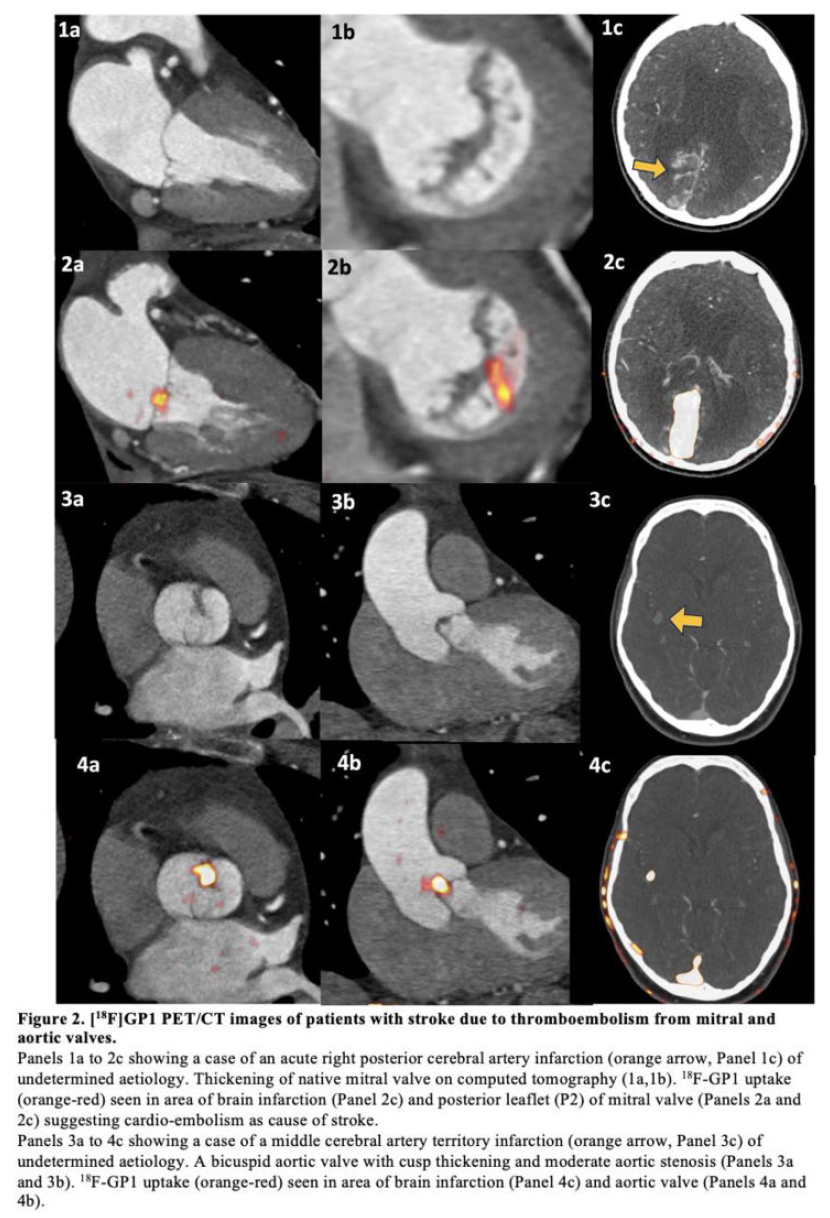
AETIOLOGY AND CLASSIFCATION OF ISCHAEMIC STROKE WITH POSITRON EMISSION TOMOGRAPHY THROMBUS IMAGING
1British Heart Foundation Centre Research of Excellence University of Edinburgh, Edinburgh, United Kingdom, 2Cedars-Sinai Medical Centre, Los Angeles, United States, 3Life Molecular Imaging GmbH, Berlin, Germany


09.00 - PRE-HOSPITAL SERVICE ORGANISATION - 09.01 - PRE-HOSPITAL SERVICE ORGANISATION
P490 - ESOC2025-LB-582
Clinical Outcomes of a Personalized EMS Destination Selection Algorithm for Prehospital Stroke Triage in the United States: The MAP-STROKE In Silico Trial
1University of Iowa College of Public Health, Department of Biostatistics, Iowa City, United States, 2Department of Emergency Medicine, Roy J. and Lucille A. Carver College of Medicine, University of Iowa, Iowa City, United States, 3Stroke Unit, Vall d'Hebron University Hospital, Barcelona, Spain, 4Comprehensive Stroke Center and Department of Neurology David Geffen School of Medicine at UCLA, Los Angeles, United States, 5Stroke Unit, Department of Neuroscience (A.R., N.P.O.), University Hospital Germans Trias I Pujol, Badalona, Spain, 6Department of Neurology, Roy J. and Lucille A. Carver College of Medicine, University of Iowa, Iowa City, United States
This population-based simulation used patient-level data from Virtual International Stroke Trials Archive, RACECAT, and FAST-MAG trials. MAP-STROKE used Bayesian models integrating diagnostic uncertainty, patient data, and time-dependent treatment effects, optimizing 3-month modified Rankin Scale (mRS) outcomes. We simulated >115 million stroke events over a 10-year-equivalent U.S. population, comparing triage outcomes from MAP-STROKE to AHA guideline-based routing.


02.00 - INTRACRANIAL HEMORRHAGE - 02.01 - INTRACEREBRAL HAEMORRHAGE
P491 - ESOC2025-LB-552
PREHOSPITAL IDENTIFICATION OF SEVERE INTRACRANIAL HEMORRHAGE BY MEASURING THE GFAP RELEASE RATE
1Neurology and Clinical Neurosciences, University of Helsinki and Helsinki University Hospital, Helsinki, Finland, 2Emergency Medicine and Services, Department of Emergency Care, University of Helsinki and Helsinki University Hospital, Helsinki, Finland, 3Department of Clinical Neuroscience, Institute of Neuroscience and Physiology, Sahlgrenska Academy at University of Gothenburg, Gothenburg, Sweden, 4Department of Neurology, Sahlgrenska University Hospital, Gothenburg, Sweden
Poster Session II - LATE BREAKING ABSTRACTS
03.00 - RECOVERY, REHABILITATION AND OUTCOME - 03.03 - PROGNOSIS AND OUTCOME AFTER STROKE
P1090 - ESOC2025-LB-139
CONTRAST-ASSOCIATED NEPHROPATHY RISK EVALUATION IN ACUTE ISCHEMIC STROKE AFTER ENDOVASCULAR THROMBECTOMY - CAN-REST STUDY
1Department of Neurology and Stroke Unit - ASST Grande Ospedale Metropolitano Niguarda, Milan, Italy, Milan, Italy
01.00 - ACUTE ISCHEMIC STROKE MANAGEMENT - 01.01 - ACUTE MANAGEMENT - Neither thrombolysis nor thrombectomy
P1091 - ESOC2025-LB-203
EXTRACRANIAL-INTRACRANIAL BYPASS SURGERY FOR SYMPTOMATIC CEREBRAL ARTERY OCCLUSION (CMOSS): FINAL RESULTS OF A RANDOMIZED TRIAL
1Department of Neurosurgery, Xuanwu Hospital, China International Neuroscience Institute, Capital Medical University, National Center for Neurological Disorders, Beijing, China, 2Department of Neurosurgery, Huashan Hospital, Fudan University, National Center for Neurological Disorders, Shanghai, China, 3Clinical Research Institute, Institute of Advanced Clinical Medicine, Peking University, Beijing, China, 4Department of Radiology and Medical Imaging, University of Virginia School of Medicine, Virginia, United States, 5Department of Neurosurgery and Interventional Neuroradiology, Xuanwu Hospital, China International Neuroscience Institute, Capital Medical University, National Center for Neurological Disorders, Beijing, China
03.00 - RECOVERY, REHABILITATION AND OUTCOME - 03.01 - REHABILITATION
P1092 - ESOC2025-LB-219
THE IMPACT OF LEVODOPA ON POST-STROKE FATIGUE DURING IN-HOSPITAL REHABILITATION
1Neurology and Neurorehabilitation, University Department of Geriatric Medicine FELIX PLATTER, University of Basel, Department of Neurology and Stroke Center, Department of Clinical Research, University Hospital Basel and University of Basel, Basel, Switzerland, 2Department of Neurology and Stroke Center, Department of Clinical Research, University Hospital Basel and University of Basel, Basel, Switzerland
05.00 - RISK FACTORS AND PREVENTION (PRIMARY AND SECONDARY) - 05.02 - SECONDARY PREVENTION
P1093 - ESOC2025-LB-262
CROSS-SECTORAL, COORDINATED TREATMENT OF STROKE PATIENTS WITH PATIENT-ORIENTED OUTCOME MEASUREMENT (STROCARE) – FINAL RESULTS OF A MULTI-CENTER SEQUENTIALLY CONTROLLED INTERVENTIONAL STUDY
1University Medical Center Hamburg-Eppendorf, Hamburg, Germany, 2Elbe Kliniken Stade, Stade, Germany, 3Albertinen Krankenhaus, Hamburg, Germany
02.00 - INTRACRANIAL HEMORRHAGE - 02.01 - INTRACEREBRAL HAEMORRHAGE
P1094 - ESOC2025-LB-501
NON-CONTRAST COMPUTED TOMOGRAPHY MARKERS OF HEMATOMA EXPANSION AND RESPONSE TO ANDEXANET IN FXA INHIBITOR-ASSOCIATED INTRACRANIAL HEMORRHAGE – SECONDARY ANALYSES OF ANNEXA-I
1Cumming School of Medicine, University of Calgary, Calgary, Canada, 2Humanitas University, Milan, Italy, 3Population Health Research Institute, McMaster University, Hamilton, Canada, 4University of Pennsylvania, Philadelphia, United States, 5University Hospital Dresden, Dresden, Germany, 6Sapienza University of Rome, Rome, Italy, 7Biopharmaceuticals Research and Development, AstraZeneca, Gothenburg, Sweden
01.00 - ACUTE ISCHEMIC STROKE MANAGEMENT - 01.01 - ACUTE MANAGEMENT - Neither thrombolysis nor thrombectomy
P1095 - ESOC2025-LB-508
TELEMEDICINE-BASED VERSUS ONSITE FOLLOW-UP VISITS IN ACUTE STROKE CARE — THE VISIT-STROKE STUDY
1Charité – Universitätsmedizin Berlin, corporate member of Freie Universität Berlin and Humboldt-Universität zu Berlin, Department of Neurology, Berlin, Germany, 2Charité – Universitätsmedizin Berlin, corporate member of Freie Universität Berlin and Humboldt-Universität zu Berlin, Center for Stroke Research Berlin, Berlin, Germany, 3Charité – Universitätsmedizin Berlin, corporate member of Freie Universität Berlin and Humboldt-Universität zu Berlin, Institute of Biometry and Clinical Epidemiology, Berlin, Germany
01.00 - ACUTE ISCHEMIC STROKE MANAGEMENT - 01.02 - ACUTE MANAGEMENT - Thrombolysis or thrombectomy
P1096 - ESOC2025-LB-573
ADJUNCTIVE INTRAARTERIAL THROMBOLYSIS AFTER THROMBECTOMY IN LARGE VESSEL OCCLUSION STROKE: A META-ANALYSIS OF RANDOMIZED TRIALS
1Dept of Clinical Neurosciences, University of Calgary, Calgary, Canada, 2Department of Neurology, School of Medicine, Keimyung University, Keimyung, South Korea
Adjunctive intraarterial (IA) thrombolysis after endovascular thrombectomy (EVT) may enhance microvascular reperfusion in large vessel occlusion (LVO) stroke, but trial results conflict. This meta-analysis evaluates efficacy and safety of IA thrombolytics post-EVT.
Published papers and abstracts of randomized trials using IA thrombolytics (tenecteplase, alteplase, urokinase) in anterior or posterior circulation LVO following successful reperfusion were included. Efficacy outcomes were defined as 90-day modified Rankin Scale (mRS) of 0-1 and mRS 0-2, and safety outcomes were mortality, and symptomatic intracranial hemorrhage (sICH). Odds ratios (OR) and 95% confidence interval (95% CI) were calculated and pooled using random-effects models.
This meta-analysis provides the most comprehensive synthesis of randomized controlled trials evaluating IA thrombolysis as an adjunct to EVT. This will inform clinical decision-making, and supports the rationale for future large-scale confirmatory trials to optimize this treatment strategy.
Seven randomized trials involving 2,131 participants (China/Spain, 2022–2025) were included. IA thrombolytics was significantly associated with mRS 0-1 (OR 1.4, 95% CI 1.2–1.7, p<0.001). The benefits were driven by trials using alteplase (OR 1.9, 95% CI, 1.3-2.9, p=0.001) and tenecteplase (OR 1.4, 95% CI, 1.1-1.8, p=0.005), as well as in patients who did not receive IV thrombolysis (OR 2.7, 95% CI, 1.6-4.7, p<0.001), and those with incomplete (TICI2b) reperfusion (OR 1.6, 95% CI, 1.1-3.5, p=0.02). In contrast, trials of posterior circulation stroke or using urokinase were ineffective. There was no significant improvement on mRS 0-2 (OR 1.1, 95% CI 0.9–1.3). In safety outcomes, sICH and mortality did not differ overall.
05.00 - RISK FACTORS AND PREVENTION (PRIMARY AND SECONDARY) - 05.01 - PREVENTION
P1097 - ESOC2025-LB-575
FLOSSING AND STROKE PREVENTION: EVIDENCE BEYOND CONFOUNDING BIAS, MEDIATED BY ORAL HEALTH AND REDUCED INFLAMMATION
1University of South Carolina School of Medicine, Prisma Health Midlands, Columbia, United States, 2Adams School of Dentistry, University of North Carolina at Chapel Hill, Division of Comprehensive Oral Health, Periodontology, Chapel Hill, United States, 3Indiana University, Bloomington, United States, 4Johns Hopkins University School of Medicine, The Welch Center, Bloomberg School of Public Health, Baltimore, United States, 5University of Minnesota, Minneapolis, United States, 6Gillings School of Global Public Health, Chapel Hill, United States


03.00 - RECOVERY, REHABILITATION AND OUTCOME - 03.01 - REHABILITATION
P1098 - ESOC2025-LB-64
THE IMPACT OF LEVODOPA ON POST-STROKE DEPRESSION - THE ESTREL (ENHANCEMENT OF STROKE REHABILITATION WITH LEVODOPA) - DEPRESSION STUDY
1Neurology and Neurorehabilitation, University Department of Geriatric Medicine FELIX PLATTER, University of Basel, Basel, Switzerland, 2Department of Neurology and Stroke Center, Department of Clinical Research, University Hospital Basel and University of Basel, Basel, Switzerland
01.00 - ACUTE ISCHEMIC STROKE MANAGEMENT - 01.02 - ACUTE MANAGEMENT - Thrombolysis or thrombectomy
P1099 - ESOC2025-LB-450
ALBUMIN FOR PATIENTS WITH ACUTE LARGE VESSEL OCCLUSIVE STROKE UNDERGOING ENDOVASCULAR TREATMENT (ARISE): A MULTICENTER, RANDOMIZED DOUBLE-BLIND, PLACEBO-CONTROLLED CLINICAL TRAIL
1Department of Neurology, Xuanwu Hospital of Capital Medical University, Beijing, China, 2Beijing Institute for Brain Disorders, Capital Medical University, Beijing, China, 3Suzhou Municipal Hospital, Suzhou, China, 4China-America Institute of Neuroscience and Beijing Institute of Geriatrics, Xuanwu Hospital, Capital Medical University, Beijing 100053, China., Beijing, China
Official welcome & Large Clinical Trials
01.00 - ACUTE ISCHEMIC STROKE MANAGEMENT - 01.03 - HYPERACUTE MANAGEMENT
O001 - ESOC2025-LB-46
THE MAIN OPTIMAL POST RTPA-IV MONITORING IN ISCHEMIC STROKE TRIAL (OPTIMISTMAIN): RESULTS OF AN INTERNATIONAL, PRAGMATIC, STEPPED WEDGE, CLUSTER RANDOMIZED CONTROLLED TRIAL
1Johns Hopkins University School of Medicine, Baltimore, United States, 2Saint Luke’s Hospital of Kansas City, Kansas City, United States, 3Shenyang First People’s Hospital, Shenyang, China, 4The George Institute for Global Health, Sydney, Australia, 5Clinica Alemana Universidad del Desarrollo, Santiago, Chile, 6Anglia Ruskin University, Cambridge, United Kingdom, 7Fudan University, Shanghai, China, 8University of Leicester, Leicester, United Kingdom, 9Pusat Perubatan Universiti Kebangsaan Malaysia, Kuala Lumpar, Malaysia, 10University of Cincinnati, Cincinnati, United States
01.00 - ACUTE ISCHEMIC STROKE MANAGEMENT - 01.02 - ACUTE MANAGEMENT - Thrombolysis or thrombectomy
O002 - ESOC2025-LB-363
ADVANCING STROKE SAFETY AND EFFICACY THROUGH EARLY TIROFIBAN ADMINISTRATION AFTER INTRAVENOUS THROMBOLYSIS: THE ASSET-IT RANDOMIZED CLINICAL TRIAL
1the first affiliated hospital of USTC, Hefei, China, 2Boston Medical Center, Boston, United States, 3David Geffen School of Medicine, Los Angeles, United States, 4UPMC Stroke Institute, Pittsburgh, United States
01.00 - ACUTE ISCHEMIC STROKE MANAGEMENT - 01.02 - ACUTE MANAGEMENT - Thrombolysis or thrombectomy
O003 - ESOC2025-LB-423
EFFECT OF INTERLEUKIN-6 RECEPTOR INHIBITION IN PATIENTS WITH ISCHEMIC STROKE UNDERGOING ENDOVASCULAR TREATMENT (IRIS)
1Xuanwu Hospital, Capital Medical University, Beijing, China, 2Suzhou Municipal Hospital, Su Zhou, China, 3Beijing Institute of Brain Disorders, Capital Medical University, Beijing, China
01.00 - ACUTE ISCHEMIC STROKE MANAGEMENT - 01.02 - ACUTE MANAGEMENT - Thrombolysis or thrombectomy
O004 - ESOC2025-LB-527
MISMATCH AND SAVED BRAIN TISSUE VOLUME IN PATIENTS WITH A MEDIUM/DISTAL VESSEL OCCLUSION STROKE: A SUB-ANALYSIS OF THE DISTAL TRIAL
1Department of Neuroradiology, University Hospital Basel, Basel, Switzerland
We used the available imaging data of those patients. The ischemic core at baseline (CBF<30%), the tissue at risk at baseline (Tmax>6sec) and the demarcation on the follow-up imaging (within the first 24h) were segmented.
The primary outcome is the mRS at 90 days and the secondary outcome is the relative difference in brain tissue volume saved between baseline and follow up imaging.
We assessed the hypothesis that EVT plus BMT compared to BMT alone in patients with a bigger mismatch volume, leads to better mRS at 90 days and additionally to a bigger volume of saved brain tissue.
The results of the analysis for the primary outcome will be available at ESOC 2025.
01.00 - ACUTE ISCHEMIC STROKE MANAGEMENT - 01.02 - ACUTE MANAGEMENT - Thrombolysis or thrombectomy
O005 - ESOC2025-LB-498
Association of Imaging Features with Prognosis and Effect of Reperfusion Therapies in Patients with Medium Vessel Occlusion Stroke
1University of Calgary, Calgary, Canada, 2Dalhousie University, Halifax, Canada, 3University of Toledo, Toledo, United States, 4University of Ottawa, Ottawa, Canada, 5Heidelberg University Hospital, Heidelberg, Germany, 6Ohio State University, Columbus, United States
03.00 - RECOVERY, REHABILITATION AND OUTCOME - 03.01 - REHABILITATION
O006 - ESOC2025-LB-145
EFFECTIVENESS OF PREDISCHARGE OCCUPATIONAL THERAPY HOMEVISITS AFTER STROKE: A PROSPECTIVE, BLINDED ENDPOINT, RANDOMISED CONTROLLED TRIAL (HOME REHAB)
1Monash University, Melbourne, Australia, 2Alfred Health, Melbourne, Australia, 3School of Health Sciences, The University of Nottingham, Nottingham, United Kingdom, 4University of Melbourne, Department of Medicine, Melbourne, Australia, 5University of Sydney, Sydney, Australia, 6Flinders University, Adelaide, Australia, 7Swinburne University of Technology, School of Health Sciences, Melbourne, Australia, 8Edith Cowan University, Perth, Australia, 9Eastern Health, Melbourne, Australia, 10Mt Wilga Private, Ramsay Healthcare, Sydney, Australia
02.00 - INTRACRANIAL HEMORRHAGE - 02.01 - INTRACEREBRAL HAEMORRHAGE
O007 - ESOC2025-LB-214
SHOULD ANTITHROMBOTIC TREATMENT BE PRESCRIBED AFTER AN INTRACEREBRAL HAEMORRHAGE? – MAIN RESULTS FROM THE STUDY OF ANTITHROMBOTIC TREATMENT AFTER INTRACEREBRAL HAEMORRHAGE (STATICH)
1Oslo University Hospital, Oslo, Norway, 2University of Oslo, Oslo, Norway, 3Akershus University Hospital, Lørenskog, Norway, 4Norrlands Universitetssjukhus, Umeå, Sweden, 5Copenhagen University Hospital Herlev and Gentofte, Copenhagen, Denmark, 6Department of Clinical Medicine, UiT The Arctic University of Norway, Tromsø, Norway, 7Nordland Hospital Trust, Bodø, Norway, 8Centre for Clinical Brain Sciences, The University of Edinburgh, Edinburgh, United Kingdom
05.00 - RISK FACTORS AND PREVENTION (PRIMARY AND SECONDARY) - 05.02 - SECONDARY PREVENTION
O008 - ESOC2025-LB-69
EXTENDING ORAL ANTICOAGULATION TREATMENT AFTER ACUTE CEREBRAL VEIN THROMBOSIS: 12-MONTH RESULTS OF THE EXCOA-CVT CLUSTER-RANDOMIZED TRIAL
1Institute of Physiology, Lisbon School of Medicine - University of Lisbon, Lisbon, Portugal, 2Unidade Local de Saúde Almada-Seixal, Almada, Portugal, 3Centro Hospitalar Universitário Lisboa Central—ULS São José, Instituto de Anatomia and CEEM, Faculdade de Medicina da Universidade de Lisboa, Lopes Lab, Gulbenkian Institute of Molecular Medicina, Lisbon, Portugal, 4Christian Medical College and Hospital, Vellore, India, 5Department of Neurology, Amsterdam University Medical Centers, University of Amsterdam, Amsterdam, Netherlands, 6Instituto Nacional de Neurología y Neurocirugía Manuel Velasco Suárez, Mexico City, Mexico, 7Serviço de Neurologia, Unidade Local de Saúde São João, Departamento de Neurociências Clínicas e Saúde Mental, Faculdade de Medicina da Universidade do Porto, Porto, Portugal, 8Department of Neurology, Helsinki University Hospital and University of Helsinki, Helsinki, Finland, 9Department of Neurology, Hospital das Clínicas da Faculdade de Medicina da Universidade de São Paulo, São Paulo, Brazil, 10Neurosciences Research Center, Tabriz University of Medical Sciences, Tabriz, Iran, 11Neurosciences Department, Hospital Dr Rafael A Calderón Guardia, San José, Costa Rica, 12Serviço de Neurologia, Departamento de Neurociências e Saúde Mental, Centro Hospitalar Universitário Lisboa Norte, Centro de Estudos Egas Moniz, Faculdade de Medicina, Universidade de Lisboa, Lisbon, Portugal, 13Stroke Unit, Azienda Unità Sanitaria Locale - IRCCS di Reggio Emilia, Reggio Emilia, Italy, 14Department of Neurology, Hassan II University Hospital, Fez, Morocco, 15Clinical Neurology Research Center, Shiraz University of Medical Sciences, Shiraz, Iran, 16Department of Neurology, CARE Hospital, Banjara Hills, Hyderabad, India, 17Stroke Center, Neurology Service, Lausanne University Hospital, University of Lausanne, Lausanne, Switzerland, 18Department Neurology, Centro Hospitalar de Trás-os-Montes e Alto Douro, Vila Real, Portugal, 19Neurology Department, ULS Santa Maria, Centro de Estudos Egas Moniz, Faculdade de Medicina, Universidade de Lisboa, Lisbon, Portugal
05.00 - RISK FACTORS AND PREVENTION (PRIMARY AND SECONDARY) - 05.03 - EPIDEMIOLOGY & RISK FACTORS
O009 - ESOC2025-LB-148
RISK FACTORS FOR DEMENTIA AND COGNITIVE IMPAIRMENT AFTER STROKE: MAIN RESULTS OF A 5-YEAR PROSPECTIVE MULTICENTRE COHORT STUDY
1Graduate School for Systemic Neurosciences, Ludwig-Maximilians-University, Munich, Germany, 2Institute for Stroke and Dementia Research (ISD), LMU University Hospital, LMU Munich, Munich, Germany, 3Program in Medical and Population Genetics, Broad Institute of MIT and Harvard, Cambridge, Massachusetts, United States, 4Medical Image Analysis Center (MIAC AG) and Department of Biomedical Engineering, University of Basel, Basel, Switzerland, 5Department of Neurology, University Hospital, Otto-von-Guericke University Magdeburg, Magdeburg, Germany, 6German Center for Neurodegenerative Diseases (DZNE), Magdeburg, Germany, 7Department of Neurology, TUM School of Medicine, Technical University of Munich, Munich, Germany, 8German Center for Neurodegenerative Diseases (DZNE, Berlin), Berlin, Germany, 9Center for Stroke Research Berlin (CSB), Charité - Universitätsmedizin Berlin, Berlin, Germany, 10Klinik und Hochschulambulanz für Neurologie, Charité - Universitätsmedizin Berlin, Berlin, Germany, 11Universitätsmedizin Göttingen, Klinik für Neurologie, Göttingen, Germany, 12Cerman Center for Neurodegenerative Diseases (DZNE), Göttingen, Germany, 13German Center for Neurodegenerative Diseases (DZNE), Bonn, Germany, 14Department of Vascular Neurology, University Hospital Bonn, Bonn, Germany, 15German Center for Neurodegenerative Diseases (DZNE, Munich), Munich, Germany, 16Munich Cluster for Systems Neurology (SyNergy), Munich, Germany

Presidential Symposium Award & Large Clinical Studies
01.00 - ACUTE ISCHEMIC STROKE MANAGEMENT - 01.02 - ACUTE MANAGEMENT - Thrombolysis or thrombectomy
O010 - ESOC2025-LB-285
TENECTEPLASE IN CENTRAL RETINAL ARTERY OCCLUSION STUDy (TenCRAOS)
1Department of Neurology, Oslo University Hospital, Oslo, Norway, 2Department of Neuromedicine and Movement Science, The Norwegian University of Science and Technology, Trondheim, Norway, 3Department of Ophthlamology, Oslo University Hospital, Oslo, Norway, 4Department of Neurology, Aarhus University Hospital, Aarhus, Denmark, 5Department of Neurology, Helsinki University Hospital, Helsinki, Finland, 6Department of Neurology, Haukeland University Hospital, Bergen, Norway, 7Department of Neurology, UZ Leuven, Leuven, Belgium, 8Department of Neurology, Rigshospitalet, Copenhagen, Denmark, 9Department of Ophthalmology, Aarhus University Hospital, Aarhus, Denmark, 10Department of Ophthalmology, Haukeland University Hospital, Bergen, Norway, 11Department of Clinical Neuroscience, Karolinska Institutet, Stockholm, Sweden
Patients are recruited after an ophthalmologist has confirmed CRAO and they can be treated within 4.5hrs. The primary outcome is the proportion of patients with ⩽ 0.7 logMAR best-corrected visual acuity (BCVA) in the affected eye at 30 days after treatment, representing an improvement in BCVA of at least 0.3 logMAR.
01.00 - ACUTE ISCHEMIC STROKE MANAGEMENT - 01.03 - HYPERACUTE MANAGEMENT
O011 - ESOC2025-LB-352
EFFECT OF AN ARTIFICIAL INTELLIGENCE-BASED CLINICAL DECISION SUPPORT SYSTEM ON STROKE CARE QUALITY AND OUTCOMES IN PATIENTS WITH ACUTE ISCHEMIC STROKE (GOLDEN BRIDGE II)
1Department of Neurology, Beijing Tiantan Hospital, Capital Medical University, Beijing, China, 2China National Clinical Research Center for Neurological Diseases, Beijing, China, 3China National Clinical Research Center-Hanalytics Artificial Intelligence Research Centre for Neurological Disorders, Beijing, China, 4Department of Neurology, University of Texas Southwestern Medical Center, Dallas, United States, 5Division of Cardiology, Department of Medicine, University of Texas Southwestern Medical Center, Dallas, United States, 6Division of Cardiology, University of California, Los Angeles, United States, 7Strategy and Transformation, Yale School of Medicine, New Haven, United States, 8Research Unit of Artificial Intelligence in Cerebrovascular Disease, Chinese Academy of Medical Sciences, Beijing, China
High impact reason:Our study suggests AIS patients with AI-CDSS support had decreased new vascular events and improved stroke care quality compared to usual care, demonstrating a successful application of AI in cerebrovascular disease.
01.00 - ACUTE ISCHEMIC STROKE MANAGEMENT - 01.02 - ACUTE MANAGEMENT - Thrombolysis or thrombectomy
O012 - ESOC2025-LB-506
SUMMIT MAX: A randomized trial to evaluate the safety and efficacy of the Monopoint Reperfusion System for Aspiration thrombectomy
1Boston Medical Center, Boston University Chobanian and Avedisian School of Medicine, Boston, United States, 2Auckland City Hospital, Auckland, United States, 3Oregon Health & Science University, Oregon, United States, 4West Virginia University, Morgantown, United States, 5Mercy Health St. Vincent Medical Center, Toledo, United States, 6University of Pittsburgh Medical Center, Pittsburgh, United States, 7Baptist Health Jacksonville, Jacksonville, United States, 8Cleveland Clinic, Cleveland, United States, 9Cooper University Healthcare, Camden, United States, 10Ohio Health, Riverside, United States, 11University of Utah, Salt Lake City, United States, 12Fort Sanders Medical Center, Knoxville, United States, 13Medical City Plano, Plano, United States, 14Baptist Hospital of Miami, Miami, United States
SUMMIT MAX was a prospective, randomized, open label clinical trial of patients with ICA and MCA M1 occlusions, comparing the large-bore Monopoint Reperfusion system (Route 92 Medical) to the Vecta Aspiration system (Stryker Neurovascular). We hypothesized that the effectiveness as measured by the reperfusion rate and safety of the Monopoint reperfusion system was non-inferior to the Vecta Aspiration system. The primary endpoint was successful reperfusion defined as mTICI ⩾ 2b after use of the assigned device adjudicated by an independent core lab. The primary safety endpoint was sICH within 24h(-8/+24) post-procedure.
02.00 - INTRACRANIAL HEMORRHAGE - 02.02 - SAH, ANEURYSMS AND VASCULAR MALFORMATIONS
O013 - ESOC2025-LB-560
MIDDLE MENINGEAL ARTERY EMBOLISATION FOR TREATMENT OF CHRONIC SUBDURAL HEMATOMA (cSDH) WITH TRUFILL n-BCA: MEMBRANE TRIAL PRIMARY RESULTS
1Mount Sinai Health System, New York, NY, United States, 2Radiology, West Virginia University, Morgantown, WV, United States, 3Department of Neurosurgery, Perelman School of Medicine, University of Pennsylvania, Philadelphia, PA, United States, 4WellStar Health System, Marietta, GA, United States, 5University of Miami, Miami, FL, United States, 6Westchester Medical Center, Valhalla, NY, United States, 7Yale University, New Haven, NH, United States, 8John Muir Health, Walnut Creek, CA, United States, 9Vanderbilt University Medical Center, Nashville, TN, United States, 10Cerebrovascular Disease Center and Brain Injury Center, Renji Hospital, Shanghai, China, 11JFK University Medical Center, Edison, NJ, United States
05.00 - RISK FACTORS AND PREVENTION (PRIMARY AND SECONDARY) - 05.02 - SECONDARY PREVENTION
O014 - ESOC2025-LB-521
EFFICACY OF BLOOD PRESSURE CONTROL AMONG STROKE SURVIVORS OVER 12 MONTHS VIA A NURSE-NAVIGATOR, M-HEALTH-ENABLED INTERVENTION IN GHANA: A PHASE III MULTICENTER CLINICAL TRIAL
1Kwame Nkrumah University of Science & Technology, Kumasi, Ghana, 2University of Ghana Medical School, Accra, Ghana, 3University of Cape Coast, School of Medical Sciences, Cape Coast, Ghana, 4Agogo Presbyterian Hospital, Agogo, Ghana, 5Kwadaso SDA Hospital, Kumasi, Ghana, 6Kumasi South Hospital, Kumasi, Ghana, 7Manhyia District Hospital, Kumasi, Ghana, 8Ankaase Methodist Faith Hospital, Ankaase, Ghana, 9University of California, San Francisco, Kumasi, Ghana
03.00 - RECOVERY, REHABILITATION AND OUTCOME - 03.01 - REHABILITATION
O015 - ESOC2025-LB-200
ENHANCEMENT OF STROKE REHABILITATION WITH LEVODOPA – THE ESTREL TRIAL
1Department of Neurology and Stroke Center, Department of Clinical Research, University Hospital Basel and University of Basel, Basel, Switzerland, 2Department of Clinical Research, University Hospital Basel and University of Basel, Basel, Switzerland, 3Department of Neurology, University and University Hospital of Zurich, Zurich, Switzerland, cereneo, Center for Neurology and Rehabilitation, Vitznau, Switzerland, Zurich, Switzerland, 4Department of Neurology, University Hospital Inselspital, Bern, Switzerland, 5Stroke Center, Service of Neurology, Department of Clinical Neurosciences, Lausanne University Hospital and University of Lausanne, Lausanne, Switzerland, 6Neurocenter Bellevue, Department of Neurology, University and University Hospital of Zurich, Zurich, Switzerland, 7Department of Clinical Research, and Pragmatic Evidence Lab, Research Center for Clinical Neuroimmunology and Neuroscience Basel (RC2NB), University Hospital Basel and University Basel, Basel Switzerland, Meta-Research Innovation Center at Stanford (METRICS), Stanford University, Stanford, California, USA, Meta-Research Innovation Center Berlin (METRIC-B), Berlin Institute of Health, Berlin, Germany, Basel, Switzerland, 8Oxford University Hospitals NHS Foundation Trust, University of Oxford, Oxford, United Kingdom, 9Neurology and Neurorehabilitation, University Department of Geriatric Medicine FELIX PLATTER, University of Basel, Department of Neurology and Stroke Center, Department of Clinical Research, University Hospital Basel and University of Basel, Basel, Switzerland
Closing Ceremony & Large Clinical Trials 2
09.00 - PRE-HOSPITAL SERVICE ORGANISATION - 09.01 - PRE-HOSPITAL SERVICE ORGANISATION
O016 - ESOC2025-LB-31
SAFETY AND EFFICACY OF TELEMEDICINE NEUROLOGIST ASSESSMENTS ON A MOBILE STROKE UNIT: A PROSPECTIVE, OPEN-LABEL, BLINDED END-POINT, RANDOMIZED CONTROLLED TRIAL (MSU-TELEMED)
1Royal Melbourne Hospital, Melbourne, Australia, 2The Ottawa Hospital, Ottawa, Canada, 3Alfred Health, Melbourne, Australia, 4University of Melbourne, Melbourne, Australia, 5Christchurch Hospital, Christchurch, New Zealand

01.00 - ACUTE ISCHEMIC STROKE MANAGEMENT - 01.02 - ACUTE MANAGEMENT - Thrombolysis or thrombectomy
O017 - ESOC2025-LB-181
BRIDGE TNK: A RANDOMIZED TRIAL OF INTRAVENOUS TENECTEPLASE PLUS ENDOVASCULAR THROMBECTOMY VERSUS ENDOVASCULAR THROMBECTOMY ALONE FOR ACUTE ISCHEMIC STROKE
1Xinqiao Hospital and The Second Affiliated Hospital, Army Medical University (Third Military Medical University), Chongqing, China, 2Xiangtan Central Hospital, Xiangtan, China, 3University of Pittsburgh School of Medicine, PA, United States, 4David Geffen School of Medicine at UCLA, CA, United States, 5Melbourne Brain Centre at the Royal Melbourne Hospital, University of Melbourne, VC, Australia, 6Stanford Stroke Center, Stanford University, CA, United States, 7Affiliated Hangzhou First People’s Hospital, School of Medicine, Westlake University, Hangzhou, China, 8Liverpool School of Tropical Medicine, Liverpool, United Kingdom
BRIDGE TNK will provide important data on the role of intravenous tenecteplase prior to endovascular thrombectomy in acute ischemic stroke patients with large vessel occlusion who can be treated within 4.5 hours of last known well.
01.00 - ACUTE ISCHEMIC STROKE MANAGEMENT - 01.03 - HYPERACUTE MANAGEMENT
O018 - ESOC2025-LB-533
INDIVIDUALIZED VERSUS STANDARD BLOOD PRESSURE CONTROL DURING MECHANICAL THROMBECTOMY FOR ANTERIOR ACUTE ISCHEMIC STROKE: THE DETERMINE RANDOMIZED CLINICAL TRIAL
1Hôpital Fondation A. de Rothschild, Paris, France, Hôpital Paris Saint-Joseph, Paris, France, Université Paris-Cité, Paris, France, 2CHRU Nancy, Nancy, France, 3CHRU Clermont-Ferrand, Clermont-Ferrand, France, 4CHRU Lille, Lille, France, 5Hôpital Pitié-Salpêtrière, Paris, France, 6CHRU Lyon, Lyon, France, 7CHRU Toulouse, Toulouse, France, 8Hôpital Foch, Suresnes, France, 9Hôpital Fondation A. de Rothschild, Paris, France, 10Foch Hospital, Suresnes, France, 11Hôpital Fondation A. de Rothshchild, Paris, France, 12Hôpital Lariboisière, Paris, France
01.00 - ACUTE ISCHEMIC STROKE MANAGEMENT - 01.02 - ACUTE MANAGEMENT - Thrombolysis or thrombectomy
O019 - ESOC2025-LB-176
EMERGENT CAROTID STENTING IN TANDEM OCCLUSIONS OF ANTERIOR CIRCULATION: THE MULTICENTER CERES-TANDEM STUDY
1Department of Neurosciences, Bufalini Hospital, Cesena, Italy, Cesena, Italy, 2University of Heidelberg, Heidelberg, Germany, 3Interventional Neuroradiology Department, Virgen de Rocio University Hospital, Seville, Spain, 4Inselspital Bern, Bern, Switzerland, 5University of Lisbon, Lisboa, Portugal, 6University of Udine, Udine, Italy, 7Stroke Unit, AOU Careggi, Firenze, Italy, 8University of Messina, Messina, Italy, 9University of Buffalo, Buffalo, United States, 10University of Montpellier, Montpellier, France, 11Imperial College London, London, United Kingdom, 12Hamburg University, Hamburg, Germany, 13IRCCS Istituto delle Scienze Neurologiche di Bologna, Bologna, Italy, 14Boston Medical Center, Boston, United States, Boston, United States, 15Vall d'Hebron Hospital, Barcelona, Spain
03.00 - RECOVERY, REHABILITATION AND OUTCOME - 03.03 - PROGNOSIS AND OUTCOME AFTER STROKE
O020 - ESOC2025-LB-264
HARMONICS: A HOLISTIC VALUE-BASED CARE HYBRID PROGRAM THAT MAXIMIZES CLINICAL OUTCOMES AFTER STROKE
1Hospital Universitari Vall d'Hebron, Barcelona, Spain, 2Vall d'Hebron Institut de Recerca (VHIR), Barcelona, Spain, 3Hospitais da Universidade de Coimbra, Coimbra, Portugal, 4Hospital U. Joan XXIII, Tarragona, Spain, 5Hospital Universitari Arnau de Vilanova, Lleida, Spain, 6Hospital Universitari Dr. Josep Trueta, Girona, Spain, 7Hospital U. Germans Trias i Pujol, Badalona, Spain


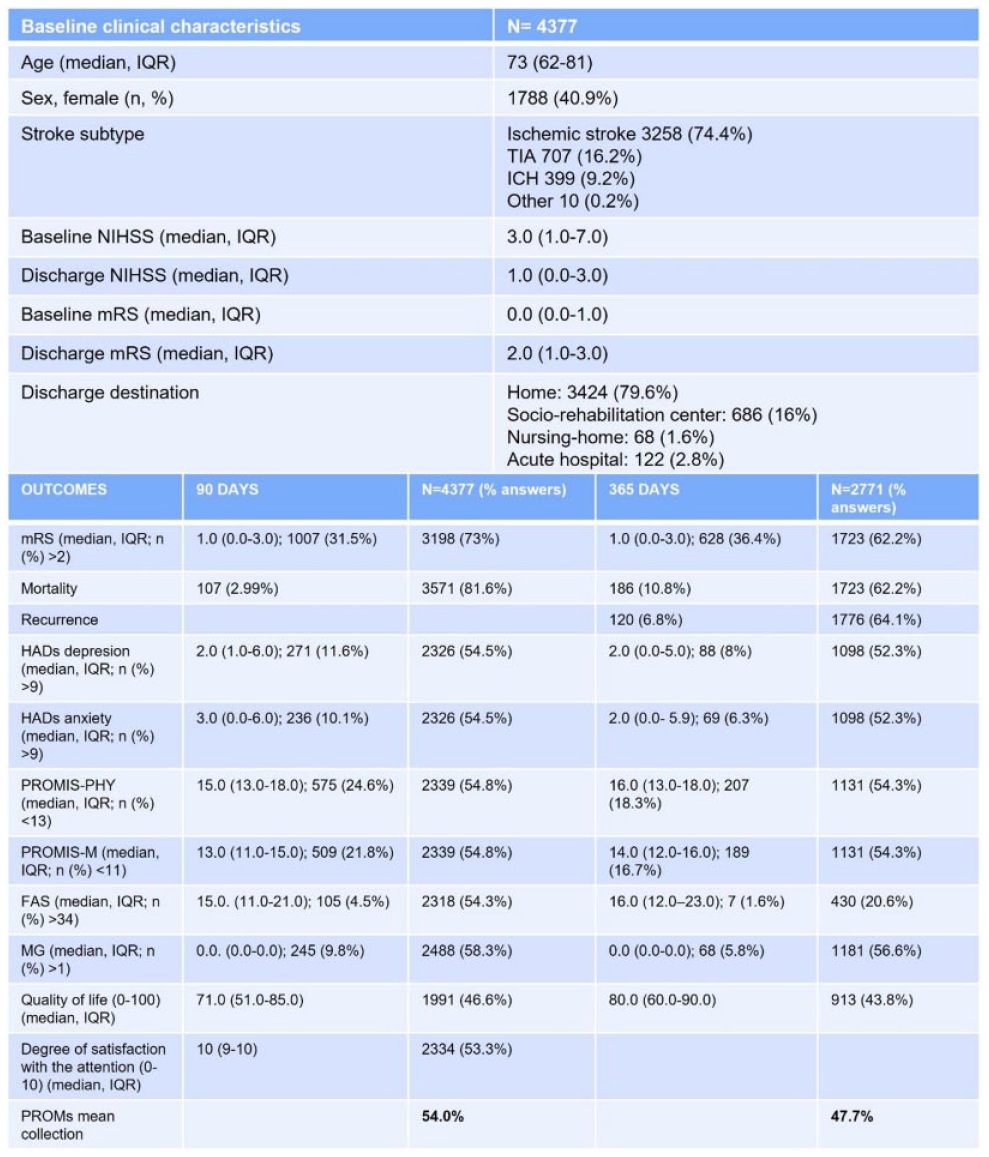
03.00 - RECOVERY, REHABILITATION AND OUTCOME - 03.01 - REHABILITATION
O021 - ESOC2025-LB-189
EFFECTIVENESS OF A HOME-BASED, TAILORED INTERVENTION FOR REDUCING FALLS AFTER STROKE (FAST): A PROSPECTIVE, BLINDED ASSESSOR, CONCEALLED ALLOCATION RANDOMIZED CONTROLLED TRIAL
1Macquarie University, Sydney, Australia, 2Monash University, Melbourne, Australia, 3Alfred Health, Melbourne, Australia, 4University of Sydney, Sydney, Australia, 5University of Canberra, Canberra, Australia
01.00 - ACUTE ISCHEMIC STROKE MANAGEMENT - 01.01 - ACUTE MANAGEMENT - Neither thrombolysis nor thrombectomy
O022 - ESOC2025-LB-93
EARLY VERSUS DELAYED ANTICOAGULATION IN ACUTE ISCHAEMIC STROKE ACCORDING TO INFARCT VOLUME, LOCATION AND HAEMORRHAGIC TRANSFORMATION: A PRE-SPECIFIED ANALYSIS OF THE OPTIMAS RANDOMISED CONTROLLED TRIAL
1Stroke Research Centre, UCL Queen Square Institute of Neurology, Department of Neuroradiology, University College London Hospitals NHS Foundation Trust, London, United Kingdom, 2UCL Queen Square Institute of Neurology, London, United Kingdom, 3Comprehensive Clinical Trials Unit, Institute of Clinical Trials and Methodology, University College London, London, United Kingdom, 4Department of Neuroradiology, University College London Hospitals NHS Foundation Trust, London, United Kingdom



05.00 - RISK FACTORS AND PREVENTION (PRIMARY AND SECONDARY) - 05.02 - SECONDARY PREVENTION
O023 - ESOC2025-LB-584
ASSOCIATION OF INFARCT VOLUME AND OUTCOME FOLLOWING EARLY ANTICOAGULATION IN THE ELAN TRIAL – POST-HOC ANALYSIS
1Department of Neurology, Inselspital Bern University Hospital and University of Bern, Bern, Switzerland, 2University Institute for Diagnostic and Interventional Neuroradiology, Inselspital Bern University Hospital and University of Bern, Bern, Switzerland, 3Clinical Trials Unit, University of Bern, Bern, Switzerland, 4Department of Cerebrovascular Medicine, National Cerebral and Cardiovascular Center, Osaka, Japan, 5Department of Neurology, Helsinki University Hospital, Helsinki, Finland, 6Glan Clwyd Hospital, Betsi Cadwaladr University Local Health Board, Rhyl, United Kingdom, 7Stroke Unit, Morriston Hospital, Swansea Bay University Health Board, Swansea, United Kingdom, 8School of Cardiovascular and Metabolic Health, Queen Elizabeth University Hospital, University of Glasgow, Glasgow, United Kingdom
02.00 - INTRACRANIAL HEMORRHAGE - 02.01 - INTRACEREBRAL HAEMORRHAGE
O024 - ESOC2025-LB-97
COLCHICINE FOR THE PREVENTION OF VASCULAR EVENTS AFTER AN ACUTE INTRACEREBRAL HEMORRHAGE (COVASC-ICH)
1McMaster University/ Population Health Research Institute, Hamilton, Canada, 2University of British Columbia, Vancouver, Canada, 3University of Calgary, Calgary, Canada, 4University of Toronto/ University Health Network, Toronto, Canada, 5Queen's University, Kingston, Canada, 6University of Alberta, Edmonton, Canada, 7Western University, London, Canada, 8University of Toronto/ Sunnybrook Research Institute, Toronto, Canada, 9Centre hospitalier de l'Université de Montréal, Montreal, Canada, 10University of Saskatchewan, Saskatoon, Canada, 11University of Ottawa, Ottawa, Canada