




Abstract
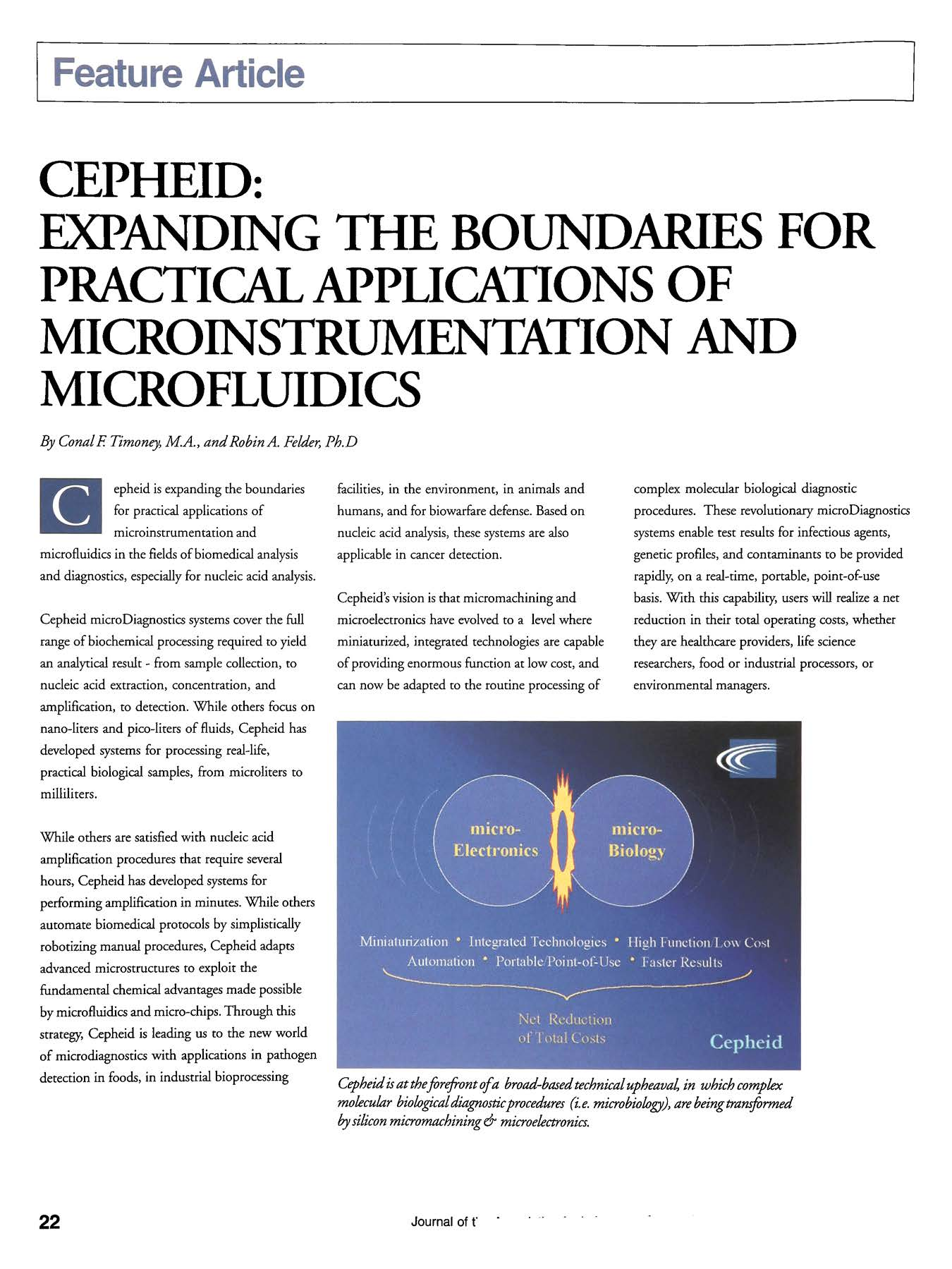
Cepheid is expanding the boundaries for practical applications of microinstrumentation and microfluidics in the fields of biomedical analysis and diagnostics, especially for nucleic acid analysis.
Cepheid microDiagnostics systems cover the full range of biochemical processing required to yield an analytical result - from sample collection, to nucleic acid extraction, concentration, and amplification, to detection. While others focus on nano-liters and pico-liters of fluids, Cepheid has developed systems for processing real-life, practical biological samples, from microliters to milliliters.
While others are satisfied with nucleic acid amplification procedures that require several hours, Cepheid has developed systems for performing amplification in minutes. While others automate biomedical protocols by simplistically robotizing manual procedures, Cepheid adapts advanced microstructures to exploit the fundamental chemical advantages made possible by microfluidics and micro-chips. Through this strategy, Cepheid is leading us to the new world of microdiagnostics with applications in pathogen detection in foods, in industrial bioprocessing facilities, in the environment, in animals and humans, and for biowarfare defense. Based on nucleic acid analysis, these systems are also applicable in cancer detection.
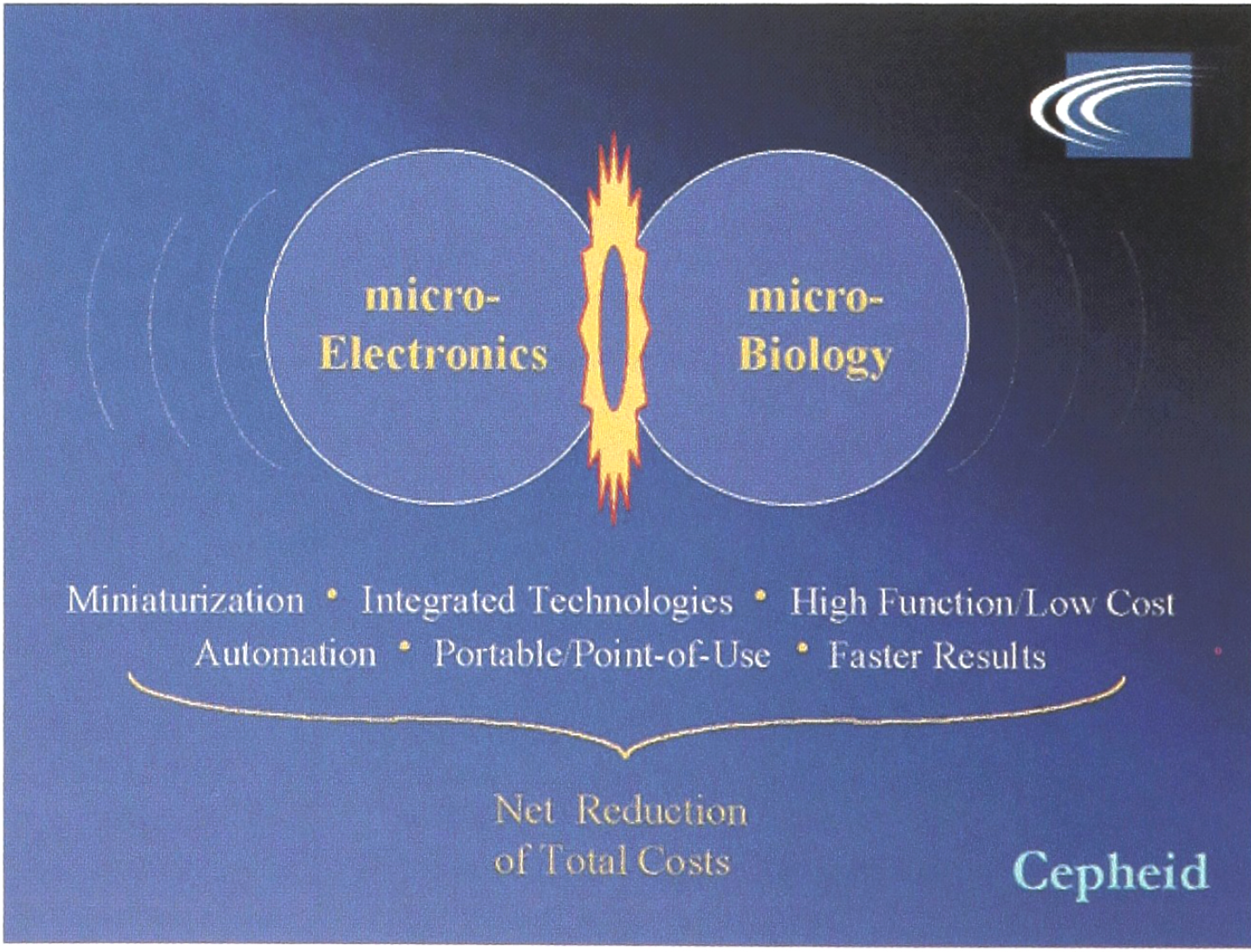
Cepheid's vision is that micromachining and microelectronics have evolved to a level where miniaturized, integrated technologies are capable of providing enormous function at low cost, and can now be adapted to the routine processing of complex molecular biological diagnostic procedures. These revolutionary microDiagnostics systems enable test results for infectious agents, genetic profiles, and contaminants to be provided rapidly, on a real-time, portable, point-of-use basis. With this capability, users will realize a net reduction in their total operating costs, whether they are healthcare providers, life science researchers, food or industrial processors, or environmental managers.
Cepheid is at the forefront of a broad-based technical upheaval, in which complex molecular biological diagnostic procedures (i.e. microbiology), are being transformed by silicon micromachining & microelectronics.
Corporation Overview
The integration of advanced microinstrumentation and micromachining technologies with complex diagnostic systems forms the base on which Cepheid was founded in early 1996. Cepheid's goals are, first, to dramatically reduce the size and increase the speed of key diagnostic instrument components and subsystems by combining the benefits of micromachining technology with recent advances in instrument technology; then, to design and produce fully integrated bioanalytical test systems, with broad market applications ranging from human infectious disease and cancer diagnostics, food quality testing, and environmental testing, to research and development activities in molecular biology.
Products and Markets
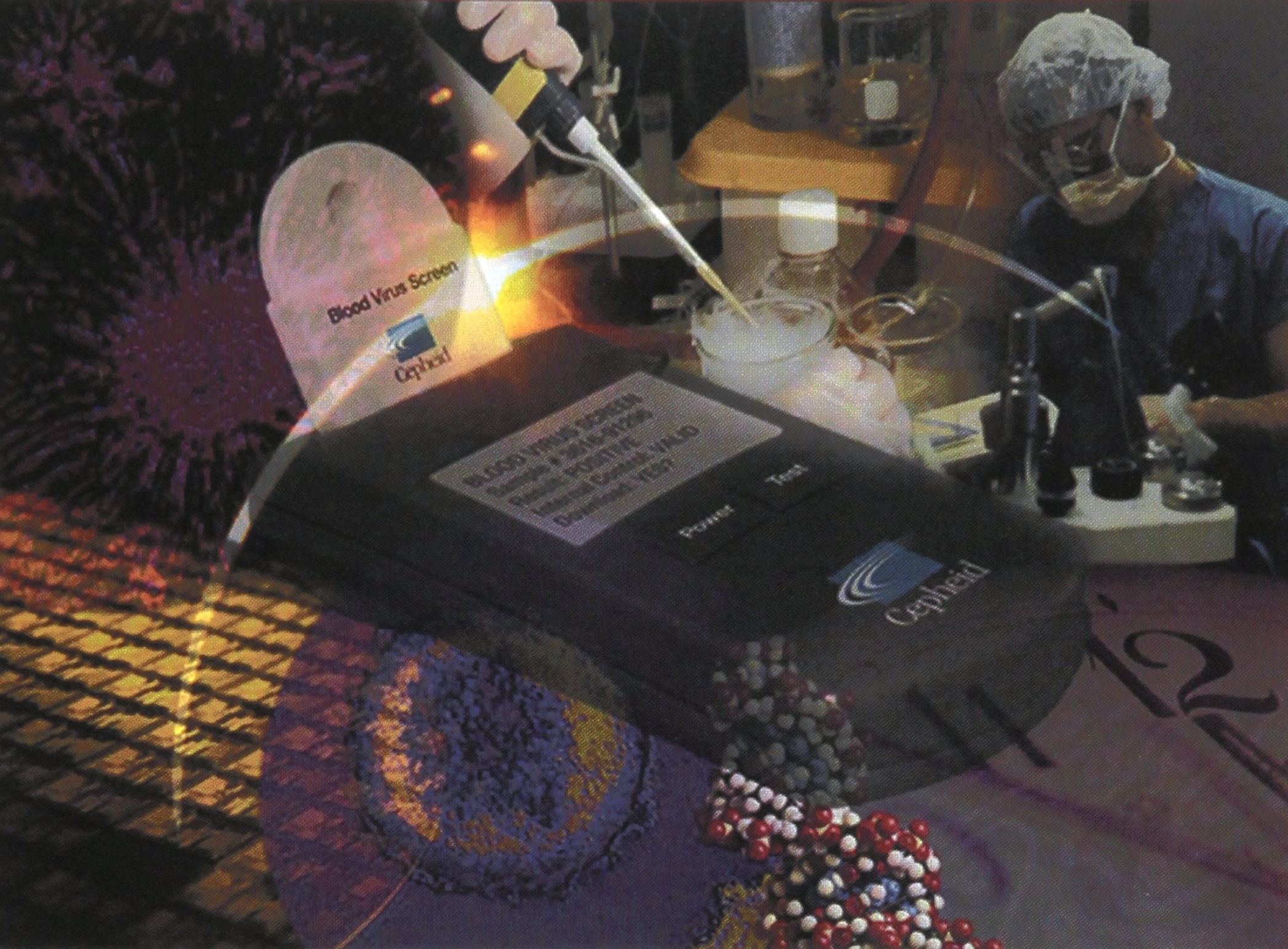
Cepheid technology is a broad-based combination of rapid and accurate temperature-controlled reaction sites, low-cost, multi-wavelength fluorescence detection, and low-cost, high functionality microfluidics. While applicable to a much wider range of biomedical analytical procedures, such as flow cytometry, ligand binding assays, and others, Cepheid's initial product offerings will focus on the analysis of nucleic acids.
The three basic process steps in nucleic acid analysis involve:
nucleic acid extraction, purification, and concentration
nucleic acid amplification
nucleic acid detection
Pre-processing of specimens for nucleic acid analysis is required in order to separate the target DNA/RNA from cells, to remove chemical factors that may interfere with the amplification reaction, to concentrate the DNA to assure assay sensitivity, and to present the target DNA in the proper reaction buffer. Though a variety of new commercial kits for sample processing are becoming available, they do not uniformly meet all of these objectives. Furthermore, none can process a specimen in a manner of a few minutes, a capability required to fully exploit this technology. Cepheid's proprietary microfluidics technology is capable of accepting large volume biological fluid samples, automatically extract, purify, and concentrate DNA or RNA, mix the target DNA/RNA with the appropriate amplification/detection chemistries, and present the final mixture to the amplification process.
While numerous nucleic acid processes are available (including NASBA, TMA, Sunrise, SDA bDNA, etc.), the most widely used protocol is PCR. Polymerase chain reaction (PCR), a DNA-based chemical process owned by Hoffman La Roche, is fundamentally faster (up to 10 times faster) on a micro scale than in conventional “macro” PCR formats. PCR requires that a reaction solution be heated to 95°C then cooled to 65°C in multiple cycles (up to 50 times) to replicate and amplify target DNA in a sample. The replicated products are called amplicons.
EXPANDING THE BOUNDARIES FOR PRACTICAL APPLICATIONS OF MICROINSTRUMENTATION AND MICROFLUIDICS
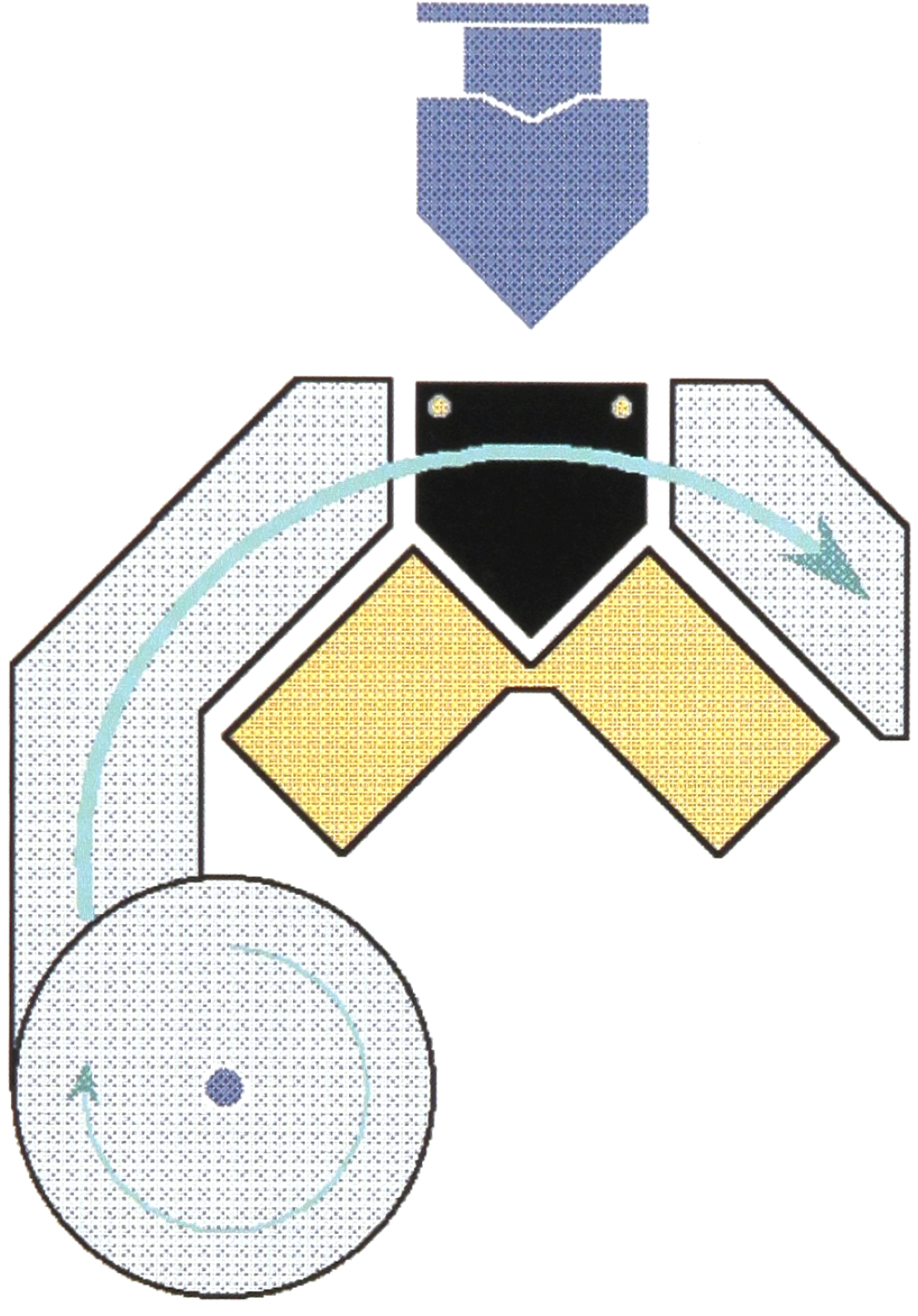
However, heating and cooling cycles in. commercial PCR instruments are very slow, taking up to several hours to complete one PCR process. Slow heating and cooling rates also mean that the reaction mixture spends time at intermediate temperatures, which can cause unwanted side-reactions and poor specificity. In Cepheid's fast I-CORE system, relatively large volumes of reactants can be heated and cooled very rapidly.
The rapid heating ensures that correct reaction temperatures are reached very quickly, resulting in not only more efficient but also more accurate PCR reactions.
Finally, detection of the amplified products is achieved through fluorescence techniques. In Taqman® chemistry, for example, a fluorescent molecule dye is released into the solution for every amplicon generated by the PCR chemistry. Cepheid's sensitive, low-cost optics module can detect and identify up to four fluorescent dyes simultaneously. This optics module is an integral element of Cepheid's I-CORE technology.
PCR can be used in many applications, from viral or bacterial detection to genomic identification and research, to HIV or other viral load determinations, to cancer research and diagnostics. During 1995, approximately 200M PCR tests were performed. In 1996, over 300M PCR tests were performed. This 50% per year growth rate of the PCR market is expected to continue.
The strategy of Cepheid is to initially penetrate the rapidly expanding PCR market by commercializing a technology first demonstrated at the Lawrence Livermore National Laboratory: high-speed nucleic acid amplification enhanced by new micromachining, microfluidic technologies. In parallel, Cepheid proprietary fluidic microdevices capable of effecting cellular separations, microorganism lysis, extraction and concentration of DNA, reagent mixing, and filtering will be integrated using fluid microcircuits capable of directing and controlling the flow of specimen and various reagents. These integrated specimen cartridges will be commercialized rapidly to meet a strong demand for specimen preprocessing products. High speed nucleic acid amplification will then be married to these integrated fluid microcircuits to produce fully automated, rapid PCR analysis, from raw sample to final result.
This technical strategy will be exploited by Cepheid to create a family of core products that will displace many of the traditional ways of analyzing nucleic acids and will generate entire new markets for DNA/RNA analysis, including portable, point-of-use DNA/RNA identification of pathogenic microorganisms.
In collaboration with its commercial partners, Cepheid is applying its technology platforms in various configurations to produce systems suitable for a wide range of market segments. Into the life science research market, an intelligent, flexible, rapid Smart Cycler will be introduced as well as sample prep cartridges and systems, and workstations that facilitate certain drug discovery procedures. In the human diagnostics market, Cepheid and its partners will introduce fully automated lab-based systems and components for random access or high volume nucleic acid probe testing, as well as rapid, portable systems for point-of-care testing in physicians offices and other point-of-care settings. Finally, Cepheid's systems, both lab-based and point-of-use, will support numerous, high volume applications in industrial, veterinary/agricultural and environmental applications, including the testing of food products, water quality, numerous production processes, aquaculture, livestock and poultry, crop diseases, companion animal health, DNA fingerprinting and forensics, and environmental spills and contamination.
Commercialization Strategy
Cepheid does not intend to develop its own proprietary chemistries but will rely instead on commercially available reagents, protocols, and mastermix chemistries. Cepheid will work with strategic corporate and academic collaborators to develop, modify, and adapt these and any additional chemistries necessary for the disposable cartridges.
Cepheid will supply products to these strategic corporate collaborators and other large customers on an OEM basis, thus avoiding the need to develop an independent sales force. Establishing joint development programs with collaborators will ensure that the appropriate products to meet the customers' exacting needs are developed and built. At the same time, Cepheid will build a strong internal commercial unit that will work closely with its corporate collaborators to develop and implement reliable forecast models and to establish and maintain a strong customer support function.
Initial products will be components, consumables, instruments, and test systems that are not regulated by the FDA or USDA, in order to provide sales revenues as rapidly as possible. The launch of regulated products, such as human diagnostic test systems and consumables, will follow and will represent a significant and continuous growth of sales as more products obtain FDA approval and are launched commercially.
Intellectual Property
A primary focus of Cepheid has been the establishment of a broad intellectual property (IP) base related to fast thermal processing and the relatively new field of microfluidics. Cepheid is pioneering a unique approach to automated diagnostic fluidics, microDiagnostics. This methodology exploits hybrid micromachined silicon/plastic microfluidics. The company is now designing micromachined chips for sample processing, cell lysing, DNA/RNA extraction, mixing, cytometry, and phase separation. 14 patents have been filed and five additional patents are being drafted.
Cepheid's patent license from Lawrence Livermore for a fast thermal cycling device serves as a cornerstone of our thermal cycling technology. However, additional patents have been drafted to protect other key design principles, including the unique reaction tube, the integrated optic detection system, and the I-CORE system.
Management
Cepheid has drawn together a unique group of business experts to found the company. The Cepheid team brings a wealth of experience in diagnostics business (Thomas Gutshall; Cris McReynolds; and Cathy Smith), instrumentation and PCR (Allen Northrup, PhD), biomedical science and instrument systems (Greg Kovacs, MD, PhD; Stanley Falkow, MDPhD; M. Allen Northrup, PhD; and Bill McMillan), electronics design and manufacturing (Steve Young), and micromachining design and manufacturing (Kurt Petersen, PhD; Lee Christel, PhD; and Farzad Pourahmadi, PhD).
Products
I-CORE Module and Hi-Performance Reaction Tubes
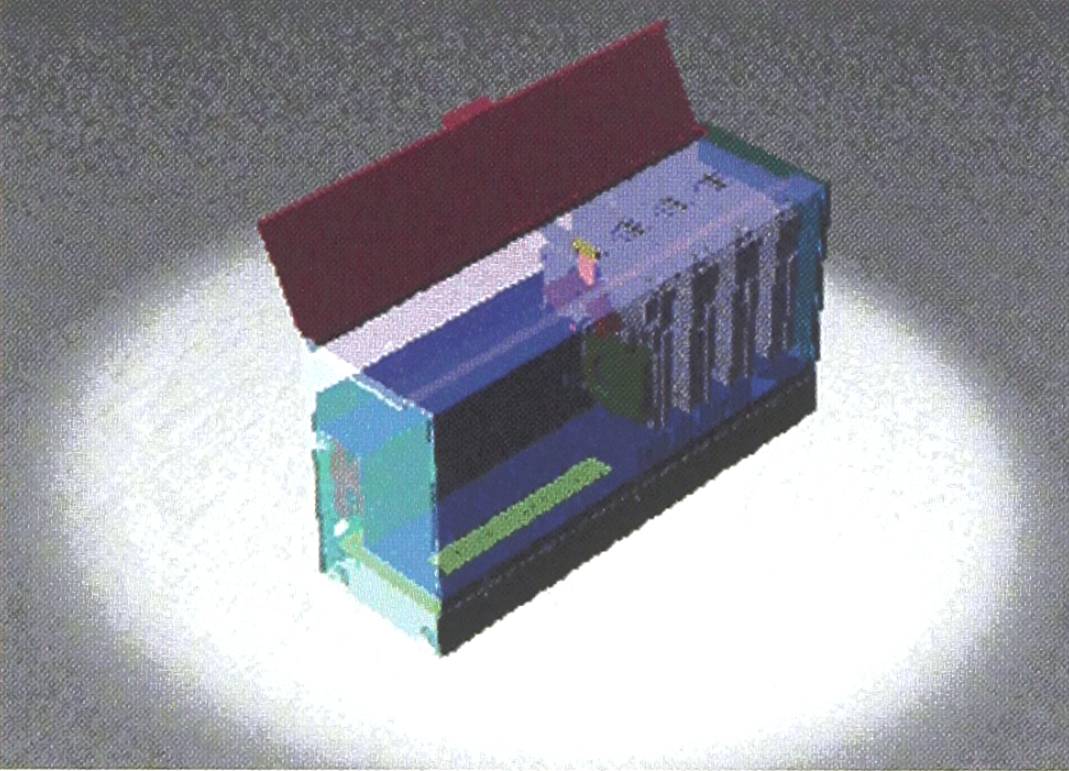
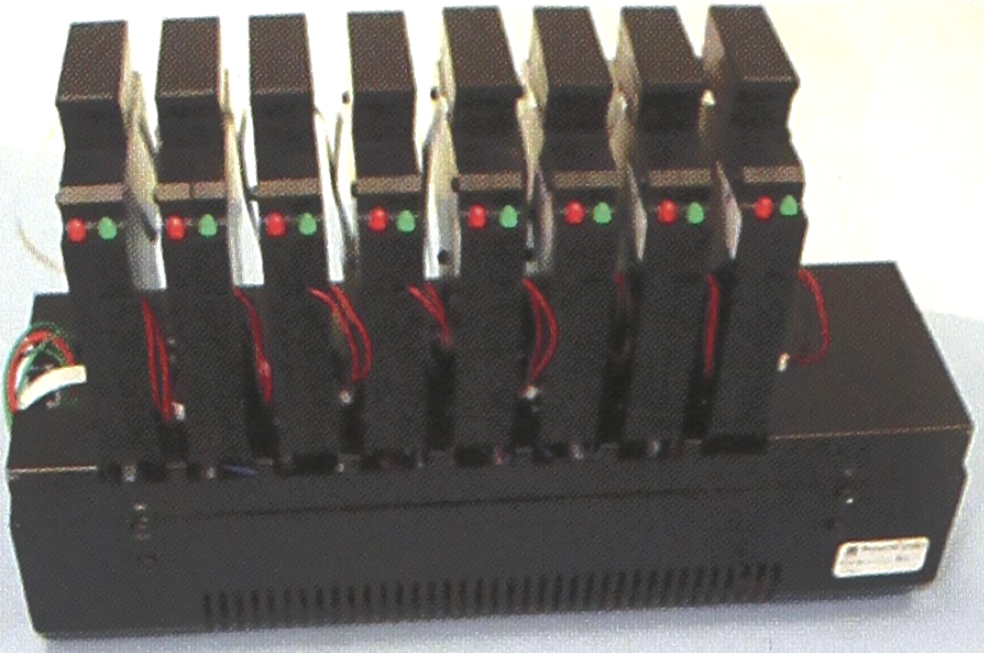
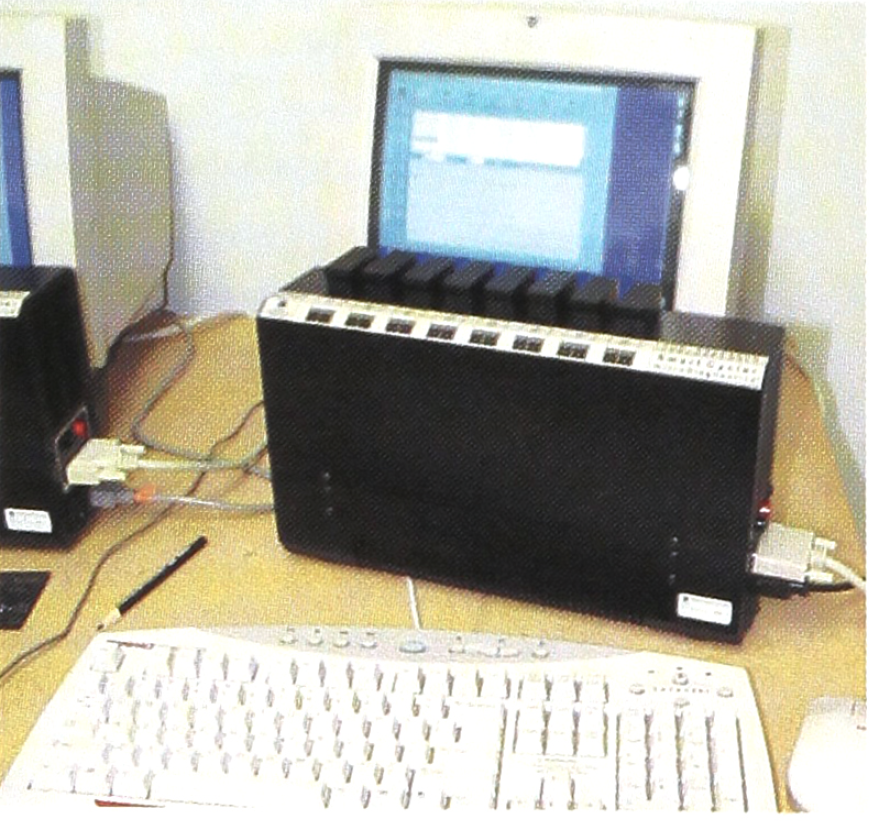
The first Cepheid product will be an intelligent cooling/heating/optics/reaction (I-CORE) module that will perform the entire PCR process (including optical interrogation and fluorescent detection) very rapidly, in a real-time format, in a single, compact, patented reaction system. Cepheid will sell I-CORE modules to clinical and research laboratory instrument manufacturers. Cepheid will also incorporate a number of the I-CORE modules (from 4 to 96), controlled by a central processor, into stand-alone small-to-medium research and clinical instruments. An eight-site version of the I-CORE the Smart Cycler is now being selectively sampled to collaborative partners.
A special, patented high-performance reaction tube is designed to be used in conjunction with the I-CORE module. The design of this disposable reaction tube was optimized, from first principles, for rapid and uniform thermal performance and for optimum optical sensitivity and performance.
EXPANDING THE BOUNDARIES FOR PRACTICAL APPLICATIONS OF MICROINSTRUMENTATION AND MICROFLUIDICS
Integrated Specimen Processing System and Cartridges
The second major product line is the disposable Integrated Specimen Processing System, which will perform all specimen pre-processing steps, converting raw sample to purified DNA or RNA presented in the appropriate PCR or other amplification buffer. This technology can be applied to non-PCR amplification technologies, thereby ensuring wide market penetration. Proprietary microfluidic techniques will be incorporated into disposable cartridges for nucleic acid extraction and concentration. Intended to automate the laborious process of DNA extraction, this technology will be especially beneficial and cost-effective in laboratory settings when combined with a simple bench-top instrument designed to automatically process the cartridges.
MicroBE Instruments and Cartridges
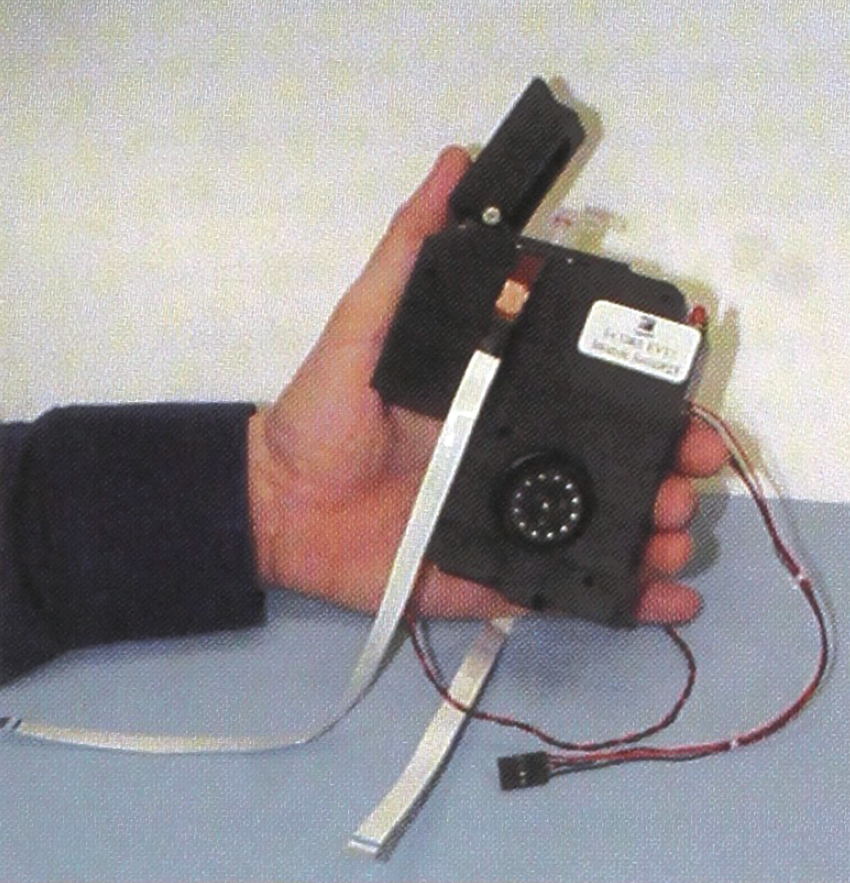
Cepheid's first two product lines (I-CORE and the Specimen Processing System) lead directly to Cepheid's flagship product, the MicroBE. MicroBE is a portable, hand-held instrument that incorporates 1 to 4 I-CORE modules and accepts disposable MicroBE cartridges. Samples such as blood, urine, sputum, feces, tissue homogenates, food or water can be deposited into the cartridge, the cartridge loaded into the hand-held instrument.
The system will chemically process the sample, extract and concentrate the specified nucleic acid, perform the pre-determined nucleic acid amplification process, and analyze the product, with minimal external specimen pre-processing. Each disposable cartridge will contain all necessary reagents, reactions chambers, waste chambers, and disposable microfluidic components. Fluid handling will take place within the cartridge only, eliminating contact of specimen fluids with the hand-held instrument. There is no possibility of cross-contamination with MicroBE and foolproof ease of use will ensure assay accuracy. Sensing sites built into each cartridge will communicate with the MicroBE to assure that all fluidic and chemical processing protocols are performed properly.
The potential applications for such a point-of-care or field instruments are vast. From cancer and pathogen detection and measurement in humans, to non-clinical opportunities, such as livestock testing, food testing, and environmental monitoring, such applications are estimated to have growth rates of at least 35% per year, even without the revolutionary capabilities of a system such MicroBE.