




Abstract
The wrong additive in a specimen vial, for example, could not only give completely invalid results, it could also waste a given sample. While the automation, robotics, and electronics industries have been consistently helping laboratories improve identification and classification problems over the years, there has always been room for improvement. Now, however, a new technology stands poised to take identification solutions to a new level: radio frequency identification.
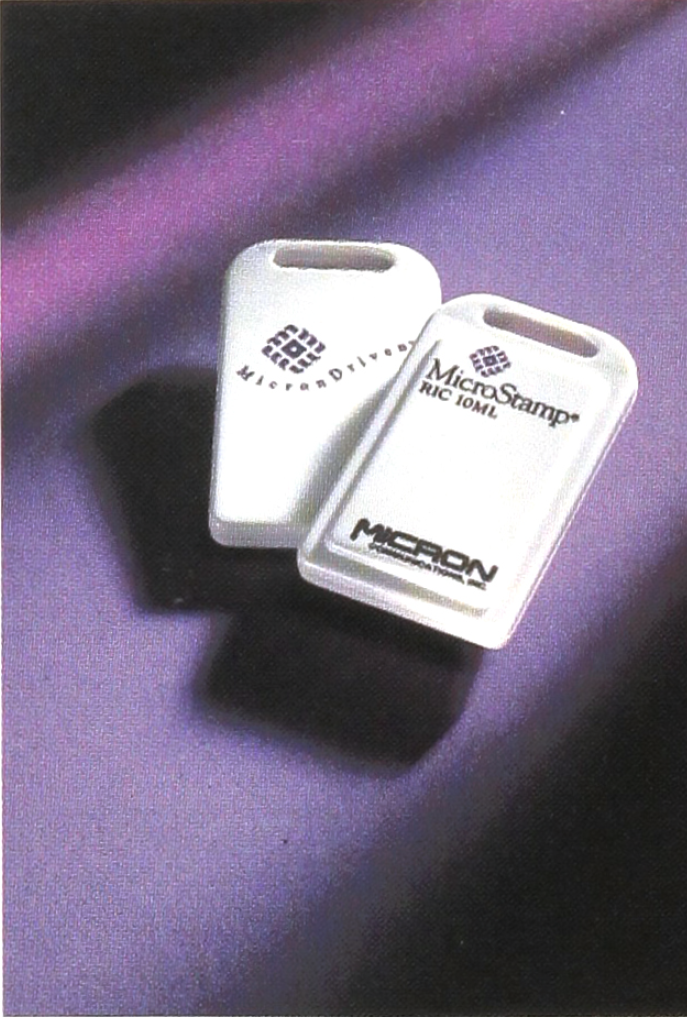
Radio frequency identification itself is not particularly new. For over forty years, RFID technology has been using passive, read-only tags. The standard basic RFID system -a host computer attached to a reader/interrogator which then reads a transponder—is not particularly new. Newer technology, remote intelligent communications (RIC) units are appearing on the scene. RIC is a more powerful and useful subset of RFID. While RIC, like RFID uses radio waves to send information (so that a tag need not be visible to be read, and can even be used in dirty environments), RIC differs in several respects, including self-contained batteries, a larger (writeable) memory, and long range capability.
These new features give RIC a flexibility previously missing from RFID. For example, the one or more batteries usually contained within an RIC unit allow for active units with higher reading ranges than passive tags. Active tags, which use their own energy to send data to the reader, would thus be ideal for use in situations where obstructions might be problematic or the range in question is longer, a non-possibility for previous RFID systems. In addition, the long ranges and greater memory allow RIC units to exchange information from a point farther from the reader. Through such an exchange, the RIC could come away with changed information. Some of the more common applications could range from phone cards to toll payments.
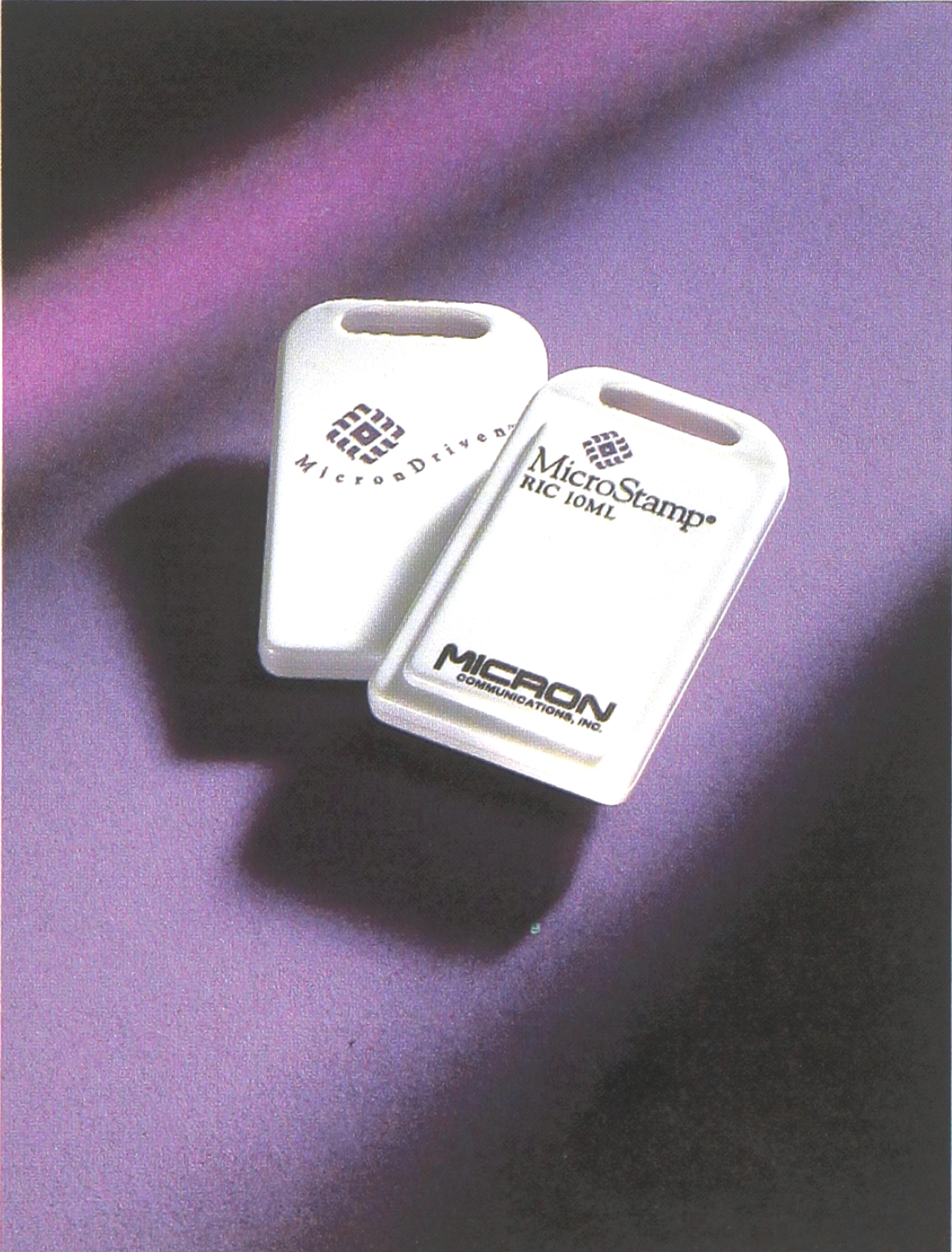
However, such applications could also include a data exchange between test tubes on a conveyor belt and laboratory instruments. By linking those instruments to a host computer/reader system, the laboratory instruments could transmit data directly to the test tubes, changing the data on the tag almost instantly.
Since RIC can also use complex algorithms to arbitrate and identify several transponders in the field of view almost simultaneously, a conveyor belt of relatively rapidly passing test tubes, some of which might be obscured by other people or objects in the room, could nonetheless be quickly read. As a result, more than a single RIC unit may overlap a given reader field and still be read successfully.
While different manufacturers will have different sizes, RIC units are small in nature. At under 14 cm2 and under 2.5 cm thick, the MicroStamp from Micron Communications, Inc. (Boise, ID) can easily fit on test tube holders to be snapped onto the tube. Clids Oy (Kuopio, Finland) already has its own system to identify, track, and follow-up samples throughout the analytical process. The Clids system sends frequent progress reports to the LIS, so that current information on the sample is always available.
The small size of transponders also makes them ideal for a wide range of applications. Trovan (Santa Barbara, CA) has used RFID to track item shelf lives, stock handling, and the registration of important materials. Transponder News (Kengray, South Africa) predicts that appliances with RIC systems embedded within will someday be available. Placed in bottles with RIC tags, a refrigerator with a reader would be able to display a current and completely accurate list of all chemicals and samples contained within.
RFID Systems Corporation (Kelowna, BC, Canada) specializes in integrating RFID and RIC with other communications technologies to provide more tailored solutions, in fields ranging from factory automation all the way to asset tracking and theft prevention.
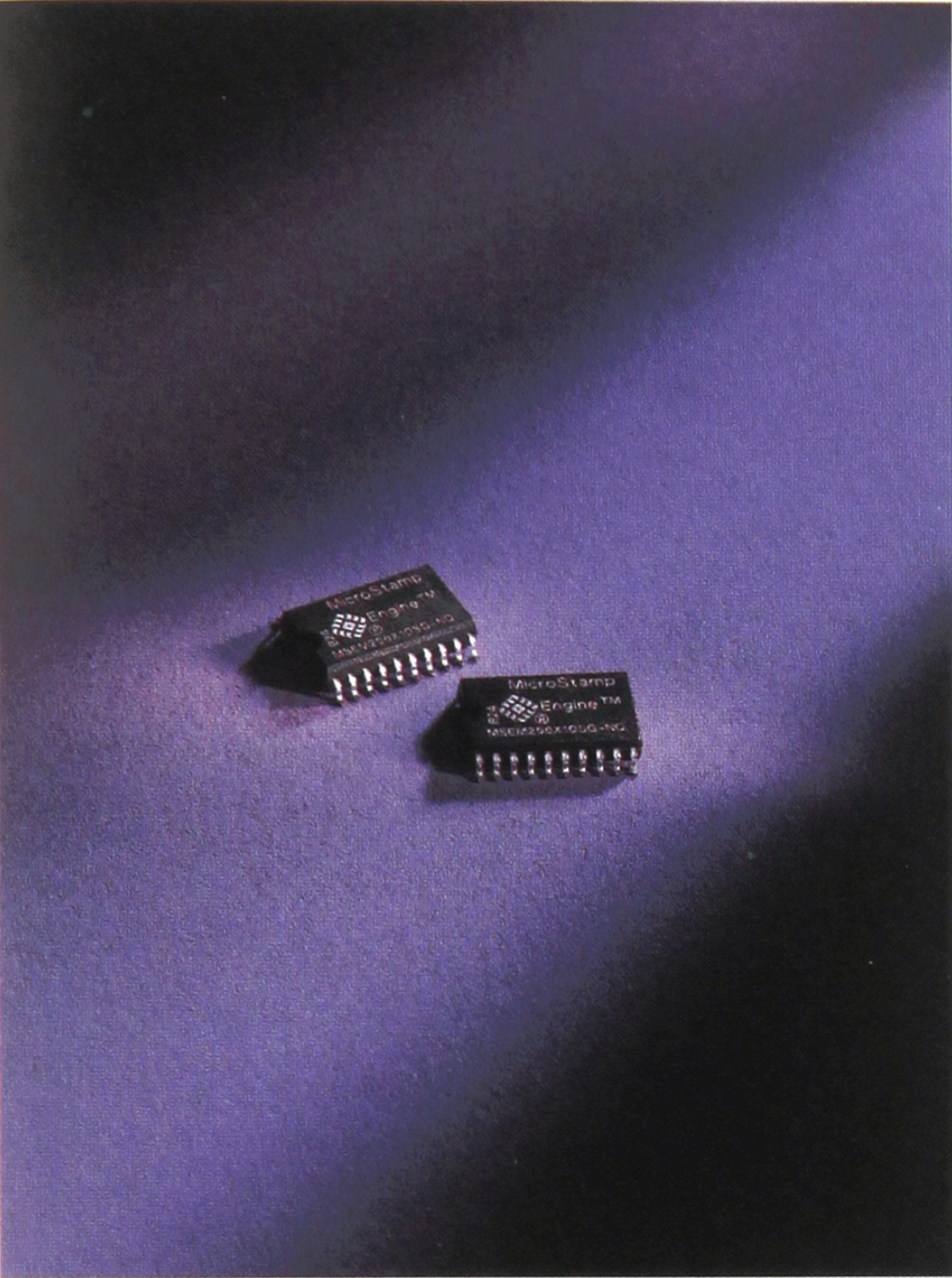
With the new development of the faster, more ranged RIC, RFID is becoming more feasible a solution to corporations and organizations searching for better information management systems. By eliminating time consuming steps to change data, route information, and even properly orienting coded samples, RFID, and its powerful subset RIC, truly have the potential to change the vital information flow of the laboratory. Future applications will indubitably include labeling patients and hospital employees, allowing more efficient scheduling and process management.