




Abstract
In late October, the AACC and the Association for Laboratory Automation (ALA) cooperated to provide the first jointly sponsored conference on laboratory automation in Southern California.
This one day event was attended by 240 registrants, consisting of approximately 50% industry and 50% eventual end users of automation. The variety of topics presented encompassed the many facets of laboratory reorganization and automation. These subjects included novel hardware technology, the impact of managed care on automation, management plans for implementing automation, and testimonials from individuals who have already installed automation. The meeting was organized by David Herold, M.D., Ph.D. in cooperation with the Association for Laboratory Automation.
ROBIN FELDER, Ph.D

The first speaker was Robin Felder, Ph.D. from the Medical Automation Research Center, at the University of Virginia. Dr. Felder presented an outline of the rapidly evolving field of medical automation. In his talk entitled,
Dr. Felder described the current laboratory climate with a desperate need for automation, but little capital dollars to pay for large systems with no proven track record. As a result, modular automation is becoming a popular alternative for many hospital laboratories because it reduces the risk of buying technology that is underutilized. Modular technology can be purchased for relatively little investment, allowing laboratories to gradually reduce FTEs while increasing automation in a stepwise manner. He described in detail the payback associated with a spectrum of new automation devices including centrifuges (ASM, DuPont Canada), vision and bar code systems (Acuity, Nashua, NH), modular preanalytical automation (Autolab, Etobicoke, Canada) (LabInterlink, Omaha, NE) (Coulter Corporation, Miami, FL) (Boehringer Mannheim GmbH, Mannheim, Germany), and mobile robots (HelpMate Robotics, Danbury, CN) (CCRI, Lake Arrowhead, CA).
Dr. Felder concluded with a discussion about the movement toward point-of-care testing. He presented data that demonstrated that 80% of laboratory testing will be done near the patient in less than 10 years. This rapidly advancing trend will be fueled by microfabrication techniques and the increased used of wireless data transfer.
WILLIAM NEELEY, M.D.
William Neeley, M.D. and Michael Chu
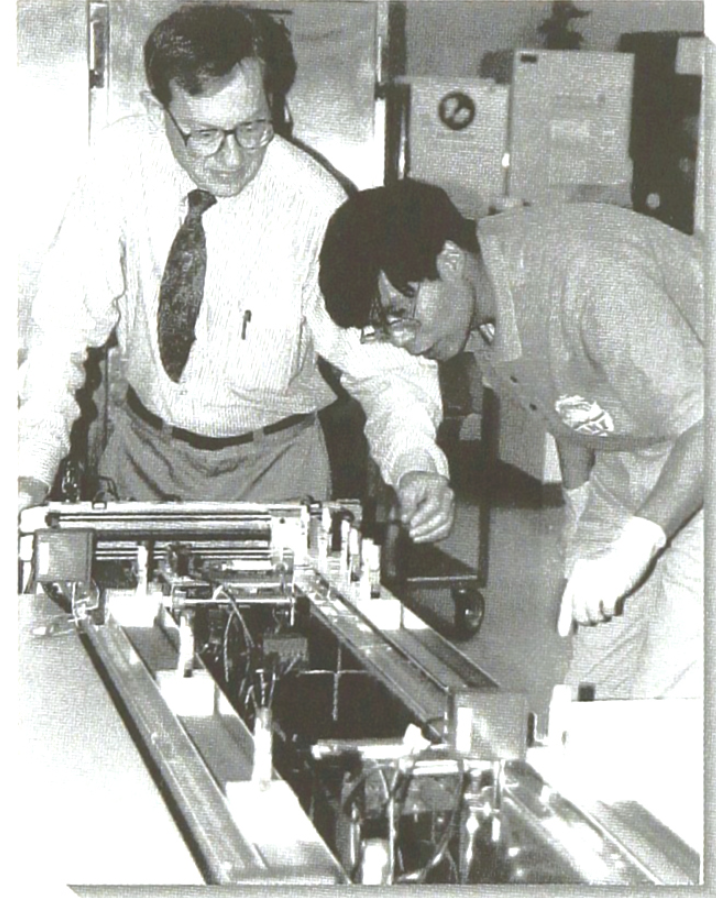
Introduced as having the most efficient laboratory in North America, William Neeley, M.D., (Meris Laboratories, San Jose, CA) delivered his lecture entitled, An
Dr. Neeley designed his system to have square carriers, in contrast to the circular variety employed by several vendors. His technologists must correctly orient the specimens so that the system's bar code scanners can read each specimen's bar code. He suggested that valuable time is wasted in batching and spinning the tube to find the bar code. It takes more than eight times longer to perform this function than to have the technologist position the tube in the correct orientation. A minimal number of tubes are aliquotted, saving valuable processing time and reducing the costs associated with aliquot tubes and their labels. Wwith just two aliquots per tube, 10,000 tubes a night quickly multiply to become 30,000 tubes.
Dr. Neeley also stated that computer aided verification can lead to significant cost savings. All analytical data that falls within the reference range should be verified and uploaded automatically by expert software algorithms. Only exceptional data should be brought to the attention of the technologists. A benefit of automated systems will be hourly productivity data which will be captured by computers aided by sample scanners as well as the ability to track tubes throughout a hospital consortium. The audience was generally excited about the price tag of his automated laboratory (<$75,000) and his message that turn-key automated systems from diagnostic vendors in the automation market are far too expensive.
GERALD KOST, M.D.
Gerald Kost, M.D., Ph.D. (University of California, Davis, CA) was invited to present a lecture entitled,
However, there are few justifications for POC testing when the patient history is unknown, specimen metabolism is not normal, or the oxygen tension in the specimen is not stable. In these cases whole blood analysis is justified. Tests will become vital function based in the future. For example, samples will be tested to determine patient energy utilization/reserves (glucose, hemoglobin, pO2), conduction (potassium, sodium, ionized magnesium, and ionized calcium), and hemostasis (hematocrit, PT, aPTT, ACT, thrombin time, platelets). POC can conserve patient blood volume, speed up and/or eliminate the preanalytical phase, reduce specimen processing steps and therefore cut many hidden or downstream costs. Dr. Kost displayed a knowledge optimization diagram in which data can be integrated with optimized knowledge components to enhance patient outcome. He demonstrated an example where POC testing was integrated with an algorithm for treatment of microvascular bleeding, thus creating a rational approach to improving patient outcome.
Beckman AccuNet System
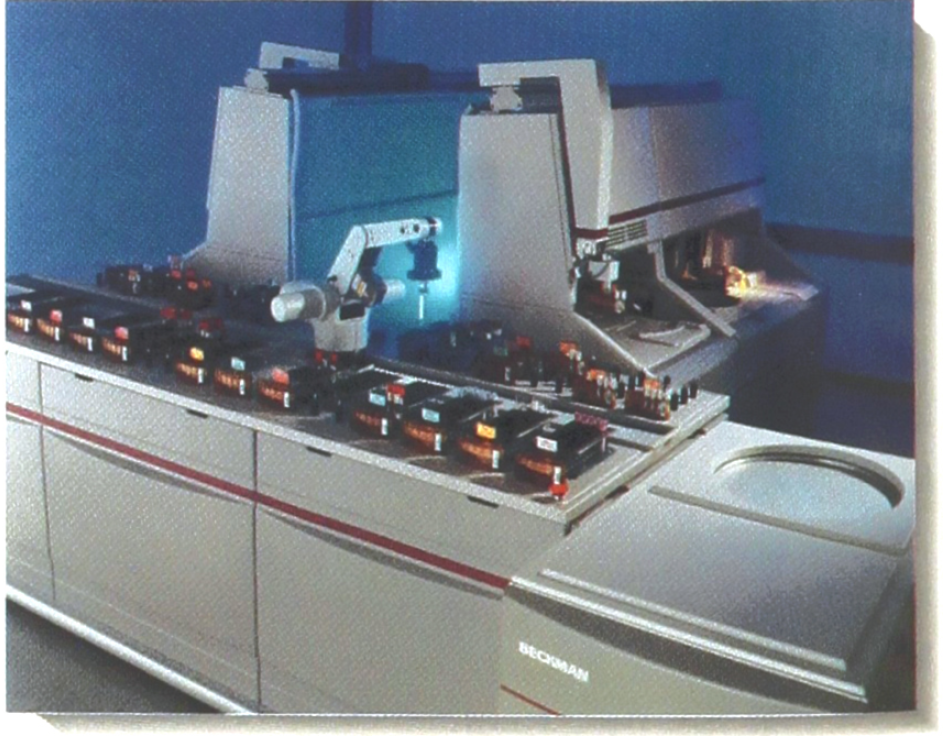
POC strategies which will yield successful results include the use of automation to connect the POC system with the central laboratory (RALS™ from MAS, Charlottesville, VA). Successful POC will involve designing the process proactively, consolidating instrument evaluation maintenance and oversight, and training the appropriate individuals on a continual basis. In vivo biosensors will ultimately dominate the testing process with a significant reduction in iatrogenic blood loss. He suggested that the registrants use his review article published in Pathology Patterns in 1995 as a reference.
ROBERT MICHEL
Robert Michel
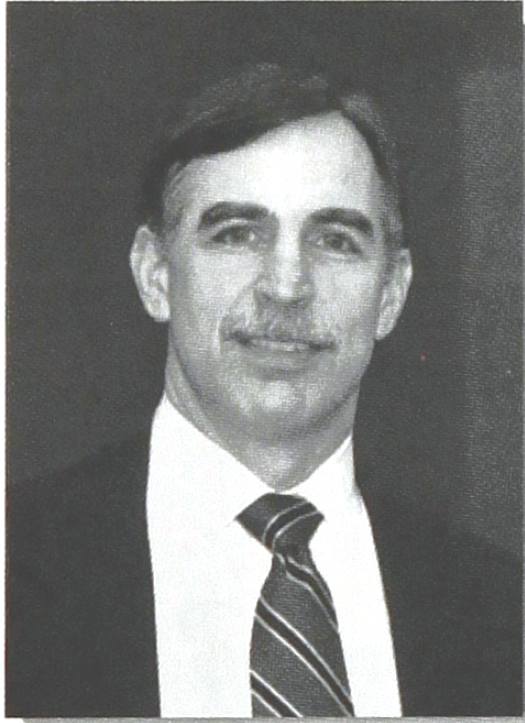
Robert Michel (The Dark Group, Lake Oswago, OR) gave an enlightning talk on,
Consolidation is more effective than networking for making a laboratory efficient. Robert Michel showed a number of models from around the nation and discussed how they are organizing to improve efficiency. He utilized a number of characteristics of a regional laboratory system which could apply to all types of laboratories (hospital, commercial, national, academic) providing regional coverage, independently owned and operated, and built around consolidated laboratory clusters under a regional system administrative umbrella (owned in common by all participants). Drawing a comparison between the computer and laboratory industries, Mr. Michel used the example that hard disc drives used to cost $1000 and hold only 30 MB of data; today hard drives hold 2 GB and cost less than $500. Laboratories must learn to provide more information at greatly reduced costs through the use of automation and economies of scale. He ended by saying that it is less expensive to, “manage by prevention followed by exception”. In other words, the most expensive specimen is one that is defective from the moment it is obtained, therefore energy should be focused on obtaining a high quality specimen. The second most expensive specimen is one that has to be handled in the laboratory. Therefore, standardization of labeling, packaging, and handling will save money.
MARGARITA PALUTKE, M.D.
Margarita Palutke, M.D.
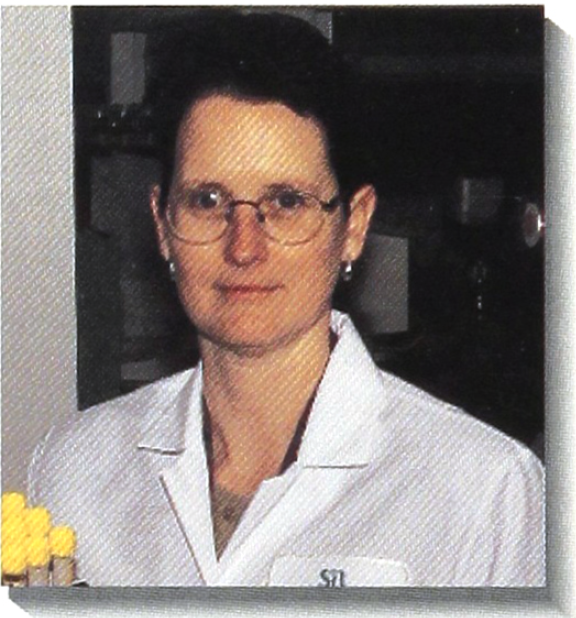
Margarita Palutke, M.D. (Wayne State University, Detroit, MI) spoke about her transition from a manually operated laboratory to a highly automated facility over a 5-year period in the talk entitled,
MANIJEH ELMI
The RALS System from Medical Automation Systems
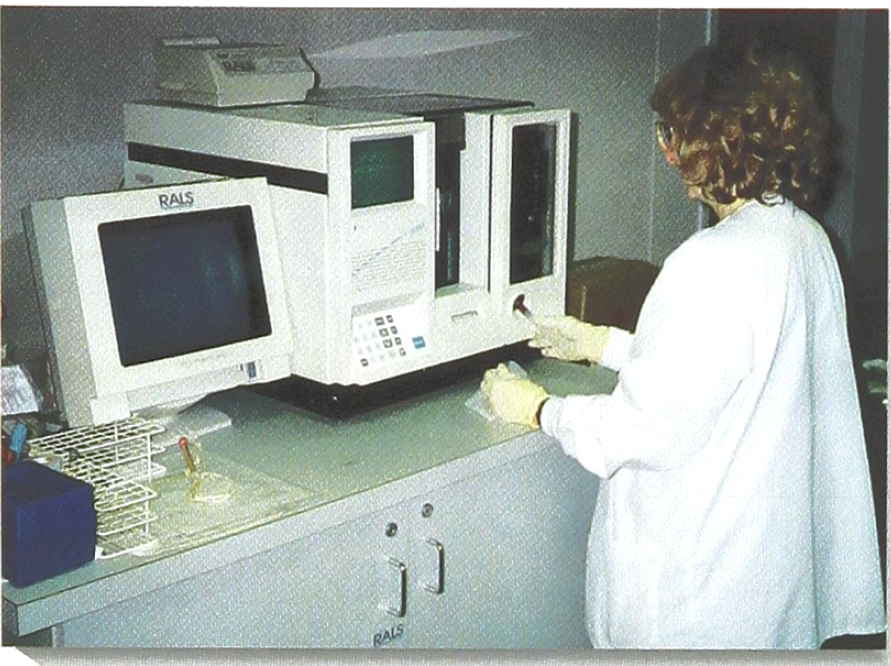
Manijeh Elmi (CHCC, Fresno, CA) was the second presenter that focused on the utilization of point-of-care testing and the current trend of automating this process. Elmi stated that POC testing is inevitable in most institutions and therefore quick POC automation technology can lead to greater savings. She began her automation of POC process with three fully staffed stat laboratories and 21 hrs per day coverage. Elmi reorganized her laboratory around the use of RALS (MAS, Charlottesville, VA), providing rapid response (6.3 minutes), central laboratory control by trained professionals, and costs that were approximately 10% those of staffing a satellite laboratory. An individual who was performing the duties of POC supervisor was reassigned to other duties when they linked the instruments to the main laboratory through RALS. A key point in her plan was to standardize their instrument vendor and electronic interface.
BETH ROKUS
Beth Rokus (left) and LAB-InterLink COO Mike Newcomb (right)
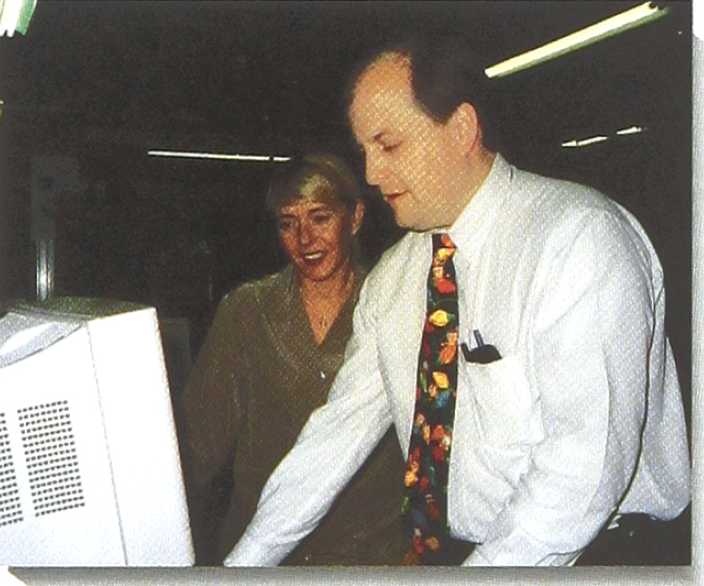
Beth Rokus (Lehigh Valley Hospital Center, Allentown, PA) presented her lecture on,
Using classical management tools to formulate their strategic plan, they merged the Lehigh Valley hospital with the Allentown Hospital and now employ 192 FTEs. Before implementation they defined their mission, objective, goals, strategy, structure, roles, style, systems, and resources. Their main goals were to decrease cost per test, enhance service and quality across the continuum of care, increase access to clients and thus volume of testing, and create the infrastructure that was capable of flexible and timely response to the market. Phase 1 included strategic planning that allowed the laboratory to achieve the same objectives of the hospital administration. Phase 2 was used to develop the options available, do SWOT (strength, weaknesses, opportunities, and time) analysis, perform financial analysis, assign work tasks, evaluate hardware, select facilities, plan specific projects, reevaluate the mission scope, and finally develop a schedule.
Phase 3 was related to implementation tasks such as constructing the core laboratory, integrating the LIS/LAS/HIS computer systems, changing analytical equipment to be compatible with the robotic automation, retraining of laboratory personnel, and coordinating of support services. Finally, phase 4 involved a review of the program and completion of staff retraining. Success was dependent upon honest communication, quality work and service, commitment to teamwork, and, most importantly, a respectful and caring attitude toward all coworkers. The laboratory was reorganized around five new areas; manual clusters, histology / cytology, service, automated hematology / chemistry, hospital services (POC, blood bank).
J.D. HOOVER, Ph.D
Work area and specific flow management systems are among today's managed care trends.
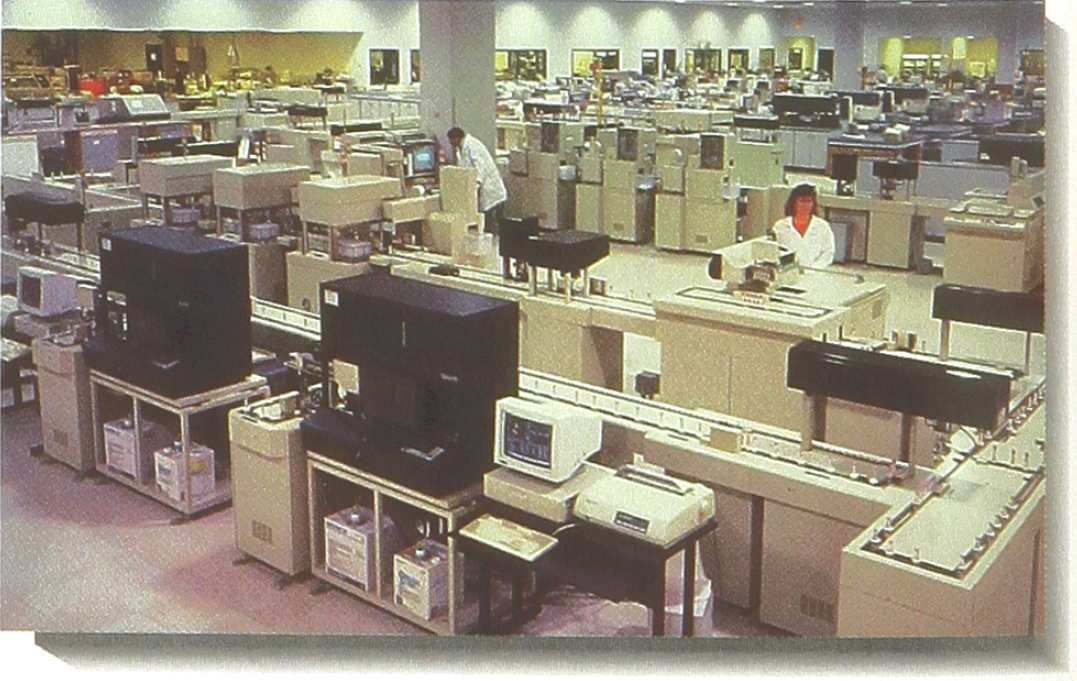
J.D. Hoover, Ph.D. (Unilab, Tarzana, CA), indicated that automation is a long term commitment to change. Automation has been demonstrated to improve quality, a crucial activity for retaining clients. He described his personal experience at Ciba Corning Clinical Laboratory in St. Louis, MO, with the perils and pitfalls of implementing automation. While he attempted to avoid painting a bleak picture of the process of laboratory automation, he did indicate that if something could go wrong it usually does. He suggested that streamlining specimen arrival increases throughput in the early phases of the process. Similar to Dr. Rokus, he emphasized the need to define the design layout, time schedules, manpower needs, costs/savings, training, utilities and computer interfaces before a successful project can be realized. The progress in automating the Ciba Corning laboratory has reached a plateau since there have been delays in allocating additional money for further automation development. Many laboratories may face similar challenges. After spending a large amount of money on the initial automation phase, they may wait for a return on capital investment before embarking on the next phase of automation. Dr. Hoover is one of the few individuals who has an in depth knowledge about robotic installation in a highly productive laboratory and is now embarking on a second installation at Unilab.
DENNIS LAMB
Dennis Lamb
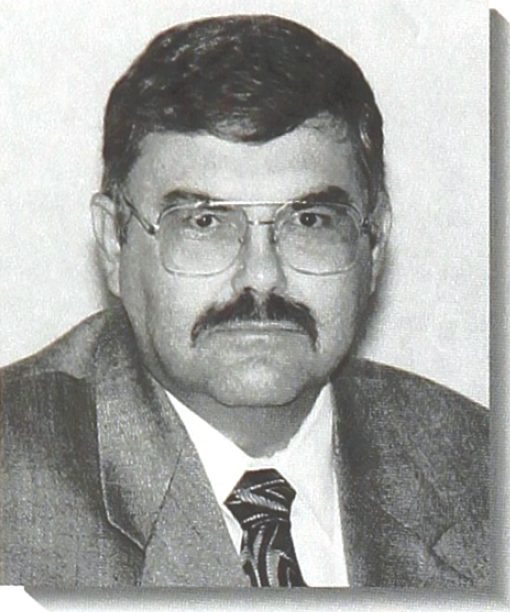
Dennis Lamb (South Bend Medical Foundation, South Bend, IN) described the first Boehringer Mannheim/Hitachi (Indianapolis, IN) model CLAS laboratory automation system installation in North America. The South Bend Medical Foundation is a regional independent laboratory consisting of 500 employees and 14 Pathologists which perform over two million tests/year for four hospitals in the regional network. One particularly difficult transportation problem was solved by connecting St. Josephs Medical Center to South Bend Medical Center via a 4000 foot pneumatic tube system under the St. Josephs river (for a cost in excess of 1 million dollars). Although many medical institutions make aliquotting mistakes, they often go unaccounted for.
Dennis Lamb was sure that automation would reduce the number of mistakes. However, it would be difficult to quantitate the increase in quality. His completed robot system would allow most hematology specimens to be complete in 15 minutes and chemistry specimens to be complete in 30–50 minutes. His configuration will consist of a sorter processor connected to a hematology line (Sysmex), coagulation line, and chemistry line (Hitachi 917 and two Hitachi 747s). He expects to employ 4 FTEs to run the entire chemistry, hematology, and coagulation laboratory. Therefore, his projected savings would be 5–6 FTEs in processing and 9–15 FTEs in analytical sections for a total of 14–21 FTEs.
SUMMARY
Dennis Lamb's talk was followed by a panel discussion led by Dr. Felder. One particularly interesting question pertained to determining the panelist's estimate of the number of specimens per day which was sufficient to justify automation. Beth Rokus suggested that 700 tests/day was sufficient while J. David Hoover guessed 5000 per FTE. After some discussion, the panel generally agreed that 1200 tests per day was the ideal size to be thinking about TLA.
A lively discussion centered around automation of point-of-care testing. The most interesting question is whether quality control will be handled by the user of the automated point-of-care system or whether technologists would be required to visit the remote laboratory.
In summary, pathologists are in denial about the need to automate. The speakers conveyed the message that many modular technologies are available today to allow laboratorians to begin the automation process. A well organized plan which takes into account the needs of technologists is necessary for success. Point of care testing is inevitable and will be a major market force in the next several years. However, in order for POC and central laboratory automation to be successful, they must be successfully integrated into the total patient care package.