



Abstract
Study Design
Bibliometric analysis.
Objectives
Analysis of literature on surgical management of osteoporotic vertebral compression fractures to identify the top contributing authors, countries, collaborators and the trends of research.
Methods
A search to identify original articles published in English between 2011 and 2020 was done using specific keywords in the Web of Science database. After screening, 442 articles met the criteria which were analysed using Biblioshiny R software.
Results
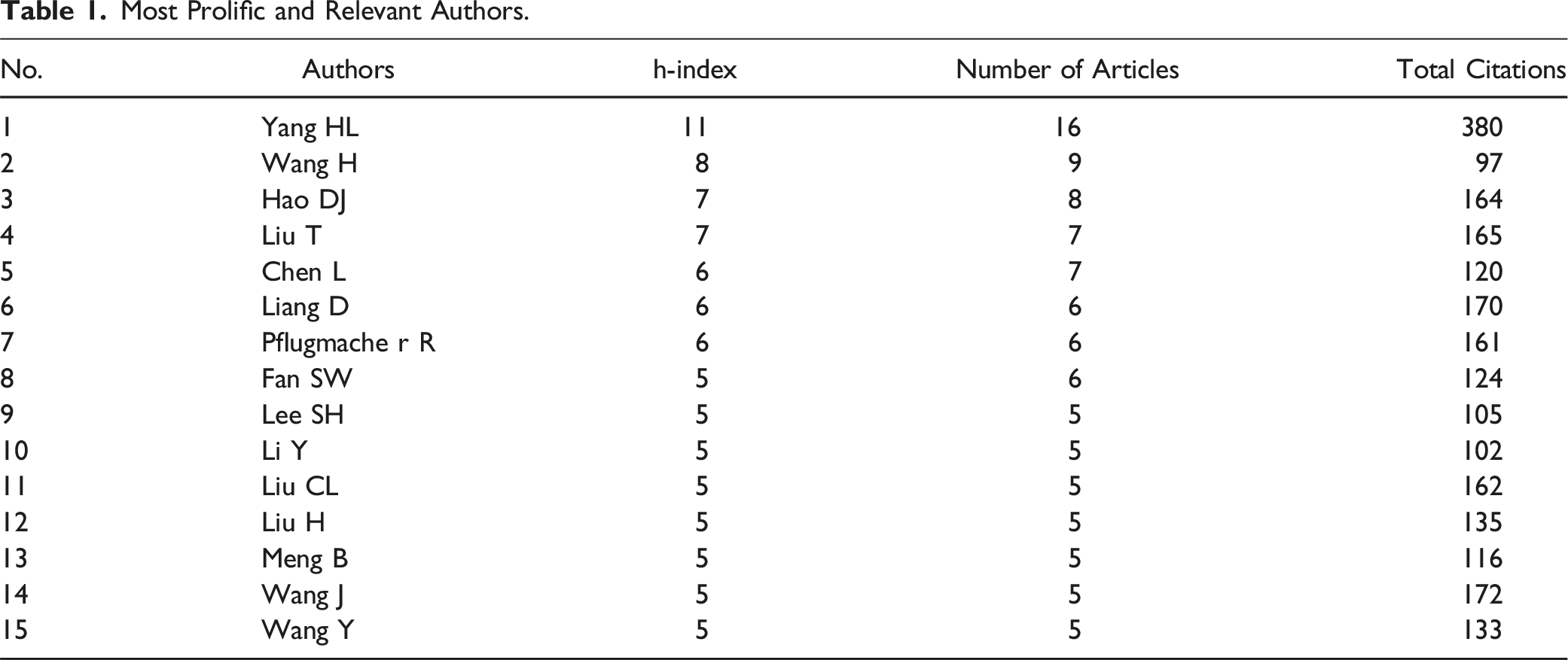
The top contributing authors were Yang HL (first), Wang H (second) and Hao DJ (third). Amongst the universities, the major contributing ones were Soochow University (first), Guangzhou University of Chinese Medicine (second) and University of Toronto (third). China (first), USA (second) and South Korea (third) were the top contributing countries. The maximum articles were published in Spine, Osteoporosis International and European Spine Journal. The most common articles were on comparisons between kyphoplasty and vertebroplasty, the associated complications and newer modalities of investigations of osteoporosis. Major work surrounds the keywords kyphoplasty and vertebroplasty which are significantly clustered as compared to others.
Conclusions
The study identified the most prolific contributing authors (Yang HL, Wang H) and universities (Soochow University, Guangzhou University of Chinese Medicine), the journals where this work is considered more impactful (Spine, Osteoporosis International) and the top contributing countries (China, USA) and collaborations. This study showed that major work is regarding the cement augmentation techniques of kyphoplasty/vertebroplasty and the attempts at establishing newer techniques of diagnosis of osteoporosis. The study also brought out major differences in findings from that of the previously published study on spine trauma bibliometrics.
Keywords
Introduction
The prevalence of fractures due to osteoporosis is on the rise, especially over the past 2 decades, conceivably due to the increasing average life span of humans. 1 The osteoporotic vertebral compression fractures (OVCF) are estimated to contribute from 16% to 27% of all osteoporotic fractures.2,3 A meta-analysis including 86 studies over 5 continents revealed the prevalence of OVCF to be 18.3% in the year 2021. 4 The burden of the disease is immense and is estimated to increase in the future.
There has been a heightened attention to OVCFs in the recent years probably since the principles of management of these fractures are different from those in patients with a normal bone stock. OVCFs usually occur by a low energy trauma and generally respond to non-operative measures, including pain management, bracing, and rehabilitation.3,5 In the few who do not respond to conservative treatment, vertebroplasty or kyphoplasty may be required. Very few OVCFs with instability need surgical stabilisation, decompression and/or anterior augmentation. 6 The options for the surgical management are not perfect and are evolving. There are issues related to the ideal selection of patients who should be treated surgically and the techniques that should be used to improve outcomes and minimize post-operative complications. 7 Furthermore, there has been a growing emphasis on the development of classification of OVCF that will serve as a framework to describe and categorize the diverse spectrum of fractures encountered in clinical practice and direct treatment. Another reason for the heightened attention to OVCFs is the significant impact that it has on mortality and morbidity of the patients.5,8,9 There is a 5-fold increase in the risk of another fracture in post-menopausal females who sustain an OVCF. 10
Given the unique features of OVCFs and a growing number of scientific publications related to its surgical management, a separate bibliometric analysis will add value. There has been a dearth of publications in this field.11,12 The studies published so far have either covered osteoporosis comprehensively or only vertebral augmentation component of surgical management, focussed only on identifying the most cited articles or the top contributors or have covered a much larger period thus not being able to bring out the most recent trends.11,12
The purpose of the current study was to assess and evaluate the contributions of various authors, centres, societies, and nations by an organised and methodical survey of published literature in the evolving field of surgical management of OVCF and how these findings differ from those for traumatic vertebral fractures as documented in a previously published study. These findings can also identify gaps that need further investigation, identify strong and weak global collaboration networks and help establish funding priorities and guide future prospects. A secondary goal of the study was to use bibliometric analysis to identify recent trends in research in the past decade.
Methods
The methods to extract and assess the manuscripts has been described in an earlier manuscript looking at the bibliometric analysis of articles on spine trauma. 13 The Clarivate Web of Science (WoS) Citation Index Expanded database was used to search articles on 14th March 2023 related to the following keywords, ((“osteoporo* vertebral compression fracture” OR “Fragility fracture” OR OVCF OR “compression fracture”) AND (vertebroplasty OR Kyphoplasty OR corpectomy OR “vertebral augmentation” OR surgery OR classification OR cement OR balloon OR fixation))]. Only original research papers and reviews articles published between 2011 and 2020 in English were chosen for analysis. The search was limited to the last decade in order to get information about the recent trends and directions of research. Limiting the time period to 2020 gave a time window for studies to mature enough such that their significance could be analysed.
The number of citations of these articles were used to sort them from highest to lowest. The ‘full records’ for the document were exported. Two investigators (HC and JM) reviewed and screened the title and abstract of the articles that were relevant.
The bibliometric analysis was done using Biblioshiny package of R software (version 4.2.1).14,15 The software has standard specifications for determining the top contributors, providing graphical and tabular results for the thematic analysis. The top contributing authors, affiliations, countries and journals were descriptively analysed.
The core journals in the field were analysed using the Bradford’s law. 16 The most commonly used author key words were determined to assess the current research hot topics in the field. Furthermore, network analysis of co-cited keywords and strength of collaborations were made.
Results
The search yielded 1392 articles out of which 442 articles were selected after checking for relevance using the above-mentioned inclusion and exclusion criteria. Out of these, majority were (n = 388, 87.8%) original articles and the remaining (n = 53, 11.9%) were review articles.
Authors and Co-Authors
Most Prolific and Relevant Authors.
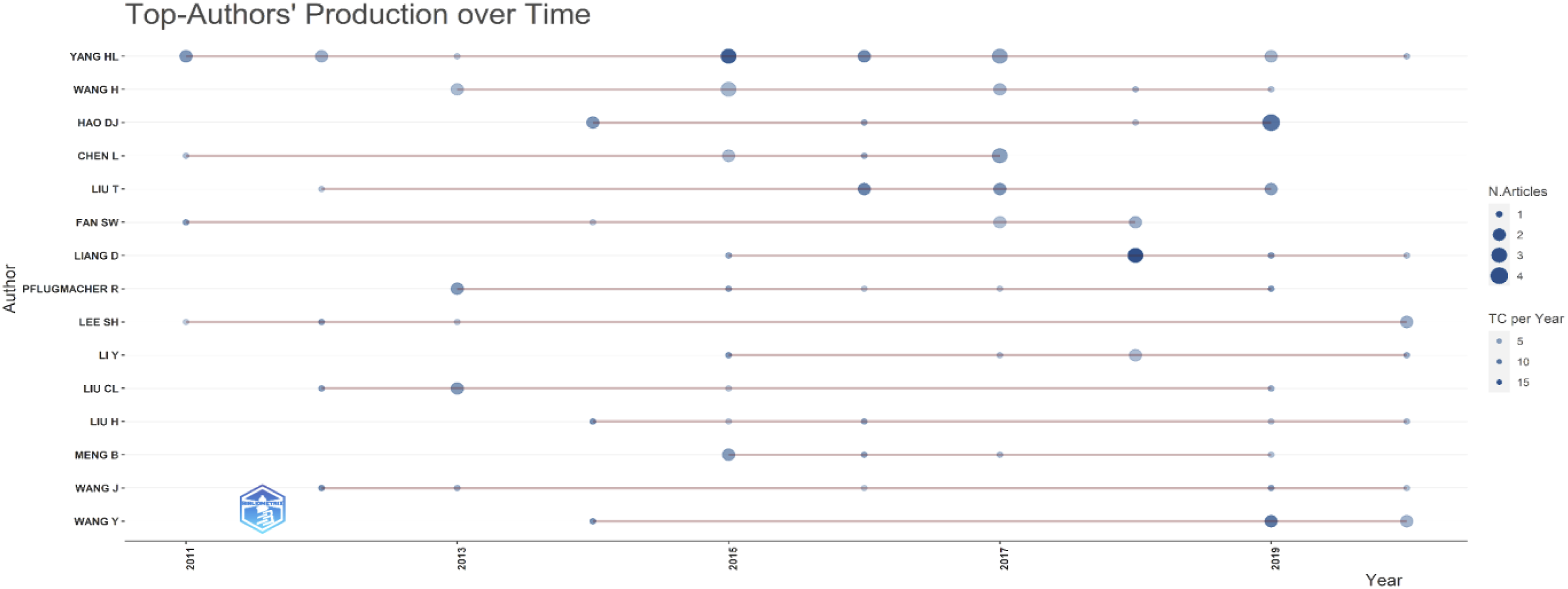
The contributions of top authors over time.
Sources (Journals)
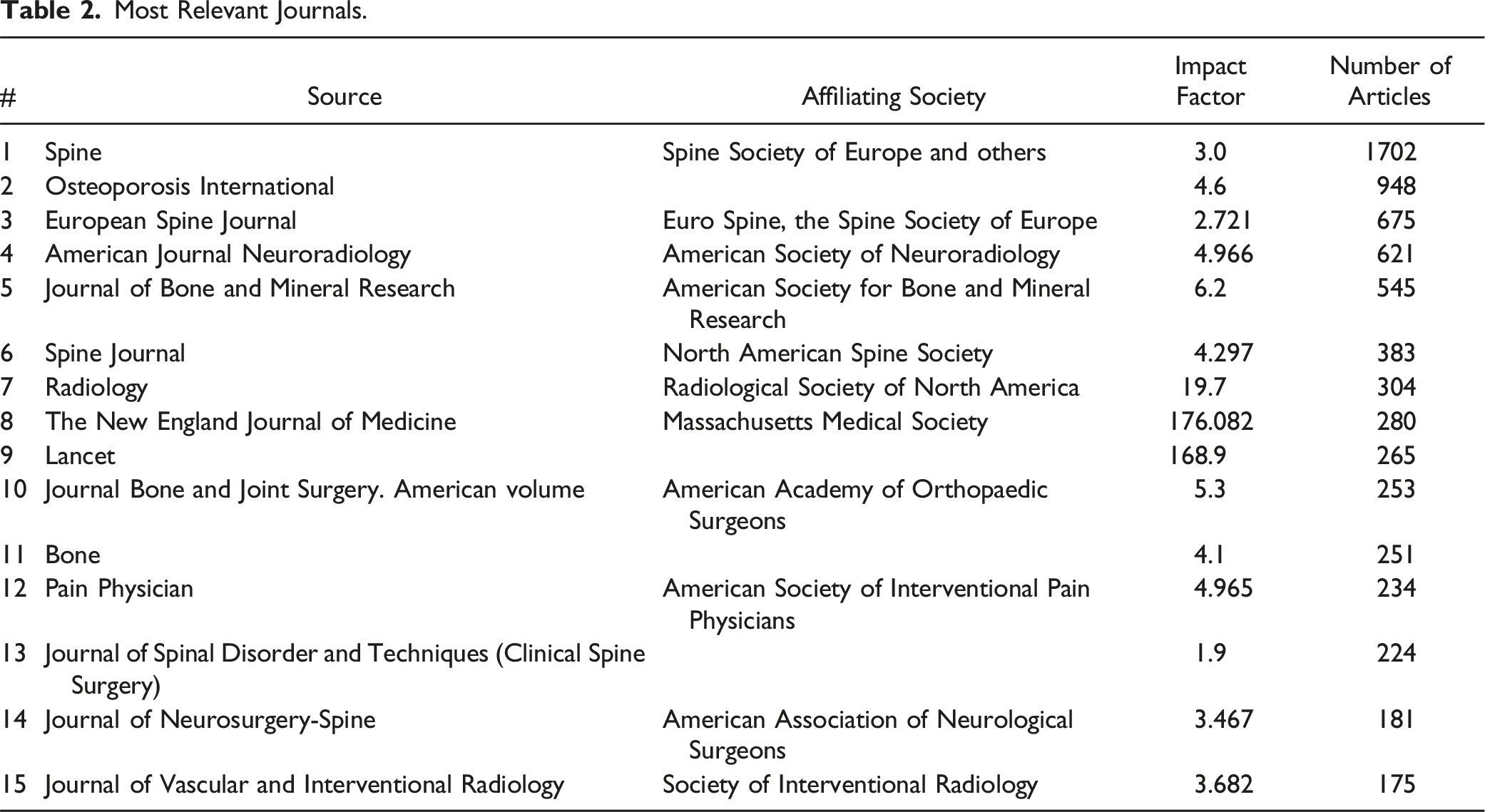
Most Relevant Journals.
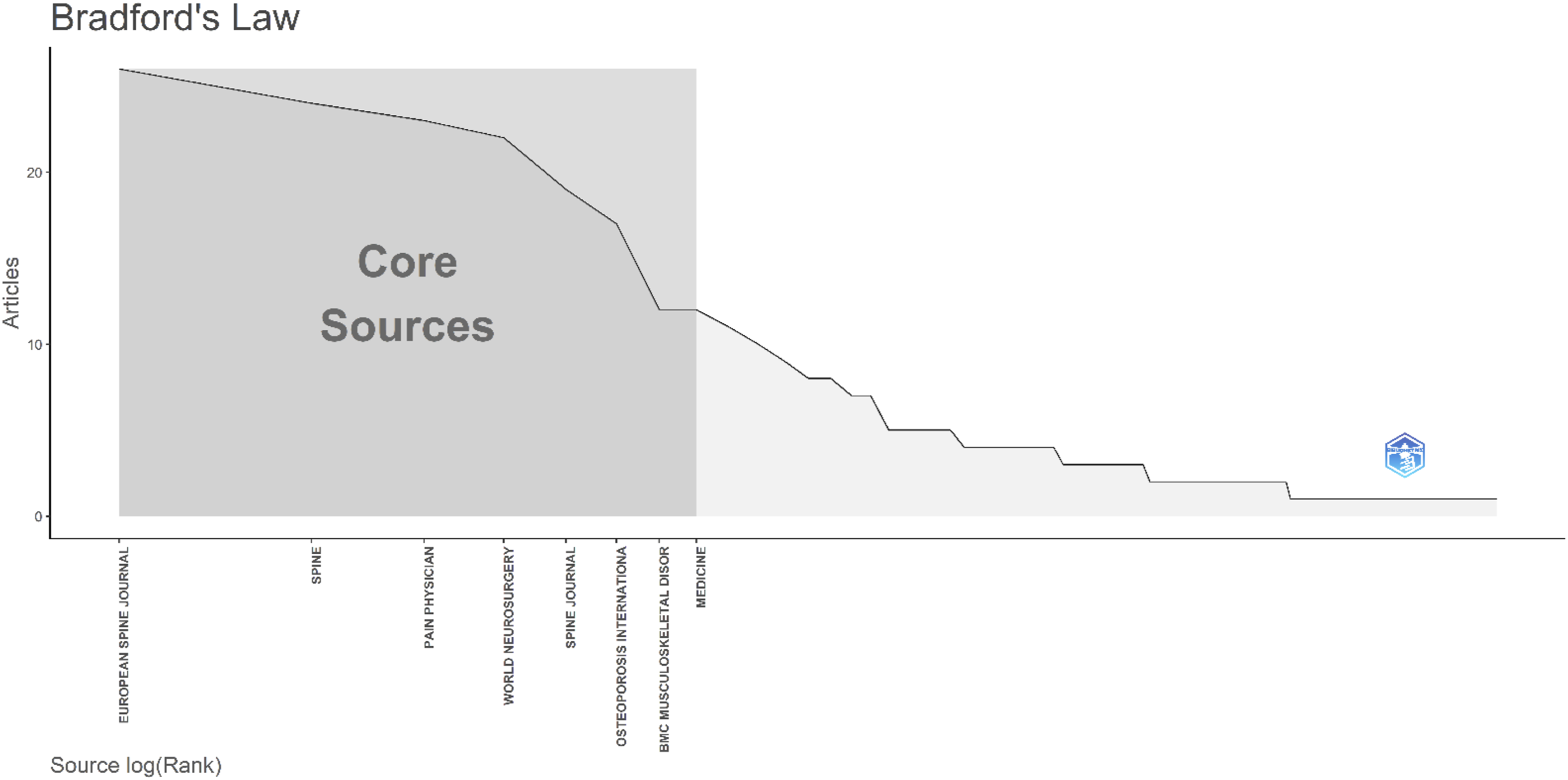
The contributions of journals analyzed using Bradford’s Law.
Affiliations, Countries and Collaborations
Most Relevant Countries and Related Citation Metrics.
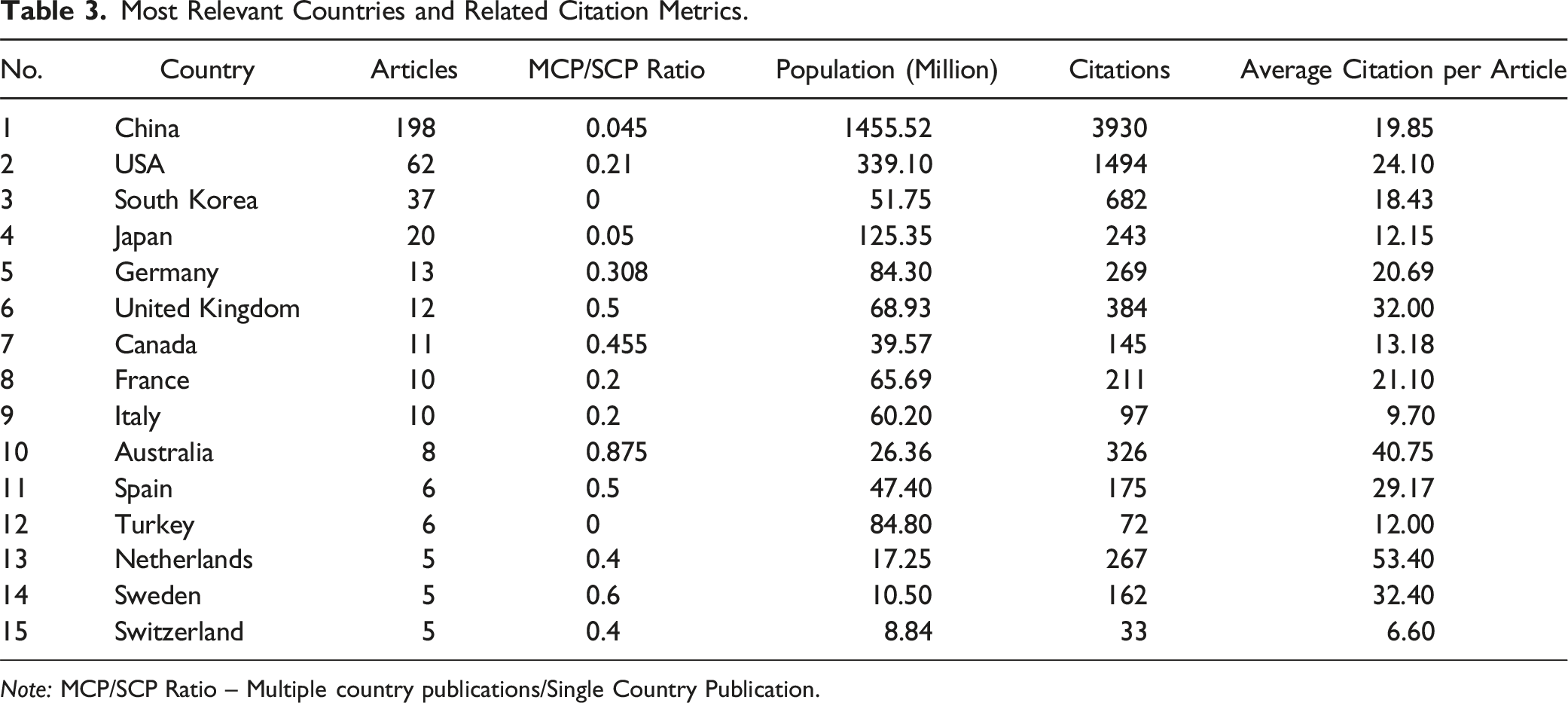
Note: MCP/SCP Ratio – Multiple country publications/Single Country Publication.
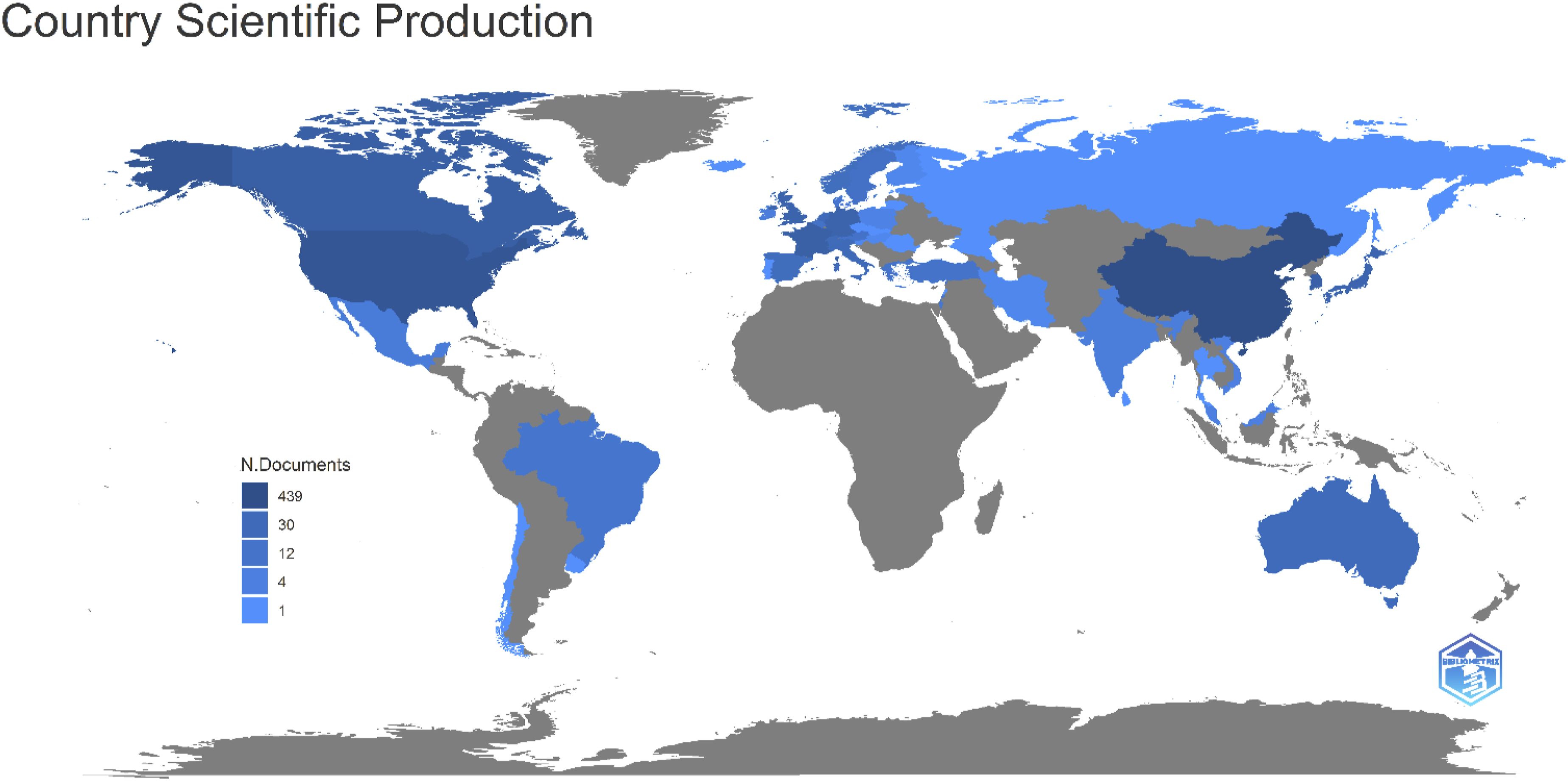
The contribution of various countries across the world. The darker shades correspond to higher contribution to the field.
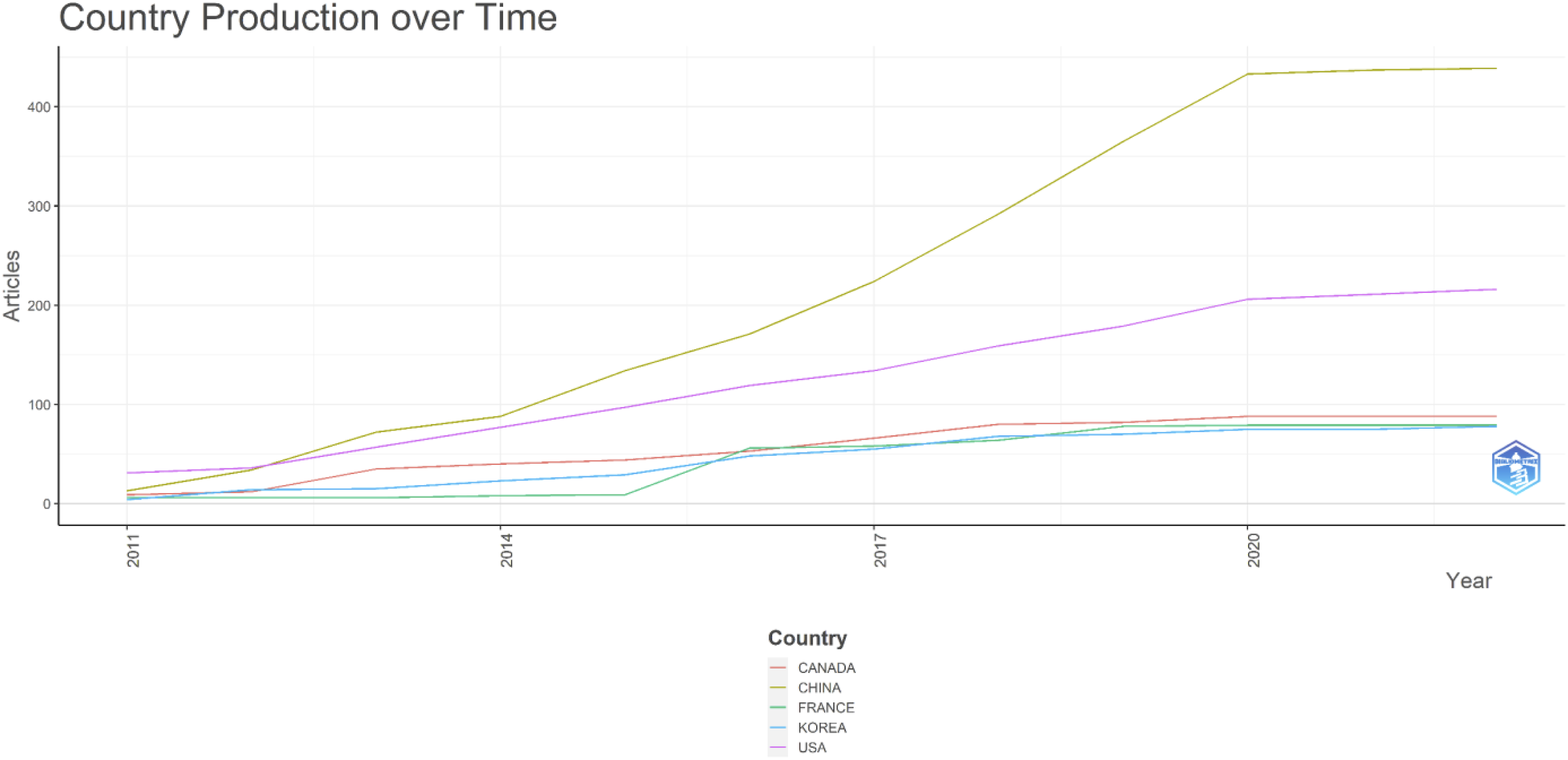
The contribution from various countries across time.
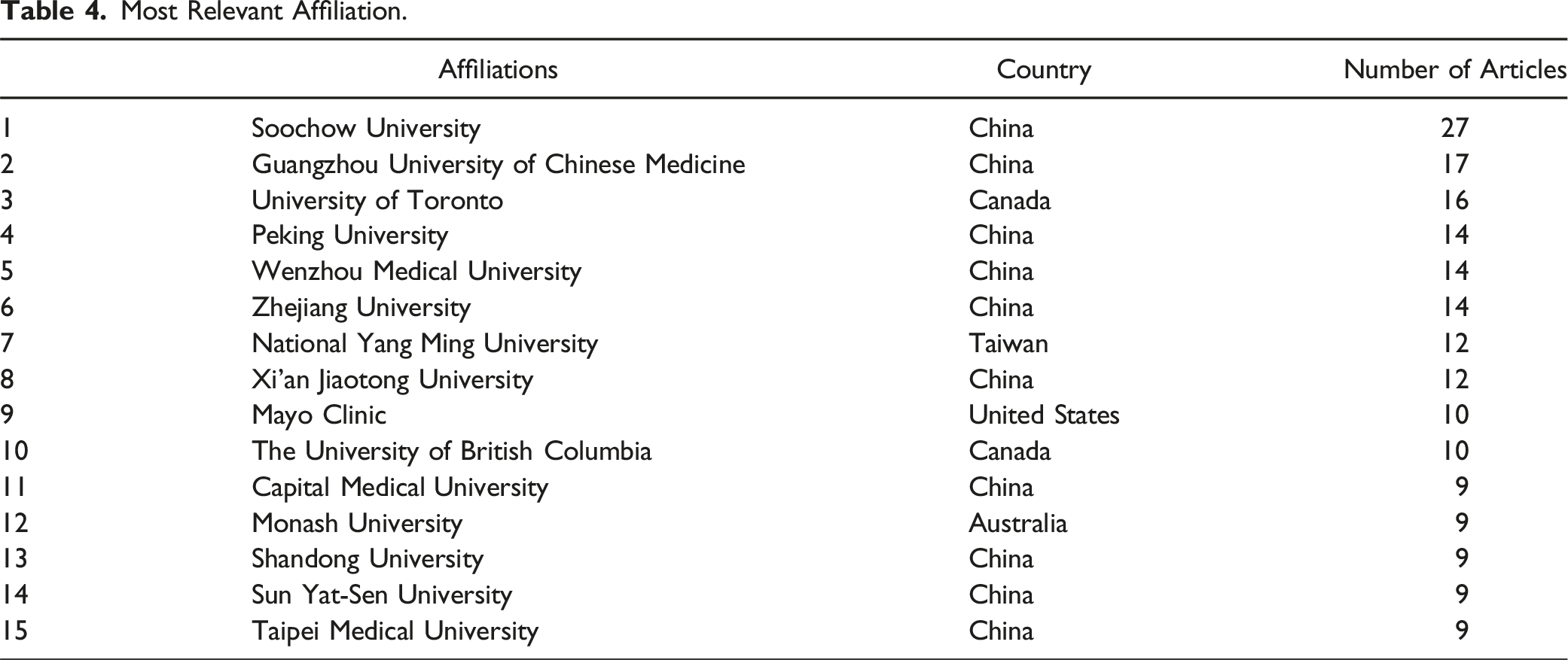
Most Relevant Affiliation.
Research Trends
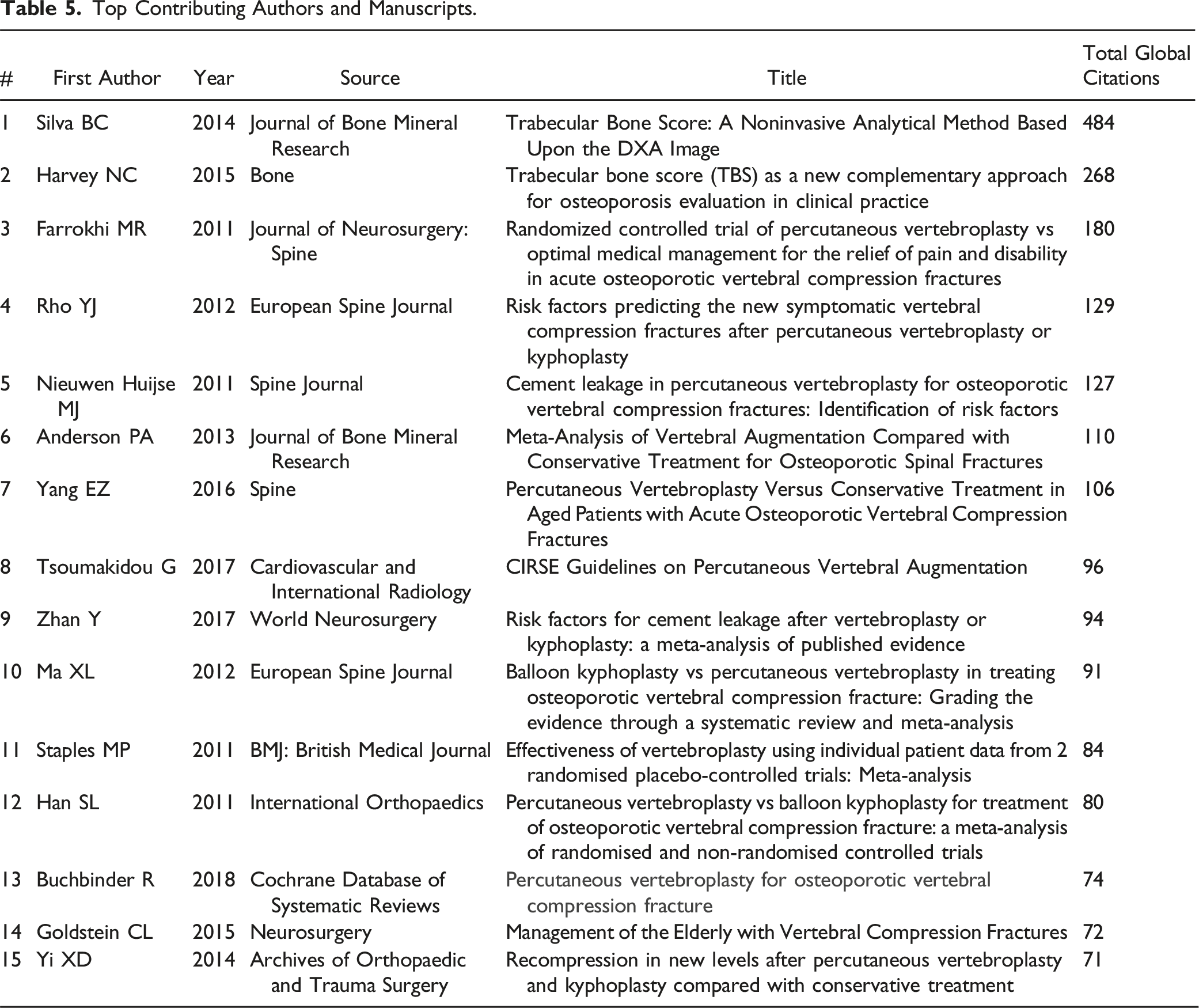
Top Contributing Authors and Manuscripts.
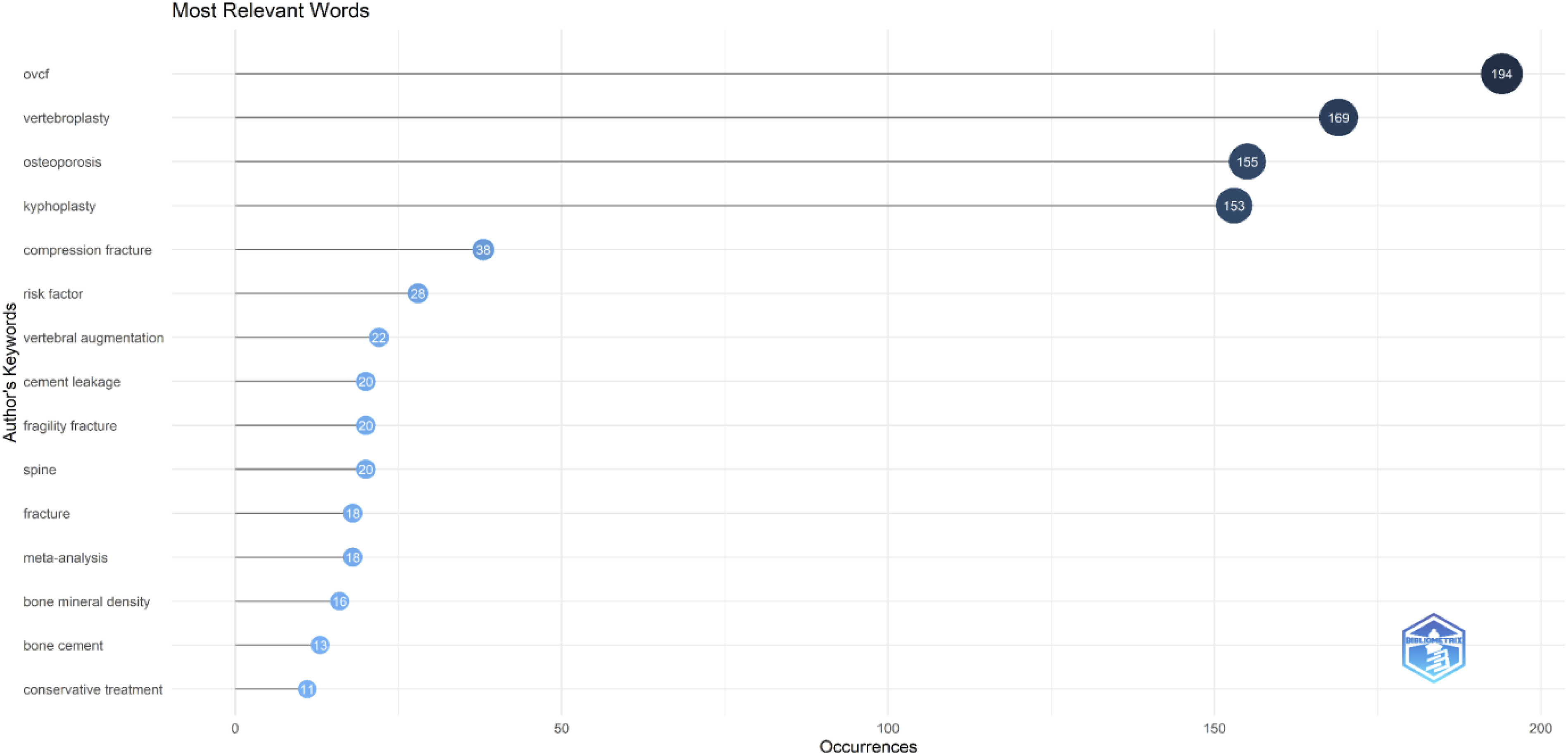
The number of the top occurrences of the author keywords.
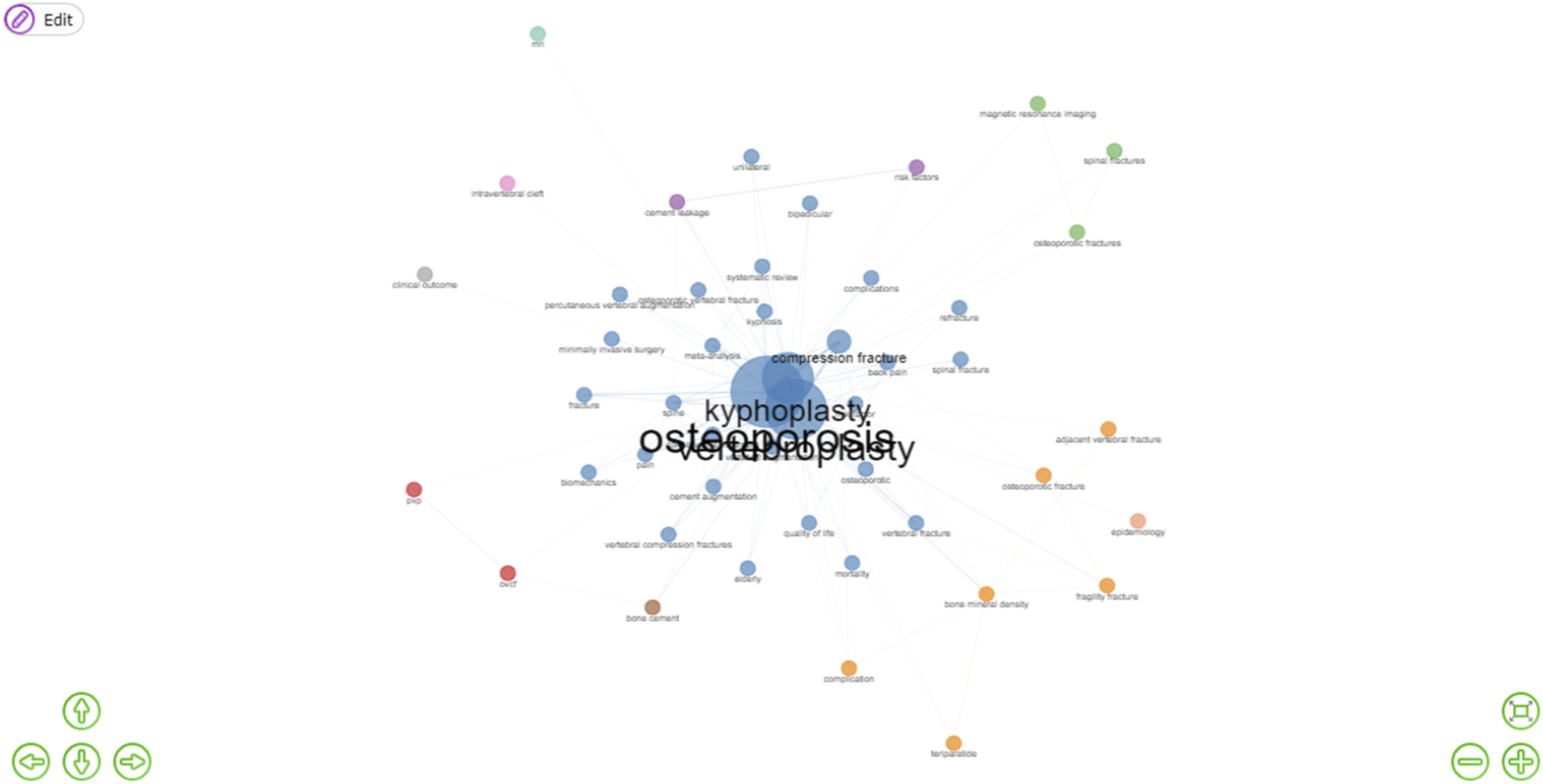
Thematic analysis to decipher the structure of knowledge using co-citation analysis of author keywords.
Discussion
OVCF poses a great challenge to the patients along with the clinicians and researchers.17-19 The patients suffer from constant back pain and these fractures impact not only their activities of daily living, physical as well as mental health, morbidity and quality of life but also the mortality. 17 On the treating physicians front, the varied medical and surgical management of these fractures requires detailed planning and execution which is different from the standard management of vertebral fractures.5,20
In 1969, bibliometric studies were described by Alan Pritchard as an effective means to analyse the trends of research and to understand where are we heading. 21 Apart from this we also understand the contributions from countries, authors, institutions apart from the preferred journals where the research is published. With the advancement of imaging technology and knowledge about the variety of clinical presentations and prognosis, classification systems for vertebral fractures have evolved over time. The surgeons’ quest has been to find the ideal classification system which is simple to use and accurate at the same time. With this publication we aim to understand the trends of the osteoporotic vertebral compression fractures research from the perspective of a surgeon. Hence the research based on the decision making and surgical management of these fractures is considered in this bibliometric study.
The study will benefit researchers, policy makers, institutions, government agencies, editors and publishers as brought out in our previous publication on spine trauma bibliometric analysis. Researchers might use it to identify organisations and authors to investigate the possibility to collaborate.
There are developments that promise better outcomes such as adoption of MISS, an improved understanding of the biomechanics of osteoporotic bone, enhanced cement formulations and advances in medical imaging and patient-specific planning for surgery. A bibliometric analysis reveals the trends and patterns in research related to the surgical management of OVCF. Research in any area is dependent on the funding it receives. The funding for enhancing the science for OVCF management will need to match the challenges posed by an aging population with increased susceptibility to bone-related conditions. An analysis of published literature will help to assess past funding priorities and future prospects.
Upon analysis of most cited publications (Table 5), the 2 most cited articles were about bone score. The ones at the top are reviews and management guidelines. Reviews are cited more frequently than individual publications. These are then followed by randomized controlled trials that compare the outcomes of various treatment modalities of OVCF. Most of the other articles in the top 15 were on management of these fractures by either vertebroplasty or kyphoplasty. The top articles included meta-analyses that helped establish benefits of 1 treatment option over the other. Apart from these, 12 out of 15 high cited articles were on complications with the technique (cement leakage and occurrence of subsequent fractures). Other studies focused on attempts of finding other modalities of investigations for diagnosis of osteoporosis.
The current analysis highlights the diversity of domains of studies including biomechanical, clinical, and translational research. Ongoing scientific advancement will similarly require such integrated approaches and sustained collaborative efforts. The study helped identify gaps that need further investigation. It revealed paucity in literature on validation of classification systems and optimal surgical technique for fixation in osteoporotic spine.
Spine, Osteoporosis International, European Spine Journal, American Journal of Neuroradiology and Journal of Bone Mineral Research were the journals that contributed the most to the literature. As depicted in Table 2, the journals that publish a higher number of studies related to OVCF also have a higher h-index in the current analysis, suggesting that they publish the most consequential and seminal work related to this field.
China, United States, Korea, Japan, Germany and United Kingdom contributed the most publications on OVCF in descending order. China primarily had individual publications and along with Korea and Turkey showed lower multilateral collaborations then countries like Australia, Sweden, Spain and UK thus suggesting a scope for these countries to focus more on increasing such research collaborations, which given its importance, are the need of the hour. One may hypothesize that a positive relationship between the number of publications reported on OVCF from a nation correlate with its development metrics, implying that this is due to the country’s greater economic status and a higher fraction of allotted research funding.
The results of our study are different from other bibliometric studies on osteoporosis because of differences in inclusion and exclusion criteria. While our study investigated surgical management of osteoporosis, Li et al (2022) 11 analyzed osteoporosis overall and that by Wang et al (2022) 12 looked into specifically vertebral augmentation. Moreover, we looked into papers published from 2011 to 2020 whereas Li et al11and Wang et al 12 looked into studies published from 1900 till 2022. Osteoporosis International was the journal with maximum papers in the study by Li et al11in the year 2022, whereas Spine had the most papers in our study (n = 1702), followed by Osteoporosis International (n = 948). Similarly, Spine had the most papers in the study by Wang et al 12 with Osteoporosis International being the 12th in the list. The most commonly publishing countries were United states, France, and Australia in the study by Wang et al 12 and China, USA and Korea by Li et al 11 and our study. The most cited authors were Kallmes et al and Buchbinder et al in the study by Wang et al 12 whereas, Yang HL, Hao DJ and Zhang L were the most prolific authors as analyzed by the study by Li et al 11 and our study.
We have also previously published the results of bibliometric analysis of spine trauma using a similar methodology. 13 Though, as mentioned earlier, we had anticipated that the findings of this study would differ due to the unique features of OVCF, we were surprised to note the striking differences. The most striking difference was that China outscored substantially all other countries in the number of OVCF publications which were more than 3 times that of US, the country second in the list. This was exactly the opposite of the findings of the spine trauma bibliometric study, wherein the number of publications from US was more than 3 times those from China. There are 3 Asian countries (China, Korea and Japan) in the top 5 contributors in the OVCF bibliometric study whereas the spine trauma bibliometric study just had China. Ten out of 15 top affiliations were Chinese in OVCF bibliometric study whereas there were none in the spine trauma bibliometric study. Even though China ranked second in the number of publications in the spine trauma bibliometric study, there were no manuscripts in the top 15 most cited ones, whereas in the OVCF bibliometric study, half of the most cited manuscripts were Chinese. Eleven of the top 15 authors in the OVCF bibliometric study are Chinese and 2 from Taiwan as compared to none of the top 15 in the spine trauma bibliometric study. The most preferred journals in the OVCF bibliometric study have journals like Osteoporosis International, American Journal of Neuroradiology and Journal of Bone and Mineral Research in top 5. These are not the mainstream journals for spine research. These striking differences in the 2 studies would be of interest to clinicians, researchers, editors, journals, policy makers and funding agencies.
The exact reasons for China leading the charge when it comes to research and publications pertaining to OVCF is not known. China constitutes one-fifth of the global population and even higher percentage of the elderly population. 22 As per population census 2020 results, people aged 60 or above account for 18.7% of the total population. This was only 13.26% in 2010 with the number of people aged 60 or above having increased by over 86 million in the last decade. 23 Being the country with the largest population of older adults globally, it is likely that China experiences a higher incidence of osteoporotic fractures as compared to other nations. The country’s large and aging population and the higher incidence of OVCF may be offering a vast patient base for studies and clinical analysis and this may be one of the reasons why China plays a leading role in research and publications on OVCF. The high publication output may be influenced by strategic national-level research priorities decided by the policy makers, and not solely by demographics or disease burden. It may also reflect the increasing tendency of the Chinese surgeons and institutions to publish and to publish in English. However, there may be other reasons and this needs to be studied further.
The cited publications make up the nodes in the co-citation network, which are the building blocks of the knowledge base. In the field of OVCF, the articles that are cited the most frequently serve as the foundation for the significant research of future. As a result, the classification and management modalities of OVCF have been the subject of numerous researches and are the piece of literature that has received the most citations.
A comprehensive bibliometric analysis is the strength of this study. However the study has limitations as well. Although WoS is considered by its authors to be among the most comprehensive and trustworthy databases due to its listing and cataloguing of reputable high-impact factor journals, PubMed and Scopus not being included in the study could be a limitation. Although WoS is considered by its authors to be among the most comprehensive and trustworthy databases due to its listing and cataloguing of reputable high-impact factor journals, PubMed and Scopus not being included in the study could be a limitation since it can limit the comprehensiveness of the search because of the risk of overlooking studies published in journals not indexed by WoS and potentially lead to missing relevant studies. However, the authors presume that databases like PubMed are largely included within Web of Science’s indexing, particularly for biomedical literature. Also, there is a substantial overlap between Web of Science and Scopus indexing that may possibly minimize the risk of omitting key publications. The next limitation of the current study is that articles written in English were only considered for this analysis. This may have caused omission of work published in other languages, especially considering that the top contributors belong to non-English speaking countries. However, English is the dominant language in scientific publishing with most prolific researchers publishing their work in English regardless of their native language.24,25 Only the last 10 years were considered in order to keep the focus on more recent trends. Some freshly published works may not have attained greater citation counts, but this is a limitation of any bibliometric analysis. Furthermore, there is a possibility that the present investigation did not cover all relevant research despite the extensive use of keywords. We also did not dilute the analysis by contemplating at the remaining lesser-known publications because doing so would have undermined the purpose of our study, which was to identify the top contributors.
Conclusion
This bibliometric study provides comprehensive knowledge about recent literature in the field of surgical management of osteoporotic vertebral compression fractures. It brings out the top contributing authors (Yang HL, Wang H and Hao DJ), universities (Soochow University, Guangzhou University of Chinese Medicine and University of Toronto) and countries (China followed by USA and Korea). It also identified scoring/classification systems and effectiveness as well as complications of different surgical techniques as the recent trends in research in the past decade. The study also brought out major differences in findings from that of the previously published study on spine trauma bibliometrics.
Footnotes
Acknowledgments
This study was organized by AO Spine through the AO Spine Knowledge Forum Trauma & Infection, a focused group of international experts. AO Spine is a clinical division of the AO Foundation, which is an independent medically-guided not-for-profit organization. Study support was provided directly through AO Network Clinical Research.
Author Contributions
Harvinder Singh Chhabra was involved in the conceptualization of the idea and the study design. He was involved in data analysis and interpretation, drafting and critical revision of the article and final approval of the version to be submitted. Jitesh Manghwani & Vandana Phadke were involved in the study design, data collection, data analysis, interpretation, drafting of the article, critical revision and final approval of version to be submitted. Richard Bransford was involved in the conceptualization of the idea, study design, interpretation and critical revision of article and final approval of version to be submitted. Gregory Schroeder, Mohammad El-Sharkawi, Andrei Fernandes Joaquim, Klaus Schnake, & Olesja Hazenbiller were involved in the interpretation, critical revision of the article and final approval of the version to be submitted.
Declaration of Conflicting Interests
The authors declared no potential conflicts of interest with respect to the research, authorship, and/or publication of this article.
Funding
The authors received no financial support for the research, authorship, and/or publication of this article.
