




Abstract
Study Design
Bibliometric literature review.
Objective
Total disc arthroplasty (TDA) is an evolving technique used by surgeons to preserve neural elements and range of motion in patients with degenerative disc disease, spondylosis and more. In comparison to discectomy, disc arthroplasty has been shown to decrease morbidity, reduce adjacent-level disease, and preserve pre-operative range of motion. The objective of this manuscript is to provide a bibliometric analysis of the use of disc arthroplasty in scientific literature and highlight the main contributing authors and their publication characteristics.
Methods
The Scopus database was used to perform a title-specific, keyword-based search for all publications until June 2022. The keyword “total disc arthroplasty” was used. The most-cited 100 articles were selected for analysis. Parameters included the following: title, citation count, citations per year, authors, specialty first author, institution, country of origin, publishing journal, Source Normalized, Impact Per Paper (SNIP), and Hirsch index.
Results
Our search on disc arthroplasty yielded 580 articles that were published, with the first publication on the topic found in 1966. The most cited 100 articles received a total of 8694 citations, with an average of 86.94 citations per article. After assessing countries with the greatest contributions, United States, China, and Germany were top 3 with 54, 14, and 7 articles, respectively.
Conclusion
The bibliometric analysis provides an overview of how medical research is analyzed in academic medicine. In the present study, we evaluated the global trends in disc arthroplasty for the treatment of degenerative disc disease.
Introduction
Intervertebral total disc arthroplasty (TDA) is an evolving technique used by surgeons to preserve neural elements and range of motion in patients with degenerative disc disease, spondylosis and more. In comparison to discectomy, disc arthroplasty has been shown to decrease morbidity, reduce adjacent-level disease, and preserve pre-operative range of motion.1,2 The first mentioning of disc arthroplasty in academic literature was in 1964, in which a metal prosthetic replacement was used to replace cervical intervertebral discs in the setting of intractable headaches. 3 Although metal-on-metal devices were used in recent past, they were shown to have increased postoperative complications. 4 The most common formulation used today includes polymer-on-polymer, which contains polyaryletheretherketone (PEEK). 5
There is a paucity of literature regarding bibliometric analysis of disc arthroplasty. These analyses allow for further investigation into both national and international collaboration of published articles related to disc arthroplasty. This method is especially appropriate for a topic with as wide of a breadth as disc arthroplasty. A similar study to ours by Zhao et al included the most cited articles from 1966-2015. In our analysis we expanded the analysis to 2022 to provide an updated results on current trends in disc arthroplasty research. The objective of this manuscript is to provide a bibliometric analysis of the use of disc arthroplasty in scientific literature and highlight the main contributing authors and their publication characteristics.
Methods
In the execution of this bibliometric-based review article, the Scopus database was used to perform a title-specific, keyword-based search for all publications until June 2022. The keyword “total disc arthroplasty” was used. Our results were arranged in descending order based on the article’s citations count. The most-cited 100 articles were selected for analysis. Parameters included the following: title, citation count, citations per year, authors, specialty first author, institution, country of origin, publishing journal, Source Normalized, Impact Per Paper (SNIP), and Hirsch index. Only articles in the English language were included. Exhaustive in-depth analysis of the top 100 most-cited articles to identify the studied categories was performed. The top 100 most-cited articles are categorized into categories based on anatomical region including cervical, lumbar, or both cervical and lumbar spine.
Results
Top 100 Most Cited Articles Regarding “Disc Arthroplasty”.

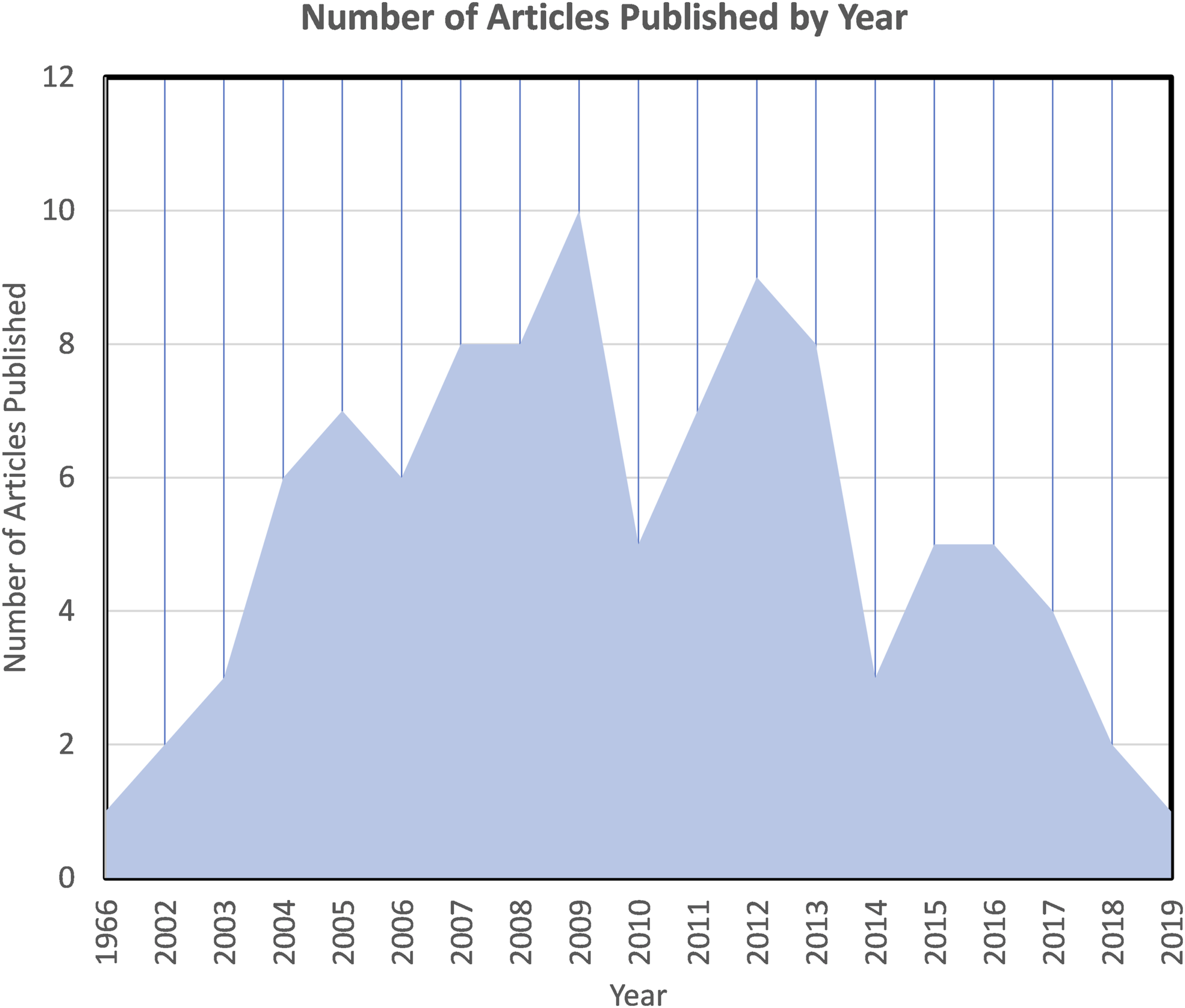
Publication trends for the top 100 most cited articles regarding TDA.
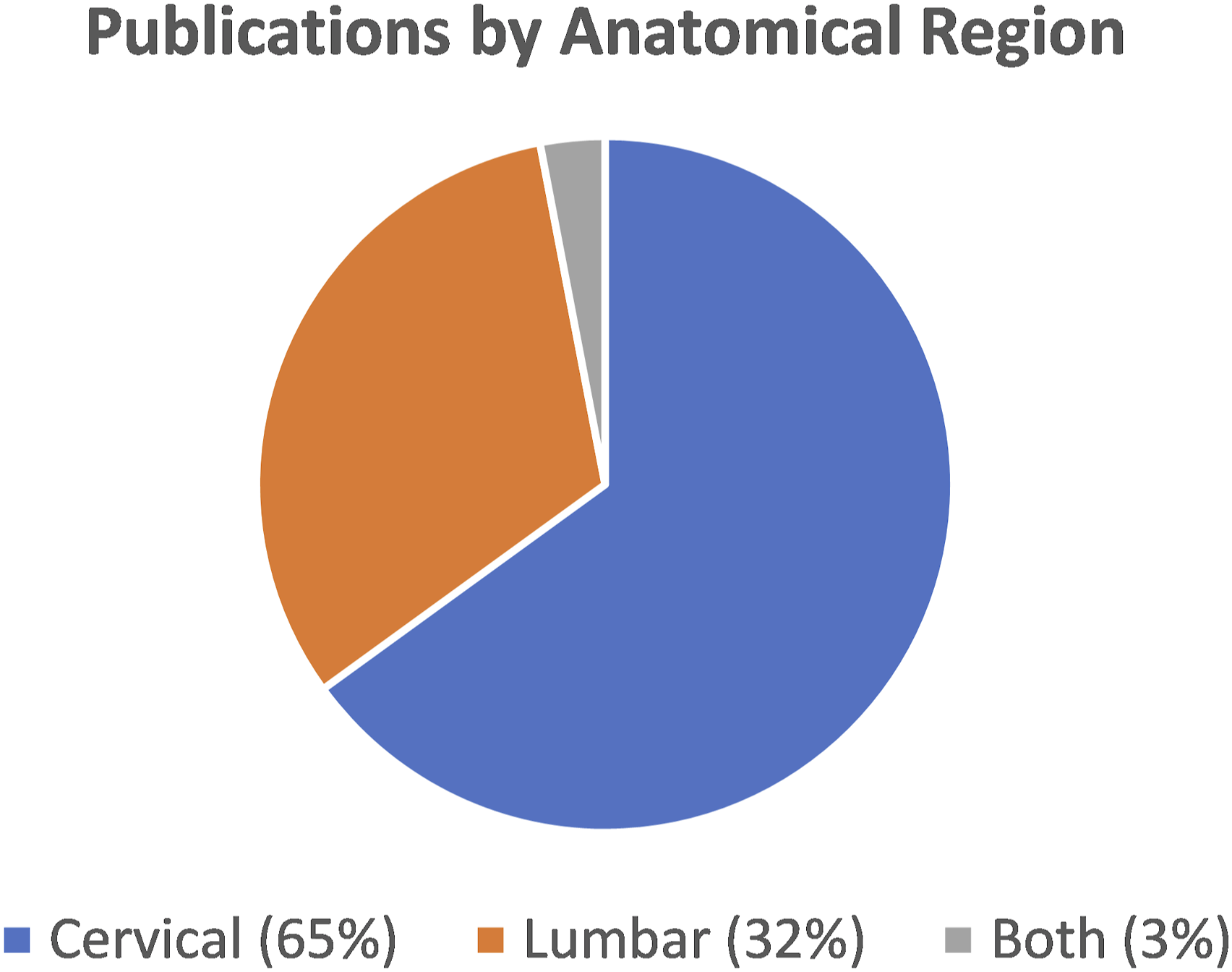
Categorization of the topics addressed in the top 100 most cited articles regarding TDA.
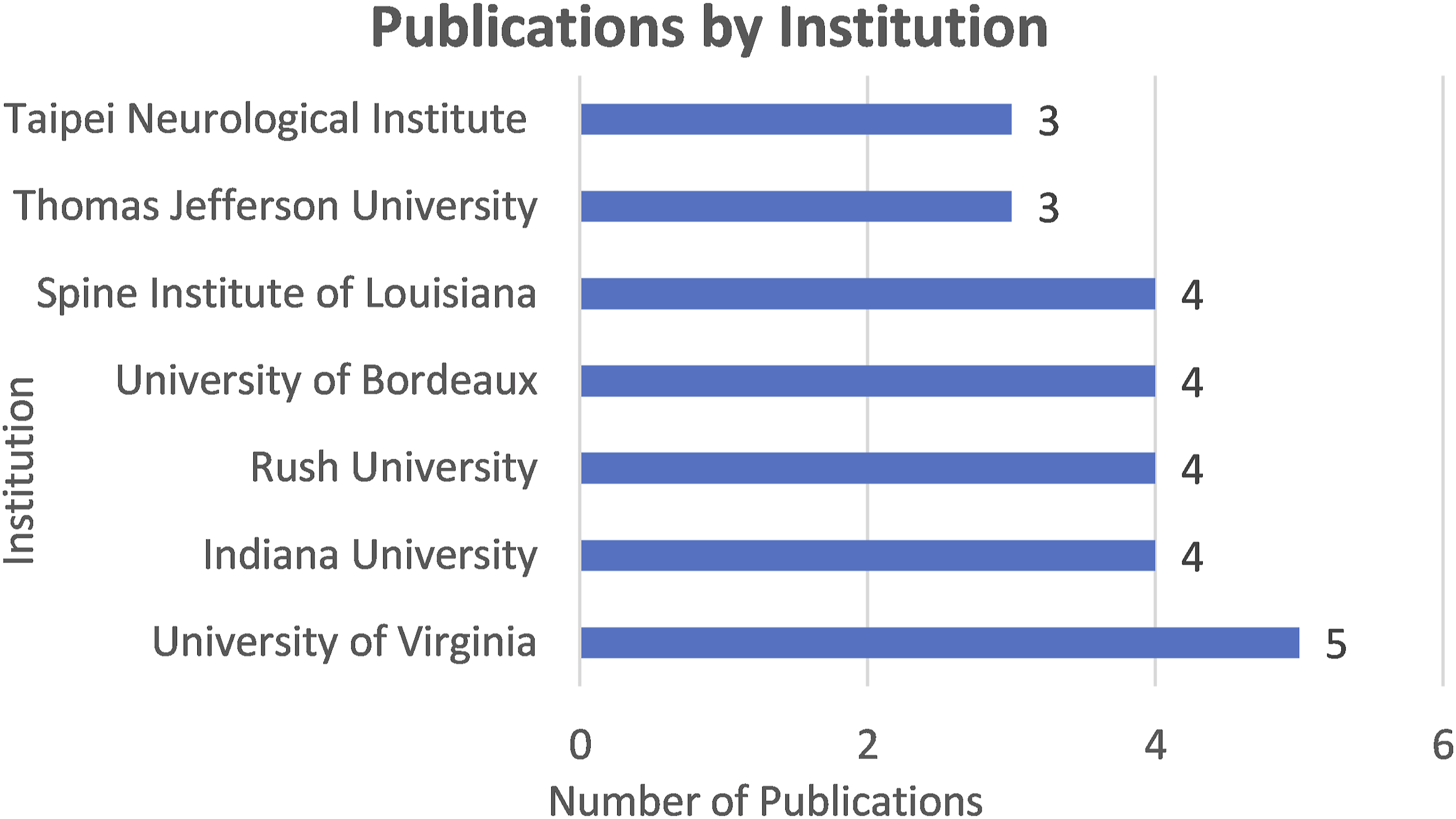
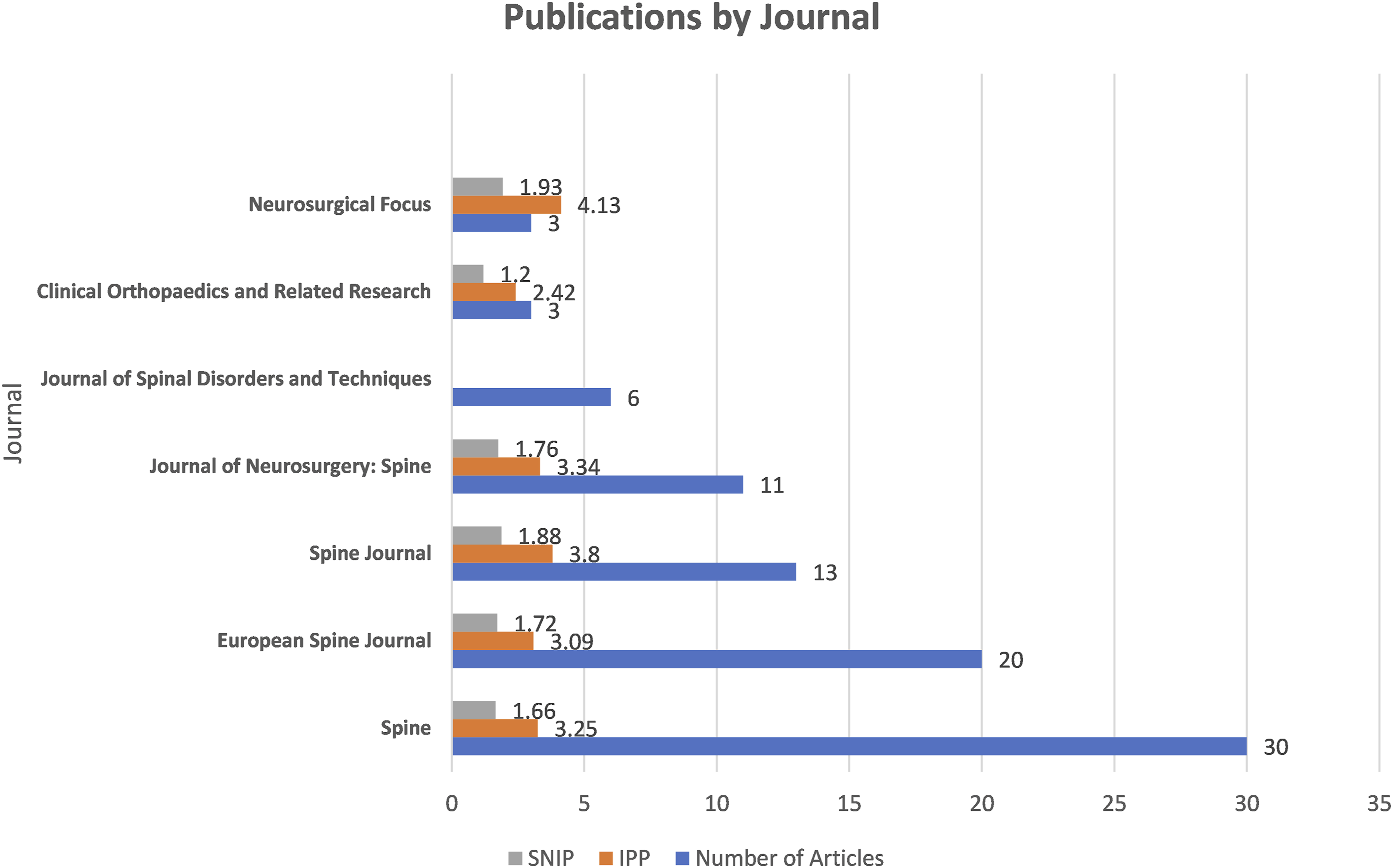
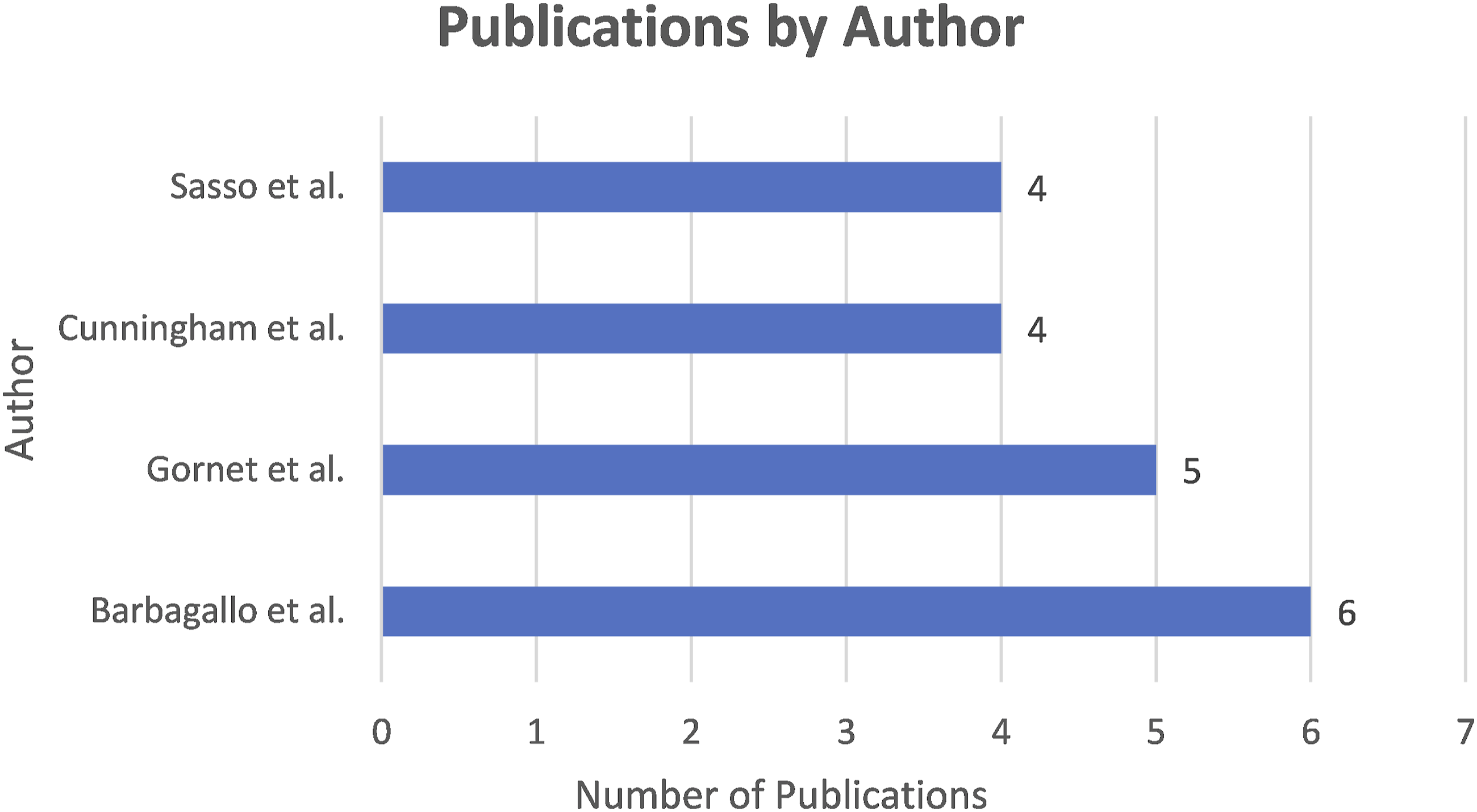
After assessing countries with the greatest contributions, United States, China, and Germany were top 3 with 54, 14, and 7 articles, respectively (Figure 3). Assessment of the institutional contribution to the top 100 articles, particularly institutions that published at least 3 articles, showed that the Union Memorial Hospital (Baltimore, MD, USA) published most frequently with a total of 6 articles (Figure 4). After evaluating journals with most publications, analysis found that Spine was the most active in publishing about disc arthroplasty with a contribution of 30 of the top 100 articles listed (Figure 5). Analysis of the most productive authors who contributed to ≥4 articles demonstrated that 3 orthopedic surgeons and 1 neurosurgeon were the most productive. The top author of contribution was GM Barbagallo, a neurosurgeon with a Hirsch index of 32 who contributed 6 articles to this list (Figure 6). Geographical distribution of the country of origin for the top 100 most cited articles regarding TDA. Institutions with 3 or more articles. Journals publishing 3 or more articles including IPP and SNIP. Authors contributing 3 or more articles.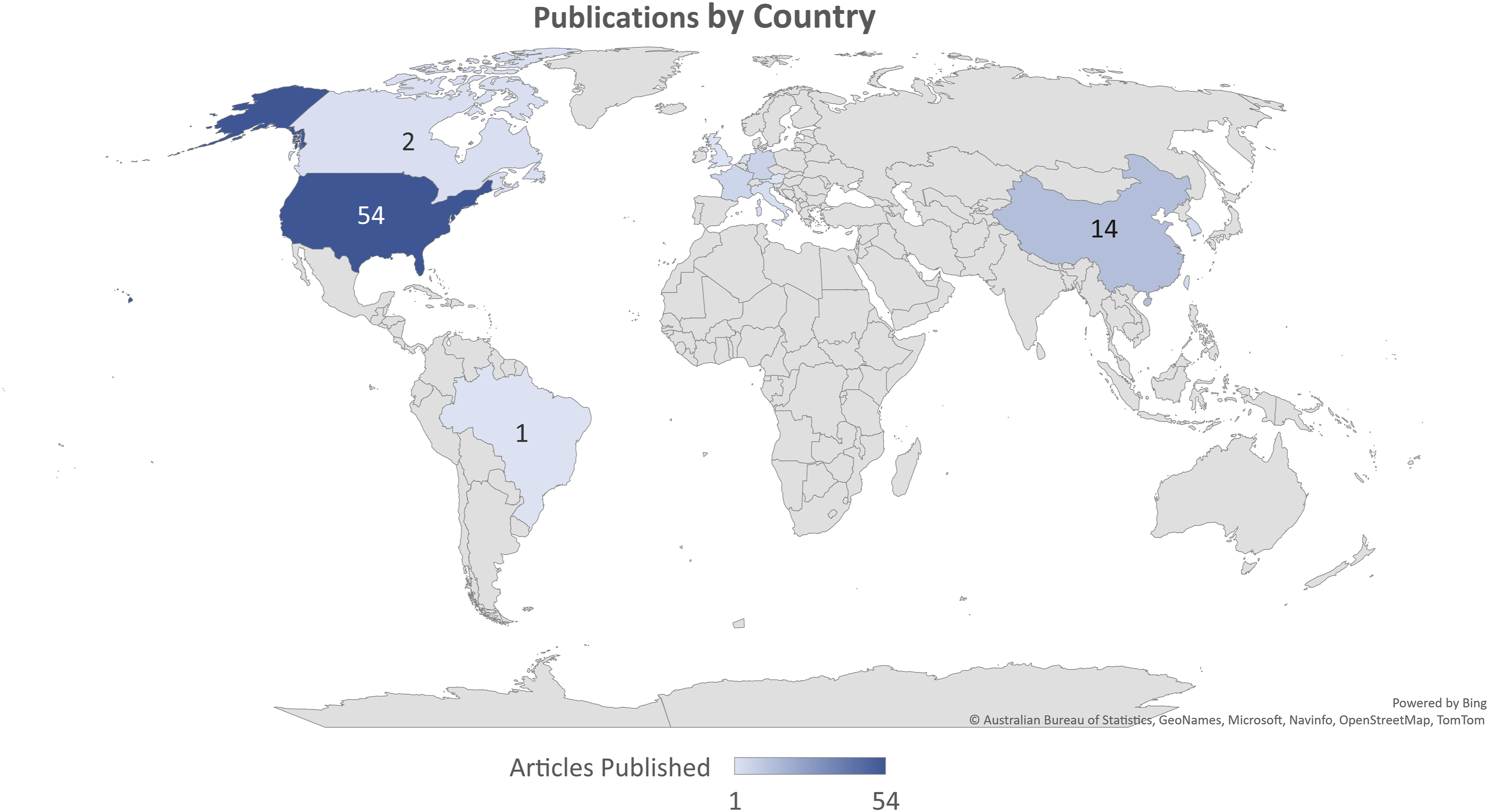
The number 1 most cited article on disc arthroplasty was “Clinical and radiographic analysis of cervical disc arthroplasty compared with allograft fusion: A randomized controlled clinical trial” published in Journal of Neurosurgery:Spine in 2007 by Mummaneni et al, which received a total of 456 citations and 30.4 citations per year.
Discussion
Focused bibliometric analyses allow for triaging of published work in order to determine the history, development, and current state of a particular pathology’s interventions. This type of analysis has allowed us to capture themes for disc arthroplasty advancement while also providing insight into the future. As we triage for the top 100 articles in the context of disc arthroplasty, we can triage for landmark studies and the journals of interest in order to identify and rationalize the publication patterns. 6
Since its introduction in the mid-1960s, trends in disc arthroplasty articles show a bell-like curve with respect to time, with a negatively skewed distribution. Our generated data indicates that the 2006-2010-time frame had the most publications at 37. About 81% of the top 100 articles were published after 2006, with about 54% of these articles being from the United States and 64% being on cervical cases. This trend aligns with the increased incidence of cervical degenerative disc disease (DDD) over the past 25 years, with the recorded number of years living with disability rising by 21% from 2005-2015. 7 This trend is also in accordance to the rise of more sophisticated implant designs, which led to a substantial increase in the number of CDA procedures performed between 2006-2013.
From our analysis, the most cited article was by Mummaneni et al. The authors conducted a randomized study comparing the results of cervical disc arthroplasty (CDA) with anterior cervical discectomy and fusion (ACDF) in patients with single-level cervical degenerative disease. 8 The study enrolled 442 patients, 276 in the CDA group and 265 in the ACDF group. The CDA group at 12-month and 24-month postoperative data revealed a two-point improvement in neck disability index (NDI) compared to control. 8 Data results from the study also showed a significantly improved rate of neurological success and a lower rate of secondary revisions and supplemental fixations. 8 The second most cited article was by Heller et al. The authors conducted a randomized multicenter study comparing the safety and efficacy of the BRYAN Cervical Disc device at 24 months of follow-up. 9 242 patients received the BRYAN device and 221 patients in the ACDF group. Results show that patients assigned to the BRYAN device group significantly improved NDI scores and neurological success. Also, patients in the investigational group returned to work two weeks earlier than patients in the ACDF group. 9
Much of the trends in disc arthroplasty articles can also be rationalized with the progression of technology for DDD treatment. For example, the year with the greatest number of articles was 2009 with ten. This was after a considerable time period for CDA advancements, as Medtronic’s Prestige ST, one of the premier artificial disc devices, had received US Food and Drug Administration (FDA) clearance in 2007, paving the way for more significant interest on CDA outcomes. 10 In the year 2014, the most recent iteration of the device, Prestige LP, received FDA clearance for 1-level procedures, as there continued to be a high output of articles in the early 2010s. 10 Towards the mid-to-late 2010s, there was a significant drop in articles pertaining to disc arthroplasty. This decrease may be a result of inconsistent results of disc arthroplasty, especially in the lumbar spine. Moreover, drop in articles occurred during the midst of an innovative revolution in healthcare with the rise of robotic applications. During this time, there was a significant rise in papers pertaining to robotic devices and artificial intelligence developments in spine surgery. 11 Robots such as Mazor X went on to receive FDA clearance, which would go on to supplement procedures for DDD such as ACDF. 11 It can be hypothesized that robotic spine surgery attracted much of the attention in clinical spine research during the time of the drop disc arthroplasty publications. Nevertheless, it can be predicted with the advancement in implant designs more research will emerge on the topic of disc arthroplasty outcomes.
There are inherent limitations to conducting a bibliometric study, including a disproportionate representation of early studies compared to more recent studies. The fact we filtered for English articles may mean that some relevant articles may have been excluded. 12 There is also the possibility of over-quantification bias caused by self-citation among authors. This could mean that a highly cited paper may not always be influential. We minimized the effect of these limitations by adding studies using citation count per year, and self-citation amongst authors was marginal in our review.
Conclusion
The bibliometric analysis provides a quantitative overview of how medical topics and interventions are analyzed in academic medicine. In the present study, we evaluated the global trends in disc arthroplasty for the treatment of DDD by finding the top 100 most cited papers on the topic. We found that the period between 2005-2015 was highly cited in disc arthroplasty research, with the majority of articles being from the United States and on cervical procedures. Through reviewing the literature, we rationalized this time period due to the advancement in technology for performing CDAs. However, the possibility of overqualification bias may limit our understanding of the influence of a particular article. As we look towards the future, multi-level disc arthroplasties, particularly in the lumbar region, or hybrid approaches involving both ACDF and CDAs may guide future care for DDD. This warrants the need for further blinded randomized clinical trials to examine their efficacy, cost, and utility. As these interventions grow further into spinal practice, we can expect them to expand on the current research trends and guide future perspectives.
Footnotes
Declaration of Conflicting Interests
The author(s) declared no potential conflicts of interest with respect to the research, authorship, and/or publication of this article.
Funding
The author(s) received no financial support for the research, authorship, and/or publication of this article.
