



Abstract
Study Design:
Cross-sectional study.
Objectives:
Thus, this study aimed to assess the epidemiological profile of a patient sample that underwent spinal surgery regarding their nutritional and vitamin D status.
Methods:
Serum albumin and vitamin D (25-hydroxyvitamin D) levels were measured in patients with different spinal surgical approaches and various pathologies at a single institution. 112 patients were retrospectively identified for inclusion and stratified by age into 4 age groups and by pathology. The nutritional status of the patients was classified in vitamin D inadequacy (< 30ng/mL), vitamin D deficiency (<20ng/mL), and hypoalbuminemia (<3.5g/dL). Data was analyzed comparing vitamin D, and albumin means considering gender, age group, and pathologies.
Results:
Twenty-eight (25.2%) patients had hypoalbuminemia. There was no difference between gender (p = 0.988); there was a significant decrease in albumin concentration increasing the age (p < 0.001). The prevalence of hypoalbuminemia was significantly higher in patients with trauma, tumor and infection than in those patients with degenerative and deformity diseases (p = 0.003). The prevalence of vitamin D inadequacy was 33.7%, and that of deficiency was 62.2%, while severe deficiency (< 10 ng/mL) in 16.3%. The vitamin D concentration was significantly different among the pathologies (P = 0.047), the lower concentration occurring in patients with tumor.
Conclusion:
Older patients, as well as patients with tumor and infectious pathologies, seem to have a higher prevalence of hypoalbuminemia, inferring malnutrition. There was a low epidemic level of vitamin D concentration, almost all patients presenting some degree of hypovitaminosis D, independent of age, gender and nutritional status.
Keywords
Introduction
Several systemic factors can affect the rate of complications following spinal surgery, possibly compromising the clinical outcome. The age of the patients, the body mass index (BMI), the ASA classification above 2, the pulmonary conditions, the length of the procedure and the nutritional status can influence the risk of postoperative morbidity in various degrees. 1
The preoperative nutritional status has been shown as a significant predictor of morbidity and complication as well as an overall surgical succes.s.1-5 However, frequently, the nutritional status is not investigated, and under nutrition is not identified in patients who will undergo spine surgery.
Preoperative malnutrition is an independent risk factor for hospital readmission within 30 days of discharge after elective spinal surgery. 6 Laboratory nutrition markers can identify patients at risk for unplanned hospital readmission. This risk determination identifies a potentially modifiable risk factor for early readmission. 6
Regarding the nutritional status investigation, serum albumin lower than 3.5 g/dL is one of the leading indicators of undernutrition.5,7 Serum albumin is the most abundant plasmatic protein, and hypoalbuminemia affects the vascular diffusion of nutrients with repercussions for the immune system and the maintenance of homeostasis in the organism. 5 Although the relationship between hypoalbuminemia and poor surgical outcome has been known for many years, the pathophysiology behind the relationship is unclear. 6 Three theoretical constructions can explain this relationship. First, albumin can serve as a nutritional marker, so that hypoalbuminemia represents a poor nutritional status in patients who experience poor postoperative results. 6 Second, albumin has its own pharmacological characteristics as an antioxidant or transporter and, therefore, the lack of albumin can result in deficiency of these functions, resulting in poor postoperative results.8,9 Finally, albumin is known to be an acute negative phase protein and, as such, hypoalbuminemia may represent an increase in the patient’s inflammatory status, potentially leading to poor results. 9
Another nutrient with more recently recognized importance is vitamin D, which is a liposoluble steroidal hormone fundamental on the mineral homeostasis and bone metabolism.10-12 The active form of vitamin D (1,25-dihydroxyvitamin D3) facilitates absorption of dietary calcium and phosphate and further enhances the bioavailability of these minerals via augmentation of cyclical bone turnover.10,11 In addition, vitamin D plays a central role in skeletal metabolism, binding to its nuclear steroid receptor (vitamin D receptor) and stimulating bone formation and reabsorption, acting on cells of the osteoblastic and osteoclastic lineage and thus regulating bone renewal.10,12 The consequence can be not only a predisposition for osteoporosis and fractures but also the risk of inhibiting the consolidation of arthrodesis following surgery.10-13
In terms of the results of spinal surgery, a patient may experience a significant decrease in pain in the presence of signs of bone healing on the radiograph, but his functional capacity may remain severely limited. 14 Hypovitaminosis D may be a factor that contributes to the persistent postoperative pain experienced by these patients. 14 Hypovitaminosis D is not asymptomatic and symptoms can manifest independently of pathological musculoskeletal changes associated with conditions such as osteomalacia. It seems that the status of vitamin D is routinely ignored and it is necessary to raise awareness about its importance among all health professionals who treat patients with pathologies of the spine. 14
Mayes et al. 15 reported low levels of vitamin D in pediatric patients with scoliosis, preparing for corrective spinal surgery in the American population. They also reported that the population subsets most at risk of disability in this study include African-American children and inpatients during the winter. 15 To date, the information regarding under nutrition and vitamin D in patients who underwent spine surgery comes from studies of other populations, and there is a lack of knowledge about this data in Brazil. Thus, this study aimed to assess the epidemiological profile of a Brazilian sample that underwent spinal surgery regarding their nutritional and vitamin D status.
Methods
Study Design and Sample Selection
This is a cross-sectional, observational and epidemiological study involving all consecutive patients who underwent spinal surgery from January 2014 through December 2014 at the Hospital do Servidor Público Estadual, São Paulo, SP, Brazil. Following Institutional Review Board approval (Opinion Number: 932.145), inclusion criteria were to agree in be part of the study (or agreement by parents in patients under 18 years old) fulfilling the Informed Consent and have had serum albumin and/or vitamin D dosage preoperatively. The study involved patients with different surgical approaches and various pathologies, including deformity, cervical and lumbar degenerative disease, trauma, tumors and infection.
Variables Analysis
On the day before the surgery, the patients had a blood profile collection, including serum albumin and vitamin D dosage. The serum vitamin D was analyzed by the 25-hydroxyvitamin D (25OH-vitamin D) measurement with the immunoassay analyzer Architect i2000SR (Abbot Diagnostic, Chicago, IL, USA). The serum albumin was analyzed by photometric, colorimetric test assay AU5800 (Beckman Coulter, CA, USA).
Demographic data, including age, gender and pathology was collected from medical records or direct interview of the patients. They were stratified by age into 4 groups (under 18, 18-39, 40-59 and >60 years-old) and by pathology (degenerative, deformity, trauma, infection and tumor). The nutritional status of the patients was classified as follows: Vitamin D: inadequacy = less than 30ng/mL; deficiency = less than 20ng/mL; Albumin: hypoalbuminemia less than 3.5g/dL.
Statistical Analysis
Data was analyzed by using the SPSS software for Windows (version 20.0, SPSS Inc., Chicago, USA). The Kolmogorov-Smirnov test was used to verify the normality of the data. Student’s t-test was used to compare vitamin D, and albumin means considering gender. ANOVA followed by Tukey’s test was used to compare vitamin D, and albumin means regarding age group. Chi-square and likelihood-ratio test were used to compare albumin and vitamin D rates for gender, age group and pathologies of the sample. The Pearson product-member correlation coefficients were calculated to identify the relationships between albumin and vitamin D. Statistical significance was defined as P < 0.05.
Results
Population Data
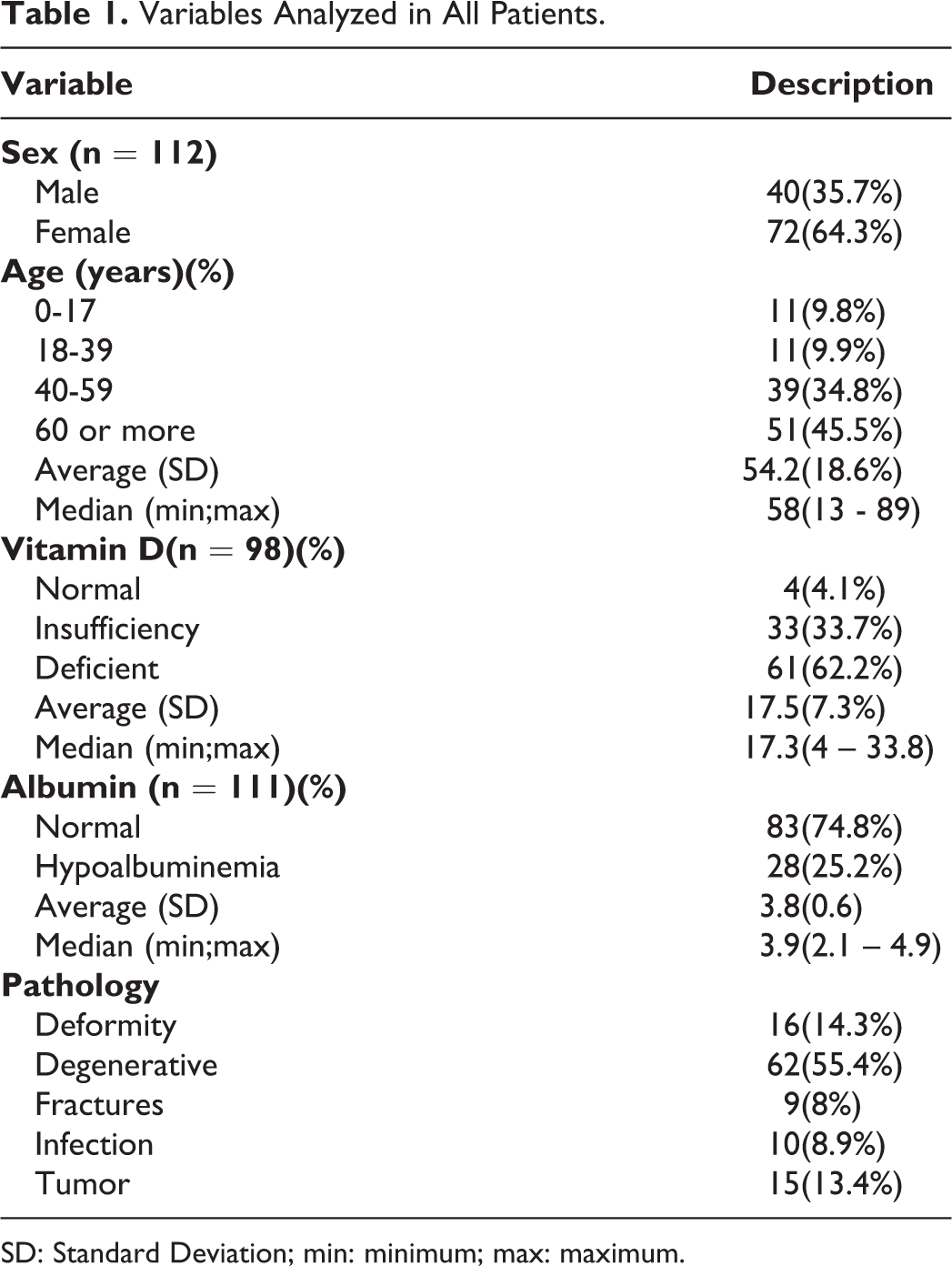
A total of 112 patients met the inclusion criteria and were considered for the study. The average age of all patients was 54.2 years (standard deviation: 18.6 years), with a range of 13 to 89 years old. Seventy-two women (64.3%) and 40 men (35.7%) were included. 98 patients had vitamin D concentration recorded and 111, albumin concentration. Thus, 97 patients had both vitamin D and albumin concentration recorded.
The sample was divided into 4 groups regarding the age and 11 (9.8%) patients were under 18 years old, 11 patients (9.8%) were 18-39 years group, 39 patients (34.8%) were 40-59 years group and 51 (45.5%) were ≥ 60 years. Concerning the spinal pathology, there were 62 (55.4%) patients with degenerative disorders, 16 (14.3%) with deformity, 9 (8%) with trauma, 15 (13.4%) with tumor and 10 (8.9%) with infection. The patients underwent different surgical procedures according to the disease, so 80 patients underwent a spinal fusion procedure, and 32 had decompression, augmentation or infection debridement.
Albumin Status
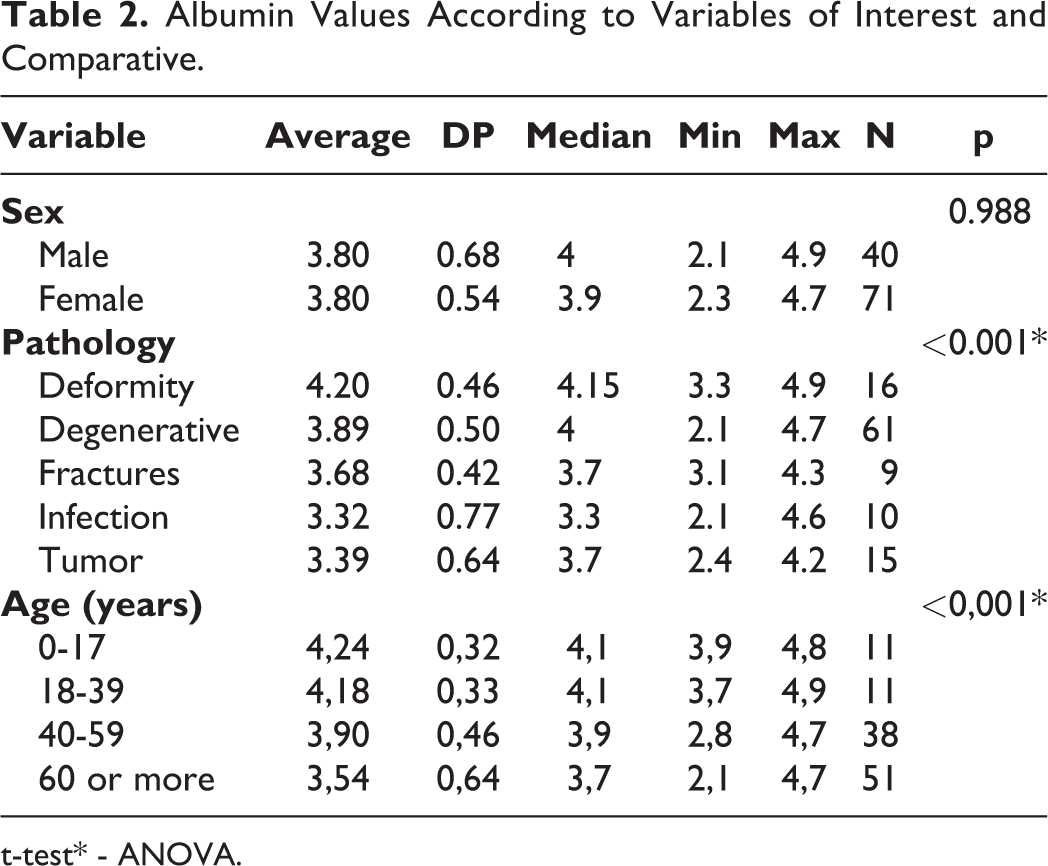
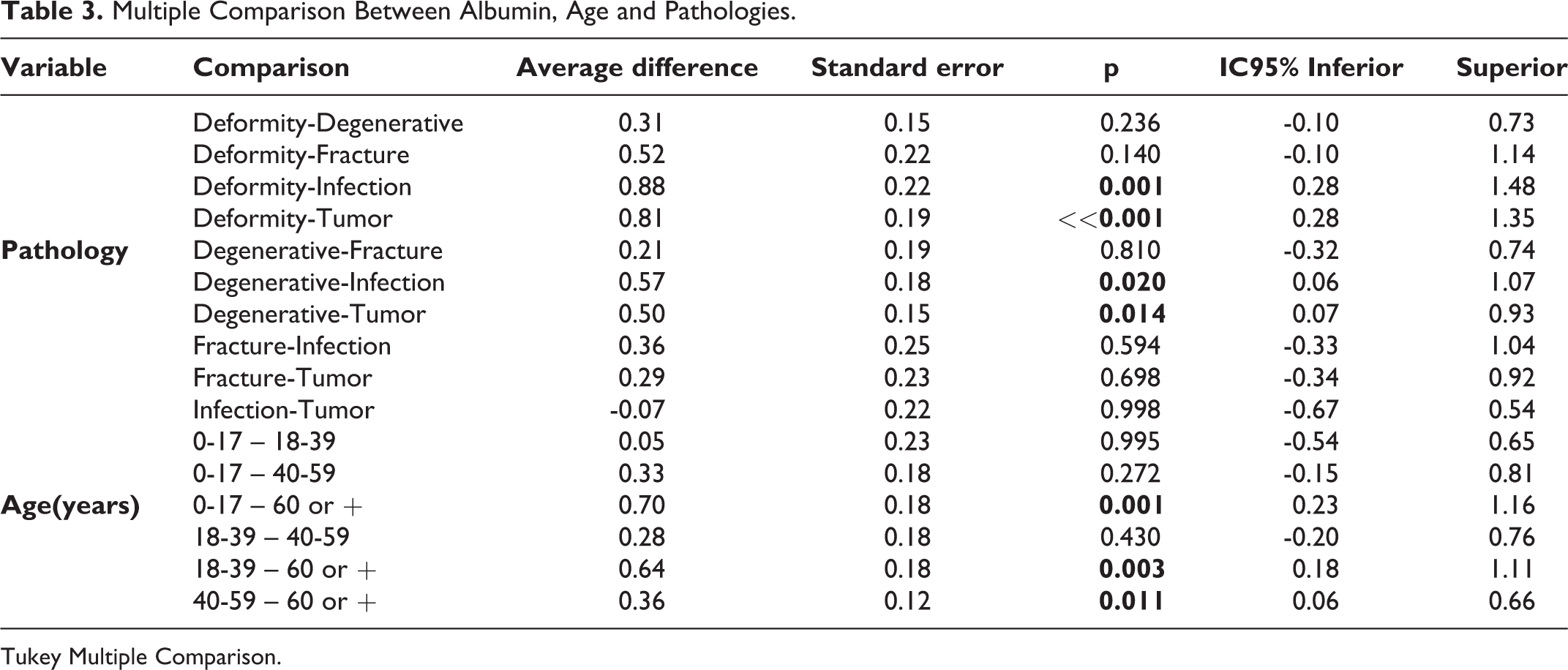
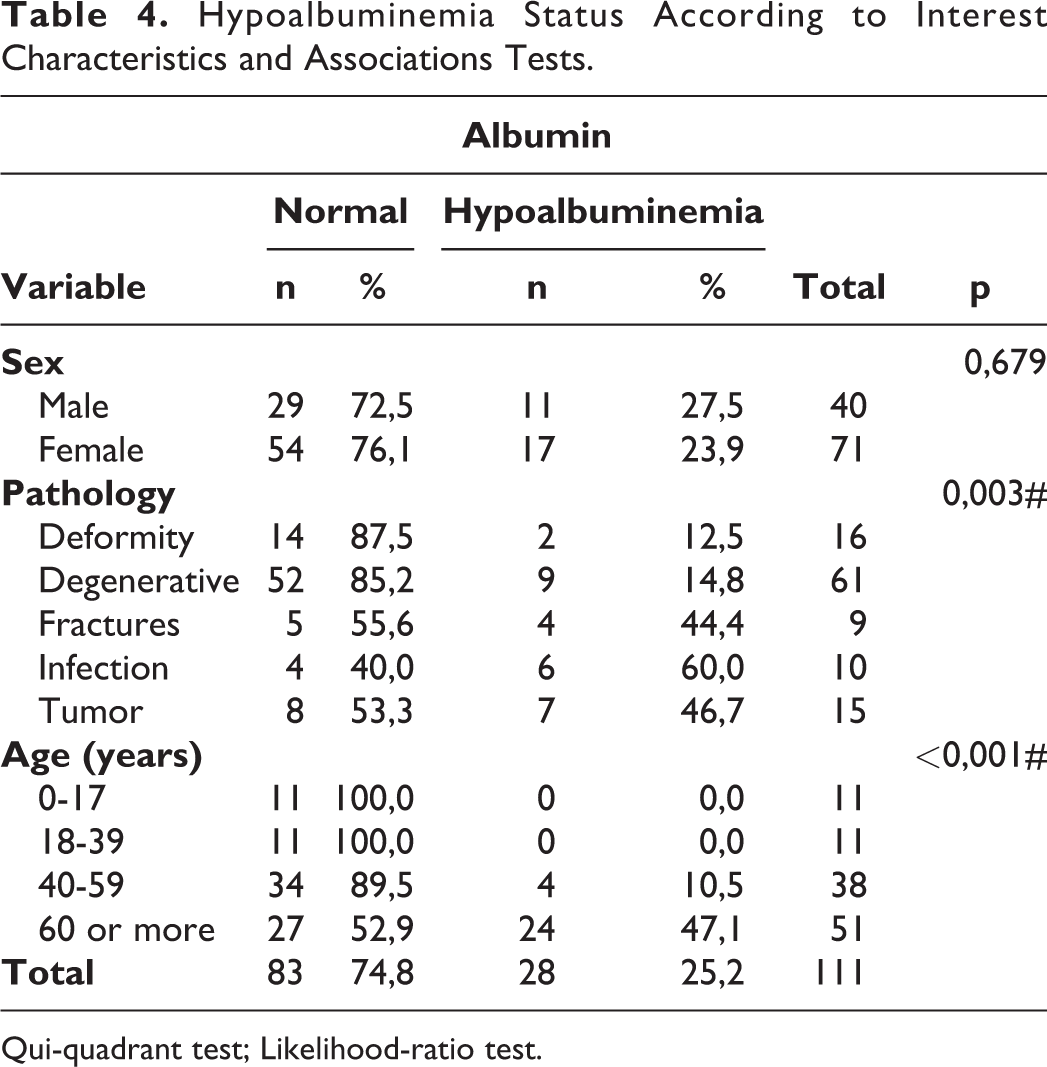
The values for albumin and vitamin D concentration are described on Table 1. The albumin concentration was 3.8 ± 0.6 g/dL (median, 3.9 g/dL) among the patients, ranging from 2.1 to 4.9 g/dL. Eighty-three (74.8%) patients had normal albumin concentration, and 28 (25.2%) had hypoalbuminemia. There was no difference between the genders (p = 0.988); there was a significant decrease in albumin concentration increasing the age (p < 0.001); and the albumin concentration was significantly lower in patients with tumor and infection pathologies than in those with degenerative, deformity and trauma (p < 0.001) (Tables 2 and 3). Similarly, the prevalence of hypoalbuminemia was significantly higher in the patients ≥ 60 years old, compared with the other age stratifications (p < 0.001), and was higher in patients with trauma, tumor and infection than in those patients with degenerative and deformity diseases (p = 0.003; Table 4).
Variables Analyzed in All Patients.
SD: Standard Deviation; min: minimum; max: maximum.
Albumin Values According to Variables of Interest and Comparative.
t-test* - ANOVA.
Multiple Comparison Between Albumin, Age and Pathologies.
Tukey Multiple Comparison.
Hypoalbuminemia Status According to Interest Characteristics and Associations Tests.
Qui-quadrant test; Likelihood-ratio test.
Vitamin D Status
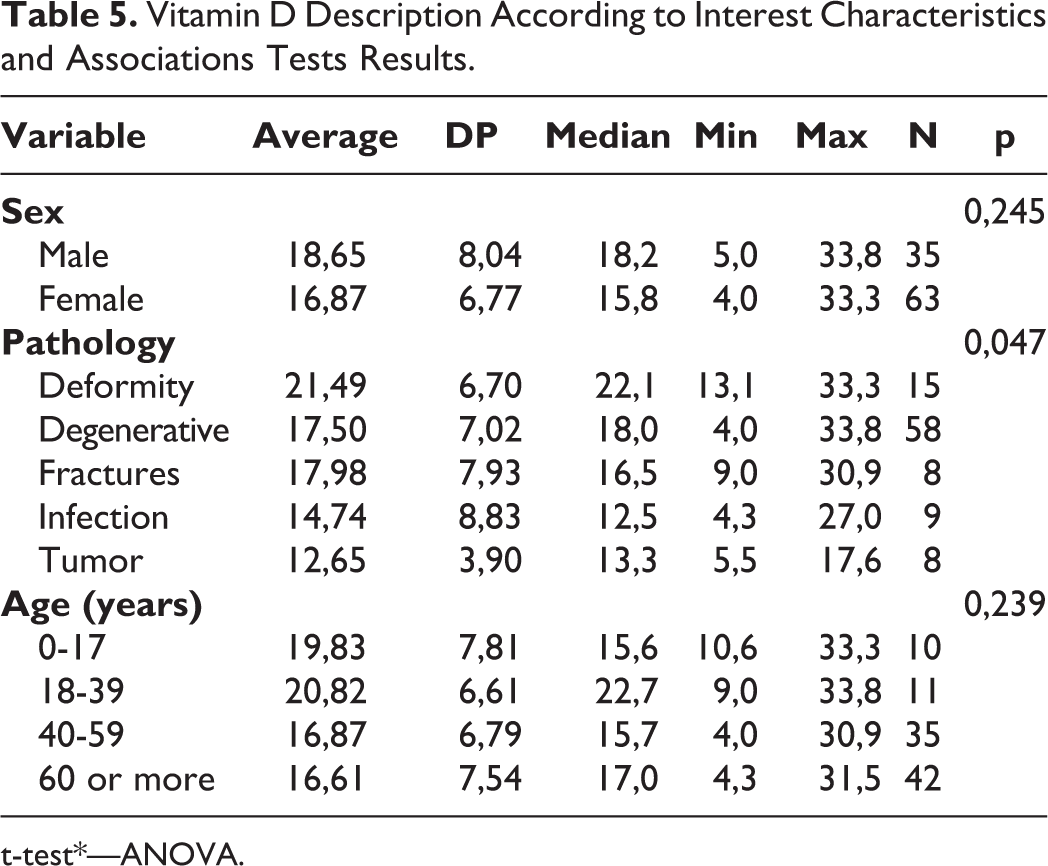
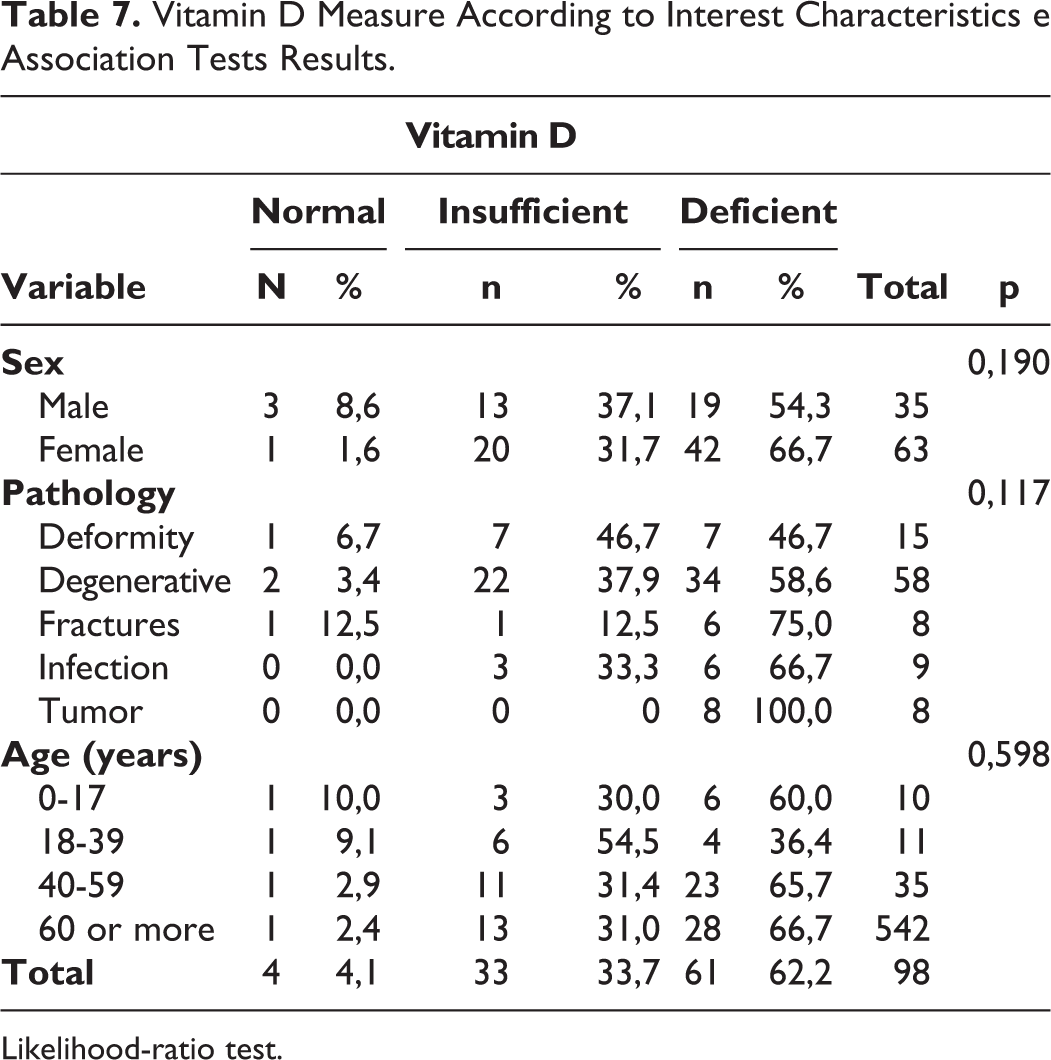
The mean of vitamin D concentration was 17.5 ± 7.3 ng/mL (median, 17.3 ng/mL), with values ranged from 4 to 33.8 ng/mL (Table 1). The prevalence of vitamin D inadequacy was 33.7%, and the deficiency prevalence was 62.2%, while severe deficiency (< 10 ng/mL) 16.3%. Only 4.1% of patients had a normal level of vitamin D (concentration of 30 ng/mL or more).
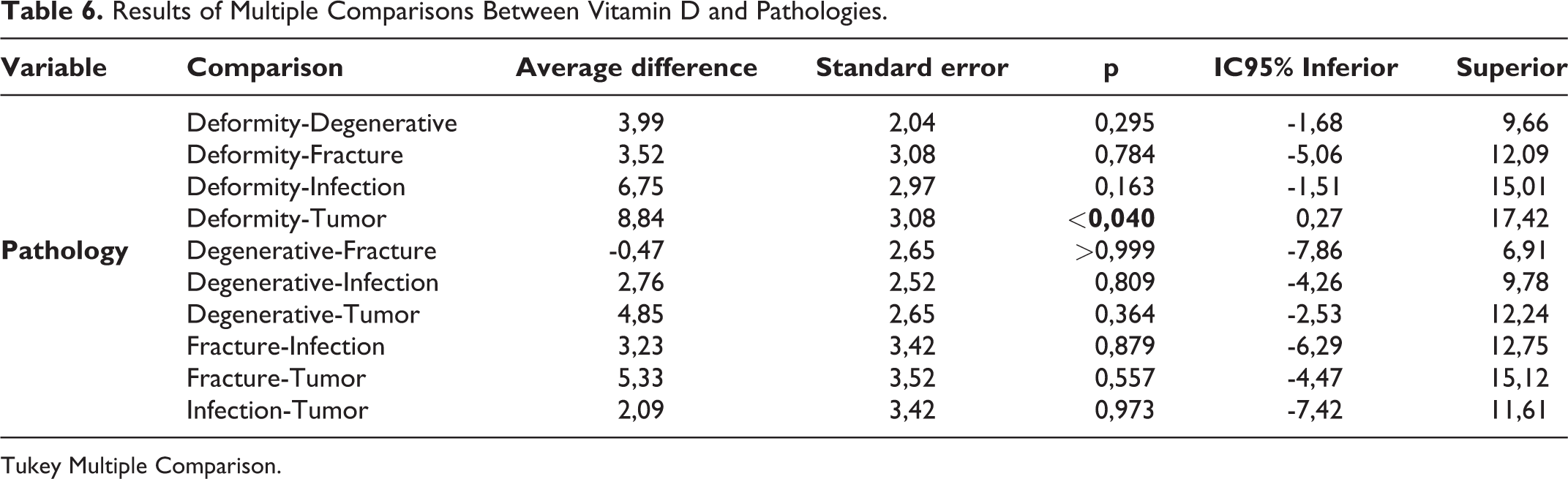
There was no difference in vitamin D concentration between males and females; likewise, there was no difference when comparing the different age groups. (Table 5). However, vitamin D concentration was significantly different among the pathologies (P = 0.047), with the lower concentration occurring in patients with tumor (Table 6). No statistically significant difference was identified when assessing vitamin D inadequacy and deficiency comparing sex, age and pathology. (Table 7).
Vitamin D Description According to Interest Characteristics and Associations Tests Results.
t-test*—ANOVA.
Results of Multiple Comparisons Between Vitamin D and Pathologies.
Tukey Multiple Comparison.
Vitamin D Measure According to Interest Characteristics e Association Tests Results.
Likelihood-ratio test.
Albumin and Vitamin D
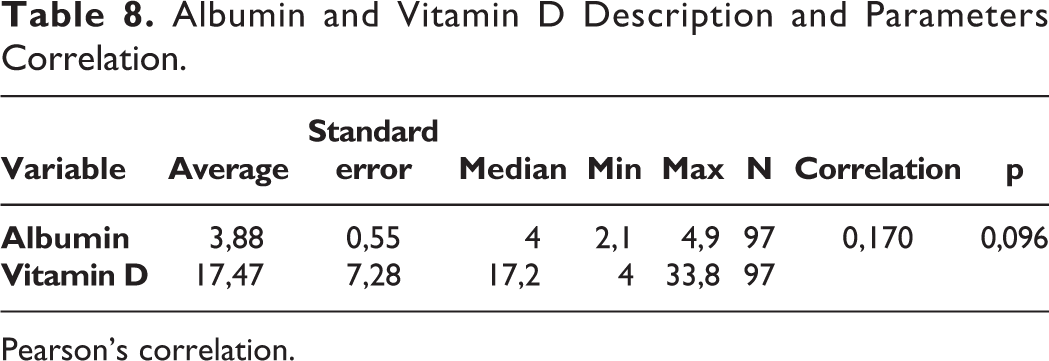
Considering only patients that had both albumin and vitamin D concentration recorded, there was not a significant correlation between the 2 variables (r = 0.170; p = 0.096; Table 8). There also was not a correlation between the hypoalbuminemia prevalence with vitamin D inadequacy and deficiency prevalence (p = 0.771; Table 9).
Albumin and Vitamin D Description and Parameters Correlation.
Pearson’s correlation.
Hypoalbuminemia Description According to Vitamin D Categories and Association Test.
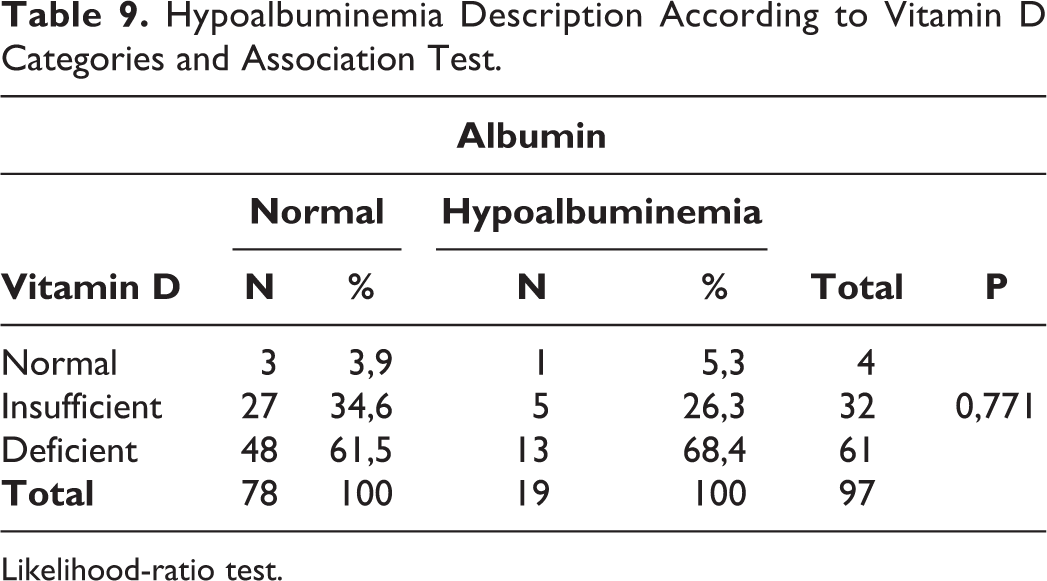
Likelihood-ratio test.
Discussion
Currently, data from the American Health Service for the year 2014 estimate that approximately 200 000 lumbar arthrodesis are performed annually with an estimated cost of US $ 10 billion. In comparison with 2004, there was an increase of 63% in the number of cases and the trend of this continuous increase is evident. 16 Extrapolating this data for all spinal arthrodesis surgeries around the world, around 1.6 million surgeries are performed each year. 17 Unfortunately, we do not have these updated data in our country for comparison.
The malnutrition is a well-recognized risk factor for complications following orthopaedic 5 and, more specific, spinal surgeries.4,8,18 Nevertheless, to date, this is the first study to assess the malnutrition and vitamin D status in a specific sample of patients who underwent spinal surgery considering the Brazilian population.
From 112 patients considered in our study, 29 (25%) presented malnutrition and, considering only patients aged ≥ 60 years old, the prevalence was 42%. Klein et al. 4 found a significant increase in the occurrence of surgical complications in malnourished patients compared to nutritionally replete patients. Malnutrition was also associated with an increase in the length of hospital stay during hospitalization, in addition to increasing readmission rates after the first discharge.18,19 In a more recent survey, Tarrant et al. 5 assessed the under nutrition occurrence considering Adolescent Idiopathic Scoliosis patients (mean age of 15.1 ± 1.9 years old) with the mean albumin concentration of 4.2 ± 0.2 g/dL.
Those study were based solely on a North American and Irish cohort, not taking into account the diversity in age, ethnicity, geographic locales, etc. In the present study, considering a sample of the Brazilian population, the overall prevalence of malnutrition was in accordance with the literature, and the older the patient, the higher the prevalence. There was a significant decrease in the albumin concentration increasing age group, as well as a substantial increase in the hypoalbuminemia prevalence. The overall mean of albumin concentration was lower than presented by Tarrant et al. 5 although the mean age in the present study was higher.
The results of our study exhibited a significant lower albumin concentration in patients with tumor and infection pathologies than degenerative, deformity and trauma and a higher prevalence of hypoalbuminemia in trauma, tumor and infection patients. This data was expected since tumor and infection represent extremely demanding catabolic states and are associated with nutritional depletion.4,20
The suboptimal vitamin D concentration has been described as a risk factor for osteoporosis12,13,21,22 and, thus, increasing the risk of complications in orthopedic surgeries.13,23-25 Several studies have evidenced an epidemic hypovitaminosis D in the general population, with the prevalence of vitamin D insufficiency as high as 50-80%.9,26-28 According to the National Health and Nutrition Evaluation Survey (NHANES), in 2005 and 2006, the mean 25-hydroxyvitamin D level among several age groups was 24 ng/mL. 29 Considering 723 patients scheduled for orthopedic surgery, Bogunovic et al. 30 reported a mean vitamin D concentration of 35.2 ± 15.3 ng/mL and a normal vitamin D concentration (considered ≥ 32 ng/mL) occurring in 57% of the patients. Stoker et al. 11 performed a study of vitamin D status dedicated to a population undergoing spinal surgery, and they described a prevalence of insufficiency and deficiency of 57% and 27%, respectively, and a vitamin D concentration mean of 29.1 ± 14.1 ng/mL. Recently, Suh et al. 12 examined vitamin D status of 198 Korean girls with Adolescent Idiopathic Scoliosis (mean age of 12.5 ± 0.8 years) and found a mean of concentration of 14.3 ± 9.4 ng/mL, considerably lower than the mean of the studies considering North American population, which corroborates with the findings of the present study.
Despite the skin vitamin D metabolism is reduced with aging (reduction of 7-dehydrocholesterol in the skin), 10 as a risk factor for deficiency, in the present study, there was not a significant difference in vitamin D concentration and inadequacy/deficiency prevalence between age groups. In the series of Stoker et al., 11 the patients with vitamin D deficiency were significantly younger than those without deficiency. Similarly, Bogunovic et al. study 30 showed that older subjects had less risk of having inadequate vitamin-D levels than younger patients. The administration of vitamin D supplements, significantly more common in older people, may explain this lower prevalence of deficiency in older patients.10,30 In our sample, only 4 patients (3.5% of the sample) had received a regular supplementation and probably because that there was no significant difference in vitamin D status between the age of the patients, with such low levels found in all age groups.
The primary sources of vitamin D are from diet and skin metabolism. 10 Some foods, oily fish, for example, is reported to prevent vitamin D inadequacy.10,31 We tried to establish a correlation between nutritional (albumin concentration) and vitamin D status, but there was not a significant correlation between albumin and vitamin D level, as well as between hypoalbuminemia and vitamin D inadequacy/deficiency.
Another risk factor for vitamin D deficiency is dark skin tone, usually associated with black and Hispanic ethnicity.10,11,30 Since the Brazilian population is extremely miscegenated, it isn’t easy to stratify by skin tone and that variable was not correlated with vitamin D status in the present study. The association between gender and vitamin-D concentration varies throughout the literature, with some studies demonstrating higher rates in women and others in men.10,11,30 Our results did not found a significant difference in vitamin D concentration and inadequacy or deficiency between male and female patients.
Future studies could evaluate methods to correct malnutrition before spinal surgery. Such efforts would have the potential to significantly decrease the rates of adverse events after this procedure. Nevertheless, our findings must be interpreted with caution, since it represents only an epidemiologic picture considering the nutritional and vitamin D status in a specific ethnic and geographic group, without a clear relevance on clinical outcomes and/or complications rates associated with the surgical procedures. In front of this, longitudinal studies need to be conducted to understand better the possible association between nutritional and vitamin D status and surgical complication.
Conclusion
Older patients, as well as patients with tumor and infectious pathologies, seem to have a higher prevalence of hypoalbuminemia, inferring malnutrition. There was a low epidemic level of vitamin D concentration, almost all patients presenting some degree of hypovitaminosis D, independent of age, gender and nutritional status (albumin concentration). Patients with tumor had significantly lower vitamin D concentration than patients with other pathologies.
Footnotes
Author Contribution
All authors contributed to the study conception and design. Material preparation, data collection and analysis were performed by Anderson Gomes Marin, Raphael de Rezende Pratali, Samuel Machado Martins and Carlos Fernando Pereira da Silva Herrero. The first draft of the manuscript was written by Raphael de Rezende Pratali and all authors commented on previous versions of the manuscript. All authors read and approved the final manuscript.
Availability of Data and Material (Data Transparency)
The datasets generated during and/or analyzed during the current study are available from the corresponding author on reasonable request.
Declaration of Conflicting Interests
The author(s) declared no potential conflicts of interest with respect to the research, authorship, and/or publication of this article.
Funding
The author(s) received no financial support for the research, authorship, and/or publication of this article.
