




Abstract
Although rapid changes in symptom severity, or sudden gains and losses, are well known in psychotherapeutic research, much about the underlying processes that lead to them is still unclear. The revised theory of sudden gains and the complexity theory of psychopathology offer explanations of why sudden gains and sudden losses occur and how they can be predicted. To test the implications of these two theories, we investigated sudden gains and losses in a daily diary study focusing on their frequency, stability, and association with certain statistical indicators. To this end, we examined the daily self-esteem and nervousness ratings of 98 young adults over 82 consecutive days. Generally supporting the theoretical frameworks above, our findings suggest that everyday sudden gains and losses seem to be a common but unstable phenomenon associated with increased within-person variance.
Predicting the timing and type of change in symptomatology is a fundamental research goal of clinical psychology, for example, when examining whether psychotherapy leads to remission in psychopathology (Cuijpers et al., 2019). It has been shown that change in psychopathology is not always linear but also occurs in a step-like, nonlinear fashion, for example, when patients experience sudden relapses during treatment for alcohol use disorder (Hayes et al., 2007) or abrupt changes in depression symptomatology (Tang & DeRubeis, 1999). These sudden changes, typically called sudden gains and sudden losses, can have long-lasting effects. For instance, patients who experience sudden gains during psychotherapy report having lower symptom levels after treatment than those who did not (Shalom & Aderka, 2020).
Because sudden gains and losses are so important, several theoretical accounts that attempt to explain when and why sudden gains and sudden losses occur have been presented. For example, the revised theory of sudden gains (Aderka & Shalom, 2021) posits that sudden gains occur during psychotherapy when natural fluctuations in symptoms are stabilized in the course of treatment. Alternatively, the complexity theory of psychopathology (Olthof, Hasselman, Oude Maatman, et al., 2020) conceptualizes a person’s psychopathology as a dynamic system consisting of many interacting, self-organizing elements (Hayes & Andrews, 2020). This system can move between various conditions (e.g., positive vs. negative self-evaluation) that are referred to as attractor states (DeRuiter et al., 2017; Olthof, Hasselman, Oude Maatman, et al., 2020). Sudden gains or losses in symptomatology over the course of treatment represent phase transitions between attractors.
Both the revised theory of sudden gains (Aderka & Shalom, 2021) and the complexity theory of psychopathology (Olthof, Hasselman, Oude Maatman, et al., 2020) suggest that sudden gains and sudden losses occur not only in persons with mental-health issues or during the application of psychotherapy but also in non-clinical samples in which participants are not undergoing treatment, particularly when the change occurs in a variable that is important to the conceptualization of psychological disorders. For example, self-esteem and nervousness are constructs that are relevant in everyday life but also closely related to psychopathology, and they are often even the target variables of psychotherapy. However, to the best of our knowledge, no study has, thus far, examined the occurrence of sudden gains and losses in a non-clinical sample, even though this would facilitate the testing of important predictions of the two theories. Furthermore, knowledge of the (dis-)similarities between sudden gains and sudden losses in clinical versus non-clinical samples could help elucidate processes that promote and facilitate sudden gains while preventing and mitigating sudden losses. To close this gap, that is, to test the implications of both frameworks for sudden gains and sudden losses in non-clinical samples (everyday sudden gains and losses), we conducted a daily diary study with a non-clinical sample and then analyzed the participants’ self-esteem and nervousness ratings in relation to the occurrence and predictors of sudden gains and losses.
Sudden Gains and Sudden Losses in Clinical Psychology
In psychotherapy research, sudden gains and sudden losses are defined as large-scale, abrupt improvements or impairments in symptom severity between two consecutive therapy sessions (Tang & DeRubeis, 1999). Clinical psychologists use a well-established set of three criteria to distinguish sudden gains or losses from random fluctuations. Sudden gains and sudden losses must be larger than a cutoff value (typically determined using the reliable change index; see Jacobson & Truax, 1991), large enough relative to the fluctuations in symptom severity prior to the gain or loss and, finally, stable, meaning that there has to be a substantive difference between three measurements before and after the improvement or impairment (Lutz et al., 2013; Tang & DeRubeis, 1999).
To date, most research has focused on sudden gains and found that they occur in a wide range of mental disorders (e.g., depression and various anxiety disorders; see Shalom & Aderka, 2020). According to a recent meta-analysis, approximately one third of patients experience one or more sudden gains over the course of their treatment (Shalom & Aderka, 2020). Importantly, sudden gains are associated with better treatment outcomes both at treatment termination and at follow-up (Shalom & Aderka, 2020). On average, sudden losses are reported in approximately 10% of cases (Helmich et al., 2020; König et al., 2014; Krüger et al., 2014; Lutz et al., 2007, 2013; Lutz & Tschitsaz, 2007; Odyniec et al., 2019). Although they are less common than sudden gains, sudden losses also occur in various mental disorders (Helmich et al., 2020; Krüger et al., 2014; Lutz et al., 2013). Interestingly, even when experiencing a sudden loss, patients generally tend to improve over the course of treatment (König et al., 2014; Krüger et al., 2014).
Previous investigations of predictors and the processes underlying sudden gains were inconclusive in most areas (Aderka & Shalom, 2021; Zilcha-Mano et al., 2019), and similar research into sudden losses is rare (for an exception, see Lutz et al., 2013). This has rendered the formulation of a theory of sudden gains and/or losses difficult. Nevertheless, two theories have recently been presented—the revised theory of sudden gains (Aderka & Shalom, 2021) and the complexity theory of psychopathology (Olthof, Hasselman, Oude Maatman, et al., 2020).
Sudden Gains and Sudden Losses in the Revised Theory of Sudden Gains
Aderka and Shalom (2021) claimed that sudden gains are part of naturally occurring fluctuations in symptoms. Because successful psychotherapy is typically accompanied by a decrease in symptom severity, these fluctuations in symptomatology can appear as a sudden gain. Moreover, such gains should be acknowledged in psychotherapy sessions (e.g., discussed by the therapist and the patient) because when they do not reverse (i.e., when they are stabilized by the therapeutic process) sudden gains can actually improve the therapeutic outcome. Although it is not explicitly stated in the original study, it is plausible that sudden losses may also be part of natural fluctuations. However, they should be less common than sudden gains given the typical decline of symptom severity over the course of treatment with psychotherapy.
The findings of Shalom and colleagues (2018, 2020) substantiate the claims made by Aderka and Shalom by showing, for instance, that both symptom variability over the entire course of treatment, as well as symptom variability immediately preceding the sudden gain (not including the sudden-gain time point), were higher in participants who experienced sudden gains compared with participants who did not. Thus, people with more variable symptom trajectories seem to be more likely to experience sudden gains than people with less symptom trajectory variability.
Sudden Gains and Sudden Losses in the Complexity Theory of Psychopathology
The complexity theory of psychopathology conceptualizes psychopathology as an attractor state of a system and, hence, places sudden gains and sudden losses within the framework of dynamic systems (Olthof, Hasselman, Oude Maatman, et al., 2020). Dynamic systems emerge when elements that behave in a self-organizing and nonlinear fashion interact in a way that creates system-specific patterns (DeRuiter et al., 2017; Gelo & Salvatore, 2016; Hayes & Andrews, 2020). Self-esteem is an example of a self-organizing, dynamic system of this kind (DeRuiter et al., 2017), in which the level of state self-esteem may be the result of a particular self-experience (i.e., the appraisal of oneself in a certain situation). Because state self-esteem is strongly determined by the person’s trait level of self-esteem, the latter serves as an “attractor state” for the person’s state self-esteem.
Individuals can shift between different attractor states; that is, the system may change from being drawn to one attractor state (e.g., positive self-evaluation) to being pulled to a new or different attractor state (e.g., negative self-evaluation). However, before such “phase transitions” become possible, the system has to undergo a phase of instability during which the current attractor loses its “attraction potential” (Olthof, Hasselman, Oude Maatman, et al., 2020). Olthof, Hasselman, Oude Maatman, et al. (2020) argued that psychopathology emerges when a system (i.e., a person’s cognitions, emotions, and behavior) is constantly pulled toward a specific attractor state (e.g., negative self-evaluation) that is undesirable for the individual. Furthermore, they suggest that the sudden gains and sudden losses that occur during psychotherapy are actually phase transitions from one attractor state (i.e., the mental disorder) to another attractor state (i.e., a healthier or more impaired state).
Because phase transitions can have an enormous impact, dynamic systems research has attempted to identify early warning signals that announce imminent changes in the system (e.g., such as a sudden gain or loss; Boettiger et al., 2013). This research found that sudden changes in a system describing a variable are associated with a higher variance and autocorrelation for this variable immediately before the shift occurs (e.g., see Scheffer et al., 2012). In this vein, research undertaken by Olthof, Hasselman, Strunk, et al. (2020; see also Chevance et al., 2021) found that sudden gains and losses within patients are associated with dynamic complexity—an early warning signal that combines variance and autocorrelation.
The Current Research
Both the revised theory of sudden gains and the complexity theory of psychopathology assume that sudden gains and sudden losses occur because symptoms can fluctuate in relation to a single or between multiple stable values (i.e., single or multiple attractors). This implies that sudden gains and sudden losses are caused by mechanisms that are not specific to people with mental disorders and that sudden gains and losses should also occur in non-clinical samples, that is, regardless of whether or not a person has received a diagnosis or is receiving treatment (Olthof, Hasselman, Strunk, et al., 2020). In fact, if this prediction were not confirmed, this would not only raise doubts about the suitability of the postulated general processes but would also increase the need for strong arguments concerning why those (universal) processes apply only to clinical samples.
However, we expect these processes most likely to occur when a psychological variable fluctuates around a stable value, that is, for example, when the variable has both a trait and a state component (e.g., Kenny & Zautra, 2001). Furthermore, both theories also assume that therapeutic processes must take place or have taken place in order for a sudden gain to stabilize. Therefore, given the absence of treatment in non-clinical samples, sudden gains should be less stable than those found in clinical samples (i.e., they should reverse more often). Additionally, as one does not usually expect a general decrease or increase in psychological variables in everyday life (e.g., in self-esteem ratings in a daily dairy study), sudden losses should occur with a similar frequency as sudden gains while also being rather unstable. Finally, studies that have tested each of these two theories have shown that the occurrence of sudden gains and sudden losses is associated with statistical indicators of temporal (in)stability (Chevance et al., 2021; Olthof, Hasselman, Strunk, et al., 2020; Shalom et al., 2018, 2020). On the basis of these results, one might also expect that the occurrence of sudden gains and sudden losses in a non-clinical sample should be accompanied by a heightened variance and/or heightened autocorrelation (or a combined measure thereof).
The current study investigated these predictions in a non-clinical sample. Specifically, we used data from a daily diary study in which participants were asked to complete various state measures on 82 consecutive days. We then applied Tang and DeRubeis’s criteria to capture everyday sudden gains and losses in the daily ratings of self-esteem and nervousness. We chose these two variables because it seemed reasonable to assume that both have the necessary trait and state components (e.g., Fleeson & Jayawickreme, 2015; Geukes et al., 2017). Furthermore, both variables are relevant not only to everyday life but also to psychopathology because they resemble relevant diagnostic criteria in major depression (i.e., feelings of worthlessness) and anxiety disorders (i.e., edginess in generalized anxiety disorder; American Psychiatric Association, 2013). In addition, self-esteem has also been identified as a risk factor for depression and was therefore recently conceptualized in terms of dynamic systems theory (e.g., DeRuiter et al., 2017; Sowislo & Orth, 2013).
As noted above, both theories imply that sudden gains and sudden losses are indicated by measures of temporal (in)stability such as heightened variance. However, the two theories differ in their opinion on the level at which the underlying processes leading to this association occur. Whereas the revised theory of sudden gains considers differences on a between-person level (i.e., whether sudden gainers vary more than non-sudden gainers; see Shalom et al., 2018), the complexity theory of psychopathology (Olthof, Hasselman, Oude Maatman, et al., 2020) considers associations within a person (i.e., whether changes within a person’s psychopathology across time predict phase transitions). We conducted both within-person and between-person comparisons regarding statistical indicators for sudden gains and sudden losses in our study because we believe that both perspectives are of great interest for and relevant to the development of a better understanding of sudden gains and sudden losses in symptomatology and because no other study to date, to the best of our knowledge, has applied both types of analyses within a single study.
Transparency and Openness
The current study was not preregistered. A codebook containing all measures assessed in the study, the R script used to analyze the data, the raw data itself, and all corresponding material are available at https://osf.io/dumv7. 1 We report how we determined our sample size, all data exclusions, all manipulations, and all measures in the study. We used R version 4.0.0 (R Core Team, 2020) for all analyses in our study. The study protocol complies with the local ethical regulations and the Declaration of Helsinki and was approved by the Ethics Committee at the Medical Faculty of the University of Leipzig.
Method
To investigate our research questions, we used data from a daily diary study (called FLIP) in which participants were asked to complete state measures of personality, affect, and motivation on 82 consecutive days (daily diary phase). At the beginning and end of the study period, participants also completed a comprehensive questionnaire including measures of personality traits, competence, and life events. This original study was designed to investigate the intraindividual factor structure of the Big Five traits. Sample-size calculations were based on prior research concerning this research area. In this research sufficient power is reached with 30 participants, and we sampled about three times this sample size. In the current study, we used data related to state self-esteem and state nervousness ratings.
Sample
Starting with an original sample of 102 participants, we excluded four participants because they did not complete the daily diary for more than seven consecutive days. The final sample included 98 participants (79 female) aged 18 to 65 years old (M = 22.4 years, SD = 5.5 years). Most of the respondents were university students (n = 87), but our sample also included trainees (n = 3), employees (n = 6), a pensioner, and an unemployed person. The participants were residents of Leipzig and the surrounding area (Saxony, Germany) and mostly (White) Germans. The majority of participants identified as single (n = 54), 39 participants were in a relationship, four were married, and one person was divorced. The mean participation rate during the daily diary phase was 74 days (SD = 12). There were few restrictions on participation in the study, only that participants had to be at least 18 years old at the beginning of the study and had to be native German speakers. In return for their participation, the participants received personality feedback at the midpoint and end of the study as well as monetary compensation (up to 50€ depending on their response rate).
Procedure
The data-acquisition phase lasted from September to December 2017. Participants were recruited via flyers, Facebook groups, and both local and student newspapers. People who were interested in participating in the study had to contact the investigators by email. Participants were then invited into the lab to complete an introductory session. In this session, all participants received information about the study (goals, procedure, compensation, and data protection) and signed an informed consent form. They also filled out the first online survey, which was designed to obtain information on demographics and personality traits. After the introductory session, the daily diary assessment started. On each day, participants were asked to rate their current Big Five personality states, self-esteem, mood, and motive states. Data collection in the daily diary continued for up to 90 days, with the primary phase lasting 82 days and an additional, optional survey continuing for another 8 days. The optional survey was conducted to collect data in temporal proximity to a special event (Christmas). After participants completed the daily diary phase, they were asked to complete a second online survey that was very similar to the first. In this study, we only used the daily diary measures of state self-esteem and state nervousness from the primary daily diary phase.
Measures
We assessed daily self-esteem using one item: “I am satisfied with myself.” Nervousness was assessed in two ways. First, we measured nervousness with the item “Today I was nervous.” Then, to guard against the possibility that the results would not generalize beyond this indicator of nervousness, we also ran the analysis using the scale average of three items conceptually close to nervousness: “nervous,” “relaxed” (reversed), and “irritable.” 2 All items were rated on a scale ranging from 1 = strongly disagree to 6 = strongly agree.
To examine the validity of the single items, we computed the correlation of the persons’ average single-item scores with the corresponding trait-measure scores as assessed in the survey completed before the daily diary phase. The correlation of the people’s Rosenberg self-esteem scale score (von Collani & Herzberg, 2003) with their average self-esteem item score was r = .62 (p < .001), and the correlation of the neuroticism scale score of the Big Five Inventory; Gerlitz & Schupp, 2005) and the nervousness item score was r = .48 (p < .001).
Data analysis
Sudden gains and sudden losses
We used Tang and DeRubeis’s definition of a sudden gain when calculating the number of sudden gains and losses for each participant. A change in a variable was classified as a sudden gain or loss when its magnitude was larger than the reliable change index (RCI; Jacobson & Truax, 1991) for the outcome in question, with
Statistical indicators for sudden gains and losses: between-person analyses
We examined whether the variance and autocorrelation parameters of the participants experiencing a sudden gain or a sudden loss differed from those of participants who did not experience a sudden gain or loss. We calculated the coefficients for sudden gains and sudden losses separately. For participants with more than one sudden gain or sudden loss, we considered only their first sudden gain or loss. Because we completed separate analyses for sudden gains and sudden losses, participants with both sudden gains and sudden losses were included in both analyses using their first sudden gain and first sudden loss, respectively.
We calculated the within-person variance (WPV; see Jahng et al., 2008) with
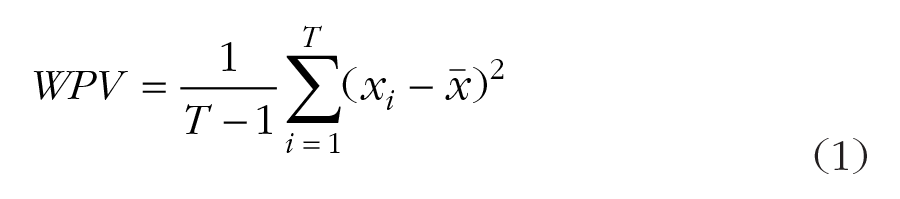
where
We computed the first-order autocorrelation (ACF) with
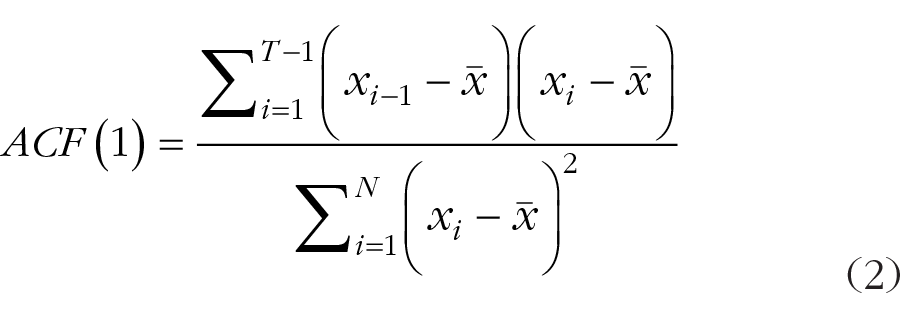
As for the WPV, we calculated the ACF for sudden gains and sudden losses separately, considering all measurements preceding the first sudden gain or loss for participants with a sudden gain or loss. For example, we considered all measurements from Day 1 to Day 15, when a person experienced a sudden gain in self-esteem on Day 16, therefore excluding the sudden gain from the ACF computation. For participants without a sudden gain or loss, we either used all measurements preceding the median point of the gain/loss in the sample (pre-shift ACF) or all available measurements (total ACF).
Statistical indicators for sudden gains and losses: within-person analyses
To map the within-person perspective associated with the dynamic systems theory, we also calculated the variance for each participant and each outcome using a rolling window of 7 days (see Chevance et al., 2021). This means that the variance for Day t and Person i was calculated on the basis of the person’s ratings for the previous t – 7 days. The resulting scores were then used to derive a continuous predictor of the occurrence of a sudden gain and sudden loss. Specifically, we determined the maximum value of the variance within a 4-day range preceding each measurement point in the time series (i.e., for day t the variable contained the highest variance value from among the values for days t – 4 to t – 1) for each person. The resulting variable was then used in a logistic-regression model with fixed effects 3 to predict the occurrence of sudden gains and sudden losses (0 = no gain/loss, 1 = gain/loss; see Chevance et al., 2021; Olthof, Hasselman, Strunk, et al., 2020) across all persons and days. 4
The same calculations and model were used for autocorrelation. Furthermore, to enhance the comparability of our results with the existing literature, we also performed the calculations for the dynamic-complexity indicator (e.g., Olthof, Hasselman, Strunk, et al., 2020). Dynamic complexity is the product of the fluctuation measure F and the distribution measure D. Whereas F is a measure of amplitude and frequency of change, D measures how uniformly observations are distributed within their theoretical range in a time series (Chevance et al., 2021; Olthof, Hasselman, Strunk, et al., 2020). For a more detailed description of how dynamic complexity is computed, see Chevance et al. (2021) or Olthof, Hasselman, Strunk, et al. (2020).
Results
Means, standard deviations, item intercorrelations, and reliabilities for all items are displayed in Table 1. In the following section, we first describe the frequency, timing, and reversal rate of sudden gains and losses in self-esteem and nervousness ratings. We then present the results of the related analyses of statistical indicators.
Means, Standard Deviations, Reliability Coefficients, and Correlations of State Self-Esteem and State Nervousness
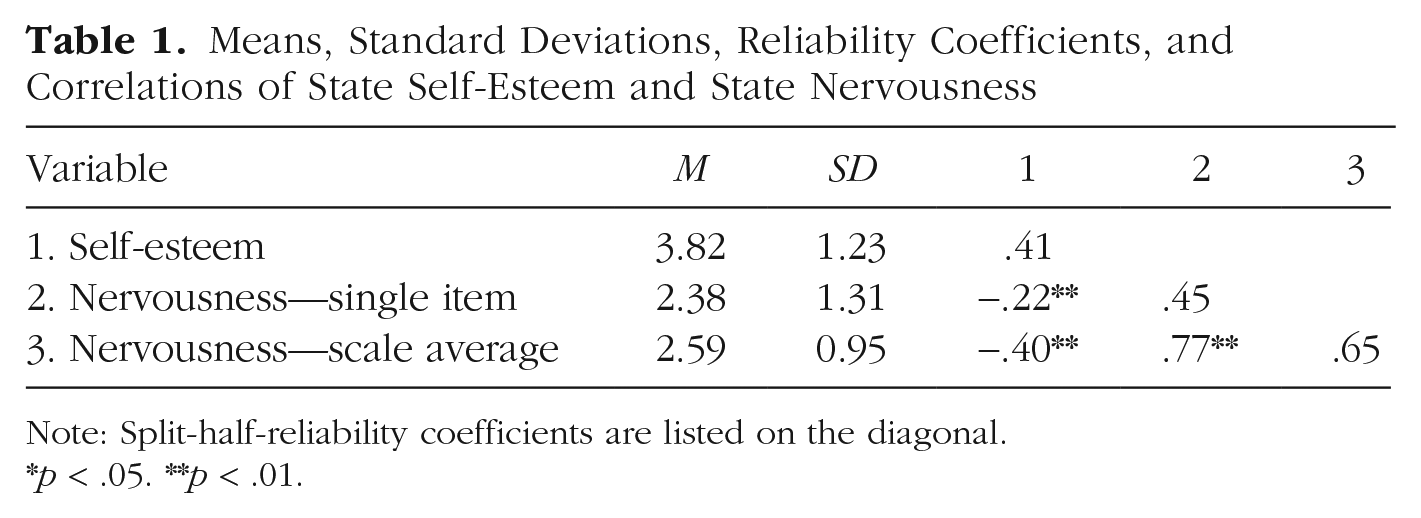
Note: Split-half-reliability coefficients are listed on the diagonal.*p < .05. **p < .01.
Sudden gains and sudden losses
As shown in Figure 1 (for the concrete values, see Table S1 in the Supplemental Material available online), a substantial proportion of participants experienced sudden gains in self-esteem (35.7%). The median day immediately preceding the sudden gain in self-esteem was Day 28 (SD = 26.37, range = 2–80). Participants typically experienced more than one sudden gain (M = 1.43), and 91.4% of the sudden gains in self-esteem reversed, meaning that more than half of the self-esteem gain was lost again by the end of the study. Fewer participants showed sudden gains in state nervousness (i.e., feeling less nervous) than in self-esteem (single item = 30.6%, scale average = 31.6%). In addition, sudden gains for nervousness occurred earlier than for self-esteem. The median pre-gain day was Day 27.5 (SD = 22.57, range = 3–79) for nervousness measured with one item and Day 24 (SD = 22.10, range = 2–79) for nervousness measured with the scale average. Nearly all sudden gains in nervousness reversed regardless of operationalization (single item = 90%, scale average = 93.5%).
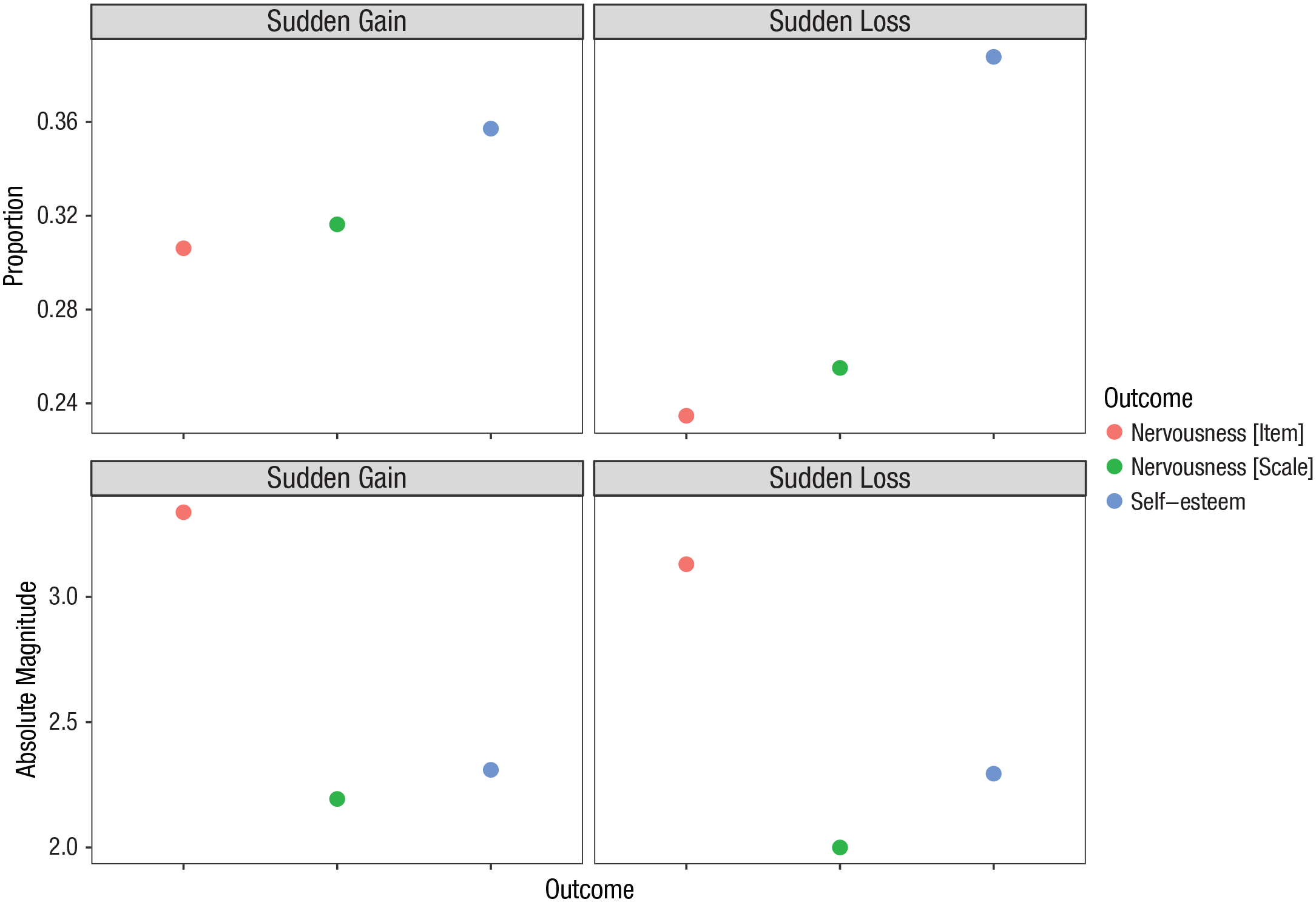
Proportion and average absolute magnitude of sudden gains and losses. Nervousness [item] = nervousness measured with a single item; nervousness [scale] = nervousness measured with the scale average.
For sudden losses, we found that 38.8% of participants experienced at least one sudden loss in self-esteem. The median day preceding a sudden loss in self-esteem was Day 28.5 (SD = 23.21, range = 2–80). The mean number of sudden losses in self-esteem per participant was 1.58. As with sudden gains, most sudden losses in self-esteem were not permanent (reversal rate = 92.1%). The proportion of participants experiencing sudden losses was lower for nervousness ratings (i.e., fewer participants suddenly felt more nervous) than for self-esteem ratings, regardless of the operationalization used (single item = 23.4%, scale average = 25.5%). The median pre-loss day was Day 28 (SD = 25.57, range = 5–71) for the single-item operationalization and Day 15 (SD = 19.71, range = 3–73) for the scale-average operationalization. Participants typically had more than one sudden loss in nervousness, and sudden losses usually reversed (single item = 100%, scale average = 96%).
Finally, the analysis showed that a substantial proportion of participants who experienced a sudden gain in self-esteem also experienced a sudden loss in self-esteem (34.54%). Likewise, some participants had both sudden gains and sudden losses in nervousness (single item = 36.23%, scale average = 26.32%). Figure 2 illustrates the sudden gain and sudden loss trajectories for self-esteem and nervousness for six randomly selected participants.
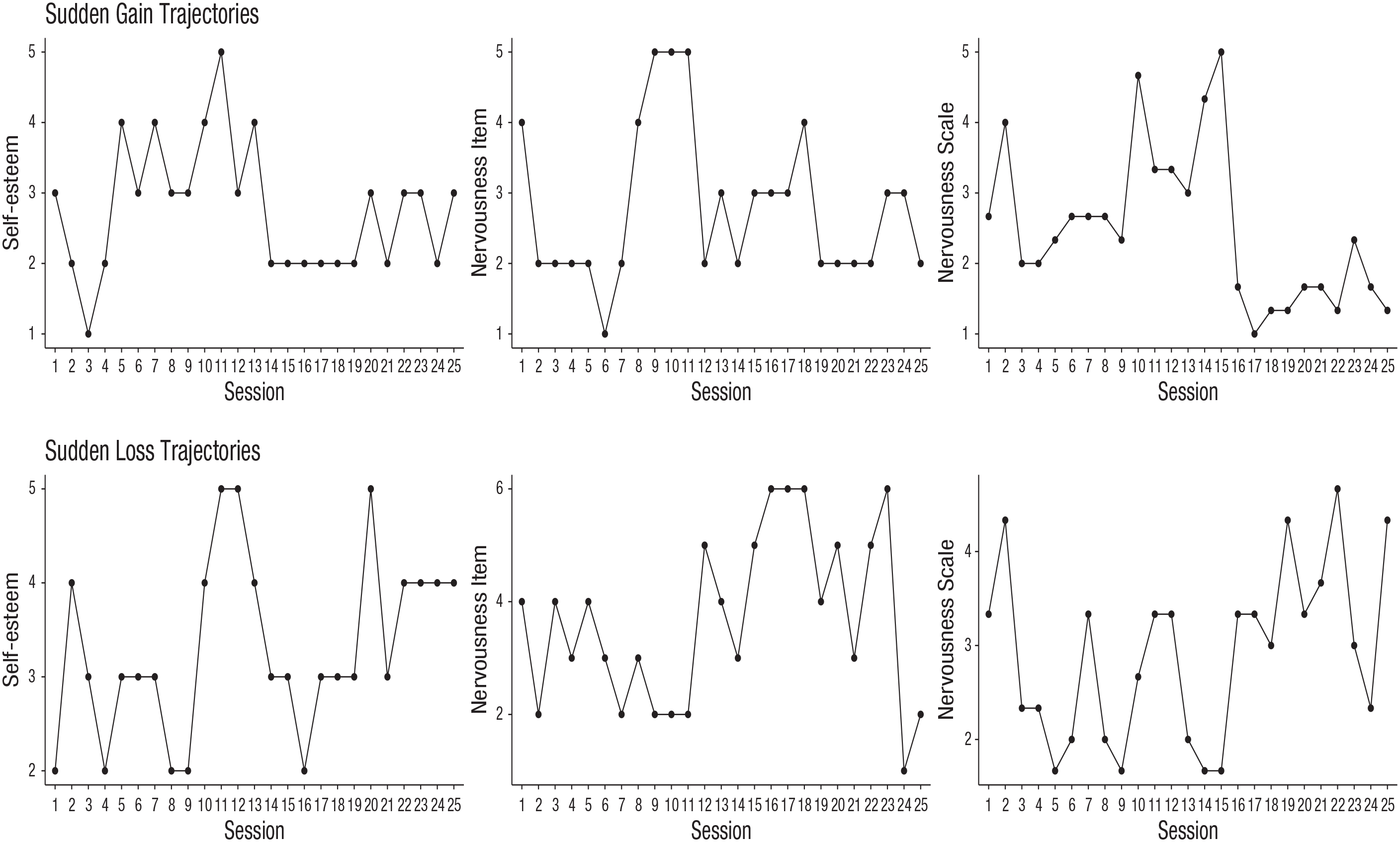
Case illustrations for trajectories of six randomly selected participants who experienced a sudden gain (top row) or sudden loss (bottom row) in self-esteem or nervousness. Time of sudden gain from left to right: Session 13, 11, 15. Time of sudden loss from left to right: Session 9, 11, 15. Lower scale values indicate higher self-esteem (scale inverted) and lower nervousness.
Statistical indicators for sudden gains and sudden losses
Between-person analyses
As displayed in Table 2, individuals who experienced sudden gains in self-esteem had a higher pre-shift WPV and total WPV compared with those who did not experience sudden gains. We also found a higher variance in participants with a sudden gain in nervousness for pre-shift WPV when nervousness was measured with a single item and for total WPV regardless of the operationalization of nervousness. No significant differences in the WPV emerged between participants who experienced sudden losses and those who did not. For self-esteem, the autocorrelation (pre-shift ACF) was larger in individuals with a sudden gain than in those without a sudden gain. All other comparisons of participants with and without sudden gains or losses in self-esteem and nervousness did not reveal any differences in autocorrelation between the two groups.
Results Comparing Statistical Indicators in Participants With and Without Sudden Gains and Losses
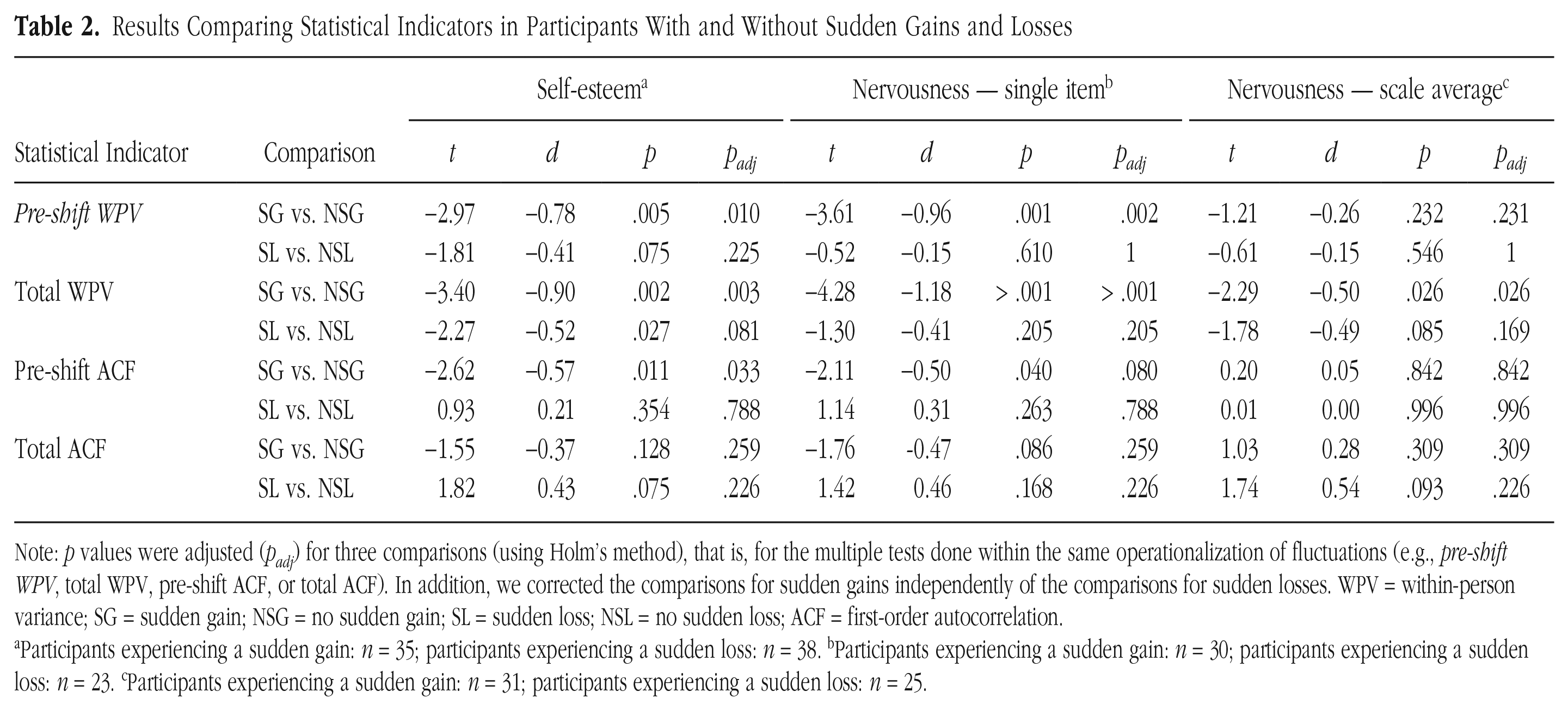
Note: p values were adjusted (padj) for three comparisons (using Holm’s method), that is, for the multiple tests done within the same operationalization of fluctuations (e.g., pre-shift WPV, total WPV, pre-shift ACF, or total ACF). In addition, we corrected the comparisons for sudden gains independently of the comparisons for sudden losses. WPV = within-person variance; SG = sudden gain; NSG = no sudden gain; SL = sudden loss; NSL = no sudden loss; ACF = first-order autocorrelation.
Participants experiencing a sudden gain: n = 35; participants experiencing a sudden loss: n = 38.
Participants experiencing a sudden gain: n = 30; participants experiencing a sudden loss: n = 23.
Participants experiencing a sudden gain: n = 31; participants experiencing a sudden loss: n = 25.
We found small to moderate correlations between within-person variance and autocorrelation for all variables considered. Specifically, for self-esteem, the correlation was r = .31 (p = .061) for participants who experienced a sudden gain and r = .30 (p = .018) for those who did not. The correlation for participants with a sudden loss in self-esteem was r = 0.35 (p = .029) and r = .27 (p = .041) for participants without a sudden loss. The correlation between WPV and ACF in nervousness measured with one item was r = .23 (p = .219) for participants with a sudden gain and r = −.11 (p = .442) for participants without a sudden gain. For the operationalization with the scale average, we found a correlation of r = .23 (sudden gain, p = .204) and r = .10 (no sudden gain, p = .442), respectively. Finally, WPV and ACF in nervousness ratings correlated with r = .26 (single item, p = .211) and r = .35 (scale average, p = .072) when a sudden loss occurred and with r = −.02 (single item, p = .848) and r = −.04 (scale average, p = .748) when no sudden loss occurred.
Within-person analyses
Table S2 in the Supplemental Material shows the results of the fixed-effect logistic regression models. As can be seen, none of the three indicators were significantly related to the occurrence of sudden gains or sudden losses (all p values > .09).
Additional analyses
In the analysis reported so far, we used a time span of three measurements (i.e., days) in the third criterion to define a sudden gain or loss. To examine whether (and if so how) the time span influences the results, we also computed the number of sudden gains and losses using a time frame of five and seven measurements.
When we compared a 5-day and 7-day time span, we found that sudden gains and sudden losses occurred less often the longer the time span (see Tables S3 and S4 in the Supplemental Material). Specifically, in the 5-day time span, we found that 19.4% of participants experienced sudden gains and 10.2% of participants experienced sudden losses in self-esteem, whereas in the 7-day time span 8.1% of participants experienced sudden gains and 2.0% experienced sudden losses. We obtained the same result pattern for nervousness (see Tables S3 and S4 in the Supplemental Material). Finally, the number of participants who experienced both a sudden gain and a sudden loss was smaller when using the 5-day and the 7-day criterion—5-day criterion: self-esteem 10%, nervousness (item) 5%, nervousness (scale) 7.14%; 7-day criterion: self-esteem 0%, nervousness (item) 0%, nervousness (scale) 7.69%.
Regarding the variance and autocorrelation in the between-person analyses for a 5-day time span, we found that the total WPV differed significantly between participants with and without a sudden gain in self-esteem or nervousness, whereas the pre-shift WPV was similar in both groups. The pre-shift ACF differed between participants with a sudden gain and those without a sudden gain in nervousness (scale average). For the 7-day time span, significant differences emerged between sudden and non-sudden gainers regarding the pre-shift and total WPV in nervousness (scale average). Finally, we found a significant difference between participants with and without sudden gains in the autocorrelations in self-esteem (pre-shift ACF) and nervousness (scale average, pre-shift and total ACF) when using the 7-day criterion. All results from the between-person analyses are shown in Tables S5 and S6 in the Supplemental Material. For the within-person analyses, we again found that the variance, autocorrelation, and dynamic complexity were not significantly related to the occurrence of sudden gains or losses (see Table S2 in the Supplemental Material).
Discussion
On the basis of the revised theory of sudden gains (Aderka & Shalom, 2021) and the complexity theory of psychopathology (Olthof, Hasselman, Oude Maatman, et al., 2020), the current study examined the occurrence of sudden gains and losses in people’s everyday experiences and whether these everyday sudden gains and losses can be predicted with specific statistical indicators. We found that everyday sudden gains and sudden losses in self-esteem and nervousness ratings occurred in 25% to 39% of participants. Furthermore, both sudden gains and sudden losses occurred with similar frequency and similarly high reversal rates, which indicates they were not stable changes. Finally, we found that individuals with a sudden gain differed from those without a sudden gain in terms of their variance in self-esteem and nervousness. The autocorrelation, except the pre-shift autocorrelation in self-esteem, was unrelated to the occurrence of sudden gains and losses in the between-person comparisons. We did not find variance, autocorrelation, or dynamic complexity to predict the occurrence of sudden gains and losses within an individual.
Overall, our findings suggest that everyday sudden gains and sudden losses in self-esteem and nervousness are common phenomena. Although all participants fluctuate in self-esteem and nervousness to some degree, a substantial proportion of people seem to experience larger shifts in their self-esteem and nervousness ratings that remain stable only for a certain (usually short) amount of time. However, the high reversal rates, especially combined with the reduced frequency of sudden gain and sudden loss observed when the third criterion is extended to a longer time span, suggest that we should not expect to find long-lasting changes in self-esteem and nervousness in a healthy population. Rather, peoples’ self-esteem and nervousness seem to be pulled to a stable attractor state most of the time. Thus, our healthy participants showed some responsiveness to contextual factors but overall reverted to their baseline behavior.
Interestingly, the percentage of everyday sudden gains detected in our non-clinical sample was similar to the percentage of sudden gains found in clinical samples for different mental disorders (34.65%; Shalom & Aderka, 2020). This finding is consistent with the complexity theory of psychopathology. According to this theory, one would expect many relatively unstable sudden gains and sudden losses in the absence of psychotherapy (i.e., because of the generally high flexibility of self-esteem and nervousness). However, similar frequencies of sudden gains in non-clinical and clinical samples may seem to be inconsistent with the revised theory of sudden gains at first glance because the theory suggests that sudden gains should be more frequent in the presence of a decreasing trend in the considered variable. Because psychotherapy facilitates a decrease in symptomatology, sudden gains in this context should be more frequent than sudden gains and losses in everyday life, where we would not expect a general decrease. However, an alternative and theory-consistent explanation of the similarity in sudden gain frequencies is that we used shorter measurement frequencies. Specifically, our study was based on daily ratings, whereas the relevant variables (e.g., symptoms) in most clinical studies on sudden gains and sudden losses are measured once per week. In the latter case, participants may report something more like an average of their daily ratings across the past week as their weekly rating. Therefore, daily ratings may be more sensitive to changes that could be identified as sudden gains or sudden losses, and this explains the high (and comparable) frequency of them in our study. To further investigate reasons for similarities or differences in the frequency of sudden gains in clinical and non-clinical samples, future studies may maintain frequency of measurement as a constant and change only the clinical nature of the sample.
We found more sudden losses than most studies with clinical samples (approximately 10%), which fits well with the revised theory of sudden gains. If there is a general decrease in the observed variable that is accompanied by natural fluctuation, sudden gains should be more likely identified than sudden losses. Because we would not assume a general increase or decrease in daily self-esteem and nervousness ratings, sudden gains and sudden losses should be equally probable. It is also in line with the revised theory of sudden gains (and, as explained above, with the complexity theory of psychopathology) that everyday sudden gains and losses had very high reversal rates because they are not stabilized as they would be in psychotherapy.
We found an increased variance in the self-esteem and nervousness ratings of participants with a sudden gain compared with participants without a sudden gain, consistent with earlier results concerning the revised theory of sudden gains (Shalom et al., 2018, 2020). However, we did not find this variance in association with sudden losses; nor did we find it associated with the first-order autocorrelation for either sudden gains or losses. Our results suggest that autocorrelation is not a robust statistical indicator for sudden gains and sudden losses—neither for between- nor within-person comparisons—and these results do not align with the results of earlier studies (e.g., Olthof, Hasselman, Strunk, et al., 2020) that found an association between dynamic complexity and the occurrence of sudden gains and sudden losses. This can be considered consistent with the theory only if we assume that sudden gains and losses in our sample do not resemble real phase transitions. However, if we assume that they do reflect real phase transitions, our findings are inconsistent with the complexity theory of psychopathology. Statistical explanations for this inconsistency could be, first, that the number of sudden gains and losses we identified is too small to perform the analyses with sufficient power. Second, state self-esteem and nervousness seem to have strong fluctuations overall (within a limited range of 1 to 6 on a Likert scale), so perhaps the difference between fluctuations right before the sudden gain or loss and the overall fluctuations of the participant is too small to be identified within our small sample.
Future studies and limitations
In our study, we showed that sudden gains and sudden losses can be expected in psychological variables that consist of a trait and a state component (or can be conceptualized as a dynamic system). This applies to many variables of interest in clinical psychology. For example, sudden gains and sudden losses in self-esteem and nervousness are highly relevant for clinical psychologists because they are closely linked to psychopathologies. In addition, it is desirable for psychotherapy treatments to promote shifts toward better self-evaluation and less agitation. Thus, to promote people’s general well-being, it would be useful to investigate when and how gains in self-esteem and nervousness stabilize. It would also be potentially valuable to investigate when and why healthy participants return to their initial state after sudden losses. They may use strategies that, if known, could be taught to people with a mental disorder during therapy to minimize the negative effects of abrupt deteriorations in symptom severity. Therefore, it is worthwhile investigating both clinical and healthy participants as we develop a better understanding of the mechanisms of sudden gains and sudden losses and of the utilization of sudden gains in psychotherapy.
We also showed that sudden gains in non-clinical samples seem to be unstable. We therefore recommend future studies to explicitly test differences in the stability of sudden gains and losses in clinical/treatment and non-clinical/non-treatment samples. The revised theory of sudden gains states that sudden gains need to be identified and stabilized to have a meaningful and lasting impact on the patient’s symptomatology. This suggests that participants (or patients) should be aware of any gains they do experience (either because they notice it themselves or because they identify it with the help of their therapist). Furthermore, a corollary of the revised theory of sudden gains is that patients who are aware of their sudden gain should have a better treatment outcome than patients who are not. Therefore, it could be interesting to investigate which variables facilitate the identification of a sudden gain or sudden loss by the patient and the therapist. Again, to obtain a comprehensive picture of the relationship between identification, stabilization, and treatment outcome, people’s perspectives on sudden gains and sudden losses should be examined both within and without the context of psychotherapy.
An important limitation of the prediction of sudden gains and sudden losses using statistical indicators such as variance and autocorrelation, whether considered within-person or between-person, is that they signal only that a change will occur and not the direction of the change (i.e., whether a gain or loss should be expected). Although sudden gains should be more likely in therapy, sudden losses also occur in therapy. Furthermore, a person is just as likely to experience a sudden gain as a sudden loss in everyday life. Because sudden gains have different psychological consequences for the affected person than sudden losses, it would therefore be helpful to develop indicators that enable us to predict the direction of the sudden change.
Another challenge for future research is to better understand why the within- and between-person analyses yielded different results in our study. As mentioned above, a statistical explanation for the lack of within-person associations could be that the number of gains or losses per person were too small. However, this pattern is consistent with other areas of research in which different results are also reported for both types of analyses (for the debate concerning the cross-lagged panel model, see Hamaker et al., 2015; Mund & Nestler, 2019; Orth et al., 2021). The idea is that both analyses tap into different processes, and therefore it is an explicit requirement to report both types of associations. In this vein, we would also recommend reporting results concerning both analyses in future studies.
We also believe that the determination of the number of measurement points in the third criterion should be carefully considered in future studies. Our results showed that the more measurement points we considered in the third sudden gain (loss) criterion, the lower the number of sudden gains and losses we found in our sample. This raises the question of what the optimal number of measurement points considered in the third criterion should be and how this number can be determined. Although there are statistical methods to determine optimal time spans (Bai & Perron, 2003; Box-Steffensmeier et al., 2014), the estimates obtained are very rough (e.g., for this study, the optimal time span would be between 4 and 12 days), which may explain why they are not often used. Alternatively, time spans may be based on theoretical considerations, taking factors such as the expected stability of the construct into account. For example, nervousness seems to be less stable than self-esteem, and a shorter time span might therefore be more appropriate.
The robustness of our findings was, in part, limited because of the fact that we found different strategies (i.e., single item vs. scale average) led to slightly different results, for example, when considering the comparisons of variance (total WPV) between participants with and without sudden gains in nervousness. A test-theoretical explanation for this inconsistency is that single items are less reliable than scale averages, and simulations show that random fluctuations are falsely classified as sudden gains and losses when the substantive variable is unreliable (see Vittengl et al., 2015). Thus, the results for scale averages may be more trustworthy. However, it must also be considered that not all items of a scale are equally easy to rate and that differences in the difficulty of rating items in terms of observability and social desirability could affect the detection of sudden gains and losses. Therefore, we believe it is important for future studies to capture constructs with multiple indicators and to investigate whether the difficulty of responding to an indicator has an influence.
Finally, we suggest that future studies use more diverse samples than we were able to use. Because we recruited subjects in the university setting, our sample was composed primarily of young, female participants who identified as White Germans. This might also limit the generalizability of our results.
Conclusion
Sudden gains and sudden losses seem to be a common phenomenon in everyday life and can be linked to increased variance, which could serve as a statistical indicator for sudden gains and sudden losses. Our findings are in line with the predictions we derived from the revised theory of sudden gains and the complexity theory of psychopathology, with the exception that everyday sudden gains and losses are not less frequent than sudden gains and losses in samples that are receiving psychotherapeutic treatment. Our findings suggest that it would be promising to investigate both theoretical accounts further while also considering the processes of sudden gains and sudden losses in healthy participants and everyday life.
Supplemental Material
sj-docx-1-cpx-10.1177_21677026231165677 – Supplemental material for Do I Like Me Now? An Analysis of Everyday Sudden Gains and Sudden Losses in Self-Esteem and Nervousness
Supplemental material, sj-docx-1-cpx-10.1177_21677026231165677 for Do I Like Me Now? An Analysis of Everyday Sudden Gains and Sudden Losses in Self-Esteem and Nervousness by Theresa Eckes and Steffen Nestler in Clinical Psychological Science
Footnotes
Transparency
Action Editor: Pim Cuijpers
Editor: Jennifer L. Tackett
Author Contributions
S. Nestler was responsible for conceptualization of the original FLIP-study and data curation. T. Eckes and S. Nestler made substantial contributions to the methodological considerations regarding the current investigation. T. Eckes analyzed the data under the supervision of S. Nestler and drafted the article. S. Nestler revised and edited the article critically. All of the authors approved the final manuscript for submission.

Notes
References
Supplementary Material
Please find the following supplemental material available below.
For Open Access articles published under a Creative Commons License, all supplemental material carries the same license as the article it is associated with.
For non-Open Access articles published, all supplemental material carries a non-exclusive license, and permission requests for re-use of supplemental material or any part of supplemental material shall be sent directly to the copyright owner as specified in the copyright notice associated with the article.
