




Abstract
We examine how Chinese provincial archaeological institutions use social media to balance professional authority with public engagement. The study addresses long-standing tensions in heritage studies over expert-driven narratives and how digital platforms reshape cultural authority. Employing a mixed-method design of content analysis, fuzzy-set Qualitative Comparative Analysis (fsQCA), and Latent Dirichlet allocation (LDA) on 6,498 posts from 28 provincial accounts, this research unpacks the complex configurational pathways to effective digital communication. The findings challenge linear assumptions of conventional media richness theory, revealing that institutional credibility and trust markers (e.g., content originality) are critical for sustained public dialogue, often functioning as core conditions for engagement that can substitute for media sophistication. Image-based communication consistently proves superior to video in balancing evidentiary rigor with cognitive accessibility. Our fsQCA analysis identifies five distinct pathways to success, revealing that marginalized institutions can effectively employ “visual compensation” strategies to overcome resource constraints. Ultimately, this research provides an empirically-grounded, configurational model for heritage professionals, demonstrating how strategic combinations of credibility cues and media choice can foster more equitable forms of cultural preservation, thereby transforming ephemeral online attention into enduring public value.
Plain Language Summary
How can a museum be both a serious scientific expert and a popular storyteller on social media? This is a tough balancing act for government-run archaeology institutions in China, which are responsible for sharing the nation’s history with millions of people. To understand how they manage this, we conducted an in-depth study of nearly 6,500 social media posts from 28 of these institutions across the country. Our findings revealed some surprising and valuable lessons. First, contrary to popular belief, flashy and expensive videos were not the most effective way to engage the public. Instead, posts with many high-quality images from archaeological sites performed best. Pictures seem to hit a “sweet spot”: they provide credible, scientific evidence that builds trust, yet are still easy for a non-specialist audience to understand and connect with emotionally. We call this the “evidentiary-cognitive equilibrium.” Second, we discovered that an institution’s budget or location was not the most important factor for success. Some of the most engaging accounts came from smaller institutions in remote regions. These museums succeeded through “asymmetric innovation”—using creative visual storytelling to compensate for their lack of resources. They proved that a smart strategy is more important than a big budget. Ultimately, our research shows that for cultural institutions, building trust and credibility with the public is the real key to successful online communication. It’s more important than simply using the latest or most expensive technology. By focusing on authentic, image-rich content, any institution can effectively share its knowledge and transform passing online interest into lasting public value.
Introduction
The global heritage sector is increasingly pivoting toward participatory models that prioritize public empowerment (Harrison, 2020), yet this shift creates profound tensions within state-managed cultural landscapes, making China a critical case for study. Here, where heritage is deeply intertwined with national identity, provincial archaeological institutions operate under a structural arrangement distinct from many Western contexts: they are state-funded bodies exclusively responsible for both scientific excavation and public outreach. This dual mandate places them at the epicenter of a powerful conflict between a centralized, top-down “Authorized Heritage Discourse” (AHD; Smith, 2006) and the localized, interpretive demands of a vast digital public.
WeChat official accounts (WOAs), a feature within China’s dominant, near-monopolistic messaging app (Coinlaw, 2025), have emerged as key arenas for mediating these tensions. By institutionalizing a form of state-guided digital engagement, these platforms not only operationalize UNESCO’s principles of participatory governance (Labadi, 2022) but also provide a vital, non-Western counterpoint to epistemologies that presume a clean separation between expert knowledge and public interpretation (Kumaki, 2024). A closer examination of these unique digital dynamics, therefore, reveals critical, under-examined gaps in our understanding of contemporary heritage practice.
Provincial archaeological institutions’ digital communication is shaped by inherent conflicts between institutional mandates for standardized practices (National Cultural Heritage Administration, 2024) and the rhetoric of public participation (Holtorf, 2007). Existing theoretical frameworks, such as media richness theory (Daft & Lengel, 1986), fall short of explaining the complex realities on the ground. Three critical gaps emerge. First, resource constraints compel institutions to adopt substitutive communication strategies that defy the technological determinism often assumed in digital heritage studies (Sicre-Gonze-LI et al., 2023). Second, while ostensibly promoting co-creation (Bollwerk et al., 2015), these state-led participatory models employ sophisticated content layering to preserve institutional epistemic authority (Bowman, 2017), often marginalizing genuine grassroots contributions (Douglass, 2020). Third, the temporal asymmetries of professional workflows, which restrict real-time interaction (Chrysanthi et al., 2015), paradoxically foster a resilient, asynchronous form of public engagement whose dynamics remain poorly understood (Burkey, 2019). This study critically examines these dynamics to answer a central question: How do China’s provincial archaeological institutions, as state actors, configure their digital communication strategies on WeChat to achieve effective public engagement?
To address this, we investigate three sub-questions: (1) Which media formats and their combinations (e.g., image-text vs. video-centric) are more effective in maximizing public reach for archaeological content? (2) From a public archaeology perspective, how do different content themes (e.g., cultural heritage narratives vs. professional news) influence the effectiveness of institutional communication? (3) What specific configurations of media elements, content themes, and institutional practices consistently lead to high levels of public engagement, and what do these pathways reveal about the institutions’ strategic priorities in their digital outreach?
To answer these questions, our research integrates MRT with public archaeology frameworks through a comprehensive analysis of 6,498 posts from 28 provincial archaeological institutions. As heritage communication is a complex social phenomenon characterized by multiple causal pathways, this study employs an advanced methodological synergy of content analysis, Latent Dirichlet allocation (LDA) topic modeling and fuzzy-set qualitative comparative analysis (fsQCA). This approach allows for the systematic investigation of the intricate interactions between communication elements and institutional goals. The study reveals multiple, distinct pathways to engagement, demonstrating how strategic media recombination and thematic layering can reconcile bureaucratic protocols with participatory imperatives. Ultimately, this research provides an empirically grounded framework for understanding how heritage institutions can optimize their digital strategies to navigate the operational and ideological constraints of their unique contexts.
Literature Review
The Challenge of Public Engagement in State-Led Archaeology
The global “participatory turn” in heritage (Harrison, 2020) encounters significant friction in state-led archaeological contexts, where institutional mandates conflict with public empowerment ideals and conventional communication frameworks (Alharbi, 2012) fail to capture the nuanced affective engagement crucial for archaeological storytelling (Balki et al., 2023). Even as hybrid models create new spaces for heritage negotiation (Ginzarly et al., 2019), they often perpetuate epistemic hierarchies, with expert narratives prioritized over public contributions (Simpson & Williams, 2008) as a result of standardized bureaucratic protocols (Meijer & Torenvlied, 2016). This creates a complex landscape where institutions must perform a dual role, acting as both authoritative gatekeepers and, in Gagnon’s (2023, p. 24) words: “public narratives combine personal storytelling with audience-driven connection and persuasive writing.” This dual role is frequently undermined by a deep-seated bureaucratic inertia that favors institutional compliance (Sicre-Gonze-LI et al., 2023) over narrative innovation, which paradoxically stimulates informal “guerrilla” adaptations by staff (Betsch et al., 2011) that are ultimately constrained by institutional memory traps hindering systematic transformation (Chrysanthi et al., 2015; Gódkin, 2010).
Digital Media in Heritage Communication: Beyond Technological Determinism
The application of digital media in archaeology is a complex strategic practice, where fragmented media richness studies often fail to capture the synergistic interaction of communicative elements. Constrained by bureaucratic limitations, institutions develop innovative strategies that transcend traditional models (Meijer & Torenvlied, 2016), such as leveraging epistemic tensions between evidence-rich visuals and speculative narratives to generate engagement in ways overlooked by standard interactivity frameworks (Huang et al., 2018; Ni, 2024). The temporal dynamics of this engagement also challenge conventional theories; institutionally-mandated delays in asynchronous communication can extend participation cycles for months (Ahamad & Saini, 2022; Chrysanthi et al., 2015), subverting the simple ambiguity-reduction principle of MRT which favors synchronous formats (Valaker et al., 2018; Zhou et al., 2022). Rather than reducing ambiguity, institutions may strategically amplify epistemic tensions (Wurth & Mawson, 2024) or deploy counterintuitive content valence, such as crisis reports, to foster more persistent engagement (Franklin, 2013). These observations demand advanced analytical frameworks capable of moving beyond linear assumptions.
The Audience in Public Archaeology: Navigating Cognitive and Affective Divides
The digital democratization of archaeological knowledge confronts persistent cognitive barriers for the public. While participatory frameworks aim for knowledge translation (Štajner et al., 2022), the practice of “terminological gatekeeping,” which is defined by Dahal (2024, p. 49): “Language is a powerful vehicle for ideology, serving not only as a means to political ends but also as a fundamental ground for attaining and maintaining positions of power,” often perpetuates professional dominance. Simultaneously, immersive techniques (Anguera et al., 2013) risk narrative oversimplification. This highlights a fundamental “knowledge translation paradox” between conceptual accuracy and emotional accessibility, which conventional evaluation frameworks exacerbate by conflating superficial interactions with substantive cognitive engagement. Addressing this challenge requires sophisticated strategies to recalibrate content, aligning narrative complexity with diverse public knowledge baselines to foster an equilibrium between scholarly precision and public accessibility.
From Isolated Factors to Strategic Configurations
A critical synthesis of the preceding literature reveals a persistent analytical limitation: studies of digital heritage communication have predominantly adopted a linear, variable-centric approach, seeking to isolate the causal effects of individual communicative elements. This methodological atomism, however, often produces a fragmented and contradictory understanding of communicative effectiveness, as the impact of any single factor is contingent upon the broader strategic context. Analyses that decontextualize media attributes, such as the richness of video versus the clarity of text, from the thematic content and institutional practices they are embedded within, for example, fail to capture their synergistic interplay. Consequently, a significant gap persists in the literature concerning the systematic examination of the combinatorial logics that underpin successful digital engagement strategies.
Addressing this gap requires a theoretical and methodological shift toward a configurational perspective. Rooted in set-theoretic logic, this approach moves beyond the search for parsimonious causal conditions and instead posits that outcomes are produced through the complex interplay of multiple, interdependent factors (Ragin, 2008). This framework acknowledges the existence of equifinality, the principle that, as Katz and Kahn (1978, p. 30) defines it: “a system can reach the same final state from different initial conditions.” While prior heritage research has identified the constituent elements of digital outreach, it has yet to systematically investigate the causal recipes through which they are effectively combined. This study operationalizes a configurational lens to address this lacuna, shifting the analytical premise from the “net effects” of isolated variables to a holistic examination of the causal pathways that explain how institutions configure their communication strategies to achieve public engagement.
Conceptual Model Construction
Theoretical Basis
Media Richness Theory (MRT) provides a framework for analyzing the strategic selection of digital media, rooted in the concepts of cue multiplicity, information completeness, and feedback immediacy (Kahai & Cooper, 2003). The theory posits that media richness must align with communication goals to effectively reduce ambiguity (Li et al., 2012). This principle is particularly pertinent in archaeological communication, which must navigate the tension between specialized accuracy and cognitive accessibility (Zheng & Gu, 2022). The prevalence of hybrid formats is thus explained by their capacity to meet divergent needs: videos leverage high cue multiplicity to demonstrate spatiotemporal contexts, while text provides the terminological rigor to anchor scientific interpretations (Bollwerk et al., 2015).
Public Archaeology Theory complements MRT’s instrumental focus by addressing the critical dimension of content democratization and participatory narrative co-creation (Matsuda, 2004). This perspective critiques unidirectional, top-down dissemination, advocating for themes aligned with public identity and collective memory (Ławrynowicz, 2019). Heritage-themed content can lower epistemic barriers by embedding technical details within emotionally resonant frameworks (Simpson & Williams, 2008), whereas institutional themes prioritize professional discourse. This theory provides a normative framework to evaluate whether communication is merely informational or genuinely participatory, with bidirectional interactions serving as key ethical indicators (Ellenberger & Richardson, 2019).
The integration of these two theories is essential, as neither is sufficient on its own to explain the phenomenon under study. Media Richness Theory provides a robust framework for the technical and formal aspects of communication, which is the choice of medium (the “how”). It explains the capacity of a medium to convey cues and reduce ambiguity but remains agnostic about the substance of the message itself. Conversely, Public Archaeology Theory provides the normative and thematic dimension, specifically the substance of the message (the “what”). It critiques top-down dissemination and advocates for content that resonates with public identity, but it offers little guidance on the optimal media for delivering such content. Therefore, their conceptual synergy lies in this complementarity: PAT guides the creation of meaningful content, while MRT informs the selection of the most effective medium to transmit that meaning. An effective communication strategy, as conceptualized in this study, can only be achieved at the intersection of a well-chosen medium and resonant content, making the integration of these two theories not just beneficial, but necessary (Figure 1).

Theoretical framework.
Conceptual Model Construction
Integrating MRT and public archaeology theory yields a multidimensional communicative effectiveness model (Figure 2). MRT frames media’s information conveyance through cue multiplicity, feedback immediacy, and information completeness (Li et al., 2012). Hybrid media formats, which include text, images, and videos, offer unique archaeological communication strategies: Visual narratives simplify technical processes, while textual supplements maintain terminological precision (Li et al., 2012; Zheng & Gu, 2022). Content themes further modulate engagement, with cultural heritage topics thriving in emotionally resonant short videos, while technical subjects demand textual formats for clarity (Cho et al., 2009; Liu et al., 2022).

Conceptual model.
Public archaeology theory supports the content dimension of the communication model. Challenging traditional, top-down knowledge dissemination, the theory advocates for collaborative cultural heritage narrative construction (Matsuda, 2004; Simpson & Williams, 2008). By leveraging localized identity and collective memory (Ławrynowicz, 2019), this approach reduces cognitive barriers and promotes inclusive participation. The form, content synergy mechanism emerges through strategic storytelling. Video content evokes an emotional resonance, while text–graphic hybrids bridge the specialized knowledge gap (Simpson & Williams, 2008; Wieckhoff, 2019).
Based on these theories, the study operationalizes its variables, which can be grouped into the three strategic dimensions shown in Figure 2. The justification for these variables is rooted in the literature. As noted by Ellenberger and Richardson (2019), communicative effectiveness should be evaluated through bidirectional interaction depth. Furthermore, secondary creation sustains heritage discourse (Crouch, 2016), prompting an examination of platform-enabled participation. Therefore, this study operationalizes its evaluation indicators (Table 1) across: (1) Form Elements (e.g., Has_Video, Image_Count), which relate to media richness, (2) Content Elements (e.g., Originality_Status), which relate to institutional authority and narrative framing, and (3) Interactive Elements (e.g., Title_Length, Tag_Presence, Publication Work Day Status), which represent strategic choices for platform interaction and exposure.
Summary of the Variables.

These indicators, along with the outcome variable (e.g., View_Count), directly map to the foundational multimodal communication and public participation frameworks (Li et al., 2012; Simpson & Williams, 2008). In essence, this model operationalizes the core theoretical synergy of the study: it posits that communicative effect is not a function of media choice or content strategy alone, but of their strategic configuration, where PAT guides the “what” and MRT informs the “how.”
Methodology
Analytical Method
To address the research questions, this study employs a tripartite methodological framework integrating content analysis, LDA topic modeling, and fsQCA. This integrated approach ensures both rigor and coherence. First, content analysis decodes the manifest structural attributes of the posts. Second, LDA builds on this by uncovering the latent thematic structures within the textual content. Finally, fsQCA synthesizes these elements to analyze the complex causal configurations that lead to communicative effectiveness, providing a holistic understanding that a single method could not achieve. The content analysis is used to decode the structural and qualitative attributes of the WeChat posts, quantifying variables related to media richness and narrative strategies (Shanahan et al., 2013). LDA topic modeling is then applied to extract latent thematic structures from the textual data, allowing for the statistical differentiation between professionally-oriented and publicly-oriented content (Wang et al., 2023). Finally, fsQCA operationalizes Ragin’s (2008) set-theoretic principles to unravel the nonlinear synergies between different strategic conditions. Its configurational logic is uniquely suited to revealing how combinations of media formats and content themes constitute distinct pathways to successful engagement (Fiss, 2011; Ragin, 2009). This integrated methodology allows for a typological understanding of digital heritage communication that moves beyond linear correlations.
Sample and Data Collection
The study analyzes 28 provincial archaeological institutes’ WeChat accounts, chosen to represent the geographical and institutional heterogeneity within China’s 34 provincial administrative units. WeChat was selected as the research platform due to its dominant status in China’s digital ecosystem (Bonhomme, 2017), making it an ideal environment for examining state-led archaeological communication. The sample accounts reflect a wide range of operational strategies and diverse sociocultural contexts. A complete list of the 28 institutional accounts is provided in Supplemental Appendix.
Data collection was conducted manually to amass a comprehensive dataset of 6,498 posts. Crucially, the study’s design aimed to capture the complete publication history of each account, from its very first post to a fixed data collection endpoint. The cutoff date of December 20, 2024, represents the conclusion of this extensive data gathering period. This census approach, covering each account’s entire operational history, ensures that the analysis is based on the totality of an institution’s digital output, rather than a limited sample. While the number of posts naturally varies between institutions, reflecting real-world differences in their digital activity and history, this variance is an authentic feature of the phenomenon under study, not a source of sampling bias. Our configurational methodology (fsQCA) is robust to such variance, as it focuses on the conditions leading to successful outcomes rather than being skewed by publication frequency. The resulting longitudinal dataset supports methodological triangulation: structured metrics were extracted for fsQCA calibration (Ragin, 2008), while the full textual and visual data were used for thematic content analysis. By focusing exclusively on institutional accounts, the research design isolates organizational communication strategies from the effects of individual influencers.
Content Analysis
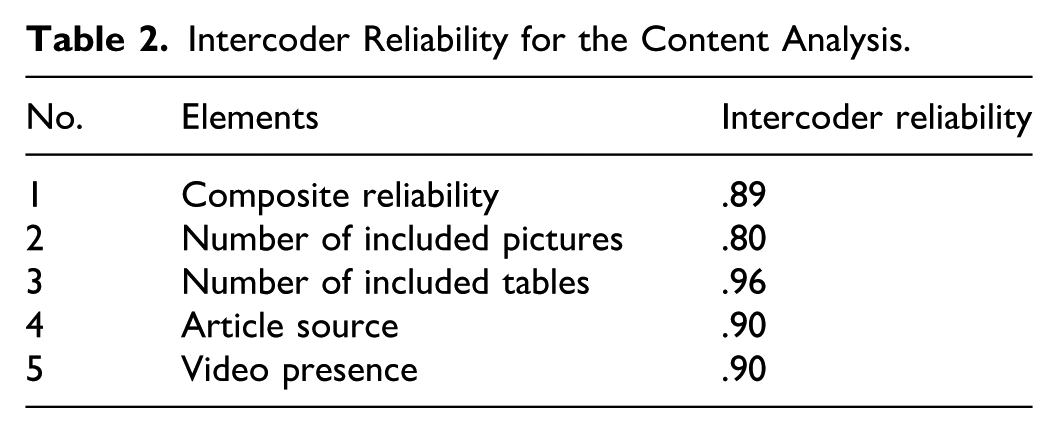
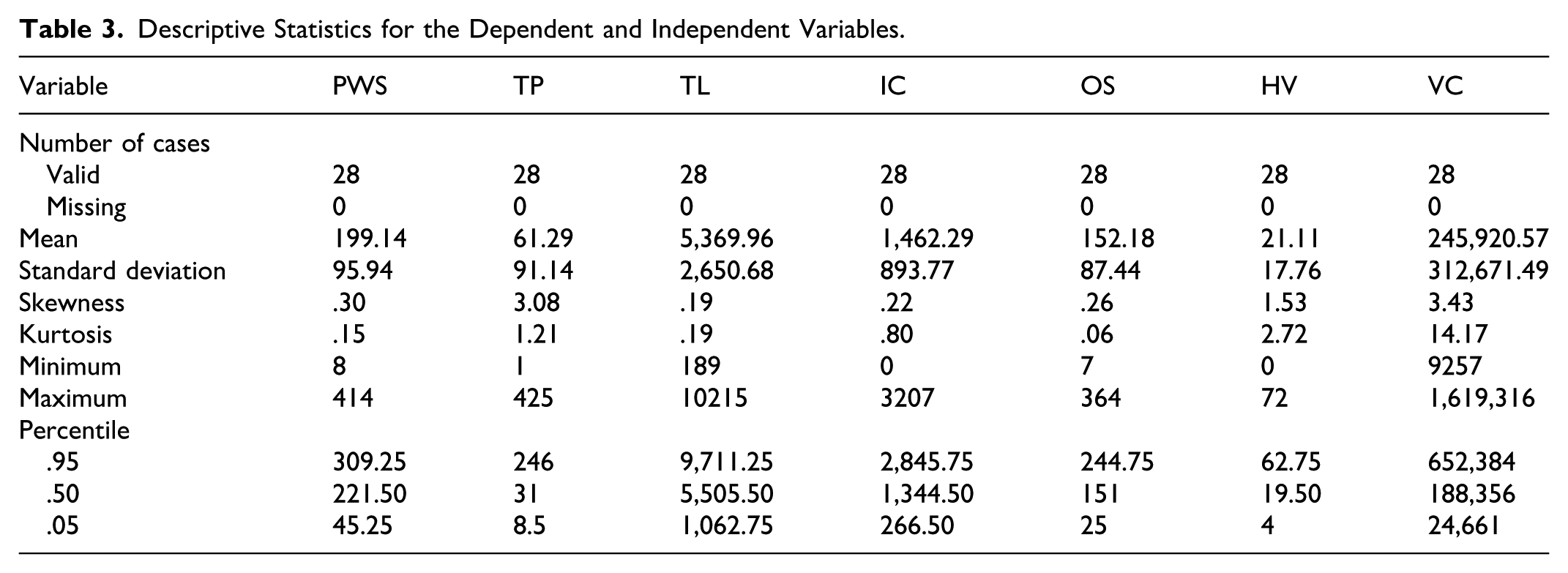
The content analysis framework followed rigorous standardization protocols (Neuendorf, 2017). From the total corpus of 6,498 articles, a stratified random sample of 650 posts was extracted for manual coding, following systematic deduplication and format standardization. A dual-layer coding system was developed to capture structural and thematic attributes, consistent with digital content analysis frameworks (Riffe et al., 2019). Specifically, the structural layer included variables related to media richness, such as the presence of video and the number of images, while the thematic layer captured attributes of institutional strategy, including content originality and the source of reposted articles (e.g., state media, academic journals). Two trained coders underwent a 14-day calibration program, achieving an 89% pre-coding consensus rate, which surpasses the 80% threshold recommended by Krippendorff (2018). Intercoder reliability was further assessed using Lombard et al.’s (2002) protocols, yielding a composite reliability coefficient of .89 across all critical variables (Table 2). A double-blind verification of 10% of the subsample was conducted to identify and correct marginal inconsistencies, ensuring data integrity (Tables 3 and 4).
Intercoder Reliability for the Content Analysis.
Descriptive Statistics for the Dependent and Independent Variables.
Analysis of the Necessary Conditions for High Communicative Effectiveness.

Note. A condition is typically considered necessary if its consistency score is >.9. FVC stfuzzy-set view count (the outcome).
∼Indicates absence of a condition.
LDA
To uncover the latent thematic structures within the corpus of posts, this study implemented Latent Dirichlet Allocation (LDA) on the 6,498 post titles.
A rigorous preprocessing pipeline was first established to ensure corpus quality and model validity. Our initial dataset of 6,498 titles was filtered to remove 376 posts with null or empty titles, resulting in a final, valid corpus of 6,122 unique titles for analysis. This corpus underwent a standardized preprocessing workflow: (1) all non-Chinese characters, punctuation, numbers, and emojis were removed; (2) texts were segmented using the Jieba tokenizer (Peng & Dredze, 2015), which was augmented with a custom domain-specific dictionary (e.g., “Sanxingdui,”“Liangzhu”) to ensure term integrity; (3) a comprehensive stop-word list (including the HIT-IR list and a custom list of high-frequency but low-information domain words, such as “archaeology” and “museum”) was applied; and (4) the final corpus was filtered to remove terms appearing in fewer than 5 documents or in more than 90% of documents.
A critical step in LDA is the selection of the optimal number of topics (K). To determine this empirically, we performed a grid search testing K values from 2 to 10. The choice of K = 4 was strongly and decisively supported by two converging metrics (see Figure 3). First, the Coherence Score (C_v), which measures topic interpretability and semantic coherence (Röder et al., 2015), reached its clear and unambiguous peak at K = 4 before declining. This suggests that a 4-topic solution provides the most semantically meaningful and distinct topics. Second, the Log Perplexity curve, which assesses model fit, displayed a distinct “elbow” point at K = 4. This indicates the point of diminishing returns where adding more topics (K > 4) yielded minimal improvement in model fit. Based on this robust validation, the final LDA model was trained with K = 4 using the Gensim package. The model was run for 1,000 iterations with a fixed random seed (random_state = 42) to ensure replicability, and the hyperparameters alpha (α) and eta (η) were set to “auto” (symmetric) to be learned from the corpus, ensuring convergence. This process confirms that the 4-topic solution presented in this study (see Table 5) is the most statistically robust and theoretically sound representation of the data.

K-value selection metrics for the LDA model.
LDA Topic Analysis Results.

FsQCA
The fsQCA methodology was chosen to analyze complex causal configurations, operationalizing Ragin’s (2008) set-theoretic principles to decode the combinatorial logic of communicative effectiveness. Following standardized protocols, the condition and outcome variables were calibrated into fuzzy-set memberships (i.e., translating the raw data for each case into a value from 0 to 1 indicating its degree of membership in a particular set). Binary factors remained dichotomous, while continuous measures were calibrated using three qualitative anchors (.95, .50, and .05 percentiles) to capture gradational nuances in the data.
The analysis proceeded in three stages. First, a necessity analysis was conducted to determine if any single condition was consistently present in instances of the outcome. Second, a truth table was constructed using a consistency threshold of .861 and a frequency cutoff of 1, filtering the 28 cases into logically possible combinations of conditions (Ragin, 2009). A configuration analysis was then performed using the Quine–McCluskey algorithm (a standard logical algorithm used to simplify complex causal combinations into their most essential form) to identify the pathways sufficient for achieving high engagement. Finally, the robustness of the solution was validated through split-sample testing (Pappas et al., 2016) and sensitivity analyses across alternative calibration anchors. A Tobit regression was also planned to complement the fsQCA by quantifying the marginal effects of core conditions (Fiss, 2011).
Ultimately, the objective of this analytical approach is to shift the focus from the net effects of isolated variables to an understanding of causal complexity. In essence, fsQCA operates on the principle of equifinality, the idea that there is no single best way to achieve a successful outcome. Instead, it seeks to identify the various “causal recipes,” or pathways, through which different combinations of conditions (e.g., the presence of certain media elements, the absence of others, and specific content attributes) prove sufficient for high engagement. Therefore, our analysis does not aim to pinpoint a universal “best practice,” but rather to map the multiple, and at times counter-intuitive, strategic configurations that lead to the desired outcome.
Ethical Considerations
This study was conducted using exclusively publicly available data. The corpus of 6,498 posts was collected from the official and public-facing WeChat accounts of 28 provincial archaeological institutions. The data analyzed (e.g., post titles, media formats, originality status) are considered public communications, and no private data, human subjects, or confidential information was involved in this research. Therefore, this study was exempt from formal institutional review board (IRB) approval, and informed consent was not required.
Results
Content Analysis
The content analysis of provincial archaeological institutes’ WeChat accounts reveals a stratified communication ecosystem with a three-tiered dissemination structure. The primary layer consists of authoritative official media, including the National Cultural Heritage Administration (n = 189), Xinhua News Agency (n = 101), and Cultural Heritage of China (n = 96). The secondary layer includes professional academic journals such as Northern Cultural Relics (n = 40) and Cultural Relics Quarterly (n = 20). The tertiary layer consists of regional media from heritage-rich provinces such as Gansu and Hebei. This hierarchical dissemination structure empirically demonstrates the operation of a state-led “Authorized Heritage Discourse” in the digital sphere, where central narratives are cascaded down, and regional or professional voices act as supplements rather than alternatives. The source word cloud (Figure 4) visualizes this hierarchical information distribution, highlighting the structured nature of archaeological communication channels.

Word cloud of the reposted articles’ sources.
An analysis of the content production patterns reveals significant interprovincial differentiation in digital adaptation strategies. Fujian (n = 3,207), Tibet (n = 2,824), and Inner Mongolia (n = 2,270) lead in image use, prioritizing visual storytelling. Original content creation varies markedly, with Liaoning (n = 364), Xinjiang (n = 308), and Beijing (n = 241) emerging as innovation leaders. Video adoption shows the most pronounced disparity, with Yunnan producing 72 video posts, while Qinghai and Hainan demonstrate no video content. These divergent adaptation strategies highlight that there is no single model for digital heritage practice in China. This institutional heterogeneity sets the stage for our fsQCA analysis, which seeks to explain how different strategic configurations can lead to success despite these varied starting conditions and resource levels.
LDA
LDA topic modeling of 6,498 articles uncovered a stratified content architecture within provincial archaeological institutes’ WeChat accounts, revealing four interrelated thematic categories (Table 5). “Cultural heritage” emerged as the dominant cluster (35.4%), characterized by terms such as “cultural relics” and “archaeological sites,” suggesting strategic alignment with heritage preservation cycles and public memory activation. Posts in this cluster often feature titles such as “China’s Top 10 New Archaeological Discoveries of 2023” or “A Virtual Tour Exploring the Secrets of the Sanxingdui Site.” The “academic research” cluster (27.3%) demonstrated a dual focus on scholarly rigor and institutional identity, with keywords such as “research institute,”“innovation,” and “national” reflecting disciplinary construction efforts within China’s archaeological communication landscape. This theme is exemplified by posts with titles such as “A Summary of the Annual Meeting of the Archaeological Society” and “New Technological Applications in Fieldwork.”
Functionally, these themes reveal the dual roles of the institutions. The “Academic Research” (27.3%) and “Institutional Development” (19.5%) themes, collectively accounting for nearly half of the content, primarily function to construct and reinforce institutional authority and legitimacy. They do so by showcasing professional expertise and aligning with grand national narratives like “Chinese Civilization.” Representative titles in this cluster include “Tracing the Roots of Chinese Civilization: Key Findings from the Liangzhu Project” and “Our Institute’s Contribution to National Heritage Protection.” Conversely, the “Cultural Heritage” (35.4%) and “Administrative Management” (17.8%) themes function to mediate public engagement. The “Cultural Heritage” cluster activates public memory and lowers access barriers, while the “Administrative Management” cluster often translates bureaucratic activities into public-facing events (e.g., “lectures,”“field activities”). This is reflected in post titles like “Announcement: Public Archaeology Lecture Series This Weekend” or “Recruitment for Volunteers for the Summer Excavation Season.”
The lexical analysis revealed a distinct semantic structure: the terms “Archaeology” and “cultural relics” formed a conceptual backbone across all topics, while specialized vocabularies demarcated topical boundaries. This semantic architecture demonstrates how archaeological institutions balance their roles as knowledge producers and public educators, with 62.7% of the content concentrated in heritage–academic synergies. The hierarchical distribution implies a content prioritization framework in which cultural preservation narratives predominate over administrative transparency, potentially influencing public engagement strategies.
FsQCA
The Five Configurations for High Communicative Effectiveness
The fsQCA results unveil the communicative effectiveness mechanism for provincial archaeological institutions’ WeChat accounts through core and peripheral conditions. Two primary drivers emerge: Image quantity (FIC) shows the highest raw coverage (.906) and consistency (.760), establishing visual content as a fundamental engagement factor. The synergistic combination of content tagging and originality (FTP * FOS) demonstrates substantial coverage (.702) and high consistency (.884), highlighting content quality’s critical role. Peripheral conditions such as publishing timing (FPWS), title length (FTL), and video presence (FHV) exhibit contextual importance with high substitutability across solution paths. This result (Table 6) suggests their effectiveness is contingent on specific combinatorial interactions, rather than universal applicability.
Configurations for High Communicative Effectiveness.

Note. Blank indicates that the condition is not important in the combination.
•Indicates core condition (present).
⊗Indicates core condition (absent).
○Indicates a marginal condition (present).
⊙Indicates a marginal condition (absent).
The analysis reveals five distinct pathways to achieving high reading volume. These can be understood as distinct institutional strategies: (1) The “Digital Museum” Path, with a coverage of .568 and consistency of .909, integrates comprehensive media elements and emphasizes systematic content organization with strategic timing. This represents the most comprehensive, high-investment multimedia integration approach. (2) The “Expert Translator” Path (coverage: .584, consistency: .893) combines professional timing with a publicly oriented presentation, effectively balancing archaeological expertise with accessibility through rich media formats. (3) The “Credibility-First” Path (coverage: .310, consistency: .929) prioritizes content originality and ensures credibility through systematic tagging, emphasizing authenticity in a lower-richness environment (i.e., with minimal use of video or complex visuals). (4) The “Visual Evidence” Path (coverage: .375, consistency: .861) centers on image-driven heritage storytelling, integrating original content with visual documentation and strengthening narrative structure through extended titles. (5) The “Curated Agenda” Path (coverage: .356, consistency: .969) combines strategic timing with systematic content organization, focusing on professional content delivery through a planned approach to heritage communications.
These findings illuminate the principle of equifinality in archaeological public communications: that there is no single best strategy, but rather multiple, equally effective pathways to achieving high reading volumes. Visual content richness and content quality markers form the foundational elements, with successful engagement achievable through various combinations of conditions that maintain the core requirements. This insight suggests that archaeological institutions can flexibly adapt peripheral communication elements while preserving core strategic components. The solution paths demonstrate how different media richness and content organization strategies can effectively bridge professional archaeological knowledge with public engagement. High consistency values (.861–.969) validate the reliability of these strategic approaches.
Robustness and Predictive Validity of the Configurational Mode
The robustness of our findings was systematically verified through a tripartite analytical approach. First, split-sample validation was employed to assess predictive validity, with Figure 4 illustrating the cross-sample stability of Configuration 1 through XY-plotted consistency-coverage distributions (Figure 5). The training (n = 14) and holdout (n = 14) samples exhibited remarkable pattern congruence along the diagonal axis, maintaining high consistency coefficients (.89 vs. .97), despite the expected, sample-specific coverage fluctuations (.55 vs. .40). This configurational stability suggests robust predictive validity beyond conventional model fit metrics.

XY scatterplots of high communicative effectiveness level in Configurations 1 and 1’.
Second, a parametric sensitivity analysis via a systematic threshold recalibration empirically validated the solutions’ methodological robustness. When the calibration systems were shifted from conventional percentile-based anchors (95th/50th/5th) to quartile-derived parametrization (75th/50th/25th), three critical observations emerged: (1) The core condition structures exhibited configurational pattern invariance, (2) the solution consistency demonstrated constrained variability, and (3) the causal asymmetry relationships remained intact across the measurement parameterizations.
Complementary Analysis of Configurational Effects
Building upon the fsQCA findings, we conducted a Tobit regression to further validate the impact of the identified configurations on communicative effectiveness (Table 7). The results reveal varying degrees of influence across the five configurations. Configuration 5 (strategic heritage distribution path) demonstrates the strongest positive effect (β = .972, p < .05), followed by Configuration 4 (visual heritage narrative path) with a significant positive impact (β = .701, p < .05). Configuration 1 (multimodal heritage engagement path) shows a marginally significant positive effect (β = .443, p < .1). Although Configurations 2 and 3 do not reach statistical significance in the regression analysis, given the fundamental differences between fsQCA’s set-theoretic approach and Tobit regression’s correlational analysis, we maintain confidence in the validity of all identified solution paths.
Tobit Regression Results for High Communicative Effectiveness Level.

Notes. p < .05 is statistically significant; p < .1 is marginally significant.
Discussion and Implications
Key Findings
Our multimethod analysis yields four primary findings regarding the communication strategies of Chinese provincial heritage institutions. First, our findings directly challenge the linear assumptions of Media Richness Theory (Daft & Lengel, 1986). We found that successful engagement is not driven by adopting the “richest” media. Instead, the results confirm the primacy of static imagery, with Image Count (IC) emerging as a core condition for success across most fsQCA pathways. Conversely, video (a theoretically “richer” medium) was peripheral, suggesting its effectiveness is contingent on other factors. Second, our analysis illuminates the specific digital mechanism institutions use to balance authority and accessibility. The LDA results revealed a dual-topic structure: institutions dedicate significant content to reinforcing scholarly authority (via “Academic Research” and “Institutional Development” themes) while simultaneously using “Cultural Heritage” and “Administrative Management” themes to mediate public engagement. This empirically illustrates the expert-public asymmetry noted by Bowman (2017). Third, we demonstrate that institutional credibility can function as a direct substitute for media richness. This is empirically supported by the “Credibility-First” path (Configuration 3), which achieves high engagement despite the absence of rich media (∼IC * ∼HV). This pathway’s success relies entirely on authenticity markers (Originality Status and Tag Presence), proving that credibility is not merely an adjunct but a core strategic driver. Finally, the analysis reveals how strategic configurations overcome resource constraints. A comparison of Configuration 4 (“Visual Evidence”) and Configuration 5 (“Curated Agenda”), for instance, shows how similar core conditions (high image count and originality) can be leveraged toward different strategic ends, one focused on internal narrative quality and the other on external platform dissemination. This, combined with findings that institutions in peripheral regions develop effective “visual compensation” strategies, reconceptualizes the digital divide as a landscape of strategic adaptation rather than a simple resource deficit.
Theoretical Implications
The study’s findings offer three theoretical contributions to heritage communication and media theory by empirically testing and refining established frameworks in a non-Western, state-led context.
First, the analysis refines Media Richness Theory (MRT) by challenging its linear assumptions in expert-driven communication. While MRT conventionally posits that richer media (e.g., video) are superior for complex tasks (Daft & Lengel, 1986), our findings present a more nuanced, non-linear reality. The fsQCA results consistently identified Image_Count (IC) as a core condition for high engagement across multiple pathways, while the “richest” medium, Has_Video (HV), was peripheral or absent in most successful configurations. This suggests a task-media-fit supersession. In the specific context of public archaeology, the primary “task” is not merely ambiguity reduction but the simultaneous demonstration of evidentiary rigor (which video can obscure) and cognitive accessibility (which video can overload). Static images, with their high evidentiary value and low cognitive barrier, achieve an optimal balance. This finding refines MRT by demonstrating that task-specific affordances, such as the need for verifiable evidence, can supersede pure technological richness as the primary driver of effectiveness.
Second, the study identifies a “credibility as substitution” mechanism, extending traditional models of media and trust. This contribution is drawn directly from Configuration 3 (the “Credibility-First” Path). This pathway demonstrates that high engagement is achievable despite the explicit absence of core media richness elements (
Finally, the study provides a critical empirical operationalization of the “Authorized Heritage Discourse” (AHD). Theories of public archaeology have long debated the structural tension between top-down expert narratives (AHD, Smith, 2006) and public-facing participatory ideals (Harrison, 2020). Our LDA findings provide a granular view of how this tension is managed in practice. The discovery of the dual-topic structure, a professional-facing cluster (“Academic Research” 27.3%, “Institutional Development” 19.5%) and a public-facing cluster (“Cultural Heritage” 35.4%, “Administrative Management” 17.8%), empirically demonstrates the digital mechanism of narrative layering that institutions use to resolve this conflict. They utilize public-facing “Cultural Heritage” topics to fulfill their participatory mandate while simultaneously using “Academic Research” topics to reinforce their epistemic authority. This finding extends the work of Bowman (2017) and AHD theorists by revealing the specific, concurrent digital content strategies state actors employ to “balance authority and accessibility,” performing roles as both authoritative experts and public educators.
Practical Implications
The findings offer a set of actionable strategies, particularly for heritage institutions operating within state-led, bureaucratic systems similar to the Chinese context. First, the dominance of images suggests a visual-first, credibility-anchored paradigm. Institutions should prioritize high-resolution evidentiary visuals, while using modular video integration within image-text formats to leverage media complementarity and mitigate resource constraints. Content strategies should adopt a tiered knowledge-translation approach, pairing specialized terminology with layman explanations to resolve the translation paradox.
Second, within such systems, addressing regional capacity disparities requires asymmetric resource mobilization. A cross-provincial “visual commons” of non-sensitive imagery or collaborative “1 + N” production networks could mitigate resource determinism. Tiered skill development programs should also be implemented, prioritizing image optimization for resource-constrained regions.
Third, evaluation systems in these contexts should be recalibrated to prioritize credibility-anchored longevity over ephemeral virality. Metrics should integrate originality rates, expert citations, and temporal resilience indicators to shift focus from popularity spikes to sustained cultural impact. Equity-adjusted benchmarks can also counteract digital divide traps.
Finally, enhancing administrative flexibility is crucial. A precertified content repository and a risk-tiered publishing protocol can improve institutional agility, particularly for responding to cultural heritage events in contexts where heritage is deeply tied to regional development.
Conclusion, Limitations, and Future Research
Conclusion
This study challenges technologically determinist paradigms in digital heritage, offering instead a practice-based model where institutional credibility and strategic adaptation are the core drivers of public engagement. Our findings collectively demonstrate that successful digital communication is not a matter of adopting the “richest” media, but of challenging the linear assumptions of Media Richness Theory. We show that static imagery, by optimally balancing evidentiary rigor with cognitive accessibility, is a more consistent driver of engagement than resource-intensive video. We show that state-led institutions navigate the complex terrain between scholarly authority and public participation through an empirical mechanism of narrative layering; their dual-topic structure (identified via LDA) allows them to simultaneously reinforce epistemic authority while performing public outreach. Crucially, this research establishes that institutional credibility can function as a direct substitute for media richness, as evidenced by pathways where authenticity markers alone were sufficient to achieve high engagement, surpassing transient media sophistication. Concurrently, regional asymmetries are reconceptualized not as deficits but as dynamic landscapes of strategic adaptation, where “visual compensation” strategies effectively challenge core-periphery digital divide frameworks. These insights advocate for a fundamental shift in digital heritage practice toward strategic visual prioritization, asymmetric resource mobilization, and credibility-anchored evaluation systems, providing actionable pathways for transforming ephemeral attention into enduring cultural impact.
Limitations and Future Research
While making considerable contributions, this study has limitations that highlight key directions for future research. The provincial focus, while shedding light on China’s unique bureaucratic dynamics, limits direct generalizability to national-level agencies or other governance models. The cross-sectional design captures strategic configurations at a fixed point, leaving institutional adaptation over time unexplored. Furthermore, while the integrated LDA-fsQCA methodology is innovative, its reliance on textual and engagement metrics overlooks the nuanced nature of audience interpretation and reception.
Building upon these limitations, several avenues for future inquiry emerge: (1) Longitudinal analyses are needed to track how institutional strategies evolve in response to platform algorithm shifts, enhancing our understanding of digital resilience. (2) Experimental studies could effectively isolate audience cognitive and affective responses to evidence-rich versus aestheticized visuals, providing causal evidence for the “moderate richness equilibrium” model. (3) Cross-cultural research should test the visual compensation paradigm to assess its applicability in regions with different technological infrastructures and levels of heritage politicization. (4) Ethnographic investigations into public reception are essential. Specifically, research is needed on how lay audiences reconcile the authority of institutional narratives with their own participatory expectations, a critical interface that this study could not directly address.
These extensions would refine the proposed frameworks and enhance their relevance for heritage institutions globally as they navigate the complexities of digital public engagement.
Supplemental Material
sj-docx-1-sgo-10.1177_21582440251409587 – Supplemental material for Balancing Authority and Accessibility: Configurational Communication Strategies of Chinese Provincial Heritage Institutions on Social Media
Supplemental material, sj-docx-1-sgo-10.1177_21582440251409587 for Balancing Authority and Accessibility: Configurational Communication Strategies of Chinese Provincial Heritage Institutions on Social Media by Yang Yang, Shuang Wang and Wei Shi in SAGE Open
Footnotes
Acknowledgements
The authors would like to thank the experts involved in this study for their valuable suggestions and feedback.

Ethical Considerations
This study was conducted in accordance with the ethical guidelines for internet research and exclusively utilized publicly accessible data that was anonymized prior to analysis; therefore, institutional ethical approval was not required.
Consent to Participate
The individual informed consent was not required in this study.
Author Contributions
Yang Yang: Data collection, investigation, data analysis, submission preparation. Shuang Wang: methodology, data analysis, writing-original draft preparation, submission preparation. Wei Shi: investigation, data collection, data analysis.
Funding
The authors disclosed receipt of the following financial support for the research, authorship, and/or publication of this article: This research was supported by the Shandong Province Social Science Planning Digital Shandong Research Special Project (No. 24CSDJ04).
Data Availability Statement
The data analyzed in this study were obtained from publicly available sources using Python-based web-scraping methods. Due to the dynamic nature of social media content, the complete datasets used in this analysis are stored securely and can be made available by contacting the corresponding author via email (
Supplemental Material
Supplemental material for this article is available online.
References
Supplementary Material
Please find the following supplemental material available below.
For Open Access articles published under a Creative Commons License, all supplemental material carries the same license as the article it is associated with.
For non-Open Access articles published, all supplemental material carries a non-exclusive license, and permission requests for re-use of supplemental material or any part of supplemental material shall be sent directly to the copyright owner as specified in the copyright notice associated with the article.
