




Abstract
This study set out to examine how the features of gamification (immersion, achievement, and social interaction) affect intrinsic motivation, ultimately enhancing student learning effectiveness in blended learning. The study also examined the moderating role of self-regulation in strengthening or weakening the connection between blended learning and intrinsic motivation and between intrinsic motivation and learning effectiveness. We analyzed data from 659 students to construct the research model based on structural equation modeling. Gamification was shown to have a significant impact on Vietnamese university students’ intrinsic motivation, leading to their achieving higher learning effectiveness in a blended learning context. Combining gamification with blended learning is essential for enhancing student motivation and academic outcomes. These results suggest important insights for institutions and educators in developing more interactive and efficient learning programs. Specifically, self-regulation plays a crucial role as a moderating factor, significantly reinforcing the link between blended learning and intrinsic motivation and between intrinsic motivation and learning effectiveness among students in higher education. The findings provide fresh evidence that gamification in blended learning plays a vital role in enhancing student motivation and learning effectiveness. The study also emphasizes the role of self-regulation as a moderating factor within educational contexts. Moreover, the findings suggest that some feedback aligned with specific learning objectives helps university students enhance their learning experience while increasing focus and engagement.
Plain Language Summary
This study set out to examine how the features of gamification - immersion, achievement, and social interaction - affect intrinsic motivation, ultimately enhancing student learning effectiveness in blended learning. The study also examined the moderating role of self-regulation in strengthening or weakening the connection between blended learning and intrinsic motivation and between intrinsic motivation and learning effectiveness. We analyzed data from 659 students to construct the research model based on structural equation modeling. These results offer important insights for universities and educators in developing more interactive and efficient learning programs. Notably, self-regulation plays a crucial role as a moderating factor, significantly reinforcing the connection between blended learning and intrinsic motivation and between intrinsic motivation and learning effectiveness among students in higher education. The findings deepen knowledge of how integrating gamification in blended learning environments enhances student motivation and learning effectiveness. Further, the study tests selfregulation as a moderating variable in the educational field. In the context of blended learning, incorporating feedback that aligns with clear learning objectives is valuable for helping university students enhance and enrich their learning experiences.
Introduction
The expansion of digital technologies has transformed traditional education (Ahmed & Opoku, 2022). Many institutions have reformed teaching methods by adopting blended learning, which systematically combines offline and online teaching and learning. This method helps guide and inspire students, making them more enthusiastic and autonomous (Yu et al., 2023). Blended learning allows students to be timely, flexible, and to engage in continuous and uninterrupted learning (Prasad et al., 2018). In blended learning, students can gain from enhanced quality of learning and decreased teaching costs (Zhang et al., 2022). Students have also been identified to benefit from improved learning effectiveness (Lv & Li, 2024; Tang et al., 2023). This benefit has been explored in studies from different countries, with meta-analyses identifying that blended learning often leads to higher engagement, improved achievement, and more positive attitudes compared to traditional learning in higher education settings (Bernard et al., 2014; Vo et al., 2017).
In recent years, gamification has been applied in many fields to boost interaction (Varannai et al., 2017; Xu et al., 2021). Gamification significantly influences learner motivation and enhances creativity, critical thinking, and communication skills (Buckley & Doyle, 2016; Kingsley & Grabner-Hagen, 2015). It can also improve student learning performance (Luarn et al., 2023). Several studies have shown that incorporating gamification can enhance student learning effectiveness by fostering intrinsic motivation (Luarn et al., 2024; Nguyen-Viet et al., 2024; Nguyen-Viet & Nguyen-Viet, 2025). Prior systematic reviews indicate that gamification elements, when well-designed, can enhance motivation, engagement, and academic performance (Dicheva et al., 2015; Mora et al., 2017). Gamification impacts student motivation and engagement if the right elements are used (Kuo & Chuang, 2016; Van Roy & Zaman, 2018). The benefits of gamification include better engagement, motivation, attitude, and performance (Subhash & Cudney, 2018).
Previous studies have mainly focused on examining learners’ learning effectiveness when using blended learning or on validating the effects of gamification on learning effectiveness. There has been less research investigating the impact of gamification on learners’ learning effectiveness in specific educational settings, including blended learning. Thus, a research gap exists in understanding how gamification influences learning effectiveness in blended learning. In other words, few studies have combined gamification, blended learning, and learning effectiveness.
There is some research on gamification and blended learning, but the available literature is fragmented, inconsistent, and sometimes contradictory. Meta-analytic studies have reported mixed results. Huang et al. (2020) found an overall effect size of Hedges’g = 0.49 for gamification on student learning outcomes, indicating a small to moderate positive impact. Ritzhaupt et al. (2021) reported moderate effects on affective outcomes (g = 0.574) and behavioral outcomes (g = 0.74). Sailer and Homner (2020) confirmed small but significant effects across cognitive, motivational, and behavioral domains, although motivational outcomes were unstable. Li et al. (2023) identified a larger effect size (g = 0.82) but emphasized the context and quality of program design. Toda et al. (2019) reported that using game elements that did not suit the learner’s needs, or overemphasizing rewards, led to a negative or null effect. Similarly, blended learning offers the benefits of autonomy and engagement (Cheng & Chau, 2016), but not all implementations achieve consistent outcomes. However, these studies are built on Western higher educational contexts, with limited evidence from Asian, African, or Latin American universities, decreasing the global applicability of current frameworks. Moreover, many existing studies assume that gamification works in the same way in all cultures, and so may overlook differences in learning styles, such as in Vietnam’s examination-oriented and teacher-centered system (Hayden & Thiep, 2007; Tran, 2013). Thus, examining gamification in different contexts can help to understand how immersion, achievement, and social interaction function in non-Western contexts.
This study applies Self-Determination Theory (SDT) to explore the formation of intrinsic motivation, which enhances student learning outcomes. This theory focuses on three basic psychological needs: competence, autonomy, and relatedness (Ryan & Deci, 2000). When these needs are fulfilled, individuals are more likely to experience intrinsic motivation and changes in behavior (Vasconcellos et al., 2020). This study also draws on research on the Gameful Experience Questionnaire (GAMEFULQUEST) by Högberg et al. (2019), which identified features concerned with games: immersion, achievement, and social interaction. According to Luarn et al. (2023), when users enter a playful or immersive state, they become more intrinsically engaged as they participate in the activity purely for enjoyment and personal satisfaction; this immersion is related to the demand for autonomy. Achievement features are intended to strengthen players’ sense of accomplishment, thereby driving them to focus on game-play and strengthening their motivation to continue playing; this is related to the need for competence. Lastly, social interaction helps users establish immediate connections with others. Strong relationships among teammates can boost their motivation to perform well while competing with another team and have been proven to build a feeling of belonging, which is linked to the demand for relatedness. However, both SDT and the GAMEFULQUEST come from the Western context, and may not fully reflect how Vietnamese students experience immersion, achievement, and social interaction in education. Cultural norms and learning practices in Vietnam can create different motivational patterns compared to Western settings. The immersion, achievement, and social interaction features of gamification are closely connected to competence, autonomy, and relatedness. Thus, we applied these features of gamification in a Vietnamese setting to examine its impact on students’ intrinsic motivation to learn.
Xi and Hamari (2019) found an interactive link between players and the features of gamification (immersion, achievement, and social interaction) in two gamified communities in China. However, few studies report similar research in the field of education, where previous studies often focus on evaluating the effect of a single or a small number of particular gamification elements on students, such as points, rewards, leaderboards, badges, competitions, levels, scores, and challenges (Dehghanzadeh et al., 2024; Koivisto & Hamari, 2019). For these reasons, this study sets out to bridge the research gaps by evaluating the connection between the various features of gamification and learning effectiveness, with intrinsic motivation and blended learning acting as mediating factors. The first question in this study is:
Self-regulation involves managing and controlling thoughts, emotions, actions, and social interactions (Pandey et al., 2018). It is crucial to many aspects of life, influencing physical as well as mental health, overall happiness, financial stability, and academic success (Galla & Duckworth, 2015; Moffitt et al., 2011). Self-regulation plays a significant role in education, especially when students are responsible for their studies, make decisions on the learning process, try to learn, and develop a belief in themselves. The level of student self-regulation may be impacted when changing from traditional learning to online learning. Therefore, it is essential to explore how self-regulation impacts students in the context of blended learning (Herliana et al., 2021). Previous studies in education have examined the role of self-regulation in student learning (Kaptanoğlu & Kavanoz, 2024; Rienties et al., 2019), but these studies have primarily considered self-regulation either as a mediating or independent variable. There is a noticeable gap in research evaluating self-regulation as a moderating variable, and the moderating role of self-regulation in blended learning with gamification is unexplored, particularly in Asian contexts. Thus, this study evaluates the moderating role of self-regulation in strengthening the connection between blended learning and intrinsic motivation, in addition to the connection between intrinsic motivation and learning effectiveness. The second question is:
This study seeks to identify the influence of the features of gamification (immersion, achievement, and social interaction) on learning effectiveness through blended learning and intrinsic motivation in the Vietnamese context while assessing the moderating role of self-regulation. This study offers fresh perspectives on incorporating gamification into blended learning, helping educational institutions, schools, educators, and researchers better understand how gamification can enhance student learning effectiveness through blended learning and intrinsic motivation. Furthermore, the research investigates the role of self-regulation in shaping these processes, offering meaningful contributions to the field.
Theoretical Background and Hypotheses
Self-Determination Theory and Intrinsic Motivation
Intrinsic motivation in this study is explained by SDT, which considers how certain social factors positively or negatively influence an individual’s intrinsic motivation and well-being by satisfying their basic psychological needs—autonomy, competence, and relatedness (Ryan & Deci, 2000). Competence is the need for self-mastery and personal development (Ryan et al., 2006). Some gamification elements support users in acquiring new skills, establishing clear goals, and receiving feedback, which enhances their satisfaction with competence (Xi & Hamari, 2019). Autonomy refers to the ability to make one’s own decisions, satisfy the desire for psychological freedom, and exercise the right to choose whether to participate (Van den Broeck et al., 2010). In gamification, users are free to make choices and have a chance to express themselves, which will lead to their autonomy (Sailer et al., 2017). Relatedness is the sense of belonging to the community and creating meaningful relations with others (Ryan & Deci, 2006; Sailer et al., 2017). Some gamification elements, such as groups, messages, blogs, and social networks, help users feel connected to a community (Francisco-Aparicio et al., 2013). People achieve intrinsic motivation by fulfilling all these needs (Deci & Ryan, 2000).
Blended Learning
Blended learning is widely recognized as an effective combination of traditional instruction and online learning (Porter et al., 2014). This combination can maximize the benefits of teaching and learning methods while enhancing their overall effectiveness (Broadbent, 2017; Darling-Aduana & Heinrich, 2018). In blended learning, students can remove barriers to the connections between lecturers and students and increase contact (Jusoff & Khodabandelou, 2009). In addition, blended learning enables flexible, adaptable, and deep education, while also reducing cost (Graham, 2006) and promoting student interaction and engagement during learning time (Graham & Dziuban, 2008). The relationship between offline and online learning has become closer due to advances in technology. In blended learning, the online learning time is approximately 30% to 80% of total learning instruction time (Bazelais & Doleck, 2018). However, in blended learning, if there is insufficient support, students may face isolation and lose motivation (Rasheed et al., 2020). Thus, it is not clear whether blended learning will always result in greater intrinsic motivation in all settings. The first hypothesis is:
Gamification and Its Features
Gamification in education is defined as “the use of game design elements, game-play mechanics, aesthetics, and game thinking for non-game applications to motivate students” (Kapp, 2012). Gamification has primarily been focused on digitally engaging students through platforms or applications that utilize devices such as laptops, computers, tablets, and smartphones. There are two purposes of gamification. The first is to achieve learning goals, which are concerned with content. The second is to achieve playful goals, which are concerned with user experiences (Sailer et al., 2017; Werbach, 2014). In studies on game design, gamification, and player typologies, gaming-related motivations and game mechanics are generally considered through three key features: immersion, achievement, and social interaction (Hamari & Tuunanen, 2014; Koivisto & Hamari, 2019).
Immersion
Elements of immersion are designed to immerse players deeply in self-directed exploratory activities by integrating game-play mechanics, such as avatars, customization, role-playing, storytelling, narrative structures, and other interactive components (Xi & Hamari, 2020). Such customization (Kim et al., 2015) and avatars (Peng et al., 2012) can provide freedom of choice, narratives, or storytelling that can make the players appreciate the meaning of actions and volunteer to join in (Sailer et al., 2017). These elements influence persuasive systems and motivate users to engage in self-directed activities, sparking curiosity and ultimately deepening user involvement (Goes et al., 2016). In education, these elements can help students concentrate on learning tasks, sustain interest, and actively take part.
Achievement
Elements of achievement are intended to enhance users’ feelings of fulfillment by integrating game mechanics, such as missions, badges, goals, challenges, leaderboards, and progression metrics (Xi & Hamari, 2020). For instance, gaining badges can motivate individuals to pursue goals (Hamari, 2017; Hamari et al., 2018), leaderboards can offer a competitive reference point for tracking performance (Sailer et al., 2017), and missions can provide the chance to learn new skills with clear objectives (Sailer et al., 2013). Such elements are concerned with the level of competitiveness, displaying users’ progress, and leading to continuous psychological motivation to join (Sailer et al., 2017). In education, these features can help students set goals, monitor their progress, and be motivated to complete learning activities. However, Hanus and Fox (2015) found that leaderboards and badges can reduce intrinsic motivation and satisfaction over time by shifting focus to external rewards and social comparison.
Social Interaction
The social aspects of gamification are designed to promote interaction, engagement, and communication with others (Jang et al., 2018) by incorporating game-play mechanics, such as teams, groups, and competitive elements (Hamari & Tuunanen, 2014; Koivisto & Hamari, 2019). Features such as peer ratings, chats, and blogs develop social network connections that lead to a feeling of belonging, an exchange of knowledge, and support for each other (Francisco-Aparicio et al., 2013). These social networks can help build stronger interpersonal relationships and promote social involvement (Shiau et al., 2018). In education, these features can help students work together, provide peer support, and boost engagement. However, competition in social interaction can be constructive or destructive. Constructive competition is enjoyable and supports positive relationships, while destructive competition may decrease intrinsic motivation and make it harder for students to feel connected with others (Hanus & Fox, 2015).
Landers (2014) developed a framework to understand the relationship between gamification and learning. Gamification is proven to enhance academic outcomes, helping reinforce and regulate the learning process by creating a game-like experience for learners (Landers et al., 2018). Nguyen-Viet and Nguyen-Viet (2025) confirmed that gamification is critical to fulfilling students’ psychological needs and boosting their intrinsic motivation to learn. Therefore, further hypotheses are as follows:
Learning Effectiveness
Learning effectiveness involves assessing learners after a learning period and the extent to which the expected learning outcomes are achieved. Changes in knowledge, skills, attitudes, and other values are used in the assessment (Lv & Li, 2024). According to Wahono et al. (2020), learning effectiveness is an essential factor in assessing the effectiveness of education. Intrinsic motivation is crucial to sustaining and boosting learning performance and outcomes (Amrai et al., 2011). Enjoyment and engagement in learning enhance student intrinsic motivation, leading to greater learning effectiveness (Kuvaas et al., 2017). Prior studies found that intrinsic motivation can influence student learning effectiveness (Nguyen-Viet et al., 2024; Nguyen-Viet & Nguyen-Viet, 2025). In addition, Hanus and Fox (2015) reported that certain gamification elements—including competition, leaderboards, and badges—can influence educational outcomes. Their study found that students enrolled in a gamified course experienced reductions in intrinsic motivation, satisfaction, and empowerment. Further, intrinsic motivation was found to mediate the effect of course type on final examination performance. The next hypothesis is:
Self-Regulation in Learning
Self-regulation is an individual’s capacity to plan and control personal resources effectively, ensuring a balanced approach to resource allocation and preservation (Kunter et al., 2013). Self-regulation is widely recognized as a crucial skill for successfully starting and sustaining the learning process in an online environment (Rasheed et al., 2021). Self-regulation is essential for students engaged in blended learning, particularly during the online components outside face-to-face sessions, as the nature of online learning requires students to take the initiative and independently manage their learning (Serdyukov & Hill, 2013). Compared to traditional classes, students in online and blended learning settings must be able to self-regulate, manage, and plan the process of studying (Ally, 2004). The need for self-regulation is even higher due to reduced interaction time and support from lecturers in blended learning (Rienties et al., 2019). Robust self-regulation is demonstrative of greater self-sufficiency in learners, especially in accomplishing academic tasks in online learning (Bradley et al., 2017). It is also a crucial factor in understanding students’ persistence and learning outcomes (Lou et al., 2006; Malmberg et al., 2017). Self-regulation is the intentional process by which individuals plan and behave in order to achieve their goals. Individuals who effectively manage their participation in activities are more likely to maintain motivation and have beliefs and attitudes that help them continue learning (Lechuga & Lechuga, 2012). Therefore, self-regulation can be expected to strengthen the link between blended learning and intrinsic motivation and between intrinsic motivation and learning effectiveness. Thus, the final hypotheses are:
Research Method
Measurement
Measurement scales from previous studies were adapted to evaluate the variables in the model. A 5-point Likert scale was applied, ranging from 1 (strongly disagree) to 5 (strongly agree).
An introduction was placed at the top of the questionnaire, explaining the study’s objectives and including confidentiality assurances to encourage student participation. The survey was structured in two main parts. The first part consisted of screening questions to ensure that respondents had prior experience of blended learning and had participated in gamified activities in blended learning. If respondents answered “Yes,” they proceeded with the survey; if they answered “No,” they exited it. The second part included questions related to the variables in the study model. The immersion scale (three items), achievement scale (seven items), and social scale (three items) were adapted from Xi and Hamari (2019), keeping only the frequency-based items and removing importance-based items, because they measure a different aspect (perceived importance) that did not match the study focus. The blended learning scale (four items) was based on Li and Zhu (2023), removing two items about a specific platform (Fanya) to fit a general context. Intrinsic motivation (three items) and learning effectiveness (three items) were measured using the scale developed by Nguyen-Viet and Nguyen-Viet (2025), with one reversed item in each scale to reduce response bias. Finally, the self-regulation scale (five items) was modified from Liaw and Huang (2013) by replacing “e-learning” with “blended learning,” keeping the original meaning. The original items in English were translated into Vietnamese by two bilingual researchers, and then back-translated into English by another translator to check for consistency of meaning (Brislin, 1970). Small wording changes were made to fit the local higher educational and blended learning context. Three experts in educational technology reviewed the questionnaire to ensure content validity. Another section of the questionnaire was designed to gather general information on respondents, including gender, academic year, field of study, and region. A pilot survey with 50 participants was conducted to ensure the questionnaire was well-structured and consistent with the study’s objectives.
Data Collection
The questionnaire was administered at educational institutions, including universities and colleges, targeting students currently studying in Ho Chi Minh City and Hanoi, regions with high concentrations of educational institutions.
We used two methods to collect data: online and face-to-face surveys. To ensure equivalence between the online and paper-based questionnaires, we used the same set of questions, wording, and order in both formats. The layout and instructions were the same, and students answered individually. No differences in response options were given. Therefore, the two formats can be considered equivalent for this study. The online survey was conducted via Google Forms due to its transparency, efficiency, and accuracy. To maximize respondent participation, the survey link was shared with participants through multiple channels, including social media, email, and university forums. This process was repeated after a few days to increase the response rate. The questionnaire was designed to be completed within approximately 10 min.
Additionally, we conducted face-to-face surveys in classrooms under the supervision of lecturers to ensure that students fully understood the questions and response methods. Face-to-face surveys yielded a higher response rate and improved data quality, as participants could engage more actively and ask questions if needed. No more than five students were surveyed per class to ensure representativeness and avoid data duplication.
This study received approval from the appropriate institutional ethics committee and was conducted in accordance with relevant ethical guidelines and regulations. We followed ethical standards for research involving students. Before the survey, all participants were informed about the goals of the study and told that participation was voluntary and that their responses would remain confidential. In the online survey, students provided consent by clicking an agreement box before beginning the questionnaire. In the face-to-face survey, students gave verbal consent, which was also confirmed in writing with the support of instructors.
Our study posed minimal risk to students. The survey only asked about their learning experiences and did not include any personal or sensitive questions. Responses were anonymous; we did not collect names or student ID numbers. Participation or non-participation had no effect on students’ grades or relationships with instructors. The survey took approximately 10 min to complete, so the burden on participants was minimal.
As explained above, the potential risks for students were very low. In contrast, the benefits are clear. The results can help lecturers and institutions improve blended learning courses with gamification, which may enhance student motivation and learning effectiveness. Students who participated in the survey also had the opportunity to reflect on their own learning experiences. Therefore, the benefits of this research to both society and participants greatly outweighed the minimal risks.
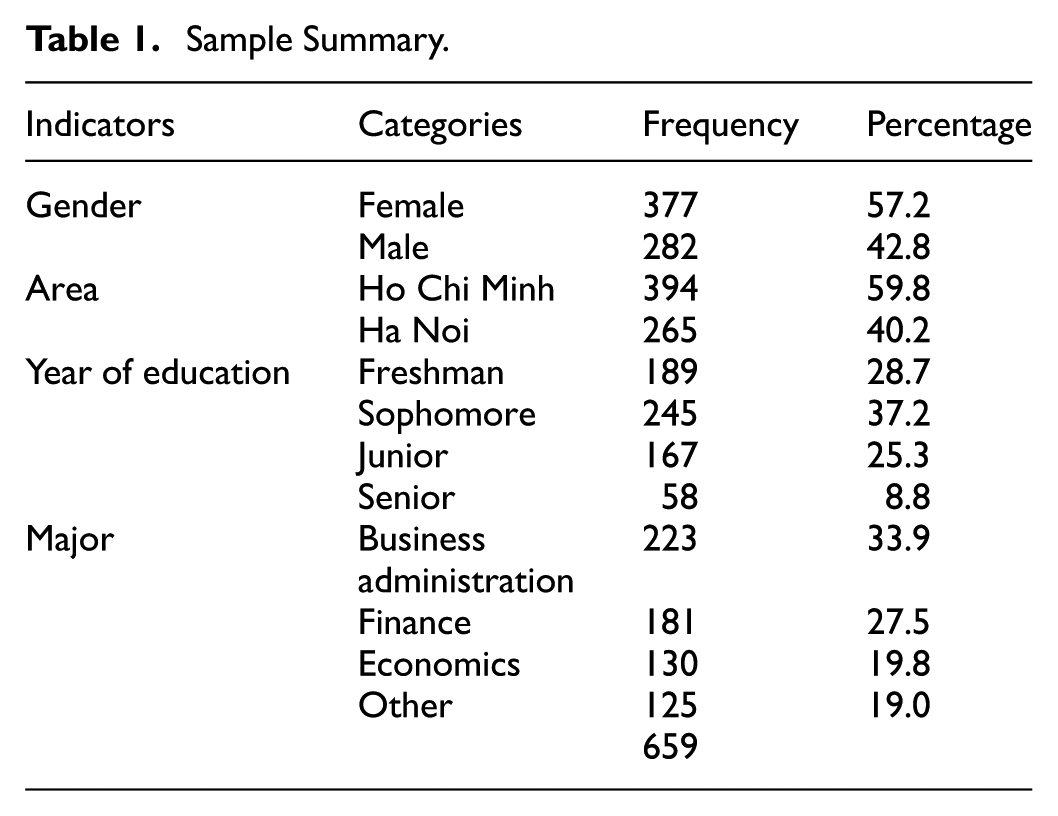
We thoroughly screened responses to eliminate unreliable and incomplete answers and those that appeared not to be objective. The final sample comprised 659 students from Hanoi and Ho Chi Minh City. The questionnaire link was sent through several channels, such as media groups, university forums, and email. In total, there were 428 valid questionnaire responses (65%), which were collected online. For the direct survey, out of 650 paper questionnaires distributed in the classroom, there were 231 valid responses (35%) which were received. This sample size aligns with the recommendation by Bagozzi and Yi (2012) that a minimum sample size of 200 should be used when conducting structural equation modeling (SEM) analysis.
Common Method Bias
Common method bias (CMB) is a well-known concern in research that relies on self-reported data using the same method and process to collect both independent and dependent variables (Podsakoff et al., 2003; Simmering et al., 2015). The appearance of CMB may impact the estimated relationships between variable outcomes and explanatory variables. Given that we collected cross-sectional data from one country, following the approach of Podsakoff et al. (2003), we conducted procedural and statistical checks to determine if potential bias affected our estimated results. First, for procedural methods, to minimize potential selection bias, we maintained the confidentiality of respondents throughout the survey. Also, the questionnaire design followed a random sampling process to alleviate the likelihood that participants could infer cause-and-effect relationships among the variables. Second, a statistical approach was employed to evaluate the extent of CMB in the dataset. Notably, we conducted a full collinearity test using partial least squares structural equation modeling (PLS-SEM), following the method proposed by Kock (2015). This test examines both partial collinearity between independent variables and overall collinearity between predictors and dependent variables. The test is based on variance inflation factor (VIF) values, with a threshold of 3.3 indicating potential multicollinearity and CMB concerns. In our analysis, all VIF values ranged between 1.008 and 1.685, confirming that CMB is not an issue in the dataset.
Prior studies on SEM support the use of VIF-based collinearity testing (Kock, 2017). Unlike Harman’s single-factor test, which has been criticized for its inability to detect method variance reliably (Podsakoff et al., 2003; Richardson et al., 2009), the full collinearity test simultaneously accounts for all potential sources of method variance within the model structure. Alternative techniques, such as marker variable or latent method factors, exist (Lindell & Whitney, 2001; Simmering et al., 2015), but they depend on additional data and were not necessary here. Overall, our combined procedural and statistical strategies indicate that CMB does not bias the study results.
We included a reversed question in the survey to mitigate CMB in self-reported data and confirm that respondents followed the questionnaire rather than arbitrarily rated a high score. The reversed item was not included in the final dataset for statistical analysis to reduce multicollinearity, as suggested by Podsakoff et al. (2012) and Weijters and Baumgartner (2012). Specifically, for the survey item LE1, in addition to the original question, “Game-based learning improves my grade in the class,” we included a completely reversed item: “Game-based learning lowers my grade in the class” (reversed item). If respondents selected a high score (4 or 5) for both the original and reversed questions, their responses were considered unreliable and were excluded from the analysis (Table 1).
Sample Summary.
Structural Model and Statistical Tools
SEM is used to test hypotheses and examine relationships between multiple variables simultaneously. PLS-SEM is one of the main approaches used in econometrics to estimate structural equation models. Compared with the conventional covariance-based approach (CB-SEM), PLS-SEM has advantages, especially for studies that focus on prediction. PLS-SEM does not require strict assumptions about data distribution, that is, that the data are not normally distributed (Hair, 2014; Hair et al., 2011). Another merit is that PLS-SEM can give consistent estimates even with small sample sizes, while CB-SEM often needs much larger samples to achieve the same stability (Reinartz et al., 2009). Moreover, PLS-SEM can deal with models that include many constructs and indicators, whether they are formative or reflective, and it avoids some of the identification problems that CB-SEM can suffer (Hair & Alamer, 2022). Since PLS-SEM aims to maximize the variance explained in the dependent variables, it is very useful for prediction in empirical studies even when the theory is still being developed (Hair et al., 2019).
For analysis, we employed Stata software to clean the data and examine the research hypotheses. To assess the significance of the paths, a bootstrap resampling procedure with 1,000 subsamples was applied. To clean the data, k-nearest neighbors (KNN) imputation was appropriate to estimate missing Likert scale values, since the percentage of missing values in the original sample was less than 5% (Wang et al., 2022).
Empirical Results
Measurement Scales
Cronbach’s Alpha (Cα) and composite reliability (CR) were utilized to assess the reliability of the measurement scale. Based on the results in Table 2, the scales achieved a reliability of Cα above 0.6 and CR greater than 0.8 (Hair & Alamer, 2022).
Constructs With Items and Reliability and Validity.

Average variance extracted (AVE) and outer loadings (OL) were employed to assess the convergent validity of the measurement scale. As shown in Table 2, most scales had OL exceeding 0.7, and AVE values just higher than the suggested threshold of 0.50 (Hair & Alamer, 2022). Accordingly, the measurement scales in this study achieve convergent validity.
The square root of AVE (
Results of the Test for Discriminant Validity.

Note. The bold diagonal elements are the square root of the variance shared between the constructs and their measures; off-diagonal elements are the correlations among constructs.
Hypothesis Testing Results
Standardized path coefficients (β) and p-values were used to evaluate component relationships. The results show that Hypothesis H1 is supported, meaning that blended learning (BL) positively influences intrinsic motivation (IN) (β = 0.587, p = .000). In addition, immersion (IM), achievement (AC), and social interaction (SO) were proven to have positive effects on BL with (β = 0.349, p = .000); (β = 0.354, p = .000) and (β = 0.321, p = .000), respectively. Therefore, H2, H3, and H4 are supported. These point estimates and effect sizes indicate the importance of these motivational components in enhancing BL. With (β = 0.534, p = .000), IN positively affected learning effectiveness (LE). Thus, H5 is supported, suggesting that intrinsic motivation is an important driver of learning outcomes in the model. Based on the results, self-regulation (SRL) impacts the strength of the relationship between BL and IN (β = 0.191, p = .000), and the strength of the relationship between IN and LE (β = 0.172, p = .000). Therefore, Hypotheses H6 and H7 are supported. As such, learners with higher self-regulation benefit more from blended learning and intrinsic motivation (Figure 1).

Results of model testing.
For a robustness check, we also tested the hierarchical latent variable specification by applying the estimation of reflective-formative type hierarchical latent variable models in PLS-SEM as proposed by Becker et al. (2012). This alternative specification treats the higher-order construct as formative and uses a repeated indicator approach with path weighting. The results from this approach are consistent with the main results using the PLS-SEM model. This robustness result, given changes in variance of the endogenous constructs, confirms that our findings are not sensitive to the specific modeling.
Discussion and Implications
Discussion
The study analyzed data from 659 Vietnamese university students to assess the impact of the features of gamification—immersion, achievement, and social interaction—on learning effectiveness, mediated by blended learning and intrinsic motivation. Additionally, the study examined self-regulation as the moderating variable in the link between blended learning and intrinsic motivation, as well as between intrinsic motivation and learning effectiveness. Although self-regulation appears as a significant moderator in our model, the coefficients (β = 0.191 and β = 0.172) show a small effect size. Two principal factors explain this result. First, in Vietnamese higher education, blended learning courses are still closely controlled by the lecturer and follow an examination-oriented structure. In this context, students have less “space” to use their self-regulation skills, so the moderating effect is limited. Second, blended learning and intrinsic motivation already have strong direct effects in the model; therefore, the space for moderation is naturally smaller. However, even with a small effect size, the impact is important for practice. Small but stable moderation means that students with stronger self-regulation benefit more from blended learning and intrinsic motivation. Incorporating self-regulation training into education strategies, alongside effective course design and supportive technology, can enhance learning outcomes. The findings contribute to the growing body of literature on gamification and blended learning by demonstrating how gamification features enhance student intrinsic motivation, ultimately improving academic performance in a blended learning setting. Further, self-regulation emerges as a key moderating factor, strengthening these relationships and making learning experiences more engaging and impactful.
This study confirms prior research and offers a deeper theoretical contribution by extending SDT (Ryan & Deci, 2000) into a collective educational culture, in this case, Vietnam, showing that immersion, achievement, and social interaction can effectively fulfill the needs for competence, autonomy, and relatedness in such contexts. Further, by examining self-regulation as a moderating factor rather than a mediating or independent variable, the study offers a novel perspective that enriches existing frameworks for gamification (Koivisto & Hamari, 2019).
From a practical perspective, the findings suggest that gamification in blended learning should be designed to adapt to local cultural norms (Hofstede, 2001), which also impact learning preferences and institutional structures. In Vietnam’s examination-oriented, teacher-centered education system (Hayden & Thiep, 2007; Tran, 2013), gamification that promotes cooperation and immersion can help foster social interaction and intrinsic motivation in blended learning, while still being compatible with current teaching practices.
It is the need to acknowledge that these findings are influenced by Vietnam’s cultural and technological context, which could limit the direct transferability of the findings to other settings. This point supports the idea of designing gamification to match cultural contexts and shows the need for more cross-cultural studies.
Implications
Research Implications
This study advances theoretical comprehension in a blended learning context of how gamification promotes student learning effectiveness and underscores self-regulation as the moderating variable in education by addressing the research questions:
Research Question 1
This study confirms that gamification features—immersion, achievement, and social interaction—positively influence student learning effectiveness through blended learning and intrinsic motivation. These findings highlight the need to integrate gamification into blended learning to maximize student engagement and enhance learning performance. This study supports previous research showing that blended learning impacts student learning effectiveness (Lv & Li, 2024; Tang et al., 2023), which can also be enhanced by gamification (Luarn et al., 2024; Nguyen-Viet & Nguyen-Viet, 2025). However, the findings go further by showing how these relationships operate in a specific cultural and educational setting, thereby expanding the literature on contextualized gamification design.
Research Question 2
The key contribution of this study is a more extensive evaluation of the moderating role of self-regulation than in previous studies. The results show that self-regulation can promote the connection between blended learning and intrinsic motivation, along with the connection between intrinsic motivation and learning effectiveness. Once again, self-regulation is highlighted as essential in understanding students’ persistence and learning outcomes (Lou et al., 2006; Malmberg et al., 2017). In blended learning, students need higher self-regulation to manage their studies (Rienties et al., 2019). By evaluating self-regulation as a moderator, this study identifies new opportunities for interdisciplinary work connecting educational psychology and instructional design.
These findings underline directions and provide valuable insights for developing solutions to sustain learner motivation and improve learning outcomes in blended learning.
Management Implications
The findings provide a foundation for recommendations to optimize gamification in blended learning, providing valuable insights for universities, policymakers, educators, and lecturers.
First, the findings show the positive effect of gamification features on student motivation and learning effectiveness. Therefore, institutions should develop blended learning courses that suitably combine some gamification features to align with educational objectives.
Second, institutions should provide training and adapt learning systems as strategies to enhance students’ self-regulation skills, helping students take better control of their learning and maximizing the benefits of gamification in blended learning.
Third, institutions should improve the blended learning infrastructure and invest in technology and pedagogy to support student engagement, motivation, and learning outcomes for success in blended learning.
Finally, to maximize the potential of gamified blended learning, institutions should support lecturers in training on gamification, encourage research on gamified learning, and develop guidelines for the integration of gamification.
Limitations and Future Research
This study makes a valuable contribution to understanding the features of gamification, blended learning, and the effect of self-regulation on learning effectiveness; however, some limitations remain.
First, the sample comprised 659 Vietnamese university students, which may limit the generalizability of the results. In Vietnam, the cultural and educational context is characterized by a hierarchical teacher-student relationship, examination-oriented assessment, and a collective learning culture, all of which may impact how students perceive and engage with blended learning and gamification. Therefore, the effects observed in this study might differ in other cultural or institutional contexts, particularly in educational systems that emphasize individualism and self-paced learning. Future studies should replicate and validate the findings across different cultural and educational settings to enhance their transferability. Another concern is potential urban bias from collecting samples only in Ho Chi Minh City and Hanoi. We acknowledge that this limitation may limit the generalization of our results to a universal context, as gamification and blended learning are mainly implemented in large universities. However, in developing countries in Southeast Asia, and particularly in Vietnam, most universities are located in major cities such as Ho Chi Minh City and Hanoi. Hence, while sampling bias may be a concern, we believe the findings still provide appropriate policy implications for the case of developing countries.
Second, this study is based on self-reported data collected through surveys, which may be subject to CMB despite the procedural and statistical remedies employed. Future studies could incorporate objective performance data or behavioral measures to complement self-reporting.
Third, this study mainly focused on three features of gamification (immersion, achievement, and social interaction). Other features were not examined but may play a vital role in influencing student motivation and learning effectiveness. Moreover, while gamification can foster engagement, prior studies have found unintended consequences, such as reduced intrinsic motivation over time when rewards and leaderboards are overemphasized, competitive pressure leading to decreased relatedness (Hanus & Fox, 2015), and negative or null effects if elements do not fit learner needs (Toda et al., 2019). These unintended effects were not the focus of this study; however, they are relevant considerations for future research examining both the advantages and disadvantages of gamification. Future studies could also expand the model to include a broader range of features of gamification and test its validity in diverse contexts.
Lastly, this study only examined self-regulation in a blended learning context. In fully online environments, self-regulation may play a different role, as learners have less face-to-face structure and more autonomy. Future research should compare these two contexts to improve understanding of how the mechanisms of self-regulation may vary.
Footnotes

Ethical Considerations
This study received approval from the appropriate institutional ethics committee (University of Economics Ho Chi Minh City – UEH) and was conducted in accordance with relevant ethical guidelines and regulations.
Consent to Participate
All participants in this study provided informed consent before their involvement. They were informed about the study’s purpose, procedures, potential risks, and benefits. Participants were assured of the confidentiality of their information and their right to withdraw from the study at any time without consequences.
Author Contributions
The contributions of each author to this research are as follows: Nguyen-Viet Bang conceived the research idea and designed the study. Huong Doan Ngoc Minh collected and analyzed the data. All authors collaborated on the manuscript preparation, contributed to critical revisions, and approved the final version for publication.
Funding
The authors disclosed receipt of the following financial support for the research, authorship, and/or publication of this article: Bang Nguyen Viet receives funding from the University of Economics Ho Chi Minh City (UEH), Vietnam. Huong Doan Ngoc Minh receives funding from the University of Finance–Marketing, Vietnam.
Declaration of Conflicting Interests
The authors declared no potential conflicts of interest with respect to the research, authorship, and/or publication of this article.
Data Availability Statement
The data supporting the findings of this study are available upon reasonable request. Researchers interested in accessing the data can contact Nguyen-Viet Bang at