




Abstract
With the advancement of interdisciplinary integration, product forms increasingly tend toward the convergence of hardware, software, and multi-ecosystems. Traditional user-centered design (UCD) methods face the challenge of expanding the design space and deepening exploration depth. To address this, this study aims to advance innovative design by shifting the design entry point from observed needs and behaviors to the pre-behavioral motivation stage, grounded in motivation theory to support positive creativity solutions. First, through a systematic review, this article categorizes design paradigms into three types: physical logic design, behavioral logic design, and motivational logic design. Theoretically, this paper establishes a framework for motivational logic design by integrating insights from motivation psychology, management, and design. This framework enhances the intrinsic motivation mechanism in design by creating a closed-loop system that connects user needs, behaviors, and motivations. Second, supported by empirical research, the article presents two key contributions to motivational logic design: (1) Establishing target user groups through factor analysis and machine learning methods and subsequently integrating Maslow’s hierarchy of needs theory to trace the transition from explicit needs/behaviors to implicit motivations. (2) It introduces the mirror flipping method—a novel approach that enhances the practical application of motivational logic design, as demonstrated through a case study of a smart sports bra. Overall, this research provides original theoretical and practical insights, offering valuable references for UCD, innovative design, and other positive creativity solution contexts.
Plain language summary
This study focuses on developing new and innovative design ideas that inspire creativity in today’s generation. It looks at different ways of designing, breaking them down into three main types: designs based on physical, behavioral, and motivational aspects. The main focus is on “motivational design,” which combines ideas from psychology, business, and design to make products that motivate people from within. The study also tests two main ideas using data analysis and machine learning to understand what drives people’s needs and actions, with an example of how this approach helped in creating a smart sports bra. This research offers fresh ideas and practical solutions for making designs that motivate and inspire, which could be really useful for those working in design and management fields, especially when it comes to creating new and creative products.
Introduction
As a longstanding foundation for human-product interaction studies, the traditional user-centered design paradigm faces inherent limitations in expanding design space and deepening exploration depth, despite its progressive evolution across spatiotemporal contexts. To address this gap and advance beyond existing paradigms, this article reconceptualizes this developmental stage as the Behavioral Logic Design Paradigm, based on design hierarchy theory (Norman, 2013). Although representing a significant ontological shift from the physical logic design paradigm (which prioritizes material properties and functional optimization) to human-centered perspectives, this paradigm exhibits notable epistemological constraints: its predominant focus on explicit needs and observable behaviors engenders a narrowed solution space and fails to account for latent cognitive schemata and affective drivers (Hassenzahl et al., 2010).
With the methodological advancements in cognitive psychology and cognitive neuroscience over the past 3 decades, research on individual motivations and neurocognitive processes has expanded significantly. This progress has been accelerated by the advent of physiological equipment such as eye trackers (Li et al., 2025), electroencephalographs (Y. Wang et al., 2025). These tools have enabled a paradigm shift from explicit needs and behavioral analysis to the investigation of implicit cognitive mechanisms (Lin & Chen, 2025; Naiseh et al., 2023). Building on the principles of physical logic design and behavioral logic design, this article proposes a novel conceptual framework termed motivational logic design, which positions motivations and their underlying cognitive mechanisms as the design foundation. Following the taxonomy of design paradigms, we refer to this approach as the Motivational Logic Design Paradigm.
According to the Stimulus-Organism-Response (S-O-R) model (Mehrabian & Russell, 1974), physical logic design centers on external stimuli (S), emphasizing product-centric attractiveness and functionality to meet or stimulate user needs. In contrast, behavioral logic design focuses on measurable responses (R), ensuring design outputs align with users’ explicit needs, expectations, and behavioral patterns. The motivational logic design proposed in this article establishes a new focal point at the organism (O) level, shifting analytical attention to the neurocognitive motivations of humans. This epistemological advancement moves the design intervention point upstream from observed needs and behaviors to the pre-behavioral motivation stage, thereby offering an expanded design space for addressing increasingly complex human-technology interactions. Crucially, unlike context-bound explicit needs and behaviors, motivation transcends disciplinary, industrial, and technological boundaries; this universality renders motivational logic design particularly effective in cross-disciplinary collaborative ecosystems (Deci & Ryan, 2000). To operationalize this theoretical proposition, this article constructs a tripartite design theory comprising motivation logic principles and their corresponding methodological processes, aiming to address persistent challenges such as constrained design space and superficial exploration depth.
Literature Review and Theoretical Construction
Overview of Motivational Logic
To construct a theoretical model guiding motivational logic design, this study innovatively integrates the S-O-R framework by incorporating the Theory of Planned Behavior (TPB) and the Model of Goal-Directed Behavior (MGB) as mid-level model to explain the internal mechanisms of the “Organism.” This synthesis establishes a “Stimulus → Organism (incentive design → product-service attributes → desire activation) → Response” framework. The specific internal mechanism of the motivational logic model is proposed and illustrated in Figure 1. Among them, the incentive design method based on mirror flipping is shown in Figure 10.

Motivation logic model.
While the TPB has advanced our understanding of motivational processing (Ajzen, 1985, 1991, 2012), its three structural limitations hinder its applicability to design research: (1) Emotional variable exclusion: Cognitive neuroscience confirms emotion’s regulatory role in self-motivation and decision biases (Pricopoaia et al., 2020). (2) Neglect of desire: As a core representation of human needs, desire demonstrates stronger predictive validity for behavioral intentions than traditional attitudinal variables (Perugini & Bagozzi, 2004). (3) Lack of design factors: Lack of internal mechanism to guide design (Lee et al., 2024).
To address these limitations, the MGB introduces desire as the proximal determinant of intention, establishing a “attitude → desire → intention” dual-layer transmission mechanism (Sharma et al., 2024; Taylor et al., 2005). This enhancement provides a robust theoretical tool for explaining design elements’ motivational activation effects. This study adopts the MGB framework, positioning desire and its neural correlates as antecedents of intention and behavior.
In psychology, management and education, motivation research focuses on behavioral regulation mechanisms, such as reducing car usage (Bamberg et al., 2021) or enhancing critical thinking (Dessie et al., 2024). These disciplines construct “desire → intention → behavior” closed loops through adaptive human-centric interventions. In contrast, design studies require artifact-mediated creative transformation—activating latent desires through innovative product-service attributes to forge an “product-service attributes → desire → intention → behavior” causal chain. This design-driven motivational mechanism encapsulates design’s unique contribution: designers create new desire triggers via incentive design (Mahalingham et al., 2022; Norman, 2004), rather than passively adapting to existing desire structures.
Design studies differ from disciplines such as psychology and education, which primarily focus on understanding human behavior. While design studies also involve studying people, they do so through creative activities aimed at transforming the world and improving living standards (Koutstaal, 2024). By incorporating incentive design factors, designers can engage in innovative and creative design processes (Machchhar et al., 2022; Wu et al., 2025). This model encompasses stages of expectancy, incentive design, desire, and intention. Among these stages, incentive design is the core and original contribution factor in the internal mechanisms of motivation. This model comprises four progressive stages: expectancy, incentive design, desire, and intention. Critically, the incentive design factor constitutes both the core component and original theoretical innovation within the motivational mechanism, differentiating it from conventional behavioral models. The incentive design factor explores users’ unactivated desires, through the mirror flipping method, it activates users’ desires and directs them toward behavioral intentions.
Internal Mechanism of Motivational Logic Model
Expectancy
Expectancy often manifests itself explicitly, making it relatively easy to identify a set of issues during the design process of products and services. In the realm of product and service design, these expectations are frequently articulated as specific needs that guide the development process. Various design methods, such as feedback collection, scenario exploration, and user research (Orwig et al., 2024), can be utilized to pinpoint problems with products and services. However, understanding the implicit motivations of users can be challenging, as it involves capturing their deeply rooted motivations beyond their explicit needs and behaviors (Koutstaal et al., 2024). Another difficulty arises when user motivation can be intentionally designed and created, meaning that the corresponding problem was not originally within the problem space. This complex issue presents both a challenge and an opportunity for incentive design. These two factors explain why design is often seen as a task of problem-solving and meeting needs, while innovative design and creative activities are considered difficult for designers to master. Therefore, the focus of product or service design lies in discovering implicit user motivation and designing factors that exceed user expectations. This design work transcends the concept of merely meeting needs and solving problems. Nevertheless, expectancy still serves as the starting point for design work, which then progresses to the level of uncovering and designing user motivation.
Desire
Desire is a primitive motivation and is formed before intention and behavior. It is unrelated to disciplines, industries, technologies, products, and services, as it exists prior to the proposal of a specific product or service. For example, if a female user wants to be noticed by others and gain their respect, this is her primitive motivation. If we limit her to an industry, such as live streaming, she may want to showcase her various advantages to her fans through live streaming. If we further limit her to a specific product or service, such as a sports bra, and offer her a long sports bra and a short sports bra, she might choose the short sports bra during live streaming because it better showcases her figure, even though the long sports bra is more aesthetically pleasing. In this case, the aesthetic attribute of the long sports bra can be considered a need, while the attribute of the short sports bra that shows her figure is a desire factor. Compared to the five antecedents of TPB, desire factors explain more variation in intention and behavior (Perugini & Bagozzi, 2001, 2004). More importantly, desire factors can better explain the reasons for behavior and decision-making (Sharma et al., 2024; Taylor et al., 2005).
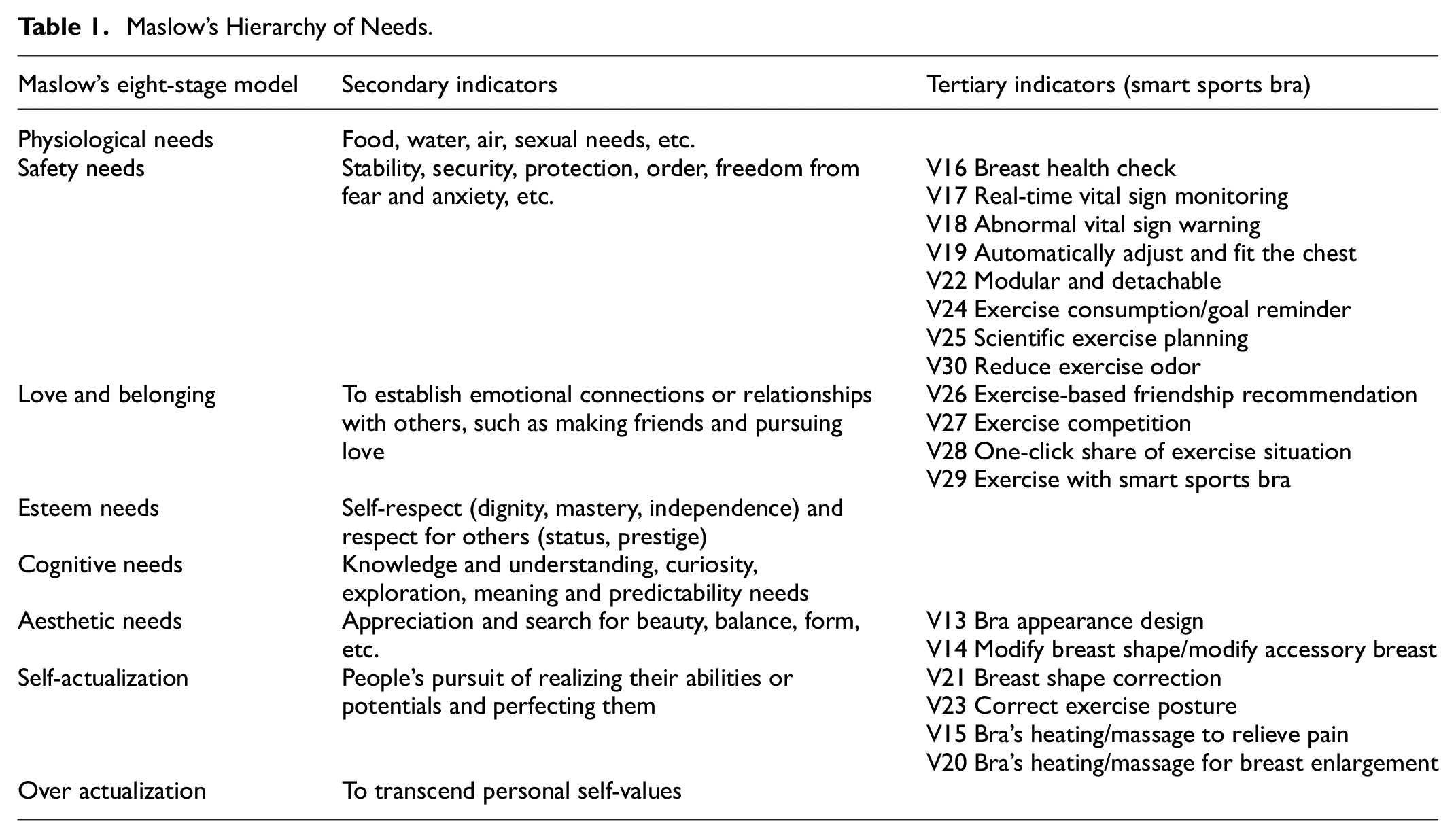
Desires, in comparison to needs, possess several distinctive characteristics. (1) Boundaries of desires: Desires are rooted in human primal motivations and fall within the cognitive realm, transcending specific industries, technologies, products, and services. Maslow’s hierarchy of needs, as depicted in Table 1, can be considered as falling within the realm of desires, since its primary and secondary indicators are not tied to specific industries, technologies, products, or services. Hence, this paper employs Maslow’s hierarchy as a basis for identifying the factors of desires and establishing their boundaries. (2) Initial needs and end needs: Desires have an earlier and implicit starting point, preceding explicit needs and behaviors. When desires are framed within specific industries, technologies, products, and services, they manifest as needs (as indicated by the tertiary indicators in Table 1). To distinguish between the two, this article defines desires as initial needs, while needs influenced by specific industries, technologies, products, and services are referred to as end needs (unless otherwise specified, the needs discussed in this article refer to end needs). Initial needs capture the essence of motivational logic design, while end needs reflect the logic of behavioral design. The concept of initial needs and end needs effectively explains why users, at a certain point in time, did not want cars but instead desired a 1,000-mile horse, as they were constrained by the technologies, products, and services available to them at that time. (3) Framework of desires: The relationship between desires and needs is often one-to-many. For instance, in the previously mentioned case, female users desire to be noticed and respected, which falls under desires, while the short-style bra and other gifts in live broadcasts fall under end needs. In practical design fields, the process often begins with the explicit problem set and its end needs. Therefore, to carry out motivational logic design, a method is required to uncover the underlying motivation from the explicit needs. This article proposes the first proposition (P1):
P1: Desires are independent of factors such as technology and industry; they represent humans’ primitive motivations. Implicit desire factors can be derived from explicit needs and behaviors, which enables the implementation of motivational logic design based on human desires.
Maslow’s Hierarchy of Needs.
Incentive Design
Motivation arises from physiological and psychological needs, which create a state of lack and imbalance in the organism’s system. This generates an internal stimulus that puts the organism in a tense state, prompting the release of energy or impulses to provoke a behavioral response. The ultimate goal of this response is to satisfy the organism’s needs. However, needs alone do not always elicit a behavioral response; it is only when they are awakened that they can motivate the organism to respond (Wright et al., 2013). External stimuli frequently awaken internal needs, for instance, holiday marketing that triggers impulsive consumer behavior or the introduction of novel technology product features that pique consumers’ curiosity (X. Yang et al., 2023). Incentive design leverages the motivating power of these stimuli by introducing fresh attributes to products and services, thereby stimulating users’ desires for those specific attributes. These needs encompass both the needs inherent in the expectancy of products and services, as well as additional attributes that were not initially anticipated as part of that expectancy. Consequently, incentive design serves the purpose of crafting new motivations for users and fostering the creation of new desires.
The nature of incentive design drives an organism’s behavioral response towards the goal set by the design. In other words, the internal drive of the organism is linked to the design goal. The organism’s behavioral response is generally aligned with the expected user task, but the link between internal drive and goal is acquired through learning. From a design perspective, the user’s behavioral response is influenced by their own habits and experiences. For example, a newborn’s physiological needs, driven by hunger, do not initially establish a connection with a specific situation or goal. Initially, there is only a state of tension, which is communicated through crying. However, when the newborn experiences the mother’s nipple or bottle teat while being held and achieves the goal of being satiated, the internal drive establishes a specific connection with the goal. In the future, feelings of hunger will point to this goal and be expressed through the habit of sucking the mouth. The organism’s directional goal, such as the nipple or bottle teat, becomes an “incentive” that stimulates the organism’s directional behavioral response and behavior with a goal.
Therefore, the issue of aligning the design goal with the primitive desire becomes crucial, as the design goal serves as the antecedent of desire. Additionally, the consistency between the awakened state (primarily represented by stimulus intensity) and user behavior, experience, and scenarios reflects the challenge of modeling user groups accurately (X. Yang et al., 2024). By accurately modeling user groups, different behaviors, experiences, and scenarios of user groups can be better catered to. In the design process, different designers provide different solutions, including user goals, scenarios, methods, and paths. While needs indicate a general direction for user goals and behavioral responses, specific goals, scenarios, methods, and task paths are not fixed. Compared to end needs constrained by industries and technologies, designing based on the motivational logic of initial needs can better address user motivations and result in better design solutions. Building on this, this paper proposes a proposal for incentive design:
P2: Initial needs have an earlier starting point, allowing for better implementation of incentive design.
Behavioral Intention
The TPB and its extended theories propose that behavioral intention is an antecedent to behavioral response, acting as a mediator between the two. However, behavioral intention falls within the realm of cognition, allowing for the study of the entire motivation mechanism from a cognitive processing perspective (Lin & Chen, 2025). Perugini and Bagozzi have distinguished desire and intention based on perceived executability, action connectivity, and time frame, suggesting that desire plays a crucial role in this motivational process. They argue that differentiating between desire and intention can enhance research efforts (Perugini & Bagozzi, 2001, 2004). In comparison to behavioral intention, desire offers a better explanation for the cause of directional action, as it can indicate the end state of individual goal achievement (Mele, 1995). This distinction provides valuable design and service strategies for product and service providers as well as managers.
However, desire alone does not always translate into action and decision-making. On the other hand, behavioral intention directly influences behavioral responses. To illustrate the relationship between desire and behavioral intention, consider the case of a visually appealing and sensual smart sports bra. Users may find it attractive and desire to wear it for exercise, indicating that the attributes of attractiveness and sensuality have sparked their desire. However, the user might ultimately decide against purchasing it due to budget constraints or concerns about drawing too much attention by wearing a sensual bra. In this example, desire and behavioral intention are in stark contrast, as users desire the smart sports bra but choose not to purchase it due to budget constraints and social norms (see Figure 1).
Motivational Logic Design Method and Case Analysis
To enable better application of motivational logic design to innovative design and complex product design, this article standardizes it into several key steps and provides detailed descriptions of each: (1) end-needs collection, (2) transition from explicit end-needs to implicit desires, (3) desire-preference-based user modeling, and (4) mirror-flipping-based incentive design. Among these, the first three parts achieve the transformation from explicit requirements to implicit motivations, building its foundation. The fourth part provides specific guidance for implementing motivational logic design. These steps constitute a guiding framework that is flexible, allowing researchers to supplement components as necessary based on specific tasks. A corresponding technical roadmap outlining the implementation sequence of analytical methods and their outputs is presented in Figure 2.

The process of motivational logic design.
Through user research and exploration of user scenarios, we collect potential challenges, complaints, doubts, and dissatisfaction to compile a comprehensive set of end needs. These needs serve as a vital bridge, connecting the gap between user aspirations and the product-service offerings. Unlike traditional design methods, motivational logic design necessitates deriving implicit desire from explicit end needs as a prerequisite for progressing with the motivation design process. By employing quantitative statistical analysis, we can trace the evolution from end needs back to desire, thereby guiding the creation of effective incentives that cater to user motivations. Addressing this challenge is a primary focus within the realm of motivational logic design, emphasizing the importance of deeply understanding, and responding to the underlying motivations of users.
End Needs Collection
This article utilizes a smart sports bra case study to gather needs, and develop a questionnaire based on these needs. The questionnaire includes categorical variables (v0–v11) that capture user characteristics like age and education level, as well as quantitative variables (v12–v33) that measure users’ attitudes toward product needs, as shown in Table 2. A total of 282 valid samples were collected through a Chinese online platform in March 2024, with all respondents meeting the initial inclusion criterion of being female users. The majority of participants (80.7%) were aged 18 to 24. Among the respondents, 91.78% reported exercising at least once weekly, which provides sufficient data for analyzing the target user group of sports bras. The questionnaire underwent reliability and validity analysis, resulting in a reliability coefficient of .856, indicating high reliability of the research data as it exceeds .8. The “α coefficient with the item deleted” analysis revealed no significant increase in the reliability coefficient after removing any item, suggesting that no items should be deleted. Regarding questionnaire validity, the KMO was .873, and the data passed the Bartlett sphericity test (p < .05), indicating good reliability and validity of the questionnaire survey and its data. These findings indicate that the collected questionnaire data is suitable for factor analysis.
Questionnaire Outline (Quantitative Variable Part) and Cronbach Reliability Analysis.

Additionally, the Spearman correlation coefficient was calculated for categorical variables, as shown in Equation 1.

Here,

Correlation analysis of categorical variables.
The Transition from Explicit End Needs to Implicit Desire
The explicit needs and behaviors of humans are driven by motivation. The first proposal, P1, in this article underscores the significance of tracing explicit needs back to their implicit motivations for the purpose of conducting motivational logic design. In the context of smart sports bra, this study employs dimensionality reduction techniques to distill the core values from the set of user explicit needs and behaviors. This process also uncovers the implicit motivation underlying these explicit needs and behaviors, namely desire. To achieve dimensionality reduction for the end needs, this article utilizes factor analysis. Factor analysis enables us to identify the core value within the chaotic array of end needs, which can subsequently be expressed as:

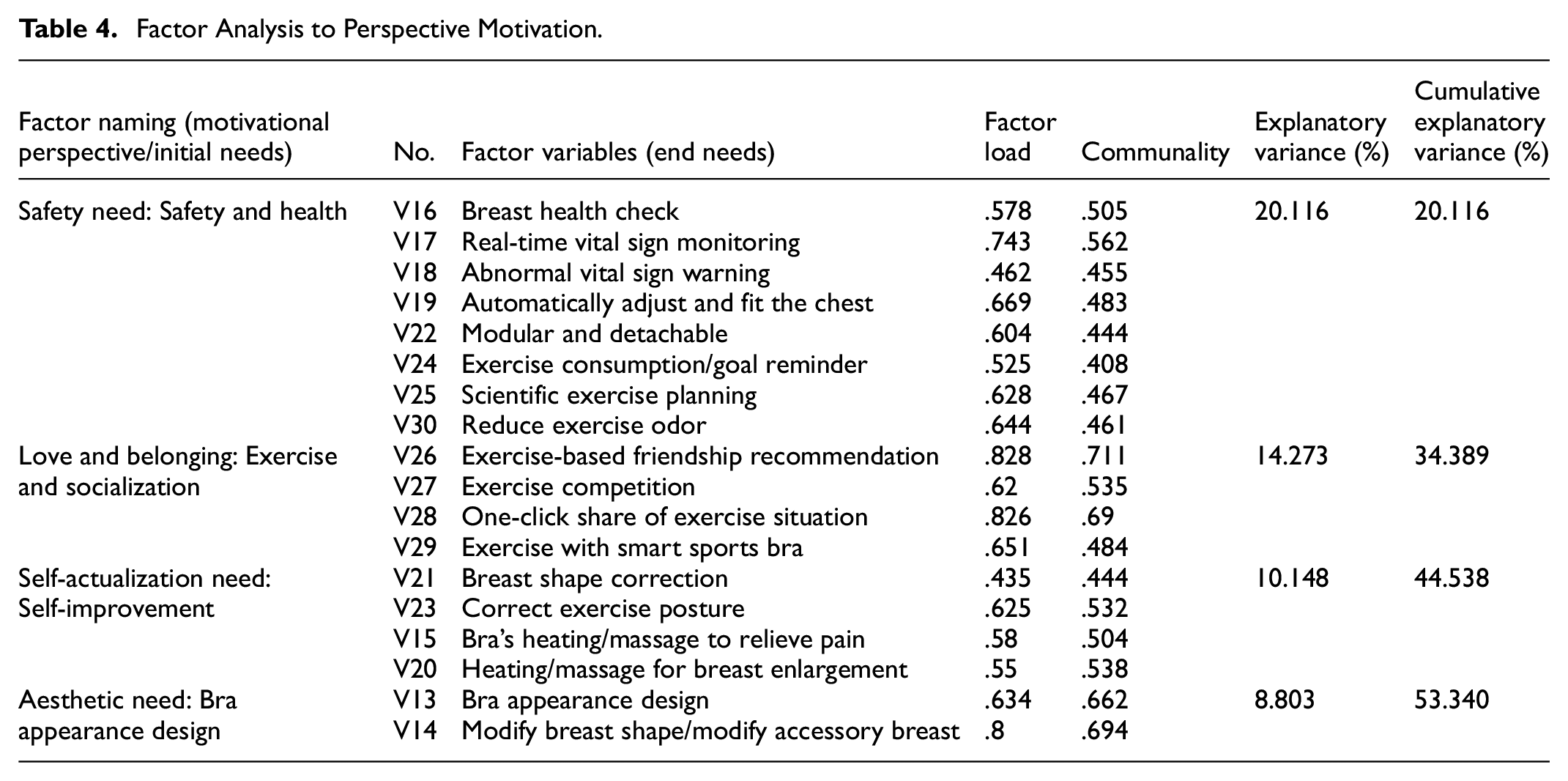
In Equation 2, Yj represents the standardized score of the jth variable, that is, the factor score; Fi represents the ith common factor, that is, the factor that appears in all variables; Ui is the unique factor of Yj, which refers to the part of the original variable that cannot be explained by the factor variable; aji represents the factor load, that is, the contribution of the ith common factor to the variance of the jth variable. Here, the common factor is the core value of users pointed to by several needs. If the core value of users can point to primal desires, then explicit needs and implicit motivations are linked. Combining the Maslow’s hierarchy of needs theory in Table 1, it can be deduced which stage of motivation the common factor belongs to. The mathematical model of factor analysis expresses variables as a linear combination of main factors, and the main factor is a linear combination of original variables (needs
The suitability of the questionnaire for factor analysis is confirmed as it has passed the KMO and Bartlett test. The Scree plot indicates that it is reasonable to consider four common factors. Table 3 displays the explained variances of these four factors, all of which have eigenvalues greater than 1. After rotation, the variance explanation rates for these factors are 20.116%, 14.273%, 10.148%, and 8.803%, respectively. The cumulative variance explanation rate after rotation is 53.340%. Although the cumulative explanation rate of factors may not be very high, it satisfies the basic requirements of factor analysis.
Variance Explanation Rates.

Table 3 utilizes the varimax method for rotation, aiming to determine the relationship between factors (desires) and research items (needs). All the research items have commonality values higher than .4, indicating a strong association between the research items and factors, and the factors can effectively extract information. Once it is ensured that the factors can extract most of the information from the research items, the analysis focuses on the relationship between factors and research items. If the absolute value of the factor load coefficient is greater than .4, it signifies a corresponding relationship between the item and the factor.
By naming the common factors based on factor variables and subsequently tracing their original motivation in conjunction with Table 1, the data presented in Table 4 is obtained. From this table, it can be observed that there exists a strong correspondence between the common factor (initial need) and the factor variable (end need), effectively facilitating the transition from end need to initial need. Consequently, P1 is validated, demonstrating that implicit desires can indeed be derived from explicit needs and behaviors, thereby facilitating the design of motivation logic grounded in desires.
Factor Analysis to Perspective Motivation.
User Modeling Based on Desire Preferences
Factor analysis and Maslow’s hierarchy address the transformation from end needs to initial needs, thereby enabling the implementation of motivational logic designs that are grounded in these initial needs. However, it is crucial to acknowledge that desires vary significantly among different user groups. Consequently, it becomes imperative to differentiate the behavioral features of various user groups in order to tailor precise designs specifically to each target user group. This article introduces a method for modeling user target groups based on distinct desire preferences, utilizing k-means clustering and deep learning techniques. This method, outlined in detail below, involves the creation of user personas.
Defining Quantitative Features of Ideal User Group
To determine and differentiate various user groups, this study utilizes the logic of sample clustering. Moreover, it aims to discern the preferences of different target user groups for distinct desires. In other words, it involves calculating the distance between the sample point and the desired preference. To accomplish this, the K-means clustering method is employed for sample clustering. The steps involved in the K-means clustering method are as follows: Let x represent a sample point in the dataset, and y represent the centroid of the dataset; The number of features in each sample point is denoted by m, and each feature constituting point x is represented by I; Calculate the minimum Euclidean distance,

Then group the data objects in the dataset into the same cluster based on the highest similarity. Recalculate the centroid of each cluster using the minimum sum of squared errors, Z:

Repeat steps 3 to 5 until the algorithm converges. This process completes the clustering of the ideal target group with desire preferences.
After conducting tests, it was found that the convergence effect is best when the number of clusters is set to 3. Therefore, this paper defines the target user group into three categories, with proportions of 48.54%, 25.24%, and 26.21% respectively. Overall, the clustering effect is satisfactory. To validate the effectiveness of the clustering and explore the specific characteristics of each category, variance analysis is employed to examine the differences in the features across categories. Table 5 shows that all research items exhibit significance among the three clusters (p < .05). This implies that the groups obtained from the cluster analysis have distinct differences in the features of the research items, thus justifying the categorization. Specifically, Cluster 1, named “cluster_1,” demonstrates a strong interest in the exercise and social aspects of the smart sports bra, while also considering the appearance and health factors. Cluster 2, referred to as “cluster_2,” primarily focuses on the exercise factors of the smart sports bra, without much consideration for other factors. Cluster 3, labeled as “cluster_3,” shows a greater emphasis on the health factors of the smart sports bra, while being less interested in the exercise factors.
Comparative Results of Variance Analysis.
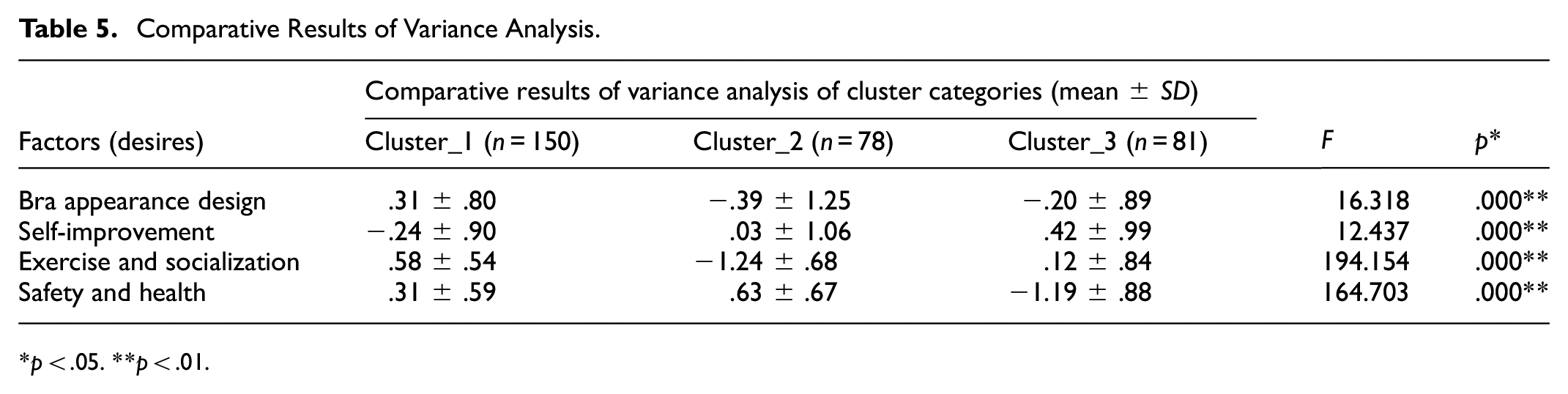
p < .05. **p < .01.
Defining Categorical Features of Ideal User Group
The clustering of samples has led to the formation of user groups with distinct preference tendencies. However, these groups lack information regarding related user features, such as gender, age, and other behavioral characteristics obtained from the questionnaire. Given that categorical variables have a different data type from quantitative variables, it is necessary to standardize the categorical variables to align them with the quantitative variables. In this study, we employed the dimensionless method for data standardization.
Dimensionless methods play a crucial role in data preprocessing as they harmonize various features of the data onto a consistent scale or range. This has several advantages, including the elimination of dimension discrepancies among features, a reduction in computation time, and improved modeling and analysis capabilities. In this study, we opted for Min-Max normalization for the categorical variables since it effectively preserves the scale information of the original data, making it widely employed. The normalization formula for Min-Max is as follows:

Where x represents the original data, Min refers to the minimum value of the data, and Max represents the maximum value of the data. In this study, the three clustering outcomes are referred to as clusters, and Table 6 showcases the combined statistical description information of the data after merging the dimensionless categorical variables and clusters. This table effectively presents the total number of samples, mean, standard deviation, minimum value, maximum value, and quantile information of these features and the three clustering results.
Statistical Description of Data After Dimensionless Transformation.

Once the categorical and quantitative variables have been normalized, the data is ready for regression analysis and other statistical calculations. However, owing to a slight imbalance in the samples across the three clusters, this article adopts a more robust deep learning approach to address this issue. Compared to methods such as regression analysis, deep learning has significant advantages in dealing with problems such as imbalanced samples. To prevent any bias in the model, the samples are first balanced. This ensures that the model does not unfairly favor predicting classes with a larger number of samples, which could potentially lead to a decline in predictive performance. To address the imbalance in the classification problem dataset, this paper employs the Synthetic Minority Over-sampling Technique (SMOTE) oversampling technique.
For each sample x in the minority class, the Euclidean distance formula (2–8) is utilized to calculate its distance to all samples in the minority class sample set. This helps in identifying its k nearest neighbors. Next, a sampling ratio is determined based on the imbalance ratio of the sample. This ratio is used to determine the sampling multiple N. The program automatically selects the best sampling strategy. For each minority class sample x, a random selection is made from its k nearest neighbors. Let’s assume the selected neighbors are

Here,
Over-sampling the training set allows for a better understanding and learning of the characteristics associated with the minority class. Figure 4 illustrates the frequency changes of the three categories in the training set before and after applying SMOTE. It is evident that the initially imbalanced data have been over-sampled to a count of 926. The over-sampled data set is then utilized as the new training set for the model, resulting in a training set dimension of (2778,11).

Frequency comparison before and after SMOTE.
Ideal User Group Modeling Integrating Categorical and Quantitative Variables
After completing the standardization of quantitative and categorical variables in the data, a deep learning model was constructed, with the categorical variables serving as independent variables and the results from three clustering analyses serving as dependent variables. To validate the effectiveness of deep learning in modeling ideal user groups, this article evaluated 10 deep learning algorithms, encompassing classifier design, training, and model assessment.
In this study, the loss function and optimizer are discussed in the context of a multi-classification problem. The Cross-Entropy Loss function is utilized for this purpose. Assuming there are C categories, the calculation of the loss function for each sample can be represented as follows:

Here,


A bias correction is then performed to account for the initialization of the momentum items


Finally, the parameter


The activation function plays a crucial role in deep learning algorithms as it allows for non-linear processing, enabling the algorithm to learn more complex feature representations and better capture the nuances of the data. Since this article does not have many network layers, we utilize the relu (Rectified Linear Unit) activation function, given by

The test results of deep learning are presented in Table 7. Notably, the CNN achieved an accuracy of 98.99% and an F1 score of 98.99%. Moreover, the LSTM exhibited an accuracy of 96.59% and an F1 score of 96.62%. The RNN, GRU, Decision Tree, and CatBoost also showcased commendable performance in this test. Figure 5 portrays the confusion matrix of models with F1 scores surpassing 90%. In the case of CNN, out of the 226 samples in cluster_1, only 3 instances were misclassified into cluster_3. Additionally, all 138 samples in cluster_2 were accurately classified. In cluster_3, out of the 135 samples, only 2 were erroneously classified into cluster_2, while the remaining samples were correctly classified. These results demonstrate the effectiveness of the classification approach employed.
Test Results of Deep Learning.


Confusion matrix of four models.
According to the results in Table 7 and Figure 5, the classification outcomes validate the viability of our data strategy and substantiate the efficacy of the deep learning classifier developed in this study. We now present a comprehensive representation of these groups. Figure 6 showcases a violin plot of categorical variables, which is a visualization technique used to display multivariate distributions. This plot provides both the density estimation of each variable and the location of the sample data. The width of the plot represents the density of the data distribution for each category, while its shape indicates the skewness of the distribution and the impact of outliers. For instance, within the three categories, the attribute v0 (representing “age”) in cluster_1 has an interval between (1,5), with 3 being the dominant value. In cluster_2, the interval ranges between (1,4), with 3 being the majority followed by 2. Lastly, cluster_3 has an attribute interval of (2,5), with 3 being the majority value. By applying this logic in conjunction with the previously obtained K-means clustering results, we have successfully derived complete cluster representations for the three user groups. Consequently, the integration of categorical and quantitative variables has been achieved, resulting in the establishment of a model for the target user group that encompasses all relevant attributes.
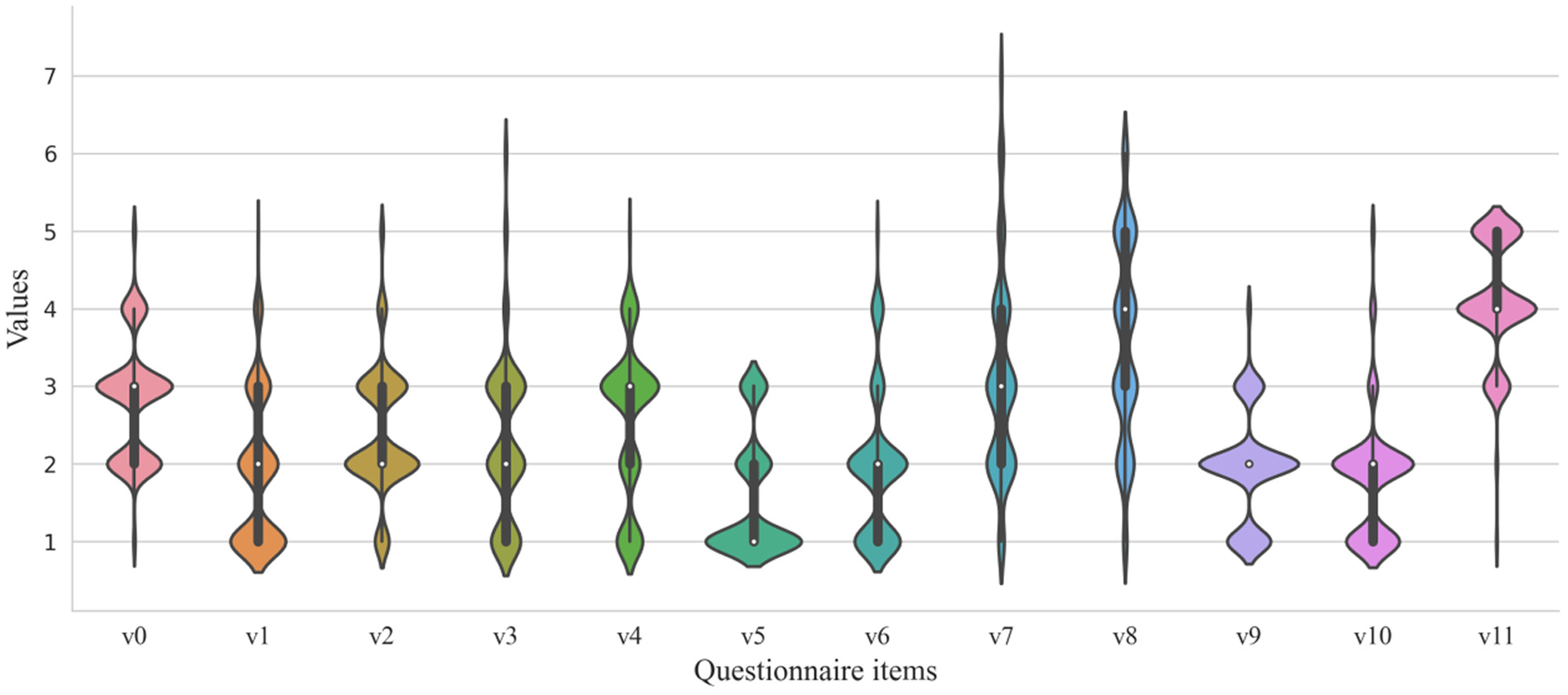
Attribute interval plot of categorical variables.
(1) Cluster_1 user group: This group exhibits a strong interest in the exercise and social aspects of the smart sports bra. Additionally, they prioritize the bra’s appearance and its impact on their health. In terms of age range, they predominantly fall within the 18 to 24 years old bracket (v0). Their monthly consumption level tends to be below 2,000 yuan, although a small percentage falls between 2,000 and 3,000 yuan (v1). When it comes to exercise, they engage in physical activity 1 to 2 times per week, focusing on shaping and relaxation. Their preferred workout setting is at home, often opting for low-intensity exercises like walking, yoga, Pilates, or road biking. They typically follow exercise videos or engage in self-guided routines. Their primary concern during exercise is the lack of supervision and the fear of performing movements incorrectly. Wearing sports bras is a habit for them, especially medium-length ones, as they believe these bras provide optimal chest protection. For a detailed breakdown of their categorical variable attributes, please refer to Figure 7.

Attribute interval plot of categorical variables for cluster_1.
(2) Cluster_2 user group: This group places a significant emphasis on the exercise aspect of the smart sports bra while not paying much attention to other factors. The majority of users in this cluster are aged between 22 and 24 years old, with their monthly consumption level mostly falling below 2,000 yuan, although a small portion falls between 2,000 and 3,000 yuan (v1). They engage in exercise 1 to 2 times per week with the goal of fat loss, muscle gain, and body shaping. They prefer home workouts and typically opt for low-intensity exercises such as walking, yoga, Pilates, and road biking, with a small percentage also engaging in high-intensity exercises. Their preferred method of exercise is usually following workout videos. The primary concern for this group during exercise is the lack of supervision. They tend to rarely wear sports bras, but when they do, they prefer short and medium-length ones as they believe sports bras are suitable for exercise and offer chest protection. For a detailed breakdown of their categorical variable attributes, please refer to Figure 8.
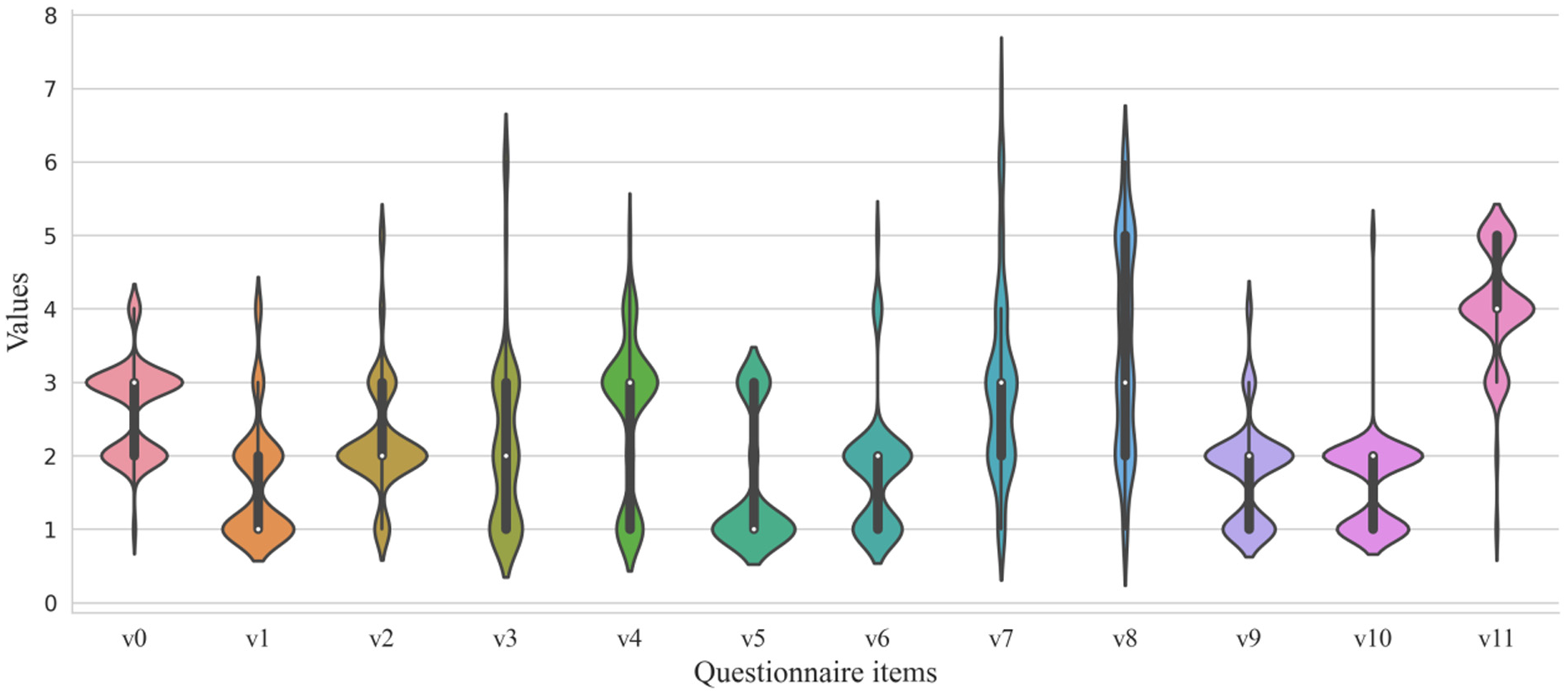
Attribute interval plot of categorical variables for cluster_2.
(3) Cluster_3 user group: This group places more emphasis on the health benefits of the smart sports bra and is less concerned about its exercise features. The majority of users in this cluster are aged between 22 and 24 years old, with their monthly consumption level falling between 2,000 yuan and below, as well as 2,000 to 5,000 yuan. They engage in exercise 3 to 4 times per week, with the goal of relaxation and body shaping. They prefer home workouts and often choose low-intensity exercises such as walking, yoga, Pilates, and road biking, with a smaller portion also incorporating medium-intensity exercises. Their preferred method of exercise is usually following workout videos or receiving guidance from a coach. The primary concerns for this group during exercise are the lack of supervision, fear of incorrect movements, and not seeing quick results. They frequently wear sports bras and tend to prefer medium and long-length options, as they believe sports bras are suitable for exercise and provide chest protection. For a detailed breakdown of their categorical variable attributes, please refer to Figure 9. Thus, all the three user groups are successfully constructed.
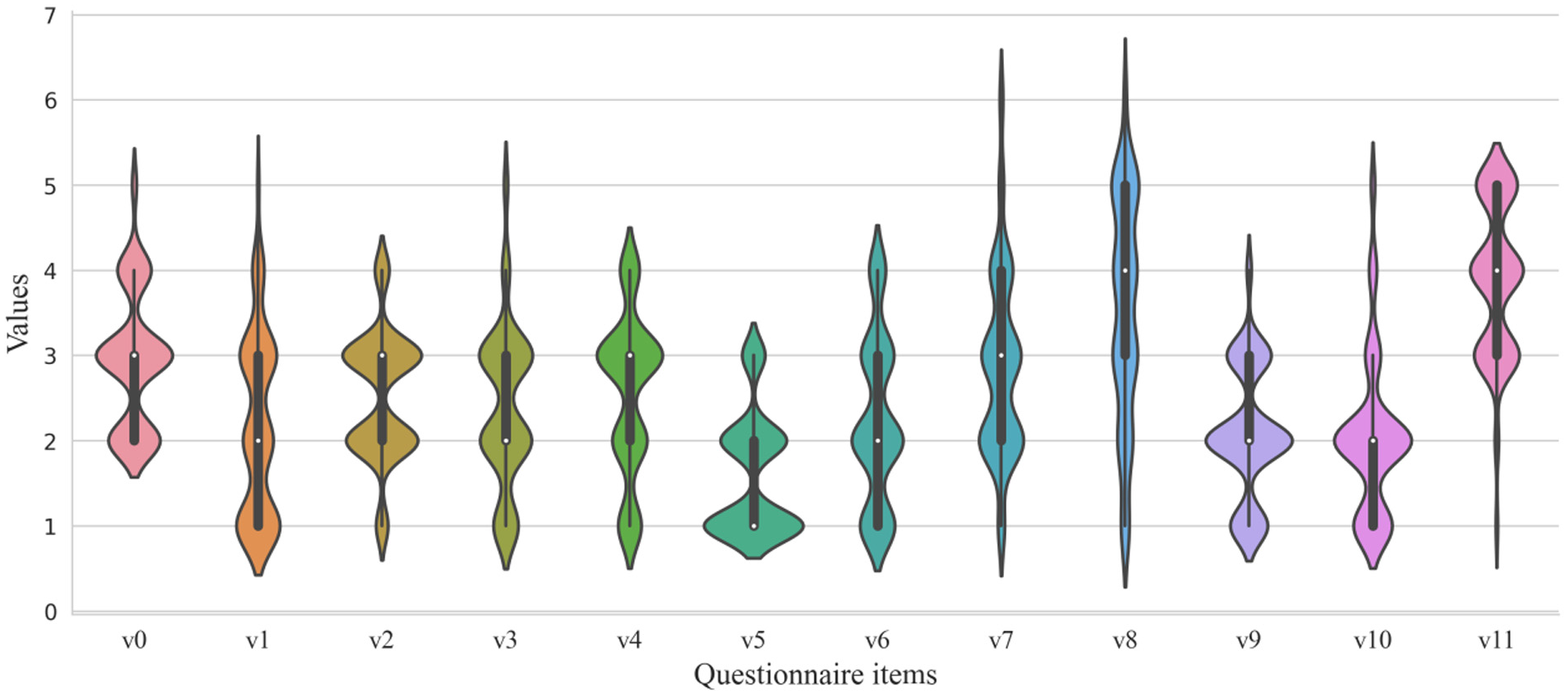
Attribute interval plot of categorical variables for cluster_3.
Incentive Design based on Mirror Flipping
Determining Initial Needs and Their Ideal User Group
To determine the most ideal target user group, we selected individuals who chose the “5 very willing” option in the questionnaire item “v11: Would you be willing to wear such a smart sports bra with the functions described above?” as our primary focus. From Figures 7 to 9, it is evident that cluster_1 exhibits the highest proportion of participants choosing “5 very willing.” Furthermore, examining the user features across the three clusters, cluster_1 stands out with the most favorable attributes. Consequently, cluster_1 is designated as the ideal user group, primarily driven by factors such as social interaction and interest in the smart sports bra. Thus, this paper constructs the motivation logic grounded in the initial needs of cluster_1, where the initial needs correspond to positive creativity solutions, while the end needs correspond to zeroing solutions and negative solutions (−1 solution).
To accurately assess the design of the motivational logic, this article establishes clear definitions for zeroing solutions, negative solutions and positive creativity solutions. As shown in Figure 10, zeroing solutions typically represent the primary approach for problem-solving, while the negative solutions represent meeting needs. For instance, if someone finds exercise boring, the zeroing solution would be to exercise with a partner, zeroing solution mainly aims to eliminate complaints, confusion, dissatisfaction, troubles, and so on. If someone wants to exercise scientifically, the negative solution is that they can follow the movements of a coach or exercise under the guidance of a coach, negative solution involves simply adding “−1” to address the needs. These conventional design approaches primarily solve problems within the negative value space, resulting in solutions ranging between (−x, x). Since it doesn’t delve deep into the underlying needs, the implicit motivation driving the explicit needs remains unknown, making negative solution often seem “obvious.” Research has shown that finding the essence between elements resulted in more original and higher quality solutions to the problems (Reiter-Palmon et al., 2023). As shown in Figure 10, finding the implicit initial needs from the explicit end needs facilitates the proposal of better solutions.
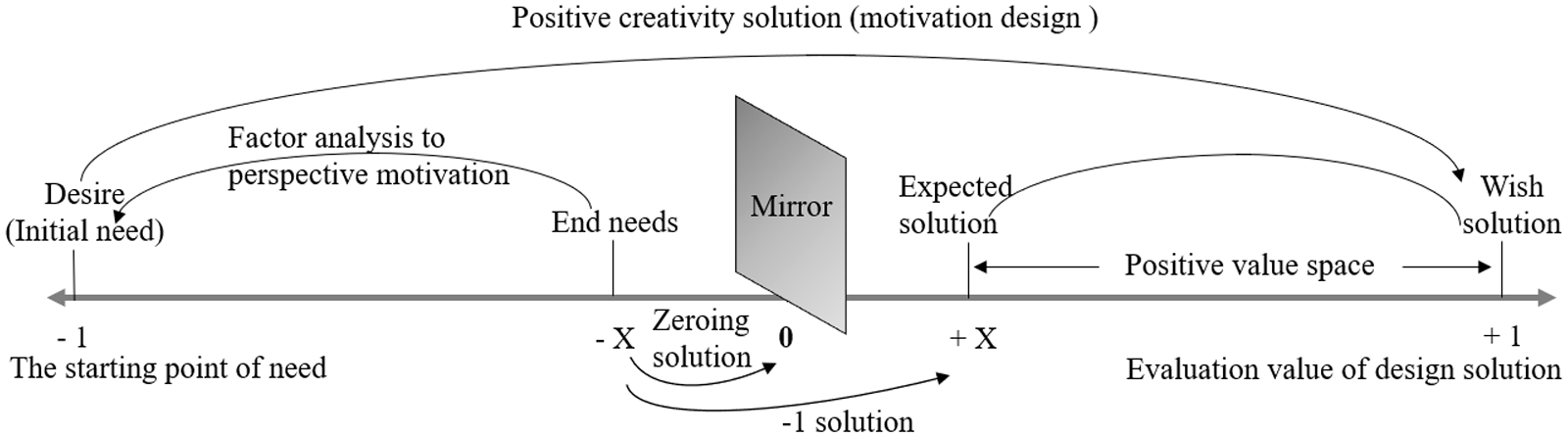
Incentive design based on mirror flipping.
Unlike zeroing solutions and negative solutions that seek “obvious” solutions in negative value space, positive creativity solutions are based on initial needs and utilize mirror flipping to create new motivations that the user “doesn’t know they need,” achieve solutions beyond expectations, and even achieve wish solutions, allowing solutions to fall into positive value space, within the range of (X, 1). Among them, the solutions beyond expectations represent falling within the range of (X, 1), and the wish solutions represent being at the position of “+1.” The positive value space can be used to evaluate whether the solutions of design and creative activities belongs to the category of positive creativity solutions. The proposal of positive value space and negative value space is to better distinguish positive creativity solutions from zeroing solutions and negative solutions.
Mirror Flipping
Using the factor analysis and Maslow’s hierarchy method, this article derives the users’ implicit initial needs (Desires) from their explicit end needs. In the realm of design, desires are typically fulfilled by one or more attributes (Functions) of a specific product or service, which motivate directed user behavior towards achieving the user’s goal. This design approach, aimed at satisfying user desires, is referred to as incentive design. The process of incentive design, grounded in the initial needs (Desires) and utilizing the materialized product and service (Proposal) as a reflection, is called mirror flipping. In this context, the leftmost side of the mirror represents the desire, while the rightmost side represents the wish solution, which is the most desirable design outcome.
Mirror flipping occurs during the stage of “Incentive design → Desire.” Taking the initial need (Desire) of “Exercise and Socialization” (Love and belonging) in cluster_1 as an example, the corresponding end needs include “Exercise-based Friendship,”“Exercise Competition,”“Exercise Sharing,” and so on. These end needs are specific to certain industries, technologies, products, and services.
As depicted in Figure 10, in the process of mirror flipping, the end needs are positioned more toward the mirror side, leading to solutions that are relatively ordinary and fail to reach the desired positive value space. In contrast, the starting point of the initial need design precedes that of the explicit end need. For “Exercise and Socialization” (Love and belonging), we initially disregard end needs such as “Exercise-based Friendship” due to the limited solutions provided by existing products and services. Using the mirror flipping method, we can explore various new attributes (Functions) related to the “Sport proposal” of the smart sports bra, thereby creating new motivations. For example, users can wear smart sports bra during live exercise broadcasts, follow celebrities who use them for their workouts, or choose sexy styles to potentially enhance their appeal. These are all novel motivations derived from mirror flipping. The subsequent step involves evaluating these motivations (note that due to space limitations, the evaluation will not be covered in this article) to ensure they reside within the positive value space. It is evident that motivational logic design rooted in initial needs frequently leads to positive outcomes akin to a value of +1. Thus, P2 is confirmed, suggesting that by virtue of the earlier starting point of initial needs, incentive design can be more effectively executed. As illustrated in Table 8, the end needs listed primarily align with negative outcomes, stemming from a direct design approach that may be considered as a −1 solution. Conversely, mirror flipping from initial needs fosters positive and creative solutions, broadening the scope for innovative design and creativity.
Results of Mirror Flipping.

Discussion
Discussion on Initial Needs and Implicit Motivation
In the field of psychology, it is widely accepted that implicit motivations determine explicit needs and behavior (Fogg, 2025). However, there is currently no literature on how to capture implicit motivations from explicit needs and behaviors and utilize them for design purposes, thus guiding motivational logic design. Based on summarizing the S-O-R model, the TPB and its extended theory, the MGB model, this article delves deeper into the intrinsic motivational drive mechanism. Subsequently, utilizing Maslow’s hierarchy of needs theory and the factor analysis method, we successfully transformed explicit needs into implicit motivation, marking a crucial milestone in the process of designing motivation logic. This achievement enables us to derive initial needs, thereby rendering the motivational logic design both traceable and justified. The initial needs, which are pure and simple, can manifest into various end needs when influenced by diverse industries, technologies, and products. This article validates this process through the application of factor analysis and Maslow’s hierarchy of needs theory. Nevertheless, further promotion and validation of this methodology are still warranted, potentially including the incorporation of additional principal component analysis ideas, in order to attain an even more optimized solution for capturing the initial need.
This work distinctly defines the delineation between explicit needs and implicit motivations and furnishes a methodology for transitioning from the former to the latter, establishing the fundamental boundaries and framework that underpin the motivational logic design paradigm. Furthermore, compared to the Fogg Behavior Model (Fogg, 2025), this study offers a more comprehensive explanation of implicit motivation and its inner loop mechanism. It addresses the closed-loop design of motivation-driven mechanisms and provides a clearer understanding of the ultimate state of user goals. As implicit motivation is the driving force behind behavior, it can be harnessed to anticipate user behavior and decisions, albeit not all behaviors necessarily mirror the user’s genuine motivations. For instance, a female user’s decision not to wear a sexy sports bra might stem from the fact that the sexy aspect does not align with her personal identity, or she might fear attracting undue attention despite personally favoring such bras. In the latter case, we can potentially alter the behavior of this user group by employing strategies such as personalized recommendations. This underscores the superiority of motivational logic in elucidating the core of issues and accurately conveying users’ true intentions, compared to behavioral logic, especially when facing complex product design issues. Moreover, the proposed method, beyond its application to smart sports bra, can be extended to other intricate product designs.
Discussion on the Method of Incentive Design Based on Desire
When the initial needs are determined, the design process gradually shifts its focus from behavior to motivation, enabling a traceable motivational logic design approach and expanding the designable space. When designers encounter problems, merely “solving problems” or “responding to needs” may yield negative or limited solutions. However, if designers can redefine the problems and explore new motivations, design becomes about “creating desires,” leading to unexpected and positive creative solutions. Compared with the TPB and its extended theories (Ajzen, 1991; Perugini & Bagozzi, 2004), this study introduces incentive design as a closed-loop internal drive mechanism for motivation in design, offering both theoretical and practical support for innovative design and creative activities. There is a management concept known as the Kano model, which also pertains to this idea. The Kano model categorizes the level of user needs being met by product functions into distinct factors: unexpected factors, expectation factors, essential factors, indifferent factors, and reverse factors. Specifically, the expectation factor is defined as follows: when a product possesses this function, the user will feel satisfied; however, if the product lacks this function, the user will feel dissatisfied. On the other hand, the unexpected factor, also known as exceeding user expectations, refers to situations where if a product possesses a certain function, users will feel highly satisfied, but if the product doesn’t have this function, users are indifferent, as they did not anticipate it initially (X. Yang et al., 2021). This is where the similarity lies between the expectation factor in the Kano model and the positive creativity solutions mentioned in this paper, and the unexpected factor in the Kano model and the positive creativity solutions. However, the method proposed in this paper offers guidance for the design process, whereas the Kano model is solely used for evaluating design outcomes (Sampson et al., 2023).
The motivational logic design proposed in this paper is a design paradigm that builds upon the S-O-R framework by incorporating the TPB and the MGB as mid-level models to explain the internal mechanisms of the “Organism.” The “Organism” in motivational logic design is divided into two stages: the “Incentive design → Desire” stage and the “Desire → Intention” stage. This paper delves into a deeper level of analysis to deconstruct the positive creative activities found within these two stages. By focusing on the design of incentives, it achieves a closed loop of motivation-driven mechanisms that are oriented toward design studies. This, in turn, enables the framework to better support innovative design and positive creation activities.
Conclusion and Future Work
This article successfully achieves a theoretical integration of motivational psychology and design methodology. First, prompted by the proliferation of increasingly complex products like smart sports bra and the maturation of motivation research, we propose categorizing design methodologies into physical logic design, behavioral logic design, and motivational logic design. This paradigm evolution aligns with psychology’s broader shift from behavioral to cognitive psychology and directly addresses the challenge of expanding the design space and deepening exploration depth inherent in traditional user-centered design. Furthermore, to establish the theory and methodology of motivational logic design, this article delineates motivation based on motivation psychology and its S-O-R model. Building upon theoretical foundations like TPB and MGB, we incorporate incentive design factors to construct a motivation-driven design framework. As a nascent field, motivational logic design demonstrates significant potential for tackling intricate product design challenges. Finally, to demonstrate practical applications, we examine the smart sports bra through a case study of its complex product form, emphasizing the transition process from end-needs to root motivation exemplifying motivation logic design in intricate products, and showcasing applied techniques like mirror flipping. The work provides significant theoretical and practical contributions, establishing originality that offers valuable references for innovative design and creative endeavors across design and management studies.
This article utilizes a questionnaire survey and data statistical analysis method to analyze end and initial needs from a macro perspective, facilitating the transformation of explicit needs into implicit motivations. We employ several statistical methods and deep learning techniques, with factor analysis as the primary tool for transforming numerous end needs into initial needs. This approach seeks to establish a design paradigm rooted in motivation logic. Furthermore, K-means clustering is used to identify user groups based on their desired preferences. Deep learning, on the other hand, integrates categorical and quantitative variables of these groups to create an ideal target user group, enabling more targeted incentive design. Compared to traditional statistical analysis methods, the incorporation of deep learning techniques offers advantages in tracing the evolution from explicit needs to implicit motivations. Notably, our proposed method demonstrates advantages in modeling ideal user groups. It not only quantifies the distance between user groups and their preferences but also resolves critical issues such as sample imbalance while effectively managing the regression relationships between categorical and quantitative variables. We clarify that deep learning methods are not the exclusive approach in this study, as regression analysis can similarly fulfill these functions. However, given the sample imbalance observed in this case, implementing deep learning yields superior performance.
There are several limitations in this paper that need to be addressed. First, the study lacks a thorough explanation of the intrinsic mechanism of motivation. To overcome this, future empirical research should focus on cognitive neural mechanisms, such as utilizing electroencephalograms (X. Wang et al., 2023) or magnetic resonance imaging (Balters et al., 2023) to study cognitive processing mechanisms. These methods may provide a more comprehensive understanding of motivation. Second, to establish a novel design paradigm, this study synthesizes multiple theoretical and methodological frameworks—enabling researchers to adapt and supplement components according to task-specific requirements. As illustrated through our methodological framework, this article investigates implicit motivations by integrating factor analysis with Maslow’s hierarchy of needs theory. While the empirical data suggests methodological feasibility, further research should explore alternative statistical approaches to validate and improve this framework. We encourage broader scholarly participation to refine and expand these theoretical and methodological foundations.
Footnotes

Ethical Considerations
This study adhered to ethical standards for social science research. Ethical approval was not required as no sensitive or identifiable personal data were collected, and participants were exposed to minimal risk.
Consent to Participate
All participants were fully informed about the study’s purpose and provided explicit informed consent prior to participation.
Author Contributions
Xiaohong Mo: conceptualization, data curation, methodology, visualization, writing-original draft. Zhihao Xie: methodology, conceptualization, resources, supervision. Ding-Bang Luh: conceptualization, resources, supervision, writing-review & editing.
Funding
The authors disclosed receipt of the following financial support for the research, authorship, and/or publication of this article: This work is supported by the Guangdong Philosophy and Social Sciences Youth Project (Research on Design Theory and Method Based on Motivation Psychology) under Grant GD25YYS52.
Declaration of Conflicting Interests
The authors declared no potential conflicts of interest with respect to the research, authorship, and/or publication of this article.
Data Availability Statement
The data that support the findings of this study are available from the corresponding author upon request.