




Abstract
This research explores the primary factors influencing consumer purchase intentions for second-hand electronic products, focusing on environmental, social, and governance (ESG) factors—carbon reduction promotion (E), perceived climate change (S), and price discounts (G). The impact of AI-generated advertising is also assessed. Ordered logistic regression analyzes the effects of these factors on consumption, with consumer online comments helping to evaluate ESG perceptions. This study shows that promoting carbon reduction, raising climate change awareness, and offering price discounts encourage green consumption. In addition, AI-generated ads work as well as traditional ads, but their impact drops if consumers know they are created using AI. The research highlights a significant gap in marketing strategies, particularly the underemphasis on carbon reduction in the promotion of second-hand electronics. Addressing this gap could help businesses engage with environmentally conscious consumers.
Plain language summary
This study examines why people buy second-hand electronics, focusing on price discounts, climate awareness, and carbon reduction efforts. It also looks at how AI-generated ads influence green buying behavior. Results show that affordability and environmental concerns drive purchases, but AI ads lose impact if people know they are AI-made. The study highlights a missed chance in marketing—carbon reduction is rarely promoted in used electronics ads, limiting their appeal to eco-conscious consumers.
Keywords
Introduction
In 2024, the world recorded its warmest January (Commission, 2024), underscoring the escalating impacts of climate change, such as extreme weather, rising sea levels, and widespread threats to health, food security, and livelihoods (WMO, 2024). Catastrophic events, including the massive Los Angeles wildfire in 2024, further illustrate the urgent need for action. Some consequences, like sea level rise and melting ice sheets, are irreversible over centuries. In response, countries such as the UK, the US, China, and Canada are advancing carbon reduction strategies, and companies like Apple, Google, Walmart, and Coca-Cola have pledged to lower their carbon footprints. Promoting consumer adoption of environmentally friendly products, including second-hand goods, has become essential to combating climate change.
The disposal of electronic products poses major environmental challenges. Promoting second-hand electronics offers an effective solution, with each reused mobile phone reducing carbon emissions by at least 25 kg and larger appliances, like refrigerators, saving up to 130 kg (Institute of Energy and Environmental Economics, 2021). China’s second-hand unused goods market has seen remarkable growth in recent years. The transaction scale has rapidly increased from approximately 47 billion USD in 2015 to over 150 billion USD in 2020.The scale of China’s second-hand unused goods market is projected to reach nearly 460 billion USD by 2025 (Trading, 2021).
Despite substantial literature on consumer behavior related to environmentally friendly products and green consumption, green consumption refers to the use of products and services that have minimal environmental impact (Emekci, 2019; Testa et al., 2021), specific research on consumers’ intentions to buy second-hand electronic items is sparse.
ESG is mainly applied in the investment and corporate sectors (Kotsantonis et al., 2016), but little attention has been given to how it can guide individual green behaviors. This gap is critical, and understanding what drives eco-friendly purchases of second-hand electronics could help develop strategies to promote green consumption.
The environmental, social, governance (ESG) framework originally emerged as an investment strategy assessing companies’ environmental protection, social responsibility, and governance practices. As ESG communication has grown, companies increasingly integrate these factors into their strategies (Amankwah & Abonge Viyu, 2011; Sun et al., 2023). Sustainability is defined as meeting the needs of the present without compromising the ability of future generations to meet their own needs (WCED,1). Research shows that consumers prefer brands with strong ESG performance and avoid those with poor practices (Bahadori et al., 2021; Friede et al., 2015). Firms highlight ESG achievements in marketing to boost consumer loyalty, and corporate sustainability initiatives and certifications help stimulate green consumption behavior (Rustam et al., 2020).
Integrating ESG, carbon reduction promotion of second-hand products can be analyzed under the E factor because it reflects the company’s responsibility toward environmental issues. Consumer perception of climate change is linked to the S factor because it shows how companies engage with customers on climate-related concerns and demonstrate social responsibility. The G factor can be associated with the enterprise’s price discounts on second-hand products, reflecting strategic efforts to promote green consumption. As AI-generated content (AIGC) becomes increasingly popular in company advertisements and attracts substantial attention from businesses and consumers, the influence of AI-generated ads should also be considered.
Research on green consumption highlights second-hand goods as a key strategy for promoting sustainability by extending product life cycles and reducing waste (Borusiak et al., 2020). Motivators for second-hand consumption include cost savings, environmental concern, and growing preference for sustainable lifestyles (Waight, 2014). Although much research focuses on clothing and household items, fewer studies specifically examine second-hand electronics. Second-hand electronics offer remarkable environmental benefits by reducing e-waste and carbon emissions (Cenci et al., 2022). Consumers are motivated by affordability, environmental awareness, and online accessibility (Avcı & Yıldız, 2023), but concerns about quality and reliability persist. However, a notable gap exists in applying structured frameworks like ESG to understand and promote green purchasing behavior in the second-hand electronics market.
This gap in the literature raises the following questions: Does the promotion of carbon reduction by companies encourage the purchase of second-hand electronics by consumers? Does consumers’ perceived climate change affect their willingness to consume green? To what extent do companies’ price discounts for second-hand electronics promote the consumption of this purchase? Are AIGC ads more persuasive than ordinary ads, or vice versa?
To address these questions, this paper is divided into three studies. Study 1 applies ESG theory to establish an ordered logistic regression model. It explores the mechanisms by which price discounts, perceived climate change, and carbon reduction promotions influence consumers’ green consumption intention. Study 2 analyzes the different effects of ordinary and AI-generated ads, utilizing an ordered logistic regression model as well. Study 3 employs the latent Dirichlet allocation (LDA) topic model to analyze review data, determining the actual concerns of consumers when purchasing second-hand electronic products. This aims to provide a practical guide for promoting second-hand electronic goods.
This study investigates how economic factors, product trust, and environmental awareness shape consumer behavior in the second-hand electronics market. It also examines the role of AI-generated advertising in influencing green purchasing decisions and explores whether consumers’ knowledge of AI involvement affects their perceptions. Additionally, the research considers how climate concerns intersect with marketing strategies and identifies potential gaps in how environmental benefits are communicated in this sector.
This study focuses on a limited dataset and selected variables, which are further discussed in the Limitations section.
Theoretical Background and Conceptual Model
ESG Framework
The E in the ESG framework pertains to the criteria assessing a company’s ecological impact and resource use (Litvinenko et al., 2022). This aspect evaluates a company’s carbon footprint, including its adoption of renewable energy and management of emissions (Chung et al., 2024; Swinkels & Markwat, 2024). It also encompasses the broader influence of a company’s activities on the natural environment and its strategies for mitigating environmental risks.
From a social perspective, ESG emphasizes a corporation’s commitment to sustainable practices and responsible business conduct (Sachdeva, 2021). ESG encourages companies to implement pro-environmental strategies that aim to reduce their ecological footprint, minimize resource consumption, and mitigate negative impacts on the environment. Furthermore, ESG encourages corporations to take an active role in promoting green consumption among their stakeholders, including customers, employees, and suppliers (Ülkü & Hsuan, 2017). Environmental awareness greatly moderates the relationship between environmental information disclosure and consumers’ willingness to participate in eco-responsible consumption activities.
The G aspect of ESG focuses on the internal governance structure of a company and how it operates. It also influences the company’s strategy of promoting green consumption to its consumers (Murè et al., 2021). Most studies find that ESG factors are positively correlated with firms’ financial performance and that these positive results are pronounced in the long run and affect the share prices of these firms (Núez et al., 2022). Companies that uphold good and consistently high-quality ESG disclosure are positioned to reap substantial benefits from the adoption of ESG practices, including positive effects on consumer green consumption (Glück et al., 2021).
To understand how companies can promote green consumption behaviors, this study applies the ESG framework to the context of second-hand electronics. By aligning specific marketing strategies and consumer perceptions with ESG dimensions, the study systematically evaluates how businesses can foster sustainable purchasing intentions. In this framework, carbon reduction promotion, perceived climate change, and price discounts are respectively mapped onto the E, S, and G pillars, as detailed below.
Environmental (E)—Carbon Reduction Promotion
The E dimension of ESG evaluates companies’ ecological impact, including carbon footprint management and strategies to mitigate environmental risks (Handoyo & Anas, 2024; Khatib & Al Amosh, 2023). Advertising carbon reduction initiatives directly reflects a company’s environmental efforts by communicating how its practices reduce emissions and protect natural resources. Through this advertising, companies demonstrate their environmental commitment, aligning with ESG expectations under the E factor.
Social (S)—Consumers’ Perceived Climate Change
The S dimension emphasizes a company’s role in promoting sustainable practices and responsible behavior among stakeholders (Chen et al., 2023; Khamisu et al., 2024). Consumer perception of climate change reflects the success of corporate social engagement efforts to raise environmental awareness. A company that effectively communicates climate-related issues fosters strong environmental consciousness among consumers, directly aligning with the S aspect of ESG by influencing green consumption behavior.
Governance (G)—Price Discounts on Second-Hand Electronics
The G dimension involves corporate policies and practices that ensure responsible, transparent, and sustainability-oriented operations (Claro & Esteves, 2021; De Bernardi & Annesi, 2025). Offering price discounts on second-hand electronics can be seen as a governance-driven strategy, where a company adopts responsible consumption policies by making sustainable products accessible. It reflects an operational commitment to promoting circular economy principles and integrating sustainability into core business strategies, both of which are key elements of ESG governance.
Carbon Reduction and Green Consumption
The promotion of carbon reduction has contributed to the development and popularity of green consumer products (Singh, 2021). Consumer behavior is crucial for carbon reduction. Low-carbon consumption and green product purchases, like eco-friendly transport, appliances, and recyclables, can cut emissions. Retailers using eco-labels improve customers’ perceptions, increasing their willingness to buy green and even to pay more (Pirog, 2004). Research indicates that eco-labels alone are insufficient to markedly enhance consumer motivation(Ghouse, Shekhar, Ali Sulaiman, & Azam, 2024) among millennials and that the green purchase intentions of Gen Y and Gen Z are shaped by digital literacy and eco-friendly behavior, with notable generational differences(Ghouse, Shekhar, & Chaudhary, 2024).
The use of green shopping bags, recyclable cups, and eco-friendly home furnishings is driven by carbon reduction. Carbon reduction can also inspire consumers to think about and advocate environmental issues, thus making them pay more attention to environmental protection and sustainable development (Gierling & Blanke, 2021; Huang & Li, 2022). Carbon reduction promotion is strengthened by consumers’ voluntary adoption of goods and services that reduce energy consumption, control waste at source, and promote sustainable use (Liobikienė & Brizga, 2022; Rawat et al., 2024).
Green consumption, also known as environmentally friendly consumption or sustainable consumption, refers to the deliberate and conscious choice of products and services that have a low impact on the environment throughout their life cycle (Peattie, 2010). It involves making purchasing decisions that consider the environmental implications of goods and services, with the aim of reducing resource consumption, minimizing waste, and promoting sustainable production and consumption patterns (Bellizzi & Hite, 1992). Green consumption can reduce the negative impact on the environment while creating new business models and market opportunities, which is important in promoting environmentally sustainable development (J. Lee & Haley, 2022). A key factor affecting consumers’ green consumption is their level of awareness about environmental protection. This awareness and understanding influence their perception and acceptance of green products (Ki et al., 2024). Moral identity plays a pivotal role in enhancing the inclination toward green consumption, driven by a strong sense of responsibility for environmental preservation. When consumers clearly understand the impact of present-day human activities on climate change, this understanding further heightens their sense of responsibility for environmental damage, prompting them to actively engage in green consumption behavior (Soneryd & Uggla, 2015).
Impact of AI-Generated Advertising
AI-generated advertising leverages data-driven targeting and personalization to enhance ad relevance and engagement, grounded in consumer behavior theories that emphasize the importance of tailored messaging (C. Campbell et al., 2022). Utilizing predictive analytics, AI optimizes ad campaigns by foreseeing consumer actions, and its ability to generate creative content and conduct A/B testing aligns with theories of creativity and experimental optimization, respectively, aiming to capture consumer attention and improve recall (Chaisatitkul et al., 2024; Phay, 2019). Additionally, AI can strategically employ psychological triggers, such as social proof or FOMO, to increase ad effectiveness (Good & Hyman, 2020; Preethi & Gupta, 2024). However, the integration of AI in advertising also raises ethical concerns related to privacy and transparency, which could impact consumer trust and the overall effectiveness of AI-generated advertisements (Biswal et al., 2023; D. Kumar & Suthar, 2024).
Hypothesis Development
Price Discount and Green Consumption Intention
When consumers perceive a second-hand item as lower in price than its brand-new counterpart, this perception often creates a sense of value and affordability. This price reduction can attract price-sensitive consumers seeking cost-effective options (Li et al., 2021). The perceived cost savings positively influence consumers’ purchase intention. The influence of climate change on consumers’ living budgets has a notable effect on their inclination to engage in green consumption. Living budgets, a crucial economic factor for individuals, predominantly determine their capacity to purchase specific products (Kim & Hall, 2020). Consumers’ attitudes related to sustainability aspects of buying second-hand clothes (such as saving natural resources and energy) lead to a positive attitude toward buying second-hand clothes online (Ek Styvén & Mariani, 2020). When a low price is associated not only with a product being used but also with its potential to reduce carbon emissions, the price discount becomes more efficient. In summary, the following hypothesis is formulated:
Perceived Climate Change and Green Consumption Intention
Previous studies confirm the association between environmentally perceived climate change and consumers’ pro-environmental behavior (Kumar Kar & Harichandan, 2022; Vermeir & Verbeke, 2006). Perceived climate change increases consumers’ perception of the environment and positively contributes to their green consumption behavior (Panno et al., 2015). The greater consumers’ awareness of climate change and the need for carbon reduction, the better their understanding of the severity of current domestic and international carbon emissions and their impact on the climate (Solomon et al., 2009). Furthermore, individuals who possess this awareness are likely to recognize carbon reduction as a critical environmental objective for humanity and the world and demonstrate a great sense of social responsibility (Aftab & Veneziani, 2024). The following hypothesis is put forward:
Carbon Reduction Promotion and Green Consumption Intention
Green advertising has the potential to guide consumers away from climate-damaging consumption habits and promote a low-carbon culture. This can be achieved by disseminating accurate information and utilizing various psychological mechanisms (Gao et al., 2022; Hartmann et al., 2023). ESG emphasizes that a company’s commitment to environmentally friendly practices and proactive social responsibility initiatives can greatly enhance its corporate reputation. Furthermore, the perceived S and G dimensions of ESG have a direct and positive impact on the company’s brand credibility, brand image, and perceived quality (Koh et al., 2022; M. T. Lee et al., 2022); thus, they influence consumers’ green consumption intention. Carbon reduction is a prominent concept in international policy, and the influence of green consumption psychology on consumers’ willingness is one of the most important issues raised in existing studies (Guang-Hua et al., 2019). It holds considerable influence over the consumer market. Publicly promoting carbon reduction information can positively impact consumers’ attitudes toward green consumption and environmental protection. This promotion, in turn, strengthens the influence of carbon reduction on consumers’ intention to engage in green consumption when purchasing second-hand electronic products (A. Kumar et al., 2021). The hypothesis is established as follows:
Mediating Effect of Perceived Climate Change
Enterprises utilize information dissemination to intervene with consumers and reinforce the promotion of green consumption behavior. This intervention facilitates the adoption of environmentally friendly consumption practices (Ritter et al., 2015). Information dissemination can influence consumers’ behavior by enhancing their awareness (M. C. Campbell & Kirmani, 2000). As awareness of climate change heightens and the push for carbon reduction intensifies, individuals become inclined to purchase eco-friendly products, but the motivations behind these choices vary across countries (Delistavrou et al., 2023). In this study, carbon reduction promotion is disseminated in the form of webpage advertisements, which contain relevant data on the contribution of the second-hand electronics industry’s to carbon reduction as well as detailed explanations of relevant carbon reduction policies and the current serious situation of carbon emissions in the world. Therefore, the perception of climate change in carbon reduction is assumed to mediate the relationship between carbon reduction promotion and green consumption intention.
Based on the hypotheses, the conceptual model depicts the relationship between the ESG factors and green consumption. This model is called the ESG-GC Model (Figure 1).

ESG-GC model.
Examining the ESG-GC Model Through Three Empirical Studies
Three studies are conducted to test the relationships in the ESG-GC Model. In Study 1, ordered logistic regression is used to empirically analyze the relationship between the ESG factors and green consumption intention. Study 2 analyzes the different effects between ordinary advertising images and AI-generated ads. Study 3 gathers review data from well-known Chinese platforms that trade in second-hand electronic products. The collected data are then analyzed using an LDA topic modeling approach to uncover prevailing business promotion strategies and determine whether consumer concerns regarding the purchase of second-hand electronic products include considerations for carbon footprint reduction.
This research aims to investigate the factors influencing consumers’ willingness to purchase used electronic products in an environmentally conscious manner. The effect of AI technology in promotion is also considered. This study uses ordered logistic regression to empirically analyze the influence of price discounts, perceived climate change, and promotional type.
Study 1: Influences on Green Consumption Intention
Modeling
This study uses “green consumption intention” as the dependent variable, which indicates consumers’ intention to purchase second-hand electronic products. The measurement of green consumption intention is a discrete variable. The independent variables are price discount, perceived climate change, and carbon reduction promotion. These variables are measured using different methods: the degrees of price discount and perceived climate change are measured through survey questions, whereas the advocacy of carbon reduction is controlled by allocating respondents into four different groups, each exposed to different advertisements. Ordinal regression permits researchers to analyze variables that are categorized in an ordered fashion, even in the absence of precise quantitative information about the distances between these categories (Muriithi et al., 2012). This method is particularly appropriate when the dependent variable is ordinal, meaning that it reflects a ranked order but not the exact magnitude of differences between ranks. Given that green consumption intention’ in this study is a discrete variable with such an ordered nature, ordered logistic regression is an appropriate analytical method to examine the relationships between this dependent variable and the independent variables of price discount, perceived climate change, and carbon reduction promotion.
The modeling is presented below:

Where:
P(Y ≤ j) is the probability that the dependent variable Y (in this case, green consumption intention) falls in category j or below.
αj represents the threshold parameters (intercepts) for each category j.
β1, β2, and β3 are the coefficients for the independent variables.
X1, X2, and X3 are the independent variables representing price discount, perceived climate change, and carbon reduction promotion, respectively.
Questionnaire Design
Green consumption intention is set as the degree of consumers’ willingness to consume used electronic products in an environmentally friendly manner. It is coded as 1 for low, 2 for average, and 3 for high intention.
Price discount is defined as “What is the level of price discount for the market of second-hand electronic products?” The levels of price discount are ranked as low, medium, and high, corresponding to a scale of 1, 2, and 3, respectively.
Perceived climate change is scored according to the respondents’ answers on three questions, with a minimum of 0 and a maximum of 3. The three questions on perceived climate change are adopted from previous research (Kurowski et al., 2022).
To examine the impact of various promotional types, we established four experimental groups. Participants were randomly assigned to each group. Each group was exposed to a different advertisement:
Blank Advertisement Group served as a control to mitigate other factors’ influence on the results, with no advertising content presented. Used Product Reliability Advertisement Group was formed based on consumers’ concerns from Study 1 about second-hand product quality. It mimicked ads currently found on second-hand electronics platforms emphasizing the trustworthiness of quality and service. Carbon Reduction Advertisement Group introduced the carbon reduction concept to consumers, highlighting the potential carbon emissions savings from using second-hand electronics. Product Reliability + Carbon Reduction Promotion Group combined the reliability and carbon reduction messages. This group’s focus was to gage if integrating carbon reduction messages into current ads could induce a major change in consumer response.
The intent was to discern how varying degrees of carbon reduction promotion affected consumer perceptions and choices. The groups was divided into: 0 = no advertising group, 1 = second-hand product reliability advertisement group, 2 = carbon reduction advertisement group, and 3 = product reliability + carbon reduction promotion group.
The advertisements used in the questionnaire are depicted in Figures 2 and 3. The slogans on the images are in Chinese when presented in the questionnaires.

Advertisement of second-hand product reliability.
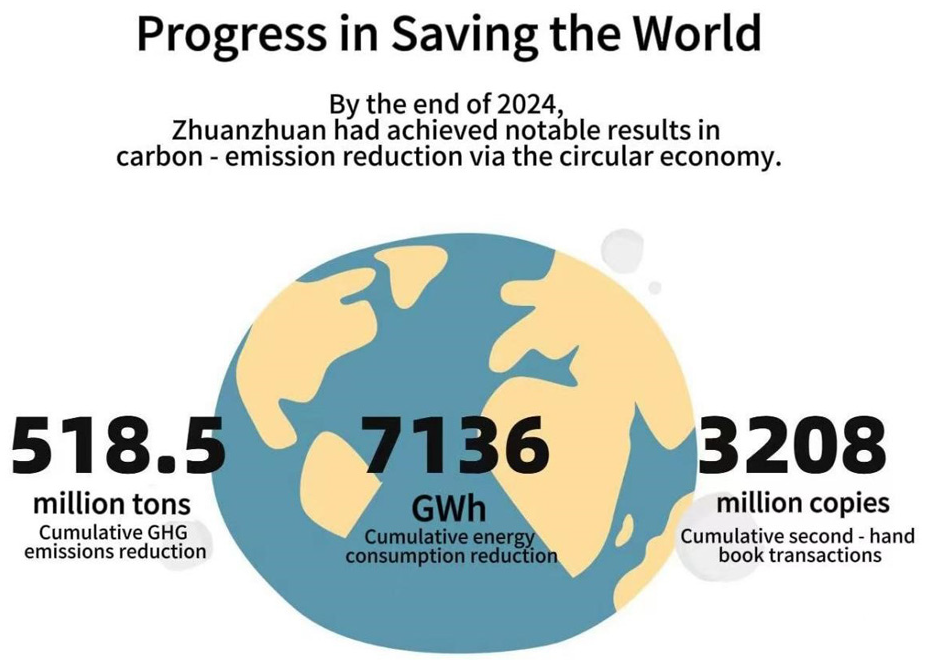
Advertisement of second-hand product carbon reduction.
The main questionnaire settings are shown in Table 1.
Questionnaire Settings.

PD means price discount, and CR means carbon reduce promotion.
Additionally, demographic variables such as gender, age, highest level of education, annual household income, and occupation, were included.
Data Collection
We distributed 350 questionnaires to Chinese consumers through the CREDAMO online research platform between February and May 2023. Respondents were recruited using stratified sampling to ensure diversity in age, gender, education level, and geographic region. After excluding incomplete or invalid responses, we obtained 322 valid questionnaires, resulting in a valid response rate of 92%. Following data collection, we conducted rigorous data cleaning procedures and then proceeded to perform statistical analyses based on the validated dataset.
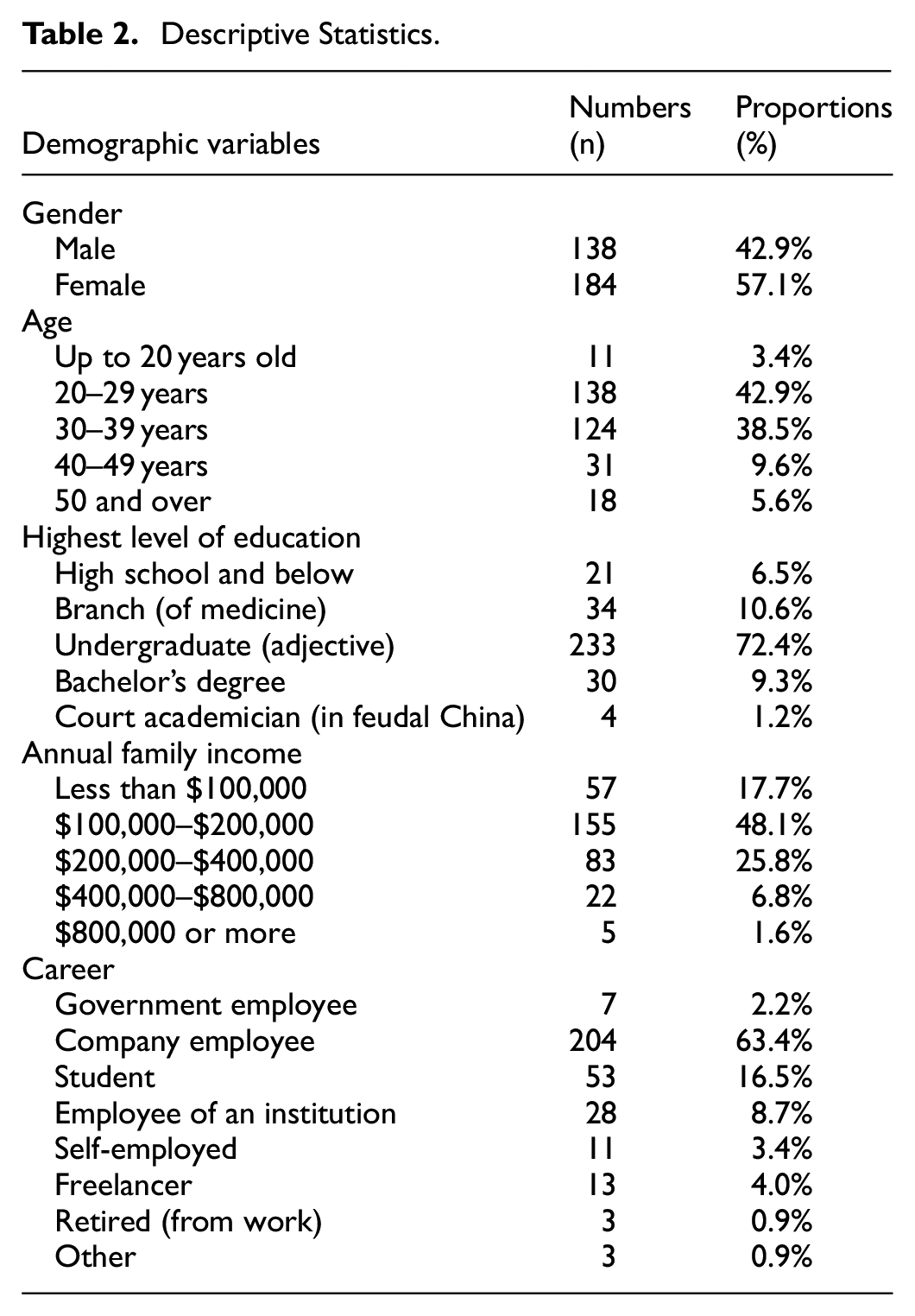
According to Table 2, the results of descriptive statistical analysis show that the questionnaire group has a balanced proportion of men and women, and the variables are set reasonably. Among the valid questionnaires collected, 64 questionnaires were collected from the blank advertisement group, 74 from the used product reliability advertisement group, 82 from the carbon reduction promotion advertisement group, and 102 from the mixed advertisement group.
Descriptive Statistics.
Reliability and Validity Analysis
The reliability of the questionnaire data was analyzed using SPSS. The Cronbach’s α coefficients of the four variables, namely, carbon reduction promotion, related knowledge, price discount, and green consumption intention, were all around 0.7. The overall Cronbach’s α coefficient of the questionnaire was 0.78, indicating the good reliability of the questionnaire. KMO and Bartlett’s tests were conducted for the questionnaire, with a KMO value of 0.766 and a Bartlett’s test significance of p < .01. In summary, the questionnaire has good reliability and validity, and the results are credible.
The parallel lines test assesses whether the effect of the independent variable on the dependent variable is the same in each regression equation. The results show that p > .05, which indicates that the effect of the independent variable on the dependent variable is the same in each equation. The model satisfies parallelism, which is a prerequisite for ordinal logistic regression. Therefore, the use of ordinal logistic regression analysis in this study is feasible, and the data are credible and offer strong explanatory power.
Main Effects Test
Based on the prototype of ordered logistic regression mathematical model, the model is adjusted by combining the selected seven independent variables and one dependent variable to build the following three models:
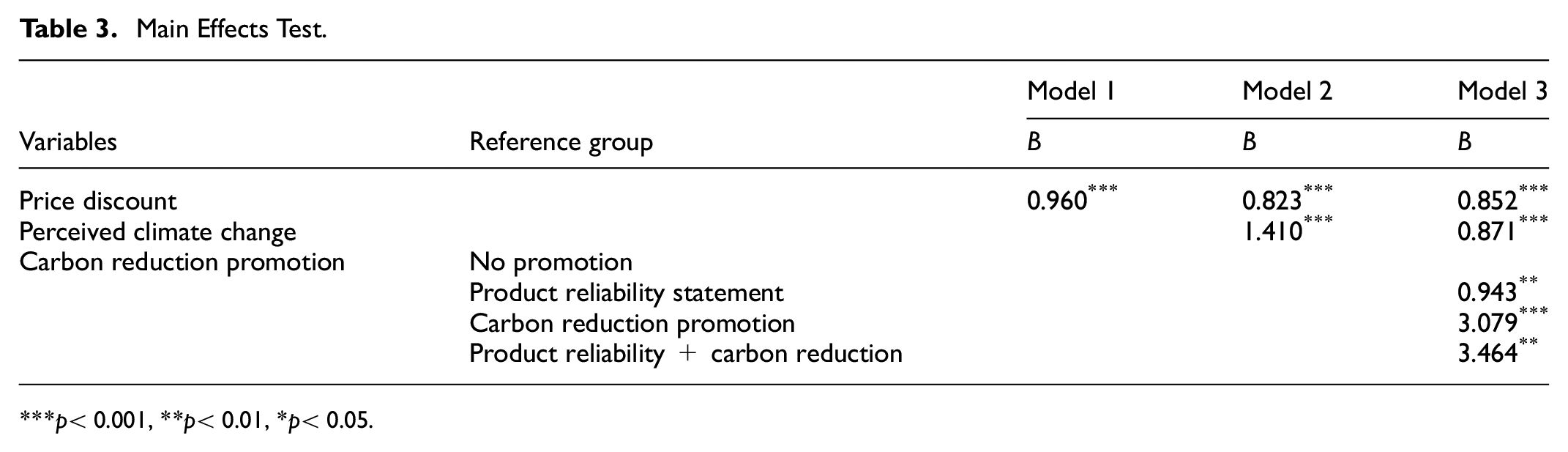
Adding only the price discount variable in model 1 and building the ordered logistic regression model yield the following results: the p-value of the price discount variable is much less than .05, which passes the test of significance. The B value is 0.96 > 0, indicating that the price discount variable positively and significantly affects consumers’ green consumption intention.
In model 2, two variables are added: the degrees of price discount and perceived climate change. The p-value of perceived climate change is .002, which is far less than .05 and passes the significance test. The significance of price discount is .003, which also passes the significance test. Therefore, we accepted the two original hypotheses that perceived climate change positively affects consumers’ willingness to consume green used electronic products and the degree of price discount positively affects consumers’ willingness to consume green used electronic products.
The advertising variable is added to model 3. According to the comparison of models 2 and model 3, the B value of perceived climate change remains positive, and the significance level is less than .05 after the addition of the carbon reduction promotion variable. The price discount variable also passes the significance test. Carbon reduction promotion in the carbon reduction promotion group and product reliability + carbon reduction promotion group with reference to the role of no promotion group is significant, much less than .05. The second-hand product reliability group passes the significance test, but the significance is not as significant as the other two groups. In addition, the B value for this group is much smaller than those in the other two groups, which means that the effect of including the second-hand product reliability advertisement is not as effective. Therefore, we accept the hypothesis that carbon reduction promotion positively affects users’ green consumption intention (Table 3).
Main Effects Test.
p< 0.001, **p< 0.01, *p< 0.05.
Mediating Effects Test
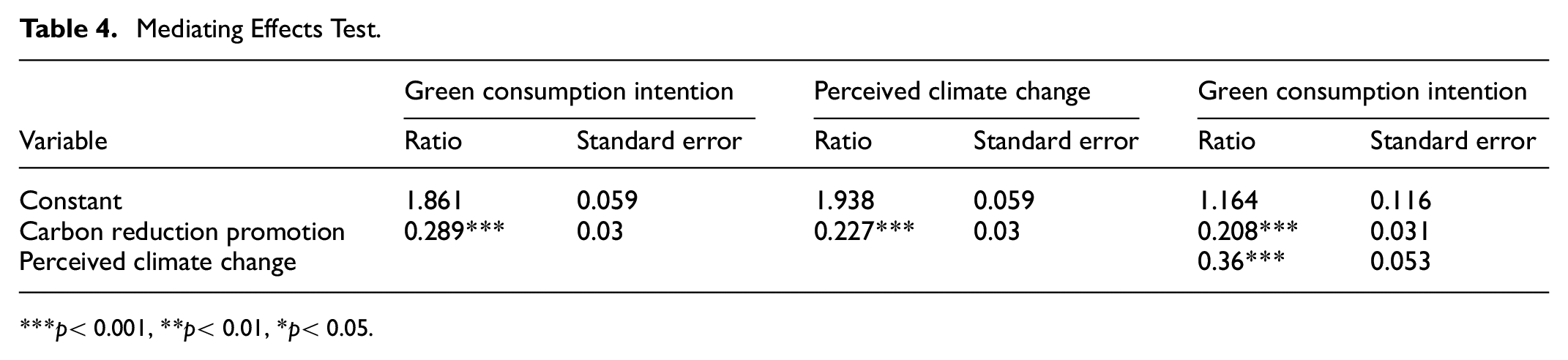
In this study, the stepwise regression method is chosen to test the mediating role of perceived climate change, as shown in Figure 4. The regression of path a (carbon reduction promotion and green consumption intention) is first carried out, and the significance degree of this variable is less than .05. The regression of path b (carbon reduction promotion and perceived climate change) is subsequently carried out, and the significance degree of this variable is less than .05. Finally, the test of path c (perceived climate change and green consumption intention) is carried out, and the significance degree also meets the standard. The results are shown in Table 4. In summary, perceived climate change is confirmed as a mediator.

Mediated effect pathway.
Mediating Effects Test.
***p< 0.001, **p< 0.01, *p< 0.05.
Results of Study 1
Price Discount Positively Affects Green Consumption Intention
The results support (H1). When consumers perceive a high degree of price discount offered by the platform, their willingness to consume green products is likely to increase.
Perceived Climate Change Positively Affects Green Consumption Intention
H2 is confirmed. High awareness and understanding of climate change among consumers lead to a strong intent to make green consumption choices, specifically in the context of purchasing used electronic products.
Carbon Reduction Promotion Positively Affects Green Consumption Intention
The findings support H3: the promotion of carbon reduction initiatives has a significant positive influence on green consumption intention. When businesses actively showcase their efforts to reduce their carbon footprints, it can instill a sense of environmental responsibility in consumers. This visibility can encourage them to favor products that contribute to carbon reduction, thereby strengthening their green consumption intention.
Perceived Climate Change Mediates the Relationship Between Carbon Reduction Promotion and Green Consumption Intention
Perceived climate change acts as a mediator in the relationship between carbon reduction promotion and green consumption intention. Although the impact of carbon reduction promotion on green consumption intention is direct, it is also influenced by consumers’ perceived climate change. In other words, when consumers are aware of climate change and its impacts, they are likely to respond positively to carbon reduction promotions, leading to strong green consumption intention.
Study 2: Influences of AI-Generated Advertising
With the rapid development of AI-generated content, the pursuit of AI-generated advertising is worth exploring. This study utilized AI-generated images in advertising to replace the ordinary advertisements used in Study 1 and employed the same questionnaire to analyze whether the effectiveness of these ads is the same.
This study compares the influence of advertisement source (AI-generated vs. human-generated) while keeping the carbon reduction message constant, aiming to assess whether consumer trust in AI moderates green consumption intention. AI advertising is thus examined as a potential moderating factor, not as a direct driver of green purchasing behavior.
Customers’ Perceptions of AI-Driven Advertising
AI-generated ads are often more effective than ordinary ads because of their efficiency in personalizing content, yet they face challenges in consumer perception and trust. Studies show that although AI’s objectivity can enhance trust, its eeriness may deter consumer appreciation. The effectiveness of AI-generated ads can also vary based on content authenticity and engagement strategies. In addition, concerns arise over AI reducing human agency in advertising, potentially limiting creativity and impacting the overall persuasiveness of ads. Balancing AI use with human creativity and ethical considerations is crucial for maintaining consumer trust and achieving advertising effectiveness (Qin & Jiang, 2019; Salminen et al., 2023; Wu & Jing Wen, 2021).
Consumer reactions to AI-generated advertisements can vary considerably depending on whether they are informed of the ad’s AI origin. Disclosure may influence perceptions through factors like trust and comfort, with knowledge of AI involvement possibly enhancing appreciation because of perceived objectivity or causing discomfort owing to the “eeriness” of AI (Wu & Jing Wen, 2021). Moreover, transparency about AI-generated ads may lead to disillusionment if the ad’s relevance or personalization seems inaccurate (Eslami et al., 2018). The emotional and rational appeals of the ad can also be perceived differently depending on AI disclosure (Du et al., 2023). Additionally, knowing that an ad is AI-generated may increase skepticism and reduce brand evaluation (Thompson & Malaviya, 2011). These factors collectively demonstrate that awareness of AI involvement in advertising can deeply affect consumer perception and reaction.
This discussion raises two questions: What differences exist between green ads generated by AI and those created by humans? What is the difference between green ads generated by AI with and without disclosure of their AI origin?
Based on the results of Study 1, Study 2 is designed to investigate these questions.
Questionnaire Design and Data Collection
The questions used in this investigation are the same in Study 1 (Table 1). The stimuli used were replaced with AI-generated ad image created using ChatGPT-4.0 image generator. The ads used in this study are shown in Figures 5 and 6. The prompt for Figure 5 was: “Please create an advertising image that promotes second-hand electronic goods as reliable.” The prompt for Figure 6 was: “Please create an advertising image that promotes second-hand electronics as environmentally friendly.” The slogans were in Chinese in the actual investigation.

AI-generated ads on second-hand product reliability.

AI-generated ads on second-hand product carbon reduction.
To explore the differences between ordinary advertisements and AI-generated advertisements, three groups of participants were formed. The first group (Group 0) was shown AI-generated advertisements without any disclosure of their AI origin. The second group (Group 1) was exposed to AI-generated advertisements with clear disclosure of their AI origin. For comparison, the third group (Group 2) viewed ordinary advertisements.
Group 0 had 121 respondents; Group 1, 110; Group 2, 102.
Assessment of the Impact Across Groups
Comparison Between Ordinary Ads and AI-Generated Ads
The data show that the estimated coefficients for both experimental groups are negative and do not reach the required level of significance. Compared with the original advertisement, AI-generated images do not significantly influence consumer purchase intentions. The results are presented in Table 5.
Test of Effects Across Different Groups.

Impact of Disclosure on Consumer Reactions to AI-Generated Ads
The analysis compares two groups exposed to AI-generated ads: one group was informed that the ads were created using AI, whereas the other group was not. The goal is to test whether disclosure of AI involvement influences consumer reactions. The results are shown in Table 6.
Test of Disclosure Effects in AI Advertising.

Compared with the group explicitly informed that the ads were created using AI, the group without disclosure had a higher degree of green consumption intention.
This finding suggests that AI-generated advertisements can promote green consumption as effectively as human-generated ones, but only when consumers are unaware of the ad’s AI origin. When consumers are informed that an advertisement is created using AI, its persuasive effect on green consumption intention significantly diminishes.
Study 3: Used Electronics Consumer Review Topic Mining
Based on the findings of Study 1 and Study 2, the conceptual model illustrating the relationship between the ESG factors and green consumption was validated. Although these studies represent theoretical research, Study 3 was conducted to empirically verify these findings in the practical domain of marketing.
Data Crawling
The user comment sections of prominent Chinese platforms for trading second-hand electronic products, such as Turnturn and Salty Fish, were selected as data sources. Using Python, we scraped data from the website. Preprocessing tasks, including word segmentation and deduplication, were conducted to finalize data preparation, resulting in a total of 9,482 consumer comments.
Number of Topics Identified
To determine the optimal number of topics for the LDA model, the perplexity of the document data was calculated. Perplexity measures the accuracy of a probability distribution or model in predicting samples, with a low perplexity indicating satisfactory prediction accuracy. The variation in perplexity across different topic numbers was analyzed using Python modeling. The optimal number of topics was identified as three, as depicted in Figure 7.

Confusion level with the number of topics.
Theme Mining
In this study, LDA, a probabilistic model based on the Dirichlet distribution, was applied to extract latent topics from online consumer comments on second-hand electronic products. The optimal number of topics was identified by minimizing perplexity scores. LDA assumes that each document is a mixture of topics, and each topic is a mixture of words, allowing for the identification of hidden themes within large-scale text data. Three topics were selected on the basis of the lowest perplexity score calculated through Python modeling.
After the LDA model generated initial topic-word distributions, manual screening was conducted to remove low-information or irrelevant words (e.g., “OK” and “As for”) to improve interpretability. The final three themes—price, product reliability, and platform operation—represent key factors influencing consumers’ green consumption behaviors and are detailed in Table 7.
Topics of Consumer Comments.

Results of Study 3
To understand the real-world motivations behind consumers’ green purchasing behaviors, this section analyzes user-generated content from second-hand electronics platforms. Although prior experiments in this study highlighted the impact of ESG-related messages on consumer intentions, actual purchasing behavior appears to be more strongly influenced by tangible product attributes and platform-level incentives. The three key themes that emerged from the content analysis are: pricing advantages, product reliability, and the relative influence of environmental awareness.
The most typical comment about a used laptop is as follows: The condition is like new — a very pleasant shopping experience. If you’re not overly particular about cleanliness, it’s ready to use right out of the box; the hygiene was well handled. Great value for money, and it even came with a laptop bag, mouse, and mouse pad. I told customer service I didn’t need any extra software in the system, and they handled it perfectly! You probably won’t find a cheaper option — anything cheaper isn’t in as good condition, and anything in better condition won’t be this cheap.
Used Electronics Price Discounts Affect Consumers’ Green Consumption Intention
When consumers buy products, price and cost-effectiveness significantly affect their green consumption intention. In Study 2, the terms related to cost-effectiveness mainly include “good reviews,”“price,” and “recommended.” The environmental factor is concerned with the ecological footprint of the company and their measures to cope with environmental changes. As highlighted in relevant research, second-hand electronic products are a major source of discarded yet functional electronics in China, thereby playing a crucial role in promoting the recycling economy. To promote the trade of used products, the state provides policy support for related products and encourages companies to implement price discounts for consumers to purchase second-hand electronic products. These findings show that when consumers are considering a used electronic product, the platform’s preferential policy on the product is one of the factors that consumers are concerned about.
Reliability of Used Electronic Product Quality Affects Consumers’ Green Consumption Intention
When purchasing second-hand electronic products, consumers predominantly focus on product quality and reliability. This emphasis is underscored by terms such as “product appearance,”“running speed,”“warranty,” and “authenticity.” Many advertisements on relevant platforms highlight product quality and dependability, reinforcing that the integrity of the product is a primary concern for consumers.
Consumer Priorities Favor Typical Value Over Environmental Awareness
Consumers of used electronics often prioritize personal values like price and product reliability, whereas references to environmental or carbon reduction topics are rare. This observation prompts the question: Is this an oversight by the consumers or the platforms? Interestingly, this trend contrasts with the results of Study 1, which finds that ESG factors and carbon reduction promotion significantly influence buying intentions.
Discussion and Conclusion
Three studies examined the role of ESG factors in green consumer behavior. Study 1 analyzed the impact of ESG on green consumption intention using regression analysis. Study 2 analyzed the effect of AIGC on green advertising. Study 3 used data from Chinese second-hand electronics platforms to explore promotional tactics and environmental concerns. The analysis results are discussed below.
General Discussion
This research integrates three studies to develop a comprehensive understanding of how ESG factors collectively influence green consumer behavior in the second-hand electronics market.
Environmental Concerns of Carbon Reduction Promotion
Study 1 demonstrates that carbon reduction promotion (E) significantly enhances consumers’ willingness to purchase by elevating their awareness of environmental issues. However, Study 3 reveals a gap in real-world second-hand electronics marketing. Explicit carbon reduction messaging is rarely emphasized, suggesting a missed opportunity for companies to leverage environmental appeals.
These findings are consistent with that of Hartmann and Apaolaza-Ibáñez (2012). They found that carbon reduction messaging in green advertising can enhance consumer awareness and promote purchase intentions. However, Leonidou et al. (2011) noted that in practice, firms often hesitate to highlight environmental claims because they fear greenwashing skepticism. This disconnect may explain why carbon messaging is underused in real-world second-hand electronics marketing, despite its demonstrated effectiveness in experimental settings.
Perceived Climate Change as Driver and Mediator
In Study 1, perceived climate change (S) serves as a direct predictor of green purchase behavior and a mediator that partially transmits the effect of carbon reduction promotion (E) on green consumption intention. Consumers’ heightened awareness of environmental crises establishes a psychological foundation that predisposes them to adopt green consumption behaviors when exposed to credible environmental messaging. Environmental stress not only exerts a direct positive impact on green consumption but also mediates the relationship between carbon reduction promotion and green purchasing behavior, underscoring the significant role of societal norms and climate-related anxiety in reinforcing pro-environmental decision-making processes. However, the absence of climate change-related topics in the text analysis of Study 3 indicates that Chinese consumers may lack awareness of how their purchasing behavior contributes to climate change mitigation.
This finding is consistent with recent studies showing that climate change awareness drives green behaviors (Desabayla & Gueta, 2023). However, the low presence of climate-related themes in Study 3 suggests that such an awareness may be less prominent among Chinese consumers, pointing to a need for stronger climate communication in this context.
Pricing Strategies in Green Consumption
Price discounts, positioned as a governance policy tool (G), emerge as a critical driver of green consumption. Study 1 demonstrates that high price incentives significantly boost consumers’ purchase intentions. Study 3′s LDA analysis further corroborates that economic factors—particularly perceptions of cost-effectiveness and promotional activities—are the primary motivations behind purchasing decisions. These findings underscore the pivotal role of corporate governance strategies, especially pricing interventions, in facilitating environmentally friendly consumer behavior.
This observation aligns with findings from previous research (Zhang & Dong, 2020), which indicate that price incentives strongly influence green purchases. Our findings reinforce that in emerging markets, cost-effectiveness often outweighs environmental values, highlighting the importance of combining pricing with sustainability messaging.
Impact of AI Disclosure on Green Advertising Effectiveness
Study 2 finds that AI-generated advertisements can promote green consumption as effectively as human-generated ones, but only when consumers are unaware of the ad’s AI origin. When the AI source is disclosed, the persuasive effect significantly weakens, suggesting that perceived authenticity and trust are critical for effective green marketing. Awareness of AI involvement may lead to skepticism, reducing the credibility of environmental messages. These results highlight the importance of managing consumer perceptions when applying AI in green advertising and suggest that marketers should balance technological innovation with maintaining trust to maximize advertising effectiveness.
Recent research shows that AI-generated content can rival human messaging in effectiveness, but transparency reduces trust. For example, disclosure labels lower credibility in AI news posts (Liu et al., 2023; Sundar & Liao, 2023). Our results support this finding—AI boosts green ads, but disclosure may weaken persuasion.
Theoretical and Managerial Implications
Theoretical Implications
First, this study assesses the impact of ESG factors on consumer behavior instead of corporate green consumption strategies. This research focuses on identifying the main factors influencing consumer intentions to purchase second-hand electronic products and examines the impact of ESG factors on consumer attitudes. Although ESG was originally used to evaluate corporate effectiveness in promoting green consumption, this study reveals that the framework is also applicable and effective on the consumer side, thereby expanding its theoretical application. Additionally, the research model incorporates the features of second-hand trading platforms. This multi-dimensional approach goes beyond merely examining the consumer perspective, resulting in a comprehensive understanding of second-hand electronic product trading and its influencing factors. This approach not only refines the research on these products and their determinants but also contributes new insights to the field.
Second, this contributes theoretically by analyzing the impact of AI-generated advertisements and comparing the effectiveness of green advertising with and without using AI. Additionally, the study explores the communication strategies with consumers when utilizing AI-powered advertisements, considering the increasing popularity of AI. The study compares the effectiveness of green advertising campaigns when AI is utilized versus when it is not. This comparison provides insights into whether the integration of AI enhances the impact of green advertising messages. Furthermore, by analyzing the disclosure of AI use in advertising, this study investigates how AI can be leveraged to create engaging and interactive advertising experiences for consumers.
Third, this study investigates the factors influencing consumers’ purchase intentions across three dimensions: environmental price discounts, environment-related knowledge level, and corporate governance. Utilizing the ESG framework, the study analyzes the impact of policies related to corporate governance on consumer intentions. Moreover, the study uses Python for data analysis to extract topical words from consumer comments and reveals the primary concerns of consumers with respect to second-hand electronic products. This analysis not only deepens the understanding and theoretical foundation of online purchasing behaviors for second-hand electronics but also proposes realistic dimensions for ESG factors.
This study advances carbon reduction promotion and second-hand electronics research. Although scholars explored carbon reduction, green consumption, and second-hand electronic trading, they rarely integrated carbon reduction concepts and ESG theories in this context. This study fills this gap, highlighting how consumer behavior can aid in reducing carbon emissions and contributing valuable insights into second-hand electronic products.
Managerial Implications
Many firms believe that the main appeal of second-hand products lies in their economic advantages, particularly low prices and product reliability. However, the influences of consumers’ perceived climate change and carbon reduction promotion are often underestimated. This study also offers actionable insights for promoting green consumption ethically.
First, marketers should strengthen carbon reduction promotion (E) in second-hand product as advertisements. Environmental appeals significantly enhance purchase intentions but are currently underutilized.
Second, campaigns should link individual purchases to climate action. Perceived climate change should be leveraged (S) as a direct driver and a mediator of green consumption.
Third, price discounts (G) are an effective governance tool. Offering visible economic incentives aligned with sustainability goals can further motivate consumers.
Finally, regarding AI advertising, transparency about AI involvement must be managed carefully. Marketers should disclose AI origins while framing AI as a support for sustainability to maintain trust without diminishing persuasive effectiveness.
An integrated approach combining environmental communication, social norm reinforcement, economic incentives, and ethical AI usage is critical to fostering long-term green consumer behavior.
Research Limitations
Limited Perspectives in Variable Selection
When analyzing corporate governance factors, additional variables, such as the quality of carbon reduction promotion content and company governance, can be considered to expand the analysis and examine influencing factors in great detail.
Sample Limitations
In this study, review data were collected from a limited number of platforms. Some of the collected data were invalid, and the scope was narrower. Study 2 recovered 322 valid data, which may not represent all consumers of second-hand electronic products. To improve the accuracy and generalizability of the findings, the sample size can be further expanded.
Methodological Limitations
The main research methods employed in this study are theme mining and questionnaire surveys, but some consumers do not leave after-sale reviews. Other research methods should be used, such as in-depth interviews, to uncover more factors that may affect green consumption intention.
Footnotes

Ethical Considerations
The data were collected using questionnaires that were administered to participants who voluntarily agreed to take part in the study. All participants provided informed consent prior to participation, and their anonymity and confidentiality were strictly maintained. The study adheres to ethical standards in research, data handling, and reporting.
Informed Consent
This article does not contain any studies with human participants performed by any of the authors.
Funding
The author(s) disclosed receipt of the following financial support for the research, authorship, and/or publication of this article: This research is supported by
1. Chengdu University of Technology 2023 Philosophy and Social Science Research Fund, YJ2023-PY004.
2. Sichuan Provincial Social Science Planning Project, SC24ZL001.
Declaration of Conflicting Interests
The author(s) declared no potential conflicts of interest with respect to the research, authorship, and/or publication of this article.
Declaration of Generative AI and AI-Assisted Technologies in the Writing Process
During the preparation of this work, the authors utilized ChatGPT for language correction. Following the use of this tool/service, the authors thoroughly reviewed and edited the content where necessary and assume full responsibility for the publication’s content.
This study used AI generated advertising graph for questionair. The prompt used are:
.\“Please create an advertising image that promotes second-hand electronic goods as reliable.” And “Please create an advertising image that promotes second-hand electronics as environmentally friendly.”
Data Availability Statement
The datasets generated and/or analyzed during the current study are available from the corresponding author on reasonable request.