



Abstract
The consumption of lo-fi music as a wellness and productivity-inducing product has become increasingly popular among young consumers in recent years. This pioneering article explores emerging evidence on lo-fi music consumption for young consumer wellness, using the positive design framework as a lens, and envisions an extensive future research agenda. Following a systematic approach to reviewing the literature, modeled on scoping review methodology, a thematic analysis of the literature is conducted, and theories from multiple disciplines support arguments. Key research gaps and current trends are identified, and a curated definition of the “lofi product” is provided. The study enhances the positive design framework of Desmet and Pohlmeyer with significant contributions from the themes generated, providing product strategists with a framework to design products that optimize young consumers’ wellness. The findings reveal that consumption of the “lofi product” may intensify positive affect, accelerate goal attainment, and improve health and performance while fostering the development of character strengths in young consumers. Intentionally designing products for young consumers using the proposed framework may also result in similar wellness outcomes. This study would empower marketers to leverage the lofi product effectively in their marketing strategies. Consultation with industry experts informs the future research directions proposed. This study calls out a pressing need for robust scientific investigation and academic discussion.
Keywords
Introduction
Once ostracised by audiophiles for its sonic imperfections, lo-fi music has emerged as the preferred soundtrack for young consumers seeking wellness. Yet, the question remains: What scientific evidence supports this rise of lo-fi as a wellness product? How can it be intentionally designed to promote youth flourishing?
Wellness is “the active pursuit of activities, choices and lifestyles that lead to a state of holistic health (Global Wellness Institute, 2022, p. 25).” Wellness, depicted on a continuum, emphasizes the cultivation and optimization of positive human functioning and experiences (Eriksson et al., 2023). Music is vital in promoting wellness, particularly among young people (Boer & Abubakar, 2014; Dingle et al., 2021; McFerran, 2016; Miranda & Gaudreau, 2011). While classical music is highly commended, younger consumers gravitate toward popular rock, heavy metal, and hip-hop/rap styles (Arnaldo, 2023; Davydova et al., 2019; Markos, 2022; Susic, 2023). These preferences are influenced by “trending,” “available,” and “chill” (Hodak, 2018; Zarczynski, 2020). Lo-fi is a genre that encompasses all these factors. It is freely “available” on leading music streaming platforms such as YouTube and Spotify under titles indicating “chill” and is “trending.” To assess this trend, we conducted a comparative search of the most popular genres of music on Google Trends (n.d.) presented in Figure 1. The results indicate a steep rise in consumer interest in lo-fi songs compared to most other popular genres of music.

Interest in songs of popular genres since 2008.
We also analyzed the subscriber count of the most popular livestream channel of the genre on YouTube, “Lofi Girl” (Flores, 2021; Lofi Girl, 2020; Winston & Saywood, 2019; YouTube, 2022, 2023), represented in Figure 2. The results show a phenomenal rise in demand since the onset of COVID-19.

Subscriber count of Lofi Girl on Youtube.
Low-fidelity, a.k.a. lo-fi a.k.a. lofi music, something audio quality enthusiasts would brutally criticize in the 1980s (Harper, 2014), has now become the “brain balm” of the generation (Khan, 2022). Students and young working adults from the millennials and Gen Z are significant consumers of this genre (Bhatt, 2022; Hochberg, 2020; Kobale, 2022; Lo-Fi music – Glimpse, n.d.; Music Press Asia, 2023; Wang, 2020; Winston & Saywood, 2019; Zheng, 2023).
Lo-fi music is defined as music that is “unpolished, amateurish, or technologically unsophisticated, especially as a deliberate esthetic choice (Lo-fi, 2014, para 10).” Harper (2014) defines lo-fi as a “positive appreciation of what is perceived and/or considered normatively interpreted as imperfections in a recording (p. 1).” Contrary to what the term “lo-fi,” indicating low-fidelity production, might suggest, Neal (2022) contends that tracks within this genre do not indicate poor production quality. Lo-fi music synthesizes elements from many genres like hip-hop, jazz, and ambient, adding to it the unique sonic feel of the “lo-fi effects.” These effects include phonographic and non-phonographic imperfections such as distortions, noise, and frequency modulations. The present study maps how various academic inquiries into the wellness outcomes of lo-fi perceive its auditory characteristics in Appendix 4 and offers a curated definition of “the lofi product.” These sonic characteristics include slow tempo, repetitive rhythm, downtempo beats, use of simple chords and various musical instruments, incorporation of everyday or nature sounds, noise elements, and digital sampling.
While lo-fi music is positioned as a tool for enhanced productivity and tranquility, as evidenced by its frequent characterization as “beats to chill/study/relax/work to” (Johnson, 2020; Labonnayo, 2022; Wang, 2020; Winston & Saywood, 2019)—there is a significant lack of scholarly research providing strong scientific evidence to support these marketing claims and its optimal design for young consumer wellness. This gap hinders a thorough understanding of lo-fi music’s potential benefits for wellness. To resolve this, it is essential to synthesize existing knowledge on the impact of lo-fi music on young consumer wellness. This research aims to uncover the potential benefits of lo-fi, catalyze further investigation into its effectiveness, and guide the development of lo-fi experiences that foster young consumers’ flourishing, using the positive design framework for analysis.
The positive design framework (Desmet & Pohlmeyer, 2013) outlines the three foundations of “design for pleasure,” “design for personal significance” and “design for virtue” to be consciously considered while designing products for human flourishing. Flourishing is the high end of subjective well-being. It goes beyond experiencing pleasure and positive emotions to having a sense of meaning, purpose, engagement, interest, “self-esteem, optimism, resilience, vitality, self-determination, and positive relationships (p.27)” (Desmet & Pohlmeyer, 2013; M. Seligman, 2011).
By thematically analyzing emerging literature on lo-fi’s young consumer wellness outcomes, we aim to identify key design components that can be intentionally incorporated into lo-fi experiences to maximize its positive impact on youth flourishing. Through an interdisciplinary approach and expert consultation, we offer a “positive design framework in lofi product,” intending to contribute to academic discourse and inform future studies and practice. We also iteratively define the lofi product and propose advancements in the positive design framework. We expect to add value to music product strategists, young consumers, researchers, and marketers. Our framework and findings will be of interest beyond the market of lo-fi music to design other products for the flourishing of the young consumer.
Methodology
To achieve our objective of exploring emerging evidence on lo-fi music consumption for young consumer wellness through the lens of the positive design framework, we adopted a narrative review using a systematic approach (Greenhalgh et al., 2018). A systematic approach to narrative reviews means that it is conducted and presented in a structured manner. It reflects an explicit perspective that shapes the insights gained from the review process through highly systematic analysis and synthesis (Greenhalgh et al., 2018). This approach is particularly suitable for our study given the paucity of literature available on this topic. By systematically gathering and evaluating a range of sources, it can provide a nuanced perspective of the findings and facilitate the identification of patterns and gaps in existing literature, thereby enhancing scholarly discourse. We aim to encourage more robust research rather than making definitive quality assessments.
Moreover, narrative reviews are markedly effective in presenting perspectives on a topic using reflective descriptions (Green et al., 2006; Greenhalgh et al., 2018). The systematic nature of the review involves transparent, pensive, thorough, detailed, and critically reflective engagement processes with evidence-based ideas concerning a defined sample to present a perspectival interpretation (Greenhalgh et al., 2018). More importantly, the focus on producing an authoritative narrative allows for a persuasive argument to be made to experts in the field, which is rooted in informed wisdom (Greenhalgh et al., 2018), supporting the goal of fostering further research and discussion. Overall, this systematic approach to narrative reviews not only provides a thorough overview of the current landscape but also warrants the scientific quality of the review and lays the foundation for an extensive and valuable research agenda (Greenhalgh et al., 2018).
Our study was also assessed for quality using the Scale for the Quality Assessment of Narrative Review Articles (SANRA) (Baethge et al., 2019). The methodological rigor modeled on Preferred Reporting Items for Systematic Reviews and Meta-Analyses – Scoping Reviews (PRISMA ScR) guidelines (Tricco et al., 2018) have been outlined as follows:
Identifying Relevant Studies
We developed a thorough search strategy to identify the relevant literature. The first search was conducted between the 11th and 17th of November 2022. An updated search was conducted between the 15th and 22nd of March, 2023. The databases searched were PubMed (NCBI), Web of Science (Clarivate), Scopus (Elsevier), and ProQuest (Clarivate). This review aims to synthesize emerging evidence, and hence, we felt the need to search for ongoing studies on the World Health Organization’s (WHO’s) International Clinical Trials Registry Platform (ICTRP). The searches were supplemented with additional searches on Taylor and Francis Online, Wiley Online, Oxford Music Online, WorldCat, Google Scholar, and the Artificial Intelligence (AI) tool Elicit. The search engine Google was also used to extract relevant gray literature. A recent surge in demand for this genre has attracted the scientific community’s interest. However, with minimal peer-reviewed articles currently available, we found the need to review gray literature. We also performed an iterative search through citations of relevant papers. The number of records identified from each source and the search strings used are presented in Appendix 1.
Study Selection
All identified studies were imported from the databases to Rayyan—a screening software (Khabsa et al., 2015), except the clinical trials, which were manually screened. After removing the duplicates, all the article titles and abstracts were screened using primary inclusion criteria. It was followed by eligibility screening of the full texts. A PRISMA Flow Diagram (2020) is presented in Figure 3, which illustrates the literature identification and screening process, and the number of articles included at each step following the criteria elaborated in the subsequent section. Finally, 25 studies were included in the review.

PRISMA (2020) flowchart.
Inclusion and Exclusion Criteria
Inclusion criteria:
Lo-fi music: The review focused exclusively on lo-fi music. Studies examining other genres or literature not explicitly specifying lo-fi were excluded to maintain a clear and focused analysis.
Scholarly work: We focused on peer-reviewed original articles, books, and gray literature limited to conference proceedings, pre-prints, and theses to ensure methodological rigor and credibility.
Global perspectives: To gather a diverse range of perspectives, we included literature in all languages. Foreign language articles (n = 41) were translated using www.onlinedoctranslator.com and then screened for eligibility.
No restriction by year: Given the nascent body of evidence on lo-fi’s impact, we included studies from all publication years.
Target population: We restricted the focus to youth, adolescents, and young adults, aligning with the study’s objective of exploring lo-fi music consumption for young consumer wellness. Studies on children, older adults, or animals were excluded as they would be out of this purview.
Consumer experiences: This review aimed to understand consumer wellness. Therefore, only literature exploring consumer experiences on lo-fi music was included. Analyses of artist or producer perspectives were outside the scope of this study.
Focus on wellness outcomes: Given the nascent nature of research on lo-fi music’s effect, a broad approach was adopted. We included studies examining various wellness outcomes, encompassing health, well-being, and productivity. This approach aimed to capture the full spectrum of potential benefits associated with lo-fi music and identify any evidence that might link it to the concept of flourishing, a central aim of positive design. This broad inclusion strategy has two key benefits. Firstly, it provides a more complete picture of the current state of knowledge regarding lo-fi music and young consumer wellness. Secondly, it lays the groundwork for future research by highlighting areas where further investigation is needed to definitively establish links between lo-fi music and flourishing in the context of positive design.
Exclusion criteria:
Non-scholarly sources: Excluding news articles, magazine pieces, blogs, and social media content minimized bias and unsubstantiated claims. However, references to these sources have been included in the discussion section to provide supplementary context.
Live music, ensemble, choir, voice training, music education and training, songwriting, composition, and song suggestions: These aspects are not directly related to lo-fi music consumption by young consumers.
Lo-fi music technicality and history: While valuable for context, it diverges from the focus on consumer experiences and wellness outcomes. References to lo-fi technicality and history have been included for background information, but they are not central to the core analysis.
Analyzing, Summarizing, and Reporting the Results
All included studies were imported to Mendeley (Elsevier) for data management. We reflectively analyzed the findings from the included studies through the lens of the positive design framework given by Desmet and Pohlmeyer (2013), using thematic analysis. A narrative synthesis method was adopted to summarize the findings, and the results were integrated into a coherent framework. This framework was further refined through consultations with industry experts.
Thematic Analysis
This study employed a thematic analysis using an abductive coding approach (Thompson, 2022). This approach integrates aspects of both deductive and inductive reasoning used in qualitative secondary analysis (Vila-Henninger et al., 2022). Two authors (MPD and EB) manually coded the data. Subsequently, two additional experts (AS and NG) cross-checked the coded data to ensure consistency and verify that the codes adequately represented the data. Any discrepancies between the coders’ interpretations were resolved through deliberations and consensus.
We utilized the positive design framework proposed by Desmet and Pohlmeyer (2013) as an analytical lens. This framework identifies three key design components—pleasure, personal significance, and virtue—to foster flourishing, the optimal state on the wellness continuum. A comprehensive review of relevant literature pertaining to these components identified pertinent deductive codes. For instance, under the theme of “design for virtue,” analysis of literature on virtues and character strengths informed codes for identifying references to “honesty” within the data.
Concurrently, we also employed data-driven inductive coding. The resulting codes were then organized into sub-themes based on patterns within the data. This process involved an iterative review, modification, and refinement of the codes, ultimately resulting in a comprehensive framework.
To acknowledge the potential for overlap between design elements within the framework, we allowed some codes and sub-themes to be categorized under multiple themes when the data supported this interconnectedness. This reflects the real-world complexity of design. These multi-theme coding instances were documented in a coding memo and noted in the discussion section. Figure 8 (the framework) illustrates the relationships among themes.
Expert Consultation
To further refine the framework and assess its real-world applicability, we sought feedback from a panel of experts purposefully selected for their specialized knowledge in relevant fields. Leveraging our professional networks, we initially approached three experts in each field:
Music therapist: Expertise in relaxation music. Counselling psychologist: Expertise in youth well-being. Music producer: Experience creating and understanding lo-fi music’s production aspects. Strategists in audio solutions: Expertise in sound engineering projects for companies. Marketer: Knowledge of young consumer trends and preferences. Service consultant: Experience exploring music in hospitality settings (a potential framework application). Public health expert: Knowledge of public health considerations. Educator: Insights into the potential use of lofi products in educational settings (e.g., focus enhancement).
We selected one expert per field from this initial pool based on their availability and willingness to participate. After sharing our framework and findings, we engaged in telephonic conversations with them to address three questions: Do the arguments presented appear sound and logically coherent? In your view, does the proposed framework have practical value? Based on your expertise, what potential areas of future research could be explored in relation to this framework?
The invaluable insights obtained from these expert consultations contributed to the refinement of the framework and are elaborated upon in the future research agenda and practical significance sections of this article.
Findings and Discussion
Characteristics of Included Studies
Publication Trends
We observe a rising trend in literature on lo-fi music from 2017 onward; this moves in parallel with the phenomenal rise in demand for this product. We have presented the emerging evidence by year in Figure 4.
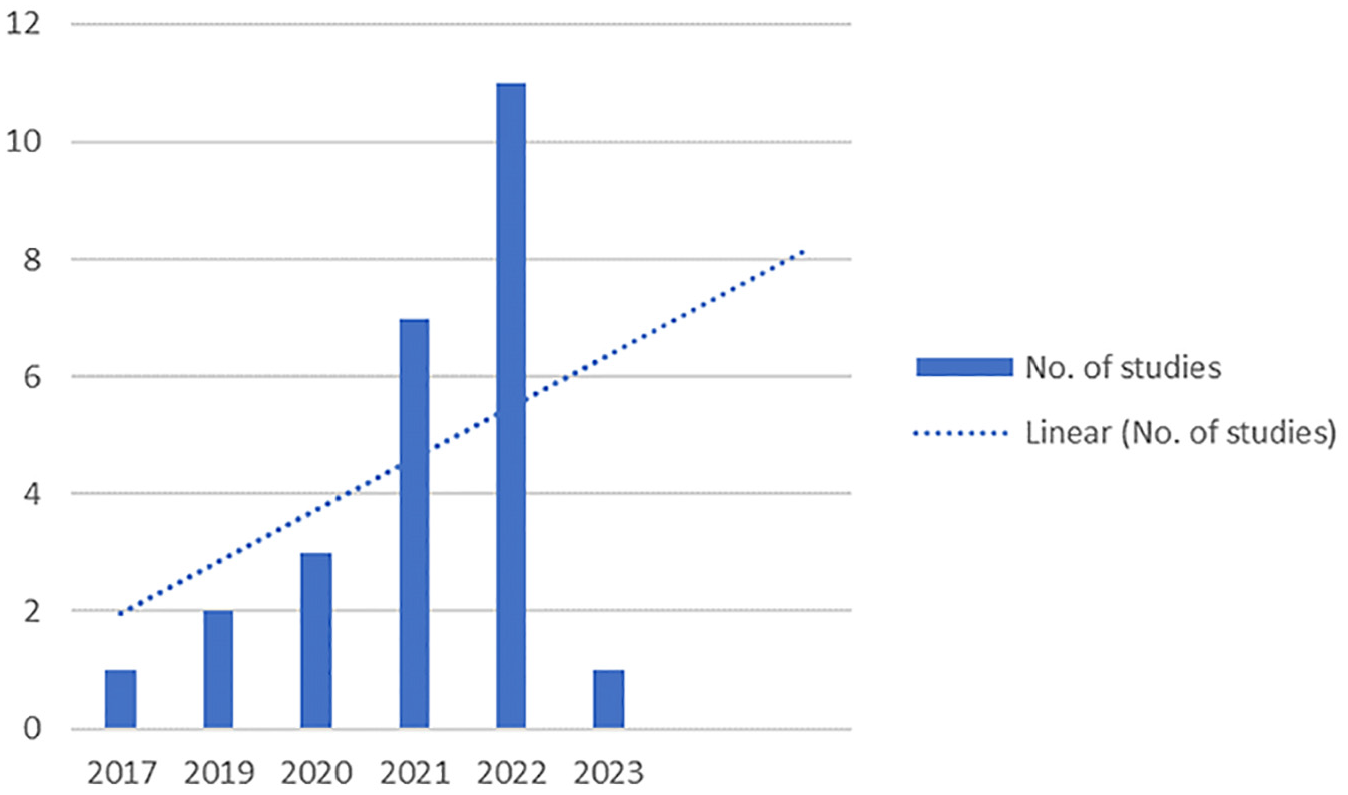
Number of studies by year.
Figure 5 shows that most studies originate from the USA, Indonesia, and the Philippines. In absolute contradiction to a seminal study (Harper, 2014) that supports the view that lo-fi music “is produced by and catered to a predominantly white group (p. 33),” we note that many countries are now beginning to show interest in this emerging genre of music. When we compare this figure with the data from Google Trends (n.d) in Figure 6, we identify a considerable gap in the countries with the most interest in the genre and countries where research is conducted.

Number of studies by country [Map].
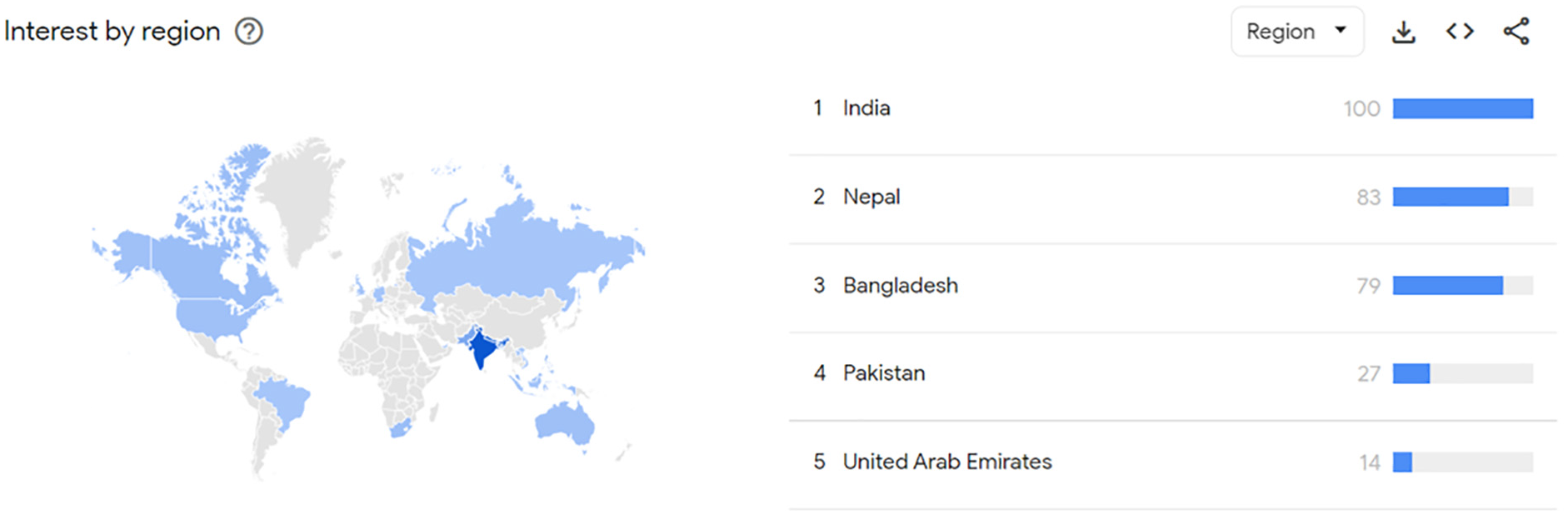
Interest in lo-fi songs by country.
Article Classification and Context
The types of evidence included in this review are illustrated in Figure 7.

Types of studies included.
The reviewed studies adopted a range of methods under qualitative, quantitative, and mixed methodology. These include pre-experiments, randomized experiments, surveys, interviews, observation, digital research, and case study. All studies indicated that participants engaged with lo-fi music predominantly through internet platforms. In experimental studies, researchers actively introduced participants to this genre, whereas in other research designs, participants self-reported listening to lo-fi music via platforms such as YouTube, Bilibili and Soundcloud. Moreover, one study highlighted the presence of lo-fi music as background ambiance in a coffee shop, while another identified its use as background in a mindfulness application.
Numerous studies indicate that the consumption of lo-fi music is prevalent among students during exam preparation. Other occasions when the young consumer listens to this genre, as reported by reviewed studies, include at work, while driving, and while engaging in tasks such as homework and programming. Other studies investigate the impact of lo-fi music on physical health, focus and memory. These findings highlight the varied contexts in which lo-fi music is consumed. The trends concerning study design, types of evidence, country, and core context by authors are elaborated in Appendix 3.
Defining the Lofi Product—An Iterative Process
Through a scientific exploration of the literature, we discover that it is not only the music but also the interaction with the virtual community and the visual effects and animated characters that influence the young consumer (Aliza, 2021; Johnson, 2020; Labonnayo, 2022; Neal, 2022; Taber et al., 2020; Wang, 2020; Winston & Saywood, 2019; Zarczynski, 2020; Zheng, 2023). Recent literature (Taber et al., 2020; Zheng, 2023) also reveals an emerging variable of parasocial relationships with the animated character, “lo-fi girl” (Baltaxe-Admony et al., 2017).
Our investigation began with analyzing “lo-fi music” outcomes, adhering to the universally recognized definitions of lo-fi music. However, the analysis consistently identified ancillary components beyond the music itself that contributed to the reported lofi experience. This prompted us to develop a coding scheme to categorize these elements, which were subsequently mapped (details provided in Appendix 2). Through this mapping process, a consolidated definition of the lofi product emerged, characterized by three core themes: (1) Music, encompassing elements from video (i.e., the auditory component), lyrical and non-lyrical music, sound quality, and audio technology (We have charted how the selected studies have presented the music characteristics in Appendix 4); (2) Visuals, including elements from video (i.e., the visual component), animation including animated characters, color palettes, picture, and overall visual presentation; and (3) Community, characterized by live chat functionalities of live streams, comment sections, and the social environment fostered by the lofi product.
Our Curated Definition of the Lofi Product
We introduce the term “lofi product” through this review and define it as “a multi-sensory product in music that delivers a sonic experience, with rhythm and beats, blended with different genres of music, deliberately and professionally integrating unique backing sounds that give a feel of imperfections in the recording, sometimes including nature or everyday sounds, delivers a visual experience through natural landscapes, and/or animated characters with features uniquely identifiable as lo-fi, and delivers a social experience through inclusion in virtual consumer communities with access to chat options.”
Thematic Analysis of the Findings and Discussion
This section aims to synthesize the collective understanding of the influence of the lofi product on young consumer wellness. We begin by explaining each main theme (design component) and its connection to wellness and then discuss the sub-themes within each component. Our arguments are supported by evidence from diverse scholarly disciplines such as musicology, consumer behavior, marketing, human-computer interaction, and various branches of psychology, particularly positive psychology.
Design for Pleasure
This first element of the positive design framework focuses on the present moment. The aim is to design “products that can evoke positive feelings (maximizing pleasure and comfort) or reduce negative feelings (minimizing pain and discomfort) (Desmet & Pohlmeyer, 2013, p. 8).” We posit lo-fi music as a resource to increase positive and weaken negative affect on the young consumer. Affect is “a person’s immediate, physiological response to a stimulus” and his appraisal of it as painful or pleasurable (Snyder et al., 2014, p. 118). Positive affect broadly refers to feelings of determination, enthusiasm, attentiveness, and serenity. Negative affect comprises nervousness, jitteriness, irritability, and distress (Watson & Clark, 1994). Beyond just a pleasant feeling, positive affect can increase attention span (Fredrickson & Branigan, 2005) and help to reach optimal mental health or flourishing (Fredrickson & Losada, 2005). It is the “hallmark of well-being” and happiness (Lyubomirsky et al., 2005).
Relaxation
The serenity affect entails being calm, relaxed, and at ease (Watson & Clark, 1994). The relaxation potential of lo-fi music is appraised in its epithets (Winston & Saywood, 2019)—“music to relax/study to (Casumbal et al., 2019),” “chill beats (Kobale, 2022),” “beats to chill/study/relax” being 1/3rd of the titles of lo-fi music channels on YouTube and Soundcloud (Wang, 2020). These product names could influence consumer emotions and evaluations due to the emotional contagion effect (Khessina et al., 2022). Through randomized experiments, Kirk et al. (2022) christen lo-fi music as relaxation music; in youth parlance, “chill” music (Baltaxe-Admony et al., 2017). The study underlined that listening to lo-fi music increased parasympathetic heart rate variability (HRV) response. Not all music genres replicate such a response. In contrast, listening to heavy metal music increases sympathetic activity, a stress response (Sutoo & Akiyama, 2004). In a mixed-method study, Barandon et al. (2021) reveal students’ perspectives of discomfort with “a lack of distraction” and their “distaste for silence.” Instead of relaxing, silence increased reminiscing of work and made them feel more restless and desolate. At the same time, this negative affect was absent in participants in the experimental group—those who listened to lo-fi music. They shared that the pleasing rhythm induced relaxing imagery. Apart from the music, the environment slated by the calming visuals (moving or static), the serene, animated characters and the use of soothing colors boost feelings of calm, peace, and relaxation (Baltaxe-Admony et al., 2017; Hamilton et al., 2021; Wang, 2020; Zheng, 2023). We observe that some lo-fi music channels incorporate natural landscapes’ visuals, increasing the positive affect (P. Liu et al., 2023). Consumer interviews in several studies (Barandon et al., 2021; Jhuang et al., 2022; Kobale, 2022; Wang, 2020) confirm that one of the main motives for consumption of this genre is to relax.
Sleep
Listening to lo-fi music has become the “end-of-day ritual” for some youth (Yeung, 2021; Zheng, 2023). Consumers share experiences of the sleep-inducing properties of the genre (Kobale, 2022; Wang, 2020). Wang (2020) emphasizes “sleep/resignation” as a prominent theme in most titles of lo-fi music tracks.
Nostalgia
The aural experience of lo-fi music invokes a sense of pleasant nostalgia, childhood memories (Almacin, 2022; Harper, 2014; Neal, 2022; Winston & Saywood, 2019), and sometimes even “an imagined past that never existed (Winston & Saywood, 2019).” Consumers also reminisce about warm childhood memories through the visual content (Zheng, 2023). We identify this as “playful” and “progressive” nostalgia that arouses a “special” feeling of enchantment (Hartmann & Brunk, 2019). We also suggest that lo-fi music listeners may benefit from the positive emotions of the mere exposure effect (Peretz et al., 1998). However, the effect of nostalgia is subject to the consumer’s present mindset (Khoshghadam et al., 2019).
Mood Regulation
Lo-fi music holds promise as a mood regulation stimulus. Similar to other musical genres (Blasco-Magraner et al., 2023), we suggest that lo-fi music can modify positive and negative affect through mechanisms of mood regulation. Composers can deliberately manipulate musical elements such as tempo, dynamics, rhythm, timbre, noise, and background sounds to elicit specific emotional states (Di Stefano, 2023; Eerola et al., 2013; Fernández-Sotos et al., 2016). Gen Z consumers have described their experiences with lo-fi music as soothing and mood-uplifting, noting that it fosters a sense of ease. The combined immersive experience of audio and visual elements in lo-fi videos further enhances mood improvement, an effect that consumers describe as a “trippy feeling” (Zheng, 2023). Furthermore, Kirk et al. (2022) reported studies that showed that listening to calming music can trigger the release of dopamine, a neurotransmitter associated with positive affect. The sustained enhancement of psychological mood may translate into a sense of satisfaction, potentially contributing to overall consumer wellness (Tian et al., 2022).
Diversion From Stress Points
Young consumers sometimes chat with other consumers as a break from work while listening to lo-fi music on YouTube channels. They also use the available chat option to disrupt socioeconomic stressors (Winston & Saywood, 2019). This feature helps to reduce negative affect. Besides, the slow tempo in lo-fi music may reduce impatience in intertemporal tradeoff decisions (Kim & Zauberman, 2019). Some participants reported listening to this genre while driving (Yeung, 2021).
Stress Release
Adolescents release stress through virtual chatting (Huang et al., 2015; Liyanagamage et al., 2019). The titles of the tracks, as well as the comments section of the videos, present stress relief themes. Young consumers share their breakup stories, relationship issues, tiredness, stress at work or exam stress, feelings of anxiety, and even depression (Baltaxe-Admony et al., 2017; Wang, 2020; Winston & Saywood, 2019; Zheng, 2023). Co-consumers respond to these feelings with encouragement, consolation, and sometimes even concrete advice. Some consumers recourse to this medium to help them cope with the death of a loved one. These findings resonate with a recent study (Jin et al., 2023) that shows how disclosure and support in social music communities are integral to youth mental health.
Anxiety Reduction
Young consumer experiences reveal the belief that this genre helps to cope with anxiety (Baltaxe-Admony et al., 2017). An ongoing clinical trial–experiment (Chitra & Reeya, 2022) aims to test the effects of lo-fi beats on stress and anxiety levels among the youth. Listening to this music has been shown to decrease the severity of anxiety symptoms in nursing students (Martin, 2022).
Reduction in Pain Intensity
Daroin et al. (2022) showed that listening to lo-fi music aids in dealing with postoperative pain intensity, especially in women. The findings reveal that incorporating lo-fi music can boost the efficacy of analgesic treatments.
Healing and Solace
Lo-fi music can lower blood pressure in patients with hypertension (Corpuz et al., 2022). However, combining lo-fi music and analgesic therapy did not impact systolic blood pressure (Daroin et al., 2022). Further studies are needed to draw definitive conclusions. Lo-fi music videos use colors like “millennial pink” to promote healing (Wang, 2020) and suggest mental health themes (Winston & Saywood, 2019). Consumers find the visuals of lo-fi music to be healing (Zheng, 2023). Furthermore, a modified version of the lo-fi character was used in a college campaign to raise awareness about mental health resources (Winston & Saywood, 2019).
With adolescent loneliness on the rise globally (Twenge et al., 2021), many find solace in the mere presence of the animated character on screen, and some engage in a parasocial relationship with it. Consumers personally relate to it and claim to fight loneliness with its company (Baltaxe-Admony et al., 2017). Besides, the lo-fi consumer community may also be an effective resource for coping with loneliness (O Sullivan & Richardson, 2020). Nevertheless, consumers must be warned that continuous exposure to loud music with high frequencies can negatively affect well-being (McFerran, 2016), and addiction to lo-fi music may also be a concern.
Pleasurable Learning
Relaxation, attentiveness, and determination as essential elements of positive affect are of prime importance in learning. Zheng (2023) suggests that lo-fi music may have caused a shift in the youth’s choice of “self-study music” from “techno” to “calmer music.” Listening to lo-fi music while learning can reduce academic stress (Barandon et al., 2021; Jhuang et al., 2022; Martin, 2022; Syah et al., 2022) even more than silence (Barandon et al., 2021). Consumers shared that the music built a soothing, calming atmosphere for learning, which helped them focus better and eased thoughts about their problems, especially regarding schoolwork.
Design for Personal Significance
The next design component of the framework emphasizes designing products that help individuals achieve their personal goals (Desmet & Pohlmeyer, 2013). Obtaining an educational qualification for emerging adults is a primary objective (Schutz & Lanehart, 1994) while working youth focus on productivity. Other goals include career advancement, skill development, fitness, reputation building, and fostering healthy relationships (Carroll et al., 1997). The lofi product can be an effective tool to assist young people in pursuing these goals.
Grit
Grit is a trait that involves having perseverance and passion for achieving goals (Duckworth et al., 2007). It can be cultivated through mindsets (Schimschal et al., 2021). The “study girl” from “lo-fi hip hop radio - beats to relax/study to” on YouTube (Lofi Girl, 2022) symbolizes a focus-enhancing paradigm, echoing the efficacy of “Study With Me” videos in promoting a conducive study mindset (Baltaxe-Admony et al., 2017; Jhuang et al., 2022). Moreover, the music can help consumers get into the “right mindset” quickly (Kobale, 2022). While listening to background lo-fi music for extended hours can help cultivate perseverance to study or work, as suggested by some gray data (Aliza, 2021; Nemo, 2020), media multitasking may have a negative impact on grit (Cardoso-Leite et al., 2021).
Focus
Lo-fi music balances relaxation and concentration (Zheng, 2023). It aids focus when listening while studying (Jhuang et al., 2022) and potentially increases attention capacity for cognitive tasks (Kirk et al., 2022). According to consumers, it has more variations than any other genre of self-study music (Zheng, 2023). Although Benzonana (2020) found no significant impact on episodic memory, it did report higher attention division scores than classical music and silence. Lo-fi music playlists have titles like “to study” or “work to,” suggesting increased focus and minimal distraction (Benzonana, 2020; Winston & Saywood, 2019). Young consumers shared that the music helped them focus on work and studies without interference (Yeung, 2021; Zheng, 2023). Lo-fi music may also enhance focus and productivity in digital gaming (Hamilton et al., 2021).
Self-Regulation
Winston and Saywood (2019) indicate that lo-fi hip-hop music may be used to self-regulate when the boundaries between work, school, and leisure are blurred. It may assist in self-regulated learning. It is interesting to note the findings of one qualitative study (Zheng, 2023) that revealed how playing the lo-fi video on YouTube or Bilibili helped the youth refrain from using the phone while studying. We suggest that lo-fi music may serve as an “early-stage distraction” (Hofmann & Vohs, 2016) to regulate these desires that divert young consumers from their goals.
Intrinsic Motivation
The lofi product, similar to “Study With Me” (SWM) streaming videos, could also promote intrinsic motivation among the youth (Jhuang et al., 2022). They perceive it to provide autonomy, build competence, and fulfill their psychological need for relatedness - the three main components of intrinsic motivation as laid out by the self-determination theory (Ryan & Deci, 2000). Lo-fi music consumers feel a sense of control (autonomy) over their listening choices (Nemo, 2020; Winston & Saywood, 2019) - they can let it fade in the background while studying or focus on it to relax while on a break. They also feel a deep sense of community through interactions via chats (Baltaxe-Admony et al., 2017; Winston & Saywood, 2019; Zheng, 2023). Students share study goals, schedules, content, and progress with one another (Zheng, 2023). The “lo-fi girl” may be viewed as a “study partner” fostering relatedness and competence (Trenshaw et al., 2016).
Growth Mindset
On lo-fi music channels, we observe that conversations displaying fixed mindset vocabulary are countered by fellow consumers’ growth mindset vocabulary (Baltaxe-Admony et al., 2017; Wang, 2020; Winston & Saywood, 2019; Zheng, 2023). A growth mindset can boost students’ interest in a field, their desire for learning, and their career orientation (Burnette et al., 2020).
Educational Goals
Lo-fi, especially lo-fi hip-hop, is one of the most preferred background music while studying, reading, or doing academic work (Cruz - Aponte, 2021; Inion et al., 2022; Winston & Saywood, 2019). It was found to be more effective than Pop, R&B, Metal, and even silence in improving student focus and academic performance (Inion et al., 2022). The lo-fi community is the go-to platform for students during exam and school assignment preparation (Kobale, 2022; Wang, 2020; Zheng, 2023), helping them achieve their study goals (Zheng, 2023). Several master’s and PhD theses (e.g., Booth, 2018; Chan, 2018; Cholik, 2022; Da Silva, 2021; Heddens, 2022; Heiser, 2020; Huslíková Brno, 2021; Janik, 2016; Kroll, 2022; J. C. Lee, 2020; Miller, 2022; Pettee, 2021) credit lo-fi music for completion. While excluded from our review due to irrelevance, we noticed the strong praise for lo-fi hip-hop in the acknowledgment sections. Words such as “kept me sane and productive” and “would not be possible without lo-fi music” were common. Miller (2022) specifically expressed gratitude to the lo-fi “community.” On the rear side, inappropriate comments, treated as outliers in most studies (e.g., Wang, 2020) and the practice of media multitasking (Cardoso-Leite et al., 2021), may be potential disruptors.
Work Performance Goals
The lofi product can enhance work performance by improving concentration and fostering a productive environment (Baltaxe-Admony et al., 2017; Winston & Saywood, 2019). Young workers prefer it when deadlines are approaching (Winston & Saywood, 2019). They find it helpful for tasks requiring concentration and repetition but not for multitasking or manual/technical labor (Baltaxe-Admony et al., 2017). Amirova et al. (2021) found that male programmers exhibit significantly different brain activity patterns when programming with non-lyrical lo-fi hip-hop music in the background. Winston and Saywood (2019) label lo-fi hip hop as “a new approach to work.” The study points out work-focused conversations in the chats and a supportive environment for those burdened with a heavy workload. Aldiana’s (2022) study, in the setting of a café, highlighted the productivity-inducing environment that playing non-lyrical lo-fi music created for youth who used the café as their workstation. Another study (Baltaxe-Admony et al., 2017) found that the young workforce often used lo-fi music while working from home, sometimes dedicating a monitor to their “work companion” - the lo-fi girl.
Learning Goals
Music can create a positive learning environment (Pridatirta & Tjandrawibawa, 2020; Syah et al., 2022). Moreover, cognition can assist in meeting learning goals (Greeno et al., 1996). Lo-fi music is advised as a non-invasive procedure for advancing cognitive performance (Kirk et al., 2022). Non-lyrical lo-fi background music can improve information recall (Casumbal et al., 2019) and reading comprehension (Flores, 2021), and is more effective than silence in some cases (Barbosa, 2022; Flores, 2021). Unlike other studies, the music intervention in Flores (2021) study was administered during the exam, not before. Anggraita et al.’s (2021) study contradicts the results of Flores (2021) in that there was neither an increase nor decrease in reading comprehension ability. It was ascribed to the “lack of familiarity effect.”
Barbosa (2022) also conducted a series of experiments to study the effect of lo-fi music on reading comprehension, maths, verbal, and visual tasks. The overall results showed that background music with lyrics had a negative impact on learning (except for arithmetic tasks), and non-lyrical lo-fi music had no adverse effect on learning. The no music condition performed better on all tasks. Intriguingly, the participant’s perception of the impact of lo-fi music did not match the results, even in retrospect. Participants found lo-fi music more helpful than silence in verbal tasks; silence and lo-fi music more effective than music with lyrics in visual tasks, reading, and maths; and music with lyrics more helpful than silence in verbal tasks. Deducing from the literature on the Mozart effect (Gorman, 1999), we speculate the role of marketing hype in explaining these contradictions. Another possible explanation may be the impact of social influence on consumer choices (Maecker et al., 2013). We observe inconsistent, inconclusive, or contradictory results on the impact of lo-fi music on various cognitive tasks.
Health Goals
We reviewed the potential of lo-fi music to augment physical and mental health in previous sections. In addition, Kobale (2022) reveals that consumers prefer to listen to this genre while exercising, which may assist in meeting the goal of keeping fit.
Design for Virtue
This third component accentuates product design that “can support people’s efforts to be virtuous (Desmet & Pohlmeyer, 2013, p. 9).” The lofi product may advance in young consumers most of the universal virtues underlined by M. E. Seligman (2002) through the character strengths (VIA Institute on Character, n.d.) discovered by him as “routes” to these virtues. However, to effect true character transformation, the consumer must internalize the feelings aroused by the music to become a habit, a part of the person’s disposition over time (Harold, 2016).
Virtues of Wisdom and Knowledge via Character Strengths of Curiosity
Music listening drives epistemic curiosity (Omigie, 2015) and felt curiosity (Omigie & Ricci, 2022). We observe the epistemic and lurker curiosity as revealed by Schneider et al. (2013) in lo-fi music communities (Zheng, 2023). This curiosity is crucial for knowledge building (Schneider et al., 2013).
Love of learning
We reviewed the role of the lofi product in the learning process in sections above. While “Pleasurable learning” under design for pleasure involves learning that is a pleasant experience, and “learning” under design for personal significance would be goal-oriented, under design for virtue, learning becomes a passion—“to learn just for learning’s sake”(VIA Institute on Character, n.d.).
Creativity
Gray literature (Aliza, 2021; Nemo, 2020) reveals that artists find much creative space in the lo-fi genre. Music listening enhances creativity through mood enhancement (Callaghan & Growney, 2013). As previously noted, lo-fi music uplifts consumer moods.
Virtue of Courage via Character Strengths of Honesty
Literature on the technicalities of lo-fi music (Barna, 2017; Harper, 2014; Neal, 2022) indicates that honesty is embedded at the core of lo-fi music, in its origins of poor recording, naïve sound quality, and honesty of the artists in displaying their compositions. Applying the nudge theory (Cai, 2020; Thaler & Sunstein, 2008), the honest design of lo-fi music may inspire consumers to present themselves honestly. We see such honest expressions of self in the comments sections of lo-fi music channels (Zheng, 2023).
Perseverance
We evaluated the influence of lo-fi music on grit/perseverance and a growth mindset earlier in the article. A growth mindset may promote resilience (Yeager & Dweck, 2012).
Zest
We observe through the collected works (Baltaxe-Admony et al., 2017; Pridatirta & Tjandrawibawa, 2020; Syah et al., 2022; Winston & Saywood, 2019; Yeung, 2021) that lofi consumers approach their tasks, work, or study with full zest, with lo-fi music playing in the background, “study girl” on the screen and a support system in the lo-fi community.
Virtues of Love and Humanity via Character Strengths of Kindness
Consumer communities provide social affiliation (Ahuvia & Izberk-Bilgin, 2013). This is evident in virtual lo-fi music communities where consumers share personal experiences, thoughts, and confessions (Winston & Saywood, 2019; Zheng, 2023). They experience care and kindness through empathy. Young consumers exhibit altruistic behaviors (Bhandari & Bansal, 2018) by offering each other relationship advice, emotional support, operational assistance, or simply a listening ear to vent their frustrations (Baltaxe-Admony et al., 2017; Wang, 2020; Zheng, 2023).
Love
They experience the love of companionship—a study companion, a companion through life’s challenges, a space where they can be vulnerable (Zheng, 2023), and vulnerability is suggested to be the key to stronger relationships (Firestone, n.d.). We also see expressions of love in the parasocial relationships shared with the animated character “the lo-fi girl” (Baltaxe-Admony et al., 2017; Zheng, 2023). These studies signal consumers’ affectionate relationship with her—they are concerned about her break time, exams, and difficulties with being left-handed.
Virtue of Temperance via Character Strength of Self-Regulation
Lofi as a self-regulatory tool has been presented in prior sections. Drawing parallels from the parasocial interaction theory (Calvert, 2017; Giles, 2002; Rubin & McHugh, 1987), we argue that viewers tend to imitate the actions of the media character, in this case, the lo-fi girl. The “lo-fi girl” may assist the young consumer in developing self-regulation through her ideal actions. Constant focus on her work encourages viewers to follow suit. Similarly, the “lo-fi girl” could be designed to implement healthy work and study habits—like drinking water at regular intervals and other beneficial habits to enhance health and well-being, with the objective of the youth emulating these desirable behaviors (Baltaxe-Admony et al., 2017).
Virtue of Transcendence via Character Strengths of Appreciation of Beauty and Excellence, Hope, and Spirituality
The evolution of lo-fi music (Harper, 2014) may inspire the young consumer with renewed hope in positive change and stimulate art appreciation. This genre was criticized because of its imperfections and rawness. Today, these very imperfections are its selling point. It was lashed for being associated with the underground scene—a culture of drugs, homicide, suicide, and violence. This genre has evolved with beauty to become associated with productivity and positivity. Record labels are now producing a genre that was restricted to independent production. Considered anti-commercial at one point, it is now the genre in demand.
Through encouragement and testimony sharing, interactions with the lo-fi community may inspire hope about the future in young adults (Baltaxe-Admony et al., 2017; Wang, 2020; Winston & Saywood, 2019; Zheng, 2023). Consumption that evokes nostalgia and nurtures social affiliations, as seen with the lofi product, helps consumers find more profound meaning and enhances their sense of purpose (Jain et al., 2023). According to Luke Winkie of VICE (Wang, 2020), lo-fi music is characterized by introspection. Comments on lo-fi music channels suggest a deep level of engagement with the music (Winston & Saywood, 2019), suggesting flow experiences (Loepthien & Leipold, 2022). In addition to the music, participating in brand communities also evokes a flow state, positively affecting brand identification and loyalty (Roy Bhattacharjee et al., 2022). Hamilton et al. (2021) also explore the integration of lo-fi music within a mindfulness app designed to enhance study efficacy, prompting consideration of the potential benefits the lofi product may offer in supporting mindfulness practices.
Theoretical Contribution and Practical Significance
Our Contribution to Advancing the Positive Design Framework
We have represented all the sub-themes derived from our study in our enhanced version of the positive design framework in Figure 8. We also diagrammatically illustrate the elements that comprise the lofi product, as defined by our study. Our updated framework results from an analysis of empirical findings on lo-fi music through the positive design lens. Our investigation offers compelling evidence to bolster the proposition of Pohlmeyer and Desmet (2017), revealing commonalities between all facets of the framework. For instance, relaxation (under pleasure) can facilitate focus (related to personal goals) and potentially contribute to transcendence (under virtue). We have replaced the original design using triangles with overlapping circles to represent this. We suggest that the overlap between any two elements, representing synergy in design, signifies higher levels of young consumer wellness. The convergence of all three elements is the point of flourishing.
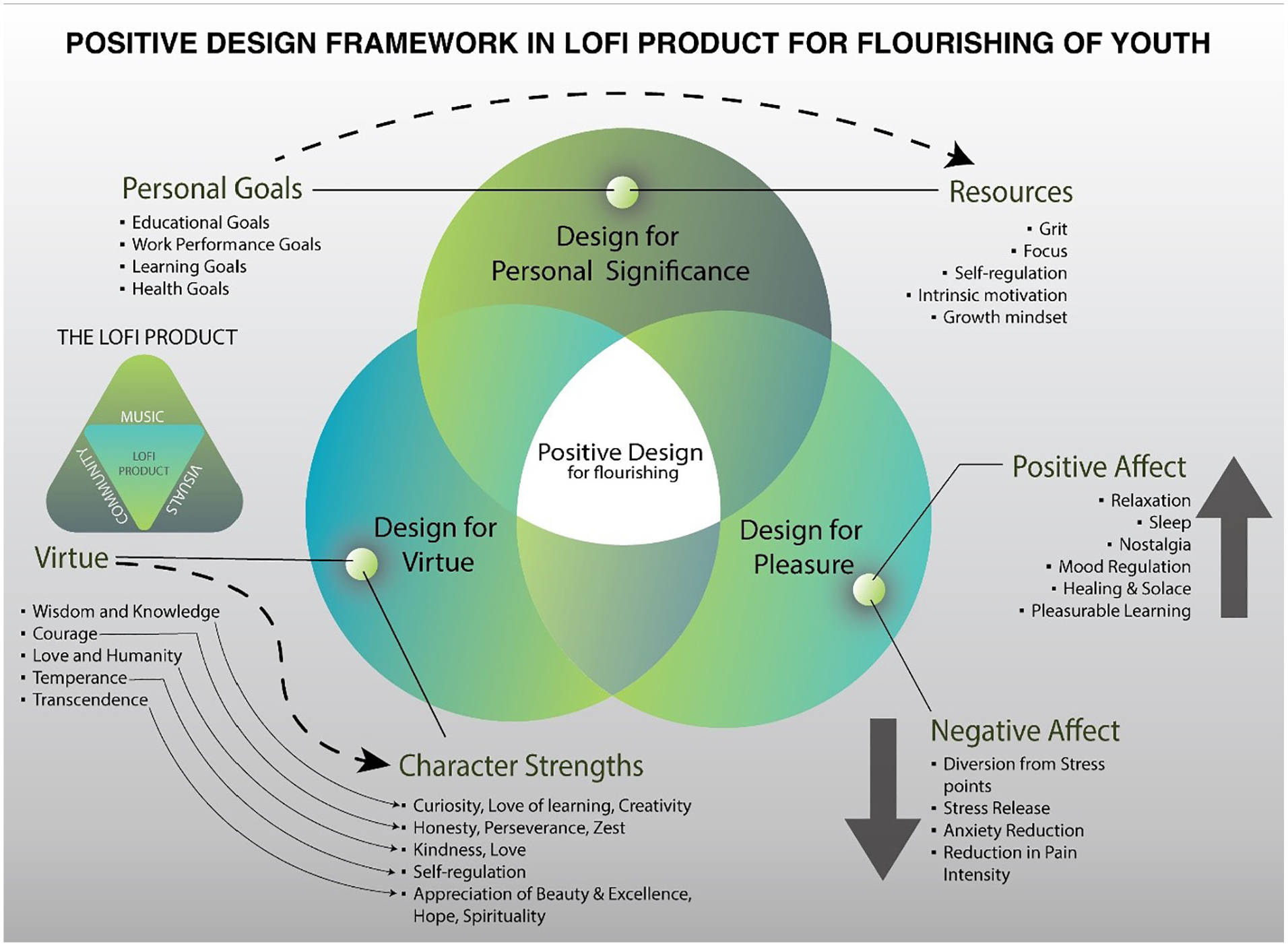
Positive design framework in lofi product (derived from the findings of this study). Created by Dsouza et al. (2024)© 2024 Manipal Academy of Higher Education. All rights reserved.
The positive design framework (Desmet & Pohlmeyer, 2013) has been applied to design interior architecture (Cain et al., 2016; Petermans & Elisabeth, 2014; Stevens et al., 2014), hotels (S. Lee, 2020), work tools (Lu & Roto, 2015), a digital piggy bank (De Francisco Vela & Casais, 2018), a web-based support system for cancer caregivers (Ahmad et al., 2023), a chatbot in mobile learning environment (Zaky, 2023), and diet management (Z. Liu et al., 2023). We identify a theory application gap here and address it by exploring the framework’s relevance to music products.
Other Theoretical Contributions
This study is a pioneering effort to synthesize the existing body of evidence on how lo-fi music affects wellness in young consumers. It introduces the concept of the “lofi product” by providing a data-driven, iterative definition, offering a new comprehensive view of the various components of lo-fi that shape its perceived impact on wellness. Moreover, the study identifies several areas for future research, stemming from unanswered questions it raised and insights from field experts. This aims to provide new theoretical insights that are both academically novel and practically applicable.
Practical Significance
This study is valuable for multiple stakeholders, particularly young consumers who are the target of product design and marketing strategies. It also holds relevance for stakeholders involved in the design and marketing processes, such as product designers, marketers, and companies focusing on wellness-oriented products for youth. Additionally, it may be valuable for researchers and practitioners in psychology, wellness (public health), and design who are interested in promoting holistic well-being through thoughtful design choices.
(a) Young consumers: Through better awareness of music design that stimulates flourishing, young consumers can be empowered to make music choices for their well-being. Furthermore, our study aims to promote stakeholder collaboration to develop product design and marketing guidelines prioritizing young consumer wellness. In the proposed conceptual framework, incorporating elements under the category of “design for pleasure” significantly contributes to enhancing physical and emotional wellness. Concurrently, the aspects categorized under “design for personal significance” augment intellectual and occupational wellness. Furthermore, the inclusion of elements falling within “design for virtue” is theorized to bolster intellectual, social, and spiritual wellness. The amalgamation of these three distinct yet interrelated elements is posited to facilitate a state of flourishing characterized by a holistic sense of well-being and fulfilment. This comprehensive approach highlights the multifaceted nature of wellness, advocating for a balanced and integrated design philosophy in music that caters to the diverse dimensions of human wellness.
(b) Product designers: Effective product design decisions are grounded in fundamental principles prioritizing user experience. Consequently, design guidelines may be established based on these principles. The proposed framework could assist music product strategists in guiding their design efforts. Its strength lies in its intentional avoidance of dictating specific elements, such as tempo, thereby fostering a space for creative exploration within the established boundaries. Strategists are thus encouraged to delve into specific musical elements alongside visual and animation effects and interactive digital media to craft efficacious music products for wellness. This should be underpinned by a careful consideration of the intended effects delineated within this framework.
Similarly, product designers in other industries may intentionally consider the design principles laid out in this study when developing design guidelines for products aimed at young consumers to achieve similar wellness outcomes. The positive design framework first proposed by Desmet and Pohlmeyer (2013) was underutilized due to a lack of specification of design effects (Pohlmeyer & Desmet, 2017). Our framework addresses this by providing detailed sub-components (design principles) for young consumer wellness based on user experiences.
(c) Marketers: The proposed framework may be used as a checklist to strategize marketing music products as wellness products for young consumers. For instance, employing wellness tags in marketing lo-fi music products necessitates substantiation through empirical research findings to ensure the credibility and effectiveness of such branding efforts. Moreover, marketers tasked with promoting youth-oriented products could strategically employ the lofi product to convey a brand’s persona, one that resonates with wellness. Such utilization of the lofi esthetic can be particularly effective in campaigns to advocate for mental health. Companies targeting young consumers could find it beneficial to use this framework as a valuable tool for prioritizing wellness outcomes when creating advertising campaigns with social marketing communication messages.
The lofi product could also be integrated into advertising campaigns to induce nostalgia, positive emotions, relaxation, and other outcomes as outlined in the proposed framework. Marketers could develop brand partnerships with lo-fi artists and lo-fi-focused social media channels to reach young consumers. Furthermore, by using artificial intelligence (AI), algorithms that analyze music (similar to the mood classification matrix) could be developed in each component within the proposed framework for music evaluation. Consequently, streaming services and music producers could harness the capabilities of such AI technologies to enhance music recommendation systems and strategically promote music conducive to human flourishing, ultimately leading to increased consumer engagement and effective social marketing.
Leveraging the findings of this study, marketers of lofi products could identify the appropriate young target audience and tailor their marketing campaigns accordingly. They could also strategically design and promote lo-fi-themed products such as apparel, accessories, and headphones targeted at young consumers. Additionally, they could explore partnerships with apps and platforms to provide tailored lofi products aimed at enhancing wellness outcomes. For example, partnering with gaming companies to develop lo-fi-inspired gaming experiences. Furthermore, working with stakeholders to organize events and workshops that blend lo-fi music with mindfulness practices, yoga, or meditation could create immersive experiences for young consumers.
(d) Other stakeholders: Lo-fi music could also be incorporated into offices, service settings, retail spaces, and healthcare settings to create calming environments. The lofi product could be integrated into school and college settings to create a more conducive environment for relaxation and focus. Its effectiveness could be explored in different scenarios, such as during assessments, before exams, and when results are being announced. Using lo-fi music to meet music therapy goals could also be explored. Therapists could develop a collection of frequently addressed goals in music therapy aligned with the positive design framework.
Limitations and Future Research Agenda
Limitations of the Study
This narrative review exhibits certain limitations characteristic of its methodological approach. One potential issue is selection bias, which may arise from the researchers’ backgrounds influencing the selection of literature for review. To counteract this, we searched multiple data sources and applied clear inclusion/exclusion criteria. However, the early stage of lo-fi research may be the reason for more conference articles than peer-reviewed journal articles. Furthermore, it is essential to acknowledge that cultural and individual differences, as well as variances in musical preferences and the lack of detailed contextual information in most studies, could influence the interpretation of the effects observed with the lofi product. Translating articles from different languages into English might have resulted in some loss of original meaning, and restricted access to certain full texts could have affected the thoroughness of our review. Additionally, while a narrative review allows for in-depth exploration of themes, it limits our ability to report statistically tested differences between studies. Moreover, the researchers’ subjective interpretation significantly influences the process of identifying and analyzing themes within qualitative research. To minimize this bias, the interpretations of multiple coders were considered. However, we acknowledge the limitations of manual coding. Despite these limitations, we hope this conceptual paper will contribute a substantial argument in favor of future research and practice.
Future Research Agenda
This section presents potential areas for future research based on key knowledge gaps identified and discussions with industry experts. After examining the trends revealed in this study, it is clear that more rigorous peer-reviewed research on lo-fi music consumption is necessary. This study demonstrates its enormous potential and encourages more thorough exploration in this field.
The design framework proposed in this study is conceptualized to steer the creation of lofi experiences aimed at nurturing the flourishing of young consumers. However, each constituent element of this framework must undergo robust quantitative analysis to validate and generalize its efficacy unequivocally. Future studies should also consider incorporating mixed methods designs to delve deeper into the intricacies of lo-fi. Randomized control trials would help in definitively evaluating the effectiveness of the lofi product. For instance, research could compare the efficacy of purely audio-based lo-fi with that of lo-fi which includes visual components, such as animation or landscapes, in various user environments such as work, home, or travel. Furthermore, analyzing gray data such as newspaper articles, blogs, and social media content could provide valuable insights into the behavior of young consumers. Neuroscientific techniques such as fMRI could also be utilized to understand better the brain’s response to the consumption of lo-fi and its application in neuromarketing. Longitudinal studies would be essential in evaluating the enduring effects of young consumer loyalty to the lofi product.
Although this study was conducted using Desmet and Pohlmeyer’s (2013) positive design framework, there are other avenues of exploration for future studies. For instance, it would be beneficial to examine the role of lo-fi music consumption in developing youth culture through the consumer culture theory (Arnould & Thompson, 2005), with a focus on the fifth interest cluster (Seow, 2022) to explain the changes in consumer behavior toward lo-fi music post the COVID-19 pandemic. It would also be useful to investigate how the lofi product could promote young consumers’ development using the positive youth development theory (Burkhard et al., 2020) and assess the measurable impact of lo-fi music consumption on well-being using the PERMA model (Kern et al., 2015). Additionally, researchers can study the cognitive neuroscience of lo-fi music in light of the current advances in the neuroscience of music (Levitin & Tirovolas, 2009), and explore lo-fi music through the lens of consumer spirituality (Husemann & Eckhardt, 2019). Furthermore, developing a theory of social marketing for well-being in music products could also be beneficial (Shams, 2018). Using cultivation theory (Gerbner & Gross, 1976; Shrum, 2017) to investigate how the animated lo-fi character influences young consumers’ perceptions, beliefs, attitudes, and cultures would be a valuable lens to explore.
This review highlights the geographical disparity between countries with a high interest in lo-fi music and those where research is conducted. As a result, it is recommended that more country- and culture-specific studies be undertaken to address this contradiction. The study’s findings suggest that the lo-fi consumer base in the Indian subcontinent is growing. However, there is a lack of academic literature on the behavior of consumers in these nations. Therefore, it is essential to conduct surveys to understand the lo-fi music consumption habits in the Indian subcontinent as well as to probe the growing consumer preference for the lofi product in South America, Australasia, and Africa. Future studies may compare consumer attitudes toward the lofi product in individualistic versus collectivist cultures (Hofstede, 2001). This study focused on young consumers. Similar research on children, the special needs community, caregivers, people experiencing burnout, stress, and anxiety, and people feeling lonely or disconnected from the community, especially the geriatric population, can be undertaken. Researchers can conduct studies to determine consumers’ attitudes and preferences toward the lofi product while considering factors such as gender, country, and socio-economic status. They can also analyze consumer behavior toward the product, considering personality types. Additionally, they can evaluate the effectiveness of lo-fi music as a therapeutic product to achieve music therapy goals in individual and group settings.
The discourse presented in the discussion segment of our analysis culminates in identifying several pertinent research questions that warrant further investigation in future scholarly inquiries.
Under design for pleasure:
What is the causal relationship between lo-fi music and attention span mediated by positive affect?
What is the therapeutic effect of lo-fi music on insomnia and sleep quality improvement?
How does nostalgia marketing of the lofi product influence consumer behavior and purchase decisions?
How can the manipulation of musical elements in lo-fi be used to systematically induce specific emotional states in listeners, as predicted by psychological models of emotion construction?
How does the lofi product influence young consumers’ experiences of loneliness?
Does listening to lo-fi music spur the release of happy hormones in the body?
What factors have contributed to young consumers’ preference for lo-fi music for studying compared to other music genres?
What is the influence of the consumption of the lofi product on emotion-focused coping among the youth?
How does the use of the lofi product influence life satisfaction among the youth, and what are the mediating factors influencing this relationship?
Further research could investigate the effects of lo-fi music in combination with the Music, Drawing, and Narrative (MDN) music therapy approach, and evaluate the impact of lo-fi music when used with the Guided Imagery and Music (GIM) music therapy technique.
Under design for personal significance:
How does the lofi product, mediated by grit, impact burnout, and attrition?
What is the effect of lo-fi music on concentration during gaming?
How does exposure to lo-fi music during work affect employee performance?
How does exposure to lo-fi music during work affect employee mental health?
What is the role of the lo-fi environment in building more productive and well-being-oriented workspaces?
How does playing lo-fi music in the service environment affect the “zone of tolerance” of the consumer while waiting?
What is the effectiveness of lo-fi music as background music in gaming, mindfulness, and study apps?
How can the lofi product be used to build a growth mindset among the youth?
How does the use of lo-fi music in settings such as spas, gyms, restaurants, hotel restrooms, and lobbies impact buying behavior?
What is the impact of autonomy on consumer preference for lo-fi music?
Through our analysis, we observed the need for more robust scientific evidence to assess lo-fi music’s direct and indirect impact on cognition and learning. Future studies can specifically examine the impact of integrating lo-fi music into virtual learning modules and explore the “study mindset” that it induces. It is also essential to evaluate the effectiveness of lo-fi music as a psychological tool for enhancing grit, which is a crucial attribute for goal attainment (Alhadabi & Karpinski, 2020). Additionally, further exploration is required to understand the role of the “lo-fi girl phenomenon” in fostering perseverance and a conducive study ambiance among the youth. Empirical studies are encouraged to examine the effects of lo-fi music on student resilience in overcoming distractions, particularly those stemming from unnecessary smartphone usage. It would also be valuable to evaluate the influence of lo-fi music on the thesis writing process and its contribution toward attaining advanced educational qualifications such as a PhD.
Additionally, studies can be conducted to assess the potential of lo-fi music in developing self-regulation and emotional-regulation skills in individuals with sensory processing disorders and to gauge the potential of lo-fi music in developing executive functioning skills in individuals with ADHD and other neuro-divergent individuals. Furthermore, exploring the effects of non-work-related comments on academic/ work focus, how to mitigate this, and the utility of lo-fi music in enhancing productivity among “work from home” employees is recommended.
Under design for virtue:
How can the lofi product be incorporated into school assemblies to augment virtue building?
What is the contribution of the lofi product to building social capital among the youth?
How can the lofi product stimulate young consumer creativity?
Could the lofi product help the youth in overcoming addictions?
Does a causal relationship exist between listening to lo-fi music and addiction among the youth?
What is the impact of lo-fi music consumption in fostering state and trait mindfulness and other consciousness practices?
How can the “lo-fi girl” be marketed to encourage desirable behavior among the youth?
Does a correlation exist between consumption of the lofi product and increased display of honesty among the youth?
How do the lo-fi inspirational evolution stories influence loyal consumers’ emotions?
We suggest that researchers conduct empirical tests to determine the impact of the lofi product on developing character strengths and desirable habits among young consumers. Additionally, it would be beneficial to investigate the role of lo-fi music in fostering curiosity and knowledge building and its impact on encouraging a love of learning. Another area of interest would be to examine the effects of lo-fi music consumption on resilience, kindness, and empathy among young people. It would also be useful to explore the expression of vulnerability within lo-fi music communities and investigate the role of these communities in inspiring hope for the future in young adults. Furthermore, it would be valuable to identify the implications of lo-fi music on community building among marginalized and segregated populations. Finally, researchers could examine the flow experiences of lo-fi consumers using the psychological flow scale.
Moreover, future studies should employ objective measures to isolate the specific sonic characteristics of lo-fi music that contribute to its perceived wellness benefits and examine the role of music volume in lo-fi’s effectiveness. Further scientific investigations could explore the impact of integrating lo-fi music into product design with sound as a brand differentiator. The impact of using lo-fi esthetics to communicate brand personality could also be studied. Furthermore, studies could explore lo-fi consumption through the lens of “meaning-oriented consumption” and investigate brand anthropomorphism through the “lo-fi girl” phenomenon. Research is needed to analyze the marketing potential of the lofi product for social well-being, considering factors like social acceptance, actualization, contribution, coherence, and integration. Additionally, the effectiveness of incorporating elements of the lofi product into advertising campaigns should be tested. A critical question is whether socially marketing the lofi product inspires social change. Moreover, it is essential to assess the impact of marketing hype on consumer preference and attitude toward the lofi product.
Conclusion
We have systematically reviewed the literature on young consumer wellness outcomes of the lofi product through the lens of the positive design framework. Within each element of the framework, we summarized key findings and identified knowledge gaps. We have also presented current trends and identified geographical gaps, calling for a timely scientific investigation of the product to optimize young consumer wellness. We have highlighted potential areas for research based on theoretical and industry perspectives. We propose a framework through which products can be consciously designed for youth flourishing, and point to the potential of lo-fi music to increase positive affect, decrease negative affect, facilitate goal accomplishment, and inculcate virtues through character strengths. Our proposed advancement to the positive design framework adds conceptual insights into multiple lines of inquiry and serves as a guide to product strategists across industries. These design principles can be used to design wellness products and social marketing communications targeted to young consumers.
Footnotes
Appendix

Acknowledgements
The authors would like to thank Mr. Shilton Dmello (Digital artist, Mumbai, India) for creating the digital design for the framework and the following professionals for sharing their expertise: Mr. Joel Aranha (Music Producer and Session Artist, Mumbai, India), Mr. Melroy Furtado (Audio Engineer and Strategist in audio solutions, Bengaluru, India), Mr. Charlton Dmello (Managing Director, Radical Communications and Marketing, Dubai, UAE), Dr. Teddy Andrews J. (Department of Social and Health Innovation, MAHE, Manipal, India), Dr. Johnson Jament (Department of Anthropology, University of Sussex, Brighton, UK), Dr. Shwetha TS (Department of Clinical Psychology, MAHE, Manipal, India) and the experts who requested anonymity. We are also grateful to the anonymous reviewers whose insights have added great value to our manuscript.
Author Contributions
All authors contributed to the article and approved the submitted version.
Declaration of Conflicting Interests
The author(s) declared no potential conflicts of interest with respect to the research, authorship, and/or publication of this article.
Funding
The author(s) disclosed receipt of the following financial support for the research, authorship, and/or publication of this article: The authors gratefully acknowledge the financial assistance received from the University Grants Commission, Government of India and Manipal Academy of Higher Education (MAHE), Manipal.
Ethics Statement
This study did not require specific ethical approvals. Nonetheless, the honesty and integrity of the research have been upheld in the conduct of this study.

Data Availability Statement
Data sharing is not applicable to this article as no datasets were generated during the current study.