




Abstract
Organizations now use a variety of strategies to encourage diversity since it can result in beneficial effects including an increase in creativity and innovation. Nonetheless, the diversity of their workforces continues to present challenges and opportunities for organizations. Researchers are putting more emphasis on inclusion to improve workplaces by supporting a diverse workforce. The main goal of this study was to systematically review the existing literature to ascertain how Strategic Human Resource Management fosters inclusive workplaces inside the organization. The review process was carried out using the published articles that were taken from reputable journals’ databases for the years 2010 to 2023. After reviewing 78 published articles, finding suggest that Human Resource practitioners may concentrate on a variety of Human Resource practices and design policies across these three Human Resource practice domains to have an impact on employees’ knowledge and abilities, drive and effort, and opportunities to contribute. And also Line managers are typically seen as playing a crucial role in implementing Human Resource Management practices and enhancing an inclusive workplace. Overall, the implications of this systematic review suggest that SHRM can be a powerful tool for creating inclusive workplaces, but it requires a holistic and sustained approach that involves a commitment to diversity, leadership involvement, and conscious effort to dismantle barriers and biases. End up our systematic review by forwarding future line of research on existing literature.
Plain language summary
The purpose of this systematic review is to examine the role of strategic human resource management (SHRM) in creating an inclusive workplace. It aims to identify the existing literature on SHRM and inclusion and provide an overview of the current research findings on the topic. The study used a systematic review methodology to examine academic literature on SHRM and inclusion. The academic databases searched were SAGE, Google Scholars, JSTOR, Directory of Science, Springer, and Emerald. Search terms included “strategic human resource management,”“inclusive workplace,”“diversity management,” and “workforce diversity.” The studies included in the review were published in peer-reviewed academic journals between January 2010 and December 2023. The systematic review found that SHRM plays a vital role in creating an inclusive workplace. The review found that organizations that embrace SHRM practices for diversity management, create and maintain an inclusive workplace, and encourage workforce diversity, are more likely to create an environment of inclusivity. The study highlights the importance of SHRM in creating an inclusive workplace and provides insights into best practices for implementation. Organizations that effectively integrate SHRM practices into their culture will have a more diverse and inclusive workforce. This, in turn, will lead to positive impacts on employee engagement, productivity, and performance. One of the significant limitations of this study is its narrow focus on academic literature published in the last decade. Additionally, the study only considers the English language literature, which may exclude key studies published in other languages. Finally, due to the nature of a systematic review, the results are limited to the available literature and may not be generalizable to all organizations.
Keywords
Introduction
Strategic human resource management (SHRM) has become an important concept in organizations that are adopting a holistic approach to managing their human resources. Inclusive workplace practices are an important component of SHRM, aimed at creating a workplace culture that embraces diversity and promotes equal opportunities for all employees regardless of their background or demographics (Yadav & Lenka, 2020). This systematic review will explore the link between SHRM and inclusive workplace practices, and the impact of implementing these practices in organizations.
According to Martin et al. (2016), SHRM places a strong emphasis on the relationship between people management policies and practices and organizational business strategy, but several commentators have noted that this literature has neglected to address the larger context in which firms, strategies, human capital, and human resources (HR) actors are integrated (Delbridge et al., 2011; Wright et al., 2014).
Global demographic trends and predictions of rising workplace diversity underline the significance of looking at methods for enhancing workplace inclusion. In the workplace, there are still indications of discrimination and wealth disparity (Daniel, 2009; Mor Barak et al., 2001; 2003; Saini, 2005).
Worldwide, business organizations tend to discriminate against specific racial or ethnic groups, women, individuals with impairments, and aged workers. This has encouraged governments to pass laws protecting these groups (Schneider, 2011). Despite this, diversity is increasingly acknowledged, though frequently there are no formal legal safeguards. Employees who identify as members of social identity groups that have experienced discrimination in the past, such as women, people of color, people with disabilities, seniors, followers of specific religions, immigrants, and people with accents, may be excluded from favorable opportunities like jobs, promotions, information networks, involvement in decision making, and contributions to human resources (Allen et al., 2018; Shaker et al., 2016; Yadav & Lenka, 2020).
Minority employees engage in knowledge-hiding behavior at work as a result of workplace exclusion based on out-group membership, linguistic and cultural hurdles, ethnic, racial, and national preferences, biased attitudes, and negative views (Miminoshvili & Černe, 2021). Exclusion can hurt both mental and physical well-being within the organization, according to writers, whether it emerges as an observable form of discrimination or a minor form of prejudice (Jones et al., 2016).
The term “subtle discrimination” is used by many authors to describe actions taken against members of social minorities because of their membership in the group. These actions are not always deliberate and often have uncertain motives (Jones et al., 2016; Van Laer & Janssens, 2011). Subtle discrimination is less likely to be illegal than overt discrimination. Furthermore, when comparing subtle discrimination to its overt equivalent, uninvolved spectators would show more reluctance and feel more affective and cognitive ambivalence (King et al., 2011).
Overt discrimination, on the other hand, has been referred to as harassment (Fox & Stallworth, 2005), traditional racism (Jones et al., 2016; Van Laer & Janssens, 2011), hostile sexism, and formal discrimination (Glick Hebl et al., 2002 cited in Jones et al., 2016). Scholars assert that overt discrimination takes the form of actions that are noticeable, intentional, and distinguishable and are directed at a target based on his or her stigmatized characteristics. Overt discrimination is defined as “differential and unfair treatment is exercised, with visible structural outcomes” (Van Laer & Janssens, 2011).
As Jones et al. (2016) noted, overt discrimination is defined as clearly unfavorable behavior and/or treatment directed against social minorities based on their membership in the minority, which is always conscious. In addition, overt discrimination is more likely to be illegal than subtle discrimination, and it is less likely to cause a non-participant witness to hesitate or feel conflicted about calling the behavior “discrimination.”
While regulations have focused mostly on decreasing discrimination against women, employees with disabilities, and other socially excluded groups, it is unclear if firms are actively promoting inclusive workplace environments that ensure these individuals have better career prospects after they are hired (Zulmi et al., 2021). Without such initiatives, it is unlikely that the employment and recruitment of people from socially marginalized groups will guarantee their success in their new jobs.
Strategic human resource management and inclusion in the workplace have thus become more prevalent in both academic and practitioner literature to improve the experiences of workers whose membership in certain social identity categories increases the likelihood of discrimination (Ferdman, 2014; Kulkarni et al., 2016; Mustafa & Ahu, 2015; Ponzoni et al., 2017).
“SHRM can be a valuable resource for organizations seeking to foster an inclusive workplace. Bamber et al. (2017) suggest that diversity and inclusion can bring value to organizations and have a positive impact, facilitated by HRM specialists who are responsible for creating an environment in which employees feel valued and included (Offermann & Basford, 2013). As a result, HR policies and practices, as well as HR professionals themselves, play essential roles in fostering inclusivity in the workplace.
However, there is a lack of research on the applicability and effectiveness of SHRM policies and practices in different organizational contexts, especially in small and medium-sized enterprises, and in different cultural settings. Moreover, there is a limited understanding of how SHRM can address multiple and intersecting identities in the workplace, particularly concerning the intersectionality of different diversity dimensions. Therefore, conducting a systematic review can provide valuable insights on how to improve the development and implementation of SHRM practices that promote inclusivity and diversity in organizations.
The purpose of this systematic review is to examine the role of strategic human resource management (SHRM) in creating an inclusive workplace. It aims to identify the existing literature on SHRM and inclusion and provide an overview of the current research findings on the topic. The study used a systematic review methodology to examine academic literature on SHRM and inclusion.
Hence, the objectives of this study are as follows: (1) to conduct a systematic review of the contribution of SHRM to the promotion of inclusive workplaces within organizations; (2) to identify factors that can be used to measure SHRM and inclusion within organizations; (3) to develop a model framework that highlights the relationship between SHRM and an inclusive workplace; (4) to provide guidance for firms on how to promote an inclusive workplace, including treating employees equitably at all levels and providing opportunities for career advancement; and (5) to suggest new directions for future research that address the limitations of the existing literature in this field.”
Method and Materials of the Study
The authors conducted a systematic literature study to develop an integrated framework for SHRM practices and an inclusive workplace. The choice of this method was based on its ability to allow for an in-depth analysis of all relevant articles on the subject and the potential to identify new concepts (McKibbon, 2006; Tranfield et al., 2003). The authors also noted that incorporating a transparent and reproducible procedure and conducting an unbiased search for identifying and evaluating a substantial amount of literature improves the quality of the review process. Finally, they highlighted the significance of systematic reviews in identifying gaps and weaknesses in existing research, thus presenting opportunities for future investigations.
The Scope of the Study
Our review explicitly analyzes the literature connected to SHRM and inclusive workplaces to make the study’s scope acceptable. This implies a huge body of literature that is clearly outside the scope of our investigation. As a result, we only included academic journal articles in our study because they had already been subjected to a comprehensive peer review process, implying an accepted quality standard.
Search Strategy
To locate relevant literature for this systematic review, the researchers utilized a search method. We searched several credible databases for published journal articles about SHRM and inclusive work environments to cover as wide a range of publications as possible. SAGE, Google Scholars, JSTOR, Directory of Science, Springer, and Emerald are the main data sources for this study. The database was searched using the key terms “strategic Human Resource Management,”“Inclusive workplace,”“Inclusive leadership,”“Diversity and inclusive,” and “SHRM & Inclusivity.” Journal articles that were published in English exclusively were included in the searches, which encompassed the years 2010 to 2023. The search did not include any articles or documents published before 2010. And also articles or documents from any other subject were eliminated from the search because it was primarily focused on the field of business management. Initially, the database search resulted in 796 distinct articles. The next stage is to develop inclusion and exclusion criteria to guarantee that articles are relevant to the purpose of our study.
Inclusion and Exclusion Criteria
After a total of 796 articles were recorded, some inclusion and exclusion criteria were employed in this investigation. In this phase, documents were assessed to check the relevance and consistency of the search’s goal. Hence, the articles which have less relevance and significance to the objective were excluded. And also duplicated articles were eliminated from the documents. At this stage, a total of 613 research articles were eliminated and 183 records have been extracted.
Quality Assessment or Eligibility Phase
Only original research publications and review papers were used in this investigation. The researchers used a variety of criteria to preserve the review’s quality, including unambiguous indicated abstract, and conclusion. For the analysis and purifications of the articles, the abstracts and conclusion were reviewed to guarantee the quality and relevance of academic material included in the review process. At this stage, after carefully evaluating the abstract of the articles we extracted a total of 78 articles, and 105 articles were eliminated. (The summarized results are shown below in Figure 1.)

Data extraction procedure.
Result of Study
Description of the Literature
By our methodical search, we discovered 78 published articles from peer-reviewed journals published between 2010 and 2023 that were pertinent to SHRM and inclusive work environments. In the part that follows, we will give a detailed description of the data that was retrieved.
Publication Activity
According to Figure 2, there has been a definite rising tendency in the number of published papers on the targeted topic from 2017 to 2022. More than 58% of the publications used in this analysis were found to be published between 2017 and 2022. This shows that inclusive workplaces and strategic human resource management have recently received increasing attention in managing diversity within the organization.
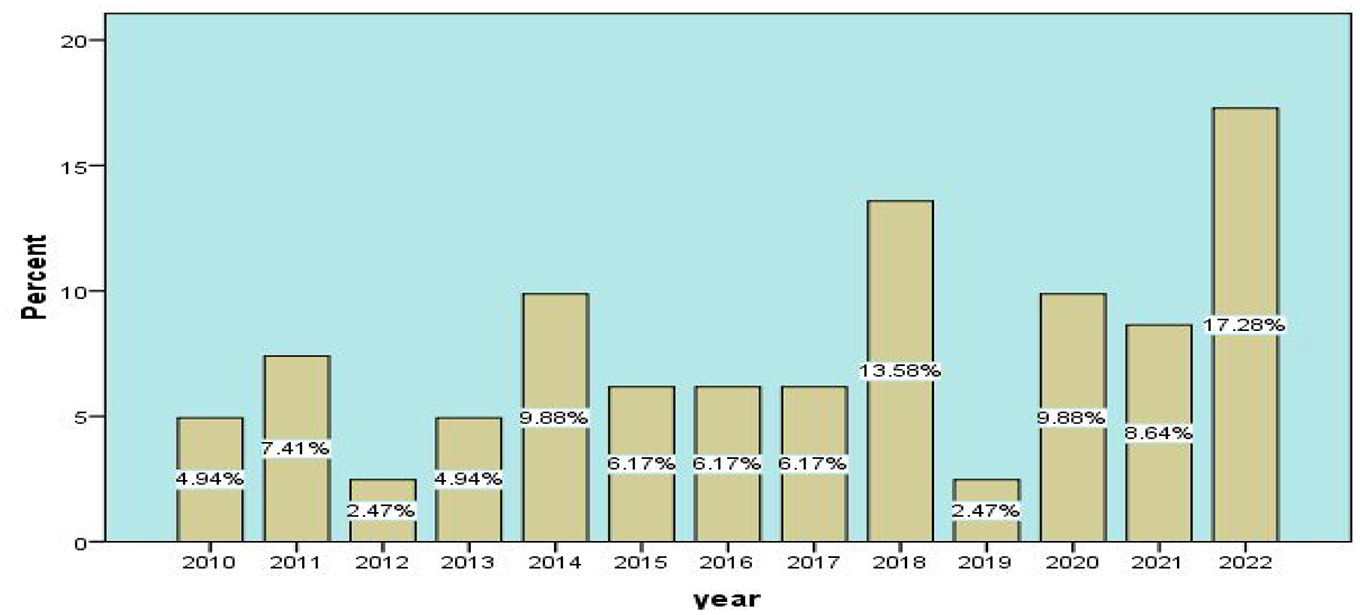
Trends of published articles by year.
Database or Search Engine
Figure 3’s findings show that more articles are accessed from the database of Science Direct (22.2%). In that order, the second through sixth places are taken by the Emerald database (19.75%), JSTOR (18.5%), SAGE (16.05%), Taylor & Francis (14.8%), and Google Scholar (8.6%). This outcome showed that all of the articles used in this study were taken from reputable journals.
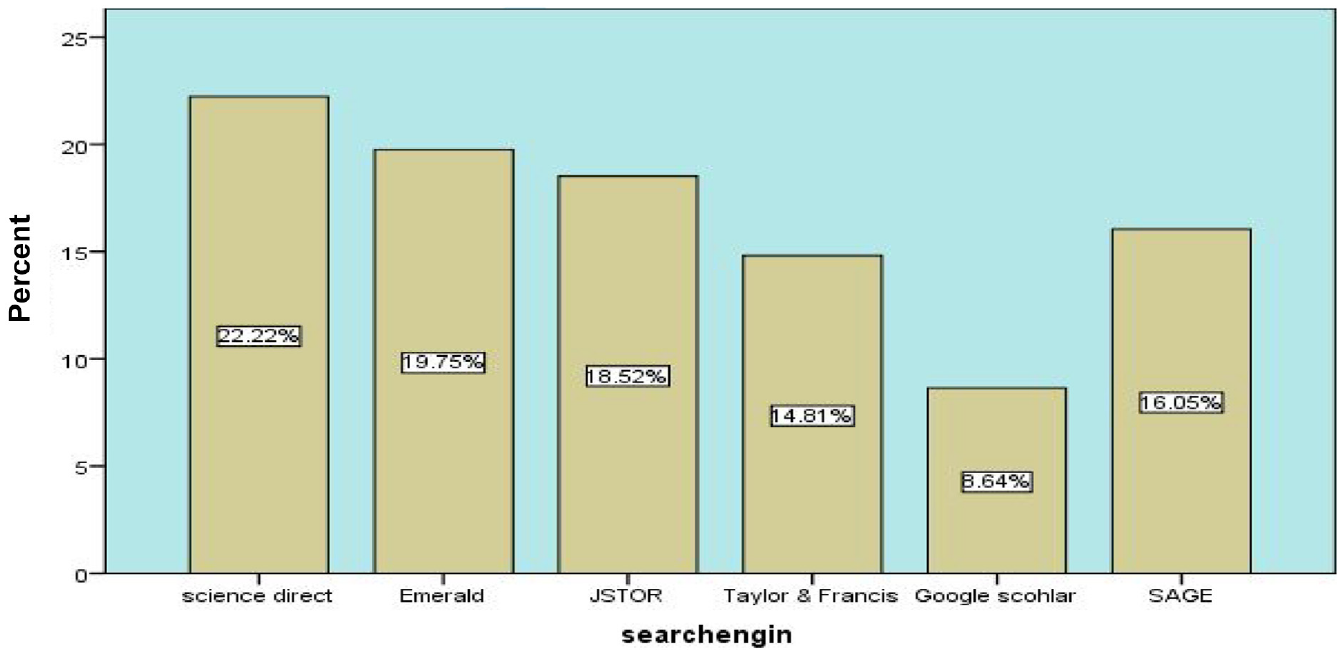
Database of extracted articles.
Discussion of the Study
Workplace Inclusion
Workplace inclusion has become an increasingly important topic for organizations around the world. It refers to the process of creating a work environment that values diversity and promotes equal opportunities for all employees, regardless of their gender, race, religion, age, sexual orientation, or any other characteristic that may determine their identity. As a result, many companies are now investing in diversity and inclusion initiatives in order to attract and retain diverse talent and leverage the benefits of a diverse and inclusive workforce, such as increased innovation, creativity, and productivity. This systematic review aims to examine the literature on workplace inclusion and identify best practices and strategies for achieving a more inclusive workplace.
Diversity and inclusion have evolved into essential aspects of many firms’ strategy plans in today’s context of rapid transformation and rising talent competition. Businesses must employ inclusion as a strategy to prosper as a result of the Cultural Revolution and demographic shifts affecting the modern workplace (Ashokkumar & Manisha, 2017). To engage a more diverse population, workplace relationships must go beyond representation metrics. To be termed diverse, differences must occur within a certain context (Ortlieb et al., 2021). Ensuring equality is the process of ensuring that policies and tactics are equitable and impartial, and provide the best results for each individual. The practice of ensuring that employees have a sense of belonging at work is known as inclusion (Ganeshan & Vethirajan, 2022; Leone, 2020).
The “inclusion” attitude pushes the collective effort away from the phrase “some” and toward the term “all” (April & Blass, 2010). Additionally, inclusiveness necessitates a fundamental shift in the organizational structure, human resource policy, operational procedures, leadership style, and overall organizational culture (Itam & Bagali, 2018). It suggests that diversity and inclusion require a fundamental shift in culture at all levels—individual, interpersonal, and organizational. Further evidence for this was provided by Thomas and Ely (1996; cited in Itam & Bagali, 2018), who found that effective diversity and inclusion strategies foster favorable attitudes and behaviors toward the workplace and organization.
According to Nishii (2013), in inclusive workplaces, people from various backgrounds are treated equally, given value for who they are, and included in important decisions in addition to those who belong to traditionally dominant identity groups. An exclusionary workplace is based on the belief that all employees must adhere to previously established organizational values and norms, while an inclusive workplace is based on a pluralistic value frame that respects all cultural perspectives represented among its employees (Mor Barak & Daya, 2014; Vohra et al., 2015). In conclusion, inclusion entails giving members of socially marginalized groups equal opportunity to participate and contribute, while also giving non-marginalized group members the same opportunities (Allen et al., 2018). It also involves assisting staff members in their efforts to be fully engaged at all organizational levels and to be authentically themselves.
Diversity Versus Inclusion
Diversity is the term used to describe a grouping of differences and similarities, such as traits, beliefs, experiences, histories, interests, and behaviors that apply to both individuals and organizations. The goal of inclusion is to create an atmosphere at work where everyone is treated equally and with respect, has access to the same opportunities and resources, and can fully contribute to the success of the business (Shore et al., 2018; Szymańska & Aldighieri, 2017; Vohra et al., 2015).
The most obvious difference between inclusion and diversity is that inclusion results from voluntary acts while diversity can be mandated and regulated (Leone, 2020; Winters, 2014). As already expressed, inclusion calls for leveling the playing field and making openings through organizational and administrative hones that give genuine prospects of breaking even with get to beneficial openings for workers who have a place to social character bunches that involvement more prominent separation (Ashokkumar & Manisha, 2017; Roberson, 2006).
Diversity is the combination of characteristics within a workforce that significantly affects how people think, feel, and behave at work as well as their acceptance, work performance, contentment, or advancement in the business, according to Hays-Thomas and Bendick (2013). They contrast this by pointing out that inclusion places a fresh emphasis on workplace norms, procedures, and environment, the workplace culture that affects how people with certain traits perceive their jobs.
Diversity and Inclusion Management
According to the authors, during the past three decades, diversity and inclusion have been the most often used organizational resources due to their growing recognition (Shaker et al., 2016).
Studies suggest that organizations may lack diversity, leading some workers to feel excluded and undervalued (Itam & Bagali, 2018). No doubt managing diversity has proven to be a necessary strategic consideration for success in the marketplace and workplace (Gutterman, 2022). Increased globalization, changes in the workforce, and the growing representation of various minority groups have contributed to the view that the discussion of diversity has overtaken ethical issues and the ethical imperatives of creating organizations (Jonsen et al., 2011).
In contrast to a group focus, where traits and qualities are broadly ascribed to a group and the connection between the person and the group is taken for granted, diversity management places a greater emphasis on the individual and empowers individual features (Zanoni & Janssens, 2004). Unsurprisingly, managers, consultants, and employers see diversity strategic management as essential to organizational success while trade unionists and critical thinkers are more closely connected with the equal opportunity approach (Ozbilgin et al., 2013).
Instead of requiring uniform and equal treatment of all groups, diversity management creates a way for proactive difference management. However, equal treatment does not equate to good treatment. Additionally, diversity management aims to lessen the “us versus them” dynamics that can lead to animosity, prejudice, and resource competitiveness (Jonsen et al., 2011).
The challenge of managing a diverse staff is significant. However, if the diversity of the workforce is skillfully managed, it may increase productivity (Thakur, 2022). Due to variety, employees’ values and reactions vary. It depends on organizational practices and policies that can help create an inclusive culture that supports employees’ performance and alignment with the goal and objective of the organization. Although demographic factors can affect employees’ attitudes and can have a positive or negative impact on the workplace (Thakur, 2022).
While inclusion strategies aim to give these people equal access to decision-making power, resources, and opportunities for upward mobility, strategic diversity management focuses primarily on integrating women, people of color, and members of other groups underrepresented in the workforce (Allen et al., 2018; Szymańska & Aldighieri, 2017). Many diversity and inclusion experts and practitioners have also highlighted the value that individuals with a range of differences add to organizations beyond the simple “correctness” of promoting equal opportunity (Ferdman, 2014). However, diversity is not always beneficial for firms (see Jackson & Joshi, 2011; Mannix & Neale, 2005), and can harm cohesion and performance while increasing conflict and turnover. Therefore, focusing on inclusive practices can help highlight the potential benefits and opportunities of having a diverse workforce.
In conclusion, the inclusion literature looks to find methods that businesses can implement inclusionary practices and cultures so that diversity is not seen as a liability but rather as a potential asset. Greater creativity is only possible when a workforce is diverse, but this benefit is unlikely to occur without inclusion (Offermann & Basford, 2013). Winters (2014) noted that diversity is considerably easier to accomplish than inclusion.
Workplace Inclusion Category (or Model)
The workplace inclusion category or model refers to various categories that have been studied in the literature to understand how workplaces can be more inclusive. Some of the inclusion categories that have been addressed in the research include workgroup inclusion, leader inclusion, perceived organizational inclusion, organizational practices inclusion, and inclusion climate. Each of these categories has been studied independently, but there are commonalities across them. For example, research has shown that leaders play a critical role in promoting inclusion in the workplace, and that organizational practices such as diversity training and inclusive policies can have a positive impact on inclusion climate.
Workgroup Inclusion
In modern organizations, workgroup inclusion has become a crucial aspect of ensuring the success of teams. It involves creating a work environment that promotes collaboration, diversity, and open communication among team members. This approach recognizes that every individual has unique strengths and perspectives, and that the team can function optimally when each member’s contributions are valued and heard. As a result, inclusion boosts employee morale, promotes creativity, and ultimately leads to improved productivity and greater success for the organization.
Most study state that everyone, regardless of majority or minority status, is the target group of inclusion because of its emphasis on accepting and valuing individual diversity (Ferdman, 2014; Shore et al., 2011). Additionally, inclusion goes beyond diversity because utilizing variety for creativity, effectiveness, and well-being may need more than just recognizing diversity (Guillaume et al., 2014). The pluralistic value framework that underpins the inclusive workplace respects all cultural perspectives represented among its employees (Mor Barak & Daya, 2014). It also enables various groups to support one another to be fully engaged at all levels of the organization as existence (Chung et al., 2020; Shore et al., 2018).
The optimal distinctiveness theory (ODT; Brewer, 1991 cited in Shore et al., 2011) suggests two themes that also appeared in the diversity and inclusion literature, namely the satisfaction of belongingness and uniqueness demands. Shore et al. (2011) developed a conceptual model of inclusion based on these two themes. According to their definition, inclusion within a work group refers to the extent to which a worker feels valued by the group and receives treatment that satisfies his or her desires for uniqueness and belonging. Belongingness and uniqueness are crucial in workgroup inclusion, promoting positive relationships, job satisfaction, and performance. Supervisor evaluations of creativity and performance are related to inclusion (Chung et al., 2020; Randel et al., 2018; Shore et al., 2011)
Inclusive Leadership
Inclusive leadership refers to a management approach where leaders prioritize diversity and actively work towards creating a work environment that respects and values the differences of all employees. Inclusive leaders seek to foster a culture of belonging, where people feel accepted and valued for who they are, and can contribute their unique perspectives and talents to the organization. By promoting diversity and inclusion, these leaders encourage creativity, innovation, and better decision-making, which ultimately leads to a more successful and sustainable business.
Many CEOs and corporate leaders view diversity as a strategic priority that makes significant contributions, such as higher levels of creativity and innovation (Groysberg & Connolly, 2013). Although many businesses have increased the diversity of their workforce, it is becoming increasingly clear that this does not guarantee the potential advantages or the retention and/or promotion of members of these groups to positions of power within businesses (Cook & Glass, 2014; Roberson & Perry, 2022). Unfortunately, attempts to find, nurture, and advance people from underrepresented groups may not always ensure that their skills are adequately utilized or that their opinions are fully heard and effectively incorporated into organizational decisions (Randel et al., 2018; Shore & Chung, 2022).
To address this issue, we suggest that inclusive leadership fosters the efficient operation of heterogeneous work groups in ways that are not adequately covered by other styles of leadership. Based on different recent empirical studies, we define inclusive leadership as a set of leader behaviors that are focused on helping group members feel like they belong to the group and maintain their sense of individuality while contributing to group processes and outcomes (Roberson & Perry, 2022; Shore et al., 2011; van Knippenberg & Van Ginkel, 2022).
The effects of inclusive leadership concerning diversity were the subject of numerous empirical types of research. According to research conducted by Randel et al. (2018), inclusive leadership happens as a result of particular actions that promote a sense of belonging and highlight the value of individuality. The interactive effects of leader inclusion and psychological diversity atmosphere on helpful behavior for men and women, as well as for Whites and people of color were compared by Randel and his colleagues. They then highlight the importance of promoting diverse and inclusive leadership by women and people of color.
The Deconstructing Exclusion for Inclusive Leadership model, a framework for practice, is provided as a practical guide for deconstructing exclusionary practices and fostering positive, healthy human relationships, according to empirical findings by Booker and Williams (2022). The approach is backed by the affective qualities, cognitive abilities, and personality characteristics that inclusive leaders need to combat exclusion, promote inclusive partnerships, and promote social justice outcomes.
An important component of this is that inclusive leaders concentrate on integrating the ideas of team members with various perspectives to produce synergistic performance outcomes, such as higher-quality decisions and more creativity and innovation, or more generally higher-quality knowledge work performance (van Knippenberg & Van Ginkel, 2022).
Alang et al. (2022) found that inclusive leadership supports workplace diversity by promoting indigenous presence through recruitment, training, development, and decision-making roles. It also creates a sense of belonging and values for indigenous workers, embraces their individuality, and fosters inclusiveness in diverse teams (Alvarez et al., 2018; Ashikali et al., 2021). Simmons and Yawson (2022) found that inclusive leaders boost diverse organization interaction, inspire learning, catalyze relationships, and encourage employees to reach their full potential. Overall, inclusive leaders can effectively decrease policy-practice coupling for all group members, not just those with a history of dominance or high status (Mor Barak et al., 2022).
Perceived Organizational Inclusion
Perceived organizational inclusion refers to an individual’s subjective experience of feeling included within an organization. It is a sense of being valued and respected, regardless of one’s background, identity, or differences (Chordiya, 2022; Gill et al., 2018). Perceived organizational inclusion is important because it has a significant impact on employee satisfaction, motivation, and performance.
Extensive work by Mor Barak and Daya (2014) has shown the significant impact of perceived organizational inclusion. A measure of inclusion-exclusion was created by Mor Barak and Daya (2014), and it had three parts: participation in work groups, decision-making, and access to information and resources.
The findings of the study by Chen and Tang (2018) revealed that organizational commitment served as a mediator to link employees’ perceptions of inclusion to job roles and innovator role performance. The effectiveness of team roles was also closely related to perceived inclusiveness. The finding was also supported by different scholars (Ellemers et al., 2013; McGraw, 2022; Ponzoni et al., 2017). When employees feel included, they are more likely to engage in positive behaviors and contribute to the success of the organization. Therefore, it is essential that organizations make efforts to create an inclusive work environment that supports and values diversity.
Organizational Inclusivity Practices
Organizational inclusivity practices refer to the strategies and actions implemented by a company to ensure that all individuals, regardless of their background or identity, feel valued, respected, and included in the workplace. These practices typically involve creating a culture that embraces diversity and promotes equity and inclusivity for all employees. By fostering an inclusive workplace environment, companies can increase employee engagement and productivity, reduce turnover rates, and attract a more diverse pool of job candidates (King & Land, 2018).
According to Ferdman (2014), several excellent practices improve inclusiveness. First and foremost, leaders need to create a pipeline for diverse talent. However, they draw attention to the fact that keeping varied talent on staff is frequently a greater difficulty and calls for helpful procedures including executive sponsorship and accomplishment recognition. Second, they should deal with minor forms of discrimination such as “micro-inequities” and “micro-aggressions” (April & Blass, 2010; Sue, 2010). These can be purposeful or unintentional verbal, behavioral, or environmental treatments that convey a depreciation of a person’s contributions. Thirdly, utilizing Employee Resource Groups (ERGs) can enhance productivity by creating stronger relationships with clients and communities. ERGs were originally formed for minorities to network and socialize, but they now have strategic importance. Fourth, they should create inclusion-specific accountability frameworks that are integrated into the organization’s performance management framework. Fifth, they should provide managers and staff with training so they may acquire the competencies required to exhibit the behaviors essential to such endeavors. Sixth, to ensure that the culture is inclusive; leaders must employ peer support in their attempts to promote inclusion.
Scholars agree that diversity literature portrays an inclusive organization that welcomes social minorities, who feel valued and have a sense of belonging (Bryer, 2020; Ortlieb et al., 2021). According to the empirical study by Bryer (2020) and Tuan et al. (2021), public organizations should serve as models for other types of organizations when it comes to advancing the interests of the public. Hiring and managing a diverse workforce, including individuals with disabilities, is one method. Public organizations that want to improve these workers’ performance should engage contextual mechanisms to support their psychological and physical health in terms of their desire for recuperation and job happiness. In light of their findings, public organizations should incorporate a disability focus into their human resource strategies, translate this focus into practices that are inclusive of people with disabilities, and then further translate these practices into resources for jobs that are accessible to people with disabilities (McGraw, 2022; Sparkman, 2019).
The results of the study conducted by Sabharwal et al. (2019) showed that an open and supportive workplace environment had a positive impact on turnover, suggesting that public sector managers must go beyond simply “talking the talk” to implement effective structural change in an organization’s culture of inclusion. Inclusion in an organization is also impacted by discrimination against minority groups and individuals due to gender, physical handicap, religion, and culture (Irfan et al., 2021). Inclusion focuses on behaviors and approaches that create a work environment that all employees, not only those who belong to privileged groups, see as inclusive (Randel et al., 2018).
In summary, research on organizational inclusion practices highlights the importance of top management in creating and sustaining a setting where people of all social identity groups may be true to themselves while still receiving fair and respectful treatment. It is underlined that one of the major responsibilities of organizational leaders is to address issues of discrimination within the business and to encourage and foster the development of a talent pipeline among members of socially marginalized groups.
Inclusive Climate
An inclusive climate refers to an environment where individuals feel welcomed, valued, and respected regardless of their differences. It is a workplace or community that actively promotes diversity and inclusion, and celebrates the unique qualities and contributions of all individuals. An inclusive climate recognizes that everyone has unique strengths, experiences, and perspectives that can contribute to a better and more collaborative environment. It is important to foster an inclusive climate in all aspects of our lives, to promote equity, diversity, and inclusion.
Inclusive leadership is crucial for diverse workforces to fully appreciate and engage. Studies on leadership and inclusive climates in diverse teams are limited (Allen et al., 2018; Ashikali et al., 2021). The environment must allow various people to be themselves, be regarded as insiders, and learn from and utilize the diversity among team members to foster a sense of inclusion (Boekhorst, 2015; Dwertmann & Boehm, 2015; Dwertmann et al., 2016; Ellemers et al., 2013; Nishii, 2013; Shore et al., 2011). Two dimensions are of special significance to comprehending an inclusive climate at the team level. These factors allude to aspects of the team atmosphere rather than directly capturing belongingness and uniqueness (e.g., Shore et al., 2011).
Integration of disparities is the foremost dimension prioritizing the conventions of accepting and valuing diversity. Team members may express their social identities despite being distinct from mainstream groups (Dwertmann & Boehm, 2015; Dwertmann et al., 2016; Nishii, 2013). The consequent freedom to be oneself might satiate people’s need for individuality. Therefore, an environment where diversity is recognized and accepted would support people’s needs for individuality. The second aspect involves seeking diverse opinions and viewpoints from team members (Nishii, 2013). This could help team members feel more a part of the group because it conveys the idea that their contributions are valued and put to good use. Integration and inclusion of diversity could support a setting where various people have the freedom to be who they are while also being a part of the group.
In this regard, we make an effort to summarize various findings from recent studies on inclusive workplace climate and to highlight their advantages, particularly in settings with a diverse workforce.
Ashikali et al.’s (2021) study show that diverse teams may not always result in inclusivity. Inclusive leadership is necessary to cultivate an environment that acknowledges contributions made by diverse team members. Inclusive leadership is vital for diversity inclusion. Other studies stress creating an inclusive workplace and leveraging cultural diversity in teams. Proactively promoting inclusive behaviors consistently is also vital (Bryer, 2020; Holmes et al., 2021; Uman et al., 2022).
In sum, the literature discusses two very dissimilar strategies for fostering an inclusive climate. One is to promote support for and adoption of procedures that, through involvement in decision-making, fair hiring practices, and integration of differences, reduce status inequalities. The second is predicated on the idea that discrimination will happen and must be addressed. These methods are complementary in that they acknowledge the necessity for institutional procedures for resolving instances of discrimination and prejudice while incorporating constructive practices. The text suggests that organizational inclusion practices are not enough to promote equal opportunities, but that senior management’s zero-tolerance policies and practices are essential for inclusion efforts to be effective. These strategies were also mentioned in the previous section.
Dimensions of Inclusive Organizations
Based on the literature discussed above, we tried to visualize the dimensions of inclusion as follows.
The primary component, “feeling secure,” alludes to the enthusiasm and physical security associated with communicating differing perspectives and ways of considering others (Carmeli et al., 2010; Hirak et al., 2012; Vohra et al., 2015). Caramel and his colleagues believe that psychological safety plays a part in fostering creativity at work. This implies that leaders that are open, approachable, and willing to debate new ideas with staff members create a social environment where individuals feel psychologically secure to voice their opinions and suggest creative, practical solutions (Allen et al., 2018; Booker et al., 2022; Davis & Yeung, 2022).
The goal of inclusion, as we attempt to review the literature, is to make each person feel connected and appreciated. Everybody flourishes in a setting where our intrinsic value is acknowledged. To express who we truly are, we must feel secure. We require a sense of belonging to a greater whole.
A second element is “group involvement,” which refers to the active engagement of employees in a company’s mission and goals by contributing their suggestions, knowledge, and work to problem-solving and decision-making.
According to Shore et al. (2011), inclusion is the extent to which an employee feels valued as a member of the workgroup as a result of receiving treatment that satisfies his or her desires for belongingness and uniqueness. In addition to that, forming and sustaining solid and positive relationships with the boss and other team members helps satisfy an employee’s need for belongingness at work (Shore & Chung, 2022; Szymańska & Aldighieri, 2017). The study by Roberson and Perry (2022) emphasizes the significance of creating environments where team members freely contribute to and build upon each other’s ideas and leaders provide time and space for doing so, even when those contributions deviate from team norms.
“Dimension three, ‘Feeling respected and valued,’ concerns being treated as a valued member of a group or organization, including showing respect for individuals or identity groups” (Nishii, 2013; Sabharwal, 2014; Tang et al., 2015). In the context of the workplace, inclusiveness refers to the sense of belonging and acceptance workers experience from their employer and coworkers, as was explored in the literature cited above. Employees who work in inclusive environments feel free to express themselves without worrying about discrimination or judgment from peers or senior executives, whether they do it in person or virtually (Bryer, 2020). Additionally, having an inclusive workplace is giving every worker equal opportunities to succeed regardless of their age, color, gender, sexual orientation, or any other traits. It all comes down to fostering a culture and work environment that values and celebrates people’s uniqueness and diversity while treating them equally (Mor Barak & Daya, 2014).
Hence, Inclusivity is beneficial from a business perspective too. Businesses that celebrate diversity and make people from all backgrounds feel accepted and valued have greater opportunities for innovation, creativity, and success. Therefore, inclusivity has advantages for businesses as well. Businesses that respect diversity and foster a sense of acceptance and value among employees from diverse backgrounds have a greater chance of being innovative, creative, and successful (Mor Barak et al., 2022; Mustafa & Ahu, 2015).
Employees who feel that their opinions and viewpoints are valued and that they are being heard fall under the fourth feature, “impact on decision-making.” This is frequently regarded as an important aspect of inclusion. The results of the study by Roberson and Perry (2022) emphasize the value of creating environments where team members freely share and build on each other’s ideas and leaders allow time and space for member contributions to be used for decision-making, even when they deviate from team norms. Various academics have endorsed this discovery as well (e.g., Mor Barak & Daya, 2014; Mor Barak et al., 2022; Nishii, 2013; Sabharwal, 2014).
The fifth element, “Authenticity,” illustrates how organizations foster openness and the sharing of important identities. According to many experts, authentic leadership (AL) is a type of good leadership built on the idea of authenticity, which happens when people are aware of their strengths, limitations, and values and utilize that awareness to inform how they engage with others (Avolio & Gardner, 2010; Johanna et al., 2014).
The main characteristics of AL: (1). Self-awareness: a thorough understanding of one’s strengths, preferences, and values; (2). Relational transparency: openness and integrity in interactions; (3). Balanced processing: taking into account a variety of viewpoints when making decisions; and (4). internalized moral perspective: acting with integrity and following one’s values and external standards that have been carefully considered to guide behavior (Walumbwa et al., 2010).
According to Johanna et al. (2014) research, inclusiveness, and Authentic Leadership are fostered from both an individual and an organizational standpoint. Authentic leadership abilities, such as self-awareness, transparency, ethics, and processing of many views, which can improve organizational functioning, employee inclusion, self-esteem, and dedication, are likely to be advantageous for organizations.
The sixth element, “recognize, respect and promote diversity,” occurs when employees are treated fairly, their differences are shared to learn and grow from each other, and senior management shows support for diversity in words and actions (Sabharwal, 2014). According to Sabharwal’s (2014) findings, regulations and structural improvements alone are insufficient to produce a productive workforce; instead, leaders must develop an environment that encourages inclusivity and gives people the freedom to realize their full potential. Thus, inclusive management seems to have more potential than diversity management alone for promoting workplace peace and increasing productivity.
Strategic Human Resource Management in Creating an Inclusive Workplace
Inclusion is an essential aspect of organizational success, and workplaces need to promote an inclusive work culture to harness the full potential of their human resources. SHRM can play a critical role in creating an inclusive workplace by aligning the workforce with the organizational goals, integrating diversity and inclusion practices into recruitment and retention policies, and fostering a culture of inclusion through training, communication, and performance management.
The literature suggests that SHRM’s alignment with inclusive workplace practices can be leveraged through certain strategies. One such strategy is to incorporate diversity and inclusion into the organization’s mission, vision, and values. This entails a top-down approach and leadership commitment to promote an inclusive culture. Another strategy is to develop recruitment and hiring practices that draw from diverse talent pools and to create policies to mitigate biases during the selection process (e.g., Boon et al., 2019; Buengeler et al., 2018; Ningyu et al., 2015).
Other practical strategies for fostering an inclusive workplace through SHRM include implementing training programs for employees and managers on various aspects of diversity and inclusion, ensuring that performance evaluation and management practices promote inclusion, and adopting flexible work arrangements that accommodate diverse employee needs.
However, the literature suggests that simply having policies and initiatives in place is not enough to create a genuinely inclusive work environment. Organizations need to build a culture of inclusion, where employees feel valued, respected, and recognized for their contributions (e.g., Mor Barak et al., 2022; Ningyu et al., 2015; Shore et al., 2011, 2018).
According to Shore et al. (2018), leaders are crucial in fostering inclusive workplaces, which means supporting staff members and motivating them to contribute fully. This is also consistent with several studies that demonstrate the beneficial effects of inclusive leadership on inclusion (e.g., Buengeler et al., 2018; Randel et al., 2018). According to Randel and his colleagues, inclusive leadership is a set of leadership behaviors aimed at helping group members maintain their sense of identity (or uniqueness) and belonging to the group while contributing to group processes and outcomes. It is obvious from this description that leaders must exhibit behaviors that reflect a consideration for the distinctiveness and sense of belonging of their subordinates.
Organizations must implement adequate and focused HR strategies to promote an inclusive workplace (Basnyat et al., 2020; Boehm et al., 2013). Lepak and his colleagues suggest that bundles of inclusive HR practices should be related to all three HR policy areas to have the most impact. Therefore, they should equally encourage (a) all employees’ knowledge, skills, and abilities; (b) motivation and effort; and (c) opportunities to contribute (Lepak et al., 2006 cited in Boehm et al., 2013). According to Boehm et al. (2013), companies must ensure that all employee groups, regardless of position, have the knowledge and abilities needed to perform their tasks well and eventually contribute to the performance of the company. Inclusive HR practices may include equal opportunity for promotion, transfer, and additional career steps regardless of a person’s status concerning HR policy domain 2 (motivation and effort).
The promotion of a welcoming organizational culture that encourages and recognizes the input of all team groups may also fall under the category of inclusive HR practices about HR policy domain 3 (opportunity to participate). All employees should feel empowered to speak up, contribute their ideas, and help boost company innovation and effectiveness as a result of such an inclusive culture. These findings are also corroborated by numerous earlier works of literature (e.g., Allen et al., 2018; Alvarez et al., 2018; Basnyat et al., 2020; Offermann & Basford, 2013).
Taking these factors into consideration, our study primarily focuses on the two aspects that SHRM may play in fostering inclusive workplaces: (1) the function of HR Managers and professionals and (2) the function of HR policies and practices (Björkman et al., 2014).
Based on the above discussion the first aspect of SHRM is indeed HR managers and professionals, and creating diverse and inclusive workplaces is one of their key responsibilities. They can achieve this by creating a diversity and inclusion strategy that is aligned with company goals and values, and providing diversity training for all employees, including managers and executives. Additionally, they should encourage open communication and feedback from employees to ensure everyone feels heard and valued, and implement policies and practices that support a diverse workforce, such as flexible work arrangements and accommodations for individuals with disabilities. Regularly reviewing and analyzing diversity metrics can help identify areas for improvement and ensure that the organization is on track to achieve its diversity and inclusion goals. Overall, creating a diverse and inclusive workplace is an ongoing process that requires ongoing effort and commitment from HR managers and professionals (e.g., Basnyat et al., 2020; Hajela, 2021).
The second aspects of SHRM are HR policies and practices include: Recruitment and Selection: The first activity of HR is to develop and implement a recruitment and selection strategy that is designed to attract and retain a diverse pool of employees. This includes implementing best practices in job posting, candidate selection, and on-boarding to ensure that all employees feel welcome and supported. Second, Training and Development: Once employees are hired, it is important to provide ongoing training and development opportunities that promote cultural awareness, sensitivity, and competency. This includes diversity and inclusion training, as well as coaching and mentoring programs that promote career development for all employees. Third, Performance Management: SHRM recommends that organizations implement performance management systems that are fair, objective, and transparent. This includes setting clear expectations, providing regular feedback, and evaluating employees based on job performance rather than demographic characteristics. Fourth, Employee Engagement: Employee engagement is critical to creating an inclusive workplace. SHRM recommends that organizations create an environment that fosters trust, respect, and open communication, as well as implement programs and policies that promote work-life balance and employee well-being. Finally, Compliance and Accountability: Finally, SHRM emphasizes the importance of compliance and accountability in creating an inclusive workplace. This includes implementing policies and procedures that comply with equal employment opportunity laws and regulations, as well as monitoring and measuring the effectiveness of diversity and inclusion initiatives to ensure that they are achieving desired outcomes (e.g., Bos-Nehles & Bondarouk, 2017; Bos-Nehles & Meijerink, 2018; Martín-Alcázar et al., 2012; Renkema et al., 2020).
Further, line managers also contribute significantly to the development of an inclusive workplace. As a result, it is possible to perceive the line manager as the important component in both notions, which is consistent with earlier studies on the line manager’s significance in fostering inclusive work environments through inclusive leadership (Kesting & Ulhi, 2010; Randel et al., 2018).
To give an example, HR specialists play a significant role in developing and implementing HR strategies inside an organization. Additionally, HR specialists assist line managers in putting the planned HR strategies into effect. Line managers thus play a crucial role in the execution of HR practices, and as a result, employees have a certain perception of these HR practices (Bos-Nehles & Bondarouk, 2017; Bos-Nehles & Meijerink, 2018; Renkema et al., 2020). Hence, it is believed that the implementation of HR policies and practices is a multi-level and multi-actor process, and various HRM actors may contribute to the development of inclusive work environments (Bos-Nehles & Bondarouk, 2017).
Model Framework for the Relationship Between SHRM, and Inclusive Workplace
We were able to develop a framework for the interaction of SHRM’s functions in fostering an inclusive workplace according to our systematic review study, shown in Figure 4 below. We find that HR professionals can execute several HR activities or tasks to stimulate an inclusive work environment. To be an inclusive workplace, the core inclusion practices of Figure 4 must be consistently shown at all levels and in all related aspects (climate, practices, perception, leadership, and work groups).

A model summary of SHRM in creating an inclusive workplace (systematic review).
According to this study, an inclusive workplace is one where employees feel free to express themselves, like they belong to the company, are psychologically and physically safe, are respected and valued, are treated fairly, and feel like their opinions are taken seriously. Based on Figure 4 displayed below, it is clear that line managers must foster an environment where everyone feels secure to be themselves, regardless of who they are or what role they have. Employees have a high degree of inclusion in this way.
The HR specialists believe they must counsel and mentor line managers on how to properly implement the policies created by the HR department. To help line managers foster an inclusive workplace, they must provide support, guidance, and coaching. Because line managers play a significant role in the implementation of HR practices that are created and developed by HR experts. This result is supported by the theory of the HRM function (e.g., Bos-Nehles & Bondarouk, 2017; Bos-Nehles & Meijerink, 2018; Randel et al., 2018; Renkema et al., 2020).
HR specialists play critical roles in developing policies and goals, building and enabling tools, inspiring and motivating people, and acting as a linking force. They can employ HR procedures in conjunction with one another to promote inclusiveness at work.
Based on regulatory fit theory by Higgins (1998), quoted in Shore et al. (2018), states that organizations have two potential strategies, management preventive orientation and management promotion orientation that can help them achieve the goal of perceived organizational inclusion. To ensure the safety and security of the company, managers with a preventative orientation put their attention on preventing exclusion. Management can avoid litigation and other detrimental activities by committing to law compliance and implementing pertinent policies. Even if it is less obviously wrong, managing small inequalities and subtle discrimination helps stop prospective exclusionary behaviors that could happen at various organizational levels. The procedures and guidelines outlined in the management prevention orientation exercises serve as the framework for an inclusive workplace. Employees who belong to historically underrepresented social identity groups won’t feel included, though, if this is the only way the company shows its commitment to diversity (e.g., Mor Barak et al., 2022; Ozturk & Tatli, 2015; Shore et al., 2018).
As shown in Figure 4, progressively oriented managers seek growth and success in achieving the overall goals of the organization. While themes in the literature highlight the importance of companies’ commitment to holistically treating employees, the extent to which this treatment is applied in practice varies widely across companies (Boekhorst, 2015; Bryer, 2020).
Members of historically marginalized social identity groups are expected to be represented at all organizational levels with a strong commitment to inclusive practices and procedures (Davis, & Yeung, 2022). In a similar vein, the implementation of the procedures and practices indicated in our inclusion themes ought to support the development of an inclusive environment, positive employee impressions of inclusion, and the retention and expansion of talent inside the company. Depending on whom the employee attributes the inclusionary policies and processes, the workgroup, the leader, or the company may be the main focus of the employee’s view of inclusion.
When we talk about talent retention, we don’t simply mean fewer turnover; we also mean attitudes that precede it, such as better commitment and lower turnover intentions (Basnyat et al., 2020; Hwang & Hopkins, 2012). Talent expansion is an organization’s ability to hire more people from historically oppressed social identity groups and the opportunities for development and advancement that come with inclusive practices and cultures. In addition, inclusive policies and work environments create a psychologically safe environment where employees can conduct experiments that lead to creativity and invention (e.g., Carmeli et al., 2010; Chen & Ningyu, 2018; Hirak et al., 2012; Uman et al., 2022). See result model summary in Figure 4.
The Implication of the Study
This study has significant implications for both the organization as a whole and for professionals in human resource management.
First, More efficiencies result when we consider diversity to be more than just color and gender and also take into account diversity of thought, ideas, background, and experiences. Yet, increasing diversity inside a company or credit union is insufficient. The true benefits of diversity will not be realized without inclusion (Shore & Chung, 2022). We must therefore give inclusiveness an equal or even greater amount of attention. By fostering an inclusive atmosphere, we can use everyone’s differences to advance our objective. Using our diversity to change things is inclusion.
Second, fostering an environment at work that draws on each person’s distinct skills and abilities, increases productivity and employee satisfaction while also helping us better comprehend the variety of our workforce and regulated businesses. As a result, diversity and inclusion are about more than just who we are; they also apply to how we carry out our goals. This covers how we collaborate, how we approach and resolve issues, how we engage our staff and make the most of the individual talents that each of us brings to the table, and how we maintain a secure credit union system.
Third, in the literature on diversity and inclusion, it is important to better understand how different HR strategies can help employees feel included. Numerous diversity management and inclusion strategies, including hiring and promoting women, people of color, and minorities, diversity management training, and peer groups within the company can all affect how inclusive your target audience perceives your organization (Shore et al., 2011, 2018; Tang et al., 2015). However, if people from historically marginalized identity groups are not allowed to be themselves in expressing their opinions and listening to and acknowledging their differences, such practices may not be sufficient to create that impression.
Fourth, our comprehensive analysis revealed that, developing and implementing a recruitment and selection strategy that emphasizes diversity and inclusion can help ensure that a diverse range of candidates is considered for open positions. Ongoing training and development opportunities can help employees become more culturally aware, sensitive, and competent, which in turn can help to foster a more inclusive workplace. Implementing performance management systems that are fair and objective can help to ensure that all employees are treated equally and given opportunities for advancement regardless of their background. Building an employee engagement environment that fosters collaboration, respect, and teamwork can also contribute to a more inclusive workplace. And also emphasizing compliance and accountability in creating an inclusive workplace can help to ensure that everyone in the organization understands the importance of diversity and is held accountable for their actions in promoting it. Conducting regular diversity audits and taking swift action to address areas where inclusivity falls short can also help to promote a more inclusive workplace culture.
“Fifth, organizations should prioritize line managers when promoting diversity in the workplace. Line managers have a crucial role in creating an environment where employees feel valued, appreciated, and empowered to contribute innovative ideas. This can be achieved through increased funding for line manager mentoring and providing guidance on implementing HR policies that promote diversity and inclusion. A preventive approach should also be taken to ensure that exclusion is avoided. By following inclusivity policies, organizations can create a positive and diverse workplace, retain top talent and avoid legal issues.”
In conclusion, implementing strategic human resource policies with leader inclusion is very beneficial for creating an inclusive work environment that accepts staff members with a variety of social identities. A growing body of research shows that inclusive leadership fosters psychological and physical safety, workgroup identity, a sense of respect and worth, psychological empowerment, an increase in favorable employee attitudes, and improved performance (Shore et al., 2018). The result is SHRM can be a powerful tool for creating inclusive workplaces, but it requires a holistic and sustained approach that involves a commitment to diversity, leadership involvement, and conscious effort to dismantle barriers and biases.
Conclusion and Further Line Direction of the Research
Conclusion of the Study
After conducting a systematic review of literature on SHRM and inclusive workplaces, it is evident that incorporating diversity and inclusion strategies into HR policies and practices can positively impact employee satisfaction, productivity, and the overall organizational performance.
Studies have shown that when diversity is valued and celebrated, employees are more likely to feel engaged and committed to the organization, leading to increased retention rates and improved overall performance. Additionally, an inclusive workplace can attract a diverse pool of job candidates, enabling organizations to tap into a wider range of talents and perspectives.
It is also important to note that SHRM and inclusive practices go beyond just the recruitment and retention of employees from diverse backgrounds. Organizations must also ensure that their policies and practices are culturally sensitive and inclusive, making accommodations for individuals based on their unique needs and experiences.
Overall, by prioritizing diversity and inclusion in their HR practices, organizations can benefit from a more engaged and productive workforce, improved business outcomes, and a stronger reputation within their community and industry.
Further, while this study has yielded promising findings, it is important to acknowledge certain limitations that must be considered when interpreting the results. Firstly, the review was primarily limited to articles published in the English language, which may restrict the scope of the literature evaluated. Secondly, the majority of studies examined were conducted in developed countries, and the generalizability of their findings to other geographical regions is uncertain. Additionally, a number of research studies lacked explicit reporting of the methods and instruments used, which may impede our ability to effectively evaluate the quality of the studies.
Future Line Direction of the Research
Future research can address the limitations identified in this study, and further investigate the effectiveness of different SHRM practices in creating inclusive workplaces across diverse organizational settings. Longitudinal studies may explore the long-term impact of SHRM practices on employee and organizational outcomes. Studies may also examine the role of leadership in driving SHRM practices for creating an inclusive workplace. Future research may benefit from the inclusion of qualitative research which can provide an in-depth understanding of employee perspectives and experiences with SHRM practices in creating an inclusive workplace.
Footnotes
Declaration of Conflicting Interests
The author(s) declared no potential conflicts of interest with respect to the research, authorship, and/or publication of this article.
Funding
The author(s) received no financial support for the research, authorship, and/or publication of this article.

Data Availability Statement
The data that support the findings of this study are available from the corresponding author upon reasonable request.