




Abstract
This study investigates the Louvre Abu Dhabi as a brand extension of the Louvre in France, focusing on factors influencing brand extension attitude and its impact on visit intention. Data from 934 questionnaires are analyzed using partial least squares in a multi-group study. The research aims to enrich discourse on tourist brands by examining brand image, perceived fit, and perceived brand localness within the context of the Louvre Abu Dhabi project. Results suggest a potential correlation between positive brand extension evaluation and increased future visits, highlighting practical implications for brand management in cultural tourism. The study also raises theoretical questions regarding global marketing research, emphasizing the need for an integrative approach to understand brand extension attitude’s role in enhancing visit intention.
Plain language summary
This study looks at how the Louvre Abu Dhabi, an extension of the famous Louvre in France, influences people’s willingness to visit. It examines factors that shape attitudes toward this brand extension and how they affect the likelihood of future visits. The research involved analyzing responses from 934 questionnaires in a multi-group study. By investigating aspects like brand image, perceived fit, and perceived localness, the study sheds light on tourist brands. Results indicate that a positive evaluation of the brand extension could lead to more visits in the future, which has practical implications for managing cultural tourism brands. The study also raises theoretical questions about global marketing research, stressing the need for a comprehensive approach to understand how attitudes toward brand extensions impact visit intentions.
Introduction
The success of iconic museum brands has propelled them into the global arena, driven by innovative marketing strategies geared towards enhancing visitor engagement and boosting arrivals (Camarero et al., 2019; Gombault & Selles, 2018). In today’s fiercely competitive global market, tourism managers are meticulously crafting strategies to leverage brand equity, aiming to establish a distinctive identity while capitalizing on perceptions linked to their geographical origins (Halkias et al., 2016). This pursuit of brand equity not only fosters a competitive edge but also facilitates the expansion of brand portfolios, as evidenced by the exponential growth of brand extensions (Keller & Aaker, 1992; Martínez-Salinas & Piña, 2009).
Despite this trend, the impact of brand extension attitude on visitor intentions remains largely unexplored, representing a significant gap in the existing literature (Hem et al., 2014). Furthermore, while World Heritage Sites are recognized as major tourist attractions, there is a notable absence of research evaluating the influence of brand extension attitude on visit intention within this context (Prados-Peña & del Barrio-García, 2021). To address this gap, our study aims to assess the potential benefits of brand extension for tourism assets, particularly focusing on museums.
The selection of the “Louvre Abu Dhabi” as a case study is deliberate, given its status as a pioneering example of brand extension in the cultural sector, resulting from a ground-breaking collaboration between France and the UAE (Martínez et al., 2009). Central to the research is the examination of the impact of brand extension attitude on visit intention, alongside an exploration of factors influencing this attitude. These factors include brand image, perceived fit, and perceived brand localness. Through an in-depth analysis of these elements within the context of the Louvre Abu Dhabi project, the study aims to enrich the scholarly discourse surrounding tourist brands. Recent findings by Hultman et al. (2021) underscore the significance of a positive evaluation of brand extensions, indicating a potential correlation with increased future visits, even within the hotel industry.
Moreover, our study aims to bridge theoretical insights with practical implications by showcasing the feasibility of implementing brand expansion strategies within the museum domain. By offering valuable insights derived from the Louvre Abu Dhabi project, we endeavor to inform managerial decision-making and advance the field of tourism asset management. Overall, our research underscores the significance of addressing the theoretical and managerial implications of brand extension attitude within the context of global marketing research, advocating for an integrated approach that reconciles local and global linkages in brand-building initiatives.
Literature Review and Hypotheses Development
Brand Extension Attitude Effect on Visit Intention
Brand extension, a prevalent strategy in new product launches and brand development efforts, involves leveraging established brand names to introduce new products (Deng & Messinger, 2022; Keller & Aaker, 1992; H. Kim et al., 2018). It entails expanding the original (parent) brand into a new form while maintaining a strong connection to the original brand identity (Lee & Yoon, 2022). By capitalizing on the familiarity of the parent brand, brand extension facilitates the swift establishment of identity for the new product (Deng & Messinger, 2022; Keller & Aaker, 1992; H. Kim et al., 2018). This strategy aims to enhance the perceived value of the new product by aligning it with the reputation and associations of the parent brand (Shokri & Alavi, 2019). Consequently, consumer perceptions of brand extensions heavily rely on their understanding of the parent brand, influencing their attitudes and opinions towards the extension (Hem et al., 2014).
Brand extension involves leveraging established brand names to introduce new products, creating new memory nodes, and linking them back to the parent brand (Keller & Aaker, 1992; H. Kim et al., 2018; See & Goh, 2018). This strategy aims to capitalize on existing brand knowledge or schema, where each node represents a brand-related concept and linkages among the nodes signify brand associations (Keller & Aaker, 1992; H. Kim et al., 2018). When consumers encounter a brand extension, they evaluate it based on their existing knowledge of the product category and attributes of the parent brand, thus reducing perceived risk for the new product (Ashraf & Merunka, 2013; Deng & Messinger, 2022; See & Goh, 2018; Shokri & Alavi, 2019). However, despite managerial expectations of reduced risk and increased consumer acceptance, empirical evidence suggests that many brand extensions fail to meet their financial and market objectives (Ashraf & Merunka, 2013; Deng & Messinger, 2022; Shokri & Alavi, 2019). Therefore, understanding the impact of brand extension attitude on visit intention becomes crucial, given the potential repercussions for the parent brand, such as market dilution (Ashraf & Merunka, 2013; Deng & Messinger, 2022; Shokri & Alavi, 2019).
Brand equity, described by del Barrio-García and Prados-Peña (2019) and H. Kim et al. (2018), embodies the disparity between consumers’ perceptions of a brand’s value and their responses to the organization’s marketing efforts. It encompasses the additional value provided by a cultural brand, culminating in heightened brand attachment and increased visit intention (Camarero et al., 2012). Research consistently demonstrates a positive and significant association between cultural brand equity and visit intention (Camarero et al., 2012; C. R. Liu et al., 2013).
Past interactions with the parent brand play a pivotal role in shaping perceptions of the brand extension (Prados-Peña & del Barrio-García, 2020). Positive past experiences serve as indicators of visit and return intentions (Carreira et al., 2021). Furthermore, individuals’ attitudes, influenced by their perceptions of the experience, social approval, and resource availability, significantly influence behavioral intentions (See & Goh, 2018).
The evaluation of brand extension attitude holds significant implications for consumer behavior, particularly regarding their intention to visit or revisit a brand. Lee and Yoon (2022) and Martínez-Salinas and Piña (2010) underscore that consumers tend to develop positive brand attribute associations when positive attributes are transferred to a brand extension. This positive association enhances consumers’ evaluation of the extension, leading to a favorable perception of the new brand’s quality or benefits.
While attitudes towards brand status and travel may not directly impact visit intention, brand equity plays a pivotal role in enhancing tourists’ preferences for visiting these sites that have certain brand status (Halpenny et al., 2018). Specifically, in the case of heritage brands, there is a substantial transfer of affect from the parent brand to the extension (H. Kim et al., 2018; Prados-Peña & del Barrio-García, 2021). The established brand equity of certain heritage brands, along with social influence, emerges as critical determinants of visitors’ willingness to visit these areas (Carreira et al., 2021).
Moreover, the literature widely acknowledges the significant impact of value perceptions on purchase and repurchase intentions across various industries (Bues et al., 2017). In essence, customers consider the value they have received when deciding to visit or return to a specific service provider in the future (Hu et al., 2009). If consumers perceive high value from their previous experiences, they are more likely to choose to visit or return to the same provider in the future (W. G. Kim et al., 2008). Recent research by Hultman et al. (2021) further confirms that a favorable evaluation of a hotel brand extension leads to increased future visits. Given the extensive evidence presented above, it is reasonable to hypothesize that:
H1: Brand extension attitude significantly and positively influences visit intention.
Brand Image Influence on Brand Extension Attitude and Perceived Fit
To enhance the clarity and specificity of the hypotheses, the text has been reorganized to provide a more nuanced and targeted statement, explicitly delineating the relationships between brand image, brand extension attitude, and perceived fit:
Brand image, an integral component of brand personality, encompasses subjective perceptions spanning emotive, cognitive, and functional dimensions (Garcia-Madariaga et al., 2020; Recuero-Virto et al., 2021). Leveraging the established brand knowledge of the parent brand, museum brand extensions are anticipated to bolster the perception of the new brand (Martínez-Salinas & Piña, 2009). Within this context, the brand image strategy seeks to capitalize on the extension’s brand image by employing the same brand name as the parent brand (Martínez-Salinas & Piña, 2009), supported by evidence indicating its significant influence on brand preference (Prados-Peña & del Barrio-García, 2020).
Perceived fit, denoting the alignment between the existing brand and its extension, is grounded in brand personality and recognized as a fundamental driver of brand extension success (Deng & Messinger, 2022). It facilitates the transfer of knowledge from the parent brand to its extension by indicating the level of association between them (Dwivedi et al., 2010; Prados-Peña & del Barrio-García, 2020). Research suggests that a positive preconceived brand image fosters favorable expectations for future experiences (C. G. Q. Chi & Qu, 2008; del Bosque & Martín, 2008), influencing attitudes towards the new brand extension (Iversen & Hem, 2011). Moreover, repetitive exposure to brand image stimuli cultivates an affective preference for the brand extension, with positive sentiments reinforced by favorable associations with the parent brand (Dwivedi et al., 2010; Martínez et al., 2009).
Brand image plays a crucial role in shaping consumer decision-making processes, impacting brand preference and purchase or visit intentions (Braun et al., 2014; Jara & Cliquet, 2012). Academic consensus suggests that a stronger brand image correlates with increased brand preference, inherently linked to perceived fit and brand extension attitude (Gómez-Rico et al., 2022). Perceived fit, influenced by brand image according to Martínez-Salinas and Piña (2009), is directly impacted by the parent brand image, with stronger associations between the parent brand and the brand extension resulting in a more robust perceived fit (Dwivedi et al., 2010). Recognition of the brand name on the brand extension reinforces associations with memories, thereby influencing its perceived value. Destination choice heavily relies on destination image, further highlighting the significance of brand image in influencing consumer decisions (Lu and Atadil, 2021; Majeed et al., 2022).
Given this comprehensive discussion, we hypothesize that:
H2: Brand image significantly and positively affects (a) brand extension attitude and (b) perceived fit.
Perceived Fit and Perceived Brand Localness Impact on Brand Extension Attitude
Research has established a significant influence of perceived fit on consumers’ attitudes towards brand extensions (Dwivedi et al., 2010; Hem et al., 2014), with H. Kim et al. (2018) emphasizing its pivotal role as a determinant of brand extension success. This concept is intricately linked to the connection consumers forge between the parent brand and the brand extension, as this connection often shapes attitudes towards the extension (Shokri & Alavi, 2019). Evaluating the transfer of the parent brand’s brand equity to the extension, which encompasses consumer attitudes and behavior, becomes imperative in gauging the extension’s success (H. Kim et al., 2018).
H3: Perceived fit significantly and positively influences brand extension attitude.
Perceived brand localness is defined as a dimension that mirrors the values and traditions of a local community, embodying the essence of the local culture through its unique components that evoke pride (Nguyen & Alcantara, 2020). When a brand becomes recognized as a symbol or icon of a particular culture, this recognition can amplify the brand extension by conveying positive associations such as uniqueness, originality, local pride, and a strong connection between culture and heritage (Mandler et al., 2020).
In our current globalized society transitioning towards an interconnected marketplace, the emergence of global brands promises both functional and symbolic benefits (Sichtmann et al., 2019). Global brands are perceived as such when consumers perceive their presence in multiple countries (Halkias et al., 2016). Conversely, local brands are typically confined to a limited geographical area, resonating with local consumers without necessarily originating from their own country or being owned by a local company or organization (Sichtmann et al., 2019).
The association of the Louvre Abu Dhabi with France and the Louvre Paris is well-established. Research has consistently shown that perceived brand localness positively influences attitudes towards brand extensions. It is reasonable to assume that if respondents associate the Louvre Abu Dhabi with France, they will value the collaboration between the two institutions, recognize their excellence, and express a greater willingness to visit the Louvre Abu Dhabi.
Furthermore, studies have demonstrated that the perception of brand value can significantly enhance consumers’ favorable dispositions towards brands, influencing factors such as purchase intention and customer satisfaction (Li et al., 2024). Thus, based on the comprehensive discussion presented, the following hypothesis is proposed:
H4: Perceived brand localness significantly and positively affects brand extension attitude.
Methodology
Study Setting
The Persian Gulf region has experienced a remarkable surge in cultural heritage initiatives, marking what some have termed the “Golden Age” of the past decade. This expansion has been particularly evident in the realm of the new global cultural economy, with significant investments made in projects such as the National Museum of Qatar, Art Dubai Fair, and Guggenheim Abu Dhabi, among others (Gombault & Selles, 2018). At the forefront of these endeavors is the Saadiyat Island project, initiated by the United Arab Emirates (UAE), aimed at establishing the region as a vibrant travel destination centered around nature, culture, and the arts. As part of the expansion of the Sasdiyat Cultural District, which already boasts institutions like the Zayed National Museum and Guggenheim Abu Dhabi, the UAE and France collaborated on the inception of the Louvre Abu Dhabi project in 2007.
This strategic collaboration seeks to associate well-known brand names with new museums and cultural initiatives, positioning the destination as a global hub for culture and prestige. The deliberate cultural international marketing strategy not only enhances intercultural relations but also aligns with the political objectives of societal modernization (Ajana, 2015; Gombault & Selles, 2018). In its quest to rival major art cities, the Louvre Abu Dhabi, which officially opened in 2017, aspires to become a premier cultural attraction within the city (Slak Valek, 2021).
The partnership between the UAE and France represents an unprecedented transnational relationship, with major French museums, including those affiliated with the Agence France-Museums, lending their support to the joint effort. This collaboration underscores the exportation of expertise and the cultivation of a unique cultural exchange. Notably, the Louvre Abu Dhabi foundation distinguishes itself from the Guggenheim model, emerging as a global museum shaped by political, cultural, and economic motivations, rather than merely serving as a branch or replica of the Louvre Museum (Gombault & Selles, 2018).
Data Collection and Sample Profile
We grounded our empirical methodology on Kabassi’s (2017) framework, tailored to museum visitor demographics. To ensure comprehensive coverage, we computed representative sample sizes across various age and gender cohorts, leveraging official census data provided by the museums. Toluna, a well-established online panel provider specializing in market research, conducted the panel from May 10 to 20, 2019, utilizing these predefined sampling frames. The survey, available in both English and French, commenced with a concise introduction outlining the study’s purpose and ensuring respondent anonymity, in line with protocols outlined by Podsakoff et al. (2003).
The sampling method employed was quota sampling within the Toluna community. Respondents were selected randomly across age and gender groups, utilizing official and publicly available census data provided by museums, ensuring the study’s breadth. A total of 934 usable questionnaires were collected for the study, with 444 from respondents who visited the Louvre Paris and 490 from those who did not visit the Louvre Abu Dhabi. The sociodemographic profiles of the samples are presented in Table 1.
Profile of Respondents.
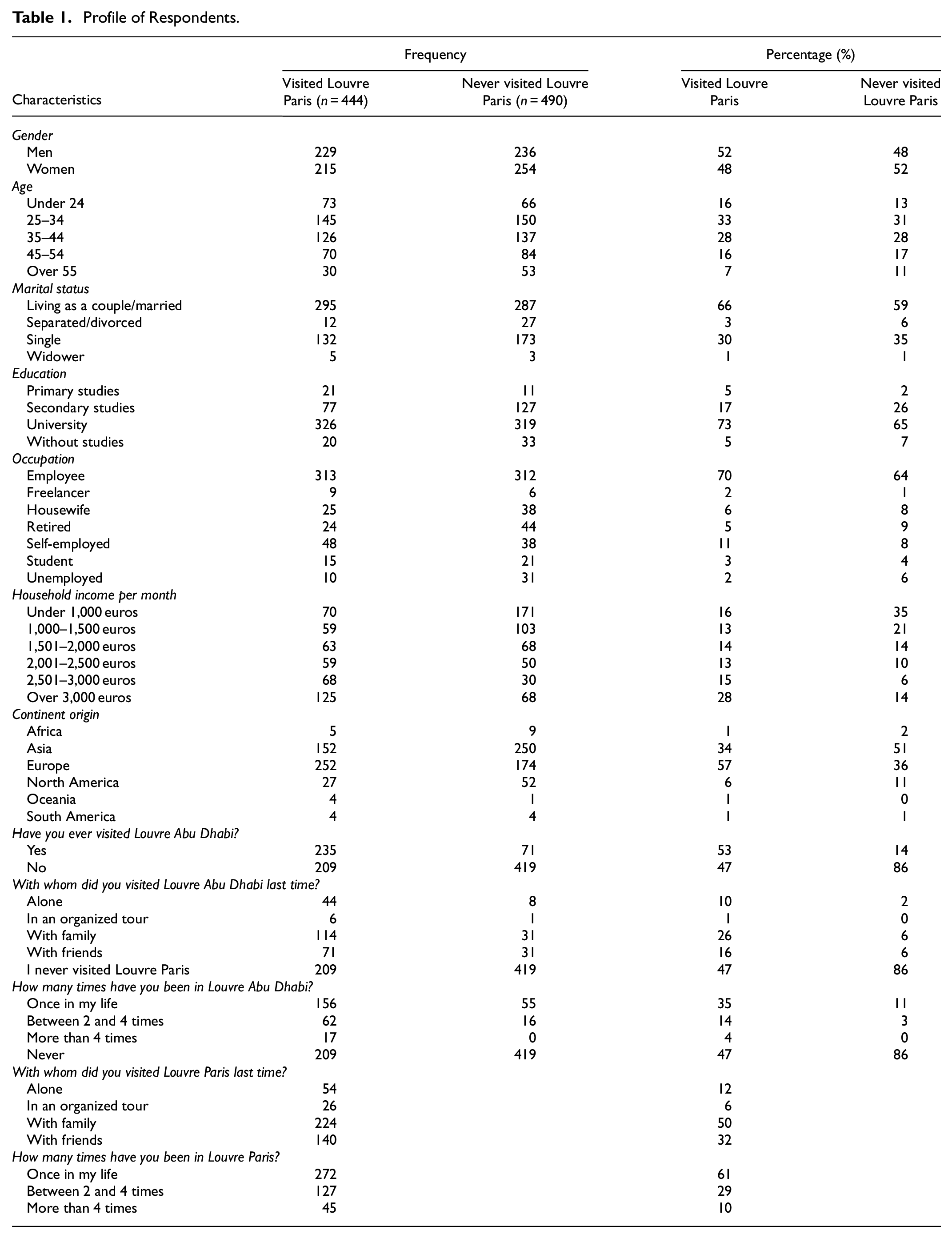
The quota sampling distribution in this research was as follows: 40% were citizens of the United Arab Emirates, while the remaining 60% were international visitors, with a significant portion from India. Additionally, France, Germany, China, the UK, and the US were among the most represented nationalities, along with countries from the Gulf Cooperation Council (GCC), such as Bahrain, Kuwait, Oman, Qatar, and Saudi Arabia.
It is noteworthy that 53% of respondents who visited the Louvre Paris had also visited the Louvre Abu Dhabi, while 47% had not. Conversely, 86% of respondents who had not visited the Louvre Paris had not visited the Louvre Abu Dhabi either (Table 2).
Descriptive Analysis.

The measurement model utilized in this study was derived from previously established scale items, which were adapted and assessed on a seven-point Likert scale. Brand image was operationalized using the first-order dimensions: functional and affective image, as developed by Gómez et al. (2015). Perceived fit and brand extension attitude were assessed using the scale items provided by Dwivedi et al. (2010). The measure of perceived brand localness was adapted from Halkias et al. (2016). Lastly, visit intention was evaluated using the items proposed by Chen and Tung (2014).
Data Evaluation Process
SmartPLS (version 4.0.8.2; Ringle et al., 2022) was employed to conduct Partial Least Squares Structural Equation Modeling (PLS-SEM) analysis and multigroup analysis (MGA). PLS-SEM was selected as a nonparametric SEM method suitable for MGA (Hair et al., 2014; Henseler et al., 2016; Sarstedt et al., 2011), and as a multivariate technique capable of estimating the relationships between variables in a theoretical model, considering both measurement and structural factors (Rasoolimanesh et al., 2016).
G*Power 3 was utilized for power analysis (Faul et al., 2007). The sample sizes were sufficient to validate the strength of the R 2 departure from zero test, with results exceeding 95% for the proposed model in both samples (Figure 1) (Cohen, 1988). The sample sizes of 444 and 490 in the respective groups were deemed appropriate, with statistical powers exceeding the required thresholds.

The proposed model.
Findings
Evaluation of the Measurement Model and the Invariance Dimension
Confirmatory factor analysis (CFA) was conducted prior to analyzing the structural model to rigorously assess the reliability and validity of the scales (Shahzalal & Font, 2018; Zatori et al., 2018). Using PLS-SEM bootstrapping, all loading factors were found to be significant indicators of their respective constructs, consistent with guidelines provided by Hair et al. (2011). These loading factors all exceeded the threshold of .7, indicating acceptable levels of reliability (Hair et al., 2011). Moreover, internal consistency measures, as evaluated by Cronbach’s alpha coefficients, were consistently above .70 (Hair et al., 2006), further supporting the reliability of the measurement model. The summarized results are presented in Table 3.
Reliability and Convergent Validity of the Final Measurement Model.

Note. CA = Cronbach’s alpha; CR = composite reliability; AVE = average variance extracted.
All loadings are significant at p < .01 level.
The composite reliability values, which represent the shared variance across a set of observed items assessing a construct, exceeded .60 (Bagozzi & Yi, 1988; Fornell & Larcker, 1981). This indicates that the observed items collectively evaluated each construct reliably. Additionally, the composite reliability coefficients were greater than .60, further confirming the shared variance among the observed items (Fornell & Larcker, 1981). The evaluation of convergent and discriminant validity supported the reliability of the findings (Hair et al., 2011). Convergent validity was established as the average variance extracted (AVE) score for each component exceeded .50 (Fornell & Larcker, 1981).
Discriminant validity was assessed by comparing the shared variance between pairs of constructs to the corresponding average variance extracted (AVE) (Fornell & Larcker, 1981), which measures how much each construct differs from other latent variables in the measurement model (Hair et al., 2016). Additionally, the heterotrait–monotrait (HTMT) ratio approach (Henseler et al., 2016) was employed, with all values found to be below .90 (Teo et al., 2008). Tables 4 and 5 present the discriminant validity indicators for each of the two groups and in relation to the model’s second-order constructs.
Measurement Model Discriminant Validity for the Higher-Order Construct. Visited Louvre Paris.
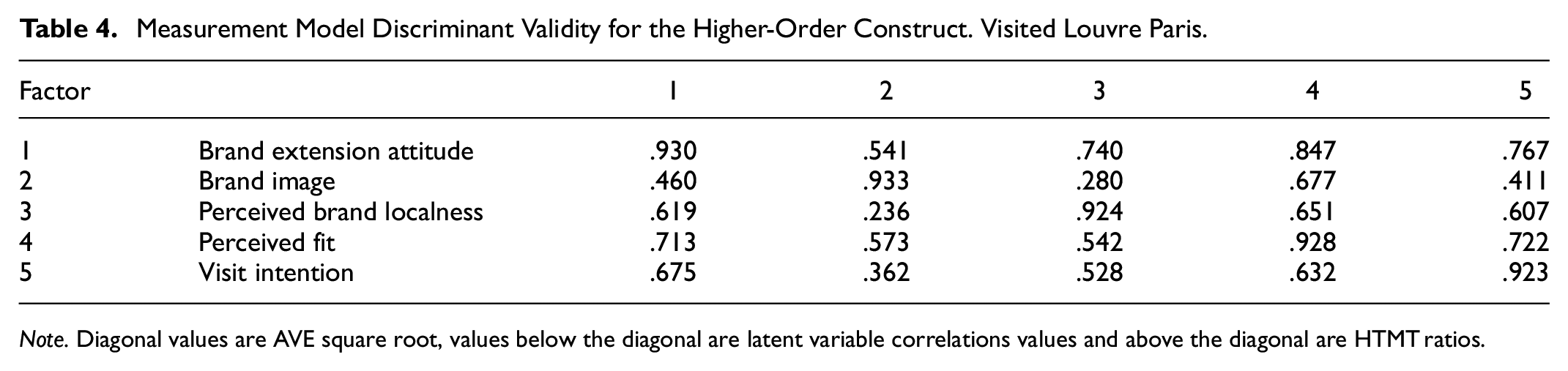
Note. Diagonal values are AVE square root, values below the diagonal are latent variable correlations values and above the diagonal are HTMT ratios.
Measurement Model Discriminant Validity for the Higher-Order Construct. Never Visited Louvre Paris.

Note. Diagonal values are AVE square root, values below the diagonal are latent variable correlations values and above the diagonal are HTMT ratios.
The application of the measurement models and invariances previously utilized in MGA has been established (Hair et al., 2016; Henseler et al., 2016; Rasoolimanesh et al., 2016, 2017; Sarstedt et al., 2011). The measurement invariance of composites (MICOM) method for assessing measurement invariance has been employed (Henseler et al., 2016). MICOM follows a three-stage procedure, comprising (1) assessing configural invariance, (2) evaluating compositional invariance, and (3) examining equal means and variances (Rasoolimanesh et al., 2017).
Configural invariance necessitates three conditions: consistency in the measurement model’s indicators across each sample, uniform treatment of indicators in the data, and the application of the same algorithm and optimization techniques (Hair et al., 2018). Compositional invariance is achieved when the correlation between composite values in each sample is not significantly different from the empirical distribution of correlations’ confidence intervals obtained through permutations. These two conditions result in partial metric invariance, enabling comparison of standardized coefficients of the structural model across groups.
Table 6 illustrates that latent means and variances were not identical across groups, particularly evident in the visit intention scenario. While these findings might preclude data pooling, as previously mentioned, they do not impact the validity of multigroup analysis.
Results of Invariance Measurement Testing Using Permutation Between Visited Louvre Paris and Never Visited Louvre Paris.

Structural Model and Multi Group Analysis
R2 was computed to elucidate the model’s explanatory power (Hair et al., 2014), revealing that all dependent constructs surpassed the threshold of .10 (Falk & Miller, 1992). Positive Stone-Geisser’s Q2 values were evaluated via blindfolding with an omission distance of D = 7 (Henseler et al., 2009). Table 7 displays both indicators, illustrating the predictive relevance of the model for the two samples.
Evaluation of the Estimated Models.
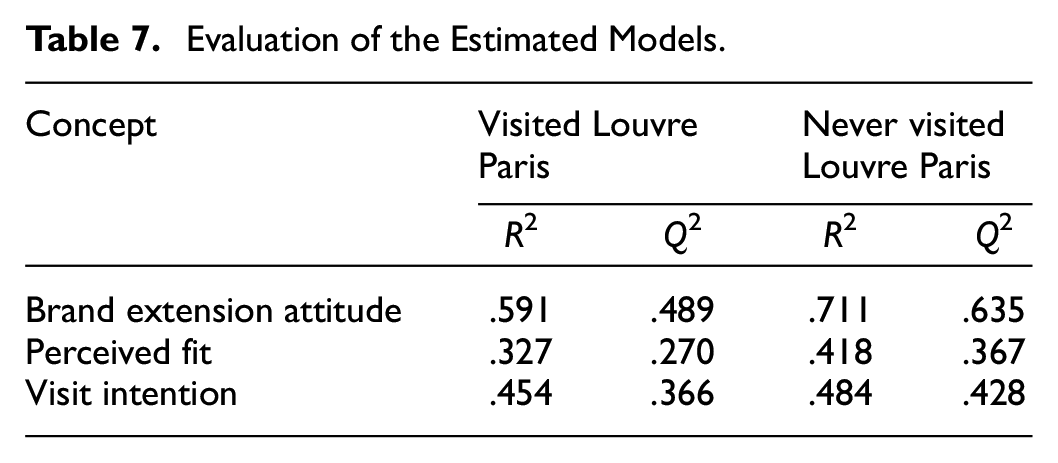
Table 8 presents the results of the structural model analysis and hypothesis testing utilizing 5,000 bootstrap replicates and permutations. Additionally, the table juxtaposes findings from two nonparametric techniques: Henseler’s MGA (Henseler et al., 2009) and the permutation test (Chin & Dibbern, 2010). Henseler’s MGA evaluates group bootstrap indicators from each bootstrap sample, with p-values below .05 or above .95 indicating significant differences in specific path coefficients across two samples at the 5% level (Henseler et al., 2009; Sarstedt et al., 2011). Meanwhile, the permutation analysis classifies differences at the 5% level of significance if the p-value is below .05.
Hypotheses Testing Between Visited Louvre Paris and Never Visited Louvre Paris.
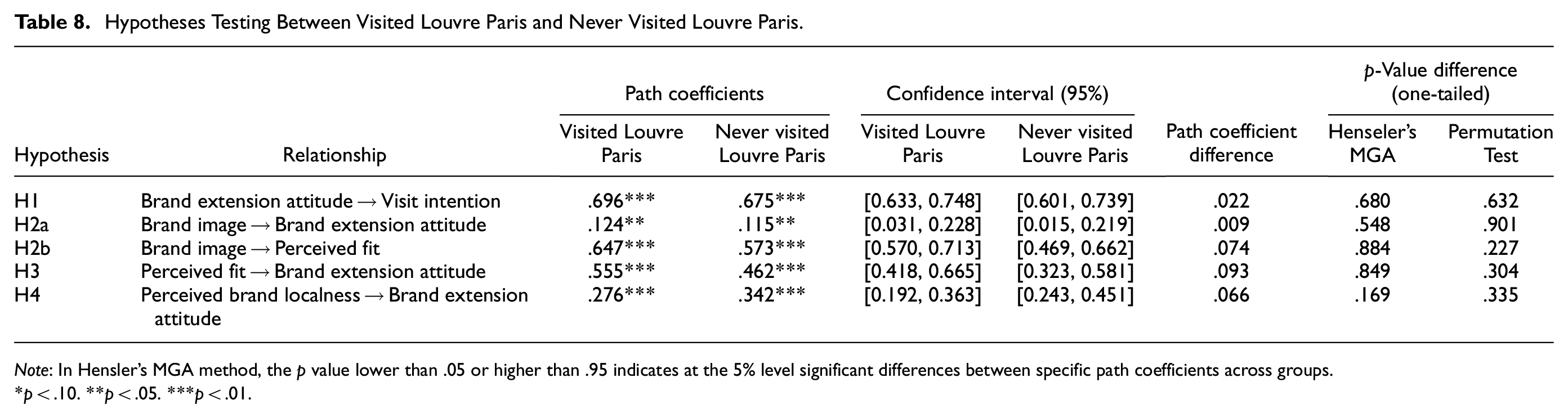
Note: In Hensler’s MGA method, the p value lower than .05 or higher than .95 indicates at the 5% level significant differences between specific path coefficients across groups.
p < .10. **p < .05. ***p < .01.
The results reveal that brand extension attitude significantly and positively influences visit intention in both samples (H1; visited Louvre Paris β = .696, not visited Louvre Paris β = .675; p < .01). Furthermore, it has been confirmed that brand image significantly affects brand extension attitude in both groups (H2a; visited Louvre Paris β = .124, not visited Louvre Paris β = .115; p < .05). Moreover, brand image demonstrates a significant and positive effect on perceived fit in both samples (H2b; visited Louvre Paris β = .647, not visited Louvre Paris β = .573; p < .01).
Additionally, perceived fit exhibits a significant and positive effect on brand extension attitude in both samples (H3; visited Louvre Paris β = .555, not visited Louvre Paris β = .462; p < .01). Likewise, perceived brand localness has a significant and positive effect on brand extension attitude in both samples (H4; visited Louvre Paris β = .276, not visited Louvre Paris β = .342; p < .01).
However, the results of Henseler’s MGA and permutation tests do not reveal significant differences between the two samples concerning the examined hypotheses.
Conclusions
Theoretical Contributions
A pioneering aspect of this study involves a comparative analysis between two distinct groups: those who have visited the parent brand and those who have not, aimed at scrutinizing the impact of brand extension on visit intention. The model estimation results have revealed four significant and noteworthy findings. The primary contribution lies in demonstrating, for the first time, the positive and substantial effect of brand extension attitude on visit intention, an aspect often overlooked or underestimated in previous studies. While existing literature has explored the influence of cultural brand equity on visit intention (Camarero et al., 2012; C. R. Liu et al., 2013) and underscored the positive impact of previous experiences with the parent brand on brand extension attitudes (Carreira et al., 2021; Prados-Peña & del Barrio-García, 2020), research on heritage brands has been relatively limited (del Barrio-García & Prados-Peña, 2019; Mariani & Guizzardi, 2019). Notably, Halpenny et al. (2018) investigated the effect of brand attitude on brand-related travel but deemed it statistically insignificant. Hence, this study’s finding substantiates the influence of brand extension attitude on visit intention.
The second significant contribution is the validation of all tested relationships in the model as positive and statistically significant. Drawing on H. Kim et al.’s (2018) proposition that parent brand equity likely transfers to the brand extension through perceived fit, it was anticipated that the parent brand image would positively and significantly impact brand extension attitude and perceived fit (H2a and H2b). Extant literature suggests that brands with a positive image possess the potential to extend their brand with new products (Martínez et al., 2009). The findings affirm the significant and positive effects of brand image and perceived fit on brand extension attitude (H2a and H3), corroborating their significance as critical factors contributing to the success of brand extension (Martínez et al., 2009).
Furthermore, in line with Martínez-Salinas and Piña’s (2009) observations, it was noted that a low-fit brand extension does not negatively impact brand extension attitude, indicating that perceived fit might exert a significant and positive effect. Previous studies have identified fit as pivotal in explaining brand extension success (Dwivedi et al., 2010). Hence, the relationship between perceived fit and brand extension attitude (H3) was scrutinized, emphasizing the importance of launching extensions perceived to fit well to safeguard the parent brand’s reputation (Martínez-Salinas & Piña, 2009). This finding aligns with prior literature, including Hem et al. (2014) and Dwivedi et al. (2010).
Given the internationalization of the museum sector, investigating the effect of perceived brand localness on brand extension attitude became imperative. Particularly intriguing was the examination of the influence of perceived brand localness on brand extension attitude in the case of Louvre Abu Dhabi, associable with both France and Louvre Paris. The findings revealed a significant and positive effect, consistent with previous studies conducted in diverse contexts (Halkias et al., 2016).
The third notable contribution is the absence of differences between the two samples, indicating that the effects of the tested hypotheses remain consistent regardless of respondents’ visitation to the parent brand, Louvre Paris. This finding is significant as it suggests that the parent brand’s influence transcends the physical museum, challenging the notion that its power is solely tied to the “brick and mortar” establishment. The positive and significant relationships identified in both samples, including the subset that has not visited Louvre Paris, underscored the broader impact and reached of the parent brand.
Finally, this research significantly advances our understanding of international marketing and brand extension within the museum sector. While international marketing in the museum field is not novel, and temporary exhibitions of renowned artworks have a historical presence, specific research on the impact of brand extension on visit intentions for a superstar museum brand, such as the Louvre, has been lacking. Despite the prevalence of internationalization in the museum industry, with the establishment of global museum branches like the Guggenheim or the Hermitage (Gombault & Selles, 2018), prior research has not explored the effects of brand extension on visit intentions for a superstar museum brand. Considering the substantial value of superstar museum brands, it is crucial to investigate the impact of brand extensions on visit willingness to make informed decisions regarding internationalization, identifying extensions that are both suitable and less risky (Martínez-Salinas & Piña, 2009).
Managerial Implications
This research also carries significant managerial implications. Firstly, the study suggests that strong parent brands tend to elicit a favorable market response, with the image of the parent brand playing a crucial role. Therefore, it is recommended for managers to make prior investments in positioning and enhancing the image of the parent brand before considering the launch of a brand extension. It is essential for the brand extension to align consistently with the parent brand (Dwivedi et al., 2010).
Secondly, and in line with the previous implication, this research reveals that previous experiences with the physical parent brand do not directly influence the success of the brand extension. Thus, museum managers should focus on enhancing the online presence of the parent brand through various initiatives such as gamification, video games, social media campaigns, and other actions that strengthen the brand image. Additionally, incorporating storytelling techniques to explain the partnership between Louvre and Louvre Abu Dhabi can enhance understanding and increase visitors’ willingness to explore the brand extension.
Thirdly, the study underscores the importance of integrating both local and global brand expansion strategies, anchored in local initiatives but with a global outlook. Managers at Louvre Abu Dhabi can augment local efforts by implementing the following initiatives: (1) Collaboration with local artists: By curating special exhibitions or installations that showcase the talent and creativity of the Louvre Paris, Louvre Abu Dhabi can strengthen its connection to the parent brand’s identity and cultural heritage. This brand expansion initiative serves to reinforce the brand’s legacy and fosters a sense of cultural affinity among visitors. (2) Cultural exchange programs: Louvre Abu Dhabi can orchestrate cultural exchange programs with Louvre Paris, facilitating collaborations between artists, curators, and experts from diverse backgrounds alongside UAE artists. Through these initiatives, cultural diversity is celebrated, and avenues for cross-cultural learning and artistic dialogue are created, enriching the museum’s offerings and global appeal. (3) Local artisan workshops: Collaborating with artisans from Louvre Paris, Louvre Abu Dhabi can organize workshops and training programs aimed at promoting the artworks and traditional craftsmanship associated with the parent brand. These initiatives not only showcase the artistic heritage of Louvre Paris but also provide valuable support to local artisans, further reinforcing the museum’s commitment to preserving and promoting cultural traditions.
Additionally, the Louvre brand can encourage global endeavors, including: (1) Louvre Abu Dhabi Pop-Up Exhibitions: Louvre Abu Dhabi can organize temporary exhibitions in major cities worldwide, showcasing selected artworks from its collection. These exhibitions can travel to different countries and serve as ambassadors for the museum, displaying its diverse collection and attracting international visitors; (2) Louvre Abu Dhabi Merchandise: Louvre Abu Dhabi can develop a range of branded products, such as books, accessories, and home decor items, featuring iconic artworks from the museum’s collection. These products can be globally sold through online platforms and museum shops, enabling individuals from various parts of the world to establish a connection with the brand.
Lastly, like integrated resorts, museums could broaden their brand reach by offering diverse experiences, amenities, and connections to different markets. By emphasizing emotional and cognitive aspects tied to the brand, museums can establish a strong connection with visitors, ultimately contributing to the long-term success of the museum brand (Ahn & Back, 2017).
Limitations and Future Research Directions
It is important to note that this research focuses specifically on the Louvre brand extension, and therefore, the findings may not be directly generalizable to other contexts. As previously mentioned, the Louvre Abu Dhabi emerged from a unique trinational partnership between the UAE and France, with the intention of creating a distinct entity rather than a replica or branch of the Louvre Paris (Gombault & Selles, 2018). Consequently, there are several limitations to this study, which provide directions for future research.
To begin with, due to the nature of the transnational partnership between France and the UAE, it would be of interest to measure the effect of political influences on destination branding (Ryan & Silvanto, 2010). Furthermore, given the contrast between the Louvre’s brand expansion and the Guggenheim approach, it would be captivating to explore the presented hypotheses within other contexts of renowned museums to identify which approach generates a greater inclination for visitation. Taking inspiration from Halkias et al.’s (2016) recommendations, but tailored to the museum setting, scholars are prompted to investigate the implications of brand rootedness. Therefore, it would be valuable for scholars to replicate this study using other well-known tourism brands such as Legoland, Disney, or Super Nintendo World, which could provide additional insights and comparisons.
Secondly, it would be very revealing to examine the impact of museum branding on destination competitiveness, particularly on cities (Miličević et al., 2016). Additionally, it would be valuable to analyze the impact of the Mona Lisa’s endorsement on how tourists perceive the museum experience (S. S. Kim et al., 2014). Future studies could explore other dimensions that contribute to brand extension equity, such as authenticity (del Barrio-García & Prados-Peña, 2019) and perceived value (Hwang et al., 2022), the inspirational museum effect on wellness experiences (B. Kim & Yang, 2021), the impact of community support on image (X. Chi et al., 2022), or even the influence of happiness with the parent brand museum influences behavioral intentions with the category extension (Lv & Wu, 2021). Besides, it would be very interesting to examine the effects of brand experience (measured in sensory, affective, intellectual, and behavioral terms) on brand engagement for the Louvre brand (Kumar & Kaushik, 2020) in a PLS-MGA.
Thirdly, incorporating variables for control, such as prior interactions with the main brand or gauging familiarity, could contribute to a deeper comprehension of the elements that impact the achievement of brand extension (Prados-Peña & del Barrio-García, 2020). Given that situational factors might influence familiarity, investigating the impact of a positive reputation (assessed through the dimensions of favorability and familiarity) on tourists’ viewpoints could yield intriguing insights (M. Liu & Xiong, 2023).
These considerations highlight potential avenues for future research to expand the knowledge and understanding of brand extensions in various contexts and with different dimensions of analysis.
Footnotes
Acknowledgements
The authors would like to express their sincere gratitude to the Faculty of Commerce and Tourism at the Complutense University of Madrid for their generous financial support. This work would not have been possible without their invaluable assistance, which greatly contributed to the advancement of our research.
Declaration of Conflicting Interests
The author(s) declared no potential conflicts of interest with respect to the research, authorship, and/or publication of this article.
Funding
The author(s) disclosed receipt of the following financial support for the research, authorship, and/or publication of this article: Faculty of Commerce and Tourism at the Complutense University of Madrid.
Data Availability Statement
Data sharing not applicable to this article as no datasets were generated or analyzed during the current study.