




Abstract
Local socioeconomic advancement has given rise to great growth in language service industry of Gansu China, creating the brisk demand for full-fledged translation and interpretation (T&I) talents. However, such progress is slowed by a lack of senior T&I talents and poor T&I training. The existing literature provides little information on the further exploration of the imbalance between T&I talents supply and market demand in Gansu. Therefore, this study adopts quantitative analysis of the data collected through two structured questionnaire surveys to investigate the root causes of this discrepancy. The first survey is for the employment status and curriculum satisfaction among Gansu’s Master of Translation and Interpreting (MTI) graduates. MTI graduates from Lanzhou University and Northwest Normal University provide 220 samples through the random sampling method. While the second survey examines employer demand for T&I talents. 52 samples are drawn from Gansu’s renowned and accredited language service providers (LSPs) and non-language service providers (non-LSPs) using the stratified sampling method. Results of the research reveal that only 3.18% MTI graduates enter into the T&I industry, confirming Gansu’s MTI training fail to meet the market demand. Based on the market-specific requirements for translators and interpreters, the present authors put forward several suggestions from the perspectives of aligning curriculum design with market needs, meeting the qualification requirements and enhancing the cultivation of essential T&I competences, with hope of providing effective references to the T&I training in Gansu Province and even other regions in northwest China.
Plain Language Summary
Local socioeconomic advancement has given rise to great growth in language service industry of Gansu China, creating the brisk demand for full-fledged translation and interpretation (T&I) talents. However, such progress is slowed by a lack of senior T&I talents and poor T&I training. The existing literature provides little information on the further exploration of the imbalance between T&I talents supply and market demand in Gansu. Therefore, this study adopts quantitative analysis of the data collected through two structured questionnaire surveys to investigate the root causes of this discrepancy. The first survey is for the employment status and curriculum satisfaction among Gansu MTI graduates. MTI graduates from Lanzhou University and Northwest Normal University provide 220 samples through the random sampling method. While the second survey examines employer demand for T&I talents. 52 samples are drawn from Gansu’s renowned and accredited LSPs and non-LSPs using the stratified sampling method. Results of the research reveal that only 3.18% MTI graduates enter into the T&I industry, confirming Gansu’s MTI training fail to meet the market demand. Based on the market-specific requirements for translators and interpreters, the present authors put forward several suggestions from the perspectives of aligning curriculum design with market needs, meeting the qualification requirements and enhancing the cultivation of essential T&I competences, with hope of providing effective references to the T&I training in Gansu province and even other regions of northwest China.
Introduction
China Language Services Industry Development Report 2022 records that there has been a considerable surge in T&I services among the 65 nations since the launch of the Belt and Road Initiative, with English becoming one of the five languages that the market urgently requires (Translators Association of China [TAC], 2022). As one of the most significant transportation hubs along the Belt and Road, Gansu Province has witnessed frequent economic exchanges, political cooperation, cultural transaction and subsequently an upsurge in demand for senior T&I talents in the past years. However, inadequate senior T&I talents and poor T&I training hinder Gansu Province from bringing such a superiority into full play (Cao & Jin, 2016; Gou, 2016; Guo, 2016). Worse still, the majority of existing literature on T&I training is based on the experience of researchers, failing to provide detailed information on the employment status of MTI graduates and their satisfaction with the curriculum design as well as clarify the specific needs of local employers through questionnaire research. As a consequence, the discrepancy between T&I talents training and the demand of social development is getting wider (Yang & Li, 2020). In this context, it is of urgence and practical significance to explore the challenges in the development of T&I training in Gansu, analyze the T&I market demand and dig for strategies to nurture high-quality translators and interpreters who can satisfy the local development needs.
In pursuit of a true reflection of the reality of Gansu’s T&I training and corresponding market demand, this study employs quantitative analysis via two structured questionnaire surveys with 52 language service providers (LSPs) and non-language service providers (non-LSPs) as well as 220 Master of Translation and Interpreting (MTI) graduates from Lanzhou University and Northwest Normal University to determine the practical effects of the curricula offered by T&I training institutions in Gansu and investigate the specific local market requirements for qualified translators and interpreters. On the basis of findings and results, this study hopes to provide effective recommendations for the T&I training in Gansu province and even other regions in northwest China, and if possible, address the vacuum in the relevant research field.
A Critical Review of Previous Studies
The Current Situations of Gansu’s Translation and Interpretation Talents Training
In 2007 the Academic Degrees Committee of the State Council of China authorized 15 institutions to develop MTI in order to foster more T&I talents. Although MTI education in Chinese mainland began relatively late, it is advancing rapidly. The data in Table 1 shows that 316 colleges and universities in 31 provinces or municipalities directly under the central government offer MTI programs as of June 2022 (China National Committee for Graduate Education of Translation and Interpreting [CETI], 2022). Only five institutions in Gansu offer MTI programs, including Lanzhou University, Northwest Normal University, Lanzhou University of Technology, Lanzhou Jiaotong University, and Northwest Minzu University. This reflects that the number of MTI institutions in Gansu is comparatively small, ranking 23rd out of 31 provinces and municipalities. Of these five institutions, merely Lanzhou University and Northwest Normal University provide both translation and interpreting training programs, while the other three have not yet developed complete T&I training programs. In addition, Gansu’s MTI programs are also lagging in establishment. Lanzhou University and Northwest Normal University enrolled their first batch of MTI students in 2011, 4 years after the first 15 institutions in other regions did so. In 2018, Lanzhou Jiaotong University joined the eighth group of MTI institutions. As for Lanzhou University of Technology and Northwest Minzu University, they did not commence their MTI programs until 2021.
Distribution of MTI Institutions in Chinese Mainland.

Apart from the inferior position nationwide, Gansu’s T&I training also drops behind in internal planning. First, the five institutions fail to take into consideration the implications of local economy, industrial structure, and cultural resources when formulating teaching plans and they also do not integrate the objective of T&I talents training with the growth of the local community (Gou, 2016, p. 104). It has become evident that the incompleteness of teaching plan and objective has impeded the general development of T&I students. Second, some teachers still adhere to the conventional teaching method, prioritizing the teaching of classroom knowledge and paying little attention to extra-curricular T&I practice and assessment of T&I competence (Guo, 2016, p. 117; X. L. Zhang, 2020, p. 54). Therefore, students are placed in a passive learning position and are not highly motivated to participate in T&I activities, making it more challenging for them to apply theoretical knowledge to practice and may require more training hours to be well qualified as translators or interpreters. Thirdly, with the inland location and underdeveloped socioeconomic conditions, Gansu’s inadequate investment in T&I education and rudimentary talent management framework has a direct bearing on the shortage of T&I teachers (Gou, 2016; Liu et al., 2003). The training institutions have to assign instructors with degrees in English literature and linguistics to teach T&I courses, making it difficult to guarantee the quality of the courses.
The Gap Between T&I Training Outcome and Market Demand
The socioeconomic growth of Gansu cannot be achieved without the support of T&I talents due to the frequent exchanges and cooperation with countries along the Belt and Road, but the quantity and quality of Gansu’s T&I talents fail to meet the market demand. The divide between the result of T&I training and local market demand expresses itself in two aspects. For one thing, of the five institutions offering MTI programs in Gansu, only Lanzhou University, Northwest Normal University and Lanzhou Jiaotong University can produce T&I practitioners for the local market before 2024, given that Lanzhou University of Technology and Northwest Minzu University established their MTI programs (3-year course of study) in 2021. However, the three institutions fail to provide an adequate number of T&I practitioners. A large proportion of graduates from these institutions either do not join the T&I business or prefer to work as translators and interpreters in the developed regions. For another, there is a certain lack of communication between Gansu’s T&I training institutes and the local government, enterprises, and industries. Consequently, the curriculum design does not synchronize with the market need (Gou, 2016; Guo, 2016; Liu et al., 2003). And a huge divide of T&I talents exists in the domains of international conference interpretation, tourist material translation, and website localization services (Cao & Jin, 2016, p. 51). Gansu is in a dire need of adjusting the T&I training model to produce the translators and interpreters that meet the market demand.
The Related Studies of T&I Talents Cultivation
As long ago as the 1970s, great concerns have been raised about how to fill the growing gulf between T&I training model and ever-changing market demand (Aderman & Rogers, 2000). To cultivate more qualified translators and interpreters, Chinese and foreign T&I trainers and scholars have always considered aligning their curriculum with professional realities (Abu-ghararah, 2017; Gouadec, 2007; X. D. Li & Wang, 2020; Xu, 2015; Zhong & Mu, 2008). Some overseas scholars strive to close the gap by designing instructional activities such as simulating authentic practice (Chouc & Conde, 2016; González-Davies & Enríquez-Raído, 2016), projects (Al-Sowaidi, 2021; Galán-Mañas, 2011; Risku et al, 2017), field observation (Chang & Wu, 2017), and internships (Astley & Hostench, 2017; Jaccomard, 2018). Others use professional portfolios in T&I training as a formative and summative assessment tool (Galán-Mañas, 2019; Rico, 2010). The teaching goals and outcomes in line with market demand are the prerequisite for the use of instructional methodologies and assessments. In 2005 Kelly pointed out, the process of curricula modification should commence with identifying social and market needs and then formulate teaching goals and outcomes. Thus comes another research direction: a comparative analysis positioning the market and incorporating it into the T&I training.
Chinese scholars have also undertaken studies in quantity on the relationship between T&I teaching and market demand, mainly from three perspectives. The first researches focus on the exploration of the T&I talents training modes based on market need, which analyzes the relationship between social reality and talents training (Miao & Wang, 2010; S. X. Zhang & Zhang, 2017), or the innovative training mechanisms among enterprises, academia and research institutes with the Belt and Road Initiative under way (Mu et al., 2017; Pan & Liu, 2011; J. W. Zhang, 2018). The second researches are to summarize the T&I training mode in Chinese universities and compare it with those in the United States, European countries, Canada, Australia and other countries (H. Y. Li, 2018; J. P. Zhu, 2009; Zhou & Ding, 2017). The aforementioned studies, mainly concentrating on the T&I training model in China’s economically developed areas, ignore the status of Gansu Province. The third researches often conduct a case study of a particular province to assess the training of T&I talents. Studies of this type mainly concentrate on the T&I training model in China’s economically developed areas, while Gansu, a representative of less developed regions in western China is constantly ignored.
As regards the studies on Gansu, most scholars, based on their experience in T&I teaching, give top priority to research on what hinders the advancement of T&I training models of universities in Gansu and how to propose a career-oriented T&I training system which aims to optimize the T&I curriculum, strengthen practice teaching, enhance the interaction with the government, enterprises and T&I associations and so forth (Gou, 2016; Guo, 2016; Yang & Li, 2020; Y. X. Zhu, 2021). While other scholars adopt empirical study by using SWOT (superiority, weakness, opportunity and threats) analysis to investigate the T&I market and explore the applicable MTI training mode from the perspective of the curriculum modification, the teaching method adjustment and the teaching system evaluation (Cao & Jin, 2016).
To sum up, the previous studies have four obvious flaws: (a) most researches, lacking detailed reports on the full view of the Gansu language service industry, fail to clarify specific requirements of local employers; (b) some studies, merely depending on experience, produce ineligible conclusions out of its subjective nature and excessive reliance on expert opinion; (c) most of studies neglect necessary research design and scientific research framework, thus lacking reliability and validity; (d) the comparative analysis on the actual needs of language service industry and the employment of T&I learners has been rarely conducted. Consequently, it is of great necessity to look into the present state of T&I training in Gansu and its market needs for translators and interpreters based on empirical data so that practical suggestions for MTI institutions could be made.
Research Design
Research Framework
The study aims at addressing the following research questions on the basis of empirical data:
(1) Does the Gansu’s T&I training model meet the market demand?
(2) What are the specific requirements of the T&I market for translators and interpreters?
(3) Considering the market demand for translators and interpreters in Gansu, what modifications should be made to the T&I training mode?
To reveal the actual scenario of Gansu’s T&I training and the market reality from the practical standpoint, the present authors design two questionnaires to pool information. The first one is to determine if Gansu’s T&I training mode can fulfil market demand by examining the employment of MTI graduates in Gansu and evaluating the training outcomes of MTI programs provided by local T&I training institutions. The second questionnaire is for an impartial comprehension of the market demand for T&I talents from the perspective of employers, heads of offices, or human resources (HR) directors in Gansu’s language service providers (LSPs) and non-language service providers (non-LSPs). Finally, practical proposals for Gansu’s T&I training are put forward based upon the results of questionnaires.
Participants and Sampling
Lanzhou University and Northwest Normal University have been offering MTI programs for more than 10 years, which can provide adequate samples for our research, so we select 400 graduate students out of the two institutions as research participants. Due to the enormous number of questionnaires issued to them, the cost-effective random sampling method is employed in the first questionnaire survey. From May to June 2021, 400 questionnaires were distributed via the website of Wenjuanxing (https://www.wjx.cn/). After data cleaning, 220 valid questionnaires from MTI graduates have been received.
To guarantee the typicality of target respondents, the stratified sampling method is adopted in the second questionnaire survey. With the help of the Gansu Translation Association, the present authors reach out to 100 renowned and accredited LSPs and non-LSPs in Gansu, which cover 20 T&I agencies, 10 government sectors, 30 universities and research institutions, and 40 enterprises in various types of ownership, including 10 state-owned enterprises, 15 private enterprises, and 15 foreign enterprises. On July 1st, 2021, the 100 target respondents were invited to fill out the questionnaires after they had received calls or e-mails. On August 1st, 2021, the data of 52 LSPs and non-LSPs which completed the questionnaire were included in the study after the elimination of 48 cases due to response bias.
The Development of Research Tool
This research employs the quantitative method by collecting data through two questionnaires: Questionnaire on Employment Situation and Curriculum Satisfaction among MTI Graduates in Gansu and Questionnaire on Market Demand for Translators and Interpreters in Gansu. The two questionnaires are formulated by taking the following six steps:
(1) Five MTI graduates from Gansu’s T&I training institutions, five employers from Gansu’s LSPs and non-LSPs, and two translator and interpreter trainers are invited to participate in a focus group discussion to identify the potential items in the two questionnaires.
(2) Relevant literature is reviewed (mainly Cao & Jin, 2016; Chen et al., 2016; Kelly, 2005; X. D. Li & Wang, 2020; Mu et al., 2017; Schnell & Rodríguez, 2017), which affords us a reference to the categorizing of the selected items.
(3) Pilot surveys are organized 2 months ahead of the official launch to check the reliability and consistency of the questionnaires. The first round is a small-scale expert interview, with five experts familiar with T&I training to discuss about the overall structure of questionnaires, the validity of testing items and the accuracy of language description.
(4) The second round is conducted by inviting 10 senior language service practitioners to fill in the revised questionnaires. Testing items which are not easily understood and might be ambiguous are modified according to their feedback.
(5) In the third round, copies of the questionnaires are reviewed among five industry experts of Gansu Translation Association for identification of its feasibility. Then minor adjustments are made to improve the questionnaire design.
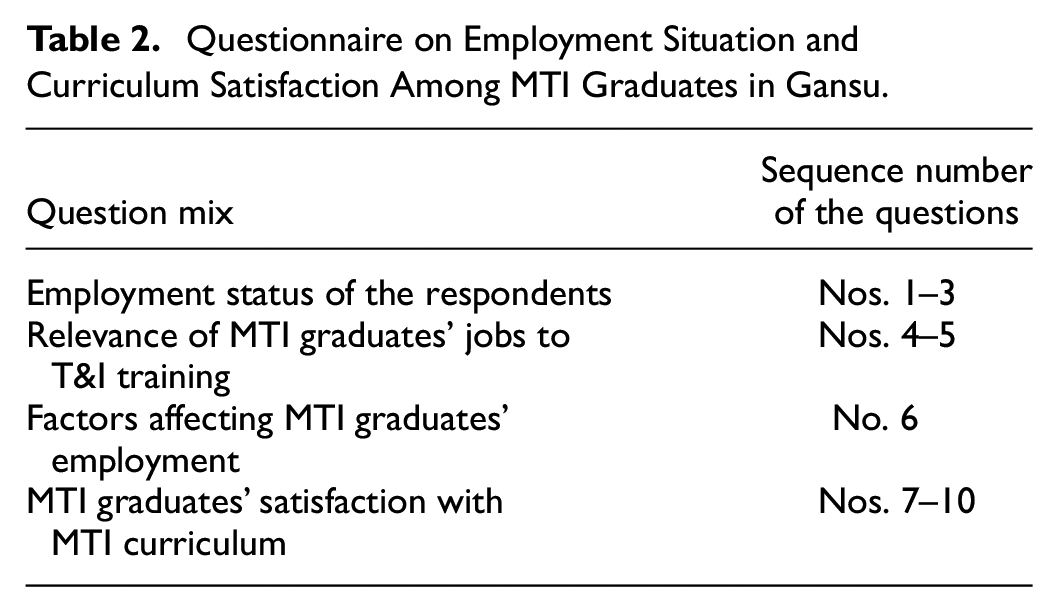
(6) In the last round, questionnaires are administered to 10 senior officials and HR directors in the LSPs and non-LSPs as well as 20 MTI graduates in Gansu. The 30 valid questionnaires are used for item analysis and exploratory factor analysis. The items not in conformity with the reliability and validity are removed, forming the final questionnaires for the study. The structure of the two questionnaires can be seen in Tables 2 and 3.
Questionnaire on Employment Situation and Curriculum Satisfaction Among MTI Graduates in Gansu.
Questionnaire on Market Demand for Translators and Interpreters in Gansu.

The Ethic Issue
Before completing the questionnaires, the research participants have been informed of the following aspects of consent:
(1) information on the right to withdraw at any moment and for any reason (including the right to remove already submitted data),
(2) guarantees that the identification of participants will be kept secret,
(3) clarity of ownership of the data (participants own their raw data, researchers own the analysis data),
(4) their right to access to their data,
(5) the right to ask for more information.
The Present Situation of Gansu’s T&I Training
As previously mentioned, the dearth of T&I talents and the absence of a curriculum designed to meet market demand are two of the most significant issues with T&I training in Gansu. In order to comprehend more details, the first survey is designed to investigate the status quo of Gansu’s T&I training by analyzing the employment of 220 MTI graduates from universities in Gansu over the last decade. The findings in these four aspects will be thoroughly discussed as follows: (a) employment status; (b) change of career expectations; (c) factors affecting MTI graduates as translators or interpreters; (d) MTI graduates’ satisfaction with MTI curriculum.
Employment Status
As displayed in Figure 1, over half of graduates (121/55%) pursue careers as teachers at colleges, high schools, middle schools or primary schools after graduation. The rest work as enterprise staff (41/18.63%) or civil servants (34/15.45%). Only 3.18% (7) of MTI graduates are employed as full-time translators or interpreters. The truth that most of T&I majors who have committed themselves to years of training do not serve for T&I industry after graduation is far beyond the present authors’ anticipations. Are they reluctant or unable to enter the T&I industry? The enquiry is launched in the later section.

Employment status of MTI graduates in Gansu.
Change of Career Expectations
It is justifiable to assume that MTI students who choose translation and interpretation as their majors out of interest should have been willing to engage in T&I market. Yet the reality is the exact opposite. Data about 220 MTI graduates’ career expectations in Gansu and the relevance of their present jobs to T&I industry are collected to research into the alterations in MTI graduates’ career expectations. Two questions are measured with Rickett Scale 5, ranging from 1 to 5 (1: very uninterested/very low; 2: somewhat uninterested/ below average; 3: neutral/ average; 4: somewhat interested/above average; 5: very interested/very high).
It can be seen from Figure 2 that the expectation for engagement in T&I industry during graduate studies scores an average of 3.98, an indicator of relatively high willingness to join the profession. Whereas the relevance of their present jobs to T&I industry, an average of 2.3, reflects the opposite of earlier expectations. The fulfillment of their original aspiration is affected by the following factors.

The shift of career expectations.
Factors Affecting MTI Graduates as Translators or Interpreters
The most mentioned factor in Figure 3 is professional competence (95/43.18%). According to the replies of 220 respondents, many of them are not qualified as professional translators or interpreters, which may be due to inadequate practical training and incompatibility between curriculum design and market needs. Region difference (73/33.18%) ranks second. China Language Services Industry Development Report 2022 records that language service companies are mainly distributed in first-tier and coastal cities, such as Jiangsu, Beijing, Guangdong, Shanghai, and Shandong (TAC, 2022). Compared with less-developed Gansu T&I market, the top talents in the language service industry are more willing to work in the aforementioned regions to seek opportunities. The third most influencing factor is working stability (71/32.27%). It is worth noting that the MTI graduates in Gansu prefer to the stability more than salary in the choice of career. That’s because Gansu’s T&I companies are confronted by fierce competition, which may increase the possibility of uneven paydays and a lack of job security. In such conditions, local MTI graduates may choose for more secure careers, such as teachers, civil servants, or work in cities with more employment opportunities, rather than translators or interpreters, who suffer an unpredictable workload and intense work pressure.
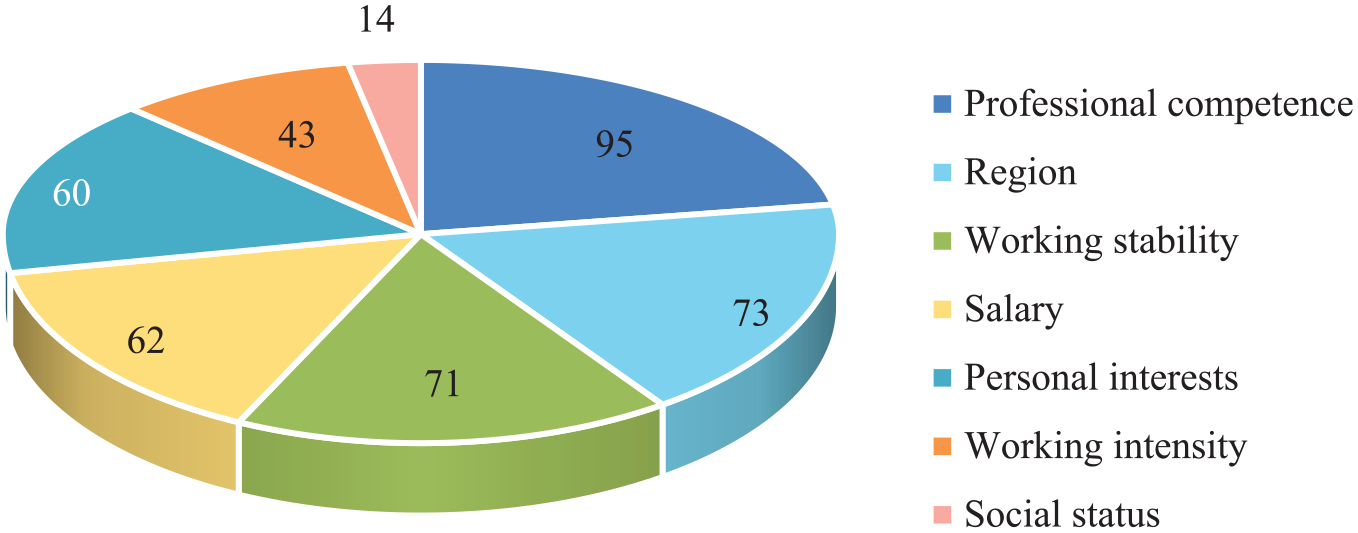
The factors affecting MTI graduates as translators or interpreters.
Another commonly mentioned factor is salary (62/28.18%). According to the salary data issued by Zhaopin (www.zhaopin.com), a well-known Chinese employment site, the average monthly salary of T&I industry in Gansu is 977 US dollars, lagging far behind that in Top 10 cities (see Figure 4).

Top 10 cities for average monthly salary of translators and interpreters.
The fifth influencing factor is personal interests (60/27.27%). T&I industry’s progress with the quickening pace of social development is setting higher demands for would-be translators and interpreters. In the face of arduous training and exigent market demand, only a small fraction of people with genuine personal interest in T&I can go all the way. The last consideration is working intensity (43/19.54%). According to China’s Target Text Quality Requirements for Translation Services, the comprehensive error rate of translation generally does not exceed 1.5% (State General Administration of the People’s Republic of China for Quality Supervision and Inspection and Quarantine [AQSIQ], 2005). Moreover, in general cases, the daily workload of a (full-time) translator amounts to at least 5,000 words. Such standards are challenging in terms of both quality and quantity, making overwork a matter of routine for translators. Interpreters, meanwhile, are also under much pressure from the unpredictability and complexity of work.
MTI Graduates’ Satisfaction with MTI Curriculum
The research on MTI graduates’ satisfaction with MTI courses is made for the curriculum reform in this section. We can see that in Figure 5, the most popular MTI specialized translation courses cover English-Chinese Translation (141/64.09%), Applied Translation (139/63.18%), Chinese-English Translation (129/58.63%), Translation Theory and Practice (124/56.36%), Computer-Aided Translation (105/47.72%), and Translation Workshop (97/44.09%) and Translation for Foreign Affairs (96/43.63%). Correspondingly, the perfectly welcomed interpreting courses contain Sight Interpreting (74/33.63%), Consecutive Interpreting (74/33.63%), Interpreting Workshop (71/32.27%) and Simultaneous Interpreting (69/31.36%). Thus the conclusion can be drawn that most MTI graduates believe the applied courses as conducive to the improvement of professional competence, the main hindrance to their career.

Specialized courses conducive to MTI candidates’ employment.
In brief, the first survey shows that most of MTI students have strong desire to enter T&I industry. However, their aspiration fails due to a variety of factors, among which the most prominent one is inadequate professional competence. It proves that the Gansu’s T&I talents training model fails to develop the senior translators and interpreters wanted by the market. Therefore, it is critical to analyze market demand and connect it with MTI training programs. Due to the paucity of quantitative data on Gansu’s T&I market demand in the current literature, we design the second survey to evaluate the real market need in order to propose corresponding solutions.
Analysis and Findings of Gansu’s Language Service Industry
This chapter conducts an analysis of the study results from three aspects: (a) the status quo of Gansu’s language service industry; (b) required qualifications for T&I practitioners; and (c) expected competences for T&I practitioners.
The Status Quo of Gansu’s Language Service Industry
The data from Atobo (atobo.com.cn), a famous website recording business information of all sorts of enterprises, shows there are only 53 registered T&I companies in Gansu Province as of 2021, much less than those in Guangdong (458), Zhejiang (305), Jiangsu (275), Shanghai (201) and Beijing (177). The local companies are also quite small in scale, with the registered capital ranging from 30,000 yuan (4,508 US dollars) to 100,000 yuan (15,027 US dollars). Moreover, in the context of Covid-19 pandemic and the advancement of technology, online T&I has emerged as a new business mode, putting T&I companies in Gansu in more intense competitions from other regions. A proportion of local T&I companies in Gansu, barely making ends meet, have to expand their business into educational training, study abroad intermediary, copywriting, etc. What we have seen indicates the weakness of Gansu’s language service industry and its urgent need for reform.
On the other hand, despite the weak position in market competition, Gansu’s language service industry is endowed with prominent local features in terms of business fields and business modes. According to China Language Services Industry Development Report 2022, the top three T&I business fields in 2021 are education and training, information technology and intellectual property (TAC, 2022), while the T&I business fields in Gansu are more decentralized and diversified. The given data in Figure 6 demonstrates that tourism (29/55.77%) and literature (29/55.77%) rank the 1st, followed by business and trade with a rate of 51.92% (27). Although not being in the top 3, culture (25/48.07%), foreign affairs (22/42.3%), engineering (20/38.46%) are thriving in Gansu’s international interactions. In addition, Gansu has seen a surge in demand for translators and interpreters in areas such as law (19/36.53%), medicine (15/28.85%) and IT (14/26.92%) in recent years.

Business fields.
This result benefits from the Belt and Road Initiative, a great opportunity to promote cultural exchange and tourism in Gansu. Cultural activities with other countries along the route have been launched and millions of inbound tourists are drawn to visit historical sites and folk culture. Subsequently, the flourishing cultural exchanges set up a platform for the development of local economy and the promotion of political cooperation. As a result, the T&I services in Gansu have taken on the distinct local features and the subsequent strength. Nonetheless, it is still uncertain whether Gansu’s local universities can cultivate high-level T&I talents consistent with this market characteristic. Therefore, the systematic and intensive researches are needed.
Gansu’s major modes of business tasks in the T&I industry include translation (44/84.62%), consecutive interpreting (19/36.54%), escort interpretation (19/36.54%), subtitle translation (13/25%), and simultaneous interpretation (11/21.15%). It can be revealed from Figure 7 that the demand for translators is much higher than that for interpreters in Gansu. Less access to high-level international activities in Gansu may hold the clue to the cause. Therefore, the interpretation practitioners prefer to work in the developed eastern coastal regions, which leads to a serious brain drain in Gansu. Another significant reason is that local training institutions fail to combine the market reality with the curriculum design and thus many MTI graduates are far from eligible for interpreting tasks. Moreover, considering the cost saving and the popularization of online interpreting, T&I companies in Gansu are more willing to hire seasoned interpreters from other provinces rather than employ a local full-time interpreter.

Modes in need.
The abovementioned evidence indicates that Gansu’s language service industry is less-developed due to its weak position in market competition and lack of external support. In response to that, it is necessary for the Gansu government and T&I industry associations to take the lead in formulating approaches to the development of the T&I industry. Currently, fewer policies from government agencies are in favor of the T&I service industry in Gansu. In the meantime, little support from the Gansu Translation and Interpreting Association and Gansu Cultural Translation and Interpreting Center is given to set mandatory provisions so as to mitigate the negative effects of market disorder, nor is any guidance to T&I industry made. In this context, government agencies can take into the consideration the great potential of T&I industry and its stimulation to local development, formulating the corresponding preferential policies concerning industrial development and talent introduction. Furthermore, the T&I associations should play their role in the establishment of public policies and regulatory structures. The action of designating the CATTI (China Accreditation Test for Translators and Interpreters) certificate as the authoritative qualification in the language service industry, for example, improves the industry threshold effectively. Besides, pay scale can also be set for translators and interpreters to offset the adverse effect from vicious competition. Lastly, it is of great necessity to enhance industry-university-research cooperation. By way of integrating the policy, education, capital, technology and human resources from government departments, universities, enterprises and research institutions, the improvement in teaching quality of MTI programs for cultivation of top T&I talents can be expected. In brief, with the support from government and T&I industry associations in place, the chances are good for Gansu’s T&I industry to prosper with higher salary standard and more inflow of talents.
Qualifications
Degree
Many previous studies indicate that over half of LSPs and non-LSPs in both Chinese and international market tend to recruit candidates with the bachelor’s degree (Chen et al., 2016; Mu et al., 2017; Pym et al., 2016), which is not the case in Gansu, whose employers are prone to employ job hunters with master’s degree. One possibility for the difference may lie in the sharp rise of MTI students. As of 2017, over 44,000 MTI candidates have been enrolled in 215 universities. China Language Services Industry Development Report 2022 shows that the number of universities offering MTI programs has increased to 301, with a cumulative enrollment of more than 97,000 students (TAC, 2022). The fact that a total of 53,000 MTI students have increased within 5 years implies LSPs and non-LSPs have more alternatives in recruitment. Other than that, the curriculum for Bachelor of Translation and Interpreting (BTI) bears a striking resemblance to that of English majors, covering The Integrated Course of English, English Reading, English Writing, Linguistics, etc., but few courses concerning translation or interpretation. Hence, it is very likely that graduates with BTI degree will find it hard to live up to their career goals in T&I profession. As a result, the tendency is that job seekers with master’s degree become the targets of local employers. Additionally, as mentioned before, Gansu owns almost the fewest MTI conferrable spots in Chinese mainland. The current five institutions cannot fulfil the market need for the quantity of translators and interpreters. In this regard, the expansion of T&I institutions’ schooling scale and the establishment of T&I majors in Gansu’s universities is a matter of urgence.
Efforts should be made by multiple groups. Five universities with MTI conferrable spots should strive to complete their T&I training system and raise the training quality of MTI students. Other training institutions in Gansu ought to apply for MTI or BTI conferrable spots, creating more access to the students with the will to step into the industry. In addition to the expansion of schooling scale, Gansu’s T&I training institutions also need to enlarge their faculty. The shortage of professional teachers in T&I is a bottleneck for Gansu’s MTI training (Y. X. Zhu, 2021, p. 79). A considerable majority of instructors undergoing T&I training do not have a T&I-related degree. In that setting, training institutions could improve the threshold of recruitment, building a teaching body with advanced degree and abundant T&I experience. Additionally, on-the-job or short-term training, academic conferences and seminars can be arranged to broaden teachers’ horizons, improve their professional quality, and enhance their knowledge.
Major
Applicants with other professional backgrounds are more welcomed by Gansu’s recruiters compared to pure language learners or T&I majors. As depicted in Figure 8, 80.77% (42) of the respondents expect applicants to have majored in other majors, followed by T&I majors of 76.92% (40) and language majors (foreign languages and literatures & Chinese language and literature) of 23.08% (17). Employers find applicants from other disciplines more desirable because they have a solid command of language and a comprehensive grasp of their subject of expertise, allowing them to fulfil the professionalization trend in the language services industry. This trend conforms with the study on the Chinese and international T&I market. In 2016, Pym et al. pointed out that the international market had low expectations on translators and interpreters’ educational background. China Language Services Industry Development Report 2022 also indicates that Chinese market thirsts for versatile T&I talents who master both good language skills and other professional knowledge in the past 5 years (TAC, 2022).
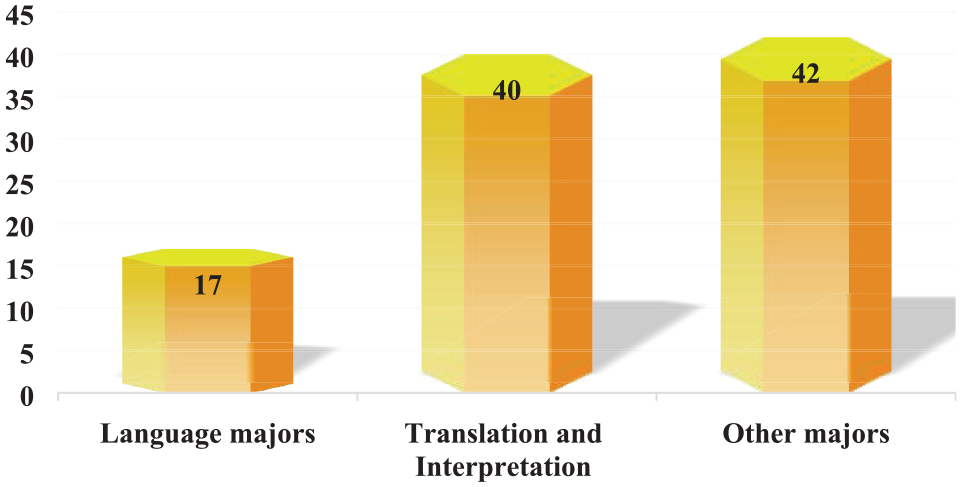
Majors preferred by employers.
To solve the conundrum, Gansu’s MTI trainers should have their eyes fixed on not only students’ professional knowledge, but also their ability in certain fields such as law, medicine, engineering, and finance by setting up the corresponding optional courses. Besides, the training institutions can make full use of the online teaching platform to provide students with vast array of interdisciplinary translated texts and interpreting tapes for their self-study and practice. In addition, internships related to different industries are also critical to the experience building of MTI students in dealing with various types of T&I materials.
Certificate
The study figures out that nearly half of language service agencies have certificate requirements for job seekers, including CATTI certificate, Shanghai Interpreting Certificate, Test for English Majors-Band 8 (TEM-8), IELTS, TOEFL and so forth. These certificates are perceived as evidence of a translator or interpreter’s possession of the knowledge and skills necessary for an advanced T&I service (Zhao & Mu, 2019). The trend is consistent with the global market where the majority of the global top 100 language service providers have a preference for candidates with certifications (Mu et al., 2017, p. 12). As a consequence, there is a slight chance for MTI graduates to find a job in the T&I market without a T&I certificate. However, Gansu’s MTI training institutions do not seem to attach enough importance to certification. They do not mandate MTI students to possess T&I certificates or language proficiency certificates before graduation, which is seriously out of step with the market, meanwhile somewhat lowering the threshold of Gansu’s T&I market. The solution lies in enlightenment for Gansu’s T&I training institutions to introduce relevant policies and incentives encouraging students to participate in authoritative qualification examinations. For example, the CATTI certificate can be designated to offset some credits or earn extra points for the scholarship. On a macroscale, we can see the future of the industry with higher bar through the full cooperation of Gansu government, T&I industry associations and employers to introduce and put the requirements for certificates into effect.
Experience
As is represented in Figure 9, Gansu’s employers give priority to those candidates with T&I experience (35/67.31%), experience in using English as a working language (34/65.38%) and overseas work experience (26/50%). This phenomenon can be put down to the practical orientation of T&I industry. Professional experience has become a bench mark of hiring translators and interpreters (Pym et al., 2016). Hence, lack of professional experience is another primary obstacle for MTI graduates as translators and interpreters.

Experience in demand.
Based on what we see, countermeasures are put forward: Firstly, practice should take center stage in the training institutions’ development programs, with requirements of Guiding Training Program for Master of Translation and Interpreting (CETI, 2011) in place, for instance, stress on practice in the MTI training plan, stipulating the minimum of 150,000 words of translation practice and 400 hr of interpretation practice at college. Secondly, training institutions should provide MTI students with the desired areas of experience. They may consider launching exchange programs with their counterparts in other provinces or countries. Thirdly, internship should be of primary importance in the preparation of MTI candidates for marketability. Training institutions should build relations with prospective employers and professional agencies which provide teaching assistance by serving as part-time instructors and by sharing more internships. By way of the establishment of on-campus and off-campus internship bases, opportunities will be offered to the top students to enter the institutions as qualified candidates. Further, it is a good way to organize students to participate in various large-scale exhibitions, international conferences and other volunteer T&I activities such as Lanzhou Investment & Trade Fair, Silk Road (Dunhuang) International Cultural Expo. Finally, it would be better if Gansu’s T&I associations, universities and employers jointly sponsor the T&I competitions. Place winners will be recorded into the talent bank, through which the employers could look for their favored T&I talents, providing more opportunities of practice and employment for MTI students.
Competences
The analysis on the competences admired by language service industry will be conducted from the following six aspects: (a) bilingual competence, (b) knowledge competence, (c) physiological competence, (d) psychological competence, (e) interpersonal competence, and (f) instrumental competence. The classification is defined based on relevant literature (Kuznik & Hurtado Albir, 2015; X. D. Li & Wang, 2020; Schnell & Rodríguez, 2017).
Bilingual Competence
Bilingual competence accounts for the largest (48/92.31%), followed by knowledge competence (43/82.69%), psychological competence (36/69.23%) and physiological competence (35/67.3%), interpersonal competence (32/61.53%), and instrumental competence (31/59.61%). Bilingual competence, containing listening, speaking, reading, writing as well as the transfer capacity in two languages, constitutes the precondition of T&I ability and also the guarantee of T&I quality and efficiency (Presas, 2012; Zhang & Wang, 2019). However, the dramatic difference between English and Chinese and less involved position of English in daily life make Chinese T&I students at a distinct disadvantage concerning English proficiency in comparison with their European counterparts (X. D. Li & Wang, 2020, p. 140). The only way forward is to place particular emphasis on the basic English skills, creating a more diverse multilingual environment. Besides, attention should also be paid to the variety in pedagogical method through translation projects and field interpreting simulations. Finally, equal emphasis should be put on the Chinese proficiency by incorporating the courses related to Chinese language, literature and culture into the curriculum.
Knowledge Competence
Specialized knowledge in multiple fields is strongly heightened in Gansu’s T&I market. In Figure 10, the top five required thematic knowledge is culture (28/53.85%), business and trade (28/53.85%), tourism (26/50%), foreign affairs (23/44.23%), and engineering (22/42.3%). Such discovery mirrors Gansu’s distinct social and cultural context. Gansu, home to magnificent natural landscapes and splendid Dunhuang culture, enjoys great concern at home and abroad. The accumulation of knowledge about culture and tourism occupies large percentage of workload in this field of T&I market. On the other hand, commercial intercourse and international communication prosper along with the implementation the Belt and Road Initiative, bringing a great demand of knowledge concerning business, foreign affairs and engineering. However, the curricula and syllabus of T&I training in local does not share the same forefront with the market (Cao & Jin, 2016; Mi & Yu, 2019).

Knowledge competence.
In this context, the curricula reform could be carried out according to local needs and college’s characteristics. The academic staff in Lanzhou University of Technology, for instance, could take advantage of its superiority in engineering to offer counsel on the translation of chemical engineering, environmental engineering, mechanical engineering and construction engineering. While Lanzhou University could make use of its platform on the Belt and Road and Dunhuang Studies to set up compulsory or elective courses such as The Introduction to Dunhuang Culture, Culture and Tourism along the Silk Road, etc. Moreover, for Northwest Minzu University which owns a large percentage of ethnic minority students, the lectures such as Culture of the Minority Peoples in Northwest China and The Overview of History and Geography in Northwest China are most likely to become a hit. These distinctive courses will be a great help to improve the practical side of professional T&I training, meet the market demand and broaden MTI students’ career paths.
Psycho-Physiological Competence
Traditional T&I training stresses almost entirely on technical and linguistic skill promotion, leaving psycho-physiological competence untouched to a large degree, or treating them implicitly rather than explicitly (Atkinson & Crezee, 2014, p. 3). However, it is found in this study that language service providers in Gansu have specific requirements for candidates’ psycho-physiological competences (61.53%). As shown in Figures 11 and 12, mental and physical health are considered necessary to T&I work. Figure 11 reveals that employers place much value on employees that are highly adaptable (41/78.84%) and staminal (38/73.03%) to diverse tasks, workplaces and heavy workload, and at the same time able to maintain a healthy body (31/59.61%) and a positive attitude.
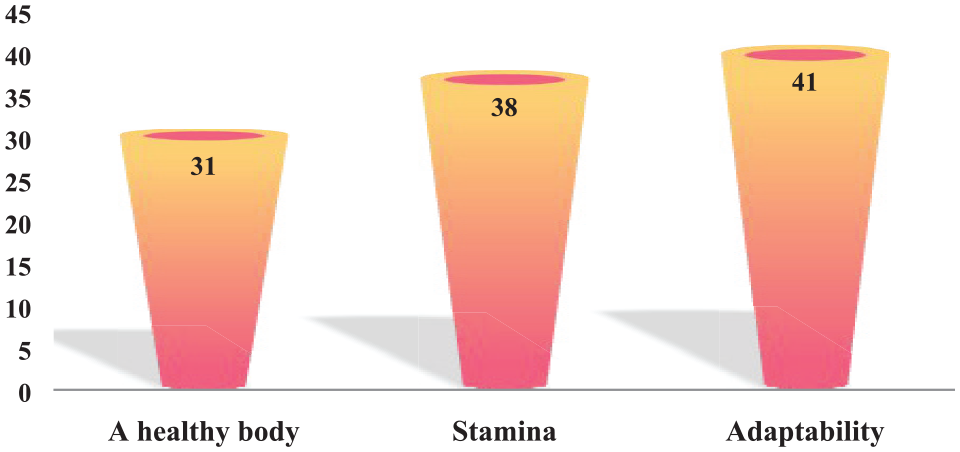
Physiological competence.

Psychological competence.
Specific requirements are displayed in Figure 12: responsible (49/94.23%), stress-restraint (43/82.69%), detail-oriented (40/76.92%), proactive (36/69.23%), flexible (34/65.38%), patient (31/59.62%), hard-working (29/55.77%), confident ((27/51.92%), willing to learn (27/51.92%), sincere (24/46.15%), enthusiastic (19/36.54%) and independent (14/26.92%). Among them, responsibility and attention to details are important traits for applicants because language service professionals must be attentive to the substance of translated documents and the true meaning of speakers. If a translator or interpreter is so reckless and inconsiderate that they may overlook too many details and thus the quality of the translation or interpretation cannot be guaranteed, which may result in catastrophic losses for clients. Another key characteristic is stress restraint. Employers now regard “stress tolerance” to be one of the most important professional qualities for translators and interpreters since their performance may be significantly influenced by stress when confronted with difficult tasks or demanding professional situations. Consequently, translators and interpreters must have the ability to overcome difficulties. Other traits such as being proactive, flexible, patient, confident and enthusiastic are also sought-after because since translators and interpreters will inevitably be confronted with unforeseen obstacles. They must be able to stay proactive and enthusiastic in the face of adversity, have confidence in their professional abilities, deal with challenges in a flexible manner, and have patience when confronted with significant barriers. While other characteristics such as willingness to learn is an expected competence that is more commonly required among translators and interpreters. This is due in part to the requirement for translators and interpreters to always learn new expertise in order to address issues in many specialist fields. Moreover, employees must adapt to changes in the workplace brought about by the ongoing development of technology.
Interpersonal Competence
As we shall see in Figure 13, interpersonal competence is of essence for language service. 86.54% (45) of employers require translators and interpreters to possess good communication skills. Instead of acting as a “mouthpiece,” today’s translators and interpreters play their roles as mediators, moderators, and gatekeepers. Communication with clients have become an indispensable part of their work for the personalized service. Coordination ability (44/84.62%) and team spirit (41/78.85%) are aptitudes approved by employers as well. Due to the increasing prevalence of “large scale” and “short timeliness” in the modern T&I service industry, the traditional individual T&I model has shifted to large-scale, short-cycle and professional translation projects that work in groups (Pu & Gao, 2014, p. 35), which requires T&I professionals to serve as good team players and excellent coordinators between the parties involved. Hence, the solidarity of a team has been attached much importance to.

Interpersonal competence.
The aforementioned results suggest that employers expect certain physiological, psychological and interpersonal competences to be present in employees. As claimed by Bontempo and Napier (2011, p. 87), personality traits are relevant for occupational performance. Yet courses concerning occupational qualities, professional ethics and T&I service standard are rarely offered separately in Gansu’s MTI training institutions. Therefore, occupational and ethical training should be included as a part of MTI training program.
Instrumental Competence
Finally, instrumental competence (32.69%) is considered indispensable for in-house translators and interpreters in Gansu with the extensive application of information technology. China Language Services Industry Development Report 2022 points out the computer aided translation (CAT) tools have been extensively applied in Chinese language service industry on account of its unparalleled advantages in efficiency and quality (TAC, 2022). Meantime more than one-half of the global top 100 language service providers demanded the instrumental competence according to The Survey of the Language Services and Technology Market issued by Common Sense Advisory in 2020. Currently, the training of instrumental skills, on a regular basis, is not a part of T&I courses in Gansu. Faced with the inexorable trend, MTI training institutions need to set up specific CAT courses, arming students with advanced techniques in the operational approach of CAT tools, the internet search, terminology and project management to prove equal to the challenge.
Conclusions
On the basis of the status quo of Gansu’s T&I talents training and the analysis of its market demands for qualified translators and interpreters, it can be inferred that the primary reason for the failure of MTI graduates as translators and interpreters (less than 5%) is inadequate professional competence. This confirms there are major defects in the Gansu’s T&I training model, as a result of which a large number of students majoring in T&I prefer to enter other industries due to lack of the market-required qualities for T&I talents. The result warns the T&I training institutes to make early resolutions. Based upon the market needs from the point of general situation of Gansu’s T&I industry and its requirements of qualifications and competences for practitioners, the present authors propose corresponding suggestions for improvements: (a) the support and guidance should be made from Gansu government in the form of preferential policy and regulatory documents of T&I industry; (b) strengthen industry-university-research cooperation; (c) training institutions should expand the scale of schooling and actively apply for the establishment of T&I majors; (d) raise the training quality of MTI talents by forming a more complete training system; (e) build a team of qualified T&I teachers by raising the threshold, conducting short-term training or attending academic conference; (f) offer interdisciplinary T&I courses; (g) make full use of online teaching platforms to provide students with quantities of cross-disciplinary translated texts and interpreting tapes for self-study; (h) encourage students to participate in authoritative qualification examinations and set certification as the threshold of industry; (i) stress on practice in the MTI training plan; (j) build on-campus and off-campus internship bases; (k) organize students to participate in various vocational activities and competitions; (l) design separate courses on the enhancement of English language and Chinese language, literature and culture; (m) conduct curricula reform in line with local needs and college’s features; (n) promote education on professional ethics in the MTI training program; and (o) set up specific CAT courses.
Considering the ever-changing nature of market requirements, it is rather challenging for T&I institutions to precisely align their curriculum with market need; Under such circumstances, our findings and recommendations may offer practical help in steering the growth of Gansu’s T&I training. Furthermore, this study may be of certain reference significance to the expansion of MTI programs throughout northwest China, including Xinjiang, Qinghai, and Ningxia, where comparable circumstances exist. The four provinces of Northwest China, which are given a lift in economic growth as the Belt and Road Initiative proceeds steadily, share the same problems: late establishment of MTI programs, the smallest number of MTI conferrable spots in Chinese mainland, outmoded T&I cultivation ideology, and inadequate teaching staff.
The current study, despite the advantage of a comparatively comprehensive understanding of the employment of MTI graduates in Gansu and the market demand of Gansu T&I industry as well as a reference for other regions in the Northwest, is limited in certain aspects. Firstly, the selected cases are finite, and thus the analysis and results in some aspects may be somehow one-sided. Secondly, the questions involved in questionnaires may be insufficient in terms of quality and accuracy in that they are on the basis of expected qualities and competences instead of the actual ones successfully met by candidates, thus representing the ideal qualities that employers search for, rather than those they actually find in the translators or interpreters they employ.
Footnotes
Appendix A
Appendix B
Acknowledgements
We thank the associate editor and the reviewers for their useful feedback that improved this paper.
Declaration of Conflicting Interests
The author(s) declared no potential conflicts of interest with respect to the research, authorship, and/or publication of this article.
Funding
The author(s) disclosed receipt of the following financial support for the research, authorship, and/or publication of this article: This research is supported by the Fundamental Research Funds for the Central Universities (Grant No. 22lzujbkyjh005; 2023lzujbkyjh003).

Data Availability Statement
The data supporting the findings of this study are not openly available due to participant confidentiality agreements.