




Abstract
The study aims to answer how and what kind of the social integration mechanisms may influence the relationship between the two dimensions of absorptive capacity which is, potential absorptive capacity (PACAP) and realized absorptive capacity (RACAP). The social integration mechanism has been neglected from the discussion on how firm assimilate and transform external knowledge to advance their absorptive capacity. In doing so, we answer recent call for research about a more thorough systematic literature review of the absorptive capacity and social integration mechanisms and its definitions. We surveyed literatures published during the years 2010 to 2020 and only found 8 articles discussing moderating variable between PACAP and RACAP out of 277 articles on absorptive capacity. The aim of this systematic review is to evaluate what social integration mechanisms influence the relationship between PACAP and RACAP and how they help overcome barriers to knowledge sharing. The results showed social integration mechanism can be in terms of high commitment works system, knowledge ambiguity, organizational size, relational learning, and cultural balance. Therefore, more research underlines the importance of social integration mechanism should be encouraged.
Keywords
Introduction
Firms need to adapt to a rapidly changing environment and achieve sustainable competitive advantage. To increase the potential of their competitive ability, firms should be realized that acquiring, assimilating, and applying external knowledge is important because many firms have shifted their innovation model from closed innovation to open innovation. The combination (Lewandowska, 2015) on of internal and external knowledge is part of the firm’s innovation strategy (Castillo & Trinh, 2018; Lewandowska, 2015). As a result, the firm’s ability to absorb and then apply external knowledge is critical for its ability to innovate (Castillo & Trinh, 2018; Spithoven et al., 2010). Several studies associate innovation as an outcome of absorptive capacity (ACAP). Forés and Camisón (2016) investigate the relationship between absorptive capacity and process innovation by leveraging two type of innovation: radical innovation and incremental innovation. This supports the study of (Bahli et al., 2013) which argues that the type of innovation (incremental and radical) depends on the level of the current absorption capacity component. Khan et al. (2019) investigated the mediating effect of learning intention in the proses of potential absorptive capacity to realized absorptive capacity and its impact on types of innovation. This empirical study was carried out on these organized small-level parts suppliers and found that realized absorptive capacity enabled them to develop both types of innovation. The extent to which new knowledge is able to increase the development of new product depends on absorptive capacity (Kotabe et al., 2011).
Studies related to the search for innovation through absorptive capacity enrich the theory itself by presenting some investigative evidence for antecedents associated with R&D (Denicolai et al., 2016; Mueller et al., 2020; Un, 2017); learning intent (Yoo et al., 2016), breadth and depth of search (Ferreras-Méndez et al., 2015; Li et al., 2019), routine (Banerjee et al., 2019), founders and TMT participation (García-Morales et al., 2014; Limaj & Bernroider, 2019; Mueller et al., 2020), knowledge inflow (Kostopoulos et al., 2011; Mom et al., 2007), and knowledge network and collaboration (Binder, 2020; Camisón & Forés, 2010; Enkel & Heil, 2014; L. Wang et al., 2018). However, how external knowledge assimilated and then exploited are two types of activities that involve different process and strategy.
Therefore, Zahra and George (2002) divided absorptive capacity into two dynamic abilities. Acquisition and assimilation represent potential absorptive capacity (PACAP), while transformation and exploitation represent realized absorptive capacity (RACAP) (Zahra & George, 2002). This study has a slightly different view from its predecessors (Cohen & Levinthal, 1990) who defined absorptive capacity as dynamic capability embedded in firm’s routines and processes and introduced three contingent factors that moderate the antecedents and outcomes of absorptive capacity, namely activation triggers, social integration mechanisms, and regime appropriabilities (Zahra & George, 2002). Researchers use different terms to describe these processes and routines, including cross function interfaces (Cohen & Levinthal, 1990); coordination capability (Van den Bosch et al., 1999), and social integration mechanism (Zahra & George, 2002). Not all acquired and assimilated knowledge (PACAP) can be transformed and exploited (RACAP) into innovation capability (Zahra & George, 2002). There are several previous inconsistent findings regarding the relationship between PACAP → RACAP → Innovation (Fosfuri & Tribó, 2008; Liao et al., 2019; Mennens et al., 2018). For example, a study from Müller et al. (2021), found that PACAP has a positive influence on innovation, both exploratory innovation and exploitative innovation. This happens for all sizes of organizations. However, the study of Limaj and Bernroider (2019), found that this effect only occurred on exploratory innovation, while the study of Aliasghar et al. (2019) found that this effect only on process innovation.
Some other studies, reject this effect. For example, the study of Khan et al. (2019) which investigated the absorptive capacity of 600 SMEs confirmed that PACAP has an effect on RACAP but not for innovation outcomes. This finding is supported by previous research (Leal-Rodríguez, Ariza-Montes, et al., 2014; X. Xie, Zou, & Qi, 2018) which explain that although PAC does not affect innovation, a high level of PACAP leads to RACAP will improve innovation outcomes. Ultimately, the PACAP → RACAP → Innovation relationship is described as a sequential process (Fosfuri & Tribó, 2008; Liao et al., 2019; Mennens et al., 2018). Therefore, PACAP is often considered as the ability to create memory in organizations, on the contrary, RACAP is expected to improve innovation performance. This also explains why absorptive capacity as a single dimension sometime has a little effect on increasing innovation.
The two forms of absorptive capacity, PACAP and RACAP by Zahra and George (2002), are linked by social integration mechanism. The effect of this social integration mechanism contributes to reducing barriers to knowledge sharing, rather than simply increasing the efficiency of assimilation and transformation capabilities. As a means to build connectedness and shared meaning (Zahra & George, 2002) within organizations, social integration mechanisms certainly qualify as important knowledge management activities related to absorptive capacity. However, most of the literature ignores attempts to elucidate the role of social integration mechanisms in the PACAP and RACAP relationship. Social integration mechanisms are also considered capable of facilitating the distribution of knowledge within organizations and at the same time, making the process of combining this knowledge with skills and experience much easier (Armstrong & Lengnick-Hall, 2013).
Although social integration mechanism is a multidimensional construct, most researchers treat this dimension as a black-box and there has been little attention investigating how the mechanisms of social integration impact the relationship between PACAP and RACAP. As evidence by this systematic literature review, not many studies were found to actually address the relationship between the dimensions of PACAP and RACAP and the moderating effects capable of directing PACAP towards RACAP. Although considering that a fair amount of discussion of different strategies and mechanisms has been associated with developing ACAP to enhance innovation, they do not clearly define what factors hinders the relationship between two ACAP dimensions.
For example, the study by Armstrong and Lengnick-Hall (2013) found that social integration mechanisms are positively related to RACAP, but negatively moderate the relationship between PACAP and RACAP. This is different from the previous study conceptualized by Zahra and George (2002). This study is also supported by Yu (2017) explaining that the social integration of TMT heterogeneity is like a double-edged sword than can improve performance but also has a negative effect. From these findings it is concluded that the type of integration mechanism is an important consideration for organization strategic manager.
Thus, managers do not have a clear insight into the most effective path they should follow to develop ACAP. Therefore, the main contribution of this study is to identify the integration mechanism in developing ACAP and its effects to fill in the gap between PACAP and RACAP that has been missing in existing literatures. Following the perspectives on these two dimensions (PACAP and RACAP), this study specifically addresses the following questions of: (Q1) What integration mechanisms influence the relationship between PACAP and RACAP? and (Q2) How does the integration mechanism bring the PACAP relationship closer to RACAP?
To do so, systematic literature review will be undertaken to determine, from the current body of research literature, how PACAP and RACAP each play a role in enhancing innovation. The selected articles will be considered in this study according to the methodology described in the next section. This paper begins by clarifying the definitions of two major topics under study: Absorptive Capacity and Social Integration Mechanisms. These are followed by search strategies, sample selection and data analysis, which are included in the methodology section. Furthermore, the results of the systematic literature review are included, and finally, the article provides discussion and direction for further research.
Literature Review
Absorptive Capacity
Cohen and Levinthal (1989), initially defined absorptive capacity (ACAP) as the ability to learn from external knowledge through a process of knowledge identification, assimilation, and exploitation. By putting forward a new view with a focus on the cognitive aspects that underlie learning, then Cohen and Levinthal (1990) redefined the construct of absorption capacity as the firm’s ability to identify, assimilate, and apply external knowledge and resources for commercial purposes. The ability to absorb new knowledge is very dependent on external sources of knowledge and prior knowledge (Cohen & Levinthal, 1990; Todorova & Durisin, 2007). ACAP can be interpreted as a limitation where firms can absorb the quantity of scientific and technological information. Garud and Nayyar (1994) argued that absorptive capacity as described by Cohen and Levinthal (1990) was not sufficient to create a sustainable competitive advantage. This study then introduced the transformation capacity dimension to signal retention of knowledge (i.e. add, combine or even delete) and bridges the value recognition of external information to its use by linking assimilation and application.
The absorptive capacity theory is extended by tying technology (Enkel et al., 2017; Setia & Patel, 2013; Xie, Zou, & Qi, 2018). From Matusik and Heeley (2005), the actual use of newly found external knowledge depends on the technological capabilities possessed by firm. This study also claims that the exploitation activity should not be considered as a separate phase. Through the investigation of ACAP’s antecedents at level two, organizational structure, compensation policies, and the dominant logic between organizations in improving the learning process (P. Lane & Lubatkin, 1998). The most far-reaching reconceptualization of ACAP construction since promoted by Cohen and Levinthal (1990) might be what Zahra and George (2002) proposes by relating constructs through a set of organizational routines and strategic processes in which firms acquire, assimilate, transform, and apply knowledge with the goal of creating a dynamic organization. According to Zahra and George (2002), although companies can identify, recognize, and assimilate external knowledge, they are not necessarily able to integrate this knowledge with existing knowledge. Between exploration activities and exploitation activities have different structure, process, and strategy. This differentiation characteristic then distinguishes two-main dimensional of ACAP, potential absorptive capacity (PACAP) and realized absorptive capacity (RACAP). PACAP involves an organization’s ability to acquire and assimilate knowledge. Knowledge acquisition and assimilation refers to an organization’s capacity to identify and acquire externally generated knowledge (Gebauer et al., 2012), whereas RACAP involves the ability to transform and exploit the external knowledge. This acquired knowledge then needs to be defined as processes and routines that allow them to be analyzed, processed, interpreted, understood, and classified (Camisón & Forés, 2010; Mom et al., 2007).
Reconstruction of ACAP by Zahra and George (2002) was actually similar to that proposed by March (1991) in an organizational learning model where the PACAP of the firm is related to exploratory of knowledge while the RACAP is related to the exploitation of knowledge (Figure 1).

Absorptive capacity framework from Zahra and George (2002).
PACAP can guarantee knowledge infusion to the boundaries of the boundaries of knowledge recipient organizations (Khan et al., 2019). Therefore, PACAP is also considered as a generator of flexibility to adapt and thrive in high-speed environments. However, this capacity (PACAP) does not necessarily lead to the exploitation of knowledge. Opportunities for exploitation occurred by acknowledging existing knowledge within the organization rather than by seeking new knowledge at the time. While PACAP requires change, flexibility, and creativity, RACAP needs order, control, and stability (Zahra & George, 2002). With a different concept, it requires a different strategy and structure, causing tension between the two poles (Cepeda-Carrion et al., 2012a) which hinders PACAP from heading to RACAP. Zahra and George (2002) proposed that the use of social integration mechanisms reduces the barriers between assimilation and transformation, thereby increasing absorption capacity.
Social Integration Mechanism
Following the reconceptualization of Zahra and George (2002), several works have studied in depth the determinants of components and outcomes explicitly suggesting alternative analytical model. As with the work of Jansen et al. (2005), conducted an empirical study based on the Van den Bosch et al. (1999) and Zahra and George (2002) model, to examine the relationship of organizational mechanisms as a common feature of compatibility and combinability linking the two absorptive capacity dimensions. However, this study does not take into account the effect of external knowledge on the development of absorptive capacity. Then, the study from Vega-Jurado et al. (2008), which combines the mechanisms of formalization and social integration as organizational parameters that can affect the transfer of knowledge between individuals and organizations.
Combining these two parameters illustrates the different aspects of the organization that determine the efficiency with which the company assimilates external ideas. Social integration is the result of organizational or environmental characteristics as a whole (von Briel et al., 2018). Social integration mechanisms are believed to reduce barriers of knowledge sharing (Zahra & George, 2002), thereby increasing efficiency through the ability to assimilate and transform external knowledge (Leal-Rodríguez, Ariza-Montes, et al., 2014; Zahra & George, 2002). Thus, the social integration mechanism is a process and routine (von Briel et al., 2018) that facilities knowledge sharing and effective knowledge integration (Murphy et al., 2012). PACAP requires a social integration mechanism to become RACAP. This depend on the system (Jones et al., 2010) and formalization in the structure and informalization in social networks (Armstrong & Lengnick-Hall, 2013; Jones et al., 2010). These formal and informal dimensions mean how to facilitate the sharing knowledge within a cross organization. The form of social integration mechanism can be described through internal training, job rotation, participation in decision making, cross-functional teams and rational learning (Armstrong & Lengnick-Hall, 2013; Jansen et al., 2005; Lu et al., 2010).
Social integration mechanisms affect the likelihood that social integration will develop and increase PACAP relationships towards RACAP, but their presence is not necessarily sufficient because other factors that cannot be known or unpredictable can also play a role in the fast slow pace of its development (von Briel et al., 2018). Social integration mechanisms do not always bring PACAP closer to RACAP. There is moderating effect of the mixture on the absorptive capacity building process and in fact, PACAP is not easily converted to RACAP. Armstrong and Lengnick-Hall (2013), conducted empirical testing to explore the effect of social integration mechanisms on organizational absorptive capacity. By using three dimension of social integration mechanisms, namely cross-functional teams, participation in decision-making and self-managing teams, this study found that although social integration mechanisms can also hinder the relationship between PACAP and RACAP. This also supported by Yu (2017) which tested empirically on heterogeneous TMT’s absorptive capacity. According to this study, social integration mechanisms in TMT heterogeneity negatively affect the relationship between PACAP and RACAP. Thus, the type of social integration mechanism should be an important consideration for managers in developing corporate strategy. For example, study by Enkel et al. (2017), also explains that the effect of various types of social integration mechanism learning also affect the ability to bridge distances in process and product technology. Social integration mechanisms are not easy to observe or imitate (Lewin, 2010). Internal and external connectedness affect the absorptive capacity of the organization which consists of a combination of complementary and therefore must run together (Ebers & Maurer, 2014).
The demographics of group members in terms of age, ethnicity or gender have the potential to influence the development of social integration. Social integration is multidimensional, existing absorptive capacity research treats social integration to a large extent as a black box and fails to explain what these constructs actually mean or what is involved in them. The literature mostly tends to ignore the fact that organizations can collaborate with external partners throughout the knowledge absorption process. As a result, little is known about the dimensions underlying social integration and how they influence the various stages of knowledge absorption with external partners.
Method
We use a systematic literature review to provide transparency, clarity and inclusive coverage that is not partial to one particular area to be reproducible in analyzing the literature (Thorpe et al., 2005; Tranfield et al., 2003). This study aims to contribute to the development and understanding of the construction of absorptive capacity through a systematic literature review with a focus on how and in what form social integration mechanisms can influence the relationship between PACAP and RACAP. In connection with this research statement, several stages were carried out, (1) search and screening strategy to get sample selection; (2) study quality assessment and (3) data extraction and data analysis (Dzhengiz & Niesten, 2020; Kitchenham, 2007; Tranfield et al., 2003) and (4) research finding (Figure 2).
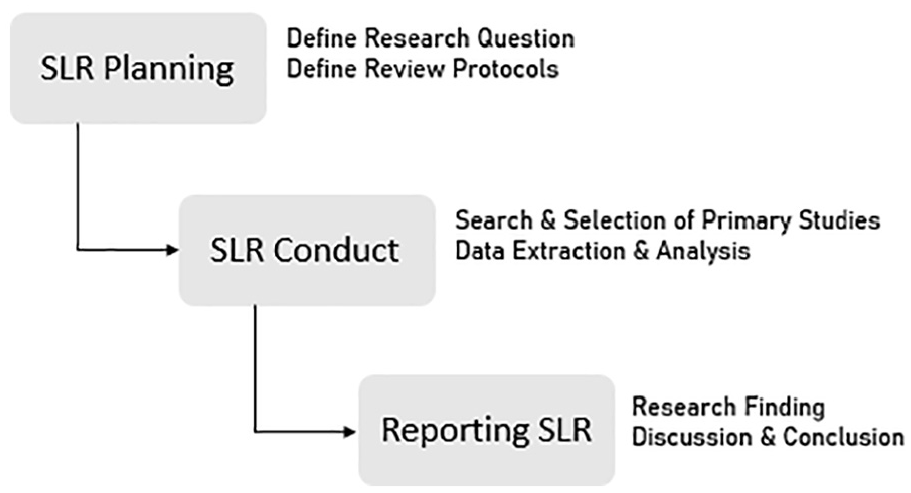
SLR process.
Search Strategy
We searched articles from publisher library services that provide reliable coverage of high impact factor journals in the areas of business, management and accounting. The search is aimed to finding articles that explicitly analyze absorptive capacity that have a link to investigating the relationship between PACAP and RACAP and articles that explain the moderating effect of other variables on both dimensions. The combination of keywords allows the search strategy to be precise enough to eliminate unnecessary material, as more information becomes available. The study was conducted using simple operators (Denyer & Tranfield, 2009; Tranfield et al., 2003), to avoid the use of multiple keywords.
The first search was a combination of the words “PACAP,”“RACAP,”“absorptive capacity,” and “acap” in peer-reviewed academic journals published between 2010 and 2020. The second search, we improve the search with better use of boolean operators. Finally, we conducted a search by adding the term “social integration mechanism” or “integration mechanism” to academic peer-reviewed journals with the same span of years. The search was developed using the AND and OR boolean operators in titles, abstracts, and keywords in selected journals from six publishing library services (Table 1). It was returned 277 articles on the first search and 63 articles on the second search.
Query 1: “Absorptive Capacity” OR Acap OR Pacap OR “Potential Absorptive Cap*” OR “Realized Absorptive Cap*.”
Query 2: (Pacap OR “Potential Absorptive Cap*”) AND (Racap OR “Realized Absorptive Cap*”).
Query 3: (Pacap OR “Potential Absorptive Cap*”) AND (Racap OR “Realized Absorptive Cap*”) AND (“Social Integration Mechanism” OR “Integration Mechanism”).
Result of First Rounded Searching Strategy.

In the final search, we performed a quick manual search, examining articles that carried out empirical studies on PACAP and RACAP relationship. We fixed the search to 107 articles.
Study Quality Assessment
Initially, we filtered articles based on two main criteria, journal category and competency type. We only select journals in the category of business, management, and accounting, so that in total we found 107 articles out of 277 which used the variable of PACAP and RACAP in the empirical model. After reviewing the articles, we add four articles which were not identified in the initial search because they may use other terminology following the snowball technique. This added article includes some of the most influential articles before 2010, thereby expanding the scope of the review. Inclusion and exclusion criteria were used to assess the relevance of each study that was found to answer the research question (Tranfield et al., 2003). For this reason, articles included in the review are only published in English in the fields of Business, Management and Accounting from Q1 to Q3. Studies related to the above keywords in other fields are not included.
We do not limit the unit of analysis to the articles that are searched, so articles that discuss the relationship between PACAP and RACAP in large or small firms, non-profit or public and individuals are included. We then examined the bibliographical references of the included papers, to check the validity of the questions and avoid potential omissions. Therefore, we added three articles manually which were consistent with the inclusion criteria. Finally, we consider not to include articles that come from book chapters.
Although they placed the variables of PACAP and RACAP into their model, but not all paper investigated the direct relationship between PACAP and RACAP. So, we only include in the review, articles that really explain the relationship between PACAP and RACAP in its model regardless of whether they have moderating variables or not. This was conducted to understand the relationship between the two dimensions more clearly. The manually exploring generated 27 articles of which only 8 described the moderating variables that influenced the relationship between PACAP and RACAP (Table 2).
PACAP and RACAP Relationship Investigation Without a Moderating Role.

Data Extraction
Data analysis requires the extraction and storage of the most relevant information to allow data synthesis. According to Denyer and Tranfield (2009), this process should involve two things. First, the discussion of all the information needed to answer the review questions; Second, collects all the decisions made during the systematization process. Systematization is used to eliminate analysis bias where only elements in the content that are suitable for the purpose are selected (Cordero & Ferreira, 2019). We use publication systematization for each article which includes information on title, author, purpose, unit analysis, moderating variable, outcome, findings, and publication detail. In this regard, it is important to highlight the key components of the synthesis related to the social integration mechanisms used or the mediator dimensions used, as they directly align with the review question. By focusing on the innovation outcomes, consequently, the information analysis shows that the social integration mechanism implemented follows five main dimensions determined after the quality assessment criteria, HCWS, Cultural Balance, Knowledge Ambiguity, Organizational Size and Relational Learning. All these articles are published by journals with a Q1 rating (Table 3).
Moderating Effect of PACAP and RACAP Relationship Investigation.

Data Analysis and Results
This data analysis includes content analysis and synthesis. In data analysis, an information processing phase was carried out where the content was changed through the application of categorization rules objectively and systematically to become comparable data (Cordero & Ferreira, 2019). Whereas synthesis includes methods to summarize, integrate, and collect findings from different studies on a particular topic (Cordero & Ferreira, 2019; Tranfield et al., 2003).
Higher Commitment Work System (HCWS)
Higher Commitment Work System (HCWS) is defined as a system of human resource management practices that signify commitment to employees (Liao et al., 2019). HCWS can include employee participation, internal promotion, team rewards, benefit sharing, and job security. In essence, HCWS focuses on how to take advantage of various aspects of human resources and how management practices can increase motivation and attitudes of employees leading to increased levels of human capital. According to Liao et al. (2019), HCWS is a social integration mechanism that can reduce barriers to information sharing while increasing assimilation efficiency and transformation capabilities. This is accordance with the ACAP construction promoted by Zahra and George (2002).
In the implementation of HCWS, participatory management provides incentives for employees to be actively involved in roles that are not included in the job description, thereby facilitating the process of knowledge integration and exploitation. Through the active role individuals in the transfer of knowledge, it will eliminate time and costs for employees to seek valuable knowledge. However, the influence of HCWS on organization innovation performance indirectly depends on the company’s ACAP (Liao et al., 2019). The HCWS construct is measured through promotion indicators, careful selection, extensive training, job security, job rotation, assessment team, appraisal behavior, appraisal development, high remuneration, share ownership, egalitarianism, participation, information sharing, overarching goals, and teamwork. This study from ACAP (Liao et al., 2019) emphasizes that the impact of HCWS on organizational innovation cannot be separated from the absorption capacity of the organization.
Knowledge Ambiguity
The study of (X. Xie, Wang, & Zeng, 2018) shows that knowledge ambiguity negatively moderates both the direct and indirect effects of inter-organizational knowledge acquisition between organizations and the radical innovation through RACAP. Knowledge ambiguity refers to the uncertainty inherent in that knowledge, making it difficult to reduce the underlying sources of knowledge and how they interact (X. Xie, Wang, & Zeng, 2018). If the level of knowledge ambiguity in the organization is high, then it means that knowledge is in a semi-structured form (Lakshman et al., 2017) as a result, it is difficult to assimilate to produce innovation. The lack of clarity of higher knowledge sometimes requires organizations to engage in more professional fields. The study of Xie, Wang, et al. (2018) uses the knowledge ambiguity construct as a moderating variable measured by identifying the type of partner, tacit or explicit knowledge, the level of technological complexity and knowledge that exists in partners and the requirement of technology to absorb external knowledge.
Organizational Size
A study conducted by Alves et al. (2016) places organizational size as a moderating variable and focuses on examining how firm size affects dynamic capability behavior. Using the Brazilian Innovation Survey (PINTEC) database, a longitudinal study was carried out over three periods from 2006 to 2008. The study of Alves et al. (2016) shows that in larger organizations, PACAP and RACAP have an impact on innovation performance, but in smaller and medium sized organizations (SME), only RACAP has an influence. The characteristics of SMEs generally find stability and operate successfully without ever becoming a large company, and only a small proportion of them later became large companies (Alves et al., 2016). The absorption capacity of this company does not only depend on the organization, but also greatly depends on the experience of the owner (Y. Wang & Guo, 2020). In this study (Alves et al., 2016), large companies that use PACAP, apparently did not occur in SMEs. However, the development of learning ability from external sources (PACAP) depends on the individual and group level to reach RACAP, no matter the size of the company (Alves et al., 2016; Sun & Anderson, 2010). Although RACAP depends on the level of the organization, it is also driven by leadership to turn it into performance.
Relational Learning
Innovation studies suggest three main contexts that influence PACAP, namely knowledge factors, relational factors and institutional variables (P. J. Lane et al., 2001). Relational factors are formed by three dimensions, namely information exchange, joint sense making, and knowledge integration. All those three determine the knowledge sharing arrangement between source and recipient (Leal-Rodríguez, Roldán, et al., 2014). A study conducted by Leal-Rodríguez, Roldan, et al. (2014) explains that only a team or unit whose PACAP level leads to an increase in RACAP can increase innovation outcomes. However, this indirect relationship will only be positive and significant when Relational Learning is high. This finding is in line with the concept of Zahra and George (2002) regarding the mechanism of social integration which explains that basically the process of absorbing knowledge is a social procedure of several different stakeholders.
Cultural Balance
Organizational culture is defined as a pattern of shared basic assumptions that are learned by groups to adapt to externals and integrate internally (Schein & Schein, 2017). Through an integration perspective, Schein and Schein (2017) considers culture as an integrated phenomenon in organizations. In contrast to its predecessors, in a differentiation perspective (Mumby & Martin, 1994) organizations consider different cultures within certain limits, which may originate from different organizational structures. Following Mumby and Martin (1994), the study of Limaj and Bernroider (2019) measured the culture using OCAI indicators (Cameron & Quinn, 2006) through two dimensions where the first dimension relates to change, flexibility, spontaneity versus stability, control and order; the second dimension relates to internal versus external organizations. Consequently, PACAP is necessary but not sufficient to convert assimilated knowledge into a product or service if the cultural balance is low. In a situation where the organization does not yet have a high RACAP, or does not achieve a RACAP, the organization with a low cultural balance seems to be more innovative (Table 4).
Measurement Indicator of Moderating Variable Investigation.

Discussion and Directions for Future Research
To identify what has been described about the relationship between social integration mechanisms and ACAP, systematization and data analysis processes have identified from eight articles that discuss in depth the moderating variables which affect the relationship between PACAP and RACAP. Answering the first review question there are five moderating variables as factors that influence the relationship between PACAP and RACAP. Furthermore, the exploration carried out on indicators to measure the effect of moderation was carried out for the higher commitment work system, organizational size, knowledge ambiguity, relational learning, and cultural balance. The link with the social integration mechanism strategy that enables PACAP to achieve RACAP and ultimately increase ability to innovate, helps to understand the second question of this review.
Social integration mechanisms are described as contributing factors to knowledge processing with facilities that allow information to be spread throughout the organization. This social integration mechanism includes cross-functional teams, self managing teams, participation in decision making, job rotation, and quality circles (Armstrong & Lengnick-Hall, 2013) which can be formal or informal mechanisms (Distel, 2019) and are related to internal, external, interaction, social and communication (Enkel et al., 2017). This mechanism overcomes potential barriers both structural, behavioral, and cognitive (Distel, 2019; Thomas & Wood, 2014) that might prevent knowledge sharing and development of mutual understanding (Hogan & Coote, 2014). According to Distel (2019), it is found that formal and informal integration is highly correlated and the measurement of a combination of integration mechanisms, directly or indirectly, is individually related to ACAP. Thus, these two types of integration appear to be more complementary than substitute.
This is also illustrated by Liao et al. (2019) who examines the relationship between absorptive capacity and HWCS, and their mutual effect on the performance of a new product or innovation. His study identifies the enabling role of HCWS in building and driving absorptive capacity that leads to superior innovation performance. The result is that the HWCS variable not only directly affect PACAP and RACAP, but also relationship between the two, although it is small. Liao et al. (2019) measures HCWS through five indicators, namely employee participation, internal promotions, team rewards, benefit sharing and job security. According to his study, the use of aspects of human resources and management practices that can improve employee motivation and attitudes are important. This management practice requires support from top managers or TMT (Mursitama, 2011; Vega-Jurado et al., 2019). Mursitama’s (2011) study empirically tested the logic of developing absorptive capacity in Japanese International Joint Ventures. This study also shows the important role of top managers in improving the RACAP of engineers and foremen and ultimately improving performance. Supported by the theory of behavioral integration of TMT proposes that behaviorally integrated TMT is able to manage innovation better (Hambrick, 1994). Unfortunately, the Liao et al. (2019) study did not distinguish between different types of HR practices and regardless of organizational size, so whether the five HCWS indicators could produce different values for their effect on the relationship between PACAP and RACAP for an innovation performance.
Social integration also refers to shared values, norms, and other mechanisms that build relationships (Enkel et al., 2017; Jansen et al., 2005) which sometimes go beyond the ACAP routine where this is very useful for dealing with knowledge that is difficult to transfer. Social integration mechanisms do allow social integration to develop (Distel, 2019), but sometimes other factors that are difficult to predict can also play a role in its development (von Briel et al., 2018). In this case, cultural factors play an important role. Organizational culture is associated with attitudes, experiences, beliefs, and values that guide the behavior of organizational members (Lavie et al., 2010). These values provide encouragement to engage in collaborative behavior (Lin et al., 2013). Leal-Rodriguez, Roldán, et al. (2014) study extends the work of Zahra and George (2002) by introducing the phenomenon of cultural barriers as a mechanism of social integration in reducing the PACAP → RACAP relationship. In summary, this study supports that social integration mechanisms contribute to reducing barriers to knowledge sharing rather than increasing the efficiency of assimilation and transformation capabilities. This study shows that only organizations with PACAP levels that lead to increased RACAP can improve innovation outcomes. This implies that PACAP and RACAP are treated as sequential activities. However, the mediating effect of RACAP may disappear if cultural barriers are increased. In a different study, Leal-Rodigruez (2014) also examined relational learning in SME. Conceptualization in relational learning shows how two companies influence and are influenced by each other in a relatively enduring way. Measured through information sharing, joint-sensemaking, and knowledge integration, it is found that the relationship between PACAP and RACAP can be strengthened when the company or team is involved in organizational activities and relational learning. The high level of depth and breadth of the knowledge base will increase the potential benefits of organizational relational learning because this increased knowledge base is ultimately able to increase absorptive capacity.
Weak organizational culture is indicated to be a fundamental barrier to knowledge management implementation (Leal-Rodríguez, Ariza-Montes, et al., 2014). The cause is sometimes linked to a lack of top management team (TMT) commitment. The integration of TMT behavior creates behavioral complexity within the team, which then allows strategic decisions to balance exploration (PACAP) and exploitation (RACAP) activities (Koryak et al., 2018; Venugopal et al., 2020; Turner et al., 2013). TMT is behaviorally integrated, carried out through sub process collaboration (Li et al., 2014), information exchange (W. K. Smith & Tushman, 2005), joint decision making (A. Smith et al., 2014), and able to manage conflicting demands for exploration and exploitation (Turner et al., 2013).
However, on the other hand a strong culture also restricts organizations from remaining in the realm of what is known and defined (Lavie et al., 2010), encouraging exploitation capabilities but perhaps sacrificing knowledge exploration activities due to barriers to identifying and observing external knowledge (Andriopoulos & Lewis, 2009). The activity of exploitation requires processes and routines in the organization, therefore the existence of procedures with a set of methodological principles is very important. Thus, the organizational structure can also weaken the relationship between PACAP and RACAP. The Venugopal et al. (2020) study suggests that organizations need to encourage formal and informal mechanisms specifically to integrate the two. This integration mechanism forms in encouraging organizational members to share information, joint sense making and integrating knowledge.
The main issue in ACAP that is still being investigated is what can strengthen the relationship between PACAP and RACAP. Social integration mechanisms to build connectedness and shared meaning are indicated to affect all knowledge absorption processes. However, Todorova and Durisin (2007) suggest that they affect different processes and in different ways. A possible explanation is that PACAP and RACAP are basically different concepts, so they require different strategies and structures where the tension between the two is quite difficult to reconcile (Cepeda-Carrion et al., 2012a). Individual participation in sharing knowledge, with appreciation from the organization in the form of internal promotion and team rewards is part of HCWS which can increase the efficiency of the integration process between PACAP and RACAP (Liao et al., 2019). However, the influence of HCWS depends on PACAP which directly influences organization innovation. Through the measurement of information exchange, joint sense making and knowledge integration as dimensions of relational learning, only PACAP can achieve RACAP that can lead to innovation, and that is only if relational learning in the high level. The development of learning abilities from external sources that build PACAP to achieve RACAP depends on the individual regardless of the size of the organization (Alves et al., 2016).
The role of the individual is also important in being able to identify ambiguities in knowledge that may be difficult to understand (Z. Xie & Li, 2018). External knowledge that is processed through PACAP must go through repeated cycles before the organization can apply it commercially through RACAP and generate business value (Limaj & Bernroider, 2019). Routines that ensure this repetitive cycle and involve all dimensions of high commitment works system, relational learning, and knowledge ambiguity require different structures and strategies between PACAP and RACAP treatments which also impact different cultures. This requires an important role for TMTs not only to be aware of the potential resource requirements of their respective pursuits, but also to fully engage in compromising personal functional interests and managing exchanges. For this reason, future studies need to explore the role of organizational mechanisms and balance in organizational structures where cultural differences are involved, which can strengthen the relationship between PACAP and RACAP in terms of organizational size.
This study has successfully identified five moderating variables as factors that influence the relationship between PACAP and RACAP and shed the light on the social mechanism integration that is relevant and important in creating closer connection between PACAP and RACAP. This study propose that each five moderating variables seem to have different effect to influence relationship between PACAP and RACAP. It will depend heavily on the context, type, size of the firms. Therefore, the future research work to empirically test these findings is coupled with relating the context of the firm in which it operates, the type and size of the firm it is worth doing.
Footnotes
Declaration of Conflicting Interests
The author(s) declared no potential conflicts of interest with respect to the research, authorship, and/or publication of this article.
Funding
The author(s) disclosed receipt of the following financial support for the research, authorship, and/or publication of this article: The authors would like to thank to the support of Ministry of Education and Culture of the Republic of Indonesia through Penelitian Disertasi Doktor (Doctoral Dissertation Research Grant) based on SK No. 26/E1/KPT/2020 with Grant No: 079/SP2H/LT/DRPM/2020, 049/LL3/2020, 061/VR.RTT/VII/2020. The grant received by corresponding author as main supervisor.
