




Abstract
Although higher education transnational programs are becoming increasingly prevalent worldwide, little is known about student’s conceptions of learning, which could help to improve the education quality of such programs. This study investigated Chinese undergraduates’ conceptions of learning in programs cooperatively run by Chinese and non-Chinese universities. The research methodology adopted is phenomenography. Data are collected through semi-structured interviews with 30 undergraduates and analyzed following the phenomenographic principles to identify the referential and structural aspects of each conception. Ultimately six main conceptions of learning and four sub-conceptions are identified, namely, learning as increase of new knowledge, memorization with/without understanding, application with/without understanding, making sense of the knowledge acquired, gaining a new perspective to view reality and personal change and growth based on an extensive understanding of learning. Generally speaking, the relationship found between conceptions is hierarchical, yet the sub-conceptions or branches are also notable. The findings not only demonstrate the complexity of Chinese students’ conceptions of university learning under a cross-culture learning and teaching context, but they also point to the possibility of there being something new to discover, even for some familiar and well-established conceptions. The implications and recommendations for future studies are provided in the end.
Keywords
Introduction
Internationalization in higher education (HE) is an ongoing and continuous process in which cross-cultural and global dimensions have been integrated into the aims and functions of universities (Knight, 2003). There are various forms and strategies of internationalization in Chinese HE such as students’ and scholars’ mobility, academic cooperation, and joint research (Huang, 2007). Noticeably, Huang (2007, p. 421) claims that “transnational higher education (TNHE) has become an increasingly important and integral part of internationalisation of higher education.”
In the Chinese HE sector, TNHE is commonly known as Chinese-Foreign Cooperation in Running Schools (Hou et al., 2014) or CFCRS, which is composed of joint institutions and joint programs (Yang, 2014) and is also a crucial means to internationalize Chinese universities (Huang, 2007). The CFCRS program (Zhongwai Hezuo Banxue Xiangmu) is a joint venture between local Chinese universities and foreign or overseas higher education institutions (HEIs), with the aim of educating Chinese students only (Hou et al., 2014). In this study, the terms “CFCRS programs” and “transnational programs” are used interchangeably. The teaching staff is composed of both foreign lecturers from partner universities and Chinese lecturers. The programs include both language learning and specialized knowledge teaching in a foreign language. The educational resources such as teaching plan, instruction outline, teaching technologies, textbooks, and curriculum system are introduced from the partner foreign universities. Due to the education input of the materials and staff, the teaching and learning methods are diverse, including group discussion, presentation, role-play, business game simulations, and so on. Moreover, assessment methods adopted by foreign partner universities have also been borrowed to diversify the traditional Chinese evaluation system, which heavily depends on one final examination. Thus, a cross-cultural education context is formed.
In fact, little is known about the learners’ actual learning experience in transnational programs. However, the knowledge about the different ways of understanding learning or conceptions of learning (Marton & Booth, 1997) in this particular context could be valuable for the improvement of learning and teaching and enhancing the quality of transnational programs. The aim of this study is to provide an in-depth analysis of the conceptions of learning held by undergraduates, which can help to better understand students’ ways of understanding learning in a cross-cultural environment and hence improve the quality of teaching and learning in transnational programs. Learning in this study is not confined to a concrete concept (e.g., capital, cost, price, value) or a specific course (e.g., accounting, economics, marketing, statistics), but in a general sense (Beaty et al., 1997).
Previous research studies have mainly concentrated on Western contexts (e.g., Asikainen et al., 2013; Duarte, 2007) and yielded similar learning conceptions (Virtanen & Lindblom-Ylänne, 2010). Meanwhile, numerous research studies have also been carried out in non-Western countries and areas such as Nepal (Dahlin & Regmi, 1997; Watkins & Regmi, 1992) and Hong Kong (Fung et al., 2001). Results from such studies have been informative and offered alternative insights into conceptions of learning. More importantly, these results also demonstrate that conceptions of learning are contextually dependent and conclusions drawn from one particular context cannot be entirely generalized to other contexts (Purdie & Hattie, 2002). Until now, the cross-cultural teaching and learning context in CFCRS programs, which is the focus of this study, has rarely been touched by researchers. Knowing about students’ conceptions of learning in such a situation can help to extend the contextual scope of learning conception studies and also obtain new understanding. Therefore, we believe that understanding conceptions of learning in multinational context is important.
Literature Review
Conceptions of Learning
The phrase “conceptions of learning” is commonly used to describe the ways in which students perceive what learning means to them (Ellis et al., 2008). Byrne and Flood (2004) contend that “[a] conception of learning captures the way in which a person views learning, that is, what learning means to him/her” (p. 26). Marton and Booth (1997) claim that conceptions of learning are reflected in how learners see learning, how they go about learning, and what they think it is.
Early work by Säljö (1979) identified five categories of conceptions of learning, namely, learning as a quantitative increase in knowledge, learning as memorizing and reproduction, learning as the acquisition of practical knowledge and application, learning as the abstraction of meaning, and learning as an interpretive procedure with the aim of understanding reality. Independent of this work, Giorgi (1986) found similar conceptions of learning. It is now generally acknowledged that Säljö’s (1979) early work is the start of research on conceptions of learning (Tsai, 2009), which also provides basic conceptions for subsequent studies. Decades later, Marton et al. (1993) found comparable results, namely, learning as “increasing one’s knowledge,” “memorizing,” “applying,” “understanding,” and “seeing in a different way,” but added a sixth dimension, learning as “changing as a person.” However, Marton et al. (1993) were not the first to identify the new conception of learning as changing as a person, because van Rossum and Taylor (1987) had found a similar learning conception before Marton and his colleagues. While interviewing a sample of arts students, van Rossum and Taylor (1987) labeled the most advanced learning conception as “a conscious process, fuelled by personal interests and directed at obtaining harmony and happiness or changing society” (p. 19), which is similar to “changing as a person” identified by Marton et al. (1993).
Phenomenographic research has identified two opposing perspectives of conceptions of learning. The quantitative conception “views learning as a process of accumulating information in order to reproduce or apply it” (Duarte, 2007, p. 781) and perceives learning as “a passive accumulation of external fragmentary information” (Chiou et al., 2012, p. 169). These perspectives emphasize what is learned and “dwell upon the accumulation, reproduction and (sometimes) use of pieces of knowledge” (Ellis et al., 2008, p. 269). Those who adhere to such conceptions “fail to personalise learning; rather they regard it as functional and external to themselves” (Byrne & Flood, 2004, p. 28). Learning is regarded as simply a means to increase knowledge and memorization to the extent that deep understanding of the meaning of what has been learned is not achieved. Knowledge is perceived as an external entity that needs to be stored. The concern of those who subscribe to a quantitative perspective is the gaining of factual information, and their endeavor is acquisition and storage. It is the fragmented information that attracts them most (Marton, 1988). Students with quantitative conception tend to rely on teacher-centered learning (Täks et al., 2016).
In contrast, the qualitative conception “implies that learning has to do with comprehension and interpretation of meaning” (Duarte, 2007, p. 782). Learning is perceived as “an active transformation of external information into meaningful, understandable, and applicable knowledge” (Chiou et al., 2012, p. 169) and presents “a more relativistic, complex, and systematic view of knowledge and how it is achieved and used” (Ramsden, 2003, p. 28). Students with qualitative conception tend to emphasize more constructive and student-centered learning (Täks et al., 2016). The qualitative conception seems to be more valuable because learners may view learning as individualized and become more reflective during the process (Byrne & Flood, 2004). McLean (2001) argues that this could even influence the personal lives of students and their future career development.
The significance of the conceptions of learning lies in their intimate relationship with learning approaches. Marton and Booth (1997) discussed the ways in which students approach their learning to understand why some are better learners than others. Their findings showed that the students’ conception of learning was an important factor, which could have a significant impact on approaches to learning (Byrne & Flood, 2004). Peterson et al. (2010) claimed that the “reason why many researchers have persisted in trying to identify key conceptions of learning is the underlying belief that conceptions of learning have the potential to explain different learning behaviour” or learning approaches (p. 168). Traditionally, different ways of perceiving learning have supported the establishment of two fundamental approaches, namely, surface and deep, identified by Marton and Säljö (1976) in an early study. Deep approaches to learning aim to comprehend the meaning of the materials learned, whereas surface approaches aim to reproduce information for the purpose of external demands, such as examinations (Edmunds & Richardson, 2009).
Another significance of the conceptions of learning lies in their close connection with the quality of learning outcomes (Biggs & Tang, 2011). Asikainen et al. (2013) contend that “understanding students’ conceptions of learning is important in understanding how to enhance the quality of student learning” (p. 36). Therefore, exploring the conceptions of learning is one of the key steps toward improving the quality of learning as a whole. Ellis et al. (2008) account for learning outcomes by arguing that research “[f]rom a phenomenographic perspective has shown that students’ conceptions of learning and their approaches to learning are related to each other and to the quality of learning outcomes” (p. 268). A number of studies produced abundant evidence of this claim (Prosser & Millar, 1989; Trigwell & Prosser, 1991). Ellis et al. (2008) further argue that “a learning outcome of relatively high quality must be especially associated with deep-level approach and a constructive learning conception” (p. 73).
Conceptions of Learning Held by Chinese Students
There are a number of studies exploring Chinese students’ conceptions of learning. While investigating Hong Kong student teachers, Fung et al. (2001) verified the findings of Marton et al. (1993) with one significant difference, namely that none of the participants perceived learning as memorization. Fung et al. (2001) contended that pure memorization represented low and superficial understanding, which was only part of the learning process. Follow-up interviews also illustrated that the “increase in knowledge” conception in their study was more complex than the mere accumulation of factual information. These results highlight “the dangers of cross-cultural generalisation in the area of students’ conceptions of learning” (Fung et al., 2001, p. 51).
In a study by Lu and Yu (2003), 168 public university undergraduate students in mainland China were asked to answer the open-ended questionnaire, “What do you mean by learning?” Of these participants, 20 were interviewed after the questionnaire to talk about their understanding of learning. The researchers uncovered five conceptions of learning, the first three of which were identical to the early findings of Marton et al. (1993). However, Lu and Yu (2003) combined the categories of “seeing something in a different way” with “change as a person” and named this mixed conception “personal change and development.” They claimed that the students did not separate conceptual change from personal change because they believed that there were many aspects of personal change, including ways of thinking and ideas for life, which were the key components of personal development. The final and new conception identified by the researchers was called “creation of new knowledge.”
Lu et al. (2006) and Wong and Wen (2001) also employed comparison to highlight conceptions of learning in different contexts. Lu et al. (2006) conducted a study based on their earlier work (Lu & Yu, 2003) mentioned above, but this time with groups of students from 30 private universities. Comparisons were made between students from different types of HEIs. The findings were significant because the desire to gain an increase in knowledge was the only similarity between these groups of learners. A large number of private university students perceived learning as “getting a certificate,” “the acquisition of capabilities,” and “quality improvement,” all of which indicated a strong pragmatic orientation. Again, the comparison of distinctive HEIs in the two studies supported the argument that conceptions of learning depend on the context. Wong and Wen (2001) further argued that students in different places in China (Hong Kong and Nanjing) could hold diverse conceptions of learning. Their findings indicated that, although the students came from the same country and had a shared cultural background, their learning conceptions were quantitatively different, thereby challenging the assertion that learners from different places in China are homogeneous.
Comparative studies of Chinese students and non-Chinese students in different countries with distinctive cultural contexts have generated insights into conceptions of learning and highlighted the uniqueness of learners in a Confucian culture. For instance, a comparative study carried out by Zhu et al. (2008) demonstrated that compared with Belgian students, more Chinese learners emphasized personal change and social competence via learning. In addition, many Chinese students regarded learning as understanding, whereas memorization was much less valued.
Chinese Students’ Learning in Transnational Programs
Studies related to Chinese students’ learning in transnational programs are limited. The existing literature illustrates that learning in transnational programs can be both difficult and complex (Wang et al., 2016). Due to teaching style, time constraints, and personal willingness to adapt, it is found that the first 3 months of study in a culturally different environment was laborious for Chinese students (Quan et al., 2013). Because of language barriers, the academic interaction between Chinese and non-Chinese students was not good, which led to low level of integration with other students and made it hard to achieve peer learning (Findlay, 2017). The learning experience in Chinese universities might not be helpful for students to learn in other culturally different universities (Quan et al., 2013). It is worth noting that Dai and his colleagues published a number of articles to uncover Chinese students’ learning-related issues such as intercultural learning and adjustment experiences (Dai & Garcia, 2019), assessment and learning experiences (Dai et al., 2019), narrative approach–based self-learning experience reflection (Dai, 2018), field, habitus, and learning (Dai et al., 2019). These studies demonstrated Chinese students’ complex intercultural learning experiences, which resulted in changes in many aspects and form a “sense of in-betweenness.”
Research on the students’ learning experience in transnational programs has yet to be enriched. While examining 565 papers published between 1990 and 2016 in both English and Chinese, Qin and Te (2016) concluded that learners’ experience in CFCRS programs was severely underresearched due to the necessity of long-time fieldwork. The authors thus called for more empirical studies on learning experiences. The argument was reinforced by Dai et al. (2018) and Dai and Garcia (2019), who also discover that studies exploring Chinese students’ learning experience in CFCRS programs are limited.
Method
The selection of research methodology should be primarily based on the aim of research (Denzin & Lincoln, 1994). Phenomenography is defined by Marton (1994) as “the empirical study of the limited number of qualitatively different ways in which various phenomena in, and aspects of, the world around us are experienced, conceptualised, understood, perceived and apprehended” (p. 4424). Tight (2016) claims that “phenomenography is closely associated with an interest in higher education practice, particularly the student learning experience” (p. 331). This study sets out to investigate the qualitatively different ways in which the undergraduates experience or understand learning in a CFCRS program in a Chinese university. In other words, it is intended to explore the variations of conceptions of learning held by a group of undergraduate students. It can be seen that the research interest and the approach adopted are highly compatible and phenomenography fits well with the aim of this research. Therefore, phenomenography has been selected as a qualitative research approach to guide data collection and analysis in this study.
Data Collection
The discipline of the program had to be determined before recruiting interviewees. There are two key reasons for choosing International Business (IB). The first lies in its prevalence. CFCRS programs cover a wide range of disciplines such as engineering, business, information technology, management, and language. However, according to official statistics (www.jsj.edu.cn), IB is the most predominant among all disciplines, which accounts for nearly 30%. Apart from the high proportion, the other reason lies in the nature of disciplinary knowledge for IB. On the one hand, some courses such as accounting show technical aspects and features with universal rules. On the other hand, a number of courses such as management and marketing are more prone to be influenced by cultural and social factors (Corder, 1990). The complexity of the discipline’s nature may have the potential to contribute to the variations in undergraduates’ conceptions of learning.
Phenomenographic studies seek for the variations in ways of experiencing a phenomenon. While selecting the participants, apart from the key criterion that they should be transnational IB program students, the other criterion is diversity. To increase the likelihood of variation, Åkerlind et al. (2005) claim that “[i]n phenomenography, small sample sizes with maximum variation sampling, that is, the selection of a research sample with a wide range of variation across key indicators (such as age, gender, experience, discipline areas and so on), is traditional” (p. 79). Thus, the interviewees were purposefully selected to ensure maximum variation (Green, 2005). The indicators for this study are gender, year of study, and university. More specifically, 12 male and 18 female undergraduates, covering Year 1 to Year 4 and coming from three different universities, participated in the interviews. In practice, a number of researchers (e.g., Bowden, 2005; Trigwell, 2000) contend that 15 to 30 participants are a reasonable number for a phenomenographic study. Too few interviewees may make it very difficult to generate variations, whereas too many may make it hard to manage the data. Therefore, the number of participants in this research is appropriate.
Data in this study were gathered through semi-structured face-to-face interview. Despite there being numerous data collection techniques, such as open-ended questions or written responses (Tight, 2016), observation (Patrick, 2000), and group interviews, Marton (1986) believes that “interviewing has been the primary method of phenomenographic data collection” (p. 42). Semi-structured interviews can be both open, because “while a structure might be planned in advance, to approach the phenomenon in question from a various interesting perspectives, the interviewer is prepared to follow unexpected lines of reasoning that can lead to fruitful new reflections” (Booth, 1997, p. 138), and deep, because “particular lines of discussion are followed until they are exhausted and the two parties have come to a mutual understanding” (Booth, 1997, p. 138).
The main questions for this study involve “What do you mean by learning?” “How do you understand the concept of learning?” and “How do you go about learning and why?” However, students were also asked to depict those courses that impressed them most and why. Such indirect questions might also play an important role in eliciting learning conceptions. Moreover, emphasis was placed on a number of follow-up questions such as “Could you say more about that? “ “Could you give me an example?” “Could you explain that again in different words?” The length of interview varied between 45 and 60 min.
Data Analysis
The analytical framework
Developed by phenomenographers (e.g., Marton, 1988; Marton & Booth, 1997), the referential/structural framework is a relatively strong, convincing, and rigorous theoretical framework that can help to identify learning conceptions and establish the relationship therein. The referential aspect (also named as the meaning aspect) captures the global meaning of the phenomenon, whereas the structural aspect is composed of an internal horizon and an external horizon. The dichotomy of internal and external horizon has its roots in Gurwitsch’s (1964) structure of awareness, which helps to examine the parts of a particular conception and explore the hierarchical and inclusive relationship between different conceptions. Cope (2004) contends that the employment of structure of awareness contributes to the validity of phenomenographic research results because it demonstrates that conceptions have been developed in a deliberate way and allows “easier and better informed scrutiny of the results by readers” (Cope, 2004, p. 15).
Gurwitsch’s (1964) claims that awareness is composed of three layers: the theme, the thematic field, and the margin. The theme engrosses the mind of people and is the focus of attention. The thematic field refers to those things “which are experienced as materially relevant or pertinent to the theme and form the background or horizon out of which the theme emerges as the centre” (Gurwitsch, 1964, p. 4). The margin includes things which “are aspects of the world that are not related to the phenomenon in question, but can nevertheless be part of peoples’ awareness” (Durden, 2018, p. 13). In phenomenography, Gurwitsch’s (1964) notions of theme, thematic field, and margin are replaced by internal and external horizons (Cope, 2004); more specifically, the internal horizon refers to the theme, whereas the external horizon involves the thematic field and margin, as shown in Figure 1. The internal horizon denotes the focus of an individual’s attention and it “consists of the aspects of the phenomenon simultaneously present in the theme of awareness, and the relationships between these aspects and between the aspects and the phenomenon as a whole” (Cope & Prosser, 2005, p. 350). The external horizon, sometimes named as the perceptual boundary (Bruce et al., 2004), is composed of those aspects which constitute the background.
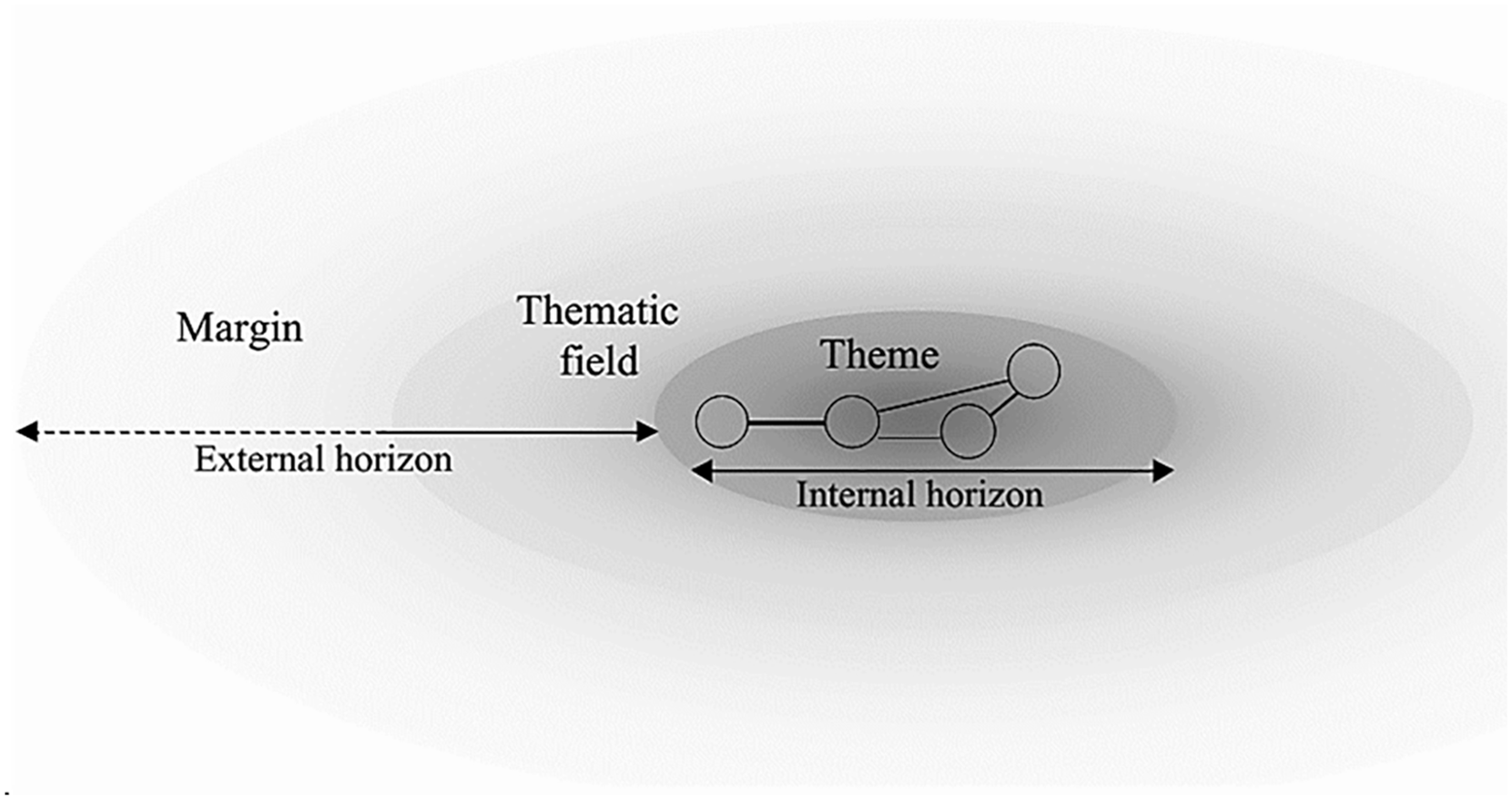
The structure of awareness.
The analytical procedures
We read the transcripts several times until we felt that we were adequately familiar with them. Next, we searched for and focused on the specific statements related to the aim of this research. All the excerpts were collected to form a “pool of meanings” (Marton, 1986). In the light of the analytical framework presented above, the following two procedures dealt with the referential and structural aspects of each conception. To identify the referential aspect, we compared and differentiated relevant quotes within the “pool of meaning.” As a result, a number of different themes emerged. While examining the structural aspect, we took a closer look at the key components (internal horizon) and the context (external horizon) of each theme. For the external horizon, a distinction was made between university academic context and the students’ lifeworld. The former means that students think about learning only in an academic study situation, whereas the latter means students expand their understanding of learning to an extensive real-life context (i.e., events and experiences that happen to students in daily life). Based on the identification of referential and structural aspects, we were able to group similar themes together to form categories. The outcome space, indicating the structural relationship between various meanings, was constructed when these categories were ready.
Findings
The above analysis led to six categories of conception. Before presenting and detailing each of them with quotes, we provided the outcome space. Figure 2 gives an overview of the findings.

The outcome space.
Conception A. Increase in New Knowledge
The meaning aspect was the quantitative increase in new knowledge. The major learning object was something new in the learning materials. The interviewees expressed their understanding of learning in a superficial and vague way, and therefore they merely received and stored fragmented pieces of knowledge and information. The internal horizon of this conception consisted of the students, new learning materials, and the act of receiving and taking in: Learning is when you learn something new in familiar or unfamiliar areas. It is receiving and putting unfamiliar and new information into my head so that I can increase my amount of knowledge. (S2) Learning is learning something you didn’t know before. I knew nothing about politics and economics, but now I’ve learned some theories and what crises are all about. So I’ve really learned something. (S8)
Holding this conception, the participants confined themselves to academic knowledge study. Therefore, the external horizon for this conception should be delimited to the context of university learning.
Conception B. Memorizing
The participants distinguished between memorization with and without understanding in this conception.
Conception B1. Memorization without understanding
The referential aspect was remembering information mechanically and recalling it in exams: I think learning means breaking whole knowledge into pieces and then absorbing them. [What is absorbing?] It is remembering for a long time. I like to memorise them by repetition. (S12) Although I don’t understand, I will memorise it. I have no choice. I can only think of that as a kind of law and I remember it like that, because we have to attend lots of exams. (S29)
The learning object encompassed the learning materials required to be stored. The learners attempted to remember as much as possible by repetition and rehearsal. The external horizon for this subcategory was the situation in which reproduction was required for exams and assessment.
Conception B2. Memorization with understanding
The referential aspect was that memorization should be built on or followed by understanding. Memorization and understanding were deemed to be intertwined rather than contradictory: You may memorise something for a long time if you understand it. If you memorise it mechanically, you have to go back and read it again and it is easy to forget. (S5) You may not be able to understand it despite memorising it, but you can memorise it easily if you understand it. [Can you memorise it first and then understand it later?] Yes! This is a process. (S11)
The act referred to understanding and memorizing the learning materials. The object of learning included not only the materials to be memorized but also the meanings inherent in the materials. Accordingly, in addition to information stored and reproduction attained, the outcome also involved understanding achieved.
Conception C. Application of Knowledge for Various Purposes
A distinction was also made between application without understanding (C1) and understanding-based application (C2) for this conception.
Conception C1. Application without understanding
The meaning aspect was using what had been learned to achieve both academic and practical aims: There was a learning project about leadership, and when I saw three words, I came up with lots of theories, models and information I’d learned in class and I found I could write a lot about it. (S2) For example, when the news reports something, some concepts and models may suddenly come into my mind. Then I can be clear that I’ve learned and mastered them. (S11)
The learning object was existing information like theories, models, and information. The outcome for applying was contextualizing things learned and solving problems encountered in academic learning and real-life situations. Students tended to view applying as matching, that is, finding applicable situations and putting things acquired into use, whereas the process of understanding seemed to be unclear. The internal horizon consisted of the students, the act of matching, the situations where application was needed, and applicable information. The external horizon could be characterized as both academic and non-academic situations.
Conception C2. Understanding-based application
The referential aspect was that students utilize materials learned for various purposes after comprehending the underlying meaning: Be clear about what it means and then you can apply it. By the time you understand these theories, you can truly understand how they came about and how to apply them. (S10) If I understand something, I can apply it or use it as an analytical tool in daily life. (S18)
The learning object included not only the ready-made information but also meanings sought by the learners. The act of learning was making sense of meanings before applying. As for the outcome, in addition to solving the problems encountered in academic learning and life, the meanings inherent in the learning materials were also apprehended.
Conception D. Making Sense of the Knowledge Acquired
The referential aspect was the comprehension of meanings and relationship that underlined the text. The learners intended to generate insights and integrate new knowledge into their prior experience to achieve better understanding of the subject matter: I feel that understanding should be deeper, beyond the texts. If you understand something, maybe you’re an expert in this area, you truly understand what it means. (S18) That is to say I can integrate new knowledge with the things I already learned. After considering it, you may find out something conform to yourself. That is to say, you have to find your way of understanding. (S19)
The learning object no longer focused on words and texts, but extended to the meaning beneath the materials. The action was becoming more active and profound such as comprehending, relating, and integrating. All the students’ discussion emphasized the learning situation, and thus the external horizon was the academic learning context.
Conception E. Gaining a New Perspective to View Reality
The referential aspect was that the learners developed or shaped a new perspective to make sense of phenomena they encountered in real-life situations: I think I’ve gained a lot while learning microeconomics because I can increasingly think about problems from an economic perspective. (S1) I can analyse some problems from an economical perspective. Since I’m learning economics, my perspective of seeing some hot economic issues and my personal view of them is different from those who are learning other subjects. (S15)
The object of learning was the disciplinary knowledge. The students were becoming more capable of seeing and interpreting phenomena from a discipline-related perspective. This newly gained perspective was thus the outcome of learning. The new perspective was utilized in life, and therefore the external horizon was lifeworld.
Conception F. Personal Change and Growth
The meaning aspect was that learning meant personal change and improvement because of an expanded understanding of learning. The object of learning was so extensive that it could be epitomized as phenomena in the world. The students believed in an expanded understanding of learning and insisted that knowledge was inherent in life. Accordingly, the act of learning was also comprehensive and sophisticated such as discovering, practicing, and reflecting: I think learning is embodied in many things. For example, you watch other people doing something, and maybe their way of doing is worth learning. (S5)
The outcomes of learning were changed attitudes, personalities, thoughts, and behaviors, which demonstrated personal growth and improvement: I used to be very impatient in the past, but I have increasingly become calm. Moreover, I’m becoming more logical when doing things. I can see this when I do something and find how I have changed. (S16) I’m becoming more mature [laugh]. Having learned so many things at university, my thoughts are changing, becoming more comprehensive. I can plan for myself in a more comprehensive way. (S19)
The external horizon was learners’ lifeworld, and this was the most extensive and sophisticated conception of learning.
Two most prominent aspects of variation have been identified to differentiate these conceptions from one another. Both aspects can also reveal the level of complexity and thus highlight the structural relationship within conceptions. The first aspect is the act of learning or the focus of behavior, which exists as well as varies across all the conceptions. With the conceptions becoming more sophisticated, the act is showing an increasingly complex inclination. In Conception A, the students only receive and take in discrete information, implying that they know about something they previously did not. In Conception B, they go one step further to memorize and reproduce knowledge when necessary. Bearing usable knowledge in mind, the students attempt to find applicable situations to put what has been learned into use (Conception C). All of these conceptions focus on the text, words, and information that can be easily recognized in the learning materials. However, students with Conception D aim to comprehend the underlying meaning, relationship, and structure, to which learning materials refer. In Conception E, the learners develop their discipline-based perspective or understanding to help them to interpret some issues. In Conception F, the act of learning covers a wide range such as interacting, discovering, reflecting, and growing.
The second aspect is the outcome of learning, which varies from category to category and shows a general increasing level of complexity. For Conception A, the undergraduates finally accumulate their specialized knowledge. With memorized knowledge, the students holding Conception B recall necessary information in assessment situations. With Conception C, the learners intend to solve problems encountered in academic and life situations by means of specialized knowledge acquired. The interviewees with Conception D are able to integrate and internalize what has been learned. They relate seemingly disordered and unsystematic information, and the knowledge they obtain becomes an integral part of their existing information system. Students with Conception E eventually form a subject-related perspective to view and understand reality. The students holding Conception F achieve personal growth, that is, becoming more mature, experienced, and capable due to changed attitudes, personalities, thoughts, and behaviors.
A table (Table 1) showing the number of students who subscribe to each conception of learning has been made. In fact, a number of researchers (Asikainen et al., 2013; Byrne & Flood, 2004; Pillay & Boulton-Lewis, 2000; Töytäri et al., 2016) have contended that the proportion of certain conceptions can be quantified. For this study, we equate the transcripts with the participants to facilitate a convenient analysis and discussion. However, we have no intention to align certain conceptions with specific individuals. Each conception is expressed by the students in a given context, but this does not necessarily mean they will always belong to that category because they may change from time to time.
Number of Student-Transcripts That Subscribed to Each Conception of Learning.

Discussion
The research concerns a unique internationalized cross-cultural teaching and learning context in the second decade of the 21st century. The findings of this study may be similar to those of most other phenomenographic studies (e.g., Asikainen et al., 2013; Byrne & Flood, 2004; Marton et al., 1993; Säljö, 1979; Van Rossum & Schenk, 1984) across the past three decades. Despite the similarities, a detailed and in-depth analysis reveals the differences, which contributes to our understanding of conception of learning.
The study demonstrates that the rote memorization–meaningful memorization division (Marton et al., 1997), which is made by Chinese learners, also exists among the group of students in the program investigated. The memorization–understanding relationship has attracted the attention of numerous researchers due to the “paradox of Chinese learners” (Marton & Booth, 1997; Marton et al., 2005), which might be explained in the light of the differentiation made within memorization, namely, memorization with/without understanding or rote/meaningful memorization. Both have been identified in this research within Conception B. The students’ transcripts illustrate that understanding may aid memorizing and make it easier, and gradual understanding occurs after remembering. This finding echoes the Confucian education tradition, which does not simply equate memorization with surface learning; rather, the “memorization–understanding” process is also embodied in learning (Rao & Chan, 2010). Therefore, Conception B shows that these students are holding some learning conceptions of particularly Chinese characteristics, although they are studying in a CFCRS program and are exposed to the teaching and learning environment of the Western style.
Another interesting finding is the differentiation made within application, namely, application without understanding and understanding-based application. Eklund-Myrskog (1998) identifies “learning in terms of applying knowledge, based on understanding,” and Duarte (2007) finds “understanding and application,” the two of which are similar to the conception of understanding-based application in this study. Nonetheless, those two studies have not found any differentiation within application—in other words, they only identify a kind of application that is built on comprehending. In contrast, other studies simply refer to applying without understanding when discussing the conception of application (Asikainen et al., 2013; Byrne & Flood, 2004; Marton et al., 1993). This study illustrates that although a number of students consider applying knowledge to be a matching process, where comprehending is inconspicuous, three of them believe that application and understanding are closely related. Meaning-seeking and sense-making are a significant prerequisite for the use of knowledge, and being able to apply something means having understood it. Thus, application without understanding and understanding-based application constitute two categories of application. Conception C (including both C1 and C2) is found to be prevalent among all the interviewees. Implicit in this conception is, again, the fact that although transnational program students are exposed to a culturally different style of teaching, their learning is still rooted in and influenced by traditional Confucianism thought. Chinese teachers place emphasis on using knowledge learned to various real-life situations. There is an idiom in the Chinese culture “Xue Yi Zhi Yong,” that is, learning for the purpose of application. The knowledge would be viewed useless if it cannot be applied to practical life (Liu & Neuhaus, 2018).
The differentiations made within both memorization and application by the students illuminate that the Chinese learners tend to have more complicated understanding of learning than students in other countries. From the student’s perspective, both memorization and application can be related to understanding, and this makes the two learning conceptions more sophisticated.
There are some qualitative and quantitative differences with respect to the most advanced conceptions of learning between the current research and those in the literature. First, although the most advanced learning conception in this study resembles “change as a person” or “personal change,” the precondition is somewhat different. Marton et al. (1993) contend that the conception of change as a person is the result of seeing the world differently, in that only by “developing new insights into phenomena and seeing the world differently” (Byrne & Flood, 2004, p. 28) can learners change as a person. Nonetheless, this study illuminates that an extended definition and understanding of learning is the precondition for personal change; in other words, individuals changed as a result of an expanded and enriched view toward the phenomenon of learning. Second, the high proportion of the most advanced learning conception is an intriguing and enlightening finding. It is similar to “change as a person” (Marton et al., 1993), “personal change in attitude, beliefs and behaviour” (Franz et al., 1996), and “lifelong learning” (Pillay & Boulton-Lewis, 2000). Furthermore, these studies demonstrate that such a sophisticated conception could only be possessed by a limited number of students. However, the current research indicates that approximately 19 of the 30 participants express this conception. The distribution of conceptions indicates something even more interesting, namely that despite the high proportion of the highest level conception, a large number of students still portray some very basic ways of comprehending learning. This may further imply that most students hold both very low-level learning conceptions and the most advanced one, which could barely be found in the existing learning conception studies. In sum, the qualitative and quantitative differences with respect to Conception F between the current and previous research may help to better understand Chinese university students’ learning conceptions in CFCRS programs.
This conception may also be related to a cultural perspective. While considering the internationalized learning context, it is not surprising to find such a high number of students holding this conception. During the interview, we found that the learning and teaching context of the Western style were attractive for the undergraduates. Initially, most students simply chose the transnational programs out of linguistic reason, that is, to improve their English. During learning, diverse international issues were mentioned and further discussed. It is this cross-cultural shock, comparison, and debate that may have significant impact on the learners’ awareness, thoughts, and values. According to Wihlborg (2004), knowledge related to international issues can be linked to learners’ personal growth. As the students said, learning in the transnational program broadened their awareness and enabled them to be aware of different cultures, society, and values. Their thoughts, thus, were changing in a subtle way, which would not occur if they had not chosen transnational programs. Furthermore, there were a large number of students who similarly changed thoughts and expressed an interest and aspiration to go abroad to experience by themselves. This is perhaps the major reason for such a high number of students holding the final conception. This phenomenon is similar to what Streitwieser and Light (2018) labeled the “participation” category of conception of international experience, which means people are not simply satisfied with being exposed to and interacting with foreigners; rather, they have a willingness to move out of their comfort zone (local environment) to experience the norms and practices of other cultures outside their nation’s territory. Learning in this sense goes beyond academic knowledge and skills; it leads to the development of a person as a whole.
In this investigation, we found that all the three transnational programs were actively creating and maintaining a cross-cultural environment via, for example, introducing teaching staff, curriculum system, textbooks, changing teaching and assessment methods, and facilitating communication between non-Chinese teachers and students. As a result, the learning conceptions found indicate two faces. As all the learners were Chinese in all transnational programs, there were some conceptions showing the Chinese characteristics such as the “paradox of Chinese learners” (Conception B), application without understanding, and understanding-based application (Conception C). Nonetheless, many conceptions were found to be consistent with other studies (e.g., Asikainen et al., 2013; Byrne & Flood, 2004; Marton et al., 1993) in an international context. In this sense, the international context plays a role in the nature of the learning conceptions.
Implications
This study calls for the attention which should be paid to the quality of CFCRS programs. de Wit (2002) and Knight (2004) contend that the academic rationale, such as the infusion of an international dimension to teaching and learning, the extension of academic horizons, the enhancement of international academic standards, and the furthering of quality as a whole, is a significant concern for international corporation in education. In the Chinese context, policy makers considered transnational programs to be a sound way to improve the quality of teaching and learning in universities, as quality foreign education resources could be imported via such programs. Lin and Liu (2007) contend that high-quality education resources introduced from other countries refer to “educational programmes of successful management experiences that are distinctive worldwide” and it “includes superior curricula, teaching method, administration system, assessment system, well-qualified faculty, and more effective way to cultivate talents” (p. 1). To import the resources is the top priority for the development of CFCRS (Wang, 2008). However, the findings of this study reveal that the quality of CFCRS programs might be questionable from the learner’s perspective. The undergraduates investigated clearly demonstrated an overreliance on elementary and less advanced learning conceptions, whereas the pursuit of meaning was ignored and understanding, insight, and reflection seemed to be downplayed. According to Table 1, 20 expressed Conception A (increase in knowledge and skills) and 16 expressed Conception C1 (application without understanding), all of which are very basic low-level ways to experience and understand learning. On the contrary, some meaning-seeking-related conceptions (D: 9; E: 2) had relatively less supporters.
Students’ conception of learning will affect their learning approaches and further the quality of learning as a whole as demonstrated by a number of researchers (Duarte, 2007; Edmunds & Richardson, 2009; Ellis et al., 2008). The quantitative conceptions are at a low level and they are a significant factor resulting in surface learning and inhibiting deep approaches to learning (Turner & Baskerville, 2011). The learners may “fail to gain deep understanding of the subject content and will lack the forms of knowledge, skills and competencies” (Byrne & Flood, 2004, p. 35). The qualitative or transformative conceptions facilitate a deep approach to learning, with students being “more likely to engage in deep learning resulting in desirable learning outcomes” (Byrne & Flood, 2004, p. 35). Although the surface/deep division appears to be somewhat debatable (Haggis, 2003), deep approaches to learning are more favorable in a general sense. More sophisticated conceptions should be developed if deep approaches to learning are to be attained. Thus, the student participants in CFCRS programs are advised to have more advanced qualitative or transformative ways of understanding learning. The object of learning is the “development of a certain powerful way of experiencing the phenomenon in question” (Pang & Ki, 2016, p. 328). It is necessary to improve the teaching and learning environment to achieve this.
The CFCRS program is an important implementation strategy of the internationalization of China’s HE. The Chinese academia has focused intensively on the macro-level, and researchers seem to be solely interested in “big issues” such as policy, development, and management (Li, 2009; Lu & Kang, 2015; Shen, 2014). Nonetheless, the essence ultimately lies in “small issues” such as learning and teaching, which are the key elements for understanding the impact of the implementation of internationalization (Lewis et al., 2013; Luxon & Peelo, 2009). As Lewis et al. (2013) observe, the paramount element of any education is often what happens in the classroom. In a way, the present research complements macro-level analysis with micro-level investigation.
Limitations and Future Studies
An obvious limitation for this study is the single and limited disciplinary context. The background in this study is set within IB. As stated, the CFCRS program covers a wide range of disciplines. However, this study only focuses on the most popular subject of IB, which implies a limited disciplinary scope. Although this research maps a general picture of students’ conceptions of learning in general, the question of how learners in different disciplines perceive their learning remains unknown. Conceptions of learning might be influenced by the disciplines students are learning. In fact, several researchers argue that conceptions of learning can be academic domain–dependent (Eklund-Myrskog, 1998; H. M. Lin & Tsai, 2008, 2013). Therefore, it is recommended that future studies examine and contrast the similarities and differences in other disciplines. It would also be of interest if future researchers blurred the disciplinary boundaries by recruiting participants learning diverse subjects, including natural sciences, humanities, and social sciences.
In addition, it should be recognized that conceptions of learning might be more fluid than categorical—in other words, the conceptions may vary and change significantly due to different factors and various contexts. The learning conceptions concluded in this study just capture a snapshot of students’ ways of understanding learning in a cross-cultural environment, yet it cannot demonstrate to what extent can they change. Future longitudinal studies that are deliberately designed may provide an answer.
Footnotes
Declaration of Conflicting Interests
The author(s) declared no potential conflicts of interest with respect to the research, authorship, and/or publication of this article.
Funding
The author(s) disclosed receipt of the following financial support for the research, authorship, and/or publication of this article: This research is funded by Chongqing Academy of Education Science (2018-GX-271).
