




Abstract
With China's shift towards modifying its coal-based energy mix, developing nuclear power and constructing nuclear power plants have become central strategies. While nuclear energy offers economic and environmental benefits, the impact of nuclear science popularization on people's attitudes, especially those of students, towards nuclear power development remains a concern. This study examines university students’ needs and attitudes towards nuclear science popularization. Data were collected through a questionnaire survey (n = 506) administered to university students studying in Guangdong Province. Regression analysis revealed that university students’ willingness to study nuclear science is related to their concerns about nuclear science, their need for nuclear knowledge and their support for nuclear energy. In addition, only 12% of students have learned nuclear knowledge in university classes, and 13% have acquired that knowledge outside of classes. Notably, 89% of students want to learn more about nuclear science in the future. These findings suggest that nuclear science popularization efforts should identify and address the factors influencing students’ willingness to learn so that effective measures can be implemented to improve nuclear science popularization.
Keywords
Introduction
In the context of global warming and the depletion of fossil energy sources, nuclear energy, as a safe energy source, occupies an increasingly significant position in global energy strategy (International Atomic Energy Agency, 2021). With the continuous development of China's economy and the huge demand for energy, traditional energy sources such as coal will be gradually phased out due to supply and environmental issues. Meanwhile, the development of clean energy sources, such as nuclear power, will be crucial in transforming the current energy structure (Xu et al., 2018). The development of nuclear energy is essential for the implementation of major strategies, including national energy security, the response to global warming and carbon reduction goals (Chen et al., 2022).
The development and utilization of nuclear technology and energy have given a new impetus to human development (Goodfellow et al., 2011). This rapid development of nuclear technology is closely tied to public communication. Popularizing nuclear science is crucial for enhancing public communication, mitigating the ‘neighbour avoidance’ effect and alleviating nuclear radiation panic (Cha and Ellingwood, 2013).
The public perception of nuclear energy has been a significant issue, especially after the Fukushima nuclear accident (Goodfellow et al., 2011). The March 2011 disaster at the Fukushima Daiichi nuclear power plant in north-eastern Japan intensified fears of nuclear leakage and sparked opposition to the further development of nuclear energy as a solution to the country's growing energy demand (Calder, 2013).
With the increasing construction of nuclear power plants, citizens’ right to information has progressively improved. However, following nuclear disasters, public awareness of the risks associated with nuclear power has grown, resulting in a negative attitude towards the establishment of nuclear power plants (Yüksel et al., 2021). The Fukushima nuclear accident, in particular, has undermined public confidence in nuclear power safety and slowed the pace of nuclear development worldwide. Nevertheless, it is crucial to recognize that the global demand for nuclear power persists. The Fukushima incident did not diminish this demand; rather, it heightened the emphasis on stringent nuclear safety (Hayashi and Hughes, 2013).
University students are at the forefront of new technologies and ideas in society, with strong adaptability and receptiveness (Pascarella et al., 1996). Examining their demand for nuclear energy science popularization facilitates comparative studies with other demographic groups. Given the specialized and obscure nature of nuclear science, traditional one-way instructional methods lack interaction and are only moderately effective (Zhang and Zhu, 2022).
The majority of students have minimal exposure to nuclear power beyond compulsory education—a situation likely to persist throughout their academic careers. This represents a missed opportunity for promoting nuclear science education. Higher education students encounter limited exposure to nuclear science and technology (Wu and Huang, 2021). Therefore, proactive efforts are needed to disseminate nuclear power information widely and foster broader public engagement.
Currently, challenges in nuclear science popularization necessitate enhanced planning, resource consolidation, focused policy frameworks, trained professionals, improved platform infrastructure and a balanced emphasis on both academic and promotional activities (Wang et al., 2014).
In recent years, China has significantly expanded its nuclear energy infrastructure, currently constructing 26 nuclear reactors (China Nuclear Energy Association, 2023b). As China seeks to reshape its energy portfolio away from coal, nuclear power development and plant construction have become pivotal. Despite the economic and environmental benefits, concerns persist over the impact of nuclear science popularization in the nation, especially among students, whose attitudes towards nuclear power development are an issue of concern. However, insufficient research exists on the status and educational requirements of university students in this regard. Given China's nascent nuclear era, assessing the current landscape and educational needs in nuclear science popularization is crucial for future development.
Given the significance of nuclear science knowledge in shaping public attitudes towards nuclear energy, this study aims to identify the current status of and future needs for nuclear science knowledge among college students. The findings will shed light on factors influencing college students’ perceptions of nuclear energy and nuclear science knowledge. Moreover, this study underscores the necessity for tailored nuclear science popularization activities, enhancing science communication efficacy, guiding future directions in nuclear science outreach and advancing nuclear safety.
Situation of nuclear power plants in China
Currently, 54 nuclear power units are operational in China's mainland, distributed across 18 plants. An additional 23 units are under construction, representing nearly half of the current operational units. The total installed capacity is 55.64 million kilowatts. In 2022, electricity generation was 417.8 billion kilowatt-hours (kWh), and carbon emission reductions reached 309.49 million tons (China Atomic Energy Authority, 2024).
From January to December 2022, the country's cumulative power generation was 8388.63 billion kWh, with thermal power generation accounting for 69.77%—the largest share of China's power generation. The cumulative power generation of operating nuclear power units was 417.786 billion kWh, accounting for 4.98% of the country's cumulative power generation, up 2.52% from the same period in 2021. Compared with coal-fired power generation, nuclear power generation in 2022 was equivalent to burning 118.12 million tons less standard coal and emitting 309.49 million tons less carbon dioxide, 1 million tons less sulphur dioxide, and 874,100 tons less nitrogen oxides (China Nuclear Energy Association, 2023a).
Guangdong Province currently operates 14 nuclear units, with three more units under construction. In 2022, its nuclear power generation capacity reached 114.86 billion kWh—the highest among China's eight provinces with nuclear power plants (National Nuclear Safety Administration, 2023). The Daya Bay Nuclear Power Plant, located on the Dapeng Peninsula in Shenzhen, Guangdong Province, is the first large-scale commercial nuclear power plant in China's mainland. Construction of the plant began in 1987. In 1994, Unit 1 commenced commercial operation, followed by Unit 2 in May of the same year. In 2003, the Ling Ao Nuclear Power Plant, consisting of four units, was constructed adjacent to the Daya Bay Nuclear Power Plant. Together, these plants form a large nuclear power base. The Daya Bay Nuclear Power Plant is located to the south-west and the Ling Ao Nuclear Power Plant is to the north-east near the coastline. The distance between the centres of the two plants is about 1100 metres (Institute of High Energy Physics, 2012).
Nuclear energy public participation in China
The public's awareness of and attitude towards nuclear power are factors that influence nuclear power policies and decisions (Stoutenborough et al., 2013). Improving the level of public participation is a key to promoting the development of nuclear power in China. With the development of society and the economy, people's environmental awareness is increasing. This necessitates increased public participation to protect the rights and interests of the people, and can also promote the development of China's nuclear power.
China's Nuclear Safety Law has clear provisions on the disclosure of information on nuclear facilities, including nuclear-safety-related permissions, safety inspection reports on nuclear-safety-related activities, radiation environment quality, nuclear accidents, surrounding environment radiation monitoring data, annual safety reports and other information (China Atomic Energy Authority, 2021). In 2006, the Ministry of Ecology and Environment of China formulated the Interim measures for public participation in environmental impact assessment. In 2018, the Measures for public participation in environmental impact assessment (draft) was adopted, and was implemented in 2019. This guarantees the public's right to know, participate, express and supervise environmental protection and encourages public participation in environmental impact assessment (Ministry of Ecology and Environment of the People's Republic of China, 2018).
China's nuclear power projects have conducted public communication activities, but the projects have not yet established a long-term public communication mechanism (He et al., 2012). Establishing long-term public communication will further help to achieve effective communication with the public. According to the results of a survey, the status of public participation reflects people's low acceptance of nuclear power and concerns about nuclear power safety, as well as the unavailability of cognitive channels for nuclear power information, reflecting the lack of public propaganda work (Zhou and Zhang, 2010). This necessitates the use of diverse methods to increase risk communication and foster public understanding, emphasizing an informed perspective on nuclear safety.
Nuclear science education and popularization in China
The popularization of science involves using diverse media sources to introduce the public to the knowledge of natural and social sciences, promote the application of science and technology, advocate scientific methods, disseminate scientific ideas and foster the spirit of science in an accessible and engaging manner for the public (Zhang and Zhu, 2022).
Limited public understanding and support are obstacles to the development of the nuclear industry. The implementation of nuclear science education to foster an unbiased understanding of nuclear engineering and nuclear facilities among the public and non-nuclear engineering professionals will have a positive effect on the development of the nuclear industry.
Nuclear technologies have permeated various facets of daily life, heightening public expectations for their safety. Popularizing nuclear fundamentals and dismantling the public's cognitive barriers to the development of nuclear substances and technologies are essential for (a) establishing an efficient crisis-management and social support system for nuclear accidents and radiological emergencies, and (b) promoting the harmonious and healthy development of the nuclear industry. Promoting regulatory frameworks, improving public acceptability, implementing corporate social responsibility, prioritizing core theoretical advancements and strengthening teams dedicated to nuclear science popularization are all pivotal endeavours in this regard.
Nuclear safety education primarily targets personnel at nuclear agencies and students majoring in nuclear engineering, but there is a lack of general nuclear education for non-nuclear engineering students and the public. Meanwhile, due to cognitive bias, the public's lack of understanding and support has become a major obstacle to the development of China's nuclear industry. The Chernobyl and Fukushima nuclear plant accidents have affected the development of nuclear power and nuclear education in the international community (Kim et al., 2013).
There are few studies on the problems in nuclear power science popularization and their countermeasures. Few in-depth investigations have been conducted over the years to investigate specific science popularization situations and students’ needs for science popularization, and to summarize science popularization-related activities and further measures.
During the 13th National People's Congress of the People's Republic of China in 2018, the topic of science popularization became one of the focal points of public opinion. It was proposed to establish a ‘Nuclear Science Day’, incorporate the knowledge of the nuclear science system into textbooks, and organize thematic, universal and mass nuclear science popularization activities (Chinese Nuclear Society, 2018). In 2017, the Chinese Nuclear Society selected national nuclear science education bases across the industry, and relevant enterprises, mostly nuclear power plants, were selected. A total of 32 institutions have been selected from four batches of national nuclear science education bases since 2017, including the first batch of Daya Bay Nuclear Power Science Exhibition Hall and Yangjiang Nuclear Power Company Limited inside Guangdong Province (Chinese Nuclear Society, 2023). There is an urgent need to carry out multiform, multichannel, targeted and scientific popularization education activities, thus, to improve the public's, especially youths’, level of knowledge of nuclear science, enhance their basic knowledge of nuclear radiation and protection ability and promote the popularization of science education.
Methodology
Study area
Guangdong Province is a southern coastal province of China, with Guangzhou as its capital. We used a questionnaire to examine the needs and attitudes of university students towards nuclear science popularization. The questionnaire survey involved 21 urban areas in Guangdong Province, among which Guangzhou has the largest number of respondents (n = 199). The location of Guangdong Province and the number of respondents from each area are shown in Figure 1.
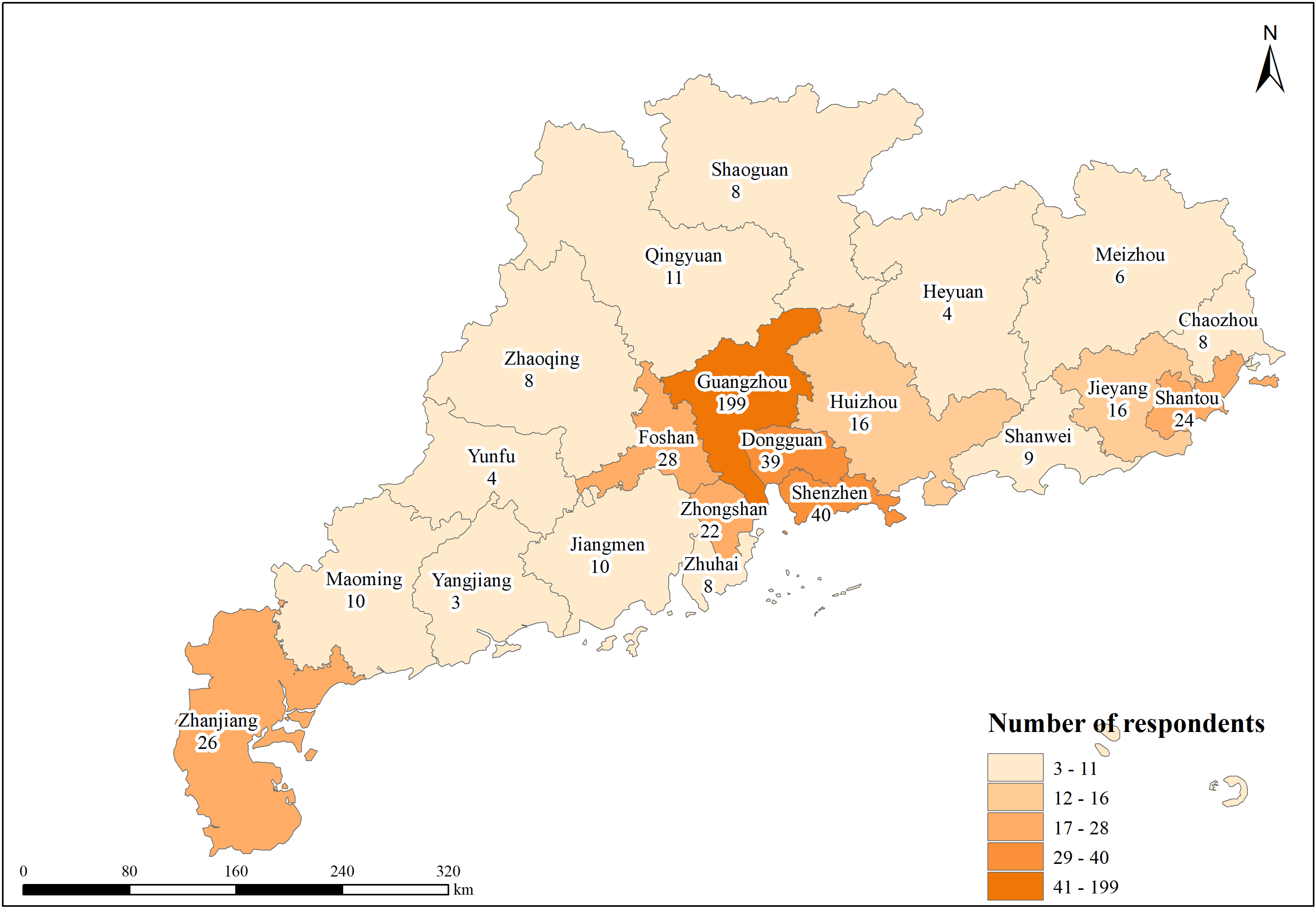
Map of Guangdong Province and number of respondents from each area.
Figure 2 illustrates the structure of the questionnaire design. Due to the COVID-19 pandemic, offline surveys could not be conducted, and the questionnaire was distributed online via a link. The questionnaire was available from 1 June 2022 to 17 June 2022. To ensure data validity, we filtered out incomplete responses and checked for internal consistency across key items. After data cleaning, the valid responses (n = 506) were imported into SPSS 26.0 for further analysis.
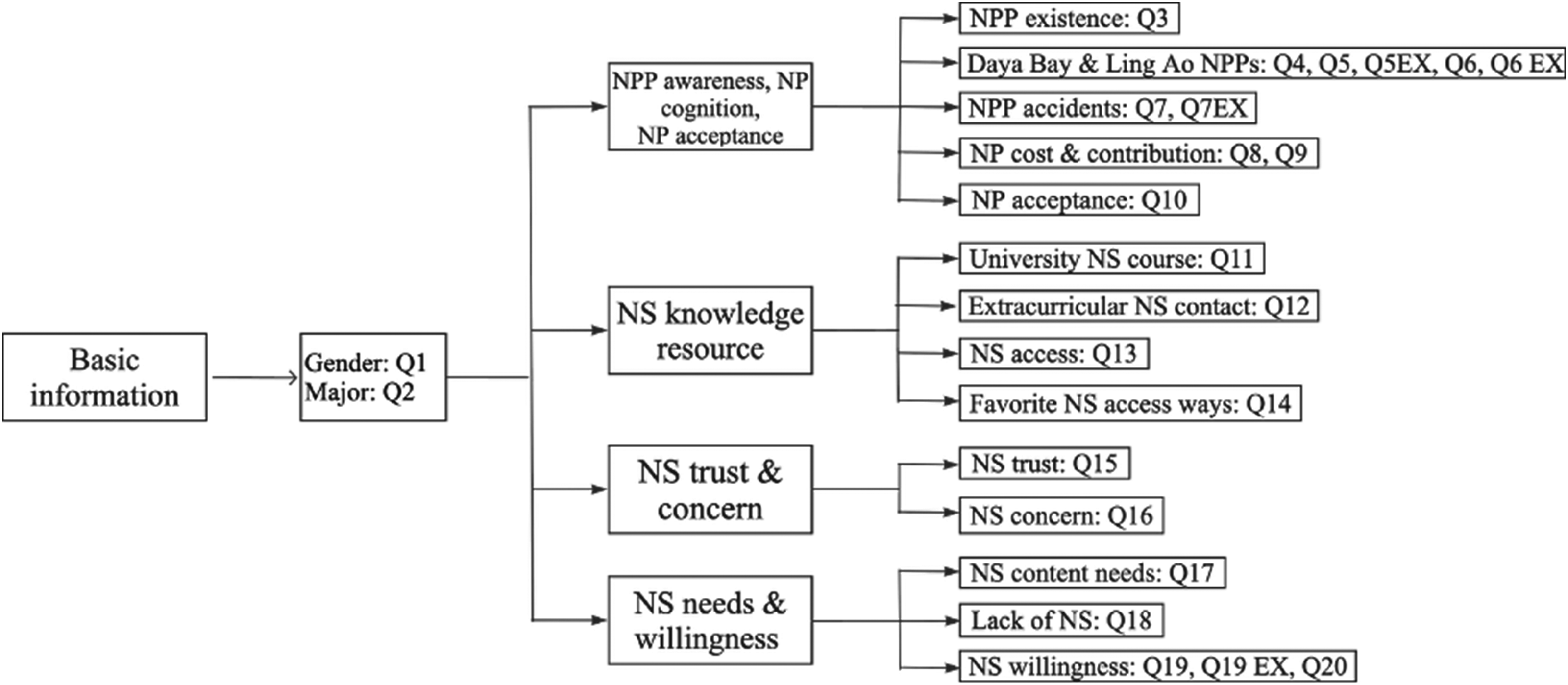
Structure of the questionnaire survey.
For quantitative analysis, descriptive statistics were used to summarize basic demographic characteristics and overall response trends. Coding of Likert-scale questions followed a standard 5-point scale, where 1 indicated ‘strongly disagree’ and 5 indicated ‘strongly agree’. All statistical procedures were performed using SPSS.
Pre-survey questions were included to screen university students, the target group, before the formal survey. These questions included gender, age and current occupation. The main questionnaire consisted of five sections: basic information, awareness and acceptance of nuclear power plants and nuclear energy, sources of nuclear science knowledge, trust and concern in nuclear science, and the need for nuclear science and willingness to study nuclear science. It included a total of 20 questions. Table 1 shows the content of the questions.
Questionnaire contents.
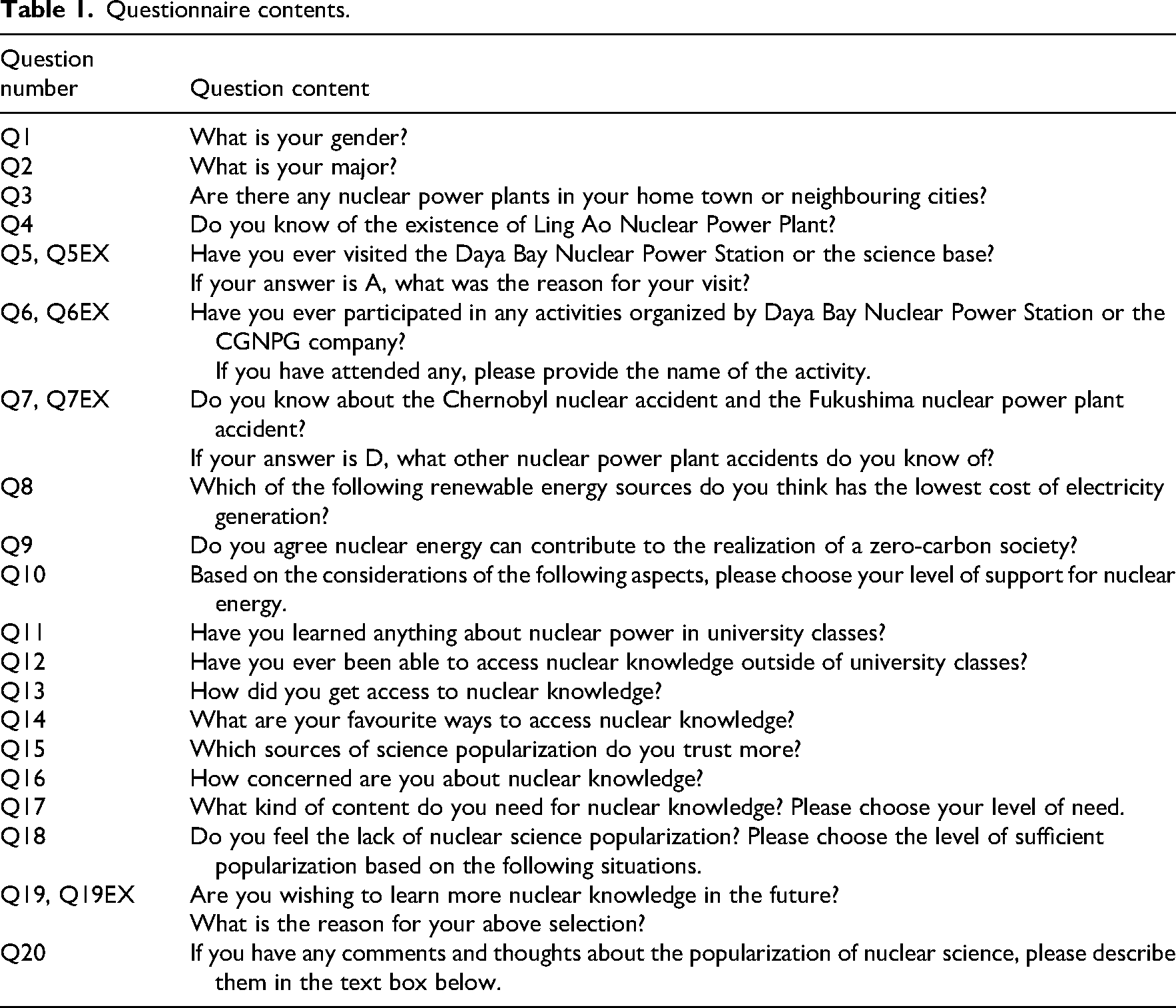
Among the 20 questions, the first part of the basic information section (questions 1 and 2) inquired about gender and specialty. The second part (awareness and acceptance of nuclear power plants and nuclear energy) consisted of questions 3 through 10. The third section, which focused on sources of nuclear science knowledge, comprised questions 11 through 14. The fourth section (trust and concern in nuclear science) included questions 15 and 16. The fifth section (need for nuclear science and willingness to learn) contained questions 17 through 20.
Basic information of respondents
The survey respondents consisted of 279 females (55.1%) and 227 males (44.9%). Of these current university students, 216 (42.7%) were majoring in natural sciences (including sciences, engineering, medicine and agriculture), while 290 (57.3%) were in humanities and social sciences (including literature, history, philosophy, economics, management, law, education and art).
Nuclear power plant awareness, nuclear power cognition and nuclear power acceptance
While 34.4% of the respondents had an operational plant in their home town or a neighbouring city, 20.9% of the students had limited knowledge about it. Overall, 60.01% of the students had heard of the Daya Bay and Ling Ao nuclear power plants, whereas 27.1% did not know anything about them. In terms of visits and activities, only 3.9% of the students had visited the site, and 93.7% of them had not participated in any activities. In terms of nuclear accidents, 50% of the students had heard of the Chernobyl accident and the Fukushima plant accident, 6.5% had heard only of the Chernobyl accident and 31.4% had heard only of the Fukushima plant accident. Another 11.9% of students had no knowledge of nuclear power plant accidents. A majority of students (66.2%) were supportive, 28.3% were neutral, and 4.4% were opposed to the statement that nuclear energy can contribute to the achievement of a zero-carbon society.
Regarding support for nuclear energy, 43.7% of students were supportive from a safety standpoint, rising to 76.5% from an economic efficiency perspective. Support in terms of the environment and energy security was 47.0% and 69.6%, respectively. Significant opposition appeared regarding safety and environmental considerations (Figure 3).
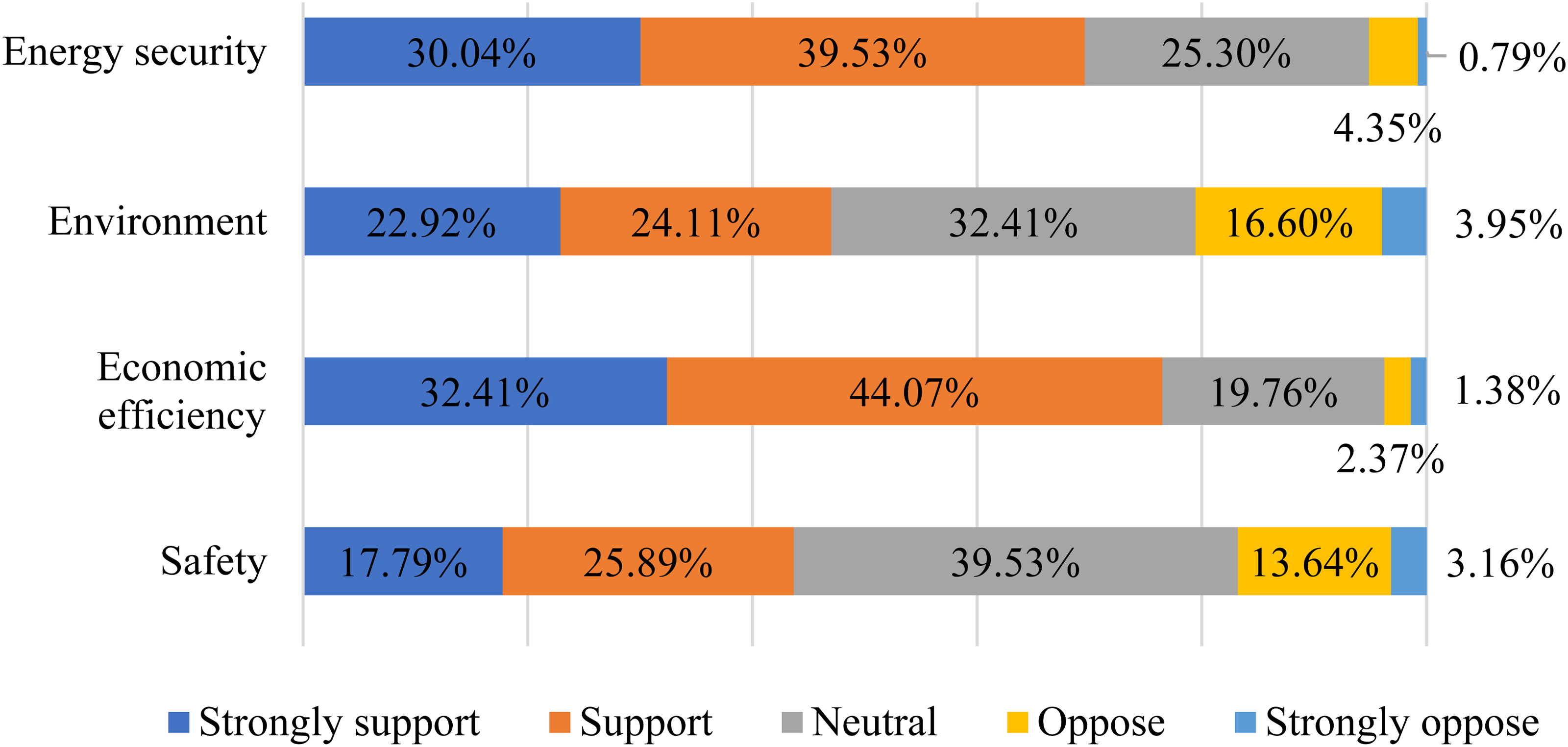
Support for nuclear energy based on S + 3E.
A minority of survey respondents had learned about nuclear science in university classes or outside of them (12.5% and 13.2%, respectively). The majority had only limited knowledge from physics classes. Most students had been exposed to nuclear knowledge through science articles, short videos, WeChat (a communication application) and science promotion videos (Figure 4). Students’ favourite sources of nuclear knowledge included short videos, science promotion videos and in-school promotions.
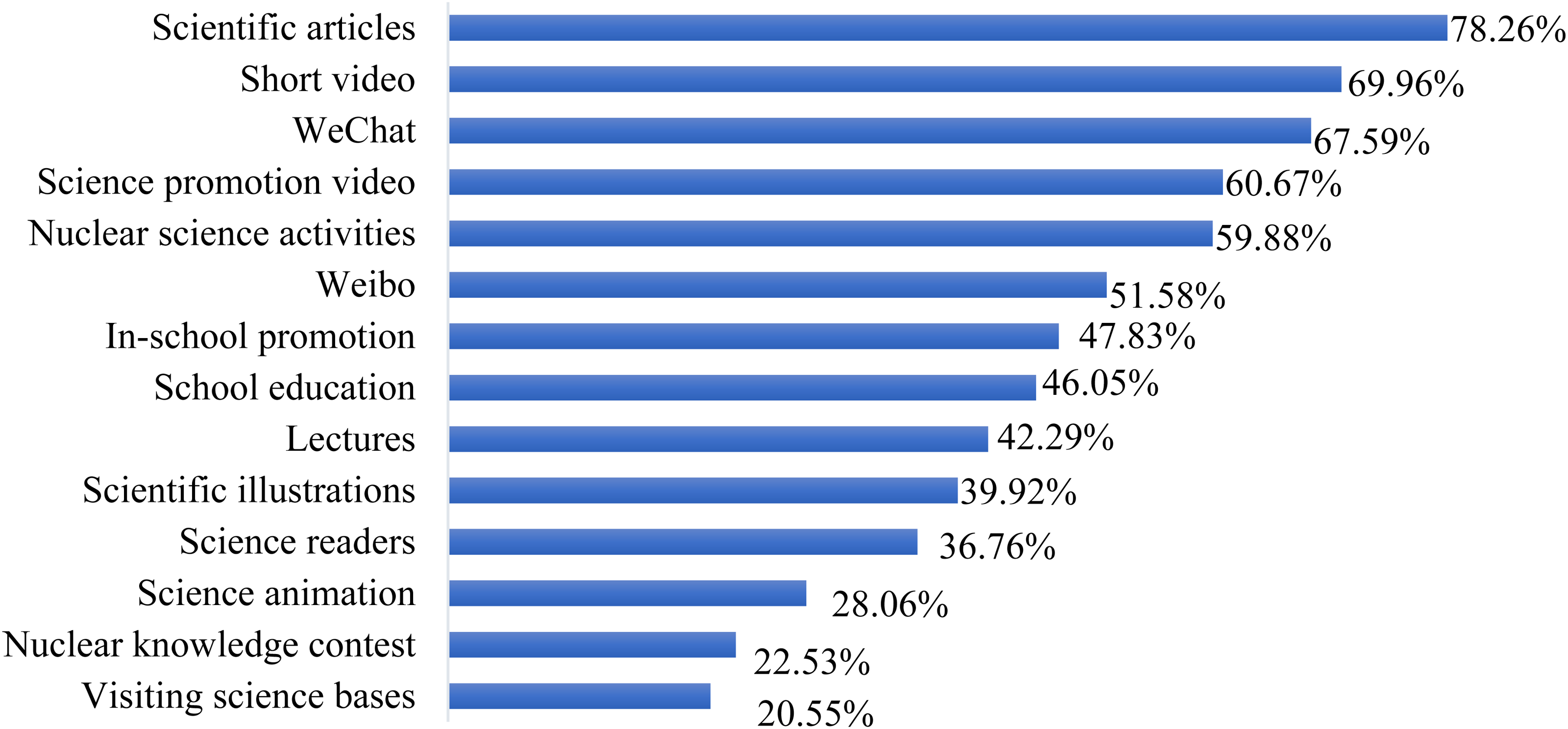
Sources of students’ nuclear knowledge.
The top three trustworthy sources of science popularization identified by students were nuclear energy scientists, the central government and academic institutions (Figure 5). Although most of the students’ exposure to and preference for nuclear knowledge were in the form of short videos, only 11.3% of students considered the content credible. Overall, 48.4% of students showed concern about nuclear knowledge, 43.1% were neutral, and 8.5% were not concerned (Figure 6).
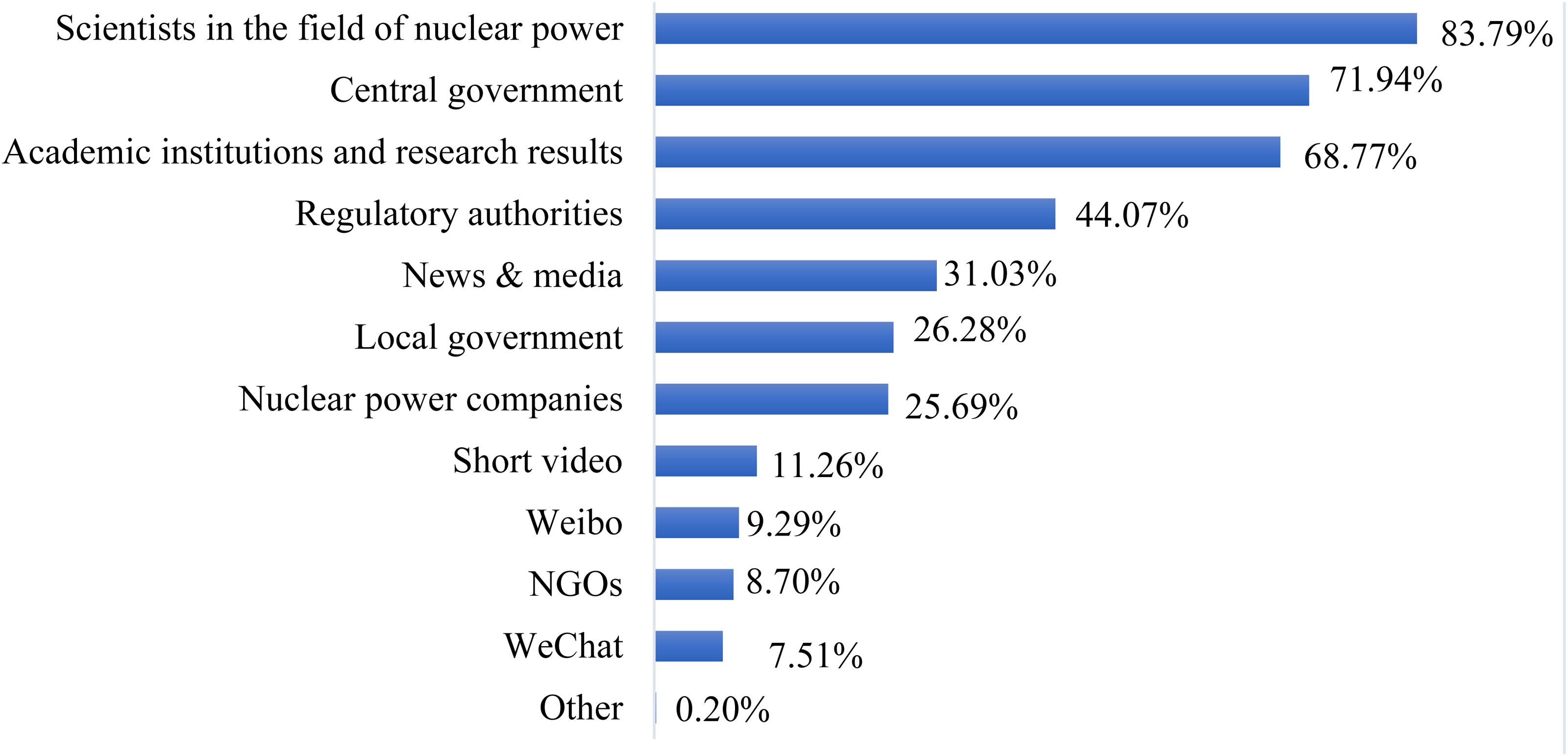
Trustworthy science popularization sources.
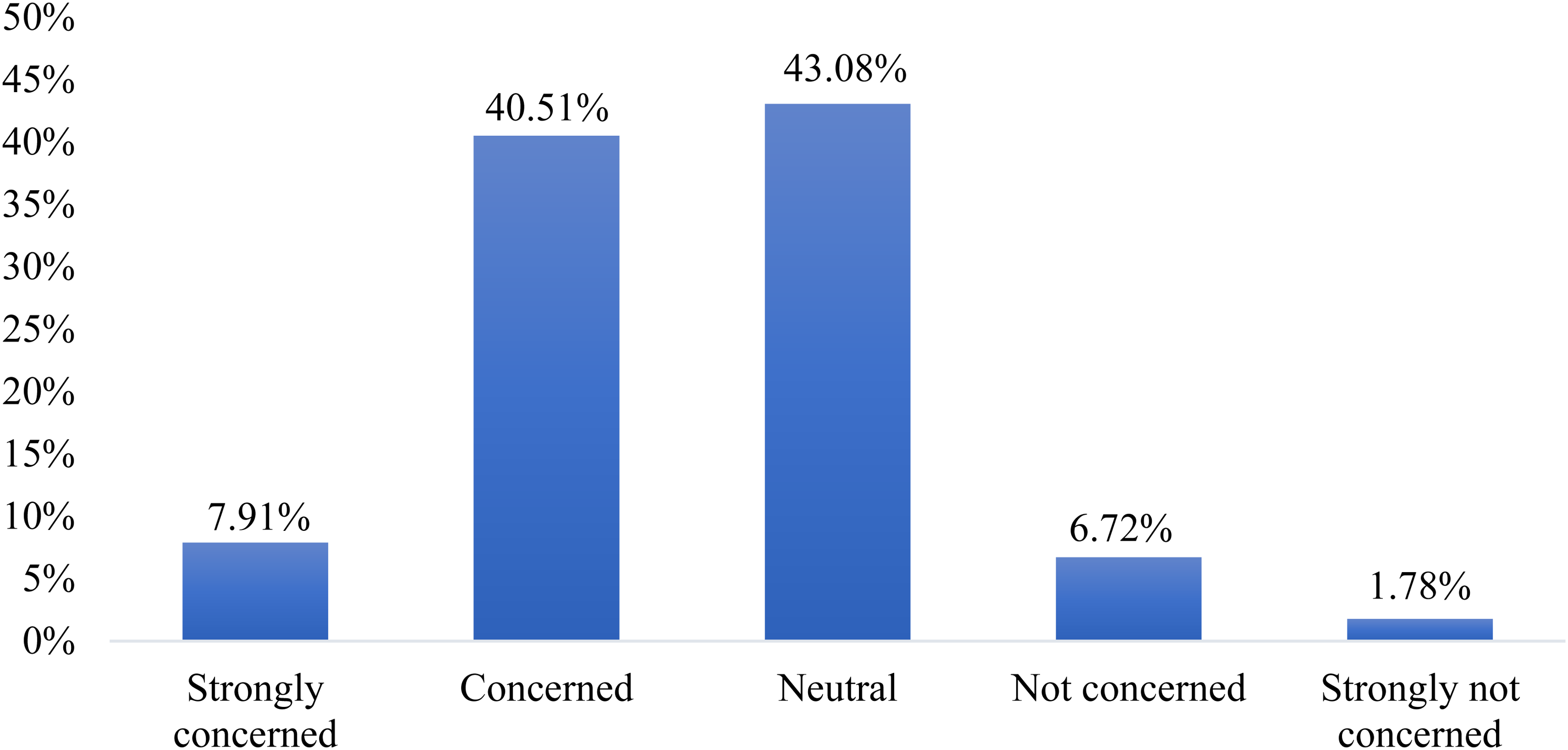
Level of concern about nuclear knowledge.
As illustrated in Figure 7, the most needed nuclear knowledge among students was nuclear and radiation emergency response (88.9%), followed by nuclear and radiation safety (87.4%), nuclear and radiation effects (82.6%), nuclear and radiation applications (69.4%), nuclear and radiation regulations (66.4%), nuclear and radiation detection (64.6%), and nuclear and radiation concepts (64.0%). Most students (89.3%) wanted to learn more nuclear knowledge in the future, while only 0.6% of students disagreed. The primary reason students generally wanted to learn was their belief that it would benefit their future studies and life (Figure 8).
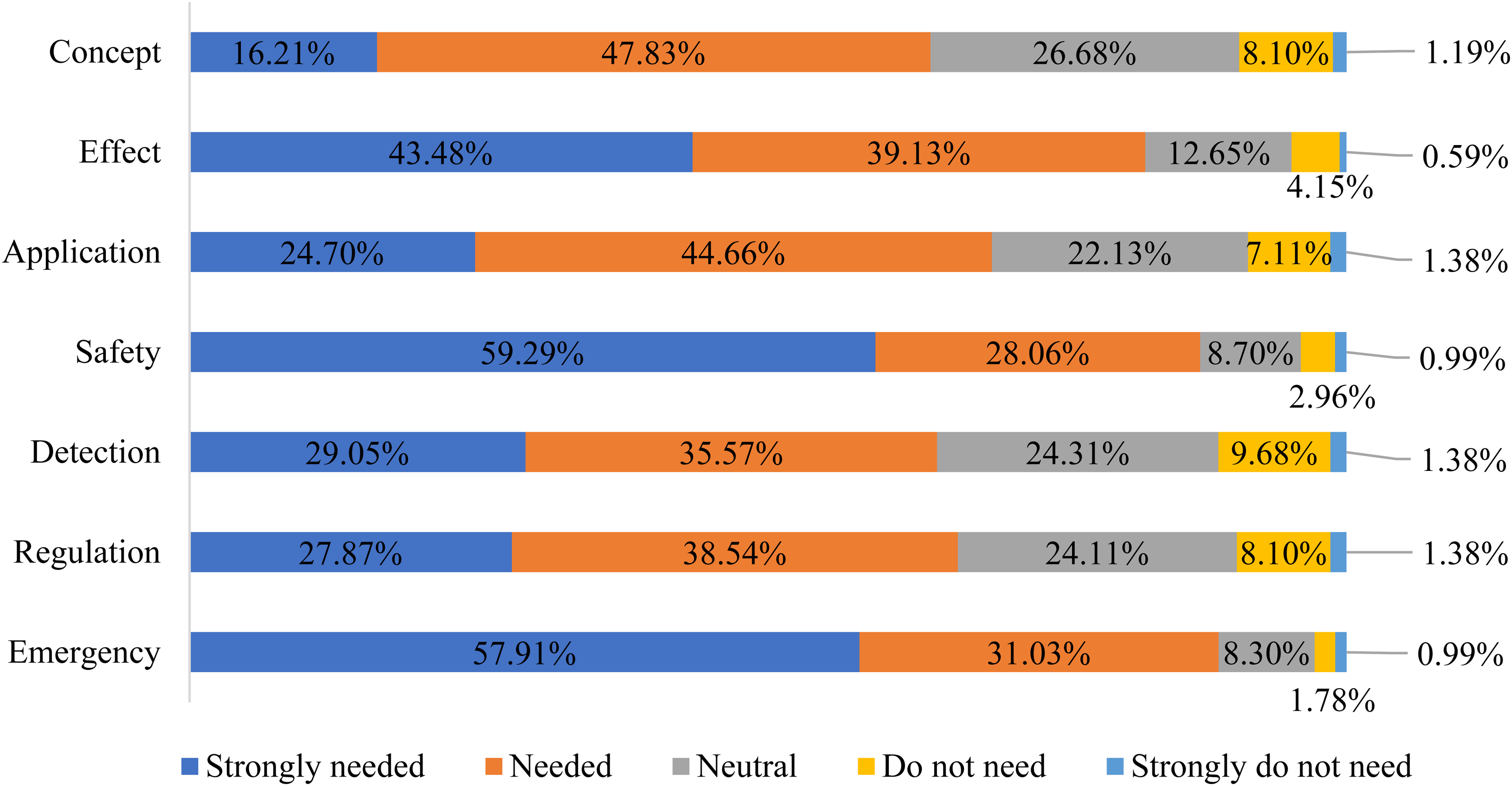
Level of need for nuclear knowledge.
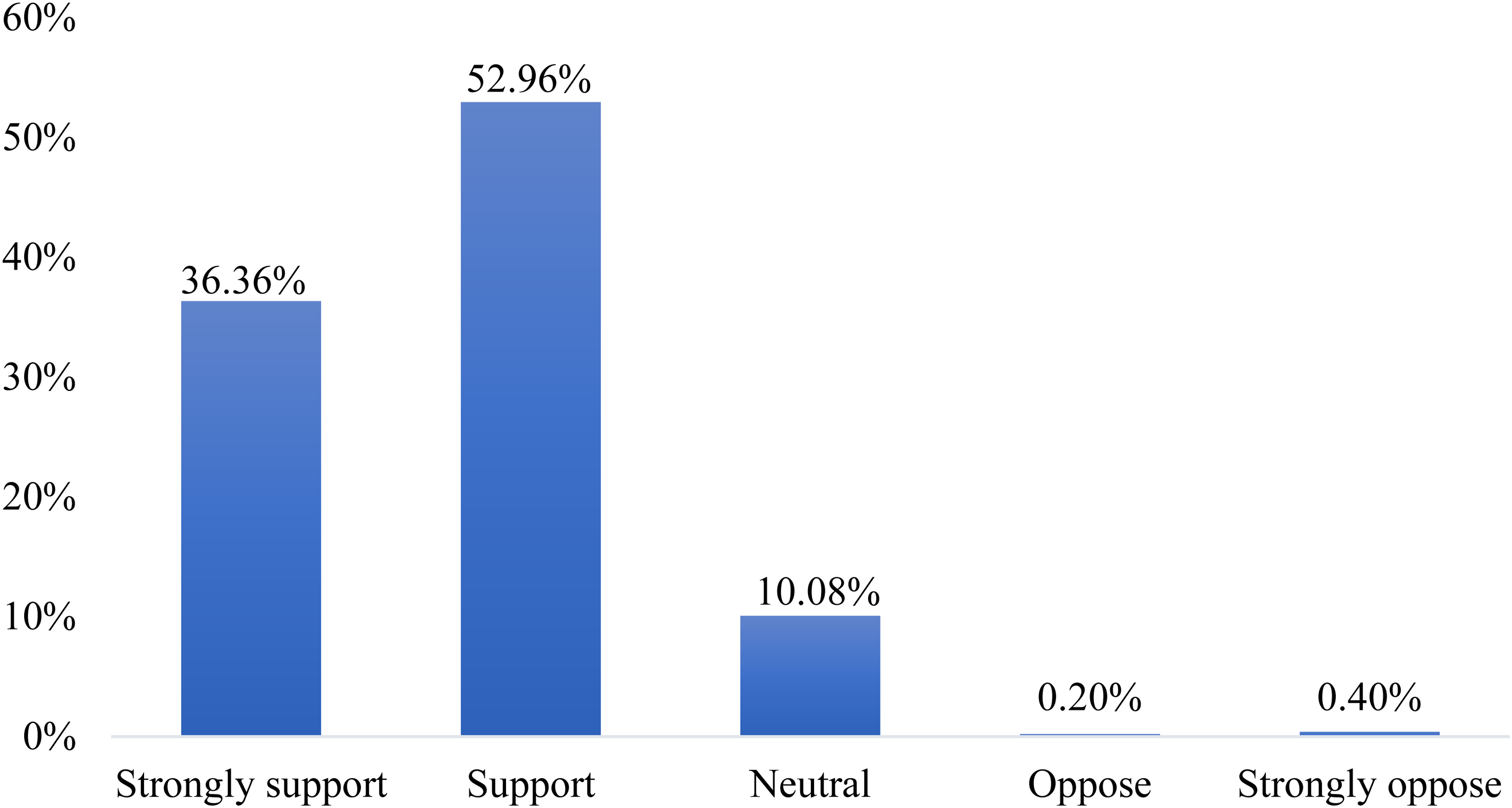
Level of support for willingness to study nuclear knowledge.
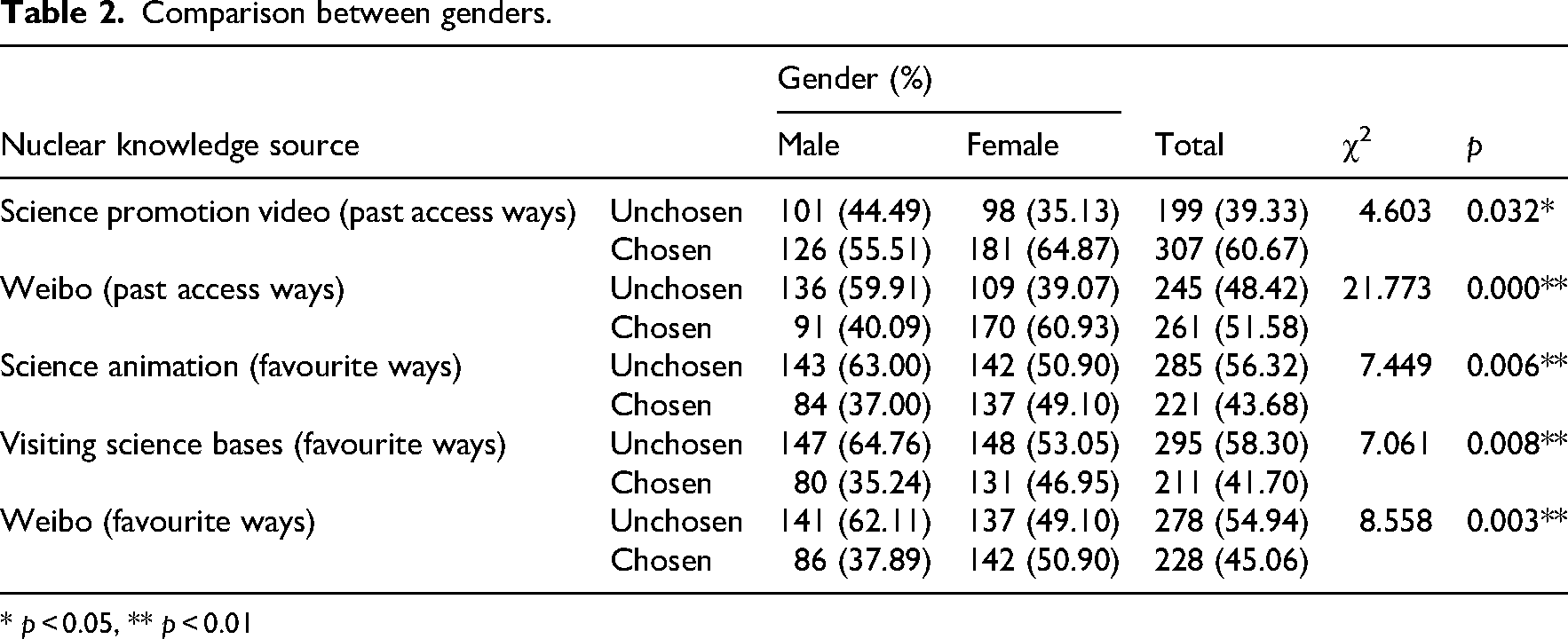
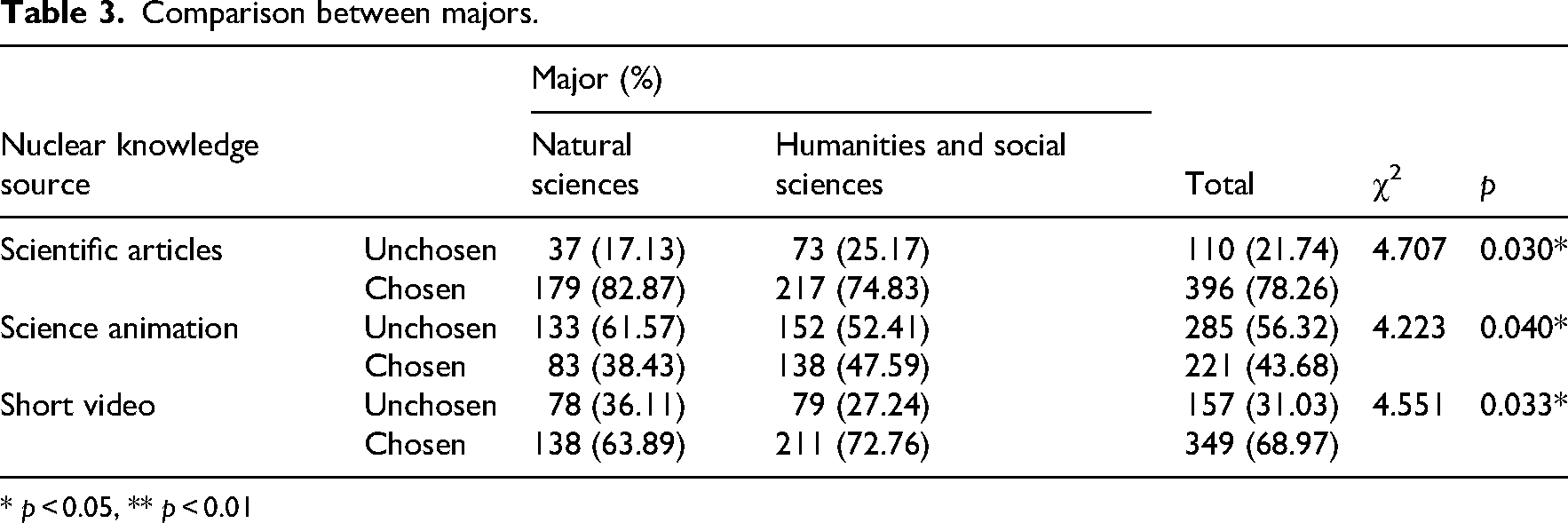
A comparison between genders shows that female students had higher exposure to science promotion videos and Weibo (a social media platform). Additionally, female students had a significantly higher preference for science animation, visiting science bases and Weibo than did male students (Table 2). In terms of academic discipline, students of natural sciences were more frequently exposed to scientific articles, whereas students of humanities and social sciences tended to engage more with science animation and short videos (Table 3).
Comparison between genders.
Comparison between genders.
* p < 0.05, ** p < 0.01
Comparison between majors.
* p < 0.05, ** p < 0.01
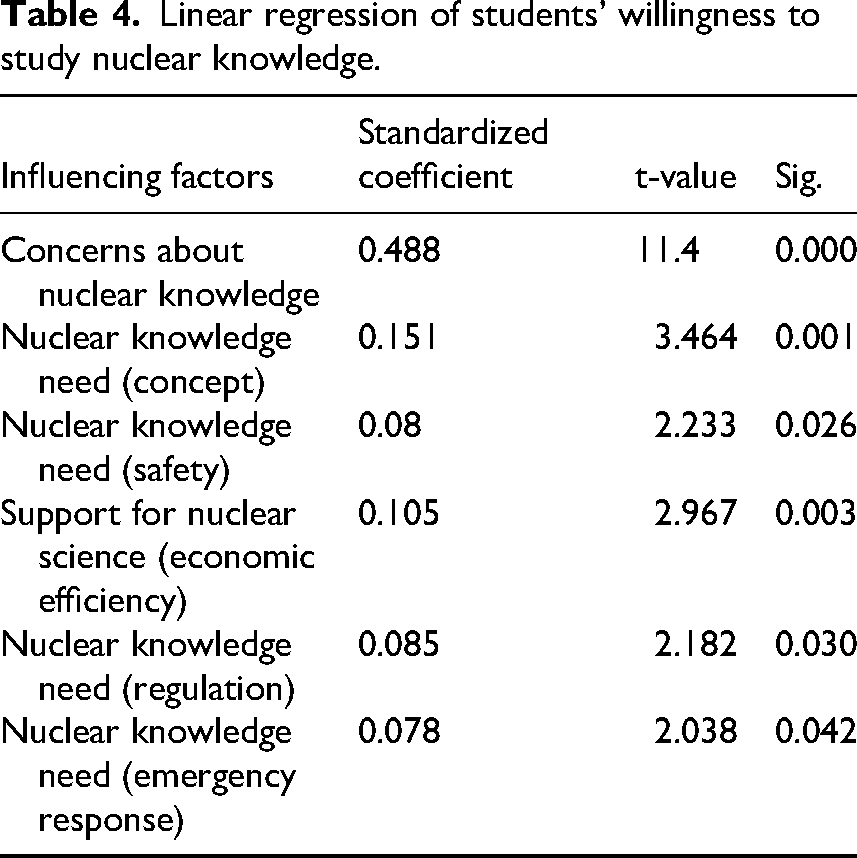
We conducted a regression test using SPSS software and performed the method of stepwise procedure, resulting in an R-squared value of 0.896, with an adjusted R-squared value of 0.894, indicating a strong model fit.
The standardized coefficients are 0.488, 0.151, 0.08, 0.105, 0.085 and 0.078, respectively. The coefficients are all greater than 0, indicating that there is a positive relationship between students’ willingness to study nuclear knowledge with six factors, as listed in Table 4. Concerns about nuclear knowledge, need for nuclear knowledge (concept) and support for nuclear science (economic efficiency) are significant at the 0.01 level, and the rest are significant at the 0.05 level, indicating that the independent variables are significant, and there are positive relationships (Table 4).
Linear regression of students’ willingness to study nuclear knowledge.
Linear regression of students’ willingness to study nuclear knowledge.
Based on the analysis, the equation is determined to be: students’ willingness to study nuclear science in the future = 0.488 * concerns about nuclear science + 0.151 * nuclear knowledge need (concept) + 0.08 * nuclear knowledge need (safety) + 0.105 * support for nuclear science (economic efficiency) + 0.085 * nuclear knowledge need (regulation) + 0.078 * nuclear knowledge need (emergency response). The results of the hypothesis model based on the regression analysis are illustrated in Figure 9.
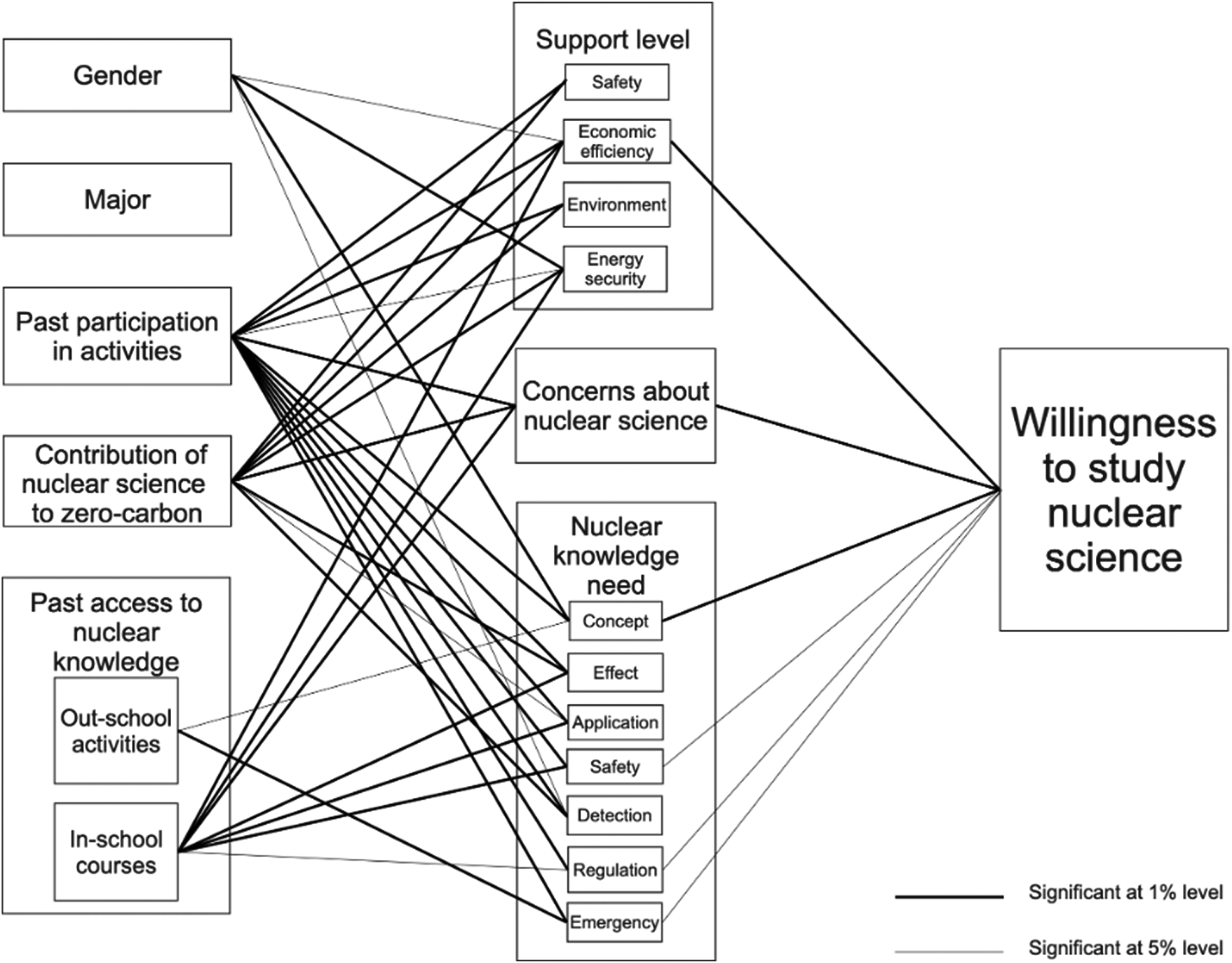
The relation between influencing factors and the significance level.
The majority of the students surveyed supported the use and development of nuclear energy. Students’ most popular sources of knowledge about nuclear power were nuclear power experts, the central government and research institutions. They preferred short videos, science promotion videos and in-school promotions to learn about nuclear and radiation emergency response, nuclear radiation safety and the effects of nuclear radiation. This study used cross-analysis and regression analysis to analyse the gender and subject-major differences in college students’ perceptions of and attitudes towards nuclear power, as well as the factors influencing their attitudes and their willingness to study nuclear science. The aim is to facilitate targeted nuclear science popularization in the new media environment, thereby enhancing students’ informed understanding and acceptance of the national low-carbon energy and nuclear energy policy. Furthermore, the study reveals gender-based differences in students’ preferences for nuclear knowledge. Female students show significantly higher exposure to nuclear knowledge through science promotion videos and Weibo. Female preferences for science animation, visiting science bases and Weibo are significantly higher. Natural science students primarily acquire nuclear knowledge through scientific articles, while students of humanities and social sciences prefer scientific animations and short videos.
This study provides recommendations for nuclear knowledge dissemination media. Short videos are popular among university students, serving as the main source for acquiring nuclear knowledge. However, only 11.3% of students trust nuclear science popularization via short video sources, which indicates the need to increase nuclear science popularization through short video channels, and also through the dissemination of correct and credible nuclear science knowledge on such online media.
We recommend that science popularization keep pace with the latest developments. The survey found that short videos are students’ preferred method for nuclear science popularization. This necessitates an increase in nuclear science outreach through social media platforms and enhancing the appeal and engagement of science popularization. In addition, students express a willingness to increase nuclear science dissemination on university campuses and engage actively in popularization activities. To raise public attention, improve national nuclear science literacy and create a nuclear safety culture, nuclear and radiation science popularization should be demand-driven, cater to the preferences of young students and different genders, integrate daily life and entertainment, and emphasize protective measures, effects and hazards.
The results of the open-ended question in the survey, which asked respondents to express any opinions and ideas on the popularization of nuclear science, revealed that, aside from the 36 students who did not offer comments, the rest provided various suggestions. These included increasing the promotion of nuclear science in universities, introducing nuclear science education into schools, organizing more public activities on nuclear science, training science communicators and volunteers, producing more promotional videos and short clips, intensifying online promotional efforts, making nuclear science more accessible to the public, and enhancing the appeal of and interest in nuclear science education.
The survey results demonstrate that participating students highly prioritize the popularization of nuclear science. They acknowledge the importance of disseminating knowledge about nuclear science and propose diverse approaches to enhance public understanding and interest in the subject. Feedback indicates a strong desire among students to strengthen outreach efforts through diverse channels and innovative methods. These initiatives not only aim to broaden science communication but also to improve public scientific literacy and critical thinking skills. The suggestions to increase the accessibility and engagement of scientific popularization are particularly significant, as they influence the ability of outreach activities to engage the target audience effectively. Further research should consider the practical feasibility of these suggestions and their integration into existing educational systems and public communication networks to design nuclear science popularization programmes capable of reaching a broader audience. Moreover, exploring the reasons behind the lack of comments from the other students is also crucial for a comprehensive understanding of public attitudes towards nuclear science, including potential factors such as knowledge gaps or other underlying factors.
Regarding students’ concerns about nuclear science, this study found that about half of the students are concerned, indicating that an atmosphere of nuclear safety has not been created. Nuclear safety is an important part of national security, according to the National Security Law of the People's Republic of China, which proposes integrating national security education into the national health system. Therefore, nuclear safety education should be included in the curriculum and on campuses. Strengthening collaboration between nuclear and radiation science popularization initiatives and educational institutions could help to normalize concerns about and interest in nuclear safety among students, thereby creating a conducive atmosphere for nuclear science popularization.
Conclusions
This study gathered feedback from university students in Guangdong Province regarding their willingness to learn about nuclear science, aiming to guide future directions in nuclear education and outreach. The study identified key factors influencing students’ willingness to study nuclear science. Findings indicate that factors such as concerns about nuclear science, conceptual understanding of nuclear knowledge needs, safety considerations, support for nuclear science at the economic level, regulatory frameworks and emergency response significantly affect students’ inclination towards promoting nuclear science. The study derived an equation to predict students’ willingness to pursue nuclear science education: students’ willingness to study nuclear science in the future = 0.488 * concerns about nuclear science + 0.151 * nuclear knowledge need (concept) + 0.08 * nuclear knowledge need (safety) + 0.105 * support for nuclear science (economic efficiency) + 0.085 * nuclear knowledge need (regulation) + 0.078 * nuclear knowledge need (emergency response).
Although the content of this study has been elaborated and conclusions have been formed, there are significant limitations that must be considered. Data collection relied solely on questionnaires, and this uncertainty may affect the results obtained. Therefore, the study serves primarily informative purposes. Moreover, the study's scope was limited by its sample size of 506 respondents from Guangdong Province, which restricts the generalizability of findings to college students’ perceptions and needs regarding nuclear science popularization in that region.
Therefore, caution should be exercised in applying the results beyond Guangdong Province, as their applicability and validity in other locations may be compromised. To better assess the impact of data uncertainty in questionnaires on results, additional comparable studies are warranted. Future studies should prioritize nuclear-science-related educational materials. It is essential to conduct broader studies to obtain more representative data and conclusions, encompassing diverse participants from various educational, cultural and geographical backgrounds. This study serves as a preliminary exploration, and future research will expand the investigation to a broader national level and include cross-national comparisons (such as with Japan or other countries with active nuclear energy development) to provide a more comprehensive understanding of university students’ awareness of and attitudes towards nuclear science. This expansion would not only provide a more accurate reflection of national sentiments but also facilitate the exploration of regional differences and the impact of local educational policies on nuclear science perception. Incorporating a longitudinal element would offer valuable insights into how perceptions shift over time in response to emerging technologies, environmental concerns and global events. Furthermore, future research should include data-collection methods beyond self-reported questionnaires, such as in-depth interviews, educational assessments and interactive workshops, to strengthen data reliability. Adopting a more comprehensive and inclusive research design, future studies can significantly contribute to the formulation of targeted educational policies and the development of an engaging curriculum that resonates with the interests and needs of students nationwide.
Footnotes

Ethics approval and consent to participate
This study was conducted with approval from the Human Subject Ethics Review Committee of the Tokyo Institute of Technology (permit number 2022036). The background of the research, its purpose and the time required were described in detail before conducting the questionnaire survey. Consent from the respondents was obtained before starting the survey.
Funding
The authors received no financial support for the research, authorship, and/or publication of this article.
Declaration of conflicting interests
The authors declared no potential conflicts of interest with respect to the research, authorship, and/or publication of this article.