



Abstract
Purpose
This study examines the relationship between teachers’ professional collaboration and their use of cognitively activating teaching practices. It equally considers whether and the extent to which collective teacher innovativeness might make a difference in this relationship.
Design/Approach/Methods
We used a pooled sample in the Teaching and Learning International Survey (TALIS) dataset by the Organisation for Economic Co-operation and Development (OECD) in 2018. We employed multilevel models in the analysis.
Findings
The results suggested that teachers’ professional collaboration is significantly and positively related to their use of cognitively activating teaching practices. They also highlighted the moderating role of collective teacher innovativeness in this relationship. These results do not necessarily imply any causal relationships.
Originality/Value
This study provides empirical evidence, based on an analysis of a large-scale dataset, on the importance of collective teacher innovativeness in promoting the potential benefits of professional collaboration in relation to innovative classroom teaching.
Keywords
Introduction
In educational research, teachers’ professional collaboration has been identified as a critical factor in school improvement efforts (Campbell, 2024). It has been recognized for its potential to enhance teacher satisfaction, self-efficacy, and professional development (Çoban et al., 2023; Kafyulilo, 2013; Liu et al., 2021; Reeves et al., 2017) as well as contributing to teacher and student learning (Ronfeldt et al., 2015; Van Schaik et al., 2019). A particular focus has also been on how collaboration can foster improved teaching practices (García-Martínez et al., 2021; Kilinc et al., 2022; Opfer & Pedder, 2011; Weddle, 2022).
Cognitive activation, as it is argued, is considered an innovative teaching approach because it aims to promote students’ higher-level thinking and more active learning engagement (Li et al., 2021; Praetorius & Charalambous, 2018). It refers to strategies encouraging students to think critically, solve problems, and apply their knowledge meaningfully. However, the use of cognitively activating strategies varies significantly among teachers and is not at high frequency on average (Organisation for Economic Co-operation and Development [OECD], 2019; Teig et al., 2019). Related literature suggests that using cognitive activity strategies entails high-level self-efficacy, professional knowledge, and constant improvement (Förtsch et al., 2016; Pehmer et al., 2015), which could benefit significantly from effective teachers’ professional collaboration (Bellibaş et al., 2025; De Neve et al., 2015).
The current article provides empirical insights to verify and discuss this argument on the possible association between teachers’ professional collaboration and their usage of cognitive activity strategies based on an analysis of a large-scale, international dataset. Furthermore, this article looks at the potential moderating role of collective innovativeness in this relationship, as further rationalized in the conceptual framework below. Collective teacher innovativeness is characterized by teachers’ openness to innovating practices at the group or organizational level (Nguyen et al., 2021).
The research questions (RQ) guiding this study is twofold:
RQ1: What is the relationship between teachers’ professional collaboration and their use of cognitive activation practices? RQ2: To what extent does collective teacher innovativeness moderate the relationship between teachers’ professional collaboration and their use of cognitive activation practices?
This study holds significant implications for educational practice and policy. By uncovering the pathways through which collaboration and innovation might interactively influence teaching practices, we aim to provide empirical insights into the ways of enhancing instructional quality across educational contexts. Understanding these insights is crucial for informing strategic decisions aimed at fostering a more supportive school environment conducive to innovative teaching and student learning.
Conceptual framework
This section reviews the literature on three key constructs in the current study: cognitive activation, teachers’ professional collaboration, and collective teacher innovativeness. It discusses definitions, significance, arguments, and empirical evidence relevant to each concept and presents a conceptual framework to guide the study.
Teachers’ instructional approach: Cognitive activation
In a rapidly evolving and complex world, it is essential for students, who are the future leaders of society, not only to acquire the necessary knowledge but also to cultivate their higher-order thinking abilities, such as critical thinking, decision-making, and problem-solving skills (Miri et al., 2007). Cognitive activation is an essential dimension of effective teaching that stimulates a deeper mental investigation of the subject matter (Groß-Mlynek et al., 2022). It “encourages students to engage in higher-level thinking and thus to develop an elaborated knowledge base” (Lipowsky et al., 2009, p. 529). Cognitive activation focuses on teaching students learning strategies, such as summarizing, questioning, and predicting, and applying these strategies to try out multiple solutions to problems (Burge et al., 2015). These strategies foster students’ complex thinking abilities, such as critical analysis, problem-solving, and creativity, by actively involving them in the learning process (Baumert et al., 2010).
Cognitive activation is characterized by teaching practices that promote depth of cognitive analysis, conceptual instruction, and thoughtful discourse (Lipowsky et al., 2009). First, teachers set challenging tasks to stimulate students’ depth of cognitive analysis (Mayer, 2004). Conceptual instruction involves identifying and emphasizing the links between ideas or facts and building on students’ prior knowledge (Brophy, 2000; Greeno, 2006; Hiebert & Grouws, 2007). Thoughtful discourse includes practices, such as asking open-ended questions, which could encourage students’ reasoning and help with problem-solving and decision-making skills (Brophy, 2000).
The evidence on the links between cognitive activation and student learning is encouraging. For example, Lipowsky et al. (2009) analyzed video lessons from 38 German and Swiss classes to examine the potential effects of three basic dimensions (i.e., cognitive activation, supportive climate, and classroom management) of instructional quality on students’ achievement in Mathematics subject. The results of this study suggested the positive effects of teachers’ effective use of cognitive activation and classroom management on students’ Mathematics achievement.
In another study, Li et al. (2021) analyzed responses from 8,707 primary school students and 129 teachers of Mathematics in China to verify the association between cognitive activation and student achievement in Mathematics. The statistical results suggested direct and indirect links between teachers’ use of cognitive activation and student achievements. The indirect relationship was mediated by teacher self-efficacy in teaching Mathematics.
The literature, of varying degrees of explicitness, has hinted at some factors influencing teachers’ choice and use of instructional approaches. Studies in Germany (Shayer, 1999; Shayer & Adhami, 2007), for example, suggested that teachers’ professional development potentially affects their instructional approach. Particularly, teachers’ pedagogical content knowledge is associated with the degree of cognitive activation in the classroom (Baumert et al., 2010; Kunter et al., 2013).
Teachers’ professional collaboration
Collaboration is a joint activity of two or more individuals, characterized by interdependence, to work toward a shared vision (Ermeling, 2010; Friend & Cook, 2000). It exists in various forms, from hierarchical to horizontal. Examples of hierarchical collaboration include formal mentoring and induction (Kelchtermans, 2006). Relatively horizontal collaboration could be team teaching (Robinson & Schaible, 1995) and implementing innovations collectively (Buyukgoze et al., 2024; Nguyen & Ng, 2022).
The collaboration may occur in a process of distinguishable stages. Little (1990) described the collaboration process through four stages: storytelling and scanning for ideas, aid and assistance, sharing, and joint work. These types of collaboration are situated in a continuum of dependence and interdependence. Storytelling and scanning for ideas reflects the least or hardly any interdependence whereby an individual teacher deliberately seeks other teachers’ ideas for their own professional practices. Similarly, the form of aid and assistance is individually driven; teachers learn from one another by asking questions. Sharing involves openly exchanging views, materials, and practices amongst teachers, and it varies in degree. Joint work refers to actively working together, with the highest degree of interdependence in this continuum. This collaborative activity requires individual and collective contributions that help to inform the practices of individuals and the whole team.
Smith (2009) furthered a continuum of five growing levels of interdependence, going from storytelling and scanning for ideas, aid and assistance, sharing, joint work, and teamwork. Teamwork is occupied at the end of this continuum, with the highest level of interdependence. Havnes (2009) conceptualized interaction among group members as a process of four patterns of varying degrees of interdependence. These range from preserving individualism—renegotiating individual teacher responsibility and autonomy, to the coordination of responsibilities and tasks, to cooperation—establishing a ground for shared instructional materials and practices, and finally sharing—elaborating on, rationalizing, and sharing instructional practices and methods.
Nguyen and Ng (2022) established a process model for teachers to lead change collaboratively in schools. This process has three iterative stages: sharing, improving, and spreading a teacher initiative. Affective support is critical in the entire process of collaborative implementation of teacher initiatives (Nguyen & Ng, 2022).
While these conceptualizations are prototypically helpful, interactions in all forms of collaboration are similarly important, as Van Waes et al. (2016) argued. The current article analyzes teachers’ perceptions of various forms of collaboration that include team teaching, teacher peer feedback, collaborative professional learning, and other joint activities across classes. These forms of collaboration are reflected in the items in the scale of teachers’ professional collaboration, as noted in the subsequent section. These forms of collaboration differ in terms of the degree of interdependence.
The evidence (e.g., Nguyen & Ng., 2022; Opfer & Pedder, 2011; Vangrieken et al., 2017) suggests that effective teachers’ professional collaboration would support teacher change in instructional approach and improvements in student learning. The review of Opfer and Pedder (2011) on professional learning highlighted that collaborative teacher learning would improve teacher instructional practices. The reviews of Kelchtermans (2006) and Vangrieken et al. (2017) underscored teachers’ professional collaboration as a space for teachers to share knowledge, reflect on instructional practices, and collectively design and evaluate teaching methods.
Qualitative research studies (e.g., Goodyear & Casey, 2015; Paju et al., 2022; Van Schaik et al., 2019) have further contextualized the promising benefits of teachers’ professional collaboration in innovative teaching. Goodyear and Casey (2015) conducted a qualitative research study to explore the influences of teachers’ participation in communities of practice on their teaching. The sample was six physical education teachers in a comprehensive secondary school in the UK. The qualitative data in this study suggested that teachers’ professional collaboration within communities of practice could support pedagogical innovation with change.
Van Schaik et al. (2019) interviewed 39 teachers from 25 secondary schools in the Netherlands. These teachers participated in teaching and learning groups that were designed as a collaborative platform for teachers to discuss teaching practices and research. This study highlighted that teachers’ participation in teaching and learning groups inspires them to innovate their teaching and understanding of teaching. Paju et al. (2022) analyzed qualitative data based on 167 respondents to open-ended questions and interviews with 30 teachers in Finland. Their findings stressed the importance of teachers’ professional collaboration in promoting inclusive teaching practices in mainstream classroom. Futhermore, a recent quantitative study using an international large-scale dataset from the United Arab Emirates found that reform-based and collaborative professional learning opportunities are positively related to the extent to which teachers use the type of teaching that activates student cognition (Bellibaş et al., 2025). Overall, these research studies in a few specific national contexts highlighted the potential of teachers’ professional collaboration in innovative teaching.
Collective teacher innovativeness
Innovation is an idea, a practice, or a method perceived as new (Gopalakrishnan & Damanpour, 1997; Rogers 2003). Innovation is a crucial contributor to enhanced teaching quality and learning and school improvements (Serdyukov, 2017). Innovativeness is “the degree to which an individual or other unit of adoption is relatively earlier in adopting new ideas than the other members of a system” (Rogers, 2003, p. 22). In school contexts, innovativeness refers to teachers’ receptivity, adoption, and internalization of innovative changes (Buyukgoze et al., 2024; McGeown, 1980). The critical concept of collective innovativeness is defined in this article as a team's or an organization's receptivity and readiness for change (Buske, 2018).
Researching collective innovativeness is significant since the successful implementation is subject to the innovativeness of both an individual teacher and a group/team of teachers (Moolenaar et al., 2014; Schechter & Tschannen-Moran, 2006). Teachers’ innovativeness is linked with adopting an innovative instructional approach in the classroom, such as a constructivist teaching approach (Ucus & Acar, 2018). Tondeur et al. (2009) surveyed 527 teachers in 68 schools in Belgium to understand their perceptions of structural and cultural factors at the school level and their use of information and communications technology (ICT) in the classroom. Tondeur et al. (2009) conceptualized “innovativeness” as a dimension of school culture, together with the other two dimensions of “goal-orientedness” and “leadership.” While collective innovativeness is of paramount importance to the implementation and sustainability of innovations in schools, the quantity and intensity of empirical research on this topic continue to be limited (Buske, 2018; Nguyen et al., 2021). The next part presents a conceptual framework of the current study based on the aforementioned review of three key constructs.
Conceptual framework of the current study
This framework hypothesizes teachers’ professional collaboration as an independent variable, teachers’ cognitive activation as a dependent variable, and collective innovativeness as a moderator. Teachers’ professional collaboration is positioned as an independent variable based on a range of arguments and evidence (e.g., Bach et al., 2020; Opfer & Pedder, 2011; Vangrieken et al., 2017; Van Schaik et al., 2019), highlighting the potential effects of teachers’ professional collaboration on classroom instruction.
Teachers’ participation in collaborative activities would promote their professional reflections, desire, and behaviors to innovate their teaching (e.g., De Neve et al., 2015; Guo & Wang, 2021; Van Schaik et al., 2019). The current article contributes to further specificity to the current evidence base by verifying the possible associations between teachers’ professional collaboration and a particular instructional approach—cognitive activation. Teachers’ professional collaboration is likely to contribute to enhanced cognitive activation by promoting crucial characteristics such as teacher self-efficacy (De Neve et al., 2015) and professional knowledge (Forte & Flores, 2014).
The current framework assumes that collective innovativeness may influence the possible links between teachers’ professional collaboration and teachers’ use of cognitively activating teaching practices. This assumption is built on research on the effects of team climate on organizational settings. The convergent pattern of findings from this research line (e.g., Bock et al., 2005; Xue et al., 2011) recommends that the common perceptions, attitudes, and behaviors of a group influence those of individual members when they work together. Interpreting this pattern in school settings posits that individual teachers would be more motivated to innovate their teaching when they have a strong sense of an innovative environment in their teaching team and/or school. Besides, teachers would be more willing to learn from each other and open to peer influence in an environment with a high perception of team innovativeness (Tondeur et al., 2009; Ucus & Acar, 2018). Such an environment would potentially improve the outcomes of teachers’ professional collaboration, for example, innovative teaching practices. On this basis, collective teacher innovativeness is posited as a moderating variable in the current conceptual model. The following section presents the process of testing this conceptual framework. As it might influence the outcomes of teachers’ professional collaboration (see Figure 1).
Method
This quantitative research study is based on an analysis of a secondary cross-sectional dataset. In this section, we describe the data sources, variables and measures, and the analytic strategy.
Data sources
The data in this study come from the Teaching and Learning International Survey (TALIS) which was conducted by OECD in 2018. It is an international survey that aims to provide a large set of information regarding the education and school systems of the participating countries. It represents the first series of surveys that describe the learning environment and the working conditions of teachers and principals and provides them with the opportunity to share their perspectives on their schools. It comprises two main datasets: the teacher and the school (OECD, 2019). The teacher dataset involves information about teachers’ backgrounds and their ratings of organizational factors (e.g., collaboration) and instructional practices. The school dataset includes principals’ responses concerning their background, behaviors, and practices as well as school context information. In the present research, both teacher and principal datasets were used.
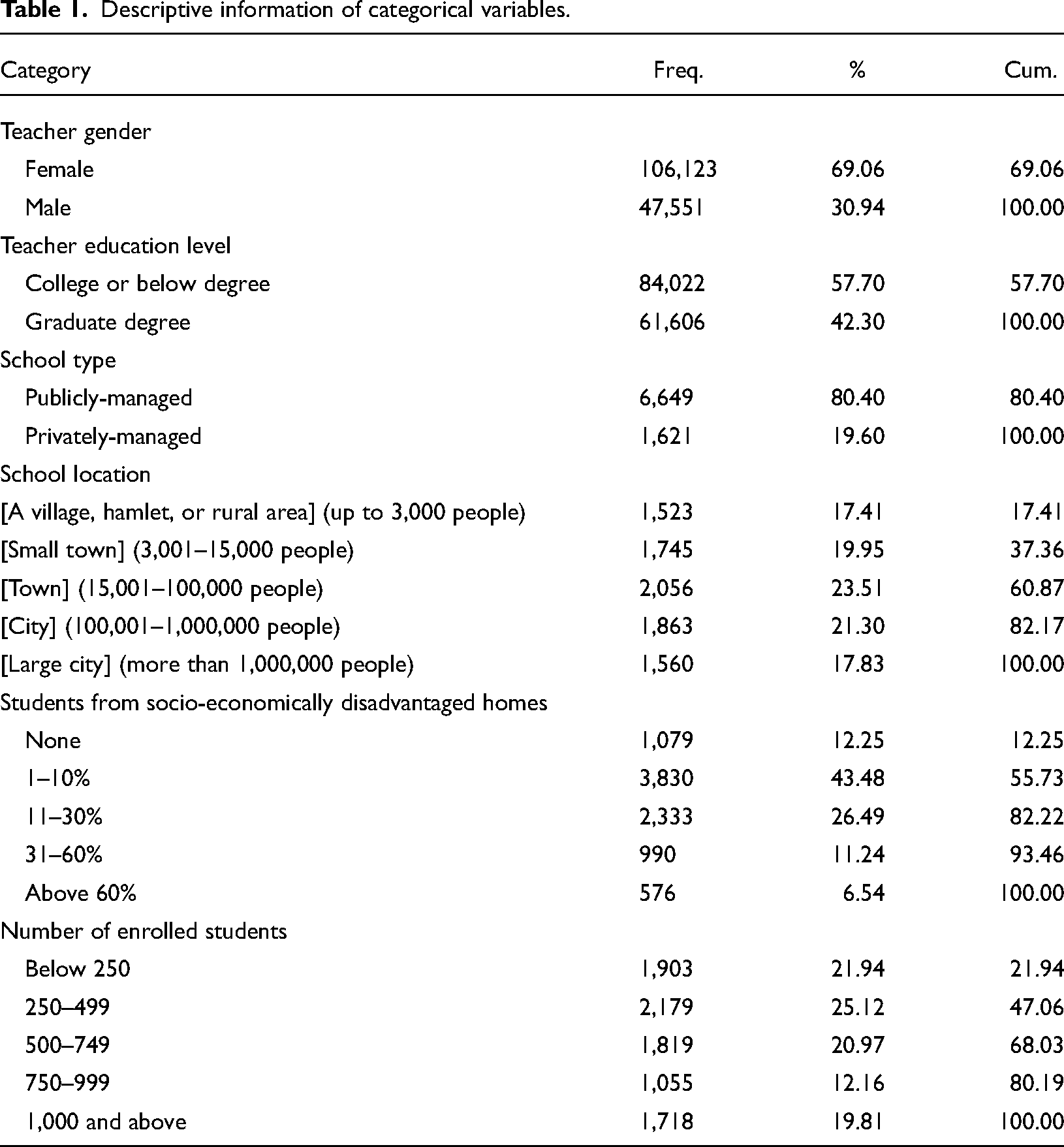
Three cycles of TALIS have been conducted since 2008. The most recent cycle was conducted in 2018, with 48 countries and regions. TALIS used a stratified sampling strategy that first selected 200 schools from each participating country and then selected 20 teachers from each school. However, the sampling might differ across countries and schools due to their national interests or restrictions. The characteristics of the pooled sample are shown in Table 1. The data collection for TALIS 2018 was carried out between September and December 2017 for the Southern Hemisphere and between March and May 2018 for the Northern Hemisphere (OECD, 2019).
Descriptive information of categorical variables.
Variables and measures
The main dependent variable used in this research is teacher practice about student cognitive activation (T3COGAC). This scale is composed of four items: (TT3G42E) “I present tasks for which there is no obvious solution” (TT3G42F), “I give tasks that require students to think critically” (TT3G42G), “I have students work in small groups to come up with a joint solution to a problem or task” and (TT3G42H), “I ask students to decide on their procedures for solving complex tasks.” Teachers are asked to respond to each item on a 4-point Likert-type scale (1 = never or almost never, 2 = occasionally, 3 = frequently, and 4 = always). OECD (2019) indicated that the scale's reliability is high for all nations and that its validity is acceptable in most nations.
Teachers’ professional collaboration (T3COLES) is the main independent variable employed in this study. The scale is composed of four items:
(TT3G33A) “Teach jointly as a team in the same class,” (TT3G33B) “Provide feedback to other teachers about their practice,” (TT3G33C) “Engage in joint activities across different classes and age groups (e.g., projects),” and (TT3G33H) “Participate in collaborative professional learning.”
Teachers are asked to indicate how often they do each item. Response options are based on 6 points Likert-type scale (1 = never, 2 = once a year or less, 3 = 2–4 times a year, 4 = 5–10 times a year, 5 = 1–3 times a month, and 6 = once a week or more). OECD (2019) reported that the reliability and validity of the scale are acceptable for all countries with only a few exceptions (e.g., South Korea). While the scale was at the teacher level, we aggregated this to the school level to obtain a school collaboration Index.
Our moderation variable is collective teacher innovativeness (T3TEAM). The scale is composed of four items:
(TT3G32A) “Most teachers in this school strive to develop new ideas for teaching and learning,” (TT3G32B) “Most teachers in this school are open to change,” (TT3G32C) “Most teachers in this school search for new ways to solve problems,” and (TT3G32D) “Most teachers in this school provide practical support to each other for the application of new ideas.”
Teachers are asked to indicate how strongly they believe each item when thinking about teachers in the school. The response options included (1) strongly disagree, (2) disagree, (3) agree, and (4) strongly agree. Reliability analysis indicated that the scale is highly reliable and fits well with the data. This variable was originally at the teacher level, but we aggregated it to the school level to get a measure of school collective teacher innovativeness.
As for control variables, we included three variables at the teacher level: gender, experience, and education. Gender was a dummy variable (0 = female and 1 = male); experience was a continuous variable that measures the total years of teaching experience, and education was a dummy variable (0 = undergraduate and below and 1 = graduate degree). Regarding school-level control factors, we included four variables: school type, location, size, and socio-economic status (SES). School type was a dummy variable (0 = public and 1 = private); school location was a categorical variable with five categories (0 = rural/village, 1 = small town, 2 = large town, 3 = small city, and 4 = large city); school size corresponded to the number of enrolled students and was a categorical variable with five categories (0 = Below 250, 1 = 250–499, 2 = 500–749, 3 = 750–999 and 4 = 1,000 and above); school SES was measured as the percentage of students with disadvantaged background and was a categorical variable with five categories (0 = none, 1 = 1–10%, 2 = 11–30%, 3 = 31–60% and 4 = above 60%).
Data analysis
We started analyzing the data by estimating descriptive and correlational statistics of variables employed in the analysis. For the descriptive statistics, we provided the mean and standard deviation values of continuous variables. Then, we calculated Pearson correlation coefficients for all variables in the statistical model.
The second step of data analysis was model building, which enabled the accomplishment of the main purpose of this research: whether teacher collective teacher innovativeness moderates the relationship between teachers’ professional collaboration and teaching practices. We used hierarchical multilevel modeling in the analysis, which is recommended when the data is nested (Bryk & Raudenbush, 1992). In the present study, we use TALIS 2018 principal and teacher datasets in which teachers (level 1) are nested within schools (level 2). We used a step-by-step exploratory model-building strategy (Hox, 2010).
The first step was to build an unconditional model that included only dependent variables without any independent variables (Model 1). The equation for the null model is:

This base model estimates the intraclass correlation coefficient (ICC): the proportion of the between-group variance to the sum of the between-group and the within-group variance in the dependent variable (Raudenbush & Bryk, 2002). ICC helps to estimate the amount of variation in the dependent variable that is due to the characteristics of the group rather than individuals (Snijders & Bosker, 1999).
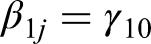
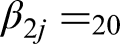
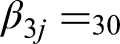
The second model included only level-1 variables: teacher education, gender, and total years of experience in the teaching profession (Model 2). The third model included level-2 control variables: school type, location, size, and SES, in addition to all level-1 variables (Model 3). The next model added two independent variables at the second level that are at the center of this research: teacher innovativeness and collaboration, in addition to all level-1 and level-2 variables (Model 4). In the final model, we added an interaction term in addition to all variables in the previous model (Model 1) to estimate the moderation effect of teacher innovativeness in the relationship between teachers’ professional collaboration and instructional practice without centering at any level. We estimated the deviance statistics, including chi-squared (χ2), log-likelihood (LL), Bayesian information criterion (BIC), and Akaike information criterion (AIC) for each model to determine the best fitting model. The equation for the final model is:

Results
Descriptive statistics, as shown in Table 2, indicated that alpha reliability for all constructs is above 0.60: teachers’ professional collaboration (α = 0.629), collective teacher innovativeness (α = 0.902), and cognitive activation (α = 0.727). In addition, correlational statistics indicated that correlations between teachers’ professional collaboration and collective teacher innovativeness (r = 0.303, p < .001), between teachers’ professional collaboration and teacher practice in student cognitive activation (r = 0.093, p < .001), and between collective teacher innovativeness and teacher practice in student cognitive activation (r = 0.043, p < .001) are small but significant.
Descriptive statistics, reliability, and intercorrelation coefficients.
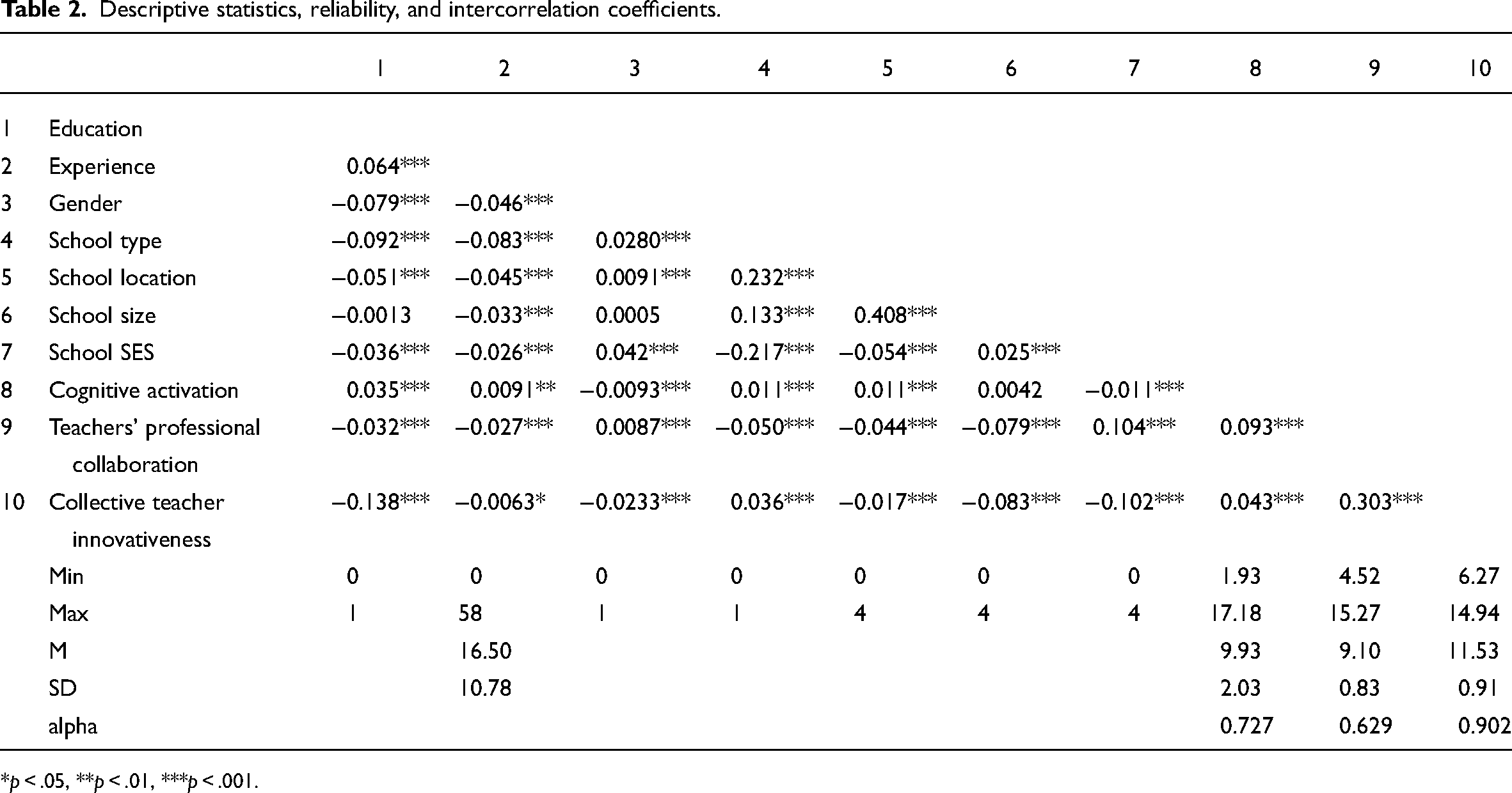
*p < .05, **p < .01, ***p < .001.
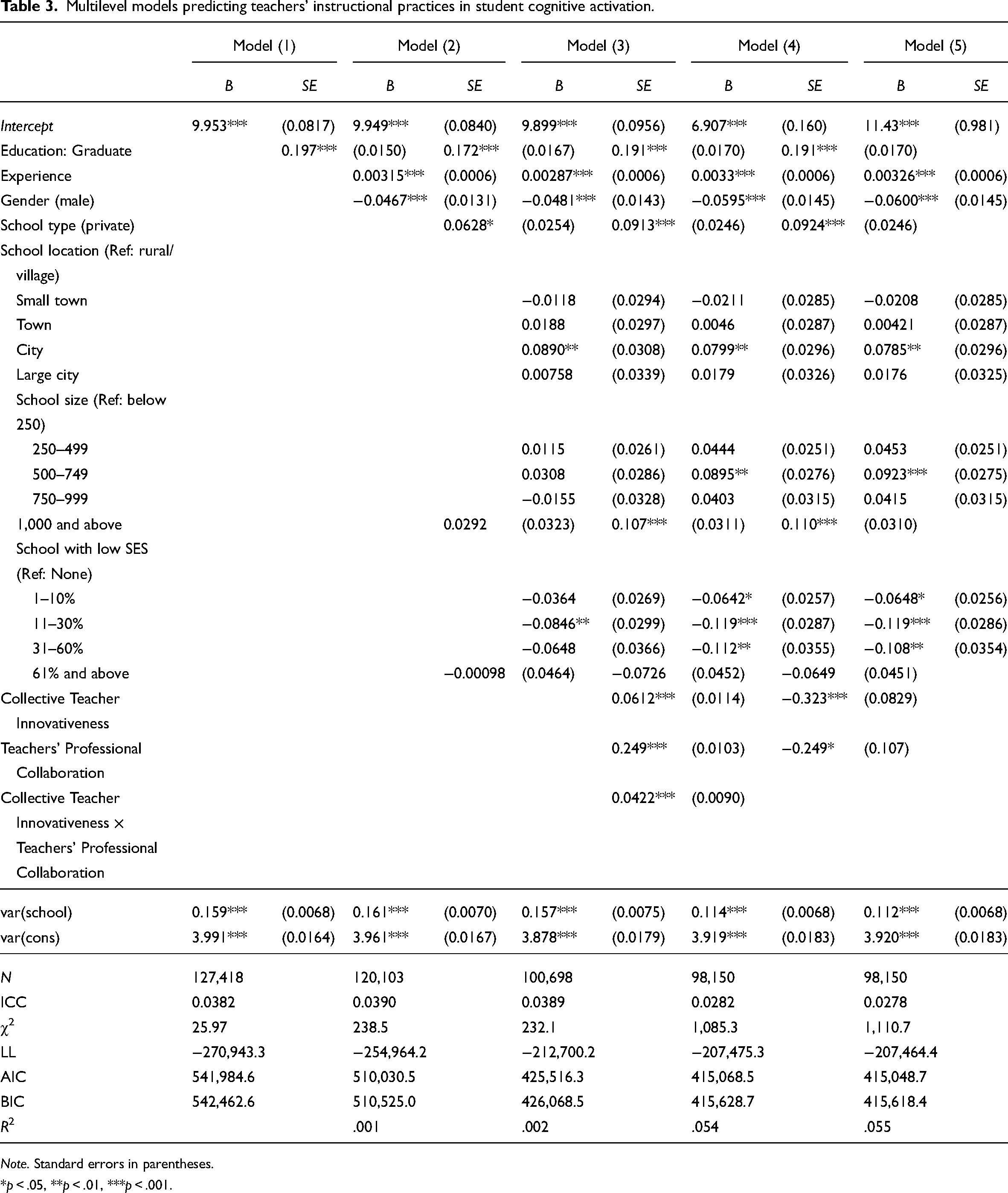
Table 3 shows the results of five multilevel models that predict teachers’ instructional practices. The unconditional model (Model 1) indicated that the variance for teacher instructional practices explained by between-school variations is 3.8%. This means that there is a large variation in teaching practices due to the differences between teachers within schools.
The second and third models included only control variables at levels 1 and 2; we report the result of model 4, which includes all variables, and model 5, which includes the interaction term in addition to all variables in model 4. The model fit indices (AIC and BIC) reduce significantly from the second to third model and from the third to fourth model. It also reduces from the fourth to fifth model, justifying models (Whittaker & Furlow, 2009). However, it should be noted that this final model explained only 5.5% of the total variation in cognitive activation. Model 4 provides an answer to the first research question. As seen in Table 3, teachers’ professional collaboration is significantly related to teacher-reported instructional practices (B = 0.249, p < .001). Model 5 includes an answer to the second research question. The interaction term has a significant coefficient (B = 0.042, p < .001), indicating that teacher innovativeness in the school positively and significantly moderates the relationship between teachers’ professional collaboration and their teaching practices. This means the relationship between teachers’ professional collaboration and teachers’ cognitive activation practices is stronger when collective teacher innovativeness is high (see Figure 2).
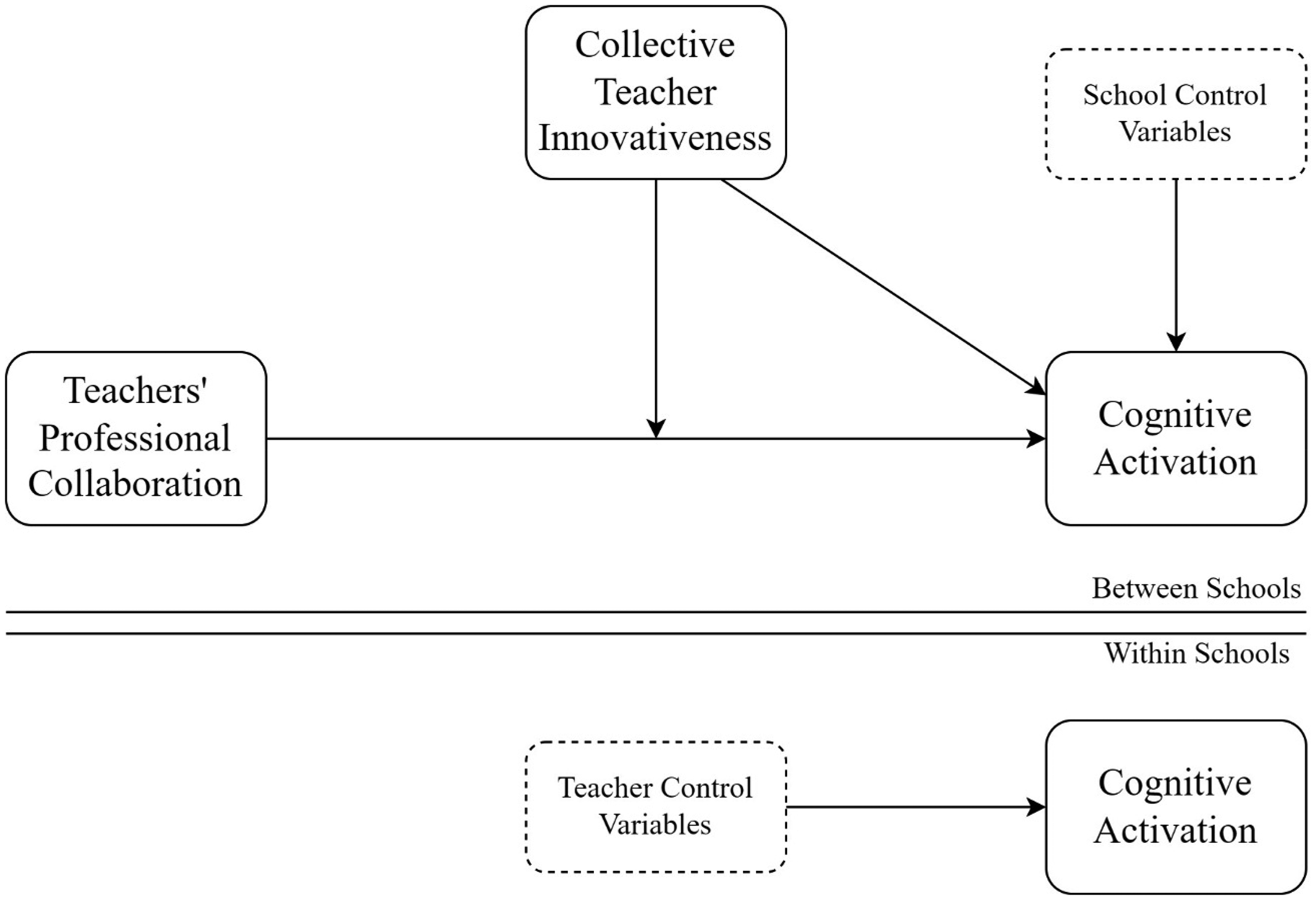
Conceptual model of relationships between teacher collaboration, collective teacher innovativeness, and cognitive activation.
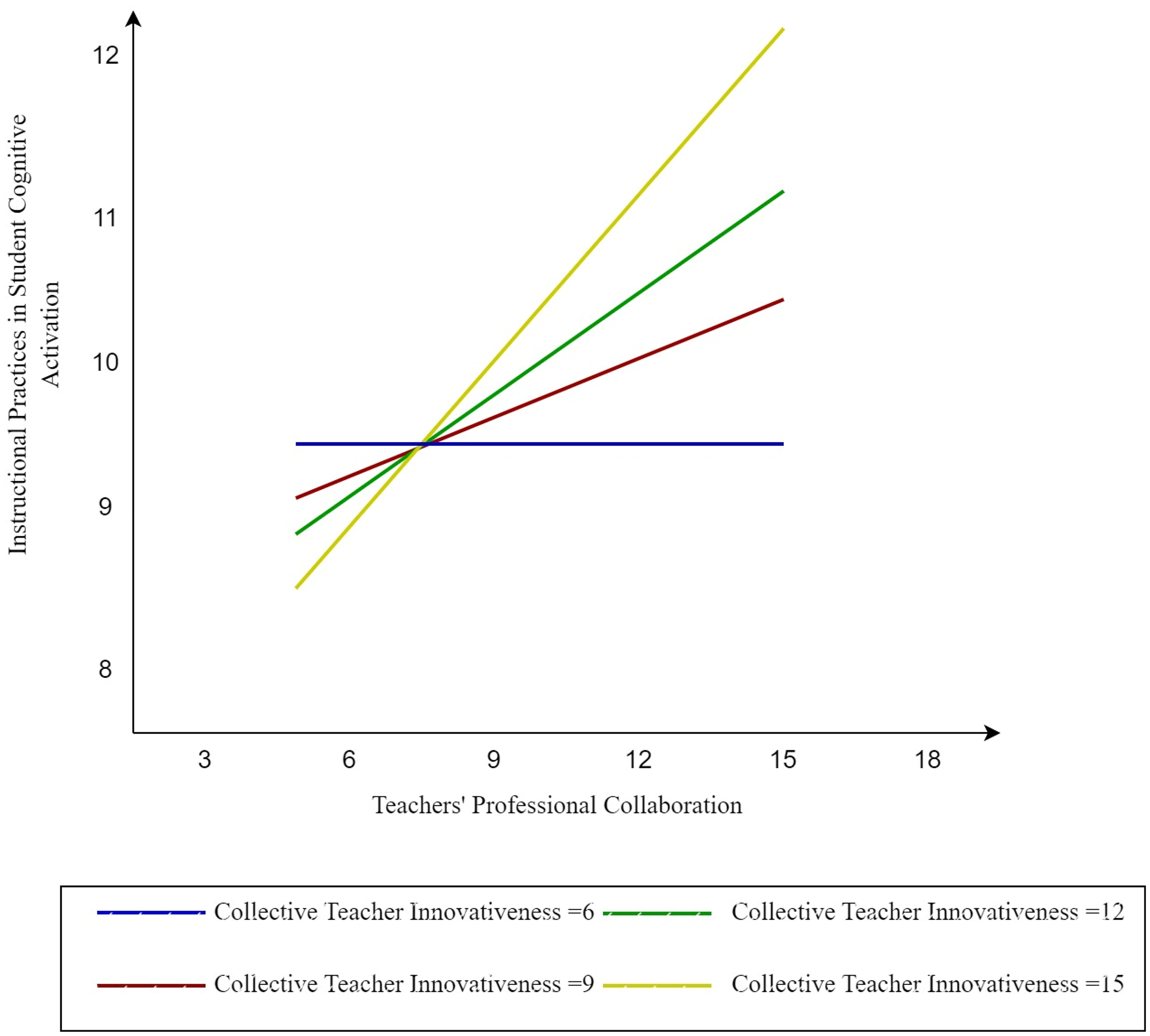
Moderation role of team innovativeness in the relationship between teachers' professional collaboration and instructional practices in student cognitive activation.
Multilevel models predicting teachers’ instructional practices in student cognitive activation.
Note. Standard errors in parentheses.
*p < .05, **p < .01, ***p < .001.
In terms of control variables, Model 5 indicated that all predictors at level 1 are significantly related to teachers’ practice: gender (B = ‒0.060, p < .001), experience (B = 0.003, p < .01), and education (B = 0.191, p < .001). This means that overall, female teachers, those who have a graduate level education (master's or doctoral or both), and those with more years of teaching experience have a perception of higher frequency of teaching practice in cognitive activation. At level 2, private school teachers also reported a significantly higher frequency of teaching practices in cognitive activation (B = 0.092, p < .001). Regarding school location, teachers in cities (B = 0.079, p < .01) reported a higher frequency of teaching practices in cognitive activation than those working in villages. School size was also a significant predictor of teacher practices. Teachers working at schools with a larger number of enrolled students reported an overall higher frequency of cognitive activation practices than those working in schools with less than 250 students: 500–749 (B = 0.092, p < .001), and 1,000 and above (B = 0.110, p < .001). Regarding school SES, the reference group is schools with no low-SES students. This shows that teachers who worked in a school where 1–10% (B = ‒0.065, p < .05), 11–30% (B = ‒0.119, p < .001), and 61% and above (B = ‒0.108, p < .01) students are from disadvantaged families reported lower frequency of cognitive activation practices than teachers working at a school that has no low-SES students. This means that school SES is positively related to teachers’ use of cognitive practices.
Discussion
Educational literature has evidenced the importance of cognitively activating teaching practices in supporting active student learning (Li et al., 2021; Lipowsky et al., 2009). This article considers whether teachers’ professional collaboration might be associated with their use of cognitive activation and whether and to what extent collective teacher innovativeness might influence this association. This consideration was based on our analysis of 2018 TALIS data. We controlled for key teacher-level and school-level demographic factors in the analysis.
The current article found that teachers’ professional collaboration is significantly linked to their frequency of using cognitively activating teaching practices. Effective teachers’ professional collaboration creates opportunities for teachers to share knowledge, reflect on and discuss instructional practices, and collectively design and evaluate teaching methods (Kelchtermans, 2006; Vangrieken et al., 2017). Such collective endeavors, through positive interactions, could promote innovative teaching strategies (Kilinc et al., 2022) and foster their motivation to transform classroom instruction that supports students to think more critically and jointly develop more creative solutions to complex problems (Bellibaş et al., 2025). They could develop students’ higher-order thinking abilities, such as critical thinking, decision-making, problem-solving skills (Miri et al., 2007), critical analysis, and creativity (Baumert et al., 2010). This finding strengthens confidence in the potential benefits, as discussed in the previous research (e.g., Goodyear & Casey, 2015; Paju et al., 2022; Van Schaik et al., 2019), of effective teachers’ professional collaboration in inspiring innovative teaching and learning in schools.
Our analysis of this large-scale international dataset suggests that when teachers are more open to innovative ideas, reflecting a higher level of collective teacher innovativeness, they are more likely to engage in the type of teaching that supports student cognitive activation. Innovation has been presented as an integral factor in school improvement endeavors to enhance the quality of teaching and student achievement (Serdyukov, 2017). An innovative teacher is likely to show a stronger ability or willingness to transform their teaching based on constructivist approaches, which prioritize and encourage student involvement and activation (Ucus & Acar, 2018). While we found evidence that collective teacher innovativeness has a positive link to teachers’ classroom strategies supporting students’ cognitive activation, more research is needed to make firmer conclusions regarding the links between individual and collective teacher innovativeness and teachers’ instructional practices.
An additional contribution of this study to the literature is the evidence for the moderating role of collective teacher innovativeness in the relationship between collaboration and teaching strategies for cognitive activation. We add nuanced insights into the extant knowledge base by evidencing that the possible effects of teachers’ professional collaboration and their use of innovative teaching practices are subject to team climate factors. The findings from this article suggest that team innovativeness supports the process of promoting innovative teaching as a result of teacher participation in professionally collaborative activities in schools.
Lastly, our analysis regarding the controlling variables suggests that teachers’ frequency of use of cognitively activating teaching practices differs across types, sizes, locations, and SES composition. If these findings are consistently verified in future research, they raise concerns about the inequitable promotion of innovative teaching that need to be duly addressed.
Limitations and future research
The findings of this article should be interpreted in the light of the following limitations. First, while the present study confirmed the assumed relationships among three primary constructs of the study overall, controlling for all the potential school demographics and country variations, the results are likely to vary across cultures. Future scholarly efforts may focus more on country-specific analyses of teachers’ use of cognitively activating instructional practices. Second, TALIS is a cross-sectional survey, which does not allow longitudinal analysis to make causal inferences about the relationship among variables. Future research utilizing longitudinal data and experimental designs could be helpful in informing, more firmly, policy and practice regarding the causal relationship between teachers’ collaboration, team innovation, and classroom teaching. Third, the constructs of instructional practices in the TALIS are based on teachers’ self-evaluation, implying that they were asked to judge their teaching practices. This might undermine the objectivity of the data.
Footnotes
Contributorship
Mehmet Şükrü Bellibaş worked on conceptualization and methodology, did data curation and formal analysis, wrote the method and discussion parts, and edited all other parts. Dong Nguyen worked on conceptualization, wrote the literature review, and edited all other parts. Sedat Gümüş worked on conceptualization, wrote the introduction and discussion parts, and edited all other parts.
Declaration of conflicting interests
The authors declared no potential conflicts of interest with respect to the research, authorship, and/or publication of this article.
Ethical statement
This study is based on secondary data obtained from the Teaching and Learning International Survey (TALIS), which is publicly available with permission from the OECD. No new data were collected from human participants, and the study did not involve interventions or interactions requiring additional ethical approval. The authors complied with all ethical guidelines related to data use and adhered to the terms and conditions set by the data provider.
Funding
The authors received no financial support for the research, authorship, and/or publication of this article.
