




Abstract
Purpose
This study employs a multi-cohort and multi-informant design to assess how the social and emotional skills of Chinese youth vary according to age and gender, as well as the home, school, and community environment factors that promote or hinder the development of such skills. This study also investigates the relevance of these skills for students’ educational, social, and psychological outcomes.
Design/Approach/Methods
The survey sample consisted of two cohorts comprising a total of 7,268 students. In terms of age, 3,647 respondents (50.2%) were 10-year-olds, while 3,621 (49.8%) were 15-year-olds. In terms of gender, 3,824 (52.8%) respondents were male, 3,417 (47%) were female, and 13 (0.2%) respondents did not identify their gender. Multiple group confirmatory factor analyses were conducted to test for measurement invariance across age and gender. Moreover, correlation and relative weight analyses were conducted to examine the degree and relative contributions of self-, parent-, and teacher-rated social and emotional skills in predicting various important life outcomes.
Findings
The results revealed that the 10-year-old respondents scored higher in all 15 social and emotional skills than the 15-year-old respondents. Among the younger cohort, girls score higher in cooperation, empathy, sociability, persistence, and tolerance. In general, a sense of school belonging was related to engaging with others (sociability), collaboration (cooperation and trust), and emotion regulation (optimism and stress resistance). The School Bullying Index was closely related to stress resistance, trust, and cooperation. Optimism was the strongest factor related to life satisfaction and psychological well-being, followed by energy and trust. Stress resistance and optimism were closely related to test anxiety.
Originality/Value
This study makes a significant contribution to the literature because it is the first large-scale assessment of adolescents’ social and emotional skills worldwide and in China. This original study explores the importance of social and emotional skills in predicting educational, social, and psychological outcomes and identifies potential factors that drive the development of such skills.
Keywords
Introduction
In recent years, the Organisation of Economic Co-operation and Development (OECD) has focused on social and emotional skills (hereinafter, SE skills), particularly in terms of the core skills that need to be cultivated to survive in an uncertain future (OECD, 2015). Since the beginning of the 21st century, the OECD's Programme for International Student Assessment (PISA) has primarily emphasized academic skills (e.g., reading, mathematics, and science), profoundly influencing cognitive ability assessment. Recently, the PISA added several items to assess limited SE skills, such as collaborative problem-solving. In 2017, the OECD launched the International Survey on Social and Emotional Skills (SSES), a global survey evaluating the SE skills of 10- and 15-year-old students, referred to as “younger” and “older” students, respectively. In doing so, the SSES sought to answer the following research questions: (a) What SE skills are exhibited by students in the younger and older cohorts?; (b) What family, school, and community factors influence the development of adolescents’ SE skills?; and (c) Are students’ SE skills related to various life outcomes? Answering these questions is the first step toward designing appropriate intervention programs to improve students’ SE skills.
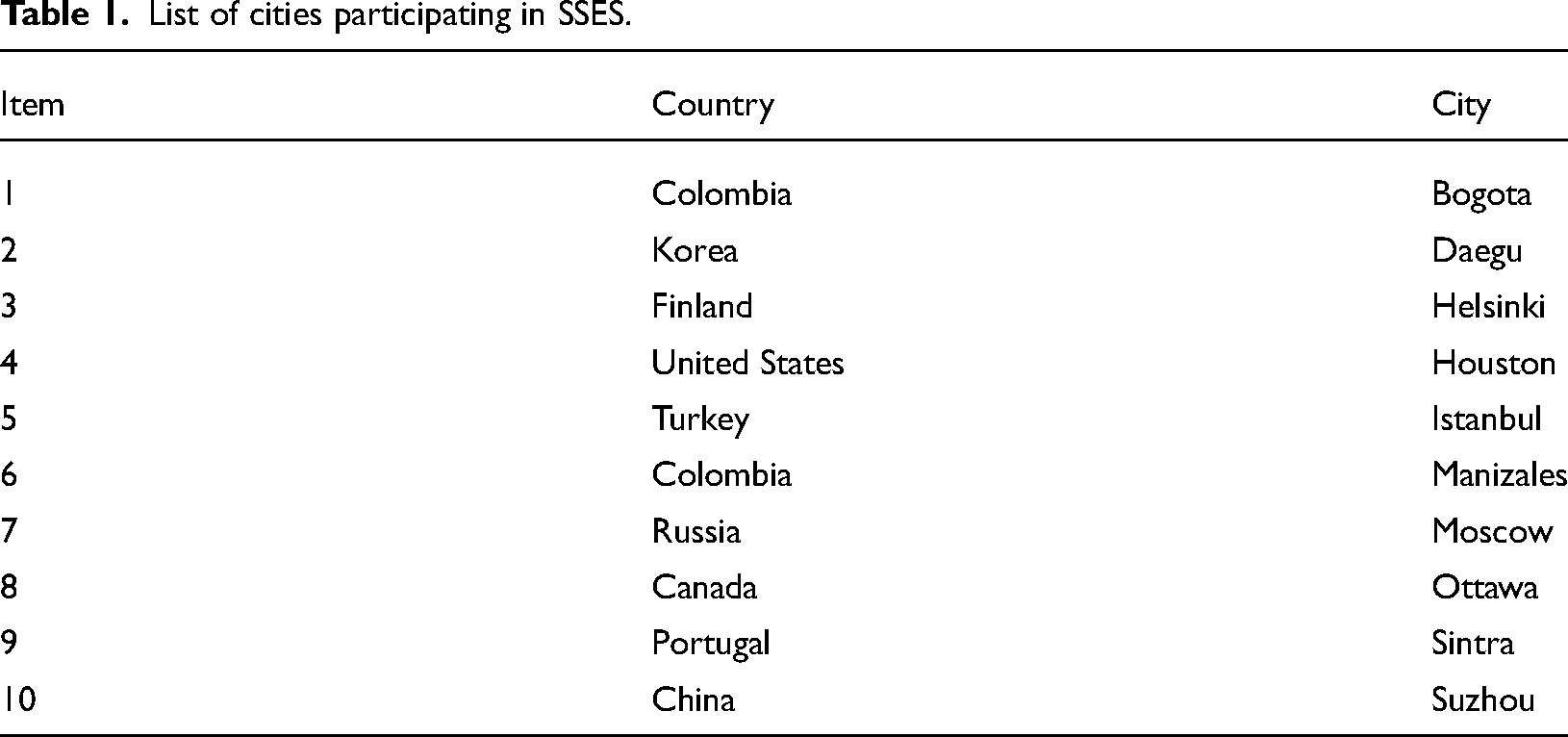
A total of 10 cities from nine countries participated in the first round of the SSES. Table 1 shows the cities and countries, including Houston in the United States, Moscow in Russia, Daegu in Korea, Helsinki in Finland, Ottawa in Canada, Istanbul in Turkey, Sintra in Portugal, Bogota and Manizales in Colombia, and Suzhou in China. Conducted in Suzhou, the survey of Chinese adolescents’ SE skills is an important part of the OECD's large-scale international assessment program.
List of cities participating in SSES.
Social and emotional skills
The construct of “social and emotional skills” is hardly novel and has accrued a variety of definitions and terms, including noncognitive skills, emotional intelligence, 21st century competencies, social and emotional learning competencies, and soft skills (Abrahams et al., 2019; Berg et al., 2017; CASEL, 2020). Although the aforementioned terms differ, they share several commonalities. Competencies or skills are related to students’ various life outcomes and can be shaped via interventions (Duckworth & Yeager, 2015). Following these criteria, the OECD defined SE skills as: “individual capacities that (a) are manifested in consistent patterns of thoughts, feelings, and behaviors; (b) can be developed through formal and informal learning experiences; and (c) influence important socioeconomic outcomes throughout an individual's life” (OECD, 2015). On this basis, the OECD established an integrated framework of SE skills grounded on the Big Five personality traits model.
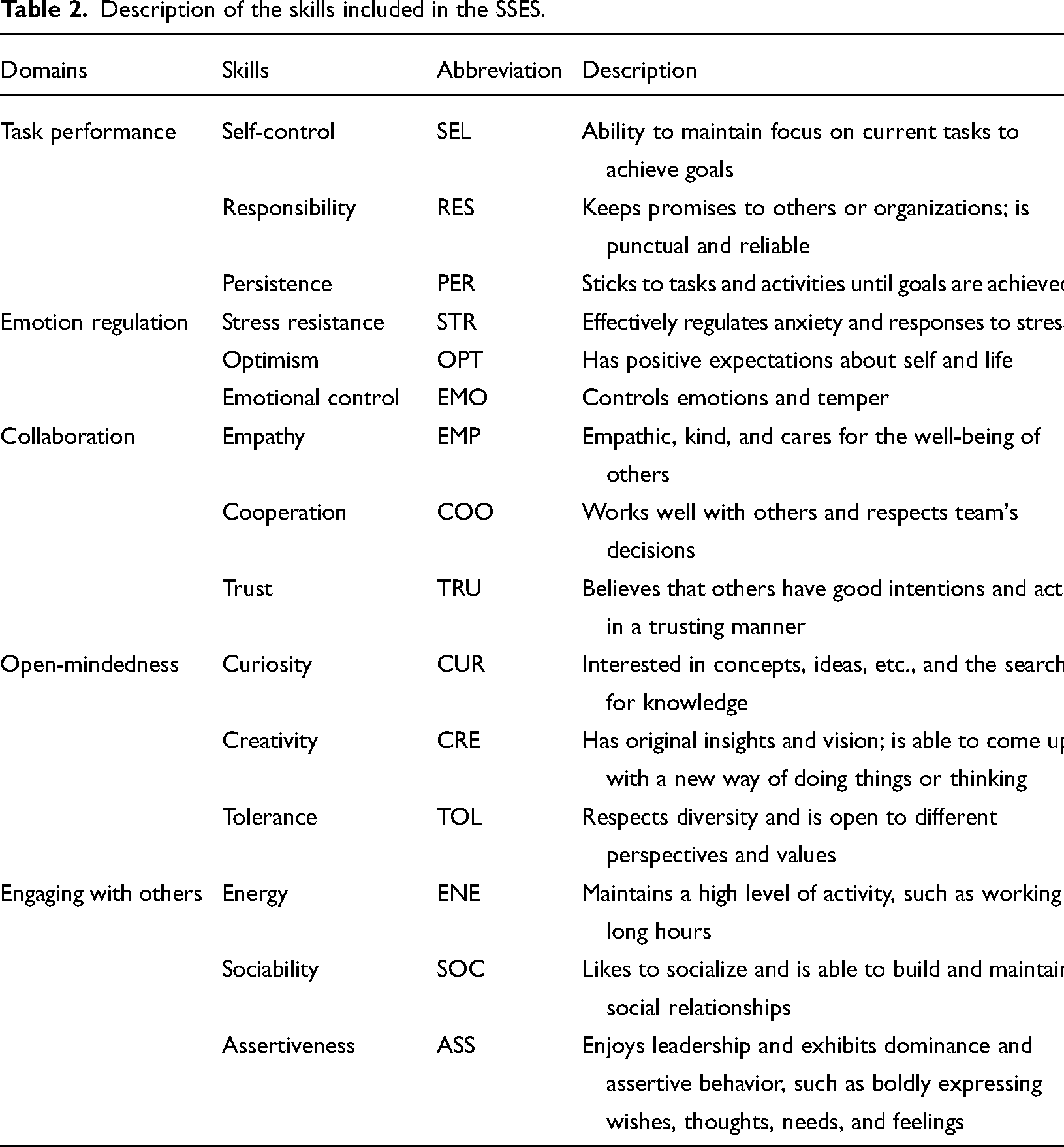
The SE skills framework comprises five dimensions: task performance (“conscientiousness”), emotional regulation (“emotional stability”), collaboration (“agreeableness”), open-mindedness (“openness to experience”), and engaging with others (“extraversion”). Each dimension consists of the three sub-skills, as follows: Task performance includes self-control, responsibility, and persistence; emotion regulation includes stress resistance, optimism, and emotional control; collaboration includes empathy, cooperation, and trust; open-mindedness includes curiosity, creativity, and tolerance; and engaging with others includes energy, sociability, and assertiveness. Table 2 presents the five dimensions and the corresponding 15 sub-skills together with their operational definitions.
Description of the skills included in the SSES.
More specifically, the dimension of task performance corresponds to individuals’ conscientiousness, focusing on whether they are self-disciplined and persistent in actively pursuing and achieving task objectives. This dimension includes a series of skill structures that reflect an individual's tendencies toward self-control, responsibility for others, diligence, orderliness, and rule-following (Roberts et al., 2014). Task performance is significantly negatively correlated with unhealthy behaviors and negative consequences (Bogg & Roberts, 2004).
Emotional regulation refers to individuals’ emotional stability, emphasizing whether they can manage their emotions, regulate their anxiety, cope with stress, and possess an optimistic attitude toward their personal life and social development. Emotional regulation is closely related to physical and mental health, well-being, and satisfaction (Steel et al., 2008; Strickhouser et al., 2017).
The collaboration dimension mainly emphasizes whether individuals consider and think about problems from the perspective of others, are trustworthy and kind to others, live in harmony with others, and exhibit positive emotional concern about the well-being of others.
Engaging with others highlights individuals’ interpersonal communication skills and ability to engage in and establish relationships with others (Cheek & Buss, 1981), which manifests as extroversion. Individuals’ level of engaging with others largely depends on whether they like communicating with others, are friendly, have the ability to make decisions in communication processes, and can maintain their energy when communicating.
Finally, open-mindedness, which corresponds to an individual's openness to experience, is considered a key personality trait for explaining and understanding individual behaviors in a highly uncertain and changing environment (Hough, 2003). Open-mindedness refers to individuals’ preference for recognizing and learning about diversity and their ability to engage with different viewpoints and cultures.
Why social and emotional skills matter
SE skills are becoming increasingly important in diverse and changing societies and economies. This is also true for individuals, communities, and countries. Several studies have focused on the important role of SE skills in student development, consistently finding that such skills are associated with improved academic performance, occupational status and income, and related to general life satisfaction, well-being, and the regulation of behavioral problems (Gregory et al., 2021; Gresham, 2015).
Educational outcomes
Two large meta-analyses (Poropat, 2009; Zell & Lesick, 2021) have demonstrated that conscientiousness (task performance in the OECD framework) is the strongest predictor of school performance, followed by openness (open-mindedness) and agreeableness (collaboration). This may be because of the close relationship between conscientiousness, class engagement, and educational aspirations. Moreover, students who scored higher on openness were more likely to seek and collect information, reflecting higher educational aspirations. In contrast, the other two dimensions of extraversion (engaging with others in the OECD framework) and emotional stability (emotional regulation) were inconsistent and had a weaker association with school performance.
Social outcomes
Individuals’ SE skills are related to their social relationships with others. In a recent meta-analysis, the domains of extraversion, agreeableness, and emotional stability were found to be moderately related to social outcomes such as relationships with others (Anglim et al., 2020). Facet-level analysis revealed that sociability and trust were associated with positive social outcomes, such as a sense of belonging (Anglim et al., 2020), whereas emotional control was correlated with negative relations, such as bullying and victimization (Riley et al., 2019).
Psychological health outcomes
SE skills are important for students’ psychological health outcomes. In general, the emotional regulation domain—which comprises stress resistance, optimism, and emotional control—is more important for psychological health than other skills due to its correlation with emotional experiences (Steel et al., 2008). More specifically, optimism is considered the most beneficial skill for subjective well-being and life satisfaction (Anglim et al., 2020), while stress resistance is considered vital for preventing negative experiences (e.g., anxiety and negative affect). In their systematic review of 36 meta-analyses, Strickhouser et al. (2017) found that task performance (conscientiousness), collaboration (agreeableness), and emotional regulation (emotional stability) were strongly related to psychological well-being.
Measuring social and emotional skills
The OECD has developed specific subscales to measure the aforementioned SE skills. The SSES comprised four different questionnaires and collected data about students’ SE skills from three types of informants, namely, students, parents, and teachers. The SSES included the following four questionnaires: (1) the student questionnaire, which included students’ self-assessment of their SE skills and a series of questions related to students’ demographic information and educational, social, and psychological outcomes; (2) the parent questionnaire, which comprised parent-rated items pertaining to their children's SE skills and family background variables; (3) the teacher questionnaire, which collected teachers’ assessments of their students’ SE skills and information about the school learning environment; and (4) the principal questionnaire, which covered the wider social context of the school and its students, as well as the resources and programs available to improve the learning environment.
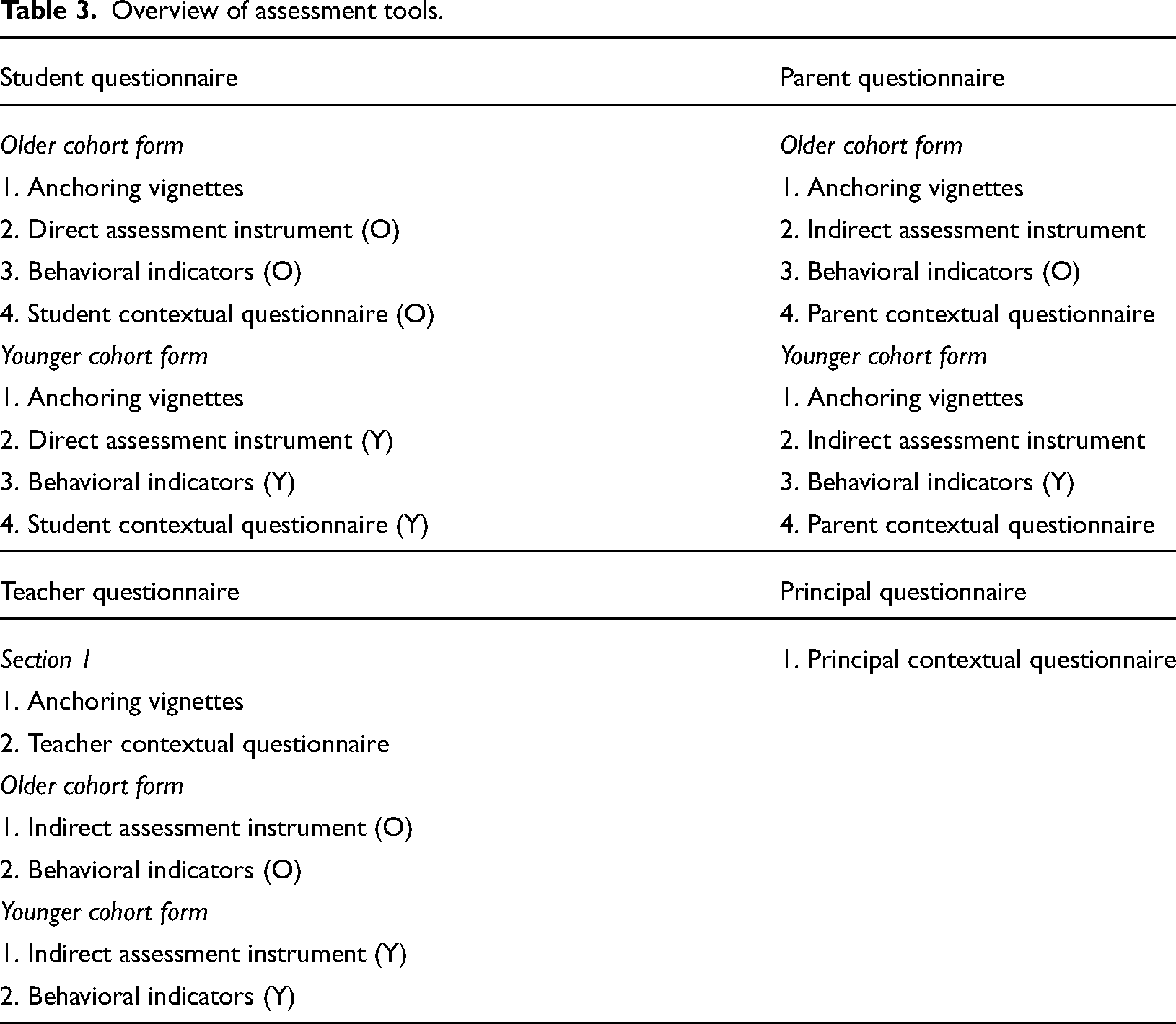
As Table 3 shows, the OECD provided seven online assessments and questionnaires for the survey in Suzhou. More specifically, the Suzhou SSES included two student questionnaires for two age cohorts, namely, 10-year-old (younger cohort questionnaire) and 15-year-old (older cohort questionnaire) students. The parent questionnaires were the same for both cohorts except for the behavioral indicators, whereas the teacher questionnaire comprised two sections. The first was completed by all participating teachers and included teacher contextual questionnaires and anchoring vignettes. The second section contained younger cohort and older cohort questionnaires, which differed in terms of behavioral indicators. Participating teachers were required to complete the second section for the students they knew best.
Overview of assessment tools.
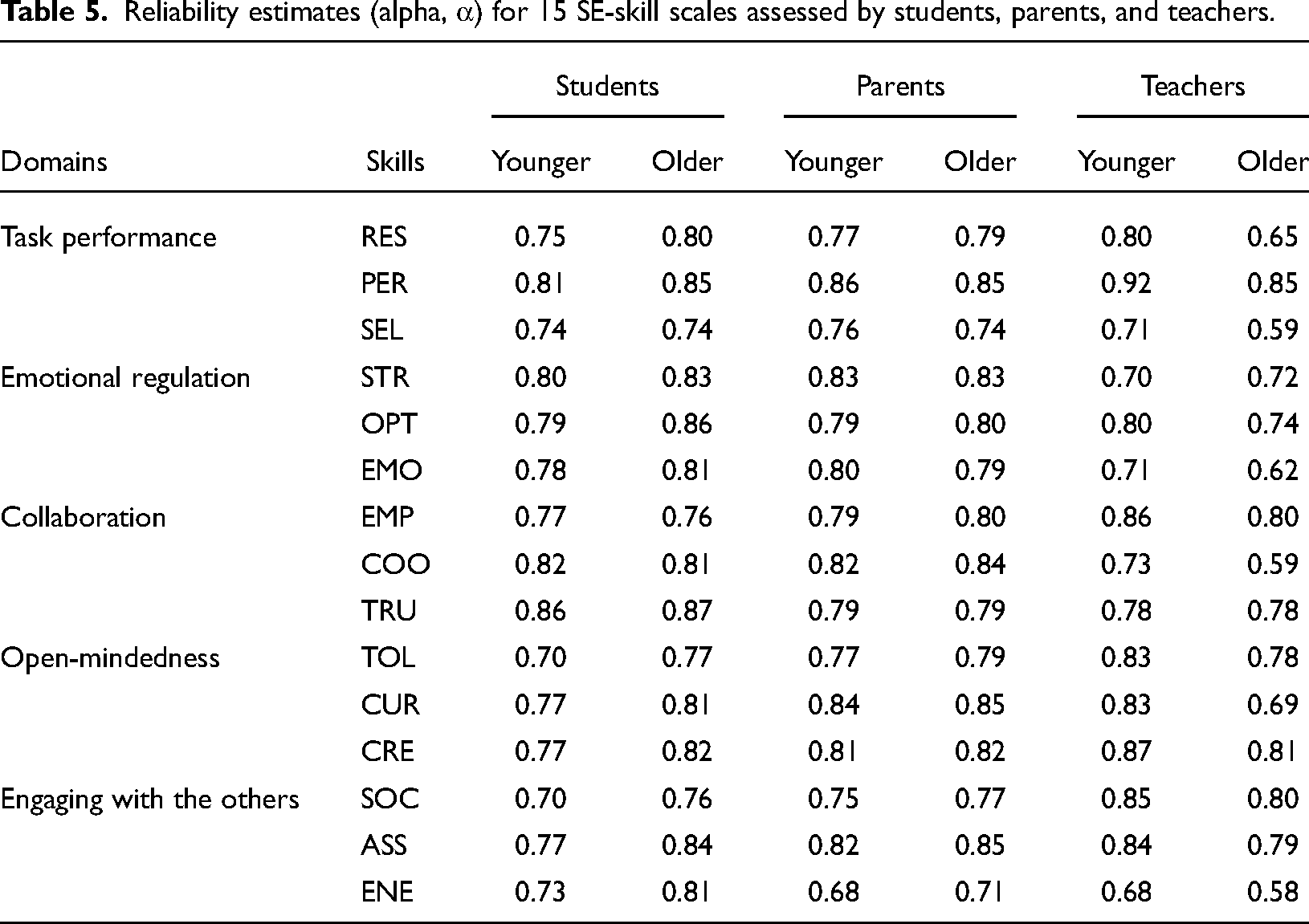
To enhance the reliability and validity of the SE skill assessment, the SSES evaluated the SE skills of 10- and 15-year-old students through student self-assessment and indirect assessment by parents and teachers. Respondents provided unique and overlapping information about students’ SE skills. Each informant provided positive and negative aspects in terms of the accuracy and validity of information regarding students’ SE skills. In this study, Cronbach's alpha coefficient, α, was used to judge the reliability of the 15 SE skill scales (Cronbach & Meehl, 1955). Across both cohorts, all 15 SE skill subscales for students and parents exhibited relatively good reliability (i.e., alpha coefficients greater than 0.70). Reliability was slightly lower for teachers than students and parents because the teacher questionnaire involved indirect assessment with only three items for each scale. Cronbach's alpha values for the teacher-rated scales of self-control (SEL), energy (ENE), emotional control (EMO), and cooperation (COO) were all lower than 0.70. This study is based on analyses of a sample from the Suzhou SSES who participated in the main survey.
To ensure comparability between countries, anchoring vignette questions were added to students’ direct assessments. These items used specific educational scenarios to indirectly assess students’ SE skills; for example, “Xiaoxue has many friends, and she likes talking with her classmates. She is very active and hosts many school activities. To what extent do you agree Xiaoxue is a sociable and outgoing student?” Considering the specific scenario, student respondents answered using a 5-point scale ranging from 1 (“strongly disagree”) to 5 (“strongly agree”).
Given the uniqueness of each country's culture, the OECD allowed for the adjustment of some information or items. For example, in terms of gender, in addition to male and female, Western countries included a third option, “Other.” In China, this item was difficult for students to understand and thus deleted. Information on religion and other topics unsuitable for mainstream ideology in China was also removed. In the field test, some items were difficult for the students to understand, such as their height with their shoes removed and body net weight; such items were thus localized. Moreover, based on OECD approval, participating cities could include several local items in the main survey. In this respect, the Chinese Research Group designed several items on students’ perceptions of equity in Chinese education to explore the issue of educational equity from student perspectives. The most important localization step was item translation. Considerable effort was dedicated to ensure that the translations were suitable for Chinese culture and easy for 10- and 15-year-old students to understand. To this end, one team translated the English questionnaires into Chinese, and which was then translated back into English by a second translation team. The two teams then discussed any inconsistencies between the translations until they reached a consensus on all items. Experts from related fields were subsequently invited to discuss the accuracy and localization of the translations.
The SSES also assessed students’ behavioral indicators, such as skipping classes, trouble sleeping, participating in class activities, housework, and tendency to fight. For 15-year-old students, two additional behavioral indicators were included, namely, smoking and alcohol consumption. Additionally, to prevent students from answering questions lazily by only looking at the options and not the content of the items, the assessment employed positively and reversely worded questions, such as “I trust people,” “I don’t trust people,” “I have a lot of energy,” and “I burn out easily.”
Implementation of the SSES
The implementation of the SSES was divided into three stages: The item trial stage in 2017, field test stage in 2018, and main study stage in 2019. For the main study, data analyses and report writing were completed in 2020, and the results were published in September 2021. East China Normal University (ECNU) officially joined the program in April 2018. As the only representative of the SSES in China, ECNU cooperated with the Suzhou Municipal Education Bureau to actively promote the implementation of this survey. Accordingly, in 2021, ECNU established an interdisciplinary research center covering education, psychology, information technology, statistics, and other disciplines.
From July to August 2018, the research group carried out the translation and localization of various guidebooks and assessment tools, holding two expert consultation meetings to adjust and revise the translations. From September to October 2018, training for administrators and school coordinators was provided. In November 2018, the ECNU assessment team cooperated with the Suzhou Municipal Education Bureau in conducting a field test comprising a sample of 1,500 students from 30 primary and secondary schools in 10 districts in Suzhou. A questionnaire survey was completed by 1,500 parents, 858 teachers, and 30 principals. Researchers completed a follow-up investigation, data cleaning, and analyses from the end of 2018 to the first half of 2019, based upon which they prepared a report. In December 2018, the OECD held an on-site assessment summary meeting to exchange feedback from the field test, including sampling, participation rate, experiences sharing, and problems encountered during the process. Two schools shared their own assessment experiences. In the same month, the ECNU research team divided members into several groups, who returned to the participating schools and conducted group interviews with the principals, teachers, students, and parents to understand their feelings, gauge any problems, and elicit suggestions regarding the assessment.
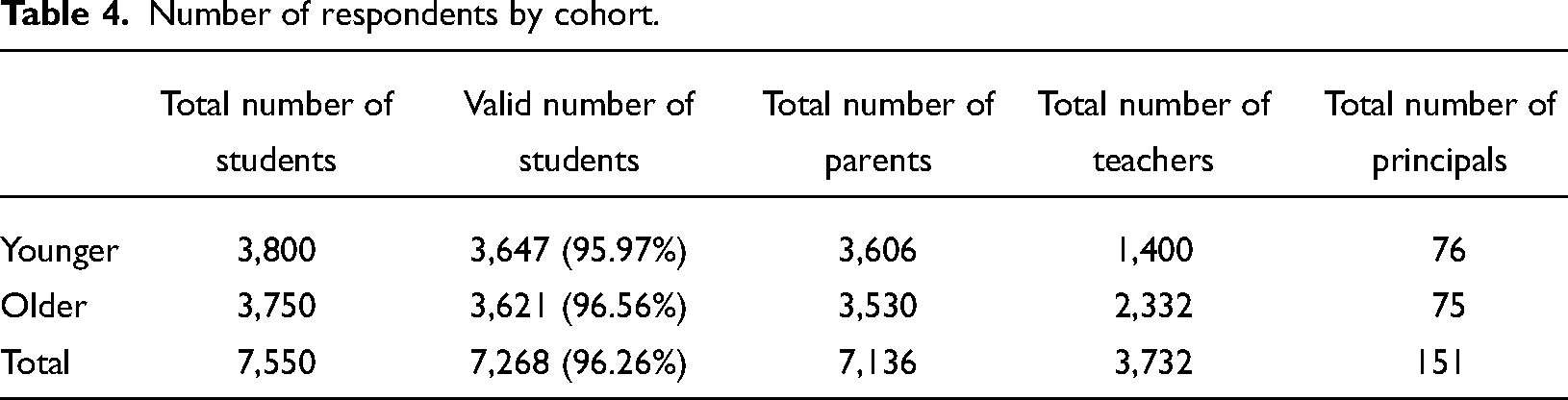
The main study was officially launched in November 2019, with the sampling procedure systematically conducted among all eligible schools and students in the participating cities. In Suzhou, the first step involved school sampling, via which 76 of Suzhou's 387 primary schools were selected to survey 10-year-old students, and 75 of the city's 88 general and vocational high schools were selected to survey 15-year-old students. The second step involved student sampling. According to the teacher–student association form provided by the sampled schools, 50 students were randomly selected from the eligible student pool at each sample school. On this basis, 3,800 10-year-olds and 3,750 15-year-olds made up the younger and older cohorts, respectively, for a total sample size of 7,550. In the main study stage, the overall participation rate of the sampled students was as high as 96.26%, with 7,268 students completing the SSES. After weighting, the sample represented 150,964 primary and secondary school students in Suzhou. Detailed participant information is provided in the Methods section (Table 4).
Number of respondents by cohort.
Aims of the SSES
Disseminated to students, parents, and teachers, the SESS evaluated the development level of students’ SE skills. Data were used to analyze the family, school, and community factors influencing the development of SE skills as well as the predictive effect of SE skills on education, health, happiness, and other life outcomes. Figure 1 presents the analytical framework.
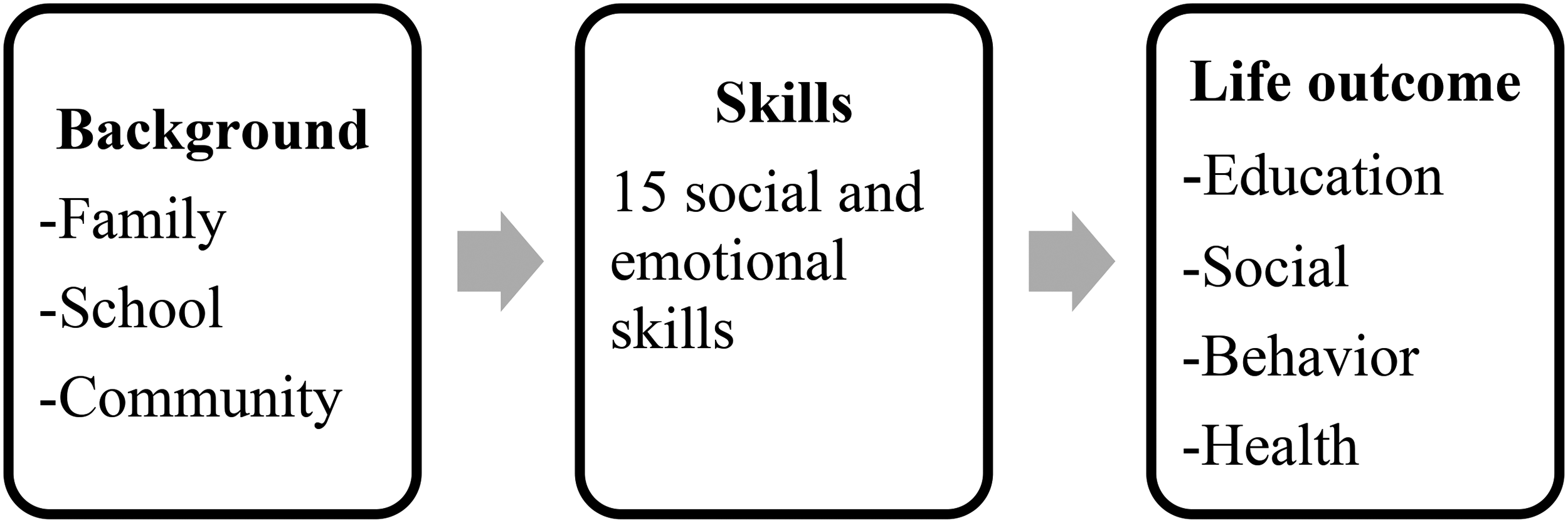
OECD's analytical framework of social and emotional skills.
This study addresses the following four research questions:
RQ1: What is the status of all 15 SE skills according to sociodemographic distribution? RQ2: To what degree are family and school factors related to students’ SE skills? RQ3: How are SE skills related to various adolescent life outcomes, including educational, social, and psychological health? RQ4: How are informant ratings of students’ SE skills jointly related to students’ life outcomes and what is the relative importance thereof?
Method
Participants
The 2019 SSES sampled a representative population in Suzhou City, China (OECD, 2021a). The survey encompassed two cohorts: a “younger” cohort of 10-year-old students and an “older” cohort of 15-year-old students. Of a total sample of 7,268 students, the younger cohort comprised 3,647 students (50.2%), while the older cohort consisted of 3,621 students (49.8%). In terms of gender, there were 3,824 boys (52.8%), 3,417 girls (47%), and 13 students (0.2%) whose gender was unknown. In terms of location, 3,447 students (47.4%) studied in central urban areas, 2,459 (33.8%) in town areas, and 1,362 (18.7%) in rural areas. Additionally, among the older cohort, 2,811 (77.6%) were enrolled in regular high schools, while the remaining 810 (22.4%) were enrolled in vocational high schools. Further, 7,136 parents, 3,732 teachers, and 151 principals completed the parent, teacher, and principal questionnaires, respectively. All the participants took part in the survey voluntarily and written informed consent has been obtained from the participants. Table 4 presents the number of respondents.
Measures
Students’ SE skills
Information on students’ SE skills was collected directly through students completing the self-report questionnaire and indirectly through parent and teacher reports. Student- and parent-rated assessments measured each of the 15 SE skills using eight items for a total of 120 items. Respondents were required to rate all items on a 5-point Likert-type scale ranging from 1 (“strongly disagree”) to 5 (“strongly agree”). However, due to problematic items involving low factor loadings, residual covariation, high tau, and duplication with other items, only 96 items from the original student- and parent-rated assessments were retained for analysis (OECD, 2021b). Each SE skill comprised three items, while the teachers’ indirect assessment comprised 45 items. Item wording was consistent across the three informant types; for example, “[I/This student/My child] keeps my/their emotions under control.” In this study, the reliability estimates (alpha, α) for all 15 SE skills scales were acceptable and are presented in Table 5.
Reliability estimates (alpha, α) for 15 SE-skill scales assessed by students, parents, and teachers.
Social relations
There were three types of social relationships among the students. Perceived student–teacher relationships were measured by asking students to rate how often they had experienced the following at school in the preceding 12 months: “Most of my teachers treated me fairly,” “I got along well with most of my teachers,” and “Most of my teachers were interested in my well-being.” Students rated their answers on a 4-point scale ranging from 1 (“never or almost never”) to 4 (“once a week or more”). A scale of student–teacher relations was created based on students’ responses to these three items. Students’ perceived relationships with friends were measured by asking them to rate the accuracy of the following statements: “My friends understand me,” “My friends accept me as I am,” “My friends are easy to talk to,” and “My friends respect my feelings.” Students responded on a 4-point scale ranging from 1 (“almost never or never true”) to 4 (“almost always or always true”). Based on the responses to these four items, a student friendship scale was created. Similarly, students’ perceived relationships with their parents were measured by asking respondents to rate the accuracy of the following statements: “I get upset easily with my parents,” “It is hard for me to talk to my parents,” and “I feel angry with my parents.” Students responded on a 4-point scale ranging from 1 (“almost never or never true”) to 4 (“almost always or always true”). Based on the responses to these three items, a student–parent relationship scale was created.
School climate
Competitive school climate was measured by asking students to rate how true the following two items: “Students seem to value competition (e.g., competing with each other),” and “It seems that students are competing with each other.” Cooperative school climate was measured by another two items: “Students seem to value cooperation (e.g., working together),” and “it seems that students are cooperating with each other.” They were required to rate the items on a 4-point scale from “almost never or never true” to “almost always or always true.” The variable measuring competitive and cooperative school climate is the sum of the corresponding two items, respectively. Higher values indicates a “high” perception of a competitive or cooperation school climate.
Educational outcomes
The SSES included school performance and educational aspirations as outcomes. Students’ school performance was measured using their school grades in mathematics, Chinese, and arts, which were obtained from the relevant school registry. Educational aspirations were obtained by having students identify the highest level of education they expected to complete.
Social outcomes
The SSES mainly focused on two social outcomes in the school context, including a sense of school belonging and school bullying. The school belonging scale consisted of six items, such as “I make friends easily at school,” with responses rated on a 5-point scale ranging from 1 (“strongly disagree”) to 5 (“strongly agree”). For school bullying, students were asked how often they had experienced bullying at school over the past 12 months, including 4 items: Other students made fun of me; I was threatened by other students; Other students took away or destroyed things that belonged to me; and I got hit or pushed around by other students. For the older cohort students, two questions on cyberbullying were added to ask about the frequency with which things happened to the student while chatting or using social media (e.g. WeChat, Weibo, etc.): People have spread nasty rumours about me; and I have been threatened by people. Students were required to rate on a four-point scale ranging from “never or almost never” to “once a week or more,” with an additional response option for the older cohort, “I don't use social media.” The confirmatory factor analysis (CFA) model fit well; the factor loadings of the four items were greater than 0.40, and the scale's reliability and validity were acceptable.
Psychological health outcomes
The World Health Organization's (WHO) Well-Being Index, known as the WHO-5, test anxiety, and Life Satisfaction, were used to measure students’ psychological health outcomes. To assess well-being, students were asked to rate five items (e.g., “I have felt active and energetic”) based on how they had been feeling over the past two weeks on a scale ranging from 1 (“at no time”) to 5 (“all the time”). After recoding the negatively worded items, higher scores indicated more favorable responses. The WHO-5 demonstrated adequate internal consistency in the Chinese sample (α > 0.70). As expected, respondents’ levels of psychological well-being varied across age and gender groups. Respondents in the younger cohort had a higher level of psychological well-being than those in the older cohort. While there were no significant gender differences in the psychological well-being of respondents in the younger cohort, boys in the older cohort reported higher psychological than girls in the same cohort. These findings are consistent with those of PISA 2018, which showed that, across all countries and economic entities, girls were more likely to experience sadness than boys (OECD, 2019). Moreover, although adolescent girls show significantly higher levels of adaptation and fewer behavioral problems than their male peers, they have lower self-esteem and are more likely to exhibit depressive symptoms (Aunola et al., 2000).
Test anxiety was measured using the following three items (OECD, 2017): “I often worry that it will be difficult for me to take a test,” “Even if I am well prepared for a test, I feel very anxious,” and “I become very tense when I study for a test.” Respondents were asked to rate each item on a scale ranging from “strongly disagree” to “strongly agree.” A higher value indicated greater test anxiety, while a lower value indicated less test anxiety. CFA showed that all items loaded on a single factor of test anxiety and reached an acceptable psychometric level. On average, the older cohort reported higher levels of test anxiety than the younger cohort (47% and 34%, respectively). Gender differences in test anxiety were particularly pronounced among those in the older cohort, with girls reporting a higher level of test anxiety. Gender differences were not significant among younger cohort students.
Life satisfaction was assessed using a single item—“Overall, how satisfied are you with your life as a whole these days?”—rated on a scale ranging from 0 (“not at all satisfied”) to 10 (“completely satisfied”). Based on the results, the 11 scores were simplified into the following answer categories: 9–10 points were rated as “very satisfied,” 7–8 points as “satisfied,” 5–6 points as “somewhat satisfied,” and 4 points and below as “unsatisfied.” On average, only 6% of the younger cohort and 11% of the older cohort reported being “unsatisfied” with their lives, while 55% of the younger cohort and 21% of the older cohort reported being “very satisfied” with their lives. Among younger cohort students, about 5% of the girls and 6% of the boys reported being “unsatisfied” with their lives. In contrast, 56% of the girls and 53% of the boys reported being “very satisfied” with their lives. Among the older cohort, 12% of girls and 10% of boys reported being “unsatisfied” with their lives, whereas 18% of girls and 24% of boys reported being “very satisfied.” As such, students in the younger cohort were more satisfied with their lives than those in the older cohort. There were no obvious gender differences in life satisfaction across the cohorts.
Statistical analyses
We first tested the measurement models for each construct using CFA in Mplus 7.4 (Muthén & Muthén, 1998–2012). To examine age and gender differences in students’ SE skills (
Regression analyses were conducted to explore the degree to which family and school factors were related to students’ SE skills (
Results
RQ1: What are the social-demographic distributions of students’ SE skills?
Cohort differences in the mean levels of social-emotional skills
To compare the mean-level differences between the two cohorts regarding all 15 SE skills, we conducted a series of multiple-group analyses to test the measurement invariance in terms of factor loadings and intercepts. First, the configural invariance model provided a reasonable model fit (see M1 in Table 6), suggesting that the same items were loaded onto the same factors across both cohorts (Cheung & Rensvold, 2002). Full metric invariance models with factor loading equality constraints (M2) were also supported compared to M1. For most SE skills, full scalar invariance (M3) with equality constraints on all item intercepts was supported, indicating that the measurement error structure did not differ between older and younger cohorts. However, the scalar invariance for the four SE skills scales—curiosity, optimism, sociability, and tolerance—yielded a worse model fit, with an initial significant CFI change from metric invariance. Examination of the modification indexes suggested that after freeing the intercepts of one or two items for each scale (items CUR06, OPT05, SOC04 and SOC05, and TOL03), the ΔCFI became small enough (<0.01), indicating partial scalar invariance (M4). Therefore, measurement invariance was established for all SE skills, and the mean differences across the cohorts were comparable.
Analyses of measurement invariance across cohorts.
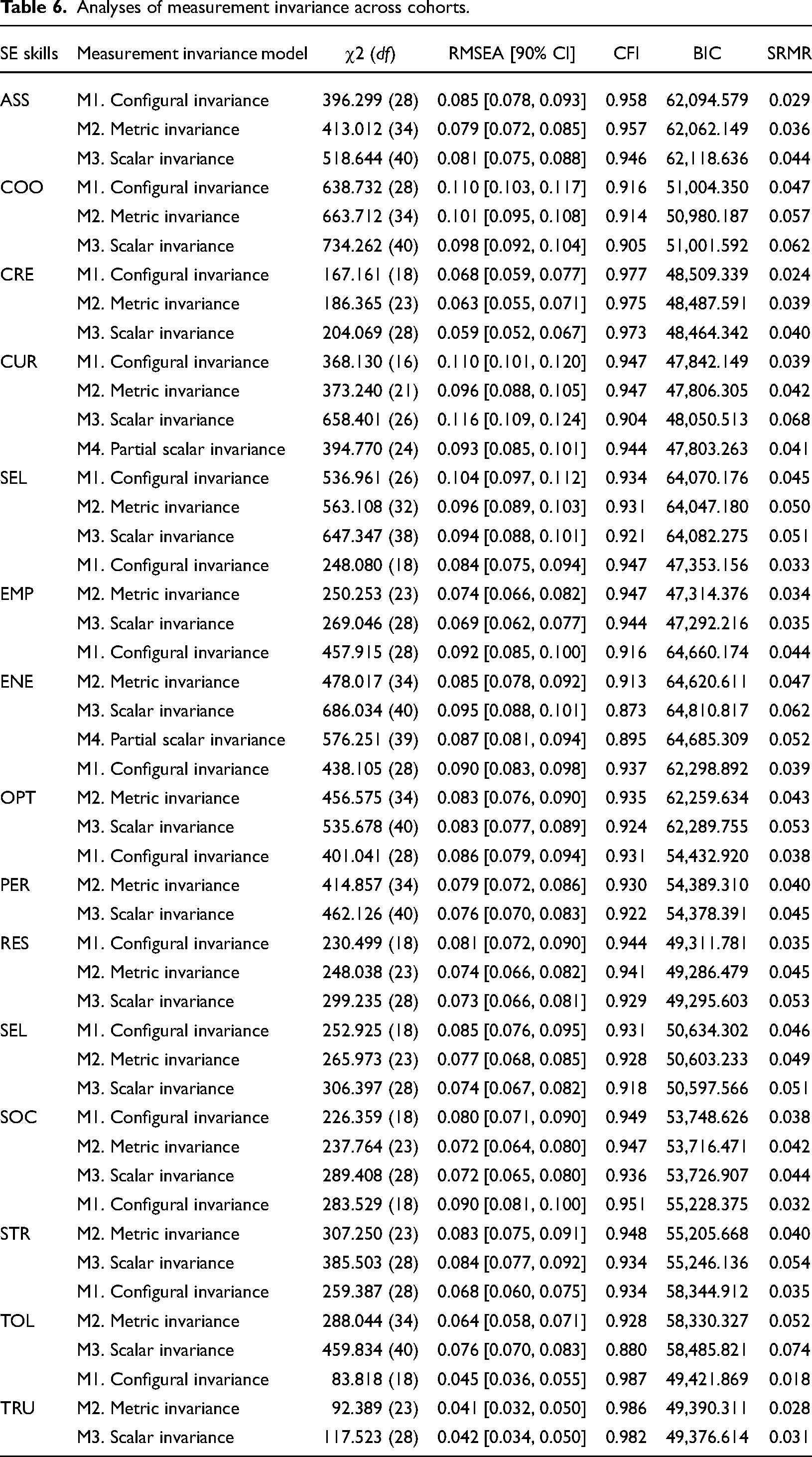
Table 7 presents the mean cohort differences in all 15 SE skills assessed by the students, parents, and teachers. Younger students scored significantly higher than older students in all 15 SE skills, exhibiting a declining trend. Our findings are consistent with those from other survey sites (OECD, 2021a). However, due to the absence of longitudinal data, it is unclear whether the differences reported between age groups truly represent age or cohort effects. The observed age differences may be partly explained by the younger cohort's inflated view of themselves or the higher uncertainty of social and emotional measures, typically showing greater measurement errors (Soto et al., 2011). Of course, how respondents understood the social and emotional measurement items may have evolved with age, especially among the younger cohort. In this regard, the younger cohort was less likely to be influenced by response-style bias than the older cohort.
Cohort mean differences of SE skills.
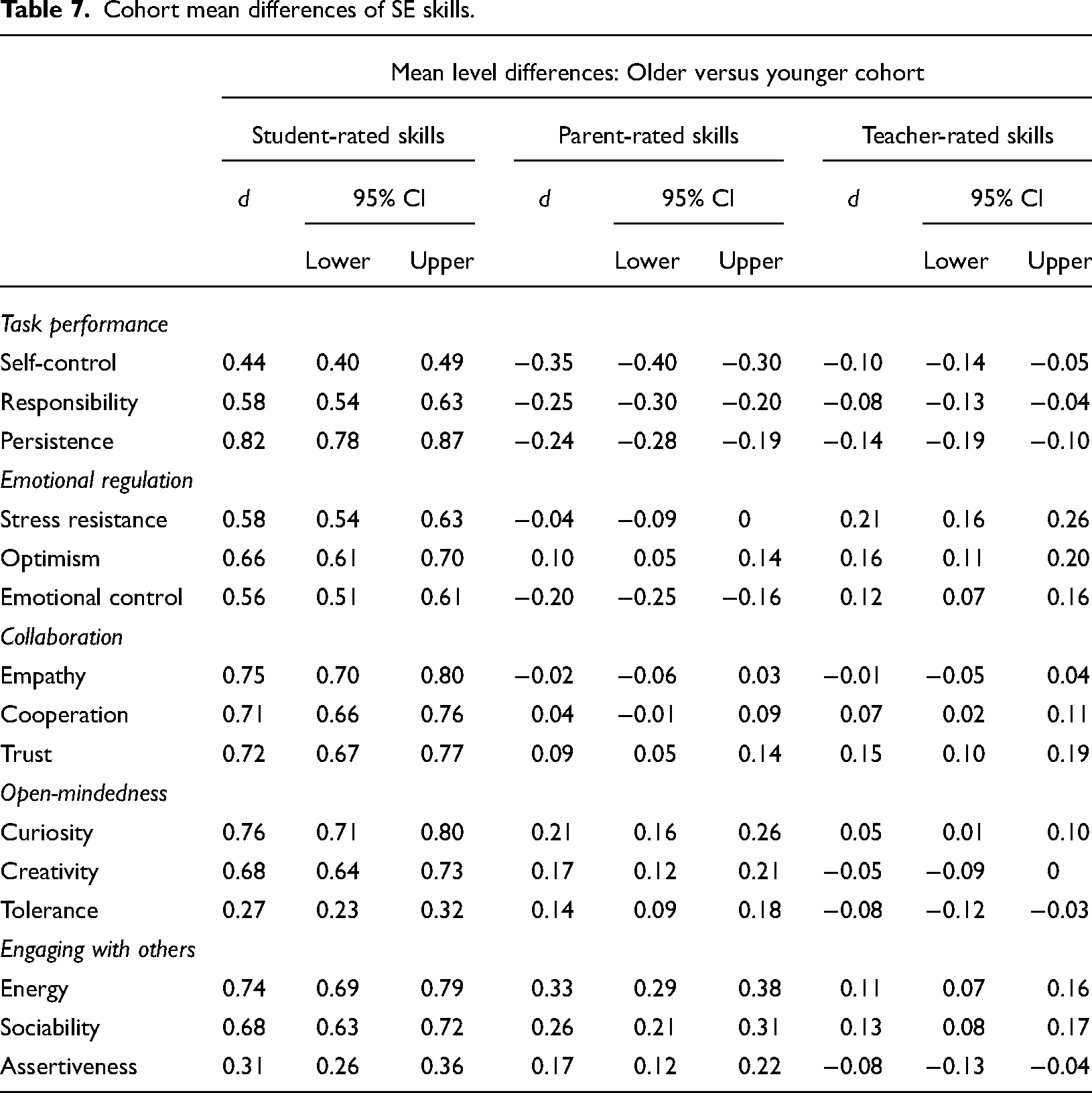
To overcome the limitations of self-rated scales, the SSES included teacher- and parent-reported measures. Results indicated that, across the three different informant groups, only six skills showed a declining trend. More specifically, optimism, trust, curiosity, cooperation, sociability, and energy were significantly higher (ds = 0.05–0.76) among the younger cohort. Interestingly, for task performance (persistence, self-control, and responsibility), student-rated skills showed a declining trend across cohorts, whereas parent- and teacher-rated skills displayed the opposite trend. In other words, those in the older cohort exhibited greater persistence, self-control, and responsibility.
Although each informant group provided overlapping information, they also provided novel data. Each group also possessed particular sources of measurement errors. For example, parents tend to rate their children in the home environment, whereas teachers are more adept at observing students’ behaviors and SE skills in the classroom setting. Teachers also have an inner frame of reference and can assess students’ SE skills by comparing them with their peers. Therefore, the differences observed between age groups based on teacher- and parent-rated data may not simply reflect changes in response-style biases or students’ self-views. Indeed, the possible response biases from teachers and parents, as well as the information the questionnaire elicited regarding students’ behaviors, thoughts, and feelings, do not change with age in ways that would confound the comparison (Kankaraš & Suarez-Alvarez, 2019). Future longitudinal studies should be conducted to support our findings, particularly considering the aforementioned factors.
Gender differences in the mean level of SE skills
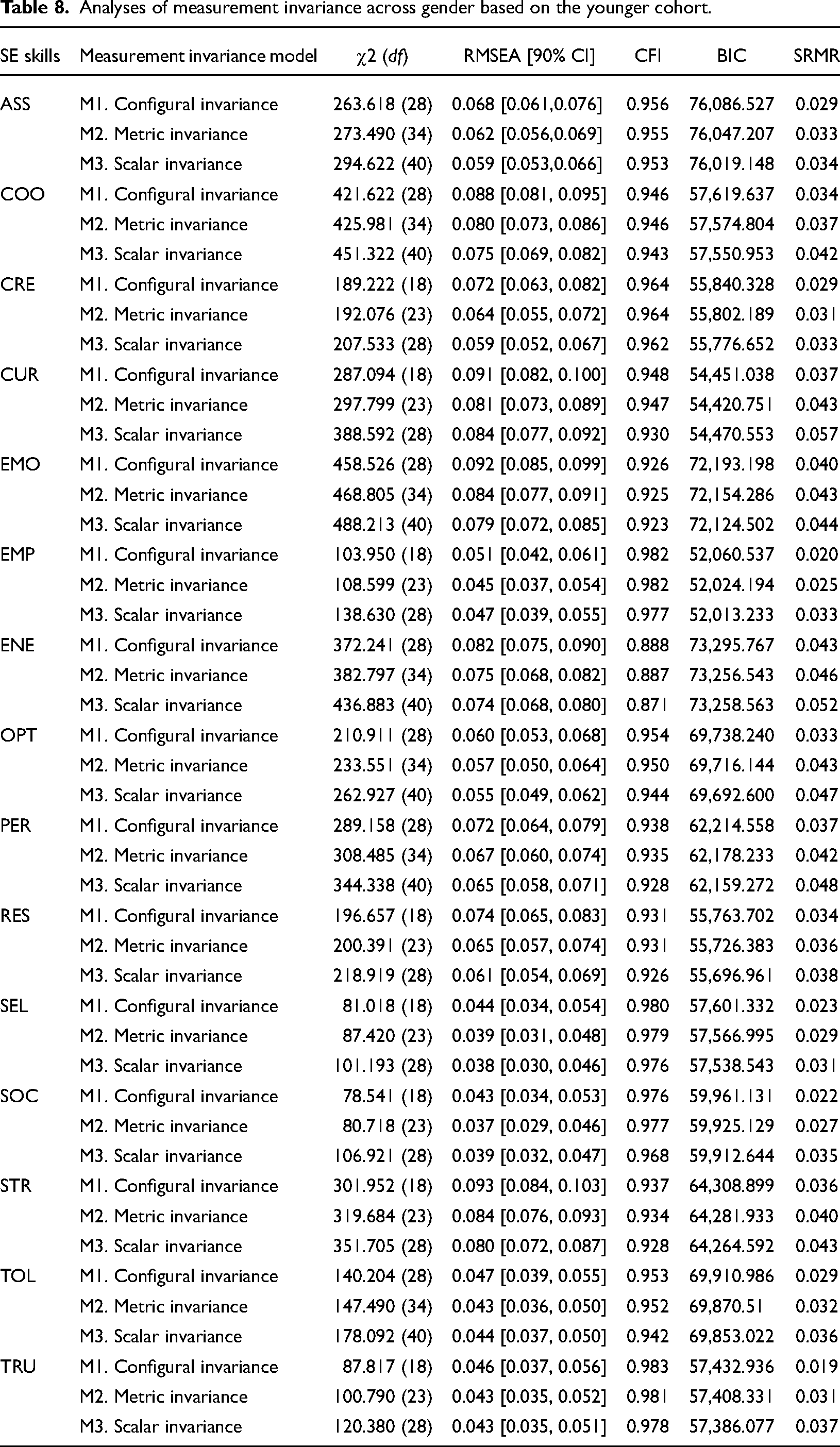
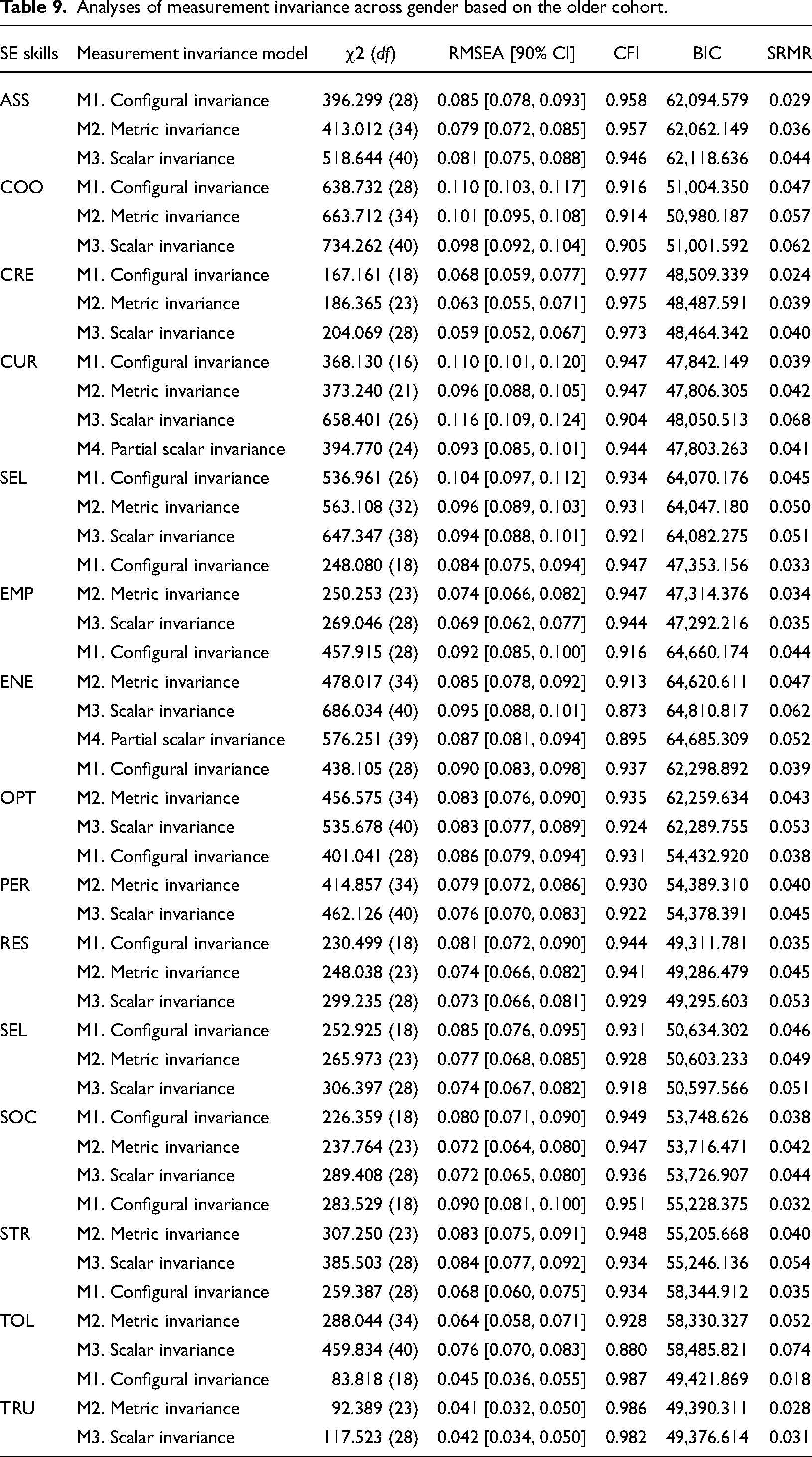
Configural invariance models for all the 15 SE-skill scales (see M1 in Tables 8 and 9) indicated that each SE skill was understood similarly across gender. We subsequently tested the factor loading invariance for all gender (M2) by adding equality constraints to the intercept across gender (M3). In all but one case, the constraints did significantly decrease in fit, with a nonsignificant chi-square difference and ΔCFI smaller than 0.01 (M2 vs. M1 and M3 vs. M2). However, the model fit was worse in the case of the energy scale for the older cohort (ΔCFI > 0.01). After freeing the problematic intercept of the item ENE05, the ΔCFI became small enough (<0.01), supporting partial scalar invariance (M4). Therefore, measurement invariance was established, and differences in the levels of SE skills were comparable across gender in both cohorts.
Analyses of measurement invariance across gender based on the younger cohort.
Analyses of measurement invariance across gender based on the older cohort.
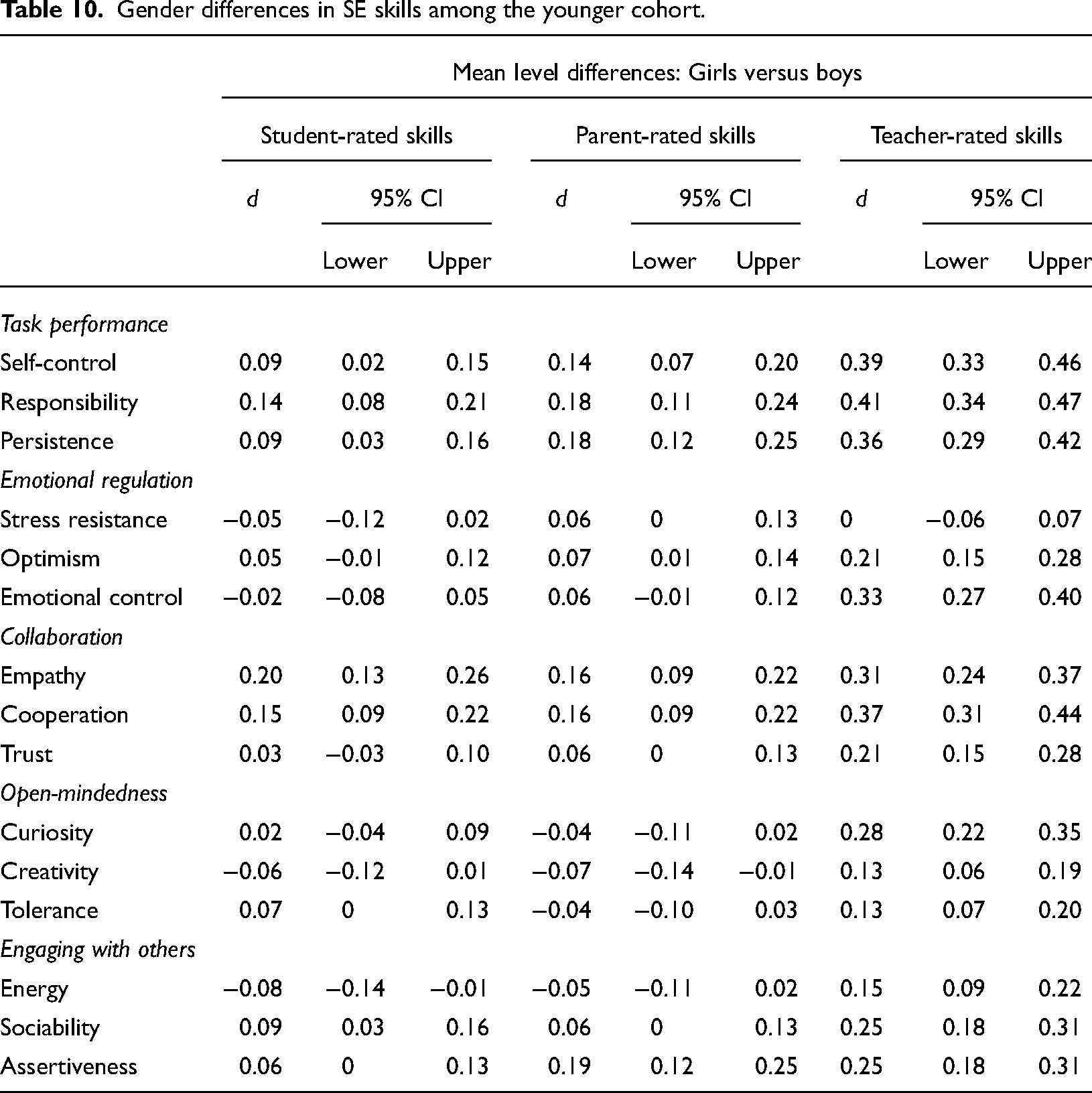
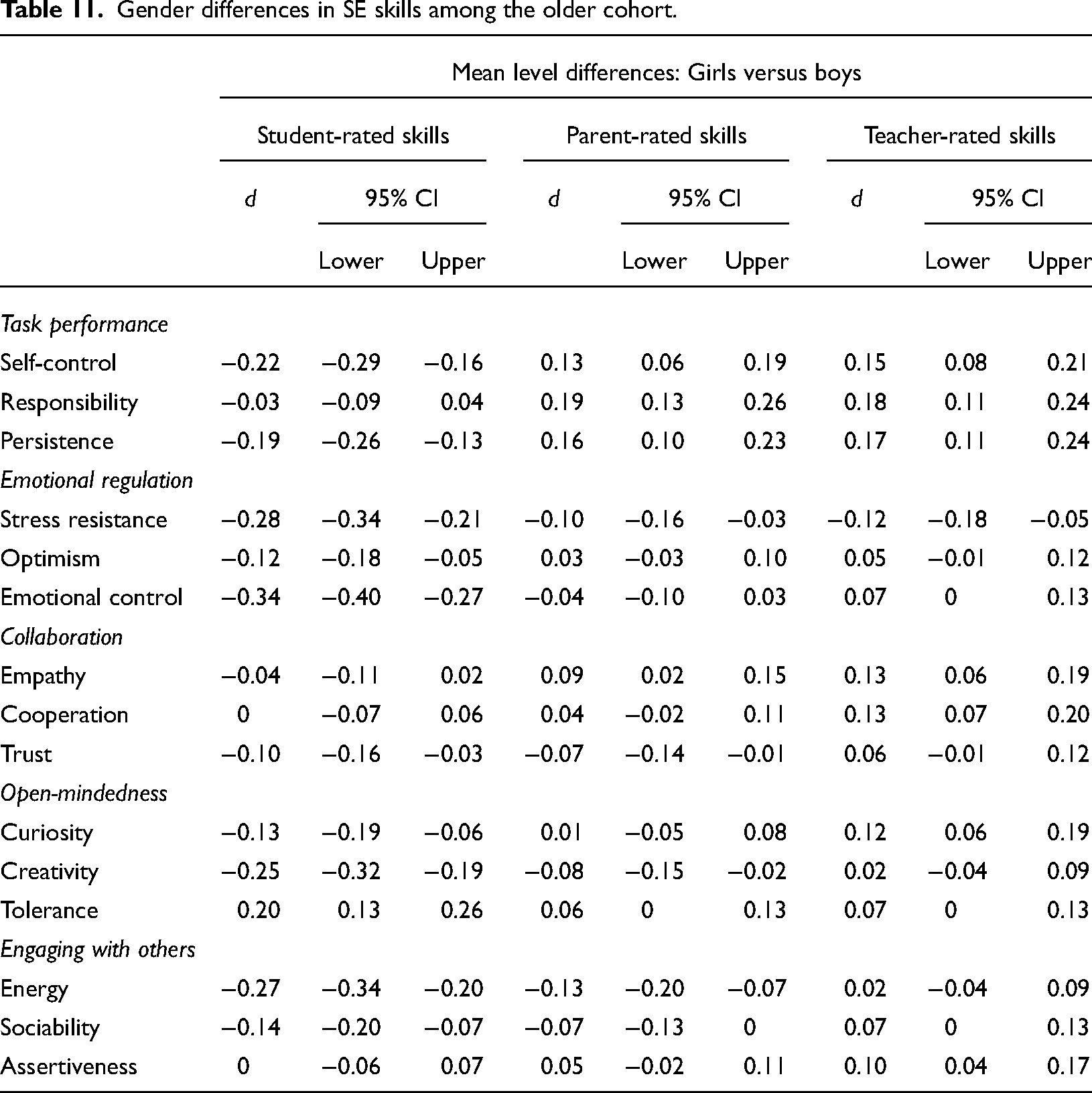
As Tables 10 and 11 show, there were no significant gender differences in most of the SE skills of either cohort. Girls in the younger cohort reported slightly higher levels of empathy, cooperation, self-control, persistence, and responsibility. In the older cohort, boys reported slightly higher stress resilience than girls. Interestingly, older boys scored higher than girls in student-rated task performance (persistence, self-control, and responsibility) skills but lower for parent-rated and teacher-rated skills.
Gender differences in SE skills among the younger cohort.
Gender differences in SE skills among the older cohort.
RQ2: To what degree are family and school factors related to students’ SE skills?
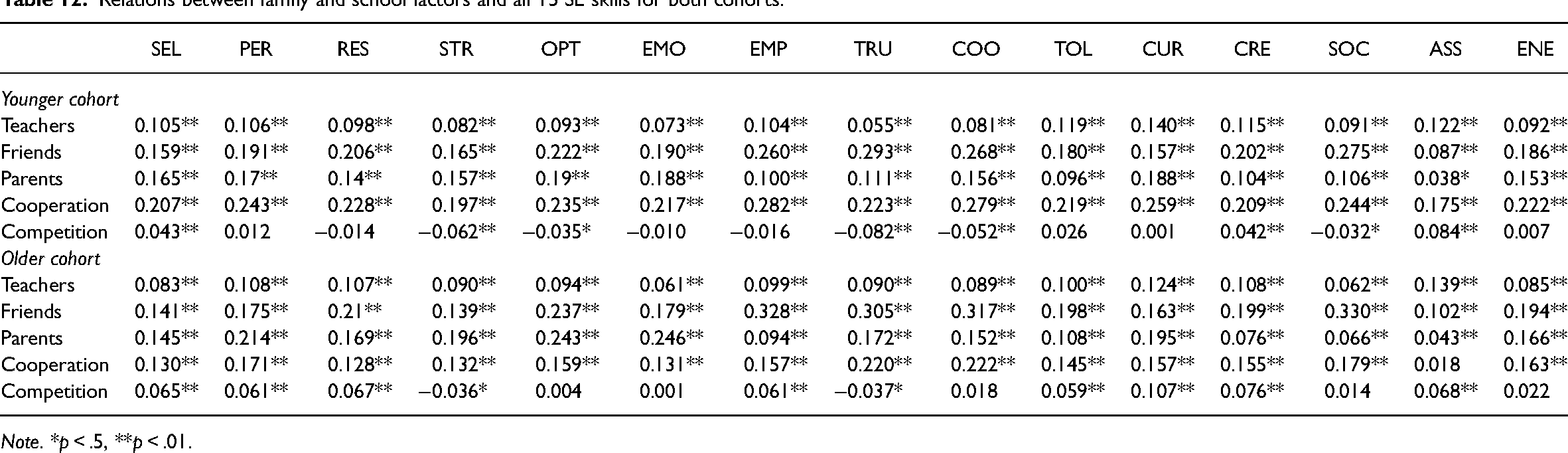
This investigation emphasized the following factors: (1) students’ social relations, namely, their perceived relations with friends, parents, and teachers; (2) students’ perception of the school climate in terms of cooperation and competition. Table 12 presents the detailed associations between these factors and students’ self-reported SE skills.
Relations between family and school factors and all 15 SE skills for both cohorts.
Note. *p < .5, **p < .01.
In general, for both cohorts, students’ social relations with their parents, friends, and teachers, as well as cooperation in the school climate, were positively related to all 15 SE skills. More specifically, curiosity had the strongest relationship with student–teacher relationships, followed by assertiveness. Student–friend relations were more strongly related to empathy, trust, and cooperation in the collaboration domain but had an average relationship with other skills. Student–parent relationships were more strongly associated with optimism and curiosity, followed by emotional control.
Cooperation in the school climate was more strongly associated with students’ collaboration skills (empathy, trust, and cooperation), which did not vary with age. Meanwhile, competition in the school climate was positively related to self-control, creativity, and assertiveness but negatively related to stress, resilience, optimism, cooperation, trust, and sociability among younger cohort students. In contrast, among the older cohort, the relationships between competition and SE skills were positive and significant, except for stress resistance and trust. As such, it would seem that both cooperation and competition are important in promoting students’ SE skills once they enter adolescence.
RQ3: To what degree are students’ SE skills related to various life outcomes?
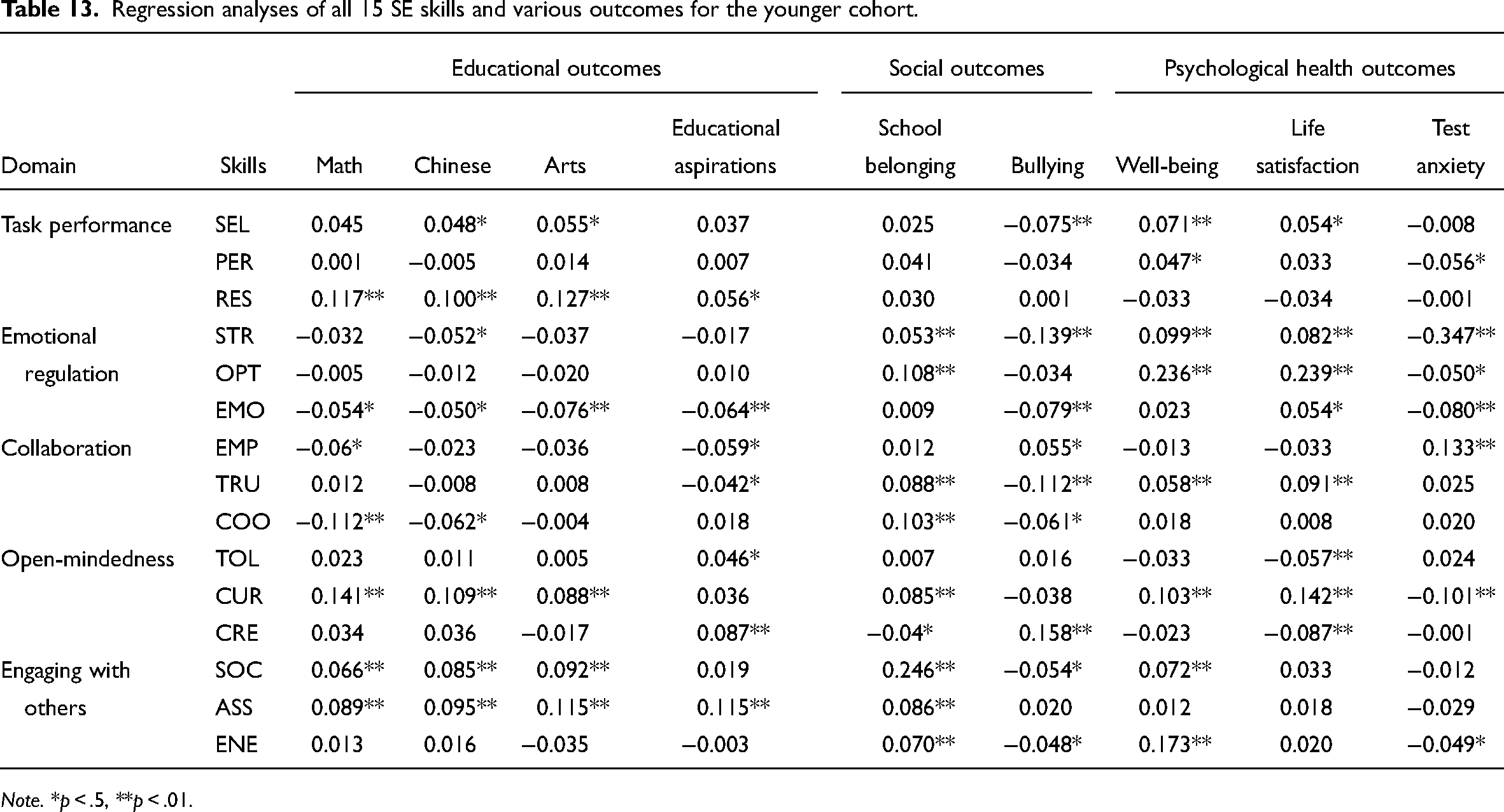
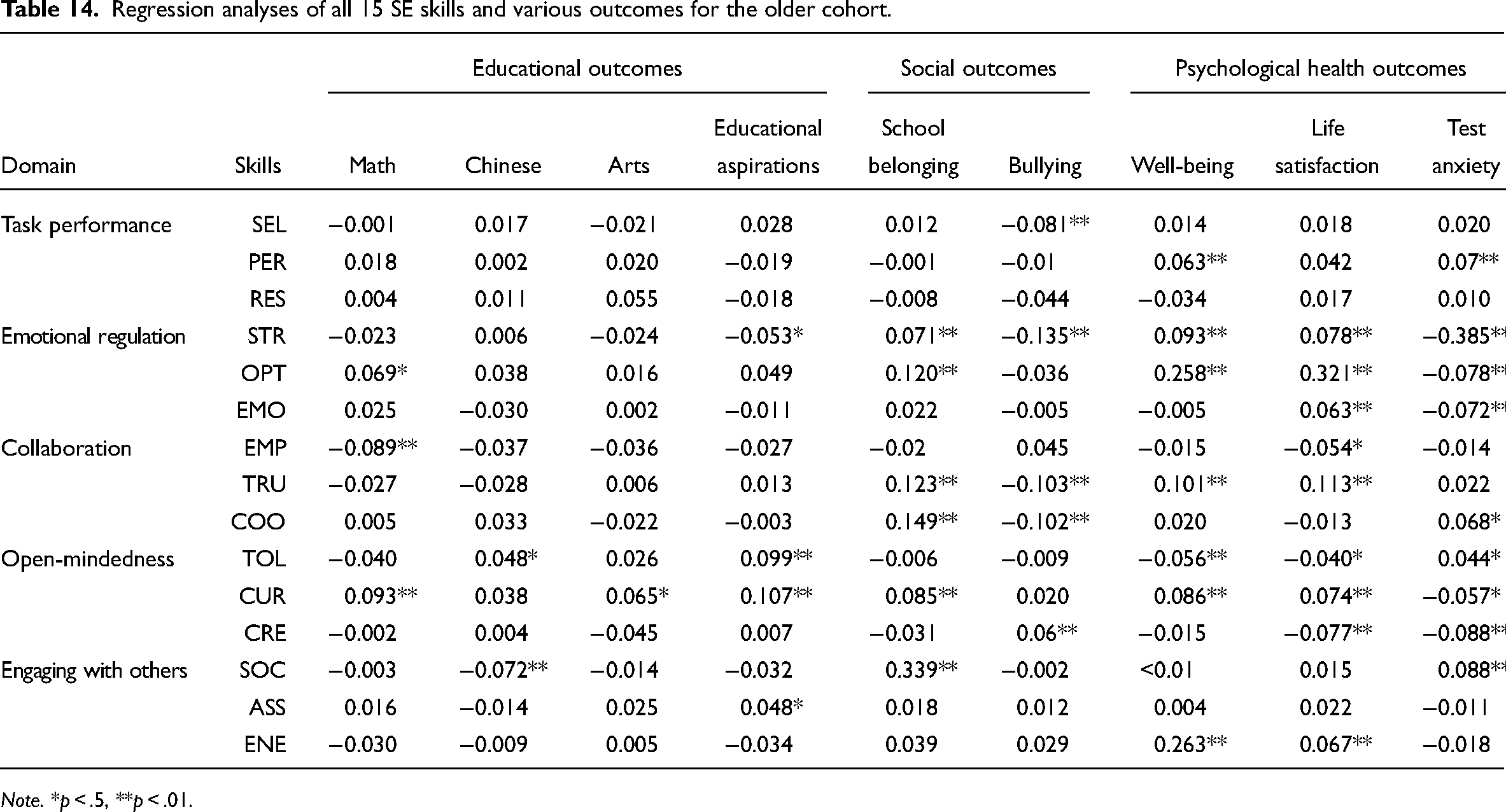
To examine whether and to what extent SE skills are related to crucial life outcomes, we investigated three types of personal life outcomes: (1) educational outcomes in terms of students’ school performance (i.e., their grades in mathematics, Chinese, and art) and educational expectations; (2) social outcomes in terms of students’ sense of belonging and bullying; (3) psychological health outcomes in terms of student's current psychological well-being, life satisfaction, and test anxiety.
As the regression analysis results in Tables 13 and 14 show, for the younger cohort, responsibility, curiosity, sociability, and assertiveness were positively related to school performance in all three subjects, whereas the other SE skills yielded no or even negative relations whatsoever. Among the older cohort, curiosity had a positive relationship with students’ performances in mathematics and arts, while tolerance had a significant positive relationship with their performance in Chinese. Moreover, students’ SE skills, particularly those in the open-mindedness dimension (creativity, tolerance, and curiosity), were positively related to educational expectations in both cohorts.
Regression analyses of all 15 SE skills and various outcomes for the younger cohort.
Note. *p < .5, **p < .01.
Regression analyses of all 15 SE skills and various outcomes for the older cohort.
Note. *p < .5, **p < .01.
Regarding social outcomes, school belonging was primarily related to engaging with others (sociability), collaboration (cooperation and trust), and emotional regulation (optimism and stress resistance). Evidently, a sense of belonging is strongly associated with sociability, optimism, and cooperation. Instructional strategies that encourage positive social relationships, such as teamwork or cooperative learning tasks, are effective tools for building a sense of belonging (Osterman, 2000). In contrast, the analysis revealed relatively weak links between school belonging and all the other SE skills. As expected, the level of bullying at school was negatively associated with the different SE skill dimensions. The School Bullying Index was closely related to stress resistance, trust, and cooperation. These findings are consistent with those of previous studies suggesting that victimization and aggression are associated with emotional regulation (Godleski et al., 2015; Shields et al., 2001). In this regard, Gross (1998) argued that people who are not good at regulating emotions tend to have physical difficulties, resulting in social dysfunction.
In terms of psychological health outcomes, the analysis revealed that most SE skills were significantly related to all three aspects of students’ psychological health outcomes, that is, life satisfaction, current psychological well-being, and test anxiety. For both cohorts, optimism, curiosity, trust, and stress resistance were the skills most strongly associated with life satisfaction. That optimism is associated with life satisfaction is hardly surprising. After all, optimistic students have a positive attitude and favorable outlook toward life. That said, students who enjoy more favorable living conditions tend to be more optimistic. Students with better SE skills tended to have higher levels of psychological well-being. In both cohorts, optimism, energy, curiosity, and stress resistance were closely associated with psychological well-being. Similarly, students who scored lower in SE skills were more likely to experience higher test anxiety. In both groups, test anxiety was closely associated with stress resistance, emotional control, and optimism. Among these, stress resistance was most closely related to test anxiety. These results align with those of previous studies (DeNeve & Cooper, 1998; John et al., 2008; Strickhouser et al., 2017), which found that optimism, stress resistance, and emotional regulation (i.e., neuroticism or emotional stability in the Big Five model) had the strongest associations with life satisfaction, current psychological well-being, and test anxiety. Optimism was the skill most closely associated with life satisfaction and current psychological well-being, followed by energy and trust. Stress resistance and optimism were closely related to test anxiety, although the former was more closely related than the latter.
RQ4: How are informant ratings of students’ SE skills jointly related to students’ life outcomes and what is the relative importance thereof?
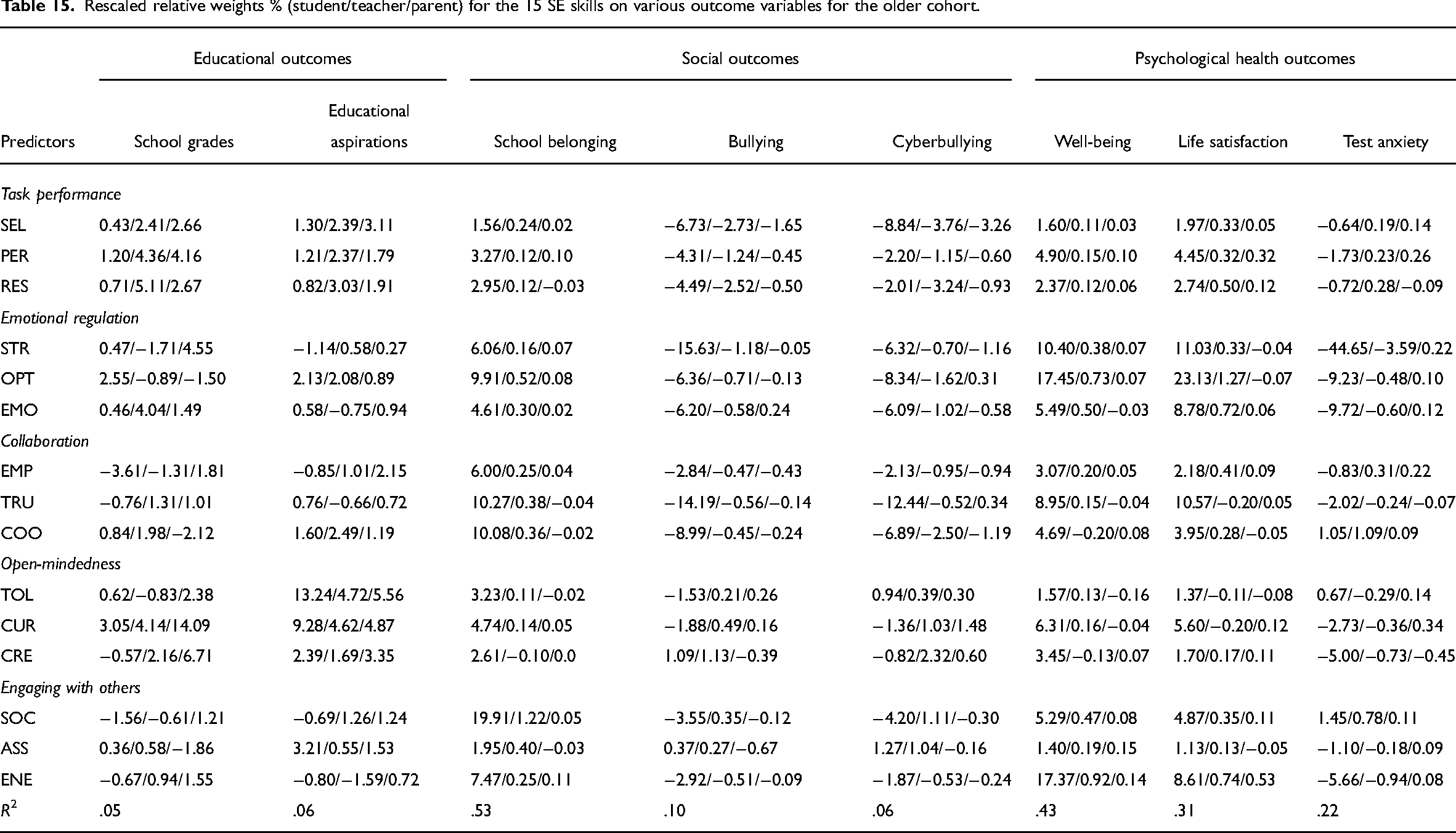
Tables 15 and 16 present the predicted relations between the SE skills rescaled with relative weight information (% students/teachers/parents) and the various outcomes for the total sample, younger and older cohorts. In general, the three SE skillsets jointly predicted 5%–29% for school grades, 6%–9% of explained variances in educational aspirations, 50%–54% for school belonging, 10%–15% for bullying, 41%–47% for well-being, 22%–31% for life satisfaction, and 22%–24% for test anxiety. Clearly, students’ self-rated SE skills were better predictors of social and psychological outcomes than parent- and teacher-rated skills. The most significant SE skill for well-being was optimism, followed by energy, trust, and stress resistance. The most significant SE skill for life satisfaction was optimism, followed by trust and stress resistance. The most significant SE skill for test anxiety was stress resilience, followed by emotional control and optimism. Emotional regulation skills appear to be more important for students’ psychological health outcomes. Regarding social outcomes, sociability, optimism, cooperation, and trust were important for school belonging, while stress resilience, trust, and emotional control were significant for school bullying. As for educational outcomes, SE skills generally explained fewer variances in predicting school grades and educational aspirations. Curiosity, responsibility, and persistence were more important for school grades. Meanwhile, parent- and teacher-rated SE skills contributed more to students’ academic aspirations than students’ self-rated skills. Open-mindedness skills (tolerance, curiosity, and creativity) were the most significant predictors of students’ educational aspirations.
Rescaled relative weights % (student/teacher/parent) for the 15 SE skills on various outcome variables for the older cohort.
Rescaled relative weights % (student/teacher/parent) for the 15 SE skills on various outcome variables for the younger cohort.
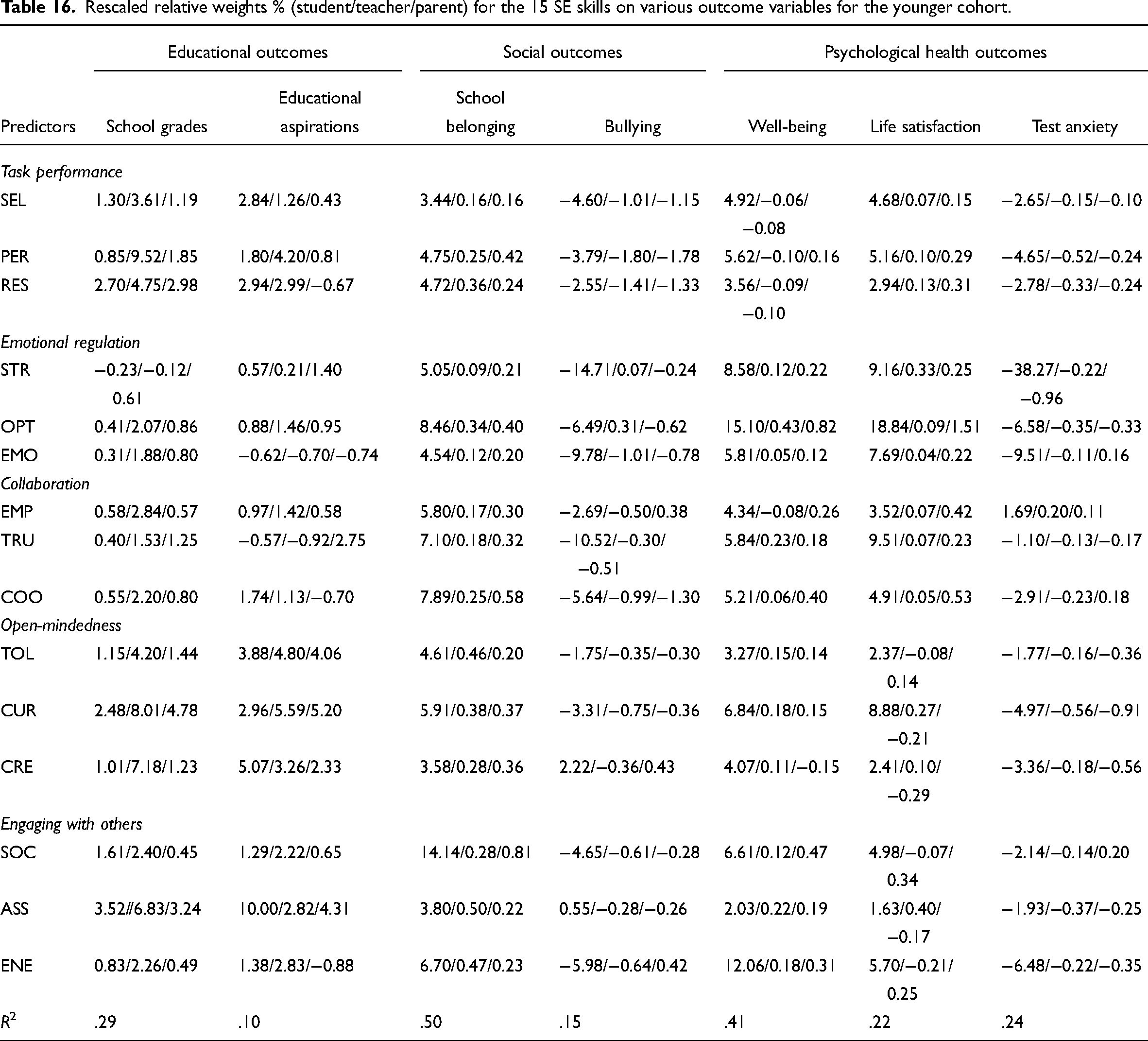
Although there were mean differences in SE skills between the younger and older cohorts, the roles of SE skills in predicting the life outcomes were relatively consistent. On average, across the outcomes, 45 SE skills (15 skills from students, parents, and teachers) explained comparable variance for the younger (mean R2 = .27) and older cohorts (mean R2 = .25). More specifically, SE skills explained large variances in school belonging (R2 = .53), well-being (R2 = .43), and life satisfaction (R2 = .31) for the older cohort, but slightly less for the younger cohort (R2 = .50, .41, and .22, respectively).
Discussions
This study examined the SE skills of 10- and 15-year-old Chinese school students as assessed by the students as well as their parents and teachers. In doing so, this study explored how family and school factors are related to students’ SE skills, how these skills are related to their various life outcomes and relative importance as predictors thereof.
Results revealed that students’ SE skills differed across gender and age. Students in the younger cohort scored slightly higher in all 15 SE skills than those in the older cohort. Students entering adolescence seem to experience a decline in their SE skills. These results are consistent with those of previous studies, which found that younger cohort students scored higher on responsibility (Shulman et al., 2015), persistence (Brown et al., 2020; Tang et al., 2019), stress resistance (Martin et al., 2010), emotional control (Cracco et al., 2017), trust (Wray-Lake et al., 2016), curiosity (Gaspard et al., 2017), sociability (Brook & Schmidt, 2020), and energy (Dumith et al., 2011). However, scholars have reported different growth patterns. For instance, Ross et al. (2019) examined the trajectories of various SE skills organized under the CASEL framework at a broader domain level during adolescence (i.e., ages 10–18). They found that self-awareness skills (emotional regulation in the OECD framework) declined from ages 10–15 and then increased again, self-management skills (task performance in the OECD framework) declined throughout adolescence, and responsible decision-making skills increased from ages 10–18, particularly between ages 15 and 18. Ross et al. (2019) subsequently concluded that the complex development of SE skills during adolescence is shaped by puberty and school transition.
Neither cohort exhibited significant gender differences in SE skills. Girls in the younger cohort scored slightly higher on empathy, cooperation, self-control, persistence, and responsibility, while boys in the older cohort scored slightly higher on stress resilience. Interestingly, boys in the older cohort scored higher on student-rated task performance skills (persistence, self-control, and responsibility) but lower on parent- and teacher-rated skills. These findings are consistent with those of previous studies that sampled adolescents between the ages of 15 and 16 and found that girls performed significantly better than boys in terms of cooperation and the ability to understand and analyze emotions (Akelaitis & Lisinskiene, 2018). Similarly, based on a sample of secondary education students, Salavera et al. (2019) reported that girls scored higher than boys in the emotional support dimension but lower in well-being and self-control.
Addressing the question of what factors are related to students’ SE skills, this study found that students’ social relationships with their teachers, parents, and friends were related to their SE skills. Students who perceived positive relationships with their teachers and friends tended to score higher on SE skills, particularly in cooperation and empathy, while students who perceived positive relationships with their parents were more likely to experience higher levels of optimism. These relationships were consistent across age groups. Analysis revealed that, for both cohorts, cooperation in the school climate was strongly associated with collaboration skills (empathy, cooperation, and trust) but had similar mean associations with the other skills. Interestingly, while no association was observed between competition and SE skills among younger students, competition was found to have positive relations with SE skills among older students.
This study also found that students who scored higher in all 15 SE skills were more likely to attain better school grades, have higher educational aspirations, and ultimately achieve success. Students with higher SE skills tended to experience less test anxiety, less exposure to bullying and cyberbullying, and higher levels of well-being and life satisfaction. In this respect, developing students’ SE skills is invaluable for adolescent development and well-being. During adolescence, young people begin preparing for adulthood. They must make many important decisions, such as their future career path and the type of education they would like to pursue. An accurate understanding of their cognitive, social, and emotional skills may influence their awareness of the educational opportunities and careers available to them.
The value of these findings for policymakers, teachers, and parents
The Chinese education system has traditionally emphasized students’ cognitive abilities and academic performance while neglecting their SE skills and psychological well-being. In China, the prevalence of depression among adolescents is 24.6%, increasing with grade level to reach approximately 40% among high school students. A comprehensive meta-analysis of 80 studies revealed that, on average, 36% of teenagers experience bullying, and 15% experience cyberbullying (Modecki et al., 2014). In a study of Chinese students, Zhang et al. (2019) found that 27.7% of students had been bullied in the three months preceding the survey.
Chinese policymakers have acknowledged the importance of students’ noncognitive skills and psychological well-being, advancing the need to move beyond the singular focus on academic performance. Proposing the concept of “high-quality education,” Outline of the National Program for Medium- and Long-term Educational Reform and Development (2010–2020), issued in 2010, emphasized that “Improving quality is the central task of education reform and development. It is essential to establish a scientific concept of quality and use promoting people's all-round development as the fundamental standard for measuring the quality of education.” Issued in 2020, Outline of the 14th Five-Year Plan (2021–2025) for National Economic and Social Development and Vision 2035 of the People's Republic of China advanced the concept of “quality education for all.”
This raises the question of what quality education for all constitutes and how we can measure it. Implementing quality education does not merely involve a superficial change to or natural extension of existing education but its elevation in terms of its level, depth, and breadth. Indeed, the comprehensive development of education should involve raising it to a suitable level. In terms of depth, it is necessary to deepen basic competencies to core competencies, while improving education's breadth involves expanding cognitive skills to include noncognitive skills. Developing SE skills can be a breakthrough in the cultivation of quality education. Moreover, it is crucial to include SE skills as significant components of educational evaluations. Without a valid evaluation of students’ SE skills, implementing high-quality education may be more challenging. However, unlike cognitive abilities and academic performance, students’ SE skills are difficult to define. Although the OECD has proposed a framework of SE skills based on the Big Five model of personality traits, the items measure students’ self-concept of their SE skills. Therefore, there is a need for systematic research on and greater attention to the assessment of SE skills.
Furthermore, the cultivation of SE skills can be considered a foundational project for promoting students’ life satisfaction and psychological well-being. Several studies have shown that cognitive skills have little impact on the development of SE skills. However, students’ SE skills significantly affect the subsequent development of their cognitive abilities and academic performance (OECD, 2015). Therefore, early investment in cultivating students’ SE skills is necessary and beneficial for their academic performance and future career success.
For school leaders, the first step should involve integrating SE skill training into primary and secondary school curricula, which serve as the foundation for school education and teaching activities. Many countries have successfully integrated SE skills into school curricula. We can select pilot schools where school leaders are interested in cultivating students’ SE skills and developing a school-based curriculum, gradually exploring a development path from a school-based to a national curriculum. Extracurricular activities can be included in school-based curricula. Students who participate in extracurricular activities, such as the arts and sports, tend to report higher levels of creativity and curiosity than those who do not (OECD, 2021a).
This study also found that a sense of school belonging was strongly and positively correlated with students’ SE skills. According to the PISA data, while Chinese students achieved excellent academic performance, they had a markedly low sense of school belonging. To some extent, the strength of students’ sense of school belonging reflects the degree to which school management is genuinely student-centered. To address this issue, school leaders should create a more supportive and caring school environment that helps students develop a sense of school belonging and reduce the incidence of bullying and cyberbullying. A supportive and caring school environment may encourage students to seek help when necessary, particularly when combating bullying and cyberbullying.
Establishing a positive student–teacher relationship is crucial for developing students’ SE skills. Equality, democracy, justice, and leniency are essential characteristics of positive and healthy student–teacher relationships. However, in reality, the student–teacher relationship is often fraught with tension. In particular, students and teachers often understand and have differing feelings regarding the student–teacher relationships. It is imperative to accurately comprehend the sentiments of different informants and consciously and scientifically improve student–teacher relationships. School leaders should also actively implement and include SE skills as fundamental and significant components of teachers’ professional development. Certainly, teachers’ own SE skills directly impact those of their students. Classrooms managed by active and thoughtful teachers tend to be lively, whereas those managed by passive and melancholic teachers tend to lack energy (Hallinan, 2008). That said, the ability of teachers to cultivate students’ SE skills is crucial. Whether teachers pay attention to, understand, and regulate their students’ feelings, emotions, and interpersonal relationships is vital for developing students’ SE skills. Teachers also need to treat their students fairly because perceived fair treatment facilitates students’ sense of belonging. When teachers provide a disciplined, supportive, and less punitive environment, students’ SE skills tend to improve, and they are less likely to engage in violent and negative activities.
The results underscore the connections between family and school in cultivating students’ SE skills. In this respect, it is vital that parents create a positive family atmosphere that fosters the development of SE skills. Children grow up in a family environment where their parents are their first teachers. Education is the cornerstone of a child's growth. The conflict between family and school education is a prevalent issue in society. As role models, parents have a significant impact on their children and the younger the child, the greater the influence. Therefore, it is essential to create a friendly, open, and positive family atmosphere that promotes the development of SE skills.
Limitations and directions for future research
Although the SSES presents a general picture of students’ SE skills and how they relate to their various life outcomes, it has several limitations. First, the SSES is cross-sectional and does not allow for the establishment of causality. Future research should adopt a longitudinal design to deepen our understanding of the factors influencing the development of students’ SE skills and their causal relationships with several life outcomes.
Second, assessments of the students’ SE skills were self- and observer-reported. Parent- and teacher-rated assessments were more enlightening than self-rated assessments. However, teacher-rated skills assessments only contained three items for each scale, some of which exhibited low reliability, with alpha coefficients smaller than 0.70. Furthermore, moderate intercorrelations existed between self- and parent-rated assessments but low intercorrelations between teacher-rated assessments and the other two informant-rated assessments. Future research should collect peer-rated SE skills, particularly insofar as students spend time with their classmates and peers daily and demonstrate more honest and consistent behaviors and feelings when doing so. They may know one another very well and thus provide a more accurate evaluation of students’ SE skills. In contrast to cognitive abilities, the assessment of SE skills is much more complex due to three types of bias: social desirability, which may motivate students to provide responses that they think are more socially acceptable; reference bias, whereby students answer questions by comparing themselves to a reference group; and response-style bias, where students from different cultures provide different responses. Westerners tend to respond more extremely, whereas Easterners tend to respond more moderately or mildly (Church, 2010). As such, future research should create specific environments or design various scenarios to elicit students’ SE skills, collecting specific behavior indicators and capturing their skills accordingly.
Third, students’ academic performance was assessed using their mathematics, Chinese, and art grades, which were provided to researchers by their teachers. The use of school grades has advantages over the standardized assessments carried out in the PISA and were categorized into five ranks. However, teachers from different schools may have different standards, which may have influenced the final results.
Finally, the type of schools (rural or urban) was not a variable included in the OECD survey on SE skills. It would be interesting to examine the interaction between school type and the factors already analyzed in this study.
Footnotes
Contributorship
Zhongjing Huang was the Co-Principal Investigator of the project, responsible for drafting, introduction, and policy recommendations. Jing Zhang participated in the experimental data collection and was responsible for writing research methodology, research findings, and discussion. Zhenguo Yuan was the general Principal Investigator of the project, and he was responsible for contributing to the theory of the article, policy implications, and corresponding reviews.
Declaration of conflicting interests
The authors declared no potential conflicts of interest with respect to the research, authorship, and/or publication of this article.
Ethical statement
The database used in the present study is a part of an international survey by OECD, which has already undergone ethical review and is publicly available. According to OECD, all participants included in this database provided informed consent. The researchers have no access to any information that could identify individual participants during or after data collection.
Funding
The authors disclosed receipt of the following financial support for the research, authorship, and/or publication of this article: This project was supported by the National Social Science Fund (Grant No. ABA220028).
