




Abstract
Highlights
This survey report outlined parents’ evaluation of the Shanghai online learning program during the pandemic. According to the survey results, most parents favorably accepted the Shanghai online learning initiative, while some parents held some concerns about the forms and impacts. This report reveals nuanced analysis of parents’ perception and their education backgrounds, stresses, and expectations.
China was the first country to adopt a national educational strategy of “Disrupted Classes, Undisrupted Learning” in response to the pandemic. This measure resulted in the establishment of online learning platforms for primary and secondary schools and provision of free learning resources in China. Each school was mandated to help students adopt home-based learning plans according to their specific conditions.
In accordance with the principle of “same school period, same timetable, and same teacher,” Shanghai invented the approach of “TV as the mainstay, network as the supplement” in implementing online learning (Shanghai Municipal Education Commission, 2020). More specifically, Shanghai adopted a hybrid home-based learning model, whereby schools used live TV to learn, and subject teachers engaged in interactive tutoring with students through the Internet. The Shanghai government's emergency response and innovative practices have been reported by UNESCO, which provides an excellent case study for home-based learning during the pandemic (UNESCO Institute for Information Technologies in Education, 2020).
In the context of online education, the family substituted the school as a learning space, in which parents played the role of primary learning guides to support their children's learning at home (UNESCO, 2020). Therefore, it is essential to understand parents’ attitudes and views on online teaching.
In order to get a more comprehensive and overall understanding of the feedback from Shanghai parents regarding Shanghai initiative, the Institute of Curriculum and Instruction of East China Normal University conducted an online questionnaire survey of 1,574 parents in Shanghai. Of these, 1,553 valid questionnaires were returned. The investigation obtained informed consent from all the participants.
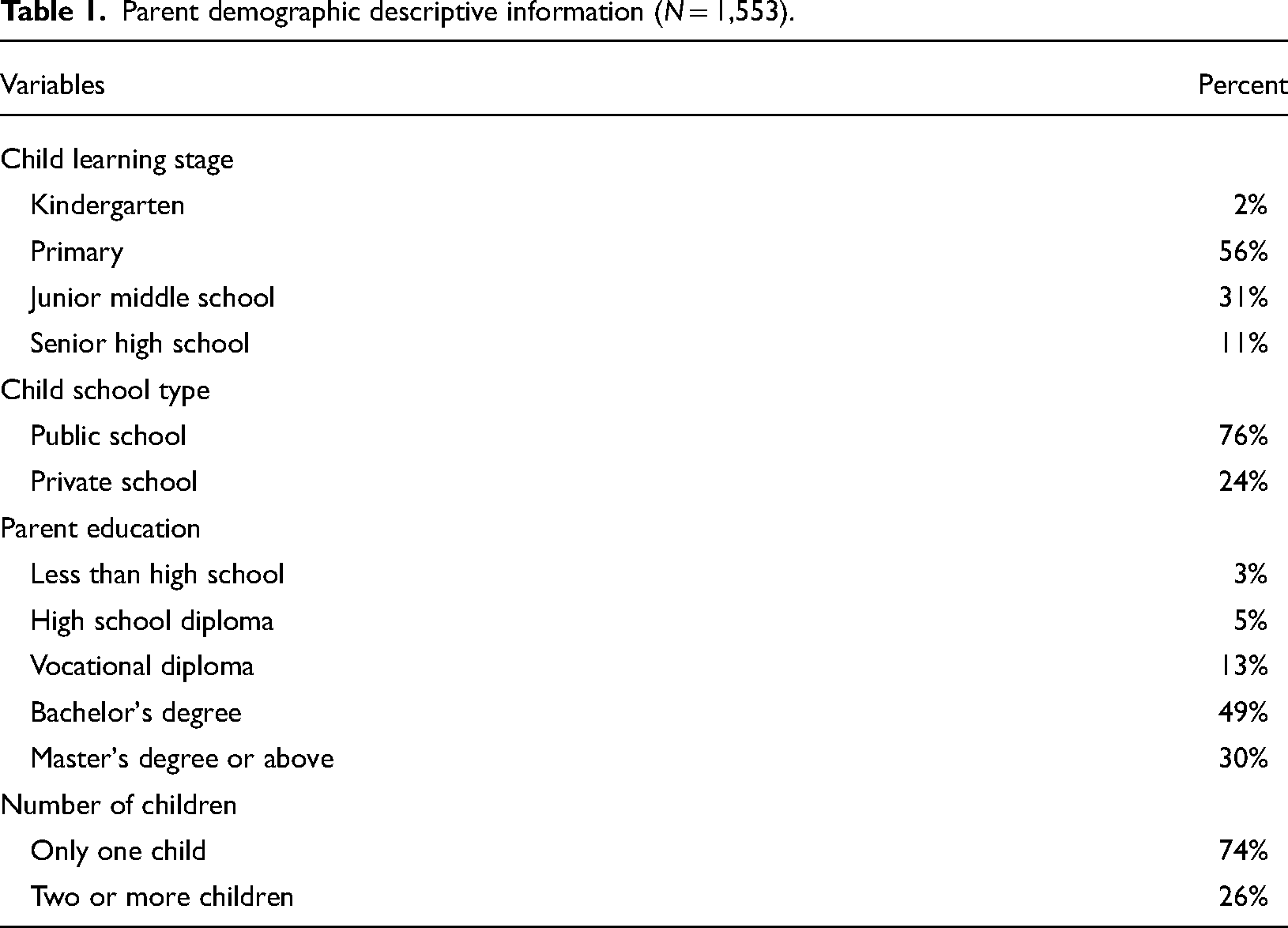
Table 1 shows parent demographic descriptive information. Of respondents, parents of primary school students accounted for 56%, parents of junior middle school students accounted for 31%, parents of senior high school students accounted for 11%, and parents of kindergarten students accounted for 2%. In respect to the type of schools, 76% of parents had children enrolled in public schools and 24% in private schools. In terms of parents’ highest education level, 3% held qualifications below a high school degree, 5% high school degree, 13% vocational diploma, 49% bachelor's degree, while 30% having master's degree or above. Regarding the number of children in the family, 74% of respondent families had only one child while 26% had two or more children.
Parent demographic descriptive information (N = 1,553).
This report summarizes major findings from the survey regarding the coverage of the Shanghai initiative, online teaching equipment and technical support, parents’ acceptance of the Shanghai initiative, the impact of online teaching on students, as well as parental pressure and expectations.
Coverage of the Shanghai initiative
According to the survey data (Figure 1), approximately 61.2% of parents reported that their children studied the unified online curriculum of the Shanghai initiative, while 29.7% responded that their children used a combination of the Shanghai initiative and the plan developed by their teachers. Only 9.1% of parents reported their children did not follow the Shanghai initiative at all, opting to use the plan entirely developed by their teachers instead. Therefore, most students were engaged in the Shanghai initiative. Survey data confirmed that the Shanghai initiative had wide coverage and a high degree of popularity.
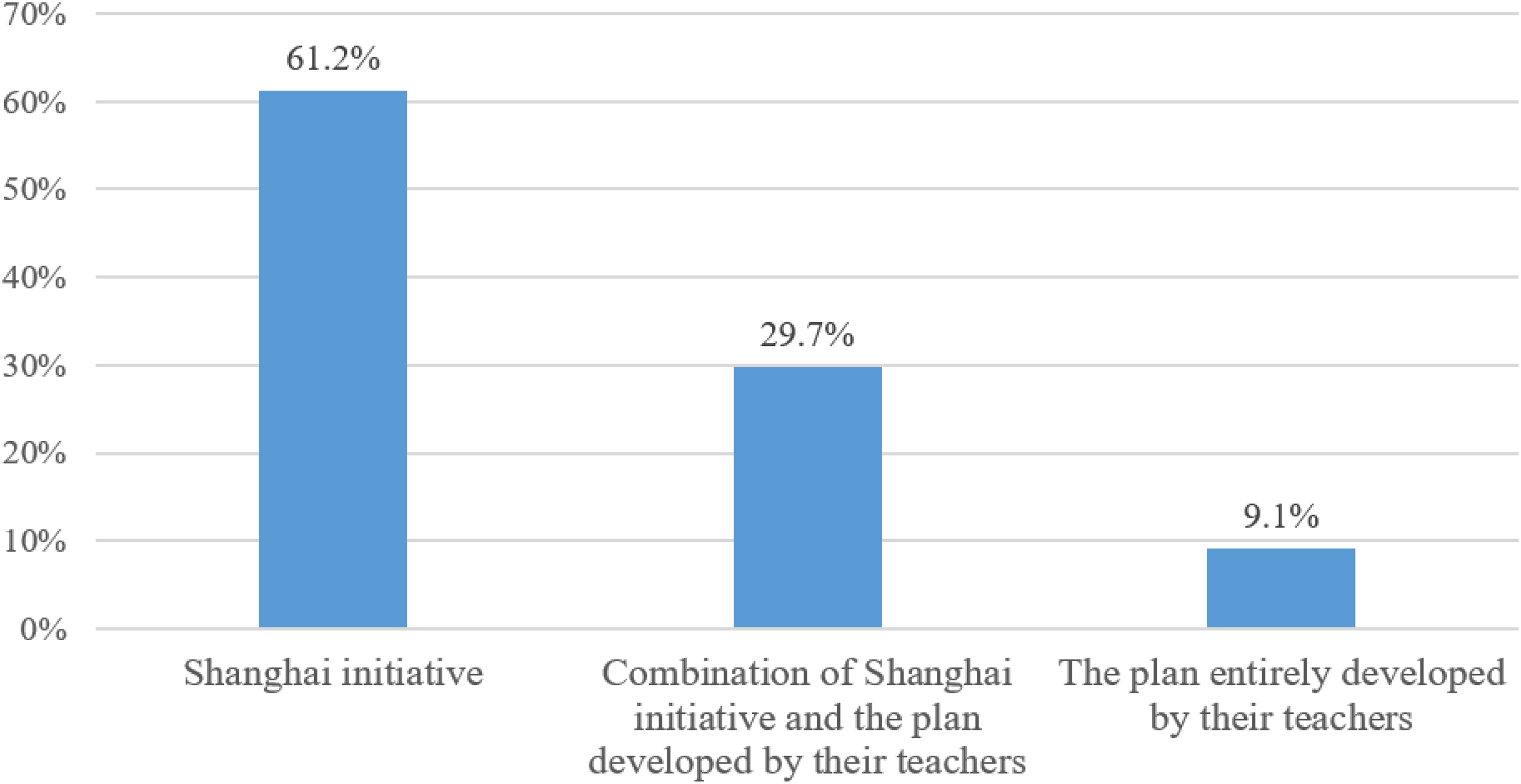
Home-based learning plan used by students.
Online teaching equipment and technical support
Electronic devices and Internet access are essential for online learning. In regard to the ownership of online learning devices, survey data indicated that most families owned televisions, smartphones, and computers and had adequate Internet access. More specifically, 89.2% of families owned televisions, 86.5% owned smartphones, 91.3% owned computers, and 91.0% had Internet access. In terms of technical support for live TV, many respondents (56.2%) reported that the stability and fluency of live TV was one of the main advantages of the Shanghai online teaching initiative.
In order to deal with the potential technical problems of live TV, such as the relative instability of the Internet connection and online platforms, Shanghai government made careful preparations for preliminary investigation and various technical solutions. As a result of these efforts, parents recognized the ease and consistency of live TV technology. The majority of parents also recognized the good quality of the videos, with only 12.8% of respondents reporting that the video quality was not high.
However, not all parents were proficient in the use of online teaching platforms. As Figure 2 shows, 28.7% of parents reported finding it “Very difficult” to use existing online teaching platforms, 13.6% reported finding it “Somewhat difficult,” 21.5% reported finding it “Moderately difficult.” Indeed, just 13.5% and 22.7% of parents found it “Not too difficult” and “Not difficult at all,” respectively.
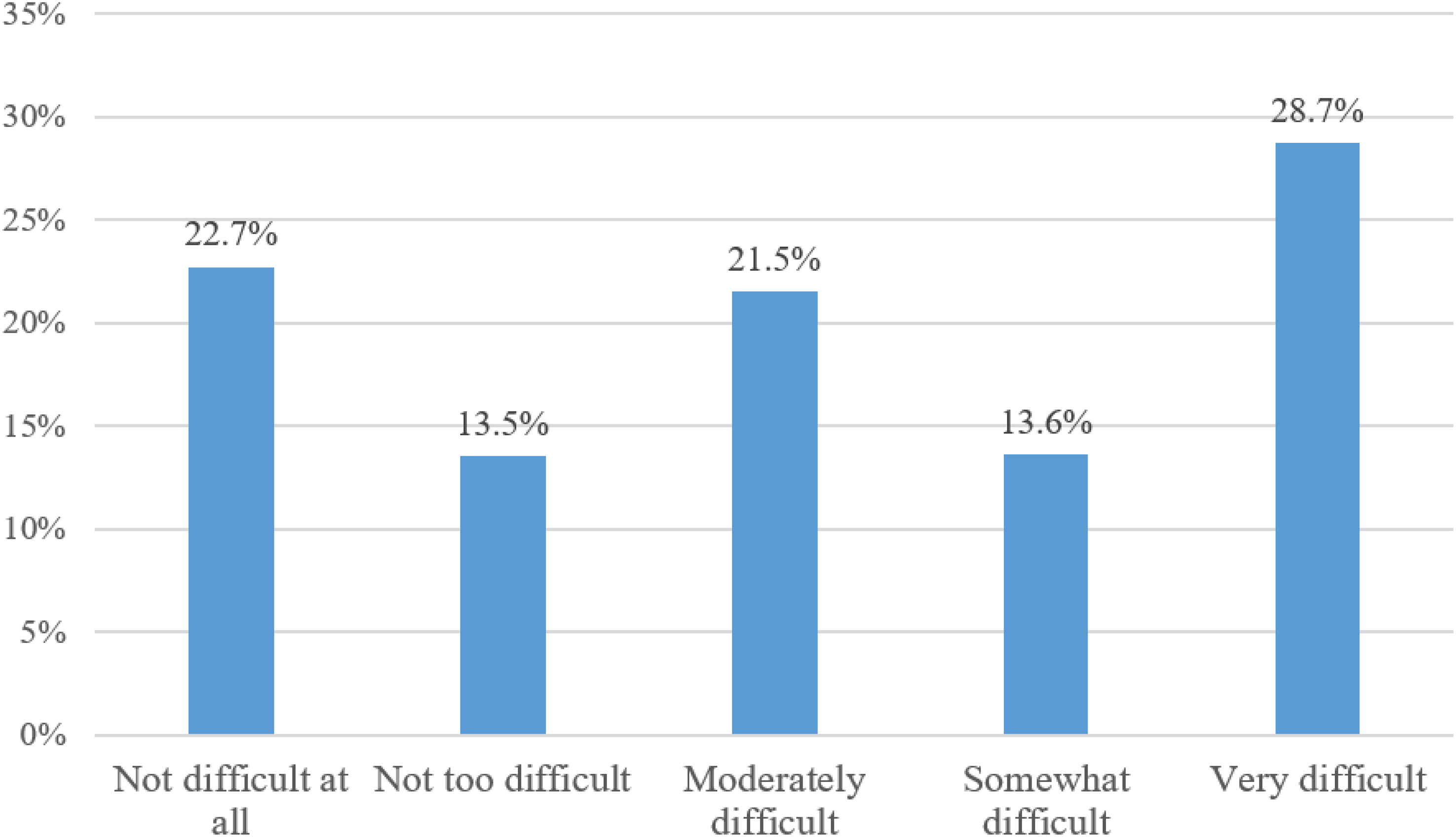
Degree of difficulty in using the teaching platform.
Parents’ recognition of the Shanghai initiative
This section examines parent's approval of the Shanghai initiative compared to the approach of teachers live streaming courses adopted in other provinces. According to survey results (shown in Figure 3), 20.8% of parents believed that the Shanghai initiative was “Significantly worse” than teachers live streaming courses, 16.4% believed it was “Somewhat worse,” 28.0% believed it was “Equal,” 20.4% believed it was “Somewhat better,” and 14.4% believed it was “Significantly better.” In general, parents’ approval of the live TV initiative (34.8%) was slightly lower than that of the excellent teachers live initiative (37.2%).
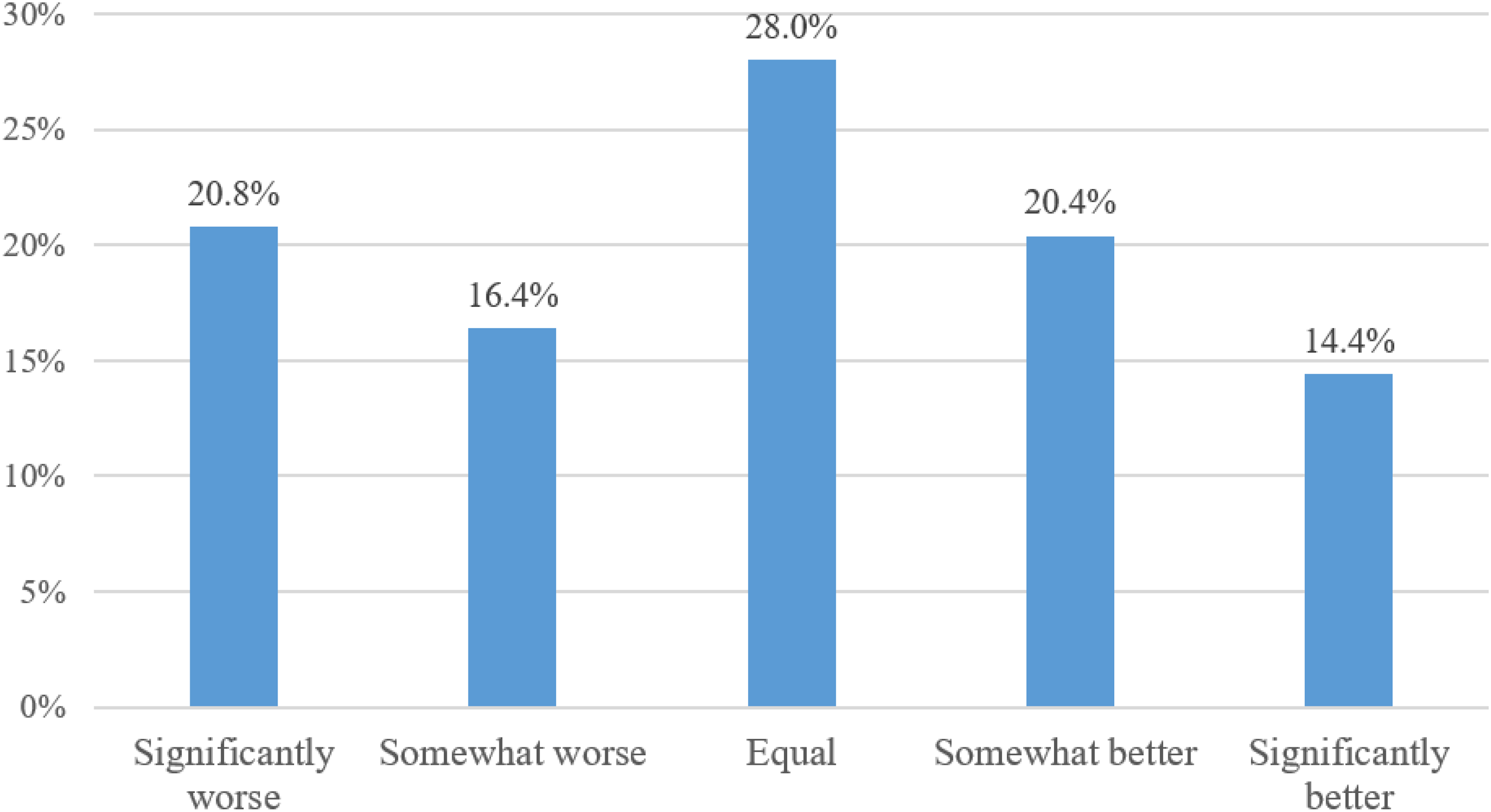
Parents’ acceptance of the Shanghai initiative compared with teachers live streaming courses.
It is worth noting that from the survey data parents without higher education degrees were more likely to applause and recognize the Shanghai initiative than those with higher education qualifications. Parents without higher education degrees also tended to evaluate their children's learning effects more highly. This finding indicates that the Shanghai initiative did ensure that students from families without sufficient learning resources could enjoy equal educational resources to a certain extent, and that the initiative psychologically alleviated the anxiety of disadvantaged parents in regard to their children's learning.
Meanwhile, 29.7% of parents reported that the format of live TV was the main advantage of the Shanghai initiative. However, it is worth noting that 32.9% of parents believed that the live TV format had no advantages. Further analysis revealed that parents who saw no advantages in the live TV format tended to spend significantly less time engaging in their children's learning compared to those who thought the format had advantages.
Perceived impact of online teaching on students
Online teaching differs from the traditional way of learning, with students required to practice more self-discipline in order to deal with the new challenges of autonomous learning. In this respect, most respondents (40.8%) believed that online teaching could improve students’ autonomous learning abilities. Some parents found online teaching conducive to improving students’ information literacy (25.5%) and enhancing the family learning atmosphere (24.6%). However, only 8.2% parents believed that online teaching could improve mutual understanding between teachers and students.
Nonetheless, approximately two-thirds of parents (69.7%) reported feeling anxious and unable to focus on work. In addition to completing their own work, parents had to spend time and energy on supervising their children's learning. The majority of parents (82.1%) worried that excessive exposure to electronic devices would damage their children's eyesight. They complained that staring at electronic screens for seven classes a day was too long, and often resulted in children feeling tired, possibly even damaging their eyesight.
As Figure 4 shows, other perceived problems of the Shanghai initiative included “Student learning is inefficient” (55%), “Insufficient TV teaching interaction” (55.7%), and “Differences in student levels make unified TV teaching ineffective” (41.4%). More specifically, the lack of teacher supervision in classes and face-to-face interaction resulted in students finding it difficult to concentrate on and engage in learning. Meanwhile, the same TV course cannot meet the learning needs of students at different levels, resulting in some parents opting to supplement learning materials according to their children's learning status. Survey results also indicated that 32.8% of parents found a lack of communication and cooperation between frontline teachers and those teaching live on TV.
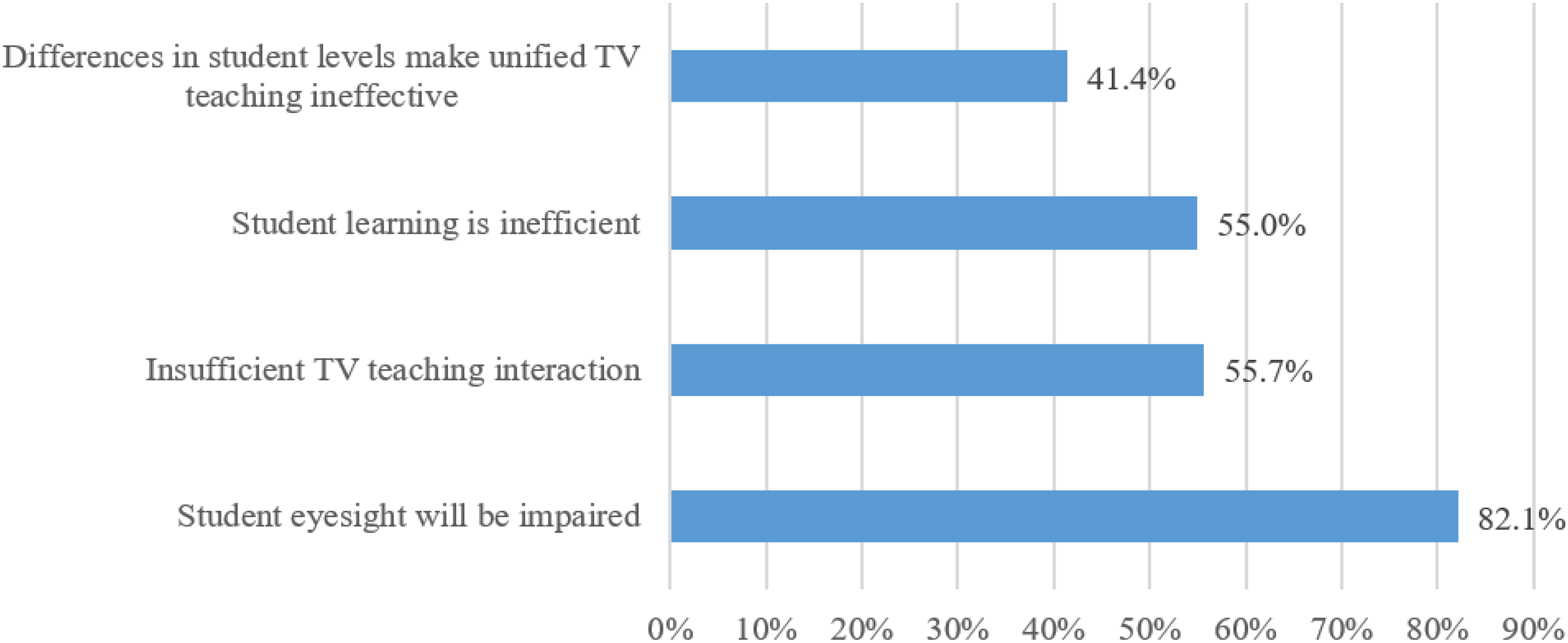
Perceived problems of the Shanghai initiative.
Figure 5 presents respondents’ assessment of their children's learning effects through the live TV initiative. Approximately 24.4% parents believed that the learning effects were “Very poor,” 21.1% that they were “Somewhat poor,” and 36.1% that they were “Average.” Only a minority of parents claimed that the learning effects were “Somewhat good” (13.2%) or “Very good” (5.2%).
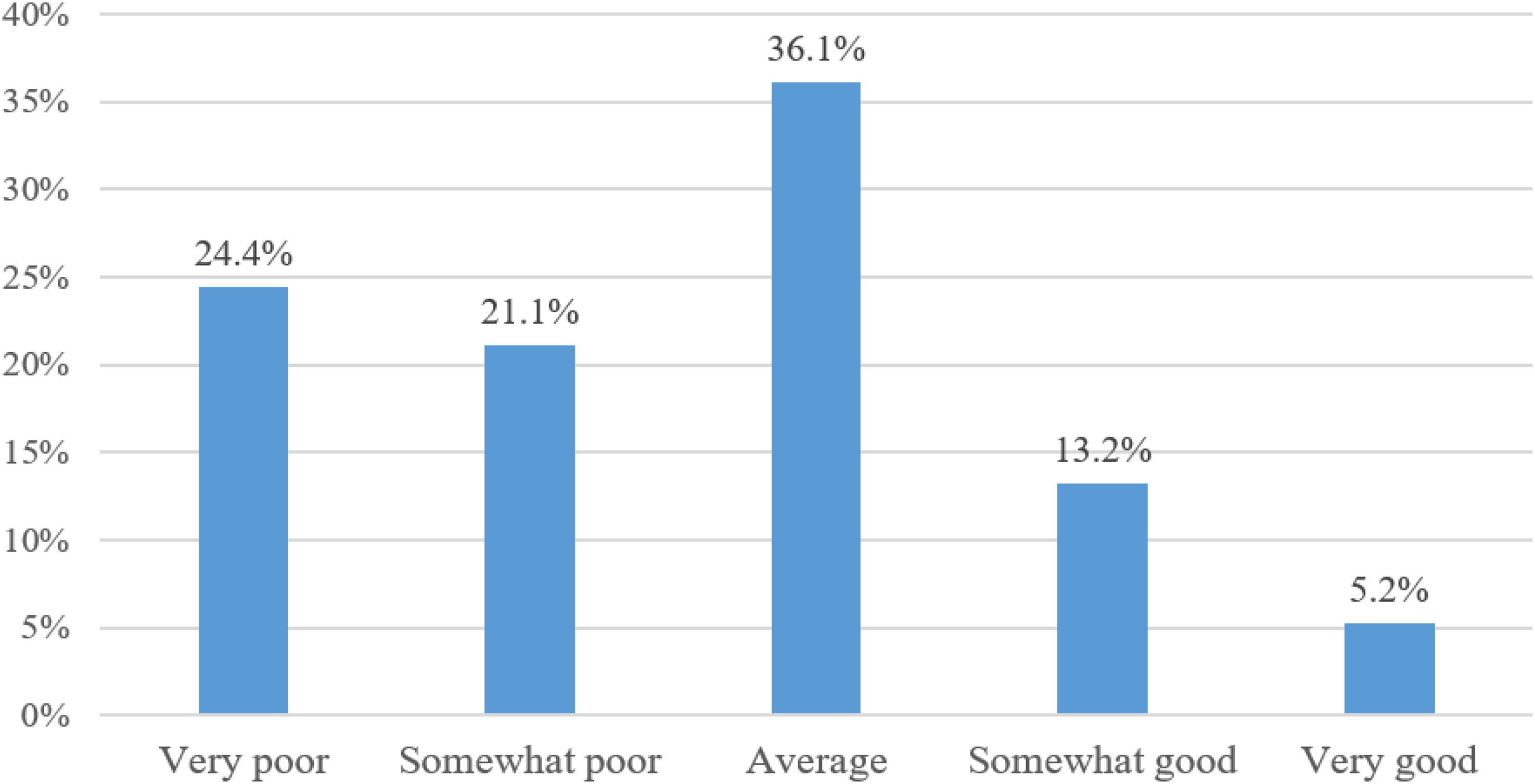
Perceived student learning effects.
Parental stress
Many parents (62.9%) reported that the implementation of the Shanghai initiative put a lot of pressure on them. For these parents, we conducted a more in-depth analysis of their background information and compared them with less stressed parents (Figure 6).
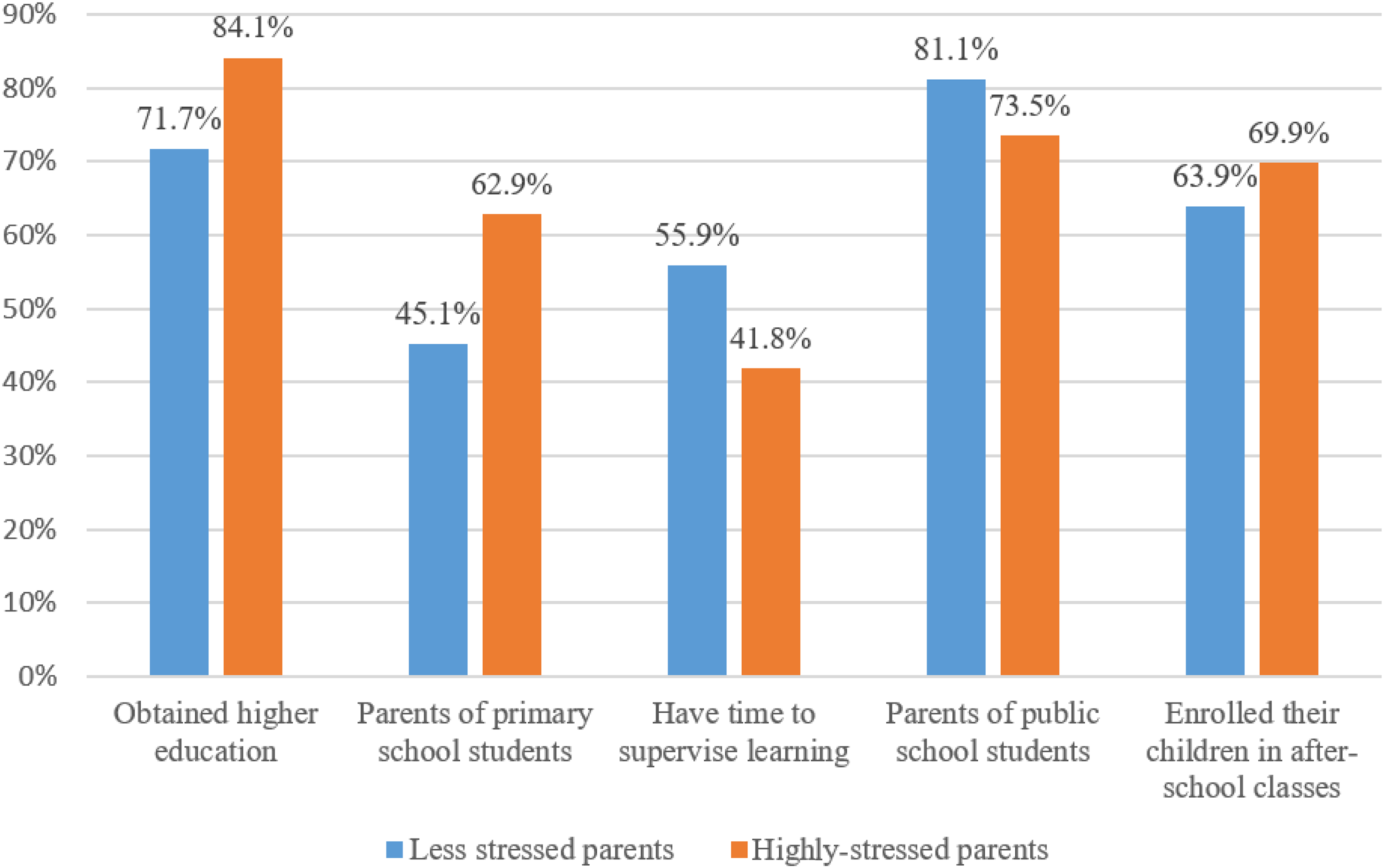
Comparison of background information of respondents who reported high levels of stress compared to those reporting less stress.
Among highly-stressed parents, 84.1% had obtained received higher education—a significantly higher proportion than that of less stressed parents (71.7%). Similarly, 62.9% of highly-stressed respondents were parents of primary school students, compared to 45.1% of less stressed parents. Only 41.8% of highly-stressed parents were able to spend time supervising their children's learning, a significantly lower proportion than that of less stressed parents. In other words, parents with higher education (84.1%), less time to supervise their children (58.2%) and children in primary school (62.9%) were more likely to be stressed. Parents of private school students were also more likely to experience higher levels of stress (81.1%) compared to those of children in public schools (73.5%). Highly-stressed parents were also more inclined to enroll their children in after-school classes (69.9%).
These findings can be explained as follows. In terms of parents’ educational level, highly-educated parents may have high expectations and strict requirements for their children's study and pay more attention to their children's academic performance. Highly-educated parents are thus more likely to be concerned about the negative impact of online teaching on their children's learning efficiency. They are also more likely to work as teachers, doctors, and civil servants, high-pressure and time-consuming jobs that would have prevented them from dedicating their time to supervising their children's learning during the pandemic. In respect to the age of children, younger children find it more difficult to maintain a high degree of concentration and practice self-awareness. Online learning conducted at home requires parents to keep a close eye on their children. Compared to middle and high school students, primary school students need more parental supervision and guidance to operate the learning platform smoothly. As such, parents struggle to attend to both their own jobs and supervise their children at home. In this respect, it should be noted that only 47% of respondents reported being able to supervise their children. Indeed, 15.9% reported having to leave their children at home alone, while 37.1% said that their parents looked after their children while they were at work.
This survey analyzed the amount of time respondents spent engaging in their children's learning, stress level during the initiative, acceptance of the Shanghai initiative, and evaluation of their children's academic development. As the results in Table 2 show, the time parents spent engaging in their children's learning was significantly negatively correlated with their stress level (β = −0.126, p < .01). Additionally, “time with children” was significantly positively correlated with parents’ acceptance of the Shanghai initiative (β = 0.119, p < .01) and their evaluation of their children's academic development (β = 0.182, p < .01). In other words, compared to parents who were able to supervise their children's learning at home, parents who were unable to supervise and engage in their children's learning at home were less likely to recognize the Shanghai initiative, experienced more stress, and tended to evaluate their children's learning effects more negatively. Furthermore, parents concerned about their children's learning were more likely to enroll their children in after-school classes.
Correlations between the constructs.
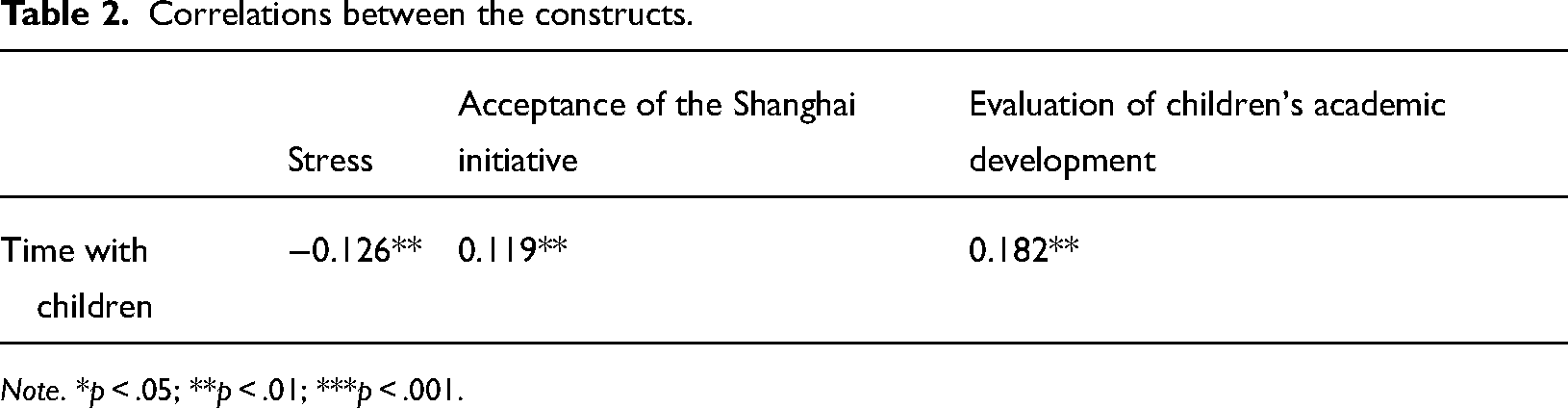
Note. *p < .05; **p < .01; ***p < .001.
Parental expectations
The surveyed parents were asked what they expected of the at-home learning initiative. Most expected their children to become adept at autonomous learning (86%) and to read more at home (70.7%). A large portion of parents also expected their children to follow the school curriculum (60.8%), as well as communicate more with their families (56.5%) and teachers (47.6%).
Conclusion
This article reports the findings of a survey investigating the attitudes of Shanghai parents toward online teaching during the pandemic. Results showed that the Shanghai initiative enjoyed wide coverage and popularity, with the majority of Shanghai parents favorably accepting the online teaching initiative as a response to the pandemic.
In terms of their experience operating the online teaching platform, some parents reported finding it difficult to use. Parents provided positive feedback regarding the consistency of live TV, the quality of videos, and the teaching level of teachers on live TV. However, parents were not overly enthused in their evaluation of the learning effect, which they found average. Parents also raised concerns about the learning format, such as the amount of time children spent staring at an electronic screen, the lack of teacher–student interaction, and the inability of the format to cater to individual differences.
Survey data also revealed that parents generally felt a high degree of pressure, particularly among those who had little time to spend supervising their children. Online learning at home requires parents to spend more time and energy guiding and supervising their children's learning, adding to the workload of parents (Chen et al., 2023). Many parents experienced difficulty juggling their own jobs and supervising their children's learning.
Footnotes
Contributorship
Jiani Rong was responsible for analyzing data, writing original draft and responding to reviewers’ comments. Shuangye Chen set up the framework and revised the draft. Xiaozhe Yang provided data and guided data analysis.
Declaration of conflicting interests
The authors declared no potential conflicts of interest with respect to the research, authorship, and/or publication of this article.
Ethical statement
Research being conducted for the paper has been reviewed and approved by Institute of Curriculum and Instruction at East China Normal University. Before this investigation, all participants received an invitation which fully explained the purpose of the research project along with issues of risks, benefits, confidentiality, and the voluntary nature of participation. The investigation obtained informed consent from all the participants.
Funding
The authors received no financial support for the research, authorship, and/or publication of this article.
