



Abstract
This article explores the development of My Journey, a web-based application (app) co-designed with people in the criminal justice system (CJS) to facilitate desistance. Developed in partnership with Include UK, a third-sector organisation, the app aims to promote agency, improve access to resources, and facilitate practitioner support for people in the CJS. Grounded in desistance theories, My Journey embodies principles such as agency, strengths-based approaches, and positive relationship-building, promoting person-centred and individualised support. The co-design process engaged five practitioners and 41 people with lived experience, ensuring the app reflected their needs. By integrating theoretical insights with practical application, My Journey represents an innovative attempt to translate desistance theories into a useable digital technology to support people and practitioners in the CJS. This article outlines the key themes of desistance translated into the app, details the co-design methodology, and presents the app’s features, highlighting its potential to bridge theory and practice.
Introduction
The use of digital technologies, particularly applications (apps), to support individuals in the criminal justice system (CJS) is becoming an increasingly prominent area of research, attracting interest from both academics and practitioners aiming to facilitate desistance and other positive outcomes (Morgan et al., 2025a; Taylor and Bartels, 2024; Taylor et al., 2023). One of the primary gaps in academic knowledge is understanding the development process for these apps. Questions remain about who is involved in their creation, what methodologies are used, and how the needs of the end-users are incorporated into the design. There is a need for detailed case studies and empirical research that outline the stages of development, from initial concept to deployment, and the input by various stakeholders to better understand the challenges, opportunities and feasibility of developing apps (see also Morris and Johns, 2024). This article outlines the development of the innovative, desistance-orientated My Journey app, exploring its theoretical underpinnings, design principles, and practical application.
To provide context, My Journey is a web-based app developed to support people in the criminal justice system (PCJS) on their desistance journey. Desistance is a complex and multifaceted process, often requiring a holistic approach that addresses various aspects of an individual’s life, including personal, social, and structural factors (McNeill, 2012). Desistance depends on human relationships, and as such, technology is not a replacement for human support. My Journey was designed to enhance the support provided by practitioners. Developed via co-design with Include UK, a third-sector organisation that supports people with offending histories, My Journey aims to facilitate agency, improve access to resources, and enhance support provided by CJS practitioners. Co-designing with Include UK practitioners and their members ensured the app met their needs and reflected desistance principles, such as agency, positive relationship-building, and strengths-based approaches, emphasising person-centred support and inclusivity. Essentially, My Journey was an attempt to transfer desistance theories into practice and promote person-centred approaches to working with PCJS. As such, this article: • Discusses key themes of desistance theories and their application to app-based technology. • Outlines the co-design approach of developing My Journey. • Presents the results of the co-design process in the form of the features of My Journey and how they have the potential to help support desistance. • Discusses the wider considerations for app-based technology in the CJS
Literature review: Desistance-orientated apps
Research exploring digital technology in the CJS is sometimes referred to as ‘digital justice’ (Morris and Graham, 2019), with the emerging area of ‘justice apps’ concerned with the use of mobile apps in the CJS (Taylor and Bartels, 2024). Over the last decade, an increasing number of mobile apps have been used in the CJS. A review by Taylor et al. (2023) identified 22 apps in the academic literature developed for use within CJS across the globe. These apps have varying functions and purposes, from promoting compliance with probation conditions to increasing the rate of court attendance and trust in the police (Taylor et al., 2023). However, little is known about how these apps have been developed, by whom, and the values and evidence they are underpinned by. Ross (2018) has highlighted the concerns about the quality of apps available to people in the CJS. Ross contends that: Low entry barriers for mobile application developers, combined with the ease with which new applications can be distributed, mean that someone seeking a mobile application solution can be faced with a plethora of choices that range from well-designed and effective apps to poorly designed or even dangerous ones (2018: 47).
One concern with the rapid expansion of technology in the CJS is the values or principles they are underpinned by (see Ross et al., 2024). Those who concur with the Value-Neutrality Thesis (VNT), argue that technology is morally and politically neutral, neither good nor bad (Pitt, 2014). For example, Pitt (2014) makes the argument that guns do not kill people; people kill people – a gun is an instrument, not a proper subject for moral or political evaluation. However, more contemporary philosophers of technology widely reject VNT (Miller, 2021). Within the CJS, studies have highlighted the bias in predictive technology previously thought to be value-neutral (Ugwudike, 2022). Additionally, technology in the CJS has been misused, along with having unintended uses or punitive uses that affect service user/practitioner relationships (Kip et al., 2018; Link and Reece, 2021; Morris and Graham, 2019; Ross et al., 2024). Arguably, the values or principles that technology is built on and the purpose of the technology need to be explicit to minimise misuse.
Sourdin et al. (2020) developed a taxonomy that describes how digital technology may reshape the CJS, which pertains to (1) ‘supportive technologies’ that assist, support, inform and advise people, (2) ‘replacement technologies’ that replace services and functions provided by humans and (3) ‘disruptive technologies’ that deliver different forms of criminal justice interventions that disrupt existing practices and processes. Some technologies may cut across all three taxonomies, and there is a need to broaden Sourdin et al.’s (2020) taxonomy to include a new categorisation of ‘desistance-orientated technology’. In this instance, desistance-orientated refers specifically to digital tools and apps based on desistance theories, which emphasise supporting individuals in their journey away from crime. For example, My Journey was underpinned by the key principles of desistance as identified by McNeill et al. (2012), which includes agency, hope, strength-based approaches, individualised interventions, developing social capital, acknowledging positive changes, supporting the use of positive language in justice settings and the promotion of positive relationships (between practitioners and PCJS, and between PCJS their friends, family, partner, and wider community). The following explains the key principles of desistance theories and how these can be transferred into apps. The methodology section of this paper sets out how My Journey was developed, and the results section discusses how desistance values/themes have been translated into features of the My Journey app. I argue that desistance principles should underpin the development of digital technology to support PCJS.
Desistance principles/themes – The importance of positive relationships
There is strong evidence that the quality of relationships practitioners build with the people they supervise/support plays a vital role in supporting desistance (Raynor et al., 2014). As such, technology should not be a replacement for human interactions and support. Instead, technology should complement and enhance the relationships between practitioners and PCJS – desistance from crime depends on human relationships (McNeill, 2012).
Promoting human agency
Desistance theories emphasise the importance of human agency and ensuring PCJS can actively participate in decision-making processes (Farrall et al., 2014; Johnston et al., 2019; LeBel et al., 2008; Maruna, 2001). Technology can play a role in promoting people’s agency by incorporating mechanisms that enable people’s unique needs and experiences to be heard and form the basis of responsive support to facilitate desistance. Participatory supervision can help to strengthen an individual’s agency and engagement with service delivery (Ugwudike, 2016). This approach is underpinned by working with people and not on them (McNeil et al., 2012). Supervision should be a collaborative process between PCJS and practitioners, where pro-social and behavioural change is facilitated and not coerced (Trotter, 2013, 2022).
Strengths-based approaches and encouraging hope
Desistance theories highlight the importance of focussing on the strengths and capabilities of people rather than solely focussing on ‘fixing’ their ‘deficits’ (Maruna and LeBel, 2010; McNeil et al., 2012). Strength-based approaches can help maintain people’s motivation to continue their desistance journey (Ugwudike, 2016). Motivating people is also linked to promoting people’s hope that change and positive outcomes (secure housing, stable employment, positive relationships, etc.) are possible and attainable (Farrall and Calverley, 2006; McNeill et al., 2012).
Individualised interventions
It is widely recognised that ‘one size fits all’ approach to supervision is ineffective. As such, interventions/support should be individualised to the characteristics of people and support the transition to pro-social identities (Maruna, 2001; McNeill et al., 2012). Additionally, support/interventions need to respond to the criminogenic and non-criminogenic needs of people to support desistance. Desistance-orientated technology needs to provide opportunities for PCJS to self-identify their needs and goals and work collaboratively with practitioners to support desistance (Fox et al., 2018). Desistance-orientated technology can help to facilitate person-centred approaches, which also require ‘the reorientation of services from service systems and outcomes, towards the people who use and co-produce services and the personalised outcomes to which they aspire’ (McCulloch, 2019: 14). The benefits of person-centred approaches are widely recognised (Fox et al., 2018), particularly for PCJS who are vulnerable or have complex needs such as mental illness, learning disability, autism, or speech difficulties (Houston and Butler, 2019).
Positive language and monitoring and acknowledging positive change
Criminal justice practices have been known to be deficient-focused, which reinforces damaging ‘offending’ identities which impede desistance (Maruna, 2001, 2011; Maruna and LeBel, 2010; McNeill, 2012). Practitioners and technology should utilise language that promotes self-efficacy, beliefs about desistance, and pro-social identities (McNeill et al., 2012). To facilitate this, practitioners need to find more concrete ways to recognise and acknowledge the progress and change in individuals (McNeill et al., 2012), which app technology can help to facilitate by evidencing and celebrating progress and change.
Developing social capital
Desistance theorists argue that interventions that are predominately focused on developing human capital (i.e. developing the skills of the person) are not sufficient to support desistance. Interventions must focus on developing social capital (Farrall, 2002; McNeill et al., 2012; McNeill and Whyte, 2007). Whilst individuals may have the human capital that facilitates change, they also need to have access to opportunities and resources with social networks in their community (social capital) (McNeil et al., 2012).
In summary, desistance is a complex and multifaceted process that requires a holistic approach to support people. Translating these principles into practical interventions is a significant challenge, and digital technology offers one avenue to explore the implementation of desistance principles and bridge this gap.
Methodology
The development of My Journey happened over a 3-year period from 2020 to 2023 with Include UK and in-house software developers at Swansea University in the Legal Innovation Lab Wales (LILW) (see LILW, 2024). The research took place in Include UK’s Hub, which is a community drop-in centre run by people with lived experience of the CJS for PCJS, their families and the wider community (Include UK, 2023). The Hub provides a safe and inclusive space for people to access support, resources and advice linked to supporting desistance, social inclusion and well-being.
Staff demographics.
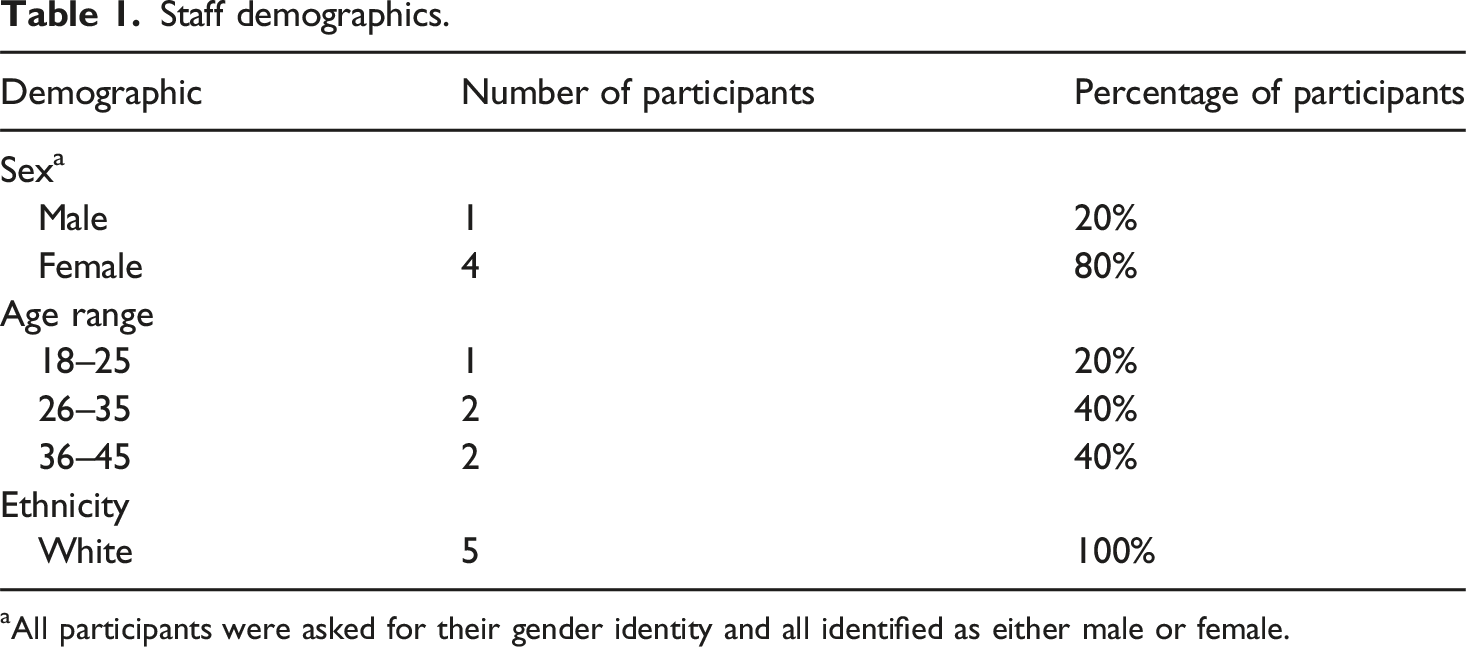
aAll participants were asked for their gender identity and all identified as either male or female.
Members demographics.
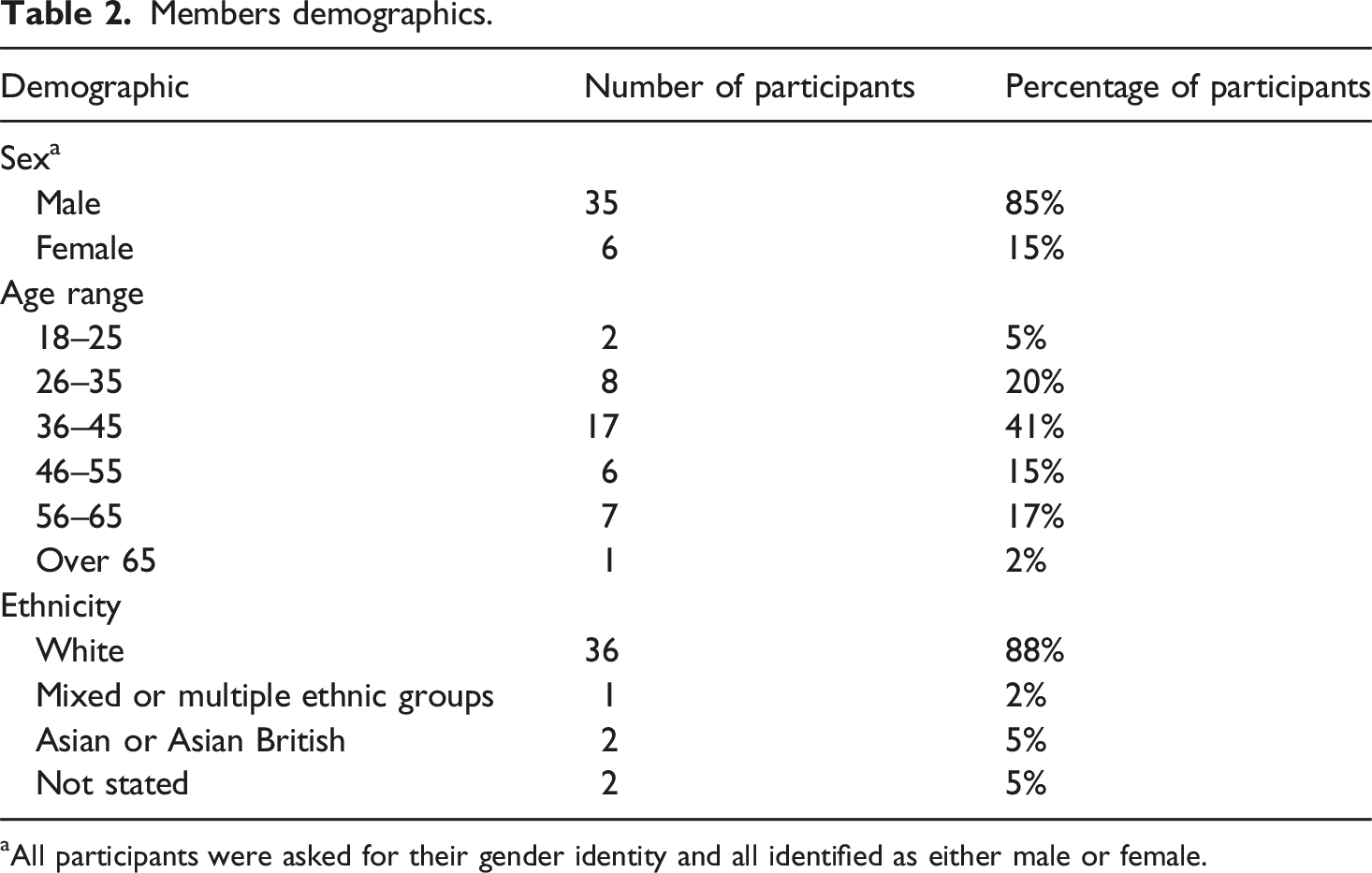
aAll participants were asked for their gender identity and all identified as either male or female.
The sample in this study is predominantly white males, reflecting the demographic composition of individuals in the CJS in the geographical area where the project was conducted. However, this does not necessarily represent broader populations within the CLS, where intersectional factors such as race, gender, age, sexuality, class, neurodiversity, and ability shape experiences of the CJS and their desistance journey (Kreager et al., 2017; Reisdorf and Rikard, 2018). Given the rapid evolution of digital technology, these intersecting identities influence how individuals adapt to and engage with digital technology (Holmes and Burgess, 2022; Reisdorf and DeCook, 2022; Reisdorf and Rikard, 2018). Future research must examine the intersectionality of digital exclusion and digital competency in the context of age, gender, ethnicity, class, sexuality, ability, and neurodiversity to ensure that digital interventions, including apps, are accessible, inclusive, and responsive to the diverse needs of CJS-involved individuals.
Co-design and the Double Diamond approach
Co-design was utilised to develop the My Journey app. Co-design originated in Scandinavia’s participatory design movement in the 1970s (Verbiest et al., 2019). Researchers and designers involved in the original movement took the view that ‘the people destined to use the system [must] play a critical role in designing it’ (Schuler and Namioka, 1993: xi). The merits of co-designing criminal justice interventions and technology to support desistance are growing (Morgan et al., 2024; Morris and Knight, 2018), which coincides with perspectives from Convict Criminology (Earle, 2016) that underscores the importance of centring the experiences of PCJS and involving them in research, advocacy for reform and service design and delivery.
In summary, co-design actively involves stakeholders in the planning, designing, implementing, and evaluating process. The researcher’s role is to locate and synthesise research findings relevant to the stakeholder’s/organisations’ goals and assist in integrating these principles within real-world practices (Jagosh et al., 2012). Like co-production, co-design recognises the inherent value of the experiential knowledge of criminal justice practitioners and PCJS (Morris and Johns, 2024). Their expertise helps to ensure that technology is user-friendly and responsive to the problem it is trying to solve. Co-design can also redress some of the power imbalance inherent in the researcher/participant, accepted/marginalised dynamic commonly found in research by actively involving people in the design process (Perez and Treadwell, 2009). The benefits of using a co-design approach include services/products becoming more user-centred, enhancing stakeholders’ sense of ownership of the product, and promoting engagement, which, in turn, can facilitate more seamless implementation (Kip et al., 2018; Morris and Graham 2019).
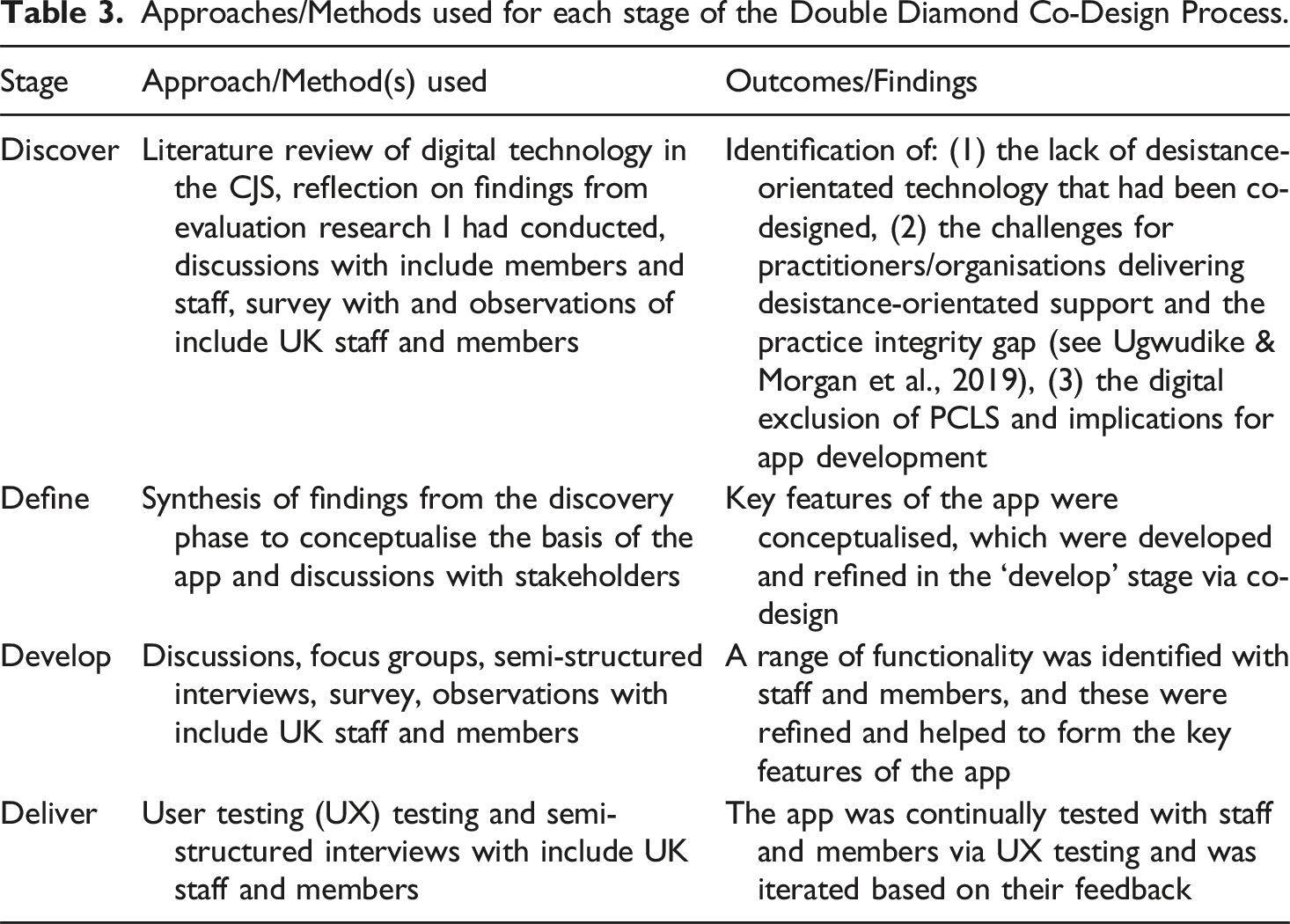
The Double Diamond, developed by the Design Council (2024) was used to facilitate the co-design and implementation of the My Journey app. The Double Diamond was influenced by earlier work on creative problem-solving and is a popular tool for explaining design to designers and non-designers (Robert et al., 2022). The Double Diamond represents a process of exploring an issue more widely or deeply (divergent thinking) and then taking focused action (convergent thinking). The model includes the following stages: 1. Discover: This helps to understand the problem. The objective is to uncover a broad range of user needs and challenges (divergent thinking). 2. Define: This stage synthesises the findings from the discovery stage to articulate a clear problem statement and focus on the challenges and problems that need to be resolved (convergent thinking). 3. Develop: Encourages people to be creative and share multiple ideas to address the problem via co-design (divergent thinking). 4. Deliver: Involves a process of iteration where different solutions are tested and refined.
The Double Diamond also includes four design principles to guide the co-design process, which include putting people first, communicating visually and inclusively, collaboration and co-creation and iteration of the solution (Design Council, 2024).
Approaches/Methods used for each stage of the Double Diamond Co-Design Process.
Ethics
Swansea University’s Faculty of Humanities and Social Sciences Ethics and Research Committee granted ethical approval. Participation was voluntary, and people were free to withdraw at any point. All participants gave informed consent to participate in all research aspects and disseminate the findings anonymously. All data and names illustrated in the figures are based on fictional, computer-generated data.
Results: The my journey app
The result/outcome of the co-design process was the My Journey app. The following section first discusses the broad design considerations of the app based on the needs highlighted by the practitioners and lived experience participants. Secondly, the features/functionality of the app are explained in the context of the desistance principles previously discussed.
General design features/considerations – Accessibility, security, & person-centred support
Accessibility was central to the app’s design and functionality. One key accessible concern related to the digital exclusion of Include UK’s members (see Morgan et al., 2025a; 2025b; 2025c). For example, 27% (n = 11) of the members did not own a smartphone, some would lose, swap, or sell their smartphones, and/or could not afford the data to use a smartphone (see Morgan et al., 2025a). As such, My Journey was built as a web-based application that can be accessed on smartphones, tablets, computers and laptops. Within The Hub, there are several computers and tablets are freely available the members are free to use. Therefore, a web-based app ensured that My Journey was accessible to all of Include UK’s members and could be used by a greater number of people than a mobile app.
Additionally, people’s (digital) literacy levels also varied (see Morgan et al., 2025a; 2025b). It is widely acknowledged that the literacy levels in the CJS are lower than those in the general population (Prisoner Learning Alliance (PLA), 2020). As Figure 1 illustrates, the app was designed to be largely visual, using icons that were tested and verified with the participants to denote the function of specific features. Lengthy text was avoided, and simple language was used. Member’s home page.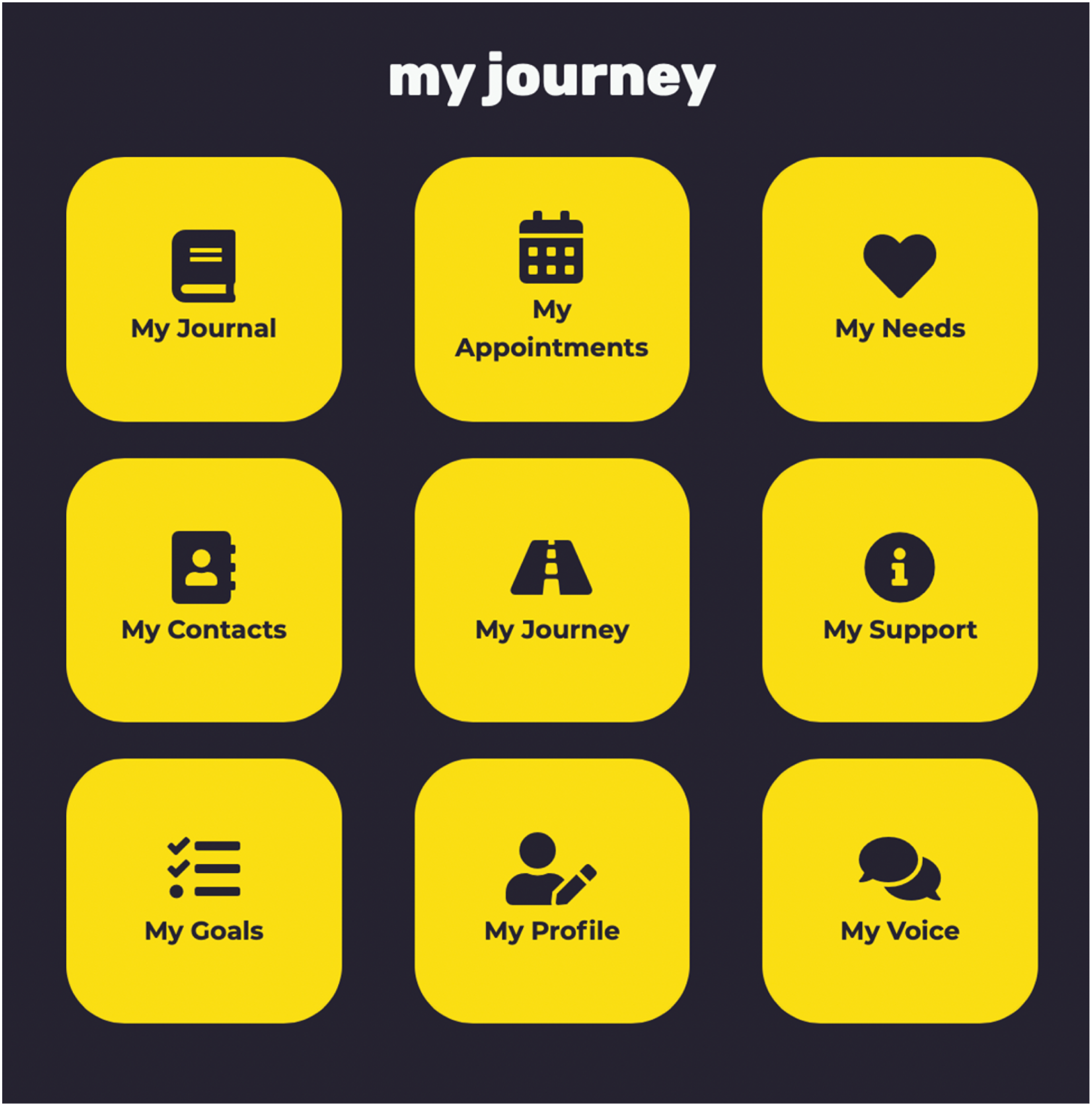
As part of the iteration process, the wording of different aspects of the app was adapted to make it more accessible to the participants. High contrast colours of black and yellow were used as this makes it easier for people to digest information. Coincidentally, the colours used in the app were also the brand colours of Include UK and gave added ownership of the app. From a more technical design perspective, the app was also built following Nielsen’s 10 Usability Heuristics and Web Content Accessibility Guidelines (WCAG) 2.1, which are sector standards for enhancing the accessibility of apps (see Casare et al., 2019).
The security and privacy of participants’ information on the app were raised as a key concern. Findings from a survey that was conducted with members revealed that 56% (n = 23) stated that they worried about privacy and safety when using a smartphone, and slightly over half (n = 22) of the respondents stated that they worried about privacy and safety when using the Internet (see Morgan et al., 2025b). A small number of our participants were also reluctant to use smartphones as they feared they would be under surveillance by the government, police or probation and did not trust technology. Members were worried that My Journey would have GPS tracking, which it was never designed to do as it does not coincide with the desistance approaches, and this was communicated with the participants. Other studies have also highlighted privacy and GPS tracking as a barrier for people in the CJS to use apps (see Taylor and Bartels, 2024). The app also went through a penetration test, which passed government standards, and Include UK obtained Cyber Security Plus certification abides by Open Worldwide Application Security Project (OWASP) Top Ten as a framework (see OWASP, 2024).
Overview of My Journey’s features
My journey features/functionality.
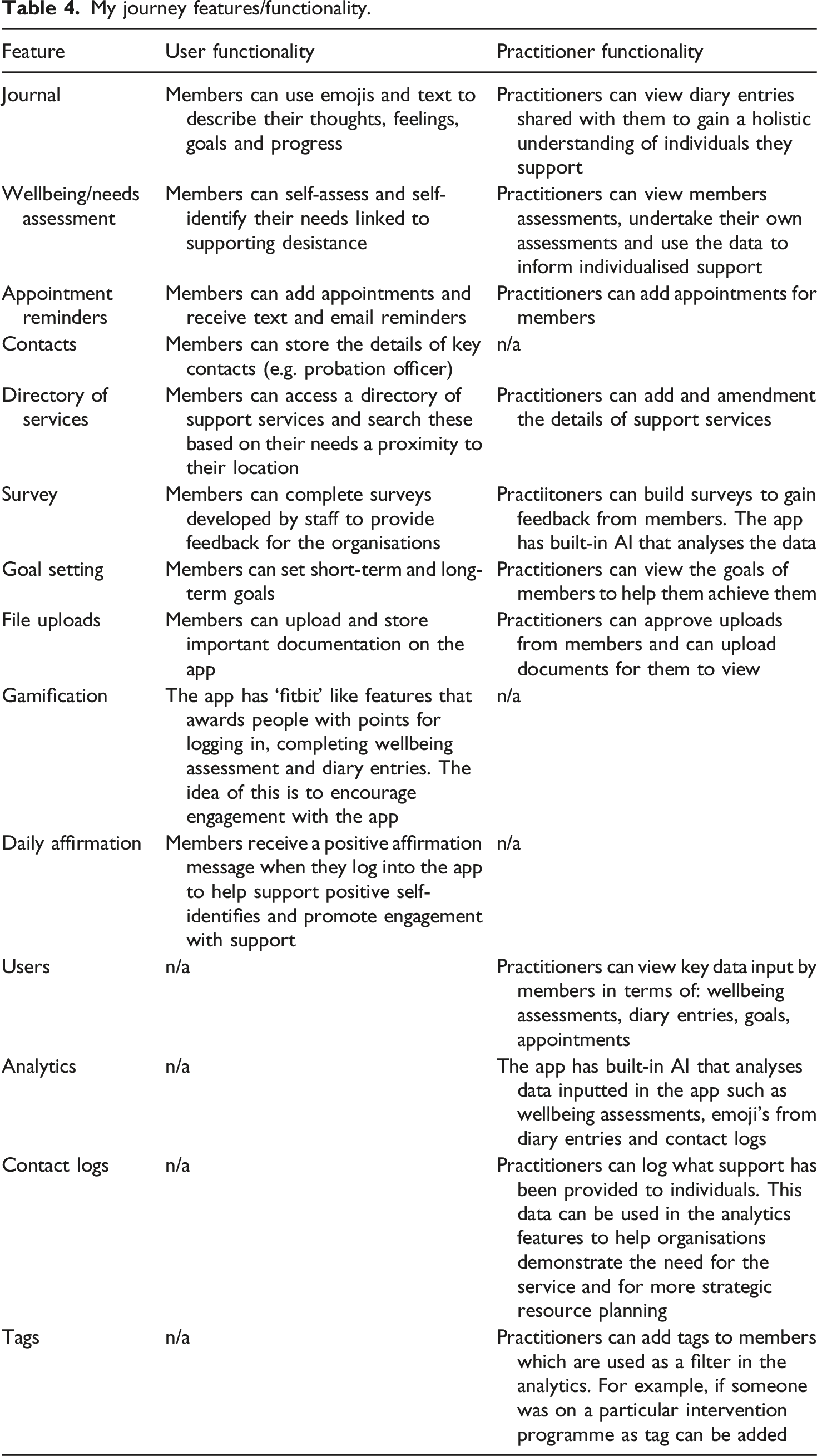
The scope of the article does not allow for each of the features of My Journey to be discussed, as such, the following sections outline some of the core features of the members’ and practitioners’ version of My Journey, the reasoning for its design and how desistance principles have been incorporated.
Members’ features – Wellbeing assessments
The well-being assessment feature was designed to coincide with the following themes of desistance theories: human agency, individual interventions and acknowledging positive change and developing social capital. Within the context of probation, risk/need assessments are done to PCJS. There is little opportunity for people to participate in decision-making processes about their “criminogenic” and “non-criminogenic needs”. This feature was designed to enable members to self-assess their needs and have a say in what support they to encourage collaborative working with practitioners (see Fox et al., 2018; Trotter, 2022). The idea is to give people greater agency in the direction of their support and to help develop more individualised support. This feature also sought to place greater accountability on service providers to ensure that they listen to the people they support and respond to their specific needs.
The assessment enables PCJS to rate their current state across 12 domains: employment/education/training, mental health, emotional health, physical health, addiction, relationships, housing, benefits/money, food, problem behaviour, sense of belonging and community and leisure opportunities. The assessment domains are derived from the extant research on (de)stabilising factors, criminogenic and non-criminogenic needs linked to desistance, motivation and engagement with interventions (Bonta and Andrews, 2024; McNeill et al., 2012). Several studies have highlighted that developing tailored interventions that respond to people’s criminogenic and non-criminogenic needs, as well as their strengths and capabilities, are shown to support desistance (Maruna, 2001, 2011; Ward and Fortune, 2013; Ward and Maruna, 2007). As Figure 2 illustrates, PCJS use a sliding scale to rate each domain. Wellbeing/needs assessment.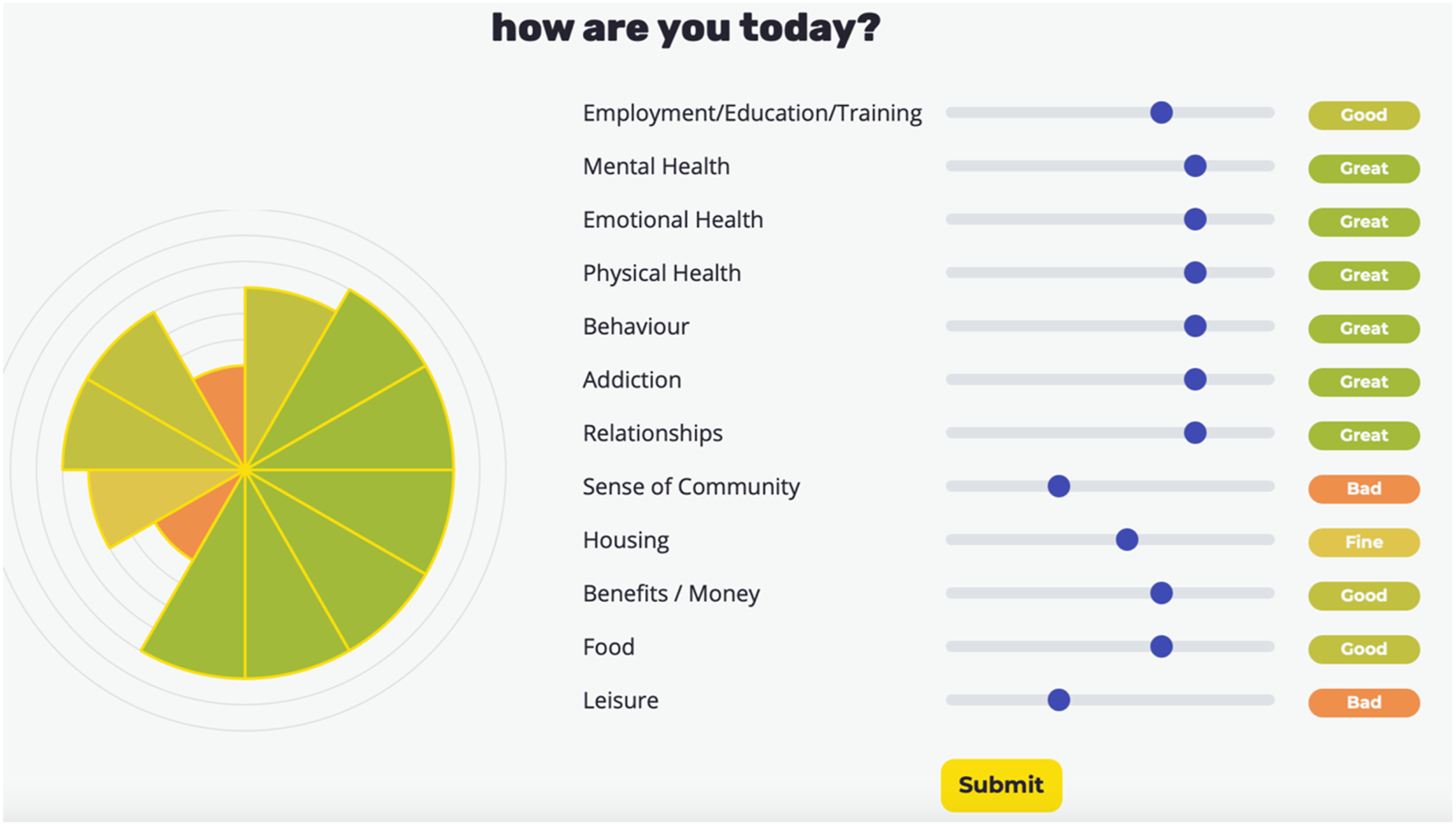
The members decided on the language used to rate each of the domains, which are: 1 = terrible, 2 = awful, 3 = very bad, 4 = bad, 5 = ok (so so), 6 = fine, 7 = good, 8 = very good, 9 = great, 10 = amazing. When someone rates a domain below 5, the app will show the details of a support organisation/service in the area. Evidence shows that brokerage can support desistance (Bonta and Andrews, 2024).
Journal feature
The journal feature can be used for several purposes by members, including reflecting on their goals, the positive progress they have been making, challenges they are facing, monitoring their drug/alcohol consumption, and communicating their needs with staff. As shown in Figure 3, people can select from a set of emojis to indicate their current mood, which mitigates the common issue of low literacy rates, as well as using free text to communicate with practitioners (see Morgan et al., 2025a). Members decide who they share their diary entries with to promote their agency. For example, entries can be private and only viewed by them, or they can select which professionals can view each entry. Diary emojis.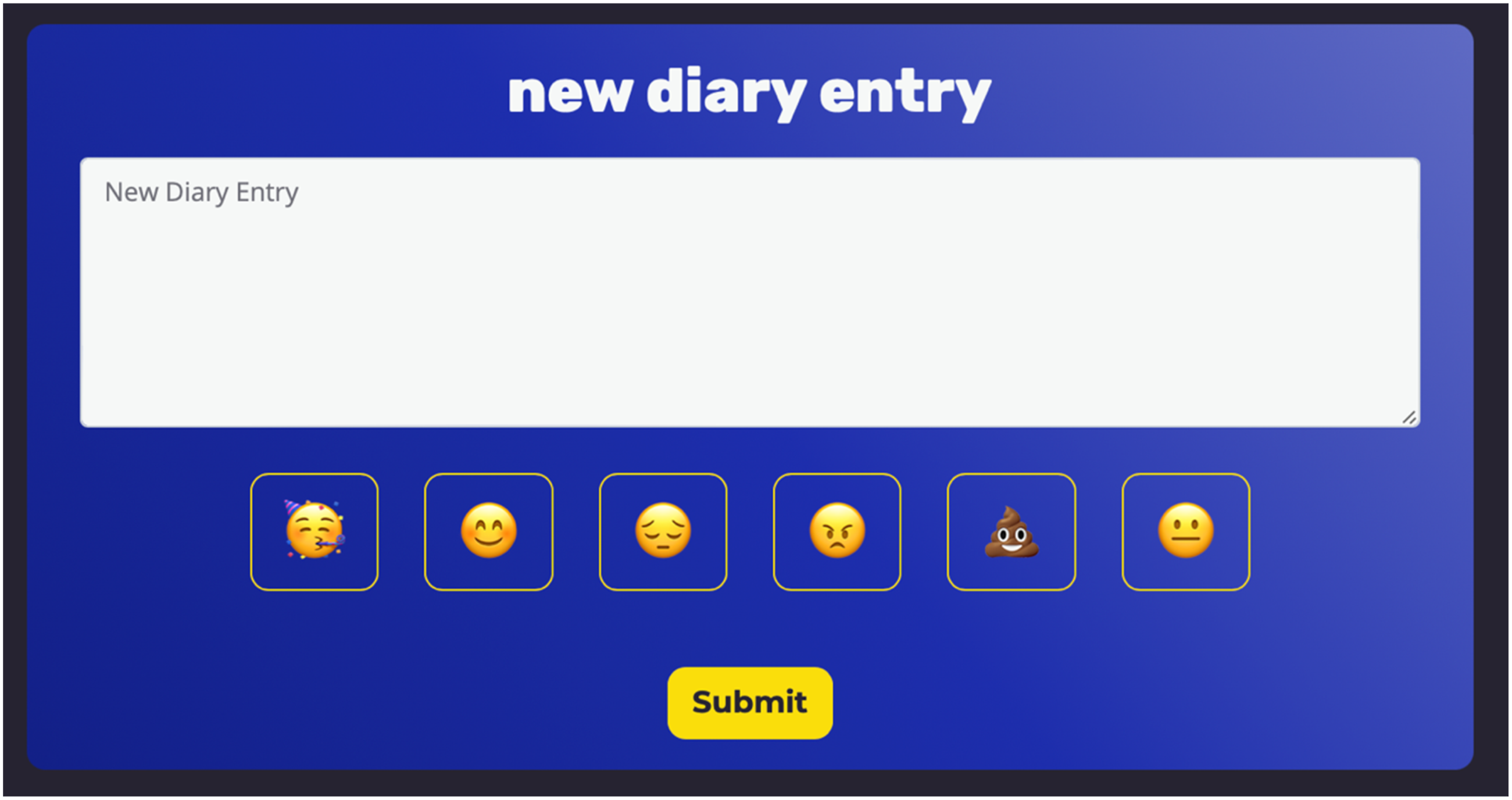
Appointment reminders
Include UK’s members and PCJS are often in contact with multiple services. The chaotic lifestyles of some Include UK’s members made it difficult for them remember appointments and attend them. Additionally, not all members had a smartphone or possessed the skills to use a calendar on their phone (see Morgan et al., 2025a; 2025b). As such, the appointment feature was designed with simplicity in mind, allowing people to easily record and monitor their appointments in one location. Studies have highlighted that calendar/appointment reminder features are one way to encourage people to engage with support services and support compliance (see McGreevy, 2017; Spohr et al., 2015; Taylor et al., 2023). The appointments feature allows people to input key information about upcoming appointments, including the date, time, location and who it is with. Nudging was also used to help people avoid missing appointments. Nudging is a form of behavioural economics which can encourage or guide certain behaviours (e.g. attending appointments) (see Halpern, 2015). For example, people receive an email or text reminder about the details of their upcoming appointments to encourage attendance.
Directory of services
Members can use the directory of services to access information about support services in their area (e.g. housing, mental health, substance misuse etc.) As noted, evidence shows that providing advocacy and brokerage services can help to support desistance (Bonta and Andrews, 2024). The idea is to help people access services that can address their specific needs and build their social capital to support desistance (see McNeill et al., 2012). As Figure 4 illustrates, people can search within a selected radius of a postal address for a service that offers support for specific needs. Directory of support services.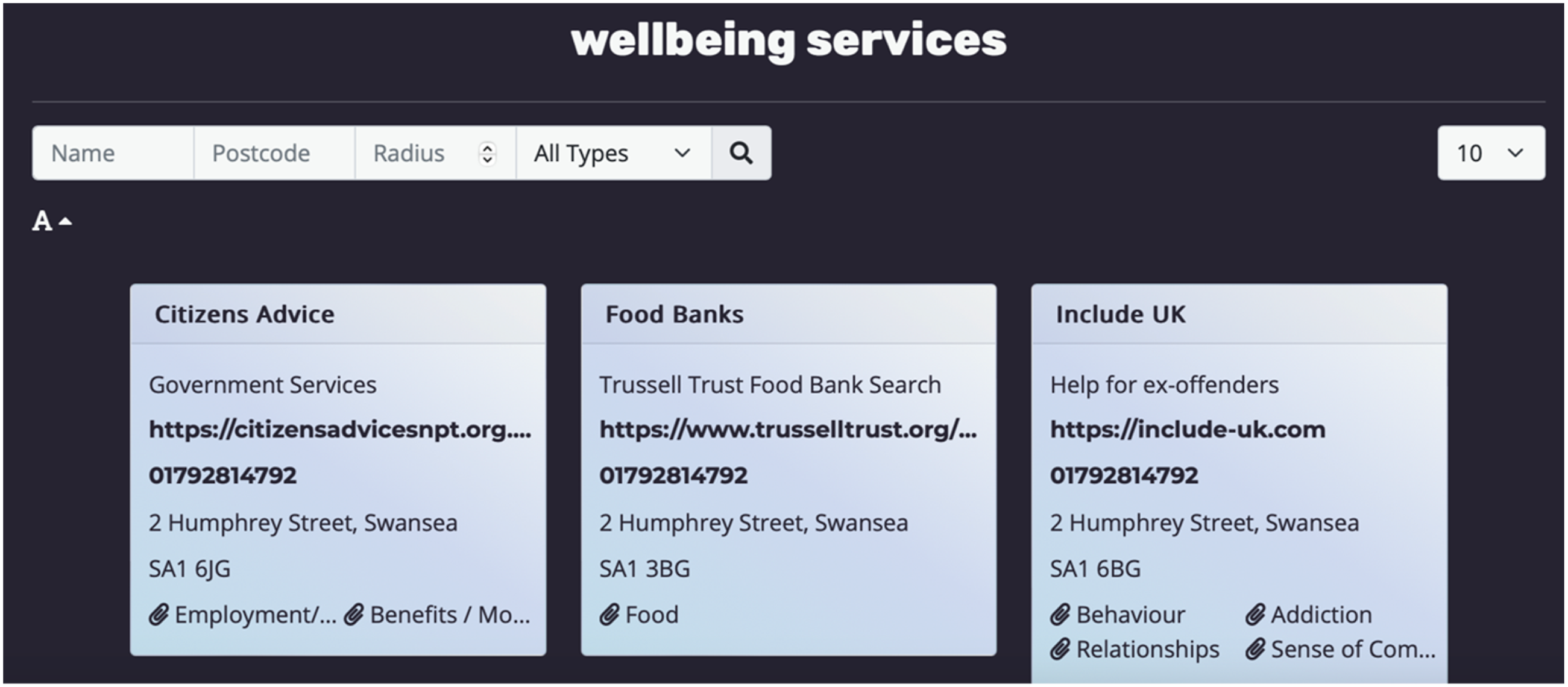
Goal setting
The goal-setting feature enables members to set achievable long-term and short-term goals (see Figure 5). Again, the premise is to encourage more collaborative ways of working with PCLS, where they are involved in decision-making processes (see Fox et al., 2018; Trotter 2022). Once the goal has been achieved, it can be checked off, and a celebratory message will appear to recognise this achievement and act as a form of positive reinforcement, which can help to promote engagement and positive behaviour changes (Bonta and Andrews, 2024). This aspect of the app is intended to keep people motivated to achieve their goals and track their progress in more visual and concrete ways (see McNeill et al., 2012). As with the diary feature, members can also decide who can view their goals by the ‘manage permissions’ feature to promote their agency which is can support desistance (McNeill, 2012). Goal setting features.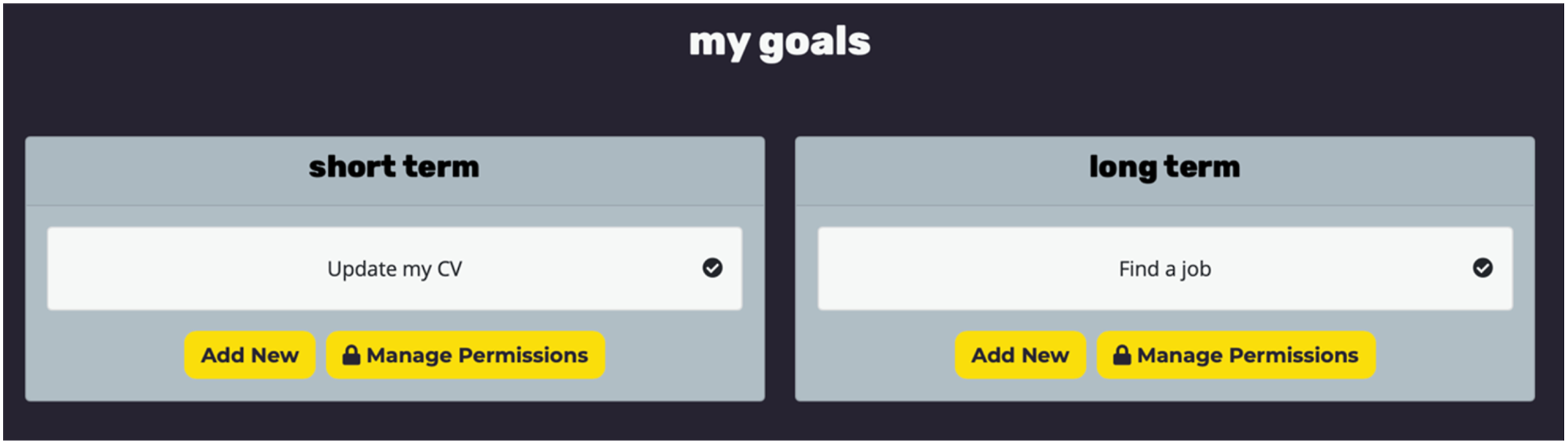
Practitioners features/functionality
The following section discusses the core features for staff – ‘users’, ‘analytics’, and ‘surveys’. Figure 6, illustrates the home screen for practitioners when they sign into the app. In summary, the practitioners’ features were designed to give them accessible information/data about the individuals they support in order to provide individualised support. Tailoring support (specific responsivity) is key to supporting desistance (Bonta and Andrews, 2024; Bourgon and Bonta, 2014; McNeill et al., 2012). Practitioner’s home page.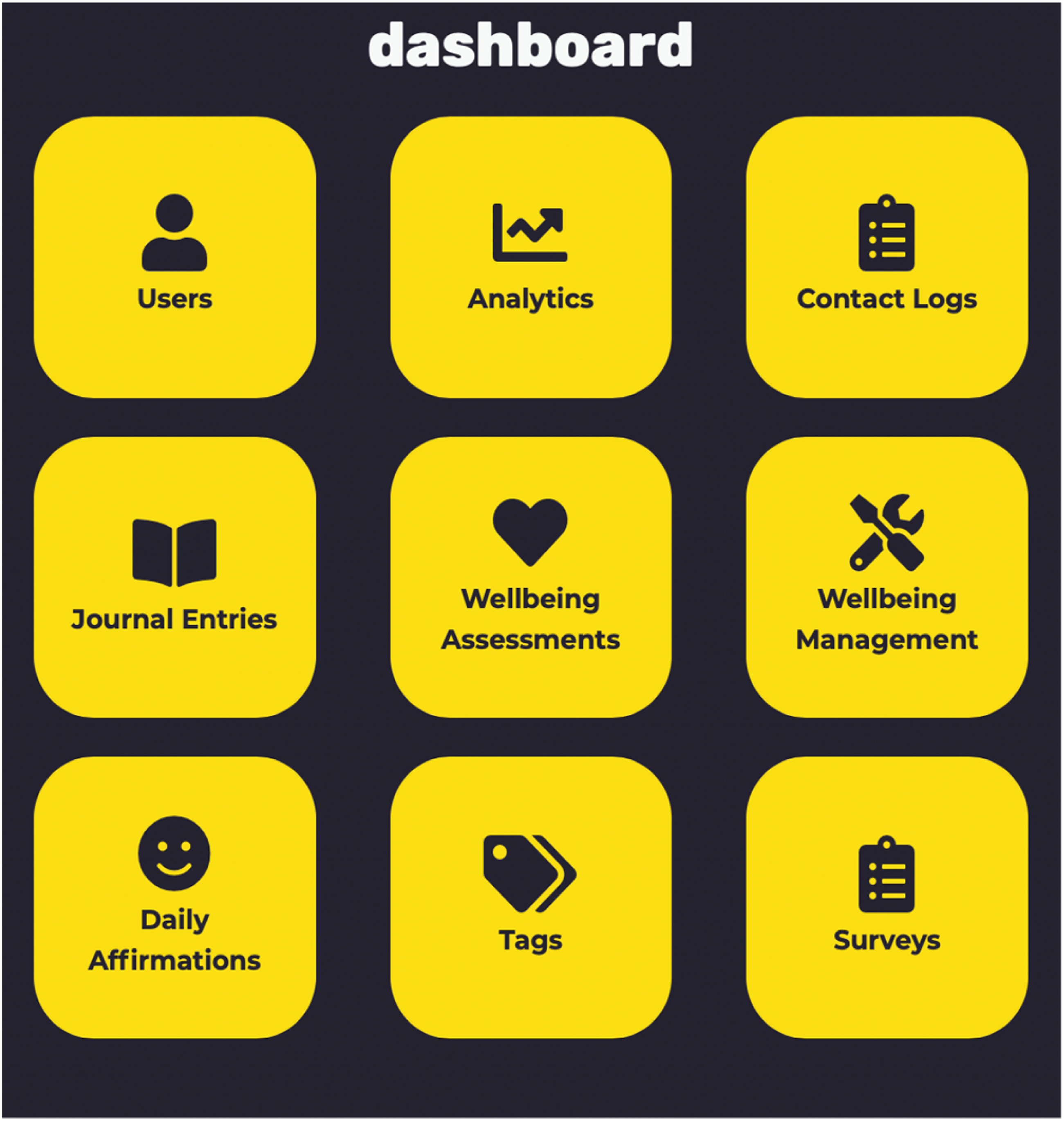
Users
The ‘users’ feature is one of the key aspects of the app for practitioners. Practitioners can view vital information about the people they are supervising/supporting. For example, practitioners can view and input information related to: well-being assessments, journal entries, appointments, contact logs, tags, and goals. The purpose of this feature is to provide practitioners with accessible, visual and holistic information about the person’s needs and circumstances and enable them to use the data to inform tailored and individualised support which is shown to support desistance (see Bonta and Andrews, 2024).
Wellbeing assessments
Practitioners can view the self-assessments of individuals as illustrated in Figure 3 to gain insight into how members perceive their needs. This feature also enables practitioners to input their own assessments of people’s needs. The idea is to use the data to open up conversations about what is going well for that person, to build on their strengths and capabilities to support desistance (see Ward and Fortune, 2013) and identify where priority support is needed. As Figure 7 shows, the app also has built-in artificial intelligence (AI) that tracks the progress of each of the domains for the individual. Example of well-being AI.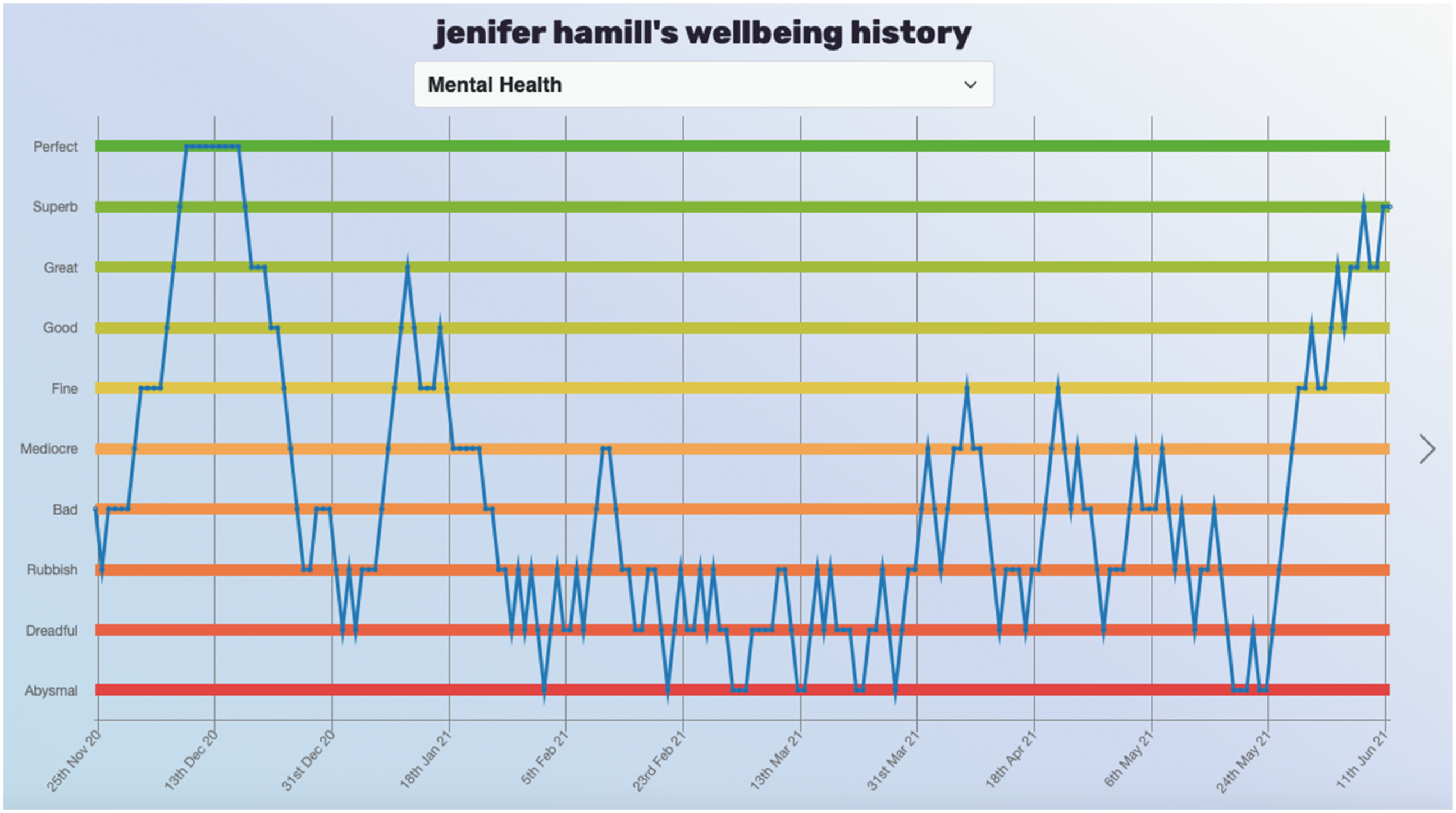
The information available will depend on how frequently people conduct their self-assessments and practitioner assessments. The information can be used to demonstrate positive changes in people’s lives and communicate this in more concrete and visual ways to people, which has been a challenge for criminal justice organisations (McNeill et al., 2012). Additionally, the data can promote more proactive ways of working with people. If a practitioner starts to notice a decline in one or several of the metrics, it can prompt them to contact the person to try to provide support before the issues spiral. The well-being assessment is one of many features that practitioners can use to gain a more holistic understanding of the person they are supporting to provide tailored support that is more likely to support desistance (Bonta and Andrews, 2024).
Journal data
The journal data helps practitioners get a more holistic understanding of how the person is feeling and it can be used to find ways to engage and motivate that person (see Figure 8). For example, if a participant selected the angry face emoji and stated that they are still waiting to hear about a benefits claim despite submitting the form many weeks ago. Practitioners can view this information and check in with that person, follow up on their application and link them to support in the community. Again, facilitating individualised support to facilitate desistance (see Bonta and Andrews, 2024; McNeill et al., 2012). Practitioner view of journal entries.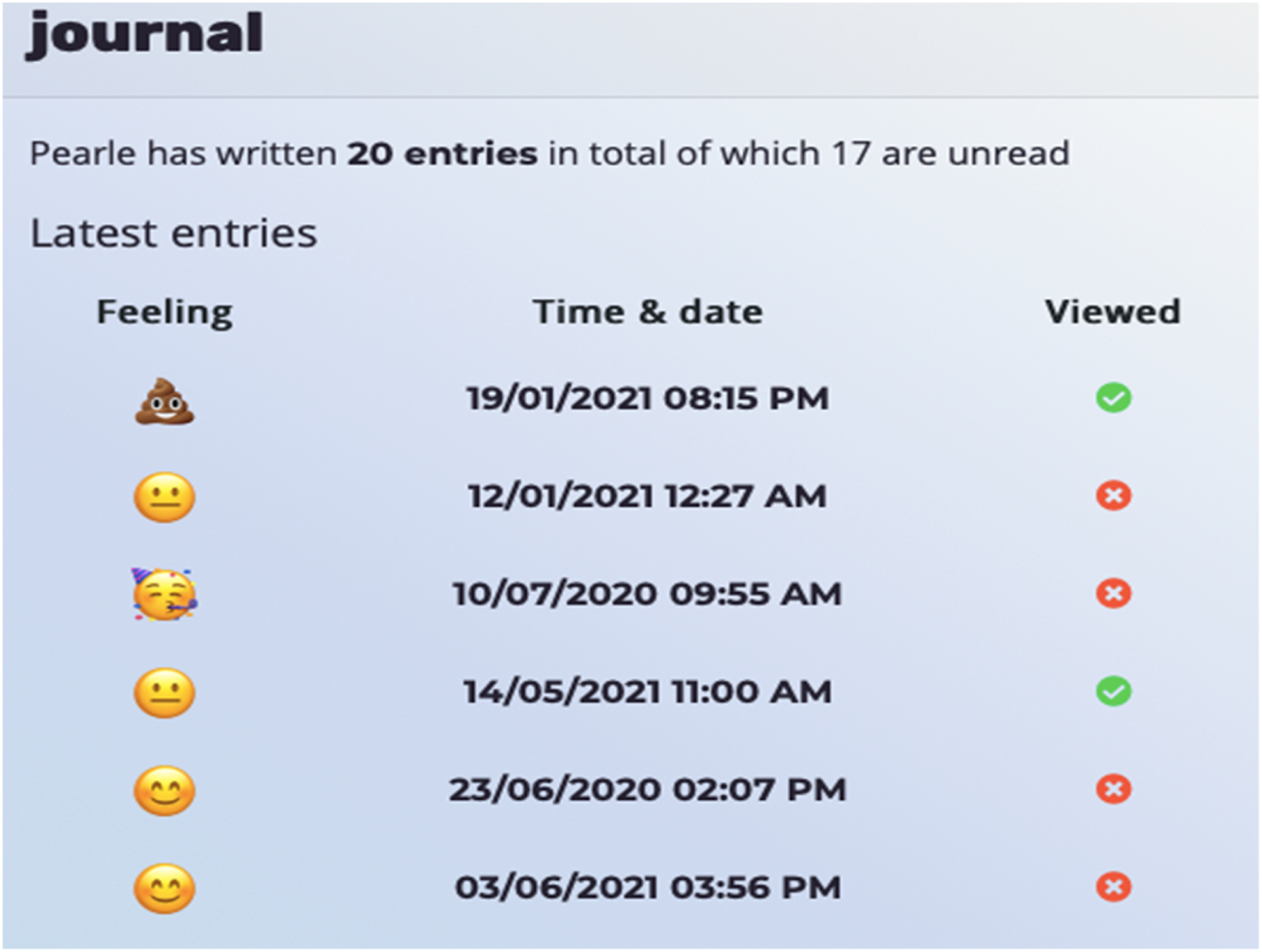
Appointments
As shown in Figure 9, practitioners can also add appointments for members and view whether they have attended scheduled appointments. This can be used as an indication of engagement with interventions/support (see Taylor et al., 2024). If a practitioner views several missed appointments, this can act as a catalyst to check in with that person to see if there are any barriers affecting attendance and other support. Practitioner view of the appointment feature.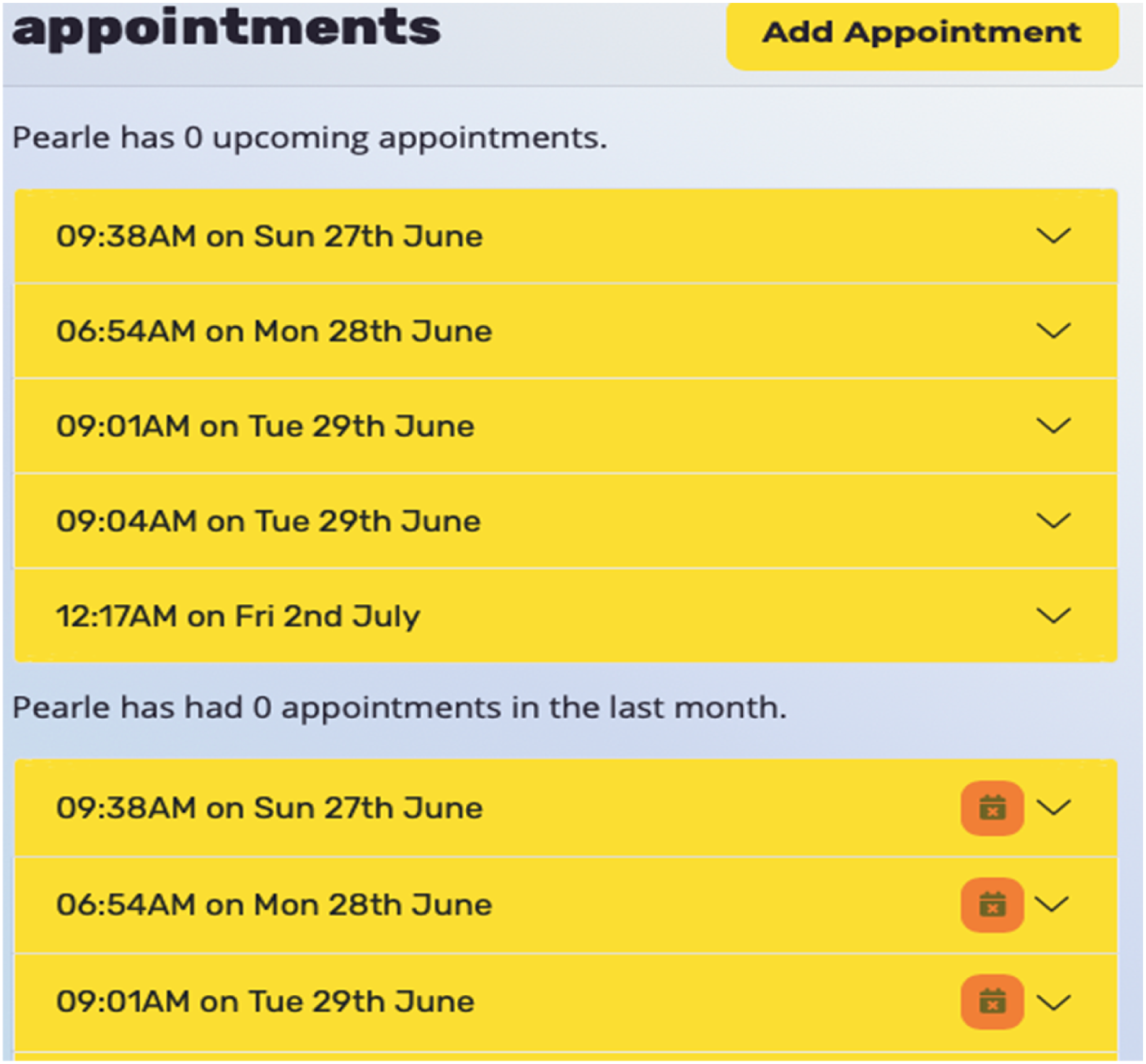
Analytics
Within the analytics feature, the app has built-in AI that analyses data inputted by members and staff. Practitioners can use several filters including gender, age, ethnicity, neurodiversity, and tags to analyse the data from the well-being assessments, contact logs and emoji diary entries. For example, practitioners can select to analyse the well-being ratings for white males aged 18–25 from a specified time range, for example, 01/01/24 to 01/06/24. Figure 10, shows an example of the analytics. Analytics feature.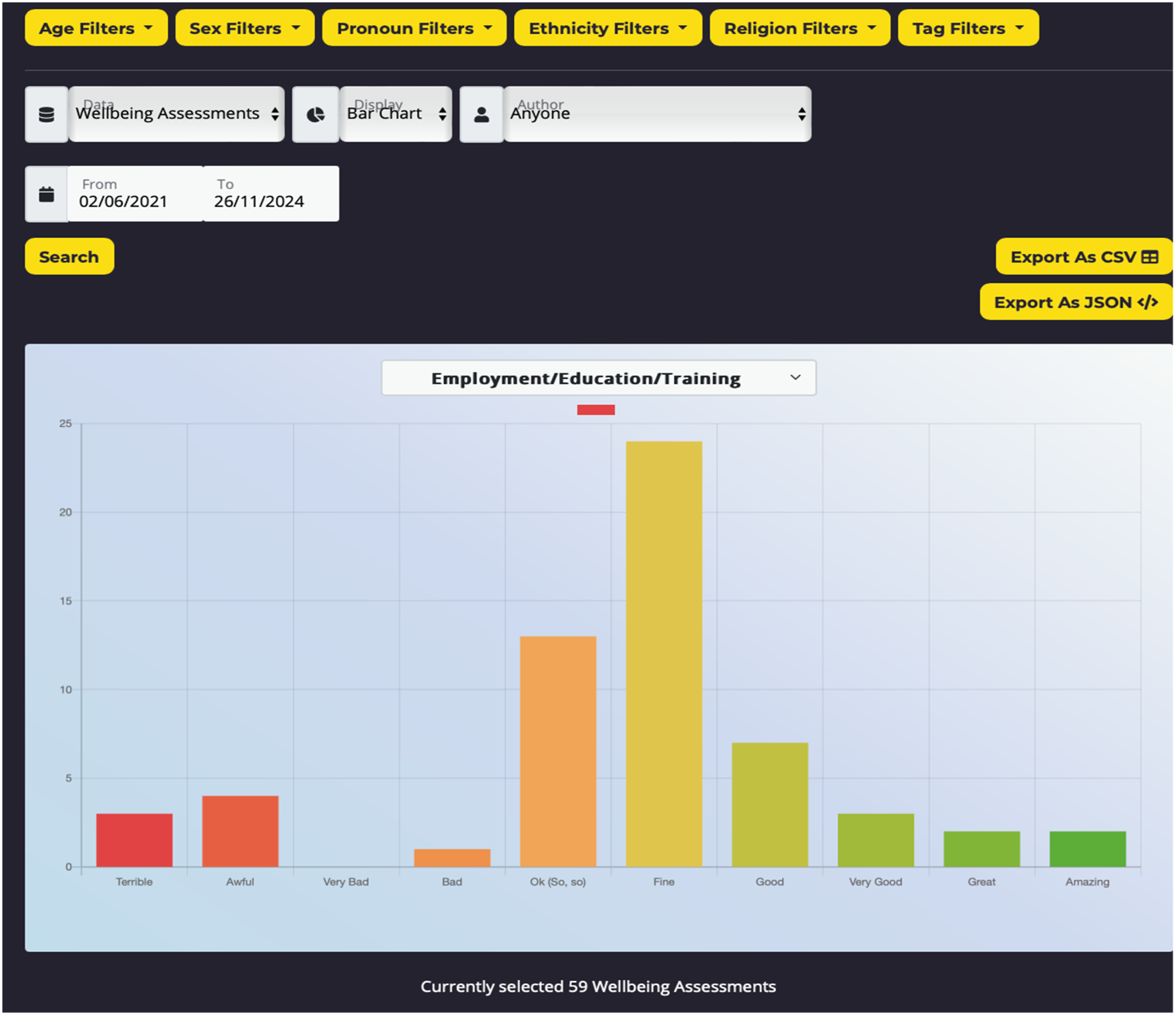
The data can be displayed as bar, pie and line graphs and exported from the app in comma-separated values (CSV) (for Microsoft Excel) and JavaScript Object Notation (JSON) (for machine learning) format for further analysis. The data can be used for more strategic purposes to identify emerging needs with members that require additional resources or to evidence the need/use of the service.
Survey
The survey feature allows organisations to develop bespoke questionnaires to capture feedback from the members. This feature has been designed to encourage organisations to actively seek the views and experiences of the people they support to facilitate more collaborative and person-centred ways of working with PCJS, which can support engagement and desistance (see Fox et al., 2018; McNeill et al., 2012; Trotter, 2022). Figure 11, provides an example questionnaire. Example survey with built-in analytics.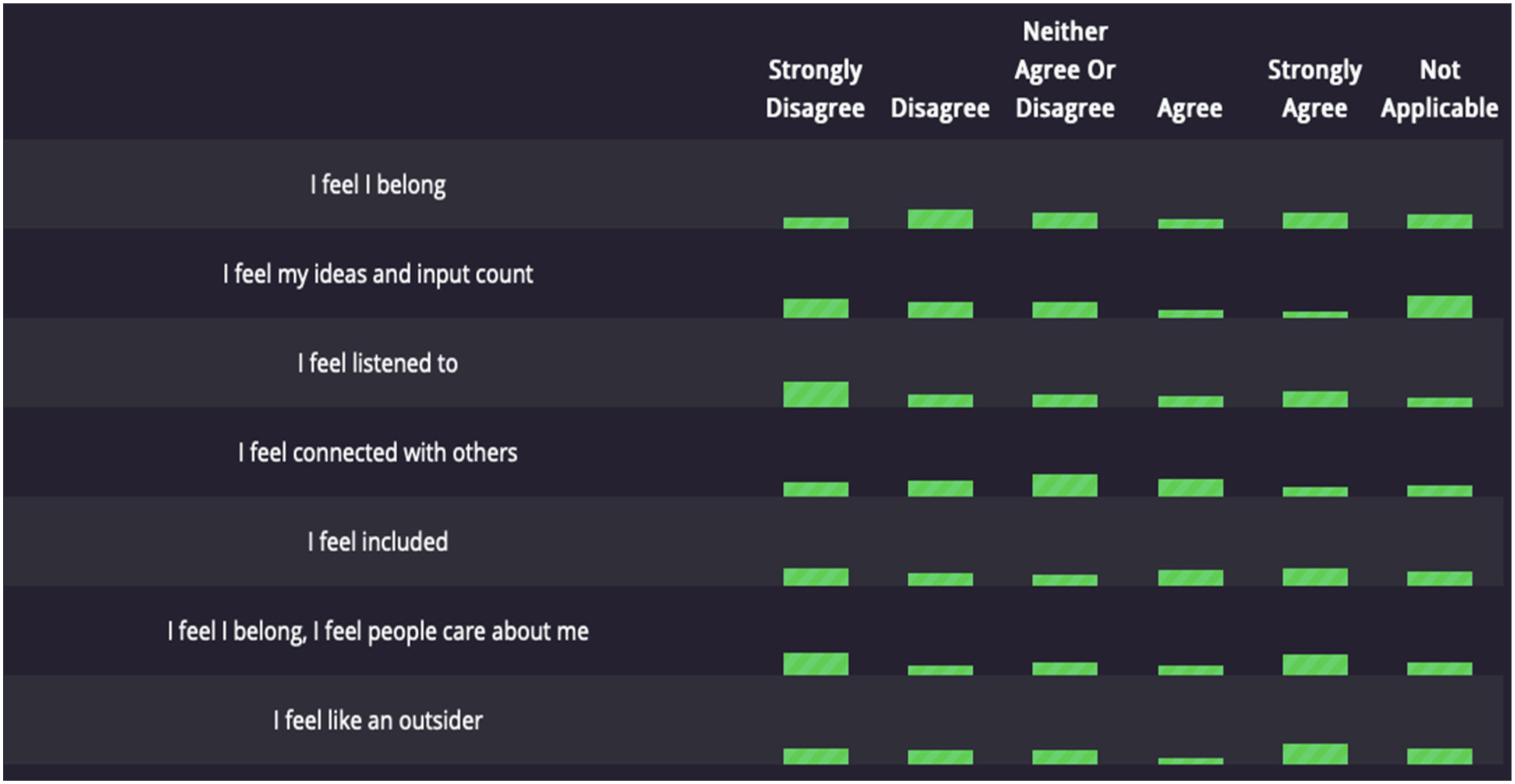
The survey can capture qualitative and quantitative data. You can build questions/statements using a Likert scale to measure responses, as well as open questions to gain more in-depth responses. The questionnaires can be used to gain feedback on specific programmes an organisation provides, and the results can be used to modify and improve front-line service delivery. Additionally, it can also be used to measure outcomes for organisations and data can be exported like the analytics feature.
Discussion
The creation of My Journey aligns with broader work in ‘justice apps’, which reflects a growing interest in integrating digital support tools for PCJS. Developed through co-design, the app’s primary goal is to provide a person-centred platform for PCJS to set goals, track their progress, identify their needs, and access support. The development of My Journey was guided by principles central to desistance theories and is the first of its kind to be developed in Wales, UK. Through co-design, the app was created with an understanding of its end users’ challenges, emphasising accessibility, user-friendly interfaces, and features that promote individualised support for people (see Morgan et al., 2025a). My Journey can be seen as an example of what Zillen and Hargittai (2009) term as ‘capital-enhancing’ uses of the Internet and digital technology. This study contributes to academic knowledge by expanding Sourdin et al.’s (2020) taxonomy to introduce a new category: ‘desistance-orientated technology’. This category specifically refers to digital tools and apps grounded in desistance theories, which focus on supporting individuals in their journey away from crime. It also contributes to knowledge by illustrating how desistance theories can be translated into the real world via app technology. Additionally, the study provides valuable insights into the practical considerations involved in designing and implementing digital tools to support individuals in the CJS.
My Journey was implemented into practice by Include UK in 2023. The co-design process was instrumental in it being taken on board by Include UK’s staff and members, as they were actively involved in the design process and had ownership over the app. The co-design process also meant that the app was fit for purpose and met the needs of the members and staff (see Morris and Knight, 2018). As such, Include UK replaced all of their case management and recording systems with My Journey. Members were voluntarily onboarded to the app over 6 months. Given the complex needs and digital exclusion experienced by some particiapnts, onboarding took place on a one-to-one basis, where indviduals could be supported to use the app with staff. While this was time-consuming, it was key in engaging members to use the app. The app remains in use with Include UK and the next phase of the project is evaluating its use and impact in supporting people to achieve positive outcomes. From 2025 onwards, My Journey will be used on a multi-agency project aimed at reducing homelessness and a prison re-entry programme aimed at supporting desistance and the transition back into the community. Future plans for My Journey include working collaboratively with social and criminal justice organisations, to develop, refine, and implement the app across different jurisdictions and settings, and evaluate it. A key focus will be ensuring the app remains accessible, user-friendly, and impactful for those in the CJS.
Considerations for developing desistance-orientated apps and implications for practice
My Journey is just one example of an attempt to develop desistance-orientated technology and highlights the need for accessible and people-centred technology for PCJS. Co-design was key in ensuring that the app was user-friendly and met the needs of Include UK’s members and staff (see Morris and Graham, 2019; Morris and Knight, 2018). However, it was not without its challenges. Co-design is a time-consuming process and involves the careful balancing of perspectives from both of Include UK’s staff and members (see also Morris and Johns, 2024). The development and implementation of the app also required ongoing funding, which was accessed via various funding streams available to the university. For other third-sector organisations like Include UK, generating income for a project like this may be difficult in the current economic climate.
For others looking to innovate in this space, issues of digital exclusion must be a key consideration for future app development. For example, some members experienced digital exclusion due to limited access to smartphones, low digital literacy, and financial constraints (see Morgan et al., 2025a; 2025b). Consequently, My Journey was built as a web-based app rather than a mobile app, making it accessible on multiple devices, including community tablets or computers available in support centres. This design choice reflects the challenge of inclusivity within the CJS where access to technology can vary significantly and highlights broader implications for future research and app development (see also Morgan et al., 2025a). Further research is needed to understand the extent of digital exclusion of PCJS as this remains largely unknown despite its implications for desistance (Morgan et al., 2025b; Reisdorf et al., 2022; Reisdorf and Rikard, 2018). From a practice standpoint, these challenges underscore the importance of considering PCJS' digital needs. Practitioners who wish to use such tools must be mindful of these inclusivity and privacy concerns.
Limitations of My journey: Evaluating effectiveness and measuring impact
While My Journey has made strides in designing a desistance-centred app, several limitations must be acknowledged. Key among these is the challenge of evaluating the app’s effectiveness in supporting desistance. As a relatively new digital tool, the app’s ability to support sustained desistance remains untested on a long-term basis. Effectiveness may be difficult to measure in terms of direct outcomes, such as reduction in recidivism rates, given the complex, multi-faceted nature of desistance that spans individual, social, and structural domains. Additionally, the app was designed with a relatively small number of people in a specific geographical location and their needs or requirements of My Journey may not be representative of others in the CJS.
Another limitation is that the app relies on self-assessment features, such as well-being assessments, that require users to engage regularly with the tool to provide meaningful data. The lack of ongoing user engagement could impact the app’s utility for both members and practitioners. Additionally, although My Journey incorporates AI to analyse patterns in user assessments and track progress, the limitations of this technology in assessing the qualitative aspects of desistance, like changes in self-identity, could reduce its utility in evaluating more subjective aspects of desistance. For practitioners, these limitations highlight the need to use My Journey as a supplementary tool rather than a standalone solution for desistance support.
Concluding thoughts
My Journey is a promising addition to the growing field of digital desistance tools, offering PCJS a platform to take control of their journey within the CJS. By centring the voices of PCJS and criminal justice practitioners, My Journey exemplifies a co-design approach to app development that may strengthen future digital and face-to-face support in this area. However, the challenges and limitations encountered throughout its development highlight critical considerations for practitioners, policymakers, and developers. Namely, the success of such digital tools will depend on the extent to which they address the diverse needs and constraints of PCJS, particularly concerning accessibility, privacy, and agency (see also Morgan et al., 2025a).
Looking forward, further research is essential to assess the app’s long-term impact on desistance, engagement, and outcomes. By continuing to refine My Journey based on user feedback and empirical evaluation, developers and practitioners can ensure that tools like this evolve as an effective, person-centred resource. The future of desistance-orientated apps will likely depend on an ongoing commitment to co-production and co-design, a deep understanding of the challenges within the CJS, and the principles that underpin desistance.
Footnotes

Funding
The authors disclosed receipt of the following financial support for the research: This work was supported by Welsh Government: SMART Partnership.
Declaration of Conflicting Interests
The authors declared no potential conflicts of interest with respect to the research, authorship, and/or publication of this article.