




Abstract
The development of artificial intelligence (AI) has revolutionised the medical system, empowering healthcare professionals to analyse complex nonlinear big data and identify hidden patterns, facilitating well-informed decisions. Over the last decade, there has been a notable trend of research in AI, machine learning (ML), and their associated algorithms in health and medical systems. These approaches have transformed the healthcare system, enhancing efficiency, accuracy, personalised treatment, and decision-making. Recognising the importance and growing trend of research in the topic area, this paper presents a bibliometric analysis of AI in health and medical systems. The paper utilises the Web of Science (WoS) Core Collection database, considering documents published in the topic area for the last four decades. A total of 64,063 papers were identified from 1983 to 2022. The paper evaluates the bibliometric data from various perspectives, such as annual papers published, annual citations, highly cited papers, and most productive institutions, and countries. The paper visualises the relationship among various scientific actors by presenting bibliographic coupling and co-occurrences of the author's keywords. The analysis indicates that the field began its significant growth in the late 1970s and early 1980s, with significant growth since 2019. The most influential institutions are in the USA and China. The study also reveals that the scientific community's top keywords include ‘ML’, ‘Deep Learning’, and ‘Artificial Intelligence’.
Keywords
Introduction
Artificial intelligence (AI) is a potent tool widely used in medical healthcare systems during the past decade. AI segmentation techniques smartly identify targeted patients with a diagnosis or recognize any specific treatment that could work for them. 1 For example, popular AI-enabled image segmentation approaches – U-NET, 2 U-Net ++, 3 VB-Net 4 and Attention U-Net 5 have been used for the segmentation of chest X-ray images to identify COVID-19. At the same time, AI techniques are embedded into medical devices to track the real-time behaviour of patients and enable health practitioners to have an efficient and informed decision-making process. 6 AI synthesises patient data through sophisticated mathematical algorithms to identify hidden patterns and get optimal prediction results. Several AI methods apply to health management systems, from traditional machine learning (ML) to deep learning, Bayesian, evolutionary, neural network, and federated learning. Each approach performs differently depending on the dataset’s type, size, structure and sparsity. 7 For example, a recurrent neural network (RNN) is an optimal method for predicting simple time series data related to postpartum depression. 8 However, when the dimensionality of the time series data increases, the same approach becomes insufficient unless it incorporates an Induced Ordered Weighted Averaging Operator (IOWA) 9 into RNN to address the nonlinearity of a dataset.10,11
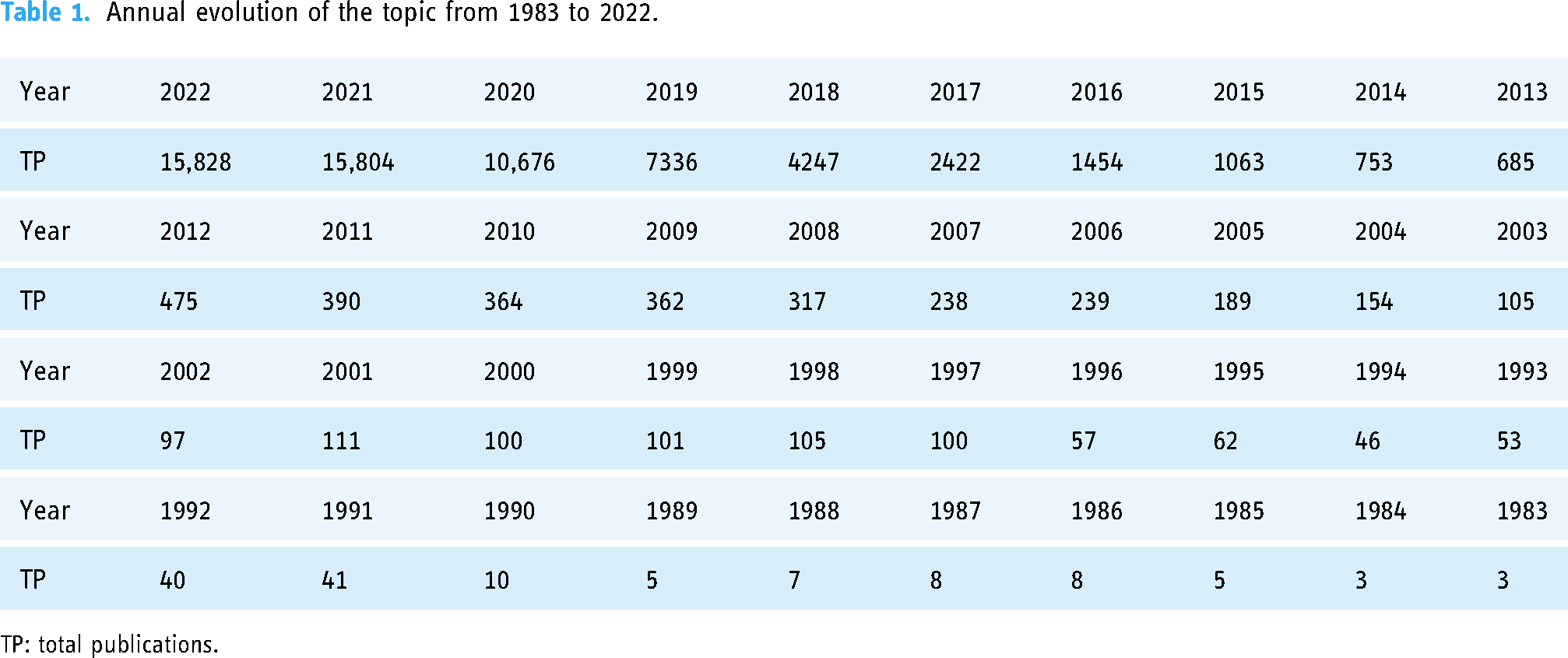
Over the last four decades, the healthcare sector has witnessed substantial growth in AI and its subsets, ML and deep learning (DL), as demonstrated in Table 1. This growth has been particularly pronounced in recent years, with AI revolutionising various aspects of medicine. AI applications now encompass, 12 remote patient monitoring, 13 informed medical decision-making, 14 and enhanced diagnostic processes. 15 The increased adoption of AI can be attributed to the digitisation of medical records, technological advancements, and the refinement of AI algorithms, resulting in improved patient outcomes. Moreover, the emergence of the COVID-19 pandemic has further accelerated AI's integration into healthcare, with applications ranging from real-time monitoring of COVID cases to predictive analytics and symptom severity assessment using chest X-rays and CT scans. 16 In line with this growing influence, researchers like Ding et al. 17 have proposed innovative solutions such as a stroke prevention risk assessment model using ML and Logistic Regression. This model not only addresses the need for advanced healthcare solutions but also emphasises user-friendliness, particularly benefiting patients in less developed regions. Similarly, Cao et al. 18 have developed a convolutional neural network (CNN) model tailored for predicting dose prescriptions in complex clinical scenarios like radiation therapy. Additionally, large language models (LLM) such as ChatGPT 19 are now extensively employed in clinical and medical research, reshaping healthcare education, aiding in drug discovery, and refining personalised medicine.20,21 Despite the promising results demonstrated by AI approaches in numerous medical studies, concerns raised by critics regarding the widespread adoption of AI in healthcare underscore the need for careful consideration and ethical implementation practices.12–15
Annual evolution of the topic from 1983 to 2022.
TP: total publications.
Challenges associated with integrating AI into healthcare can be classified into two primary domains: challenges in implementation and concerns regarding the credibility of the outcomes. Issues surrounding accountability, transparency, privacy, and permission 22 underscore the complexities inherent in implementing AI technologies. Additionally, ethical considerations, including safety, accountability, security, and the scarcity of computational resources,23–25 further compound the challenges. These factors collectively hinder the widespread adoption of AI in medical practice. Moreover, these advancements are met with significant challenges hindering the full integration of AI into medical practice. Algorithmic bias poses another challenge, influencing disease likelihood predictions, often tied to gender or race. 26 Furthermore, Beede et al. 27 identified that AI systems impose an extra workload on nurses to reassess false-positive results. Several studies have also highlighted the complexity of AI systems and the lack of suitable explainability, even in so-called explainable AI systems.27,28 Weins et al. 29 found that, in reality, only a minimal number of AI tools out of several algorithms and approaches are actually implemented in medical practices, and most of them are less helpful than anticipated. 30 These challenges collectively impede the seamless integration of AI technologies into medical practice.
In the rapidly evolving landscape of AI in healthcare, the need to comprehend its vast impact necessitates robust methodologies. Bibliometric studies serve as vital tools, offering systematic analyses to unravel complexities, track trends, and quantify the influence of research efforts. By thoroughly examining scientific literature, bibliometric analysis provides invaluable insights into the dynamic interplay between AI and healthcare, guiding strategic decisions and fostering innovation in medical practice. These studies assist in understanding of any field, shedding lights on its historical development, current state, and emerging trends. Several bibliometric studies provide insight into the evaluation of specific topic across various domains. For instance, Khan et al. 31 conducted a bibliometric analysis of finance papers, and Qiao et al. 32 focused on the field of tourism and employed bibliometric indicators to analyse research trends in tourism spanning from 2008 to 2020. Some studies combined multiple domains, such as Wijewickrema 33 combined library, information sciences and information systems domains to analyse the current trend of combined multiple subjects. Some other research discusses a bibliometric study of particular topics, such as the evolution of blockchain, 34 the bibliometric study of the Particle Swarm Optimisation algorithm, 35 the bibliometric evaluation of Ordered Weighted Averaging Operator 36 and the bibliometric survey of analytic hierarchy process and technique for order preference by similarity to ideal solution methods. 37
Considering the significant impact of AI in medicine, bibliometric studies focusing on AI in healthcare have gained prominence.38–40 Many studies have utilised bibliometric analysis in the field of health and medicine. For example, Tran et al. 41 conducted a scientometric analysis to examine the role of AI in medicine, with a particular focus on diseases measured by disability-adjusted life years (DALYs). Similarly, Fosso Wamba and Queiroz 38 conducted a bibliometric study focusing on AI’s responsibility and ethical aspects in healthcare. Although both approaches38,41 employed multiple bibliometric indicators to analyse the topic. However, the studies narrowed their focus by using specific keywords and focusing on particular healthcare issues, which led to the exclusion of several key papers. Similarly, in another study, Shaikh et al. 40 conducted a bibliometric survey to analyse the adoption of AI in the health sector and explored prominent entities contributing to the topic. However, it is worth noting that the timeframe spanned a mere 25 years, from 1996 to 2021. Moreover, the authors primarily focused their search on e-health related keywords, potentially overlooking a significant amount of research. Although the discussed approaches made valuable contributions, however, these studies needed to offer a comprehensive overview of AI's multifaceted and evolving role in the healthcare sector, spanning from its inception to the present.
Acknowledging the growing significance of AI in the healthcare sector and the proven effectiveness of bibliometric studies, covering quantitative insights into research trends, impact and productivity, this research employs the bibliometric analysis method to investigate the trajectory of the field over a four-decade period. The central aim of this paper is to dissect the evolution of AI and its subsets within the context of medical and health systems since their inception. Utilising bibliometric indicators, the study assesses both the topic's productivity and impact. The qualitative indicator measures the impact or quality of the work by measuring the citations received by different researchers. The quantitative indicator highlights the most productive institutions, journals, and countries. The study further evaluates the productivity, performance and impact of authors, journals, countries, and universities. Additionally, the paper analyses the bibliographic coupling of various parameters using VOSviewer software.
The rest of the paper is organised as follows: Bibliometric methods section discusses the methodology adopted for this study. Results section presents the findings of the study. This section first presents the publication and citation structure of the topic. The section then analyses the influential papers, most productive institutions, countries, and universities. Discussion and findings section presents the discussion, and Conclusion section concludes the paper with potential future research direction.
Bibliometric methods
Bibliometric analysis, a field within library and information sciences employs various indicators to assess scientific literature and analyse extensive bibliographic materials. The bibliometric indicators enable one to know the past, understand the current trend, and explore future research lines in a certain field. Bibliometric analysis provides valuable insight into various aspects of literature and research. The analysis enables one to identify the productivity of an individual, institutions, journals, countries and funding agencies using different key parameters. 42 Additionally, the approach allows for identifying prevalent keywords within specific research domains, facilitating a deeper understanding of ongoing research trends and providing valuable guidance for researchers to steer their work in alignment with these trends. The use of bibliometric analysis has multiple folds. For potential contributors, the analysis helps understand the diffusion and impact of articles published in the journals and helps the researcher find a suitable journal for their paper submission. For funding agencies and institutions, the analysis serves as a valuable tool to assess the contribution of individual researchers and research groups. 43 The bibliometric study not only aids in understanding research trends but also assists researchers and funding agencies in making informed decisions about where to publish and how to proceed with decision-making regarding promotions, research priorities, collaborations and funding. 44
There are different methodologies to analyse bibliometric data and present the quantitative, qualitative and structural variation in a particular field. The quantitative indicator involves the measurement of productivity in the form of several publications. The qualitative indicator measures the impact or quality of research regarding the number of citations. The structural indicator evaluates the relationship among scientific actors through scientific mappings such as publications, authors, and institutions. These indicators are used to evaluate an individual’s performance, various groups of scientific actors, institutions, funding agencies, and countries.
This study uses bibliometric analysis to present an overview of AI in medical and health system trends. In this analysis, we examine multiple aspects of the journal using quantitative, qualitative, and structural indicators. The paper uses the number of publications and citations with different thresholds. The paper uses an h-index of contributing authors and institutions that effectively portray a scientific field's performance. Besides, to demonstrate the individual standing of contributing institutions, the paper evaluates their ranking using the Academic Ranking of World Universities (ARWU) and QS World University Ranking (QS). To further deepen the analysis and identify the various relationships among scientific actors, the paper presents a mapping analysis of the topic using VOSviewer software. The software combines bibliographic data to map bibliographic coupling and co-occurrences of the author’s keywords. Bibliographic coupling takes place when two articles cite the same third article. Co-occurrences of author keywords measure keywords that appear most frequently in research articles.
To achieve the objectives, the paper uses the web of science (WoS) core collection dataset for the previous four decades. We selected the WoS dataset for its distinguished reputation and several compelling reasons. Firstly, it is recognised globally as the oldest and most extensively utilised authoritative database for research publications and citations. 45 Secondly, gathering the necessary data for our analysis from this database is straightforward. Furthermore, the widespread acceptance and frequent usage of WoS within the scientific community 46 guarantee the reliability and consistency of our research findings. The dataset provides a large dataset with various bibliometric indicators and is widely used in different bibliometric analyses. The paper uses a Boolean equation to extract related records. The paper uses the keywords ‘Health’ OR ‘Medical’, OR ‘Medicine’ AND ‘Machine Learning’ OR ‘Deep Learning’ OR ‘Artificial Intelligence’, OR ‘AI’, OR ‘ML’. The publication periods are from 1983 to 2022, which include articles, editorials, reviews, notes, and letters. The comprehensive search has yielded a substantial corpus of 64,063 documents, forming the basis of an in-depth analysis of the evaluation and trends within the field.
Paper objectives
The paper provides a comprehensive overview of the role of AI in health and medical systems over the last four decades. It highlights the transformative impact of AI on healthcare, emphasising its contributions to efficiency, accuracy, personalised treatment, and decision-making.
The paper provides a bibliometric analysis of AI in health and medical systems, using the WoS core collection database. This analysis includes examining the productivity, impact, and trends in the field over the specified period.
The paper identifies the most influential institutions in the field, with a notable presence of the USA and China. This provides insights into the global distribution of contributions and key players driving research in AI for health and medical applications.
The paper explores the prominent keywords associated with AI in health, revealing that ‘Machine Learning,’ ‘Deep Learning,’ and ‘Artificial Intelligence’ are among the top keywords. This information reflects the focus and emphasis within the scientific community.
The paper discusses challenges associated with the adoption of AI in healthcare, including difficulties in implementation, concerns about credibility, accountability, transparency, privacy, and ethical issues. This discussion contributes to a more nuanced understanding of the barriers in integrating AI into medical practice.
The paper acknowledges and compares itself with previous bibliometric studies in the field, highlighting its unique contribution in offering a more comprehensive overview of AI's role in healthcare, spanning from its inception to the present.
The paper contributes methodologically by providing a detailed explanation of the bibliometric methods employed, including quantitative, qualitative, and structural indicators. It emphasises the significance of bibliometric analysis in understanding research trends and guiding decision-making for contributors, funding agencies, and institutions.
By presenting an extensive bibliometric analysis, the paper has the potential to identify research gaps and areas where further investigation or emphasis is needed in the evolving field of AI in health and medical systems.
Results
This section presents the analysis results of the bibliometric analysis, which is further divided into three subsections. First, the paper presents the quantitative indicators by giving the number of papers published in the topic area and citations received by those papers from 1983 to 2022. The paper then presents qualitative measures by showing influential papers regarding citation count, most productive journals, institutions and countries. The section also presents co-occurrences of the author’s keywords.
Publication and citation structure
This section provides an overview of the publication and citation trends within the topic area from 1983 to 2022. It is essential to note that the citation data presented in this study is based on information extracted from the WoS as of mid-2023. The chosen timeframe extends until 2022 to align with WoS's methodology, which computes citations, rankings, and other metrics midway through the year and finalises them by the middle of the following year. It is evident from Table 1 and Figure 1 that there has been a continuously growing trend in publications and citations for the last decade. However, since 2019, we have witnessed significant growth and research in this particular topic area. Over the last decade, from 2013 to 2022, 60,268 documents have been published on this topic, illustrating a notable increase in research activity in the area.

Annual evolution of the topic.
This growth is due to technological advancements such as internet of things (IoT) enabled devices and natural language processing (NLP) techniques that made it easier to process large amounts of medical data.7,47,48 Recent COVID-19 pandemics has accelerated the need for AI in healthcare, such as DL segmentation 49 for chest X-ray scans, Google–Apple partnership for AI-embedded contact tracing applications like COVIDSafe, 50 vaccine discovery, 51 optimise the allocation of medical resources 52 and many others. Personalised medicine's need is another factor in the growth of AI in healthcare such as CURATE.AI for liver transplant immunosuppression, etc., 53 quadratic phenotypic optimization platform for multiple myeloma, 54 parabolic response surface for tuberculosis 55 and many others. AI algorithms can provide each patient with an optimised, personalised treatment plan. 56 Many current studies highlight the growing tendency of AI in personalised healthcare, such as combining the Phenotypic personalised medicine (PPM) platform 57 with the CURATE.AI platform 58 to give promising results and optimise treatment. In another study, AI-enabled human organ-chip systems create patient-specific medicine. 59 Likewise, the study 60 found that deep neural network (DNN) methods perform outstandingly in the personalised medication of Gilomas. Other factors, such as digitisation of data, efficiency, cost saving, and effective data processing with optimal results, are the reason for the growth of research in the field of AI in healthcare.
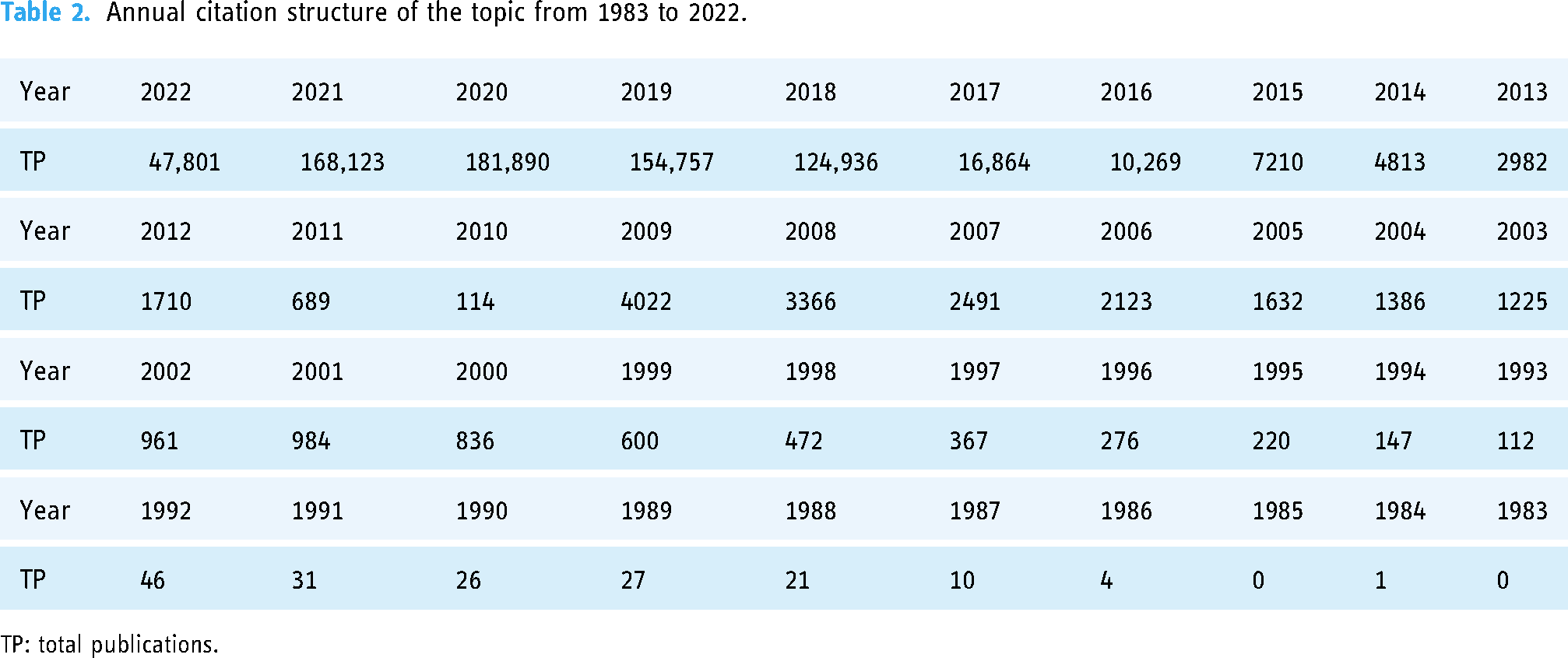
Table 2 highlights the citation structure of the topic over 40 years. Similar to research publications, there is a consistently growing trend in the number of citations from the inception. It is worth mentioning that after 2017, there was a remarkable increase in the number of citations. The number of citations after 2017 jumped from five to six figures, as shown in Figure 2.

Annual citation structure of the topic: 1983–2022.
Annual citation structure of the topic from 1983 to 2022.
TP: total publications.
In 2018, 4247 documents received 124,936 citations, a 740% and 1216% increase in citation rate to 2017 and 2016, respectively. Moreover, the analysis results show that 62,987 documents have received 719,645 citations in the last decade, with an average of around 12 citations per document. The complete structure of citations is presented in Table 2.
Table 3 presents the general citation statistics of the topic, comparing them with various benchmarks. The analysis results indicate that 49,048 documents received one or more citations, accounting for approximately 74% of the documents published in the topic area. Particularly, 18,826 documents received 10 or more citations, constituting about 28% of the published documents. Remarkably, 29 documents received 1000 or more citations, and two documents exceeded 5000 citations. Most of the uncited documents are recent publications that have not yet acquired any citations.
Citation structure of documents published in the topic area – AI in health.

AI = artificial intelligence.
Influential papers
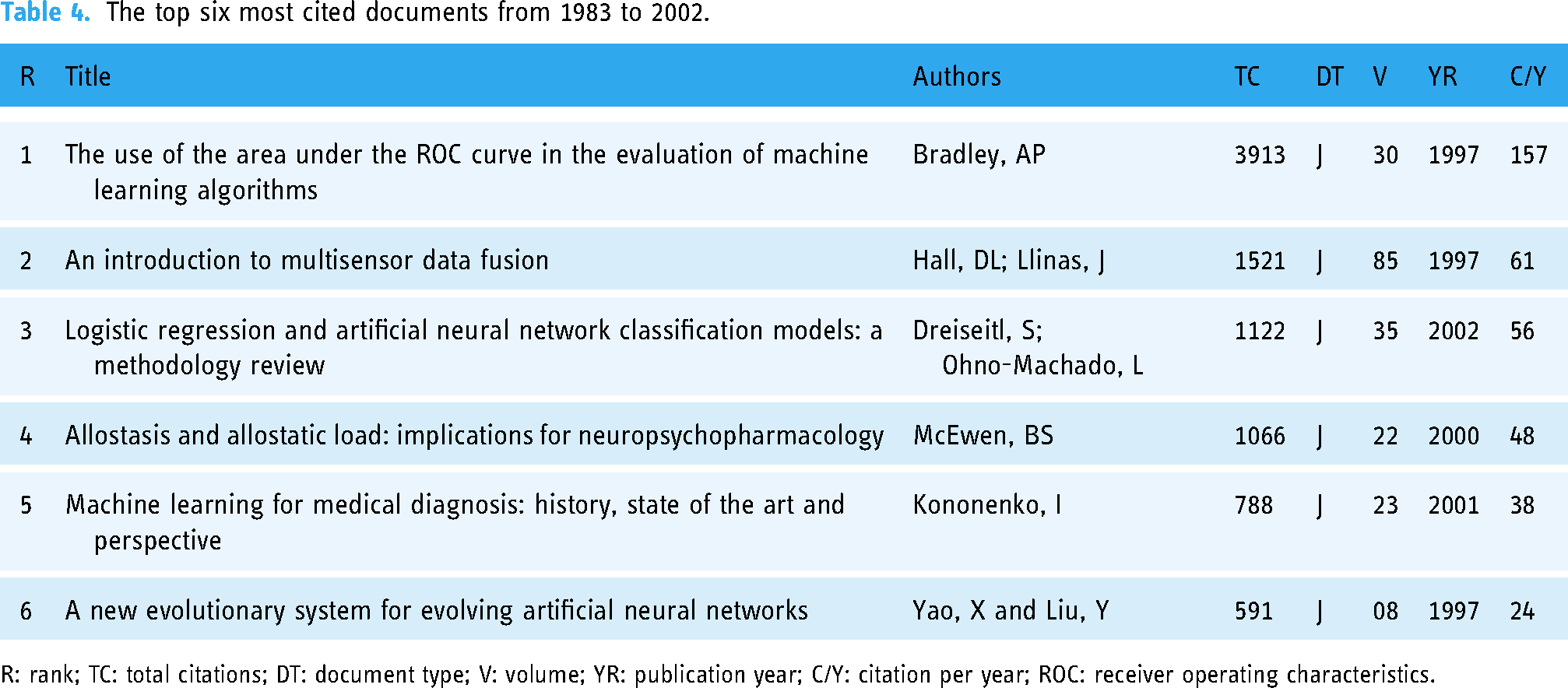
The second aspect of the study result is to highlight the qualitative measure of the bibliometric analysis. To conduct a comprehensive analysis of impactful publications on the topic, this study categorises the literature analysis into two distinct timeframes: from 1983 to 2002 and from 2003 to 2022. In the initial two decades (1983–2002), 962 papers were published within this domain. The most influential paper during this period was the research article ‘The Use of the Area Under the ROC Curve in the Evaluation of Machine Learning Algorithms’ by Bardley from the University of Queensland, acquiring 3913 citations. 61 The paper discusses the receiver operating characteristics (ROC) curve in conjunction with ML methods for medical diagnostic problems. As depicted in Tables 5 and 6, the highest-cited article also focuses on the ROC approach. This suggests that the ROC benchmark to assess the performance of the classification model has not only sustained its popularity during the initial two decades but has also remained widely utilised in numerous medical diagnostic problems up to the year 2022. The top six most cited articles for 1983 to 2022 are presented in Table 4.
The top six most cited documents from 1983 to 2002.
R: rank; TC: total citations; DT: document type; V: volume; YR: publication year; C/Y: citation per year; ROC: receiver operating characteristics.
The top six most cited documents from 2003 to 2022.

R: rank; TC: total citations; DT: document type; V: volume; YR: publication year; C/Y: citation per year; ROC: receiver operating characteristics; CNN: convolutional neural network.
The 30 most cited documents from 1983 to 2022.

R: rank; TC: total citations; DT: document type; V: volume; YR: publication year; C/Y: citation per year; CNN: convolutional neural network; ROC: receiver operating characteristics; AI: artificial intelligence 1; CRF: conditional random fields; AUC: area under curve.
In the second timeframe from 2003 to 2022, the most cited article, published in 2006, was ‘An Introduction to ROC Analysis’, authored by Tom Fawcett from the Institute for the Study of Learning and Expertise, USA. 62 It is noteworthy that this article has attracted a remarkable 11,521 citations. As earlier highlighted, the ROC graph remains a key topic in healthcare research and applications. In this article, the author highlighted various features and issues of the ROC graph when used in research and practice to visualise and evaluate classifiers.
Over the last decade, there has been a significant trend towards utilising DL algorithms in numerous healthcare problems, sparking a growing interest among researchers. Among the top 6 highly cited articles during the period, four articles directly discussed the application of the DL method. The success of DL algorithms is due to the advancements in graphic processing units (GPUs), the abundance of large-scale data, and continuous developments in learning algorithms. 63 Hence, the topic holds substantial potential for new researchers to apply the algorithm and explore and analyse its applications across diverse healthcare domains. The top six most cited article for the last two decades, 2003–2022, is presented in Table 5.
The study further highlights the most influential paper of all time from 1983 to 2022 and presents the top 30 most cited articles, as presented in Table 6. The analysis results show that the top article – ‘An introduction to ROC analysis’, has kept its position as the top cited paper since 2006. Similar is the case of the second top-cited article – ‘A survey on deep learning in medical image analysis’, which has kept its dominance since its publication. The article was published in 2017 by Geert Litjens et al. 64 from the Diagnostic Image Analysis Group, Radboud University Medical Center, the Netherlands. It is worth mentioning that although the article was published in 2017, while in a few years, the article has received 5842 citations with an impressive citation rate per year (C/Y) of 1168 citations. This is the second-highest C/Y among all articles published on the topic. The paper summarises various deep-learning algorithms in medical image analysis. The paper comprehensively summarised more than 300 articles discussing DL algorithms in various applications. The paper first identified challenges for various DL algorithms in medical imaging tasks and then highlighted contributions by various authors to address those challenges. Moreover, it is important to note that 36% of the top 30 most cited articles used the keyword ‘DL’. This statistic highlights the potency of a keyword for a researcher aiming to enhance the visibility of their work and publish impactful papers.
The analysis of impactful papers reveals another key finding. Within the list, a survey paper – ‘A survey on Image Data Augmentation for Deep Learning’, stands out, receiving a notable 3521 citations with a C/Y of 1174. The article was published in 2019 and authored by Connor Shorten and Taghi M. Khoshgoftaar from Florida Atlantic University, USA. The paper is one of the most influential and impactful papers from the field that has attracted significant attention among the community and has received many citations in just a few years. It comprehensively discusses image augmentation algorithms and explores various characteristics of Image Data Augmentation problems in numerous medical applications.
Productive journals
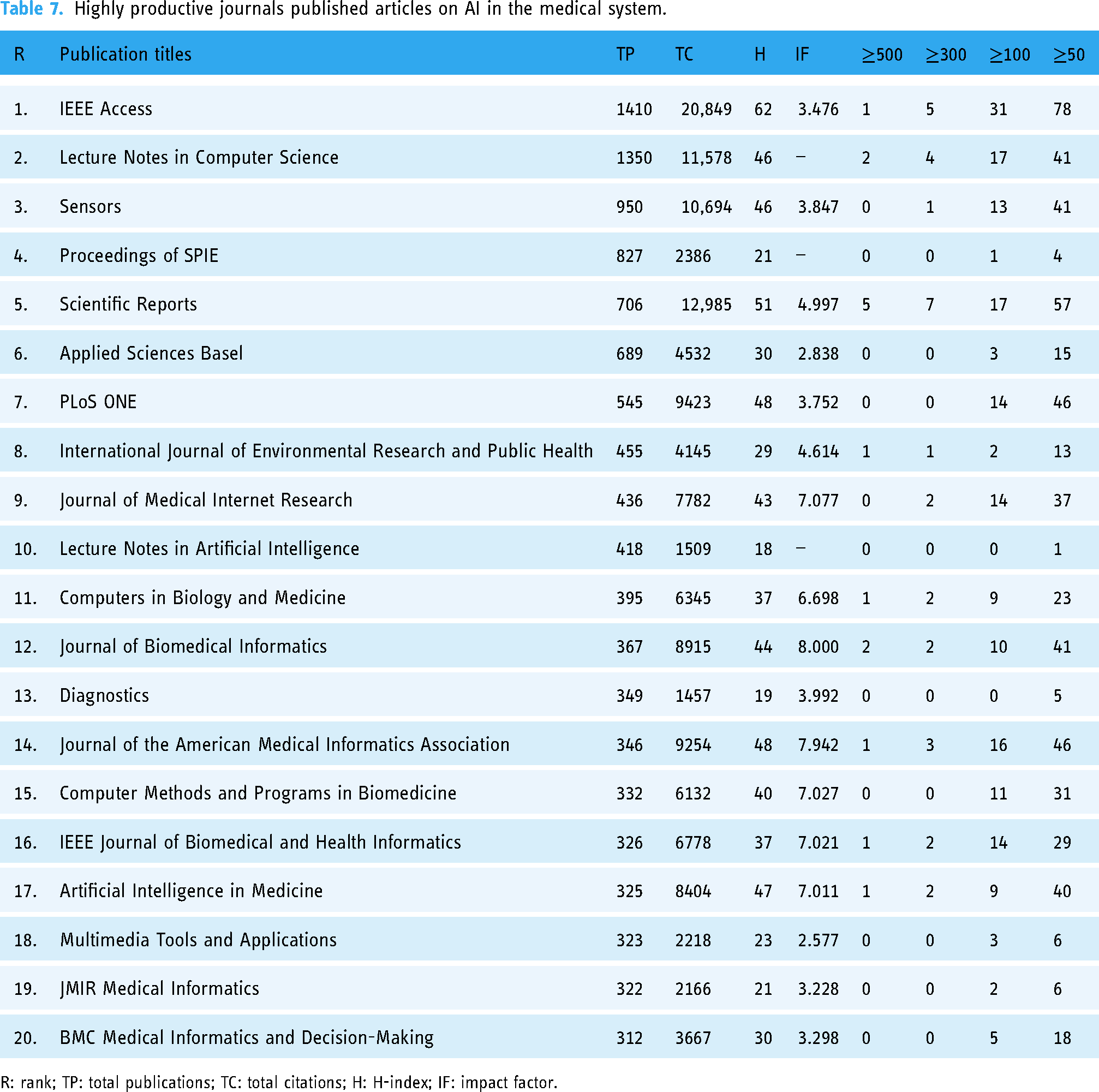
This section highlights the most productive venues that contributed to the topic area. Table 7 presents the top 20 productive venues that published articles in the topic area. These venues are categorised based on – ‘TP’, the total number of publications; ‘TC’, the total number of citations received to those papers; ‘H’ H- index of the journal; and ‘IF’ impact factor of a journal. To further deepen the quality of articles published in those journals, the paper analyses the citation structure of articles by highlighting the papers that have received citations more than equal to – 500, 300, 100 and 50 citations.
Highly productive journals published articles on AI in the medical system.
R: rank; TP: total publications; TC: total citations; H: H-index; IF: impact factor.
Table 7 shows that IEEE Access is at the top of the list, producing 1410 documents that attracted 20,849 citations. The journal publishes open-access articles. The journal has an impact factor of 3.476 with an H-index of 62. Notably, the journal has published six articles with over 300 citations and 115 documents with over 50 citations. The second most productive venue is Springer’s Lecture Notes in Computer Science, having an H-index of 46, which published 1350 documents on the topic. The documents received 11,578 citations, with 23 articles receiving more than 100 citations. The third productive journal in the list is Sensor, which has published 950 documents with 10,694 citations. The journal has an impact factor of 3.847 with an H-index of 21. Like IEEE Access, the journal publishes open-access articles. Notably, 706 articles in the journal Scientific Reports have received 12,985 citations, the second most cited articles in the topmost productive venues.
Most productive and influential institutions
This set of analysis – Table 8 presents the most productive and influential institutions in relation to their contributions to the topic. The comparative analysis is based on – the number of papers, number of citations, H-index, citation per paper, and number of papers having more than 100, 300, 500, 1000 and 3000 citations. The 2023 QS World University Ranking (QS) score and Shanghai ARWU is presented to further analyse the quality and ranking of each contributing institution.
Twenty-five most productive and influential institution's contributions.
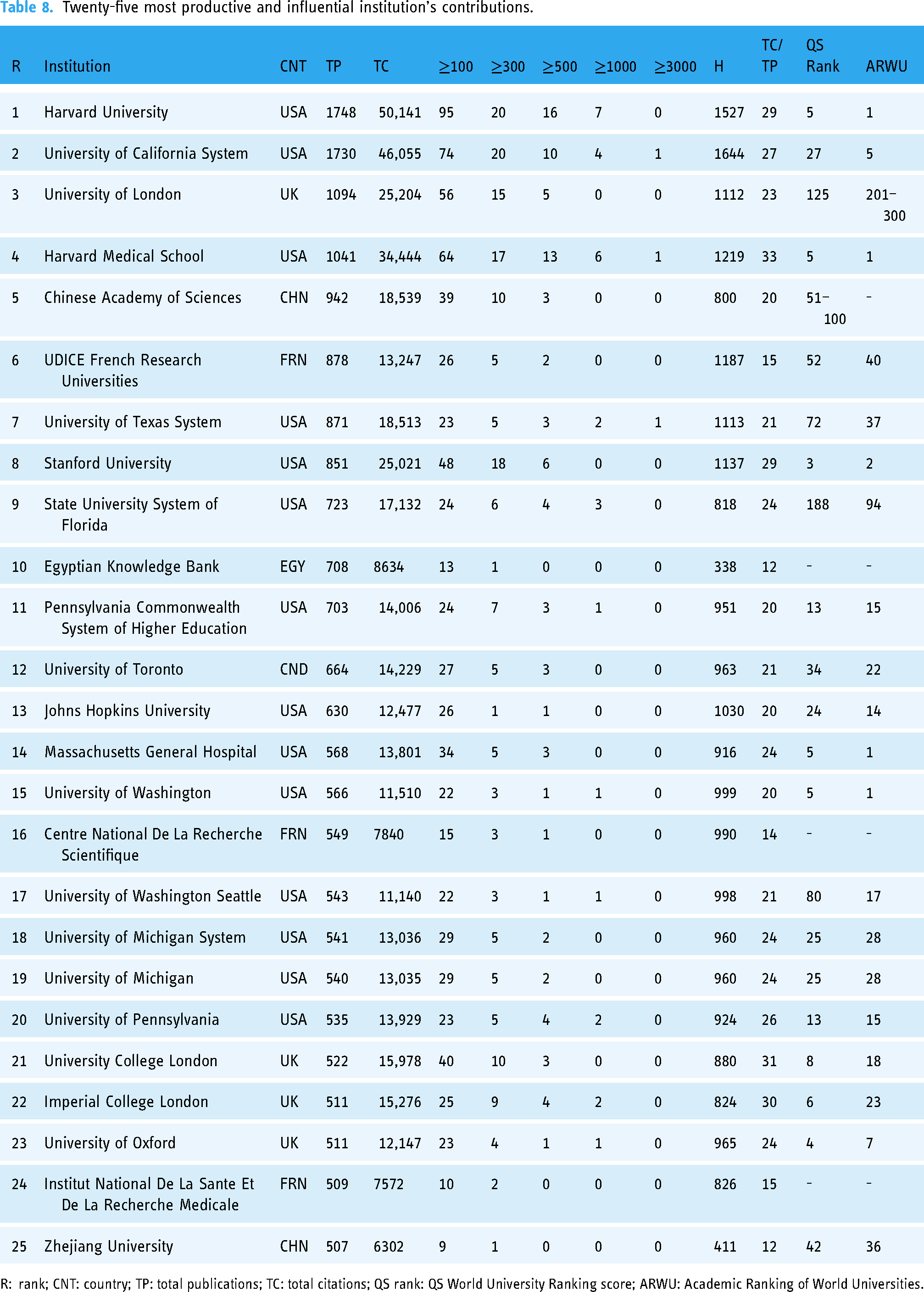
R: rank; CNT: country; TP: total publications; TC: total citations; QS rank: QS World University Ranking score; ARWU: Academic Ranking of World Universities.
The analysis shows that American universities dominate the list by securing 56% of the top 25 most productive institutions in the topic area, followed by the UK. Top-ranked American institutions contributing to the topic are Harvard University, the University of California, Stanford University, the Pennsylvania Commonwealth System of Higher Education, Massachusetts University, the University of Washington, the University of Pennsylvania and the University of Michigan.
Harvard University is on the top of the list with total publications 1748 that attracted 50,141 citations with an average of 29 citations per paper. Notably, 95 publications have achieved more than 100 citations, including seven articles that attracted over 1000 citations. The university has an H-index of 1527 and is on top of the list in the ARWU ranking and fifth in the QS ranking. Moreover, from the Harvard Medical School, 1041 publications have achieved 34,444 citations. The second most productive institution from the list is the University of California, which produced 1730 documents in the topic area that attracted 46,055 citations with an average citation rate of 27 per paper. Notably, five documents have received over 1000 citations, with one paper reaching 3068 citations. The third most productive institution is the University of London in the UK. The institution has produced 1094 documents that received 25,204 citations with a citation rate of 23 per paper. Three French institutions – UDIC French Research Universities, French National Centre for Scientific Research and National Institute of Health and Medical Research were sixth, 16th and 24th, respectively. Chinese Academy of Science secured fifth place in the list with 942 publications that received 18,539 citations.
The paper now discusses the bibliographic coupling of institutions published in the topic area. The paper uses a minimum publication threshold of 200 documents of an organisation with a minimum number of 100 citations and 10 links. Of 38,429 organisations, 83 organisations meet the criteria.
Figure 3 shows four apparent clusters – yellow, red, blue and green. The yellow cluster is comprised of six nodes, and Harvard Medical School is the largest node among all nodes, with a total link strength of 1363. The red cluster consists of 35 nodes. Most of the nodes in this cluster are American institutions, with a prominent node of Stanford University with a total link strength of 758. Other obvious nodes in the cluster are the University of Michigan, the University of Washington, Duke University and the University of Toronto. The green cluster comprised the majority of Asian universities majority. Chinese universities lead the cluster, with the most obvious node from the Chinese Academy of Science having a link strength of 786 links with other universities. The cluster also shows a coupling among Australian universities such as – the University of Sydney, the University of Melbourne, and the University of New South Wales, Australia has an obvious coupling, and the University of Sydney Australia has a strong connection with Shanghai Jiao Tong University, China. Apparent nodes in the blue cluster are the European universities, with the most obvious node being the University of Oxford, with a total link strength of 398 links. The university strongly connects with the University of Edinburgh, Imperial College London and the University of California Los Angeles. Generally, we can see stronger connections among institutions from the same country, indicating that researchers collaborate more within the country than between countries.
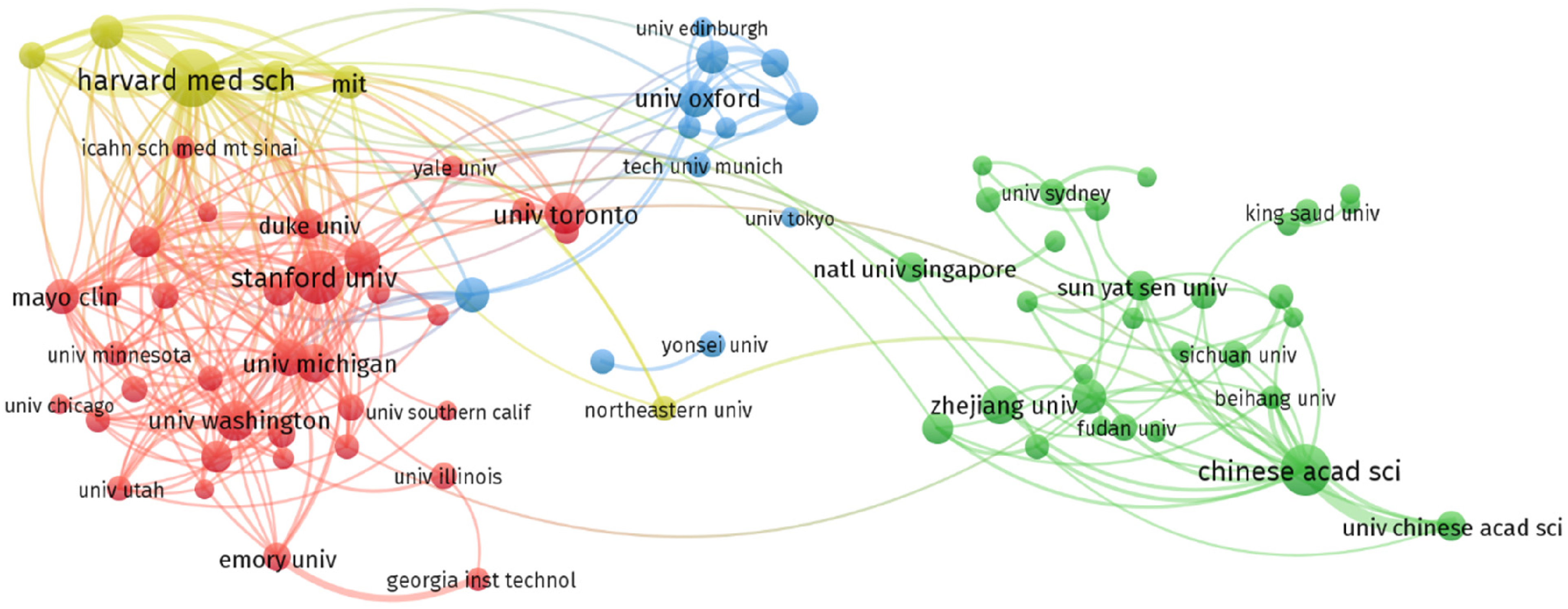
Bibliographic coupling of institutions published in the topic area: minimum publication threshold of 200 documents with 100 citations and minimum 10 links.
Most productive and influential countries
To analyse the most productive and influential countries that contributed to the topic area, the paper lists the top 10 most productive and influential countries as presented in Table 9. Overall, there has been an increasing trend in publications since 2018. Recent pandemics are one of the factors for an increased number of research in the topic area. A region-wise pictorial representation of the publications is presented in Figure 4. The paper considers a 40-year time frame, from 1983 to 2022 and compares countries based on the number of publications and their citations. To further deepen the quality and impact of publications, the paper analyses the number of published documents that received greater than or equal to 10,000, 5000, 1000 and 500 citations.
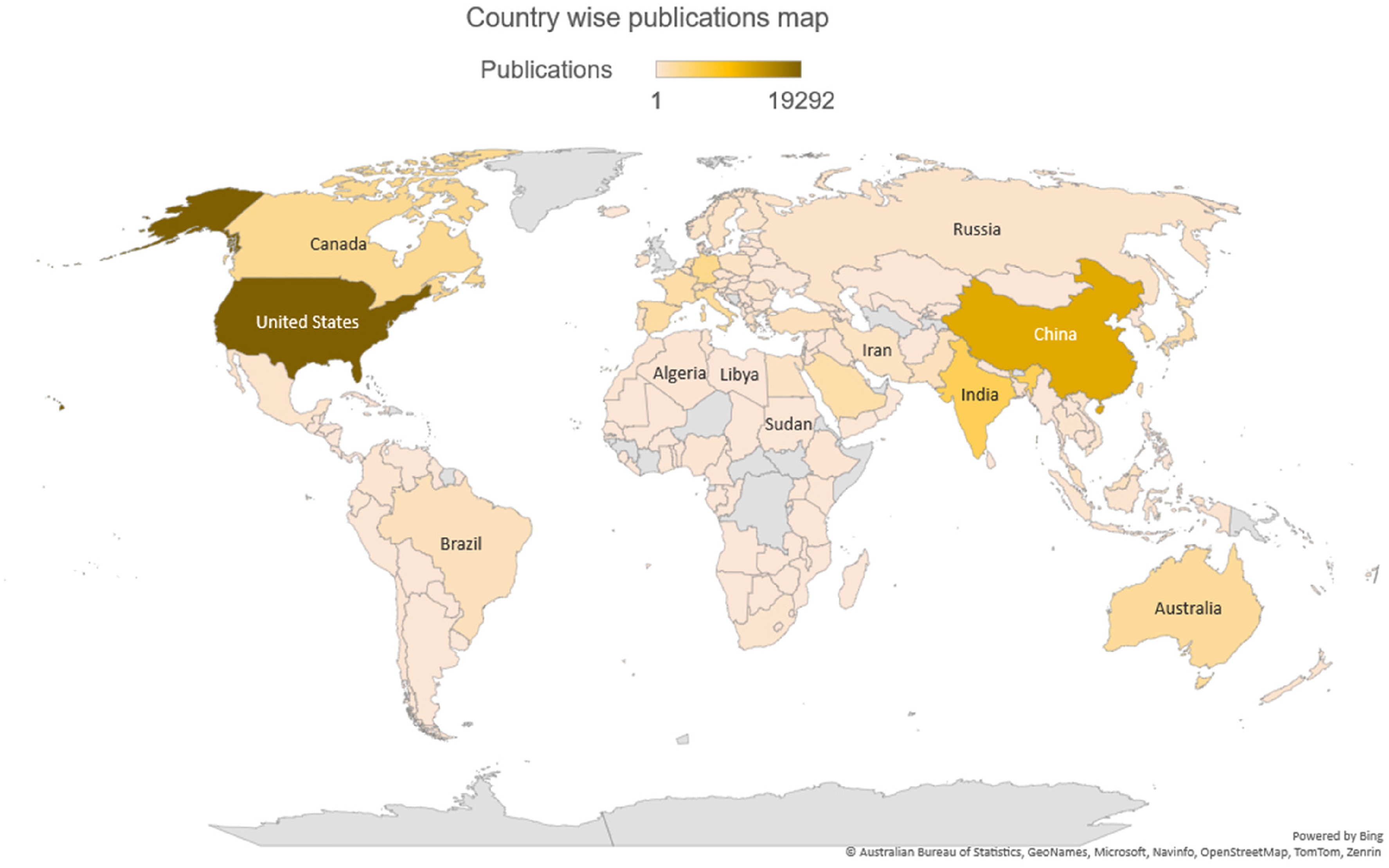
Region-wise topic area publications.
The most productive and influential countries contributed to the topic.
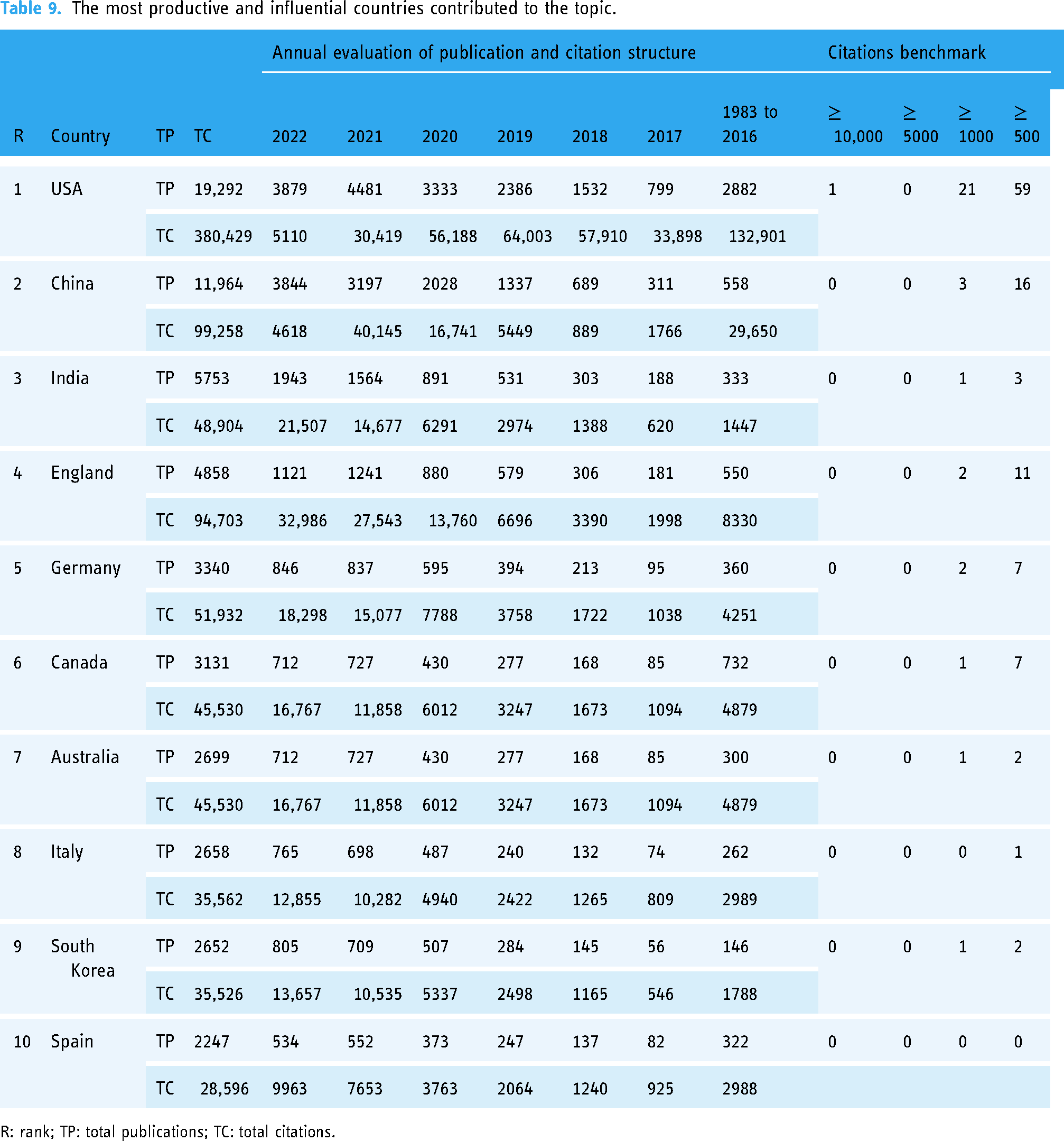
R: rank; TP: total publications; TC: total citations.
The analysis results show that the USA is on the top of the list with 19,292 publications that were cited 380,429 times. There has been a consistent increase since 2017. It is worth mentioning that 59 documents have received over 500 citations, 21 documents with over 1000 citations, and a document with 10,000 citations. China is second on the list, with a total publication of 11,964 that attracted 99,258 citations. Since 2018, there has been a good increase in the number of publications, particularly during 2020, 2021 and 2022. During these 3 years, the country produced 75% of all-time documents. Sixteen documents received over 500 citations. India is in third place with 5753 publications, followed by England, Germany, Canada and Australia.
To further analyse the dependencies and interrelationships among countries, the paper presents the bibliographic coupling of countries that contributed to the topic area, as presented in Figure 5.

Bibliographic coupling of countries published in the topic area with a threshold of 100 documents with 10 citations with a minimum strength of 80.
The paper uses a minimum threshold of 100 publications per country, with a minimum of 10 citations and a minimum strength of 80 links. Out of 182 countries, 67 countries met the threshold. The USA dominated the figure with the most connections with other nodes, followed by China. Other nodes such as India, England, Australia, Canada, Germany, Italy and South Korea have many couplings with other countries. Moreover, Spain, France, Netherlands, Pakistan and Saudi Arabia are emerging in the topic area. Some small nodes, such as Turkey, Spain, Mexico, and Egypt, connect with other countries, including the USA, but not with China.
Co-occurrences of the author's keyword
This section examines the co-occurrences of the author's strong keywords, offering insights into their frequent use, as presented in Table 10 and Figure 6. This bibliometric indicator enables the researcher to identify the most frequent keywords used in the topic area and gain insight into the topic and trends that interest new researchers. The paper uses a threshold of minimum co-occurrences of 250 keywords. Of 90,187 keywords, 93 met the threshold with a minimum of 25 occurrences.
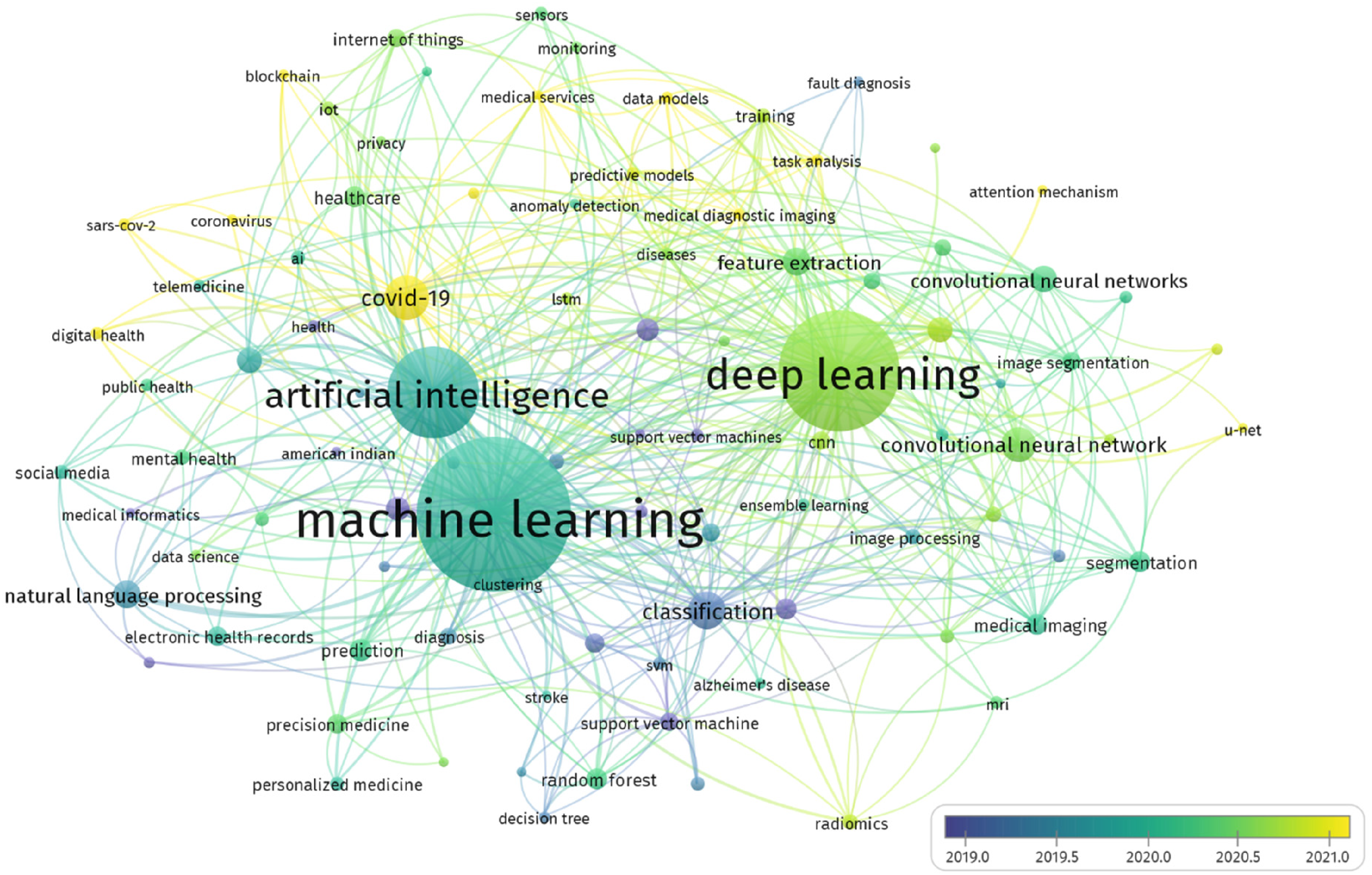
Co-occurrences of author's keyword for 40 years – minimum occurrences threshold of 250 keywords.
Co-occurrences of the top 30 authors’ keywords.

CNN: convolutional neural network.
The keyword ‘Machine Learning’ holds the leading position, appearing 16,102 times with a substantial link strength of 18,298. This term refers to a generic phrase that encompasses a wide range of algorithms employing an AI-based method to solve various problems. The keyword ‘Deep Learning’ took the second position with 11,235 occurrences and a total link strength of 15,406. As discussed in the above section, over the past decade, DL algorithms have received significant interest among researchers, as evidenced by their appearances in several top-cited literature. Using multiple layers of neurons with hierarchical feature abstraction makes DL an ideal choice for obtaining optimal results in complex predictions and decision-making processes. The keyword “Artificial Intelligence” draws attention with 7349 occurrences and a total link strength of 9412, highlighting its significance as a broad term covering diverse AI methodologies. CNN comes in the fourth position with 2789 occurrences. CNN, a deep neural network, is broadly used in medical image classification tasks due to its exceptional feature extraction capabilities. Some new keywords have emerged in the last few years, such as COVID-19, which appeared 2468 times with a link strength of 4322. This shows the impact of recent global events on research priorities, particularly in healthcare and epidemiology. Additionally, NLP, with 1204 occurrences, shows the ongoing relevance and exploration of language-related AI applications. Recent advancements in NLP algorithms, particularly in the form of Generative AI tools, have revolutionised many sectors, including healthcare. In future, there is great potential in the research area to further explore these tools and their applications in healthcare.
Discussion and findings
AI has been studied and applied in health and medical-care systems since the late 70s. In the 80s and mid-90s, the use of AI in the health system was minimal, as evident from Table 1. There was very limited research for the first 14 years – from 1983 to 1996, with a few publications. However, the research trend has changed with technological advancement, better sophistication of AI algorithms, and the capability of a system to analyse large amounts of clinical data. Likewise, the number of publications gradually increased to three and then four-digit figure numbers.
The development of NLP in the 2000s revitalised the use of AI in medicine by bridging communication between humans and machines. Those algorithms analyse clinical notes such as consultation reports, operative reports, and discharge instructions as analysis data and infer a personalised treatment plan for any individual patient based on existing records. During the last decade, we have seen a significant increase in the use of AI in medicine. Recent advancements in AI-based image processing algorithms such as – Generative Adversarial Networks,65,66 RIMD 67 Style Transfer,68,69 DeepLesion, 70 RetinaNet, 71 CheXNet, 72 lifelong machine learning, 73 and several other algorithms enable medical practitioners to scan and analyse medical images and enable them for early detection of any illness and an informed decision-making process.
The key findings from the analysis are presented as follows:
Evolution of AI research in healthcare:
In 1965, the pioneering DENDRAL project 74 laid the foundation for AI-based medical expert systems. It revolutionised problem-solving in chemistry and medicine through the innovative application of heuristic programming techniques. During the early 80 s, there was significant interest in adopting AI-based expert systems in healthcare. Therefore, the study in 74 chooses to commence its analysis from 1983. Since then, the study observed a gradual growth in research and utilisation of AI in healthcare. In the first 14 years, from 1983 to 1996, the number of publications in the topic area constantly remained in the double-digits. This was due to technological limitations, computational capacity, data availability and lack of awareness. Then, for the subsequent 7 years, spanning until 2003, the research volume in this domain remained relatively stable, averaging 102 publications per year. This was the time when the widely acclaimed AI algorithm, long short-term memory, 75 a type of RNN, was proposed. The approach has been widely used in several key medical issues, such as cancer prediction, 76 heart disease prediction 77 and many others. Over the last two decades, there has been consistent growth in the field, with a notable surge in the application of AI in healthcare during the past decade, resulting in increased research and publications, as evident from Table 1. The significant improvement can be largely attributed to advancements in technology, better computational capacity, improved performance, and AI algorithm sophistication in image recognition and prediction that are widely used in healthcare. 78 Over the past 3 years, starting from 2020, there has been a significant upswing in the number of publications, surpassing 10,000 articles annually. These years have seen a substantial uptick in applying AI methodologies for predicting COVID-19, with widespread adoption of Generative AI and other DL methods in the healthcare sector.
Citation trends – insight and research direction
The citation structure of the topic over 40 years shows that there has been a consistent, gradual increase in the number of citations from its inception. About 74% of documents published in the topic area have received at least a single citation, with 29 publications that have received more than 1000 citations. The analysis results show that since 2016, the annual number of citations has been at least 10,000. Particularly, since 2018, the topic received a total of 677,507 citations. This demonstrates the increasing interest of researchers and the growing trend of research in the field. A survey paper – An Introduction to ROC Analysis by Tom Fawcett, published in 2006, received 11,141 citations, the highest in the topic area. In this paper, the author discusses the ROC graph commonly used in medical decision-making. ROC analysis remains a key topic today that has been extensively used in classification and prediction problems across various domains. The second influential paper in the topic area is a survey paper – ‘A survey on deep learning in medical image analysis’ by Geert Litjens et al., published in 2017. The paper has made a notable scientific impact with 5017 citations and a citation rate of 1003 citations per year (C/Y), the highest among the top 50 cited papers. In this paper, the authors conducted a comprehensive survey of 300 papers, discussing DL algorithms used for medical image processing. The paper highlighted key aspects of successful deep-learning methods and discussed distinct challenges within medical image processing. It is worth mentioning that DL algorithm has been extensively used in healthcare in recent years due to their robust capabilities in medical image and predictive analysis. The citation structure shows that 38% of the top 50 cited papers discussed or applied DL methods. Additionally, the co-occurrences of the author's keywords corroborate this, with ‘DL’ being the second most prominent keyword, appearing 11,235 times. The evidence supports DL as the key algorithm for future research directions.
Prominent contributors – journals, institutions, and countries
The analysis results show that IEEE Access is the most productive journal contributed to the topic. The journal published 1410 articles that attracted 20,849 citations. Notably, 78 papers in the journal have received 50 or more citations. IEEE Access, being a multidisciplinary journal, covers a broad range of topics, including AI predictions in healthcare, diagnostics optimisation, and AI-based healthcare decision-making. Moreover, its open-access policy and rapid publication cycles enhance accessibility and dissemination. The second highly productive venue is the Lecture Notes in Computer Science (LNCS), which has published 1350 documents that have received 11,578 citations. LNCS primarily encompasses conference papers, contributing significantly to the field. The analysis also highlights another influential open-access journal – Scientific Reports. With 706 published documents and an impressive 12,985 citations, the journal holds a significant contributor to the topic. Notably, it contributes five papers with over 500 citations and 57 articles with more than 50 citations. Despite being relatively young in the field, since its inception in 2011, the journal consistently publishes top-quality research on the topic.
Several renowned and top-ranked institutions, such as Harvard University, the University of California, the University of London, Stanford University, the University of Washington, Massachusetts University and the University of Oxford, have contributed significantly to the topic. The major contribution is by Harvard University, including its Medical School, which has produced 2789 papers that attracted more than 84,585 citations. The bibliographic coupling of institutions revealed that institutions from the same country tend to have stronger connections or collaborations than institutions from different countries. This is due to common funding sources, geographic proximity and common research interests.
Country-wise annual analysis shows that the USA is at the top of the list and has been consistently contributing to the topic since its inception. The country has contributed 19,292 documents that have attracted 380,429 citations. It is worth mentioning that 21 documents have received 1000 citations, and 59 documents received over 500 citations. China is second on the list, with 11,964 publications that attracted 99,258 citations. China has contributed significantly to the topic in recent years, possibly due to the country’s ambitious goal of becoming a global AI superpower by 2030. 79 Furthermore, the bibliographic coupling analysis indicates that the USA and China are at the top of the list, exhibiting the highest number of connections with nearly every contributing country.
It is also important to note that companies such as Google (DeepMind), Microsoft, IBM, Apple and other big AI contributor companies start to have great impact in developing AI tools for healthcare. 80 For instance, Google's DeepMind has been working on several projects that aim to improve healthcare outcomes. 81 One of the most significant breakthroughs is the development of AlphaFold, an AI program that predicts the shape of proteins by generating a 3D model. This has helped scientists to view protein structures and has actively helped to accelerate biological research and future drug discovery. DeepMind has also been working on developing AI-based solutions that can help diagnose eye diseases and detect breast cancer. Microsoft has been working on developing AI-based solutions that can help improve healthcare outcomes. One of the most significant breakthroughs is the development of an AI-based system that can help diagnose cervical cancer. 82 The system uses ML algorithms to analyse images of the cervix and identify abnormal cells. IBM has been working on developing AI-based solutions that can help improve healthcare outcomes. One of the most significant breakthroughs is the development of Watson for Oncology, an AI-based system that can help oncologists to identify personalised cancer treatments.
Conclusion
This paper presents a bibliometric analysis of the literature on AI and its associated methods and algorithms in health and medical systems. The paper’s primary objective is to evaluate and observe the evolution and trends of this topic from a publication perspective. The analysis results reveal that research on this topic has been conducted since the early 1980s, with a gradual increase in publications and citations. Over the last decade, there has been a surge of interest in this research area due to advancements in technology, easy access to medical data, sophistication in AI algorithms, and the efficiency of making optimal informed decisions. The COVID-19 pandemic has significantly contributed to the increased attention on this topic among researchers. The analysis results revealed that the USA has been a major contributor to research on this topic since its inception, with many top-ranked American institutions involved. Open-source journals such as IEEE Access, Sensors, Scientific Reports, and others have significantly published research on this topic. Chinese researchers have emerged as the leading contributors to this area of study. The most commonly used keywords among researchers are ‘ML’ and ‘DL’.
Finally, the analysis shows a general overview of existing research till 2022, and future results may vary due to bibliometric data limitations, potentially yielding unexpected changes. While this work demonstrates an overall bibliometric analysis on a leading research track for digital health, it is important to conduct further review studies that discuss more technical details within narrower scope to provide a useful guidance to a fast-growing research field. This will be our aim for future research.
Footnotes
Acknowledgements
The authors express their gratitude to all the institutions that have provided support for this endeavour and are detailed in the funding section.
Contributorship
WH designed the review with input from HG and FR. All authors screened articles, analysed the data, and drafted the manuscript. Decisions regarding eligibility for inclusion, risk of bias and data extraction were verified by WH. All authors read and approved the final manuscript.
Declaration of conflicting interests
The authors declared no potential conflicts of interest with respect to the research, authorship, and/or publication of this article.
Funding
This research received partial support from ACU under grant number CAWGS – 905737-111. This work was partially funded by the Qatar Japan Research Collaboration Research Program under grant number M-QJRC-2023-313.
Gurantor
WH, EAR.
