




Abstract
The literature reveals that there has been significant research regarding online learning during the pandemic outbreak. This research project was conducted to investigate the experiences of university students by highlighting a few key barriers and perceptions to e-learning in Pakistan. A sample of 253 (age range: 17–31 years) students was recruited through a convenient sampling technique. According to participants the crucial online barriers included social interaction, family support, time, and motivation for studies. The majority of students were satisfied with the internet access and quality of online learning. In addition, the most intensively used web-platforms included Zoom, WhatsApp, Microsoft Teams, and Meet by Pakistani students. Furthermore, the findings revealed that students who sleep after midnight (M = 51.46, SD = 9.61) and wake-up around noon (M = 52, SD = 9.09) experience more online education barriers in comparison to students who sleep (M = 40.33, SD = 16.75) and rise early (M = 49.36, SD = 11.86). Hence, the findings of the current study might be helpful in addressing barriers and challenges faced by universities and the Higher Education Commission during such pandemic outbreaks.
Introduction
The rapid transition of on-campus learning to e-learning is a novel practise for countries like Pakistan. In a state of emergency, everyone was forced to adopt the convenient ways of learning, such as e-learning and mobile learning application (Almaiah et al., 2020). However, adaptation of online learning might be effective in digitally advanced countries (Basilaia and Kvavadze, 2020) but it is ineffective in Pakistan (Adnan and Anwar, 2020). Moreover, studies suggested that lack of internet services (Ahmad, 2020), social interaction, group studies, timely feedback of teachers, course completion, and lack of motivation were challenges confronted by students attending online classes during pandemics (Adnan and Anwar, 2020).
The tools being intensively used at many institutions worldwide for classroom conferences and lectures include Zoom, Jisti, Microsoft Teams, WebEx (Halpin and Lockwood, 2019; Wootton et al., 2019) and personal platforms such as Moodle (Machado et al., 2020). Similar to developing countries, in Pakistan, numerous families lack the facilities of modern digital technology such as laptops, mobile phones, and internet to provide online education to their children (Akram et al., 2020). The provision of internet and mobile services in rural areas of Pakistan is meagre and is affecting the online learning of students residing in such areas. Besides the fact that the use of smartphones are rapidly increasing, instability of internet connectivity is still a common problem (Irteza et al., 2020). Consequently, the lack of stable internet connection has become a huge challenge for students living in remote areas of Pakistan. The distribution of internet resources varies according to socio-economic backgrounds and geographical locations (Irteza et al., 2020). Consequently, most of the students travel to other areas for strong internet connectivity to attend classes online (Akram et al., 2020).
Globally, countries experienced lockdown situations in order to combat the consequences of COVID-19. It led to major lifestyle changes, including home confinement, lack of creativity, lack of opportunities, restricted mobility, food availability, and developing healthy relationships (Galli et al., 2020). These changes result in disrupted chronobiological rhythms, affecting sleep patterns in particular and quality of life in general (Altena et al., 2020). Hence, an unstructured routine led to poor sleep patterns and quality of life. In human behavior, circadian rhythms are reflected in sleep-wake cycles, memory tasks, physical performance, and individuals’ reporting of alertness and sleep (Carrier and Monk, 2000). According to Valdez et al. (2014), during the day time human performance increases while at night it decreases. Sleep has a significant impact on human behavior and physical and mental health (Megdal and Schernhammer, 2007), and most university students experience sleep problems (Carney et al., 2006; Suen et al., 2008). Moreover, according to the literature, inadequate sleep duration and unusual or poor sleep patterns affect an individual’s performance, physical health, and mental health (Preisegolaviciute et al., 2010).
Due to COVID-19 lockdown, the closure of educational institutions led to the adoption of online education platforms and utilization of digital modes for teaching (Abidah et al., 2020). Hence, an unprecedented digital revolution took place in the education sector, including online classes, virtual interactions, and online examinations (Kumar et al., 2020; Strielkowski, 2020). It resulted in differences of opinions and perceptions regarding online education which has led to enhanced discussions and research. For instance, Gonzalez et al. (2020) reported an acceptable learning efficacy and better performance of students while adopting e-learning practices during the pandemic outbreak. On the contrary, digital learning is considered discriminatory in nature. For instance, students with ailments (such as hearing problems) and students who reside in less-developed areas confront challenges in acquiring education using digital platforms (Manzoor, 2020). Hence, it has become necessary to understand the teaching-learning processes in designing effective interventions for successful delivery of education online (India Today, 2020).
Despite technical problems and other associated issues, students report positive opinions regarding e-learning (El Tantawi et al., 2015). Even though online platforms entail enhancements, frequent maintenance, and better internet services, their structured and universal nature makes them beneficial and helpful (Machado et al., 2020). In the case of clinical based discussion, the mode of conventional learning is more effective in comparison to virtual learning (Martin et al., 2012). In addition, the privacy of users’ data is a key concern while using digital platforms and users are recommended to adopt tools with end-to-end encrypted systems that restrict the interference of other servers (Pontual et al., 2020).
With the outbreak of COVID-19, numerous studies have been conducted to observe the experiences of students towards e-learning in the context of Pakistan (Abdullah and Mirza, 2020; Adnan and Anwar, 2020; Farooq et al., 2020; Kanwal et al., 2020; Rafiq et al., 2020; Shams et al., 2020) and worldwide (Basilaia and Kvavadze, 2020; Baticulon et al., 2020; Dorn et al., 2020; Liguori and Winkler, 2020; Mailizar et al., 2020; Singh et al., 2020; Sun et al., 2020). However, the current study presents comprehensive research about e-learning practices that includes barriers and challenges experienced by students, availability of internet connectivity, use of web platforms, students’ perception towards future adoption of online education in Pakistan and the effect of sleep schedules of the students during COVID-19 on e-learning.
Objectives
The objectives of the current study are: • To examine the challenges and barriers experienced by students in e-learning during COVID-19. • To investigate the perceptions of students regarding internet accessibility related to e-learning in their areas of residence. • To determine students’ perception of the quality of online education and the use of technology for education as a way forward in Pakistan. • To explore the effects of demographics on the experiences of students related to e-learning.
Literature review
The use and adoption of e-learning has been considered a challenging issue in both developed and developing countries, though the willingness to accept and adopt is far better in developed countries (Almaiah et al., 2016). According to the literature, majority of the e-learning challenges faced by students can be classified into five main categories, including (a) Social Interactions, (b) Administrative Issues, (c) Time Management Skills of Students, (d) Motivation of Students Towards Online Learning, and (e) Individual’s Privacy and Technical Security Issues. Challenges and barriers in each of the five categories are explained with evidence from the literature below:
Social interactions
During pandemic outbreaks, social interactions are reduced due to necessary social distancing measures. However, social networks are key sources of social support during such pandemics (Elmer et al., 2020). These social networks can be developed within the families and outside homes such as in the form of friend circles (Bolger and Eckenrode, 1991). Literature suggests that students’ social networks play a crucial role in mitigating stress and assisting them to be more effective (Stadtfeld et al., 2019). Similarly, a considerable number of studies have highlighted the effects of COVID-19 on students and reported that a lack of social support and interactions during COVID-19 significantly influenced the mental health of the students (Cao et al., 2020; Fried, 2020; Huckins et al., 2020; Odriozola-González et al., 2020). Moreover, Lightner and Lightner-Laws (2016) illustrated that online learning is linked with a lack of motivation and interaction that challenges students’ activities such as studying, making assignments, and other related tasks in comparison to traditional learning process. Besides, the literature highlights that during technology-mediated education, participating in class activities and making strong bonds with others are key elements in a learner’s academic success (Garrison, 2011).
Administrative issues
During online learning, one of the biggest challenges is to ensure the availability of an adequate number of administrative staff (such as, instructors and other support staff members) who would otherwise be available instantly (Hoq, 2020). The efficacy of e-learning can be standardized if the educational institute ensures a sufficient number of academic staff (Al-Shorbaji et al., 2015). Likewise, the presence of an adequate support staff is an important factor for effective delivery of education online and for improving the changing conditions of e-learning (Dhir et al., 2017). Additionally, an online learning set up does not allow a learner and the instructor to be involved in the lecture simultaneously and hence instant feedback whether verbal or non-verbal is missing; that one must receive from the instructor or support staff members (Birch, 2002). As a result, Vella (2002) has highlighted the importance of feedback sequencing i.e., dividing course-related tasks into smaller components and providing timely feedback to students might enhance their performance. Hence, for an asynchronous setting of online classrooms, designing a course with specific goals can automatically assimilate the feedback and draw attention to learning (Brookfield and Preskill, 2012; Fink, 2005).
Academic skills
According to the students, experiences of online learning are mainly affected by their academic skills (Decker and Beltran, 2015) and hence, those students who undermine the value of academic skills experience stress during that specific time period (Milligan and Buckenmeyer, 2008). Similarly, first semester students lack the ability to cope with online university assessments as they underestimate the skills required for online education (Colclough et al., 2011). In addition, past evidence suggests that the students who attend online classes possess essential academic skills (Henry, 2018). Hence, prior e-learning experiences of the students and their academic skills are significantly related with their academic performance (Hachey et al., 2012). Therefore, those students who possess prior knowledge and better academic skills may perform better during academic learning as compared with those students who lack these skills and show substandard performance (Mason et al., 2015). These findings are further supported by a study conducted by Henry (2018) who suggested that the students with limited prior exposure to computer struggled in using technology for learning purposes.
Internet accessibility
Evidence suggests that the use of the internet services with smartphones in Pakistan is approximately 36% (Qadir, 2020). Therefore, limited availability of internet and mobile services in remote areas of Pakistan poses challenges for students during the digital learning process (Irteza et al., 2020). According to Irteza et al. (2020), due to the irregular internet service that causes page load issues, students largely criticize the quizzes that are needed to be attempted during online classes. These circumstances may lead to poor academic performance by students. However, an allocation of flexible time (such as 12 hours) for quiz completion provides online learners with a fair chance of performance and timely submission (Irteza et al., 2020). Besides, the proficiency in the use of computer and prior browsing experience may assist them in accomplishing their academic targets (Kerka, 1996). Therefore, it is not only about the availability of the internet but also the capability to use the internet that holds significance during online learning. Hence, in comparison to conventional learning settings, digital learning students must be enthusiastic, confident in performing internet associated tasks, and capable of managing themselves during the e-learning process (Tsai et al., 2011).
Time management skills of students
Evidence in the past has illustrated a relationship between time management and online classes. For instance, Goodson and his colleagues (2012) suggest that the practice of taking online classes result in the development and improvement of students’ time management skills. Highlighting the importance of the students’ time management skills for attending online classes, Shepperd (2002) suggested a significant predictive role of time management in students’ success. On the contrary, poor time management skills during studies are considered as the primary cause of disinterest for not enrolling in digital learning courses. Additionally, Shepperd (2002) studied the effect of employment status on students’ e-learning experiences. He suggested that the students who are employed full-time experience difficulties in managing time for studies in comparison to students who are employed half-time or unemployed. This shows a tendency among students to work either full-time or part-time if they are taking classes online. However, the employed students reported that they face difficulties in focusing their efforts to complete study tasks that are substantial during online classes. Besides, Lynch and Dembo (2004) added that students’ ability to manage time, study, and commitment to gain knowledge and develop understanding during digital and traditional learning significantly predicts their academic success.
Motivation of students towards online learning
Behavior is driven by both external and internal motivators simultaneously (Deci and Ryan, 1985), but in the case of digital learning, the role of multiple motivational factors affecting educational behavior is less explored (Johnson et al., 2013). According to self-determination theory, motivation is a complex construct consisting of intrinsic and extrinsic motivators. Literature suggests different motivational factors for online and face-to-face learning (Johnson et al., 2013). Based on research findings, motivation scales are constructed for online education and face-to-face learning, particularly for learners and instructors. The instruments developed to measure motivation consist of subscales such as online intrinsic and extrinsic motivation and face-to-face intrinsic and extrinsic motivation (Johnson et al., 2013). Findings of Johnson et al. (2013) proposed that online motivation (intrinsic and extrinsic) and face-to-face motivation (intrinsic and extrinsic) are distinct constructs as findings reported significant correlation between online intrinsic and extrinsic motivation while they showed non-significant relationship for face-to-face dimensions.
There is a debate in the literature about the role of intrinsic motivation and its relationship with digital learning. For instance, studies have revealed that internally driven processes and actions assist an individual to achieve success in comparison with external motivators that are considered ineffective (Reeve et al., 2004). Besides, a significant relationship has been studied between intrinsic motivation, specifically intents (Stewart et al., 2010) and the persistence of students in digital learning (Kim and Frick, 2011; Li et al., 2005). However, according to the findings of Johnson et al. (2013), online intrinsic motivation showed a non-significant association with online education of learners and instructors. Furthermore, intrinsic motivation associated with students’ online learning is considered to have a substantial role. For example, online intrinsic motivation determines considerable understanding of course content (Hoskins and Van Hooff, 2005), attentiveness in class-related tasks (Xie et al., 2006), and giving preference to studying individually (Kerr et al., 2006). On the contrary, online extrinsic motivation among students is associated with better academic performance (Patron and Lopez, 2011) and their involvement with course material (Sansone et al., 2011). Hence, examination of research related to students’ motivation for learning provides a valuable insight into understanding the role of students’ motivation during face-to-face learning and online learning.
Privacy of students information and technical security
During digital learning, keeping information about students is an important part of the process. Teachers collect data from the students for effective tutoring and management of class (Yang and Wang, 2014). The primary information of the student, such as name, age, contact number, email address, and student’s picture, is collected either manually or in a system. Furthermore, recorded lectures, students’ participation and their history remain saved in various programmes of the system, which ultimately challenges the privacy of the students. In addition, digitally submitted assignments, group projects, and related results can be assumed as a private data (Yang and Wang, 2014). If we compare the present mode of storing data to the past, it is clear that storing data electronically is at a higher risk of hacking than the information that is written on the paper (Shimakawa, 2005). Moreover, security in online learning refers to the security of hardware and software that are used for lectures and course material delivery (Weippl, 2005). They are technically programmed and highly secured to guarantee privacy of the students (Lim and Jin, 2006). Technological security deals with the data hacking and virus attacks (Lim and Jin, 2006). Hence, it is crucial that instructors must ensure the use of students’ information without interfering with their privacy (Yang and Wang, 2014).
Benefits of online learning
Apart from challenges and barriers, online learning entails advantages in relation to flexible learning opportunities. For instance, online learning is not bound to a specific timetable designed by educational institutions. Moreover, attending lectures through a digital platform is easier in comparison to attending classes in person (Chu and Chan, 1988). Besides, the use of mobile phones has enhanced the availability of course content and the required learning material (Goldsworthy et al., 2006). Students belonging to far-flung areas can become part of e-learning (Bhatia, 2011; Naing et al., 2015). Furthermore, evidence suggests that students who are introverted in traditional classrooms actively participate on digital platforms (Garnham and Kaleta, 2002). According to Kupczynski et al. (2008), online classes encourage the participation of students. For instance, the students get an opportunity to post, read, respond, and modify their responses to online streamed content while face-to-face classes lack this quality (Fedynich, 2013). The material prepared by the instructors can be reused and re-examined over a long period of time. It is not only beneficial for the students but it also saves instructors’ time that is required for delivering the lectures, provides an opportunity for the instructor to reflect upon the lectures simultaneously and assists the instructor in improving e-learning at an advanced level (Toumas et al., 2009). In addition, the use of digital platforms for learning purposes provides students with an equal opportunity to participate and access the same material. Hence, the availability of similar material in quality and quantity ensures the persistent achievement of learners’ targets (Al-Shorbaji et al., 2015). Use of technology also enables faculty members to frequently communicate and provide instant feedback to their students (Cobb et al., 2001). In addition, scheduling (Palloff and Pratt, 2013) and re-watching recorded lectures is a key advantage of online learning that makes it easier in comparison to on-campus classes (Ranga, 2017). The students believed that integrating synchronous and asynchronous modes of learning may assist in the improvement of social interaction and communication among instructors and students (Giesbers et al., 2014; Palloff and Pratt, 2013).
Rationale of the study
Kanwal and Rehman (2017) suggest that there are factors that obstruct the adoption of online learning, such as system characteristics, internet experiences, and computer self-efficacy. For instance, students and instructors from rural areas, such as Gilgit Baltistan, have demanded postponement of online classes until internet services are improved in their respective areas (DAWN, 2020). According to Mailizar et al. (2020), there is a limited number of recent studies which explore challenges and opportunities linked to e-learning during pandemics. Besides, it is essential to address the opinions and perceptions of students about the challenges and barriers associated with online learning for the reason that students’ experiences can obstruct them from attaining their desired goals. There is still a need to explore the quality of online learning during pandemics (Mailizar et al., 2020), with the intention of assisting in the development of more favourable practices in the future. Additionally, a sleep-awake cycle has been studied with different constructs during COVID-19 (Bates et al., 2020; Cellini et al., 2020; Gupta et al., 2020; Majumdar et al., 2020; Sinha et al., 2020). However, there exists a gap in the literature to demonstrate the role of the sleep-awake cycle and its association with the online education barriers that are faced by students.
Research questions
• What are the major e-learning barriers faced by students during COVID-19? • What are the perceptions of students regarding internet accessibility, the quality of online education, and the use of technology for education as a way forward in Pakistan? • What is the role of sleep and waking patterns in the e-learning experiences of students?
Hypotheses
• The majority of students are not satisfied with the quality of e-learning in Pakistan. • Students who sleep after midnight experience challenges in e-learning in comparison to those who sleep early at night. • Students who wakeup around noon experience challenges in e-learning in comparison to those who wakeup early in the morning.
Method
Sample
A sample of 253 students (males = 71, females = 182) was approached through social media channels. The participants of the current study belonged to different cities in Pakistan, including, Islamabad, Rawalpindi, Lahore, Karachi, Gilgit-Baltistan, Chitral, Quetta, Multan, Abbottabad, Attock, Muzaffargarh, and Sargodha. The age of participants ranged from 17–31 years (Mage = 21.27, SD = 2.27). The education level of students was Honors (n = 216; 85%), Masters (n = 22; 9%), MPhil (n = 14; 5%) and PhD (n = 1; 1%). Participants studying at public universities were 21% (n = 54), whereas 41% (n = 104) were studying at private universities and 38% (n = 95) were at semi-government universities. Job status showed that 79% (n = 201) of students were unemployed during COVID-19. However, 16% (n = 40) of students were doing remote jobs and 5% (n = 12) were doing work in the office. Participants belonging to the nuclear family system were 66% (n = 168), whereas 34% (n = 85) belonged to the extended family system. Furthermore, 64% (n = 162) of participants mentioned that they go to bed after midnight, 30% (n = 75) at midnight, a few respondents mentioned others (4%, n = 10) and early night (2%, n = 6). Likewise, 46% (n = 116) reported that they wake up around noon, 32% (n = 80) in the usual morning, i.e., after eight o’clock, and 22% (n = 57) in the early morning, i.e., before eight o’ clock. (Figure 1). Conceptual framework of the current study.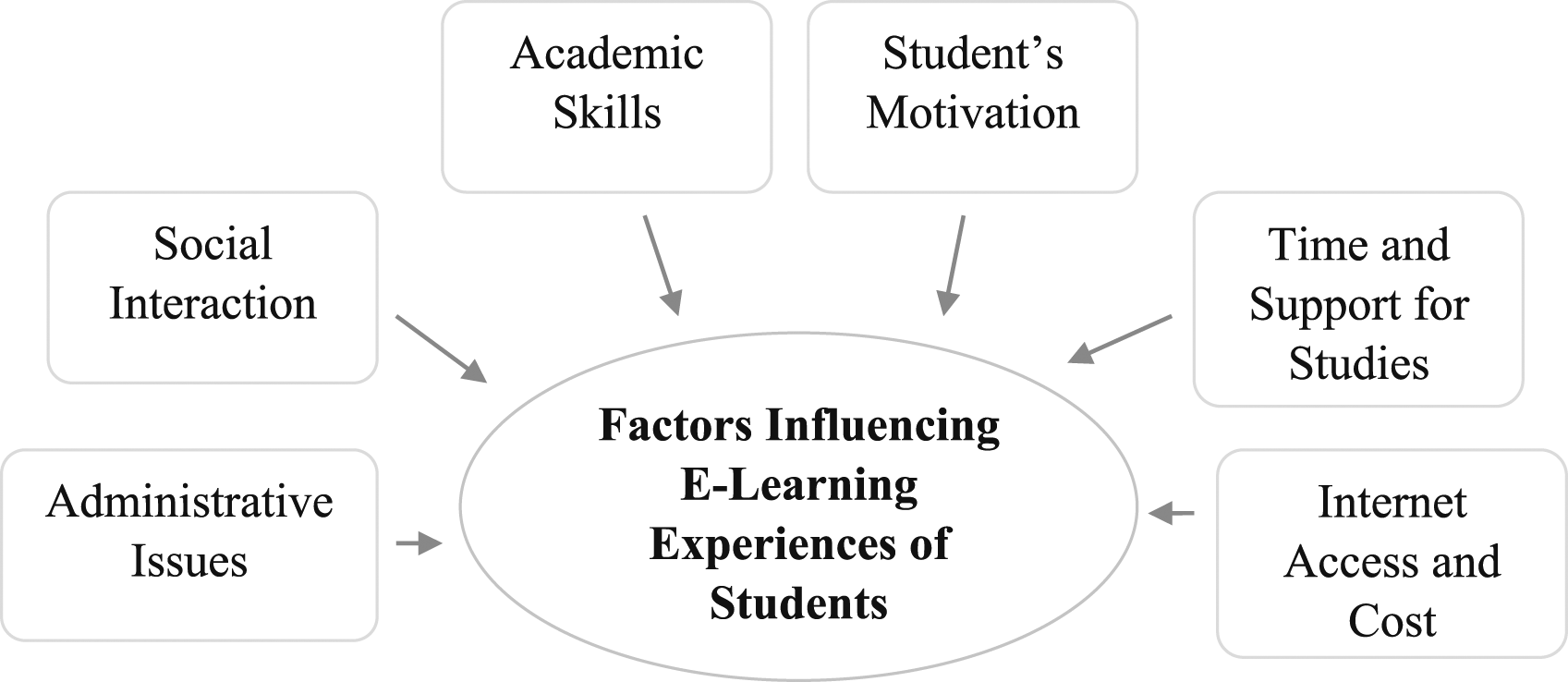
Research design
In the current study, participants were recruited through a convenient sampling technique. Moreover, data was collected from the study participants through online platforms including Facebook, Twitter, LinkedIn, and WhatsApp.
Instruments
Seven demographic questions were asked along with students’ perceptions regarding the online education system, including “Are you satisfied with the accessibility of the internet in your area?”; “How would you rate the quality of online education?”; “Is using technology for education the way forward in Pakistan?”; “Web applications used during learning?”; “At what time do you usually go to bed?”; “At what time do you usually wake up?”;and “Were you employed during COVID-19?”.
After reviewing the literature and key barriers investigated by Muilenburg and Berge (2005), a self-administered questionnaire was developed to examine challenges confronted by students in online learning during COVID-19. It consisted of 15-items based on a 5-point Likert scale (1 = Strongly Disagree to 5 = Strongly Agree). A self-reported scale consisted of five subscales including administrative issues (items: 1, 2, 3, 4, 5), social interaction (items: 6, 7), academic skills (items: 8, 9), students’ motivation (items: 10, 11), time and support for studies (items: 12, 13), internet access, and cost (items: 14, 15) was used in the current study. The alpha reliability of the scale is 0.88 in the current study.
Procedure
After finalizing the online questionnaire, it was posted on social media accounts of Beacon Innovation (Facebook, Twitter, and LinkedIn) – a digital research and marketing agency- and forwarded on other important Facebook pages such as university accounts, students’ WhatsApp groups, educational platforms, and direct emails. Moreover, the form link was forwarded individually to each relevant WhatsApp contact list for data collection. The participants’ consent was asked before starting the questionnaire using Google Forms, and students’ participation was also encouraged.
Data analysis
The data collected through an online survey was analyzed by using Statistical Procedures for the Social Sciences (SPSS) Version21. Study analysis included demographic statistics, descriptive statistics, and ANOVA.
Results
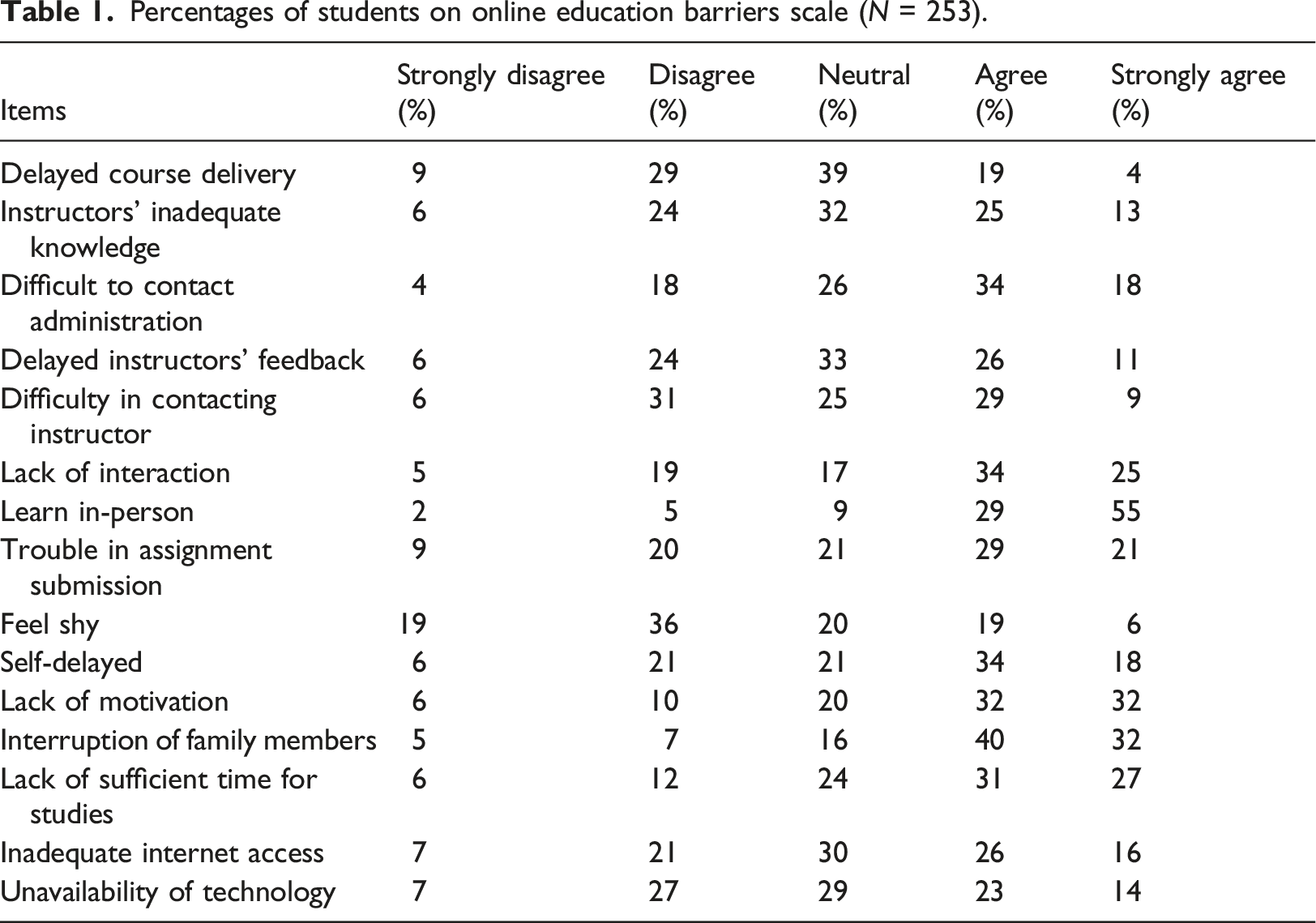
Percentages of students on online education barriers scale (N = 253).
Social interaction
Students were asked about their experiences of interaction and communication with the fellow classmates and their preference to study in-person. 59% of participants reported that there was a lack of interaction and communication during online classes, while 84% of participants reported that they preferred to learn in-person. Hence, findings of the current research revealed that the majority of participants (i.e., 72%) marked a lack of social interaction as one of the major barriers during the online mode of learning.
Time and support for studies
Support for studies was assessed by interruptions faced at home by students during e-learning, and time management skills were assessed by questioning students’ perception of the sufficiency of time for online studies. 72% of students reported that at home they faced significant interruptions during studies. 58% of students indicated insufficient time for learning during online classes. The average of agreement responses revealed that 65% of participants faced issues related to time and support for online learning.
Students motivation
Intrinsic motivation was studied amongst students, and they were asked about the delays on their part in completing study tasks and their level of motivation for online classes. Findings revealed that 52% of students delayed tasks related to studies and 54% of students lacked motivation for online classes. On average, 58% of students were not motivated to pursue online studies.
Internet access and cost
According to responses of the students, 42% had issues with internet accessibility in their areas of residence, while 35% students reported that the gadgets and technology needed for attending online classes were not available to them. As a result, we concluded that, on average, 40% of students experienced issues related to accessibility of the internet and cost.
Administrative issues
Respondents were asked about different aspects related to administration, including timely course material delivery; ability of the instructors to teach online; issues in contacting administrative staff; providence of timely feedback; and difficulty in contacting instructors. 23% of participants reported that course material was not delivered on time. 38% participants believed that instructors did not know how to teach online. 52% had difficulty in contacting administrative staff. 37% mentioned that instructors did not provide feedback on time while 38% reported that they faced trouble in contacting the instructor. Hence, the average agreement response depicted that 38% of the respondents confronted overall administrative issues while attending online classes during COVID-19.
Academic skills
In addition, findings suggested that 50% of the participants faced trouble in submitting typed assignments while 25% felt shy during online classes. The average of responses revealed that 38% of the participants confronted issues related to academic skills during e-learning. Hence, in comparison to other online education barriers, barriers associated with academic skills are experienced by a minimal number of respondents.
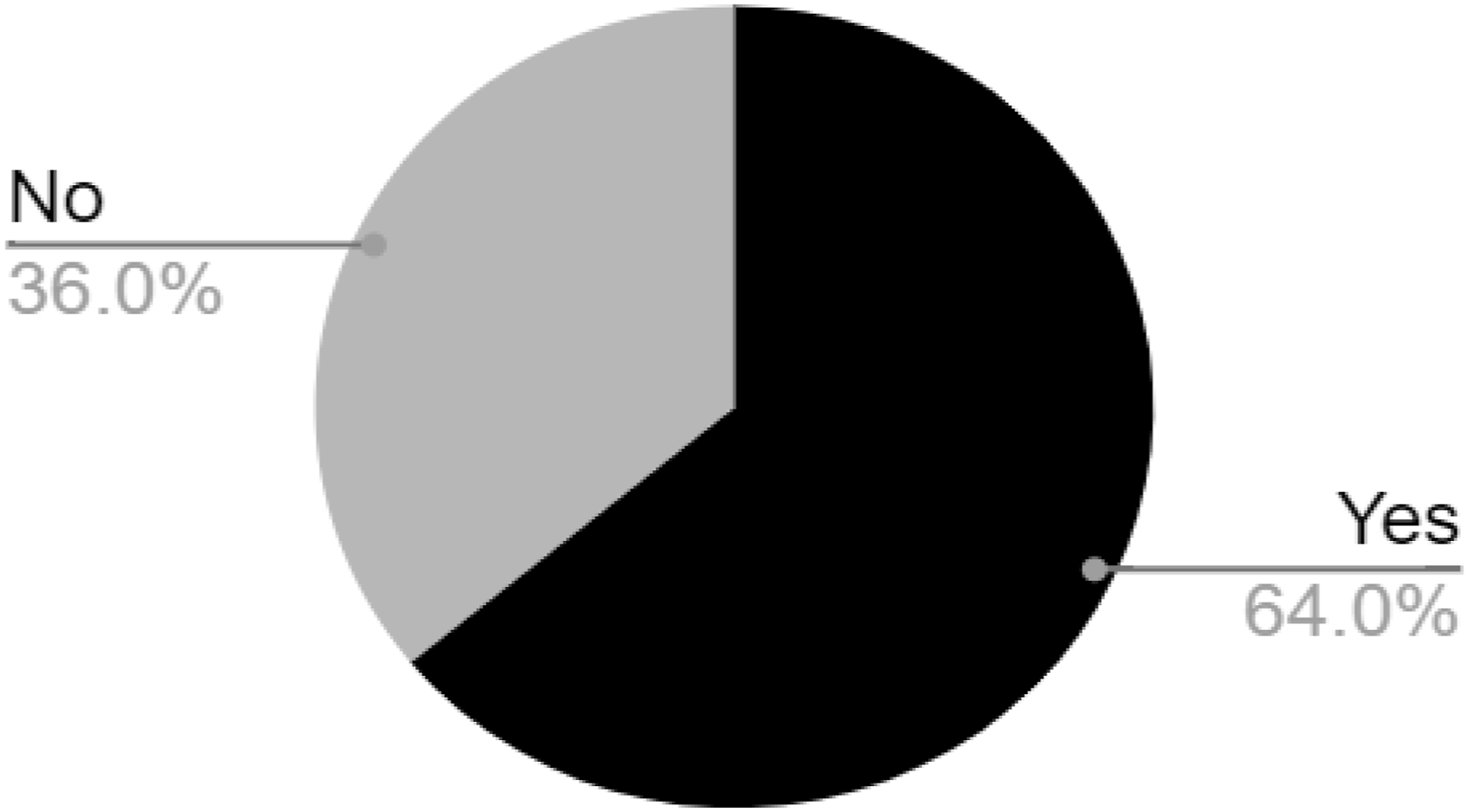
The experiences of students regarding internet access in their areas revealed that the majority of students (64%) were satisfied; however, a small percentage of students (30%) reported dissatisfaction with the access of the internet for attending online classes. (Figures 2 and 3). Online education barriers faced by students. Respondents satisfaction with the availability of internet access in area.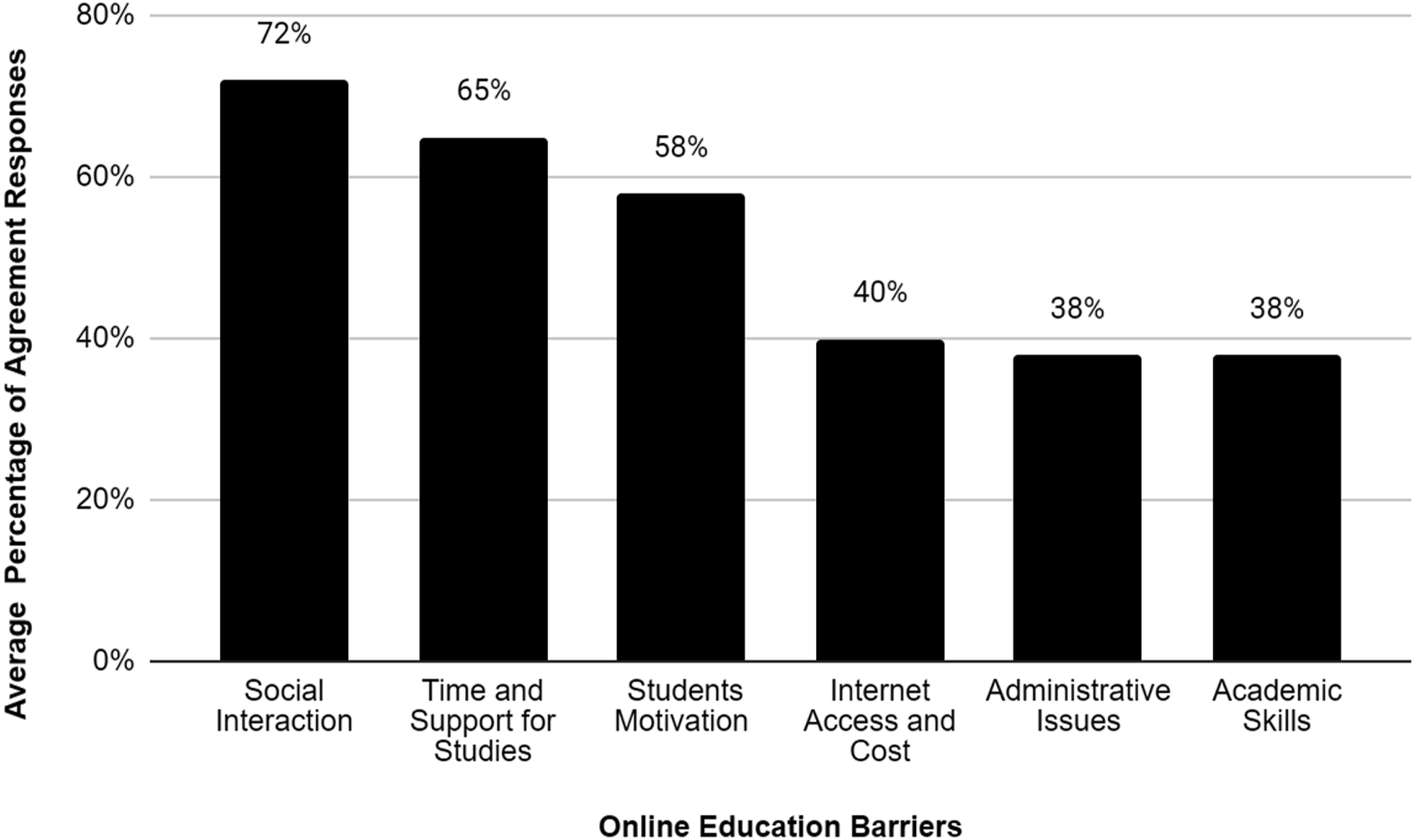
Findings reported in Figure 4 revealed that the majority of the students considered the quality of online education acceptable, while 18% of the students considered the quality of online education poor. Quality of online education.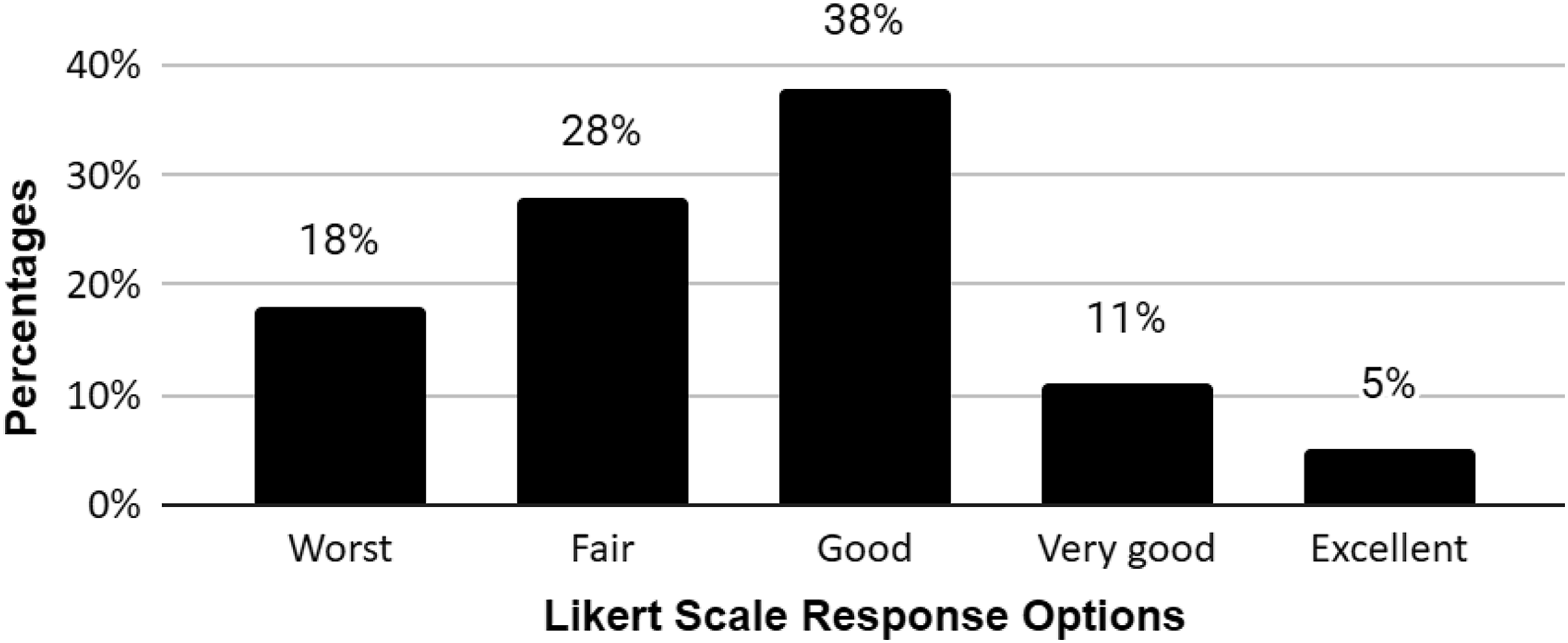
Respondents were asked about the use of web applications and tools such as Zoom, WhatsApp, Microsoft Teams, Meet, Skype, and others for online education during COVID-19. Findings indicate that Zoom (52%), WhatsApp (41%), Microsoft Teams (40%), and Meet (33%) were intensively used applications for online education. However, Skype (5%) and other web tools (9%) were minimally used by the students in Pakistan. (Figure 5). Web Applications used for online classes during COVID-19.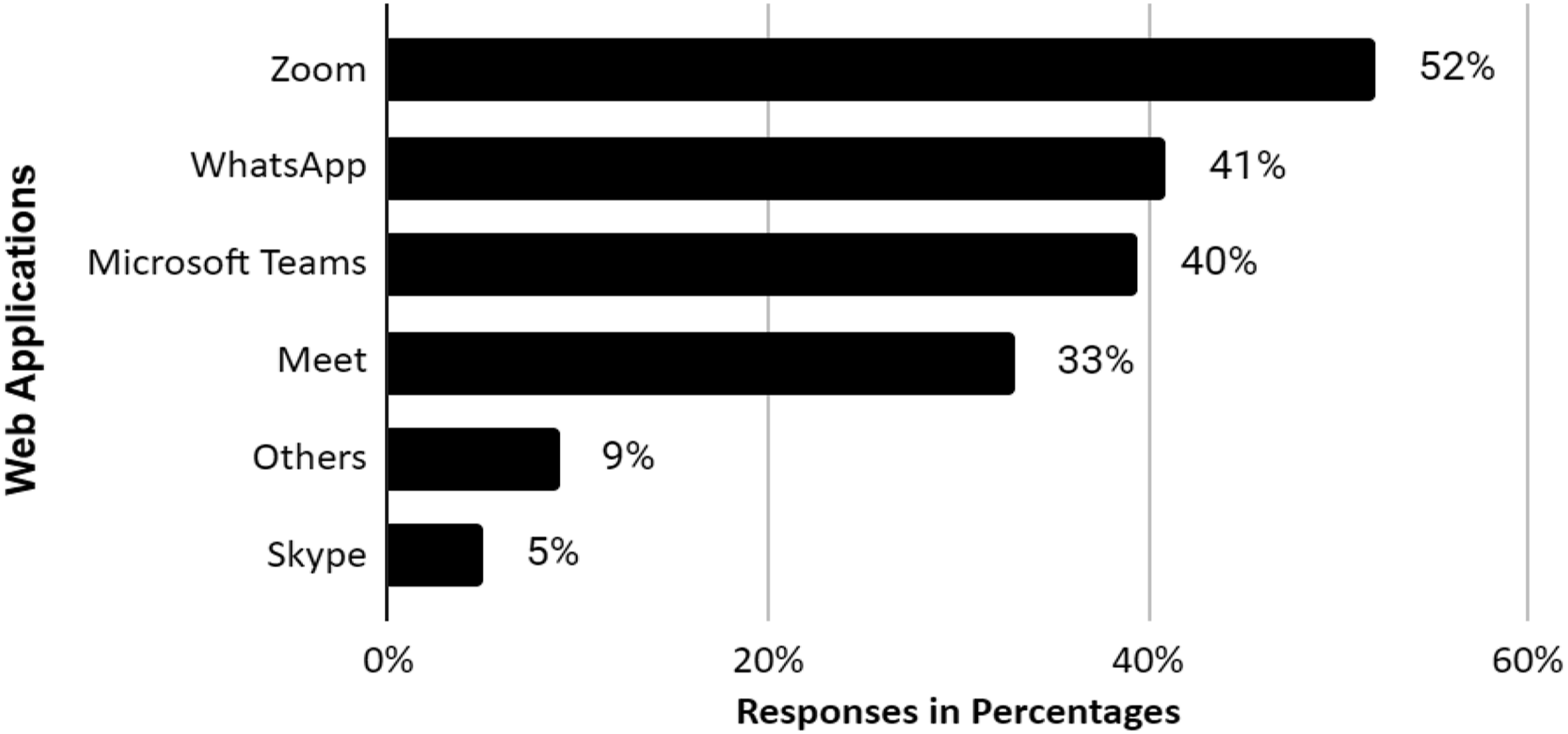
According to the findings of the current study, there is an almost equal divide about the perceptions of students towards the use of technology for online learning as a way forward for education in Pakistan. For instance, 48% of students agreed; however, 52% of students disagreed. (Figure 6). Technology for education the way forward in Pakistan.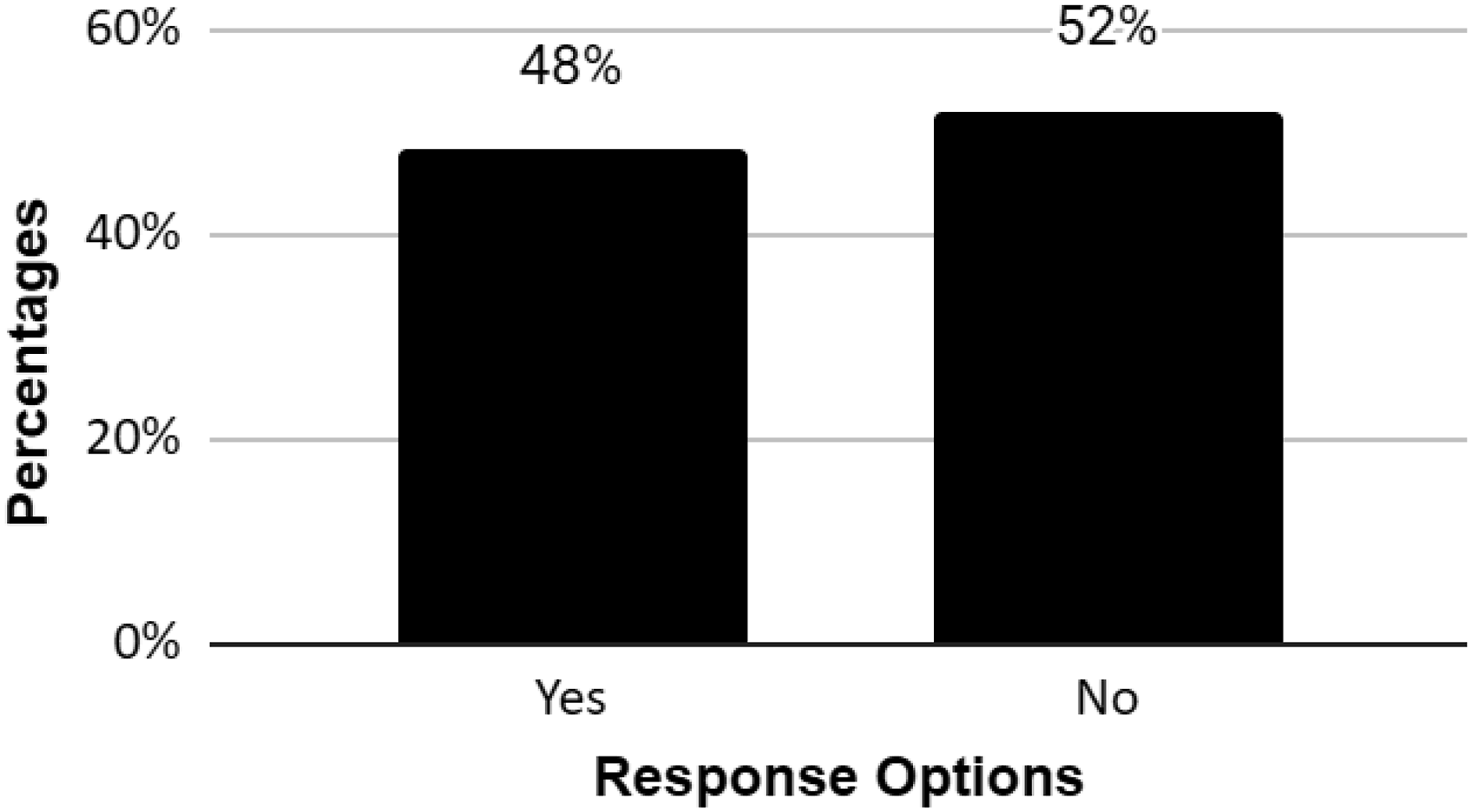
Comparison of sleep time with online education barriers (N = 253).
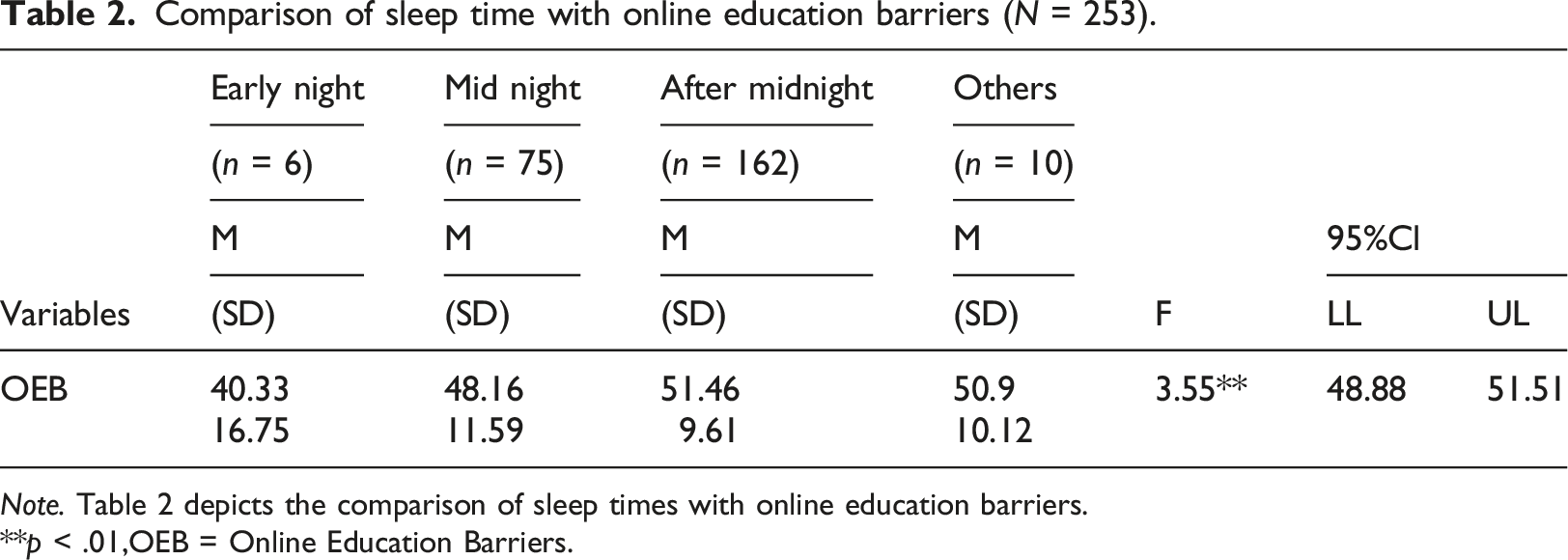
Note. Table 2 depicts the comparison of sleep times with online education barriers.
**p < .01,OEB = Online Education Barriers.
Comparison of wake-up time with online education barriers (N = 253).
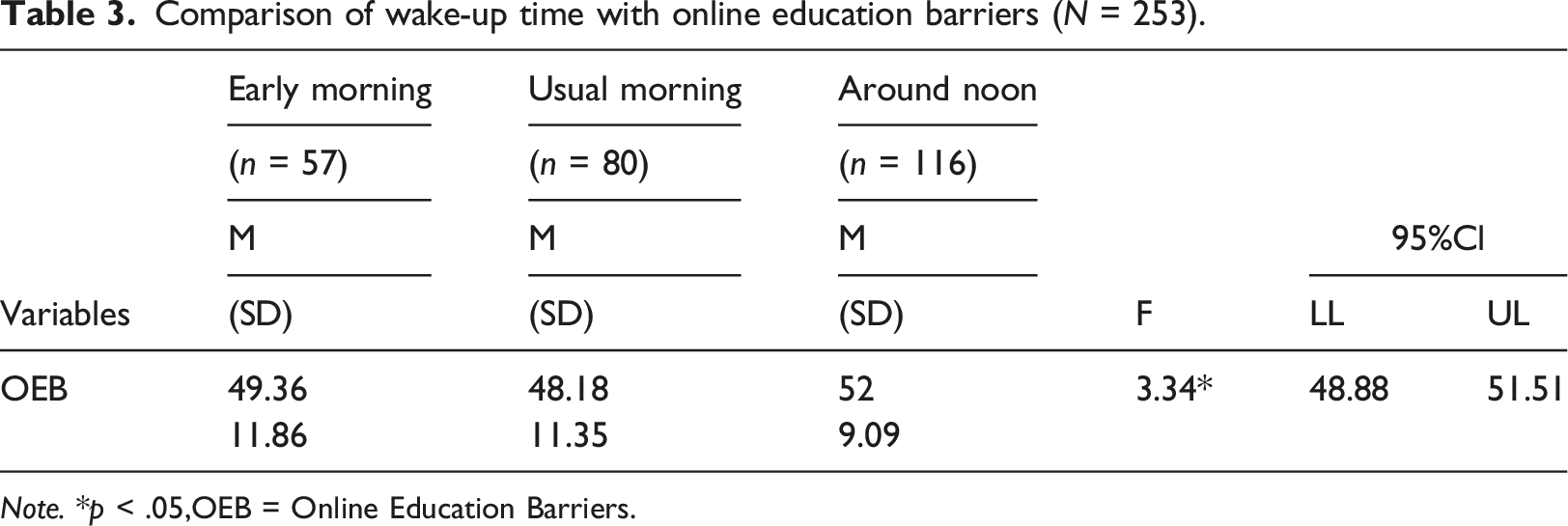
Note. *p < .05,OEB = Online Education Barriers.
Discussion
Findings of the current study revealed that the majority of the students confront issues related to social interaction, time management for studies, family support, and motivation for online classes in Pakistan. However, a few students reported issues related to administration and academic skills. Opportunities for one-to-one interaction with the instructors and fellow students might have been affected due to home confinement and the closure of universities. Evidence suggests that the most important barrier during online studies is social interaction (Muilenburg and Berge, 2005), whereas students attending virtual classes usually confront issues related to family interruptions and availability of time for studies (Baticulon et al., 2020). Similarly, a study conducted in Indonesia found that the major concerns of students during online learning include lack of interaction, attention issues, and understanding the concepts of courses (Daroedono et al., 2020). Consequently, the lack of time and motivation towards studies in digital learning leads to learners’ attrition (Aragon and Johnson, 2008; Visser et al., 2002). A study conducted by Siritongthaworn et al. (2006) illustrated that students most probably experience issues due to internet access, poor communication networks, and unavailability of application software. Similarly, according to the findings of Saekow and Samson (2011), teachers and students were not able to identify the advantages of e-learning and were not interested in its implementation.
Moreover, results of the current study indicated satisfaction among most of the students regarding the quality of online education. However, Abbasi et al. (2020) suggested that the shift from traditional learning to digital learning seems less appealing to Pakistani students due to a lack of practical dimensions of learning, in line with findings reported by Bali and Liu (2018). In addition, studies conducted on medical students in Pakistan and India also reported the negative perceptions of students towards e-learning (Abbasi et al., 2020; Singh et al., 2020). A study conducted by Muilenburg and Berge (2005) suggests a positive perception of students towards the likelihood of online studies in the future. Similarly, half of the participants agreed to the adoption of technology as a way forward for education; however, half of the participants reported disagreement. Adoption of e-learning in Pakistan is a novel act performed by the majority of educational institutions in order to combat the COVID-19 crisis and to assist the students in continuing their journey towards educational goals. Hence, reporting such findings about discrepancies between students’ perception towards online education is quite interesting. It raises researchers’ curiosity to investigate students’ perceptions in detail, so it may provide more information in the context of underdeveloped countries. Findings from the current study suggested that most of the students were using Zoom, WhatsApp, and Microsoft Teams. In comparison, intensively used platforms for online classes by students in India include Zoom, Google Classroom, and YouTube Live (Kapasia et al., 2020).
COVID-19 has provided individuals with an opportunity to be free in their timings to go to bed and to wake up, depicting the hidden preferences of individuals for sleep-wake-up schedules and meals (Sinha et al., 2020). Current study observed significant differences between sleep time and barriers experienced by students during online learning. As literature shows, there are significant effects of sleep deficiency on cognitive functioning, attention, and mood (Hampton, 2005). Findings of the current study also revealed that individuals who sleep after midnight experience more challenges during remote learning in comparison to other groups. It is clear that disturbances in daily routines and sleep schedules might influence time management and attention during online classes. Indeed, the scheduling of online classes is not bound to any particular time, therefore, instructors’ and students’ collaboration plays a vital role in designing such tasks. A student’s motivation to follow their usual sleep and wake-up times might assist in completing assignments, attending lectures, and actively participating in virtual classes.
Literature suggests that the wake-up time of students is typically directed by school timings, employment and physical activity (Martin et al., 2016; Onyper et al., 2012; Raley et al., 2016). Correspondingly, results of the present study posited a relationship between wake-up time and barriers confronted by students during e-learning. According to findings, students who wake-up around noon experience more e-learning barriers compared to individuals who prefer to wake-up early in the morning and usual morning. Likewise, Lawson et al. (2019) found that sleep consistency leads to better academic performance and, hence, the preference of students for morning circadian and early classes significantly relates to better academic performance.
Thus, the major strength of the present study is an investigation of the relationship between sleep schedules and online education barriers experienced by students, which has not yet been reported in the context of Pakistan. Our study concludes that social interaction, family support, time for studies, and motivation are the major challenges during remote learning. Moreover, students who sleep after midnight and wake up around noon face more challenges with respect to e-learning.
Limitations
Besides its strengths, the current study also has some limitations. The foremost limitation of this study is the process of data collection due to COVID-19. Survey participants were approached through social media and other online platforms, and they could not be approached face-to-face through paper-and-pencil methods in the presence of a researcher. Web-based data collection affected the recruitment of the target sample and meeting study participants in-person. Though web-based recruitment assisted in reaching out to students belonging to different areas of Pakistan however, it also resulted in an unequal sample size of students. Moreover, internet access issues might have influenced the participation in the survey, specifically of those students who belonged to remote areas. To ensure the interest and true responses of respondents to the online survey, the questionnaire was kept brief, including only a limited number of items to examine social interaction, academic skills, and time and support for online education, which posed a few challenges while studying the experiences of students with respect to each construct.
Implications of the current study
The current study’s findings provide significant information about Pakistani students’ experiences that could be used by higher education authorities and education policy makers to improve digital learning and to assist students in dealing with online education challenges. It also signifies improvement in the designing of online courses as a way to enhance online interaction between students. Additionally, it has also highlighted the efficacy of various electronic platforms being used for remote learning.
Nonetheless, the current study provides a way forward for researchers to conduct enhanced research on each of the barrier-related constructs including a comprehensive set of items to determine which items are specifically posing a barrier towards online education. In addition, the present study can be replicated in other contexts and used as a guide for designing future research studies to examine cross-cultural differences during COVID-19.
Future recommendations
Future studies must make sure to elaborate on some key concerns. For instance, studies aimed at examining students’ experiences during such pandemics can include higher authorities of educational institutions that might stress the importance of collecting such data from a larger pool of students. This can also be done as a feedback form anonymously filled out by the students, while instructors can ensure responses by linking it to their course completion. In addition, the use of a larger sample size can enhance the generalizability of research findings in the context of Pakistan. Recruiting samples from different provinces and areas of Pakistan could help in gaining knowledge regarding the experiences of students living in rural and urban areas. Furthermore, paper-pencil methods and open-ended surveys can also be used and performed to investigate students’ perceptions in a broad way.
For each construct of an online learning barrier, enhanced research can also be conducted to suggest consequent improvements during online learning. Further investigation of the effects of the sleep-wake cycle on the experiences of e-learners can also be conducted to distinguish between internal and external barriers to online education. Besides, the sleep-wake cycle can also be studied in relation with each barrier construct to study the role of the sleep-wake cycle in augmenting educational barriers. Lastly, as there are wide differences between private and public educational institutions in Pakistan, a comparative study of students’ experiences regarding online education can be further explored. Hence, examining the e-learning experiences of students studying in different types of institutions might assist the Higher Education Commission in planning and managing effective e-learning strategies during unexpected closures of educational institutions.
Conclusion
The adoption of online learning in developing countries like Pakistan is a novel practice. The present study aimed at examining the barriers and experiences of students regarding online learning during COVID-19. According to the findings, the majority of students believed that a lack of social interaction was a key challenge during online learning. While, students also reported that managing time for studies, interruptions from family, and students’ motivation for attending online classes are also crucial challenges. Comparatively, a smaller number of students reported challenges associated with administrative issues, academic skills, and issues related to internet access and cost. Moreover, students were asked to report their satisfaction with the availability of internet access in their areas. Findings revealed that most of the students were satisfied with the internet access, while a few students were not satisfied with internet access. Internet access in Pakistan varies based on the geographical locations and is mainly a problem in remote cities and villages. Therefore, the finding that students were mostly satisfied with the internet access also shows that most survey respondents belonged to areas where the internet is easily accessible. Besides, due to COVID-19, the current survey was conducted online. Therefore, there is a high likelihood that most of those who could take part in the survey had the internet available and accessible.
According to the findings of our study, most of the students reported the quality of online study as acceptable, while fewer students reported it to be unsatisfactory. Furthermore, the findings of our study also highlight those web platforms which are usually used by students for online learning. For instance, the web platforms that were used majorly during COVID-19 included Zoom, WhatsApp, and Microsoft Teams. Results also revealed a minor difference between students’ agreement and disagreement on the use of technology for education as a way forward in Pakistan. The use of different online platforms and technology questions the provision of rich knowledge and learning opportunities during the time of COVID-19 crisis. Consequently, affordance is a major concern in the context of online learning.
In addition, we have also investigated the role of sleep time and wake-up time of students with online education barriers during COVID-19. According to the present research, sleep time of students significantly differs due to online education barriers. Likewise, mean values showed that those students who sleep after midnight experience more online education barriers in comparison to individuals who sleep early or at midnight. Furthermore, the current study established that students who prefer to wake-up around noon experience more online education barriers in comparison to students who wake-up early in the morning and usual morning. Above all, it is noteworthy that during the time of crisis, e-learning is the only way to execute the education system worldwide. It has also exposed individuals towards new avenues of learning opportunities while broadening access to first-hand knowledge and information which was limited in the traditional learning environment.
Footnotes
Declaration of conflicting interests
The author(s) declared no potential conflicts of interest with respect to the research, authorship, and/or publication of this article.
Funding
The author(s) received no financial support for the research, authorship, and/or publication of this article.
