




Abstract
Introduction
The Punan people, an indigenous community of Sarawak, Malaysian Borneo, represent a rich tapestry of cultural heritage and traditional ecological knowledge. The Punan, with a population of around 6,000, have often been confused with the larger Penan group (Jemarang, 2023). This confusion stems from the historical use of the term “Punan” to refer to both groups. However, the Punan and Penan are distinct entities; The Penan have historically been a nomadic people, while the Punan have relied on swidden agriculture and hunting (Brosius, 1991). The Punan are also more closely related to the coastal Melanau people in terms of culture and history (Jemarang, 2023).
Originally inhabiting a wider area encompassing Kapit, Mukah, and Bintulu, the Punan have a rich cultural heritage. One of their most iconic traditions is the “klirieng,” a burial pole or post associated with an ancient secondary burial custom. Over time, the Punan language has evolved, influenced by neighbouring languages such as Kenyah and Kayan. Today, the Punan population is primarily concentrated in the Kapit and Bintulu Divisions, with the largest villages located in the lower Kakus River region of Bintulu.
The Punan, like many indigenous groups in the region, face a pressing threat to the preservation of their language and cultural heritage. The region has witnessed the unfortunate extinction of languages such as Seru, Pegu, Bliun, and Lelak (Bernama, 2023), and four more languages are currently listed as endangered (Moseley, 2010). Despite these challenges, the Punan National Association is actively working to safeguard their history and culture. Additionally, studies like ethnomedicinal surveys play a crucial role in preserving this community’s invaluable traditional knowledge.
Traditional medicinal knowledge represents a vital component of cultural heritage and plays a crucial role in healthcare systems worldwide, particularly in rural and indigenous communities (World Health Organization, 2019). For the Punan people, this knowledge embodies centuries of observation, experimentation, and accumulated wisdom about the healing properties of local flora.
The importance of traditional medicinal knowledge extends beyond its immediate practical applications. It serves as a repository of bio-cultural information, reflecting the deep connections between human communities and their environments (Reyes-García et al., 2013). Moreover, this knowledge often forms the foundation for modern pharmacological research, contributing to drug discovery and development (Fabricant & Farnsworth, 2001).
However, the Punan’s traditional medicinal knowledge faces several threats. The processes of modernization and increased access to Western healthcare facilities have reduced reliance on traditional medicine in some contexts. Nevertheless, this ancestral knowledge continues to play a vital role, especially in situations where modern healthcare is not readily accessible or affordable (Voeks & Sercombe, 2000).
The forests of Borneo are renowned for their exceptional biodiversity, including a vast array of plant species with potential medicinal properties (Brummitt et al., 2021). This rich floristic diversity, combined with the traditional ecological knowledge of indigenous communities, represents a valuable resource for both conservation efforts (Rajoo et al., 2012, 2013) and potential pharmacological discoveries.
However, this biocultural heritage faces significant threats. Deforestation, driven by logging and the expansion of palm oil plantations, has led to habitat loss and fragmentation, endangering many plant species (Gaveau et al., 2021). Simultaneously, socio-economic changes within indigenous communities have led to erosion of traditional knowledge as younger generations increasingly adopt modern lifestyles (Reyes-García et al., 2013).
The intersection of medicinal plant diversity and associated traditional knowledge presents both challenges and opportunities from a conservation perspective. On one hand, traditional sustainable harvesting practices can contribute to forest conservation efforts (Ticktin, 2004). On the other hand, increased commercial demand for certain medicinal plants can lead to overexploitation, threatening both the species and the traditional knowledge systems associated with them (Schippmann et al., 2002).
Conservation strategies that integrate both biological and cultural aspects are therefore crucial. These approaches, often termed “biocultural conservation,” recognize the inextricable links between biodiversity and cultural diversity, aiming to preserve both the medicinal plants and the traditional knowledge systems that surround their use (Gavin et al., 2015).
Given the context of the Punan people’s rich traditional knowledge and the pressing conservation concerns in Sarawak, this study aims to 1) Document the diversity of medicinal plants used by the Punan people of Sarawak, 2) Assess the conservation status of the documented medicinal plants, with particular focus on identifying any threatened or vulnerable species and 3) Propose evidence-based conservation strategies that integrate both ecological and cultural perspectives, aimed at preserving both the medicinal plant diversity and the associated traditional knowledge of the Punan people.
By addressing these objectives, this study aims to contribute to the broader fields of ethnobotany and conservation biology, while also providing practical insights that can inform local conservation and cultural preservation efforts in Sarawak.
Methods
Study Site
The research focused on two Punan longhouses in Tatau, specifically Rumah Nyangun and Rumah Kelisop. The two Punan longhouses are situated in the Tatau district of Sarawak (2°31′28.0″N, 112°58′13.5″E). These communities are located in close proximity to both Permanent Forest Estates and plantation areas, which influences the availability and accessibility of plant species used by the Punan community.
Data Collection
The study involved 13 respondents from a total Punan population of approximately 6,000 in Sarawak. This sample size was determined using a confidence level of 95%, a margin of error of 5%, and a population proportion of 1%, reflecting the relatively low number of individuals with specialized knowledge of traditional herbal medicine within the community. While the sample size is small, it focuses on key knowledge holders identified through community consultation, an approach often used in ethnobotanical studies of traditional knowledge (Heinrich et al., 2009).
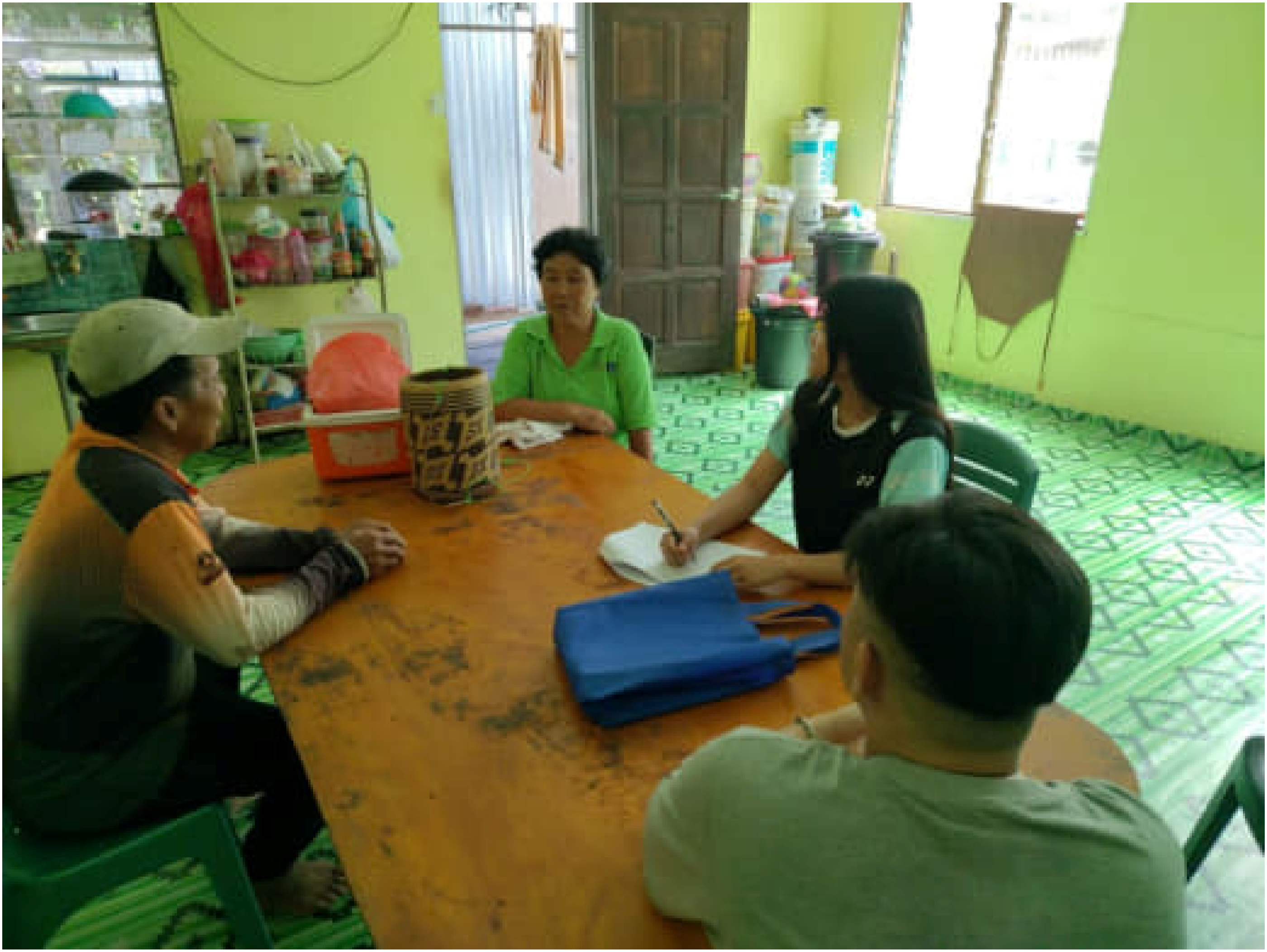
Structured and semi-structured interviews were conducted in person, with the assistance of translators when necessary to ensure clear communication. The interview process focused on gathering information about medicinal plants used, including common and scientific names, treatment methods, parts used, knowledge transmission, and perspectives on traditional medicine. Demographic information of the interviewees, including education, age, and gender, was also recorded (Figures 1 and 2). Rh Arjey Longhouse, Located Next to a River. Interview Being Conducted with Traditional Medicinal Practitioners.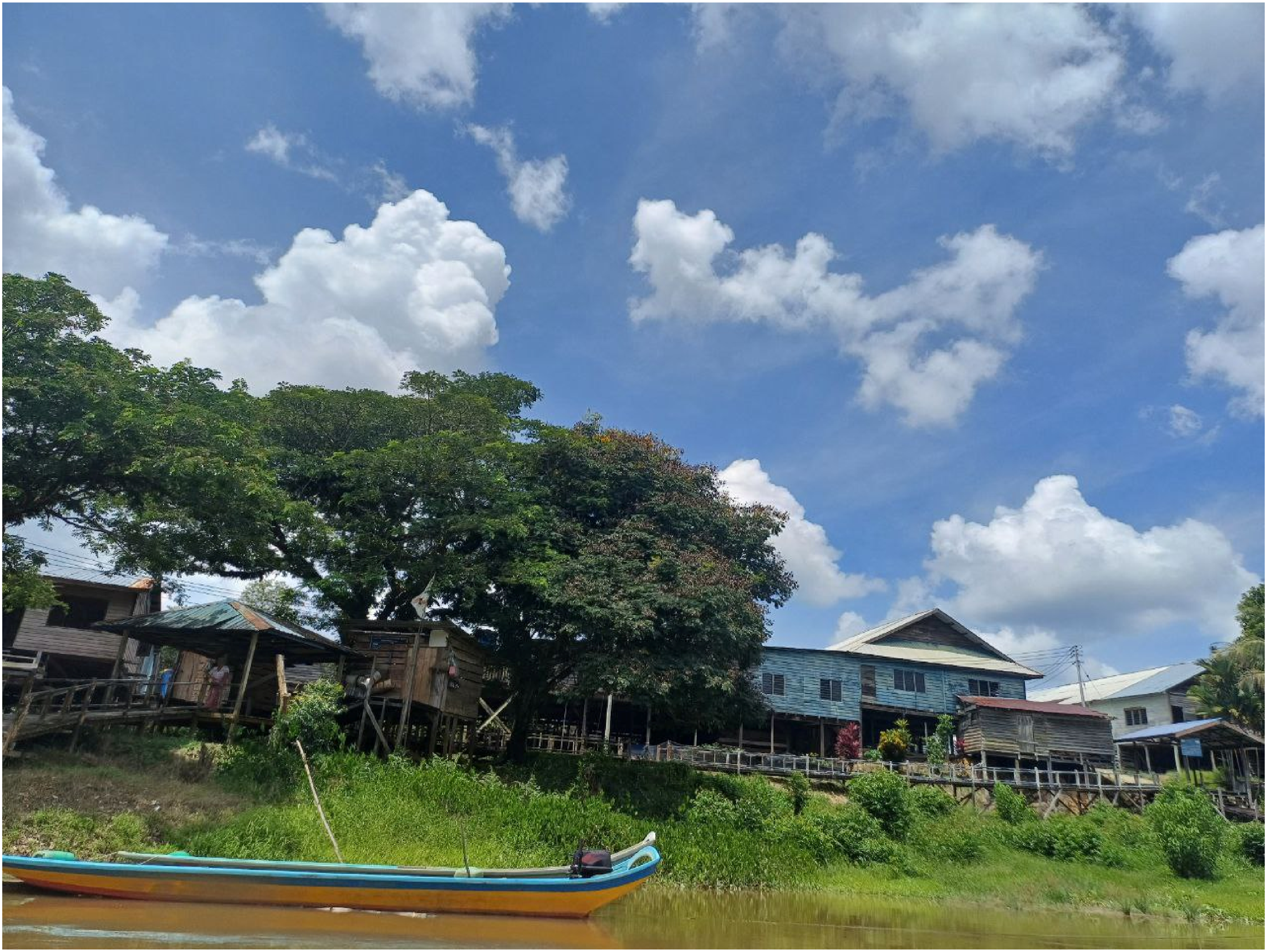
Species Identification
List of Species Mentioned by Respondents.
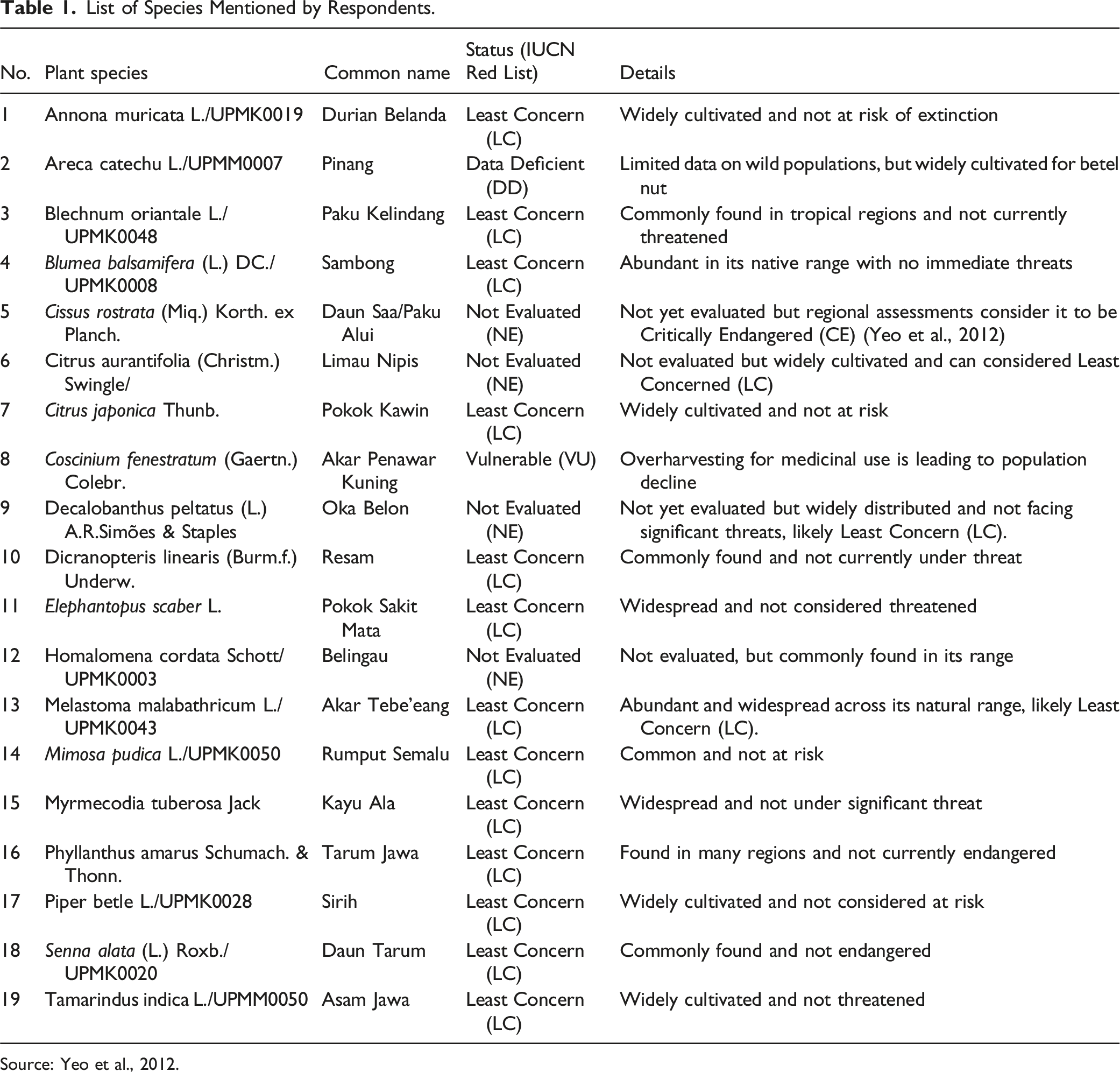
Source: Yeo et al., 2012.
Ethnobotanical Values and Calculations
Data analysis was performed using Microsoft Excel and SPSS version 23. Ethnopharmacological data was quantified following the guidelines of Weckerle et al. (2022) and Leonti (2022). Results were assessed based on the total use-reports and the number of respondents who mentioned each plant. Additionally, ailments were categorized according to the International Classification of Primary Care (ICPC), as endorsed by the World Health Organization. This approach takes into consideration the relatively small number of respondents, which is common for ethnobotanical surveys involving small populations (Leonti, 2022; Weckerle et al., 2022).
Results
Demographic Characteristics of Respondents
Demographic Description of Respondents (N = 13).

Education levels varied among respondents, with 46.14% having received primary education, 23.08% having no formal education, 23.08% with secondary education, and 7.7% with tertiary education. The relatively low level of formal education among most respondents highlights the importance of traditional knowledge systems in these communities.
Interestingly, 53.9% of respondents reported that they had not passed on their medicinal plant knowledge to younger generations. This finding raises concerns about the potential loss of traditional ecological knowledge and underscores the urgency of documenting and preserving this information (Reyes-García et al., 2013).
Diversity of Medicinal Plants Used
The study documented 19 plant species used for medicinal purposes by the Punan people (Table 1). These species belong to 19 different genera and 17 families, indicating a rich diversity of plant knowledge. The most represented families were Rutaceae and Asteraceae, each with two species. This diversity of plant families utilized suggests a broad knowledge base and adaptability in traditional medicine practices.
Of the 19 species, 11 (57.9%) are classified as Least Concern (LC) according to the IUCN Red List, indicating that they are not currently at risk of extinction. However, two species of particular concern were identified, which were: 1) Cissus rostrata (Figure 3), while not yet evaluated by the IUCN, regional assessments consider it to be Critically Endangered (CE) (Yeo et al., 2012), and 2) Coscinium fenestratum (Figure 4), listed as Vulnerable (VU) due to overharvesting for medicinal use. The presence of these threatened species in traditional medicine highlights the need for conservation efforts. Cissus rostrata Leaves Collected by a Herbal Medicinal Practitioner. Coscinium fenestratum Growing in the Wild.

Methods of Usage
Method of Uses for Reported Medicinal Plants.

Leaves were the most commonly used plant part (10 species), followed by fruits (5 species). This preference for leaves and fruits is often considered more sustainable than harvesting roots or whole plants, as it generally allows for the continued survival and regeneration of the plant (Srithi et al., 2009).
Both internal (consumed) and external (applied topically) administration routes were documented, with some species used in multiple ways. This versatility in preparation and administration methods demonstrates the sophisticated nature of traditional medicinal knowledge among the Punan people.
Total Use-Reports and Use-Reports by Ailment Categories
Total Use-Reports and Use-Reports by Ailment Categories for Plant Species.
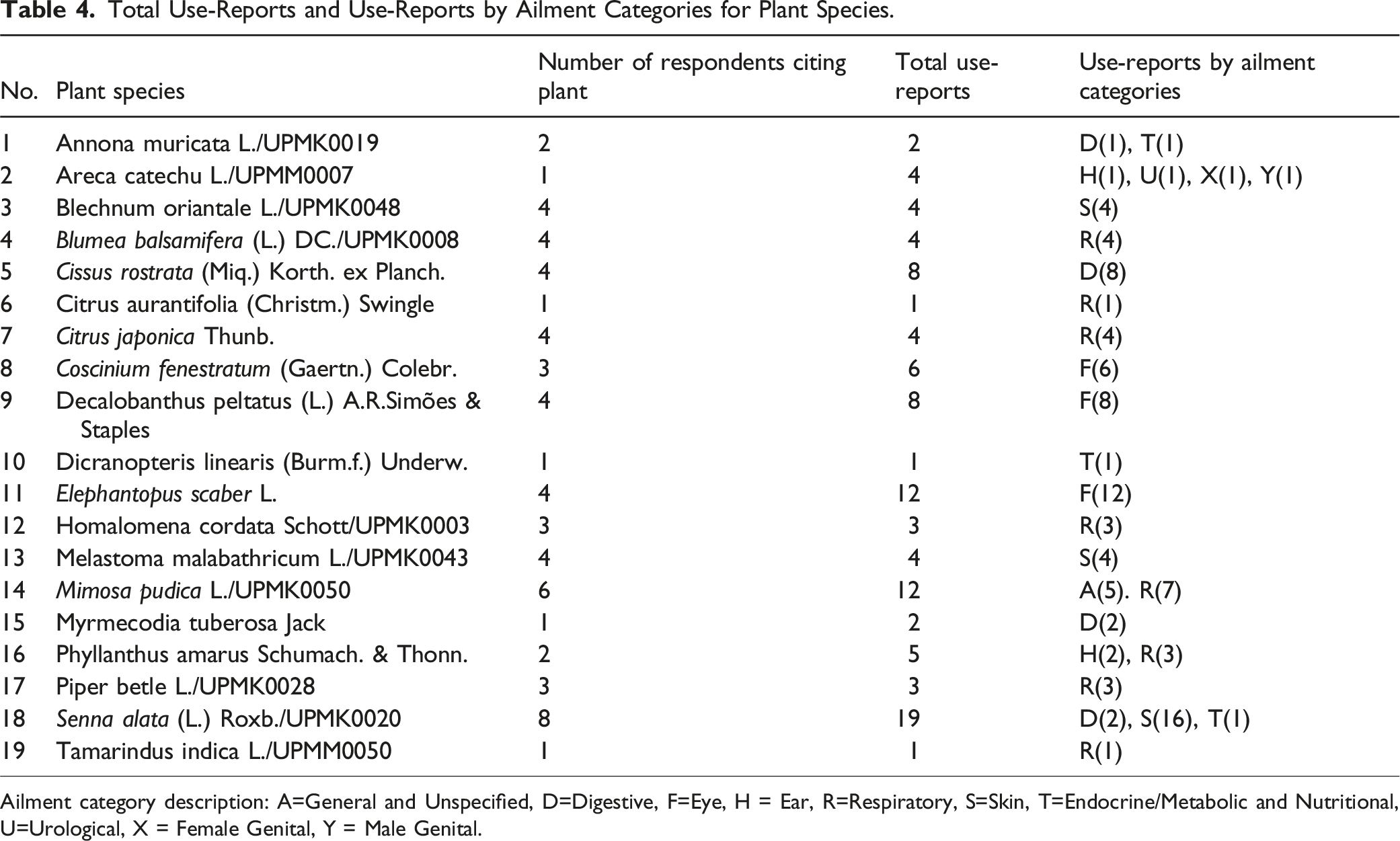
Ailment category description: A=General and Unspecified, D=Digestive, F=Eye, H = Ear, R=Respiratory, S=Skin, T=Endocrine/Metabolic and Nutritional, U=Urological, X = Female Genital, Y = Male Genital.
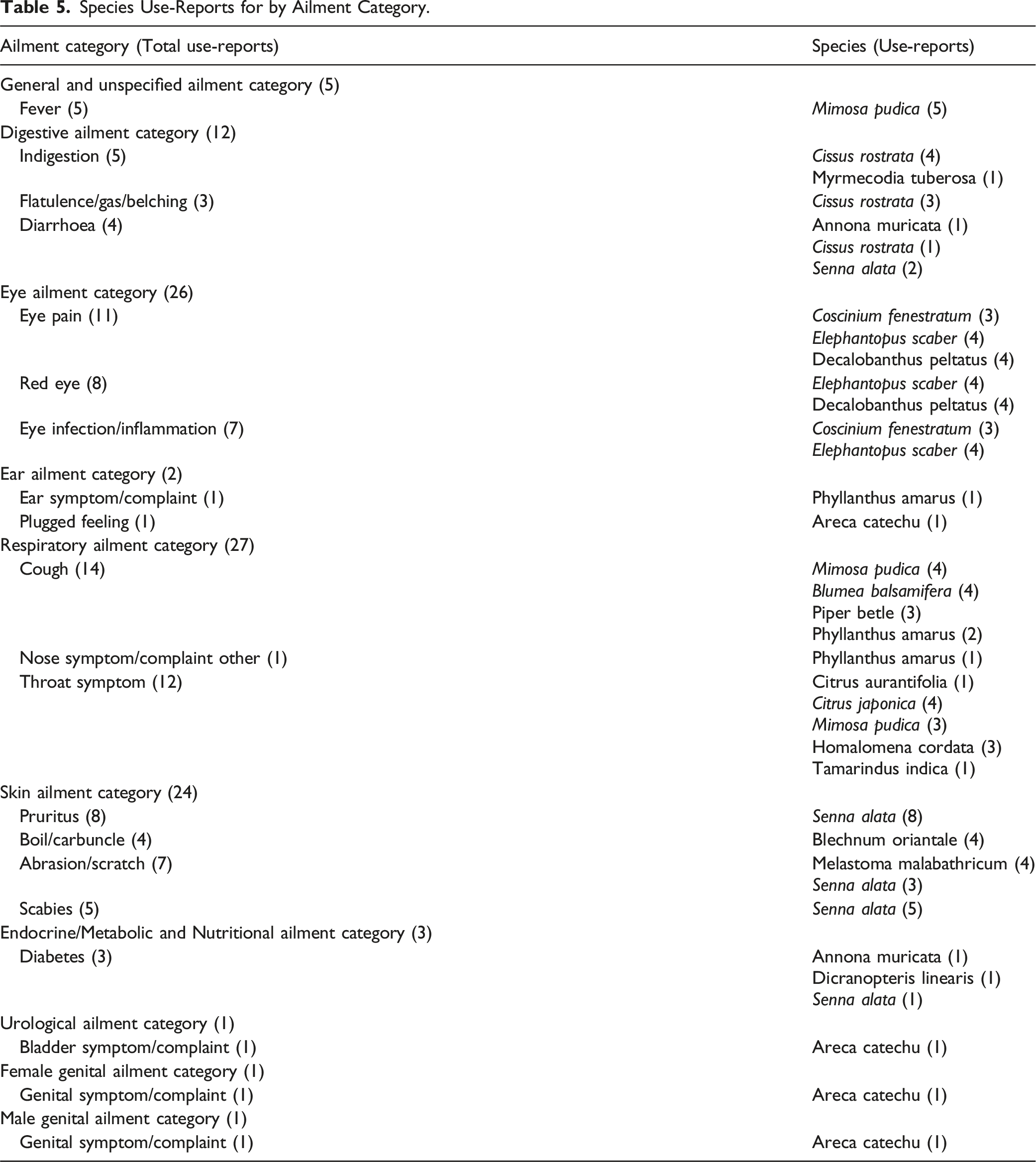
Species Use-Reports for by Ailment Category.
Potentially Vulnerable Species
Our ethnobotanical survey identified 19 plant species utilized by the Punan people for medicinal purposes. A comprehensive analysis of their conservation status reveals that the majority (17 species) are classified as Least Concern (LC) or Not Evaluated (NE) according to the IUCN Red List (IUCN, 2023). While this suggests that most of these medicinal plants are not facing immediate global conservation threats, it is crucial to note that local and regional pressures may still pose significant risks to their populations. However, two species emerged as potentially vulnerable: Cissus rostrata and Coscinium fenestratum, warranting closer examination.
Discussion
Relationship Between the Punan and Their Medicinal Flora
The Punan people’s relationship with their medicinal flora is shaped by a blend of cultural beliefs, traditional practices, and an understanding of their environment. A key finding of this study highlights the strong cultural belief among the Punan regarding the sharing of medicinal plant knowledge with outsiders. Many Punan individuals, especially the older generation, believe that disclosing detailed information about medicinal plants to non-community members could reduce the effectiveness of their herbal treatments. This belief system has several implications for both the practice of traditional medicine and conservation efforts.
The Punan believe that the effectiveness of their herbal remedies is closely tied to the secrecy surrounding their use, suggesting that the healing properties of plants are not only based on their biochemical qualities but also on the guarded knowledge of how they are applied. This cultural perspective poses challenges for conservation efforts. The reluctance to share information about medicinal plants hinders researchers and conservationists from identifying endangered species, potentially leaving vulnerable plants at risk. Additionally, the Punan’s preference for keeping their medicinal knowledge private may lead to resistance against external conservation initiatives, especially those requiring detailed documentation of plant use and distribution. As a result, this belief system complicates efforts to thoroughly document traditional ecological knowledge, which is essential for cultural preservation and informed conservation strategies.
Our study also identified a generational shift in the use of medicinal plants and related beliefs. Younger Punan generations generally rely less on traditional herbal medicine, yet when they do, they often adopt the same secrecy around knowledge sharing as their elders, perpetuating the cycle. This intimate connection between the Punan and their environment, along with their belief in the power of secrecy, may influence their harvesting practices. While this could promote sustainable harvesting to preserve medicinal resources, it may also lead to less transparency, making it difficult for outsiders to assess the impact on plant populations.
This intricate relationship between the Punan and their medicinal flora highlights the need for culturally sensitive conservation strategies. Such approaches must carefully balance the necessity of scientific documentation and plant protection with respect for the Punan’s cultural beliefs. Building trust-based relationships with the community, exploring ways to document knowledge without compromising their beliefs, and involving the Punan in conservation efforts will be essential to preserve both their traditional practices and the plants they use.
Cissus rostrata
Cissus rostrata, locally known as “Daun Saa” or “Paku Alui” among the Punan, represents a species of significant conservation concern despite its current global classification as Not Evaluated (NE) by the IUCN. This discrepancy between global and regional assessments highlights the importance of local and regional conservation efforts. In Singapore, for instance, C. rostrata is classified as Critically Endangered (CE) (Yeo et al., 2012), suggesting that its conservation status may vary significantly across its distribution range.
The ecological role of C. rostrata as a forest-dwelling climber makes it particularly vulnerable to habitat loss and fragmentation. Lianas like C. rostrata play crucial roles in forest ecosystems, contributing to forest structure, carbon storage, and wildlife habitat (Schnitzer & van der Heijden, 2019). However, these species are often sensitive to forest disturbances. In Sarawak, where approximately 3.5% of forest cover was lost between 2001 and 2019 (Xu et al., 2022), C. rostrata faces significant threats from ongoing deforestation and forest degradation (Karam et al., 2022).
The Punan people primarily use C. rostrata for treating abrasions and scratches, with leaves being the main plant part utilized. This traditional use aligns with sustainable harvesting practices, as leaf collection generally has less impact on plant survival compared to harvesting roots or whole plants (Ticktin, 2004). However, the species’ slow growth rate, a characteristic common to many woody climbers, may limit its ability to recover from even moderate harvesting pressures (Schnitzer & van der Heijden, 2019).
Climate change poses an additional, long-term threat to C. rostrata. While not directly observed in this study, shifts in temperature and precipitation patterns could influence the species’ distribution, phenology, and overall fitness (Corlett, 2016). This is particularly concerning for species with limited distribution ranges, as they may have less capacity to adapt to changing environmental conditions (Karam et al., 2013).
Conservation strategies for C. rostrata should adopt a multifaceted approach. Firstly, a comprehensive assessment of its global conservation status is urgently needed, incorporating data from across its distribution range. Secondly, habitat protection measures should be implemented, focusing on preserving and restoring the forest ecosystems where C. rostrata thrives. This could include establishing protected areas and implementing sustainable forest management practices that consider the needs of liana species (Schnitzer & van der Heijden, 2019).
Engaging the Punan community in conservation efforts is crucial. Community-based monitoring programs could help track C. rostrata populations and harvesting practices. Additionally, promoting the cultivation of C. rostrata in agroforestry systems or home gardens could reduce pressure on wild populations while maintaining its availability for traditional medicinal use (Ticktin, 2004).
Further research is needed to fully understand the ecology, population dynamics, and regeneration patterns of C. rostrata. This knowledge will be essential for developing effective, species-specific conservation strategies. Additionally, investigating the plant’s phytochemical properties could potentially lead to the development of alternative, sustainable sources for its medicinal compounds, further supporting conservation efforts.
By addressing these conservation needs for C. rostrata, we can work towards preserving both the species and the traditional ecological knowledge of the Punan people, contributing to the broader goals of biodiversity conservation and cultural heritage preservation in Sarawak.
Coscinium fenestratum
Coscinium fenestratum, known locally as “Akar Penawar Kuning” among the Punan, is listed as Vulnerable (VU) on the IUCN Red List, indicating a high risk of extinction in the wild in the medium-term future (IUCN, 2023). This official classification underscores the urgent need for conservation efforts, particularly given the species’ cultural and medicinal significance across Southeast Asia.
In our ethnobotanical survey, C. fenestratum was primarily reported for treating eye-related ailments, with the roots being the main plant part utilized. This traditional use aligns with broader ethnomedicinal applications of the species across its range. In Ayurvedic and traditional Chinese medicine, C. fenestratum is valued for its anti-inflammatory, antimicrobial, and hepatoprotective properties (Nair et al., 2020). The berberine content in its stem and roots is particularly prized for its medicinal properties (Nair et al., 2020).
However, the harvesting of roots for medicinal purposes poses significant conservation challenges. Root harvesting often results in the death of the entire plant, severely impacting population regeneration and long-term survival (Ticktin, 2004). This issue is compounded by C. fenestratum’s slow growth rate and long maturation period. Research indicates that it takes approximately 15 to 20 years for the plant to reach a harvestable size (Nair et al., 2020), making sustainable harvesting particularly challenging.
The threats to C. fenestratum are multifaceted. Overexploitation due to high demand for its medicinal properties has led to significant population declines. In some parts of India, wild populations have decreased by over 50% due to unsustainable harvesting (Nair et al., 2020). Similar trends may be occurring in Sarawak, although local data is limited. Habitat loss and fragmentation further exacerbate these pressures (Shaliha-Jamaluddin et al., 2022). The species’ dependence on intact forest ecosystems makes it particularly vulnerable to deforestation and land-use changes occurring in Sarawak and across its range (Xu et al., 2022).
Moreover, genetic erosion poses an additional threat to C. fenestratum. The combination of habitat fragmentation and overexploitation can lead to reduced genetic diversity within populations, potentially affecting the species’ adaptive capacity and long-term survival. While specific genetic studies on C. fenestratum are limited, research on other threatened medicinal plants has demonstrated the negative impacts of habitat fragmentation on genetic diversity (Bodare et al., 2017).
Conservation strategies for C. fenestratum must address these multiple threats through an integrated approach. Firstly, in situ conservation efforts should focus on protecting and restoring the species’ natural habitat. This could involve establishing protected areas and implementing sustainable forest management practices that consider the needs of understory species like C. fenestratum (Shackleton et al., 2018).
Secondly, ex situ conservation measures are crucial. Efforts to cultivate C. fenestratum should be significantly expanded. While some small-scale cultivation attempts have been made (Tushar et al., 2008), these have been insufficient to meet the increasing demand. Developing efficient propagation techniques and establishing germplasm collections could help preserve genetic diversity and reduce pressure on wild populations (Nair et al., 2020).
Similar for C. rostrata, engaging local communities is vital when it comes to conservation efforts. Community-based management programs could help monitor wild populations and regulate harvesting practices. Additionally, promoting the cultivation of C. fenestratum in agroforestry systems or community-managed medicinal plant gardens could provide a sustainable source for traditional medicine while supporting local livelihoods (Tushar et al., 2008).
Research into alternative plant parts or sustainable harvesting techniques is also needed. Investigating the medicinal properties of leaves or stems could potentially reduce the destructive harvesting of roots. Furthermore, phytochemical studies to identify and synthesize the active compounds in C. fenestratum could lead to the development of alternative sources for its medicinal properties, alleviating pressure on wild populations (Nair et al., 2020).
Lastly, raising awareness about the conservation status of C. fenestratum among local communities, traditional healers, and the broader public is crucial. Education programs highlighting the importance of sustainable harvesting practices and the long-term benefits of conservation could help shift behaviors and garner support for protection efforts (Shackleton et al., 2018).
By implementing these multifaceted conservation strategies for C. fenestratum, we can work towards preserving this valuable medicinal species while respecting and supporting the traditional ecological knowledge and healthcare practices of the Punan people and other indigenous communities across Southeast Asia.
Future Research Needs
To support effective conservation strategies, further research is needed in several key areas. First, comprehensive population assessments for Cissus rostrata and Coscinium fenestratum in Sarawak are essential, including detailed distribution mapping and demographic studies to gain a clear understanding of the species’ current status. These assessments will provide the necessary baseline data for informed conservation planning. Additionally, investigations into the ecological requirements and regeneration patterns of these species are crucial. Understanding their growth habits, reproductive biology, and habitat preferences will help guide sustainable harvesting practices and habitat restoration efforts.
Pharmacological studies on alternative plant parts, such as the stems and leaves of C. fenestratum, are also important to reduce pressure on vulnerable species. Rigorous clinical trials are needed to validate the traditional medicinal uses of these plant parts, ensuring their safety and efficacy for broader application. In parallel, ethnobotanical surveys should be conducted in other indigenous communities to document and preserve traditional knowledge, with a particular focus on intergenerational knowledge transmission. This will not only protect cultural heritage but also provide insights into sustainable use practices that can inform conservation efforts.
The development of sustainable cultivation techniques for C. rostrata and C. fenestratum is another critical area of research. This includes exploring optimal propagation methods and agroforestry systems that can be integrated into local land-use practices. Furthermore, genetic studies are needed to assess the population structure and genetic diversity of these threatened species. Such research will inform conservation breeding programs and guide reintroduction efforts, ensuring that genetic variability is maintained, which is vital for long-term species survival.
Lastly, climate change vulnerability assessments for C. rostrata and C. fenestratum are essential to understand how these species might respond to future environmental changes. Species distribution modeling under various climate scenarios can help predict potential shifts in habitat range and identify areas where conservation efforts should be focused.
By addressing these key research gaps and implementing science-based conservation measures, we can work towards ensuring the long-term survival of important medicinal plant species while supporting the traditional healthcare practices of the Punan people. This integrated approach, which combines traditional ecological knowledge with modern scientific methods, offers a promising path forward for sustainable medicinal plant conservation in Sarawak and beyond.
Implications for Conservation
The findings of this ethnobotanical survey among the Punan people of Sarawak underscore the urgent need for comprehensive conservation strategies that address both ecological and cultural dimensions. The identification of vulnerable species like Coscinium fenestratum and potentially threatened species such as Cissus rostrata highlights the critical importance of targeted species protection. Conservation efforts must prioritize these species through the establishment of protected areas, implementation of sustainable harvesting practices, and development of species-specific recovery plans. The predominant use of leaves and fruits in many medicinal preparations suggests an inherent sustainability in traditional practices. However, for species where roots are commonly used, like C. fenestratum, encouraging a shift towards utilizing stems and leaves could significantly reduce pressure on wild populations. This shift should be supported through community education and economic incentives. To ensure effective conservation, it is essential to engage the Punan community directly in these efforts. This could involve establishing community-managed medicinal plant reserves, implementing participatory monitoring programs, and creating sustainable livelihood opportunities based on medicinal plant cultivation. Furthermore, habitat protection and restoration should be a key focus, involving reforestation programs, establishment of ecological corridors, and implementation of land-use plans that balance conservation with sustainable development. For critically endangered species, ex situ conservation measures such as seed banking and cultivation in botanical gardens should complement in situ efforts. By addressing these implications, conservation initiatives can protect not only the medicinal plant diversity of Sarawak but also preserve the invaluable traditional knowledge of the Punan people, contributing to both ecological sustainability and cultural resilience in the region.
Footnotes
Acknowledgements
We would like to thank the Punan community for their participation in this study. Their hospitality and willingness to generously share their traditional medicinal knowledge was essential in the successful completion of this research.

Statements and Declarations
Funding
The authors disclosed receipt of financial support for the publication of this article: The research and publication was funded by the Research Management Centre of Universiti Putra Malaysia.
Conflicting Interests
The author(s) declared no potential conflicts of interest with respect to the research, authorship, and/or publication of this article.
Data Availability Statement
Data will be made available upon request.