




Abstract
The availability of drugs with effective antiviral properties against various viruses remains limited. However, phytochemicals found in traditional medicine seem to offer a promising source of active compounds for combating these pathogens. These molecules possess several advantageous characteristics, making them worthy of investigation not only as therapeutic options but also for their potential applications in prevention. Thanks to their low toxicity, abundance in food plants, affordability, and eco-friendliness, these substances are considered safe and accessible for human populations. People typically encounter these phytochemicals through their daily diets or through extracts derived from traditional medicinal practices. In this review, we provide a critical analysis of the antiviral potential of plant-derived phytochemicals, focusing on their applications in the prevention and treatment of SARS-CoV-2, Zika, and dengue. We also explore their role in reducing transmission between vectors and humans, emphasizing their potential as effective agents for controlling viral epidemics.
Keywords
Introduction
Despite significant advancements in technology, the development of antiviral drugs remains a complex challenge. This complexity stems from the necessity of understanding viral life cycles, which is vital for identifying effective drug targets. Furthermore, it is essential to assess both the efficacy and safety of proposed antiviral treatments to ensure their effectiveness while minimizing potential adverse effects on host cells. To date, the insights gained have facilitated the introduction of various drugs designed to combat epidemic viruses (Table 1). However, it is important to recognize the limitations of these antiviral treatments, particularly the emergence of resistance that can develop during therapy.1-24 The emergence of resistance during antiviral therapy has been extensively documented across various viruses and antiviral agents, including recently developed drugs. Instances of antiviral resistance have also been reported in cases of respiratory syncytial virus (RSV) and SARS-CoV-2 infections treated with palivizumab and sotrovimab, respectively. This resistance was linked to point mutations in the viral protein target, a mechanism reminiscent of what has been observed in the development of resistance to pharmacological antivirals. Additionally, it is essential to acknowledge the high toxicity associated with certain antiviral medications.25-27 In addition to conventional pharmacological treatments, novel therapeutic strategies have been proposed as complementary options in antiviral therapy. For example, monoclonal antibodies targeting SARS-CoV-2 and RSV have demonstrated significant clinical efficacy. Significant focus has been placed on developing safe and effective vaccines, such as those currently available, which are important public health tools for preventing infections with the dengue virus (DENV) or SARS-CoV-2.28,29 Only a few drugs have shown inhibitory activity against the replication of the dengue virus in infected vectors or in vitro in human cells, indicating promise for future clinical treatments of viral illnesses.30-34 Therefore, it is crucial to continue studying additional molecules with antiviral activity to aid in the fight against viral infections. 33 For dengue, Denvaxia, a live tetravalent vaccine produced by Sanofi Pasteur, was approved by the US Food and Drug Administration (FDA) for clinical use on May 1, 2019.34,35 Additionally, TAK-003 f4, from Takeda, has begun the regulatory submission process for dengue vaccination in the European Union and endemic countries. Other vaccines are also in development, including tetravalent vaccines TV-003 and TV-005 obtained from a mix of monovalent proteins, developed by the US National Institute of Allergy and Infectious Diseases, and a V180 recombinant vaccine being developed by Merck & Co.36-39 As for SARS-CoV-2, vaccines have proven to be promising tools in controlling the COVID-19 pandemic and currently represent an effective method for significantly reducing mortality rates.40,41
List of Antiviral Drugs for Certain Epidemic Viruses.

Phytochemicals derived from various plants have demonstrated significant antiviral efficacy in both clinical settings and experimental models, with their mechanisms of action being extensively investigated against a wide range of viruses42-75 (Table 2). These mechanisms are being explored through experimental methodologies and bioinformatics approaches. It is hypothesized that such compounds could play a crucial role in the management of infections and the control of epidemic virus transmission. For instance, bioactive compounds extracted from Carica papaya leaves have been rigorously studied for their potential to inhibit viral replication in dengue fever. Moreover, while quercetin has exhibited antiviral activity against SARS-CoV-2 infection, it has been proposed as a potential adjuvant in therapeutic interventions.25-27,76-82 This study aims to deliver a comprehensive and critical analysis of the antiviral potential of plant-derived phytochemicals, with a particular emphasis on their applications in the prevention and treatment of SARS-CoV-2, Zika virus, and dengue. Furthermore, the research examines their role in mitigating transmission dynamics between vectors and human hosts, underscoring their potential as effective agents for the management and control of viral epidemics. Notably, these phytochemicals demonstrate significant promise for future use as adjuvants in containing viral transmission, especially in the context of global epidemic preparedness and response.83-85
Antiviral Activity and Mechanisms of Action of Phytochemicals Derived from Various Plants Against Diverse Viruses.

Phytochemicals
Phytochemicals are secondary metabolites with multiple essential functions in plant physiology and they have potential roles in human health.83-85 Numerous in-depth studies have highlighted the diverse benefits of these compounds, including their roles as antioxidants, antiallergic, anti-inflammatory, anticarcinogenic, antihypertensive, and antimicrobial agents. They have also shown promise in the treatment of neurological diseases. Additionally, they have been associated with the management and treatment of human diseases such as hypertension, obesity, cardiovascular conditions, neurological diseases, and infectious diseases, including those caused by bacteria. However, there is still much to learn about their potential role in controlling diseases caused by viruses.86,87 Numerous phytochemicals exhibit strong antiviral activity, with flavonoids standing out as one of the most abundant and effective groups. These essential compounds are derived from phenylpropanoids, highlighting their significance in antiviral research. They consist of two phenyl rings (A and B) and one heterocyclic ring (C) derived from a benzopyran, specifically 1-benzopyran (also known as chromene). In plant metabolism, the shikimate/phenylpropanoid pathways play a crucial role in producing aromatic amino acids such as phenylalanine, tyrosine, and tryptophan as primary metabolites, as well as generating various secondary metabolites including flavonoids, tannins, lignans, and phenylpropanoids. During flavonoid biosynthesis, the shikimate/phenylpropanoid pathways form rings B and C, while the acetate/malonate pathways produce ring A. Flavonoids have a C6–C3–C6 arrangement and are divided into six classes based on structural variations: flavonoids, isoflavonoids, neoflavonoids, chalcones, aurones, and pterocarpans.84,85,88 The general structure of flavonoids is 2-phenyl-3,4-dihydro-2H-chromene (flavan), and modifications in the C ring lead to different categories (Figure 1, Table 3).
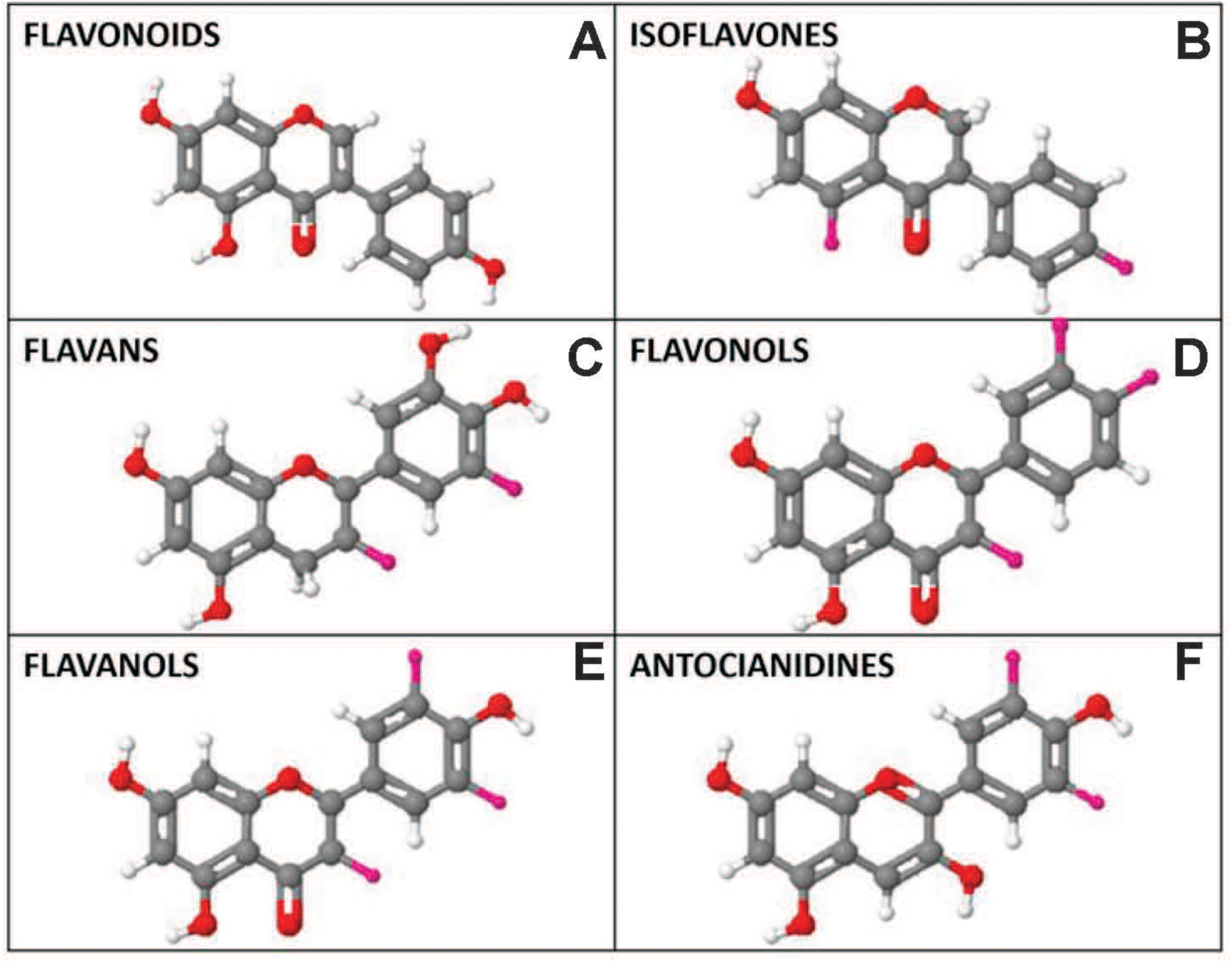
Different Flavonoid Structures: Phenolic Compounds Characterized by Two Aromatic (Benzene) Rings, Which May Include a Third Pyran Ring, Exhibiting Antioxidant and Protective Activities. A. General Structure of Flavonoids. B. Isoflavones Differ from Flavones in the Position of the Phenyl Group. C. Flavans Contain a Hydroxyl (-OH) Group at the Third Position of the C Ring. D. Flavonols are Distinguished by a Carbonyl Group at the Fourth Position and a Hydroxyl Group at the Third Position. E. Flavanols, Comprising Two Aromatic Benzene Rings, are Not Glycosylated in Food Sources. F. Anthocyanidins Possess a Hydroxyl Group at the Third Position and a Conjugated Double Bond Between Carbons 3 and 4 in Ring C.
Classification of Some Phytochemical Flavonoid.

Epidemic Viruses: SARS-CoV-2, Dengue and Zika
SARS-CoV-2
SARS-CoV-2, a member of the Coronaviridae family, is characterized by a single strand of positive RNA ranging from 26 to 32 kB. This RNA is enveloped in a nucleocapsid of 9 to 11 nm, forming a spherical envelope with a fringe of bulbous surface projections resembling a crown. The virus's structural proteins include the nucleoprotein (N), the membrane glycoprotein (M), and the spike protein (S) (Figure 2).89,90 SARS-CoV-2 is responsible for causing the coronavirus disease 2019 (COVID-19), a severe acute respiratory syndrome that became a global pandemic between December 2019 and February 2022.28,90-92

SARS-CoV-2 Structure and Genome. A. The Envelope and Spike Glycoproteins (Virus Binding) are Shown. B. Schematic Representation of the Viral Structure and Proteins. C. Viral ssRNA Genome; Structural, Nonstructural Proteins (For Replication and Transcription) and Two Partially Overlapped Open Reading Frames (ORF 1a is Frameshifted to ORF 2).
Dengue Virus
The dengue illness is caused by the dengue virus, a member of the Flavivirus family, genus Flaviviridae. This virus comprises a positive single strand of RNA of approximately 11 kB that encodes three structural proteins (the capsid, membrane, and envelope proteins) and seven nonstructural proteins (the NS1, NS2A, NS2B, NS3, NS4A, NS4B, and NS5 proteins) (Figure 3). The virus has four main subtypes: DENV-1, DENV-2, DENV-3, and DENV-4. Additionally, a new serotype (DENV-5) was identified in Malaysia in 2007.93,94 The dengue virus is transmitted by two species of mosquitoes: Aedes albopictus and A. aegypti. 95 Presently, dengue fever remains highly endemic in tropical regions across the globe, with an estimated high morbidity of 390 million cases and an estimated mortality of over 20 000 deaths per year.96,97
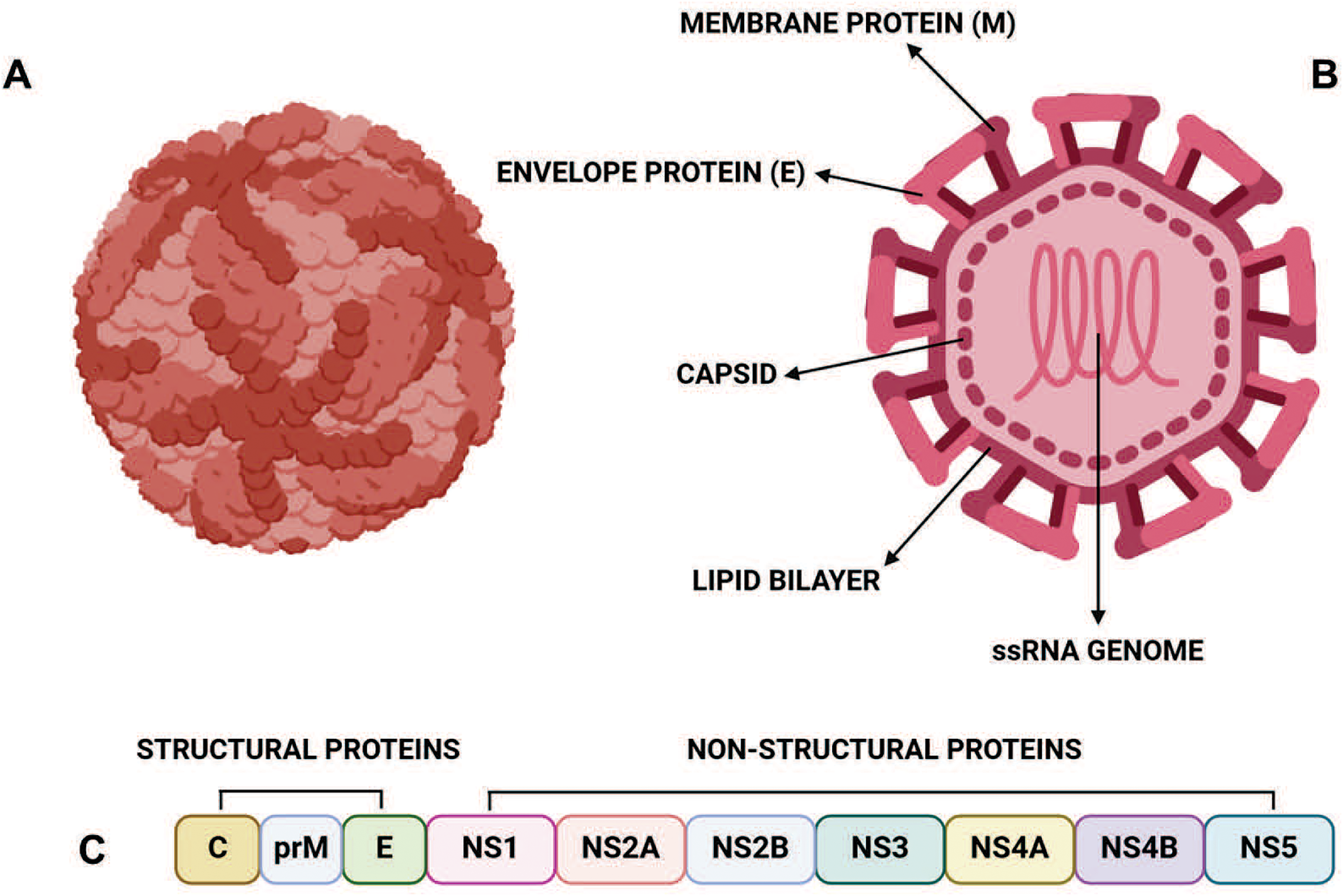
Dengue Virus (DENV) Structure and Genome. Structural and Nonstructural Proteins. A. The Envelope Proteins are Shown. B. Schematic Representation of the Viral Structure and Genome. C. Viral Genome; Polyprotein Containing Structural, Nonstructural Proteins (For Replication and Transcription) and The Single Open Reading Frame (ORF).
ZIKA
The Zika virus, closely related to dengue, is an enveloped single-stranded RNA virus with a genome size of 10.7 Kbp. 98 It belongs to the Flaviviridae family and comprises two distinct genotypes: African and Asian. 99 While Zika virus infection can cause complications in adults, it is of particular concern in cases of vertical transmission, wherein the virus can be transmitted from a mother with an active infection to her fetus, potentially leading to severe postnatal outcomes. 100 In the context of vertical transmission, intrauterine exposure to the Zika virus has been documented in neonates. However, maternal antibodies can be present in the neonatal circulation, exerting a neutralizing effect that may attenuate the pathogenic impact of the virus. 101 In the absence of sufficient maternal antibodies, the neonate remains highly susceptible to infection, increasing the risk of adverse clinical manifestations. This highlights the necessity for a therapeutic alternative for pregnant women that does not adversely affect either the mother or the fetus.
Antiviral Properties
In the case of respiratory viruses transmitted from person to person, such as SARS-CoV-2, flavonoids can also contribute to controlling transmission when acquired through the diet. Therefore, different diets containing various flavonoids at different concentrations worldwide could potentially influence viral replication, transmission from person to person, and the pathogenic behavior of viruses. However, further studies are needed to demonstrate these effects. Some phytochemicals, such as quercetin, have been reported to be effective against SARS-CoV-2.
Other phytochemicals that have been studied are derived from the crude extract of the leaves of C. papaya, a fruit native to Mesoamerica that thrives in tropical regions worldwide. It has been well-documented that their medicinal properties include significant therapeutic potential in the treatment of dengue fever. Specifically, it has been shown to facilitate clinical recovery by enhancing platelet counts, which are typically reduced in cases of hemorrhagic dengue fever.78,108-111 The effectiveness of the phytochemical in inhibiting other flaviviruses, such as the Zika virus, is of great importance due to the significant impact of Zika infection, especially among pregnant women, and the association between Zika infection and microcephaly in newborns. Extensive research using docking has revealed that specific flavonoids, including Quercetin, bind to the NS3 protein of the Zika virus, particularly at the binding site with NS2B.

Structure of Quercetin, a Flavonoid with Proven Antiviral Activity. It is the Main Flavonol in the Human Diet, with a Carbonyl Group at the Fourth Position and A Hydroxyl Group at the Third Position of Ring C.

Curcumin, the Main Curcuminoid Polyphenol in Turmeric, Belongs to the Diarylheptanoid Family. It Features a Hydroxycarbonate Skeleton and Two Phenolic Rings, Providing Medicinal and Pharmacological Characteristics.
Computational Analysis of Phytochemical-Viral Protein Interactions Using Bioinformatics Approaches
Bioinformatics approaches can predict interactions between viral proteins and diverse phytochemicals. In DENV a previous study with 940 phytochemicals derived from the fruit of the Garcinia plant, native to tropical regions of Asia, were analyzed using bioinformatic docking techniques. The findings indicated that six of these compounds exhibit significant potential for interacting with the NS2B/NS3 protease of the dengue virus.78,108,119,120 Other docking analysis with various flavonoids revealed their interaction with NS2B-NS3, which could be associated with the inhibitory effect on the protease, suggesting the potential activity of the extracts of the leaves of C. papaya against other flaviviruses.78,110 Flavonoids have potential applications in various areas, including therapy and larvicidal agents against Aedes, indicating their potential use in controlling the viral vector.121,122 This could be a promising approach due to the increased resistance of vectors to pesticides and the toxicity of chemical compounds to humans, fauna, and the environment. Furthermore, using flavonoids to reduce Flavivirus infection in mosquitoes would imply lower concentrations of flavonoids in the environment. However, it's unclear whether high concentrations could have harmful effects on the environment, particularly on beneficial insects.
Molecular docking is a fundamental computational technique in drug discovery, enabling the identification and optimization of ligand-protein interactions. By predicting the most stable orientation with the lowest free energy, it helps identify potential inhibitors of disease-associated proteins, contributing to the development of targeted therapies. In recent years, this strategy has emerged as an innovative tool in pharmacological research. 123
Numerous studies have employed molecular docking to explore flavonoid interactions with viral proteins. Notably, flavonoids such as quercetin have been shown to bind to the NS3 protein of the Zika virus, specifically at the NS2B binding site. This finding is significant, as the NS2B-NS3 protease of flaviviruses is essential for the viral life cycle and represents a key drug target. 124 While earlier research suggested that certain flavonoids inhibit this protease, new analyses indicate that quercetin and other flavonoids may bind to an alternative region of NS3.125,126
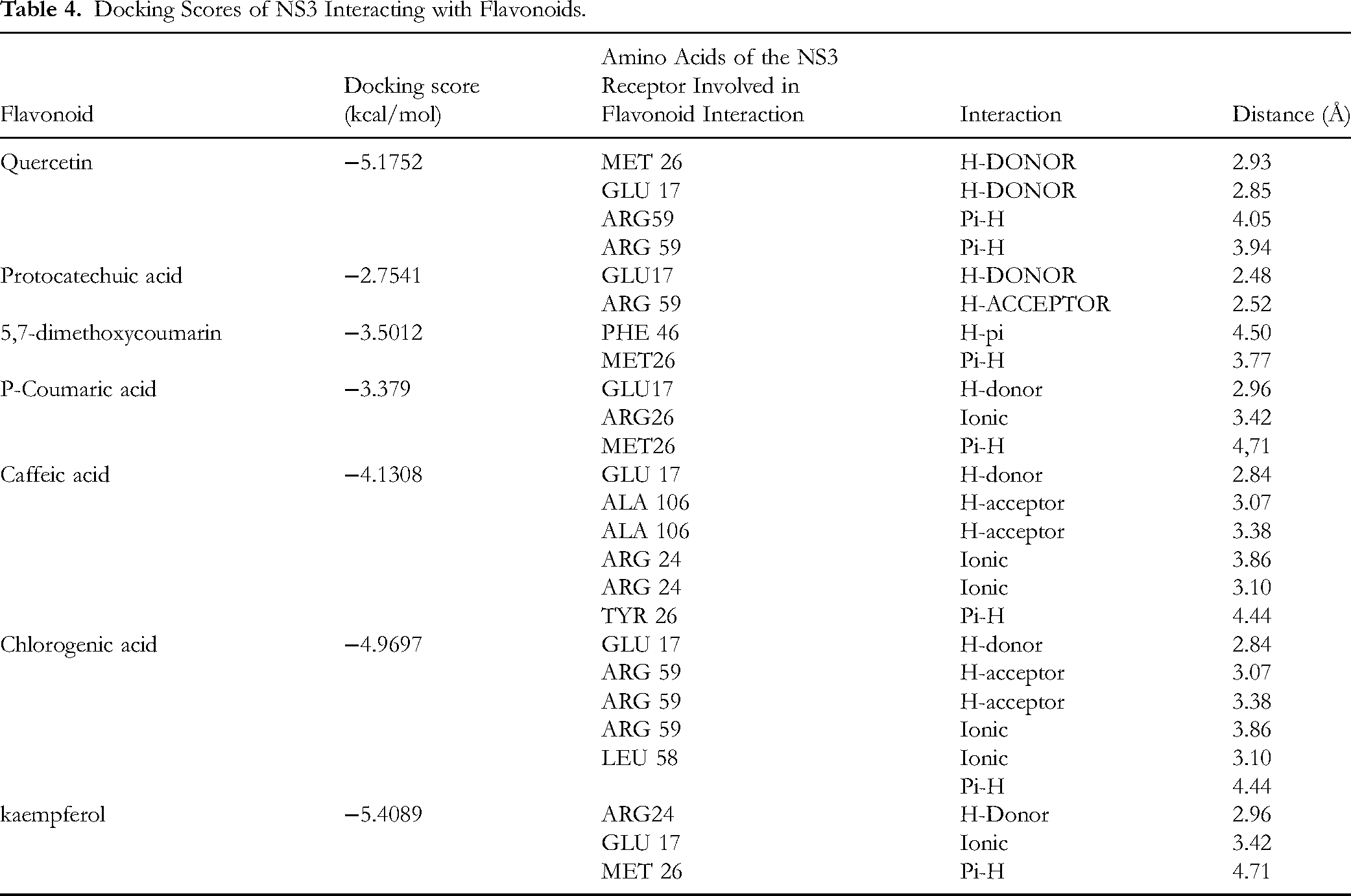
Previous research identified seven flavonoids with inhibitory potential against this protease in the dengue virus, interacting with the NS2B binding site and the upper region of NS3. However, our in silico analysis of the Zika virus, conducted for this study, revealed that quercetin and the other six flavonoids preferentially bind to the lower region of NS3, specifically at the NS2B binding site. Our results indicate that kaempferol, quercetin, and chlorogenic acid exhibit stronger interactions, whereas protocatechuic acid shows lower affinity (Figure 6 and Table 4). These findings suggest that flavonoids could be promising candidates for inhibiting protein complex formation and, potentially, protease activity in both dengue and Zika viruses. Nonetheless, further in vitro validation is essential to confirm their efficacy.
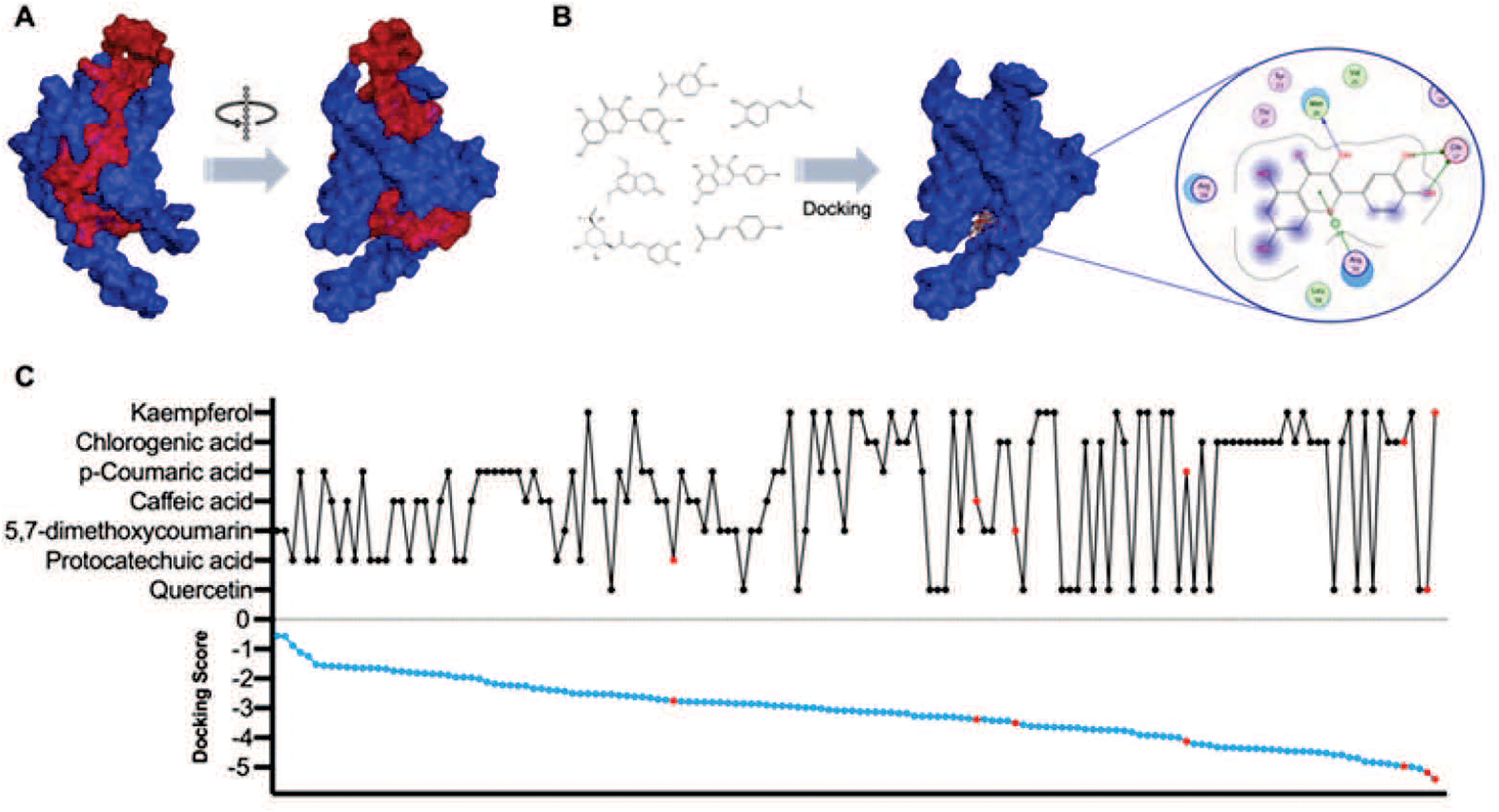
Flavonoids Inhibit the Interaction Between NS2B Protein and NS3 in Silico. A. The Zika Virus NS2B-NS3 Protease: The Front and Back Isosurfaces of the Protein Complex are Presented, with the NS3 Protein Shown in Blue and the NS2B Protein Shown in Red. B. All Flavonoids Demonstrate a Higher Interaction at the Bottom of NS3. A Schematic of a Ligand Interaction of NS3 with Quercetin is Provided. C. Plot Depicting the Docking Score and Frequency of Flavonoids. The Top Section Shows the Frequency of Flavonoid Interactions, with Each Point Representing a Specific Flavonoid Based on its Level. In the Bottom Section, the Docking Scores are Graphed in Descending Order. The Red Dots Marked on the Flavonoids and the Docking Score Indicate the Flavonoid with the Best Docking Score.
Docking Scores of NS3 Interacting with Flavonoids.
Clinical and Experimental Effectiveness of Flavonoids in Managing Epidemic Viruses
C. papaya has long been recognized in traditional medicine for its potential in controlling dengue fever. Recent research has focused on studying the clinical effectiveness of C. papaya leaf extracts and the mechanisms by which the chemical components from the leaves can combat dengue fever. 127 Clinical evidence has demonstrated the effectiveness of the aqueous leaf extract when administered to patients. For instance, one study reported an increase in platelet count in a patient with dengue symptoms after the administration of the extract, indicating positive activity of the chemical components. 128 Another study involving 80 patients diagnosed with dengue fever revealed an increased platelet count in the group that received capsules prepared from an alcoholic extract of C. papaya. 129 Furthermore, studies conducted in cell cultures on THP-1 cells showed that the extract reduced the expression of the viral NS1 protein of dengue. Additionally, a case-control study involving 228 patients observed a significant increase in the ALOX12 gene as well as PTAFR, both essential for platelet function, in addition to platelet recovery.130,131
In response to the SARS-CoV-2 pandemic, there has been a concerted effort to identify compounds capable of inhibiting viral replication and mitigating the detrimental effects of the immune response associated with post-COVID syndrome. Among the flavonoids showing antiviral activity against SARS-CoV-2 is quercetin. Clinical use of nebulized quercetin (quercinex) in a patient with confirmed pneumonia resulted in rapid recovery without lung fibrosis after 14 days of additional treatment alongside standard care. 132 Furthermore, administering quercetin as a coadjuvant to antivirals in hospitalized COVID-19 patients showed benefits, including significant reductions in ALP, q-CRP, and LDH levels, as well as early discharge. 133 Outpatient use of quercetin in confirmed COVID-19 cases not only improved symptoms but also reduced hospitalization frequency and duration, with rapid resolution when combined with curcumin and vitamin D3.134-136 Clinical benefits were also suggested for quercetin in SARS-CoV-2 infected patients, such as protection against renal injury 137 and reduction of inflammation, potentially enhancing the therapeutic activity of dexamethasone. 138 Quercetin has also been proposed as a candidate for influenza treatment, 139 indicating potential use of flavonoids as therapy in cases of co-infection involving SARS-CoV-2 and influenza or SARS-CoV-2 and Dengue, as suspected in the recent SARS-CoV-2 epidemic.
The Effect of Phytochemicals on the Control of Viral Transmission
As was previously discussed SARS CoV2 as the respiratory virus can be transmitted by different forms of direct contact.140,141 Additionally, the analysis of the viral load should help to know the infectious viral titters. A previous study did show that those vaccinated individuals who were afterward infected, did show low infectious viral titters which was translated as low transmissibility. 142 Under this context, the consumption of food rich in inhibitor phytochemicals of SARS-CoV2 as quercetin, should reduce the transmissibility. 143 Such effect in both senses, this means that infected individuals with consumption of quercetin in the food or as nutritional supplemental can show low infectious viral titters and thus reduce the transmissibility from infected to a non-infected individual, whereas that non-infected individual with consumption of food with quercetin or its consumed as a nutritional supplement could reduce the risk the acquiring infection from infected individuals (Figure 7).

SARS-CoV-2 Transmission and Infection. A. A Low-Flavonoid Diet or Intake May Result in High Viral Loads (HVLs), Which Could Bring on Infection and Contagion. B. A High-Flavonoid Diet or Intake Could Result in Low Viral Loads (LVLs) and Prevent Infection/Contagion.
Viral transmission can occur in various ways: through direct contact, which includes airborne and hand transmission, as well as through fomites. The latter plays a significant role in transmitting several viruses when individuals with an illness and healthy persons come into contact with the same inert surfaces in different environments, such as hospitals, offices, entertainment places, and meeting places.144,145 The transmission of respiratory and gastrointestinal viruses through fomites depends on factors like the resistance of viral particles on surfaces and the frequency of surface cleaning.121,122 The presence of phytochemicals with known antiviral properties in commonly consumed foods may significantly influence the spread and dynamics of epidemics in specific populations, particularly when compared to regions where such foods are less prevalent. Acknowledging the potential of these phytochemicals as accessible tools in the fight against viral infections suggests that their incorporation could enhance pharmacological treatments for managing viral epidemics. For example, the consumption of quercetin may be linked to lower infection rates among individuals who have been exposed to infected persons but did not contract the virus themselves. However, further studies are required to investigate this potential.
Another mode of viral transmission is vector-borne, which happens when an infected mosquito bites a healthy individual. This mechanism is crucial in transmitting viruses like dengue, Zika, chikungunya, as well as, yellow fever. 146 Previous studies have shown that phytochemicals can act as antivirals and control viral infection in vivo. 147 However, it's still unclear how phytochemicals participate in controlling transmission, as no studies have clearly demonstrated their ability to modulate viral transmission. In this context and due to the current epidemiological impact of SARS-CoV-2 and the dengue virus, this review focuses mainly on these viruses. Dengue is a mosquito-borne virus, and the methods used to control its transmission are based on controlling the vector. The use of insecticides has been a common approach over time, 148 but they pose high toxicity risks to human health and environmental pollution, including bodies of water and their fauna.149-151 Furthermore, mosquito resistance to insecticides has been increasing with their continuous use. 152 Some studies have shown promising results with biological control, using toxins of Bacillus thuringiensis subspecies israelensis (Bti). 153 As previously discussed, the use of phytochemicals from Carica papaya leaves presents a functional, inexpensive, and readily available therapy for human dengue fever.121,140,154 Additionally, it has been observed that these phytochemicals are environmentally friendly and exhibit larvicidal activity on larves of Aedes mosquitoes.122,154,155 This suggests their potential use in the biological control of the vector. Their advantages over other control methods, such as insecticides, make them an attractive option. Another potential application of phytochemicals from C. papaya is our proposal for the elimination of the virus in the vector, which could help free mosquitoes from viral infection. However, further studies are needed to understand the effect of phytochemicals on viral infection at different stages of the Aedes life cycle, as well as the stability of these molecules in the environment. If achievable, this could lead to the development of a molecule capable of biological control by eliminating the virus in the vector. This could be used in stagnant water during rainy seasons or in stored water in rural areas without posing a threat to the environment or human population (Figure 8).

Viral Transmission. The Use of Phytochemicals in Water Reserves May Work as a Viricide Preventing Larvae, Mosquitoes and Human Dengue Infection (DENV). A) Infected Larvae which Get Infected Mosquitoes, B) Water Added With Phytochemicals Which Elimante the Viral Infection and Thus get Healthy Mosquitoes.
Moreover, it's important to consider that various populations globally have utilized food, nutritional supplements, or traditional medicinal plants containing phytochemicals in the fight against SARS-CoV-2. This utilization may have had a positive impact on reducing the transmissibility of SARS-CoV-2 during the recent pandemic, an effect that may have been overlooked.
Future Perspectives for Phytochemicals in Combating Epidemic Viruses
This paper investigates the potential of phytochemicals as antiviral agents, with particular emphasis on their efficacy against epidemic viruses. These viruses can manifest in both localized and widespread forms, exerting a profound impact on global populations and contributing to substantial morbidity and mortality. 156 The study specifically examines one coronavirus, COVID-19—the etiological agent of the most recent pandemic—and two flaviviruses, DENV and ZIKV, which have been associated with significant outbreaks in tropical regions.157,158 In this context, the development of antiviral therapies is of paramount importance, as it provides alternative therapeutic strategies, especially in light of recent advancements in technology that have revealed promising avenues for intervention. 159 It is essential to explore additional approaches that incorporate both preventive and therapeutic measures, thereby enhancing the availability of adjunctive treatments in anticipation of potential outbreaks. Phytochemicals represent a compelling natural alternative that can assume multifaceted roles in modulating viral transmission. These compounds hold promise as both therapeutic and prophylactic agents, potentially serving as adjuncts in existing treatment regimens. Furthermore, when incorporated into dietary strategies, phytochemicals may contribute to mitigating the risk of COVID-19. Their ability to limit viral propagation in dengue vectors further supports the development of strategies aimed at reducing the spread of flaviviruses, thereby interrupting the transmission cycle to human populations. Such interventions show considerable potential in reducing transmission rates. Given their well-established role as inhibitors of viral replication, phytochemicals merit further consideration as a viable adjunctive therapeutic option in clinical treatment protocols.
Conclusion
Phytochemicals represent a compelling and innovative strategy for the prevention and treatment of viral infections. Continued, rigorous research into these natural compounds is imperative, given their cost-effectiveness, established antiviral efficacy, and their potential utility in mitigating transmission dynamics. Further exploration of phytochemicals may reveal a wide spectrum of applications in combating viral infections. Moreover, it is crucial to advance our understanding of these plant-derived agents and their broader therapeutic potential in the management of diverse viral diseases. Additionally, the integration of phytochemical-rich foods into varied dietary regimens may have a profound impact on the trajectory of epidemic viral infections, including the recent SARS-CoV-2 pandemic. Finally, the potential of phytochemicals in controlling the transmission of vector-borne diseases, such as dengue, warrants further consideration.
Footnotes
Acknowledgments
The authors would like to thank their home institutions for providing the time and resources necessary to complete this study. LASO and LG-V were supported by fellowships from the BEIFI program (Beca de Estímulo Institucional para la Formación de Investigadores) at the Instituto Politécnico Nacional, which covered the period from January to July 2024. PR-H was supported by a doctoral fellowship from SECITHI Mexico (No. 1033473), as part of the PhD program at the Facultad de Medicina, Universidad Nacional Autónoma de México.

Author Contributions/CRediT
“Conceptualization, MRT-B; PR-H and JA-G; software, JEV-M and DC-A; investigation, EJ-H; resources, JA-G; JMM-A; data curation, JX-C; writing—original draft preparation, SAO; writing—review and editing, AC-C; funding acquisition, JA-G; JMM-A. All authors have read and agreed to the published version of the manuscript.
Funding
The author(s) disclosed receipt of the following financial support for the research, authorship, and/or publication of this article: This work was supported by the Direction of Investigation of the Hospital Infantil de México Federico Gómez through Federal Funds project number HIM/2021/068 SSA, HIM/2017/015 SSA. 1337, HIM/2018/037 SSA and Instituto Politécnico Nacional, Centro Interdisciplinario de Ciencias de la Salud Unidad Milpa Alta, SIP 20242258.
Conflicting Interests
The author(s) declared no potential conflicts of interest with respect to the research, authorship, and/or publication of this article.