



Abstract
The Sanfu herbal patch (SHP) is a traditional Chinese medicine external therapy consisting of Sinapis semen, Asari Radix et Rhizoma, Kansui Radix, and Corydalis Rhizoma. The review involved searching for SHP-related keywords in various databases including Web of Science, PubMed, and China National Knowledge Infrastructure, etc Relevant literature was then selected and findings were summarized. The SHP encompasses a diverse array of bioactive constituents, such as fatty acids, thioglycosides, essential oils, terpenes, alkaloids, and additional chemical compounds. The parent constituents of the SHP that enter skin circulation mainly include sinapine thiocyanate from Sinapis semen, asarinin from Asari Radix et Rhizoma, and tetrahydropalmatine from Corydalis Rhizoma. The SHP exhibits anti-inflammatory, antitussive, analgesic, and antitumor properties, making it a valuable pharmacological agent. Moreover, the SHP is frequently employed in clinical settings to address various ailments including asthma, rhinitis, chronic bronchitis, chronic obstructive pulmonary disease, chronic degenerative joint disease, and chronic gastritis. This review focuses on the main components, skin pharmacokinetics, and pharmacological research progress of the SHP, offering valuable insights for further understanding its mechanism of action and enhancing its clinical application.
This is a visual representation of the abstract.
Keywords
Introduction
The Sanfu herbal patch (SHP) is a traditional Chinese medicine (TCM) treatment for winter diseases. The prescription was formulated by Zhang Lu, a physician of the Qing Dynasty. The formula comprises four TCMs, namely Sinapis semen, Asari Radix et Rhizoma, Kansui Radix, and Corydalis Rhizoma. 1 The SHP is frequently employed in both traditional and modern medical settings to prevent and treat a range of pulmonary conditions that manifest or worsen during the fall and winter seasons. These diseases include chronic rhinitis, chronic cough, chronic bronchitis, asthma, and colds.2–4
The active components of TCM are very important for the modernization of TCM compound research. 5 TCM compounds are composed of complex active ingredients that are the material basis for their efficacy. The SHP, a type of Chinese medicine preparation, contains crucial components such as fatty acids and thioglycosides from Sinapis semen, 6 volatile oils from Asari Radix et Rhizoma, 7 terpenes from Kansui Radix, 8 and alkaloids from Corydalis Rhizoma. 9 These components are essential for ensuring quality control in Chinese medicine. To ensure the efficacy of TCM, it is crucial to prioritize quality and safety. The qualitative and quantitative analysis of the main active ingredients is one of the most effective methods for quality control. 10 Qualitative and quantitative analysis of active ingredients enables accurate assessment and standardization of the quality of TCM. This is crucial for the research, development, production, and clinical application of TCM. 11 SHP quality testing methods include microscopic identification, thin layer identification, and high-performance liquid phase testing.
Dermal pharmacokinetics aims to understand the pharmacological and pharmacokinetic properties of drugs in the skin to provide a scientific basis for the optimization of dermal drug therapy and drug development. 12 There are relatively few studies on the dermal pharmacokinetics of TCM in China, which have not yet been deeply and systematically studied, and the main challenges are the diversity of TCM components, the low concentration of the drugs, and the unique pharmacokinetics. 13 Currently, some studies have used microdialysis coupled with reversed-phase high-performance liquid chromatography(RP-HPLC) to study the local pharmacokinetics of the SHP in the skin, which can help to reveal the mechanism of action and scientific connotation of the SHP and promote its clinical application. 14
Studying the pharmacological impacts and underlying mechanisms of TCMs is imperative to advance their contemporary utilization. 15 The concepts of holistic and dialectical compounding are crucial in formulating Chinese medicines. SHP in Sinapis semen and Asari Radix et Rhizoma are prone to warm dispersal into the lung meridian of the drug, leading to good phlegm cough asthma, the latter of which is the main dispersal mechanism of cold, warm-lung phlegm that drinks the ambulance lung. Kansui Radix is a bitter cold diarrhea agent that can enhance Sinapis semen, and Asari Radix et Rhizoma drives out the effect of phlegm in the body. Corydalis Rhizoma is a good TCM that promotes blood circulation, disperses blood stasis, relieves pain and good dispersal and can help the main drug move “qi” and phlegm to alleviate the irritation of the skin mucous membranes caused by Sinapis semen.16,17 The pharmacological effects of different drugs on the SHP were compared and analyzed with those of the compound formula, and it was found that the compound preparation had similarities with the relevant drug components in TCM in China in terms of their functions and treatments, and they were all based on the medicinal value of plants for the formation of formulae, which was also verified in modern pharmacological research. 18
Despite the increasing popularity of SHP as a TCM therapy, a systematic review is yet to be published. This paper summarizes the chemical composition, quality control, skin pharmacokinetic properties, and pharmacological effects of the SHP. The study also discusses the interventional effects of the SHP on a variety of diseases. The aim of this study was to provide a basis for the development of clinical applications of TCM compounding and to promote the modernization and internationalization of TCM.
Main Components of the SHP
Sinapis semen is the mature and dry seed of Sinapis alba L.; it mainly contains fatty acids thioglucosides·and·their derivatives, and alkaloids, such as sinapine thiocyanate, sinigrin, sinapine, erucic acid (Figure 1A). 19 Asari Radix et Rhizoma is the dry root and rhizome of Asarum heterotropoides Fr. Schmidt var. mandshuricum; it mainly contains volatile oils, including methyleugenol, safrole, asarone, a-pinene (Figure 1B). 7 Kansui Radix is the dried root tuber of Euphorbia kansui T. N. Liou ex S. B. Ho; it mainly contains terpenoids, such as euphorksol A, tirucalla-8,24-diene-3β,11B-dio1-7-one euphol, tirucallo (Figure 1C). 8 Corydalis Rhizoma is the dried rhizome of Corydalis yanhusuo W. T. Wang ex Z. Y. Su et C. Y. Wu; it mainly contains alkaloids, such as corydaline, tetrahydropalmatine, isoboldine, protopine (Figure 1D). 9 Further details of them can be acquired from pertinent academic resources.
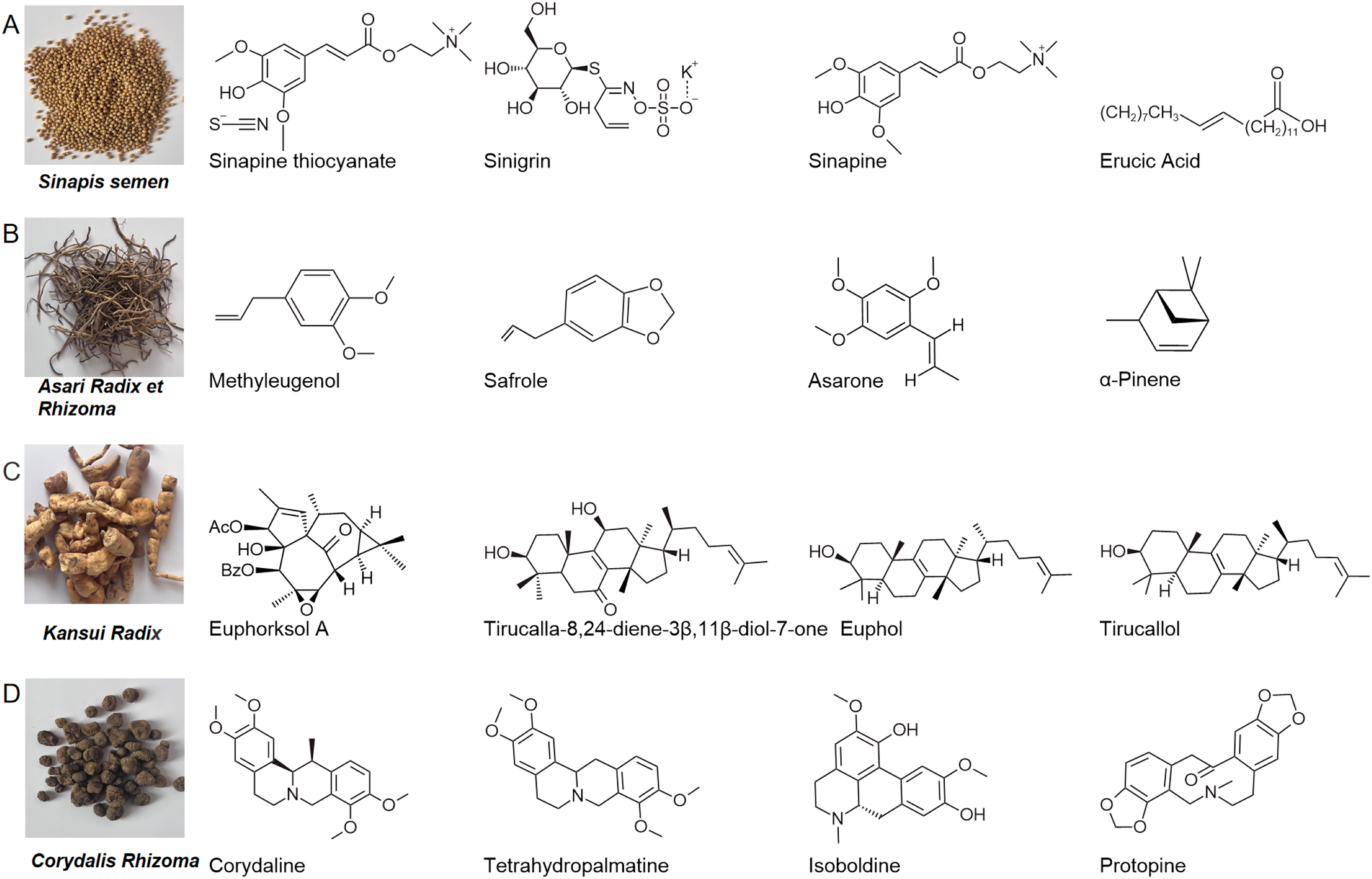
Four traditional Chinese medicines that compose the Sanfu herbal patch and structures of the main constituents.
Chemical Composition of Sinapis semen
The chemical constituents of Sinapis semen include fatty acids (FAs), thioglucosides·and·their derivatives, as well as alkaloids. The principal chemical components of Sinapis semen and corresponding literature sources are presented in Table 1, while the chemical structures of Sinapis semen are depicted in Figure 2.

The main chemical structures reported from Sinapis semen.
The Main Chemical Constituents Isolated from Sinapis Semen.

FAs of Sinapis Semen
FAs, which are mainly unsaturated, are the primary components of Sinapis semen. It contains ethyl palmitate, ethyl linoleate, ethyl linolenate, linoleyl alcohol, and other compounds.20–24 Gas chromatography (GS) alone and in combination with mass spectrometry (MS) are established methods for identifying and determining the structures of the FA components of herbs.35,36 Using GC-MS, Ou et al and Wu et al identified 12 FAs from the ether extracts of Sinapis semen.21,37 Zhang et al employed GC-MS to comprehensively assess the lipid-soluble components of Sinapis semen following extraction with petroleum ether and treatment with methyl esters. The constitution of Sinapis semen may be subject to variation due to various factors such as the method of extraction, specific species, geographical provenance, and the nature of the assay employed.38,39 Stamenković and fellow researchers employed cold-pressing and Soxhlet extraction techniques to extract a significant amount of unsaturated fatty acids, which primarily consisted of eicosenoic, erucic, neuronic, linoleic, and linolenic acids. 40 Ciubota-Rosie et al examined the FA composition of Sinapis semen by means of mechanical pressing and n-hexane extraction and found that sinigrin accounted for a notably high percentage. 20 Sawickal et al reported that the FA content of the “Bamberka” cultivar of white mustard (Sinapis alba L.) was significantly lower than that of the “Borowska” cultivar. 41 A study conducted by Ecker and Yaniv revealed that genetic inheritance determined the FA composition of Sinapis semen, including oleic, linoleic, eicosenoic, and erucic acids. 42 The contents of palmitic and linoleic acids reportedly decrease during the maturation of Sinapis semen. 43 Furthermore, hierarchical cluster analysis and GC-MS conducted by Cheng et al revealed 13 FA-like constituents of Sinapis alba L. oil from different origins, which included linoleic acid and γ-sitosterol with relatively high levels of β-tocopherol and rapeseed stanols. 22
Thioglucosides and their Derivatives of Sinapis semen
The principal thioglycosides present in Sinapis semen extracts include sinalexin, 4-hydroxyglucobrassicin, progoitrin, glucoiberin, glucocheirolin, glucoibervirin, and other sulfoside compounds
Alkaloids of Sinapis semen
Sinapine, which is the most prevalent quaternary ammonium alkaloid of Sinapis semen, displays a variety of biological activities. The compound sinapine thiocyanate decomposes into sinapic acid and choline.23,33 Other alkaloid constituents of Sinapis semen include 2-hydroxybenzoylcholine, 3-hydroxybenzoylcholine, 4-hydroxybenzoylcholine, erucic acid, and 3-hydroxy-4-methoxycinnamoylcholine. 34
Chemical Composition of Asari Radix et Rhizoma
The chemical constituents of Asari Radix et Rhizoma are classified as volatile oils and nonvolatile components. 45 The primary medicinal effects of Asari Radix et Rhizoma are mainly attributed to volatile oils. According to the Chinese Pharmacopoeia, Asari Radix et Rhizoma must contain a minimum of 2% volatile oil to be considered a medicinal herb. The primary compounds of the volatile oil of Asari Radix et Rhizoma are listed in Table 2, while the chemical structures are shown in Figure 3.

Chemical structures of volatile oils reported from Asari Radix et Rhizoma.
The Parts of Volatile oil Compounds Isolated from Asari Radix et Rhizoma.

Volatile oil Compounds of Asari Radix et Rhizoma
Volatile oil is a light-yellow, transparent, and fragrant oily substance that can be extracted using inexpensive equipment with moderate efficiency. The extraction of volatile oils is commonly achieved through the use of techniques such as hydrodistillation, supercritical fluid extraction, ultrasonic extraction, and microwave-assisted extraction. The volatile oil compounds of Asari Radix et Rhizoma have been successfully isolated into various components, which can be broadly categorized into phenols,46–49 ethers,46,49,50 phenylpropanoids, FAs,7,46,49–52 terpenoids,46–51,53,54 alcohols,48,49,51,54 and other substances. As illustrated in Table 2, the volatile oils of Asari Radix et Rhizoma encompass a diverse array of chemical constituents, including ethers (myristicin and safrole ether), phenylpropanoids (1,3-dimethoxy-5-methylbenzene, elemicin, and kakoul), FAs (tetradecane, oleic acid, and myristic acid), and various terpenes and alcohols (3-carene, 4-carene, and limonene). It is noteworthy that the volatile oil of Asari Radix et Rhizoma contains a relatively high concentration of the phenylpropanoid methyl eugenol.
In contrast to the minimal amount of volatile oil present in Sinapis semen, volatile oil represents the most important active component of Asari Radix et Rhizoma, accounting for approximately 3% of the total composition. 55 Methyl eugenol, a major volatile constituent of the essential oil of Asari Radix et Rhizoma, functions as an antibacterial agent and has been reported to relieve symptoms of anxiety and asthma.56–58 Myristicin, 4-terpinenol, and γ-pinacene in volatile oils have antimicrobial effects, 54 while kakuol protects against neuronal damage caused by excess nitric oxide in the brain. 59 Furthermore, α-asarone ether reportedly has therapeutic effects on Alzheimer's disease, Parkinson's disease, and epilepsy. 60
Nonvolatile Components of Asari Radix et Rhizoma
Asarum comprises several parts, including lignans (acinone, lignanone, ferulic acid, etc), alkaloids (hyssopine, loxerine, and wallichine), flavonoids, and other nonvolatile components. 61
Chemical Composition of Kansui Radix
Kansui Radix contains more than 200 compounds. 62 The active ingredients of Kansui Radix are primarily of diterpenoids, triterpenoids, and terpenes (Table 3). The chemical structures of Kansui Radix are depicted in Figure 4.

Chemical structures of terpenoids reported from Kansui Radix.
The Parts of Terpenoids Isolated from Kansui Radix.

Terpene Composition of Kansui Radix
Diterpenoids are a subset of monoterpenoids composed of two terpene units with intricate structures and varied biological functions. 73 Recent studies have identified new diterpenoids in extracts of Kansui Radix, thereby providing insights into potential pharmacological effects and medicinal applications.63–68 Kanesulone C, isolated from an alcoholic extract of Kansui Radix, was shown to increase the effectiveness of adriamycin by reducing resistance to anticancer treatments. Furthermore, kanesulones C–E were identified as new diterpenes. 74 The diterpenoids of Kansui Radix (6β,7β-epoxy-3β,4β,5β-trihydroxyl-20-deoxyingenol and euphorksjats A–E) have been demonstrated to alleviate resistance to anticancer drugs. 63 Additionally, Kansui Radix contains kansuingol A, kansuingol B, and the diterpene lactone euphorikanin A, which have anti-inflammatory effects.75,76 Notably, some diterpenoids of Kansui Radix are toxic and can be ameliorated by a vinegar-roasting process. 66
Structurally, triterpenoids are characterized by multiple homologous five-carbon units (isoprenyl groups) that are synthesized via coenzyme A. This category of substances constitutes a significant percentage of Kansui Radix glabra and is integral to its pharmacological effects.65,67,69–72 For example, the triterpenoids of Kansui Radix have significant antitumor effects. A recent study has demonstrated that 14 triterpenoids extracted from Glycyrrhiza glabra were found to inhibit tumorigenesis in mice induced by 12-O-tetradecanoylphorbol-13-acetate. Euphol and 24-methylenecycloartanol are the most significant bioactive components of Kansui Radix. 72 Furthermore, various triterpenoids extracted from Kansui Radix have been demonstrated to have tumor-promoting effects. The novel triterpenoids extracted from Kansui Radix include euphane-3β,20-dihydroxy-24-ene and six others with potential applications in the prevention and treatment of type 2 diabetes mellitus. 77 Two novel new triterpenoid compounds (T-8,24-diene-3β,11β-diol-7-one and E-8,24-diene-3β,11β-diol-7-one) were extracted from the root roots of Kansui Radix and demonstrated the ability to kill malignant cells in colon, gastric, and breast cancers. 69 Additionally, euphokanols A–F were recently isolated from Kansui Radix. 70
Nonterpenoid Components of Kansui Radix
The nonterpenoid components of Kansui Radix include steroidal glycosides, such as euphokanosides A–B; coumarin 70 ; several FAs, including oleic, linoleic, and trans-oleic acids, in addition to minor quantities of sucrose and resin. 78
Chemical Composition of Corydalis Rhizoma
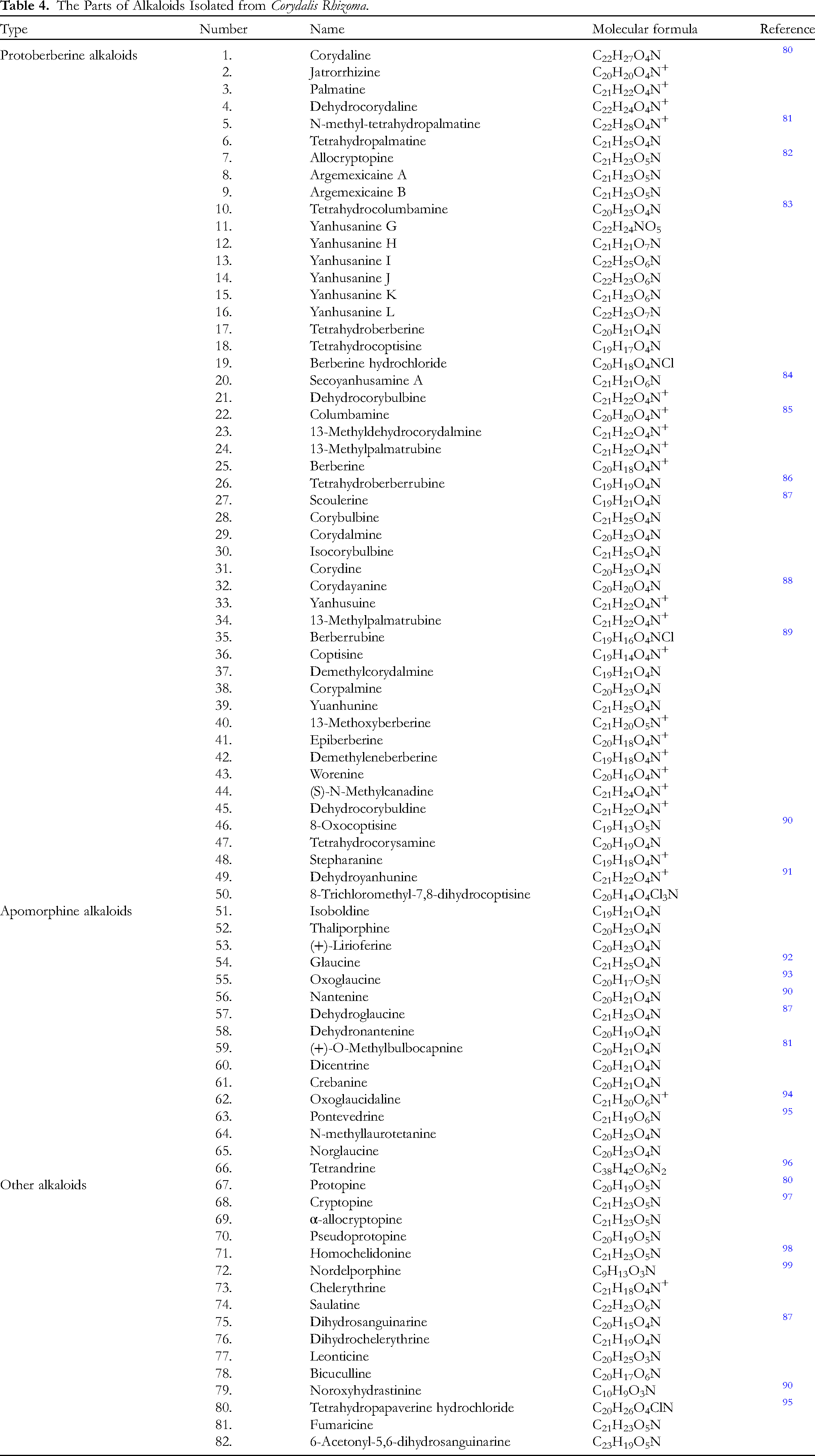
The 80 major alkaloids of Corydalis Rhizoma can be categorized into four distinct groups of various isoline alkaloid types. 79 The components of Corydalis Rhizoma are listed in Table 4. The chemical structures of Corydalis Rhizoma are shown in Figure 5.
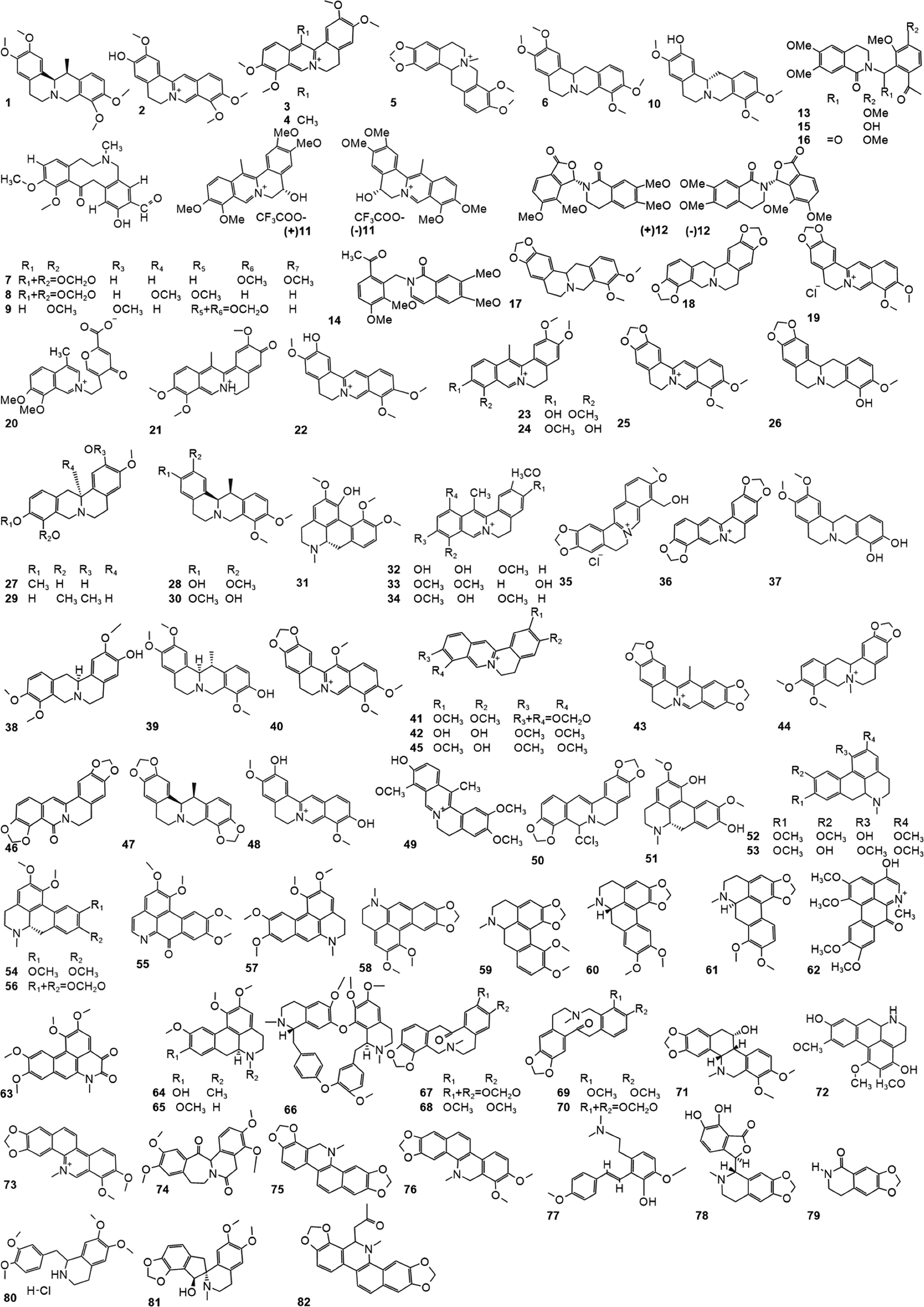
Chemical structures of alkaloids reported from Corydalis Rhizoma.png
The Parts of Alkaloids Isolated from Corydalis Rhizoma.
Alkaloid Components of Corydalis Rhizoma
The majority of proto-berberine-type alkaloids present in Corydalis Rhizoma are tertiary amine bases, with berberine serving as the parent nucleus. The major tertiary amine bases include oxyacanthine, magnoflorine, berberine, and others.80–91 In recent years, both qualitative and quantitative research on the proto-berberine type has significantly increased. Xia et al employed quantum metrology and spectroscopic analysis to successfully extract yanhusanine G–L from Corydalis Rhizoma for the first time, in addition to 15 previously reported components, 83 while Wang et al identified secoyanhusamine A, which is a highly oxidized isoquinoline inner salt. 84 The authors evaluated the impact of a transdermal patch containing Corydalis Rhizoma and found that administration at acupoints resulted in superior maintenance of drug concentrations in the blood compared to administration at nonacupoints. 100
Apomorphine alkaloids typically possess a distinctive tetracyclic structure with anticancer, antiviral, and anti-inflammatory effects. These effects are influenced by the alkaloids’ oxidation state and substituents 101 The alkaloids of Corydalis Rhizoma include apomorphine, nantenine, didehydroglaucine, liriodenine, and other compounds.81,87,91–96 An earlier study identified 10 alkaloids of Corydalis Rhizoma, including apophilic glaucine, using LC‒MS/MS and LC with diode array detection. 92 To support future pharmacokinetic and pharmacological evaluations, Du et al utilized HPLC-ESI-MS/MS to quantify changes in 14 alkaloids, such as oxybenzine, in mouse plasma after oral administration of Corydalis Rhizoma extract. 93 Moreover, the administration of morphine in conjunction along with corydaline and L-tetrahydropalmatine may serve to alleviate drug dependency. 102 In addition to the more abundant protoberberine and apomorphine alkaloids previously mentioned, Corydalis Rhizoma also contains prototropine, cryptopine, and α-allocryptopine, which have opioid-like effects in vivo.80,97 Furthermore, Corydalis Rhizoma contains nitrogen-containing heterocyclic alkaloids, including fumaricine, bicuculline, and chelerythrine, as well as noroxyhydrastinine, a nitrite alkaloid.87,90,95,98,99
Nonalkaloid Components of Corydalis Rhizoma
The nonalkaloidal components of Corydalis Rhizoma include FAs, polysaccharides, phenols, and flavonoids. It has been demonstrated that certain components of Corydalis Rhizoma possess pharmacological effects and may exert such effects in conjunction with alkaloidal compounds. For example, specific polysaccharides, including CPS1 and CPW2, have been shown to have positive effects on choline metabolism and the treatment of cartilage damage. 103 Furthermore, certain flavonoids found in Corydalis Rhizoma can enhance the anti-inflammatory and antibacterial effects of its alkaloids.104,105
Quality Control of Traditional Chinese Medicines
The quality control of TCMs is of paramount importance to the research and development of modern TCMs. The qualitative and quantitative analysis of the main bioactive components is the primary means of ensuring their quality and stability. 106
In addition to the basic determination of moisture and total ash, thin-layer chromatography, which is a fast and sensitive method of separation and analysis, has been widely used for the qualitative analysis of a large number of TCM components. 107 TLC is a fast and sensitive method of separation and analysis that has been employed in the qualitative analysis of TCM components. This technique is widely utilized in TCM research due to its rapid and sensitive characteristics. Four key indicator components, namely, sinapine thiocyanate in Sinapis semen, asarinin in Asari Radix et Rhizoma, euphol in Kansui Radix, and tetrahydropalmatine in Corydalis Rhizoma, have been successfully identified by thin-layer chromatography. This provides powerful support for the quality control of traditional Chinese medicines.108,109
In addition, high-performance liquid chromatography (HPLC) technology plays an important role in the quantitative analysis and compositional detection of TCMs. Fan and other scholars conducted an in-depth study on 12 batches of SHP using HPLC, accurately determining the content of sinapine thiocyanate and asarinin. After a comprehensive consideration of the actual production conditions and Chinese pharmacopeial requirements, they proposed reasonable content control suggestions, which provided a scientific basis for the development of quality standards for SHP. 109 Furthermore, scholars such as Wang and Deng also determined the content of sinapine thiocyanate and tetrahydropalmatine in the SHP using the HPLC, which further enriched the quality control data of the SHP. These studies not only provide a new reference standard for the quality control of SHP, but also serve as a reference and source of inspiration for the quality control of other TCM formulas.110,111 In order to gain a deeper understanding of the quality of SHP, our team A series of HPLC and GC fingerprints of SHP were established, and the sources of characteristic peaks were attributed. The contents of volatile and non-volatile components in 16 batches of SHPs were determined, and the quality of 16 batches of them was evaluated by combining the methods with chemometrics. This approach provided a scientific foundation for the study of the material basis of the SHP.
Skin Pharmacokinetics
Transdermal drug delivery is a nonoral route of local drug delivery. The drug is absorbed through the skin into the body circulation, which can prevent the first-pass effect of the liver to improve bioavailability and, at the same time, increase safety to prevent or treat diseases. 112 Cutaneous pharmacokinetics is the study of how drugs are absorbed, distributed, metabolized, and excreted in skin tissues. The mechanism of drug action on the skin, rate of absorption, distribution of drug concentration, and interaction with other tissues are all crucial factors to consider. Despite the complexity of the composition and content of herbal medicines and the low content of active ingredients that penetrate the skin, a thorough understanding of their pharmacokinetics is essential for successful drug development. 113
Current research on the transdermal drug delivery of TCMs is based on in vitro and in vivo permeation experiments. 114 In vitro experiments use a cumulative permeation assay, which provides a reliable assessment of transdermal drug properties and accurately predicts the pharmacokinetics of drugs in vivo. In the field of transdermal drug pharmacokinetics, drug absorption and penetration are critical to the therapeutic efficacy of drugs. The efficacy of transdermal drug absorption is influenced by a variety of variables, including the intrinsic properties of the drug, the properties of the skin as a natural barrier, the use of transdermal absorption enhancers, and the delivery of the drug to acupuncture points in the body. To gain a deeper understanding of the mechanism of transdermal drug absorption, many researchers have conducted investigations. Some researchers conducted in vitro experiments using dialysis membranes and rat skin to investigate the release and transdermal properties of SHP gel paste. The experimental results demonstrate that the transdermal process of sinapine thiocyanate in gel creams is not constrained by its release and is predominantly influenced by the barrier properties of the skin. 115 Ruan et al demonstrated that the volatile oil of Asari Radix et Rhizoma in the SHP has the capacity to enhance the penetration of sinapine in Sinapis semen into the skin. This provides a basis for interactions between SHP components. 116 The researchers analyzed the permeation of tetrahydropalmatine in the SHP on acupoint and non-acupoint skin. Results showed higher penetration and retention of the SHP in acupoint skin, emphasizing the scientific legitimacy of transdermal drug delivery at acupoints. 117 Furthermore, the results of the cumulative permeation experiments of supercritical CO2 extraction of the components of the SHP for isolated mouse skin showed that both asarinin and tetrahydropalmatine could effectively permeate through the percutaneous skin, in which the transdermal kinetic equations of asarinin were Q = 15.410 t1/2-7.877, r = 0.977, and those of tetrahydropalmatine were Q = 9.066 t1/2-6.796. 118
Pharmacokinetics of skin in vivo experiment using micro-dialysis technology for sampling, usually simple lung microdialysis sampling scheme is shown in Figure 6. Microdialysis is a new technology that combines perfusion sampling and dialysis technology to perform dynamic microbiochemical sampling from in vivo. Its characteristics include continuous sampling in vivo, dynamic observation, quantitative analysis, small sample size, low tissue damage, etc, which can provide necessary information such as transmitter release, uptake and metabolism. 119 For instance, studies have employed the microdialysis method as a valuable and dependable instrument for the collection of pharmacokinetic properties of aconitine and puerarin following transdermal administration to rats.120,121 Additionally, numerous studies have been conducted on in vitro microdialysis experiments on SHP. Zhang and Liu developed in vivo microdialysis techniques for skin microdialysis of sinapine thiocyanate and sinapine in Sinapis semen. These methods laid the foundation for the subsequent mastery of the in vivo kinetic law of SHP and its in vivo metabolic pattern.122,123 Xu et al investigated the dermal pharmacokinetics of SHP using sinapine thiocyanate as an indicator. Microdialysis sampling and HPLC were used to measure drug concentration in rat skin. Results showed a peak at 1.5 h, a half-life of approximately 15 h, and a steady-state absorption rate of 13.65 μg/h. The study demonstrated a correlation between dermal pharmacokinetics and clinical outcomes. 124
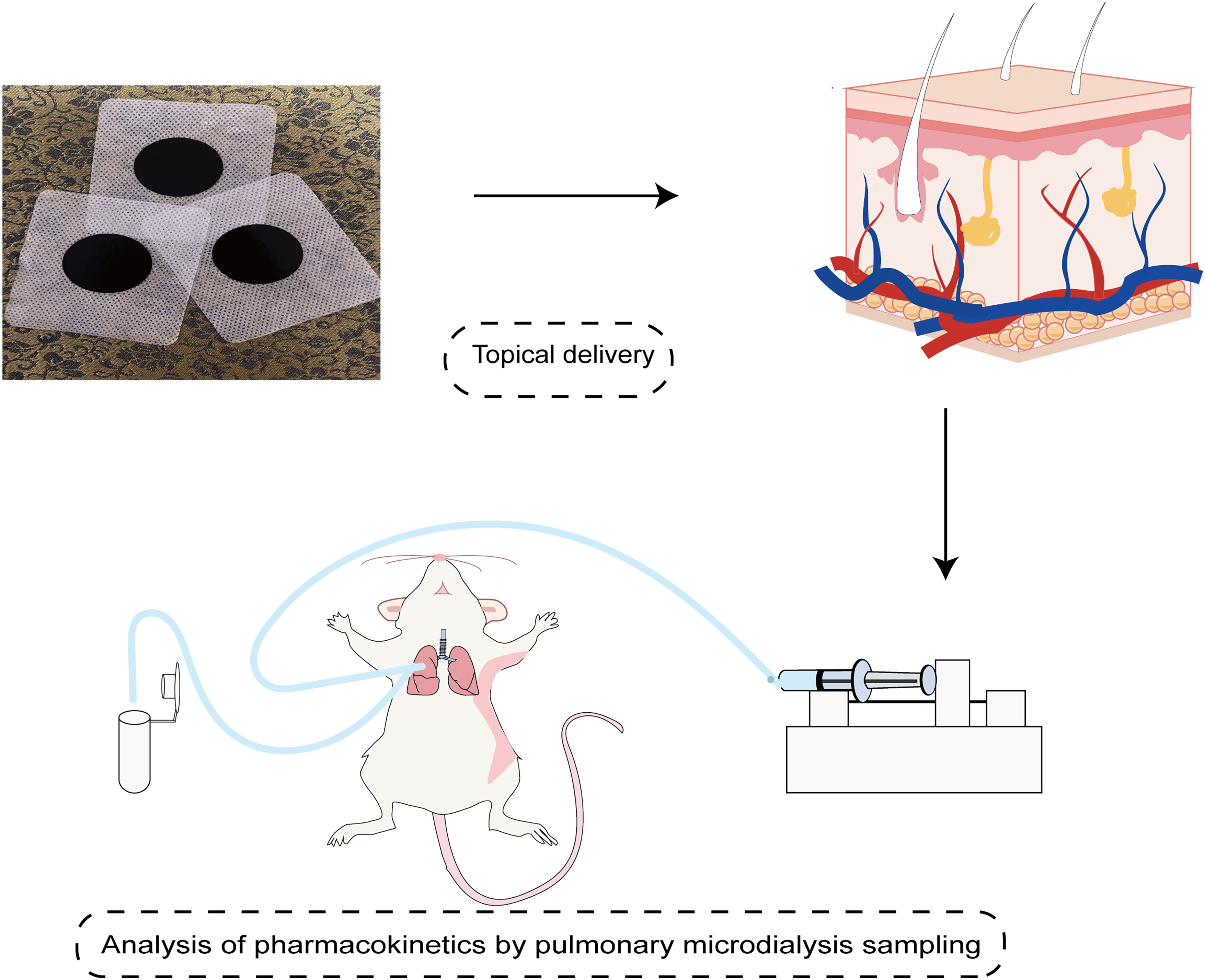
A simple plot of pulmonary microdialysis sampling.
Pharmacological Effects
TCMs are all based on the medicinal value of herbs for the formation of formulae. SHP has pharmacological effects similar to those of related herbs, such as relieving cough, calming asthma and relieving pain. Some representative pharmacological studies of SHP and its herbs are summarized as follows.
Pharmacological Effects of the Constituent of TCMs
Pharmacological Effects of Sinapis semen
Sinapis semen exhibits pharmacological effects, including anti-inflammatory, antitussive, expectorant, and anticancer effects, and can treat hypertensive atherosclerosis. The study by Xian et al showed that Sinapis semen extract reduced inflammation by inhibiting the expression of TNF-α, IL-1β, and IL-6 mRNA. Among them, sinapine, as the main active ingredient in the Sinapis semen, has been confirmed to have the effect of relieving cough, phlegm and asthma in the latest studies. 125 The naturally occurring sinapine thiocyanate is responsible for these effects primarily by relaxing the bronchial smooth muscle and inhibiting capillary permeability. 126 The Sinapis semen extract exhibited potential benefits against cancers of the stomach, colon, lung, and breast. Sinapine induces cell death in non-small cell lung cancer by increasing the concentration of divalent iron ions within the cell, which promotes the oxidative transformation of unsaturated FAs and lipids located on the cell membrane. 127 Sinapine thiocyanate inhibits the proliferation of pancreatic cancer cells by promoting the expression of GADD45A. 128 Jang et al reported that sinigrin inhibited inflammation-related atherosclerosis of blood vessels by impeding the activation of the NF-κB and MAP signaling pathways. 129 The aqueous extracts of sinalbin, sinapine, and sinapic acid from Sinapis semen exhibited therapeutic potential for the treatment of hypertension. 130
Pharmacological Actions of Asari Radix et Rhizoma
Asari Radix et Rhizoma has been demonstrated to exhibit anti-inflammatory, antibacterial, anticancer, and analgesic effects, as well as the ability to impact the respiratory and nervous systems. Jiang et al conducted a study to identify targets and components of Asari Radix et Rhizoma that could be used to treat inflammation and pain. Their findings indicated that asarinin and andsesamin exhibited anti-inflammatory and analgesic effects by targeting COX-2. 131 Liu et al reported that an extract of Asari Radix et Rhizoma significantly reduced postauricular hydropic swelling in mice. The effects of the volatile oil of Asari Radix et Rhizoma for the treatment of respiratory diseases have been extensively investigated. 132 Zhang et al reported that the essential oil Asari Radix et Rhizoma significantly reduced histamine release and decreased the expression levels of IgE, IL-5, IL-17 and IL-50 in a rat model of ovalbumin-induced allergic rhinitis. 133 Furthermore, methyl eugenol was found to alleviate asthma by reducing airway inflammation and the accumulation of collagen in the lungs. 57 Although the causes of neurological disorders are complex and varied, an investigation into the potential of β-asarone to ameliorate symptoms in a mouse model of Aβ1−42 and cerebral ischemia-induced Alzheimer's disease revealed that β-asarone significantly increased antioxidant enzyme levels, thus diminishing oxidative stress and HIF-1α expression while mitigating ischemic nerve impairment. 134 Furthermore, extracts of the medicine have been reported to exhibit antimicrobial and anticancer properties.135,136
Pharmacological Effects of Kansui Radix
Kansui Radix is used for the treatment of inflammation, viral infection, various cancers, and diabetes. Kim et al reported that kansuingol A and kansuingol B extracted from the root of Kansui Radix reduced the expression of IL-6, thereby exhibiting potent anti-inflammatory effects. 75 A study by Lee et al demonstrated that Kansui Radix extracts decreased the expression of inflammatory markers in the visceral adipose tissue, leading to improved insulin sensitivity. 137 The antiviral effects of Kansui Radix extracts are due to the increased production of immune cells. 138 An extract of Kansui Radix glabra was reported to inhibit the replication of human immunodeficiency virus. 139 The antiviral effects of Kansui Radix have been investigated using various animal models. The FA components of Kansui Radix (oleic, linoleic, and trans-oleic acids) can inhibit the proliferation of tumor cells. Additionally, terpenoids present in Kansui Radix exhibit anticancer properties. Various components of Kansui Radix reportedly inhibited the proliferation of hepatocellular carcinoma BEL7402 cells, leukemia HL-60 cells, and gastric carcinoma SGC7901 cells. 78 The terpenoid euphane-3β,20-dihydroxy-24-ene in the extract of Kansui Radix demonstrated potent inhibitory activity against 11β-HSD1 as a potential treatment for type 2 diabetes mellitus. 77
Pharmacological Effects of Corydalis Rhizoma
Corydalis Rhizoma exhibits anti-analgesic, sedative, anxiolytic, cardiovascular, digestive, anti-inflammatory, and anticancer effects. Both morphine and Corydalis Rhizoma have analgesic properties. The analgesic mechanism of morphine involves the stimulation of central opioid receptors, while an alkaloid is the primary analgesic component of fenugreek that does not directly act on opioid receptors. Nonetheless, further research is needed to fully explore the analgesic effects of Corydalis Rhizoma. Rather than directly mediating the transmission of pain signals to primary afferent nociceptors in the spinal cord or blocking dopamine receptors, L-tetrahydropalmatine and protopine exhibited greater efficacy than did corydaline and dehydrocorydaline for the treatment of formalin-induced pain in mice. 80 An extract of Corydalis Rhizoma with morphine was found to suppress the pain and decrease the likelihood of morphine addiction but improved reliance on opioids. 140 In addition, Mi et al reported that levo-tetrahydroberberrubine can decrease the release of dopamine (D1, D2), enhance the activation of 5-HT receptors, and increase the release of the neurotransmitter 5-HT in mice, thereby relieving symptoms of anxiety. 86 A study by Li et al revealed that the quaternary ammonium alkaloids dehydrocorybulbine and dehydrocorydaline of Corydalis Rhizoma effectively protected cardiomyocytes against hypoxia. 85 Corydalis Rhizoma combined with other medications was shown to effectively prevent the formation of gastric and duodenal ulcers. 141 Furthermore, various alkaloid components of Corydalis Rhizoma were found to inhibit the production of inflammatory factors by immune cells and obstruct crucial signaling pathways linked to inflammation. 83
A study by Wen et al demonstrated that tetrahydropalmatine substantially improved acute lung injury resulting from ischemia‒reperfusion in the lower limbs in a rat model. 142 Yin et al reported that the activation of AMPK by levothyroxine tetrabamatin promoted autophagy-mediated metabolic switching, induced autophagy in HepG2 cells, and inhibited tumor growth. 143
The Role of SHP in Pulmonary Diseases
Recent research has demonstrated that the SHP has notable pharmacological effects on inflammatory respiratory diseases. For instance, it was found to ameliorate antigen-induced asthma in rats144–146 and alleviate inflammatory symptoms in the nasal mucosa of rats with allergic rhinitis induced by chicken ovalbumin through intraperitoneal injection, nasal drops, or nebulization. 147 The SHP can aid in the treatment of chronic bronchitis and chronic obstructive pulmonary disease by regulating the release of inflammatory cytokines or enhancing the immune function of patients.148,149 The SHP has been used in clinical practice to alleviate cold and painful symptoms of cold-damp paralytic knee osteoarthritis in women and improve gastrointestinal pain.150,151 Table 5 shows the pharmacological effects of the SHP. Figure 7 illustrates a schematic representation detailing the pharmacological aspects of the SHP.
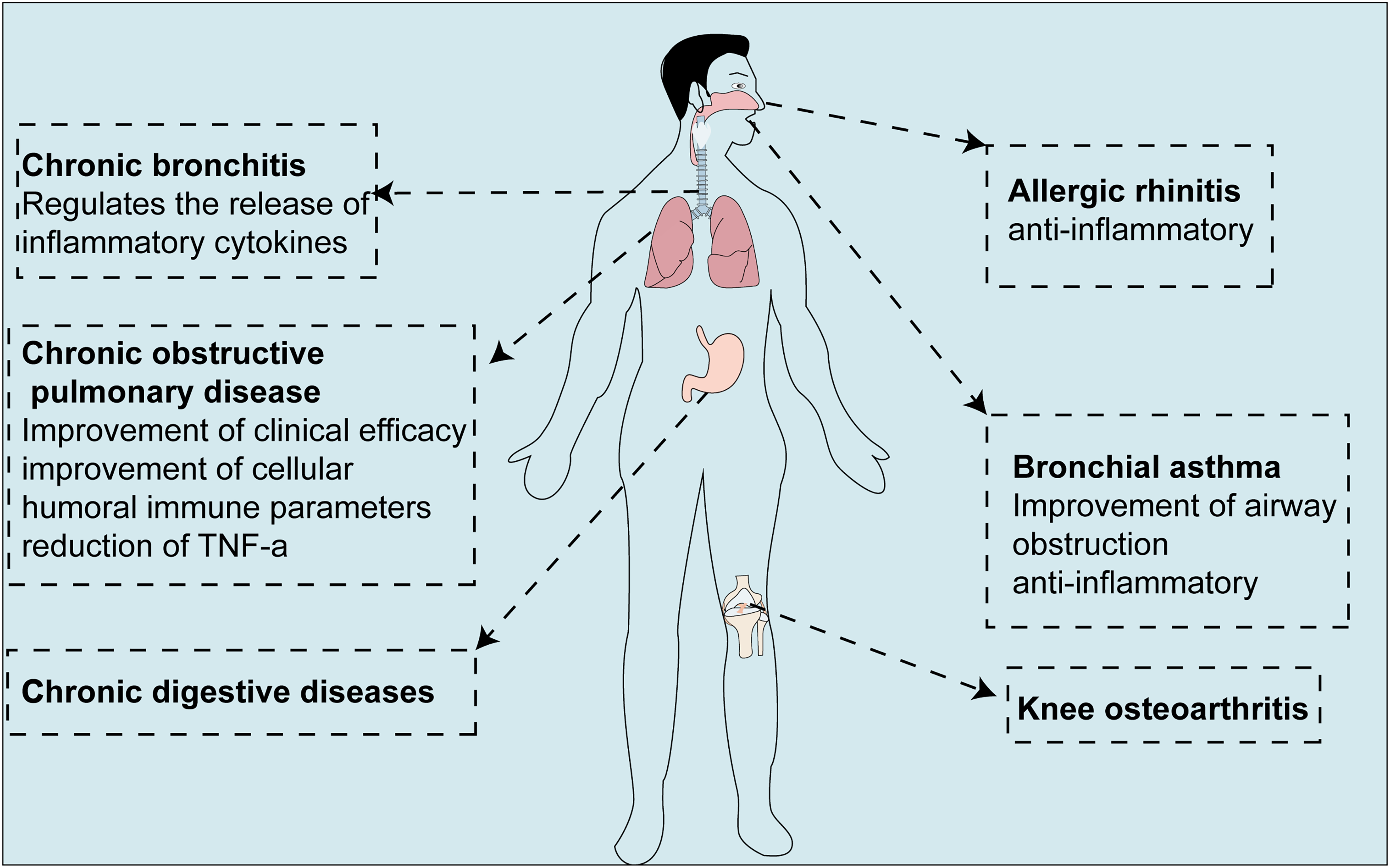
Schematic diagram of the pharmacology of the SHP.
The Pharmacological Effects of the SHP.

Bronchial Asthma (BA)
BA is characterized by chronic allergic inflammation of the airways involving multiple inflammatory cells, mediators, and cytokines and is often accompanied by wheezing, shortness of breath, and cough. Although its pathogenesis remains unclear, bronchial asthma is a heritable disease that is strongly influenced by various environmental factors. 152 Current medications for the treatment of bronchial asthma include glucocorticoids, β2 agonists, anticholinergics, and other medications to rapidly relieve symptoms. 153 However, these medications cause various side effects, and patients are prone to relapse. The SHP is often used in TCM for the prevention and treatment of bronchial asthma. The results of a follow-up survey showed that the SHP is effective and safe for the treatment of bronchial asthma. 154 When used as an adjunct, SHP can improve immunity and enhance lung function by reducing inflammation via the downregulation of IgE and the upregulation of IFN-γ.155,156 In addition, Li et al reported that both SHP and dexamethasone ameliorate airway resistance in a mouse model of ovalbumin-induced asthma by reducing the total bronchial wall area/lumen perimeter ratio and downregulating TGF-β1 and Smad3. 146
Allergic Rhinitis (AR)
AR is a chronic disease of the upper respiratory tract triggered by various allergens, such as dust mites, molds, and insects, which can result in complications such as sinusitis, conjunctivitis, and infection of the lower respiratory tract, leading to asthma and thereby profoundly impacting the quality of life.157–159 In TCM, rhinitis refers to a congested nose, a condition arising from the weakness of internal organs and protective barriers. For the treatment of allergic rhinitis, the SHP is used to target specific acupoints. A study revealed that raw fried SS paste reduced inflammation in the upper respiratory tract of rats by decreasing the release of IL-1β, IL-6, and TNF-α and increasing the release of IFN-γ. Sinapis semen in both powdered and raw forms was reported to achieve better results. 147 Similarly, the Sinapis semen powder decreased the release of serum inflammatory factors (ie, IgE, IL-17, and IL-22) and ameliorated symptoms of allergic rhinitis in children. 160 A clinical trial of SHP for the treatment of allergic rhinitis revealed that IL-4 levels were decreased, while IFN-γ levels and immune responses caused by cold congealing (CD3+, CD4+, CD4+/CD8+) were increased in the SHP group compared to the control group, confirming the therapeutic effect of SHP. 161 A study comparing acupuncture combined with SHP to the western medication keratan for treating allergic rhinitis found significant reductions in nasal symptoms, improvement in quality of life, and decrease in serum IgE levels post-treatment. Notably, the acupuncture of the nasal ganglion combined with the SHP showed superior effectiveness. 162
Chronic Bronchitis (CB) and Chronic Obstructive Pulmonary Disease (COPD)
CB is a nonspecific inflammatory condition with increasing prevalence characterized by decreased immune and lung function, which may lead to severe COPD. 163 The SHP can regulate cytokine levels to reduce the inflammation associated with CB. 148 Elderly individuals and children are most susceptible to CB due to weakened and immature immune systems, respectively. A combination of heat-sensitive moxibustion and SHP can improve lung function and enhance the quality of life of the elderly population while effectively preventing and controlling CB. 164 COPD is often triggered by chronic bronchitis or emphysema. In the treatment of COPD, the SHP can decrease inflammation and improve the cellular and humoral immunity by increasing the differentiation of immune cells (CD4 + and CD4+/CD8+).165,166
Other Diseases
The SHP is effective in the treatment of BA and AR as well as joint-related and chronic stomach ailments, among others. Knee osteoarthritis is a prevalent chronic degenerative joint disease. SHP is commonly used with medications and physical therapy to alleviate knee osteoarthritis pain. Lin et al administered the SHP to specific acupoints, followed by ozone injection at the puncture point on the outer upper edge of the patella for 5 weeks, which reduced the levels of IL-1β, TNF-α, and MMP-13 in the knee joint fluid. The visual analog scale and osteoarthritis index scores were lower after treatment, indicating improved knee joint function. 167 “Thunder fire moxibustion” and warm acupuncture combined with SHP are effective treatments for yang deficiency caused by cold congealing, blood stasis, and cold congealing. The treatments improved clinical symptoms and reduced inflammation. 168
Chronic digestive diseases are caused by genetic factors, acquired dyspepsia, irregular diets, work routines, or psychological stress. A 3-year clinical study by Sha et al revealed that Sanfu moxibustion, SHP, and Astragalus Jianzhong Tang improved hormone regulation and spleen and stomach strength and alleviated symptoms of chronic gastritis. 169 Patients were categorized into three groups based on symptoms: spleen and stomach cold type, spleen deficiency dampness type, and spleen and stomach weakness type. The SHP mixture was applied. A comparison of the three groups demonstrated that patients with epigastric pain caused by spleen-stomach deficiency and cold had the highest total effective rate, and the syndrome scores were significantly reduced after treatment. 151
Conclusion and Prospects
In summary, this paper summarizes the chemical composition of the drugs used in SHP, the skin pharmacokinetics of SHP, and the pharmacological effects of these drugs. The pharmacodynamic constituents of each drug in this formula mainly include fatty acids, thioglycosides, volatile oils, terpenoids and alkaloids; among them, the index constituents that are often used as the standard of quality testing for SHP are sinapine thiocyanate, asarinin euphol and tetrahydropalmatine. Sinapine is the active ingredient of Sinapis semen, which has been proven to significantly alleviate asthma and exhibit good skin permeability. 170 The SHP has also demonstrated effectiveness in treating chronic arthritis and chronic gastric diseases while reducing side effects and alleviating patient pain. It is a reliable treatment option for BA, AR, CB, and COPD.
Comprehensive qualitative and quantitative analyses of the SHP are necessary in the future. Further experimental studies on skin pharmacokinetics and pharmacological effects are needed to elaborate on its mechanism of action and evaluate its superiority over single-party TCM or even a single active ingredient. The use of SHP has sparked controversy both domestically and internationally due to the risk of skin irritation caused by the volatile oil of Sinapis semen, the specificity of safrole and aristolochic acid, and the toxicity of terpenes. Furthermore, paste-type patches are associated with a number of shortcomings, such as inconvenient size and the potential to cause skin damage. Therefore, further studies are needed to establish standards for the clinical application of SHP and to confirm its safety and effectiveness for the treatment of respiratory diseases. Concurrently, thorough investigations must be conducted to clarify the pharmacological effects of the active ingredients of SHP. Adequate evaluation techniques must be devised for the specific constituents of the formula. Furthermore, it is imperative to assess the toxicity of SHP to expedite its clinical application.
Footnotes
Abbreviations
Authors’ Contributions
Wenqing Li: Writing-original draft. Ying Lv: writing - review & editing. Wei Liao: review - editing. Haibo Jiang and Yuwei Liu: writing and editing. Yufei Feng: conceptualization - data curation & writing.
Declaration of Conflicting Interests
The authors declared no potential conflicts of interest with respect to the research, authorship, and/or publication of this article.
Funding
Financial support was obtained from the National Natural Science Foundation of China (Nos. 81703944 and 82174232), the Heilongjiang Natural Science Foundation Project (YQ2019H031), the Postdoctoral Researchers Settled in Heilongjiang Scientific Research Startup Fund (2020), the Excellent Scholar of the Qihuang Project of Heilongjiang University of Chinese Medicine (2023), the Heilongjiang Province Youth Qihuang Scholar Training Project (2023), Heilongjiang University of Chinese Medicine Graduate Innovative Research Project (2024yjscx029) and the Heilongjiang Touyan Innovation Team Program.
Ethical Approval
Ethical approval is not applicable for this review article.
Statement of Human and Animal Rights
This review article does not contain any studies with human or animal subjects.
Statement of Informed Consent
There are no human subjects in this review article and informed consent is not applicable.
