



Abstract
Calendula officinalis Linn, known as pot marigold, is a plant that belongs to the Asteraceae family. Various online bibliographic databases namely, Google scholar, PubMed, SciFinder, and Web of Science were used for integrating information. Calendula officinalis is extensively used in Homoeopathic, Unani, and Ayurvedic system of medication as diaphoretic, analgesic, antiseptic, and anti-inflammatory agents and used to treat gynaecological issues, gastro-intestinal disorders, inflammations of oral and pharyangeal mucosa, eye problems, skin injuries and certain burns, poor eyesight, and menstrual irregularities. Several studies have shown that Calendula officinalis is a major source of diverse classes of bioactive compounds namely terpenoids, flavonoids, coumarines, quinones, and carotenoids. Various in vivo and in vitro assessment of Calendula officinalis's pharmacological activity suggest that the plant has antidiabetic, anti-inflammatory, anti-tumor, anticancer, and gastroprotective activity. This review compiles the information about pharmacological activities, traditional medicinal uses, and phytochemicals present in Calendula officinalis.
Introduction
The plant Calendula officinalis Linn (C. officinalis) commonly called as pot marigold is a flowering plants belonging to Asteraceae family and Calenduleae tribe.1-3 The name calendula comes from the Latin word “calendas,” which means “first of the month.” 4 The term marigold comes from calendula, which was formerly known as “gold's” and was connected to Queen Mary and the Virgin Mary. 5 C. officinalis is sessile, hispid, acute, oblanceolate, annual, or biennial herbaceous plant that is between 30 and 60 centimeters height. The leaves are hairy, alternating, petiolate, oblong, and spatulate, and have edges that are either whole or have few teeth. The lower leaves have rounded tips and oval shape while upper leaves are lance-shaped with pointed tips. The leaves blade length range from 2 to 4 inches. 6 It has multiple secondary roots and possesses tap root with numerous secondary roots. 7 Figure 1 shows various parts of C. officinalis which includes flower, leaves and roots. The plant also contains essential oils which are produced from the flowers and the glandular hair present over the plant. 8 The daisy like flowers are yellow to bright orange in color, curved, sickle-shaped, tubular and ringed achene, disc florets, and hermaphrodite.9,10

Different parts of C. officinalis.
The Calenduleae tribe has eight genera and more than 110 species, mostly found in South Africa. 11 The plant is indigenous to Macaronesia East through Mediterranean region, Western Asia, United States, Europe, Cyprus, Turkey, Iran, and few other middle eastern countries as an ornamental plant. 12 The larger scale cultivation is observed in India and China.13-15 Many gardeners think calendula can readily adapt to any climate and grow pleasantly since most soil types are good for its growth. It prefers a pH range of 6.0 to 7.5, wet, light sandy to clay, well-drained, poor to moderately rich soil, but will tolerate calcareous soil. In subtropical summer, plants will wither. Although seeds grow best in sunny spot and readily sprout out with well-drained soil.6,15,16
This study consolidates dispersed reports on the traditional applications, pharmacological properties, and phytochemistry of C. officinalis. However, our focus lies in highlighting the importance of C.officinalis as a natural therapeutic remedy, bolstered by positive findings in the literature. The aim of this review is to succinctly outline existing research, bridge any knowledge gaps, and present multiple avenues for researchers already exploring the validation of traditional claims and the safe, efficacious use of C. officinalis in treating diverse diseases.
Common Name
As indicated in Table 1, C. officinalis is frequently referred to by various names in different languages worldwide.
Common Name of CO in Various Languages.

Traditional Uses
Ayurveda, Unani, Homeopathic, and other traditional system of medication utilize C. officinalis plant widely for curing different ailments. C. officinalis is a diaphoretic, analgesic, antiseptic, and anti-inflammatory agents and used to treat gynaecological issues, gastro-intestinal disorders, inflammations of oral and pharyangeal mucous, eye problems, skin injuries 20 and certain burns, 21 poor eyesight, and menstrual irregularities.8,22-24 It is also used as sudorific, blood refiner, and blood sugar reducer. 25 The flower's head has been utilized as tinctures, balms, and salves for its cicatrizing, anti-tumor, 26 blood refiner, peptic-ulcer, astringent, diuretic, hypoglycemic, and antipyretic properties.27-30 In India, Calendula ointments are applied topically to treat skin damage, gangrene, wounds, 31 acne, chicken pox, mumps, scars, herpes, ulcers, frostbite, and wounds. 32 Insect bites, carbuncles, varicosities, dermatitis, boils, and oral sores or tooth ache can all be treated with its infusion. 33 For the treatment of varicose veins, leaves are placed externally in fusion form. Calendula drinks are used as gargles, eye washes and treatments for inflammatory disorders of the mucous membranes as well as for diaper rashes, hemorrhoids, stomatitis, and conjunctivitis.34,35 Besides its use in human, it has been extensively used in veterinary homeopathy as well. 36
Chemical Constituents
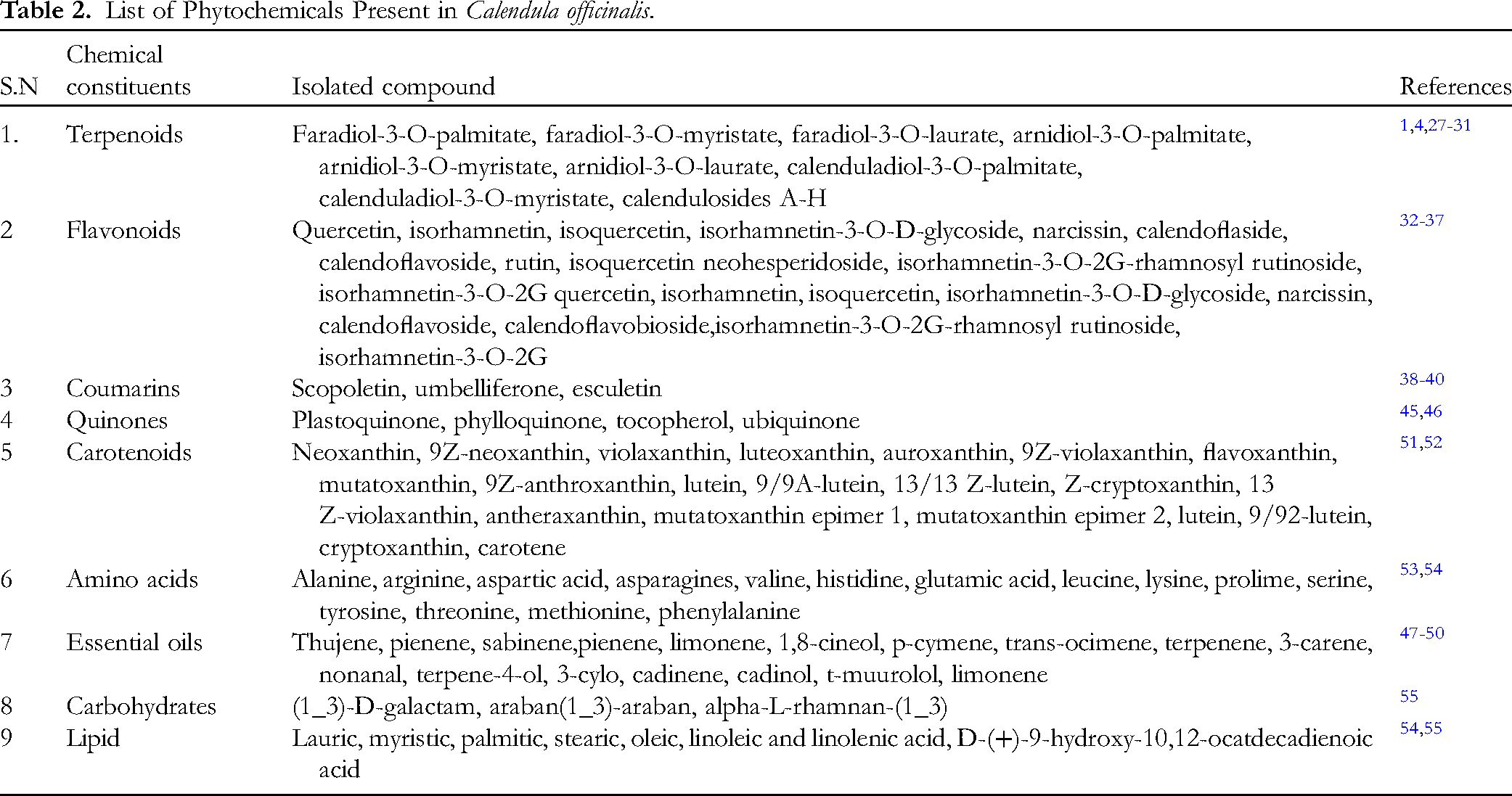
The entire C. officinalis plant is a rich source of many phytochemical components, with varying amounts and qualities of these components in different plant sections. The most prevalent ones are terpenoids, flavonoids, saponins, sterols, phenolic acids, coumarins, quinines, amino acids, essential oil, and carotenoids as shown in Table 2.34,37-40
List of Phytochemicals Present in Calendula officinalis.
Terpenoids
The therapeutic effects of the C. officinalis is caused by a significant group of secondary metabolites called terpenoids.1,8,41 Various terpenoids isolated (Figure 2) are calenduladiol-3-O-palmitate, stigmasterol, lupeol, Ψ-taraxasteol, 42 calenduladiol-3-O-myristate, arnidiol-3-O-myristate, arnidiol-3-O-laurate, arnidiol-3-O-palmitate, faradiol-3-O-laurate, faradiol-3-O-palmitate, faradiol-3-O-myristate,8,43 calendulosides A–H,8,37,44 and calendulaglycoside A and B.27,45

Flavonoids
Flavonoids are mostly present in flowers of C. officinalis. Some of the isolated flavonoids (Figure 3)14,37 are quercetin, calendoflaside, calendoflavoside, isoquercetin, calendoflavobioside, rutin, gallic acid, 46 isorhamnetin, 47 isorhamnetin-3-O-D-glycoside, narcissin, 48 pinobanksin 3-acetate, 49 isorhamnetin-3-O-D-glycoside, neohesperidoside, isorhamnetin-3-O-2G-rhamnosyl rutinoside, quercetin-3-O-glucoside, isorhamnetin-3-O-2G quercetin, scopoletin-7-O-glucoside, isorhamnetin-3-O-glucoside calendoflavobioside, isorhamnetin-3-O-2G-rhamnosyl rutinoside, and isorhamnetin-3-O-2G.50-54

Coumarins
The extract of C. officinalis contains (Figure 4)—umbelliferone, scopoletin, and esculetin.55,56 The other coumarins glyscoside isolated are isobaisseoside, haploperoside A, and haploperoside D. A new coumarin glycoside, and neoisobaisseoside are present on its flowers.57,58
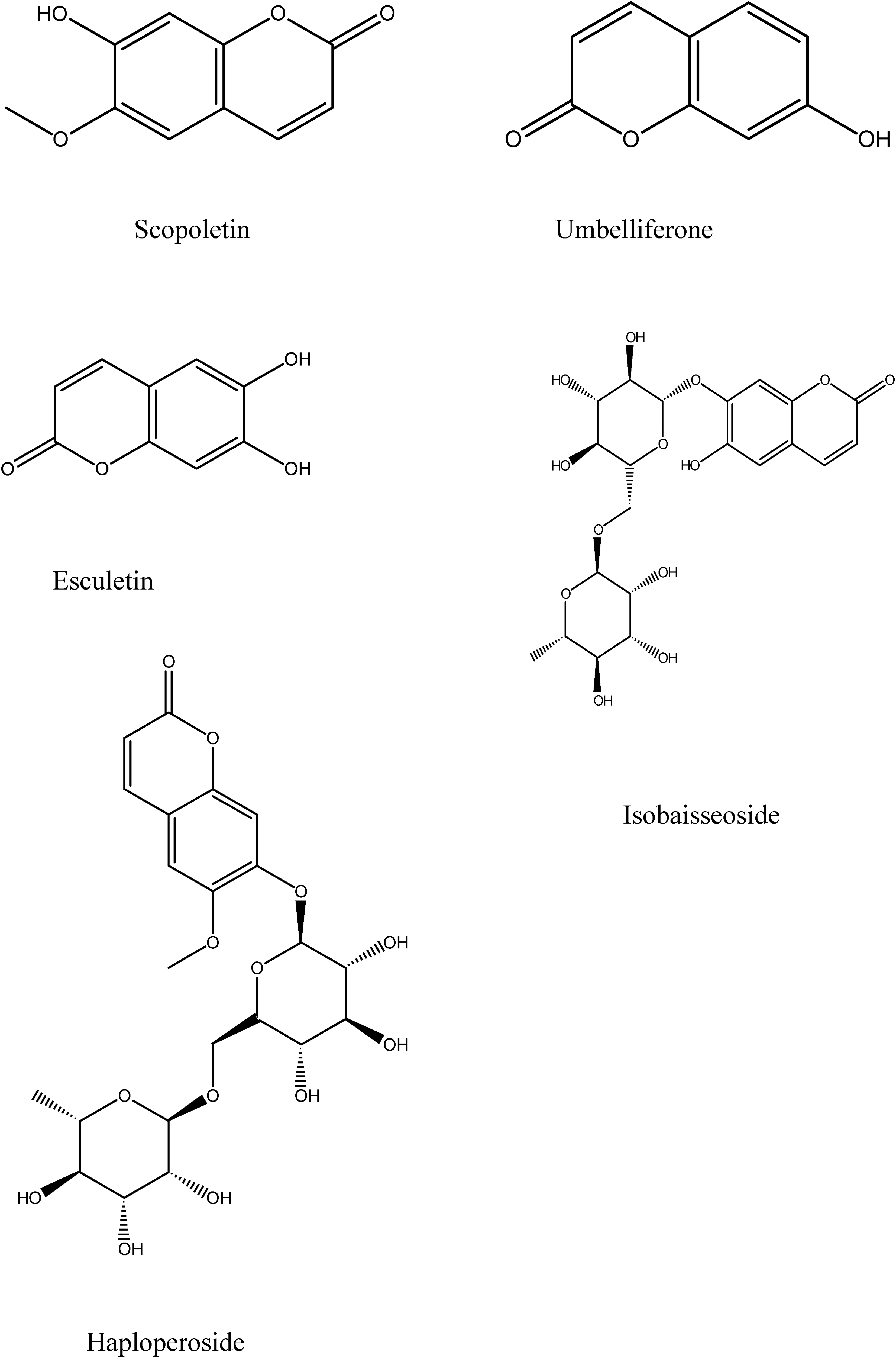
Chemical structure of coumarines specific for C. officinalis. 37 .
Sterols
The leaves of C. officinalis are the major source of sterols. Campesterol, sitosterol, cholestanol, campestanol, stigmastanol, 24-methylcholest-7-en-3β-ol, stigmast-7-en-3β-ol, cholesterol, cholest-7-en-3-β-ol, umbelliferon, aesculetin, 36 24-methylcholesta-5,22-dien-3β-ol, 24-methylenecholesterol, stigmasterol, and clerosterol (Figure 5) were isolated from leaves.59-62
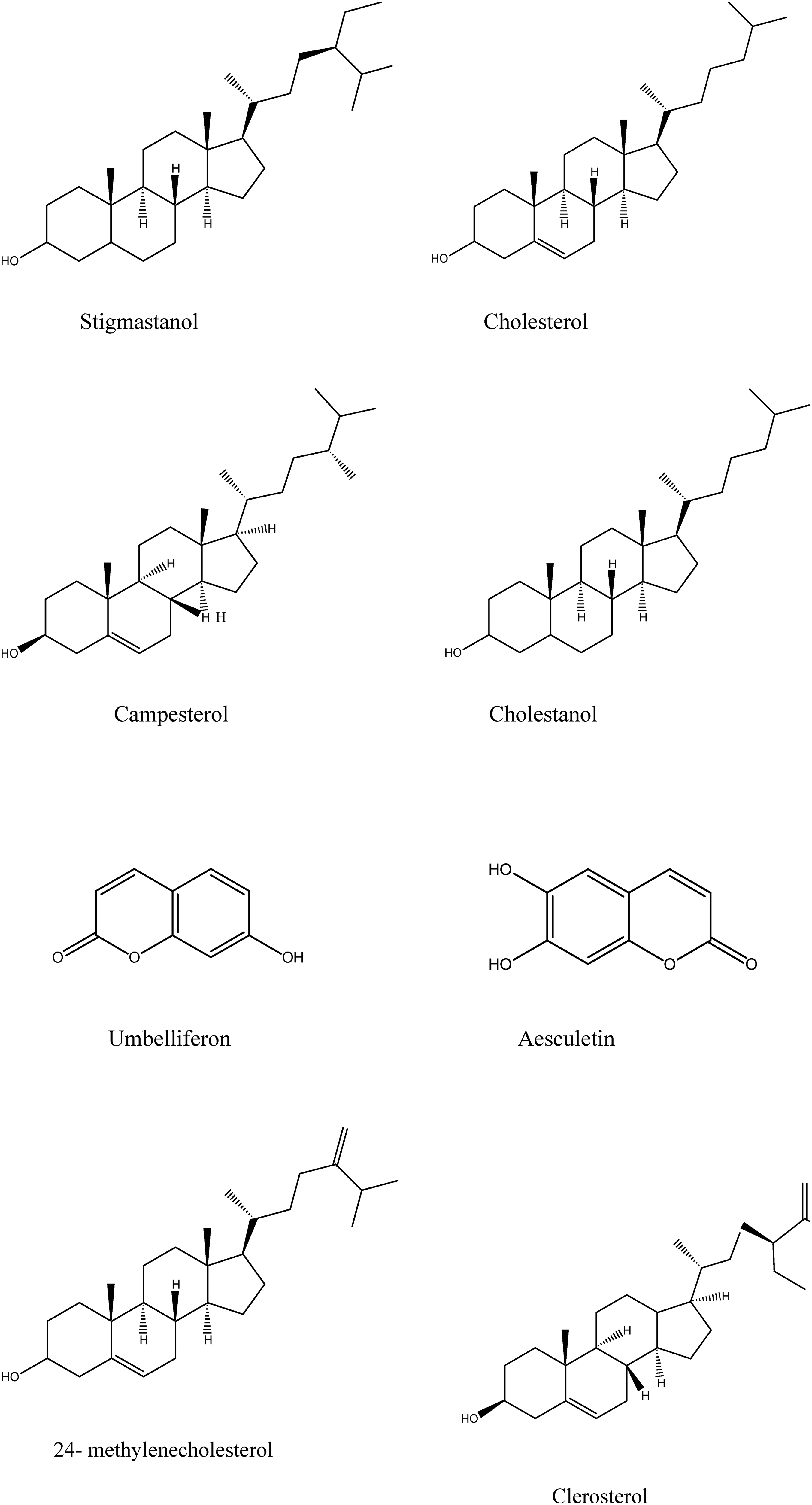
Chemical structure of sterols specific for C. officinalis. 57 .
Quinones
Phylloquinone, tocopherol, and plastoquinone are present in chloroplast and ubiquinone, and phylloquinone (Figure 6) are found in the leaves. 63

Chemical structure of quinones specific for C. officinalis. 37 .
Essential Oil
The essential oils are predominately isolated from flowers of C. officinalis. The highest (0.97%) content of essential oils are present during the full blooming stage while lowest (0.13%) during pre-flowering stage. 64 The essential oil contains (Figure 7) calendic acid, 1,8-Cineol, p-cymene, trans—ocimene, thujene, α-pienene, sabinene, limonene, α-terpenene, Nonanal, terpene-4-ol, 6-Methyl-5-heptene-2-one, 2-Pentylfuran, benzeneacetaldehyde, γ-terpinene, 4-methylbenzaldehyde, terpinolene, linalool, 2,6-dimethylcyclohexanol, cis-p-mentha-2-en-1-ol, epi-α-muurolol, α-cadinol, terpinen-4-ol, α-terpineol, safranal, n-decanal, β-cyclocitral, carvone, dihydrojasmone, p-thymol, α-cubebene, α-Ionone, γ-muurolene, γ-cadinene, palmitic acid, δ-cadinene, τ-muurolol, selina-6-en-4-ol, β-ionone, δ-cadinol, τ-cadinol, β-oplopenone, α-cadinol, calamemene, viridiflorol, 1-epi-cubenol, and cadalene.65-69
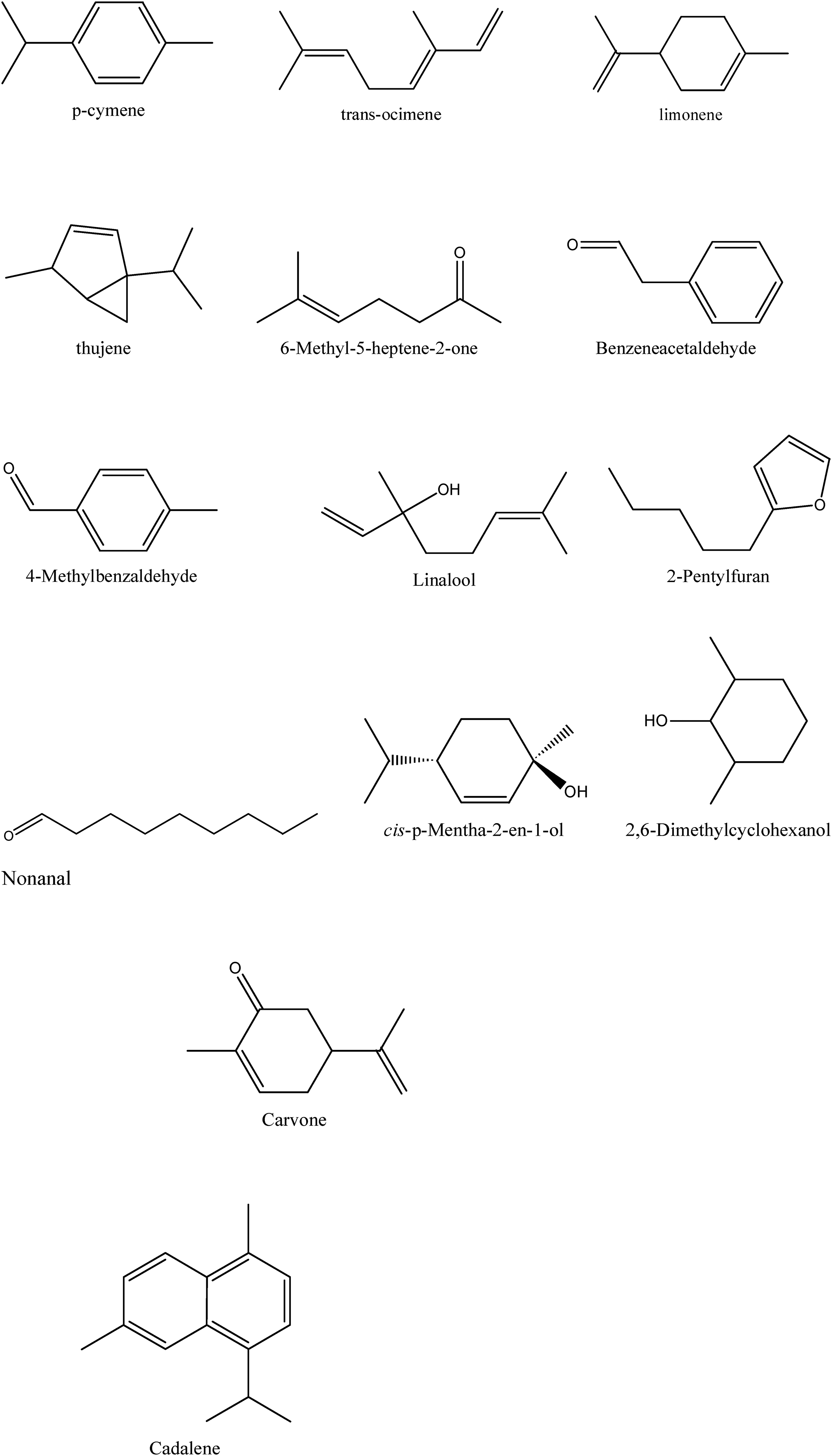
Chemical structure of essential oil component specific for C. officinalis. 57 .
Carotenoids
The yellow-orange hue of flowers is attributed to the vast amounts of carotenoids (Figure 8) found in C. officinalis inflorescences; the exact shade of color is determined by the pigment profile and content. In petal extracts of C. officinalis cultivars with orange and yellow flowers, 19 carotenoids were found. Cultivars with orange flowers were specific to 10 carotenoids.67,70
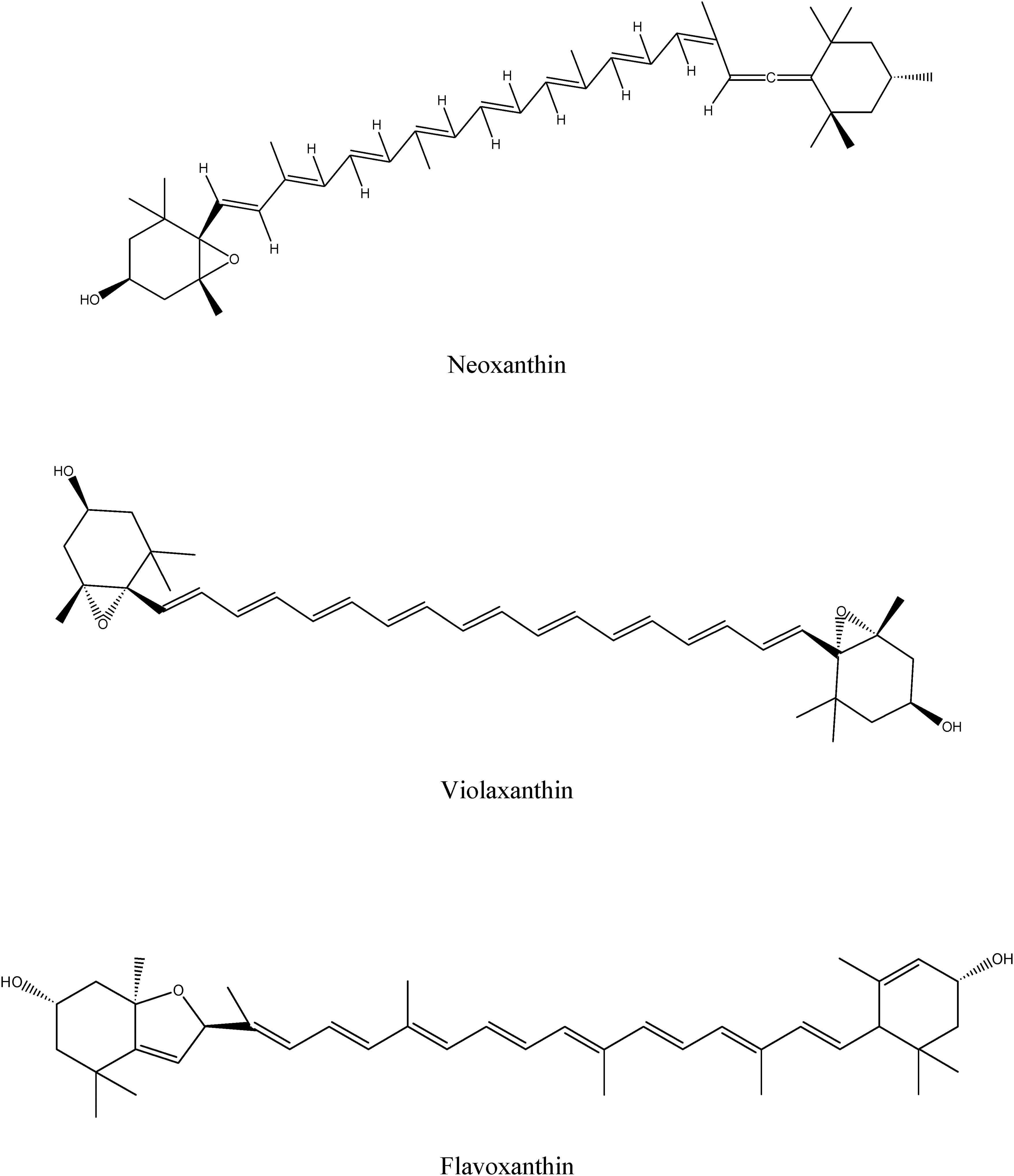
Bakó et al examined carotenoids content and discovered roughly eighteen distinct kinds of carotenoids: Neoxanthin, 9´Z-auroxanthin, luteoxanthin, and neoxanthin (9´Z)-violaxanthin, mutatoxanthin, α and β-carotene, flavoxanthin, violaxanthin and 9´Z-lutein, astaxanthin, and 9/9´Z-lutein (13/13´Z)-lutein. 71
Nineteen distinct carotenoids, including flavoxanthin, lutein-5,6-epoxide, (8´R)-luteoxanthin, and (8R/8´R)-lutein, were discovered by Kishimoto et al (2005)—auroxanthin, lutein, antheraxanthin, (9Z)-lutein-5,6-epoxide, (9Z)-lutein, (5´Z/9´Z)-rubixanthin, α-, β-, and (5´Z)-carotene, δ-carotene, (5Z/9Z/5´Z/9´Z)-lycopene, γ-carotene, and (5´Z)-γ-carotene, (5Z/9Z/5Z)-lycopene, (5Z/9Z)-lycopene, and all-alycopene. (5´Z)-γ-carotene and (5´Z/9´Z)-rubixanthin are two of their carotenoid.67,72 13Z-violaxanthin, lutein, 9/92-lutein, antheraxanthin, and mutatoxanthin epimer 1 were all found in the petals. 71
Amino Acids
It is stated that 15 amino acids are present in the flower extracts in free form: leucine, valine, proline, histidine, asparagines, glutamic acid, lysine, serine, threonine, methionine, alanine, arginine, aspartic acid, tyrosine, and phenylalanine.26,73,74
Carbohydrates
Carbohydrates like polysaccharides, I, II, and III are present. 75 There are also other monosaccharides such as glucose, xylose, galactose, rhamnose, arabinose, and galacturonic acid. 76
Lipid and Fatty Acids
C. officinalis seeds contain neutral lipids, glycolipids, and phospholipids among other lipids. Among the identified lipids in C. officinalis are (Figure 9) palmitic acid, myristic acid, lauric acid, stearic acid, limoleic acid, oleic acid, D-(+)-9-hydroxy-10,12-octadecadienoic acid, and linolenic acid.73,77

Chemical structure of lipid and fatty acids specific for C. officinalis. 57 .
The 11 genotypes of oils produced from calendula seeds contained nineteen fatty acids. Calendic acid and linoleic acid (51.47%-57.63% and 28.5-31.9%) were discovered to be the most prevalent fatty acids, followed by oleic acid (4.44-6.25%) and palmitic acid (3.86-4.55%).78,79
Pharmacological Activities
C. officinalis is frequently used in cure of numerous illnesses. It may also be cytotoxic and stop the growth of tumors. It has been used for medicinal properties as an antibacterial, antioxidant, anti-inflammatory, antiseptic, antiviral, hepatoprotective, gastro-intestinal issues, obstetric issues, anti-mutagenic, and antidiabetic as shown in Figure 10.80-82
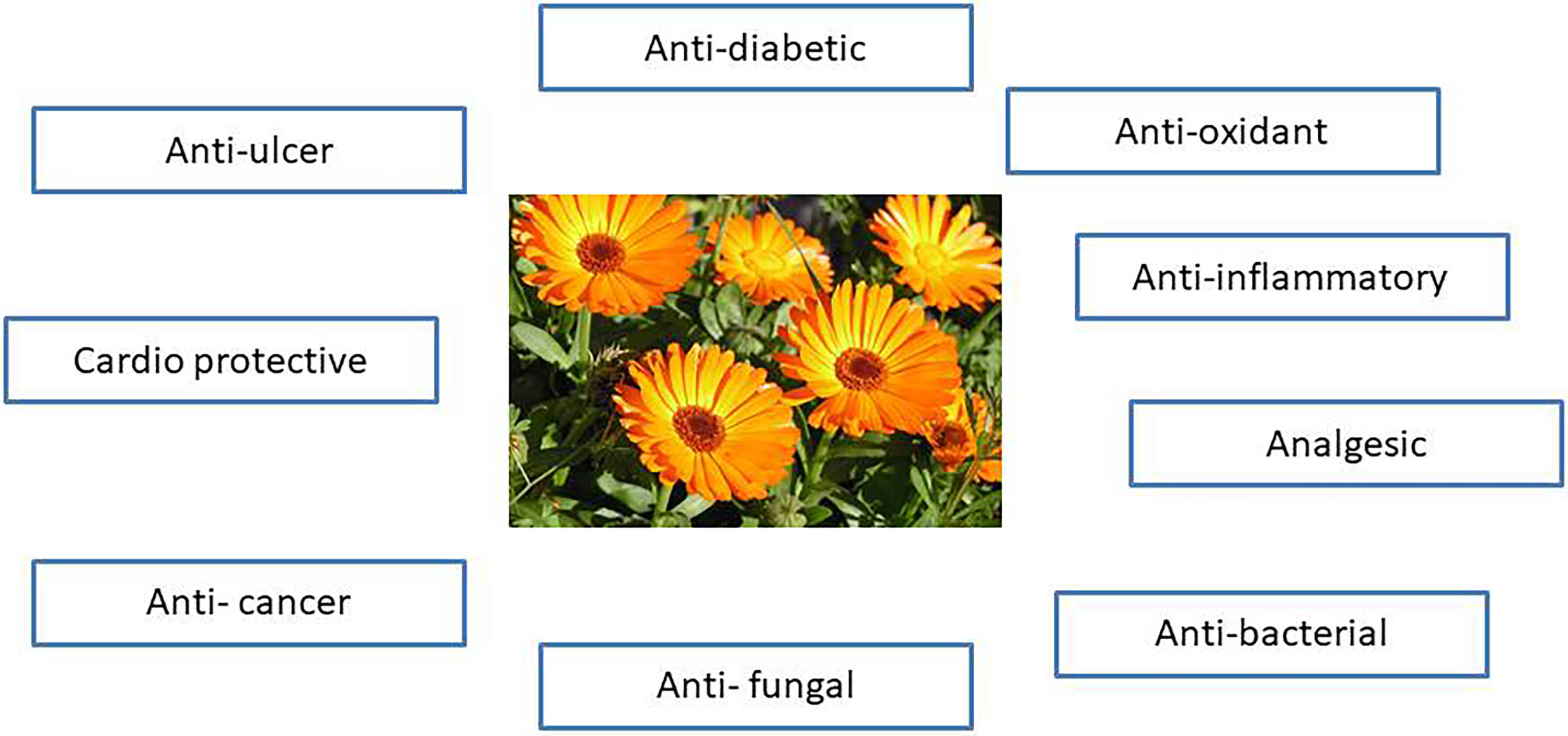
Pharmacological action of C.officinalis.
Antidiabetic Activity
Diabetes is a significant global health concern due to its rapid global expansion. Although diabetes mellitus (DM) is common worldwide, more industrialized nations have higher rates of the disease, particularly Type 2. DM ranks among the top 10 causes of death worldwide, ranking alongside respiratory, cardiovascular, and cancer disorders. According to reports, people with diabetes between the ages of 20 and 99 caused almost 5 million deaths globally in 2017. 83 Therefore, it has always been desirable to identify new antidiabetic medications composed of natural plants because some of their constituents have been shown to be safe and effective alternatives to conventional medications for DM. 84 Many researchers have reported the antidiabetic activity of C. officinalis.
In vivo models using diabetic rats generated by streptozotocin (STZ) and diabetic rats induced by alloxan were used to analyze the antidiabetic activity of C. officinalis extracts. Additionally, in vitro assays, such as amylase inhibitory activity and α-glucosidase inhibition, were conducted to further evaluate the extracts’ potential impact on diabetes. Chakraborthy et al examined the antidiabetic properties of a hydroalcoholic extract of C. officinalis in alloxan-induced diabetic rat models. The extract, prepared with a 70:30 alcohol to water ratio using the soxhlet extraction method, was orally administered at 100 mg/kg body weight. This led to reductions in serum lipid levels, urine sugar, and blood glucose in diabetic rats. 85 Additionally, in male rats with STZ-induced diabetes, treatment with C. officinalis resulted in significant increases in insulin, glutathione, and serum inflammatory cytokines (tumor necrosis factor (TNF)-1 and interleukins-1 (IL-1)), alongside decreases in malondialdehyde and glucose levels at doses of 200 and 400 mg/kg. 86 Moradkhani et al found a substantial reduction in plasma glucose levels in STZ-induced diabetic rats treated with a hydroalcoholic plant extract at 300 mg/kg. 87 In a similar manner, the hydroalcoholic extract of flowers (250 and 500 mg/kg) was assessed using a model of diabetic rats induced by STZ. The research revealed a noteworthy reduction in fasting blood sugar (P < 0.05). 88 In another study, rats with alloxan-induced diabetes had lower blood glucose levels when exposed to a plant 100 mg/kg of hydroacholic extract. 85 Additionally, the plant extracts aid to lessen oxidative stress, fluctuating creatine kinase levels, weight loss, and other abnormalities in diabetic rats. 89
Neoisobaisseoside a glycoside was isolated from C. officinalis and was found inhibiting α- amylase and α- glucosidase enzyme significantly which support the antidiabetic property of C. officinalis. 57 A C. officinalis leaf ethyl acetate and ethanolic extract-soluble fraction demonstrated a noteworthy reduction in amylase activity. Significant and strong inhibitory effects on amylase were demonstrated by isoquercitrin, 3,5-di-O-caffeoylquinic acid, isorhamnetin-3-O-β-D-glucopyranoside, and quercetin-3-O-(6′′-acetyl)-β-D-glucopyranoside. 90 Thus, the presence of different flavonoids, glycosides, moderate amounts of alkaloids steroids and saponins which possess higher antioxidant activity may be the reason for exhibiting significant antidiabetic activity.27,91
Antioxidant Effects
The existence of free radicals, whether generated outside or internally by the body, has been linked to diseases such as liver cirrhosis, atherosclerosis, inflammation, diabetes, neurological illnesses, and cancer. This connection between free radicals and these diseases has spurred extensive research into safe medications capable of neutralizing these radicals. Numerous studies have highlighted the considerable antioxidant capabilities of various plant extracts and plant-based products in this regard.92,93
The 2,2-diphenyl-1-picrylhydrazyl (DPPH) free radical scavenging, 2,2′-azino-bis(3-ethylbenzothiazoline-6-sulfonic acid) (ABTS) radical scavenging activity, nitric oxide (NO) radical scavenging, ferric reducing antioxidant power (FRAP), superoxide radical scavenging, and in vivo procedures are the primary methods used to assess the antioxidant activity of the C. officinalis plant.
C. officinalis flower extract efficiently scavenged superoxide radicals (inhibitory concentration 50 (IC50) = 500 µg/mL), hydroxyl radicals (IC50 = 480 µg/mL), and lipid peroxidation (IC50 = 2000 µg/mL). It also demonstrated scavenging activity against DPPH radicals (IC50 = 100 µg/mL) and ABTS radicals (IC50 = 6.5 µg/mL). Moreover, the extract exhibited dose-dependent scavenging of NO in culture (IC50 = 575 µg/mL). In vivo administration of oral calendula extract reduced macrophage superoxide production by 12.6% and 38.7% at dosages of 100 and 250 mg/kg body weight, respectively. Additionally, after 1 month of treatment, higher levels of glutathione and catalase were observed in the liver and blood, along with modifications in glutathione reductase and peroxidase. 94 Using FRAP and DPPH radical scavenging techniques, the antioxidant capacity of the ethanolic extract of C. officinalis was evaluated. The presence of flavonoids, saponins, and polyphenols—all recognized for their antioxidant qualities—was verified by a preliminary phytochemical investigation. It was found that the IC50 for radical scavenging activity was 116 µg/mL. 95 Through its ability to scavenge NO radicals, DPPH, and ABTS, flower extract of C. officinalis has demonstrated notable antioxidant activity. Using the FRAP method, the mouthwash made from C. officinalis was also assessed for its antioxidant activity and showed a decreased IC50 value that was comparable to ascorbic acid.94,96 Moreover, the FRAP method was used to assess the antioxidant activity of C. officinalis floral extract with varying proportions of water and ethyl alcohol. The hydro alcoholic extract (50:50 v/v) exhibited the highest level of antioxidant activity.
In a different investigation, the antioxidant activity of silver nano-particles biosynthesized from C. officinalis aqueous extract was assessed using the DPPH, FRAP, and ABTS methods. Using the ABTS technique, the study's strongest antioxidant activity was discovered. The values of antioxidant activity ranged from 14.3 to 43.6 mg CGA g−1 DW. 97 In a related investigation, high-performance liquid chromatography was used to assess and quantify the antioxidant activity of C. officinalis hydroalcoholic leaf extracts. The DPPH technique for superoxide and hydroxyl radicals was used to evaluate antioxidant capability. The plant's significant antioxidant activity was demonstrated by the DPPH and hydroxyl methods in particular. This activity may have been caused by the plant's identification of flavonoids (24.67 mg/g), polyphenols (33.90 mg/g), condensed tannins (27.30 mg/g), rutin (37.25 mg/g), and quercetin (6.09 mg/g) in the study. 98 Using DPPH free radical, hydroxyl radical, and lipid peroxyl radical as indicators of effects, Cetkovic et al investigated the effects of methanolic and water extracts from growing wild marigold (GWM), Calendula arvensis L., and cultivated marigold at concentrations ranging from 0.10 to 0.90 mg/ml. Cultivated marigold extracts demonstrated stronger antioxidant and scavenging activity than GWM extracts; water extracts performed better than methanolic extracts. The most potent antioxidants were found in the water extracts from cultivated marigold; at a concentration of 0.75 mg/ml, they totally removed the hydroxyl radicals produced in the Fenton system. This extract prevented 92% of DPPH radicals and 95% of peroxyl radicals from forming during lipid peroxidation at the same dose. 24 The substantial concentration of polyphenols, flavonoids, and tannins in the plant extract may be the cause of its high antioxidant potential. 99
Anti-inflammatory and Analgesic Activity
For many years, C. officinalis has been a mainstay in conventional medicine, used to treat both human and animal pain and inflammation. This adaptable treatment is made in many forms—tinctures, ointments, lotions, decoctions, and fluid extracts—for a range of uses. The plant's flowers and leaves can be used to make galenic medicines and pharmaceutical formulations that have a variety of pharmacological effects, most notably analgesic and anti-inflammatory properties. 100
An animal study verified calendula flower extract's ability to effectively reduce inflammation. NO, a pro-inflammatory substance produced by NO synthase and strongly secreted by innate immune cells during inflammation, is influenced by flower extract of C. officinalis. Calendula flower extract was discovered to display a dose-dependent suppression of NO, with a 50% decrease at 147 μL/mL without resulting in any harm to cells. This offers significant proof of the anti-inflammatory characteristics of calendula flower extract. 101 An assessment was made of the analgesic and anti-inflammatory qualities of a hydroalcoholic extract derived from the aerial section of Pot marigold. Acetic acid writhing tests and hot water tail immersion were utilized to assess its analgesic effects. Additionally, paw edema generated by carrageenan was used to test the ability to prevent inflammation. For the trials, adult male and female Wistar rats weighing 200–220 g and albino mice weighing 20–30 g were employed. Additionally, the extracts showed a dose-dependent effect on the suppression of inflammation and discomfort. 102 Using albumin denaturation assays, the anti-inflammatory properties of the C. officinalis tea formulation were assessed. At 10 µl and 20 µl, the extract showed a substantial anti-inflammatory effect (P-values of 0.002 and 0.000, respectively). It was discovered that the anti-inflammatory activity outperformed the control group at every concentration tested. 103 In another investigation, the anti-inflammatory efficacy of C. officinalis extracts was assessed using the carrageenan-induced acute paw edema and dextran-induced acute paw edema methods. In both approaches, the oral administration of floral extract (250 and 500 mg/kg) resulted in a considerable suppression of rat paw edema. Its anti-inflammatory effect is supported by the observation that pro-inflammatory cytokines such as IL-1beta, IL-6, TNF-alpha, and IFN-gamma, as well as acute phase protein, C-reactive protein, were decreased in mice. 104
C. officinalis floral oils were tested for their ability to reduce inflammation in response to LPS-stimulated macrophages. The outcome demonstrates that calendula oil (147 µL/mL) dramatically (50%) decreased nitrite formation, and the presence of other terpenoids, such as faradiol, is crucial for demonstrating anti-inflammatory effect.101,105 The plant's extract from the leaves has analgesic properties as well. The analgesic efficacy of pure and diluted C. officinalis leaf extract (1:1, 1:2) was studied in mice following intraperitoneal injection. The pure extract exhibited the highest degree of analgesic effectiveness and the longest duration of action after thirty minutes of injection. 106
Antibacterial Activity and Antifungal Activity
Numerous investigations were carried out to assess the antifungal and antibacterial properties of C. officinalis. Using the agar well diffusion method, it was discovered that C. officinalis floral oil demonstrated strong antibacterial action against Bacillus subtilis, Escherichia coli, Pseudomonas aeruginosa, and Staphylococcus aureus. 107 The antibacterial activity of CO tincture 60% (v/v) was found significant against Pseudomonas aeruginosa by disc diffusion method. 108 The leaf powder of C. officinalis showed significant antibacterial activity in agar well diffusion method against Bacillus subtulis, Staphylococcus aureus, Escherichia coli, Candida glabrata, and Klebsiella pneumonia.109-112 Similarly Ghaima et al conducted antibacterial assay of water extract of C. officinalis flower against Salmonella, Shigella dysenteriae, Shigella flexneri, Shigella sonnei, and E. coli by agar diffusion method in which the adherent growth of bacteria's were decreased. 112 A study was conducted which compare the antimicrobial property of the mouth wash that contain C. officinalis L., Camellia sinensis (L.) Kuntze extract, and 0.12% chlorhexidine digluconate. It was found that all mouth wash exhibited antimicrobial property but they were not effective as 0.12% chlorhexidine digluconate. The antibacterial activity of C. officinalis was supposed to be exhibited by the presence of oleanolic acid, 113 alkaloids, glycosides, flavonoids, and terpenoids. 112
The antifungal activity of C. officinalis was evaluated against A.niger, R. japonicum, Candida krusei, Candida tropicallis, Candida parapsilosis, Candida dubliniensis, Candida albicans, Candida glabrata, and R.glutinis fungus. The growth inhibition ranged from 10 mm to 20 mm against those tested fungi and was comparable to amphotericin B and nystatin. The antifungal activity of C. officinalis may be due to the presence of phytochemicals like cardiac glycoside, sterols, and flavonoids.23,114
Anticancer Activity
The crystal violet assay and 3-(4,5-Dimethylthiazol-2-yl)-2,5-diphenyltetrazolium bromide (MTT) assay are some of the methods to evaluate anticancer activity of C. officinalis plants. The methanolic leaves extract was evaluated by crystal violet assay against Michigan Cancer Foundation-7 (MCF-7), Ahmed, Mahfoodha, Mortadha, Jabria-2013 (AMJ13), M.D. Anderson-metastasis breast cancer (MDA-MB), and CAL51 breast cancer lines. The growth of cancer cell was inhibited by extract lines while significant inhibition was found in MDA-MB cells. 115 The anti-colorectal cancer activity of silver nano-particles of C.officinalis was evaluated against MTT assays which decreased the colorectal cell lines. 4 The cytotoxic activity of some isolated compounds like lutein, lupeol, and eugenols were evaluated by MTT assays against breast cancer cell lines (MCF-7 and MDA-MB-231) and normal breast cell line (MCF 10A). The messenger ribonucleic acid (mRNA) expression level of p53, caspase-3, and bax genes were measured which were found to increase in both cancer cells, and B-cell lymphoma 2 (Bcl-2) gene expression deduced in treated breast cancer cells. 116 The presence of major flavonoids which are flavone and luteolin-7-O-β-glucoside which is used in cancer therapy are present in C. officinalis and may be useful for exhibiting anticancer activity. 117
Cardio-protective Effect
C. officinalis extracts are found to be effective against ischemic heart disease. By altering antioxidant and anti-inflammatory pathways, cardio-protective activity is done by turning the ischemia reperfusion-mediated death signal into a survival signal, as shown by the activation of protein kinase B (Akt) and Bcl2 and the reduction of TNF-α. 118 In another study, plant extract (0.3 mg/l) inhibited the heart rate contractility by 100% which may be due to spasmogenic activity of plant extract.34,119
Antiulcer Activity
Pyloric ligation-induced ulcer model, ethanol-induced ulcer model, cold-resistant ulcer and indomethacin-induced ulcer model were widely used models to assess antiulcer activity of C. officinalis. C. officinalis ethanolic extract decreased the gastric acid effects on mucosa as compared to ranitidine in experimental rats. 120 The hydroalcoholic extract was found effective in reducing the gastric acid secretion and prevent the effects of aspirin in gastric mucosa. 121 Yadav et al investigated the antiulcer efficacy of C. officinalis entire plants (250 and 450 mg/kg/b.w) and discovered that the maximum treatment efficiency (450 mg/kg b.w.) in cold-resistant stress-induced ulcers was 87.15%. This was shown to be suppressing the formation of ulcers generated by physical and chemical agents. 122
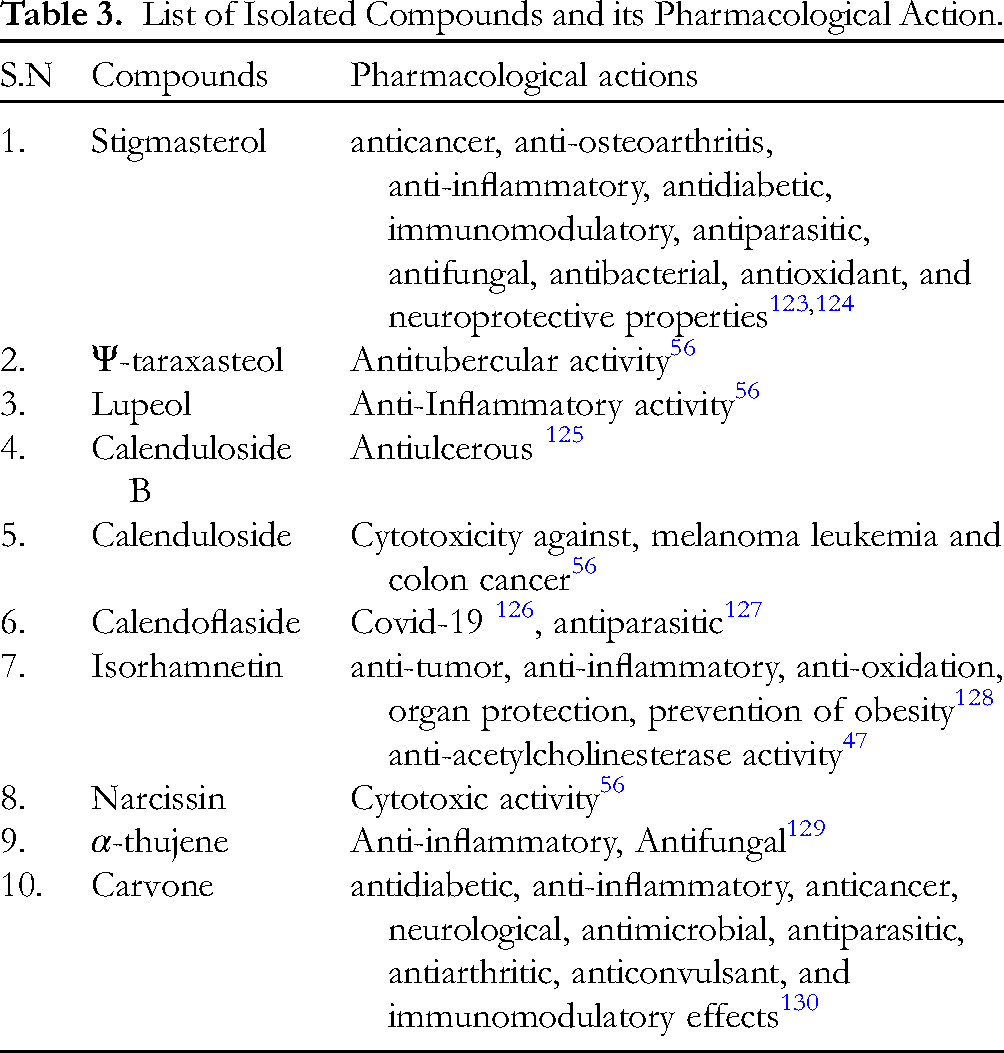
The pharmacological properties of some isolated compounds are as shown in Table 3.
List of Isolated Compounds and its Pharmacological Action.
Toxicological Activity
Rats and mice were given the hydroalcohol extract (HAE) made from C. officinalis to evaluate its acute toxicity through oral administration. Its subacute effects on biochemical, morphologic, and hematological markers in rats were also assessed. The rats in the acute toxicity test did not die when oral dosages of HAE up to 5.0 g/kg were given. In comparison to the control group, oral administration of HAE at doses of 0.025, 0.25, 0.5, and 1.0 g/kg did not result in any appreciable hematological alterations. However, elevated levels of alanine transaminase (ALT) and blood urea nitrogen were noted in terms of biochemical markers. Examinations of the brain, kidney, and heart morphologically showed no obvious changes. 131 Male and female Wistar rats were used to test the acute and sub-chronic oral toxicities of C. officinalis extract. Sub-chronic doses of 50, 250, and 1000 mg/kg/day were given in drinking water, whereas a single acute dose of 2000 mg/kg dissolved in distilled water was given orally. Numerous toxicological endpoints were assessed, such as body weight, food and water consumption, tissue weights, and results of histological analyses. Blood chemistry (glucose, cholesterol, urea, proteins, ALT, aspartate aminotransferase (AST), alkaline phosphatase) and blood elements (hematocrit, hemoglobin, erythrocyte and leukocyte count, clotting time) were also examined. There were no deaths or toxicity indicators in the acute investigation. Nonetheless, several blood components—hemoglobin, erythrocytes, leukocytes, and clotting time—were substantially impacted in both genders in the sub-chronic trial conducted 90 days later. There was also an effect on blood chemistry measures such as alkaline phosphatase, AST, and ALT. Histopathological analysis identified little irregularities in the liver tissue that matched the biochemical changes that had been seen. These results collectively imply that there are less acute and sub-chronic toxicity associated with.132,133
Using organization for economic co-operation and development (OECD) criteria 402 and 411, another study was carried out to examine the acute and sub-chronic skin toxicity of calendula essential oil in order to determine its safety. Animals exposed sub-chronically to C. officinalis essential oil for 90 days were given doses of 2.5, 5, and 10 mL/kg, while animals exposed acutely to 20 mL/kg of the oil. The CNS effects, organ weight, necropsy, biochemical and hematological variables, and histopathology were among the parameters. Every animal exhibited typical behavior, and there were no anomalies found in the necropsy, histology, blood biochemistry, or hematology. It was discovered that the CO oil's no observed adverse effect level and no observed effect level were 2.5 and 10 mg/kg/day, respectively. With an LD50 value of 20 mL/kg body weight, C. officinalis oil categorized by the European Medicines Agency as a herbal medical product showed no appreciable harmful effects. 134
Industrial and Pharmaceutical Applications
C. officinalis extract is a botanical ingredient extensively utilized in cosmetics for its soothing and skin-conditioning attributes. It is a key component in various products such as creams, balms, and serums, offering gentle and natural skincare solutions. Commonly known as calendula oil, this extract provides numerous benefits, nurturing the skin and enhancing overall complexion. 135 The market for C. officinalis flower extract witnessed significant growth, reaching USD 26 billion in 2023. Projections indicate further expansion, with an expected value of USD 64.43 billion by 2030, fueled by a compound annual growth rate) of 30% from 2024 to 2030. 136 C. officinalis preparations commonly include carophyllenic ointment, which contains carotenoids extracted from the flowers, as well as pot marigold tincture. Additionally, it serves as a component in proprietary homeopathic medicines, utilized for addressing symptoms linked with acute musculoskeletal injuries such as pain and swelling. 137 Furthermore, otic solution and naturopathic herbal extract ear drops, formulations derived from naturopathic principles containing Calendula flowers, have demonstrated efficacy in managing otalgia associated with acute otitis media in children.8,138
Furthermore, the exploration of novel drug delivery systems incorporating C. officinalis extract is still in its early stages, with on-going research anticipated in this domain. Molecular docking and molecular dynamics represent modern computational techniques in drug design, holding significant promise for the development of new therapeutic candidates across various health conditions. By analyzing the chemical composition of medications and their target receptors, the therapeutic potential of numerous bioactive compounds can be investigated, offering potential savings in time and resources. In the foreseeable future, formulations containing C. officinalis at micro- and nano-levels demonstrate promising prospects for treating various ailments, with anticipated advancements and applications expected to be remarkable. Additionally, combining C. officinalis with other available agents for activity enhancement presents a promising strategy that could ultimately improve pharmacological outcomes. 139
Conclusions
C. officinalis is one of the most potent and beneficial flowering plant with multi health benefits and pharmacological actions. It contains different chemical constituents like: terpenoids, glycosides, flavonoids, volatile oil, and carbohydrates that results different physiological actions in the body. Various clinical studies have also proven the useful therapeutic activities like: antioxidant, antidiabetic, hypolipidemic, anti-inflammatory, hepatoprotective, and anticancer. These all activities make the plant rich in bioactivities and even depict the remarkable possibilities of the plant in the field of research and medicine. Numerous studies have been performed and showed the flowers extract contained the greater biological activities in comparison to the other parts. Furthermore, comprehensive study in relation to the safety and efficacy as well as toxicity should be performed for the proper designing of the formulations of the plant in the future.
Footnotes
Declaration of Conflicting Interests
The authors declared no potential conflicts of interest with respect to the research, authorship, and/or publication of this article.
Funding
The authors received no financial support for the research, authorship, and/or publication of this article.
