



Abstract
Background:
Challenges of patient care in diabetes were exacerbated by COVID, undermining the ability of patients to engage in-person with health care professionals (HCPs). To combat this, there has been accelerated adoption of telemedicine to support patient and provider connectivity.
Methods:
We collated survey information regarding telemedicine from 21 European clinical institutions. Health care professionals joined virtual meetings focusing on the OneTouch Reveal (OTR) ecosystem and its utility for conducting telemedicine. Selected HCPs provided clinical case studies to explain how the OTR ecosystem supported patient care.
Results:
Remote consultations increased by nearly 50% in 21 European clinics during the pandemic (Belgium [24%], Iberia [65%], Germany [34%], Italy [54%]). In all, 52% of people with diabetes using OTR app to connect remotely with HCPs had type 1 diabetes and 48% had type 2 diabetes. Remote connection methods included telephone (60%), email (19%), video chat (10%), text only (3%), or a mix of these methods (8%). Health care professionals usually reviewed patient data during consultations (45%) rather than before consultations (25%). Fifty-five percent of HCPs indicated digital ecosystems like OTR ecosystem would become their standard of care for diabetes management. In-depth conversations with HCPs provided a deeper understanding of how a digital ecosystem integrated into clinical practice and population management. In addition, five patient case studies using OTR ecosystem were provided by a selection of our HCPs.
Conclusion:
Diabetes management solutions, such as OTR ecosystem, supported telemedicine during the pandemic and will continue to play a valuable role in patient care beyond the pandemic.
Introduction
Challenges for people with diabetes (PWDs) have been exacerbated by the COVID-19 pandemic, which has limited the ability of patients to engage in-person with their health care professionals (HCPs). To help address this crisis, there has been accelerated adoption of telemedicine by patients and HCPs.1,2 Digital solutions and remote monitoring can play important roles in enhancing virtual visits and engaging patients in their diabetes management.
Mobile diabetes apps allow PWDs to aggregate and interpret their glucose data, especially when sent directly to the app from Bluetooth-connected glucose meters. This app-meter partnership acts as a “health companion,” offering automated insights and graphical depictions of current and past glycemic status. Diabetes software ecosystems or platforms also enable clinicians to easily access and review blood glucose monitoring (BGM) data remotely using standardized reports to facilitate treatment decisions.3,4 A recent international panel summarized the opportunities and obstacles for advancing digital and virtual technologies, and described how these technologies could expand access to care, lessen the burden on PWDs, improve office efficiencies, and reduce the unsustainable financial liability of diabetes on health systems. 5
The OneTouch Reveal Professional (OTR Pro) ecosystem was designed to assist HCPs in the monitoring and management of patients with diabetes and is available in 13 European countries, North America, and selected countries in Latin America and Asia Pacific. The OTR Pro uses a trusted third-party, Safe Harbor–certified data hosting provider and complies with the security regulations of the Health Insurance Portability and Accountability Act (HIPAA).
This report focuses on the clinical utility and value of the OTR Pro ecosystem (Figure 1). The insights presented here should be beneficial for providers considering adoption or expansion of telemedicine.
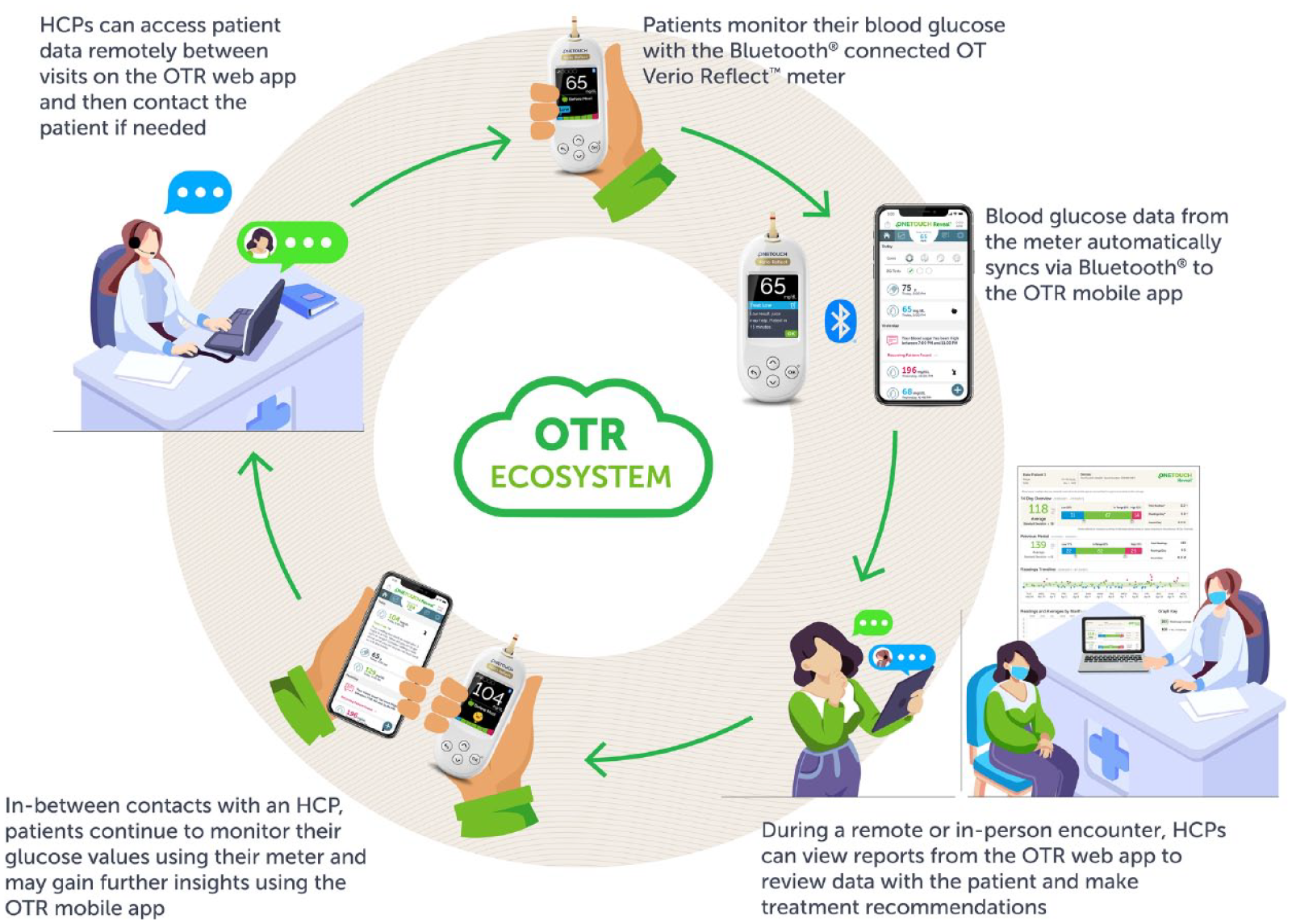
OTR ecosystem (patient mobile app and professional Web application). Abbreviations: OTR, OneTouch Reveal; HCP, health care professional.
Methods
The OTR Ecosystem
Blood glucose monitoring data from a patient using a Bluetooth-enabled glucose meter can be sent wirelessly to the OTR mobile app on a patient’s smartphone (Figure 1). The OTR Pro ecosystem, a professional application on the HCP’s computer, permits the HCP to access and view data within the patient’s OTR mobile account (Figure 1). The OTR Pro app provides HCPs with a variety of clinical reports, including a patient summary report. In addition, the OTR Pro contains population management dashboards to help HCPs stratify and prioritize patients at higher risk.
Roundtable Meeting Structure
Four virtual meetings were conducted in Europe with 22 HCPs from 21 clinics in Spain (6), Portugal (1), Italy (4), Germany (5), and Belgium (5) between November 2020 and January 2021, in which HCPs described their experiences and provided practical insights on using telehealth technologies before and during COVID. Spanish and Portuguese HCPs attended a joint Iberian meeting; the other HCPs attended in-country meetings. The HCP attendees were selected based on their experience using the OTR Pro ecosystem. Attendees estimated (via pre-meeting surveys) that they connected via the OTR ecosystem with around 1500 patients overall. The mean number of people with diabetes consulting virtually with HCPs across the 21 clinics was 39, 25, and 11 for those with type 1 diabetes (T1D), type 2 diabetes (T2D) on multiple daily injections, and type 2 on basal insulin or oral medications, respectively. Each regional meeting lasted about two hours and followed an identical agenda of discussion topics. The sponsor chaired these four sessions using a standardized script, reconfirming the expertise of each clinic and HCP with OTR Pro before structured roundtable feedback was sought on conducting telemedicine using OTR Pro. A summary was compiled from the written and/or recorded feedback, and the key points were listed per country and region as input for these qualitative results. The patient case studies were provided on request by selected participants to illustrate topics of clinical relevance where OTR Pro was used to facilitate decision-making.
Pre-meeting Surveys on Telemedicine and Utility of OTR Ecosystem
The HCP attendees completed pre-meeting surveys to evaluate their usage of telemedicine before and during COVID, how they connected with patients remotely (e.g., video, telephone, email), the frequency of interactions, the attributes of a telemedicine system that were most clinically beneficial to them, and their perspectives on using telemedicine in future. The clinicians also responded to questions and statements (Table 1) regarding the OTR ecosystem.
OTR Pro: Acceptance Survey.
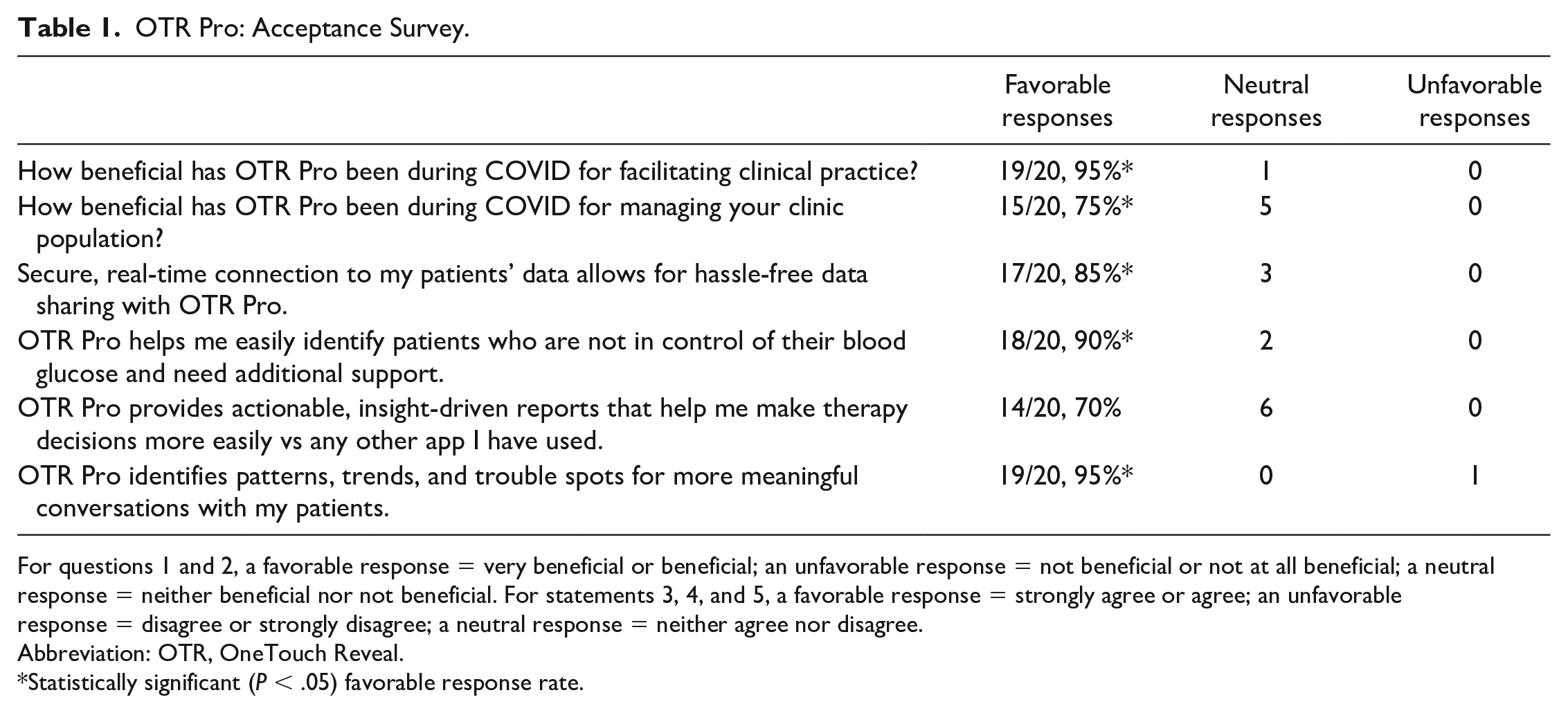
For questions 1 and 2, a favorable response = very beneficial or beneficial; an unfavorable response = not beneficial or not at all beneficial; a neutral response = neither beneficial nor not beneficial. For statements 3, 4, and 5, a favorable response = strongly agree or agree; an unfavorable response = disagree or strongly disagree; a neutral response = neither agree nor disagree.
Abbreviation: OTR, OneTouch Reveal.
Statistically significant (P < .05) favorable response rate.
Statistical Analysis
Continuous variables were analyzed or described as mean or median. Categorical demographic variables were described as percentages. Changes in virtual consultations before and during COVID were analyzed by paired t test analysis. Acceptance surveys were structured as 5-point Likert scale with choices of strongly disagree to strongly agree with a neutral option. Significance was met based on the lower limit of the 95% one-sided confidence limit exceeding 50% for the percentage of HCPs who provided a favorable response for a given item.
Results
HCP Participants
Twenty-two HCPs from 21 clinics participated in the roundtables. These included 12 practicing endocrinologists (four from Spain, two from Germany, four from Italy, two from Belgium) and 10 diabetes nurses/educators (three from Spain, one from Portugal, three from Germany, three from Belgium).
Pre-meeting Survey
The percentage of follow-up consultations conducted virtually instead of in-person increased significantly during COVID in all countries (P < .001) (Figure 2). On average, remote consultations increased by 46% in 20 clinics during the pandemic, although the increase varied by country. For example, five clinics in Belgium increased remote follow-up visits by 24%, while seven clinics in Iberia reported a 65% increase, and Italy recorded a 54% increase. Within four clinics in Germany, two went from almost no remote visits to 50% to 60% remote visits, while the other two German clinics increased their already active use of remote visits by a further 10% to 20%. (One clinic in Germany did not provide pre/post remote visit data.)
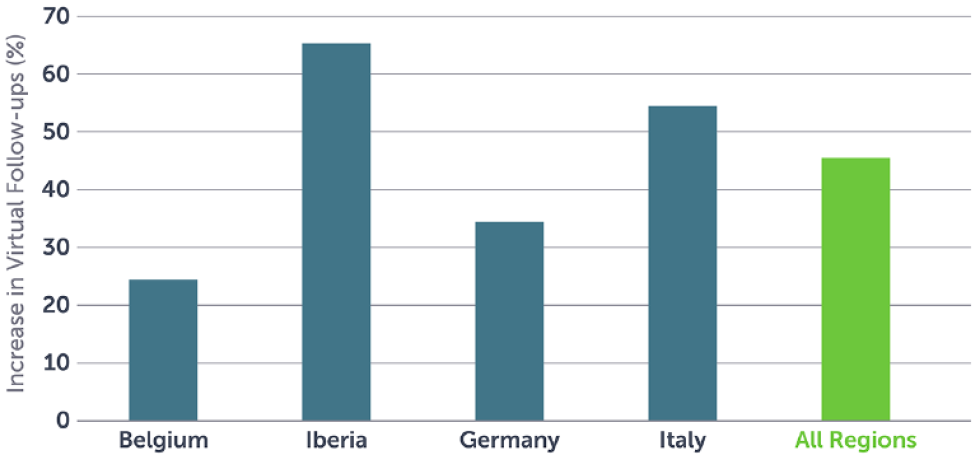
Effect of COVID-19 on virtual follow-up consultations in each country.
Fifty-two percent of the patients with whom HCPs connected virtually during the pandemic by using the OTR ecosystem were patients with T1D, 33% were patients with T2D on multiple daily doses of insulin (MDI) or pumps, and 15% were patients with T2D on basal insulin or oral medications (Figure 3a). The method HCPs used to connect with their patients while using OTR Pro varied, with most connections by telephone (60%), followed by email (19%), video chat (10%), text only (3%), or a mix of these methods (8%) (Figure 3b). The OTR ecosystem allowed HCPs to have 24/7 access to patient data. The HCPs reported they most often reviewed patient data during consultations (45%), before each consultation (25%), every 3 months (20%), every 2 weeks (5%), and other (5%) (Figure 3c). The HCPs indicated that even after COVID, solutions like OTR Pro app will become their standard of care (55%), with 30% planning to continue using OTR Pro app for current and for new patients. Of the remainder, 10% plan to use OTR Pro app for most patients during face-to-face visits and only 5% plan to go back to doing only face-to-face consultations (Figure 3d).
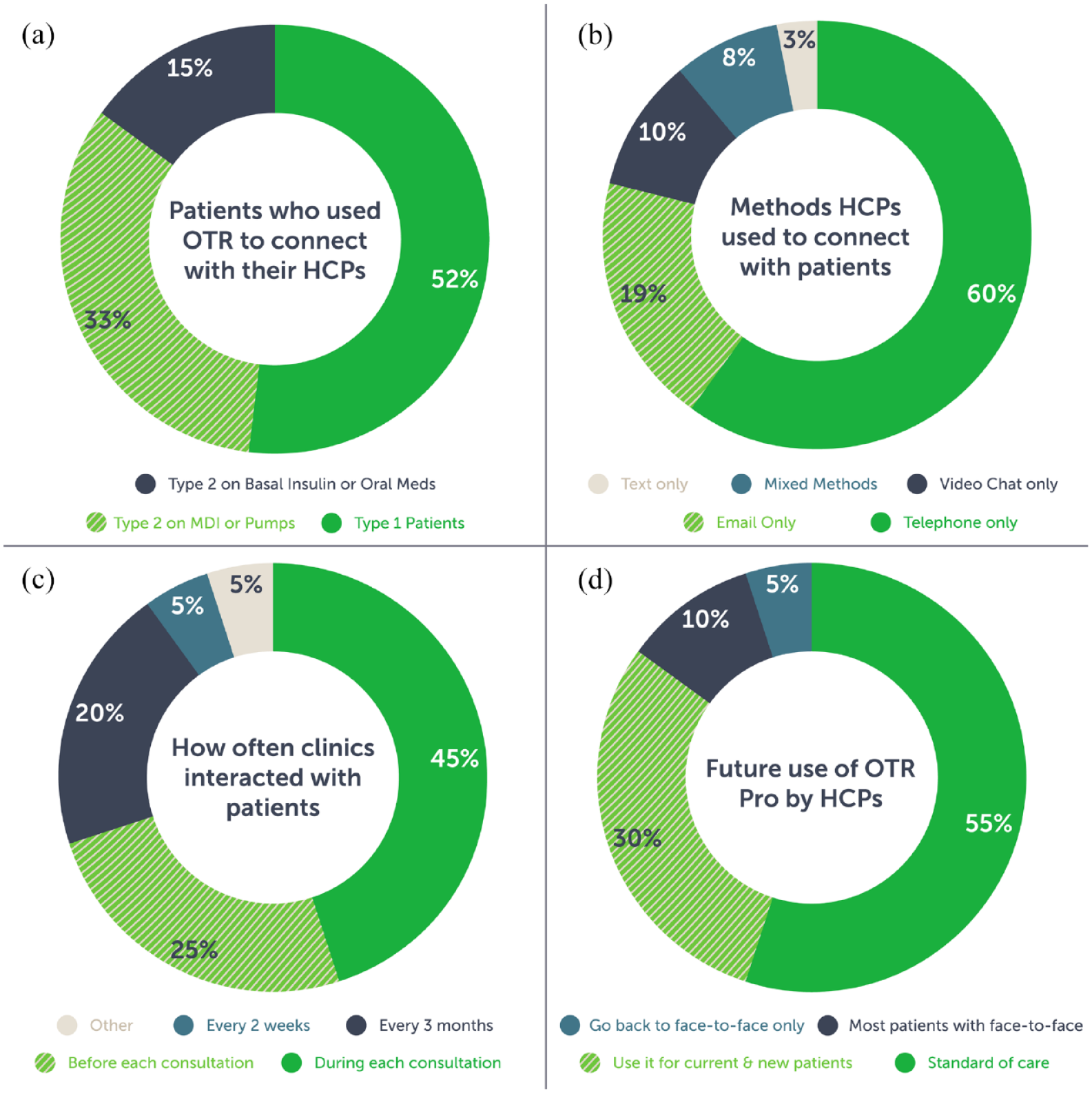
HCPs from clinics in Germany, Belgium, Italy, Spain, and Portugal with experience using OTR Pro were asked a series of questions prior to participating in the virtual group meetings. (a) Patient types using OTR app; (b) methods HCPs using OTR Pro app used to connect with patients; (c) how clinics typically interacted with OTR ecosystem patients; (d) future usage of OTR Pro app. (Of the 22 HCPs, 20 provided survey feedback prior to their virtual meeting). Abbreviations: HCP, healthcare professional; MDI, multiple daily doses of insulin; OTR, OneTouch Reveal.
When the HCPs ranked five choices regarding which aspect of OTR Pro app was most helpful in terms of managing their clinic during COVID, “allows me to make treatment/therapy decisions” was the most popular choice, followed by “helps me schedule consultations/reminders,” “access to 24/7 status of all my patients,” “ability to conduct data-driven remote consultations,” and “helps me stratify patients/identify at-risk patients.” The HCPs provided favorable responses about the OTR ecosystem with 95% agreeing that OTR Pro facilitated clinical practice during COVID, 85% agreeing that it offered hassle-free data sharing, and 70% agreeing OTR Pro provided actionable, insight-driven reports that helped them make therapy decisions more easily compared with any other app they had used (Table 1).
Roundtable Commentary
Use of telemedicine between visits to connect remotely with patients
The HCPs agreed that any diabetes software for reviewing patient data must save time and optimize office workflow. The HCPs expected data to be organized and visualized for fast insight on critical issues.
In the meetings, the HCPs stated that follow-up consultations, especially after a change in therapy, were often done by telephone, so it was advantageous that the patient’s data be readily available when they “just open the laptop.” The HCPs from Belgium mentioned that the OTR Pro app helped them identify which patients were in target and could be offered remote consultations and which patients required face-to-face consultations. The HCPs pointed out that the OTR Pro app allowed them to remotely check glucose values and proactively contact patients. In addition, viewing patient reports better informed decision-making, especially because “(app) blood glucose values are much more reliable than paper handwritten logbooks.”
An important advantage of remote consultations was less travel for patients and eliminating patient time spent waiting at the clinic. All HCPs stated that the OTR Pro app allowed them to see more patients in less time. The HCPs reported digital solutions brought strong benefits for young patients in rural environments, who were more comfortable with technology and were grateful that they did not have to travel long distances for appointments. Several HCPs reported the OTR ecosystem was valuable when caring for women with gestational diabetes, who check their blood glucose up to 9 times per day, because the HCP was in contact by phone or email frequently, often every 2 to 3 days. Digital solutions were also seen as very beneficial by HCPs when caring for patients with concomitant diabetes and celiac disease, especially in the first year when the patients must adapt therapy to their changing diet. In addition, HCPs noted that by using the OTR mobile app, all patients were more aware of their health status and therapy.
In general, these HCPs concluded that telemedicine is here to stay, that it improved adherence, and that patients felt “accompanied rather than monitored.” However, the HCPs recognized that face-to-face consultations were still an important part of patient care, especially for older patients.
Meeting the challenges of pandemic restrictions with telemedicine
The pandemic forced Italian HCPs to find alternative solutions to accessing patient information. Before COVID, the use of mobile diabetes apps by patients was mostly limited to patients considered by their HCPs to be highly technologically capable. However, during COVID, Italian patients using meters with Bluetooth started using OTR app, adapting without significant problems. Before COVID, patients would bring their meters to clinic visits, but during the pandemic, they instead used technology to communicate remotely.
Belgian HCPs recounted that remotely setting up the patient with OTR app went easily. Spanish and Portuguese HCPs said that when patients used the OTR mobile app and their HCPs used the OTR Pro app, the patients felt as if they were not alone. The OTR ecosystem helped these HCPs work during the lockdown, providing them access to patient glucose data 24/7.
OTR Pro app reports and screen utilization
German HCPs used the patient overview report, logbook report, and compliance data to prepare for face-to-face and remote visits. Additional patient notes on food, health status, and medications were valuable. Software features, such as trend analysis and readings-in-range, were welcome, time-saving features. Italian HCPs found OTR Pro app time-of-day screens valuable, replacing paper diaries. Aggregated patient data in OTR Pro app quickly identified areas on which to focus, and personalized reports were useful for addressing adherence issues. Belgian attendees felt that the ColorSure dynamic range indicator in the OT Verio Reflect meter had added value, especially with the emojis that allowed patients with low literacy and non-native speakers to understand the context of low, in-range, or high glucose results. The entire home care team (children, family, etc.) understood the three colors easily. The Blood Sugar Mentor messages to the patients in this meter involved the patients more and encouraged action. The test tracker on the meter also helped patients adhere to the recommended testing frequency. Spanish and Portuguese HCPs stated they frequently used OTR Pro app patient summary and pattern reports.
Use of OTR Pro app to drive decisions and actions
German HCPs reported usually viewing data before consultations to get an overview, detect problems, and determine the need for therapy changes. Digital solutions were valued for motivating patients to identify problems and giving insights on possible reasons for glucose excursions.
The HCPs agreed the OTR Pro app helped them respond more quickly to troublesome glucose values and provide constructive feedback to patients. In addition, HCPs felt better informed before face-to-face consultations, allowing them to be more focused. In the Iberian meeting, HCPs mentioned that the OTR Pro app was useful for adjusting insulin doses, which improved patient quality of life and patient safety.
It was pointed out at several meetings that telemedicine permitted continual training and education of patients. A digital ecosystem helped the HCP understand the quality of a patient’s path to empowerment, allowing the HCP to give patients the skills to adjust their own insulin doses. Belgian HCPs emphasized an important benefit of the OTR mobile app was that patients were more aware of blood glucose values and more likely to take action, including adjusting food intake. Iberian HCPs maintained that visualizing data with the patient helped the patient understand what was happening, making the patient a partner in decisions, and improving adherence to recommendations. Interestingly, HCPs claimed that some patients using CGM systems were concerned about sensor reliability and preferred a meter reading when determining their insulin doses because they could “count on” the data more.
Benefits of using OTR mobile and OTR Pro apps
Italian HCPs said patients used the OTR app to make the remote visit more functional by sharing data with HCPs. Patients realized the impact of behaviors (e.g., “I ate more in this period”), giving them better awareness. Patients were advised to enter notes when they had high results for discussion on a future visit. Furthermore, the HCPs said when patients were happier with their decisions supported by the OTR app, their quality of life improved, and they were more likely to continue using the app.
The HCPs maintained that the OTR ecosystem gave patients reassurance, kept them involved, increased testing frequency, and that “patients are more involved in their diabetes management, more willing to adjust therapy when they understand their values because of the colors and messages on the meter.” Similarly, HCPs claimed that the OTR mobile app use improved adherence, reduced A1c, and reduced glucose highs and lows.
Use of OTR Pro app as a clinic population tool
Italian HCPs described using the OTR Pro app to select patients who needed to be seen first compared with those who were more stable. They also realized having multiple HCPs in the same clinic on the same ecosystem enabled patient data to be reviewed by different HCPs at subsequent appointments. Furthermore, other members of the health care team, such as the nurse educator, can view patient data digitally. Clinicians from Iberia indicated the OTR Pro app was especially useful in patients with gestational diabetes, in newly diagnosed patients, and in patients who have undergone a therapeutic change so that they could interact with these patients during training and treatment adjustment periods.
German HCPs observed OTR Pro app population management tools were valuable but are not optimally used due to lack of interface to other office systems. However, these same clinicians agreed the OTR Pro app was beneficial in individual cases, especially to assess for timely follow-ups if appointments were postponed. Follow-up checks after changes to therapy were mostly remote visits and the OTR Pro app was used to prepare for these visits. Interestingly, the German HCPs said that getting access to data in accordance with EU General Data Protection Regulation (GDPR) had been a problem because patients often neglected data privacy regulations and sent their data to the office using email or social media apps. The HCPs understood that OTR mobile and OTR Pro apps are GDPR-conforming solutions.
Digital ecosystem wish list
German clinicians felt it would be valuable for software to interface easily with other office software and electronic health records (EHR) to save time and reduce errors. Italian HCPs expressed a desire to have an app with an insulin bolus calculator. Belgian HCPs preferred different glycemic ranges for different times of day that HCPs could adjust remotely. In addition, they expressed a preference to document using carb portions instead of grams. Iberian HCPs also wanted digital solutions to be integrated with EHR. There was a desire to have automated notifications sent to HCPs about patients with hypos/hypers and poor adherence. Several direct quotations from our virtual meetings are listed in Table 2.
Representative Quotations From Our Virtual Meeting Attendees.
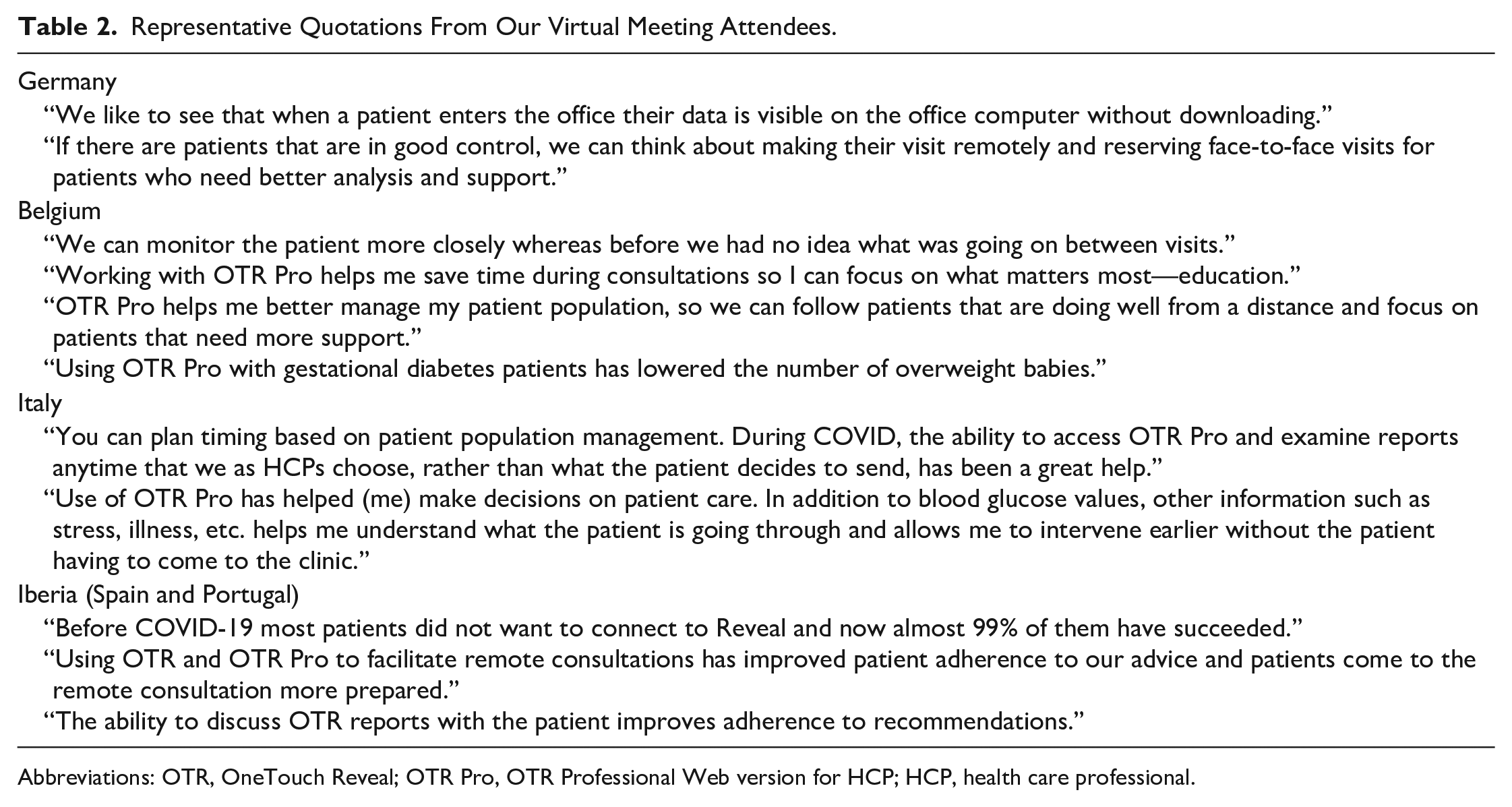
Abbreviations: OTR, OneTouch Reveal; OTR Pro, OTR Professional Web version for HCP; HCP, health care professional.
Case Studies Using the OTR Ecosystem
Clinicians recounted case studies describing how the OTR ecosystem supported care. Five case studies were selected concerning postprandial hyperglycemia, elevated fasting blood glucose, optimizing basal-bolus insulin therapy, minimizing nocturnal hypoglycemia, and managing gestational diabetes (Figures 4).
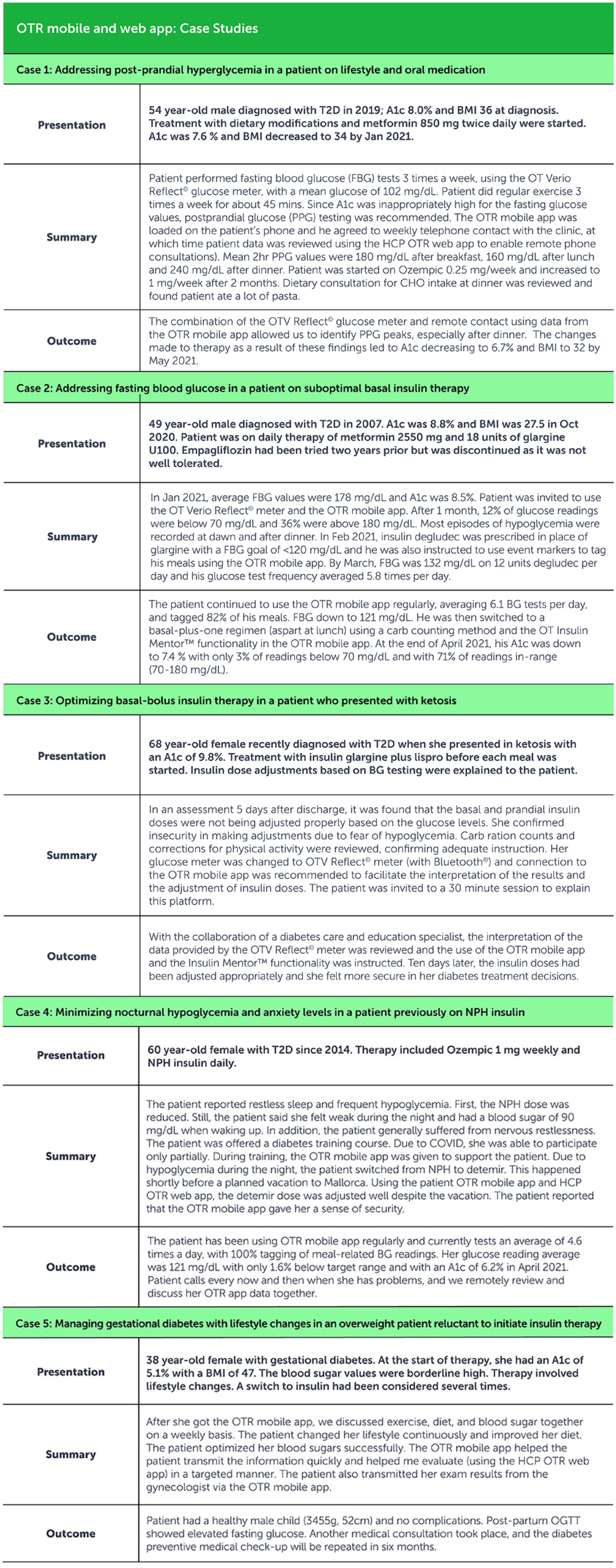
OTR ecosystem: Patient case studies. Abbreviations: OTR, OneTouch Reveal; BMI, body mass index; HCP, health care professional; CHO, carbohydrate; OTV, OneTouch Verio; BG, blood glucose; OGTT, Oral glucose tolerance test; NPH, Neutral Protamine Hagedorn (Insulin).
Discussion
Continued development of digital health technologies has created a diverse selection of digital tools and capabilities. 5 Telemedicine strategies to monitor and adjust therapy have been shown to improve glycemic control, patient self-efficacy, and quality of life in PWD. 6 Travel time to the office has had a negative impact on patients’ willingness to consult and the frequency of their consultations. 7 The pandemic has accelerated the growth of digital ecosystems to facilitate patient care.8,9 In clinics within the T1 Diabetes Exchange, the proportion of telemedicine visits (video and telephonic) increased from less than 1% before the pandemic to 95.2% in April 2020, early in the pandemic. 1
Our diabetes practitioners from five EU countries confirmed the dramatic increase in virtual visits during the pandemic, especially for patients with T1D. The way our attendees connected remotely with patients varied from telephone calls (the most prevalent) to dialogue via email, video chats, or text messaging. Several studies support the benefits of these methods of connecting with patients.10-12 When commenting on their use of OTR Pro app, our attendees most often reviewed their patients’ data during the virtual consultations, although a good proportion reviewed data before consultations. Our attendees felt that facilitating more timely treatment decisions, enhanced flexibility for scheduling, convenient access to patient health status, assisting the conduct of data-driven remote consultations, and helping to stratify/identify at-risk patients were key benefits of the ecosystem. The HCPs explained that the OTR Pro app helped them decide which patients to contact remotely and which required in-person visits, and that the app aided decisions on patient care and drove improvements in patient outcomes. Our clinicians stated that even after the pandemic abates, they will continue to use digital ecosystems, such as the OTR ecosystem, as their standard of care.
In a pre-meeting questionnaire, HCPs remarked that the OTR Pro app helped them manage their clinic population by enabling them to easily access data, identify patients not in control, and identify patterns and trouble spots to allow more focused conversations. We anticipate similar findings would be replicated in other clinical institutions where the need for greater variety and flexibility of care delivery is a common barrier that can be mitigated by greater adoption of telemedicine. The majority of evidence for digital ecosystems has focused on patient outcomes such as app engagement, 13 improved A1c outcomes, 14 or blood glucose testing frequency, 15 whereas our report focused on the utility of a diabetes ecosystem for providers who are trying to facilitate improved patient outcomes.
In addition to accelerating adoption of new ways of working, the OTR ecosystem was perceived by our attendees as supporting patient adherence to medication and BGM recommendations, echoing previous findings that digital ecosystems have the potential to improve adherence.16,17 Klonoff et al 18 noted digital health interventions are creating opportunities for HCPs to have a more complete understanding of their patients’ pharmacoadherence. Patient-centered care and shared decision-making were aptly demonstrated within case studies provided by our clinicians. 19 These cases exemplified how a digital ecosystem enabled the patient and clinician to collaborate in-person and remotely on shared goals, focusing on lowering fasting glucose, postprandial excursions, optimizing insulin dosing, or enabling better insights regarding the impact of lifestyle changes on glycemic control.
Conclusion
The COVID-19 pandemic has accelerated the use of remote consultations. Evidence gathered here from HCPs in several European countries confirmed that using digital diabetes management solutions, such as the OTR ecosystem, supported telemedicine during the pandemic and will continue to play a valuable role in patient care.
Footnotes
Acknowledgements
The authors thank Larry Katz, PhD, for assistance in writing the manuscript and Vividfix for assistance in preparing the figures.
Abbreviations
BGM, blood glucose monitoring; HCP, health care professional; OTR Pro, OneTouch Reveal Professional; PWD, people with diabetes.
Authors’ Note
This study was presented at a virtual industry session at the 57th EASD annual meeting.
Author Confirmation Statement
All authors, with the exception of M.G. and E.H., provided the information and data for the pre-meeting surveys and results and also provided the information upon which the key results were based by virtue of their feedback and participation in the virtual meetings. All authors reviewed and approved the manuscript. M.W., A.V., J.F.M.T., and A.S. provided additional case studies. M.G. and E.H. designed the surveys and meeting scripts, reviewed the data, and drafted the manuscript.
Declaration of Conflicting Interests
The author(s) declared the following potential conflicts of interest with respect to the research, authorship, and/or publication of this article: A.V. has received consultant and speakers fee in the last three years for Lilly, Novo Nordisk, Sanofi, Medtronic, Abbott, and Johnson & Johnson. L.A.S.M. received speaker honoraria from Abbott, LifeScan, Novo Nordisk, Sanofi, and Lilly laboratories and participated in a LifeScan Advisory board. R.G. has received speaker honoraria from Menarini, Ascensia, Sanofi, LifeScan, and Novo Nordisk. M.G. and E.H. are current employees of LifeScan. All the other authors affirmed that they do not have conflicts of interest.
Funding
The author(s) disclosed receipt of the following financial support for the research, authorship, and/or publication of this article: Funding for the study and development of this manuscript was provided by LifeScan Inc, Malvern, PA, USA.
