




Abstract

We have read the editorial by David C. Klonoff, MD entitled ‘Telemedicine for Diabetes: Current and Future Trends’, 1 which emphasizes the importance of and speculates on the future of diabetes management through telemedicine. In this letter, we suggest that telemedicine services for diabetes management needs to be expanded in countries that have high tribal populations.
India accounts for the largest tribal population in the world. According to the 2011 Census, there are approximately 104,545,716 (8.6% of total population) tribal populations in India and about 90% of these tribal populations reside in rural areas. 2 Tribal populations, in comparison to the general population, tend to have poor health indicators, which are likely influenced by low literacy levels, poverty, and scattered geographical distribution. Because of these influencing reasons, tribal populations have little access to healthcare services, causing a high burden of disease morbidity and mortality.
Tribes are marginalized populations that usually reside in remote areas. If this section of population is able to access telemedicine services, for example, through free and simple text short message services in their local language or educational audios and/or videos on disease management, then the management of chronic Non-Communicable Diseases (NCDs) such as diabetes will be much effective and patient-friendly. Telemedicine could also prove to be time-efficient. A designated nurse trained on using mobile-health tools at the nearest facility can be given a main role in monitoring the blood glucose of the local population with diabetes through telemonitoring, while a general physician can adjust treatments for these patients using the data from telemonitoring.
According to a report by a tribal health expert committee headed by Abhay Bang, MD, there is a shift in disease trends from communicable to non-communicable diseases which will raise the demand for telemedicine for the monitoring and management of chronic conditions. 3
India’s telemedicine guidelines 4 issued by the Ministry of Health and Family Welfare (MOHFW) in March 2020 will help start-ups management of type 2 diabetes mellitus.
In our view benefits of implementing telemedicine in tribal areas include:
Telemedicine can help with diagnosing new hypertensive and diabetes mellitus (DM) cases, which will eventually add on increasing control over high blood sugar and it may allow early detection of chronic disease complications and reduces financial burden (see Figure 1).
Telemedicine can serve as a tool for screening diseases (as shown in Figure 1) like hypertension and diabetes using specific symptoms, digital blood pressure monitors, and glucometers. This virtual screening would reduce the burden on medical officers posted in remote tribal areas.
Telemedicine can also be beneficial for the aging population, because these populations have to face challenges while traveling to the nearest healthcare facilities.
Telemedicine for diabetes, as mentioned in guidelines, 4 can allow patients with diabetes to virtually receive prescriptions for necessary drugs or escalated doses of already prescribed medications.
Telemonitoring devices can be used by primary care physicians not only to monitor the glycaemic control of patients, but also to provide important information on diabetes-related complications to patients. Further, existing comorbidities like diabetes can affect the outcome of infectious diseases and sharing of data (real time sharing will be better) through digital equipment or telemonitoring will be helpful in better service to patients or affected communities. 5
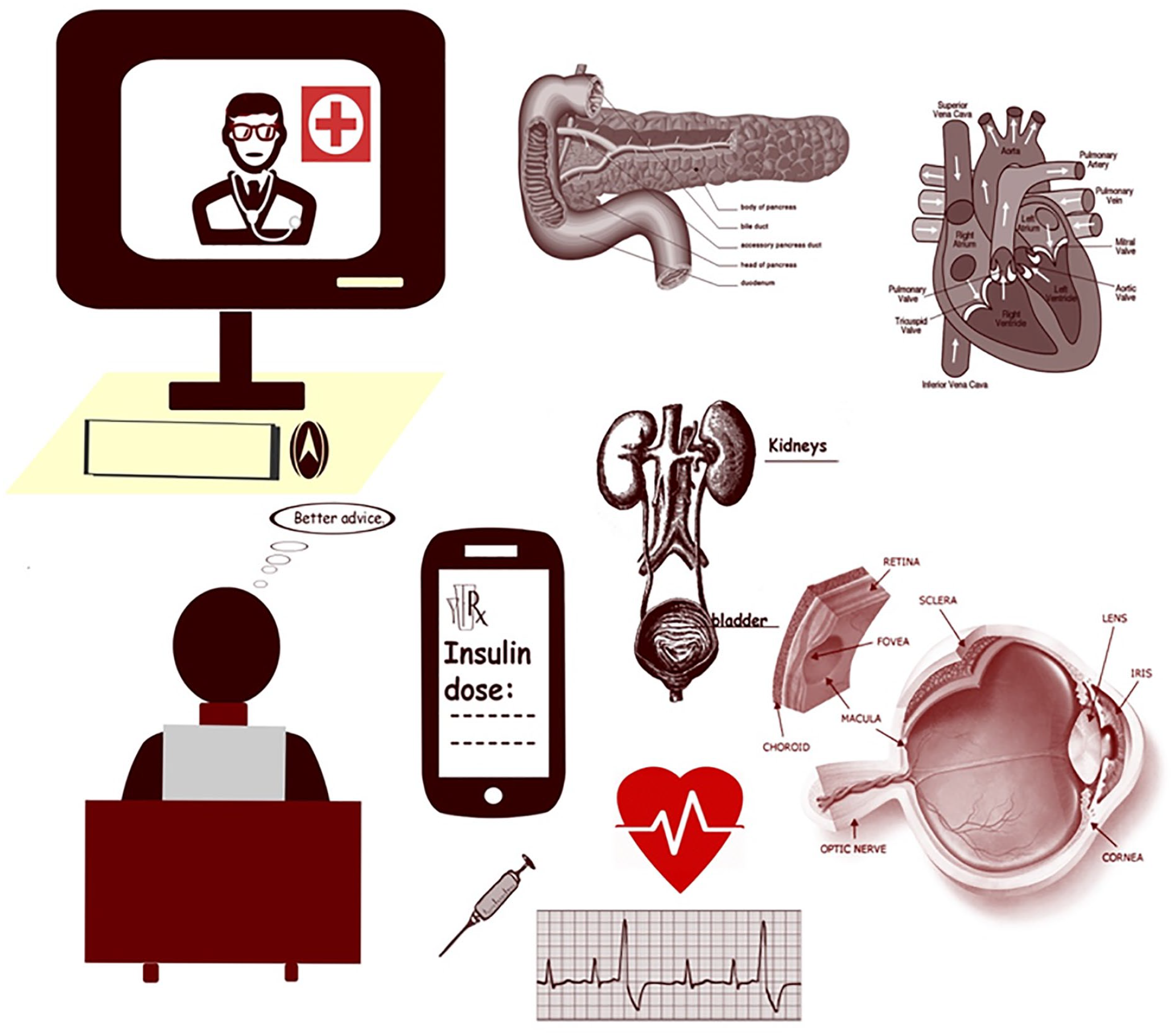
Telemedicine serving as a tool for screening Non-Communicable diseases. A designated nurse trained on using mobile-health tools at the nearest facility can be given a main role in monitoring the blood glucose, blood pressure and end organ functions of the local tribal population, while a general physician can adjust treatments for these patients through telemonitoring.
Considering these points, we can say that Klonoff rightly explained that telemedicine will be a useful tool for delivering accessible care in real time, and we believe that telemedicine services will be triply beneficial to India or any country with a high tribal population. Telemedicine services will benefit patients because health care centers are far away and good transportation facilities are typically not available in tribal areas. It will also benefit medical officers because healthcare workers and manpower are not available in tribal areas. Lastly, telemedicine would also be beneficial for the government because it is cost effective.
Footnotes
Acknowledgements
Authors wish to acknowledge the help provided by Sonal Shrivastava (M.Sc. Computer Science) in the technical support for designing image, language editing and review.
Abbreviations
DM, diabetes mellitus; MOHFW, Ministry of Health and Family Welfare; NCDs, non-communicable diseases.
Declaration of Conflicting Interests
The author declared no potential conflicts of interest with respect to the research, authorship, and/or publication of this article.
Funding
The author disclosed receipt of the following financial support for the research, authorship, and/or publication of this article: Indian Council of Medical Research
