




Abstract
Background:
This case study describes the formation of the Intercultural Diabetes Online Community Research council (iDOCr) and community advisory board (CAB) to engage the diabetes community and researchers in the codesign of community-based participatory research (CBPR) to examine online peer support in type 2 diabetes (T2D).
Method:
Social media engagement was the foundation for CBPR knowledge generation. During the project, the iDOCr council and CAB (n = 27) met quarterly via video conferencing and three times in person during national diabetes meetings. Data from four Twitter chats were used to explore the usefulness and utility of Twitter data to learn about concerns and priorities of the diabetes online community (DOC) and supported the evolution of iDOCr, the development of a research question and the design of a CBPR study.
Results:
The iDOCr project (1) created a diverse CAB; (2) raised awareness of iDOCr and online peer support, which resulted in support and trust from key opinion leaders within the DOC to enable future partnerships for research and funding; (3) engaged with English- and Spanish-speaking DOC users through social media; and (4) designed a CBPR study supported by Twitter chat data analyses.
Conclusions:
Integrating the voice of people with diabetes (PWD) and the DOC in designing CBPR, through use of a CAB, ensures the most important and relevant research questions are asked. Additional research focused on online peer support may increase health care provider confidence in referring PWD to this low-cost and relatively accessible resource with the potential power to advance health.
Keywords
Through a three-year Patient-Centered Outcomes Research Institute (PCORI) Pipeline to Proposal award, the Intercultural Diabetes Online Community Research council (iDOCr) was formed to bring together individuals affected by diabetes who engaged in the diabetes online community (DOC) and were interested in studying the impact of online peer support through a comparative effectiveness research (CER) question. Highlighting diversity, the iDOCr council included English- and Spanish-speaking DOC users with type 1 diabetes (T1D) and type 2 diabetes (T2D), advocates, clinicians, caregivers, academics, nonprofit organizations, industry, and researchers.
Despite increases in online peer support communities, few studies have used a community-based participatory research (CBPR) approach to engage multiple stakeholders in codesigning a research intervention to examine potential goals and benefits of an online peer support community. 1 Including stakeholders that represent culturally diverse backgrounds allows for a broadening of engagement to those who otherwise may be underserved due to health disparities, and fosters a more patient-centered approach. 2 CBPR also enables academic and community partnerships that ensure the intervention can be successfully implemented within the community for meaningful and lasting impact. 3 As part of CBPR, community stakeholders, including patients, health care providers and policy makers, constitute community advisory boards (CABs).1,2
Chronic Care Model
Diabetes is a chronic condition that requires knowledge, skill, and significant personal effort to self-manage to stay healthy, both physically and mentally. 4 The goal is to delay progression of the condition and minimize potential complications, while maintaining quality of life. 5 Individuals spend less than 1% of their time engaging with the health care system for diabetes management, 6 yet diabetes requires work by the person with diabetes (PWD) 24 hours a day, seven days a week, 365 days a year (24/7/365). Evidence indicates that peer support for PWD improves hemoglobin A1C (A1C), self-management, self-efficacy, knowledge, and emotional well-being.7-9 Consequently, the American Diabetes Association (ADA) and the American Association of Diabetes Educators (AADE) acknowledge the need for ongoing peer support to maintain behavior changes and engage in long-term self-management.4,5,10 Currently, 30.3 million people in the United States have diabetes 11 and rates are disproportionately higher among Hispanics. The percentage of individuals with diagnosed diabetes is 7.9% among non-Hispanic whites versus 11.3% among Hispanics. 11 Understanding the potential benefits for PWD to engage with peers 24/7/365—with culturally relevant backgrounds—is critical. Online communities create this unique opportunity for convenient engagement.
The eHealth Enhanced Chronic Care Model expands on the notion of “community” to include the benefits of virtual health-related online communities. 12 The DOC is widely recognized as the most robust and mature of the online peer support communities. The online community supports self-management of chronic conditions by having a collective wisdom of the health condition, being available around the clock with the potential to be culturally relevant because the internet allows communication to occur without regard to time of day or geographical location. 12
Present Case Study
The purpose of this case study is to summarize a three-year PCORI project in which we formed a culturally relevant CAB and used Twitter to determine critical issues surrounding online peer support. The goals are to (1) describe the procedures used to develop and implement the iDOCr CAB to codesign research and (2) describe the key outputs of the project including raising awareness of the benefits of online peer support communities, engaging in social media to learn about concerns and priorities of the DOC, and codesigning a CBPR study in an innovative way using data analyzed from Twitter chats.
Methods
CBPR and CAB Procedures
The iDOCr council commenced in April 2015; formed based on a collective belief that by involving people affected by diabetes (PWD, caregivers, and health care providers), and underrepresented and/or underserved groups (Hispanic and Spanish-speaking in particular) as partners with the research leadership team in medical and behavioral research, we could facilitate patient-centered care and improve health outcomes. Using CBPR, consumers of health care were involved in all processes in codesigning research that was important and relevant to them or the people they serve or represent. The three-year project was conducted during three separate PCORI Pipeline to Proposal Tier awards with distinct goals that built upon previous accomplishments. The iDOCr council consisted of the CAB and the leadership team. Initially two researchers co-led the project along with two representatives from the Diabetes Hands Foundation who were responsible for project management and communications. Over time, the leadership team expanded to five individuals to include a caregiver as a project coleader with additional researchers and partners.
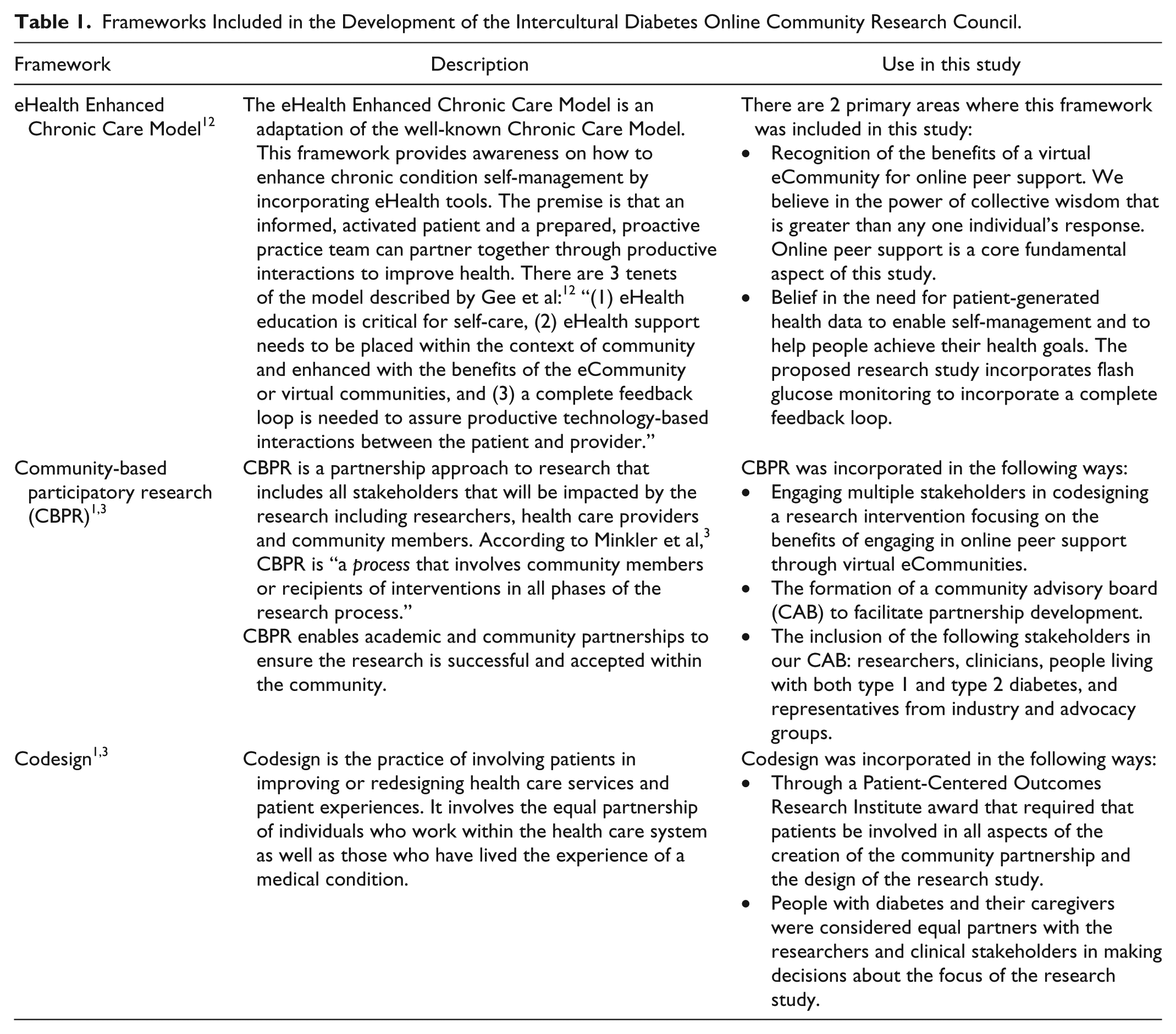
During the project, the CAB met quarterly using Google Hangout and three times in-person during national diabetes meetings (ie, ADA, AADE). Meetings were facilitated by the leadership team comprised of researchers, PWD and caregivers. In between meetings, email and social media (ie, Twitter, Facebook) were used for communication. Input from the CAB supported the development and evolution of the project, the research questions and the design of a proposed research study. Table 1 describes the frameworks incorporated in the design of iDOCr council and the creation and implementation of the CAB. Of note, the PCORI funding was designated for capacity building and CAB development. No research was funded by these awards. The iDOCr council chose to participate in qualitative research separately to support the overall goals of the team. Figure 1 diagrams the goals of the iDOCr council.
Frameworks Included in the Development of the Intercultural Diabetes Online Community Research Council.
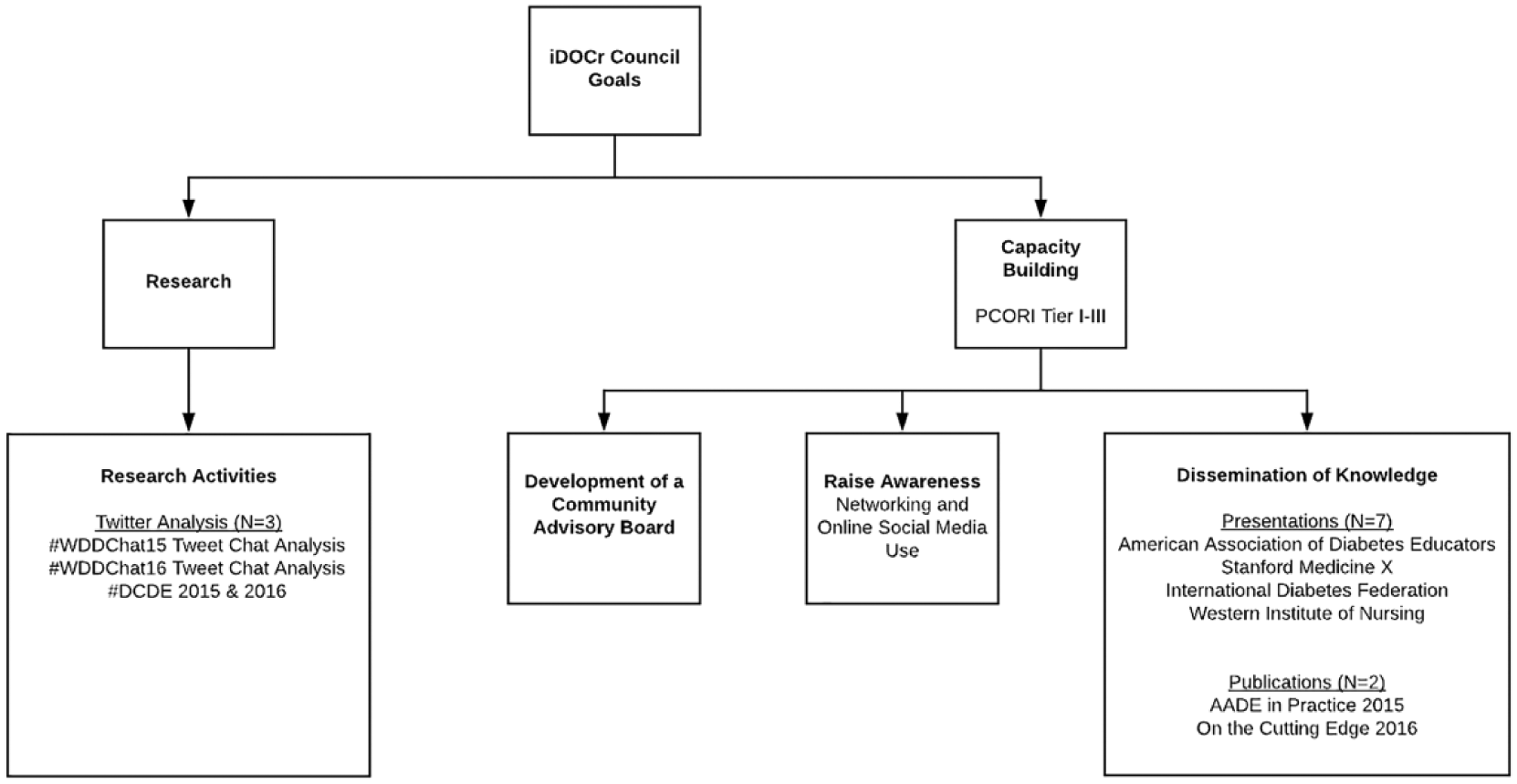
Intercultural Diabetes Online Research Council goals.
Analysis of Twitter Chat Data
Separate from the PCORI sponsored activities, iDOCr conducted two qualitative analyses of Twitter chat data. The purpose of these analyses was to identify themes to inform the CAB and support the development of research questions using a patient centric approach. To analyze data, a verbatim transcript of publicly available Twitter data (Symplur LLC, Pasadena, CA), in English and Spanish in November 2015 and 2016, was evaluated using a qualitative content analysis, completed first manually and then using NVivo Version 11 qualitative analysis software (QSR International Pty Ltd, Version 11, 2017). The analyses began with open coding to analyze the data. Then data were grouped into broad categories and subcategories within the context of the Twitter discussion topics. Data were coded by two independent researchers and discrepancies were resolved through discussion and mutual reevaluation of the data. Last, findings were shared with the CAB and Twitter chat participants to verify accuracy. 13 The research received exempt status from the Sutter Health institutional review board.
Results
Establish a Diverse CAB
During Tier I, diverse CAB members were recruited from the Diabetes Hands Foundation online communities (ie, Tu Diabetes and Es Tu Diabetes). Selection criteria included identifying at least one individual with T1D, T2D, a caregiver, a certified diabetes educator (CDE) and a researcher, incorporating English- and Spanish-speaking individuals. Although there was no formal training, the role of the CAB was defined as participating in the development of a research study to evaluate the impact of the DOC and to support iDOCr in understanding research questions important to DOC members. In Tier II, the CAB identified gaps in membership, specifically industry stakeholders and additional national nonprofit partners that may be interested in supporting the research project with knowledge, resources and/or funding. By Tier III, CAB members (N = 27) included 22 women and five men, representing seven community partners, and two academic partners. A portion of CAB members were from diverse backgrounds (n = 8) and bilingual with the primary language being Spanish (n = 5). See Table 2 for more details about CAB composition. Approximately 4-16 (average of eight) members attended the quarterly CAB meetings and annual in-person meetings. Over the three tiers, both the leadership team and CAB membership changed due to work schedules and competing priorities. One Tier I member asked to rejoin the CAB during Tier III. Table 3 describes the objectives, goals, activities, and outputs of the CAB over the three PCORI funded tiers. Figure 2 shows flow of activities from Tier I to Tier III.
Diverse Community Advisory Board Membership in Tier III.
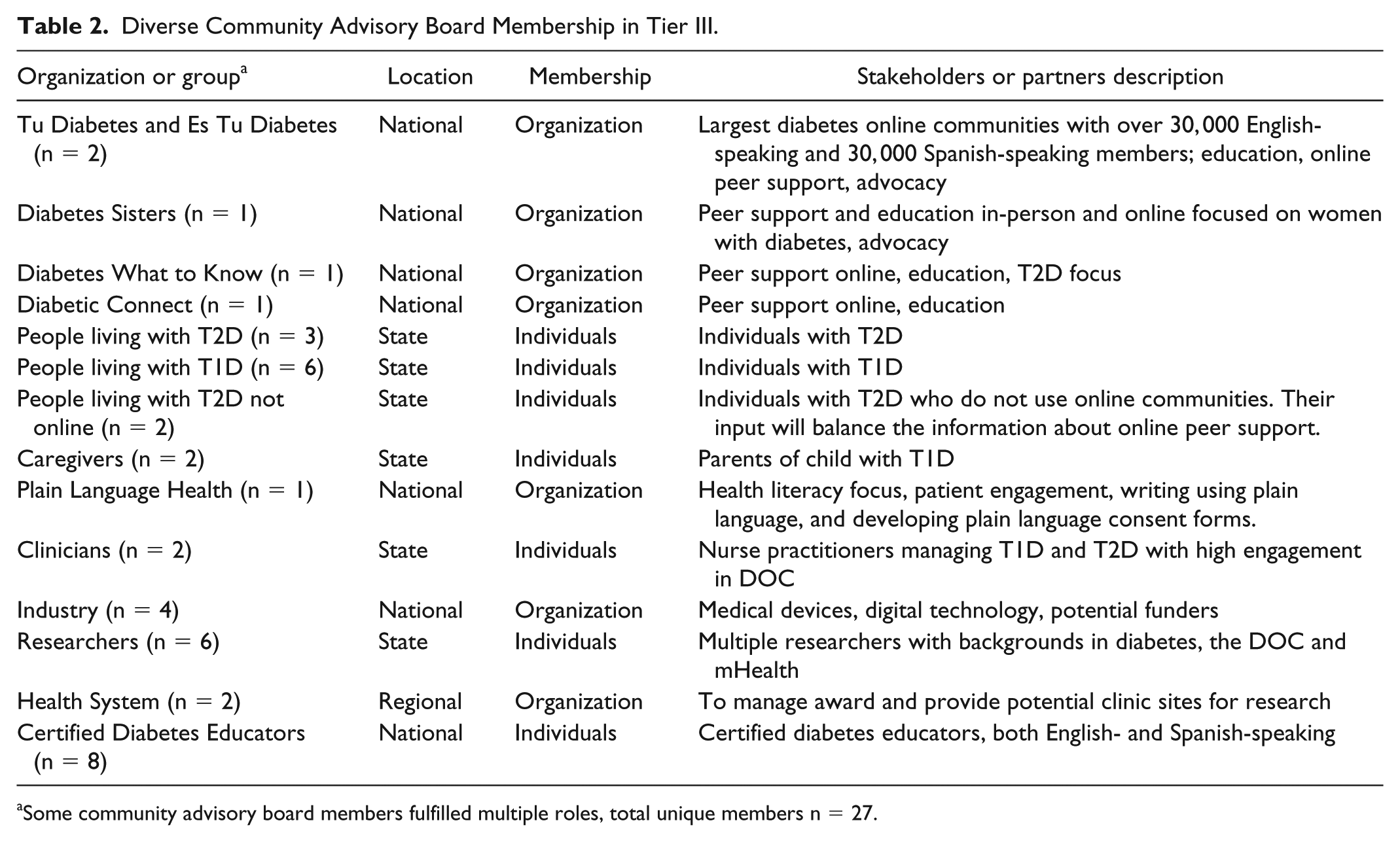
Some community advisory board members fulfilled multiple roles, total unique members n = 27.
Objectives, Goals, Activities, and Outputs of Community Advisory Board Engagement.
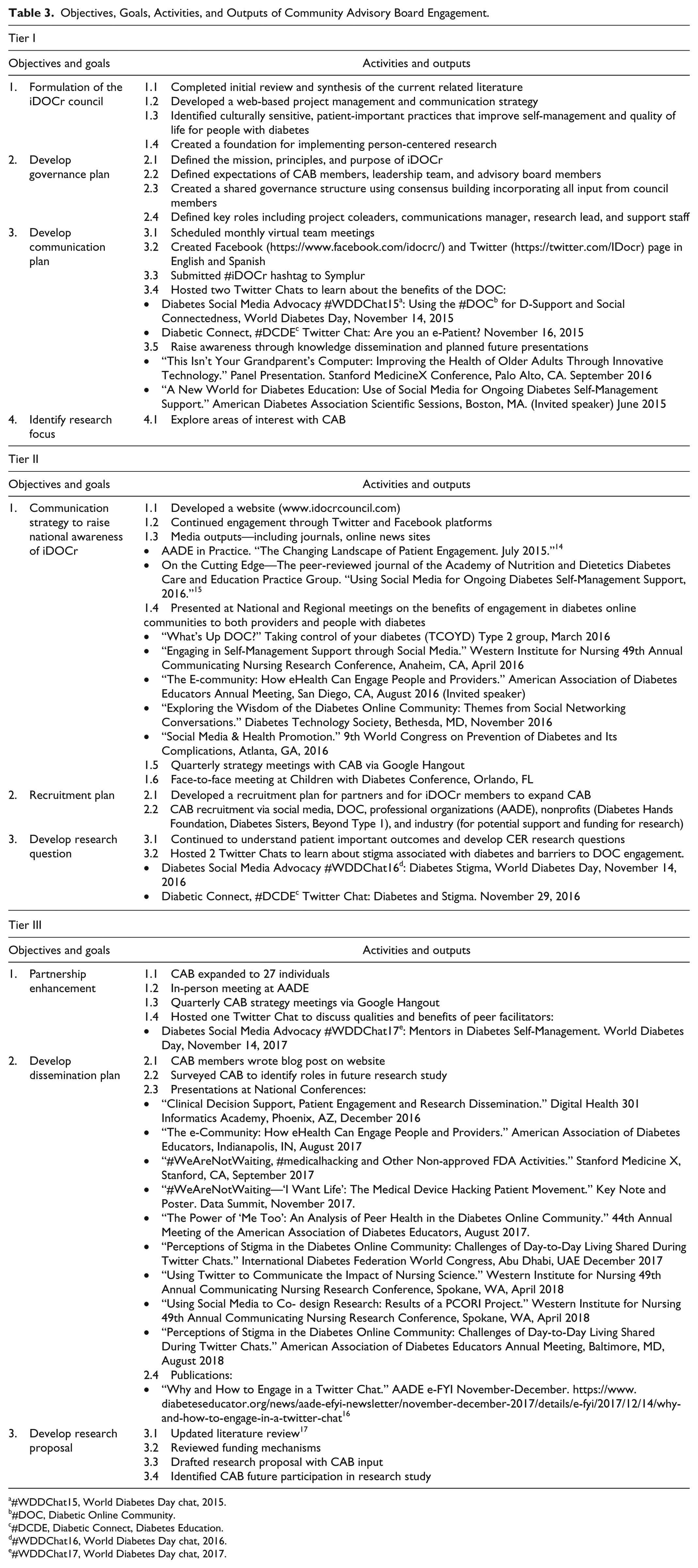
#WDDChat15, World Diabetes Day chat, 2015.
#DOC, Diabetic Online Community.
#DCDE, Diabetic Connect, Diabetes Education.
#WDDChat16, World Diabetes Day chat, 2016.
#WDDChat17, World Diabetes Day chat, 2017.
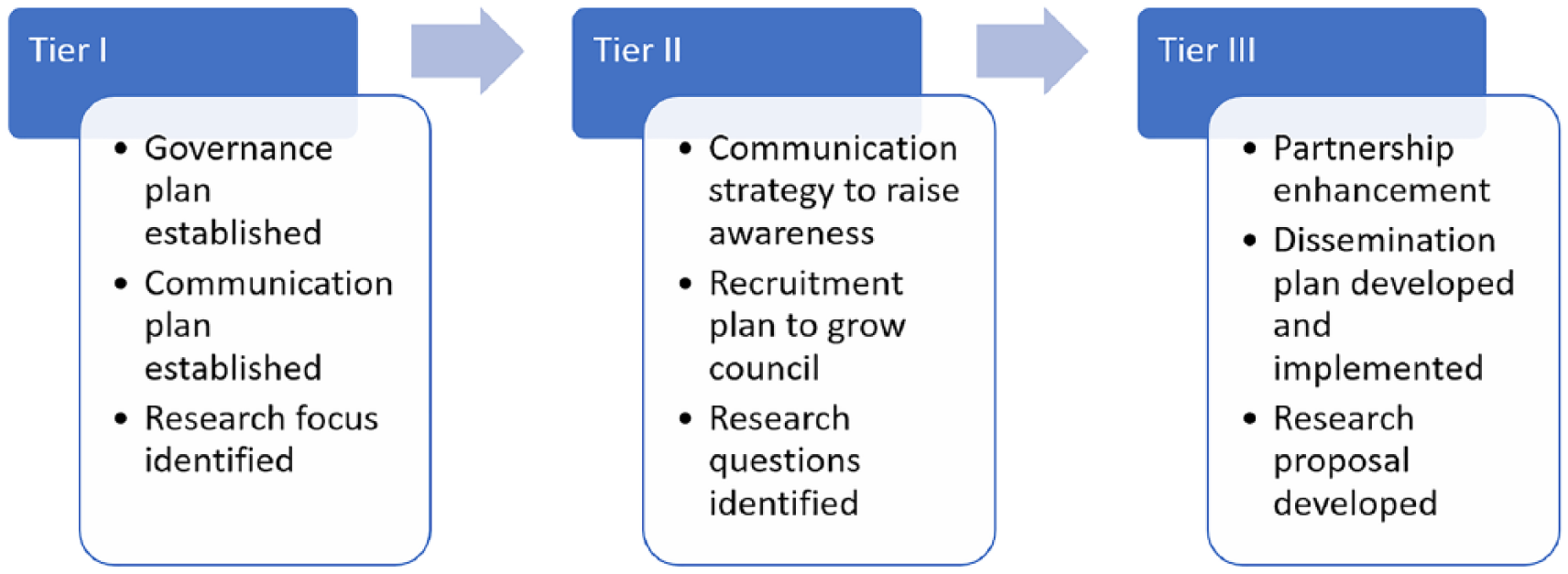
Intercultural Diabetes Online Community Research Council flow chart from Tier I to Tier III.
Raise Awareness of iDOCr and Online Peer Support
To raise awareness about the iDOCr council and the benefits of online peer support, the leadership team utilized multiple approaches to engage DOC users, including (1) development of an iDOCr webpage, (2) establishment of iDOCr Facebook and Twitter accounts, (3) blog posts by CAB members for the iDOCr web page linked to their social media posts, and (4) interaction with key opinion leaders (KOLs), such as popular bloggers and diabetes advocacy groups. These KOLs were critical in establishing trust between iDOCr and the DOC and supported research efforts (separate from the PCORI milestones described in this article) in which DOC users participated in iDOCr hosted Twitter chats (see Table 4). Furthermore, trust in iDOCr resulted in multiple DOC users who independently requested to be involved in iDOCr research efforts.
Twitter Chat Results.
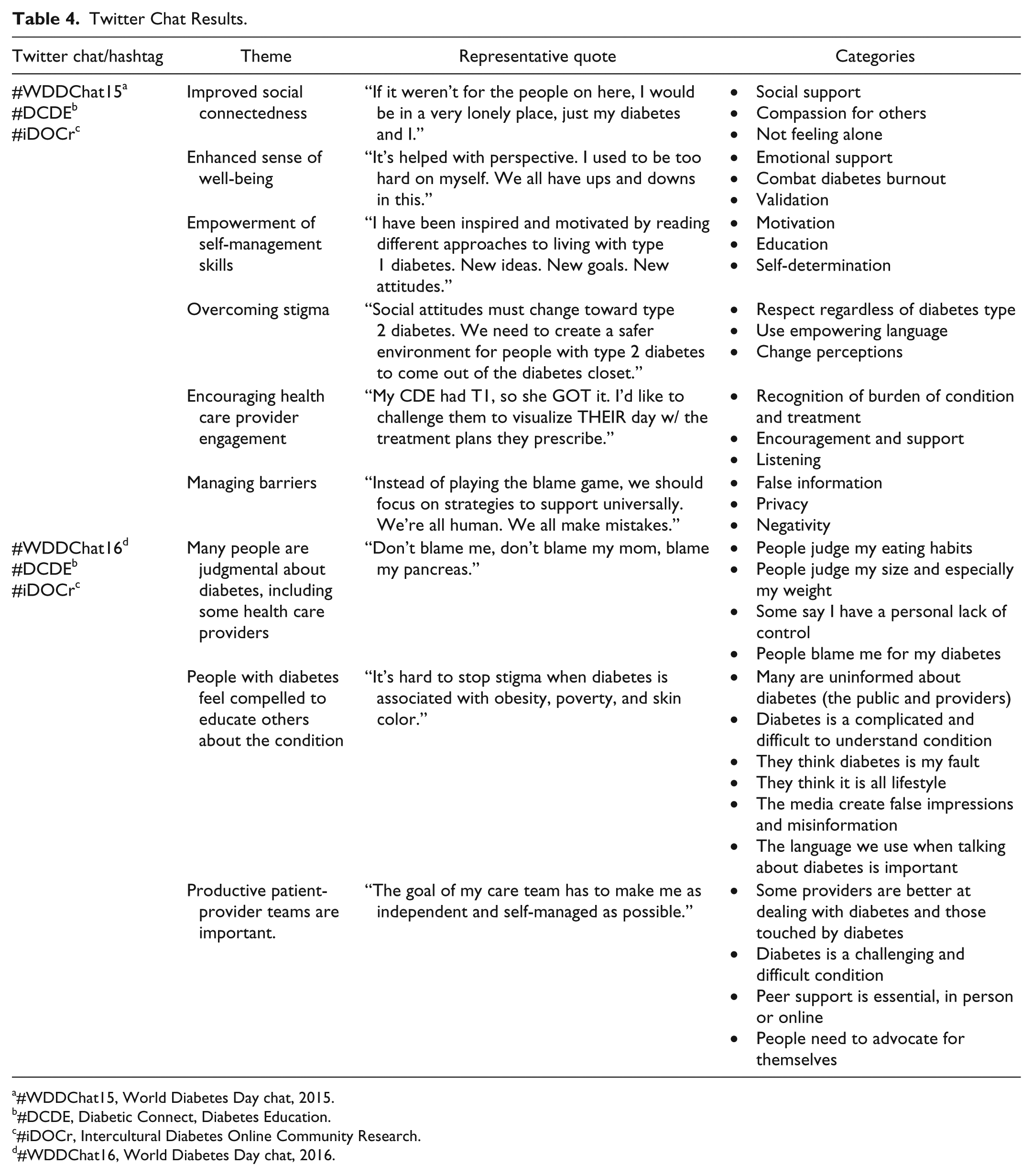
#WDDChat15, World Diabetes Day chat, 2015.
#DCDE, Diabetic Connect, Diabetes Education.
#iDOCr, Intercultural Diabetes Online Community Research.
#WDDChat16, World Diabetes Day chat, 2016.
Engagement with DOC Users in English and Spanish
Both English and Spanish were used by the research team and CAB to engage with DOC users through social media. Twitter chats (Table 4) were conducted in both languages concurrently and were translated following the chat. Spanish-speaking DOC users resided in the United States, Mexico, and multiple other countries. Bilingual stakeholders participated in the chats.
Outcomes/Outputs
Key outcomes included hosting four independent one-hour Twitter chats and establishing the hashtag #iDOCr to track Tweets. Data from the Twitter chats were used to learn about DOC concerns and priorities and to formulate a research question. To capture different audiences (national and international), questions were asked during two chats in 2015 (#WDDChat15 and #DCDE) and two chats in 2016 (#WDDChat16 and #DCDE) during diabetes awareness month. #WDDChat15 and #WDDChat16 were annual chats held on World Diabetes Day in 2015 and 2016 respectively. #DCDE was a national weekly chat focused on diabetes education hosted by Diabetic Connect. The CAB members were encouraged to participate in the chats and to invite peers and colleagues. In Tier I, the 2015 #WDDChat15 and #DCDE Twitter chats 18 were exploratory and focused on the health outcomes DOC users perceived could improve through participation in the DOC and how individuals with T2D could be encouraged to participate. During the two one-hour Twitter chats, 781 tweets were generated from 85 individual users. A qualitative content analysis identified six themes that emerged from the data: (1) improved social connectedness, (2) enhanced sense of well-being, (3) empowerment of self-management skills, (4) overcoming stigma, (5) encouraging health care provider engagement, and (6) managing barriers. See Table 4 for themes and representative quotes.
The 2016 #WDDChat16 and #DCDE chats 19 focused on exploring stigma in diabetes to expand upon Tier I findings. Twitter chat questions were developed from a survey of English and Spanish-speaking DOC users. The survey included questions adapted from the Diabetes Stigma Assessment Scales (DSAS-1 and DSAS-2). 20 During the two, one-hour Twitter chats, 1107 tweets were generated from 150 individual users. Qualitative content analysis identified three themes that emerged: (1) many people are judgmental about diabetes, including some health care providers, (2) PWD feel compelled to educate others about the condition, and (3) productive patient-provider teams are important. See Table 4 for themes and representative quotes.
The leadership team disseminated the Twitter chat findings to other researchers, clinicians and PWD at national meetings via posters and oral presentations (see Table 3).18,19
Develop a Comparative Effectiveness Research Question
The findings from the Twitter chats and CAB discussions led to the development and refinement of a research question. The Twitter chat analyses led to the decision to focus the research on increasing access to the DOC for those living with T2D. The CAB was highly interested in diabetes technology and decided to incorporate continuous glucose monitoring (CGM) to help people with T2D learn about the impact of food and activity on their blood glucose. The original research question was, “Do non-insulin-using adults with T2D learn how to use CGM for diabetes self-management when engaged in an online peer learning network compared to usual care.” In Tier III, the CAB further defined the research area of interest to focus on Hispanic individuals with T2D, English- and Spanish-speaking, using CGM to improve glucose management with online peer facilitators.
Design of a Clinical Research Study
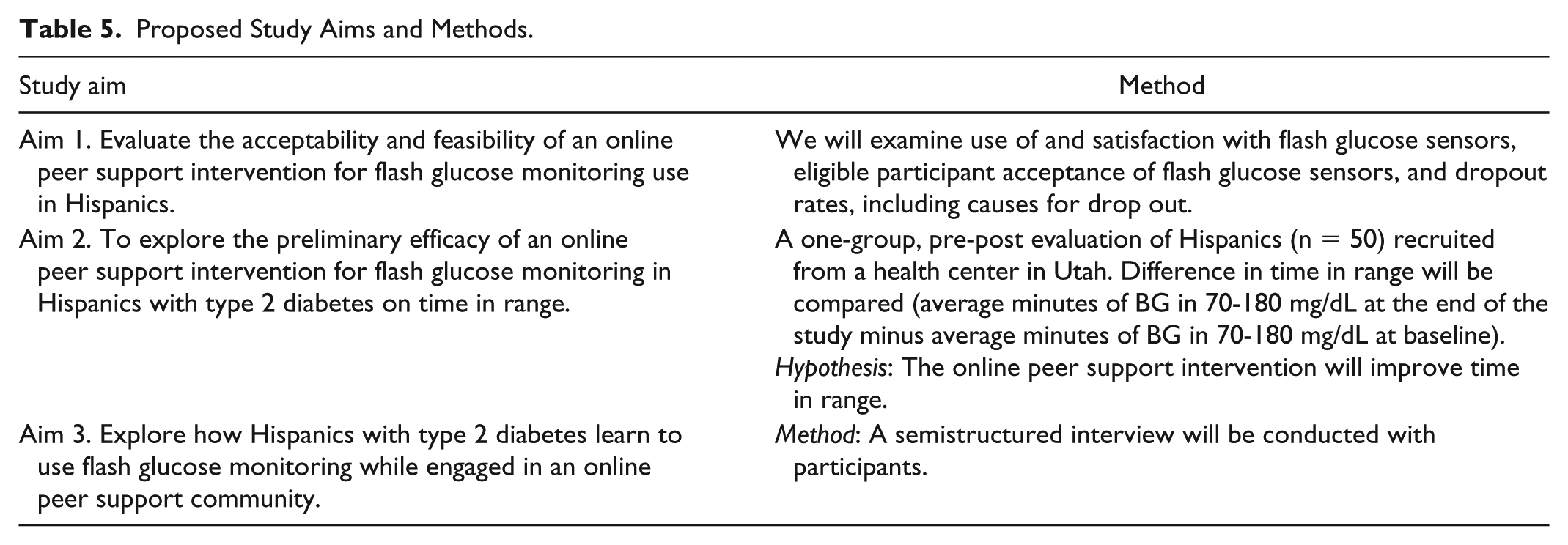
With input from the PCORI science team, we recognized that a CER study would not meet the requirements for PCORI funding due to lack of evidence to establish online peer support as a “standard of care” comparator. The team decided to conduct research to generate more evidence about the benefits of online peer support in a one group mixed methods study. Thus, the goal of the proposed iDOCr study is to evaluate the acceptability, feasibility, and preliminary efficacy of an online peer support intervention using CGM in Hispanics. The proposed study aims and methods are listed in Table 5.
Proposed Study Aims and Methods.
Discussion
CBPR is ideally suited to studying the process of using the DOC to advance health in diabetes. The use of social media to both learn about concerns and priorities important to DOC members and incorporate their input into the development of DOC focused research is innovative. Social media was used as both a communication tool and for exploratory research. A diverse CAB was established and evolved over time. Together the team raised awareness of the iDOCr council goals and helped to identify a research question and design a clinical study. The use of Twitter chats to engage the DOC in the discussion of the benefits of online peer support expanded foundational knowledge about issues important to PWD and led to the evolution of the research question from CER to an exploratory, and preliminary efficacy study using peer facilitators in an online community. The best practices for CBPR framework, adapted from Zoellner and colleagues 1 was used to discuss the lessons learned and address CAB needs as the team moves forward to conduct the research study.
Best Practices and Lessons Learned
Develop a diverse CAB partnership around a shared vision and goals. The initial PCORI award was written in partnership with Diabetes Hands Foundation, founders of Tu Diabetes and Es Tu Diabetes, the leading online peer support communities for PWD. As the CAB grew, in size and diversity, we continued to return to our shared vision of advancing the science that supports the DOC as a self-management support resource that is trusted by the health care community. 17 A fascinating outcome was that a team that represented mostly people affected by identified a research question highlighting the gaps and needs of people with T2D. The impact of the DOC on engaged users, mostly represented by T1D, was so significant that the CAB wanted to identify opportunities to increase engagement of people with T2D and Spanish-speaking individuals. The findings from the 2015 Twitter chats supported the need to identify opportunities to engage more people with T2D in the DOC and that the stigma associated with diabetes is a barrier to engaging in the DOC.18,19
Engage community members in the research planning process and recognize shared expertise. Since PCORI awards are inherently patient-centered, the iDOCr team engaged the DOC from the beginning. The use of Twitter chats expanded the opportunity for individuals to provide input into the research planning process and helped shape the research focus. Although the PCORI goal was to develop a CER question, the CAB decided to study the benefits of engaging in the DOC, which did not qualify for CER under the PCORI regulations. The decision to seek an alternative funding mechanism affirms the CBPR process. As the project evolved, additional partners were nominated based on the needs of the CAB and expertise of members, including industry partners and nonprofit organizations with an interest in the research outcomes and as potential funders. The CAB members completed a survey to identify how they wanted to participate in the future study. Some members will be coinvestigators, others will be peer facilitators, some will engage as diabetes educators to support the intervention and others will continue as CAB members.
Apply group process to promote team development. Team CAB meetings were structured to engage in discussion around topics that required decisions or areas where expertise was needed. The leadership team facilitated the meetings to ensure all CAB members had an equal opportunity to contribute. Using Google Hangout for virtual meetings allowed CAB members to visually see others and increased engagement. Between meetings, the CAB used social media to connect and share information pertinent to iDOCr research and the DOC in general. The yearly in-person meetings helped to increase a sense of connectedness and trust.
Plan for gaps in communication and change in membership. Email, website and project management software assisted in communication between meetings. The CAB members were asked to write blogs for the website to engage members while also continuing to raise awareness of iDOCr. As the leadership team changed, new members were asked to lead, based on the needs of the team. For Tier III we formally added a caregiver, who is not a researcher, as a co–project lead to strengthen the focus on CBPR.
Plan for sustainability. The next steps for this team is to submit a research grant which may take a significant amount of time. The CAB was supported with honoraria for members. Until a study is funded, there will be a gap. However, when asked if they planned to continue during the unfunded time, most of the CAB expressed an interest in continuing due to their passion for the project. The team plans to continue engaging in the World Diabetes Day Twitter Chat in 2018 to stay connected and engaged in the DOC. Plans for a social media presence and website engagement are being developed. The iDOCr leadership team is investigating opportunities to speak at conferences about the benefits of the DOC. A positive step toward sustainability is that iDOCr was added to a resource list for online peer support communities by AADE increasing the opportunity to raise awareness.21,22
Use social networks to innovate research. The success of iDOCr in creating a footprint in the DOC is due to the high levels of engagement in social media to understand the important diabetes community issues. Individuals engaged in the DOC started asking questions about iDOCr, our research interests and people asked to join our team. Incorporating Twitter chat findings into CAB discussions supported the development of innovative research.
Conclusions
The iDOCr council CAB, through a CBPR format and unique data collection methods on Twitter, gained a deeper understanding of issues important to individuals living with diabetes. Subsequently, a research study was designed to address patient-centered concerns and priorities while advancing the evidence-base of online peer support community participation, including those with T2D who are underrepresented within the DOC. Integrating the voice of PWD and the DOC in designing research ensures the most important and relevant research questions are asked. Additional research focused on online peer support may increase health care provider confidence in referring PWD to this low-cost and relatively accessible resource with the potential power to advance health.
Footnotes
Acknowledgements
The authors acknowledge the Intercultural Diabetes Online Community Research Council, Community Advisory Board members, and Twitter chat participants.
Abbreviations
AADE, American Association of Diabetes Educators; ADA, American Diabetes Association; CAB, community advisory board; CBPR, community-based participatory research; CER, comparative effectiveness research; CGM, continuous glucose monitoring; DOC, diabetes online community; iDOCr, Intercultural Diabetes Online Community Research; KOL, key opinion leader; PCORI, Patient-Centered Outcomes Research Institute; PWD, people with diabetes; T1D, type 1 diabetes; T2D, type 2 diabetes.
Declaration of Conflicting Interests
The author(s) declared no potential conflicts of interest with respect to the research, authorship, and/or publication of this article.
Funding
The author(s) disclosed receipt of the following financial support for the research, authorship, and/or publication of this article: The Patient-Centered Outcomes Research Institute (PCORI) Pipeline-to-Proposal Award Project, Comparative Effectiveness of Online Peer Support for Diabetes Treatment Approaches (3413076), funded a portion of this work.