




Abstract
In order to accurately predict the thermal hydraulic of two-phase gas–liquid flows with heat and mass transfer, special numerical considerations are required to capture the underlying physics: characteristics of the heat transfer and bubble dynamics taking place near the heated wall and the evolution of the bubble size distribution caused by the coalescence, break-up, and condensation processes in the bulk subcooled liquid. The evolution of the bubble size distribution is largely driven by the bubble coalescence and break-up mechanisms. In this paper, a numerical assessment on the performance of six different bubble coalescence and break-up kernels is carried out to investigate the bubble size distribution and its impact on local hydrodynamics. The resultant bubble size distributions are compared to achieve a better insight of the prediction mechanisms. Also, the void fraction, bubble Sauter mean diameter, and interfacial area concentration profiles are compared against the experimental data to ensure the validity of the models applied.
Keywords
Introduction
Two-phase gas–liquid flows with heat and mass transfer, such as subcooled boiling flows in heated channels, are prevalent in various industrial applications. Subcooled boiling flow can be characterized by the thermodynamic non-equilibrium that persists between the liquid and vapor phases inside the two-phase flow. A high-temperature two-phase region exists near the heated wall, while a low-temperature single-phase liquid generally occurs away from the heated surface. Heterogeneous bubble nucleation ensues within the active nucleation sites on the heated surface when the surface temperature exceeds the saturated liquid temperature at local pressure. At the onset of nucleate boiling (ONB), boiling occurs and bubbles remain attached to the heater surface. As the bulk temperature liquid temperature increases, the bubbles grow larger and detach from the heater surface. The void fraction increases sharply designated at the point of net vapor generation (NVG) – a low void fraction region upstream is followed by another region of which the void fraction increases significantly downstream.
In the past decades, modeling subcooled boiling flow based on the computational fluid dynamic techniques have been largely focused on capturing the fundamental considerations of: (i) heat and mass transfer in terms of heat flux partitioning during subcooled boiling flow at the heated wall and (ii) and the two-phase vapor bubble behaviors and its size evolution due to bubble interaction in the bulk subcooled flow away from the heated wall.
For the modeling of heat transfer at the heated wall, empirical correlations for determining the bubble departure diameter, bubble frequency, and active nucleation site density have been heavily utilized to achieve the necessary closure for the wall heat flux partitioning model.1–6A detailed assessment of the extent of applicability of these correlations has been performed in Cheung et al. 7 of which their limitations to certain flow conditions were demonstrated. Nevertheless, a further assessment in Vahaji et al. 8 and Yeoh et al. 9 on the mechanistically developed wall heat flux partitioning model to circumvent the use of empirical correlations has shown the applicability of such a model to a wider range of heating and flow conditions.
For the modeling of two-phase and bubble behaviors in the bulk flow, majority of studies have thus far concentrated on the study of coalescence and break-up kernels in two-phase isothermal flows.10,11 Recently, comparative analysis of different coalescence and break-up kernels has been performed by Deju et al. 12 for two-phase isothermal flows in a large bubble column. Nevertheless, such investigations on subcooled boiling flows remain elusive.
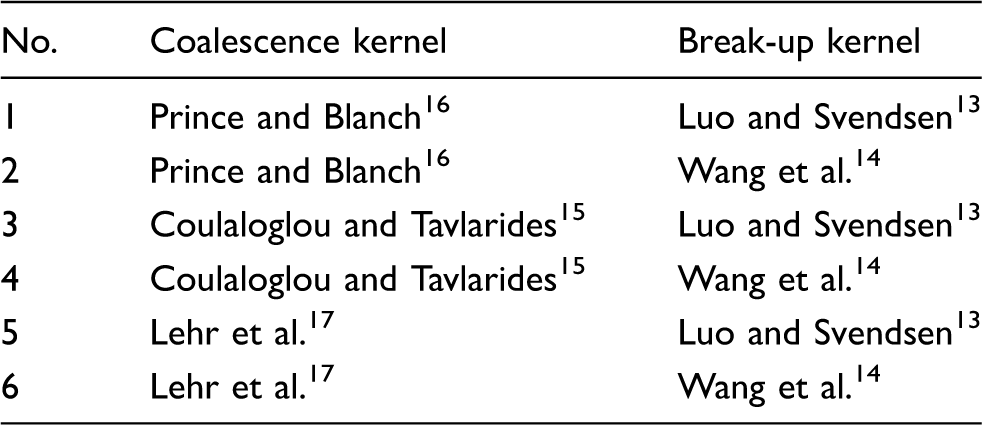
The major objectives of the paper are thus twofold: (i) assessing the applicability of existing bubble coalescence and break-up kernels in the framework of population balance modeling for subcooled boiling flows and (ii) utilize the mechanistic wall heat flux partitioning model with specific emphasis at elevated pressures for subcooled boiling flows. A numerical assessment on the performance of six different bubble coalescence and break-up kernels has been performed to investigate the bubble size distribution and its impact on local hydrodynamics based on different heating and flow conditions. For the mechanistic break-up kernels, two widely adopted models with different predictions for daughter size distribution (DSD) proposed by Luo and Svendsen 13 and Wang et al. 14 are assessed. These break-up kernels are then coupled with three different mechanistic coalescence kernels by Coulaloglou and Tavlarides, 15 Prince and Blanch, 16 and Lehr et al. 17 to form the six different combinations as presented in Table 1. Resulting bubble size distributions in the form of bubble Sauter mean diameter are compared to provide insights on the predictive capability of the bubble coalescence and break-up mechanisms. In addition, void fraction profiles are compared against the experimental data of Ozar et al. 18 to ensure the validity of the model predictions of subcooled boiling flows at elevated pressures.
Mathematical formulation
Two-fluid model
For two-phase subcooled boiling flows, the ensemble-averaged mass, momentum, and energy transport equations for continuous and dispersed phases are modeled using the Eulerian modeling framework. Considering the liquid (
Mass transport of continuous phase

Mass transport of disperse phase

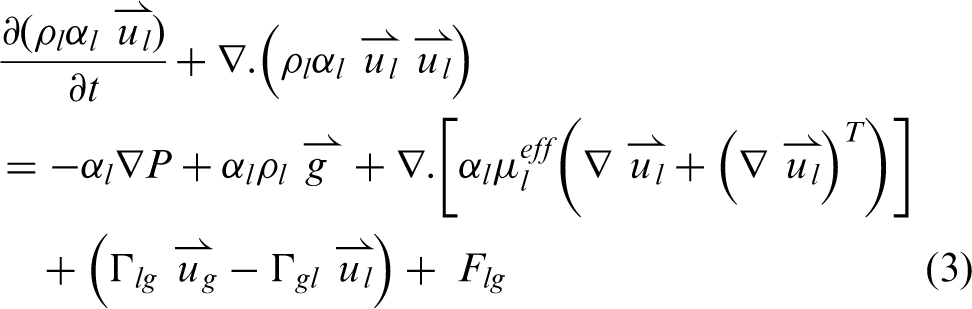
Momentum transport of continuous phase
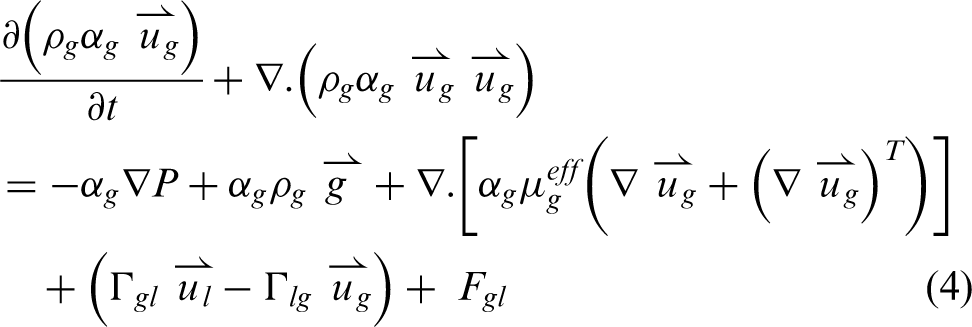
Momentum transport of disperse phase
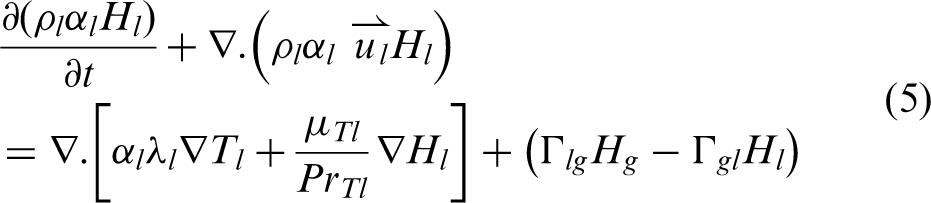
Energy transport of continuous phase
Energy transport of disperse phase
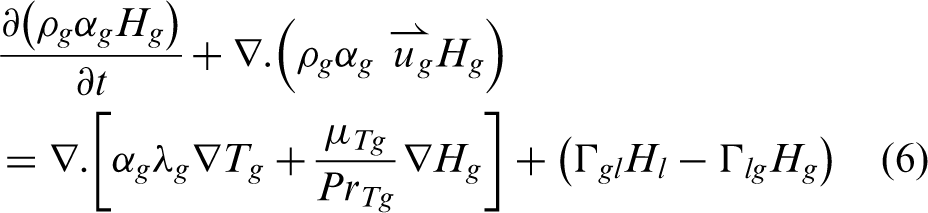
From the above transport equations, ρ is the density,


Interfacial transfer terms in the momentum and energy transport equations (

Note that
By the inclusion of Sato et al.
22
model for bubble-induced turbulence, the effective viscosity is considered as the total of the shear-induced turbulent viscosity and the bubble-induced turbulent viscosity. The viscosity of the liquid phase can be expressed as



The effective viscosity of the disperse phase can be obtained as

The turbulence variables k and ɛ are determined via the extended version of the two-equation single-phase standard
Population balance model
Particle (bubble) size distribution can be determined in accordance with the population balance equation expressed in integro-differential form via

By taking mass M as the independent coordinate, the discrete particle number density can be defined by

From above, the particle number density equation can be alternatively expressed in terms of size fraction fi of N bubble size groups as

In the above equation, Si represents the net change in the number density distribution due to coalescence and break-up processes. This entails the use of a fixed non-uniform volume distribution along a grid that allows a range of bubble sizes to be covered with a small number of bins and offers good resolution. Such discretization of the population balance equation has been found to allow accurate determination of the desired characteristics of the number density distribution. The interaction term
Coalescence kernels
For coalescence between fluid particles, the coalescence rate

The coalescence kernels that are adopted in this paper are described in the following.

The turbulent velocity ut in the inertial sub range of isotropic turbulence given by



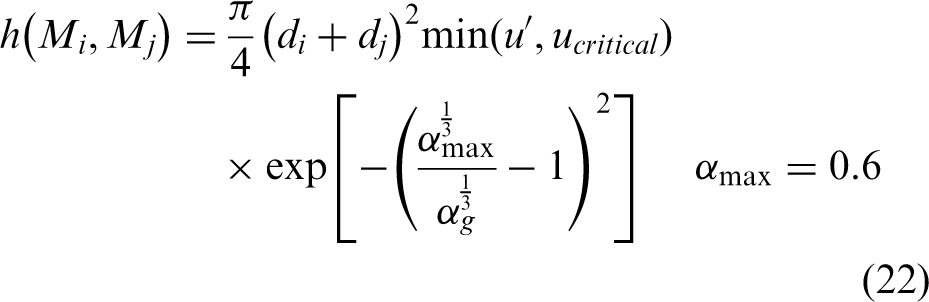
The characteristic velocity


The critical velocity

Break-up kernels
For the break-up of fluid particles, the break-up rate

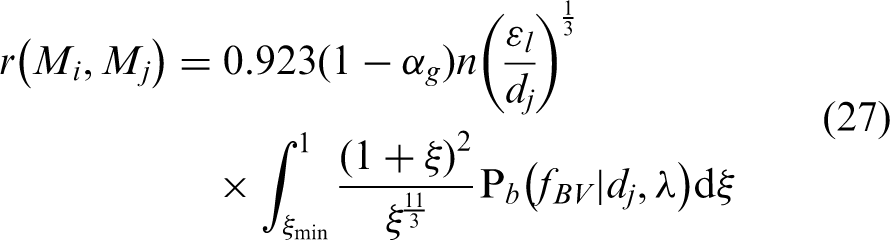
The breakage probability,
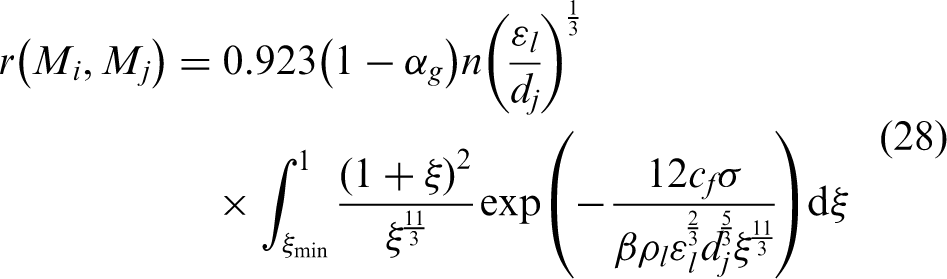
The break-up frequency represents the break-up bubble with mass of Mi into fraction of

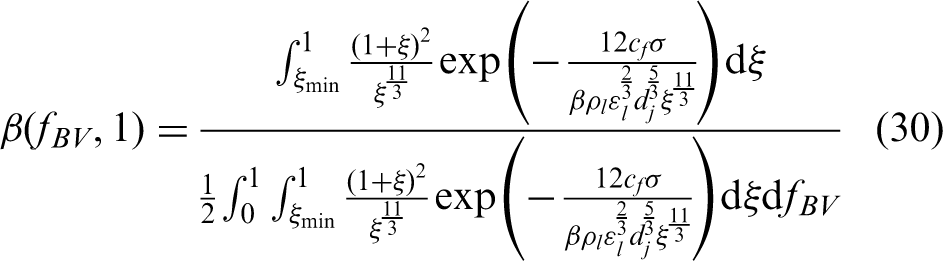
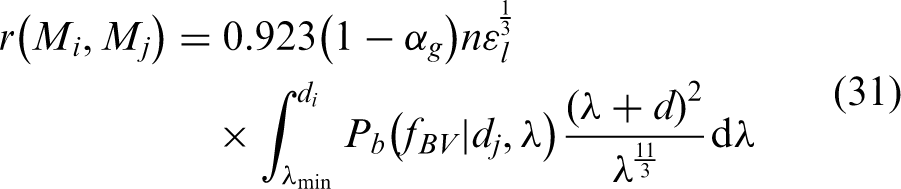
The total break-up frequency is also calculated according to equation (29) but with a different daughter bubble size distribution expressed as
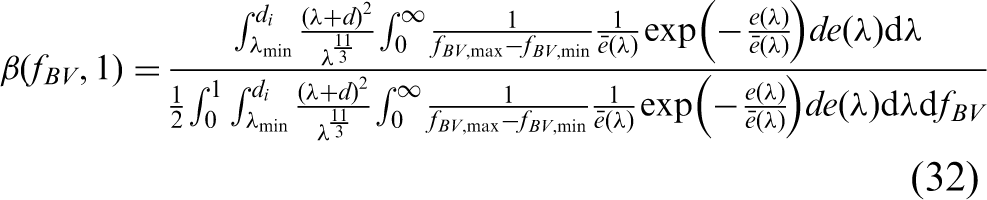
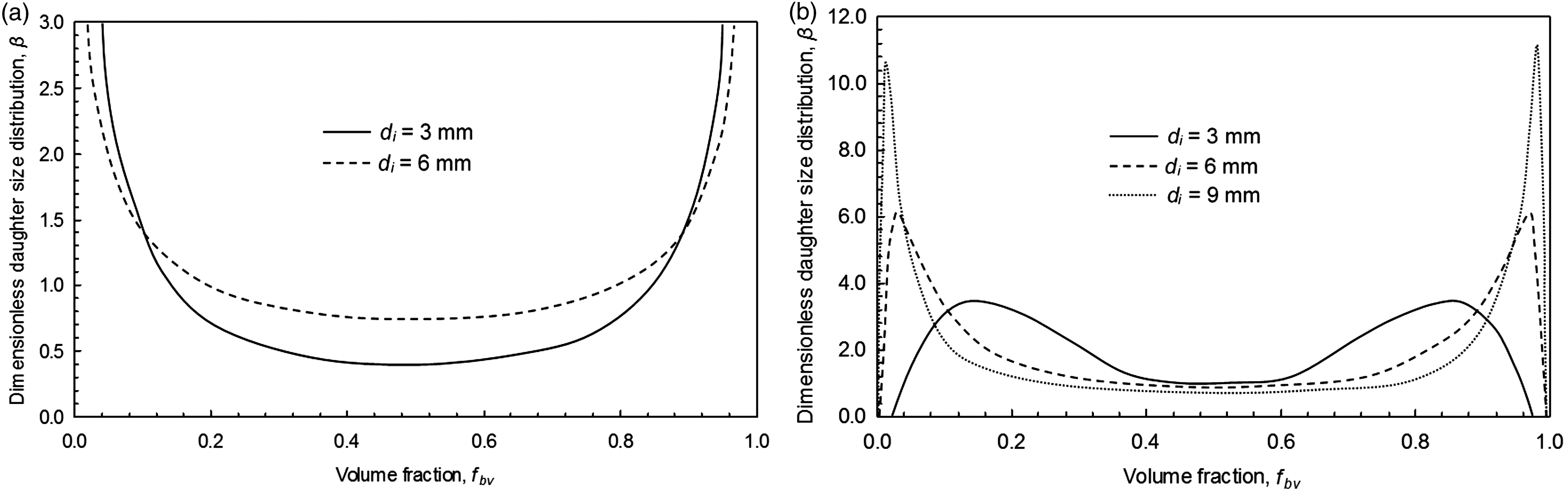
The DSD profiles for Luo and Svendsen
13
and Wang et al.
14
for various bubble sizes are illustrated in Figure 1.
Fractal wall heat flux partitioning model
A fractal model for the wall heat flux partitioning model is derived based on the concept that the nucleation site size distribution follows the fractal power law. The number of active cavities for the sizes of cavities between Dc and Dc+dDc can be obtained as
Surface quenching
The process of surface quenching or transient conduction occurs in regions that are swept by sliding bubbles, Qtcsl, or in regions at the point of inception, Qtc. A fractal model for the heat flux from the smallest site Dc,min to the largest site Dc,max is given by
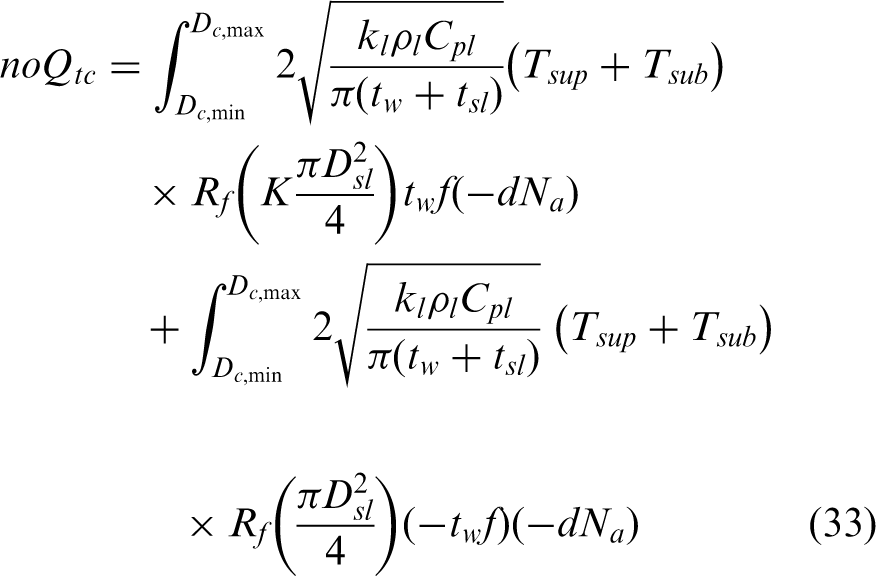
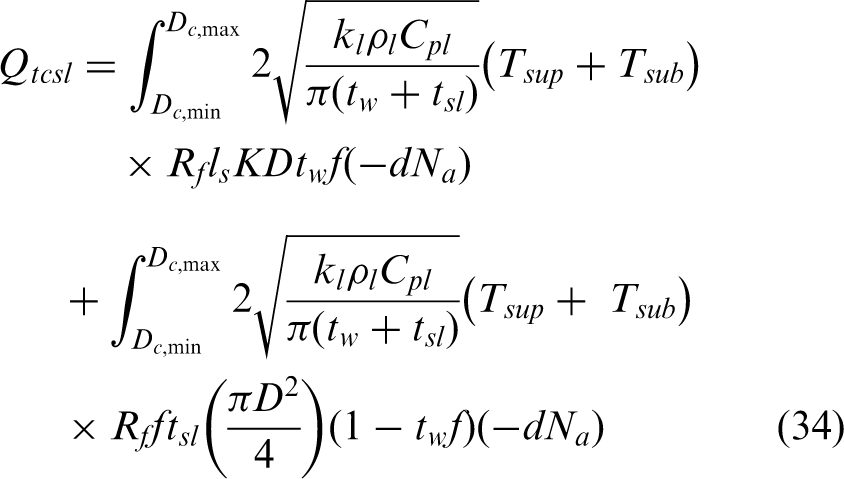
The transient conduction that takes place during the sliding phase and the area occupied by the sliding bubble at any instant of time from the smallest site Dc,min to the largest site Dc,max is nonetheless given by the fractal model for the heat flux as
Evaporation
The heat flux due to vapour generation occurs at the nucleate boiling region which is calculated by the energy carried away by the bubbles lifting off from the heated surface. A fractal model for this heat flux from the smallest site Dc,min to the largest site Dc,max is given by

Turbulent convection
Based on fractal characteristics, there is an expression that could relate the pore volume fraction to fractal dimension, minimum, and maximum pore size in porous media. This expression is given by

The total wall heat flux Qw is thus obtained as sum of the aforementioned heat flux components:
Experimental details
Consideration of different kernel combinations.
Experimental conditions for specific cases.
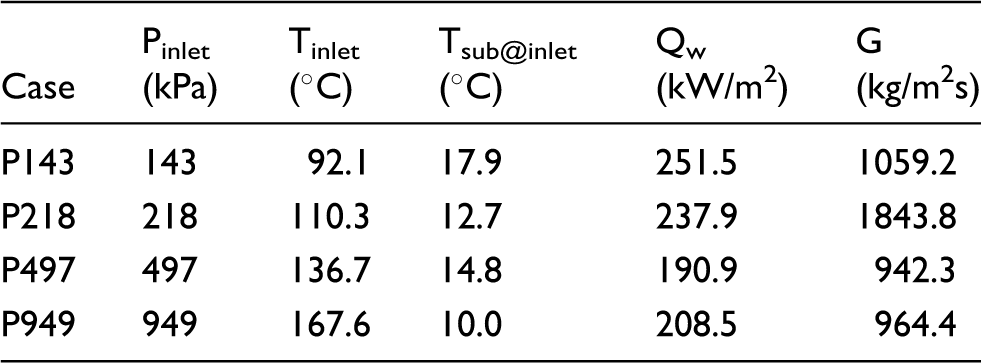
Low pressure experiment performed by Yun et al. 24 and Lee et al. 25 consisted of a vertical concentric annulus with an inner diameter of 37.5 mm for the outer wall, and outer diameter of 19 mm for the inner heating rod as the test section; the working fluid was demineralized water. The heated section was 1.67 m long and entire rod was heated by a 54 kW DC power supply. Radial measurements of phasic parameters were done at 1.61 m downstream of the start of the heated section. A two-conductivity probe method was used to measure local gas phase parameters such as local void fraction, bubble frequency, and bubble velocity. The bubble Sauter mean diameters (assuming spherical bubbles) were determined through the interfacial area concentration (IAC), calculated using the measured bubble velocity spectrum and bubble frequency. The uncertainties in the measurement of local void fraction, velocity, volumetric flow rate, temperature, heat flux, and pressure are estimated to be within ±3.0%, ±3.3%, ±1.9%, ±0.2℃, ±1.7%, and ±0.0005 MPa, respectively.
Ozar et al. 18 performed medium pressure experiments where a vertical concentric annulus was employed. The outer wall’s inner diameter was 38.1 mm, and the inner heating rod had 19.1 mm outer diameter. The annulus was designed between the pipes and the cartridge heater. The heated section was 2.845 m long which was followed by a 1.632 m long unheated section. The heater could produce a maximum heat flux of 260 kW/m2. The measurements presented in this paper, were performed at 1.06, 2.05, and 2.83 m downstream of the start of the heated section. The uncertainties in the measurement of local void fraction (done through a 4-sensor conductivity probe), gas velocity, flow rate, temperature, and pressure are estimated to be less than 10%, less than 10%, within ±0.75%, ±2.2℃, and less than ±0.2%, respectively.
Results and discussion
In order to discretize the conservation equations of mass, momentum and energy, the finite volume method is employed. Mentioned equations for each phase along with 15 extra set of transport equations for capturing coalescence, break-up and condensation of the bubbles for the MUSIG boiling model are solved. Since a uniform wall heat flux is applied, only a 60° section of the annulus is modeled as the computational domain for all the cases. Grid independence is inspected for 45, 90, 180, 240, and 300 cells along the vertical direction, and 5, 10, 20, and 30 cell in the radial direction; the mean velocity profiles of liquid and gas, and the volume fraction distribution did not change significantly by further grid refinement of 180 cells in the vertical direction and 10 cells in the radial direction. The proposed mechanistic approach along with some of the existing empirical correlations is compared against experimental data of Yun et al. 24 and Lee et al. 25 for Case P143 and Ozar et al. 18 for Cases P218–P949. The proposed mechanistic model consists of fractal wall heat flux partitioning model. For the break-up kernels, two widely adopted models with different predictions for DSD proposed by Luo and Svendsen 13 and Wang et al. 14 are selected. These break-up kernels are then coupled with three different coalescence kernels by Coulaloglou and Tavlarides, 15 Prince and Blanch, 16 and a more recent one by Lehr et al. 17 to form six different combinations of kernels.
Bubble sauter mean diameter profiles
In Figures 2 to 4, the predicted bubble Sauter mean diameter profiles in the radial direction for six aforementioned kernels are presented against the experimental data of Yun et al.
24
and Lee et al.
25
for Case P143 and experiments of Ozar et al.
18
for Cases P218–P949.
Bubble Sauter mean diameter profiles for Case P143 at Z/Dh = 84.7 and Cases P218–P949 at Z/Dh = 108. Bubble Sauter mean diameter profiles for Cases P218–P949 at Z/Dh = 56. Bubble Sauter mean diameter profiles for Cases P218–P949 at Z/Dh = 149.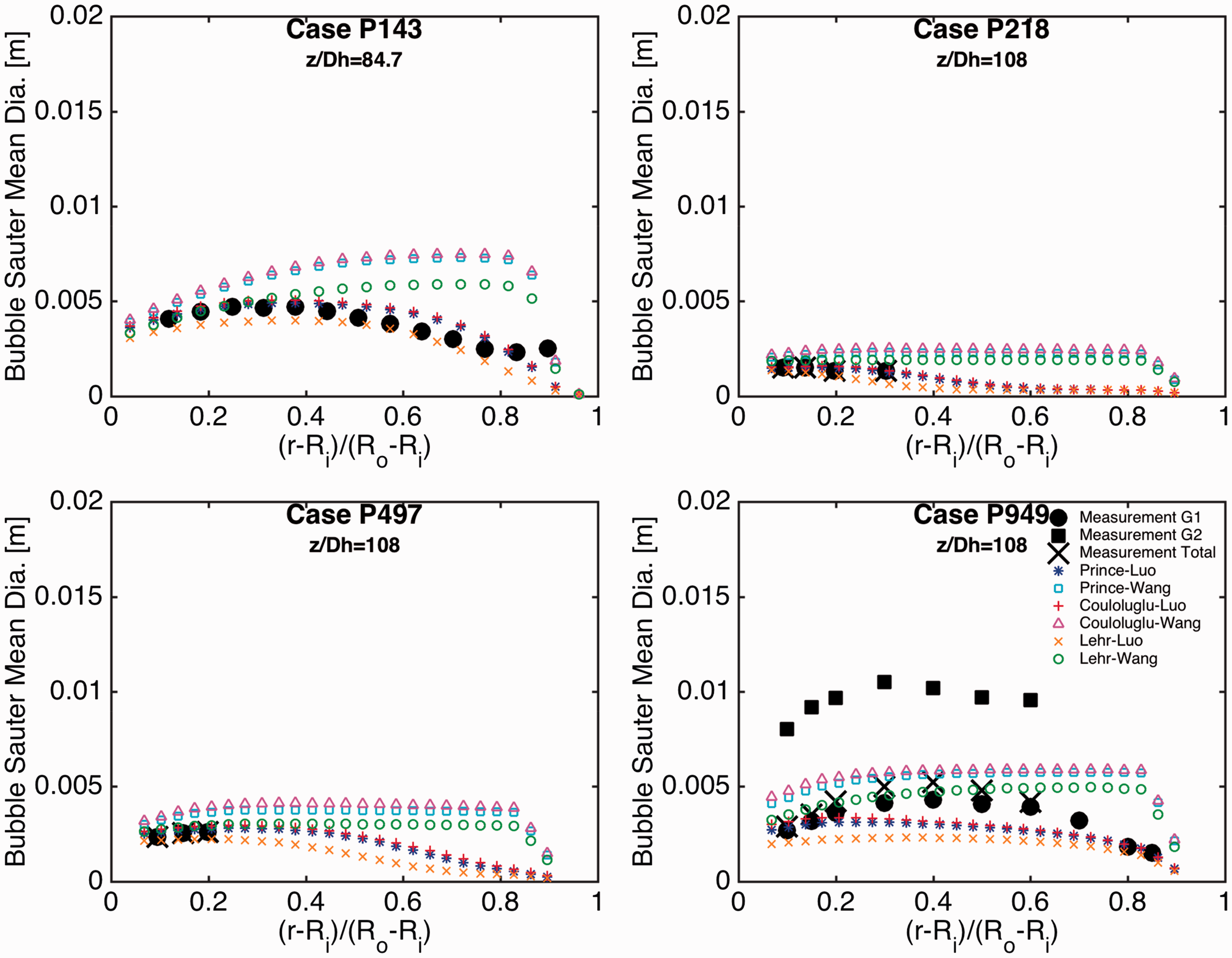
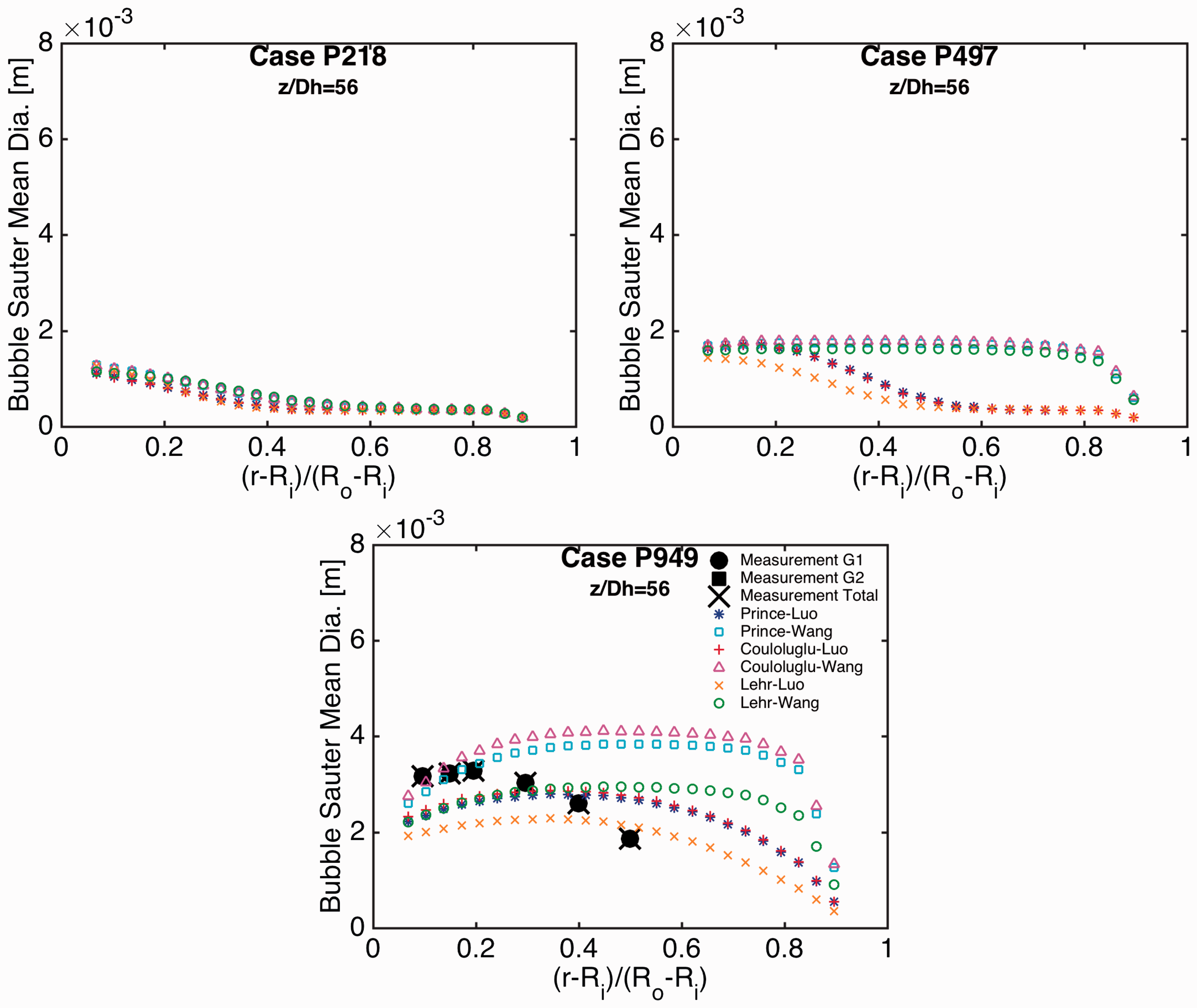
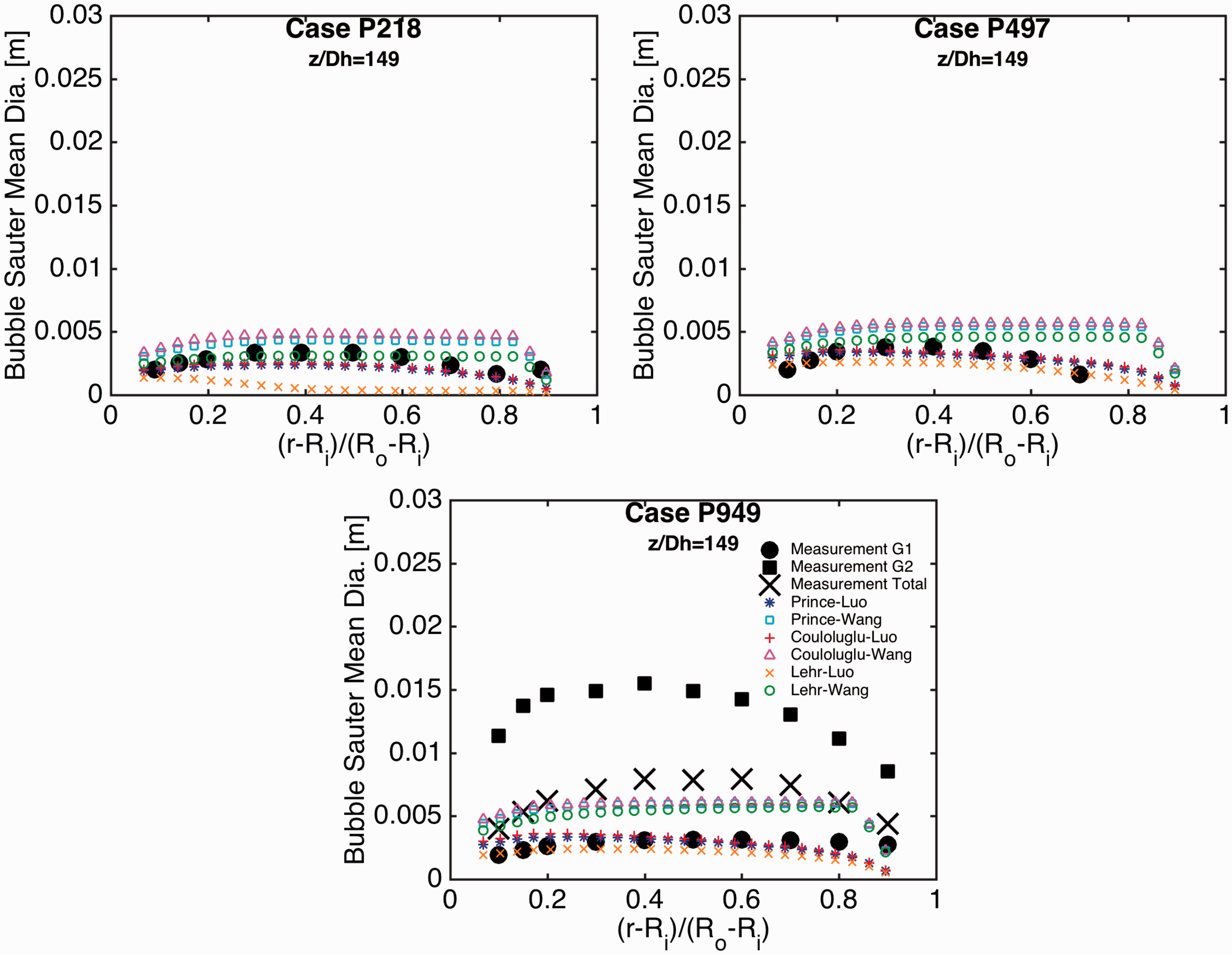
In general, one could notice that the coalescence kernels pose an insignificant contribution in the prediction of the bubble size. Among the three coalescence kernels, Coulaloglou and Tavlarides 15 model tends to predict a higher rate of bubbles coalescence Lehr et al. 17 model predicts a lower rate.
All the kernels predicting the bubble size closely agreed with the experimental measurement at the near heated wall region; however, moving away from the heated wall into the bulk liquid region, the kernels 2, 4, 6 with the same break-up kernel of Wang et al. 14 produce considerably different predictions to the kernels 1, 3, 5 with break-up kernel of Luo and Svendsen. 13
For the lower pressure cases (Cases P143–P497), the break-up kernel of Wang et al. 14 tends to over-predict the bubble size in the subcooled region. In other words, the rate of bubble break-up predicted by the model is lower than that of Luo and Svendsen. 13 Nevertheless, for the Case P949 where two group of bubbles (i.e. spherical and cap bubbles) are present, the Wang et al. 14 kernel predicts a considerably better agreement with the experimental data. On the other note, one should also notice that the break-up kernels is not the only influential parameter dictating the bubble size evolution. The condensation in the subcooled region as well as the influence of different bubble shapes (rather than spherical) could also be significant but subject to further investigations.
Void fraction profiles
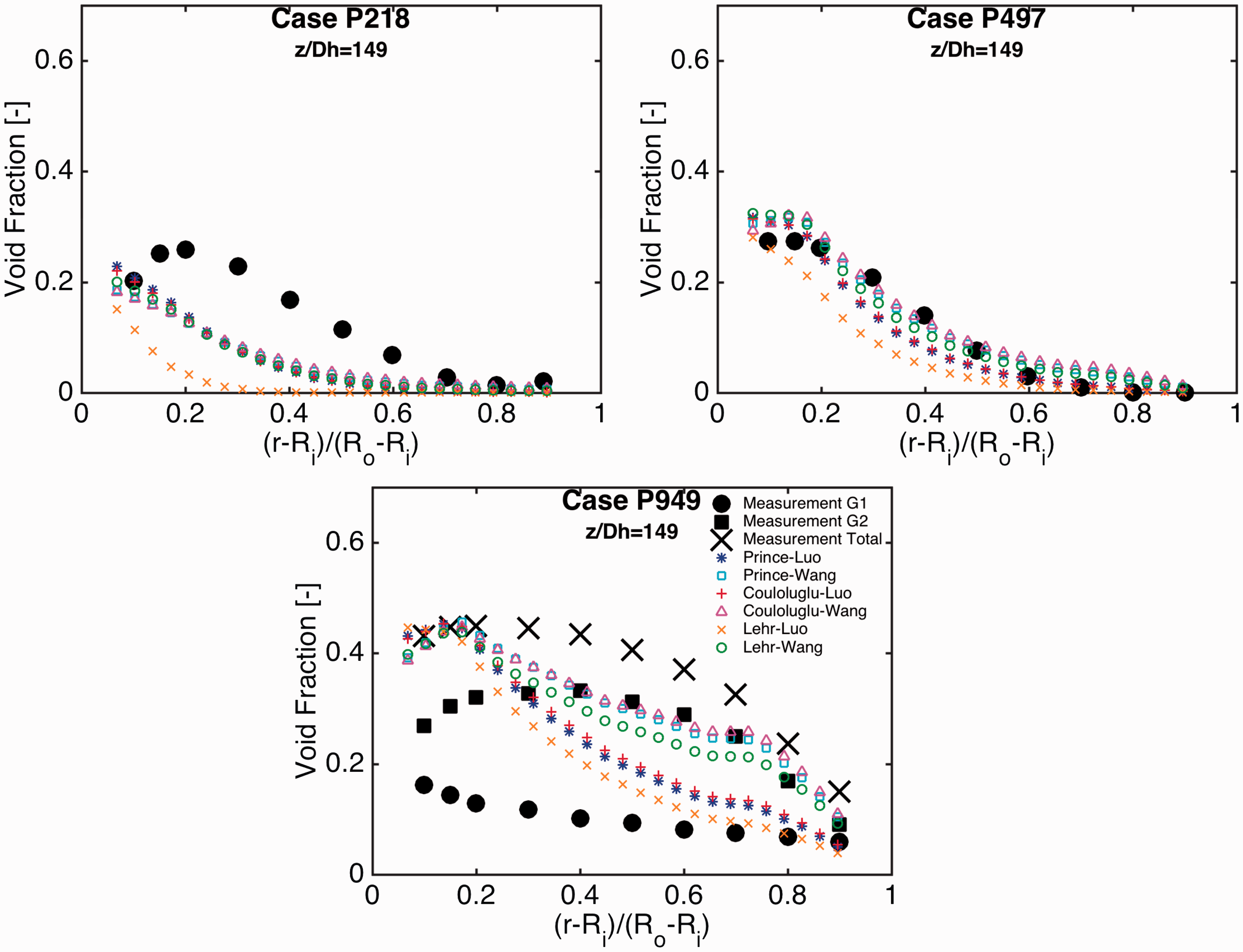
Figures 5 to 7 present the comparison of the predicted void fraction profiles in the radial direction for the six aforementioned kernels against the experimental data of Yun et al.
24
and Lee et al.
25
(i.e. Case P143) and the experimental data of Ozar et al.
18
(i.e. Cases P218–P949).
Void fraction profiles for Case P143 at Z/Dh = 84.7 and Cases P218–P949 at Z/Dh = 108.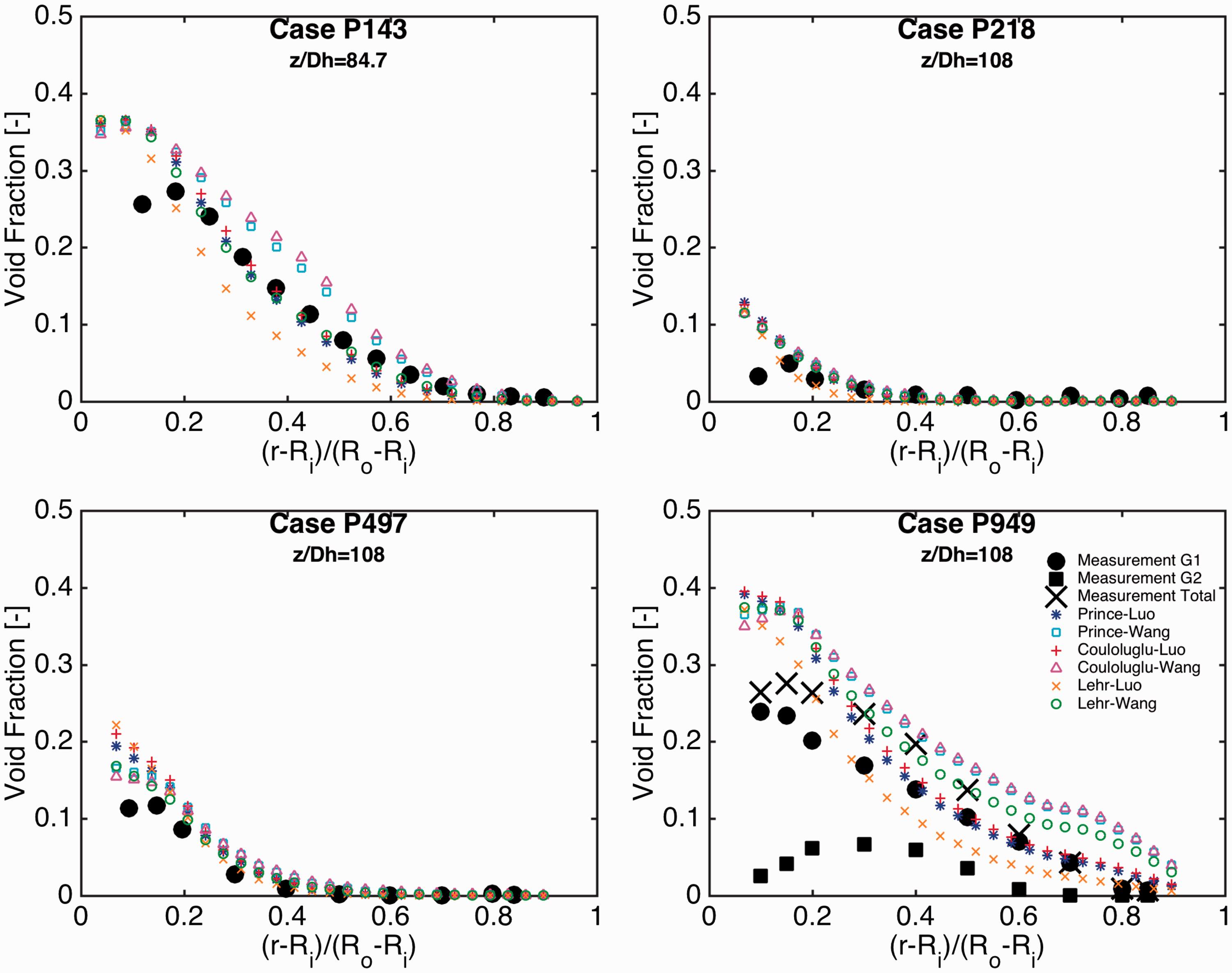
For all cases, the trend of void fraction distribution is captured and well agreed with the experimental data. A higher void fraction near the heated wall is due to the vapor generation at the surface of the heated wall. In the bulk liquid region, where bubbles are exposed to the subcooled liquid, condensation of bubble becomes dominant, vanishing the local void fraction. However, an over-prediction of void fraction near the heated wall is observed. All six kernels predict closely with the measurements for the lower pressure cases (Cases P143–P497); yet, the kernels 2, 4, and 6 pose better predictions for the elevated pressure case (Case P949). In this Case, two groups of bubbles are present which leads to higher void fractions compared to other Cases. The lower break-up rate that is predicted by Wang et al. 14 poses a better agreement with the experimental results in such case.
IAC profiles
IAC profiles in the radial direction for six kernels are depicted and compared against the experimental data of Yun et al.
24
and Lee et al.
25
(i.e. Case P143) and the experiment data of Ozar et al.
18
(i.e. Cases P218–P949) in Figures 8 to 10. As depicted, the influence of different coalescence kernels is insignificant in the prediction of IAC profile for all cases.
Void faction profiles for Cases P218–P949 at Z/Dh = 56. Void faction profiles for Cases P218–P949 at Z/Dh = 149. Interfacial area concentration profiles for Case P143 at Z/Dh = 84.7 and Cases P218–P949 at Z/Dh = 108. Void faction profiles for Cases P218–P949 at Z/Dh = 56. Void faction profiles for Cases P218–P949 at Z/Dh = 56.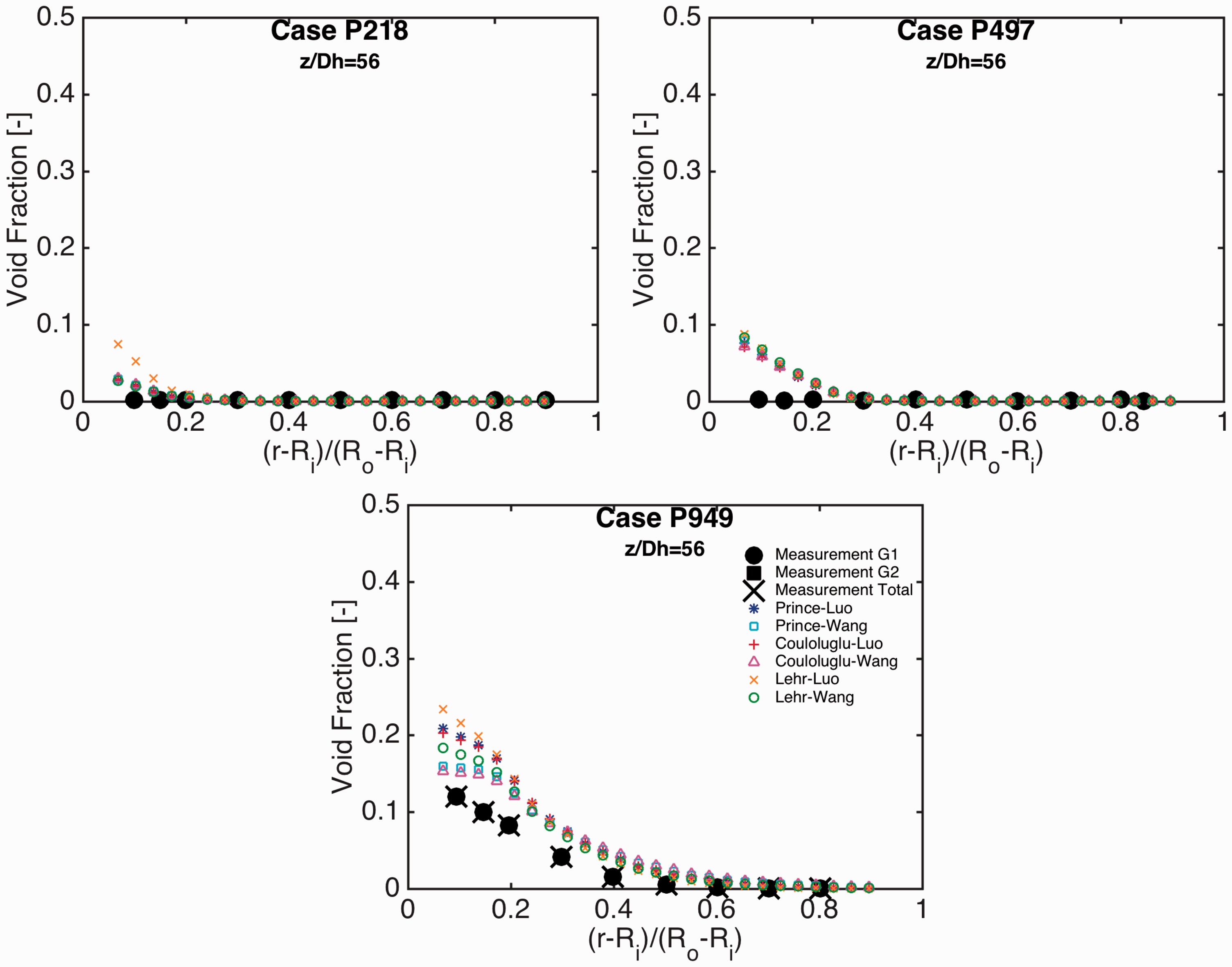
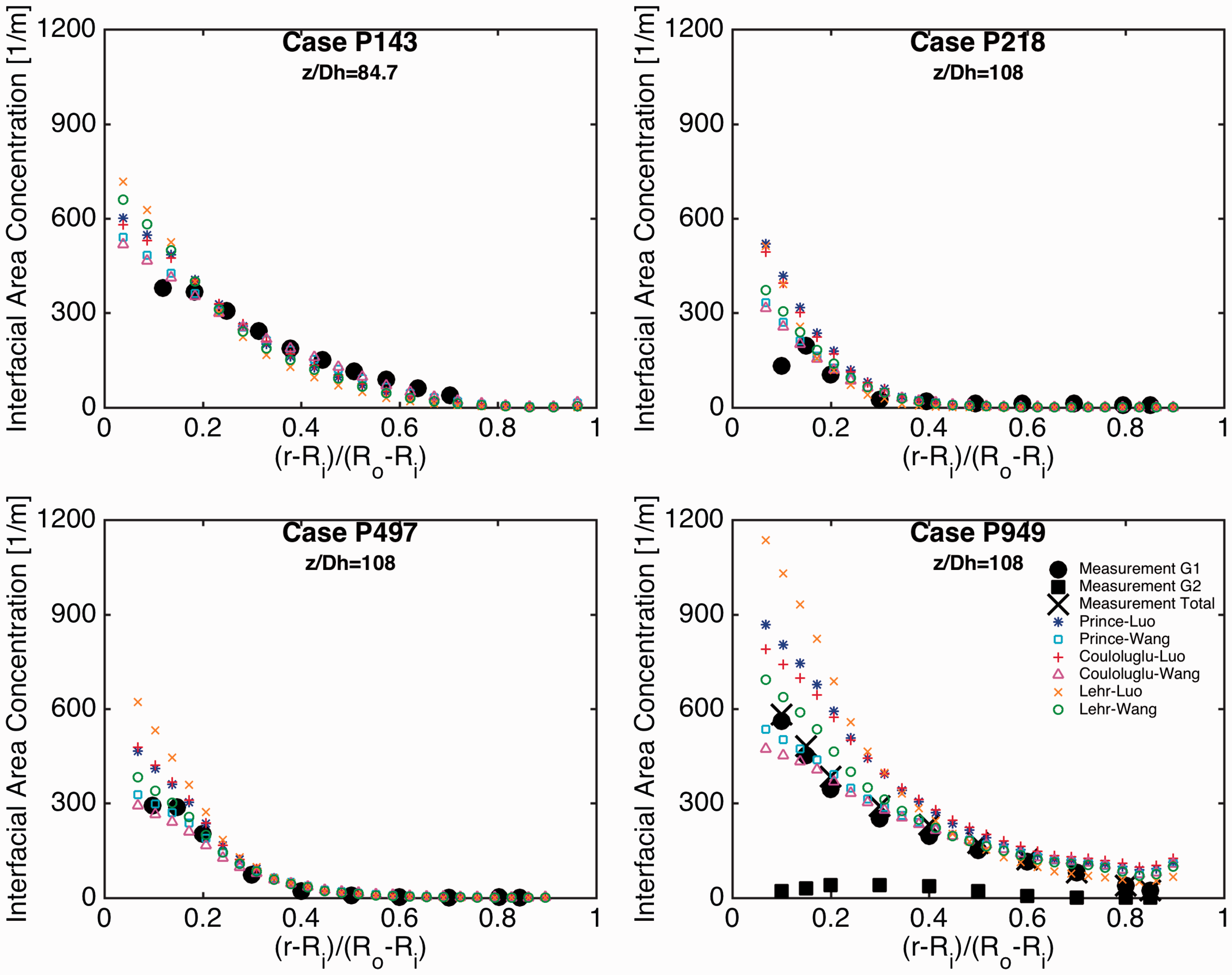
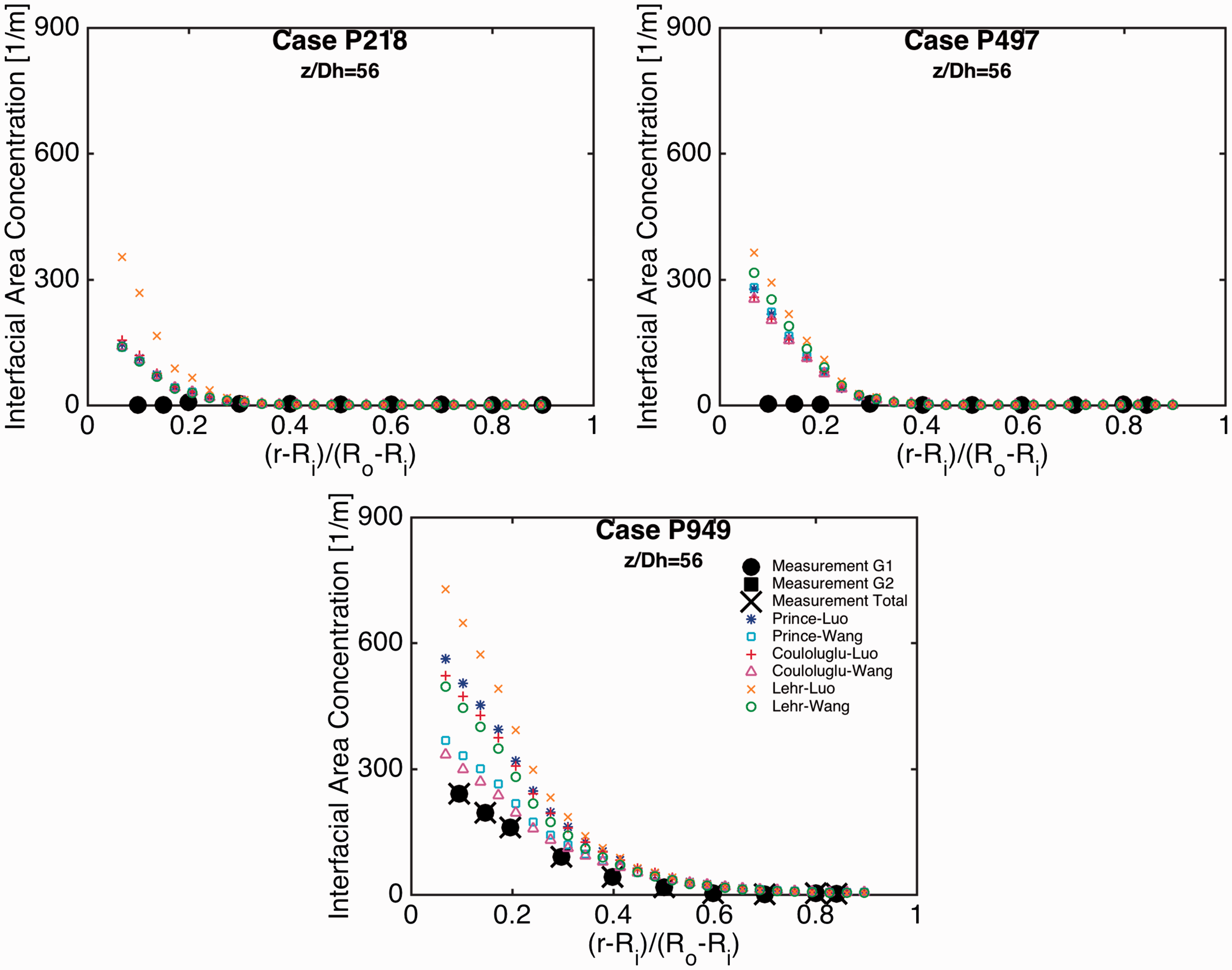
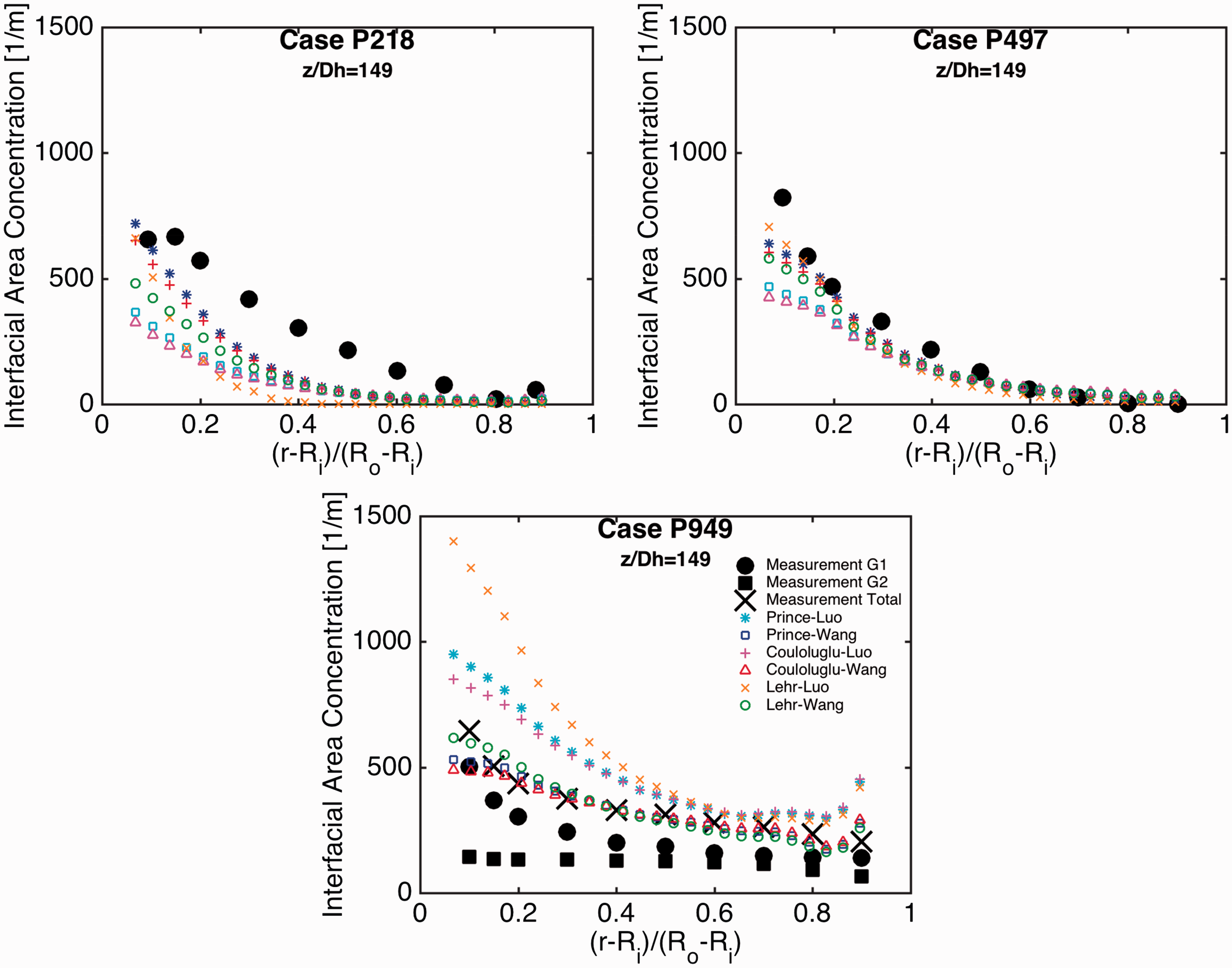
On the other hand, the Kernels 1, 3, 5 with Luo and Svendsen’s 13 break-up model tend to over-predict the IAC at the near heated wall region. Meanwhile, the Kernels 2, 4, 6 with Wang et al.’s 14 break-up model pose a considerably better predictions of IAC at the vicinity of the heated wall. The over-prediction of IAC in Luo and Svendsen’s 13 model in conjunction with the over-prediction of void fraction (as was observed in Figure 2, especially for the Case P497), leads to a better prediction of the bubble size (as was observed in Figure 1) compared to the Kernels with Wang et al.’s 14 break-up model.
Similar to other radial profiles, the Wang et al.’s 14 model poses better prediction for the IAC profile at the elevated pressure case (Case P949). This could be attributed to the formulation of the Wang et al.’s model where bubble break-up only occurs if the dynamic pressure of the approaching turbulent eddy is higher than the capillary pressure of bubbles. Therefore, the influence of pressure could be better captured in this model which leads to better prediction of all radial profiles of bubble Sauter mean diameter, void fraction, and IAC for the Case P949.
Conclusion
The performance of different coalescence and break-up kernels is investigated through numerical simulations of subcooled boiling flows at elevated pressures. Numerical predictions are validated against the experimental data of experiments of Yun et al. 24 and Lee et al. 25 for Case P143 and experiments of Ozar et al. 18 for Cases P218, P497, and P949. Overall, the bubble size and void fraction profiles’ trends are reasonably captured through these kernels. The influence of different coalescence kernels investigated in this study has been found to be insignificant in comparison to the break-up kernels. The model by Luo and Svendsen 13 seems to predict a higher rate of break-up, resulting in a better prediction of bubble size and void fraction for the lower pressure cases. Nonetheless, the consideration of capillary pressure in the break-up model by Wang et al. 14 gave better predictions for the elevated pressure case.
Footnotes
Acknowledgements
This paper is an extension of a conference paper that was presented at the Eleventh International Conference on CFD in the Minerals and Process Industries (CFD2015) and was nominated for invitation into the CFD2015 Special Issue of Journal of Computational Multiphase Flows based on its designation as having very good scope of extension into a high-quality paper of relevance to multiphase flows.
Declaration of conflicting interests
The author(s) declared no potential conflicts of interest with respect to the research, authorship, and/or publication of this article.
Funding
The author(s) disclosed receipt of the following financial support for the research, authorship, and/or publication of this article: The financial support provided by the Australian Research Council, Australia (ARC project ID DP130100819) is gratefully acknowledged.