




Abstract
Hot stand-by systems play a critical role in reliability engineering, ensuring uninterrupted operation in applications where system failure is not an option. This study focuses on the reliability assessment of a two-unit hot stand-by system with a perfect switch, using failure time data modeled by the Weighted Exponential-Lindley Distribution (WXLD). Bayesian reliability estimators are proposed under two loss functions: the Squared Error Loss Function (SELF) and the Linear Exponential (LINEX) Loss Function. These estimators are contrasted with Maximum Likelihood Estimators (MLEs) obtained by optimizing the likelihood function. Monte Carlo simulations are utilized to generate synthetic failure time data, facilitating a comparative analysis of the estimators based on their mean squared errors (MSEs). The findings highlight the performance and robustness of the Bayesian estimators relative to the classical MLEs. This comprehensive evaluation contributes to the advancement of reliability estimation techniques, offering practical insights into the effective analysis of hot stand-by systems.
Keywords
Introduction
Reliability assessment of complex systems is critical across industries such as engineering, healthcare, and manufacturing, where efficiency, safety, and optimal performance are paramount. In industrial applications, ensuring a system’s functionality over a specified mission time
Reliability analysis of a two-unit hot stand-by system involves estimating key parameters, such as component failure rates, repair times, and overall system reliability. Standby redundancy is typically classified into three types based on failure characteristics: hot standby systems, where components experience the same failure rate regardless of being active or on standby; cold standby systems, where components remain unaffected while on standby; and warm standby systems, where standby components may fail but at a reduced rate compared to active components. This study evaluates the reliability of a two-unit hot stand-by system with a perfect switch mechanism, a design critical for ensuring uninterrupted operation in high-stakes fields such as power generation, telecommunications, aerospace, and healthcare. Such systems mitigate the risk of severe safety hazards and economic losses by seamlessly transitioning between active and standby units, ensuring continuous functionality. To model the failure time data for this system, the study employs WXLD, 1 a highly flexible distribution well-suited for reliability analysis of systems with complex failure dynamics. The versatility of WXLD in accommodating various failure rate functions enables it to accurately capture the stochastic nature of component failures, outperforming traditional distributions. This adaptability allows for a precise representation of the system’s reliability characteristics, enhancing the practical applicability of the proposed methods for analyzing and improving critical systems.
Numerous research studies have focused on the reliability analysis of hot stand-by systems, employing a variety of statistical modeling methods to address different aspects of system performance. Osaki and Nakagawa 2 established reliability calculations for two-unit standby redundant systems with a constant failure rate. Wiens 3 analyzed a 1-out-of-2:G hot-standby system with 2 identical, dependent units and a General Erlang failure time distribution. Fuji and Sandoh 4 explored Bayesian estimation for the reliability of a two-unit hot standby redundant system. Shen and Xie 5 investigated the impact of standby redundancy both at the system and component levels. Subsequently, Lee et al. 6 derived Bayesian reliability estimators for k-unit standby system with perfect switch. Kumar and Kumari 7 dealt with a stochastic model for a two-unit hot standby combined hardware-software system in which one unit is operative, and the other is hot standby. Batra and Taneja 8 developed three models for a system comprising one operative unit and no/one/two hot standby unit(s). The purpose of their study is to facilitate decision-making concerning the optimal number of hot standby units, with the aim of maximizing profit. Rizwan et al. 9 presented a reliability analysis of a two-unit hot standby PLC’s system. Further, Manocha et al. 10 discussed the stochastic and cost-benefit analysis of two-unit hot standby database system. Kumari and Kumar 11 carried out the comparative study of two-unit hot standby hardware software systems with impact of imperfect fault coverage. More recent studies have further expanded on these foundations. Saini et al. 12 studied the reliability, availability, and maintainability analysis of hot standby database systems. Malhotra et al. 13 evaluated the availability, reliability, and other measures of system effectiveness for two stochastic models between two-unit hot and cold standby redundant systems with varied demand. Oszczypała et al. 14 discussed the reliability analysis and redundancy optimization of k-out-of-n systems with random variable k using continuous time Markov chain and Monte Carlo simulation. Ge et al. 15 dealt with the reliability optimization of reliability-redundancy allocation problems based on K-mixed strategy. Peiravi et al. 16 developed a Continuous-Time Markov Chain model for both mixed and K-mixed strategies and the proposed model estimated reliability under different redundancy strategies. Recently, Chaudhary et al. 17 explored the comparative research of efficacy of two parallel systems, Model A employing a hot standby system and Model B utilizing a cold standby setup. Munda et al. 18 used Regeneration point technique for finding various measures of a system comprises three units operative, hot standby, and warm standby—which have varying failure rates following an exponential distribution. The reliability analysis of two-unit hot stand-by systems has been studied in the literature; however, this field remains relatively unexplored, particularly in the context of Bayesian reliability estimation. Most existing studies rely on Semi-Markov processes and regenerative techniques to model system reliability, leaving Bayesian approaches largely unexplored with limited recent research available. The existing studies rely on traditional lifetime distributions, such as the Exponential, Weibull, or Lindley distributions, which may not always provide an optimal fit for failure time data in stand-by systems. These conventional models often assume a constant or monotonically changing failure rate, which might not accurately capture the dynamic nature of system reliability in hot stand-by configurations. For example, Exponential, Weibull, Gamma, and Lindley distributions have been widely used for reliability modeling. However, these distributions often impose restrictive assumptions on failure rates, which may not fully capture the complex failure dynamics of hot stand-by components. For instance, the Exponential distribution assumes a constant failure rate, which is often unrealistic in practical applications where components experience aging or wear-out effects. The Weibull distribution provides more flexibility by allowing monotonically increasing or decreasing hazard rates, but it does not offer the weighted structure needed to model varying operational phases in stand-by systems. The Lindley distribution, though useful for modeling positively skewed failure time data, lacks sufficient adaptability to represent diverse failure patterns. To address this gap, we introduce the WXLD as a novel failure time model for hot stand-by systems. The significance of WXLD lies in its ability to exhibit increasing, decreasing, and constant hazard rate functions, making it more flexible than standard distributions. This characteristic is crucial for modeling components in a hot stand-by system, where different operational phases (active or standby) can influence failure behavior. The weighted structure of WXLD allows it to model components with varying levels of stress and degradation, improving the accuracy of reliability estimations. This makes it a more practical and realistic choice for industries where stand-by redundancy is a critical factor. Compared to conventional distributions, WXLD provides a more adaptable framework for failure time analysis by incorporating an additional weighting mechanism, allowing for better modeling of failure dynamics in complex systems.
Bayesian estimation is a robust statistical approach that incorporates prior knowledge and uncertainty into parameter estimation. In this study, we apply Bayesian techniques to develop flexible reliability models for a two-unit hot standby system with a perfect switch, using WXLD. This allows us to capture the complex, stochastic nature of component failures, and update prior beliefs with observed data, leading to more accurate reliability assessments. The main motivation of this study is to fill the gap in the literature regarding the use of WXLD for reliability analysis of hot standby systems. Existing research often focuses on constant failure rates, failing to capture the complex failure dynamics. By leveraging the flexibility of WXLD, this study aims to provide a more comprehensive reliability assessment. Additionally, comparing Bayesian estimators with MLE through Monte Carlo simulations will identify the most effective methods for estimating reliability, offering valuable insights for enhancing system performance and decision-making. The structure of the article is organized as follows: Section 2 introduces the notations used throughout the paper along with the detailed description of the model, highlighting the key aspects of the proposed methodology. Section 3 discusses system reliability, including a comprehensive explanation of the foundational assumptions. In Section 4, we derive the MLE for the system’s reliability and develop Bayesian estimators using Lindley’s approximation and the MCMC method under the SELF and LINEX loss functions. Section 5 evaluates the performance of the proposed approach through extensive simulations, using Monte Carlo techniques to compare reliability estimates. The results are systematically presented using tables and graphs. Finally section 6 concludes the study by summarizing key findings and insights.
To effectively model the complexities of hot standby system reliability, we propose the use of WXLD. This model is selected for its ability to accurately capture the varied and intricate failure time patterns that arise from differences in component importance within the system. The PDF and CDF of WXLD, which characterize the failure time behavior, are provided as follows:


The reliability function


A random variable T with the PDF given in equation (1) is denoted by WXLD (
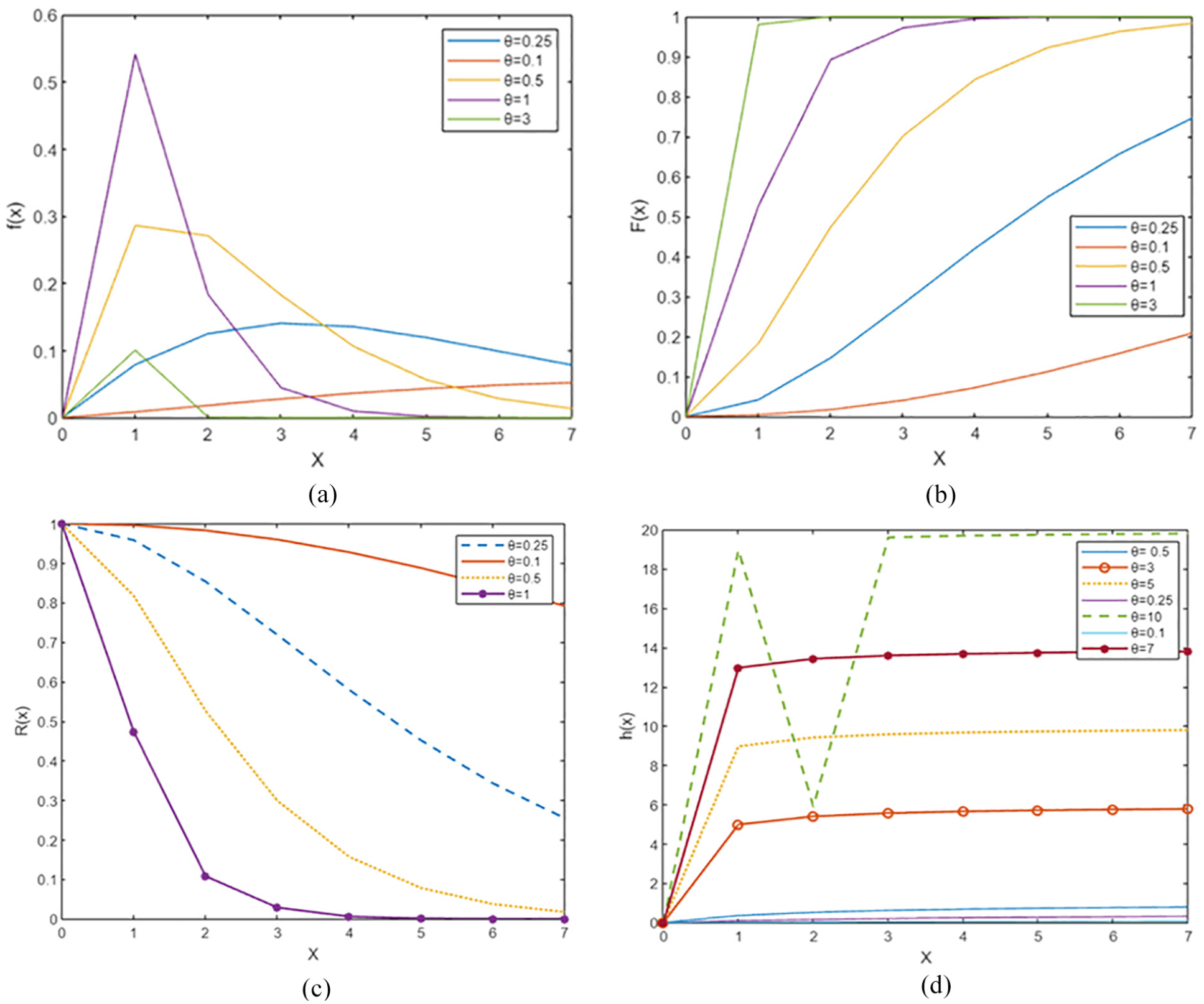
Plots of the (a) PDF, (b) CDF, (c) reliability function, and (d) hazard function for some parametric values.
System reliability and assumptions
In the realm of industrial equipment and components operational lifespan, the likelihood that a specific system will operate for a designated “mission” time
The system comprises two units that are both independent and identically distributed, along with a switch.
While one unit is operational, the other functions as a hot standby.
The switch activates instantly in the event of a failure in the currently operational unit.
The failure times of both the active and standby units are independent and follow a WXLD with a common failure rate denoted by θ.
The unit and the switch operate independently of each other.
The switch is failure free.
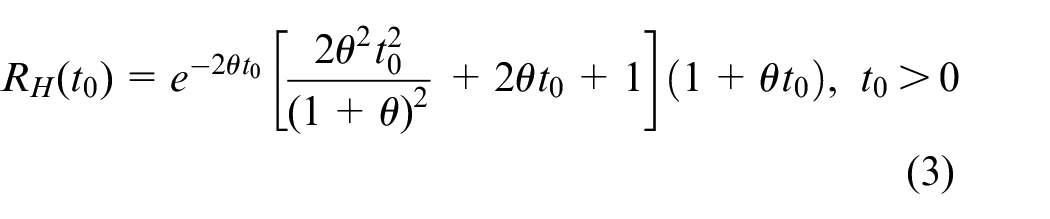
The reliability of the two-unit hot standby system with a perfect switch at the designated mission time
Classical estimation
In this section, we explore the classical approach for evaluating system reliability. To estimate the point value of system reliability
Maximum likelihood estimation
MLE is a widely used statistical method for estimating the parameters of a probability distribution based on observed data. The principle of MLE is to determine the parameter values that maximize the likelihood function, which represents the probability of obtaining the given data under a specific statistical model. Consider a testing scenario involving a sample of n units in a hot standby system. The testing process concludes as soon as all the units experience failure. The failure times of these units are denoted as
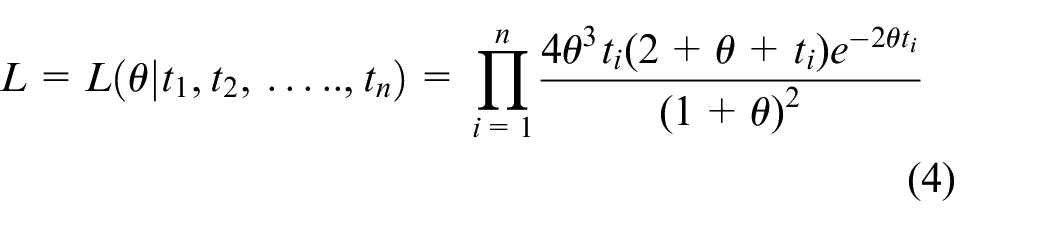
Now, the log-likelihood function for a set of observations

To find the MLE of the parameter θ, the next step involves taking the partial derivative of equation (5) with respect to θ, setting it equal to 0 and solving for θ.

To address the absence of a closed-form solution for equation (6), a numerical iteration method has been utilized for estimating the value of the parameter θ.
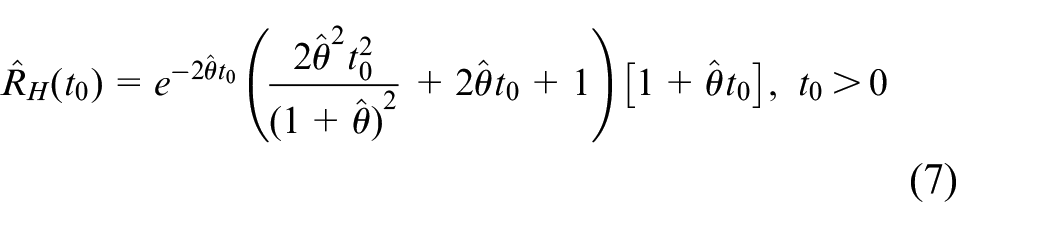
Having obtained the estimated values of
Bayesian estimation
Bayesian estimation is a statistical approach that incorporates prior knowledge about a parameter along with observed data to obtain updated estimates. Unlike MLE, which relies solely on sample data, Bayesian methods use a prior distribution to represent existing knowledge about the parameter before observing data. A Bayes estimator of
Squared error loss function
The SELF holds considerable prominence in assessing estimator performance within statistical estimation and decision theory. It assumes equal penalization for overestimation and underestimation. It is widely used in Bayesian analysis due to its simplicity and ease of interpretation. For hot stand-by systems, SELF ensures a balanced estimation of reliability parameters without bias toward conservative or optimistic predictions. It finds widespread application when the objective is to minimize the mean squared discrepancy between the estimated and true values. In mathematical terms, SELF is expressed as

Here, θ represents the true value or parameter being estimated, and δ represents the estimated value or parameter.
The Bayes estimator of

where
LINEX loss function
The LINEX loss function is an asymmetric loss function that accounts for situations where overestimation and underestimation have different consequences. In hot stand-by systems, underestimating reliability may lead to unnecessary maintenance costs, while overestimating it can result in unexpected system failures. It provides a more realistic assessment of reliability by incorporating such asymmetry, making it particularly useful for decision-making in system maintenance and risk management.
The LINEX loss function is defined as 20

where

where
Let

The gamma prior is chosen due to its conjugacy with the likelihood function, which facilitates closed-form posterior distributions, making the Bayesian estimation process more computationally efficient. Additionally, the gamma distribution is highly flexible and can model different levels of prior knowledge about the failure rate parameters of the system. The choice of prior significantly influences the posterior estimates. A weakly informative gamma prior ensures that the inference is primarily driven by the observed data, minimizing prior influence. In contrast, an informative gamma prior incorporates expert knowledge or historical data, improving estimation accuracy when limited failure data are available.
The posterior distribution of
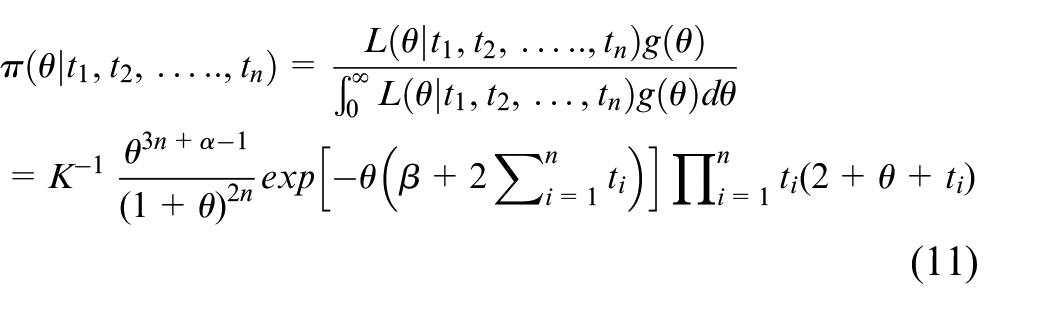
where

Equation (11) indicates that obtaining a closed-form solution for the Bayes estimate
Lindley approximation
To derive the Bayes estimate, we initiate our exploration by employing Lindley’s approximation, a prevalent numerical method widely employed for this purpose. For more in-depth information, refer to Lindley.
21
Let

where
Using Lindley’s approximation,
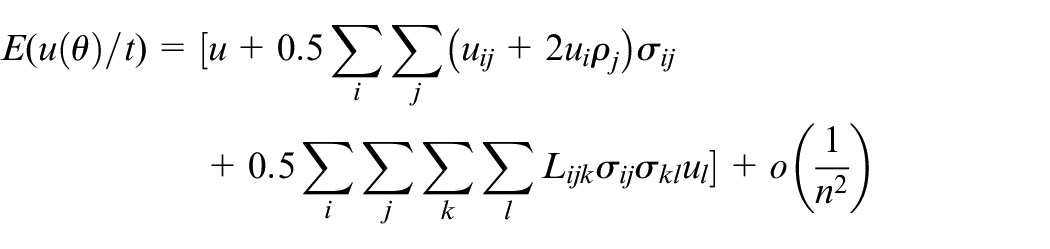
Here
In the scenario under consideration, we find that




Here
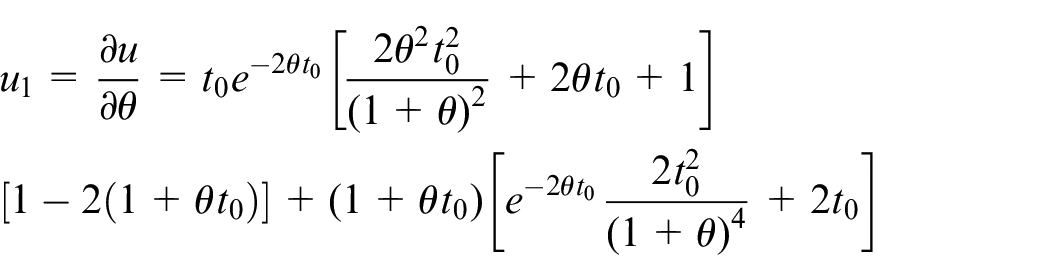
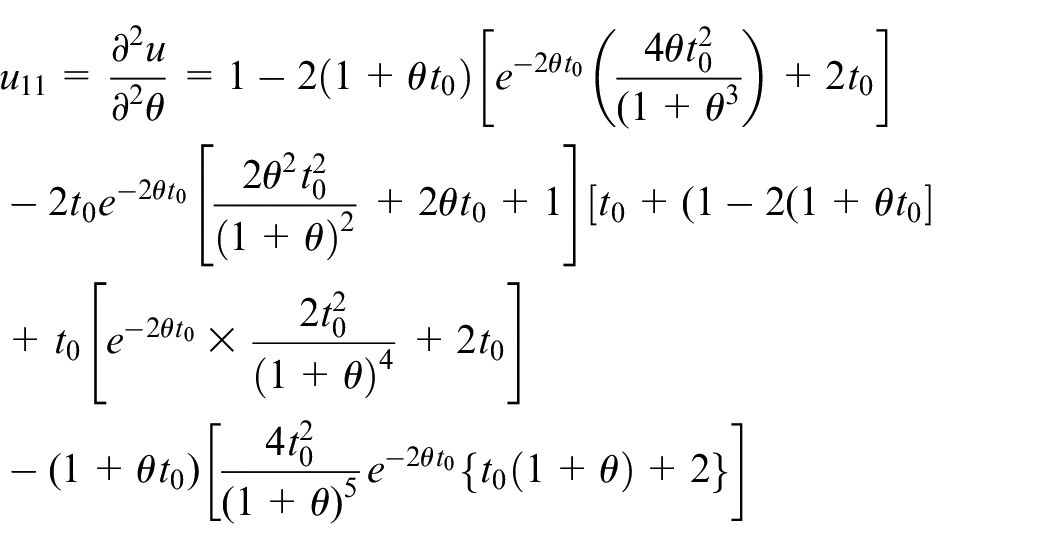
The Bayes estimate

All the expressions in the above equations are obtained using ML estimates of the parameters.
Now, let us consider the LINEX loss function, specifically designed for scenarios where the cost of overestimation is more significant than that of underestimation. Zellner 22 discussed Bayesian estimation and prediction using LINEX loss. Equation (9) provides the Bayes estimate under LINEX loss.
The posterior expectation
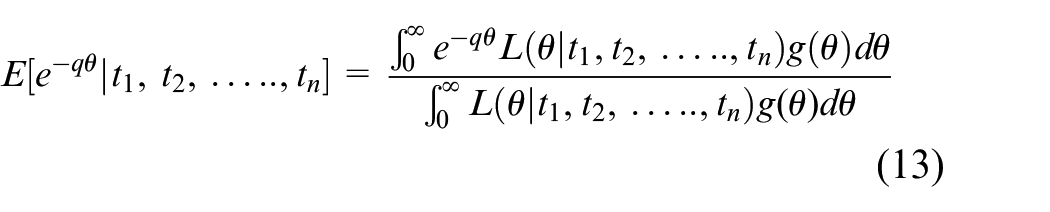
The integrals in the given equation resist analytical solution. Consequently, we resort again the Lindley’s approximation to derive the Bayesian estimator for system reliability. The Bayesian estimate for system reliability
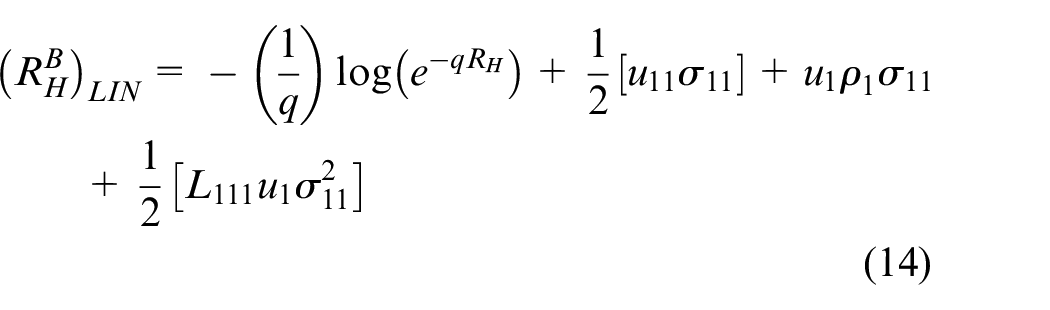
Here,

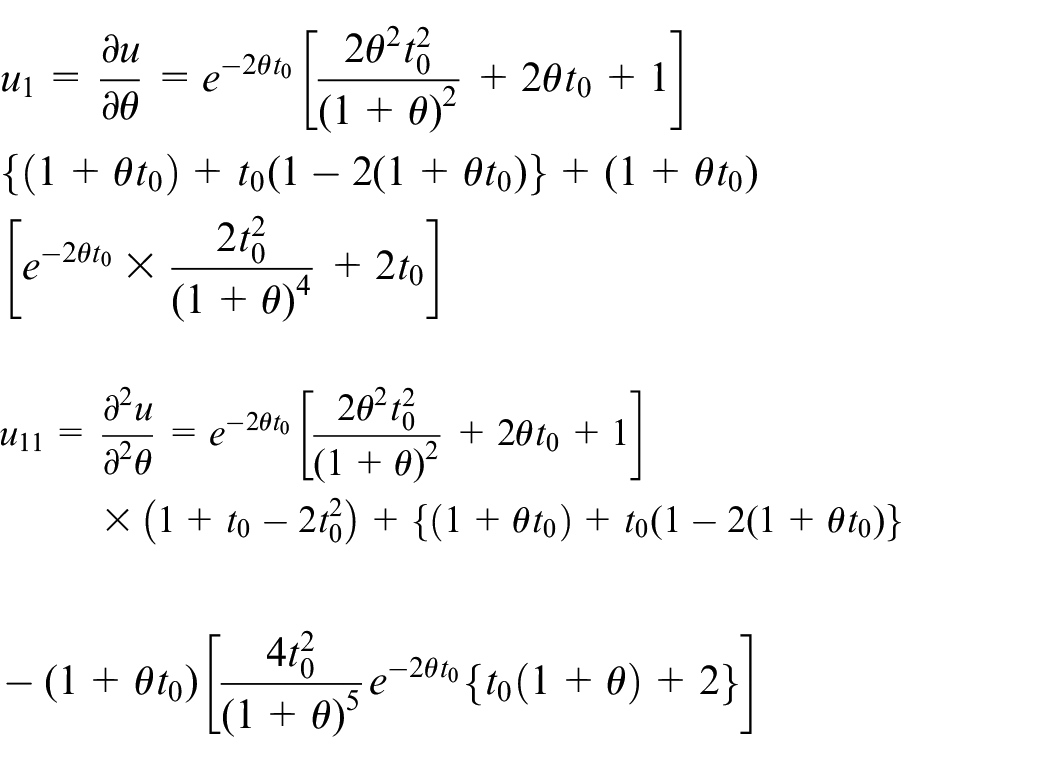
The remaining values have been previously provided. All the expressions have been derived utilizing ML estimates of the parameters.
Markov Chain Monte Carlo methods
In this section, we explore the computation of the Bayesian estimate for
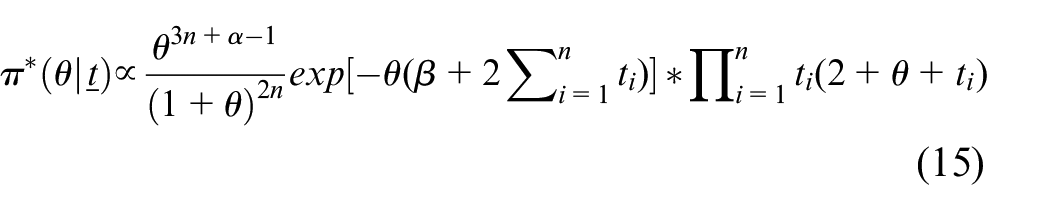
The conditional density function of
The steps of associated M-H algorithm are given below:
(1) Set the initial value
(2) Set
(3) Using the following M-H algorithm, generate
(4) Generate a proposal
(i) Evaluate the acceptance probability

(ii) Generate a sample
(iii) If
(5) Compute
(6) Set
(7) Repeat Steps (3)–(6),
This sample is employed for the computation of the Bayes estimate and the construction of the highest posterior density (HPD) credible interval for
Based on the SELF, the approximate Bayes estimates of

where
The approximate Bayes estimates for

The HPD
Simulation
In this section, we use R software to generate random samples from the WXLD distribution. The simulation experiment is conducted to evaluate the reliability coefficient and compare the performance of the proposed estimation methods.
Simulation study
This section presents evaluation of ML and Bayes estimators for system reliability


The MLE of
ML and Bayes estimates of reliability
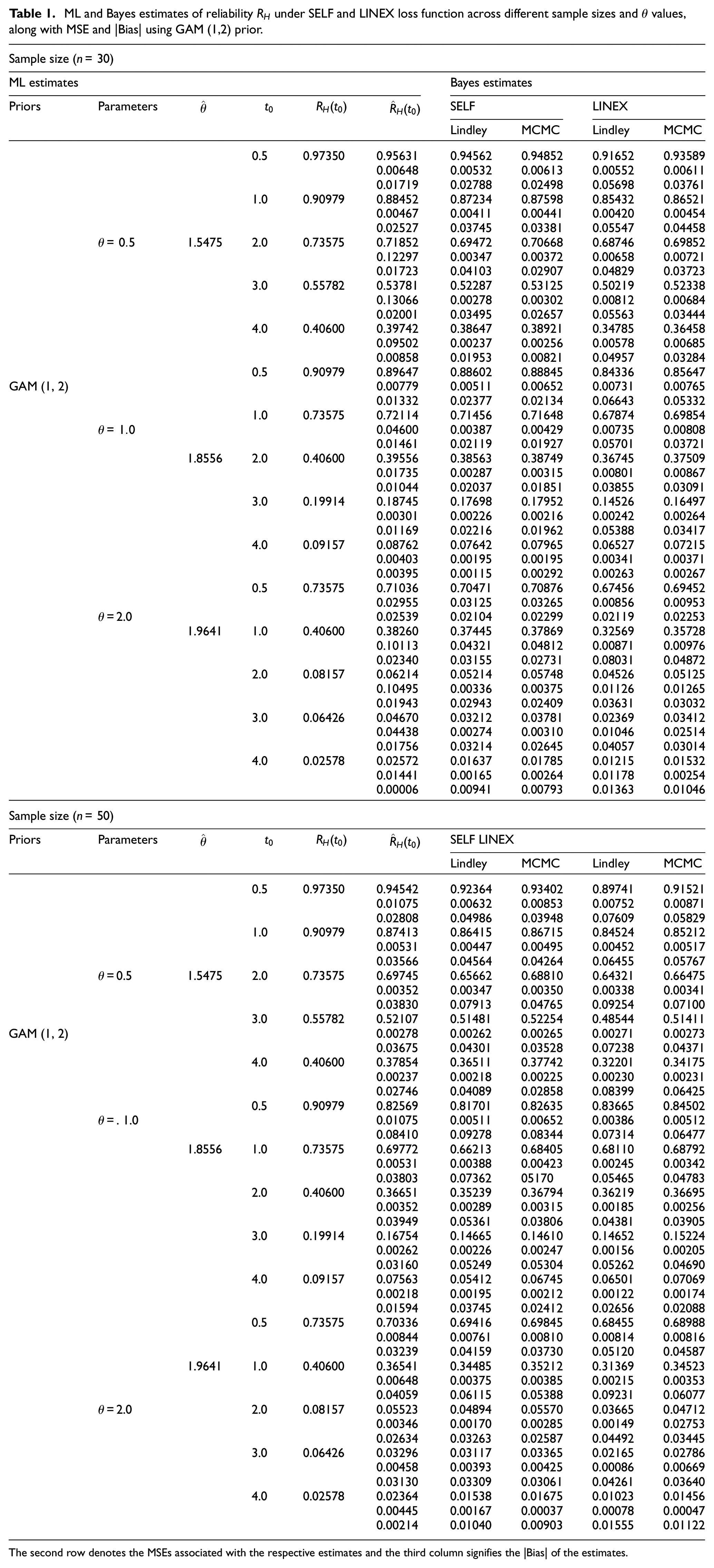
The second row denotes the MSEs associated with the respective estimates and the third column signifies the |Bias| of the estimates.
ML and Bayes estimates of reliability
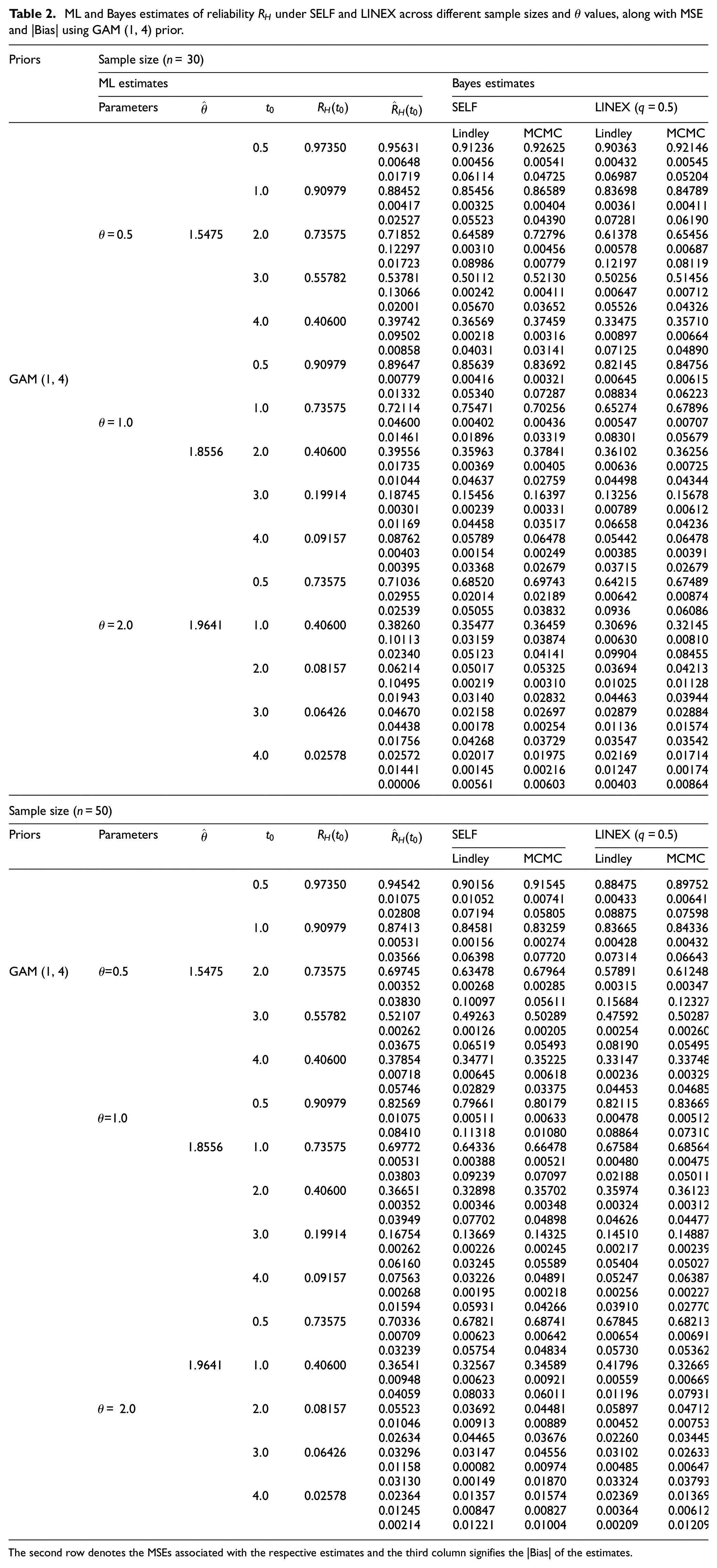
The second row denotes the MSEs associated with the respective estimates and the third column signifies the |Bias| of the estimates.
The HPD credible interval, AL and CP for Bayes estimates of Reliability
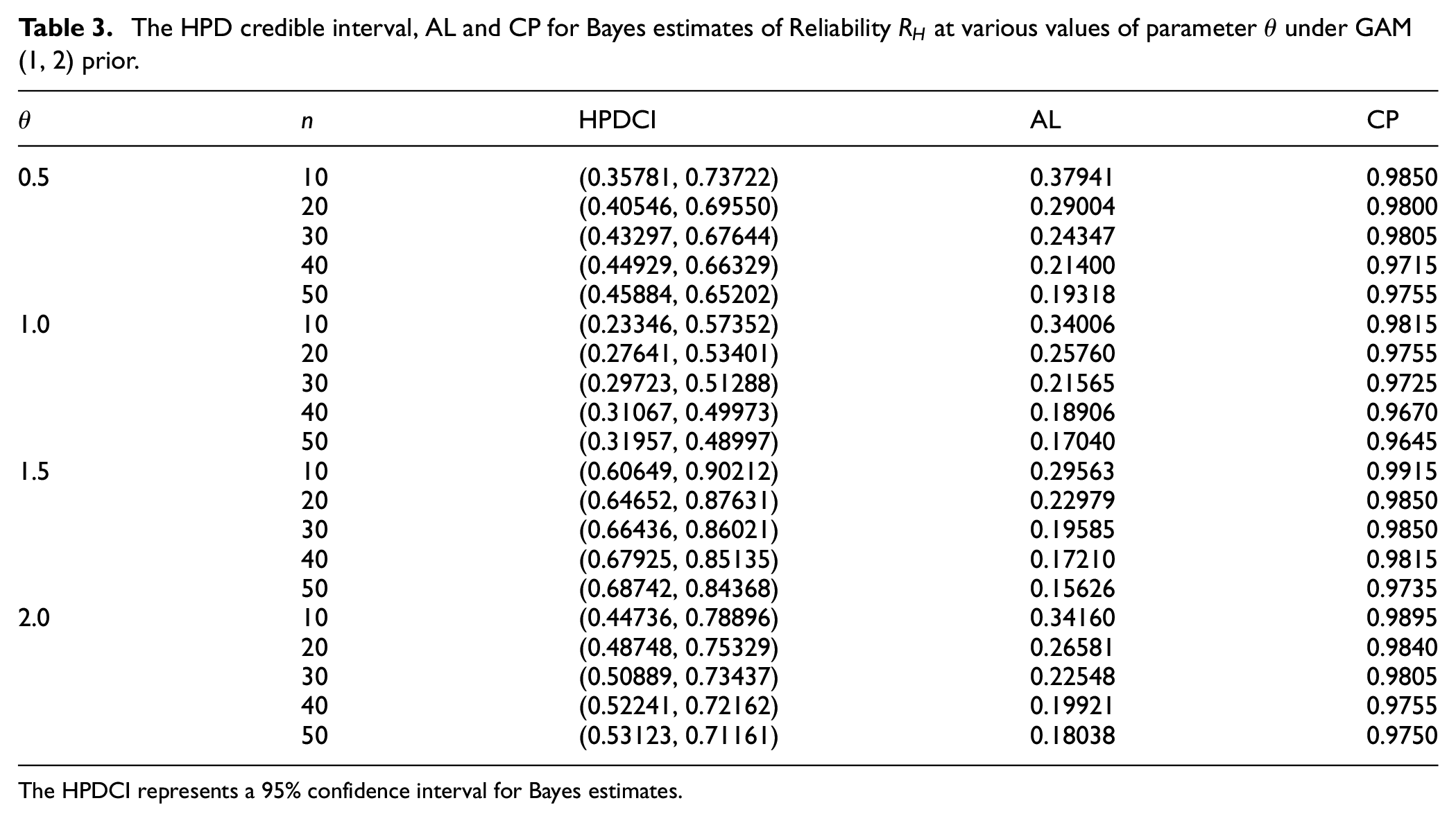
The HPDCI represents a 95% confidence interval for Bayes estimates.
The HPD credible interval, AL and CP for Bayes estimates of Reliability
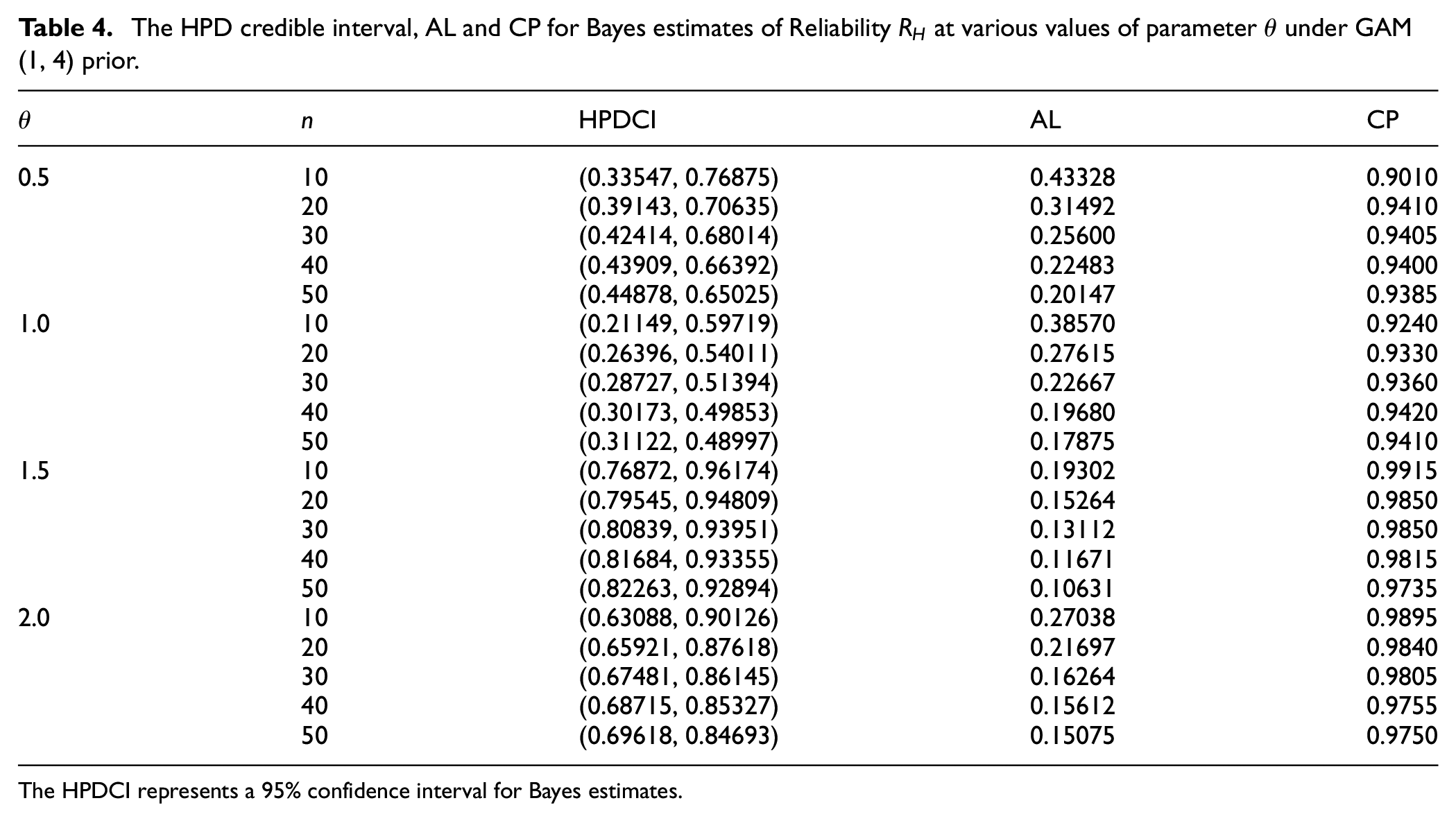
The HPDCI represents a 95% confidence interval for Bayes estimates.
From Tables 1 and 2, it is evident that under GAM (1, 2) and GAM (1, 4) prior
The ML estimate of system reliability
The bias of the ML estimate is nearly negligible. However, the MSEs exhibit variability, being higher at certain points and decreasing at others, with a consistent downward trend observed as the values of
The Bayes estimate, under both SELF and LINEX loss functions, demonstrates a decrease as the mission time (
Increasing the parameter
The comparison of MSE between ML estimates and Bayes estimates, employing both Lindley and MCMC methods, consistently demonstrates superior performance of Bayes estimates over ML estimates under both loss functions for both GAM (1,2) and GAM (1,4) priors.
Upon comparing the Bayes estimate using the Lindley and MCMC methods, it becomes evident that the Lindley approximation consistently provides superior estimates of system reliability. This superiority is observed in terms of lower MSEs under both loss functions and for both GAM (1,2) and GAM (1,4) priors.
With an increase in the sample size from
In the case of
When the sample size increases from
From Tables 3 and 4, one can make the following observations:
Except at
CP exhibits a continuous decrease as we increase the parameter
As the sample size increases from
Upon comparing the average length of intervals between Tables 3 and 4, it becomes evident that, under the GAM (1, 4) model the average length consistently decreases for all values of
The graphical representation of the simulation study findings is depicted in Figures 2 to 9.
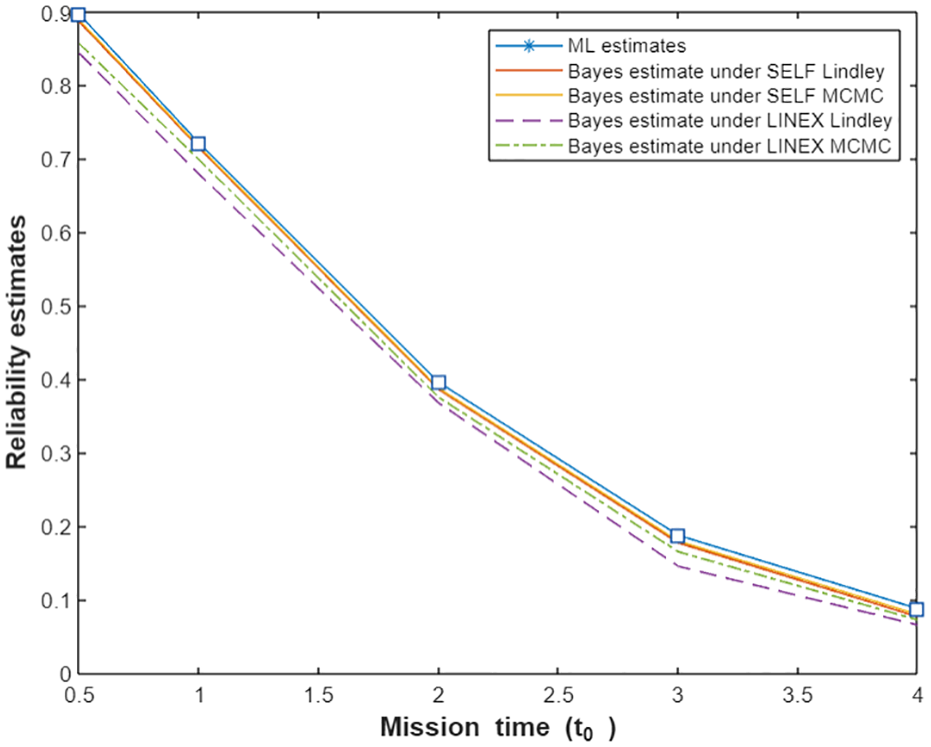
ML and Bayes reliability estimates under SELF and LINEX when
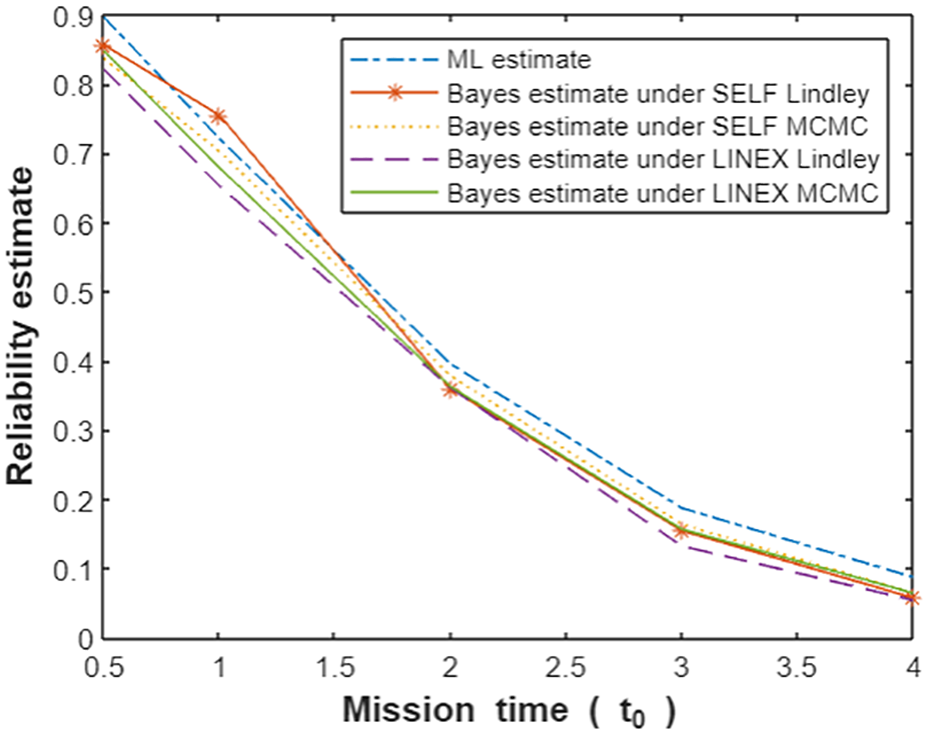
ML and Bayes reliability estimates under SELF and LINEX when
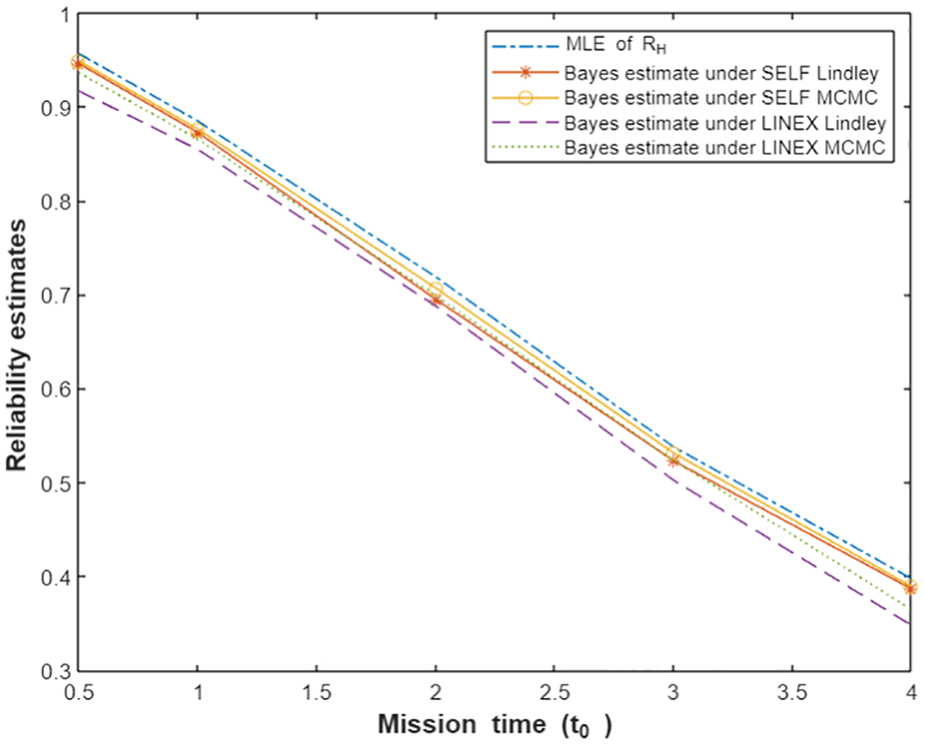
ML and Bayes reliability estimates under SELF and LINEX when
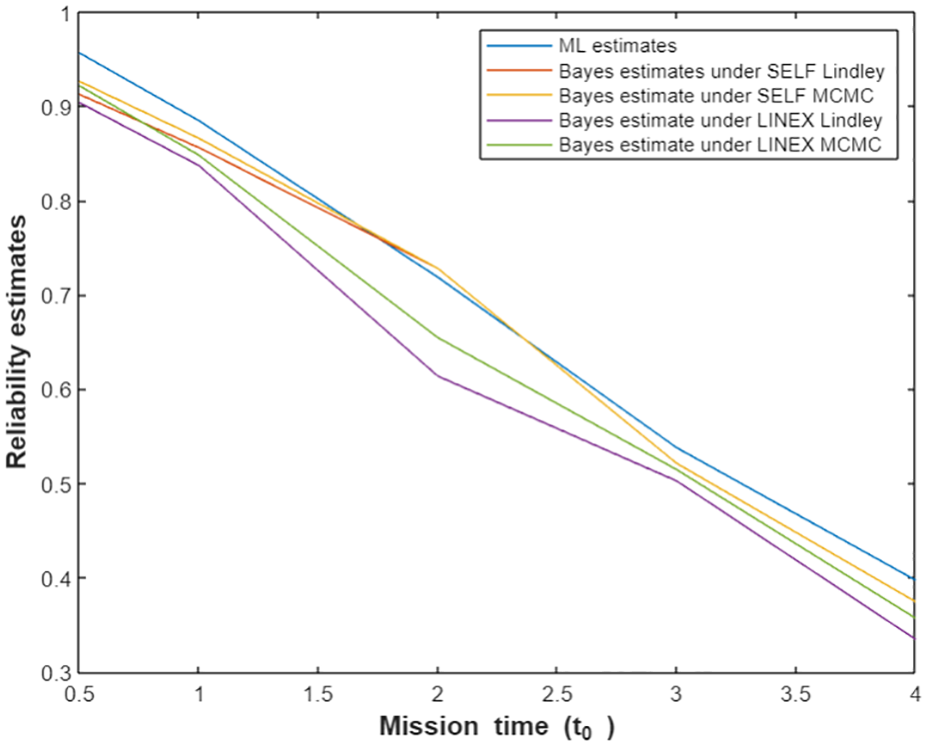
ML and Bayes reliability estimates under SELF and LINEX when
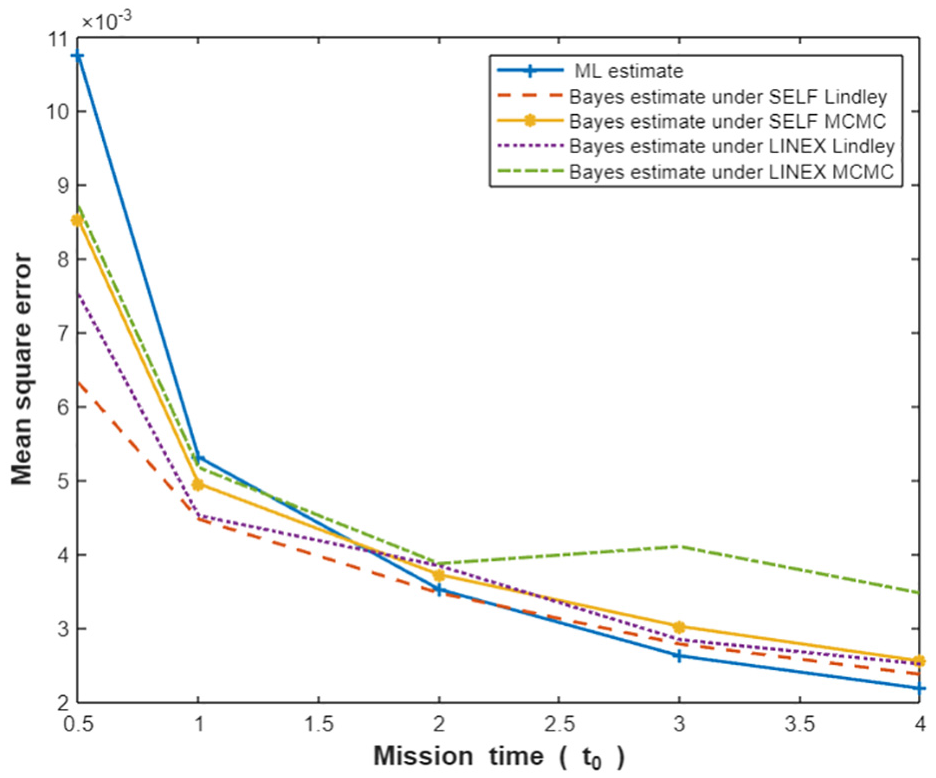
MSEs of reliability estimates when θ = 0.5, n = 50 and prior GAM (1, 2).
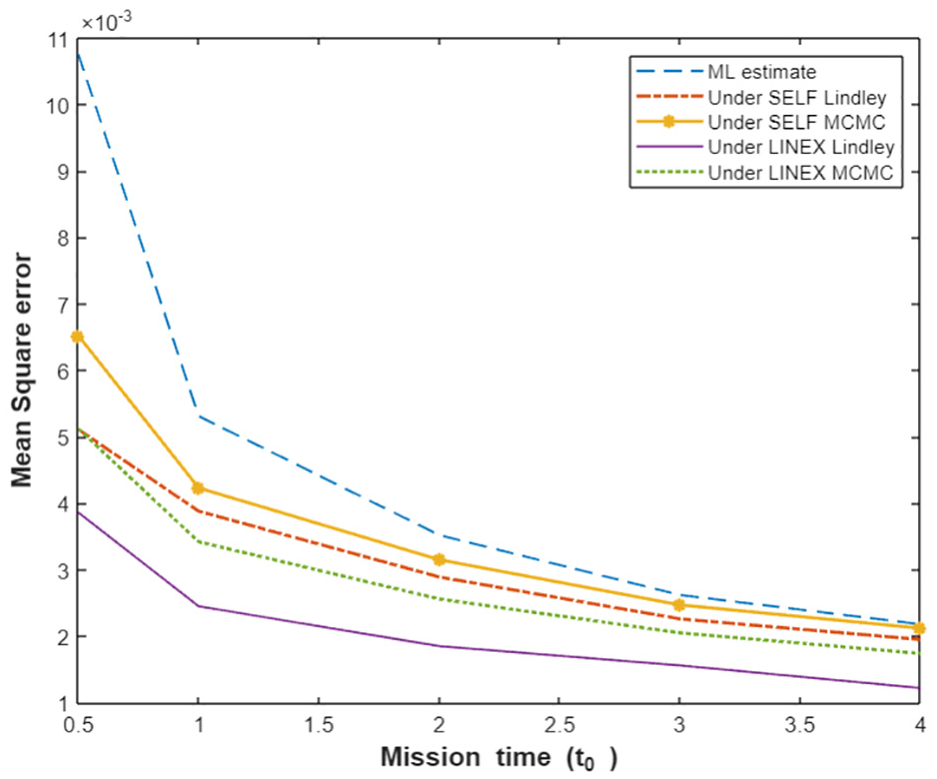
MSEs of reliability estimates when θ = 1.0, n = 50 and prior GAM (1, 2)
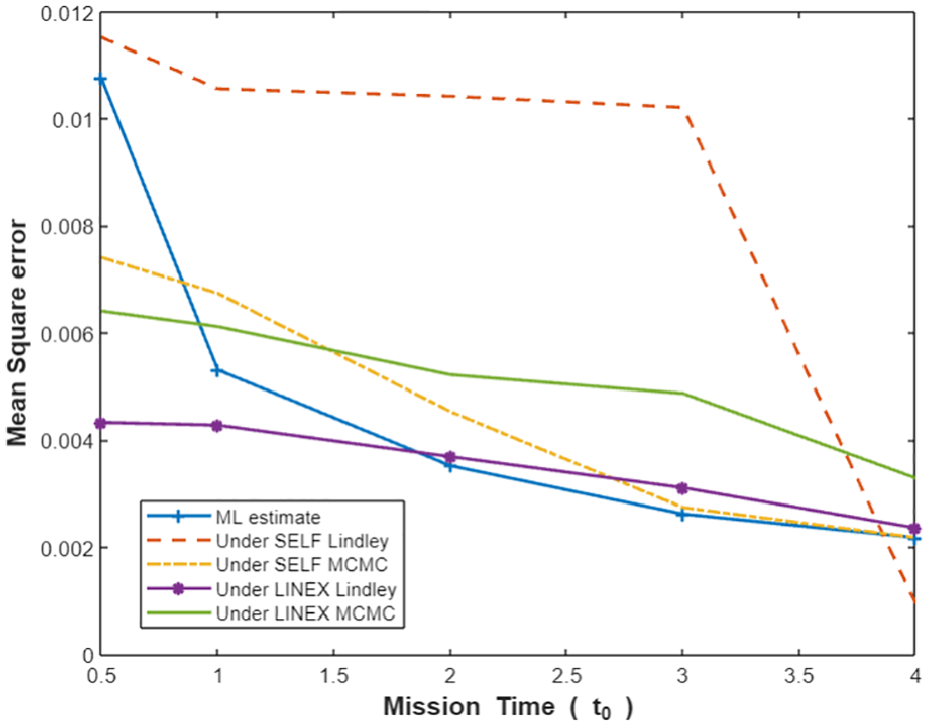
MSEs of reliability estimates when
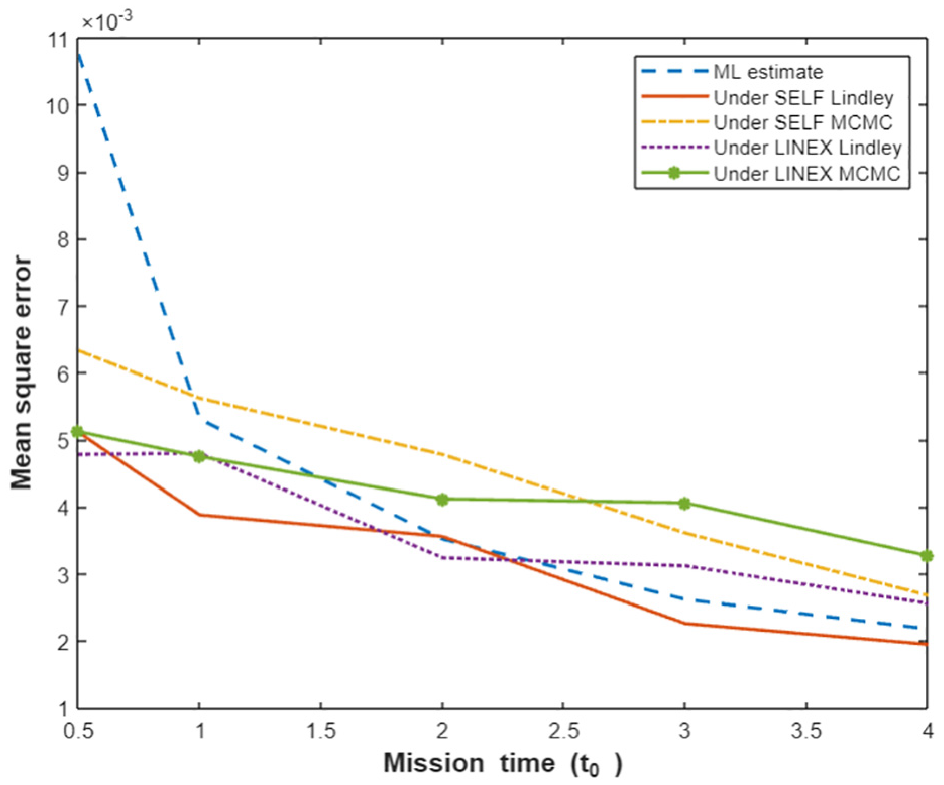
MSEs of reliability estimates when
Conclusion
Hot stand-by systems are integral to reliability engineering, providing uninterrupted functionality in critical applications. This study addresses the challenge of estimating the reliability of a two-unit hot stand-by system with a perfect switch, utilizing failure time data modeled by WXLD. Prior research in reliability estimation has primarily focused on constant failure rates and simpler models, leaving a significant gap in exploring advanced distributions such as WXLD for complex system dynamics. This paper bridges that gap by introducing both frequentist and Bayesian estimation approaches to assess system reliability. The frequentist method employs MLE for point estimates, while the Bayesian approach incorporates Lindley’s approximation and MCMC techniques under SELF and LINEX loss functions. Bayesian estimates are further supported by HPD credible intervals. A detailed simulation study provides a comparative analysis of these methods, demonstrating the superior performance of Bayesian estimators, particularly when leveraging informative priors such as GAM (1, 2). The results emphasize the robustness and precision of Bayesian methods over MLE, with smaller MSEs and improved interval estimates under the Bayesian framework. While this study focuses on a two-unit system, future research can extend these methodologies to more complex configurations, including multi-unit hot stand-by systems with multiple standby components and varying switching mechanisms. Additionally, incorporating alternative failure distributions, such as the generalized Lindley or weighted Weibull distributions, may improve model flexibility and applicability. From a computational perspective, advanced Bayesian techniques like Variational Bayes or Hybrid MCMC could enhance estimation efficiency, particularly for large-scale reliability assessments. Due to the limited literature on Bayesian methods in this domain, this study does not incorporate real-life failure data for empirical validation. As Bayesian reliability analysis of hot stand-by systems remains largely unexplored, future research can focus on applying these methods to actual failure data. This would enable a more comprehensive evaluation of reliability estimates and other system characteristics, further validating the practical applicability of Bayesian approaches in engineering reliability studies.
Footnotes
Notation
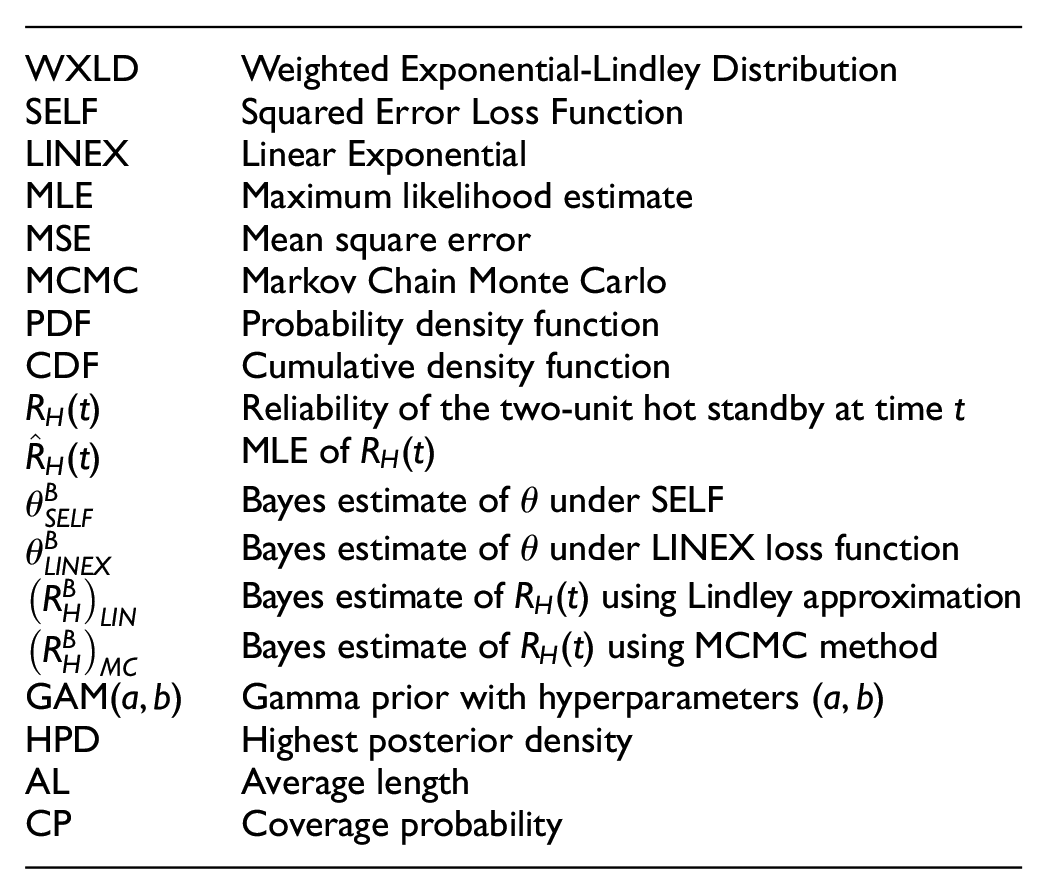
| WXLD | Weighted Exponential-Lindley Distribution |
| SELF | Squared Error Loss Function |
| LINEX | Linear Exponential |
| MLE | Maximum likelihood estimate |
| MSE | Mean square error |
| MCMC | Markov Chain Monte Carlo |
| Probability density function | |
| CDF | Cumulative density function |
| Reliability of the two-unit hot standby at time | |
| MLE of | |
| Bayes estimate of under SELF | |
| Bayes estimate of under LINEX loss function | |
| Bayes estimate of using Lindley approximation | |
| Bayes estimate of using MCMC method | |
| GAM | Gamma prior with hyperparameters |
| HPD | Highest posterior density |
| AL | Average length |
| CP | Coverage probability |
Acknowledgements
The authors sincerely thank the reviewers for their valuable comments and constructive suggestions, which have significantly improved the quality and clarity of this manuscript.

Funding
The author(s) received no financial support for the research, authorship, and/or publication of this article.
Declaration of conflicting interests
The author(s) declared no potential conflicts of interest with respect to the research, authorship, and/or publication of this article.
Data availability statement
No specific data has been used in the preparation of the manuscript.