




Abstract
In cricket pace bowling, research has determined kinematic correlates to ball release speed and lumbar bone stress injury. Coaches have an important role in guiding the development of the bowling action of adolescent pace bowlers; however, it is not clear whether their knowledge and practices align with improving ball release speed and reducing lower back injury risk. This study had three aims: 1) to describe the technical coaching practices of adolescent pace bowlers, 2) to identify the barriers that coaches face in the implementation of such practices, and 3) to determine the relationship between coaches’ demographic characteristics and the frequency of technical coaching. This study used a cross-sectional survey study design combined with a purposive sampling approach. Participants were cricket coaches (n = 130) in Australia aged over 18 years, who coached adolescent cricket teams (10–19 years old). Only 11.3% of coaches “occasionally” engaged in technical bowling coaching in the off-season, which increased to 37.1% during the in-season. When technical bowling coaching was undertaken, it was most common for it to last “15–30 min/session” (34.5% of coaches in the off-season and 38.2% in the in-season). The most common barrier to technical bowling coaching during the off-season was limited access to players, while barriers during the in-season were minimal and varied. Younger coaches and older players were associated with more frequent technical coaching in the off-season. Future coaching educational programmes could help coaches to work around the player-access barrier by encouraging them to prescribe training drills in the off-season.
Introduction
Pace bowlers are categorised based on the ball release speed they generate.1,2 Bowlers who can consistently attain a ball release speed of > 144.8 km/h are classified as “express”, those between 128.7 km/h and 144.8 km/h as “fast”, those from 96.6 km/h to 128.7 km/h as “fast-medium”, and those < 96.6 km/h as “medium-slow” bowlers. 3 Faster delivery speeds shorten the reaction and movement time of the batter, which can impact their ability to play shots and score runs.2,3 Additionally, express and fast pace bowlers have a better strike rate (average number of balls bowled per wicket taken) and average (runs conceded per wicket taken) than fast-medium and medium-slow bowlers, meaning they bowl fewer deliveries and concede fewer runs to take a wicket.2,4
Bowling at express or fast speeds comes at a cost, as pace bowlers produce significantly higher ground reaction forces compared to their slower counterparts 5 On front leg landing, peak vertical forces range between 3.8–9 times body weight, while peak horizontal (braking) forces range from 2–4.9 times body weight.6,7 While these forces may not individually contribute to injury, 8 compressive forces on the lumbar vertebrae in conjunction with lumbar extension, lateral flexion, and rotation place the pars interarticularis under the greatest amount of stress. 9 Although cricket is considered a moderate-risk sport with an injury prevalence of ∼10%, this rate increases to ∼18% among pace bowlers; equivalent to contact sports such as rugby and Australian football. 7 Among pace bowlers, most injuries fall into the non-contact category, primarily due to repeated microtrauma from high mechanical forces sustained while delivering the ball.10,11 Certain bowling techniques may result in excessive stress on the bones and joints throughout the body, 12 with injuries to the lower back (26.3%) or lower limb (14%) being the most common region for non-contact injuries affecting pace bowlers.10,13 Due to incomplete musculoskeletal system development, adolescent pace bowlers (10 to 19 years old) are 3.7–6.7 times more vulnerable to severe bone-related back injuries than their adult counterparts.10,14,15
Pace bowlers endure the highest loss of potential playing time due to injury (∼16% of bowlers) when compared with other types of players (< 5%). 16 Injuries such as disc degeneration and lumbar facet joint sprain can sideline a bowler from training or playing for an average of 37 days (ranging 10–56 days). On the other hand, a lumbar bone stress fracture typically results in the longest time away from cricket-related activities, spanning 6–12 months.7,17–19 The significant time lost due to a lumbar bone stress fracture can hinder athletic and skill development, delaying the return of pace bowlers to their pre-injury performance level. 20
Evidence-based strength and conditioning practices and workload management strategies may assist cricket coaches in enhancing pace bowlers’ performance while minimising injury risk.21,22 Additionally, coaches can utilise readily available technology to evaluate technical characteristics such as the run-up, delivery stride, front leg action, body alignment and non-bowling arm action.4,23 Despite decades of cricket research, the extent to which adolescent pace bowlers are coached in alignment with the research evidence base is unclear. Although research has explored coach education programmes (CEP) and the utility of scenario-based net sessions for match simulation,24,25 no studies have surveyed cricket coaches on their technical coaching practices of adolescent pace bowlers. If deficiencies in knowledge or practices are identified, cricket organisations can use this information to redesign existing CEP for new coaches and to consider new educational opportunities for existing coaches. Therefore, this study aims to determine whether cricket coaches implement technical coaching practices while training adolescent pace bowlers, and if so, to identify how these coaching practices are executed. Additionally, this study aims to identify the major barriers faced by these coaches in the implementation of technical coaching practices, as well as the level of association between their demographic characteristics and technical coaching frequency.
Method
Study design
A descriptive cohort (cross-sectional) survey study design in combination with a purposive sampling approach was employed for this study. A full copy of the survey used in this study is provided as supplementary material. The study received low-risk ethics approval from the Deakin University Human Ethics Advisory Group (HEAG-H 205_2021).
Participants and recruitment
All active cricket coaches (who have engaged in an accreditation programme or other learning activities since 2016) in Australia aged 18 years and above were invited to participate in this study. Participants were recruited via advertisement from a third party, Cricket Coaches Australia (CCA). CCA sent an invitation email (and two follow-up reminders) to 31,369 active and accredited cricket coaches and advertised this study through their digital newsletter to 41,898 active email subscribers. Further, CCA advertised this study on their website and social media account (Twitter).
Survey design
The survey instrument undertook a comprehensive four-stage development process. The first stage comprised the formulation of questions by the lead research supervisor in consultation with the members of the research team. The second stage involved internal review of the survey instrument from 3 academics at Deakin university with expertise in exercise and sport science. The third stage comprised an external review of the survey instrument from 6 experts within the exercise and sports science field. The fourth stage involved an external review of the survey instrument from 15 individuals from the study population. As a result of this four-stage process, questions and response options were modified to minimise bias, improve clarity and face validity; new questions were added to enhance depth, and errors regarding display and skip logic were remedied.
The survey was administered via the online platform Qualtrics (Qualtrics, Provo, Utah, USA, Version January–March 2022) and was made available on January 27, 2022. The survey typically required 10–40 min to complete. Participants were provided with a link to the plain language statement describing the study before they began the survey and were given the option to not proceed. To ensure response validity, screening questions surrounding eligibility were included at the beginning of the survey. Responses were retained for cricket coaches who identified themselves as the head, assistant or specialist coaches (such as bowling coaches), who were coaching or who had recently coached adolescent cricket teams in Australia. Participants were required to answer the questions based on the adolescent cricket team that they predominantly coach.
Upon completing the survey, participants could choose whether to submit their responses (to imply consent). Participants were provided an opportunity to opt-in to the broad findings from the investigation via a separate Qualtrics survey. This opt-in survey asked for the participants’ first name, email address, and whether they would be interested in being interviewed about their coaching practices in a follow-up investigation. To protect the participants’ privacy in this opt-in survey, data was extracted and deleted from Qualtrics and uploaded on a secure file server at Deakin University.
Data preparation and analysis
The survey response data was exported in text format from the Qualtrics platform. The dataset was cleaned using Microsoft Excel and was filtered to include only respondents who coached adolescent teams in Australia, excluding those who coached individual athletes. As not all questions were answered by the remaining 130 participants, discrepancies in response numbers emerged across questions within each section. Descriptive analysis was conducted to determine the most frequently selected response for each question. However, for free text responses, manual counting of the most frequently occurring words or phrases used by the participants was undertaken. 26
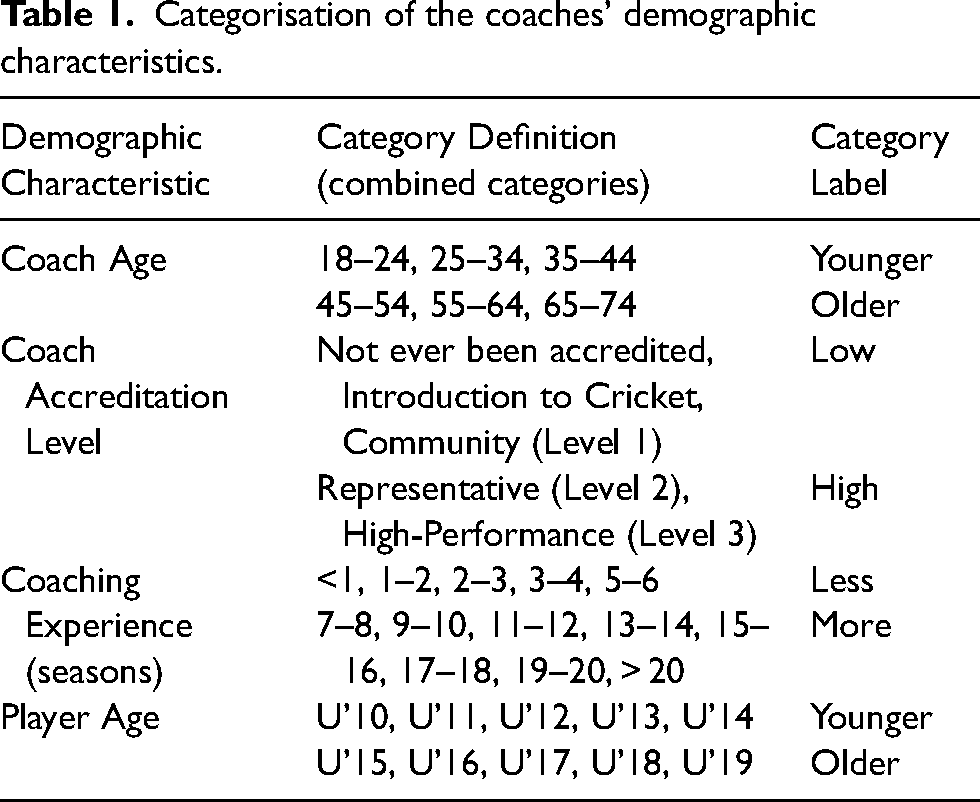
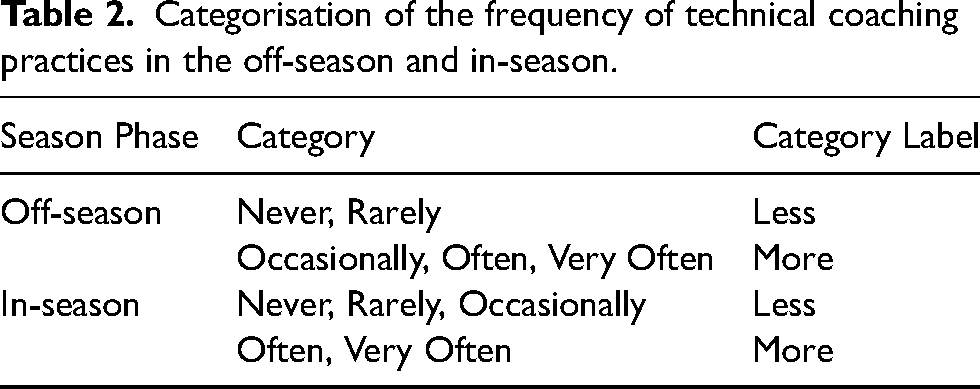
The final aim of the study was to determine the association between the frequency of technical coaching practices and coaches’ demographic characteristics. Demographic characteristics such as age, level of accreditation, coaching experience, and category of players coached were classified into subgroups. These subgroups were established based on an approximately equal distribution of responses across both groups (Table 1). The group of individuals aged > 75 years was not classified due to the absence of any response within this age group. The response category of “others” in the accreditation level and player category were excluded from the analysis, as the reported accreditation levels were not delivered by Cricket Australia, and subjective responses were provided for the player category that did not align with any of the predefined options. A detailed categorisation for each demographic characteristic of coaches and the frequency of technical coaching practices implemented during the off-season is presented in Table 1 and Table 2, respectively. Chi-squared tests were conducted in IBM SPSS Statistics (Version 29.0, IBM Corp, Armonk, NY) to ascertain the level of association between coaches’ demographic characteristics and frequency of technical coaching for each season phase. Statistical significance was defined at p < 0.05.
Categorisation of the coaches’ demographic characteristics.
Categorisation of the frequency of technical coaching practices in the off-season and in-season.
Results
A total of 155 participants responded to the survey. Nine responses were excluded because participants indicated they were under the age of 18 years. A further 16 responses were eliminated as those participants revealed they did not coach an adolescent cricket team in Australia. Responses from 130 participants were retained for analysis. Detailed demographic information of the coaches who completed the survey is presented in Table 3.
Coaches’ demographic information.
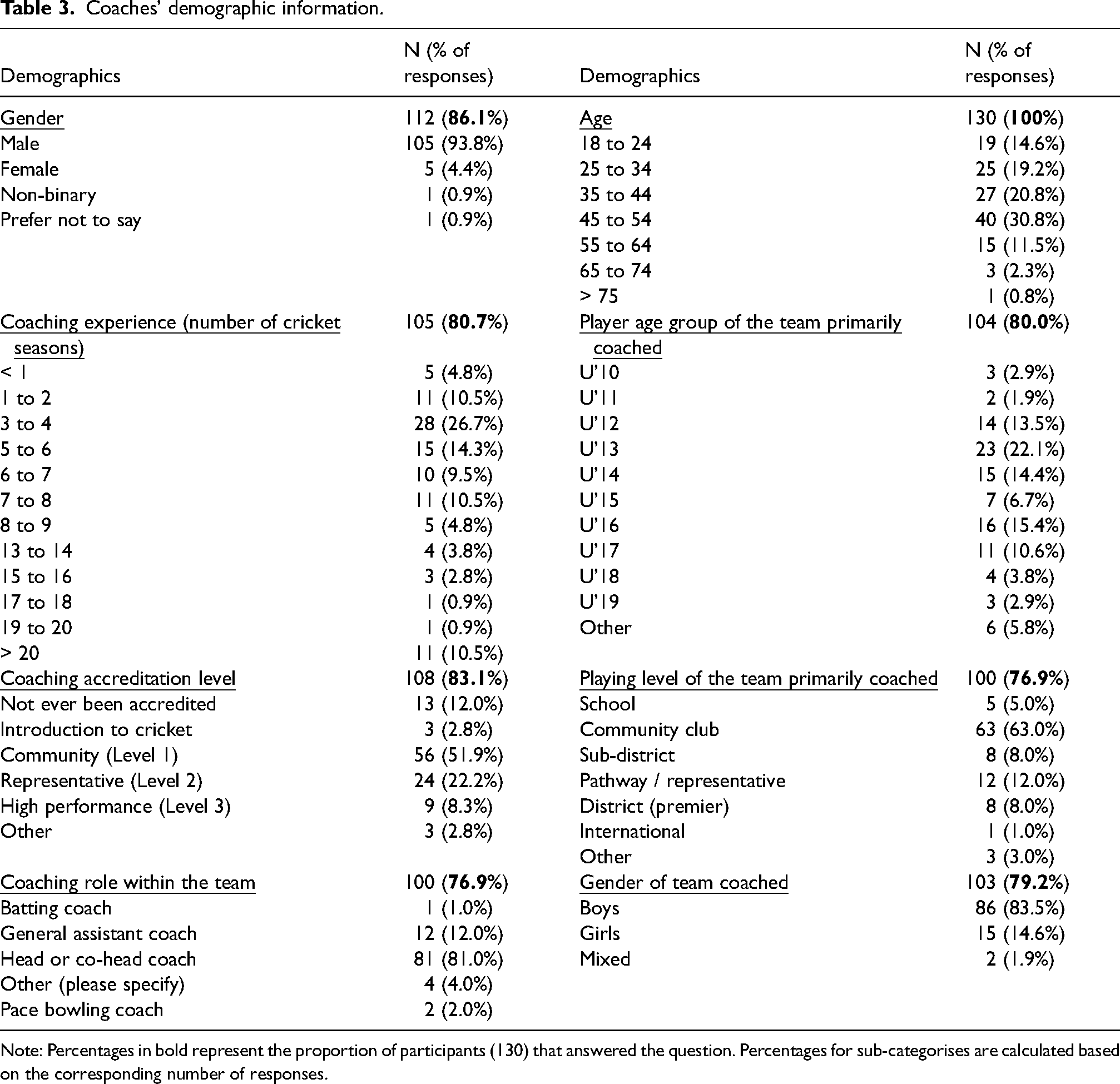
Note: Percentages in bold represent the proportion of participants (130) that answered the question. Percentages for sub-categorises are calculated based on the corresponding number of responses.
Technical coaching practices
During the off-season, a significant proportion of coaches were “less” (“never”: n = 25, 40.3%; “rarely”: n = 8, 12.9%) engaged in technical bowling coaching (Figure 1). During the in-season, most coaches were “more” (“often”: n = 21, 33.9%; “very often”: n = 14, 22.6%) engaged in technical bowling coaching (Figure 1).
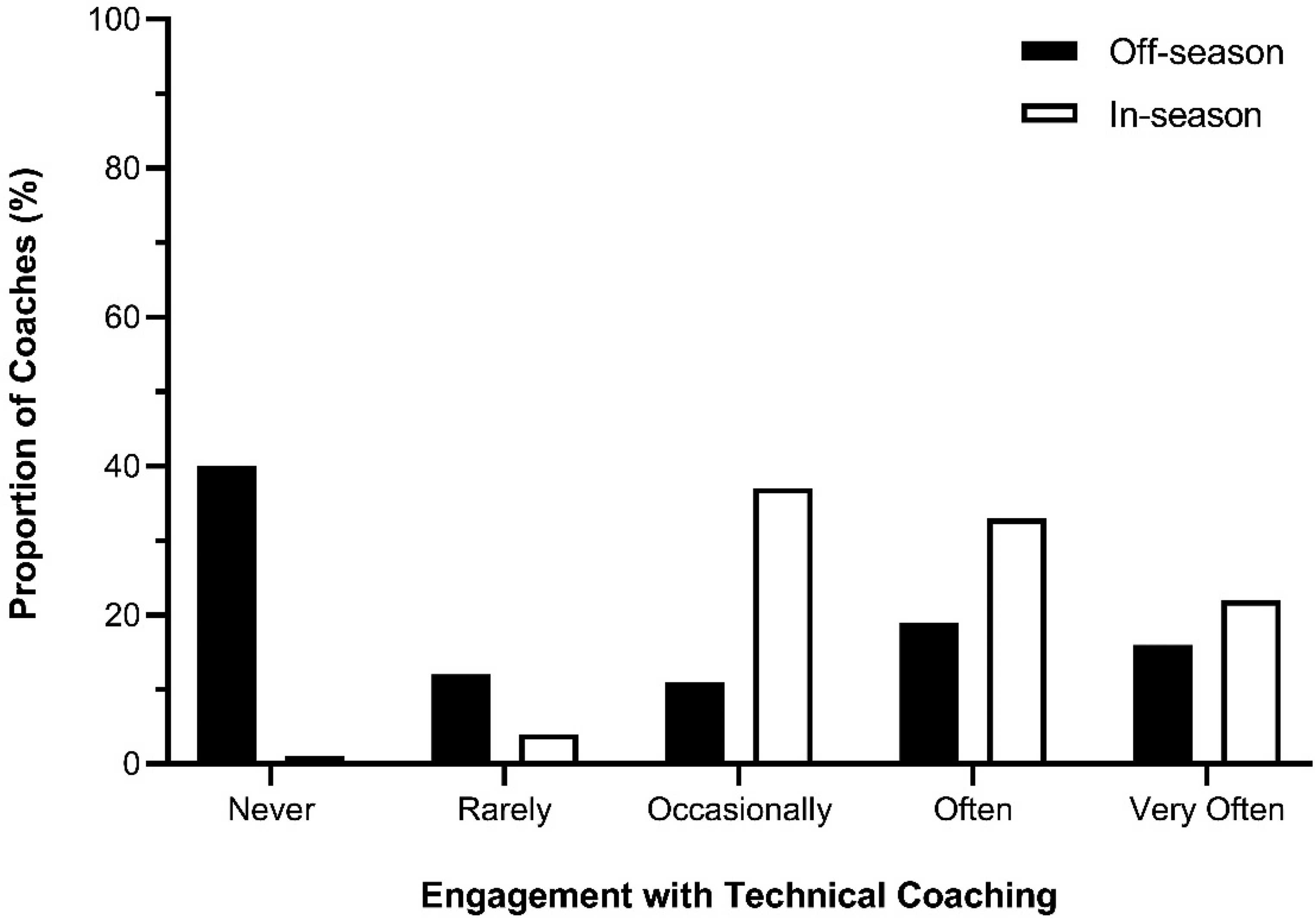
Proportion of coaches reporting to engage in technical coaching at a particular level across the off-season and in-season.
Among the coaches who engaged “more” often in technical bowling coaching during the off-season, a majority performed 1 session per week (n = 20, 69.0%), while less undertook 2 sessions per week in the off-season (n = 7, 24.1%; Figure 2). Regarding the coaches who performed “more” frequent technical bowling coaching during the in-season, most engaged in 1 session per week (n = 30, 54.5%), while slightly fewer performed 2 sessions per week (n = 20, 36.4%) (Figure 2).
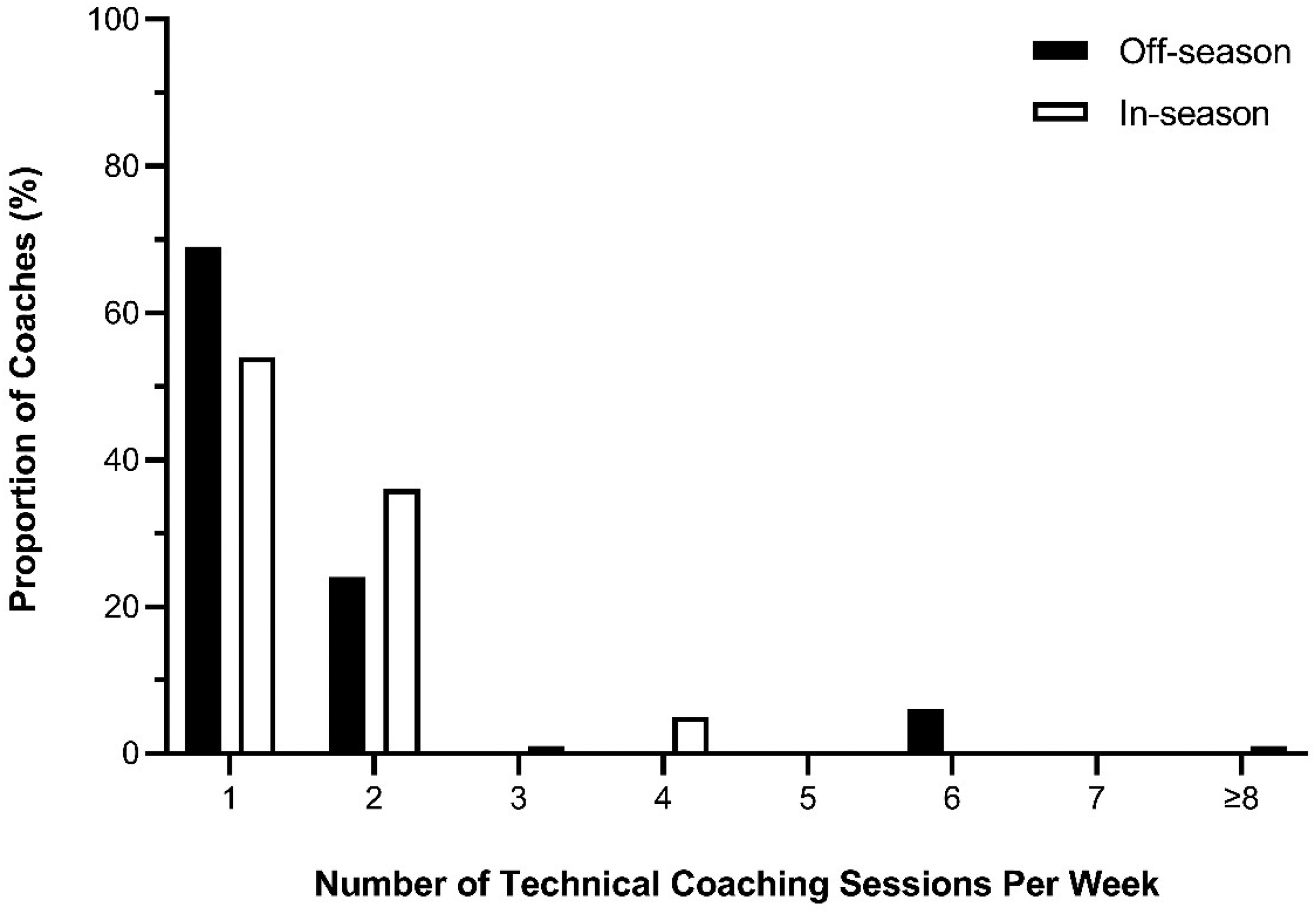
Proportion of coaches reporting to follow a particular frequency of technical coaching across the off-season and in-season.
Concerning the coaches who engaged “more” frequently in technical bowling coaching during the off-season, the highest proportion devoted “15–30” minutes per session towards technical development (n = 10, 34.5%; Figure 3). Fewer coaches performed technical coaching sessions for “0–15” minutes (n = 6, 20.7%) and “30–45” minutes (n = 7, 24.1%) during the off-season (Figure 3). Among the coaches who performed “more” frequent technical bowling coaching during the in-season, most performed this for “15–30” minutes per session (n = 21, 38.2%; Figure 3). Slightly fewer coaches performed technical bowling coaching sessions for “0–15” minutes (n = 15, 27.3%) and “30–45” minutes (n = 14, 25.4%) during the in-season (Figure 3).
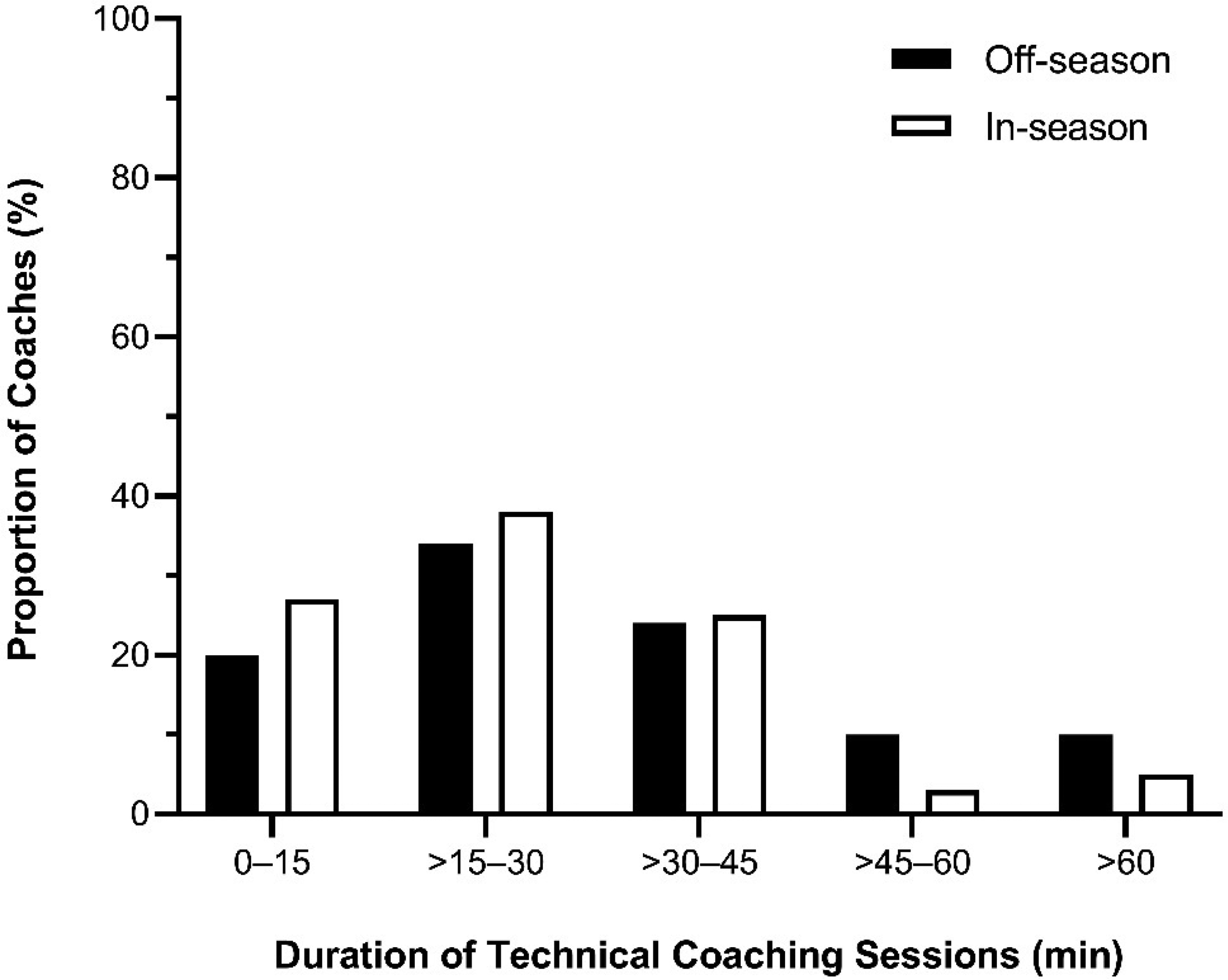
Proportion of coaches reporting to follow a particular session duration for technical coaching across the off-season and in-season.
Regarding the coaches who undertook “more” frequent technical bowling coaching sessions in the off-season, most integrated their technical coaching during skill development work (n = 20, 69.0%; Figure 4). Fewer coaches performed technical bowling coaching prior to skill development work (n = 6, 20.7%) and after skill development work (n = 3, 10.3%) in the off-season (Figure 4). Among the coaches who engaged “more” often in technical bowling coaching sessions in the in-season, a majority integrated their technical coaching during skill development work (n = 45, 81.8%; Figure 4). A smaller proportion of coaches performed technical bowling coaching prior to skill development work (n = 4, 7.3%) or after skill development work (n = 6, 10.9%) in the in-season (Figure 4).
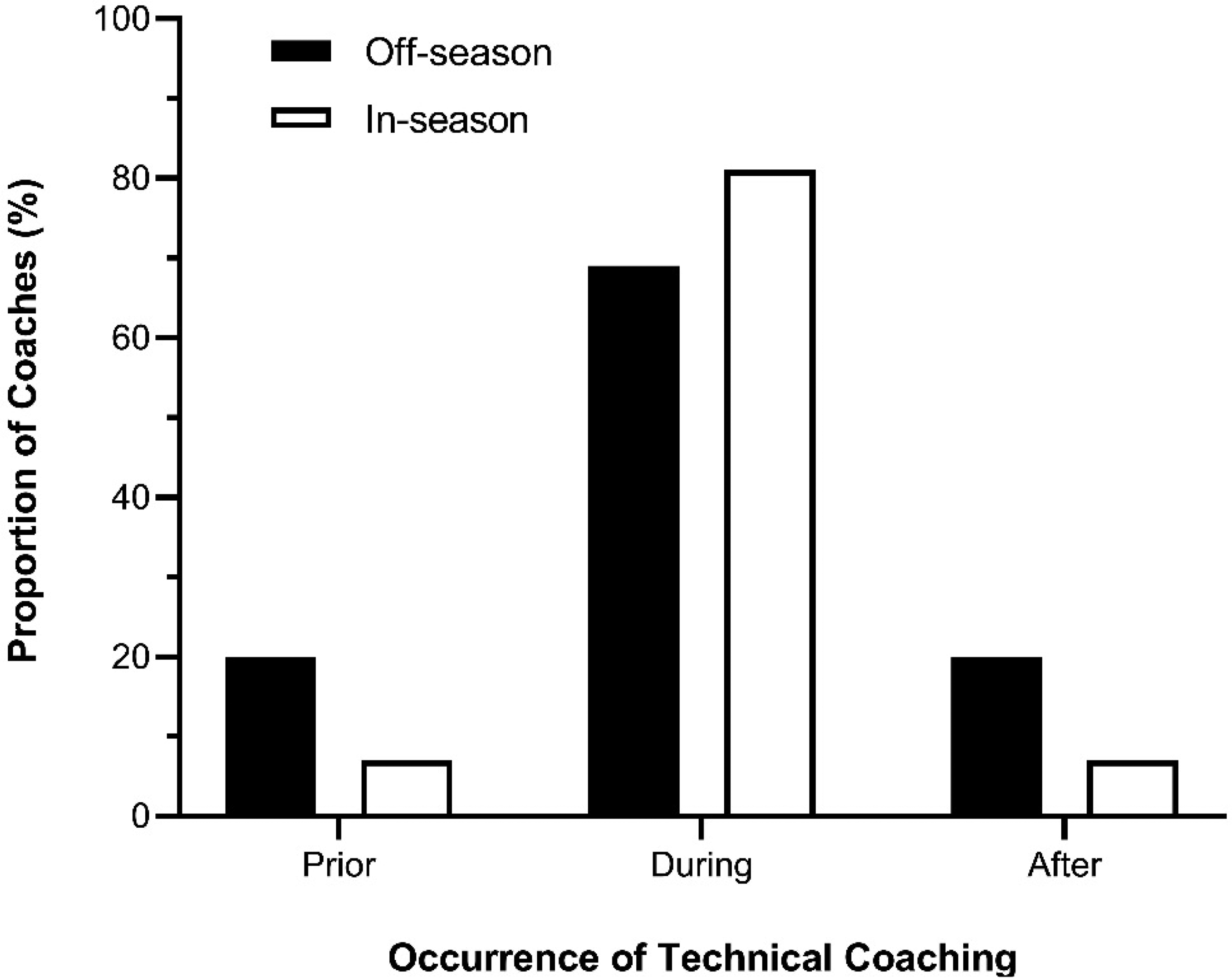
Proportion of coaches reporting to engage in technical coaching at a particular stage of a training session, across the off-season and in-season.
Regarding the technical aspects focused on by coaches, the most frequent mentioned was the “run-up” with a total of 55 mentions (off-season = 20, in-season = 35). With a total of 29 mentions (off-season = 14, in-season = 25), the next most frequent term mentioned by coaches was the “arm”, which broadly included the bowling and non-bowling arms. There were less mentions of “body alignment” during the off-season (n = 11) and the in-season (n = 14). Similarly, there were a limited number of mentions regarding the “follow-through” during the off-season (n = 7) and the in-season (n = 14). Among the coaches who engaged “less” in technical bowling coaching practices (and were therefore asked about barriers to engagement), a higher frequency of barriers was reported during the off-season (n = 31, 23.8%) compared to the in-season (n = 4, 3.1%; Table 4). The prevalent barrier cited by coaches in the off-season was the lack of access to their players as they are participating in other sports (Table 4).
Barriers reported by cricket coaches in engaging with technical bowling coaching practices in the off-season and in-season. Data represent the frequency of responses to each item as this question permitted multiple responses. Note, only coaches who responded “never” or “rarely” to how often they perform technical bowling coaching were asked about their barriers.
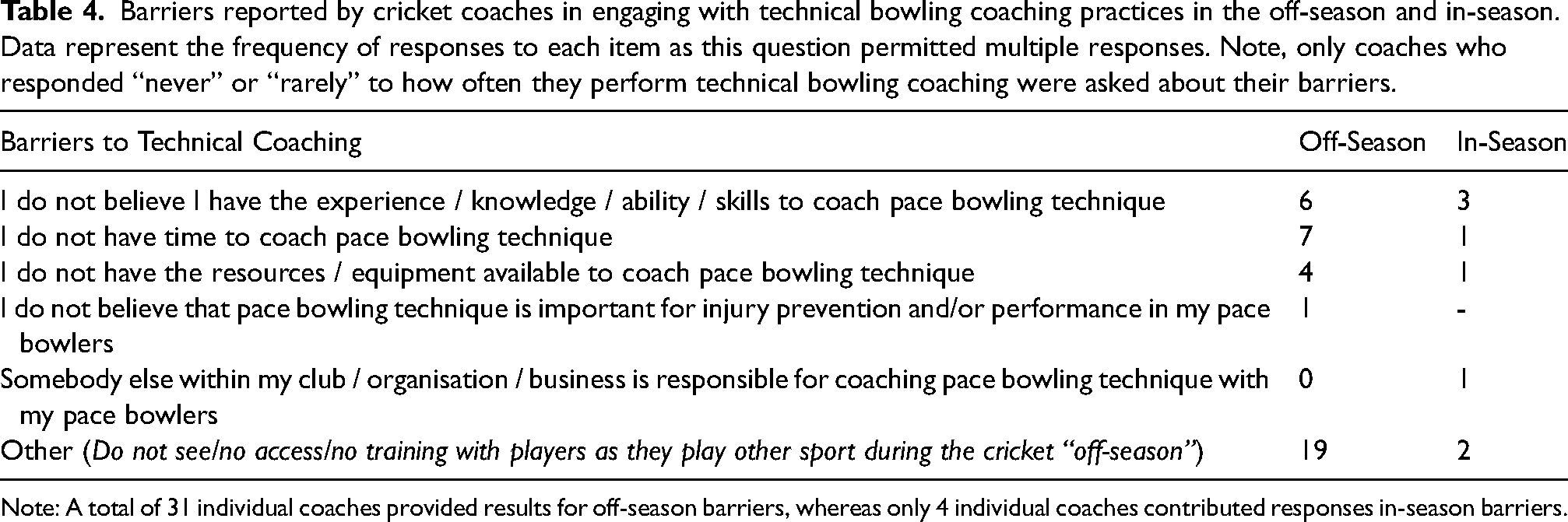
Note: A total of 31 individual coaches provided results for off-season barriers, whereas only 4 individual coaches contributed responses in-season barriers.
Environment and equipment scaling
Most cricket coaches reported they trained their adolescent pace bowlers on a “synthetic” pitch surface during the off-season (n = 47, 82.5%) and in-season (n = 41, 71.9%; Figure 5). Notably, the utilisation of “turf” pitch surfaces by cricket coaches increased from the off-season (n = 1, 1.8%) to the in-season (n = 9, 15.8%; Figure 5). While a smaller proportion of coaches used both “synthetic and turf” pitch surfaces during the off-season (n = 2, 3.5%), this proportion increased during the in-season (n = 7, 12.3%; Figure 5).
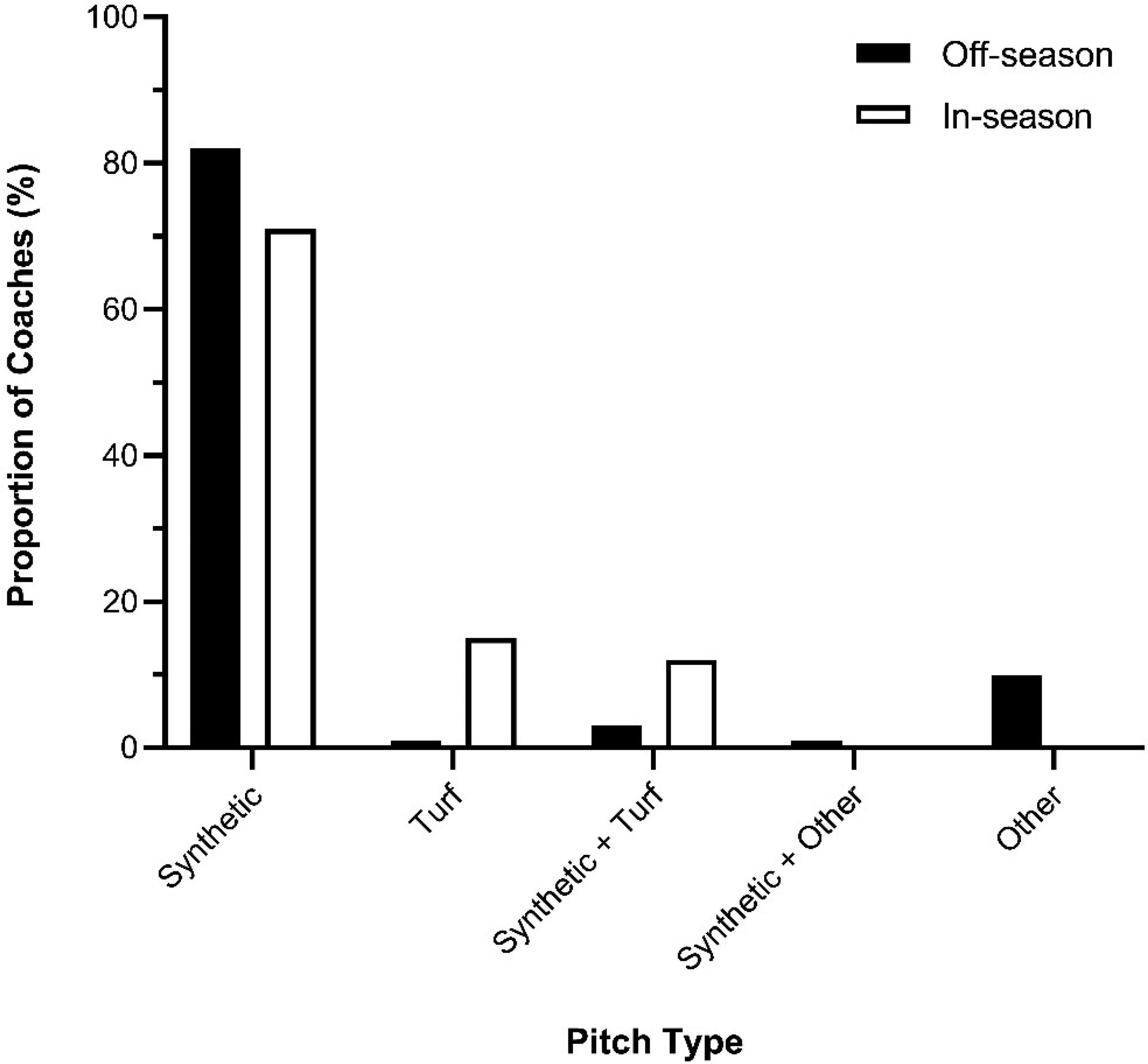
Proportion of coaches reporting the use of certain a pitch type(s) across the off-season and in-season.
All coaches of U’10 and U’11 pace bowlers reported using a modified 16-m pitch for training during the off-season and in-season (n = 3, 100%; Figure 6). A large proportion of coaches of U’12 and U’13 pace bowlers reported using a modified 18-m pitch for training during the off-season (n = 11, 55.0%) and in-season (n = 14, 60.9%; Figure 6). Most coaches of U’14 pace bowlers and above reported using a standard 20.12-m pitch for training during the off-season (n = 25, 92.6%) and the in-season (n = 27, 96.4%; Figure 6).
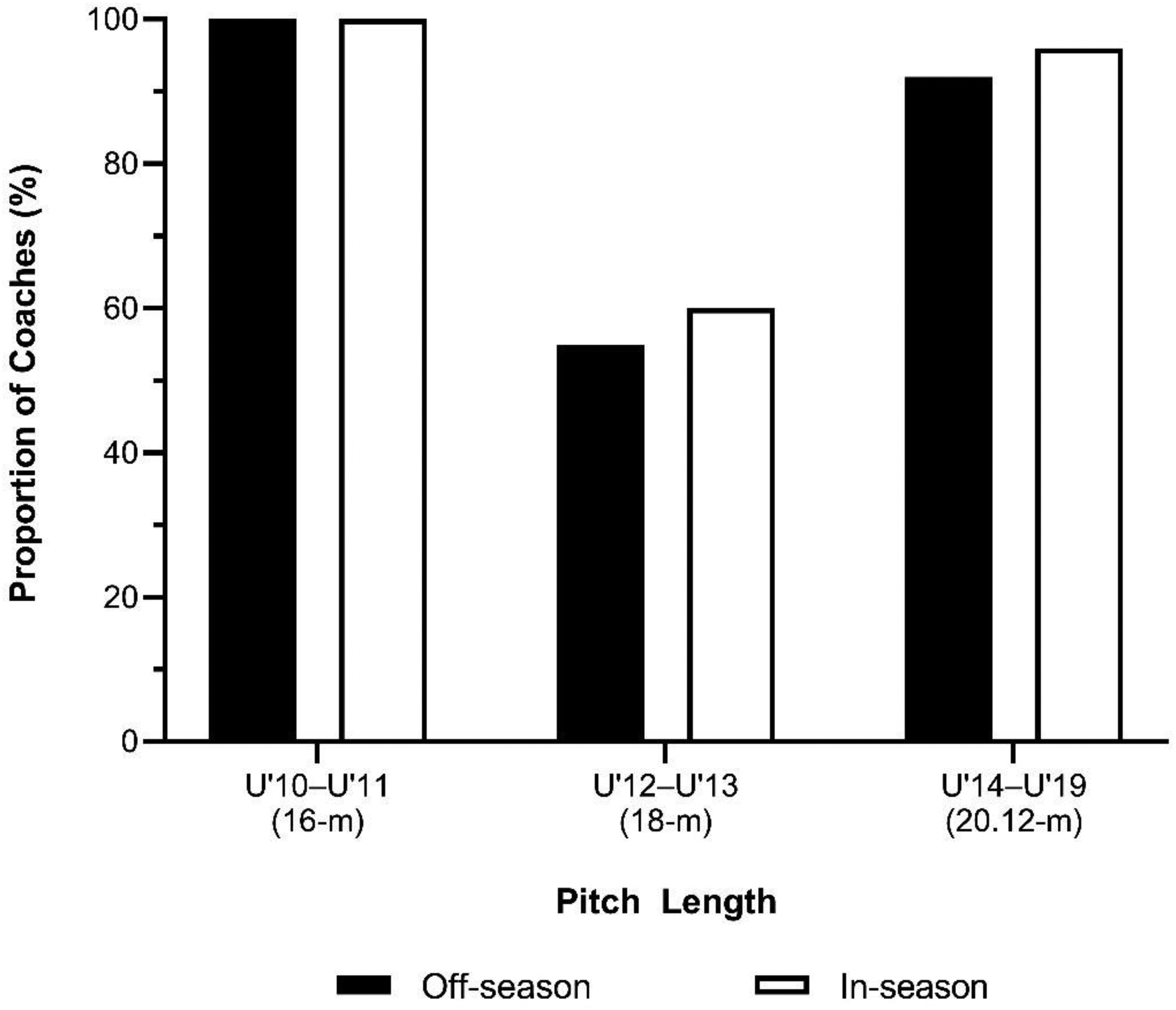
Proportion of coaches reporting to use the recommend pitch length (as indicated by the X axis) across the off-season and in-season.
The use of a modified 142-grams ball was predominant among coaches training U’13 pace bowlers during the off-season (n = 19, 90.5%) and the in-season (n = 23, 92.0%; Figure 7). Conversely, a majority of coaches training pace bowlers aged 14 and above primarily utilised the standard 156-grams ball during the off-season (n = 21, 77.7%) and the in-season (n = 22, 79.0%; Figure 7).
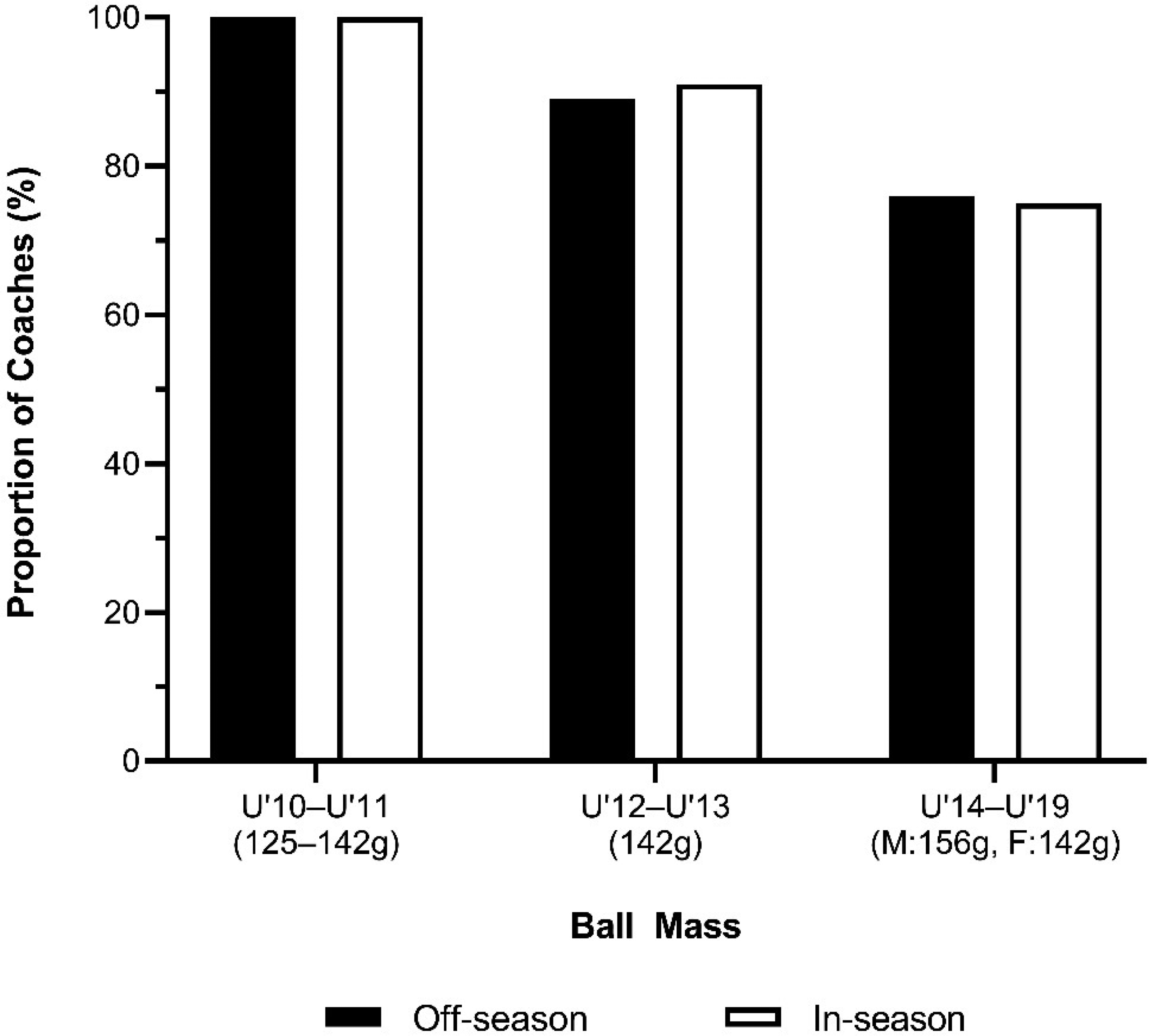
Proportion of coaches reporting to use the recommend ball mass (as indicated by the X axis) across the off-season and in-season. M = males. F = females.
During the off-season, coach age and player age were significantly associated with the frequency of technical coaching (Table 5). “Older” coaches typically performed less frequent technical coaching than “younger” coaches (Figure 8). “Older” adolescent pace bowlers received more frequent technical coaching than their “younger” counterparts (Figure 8). However, there were no associations between coaches’ demographic characteristics and the frequency of technical coaching practices implemented during the in-season (Table 5).
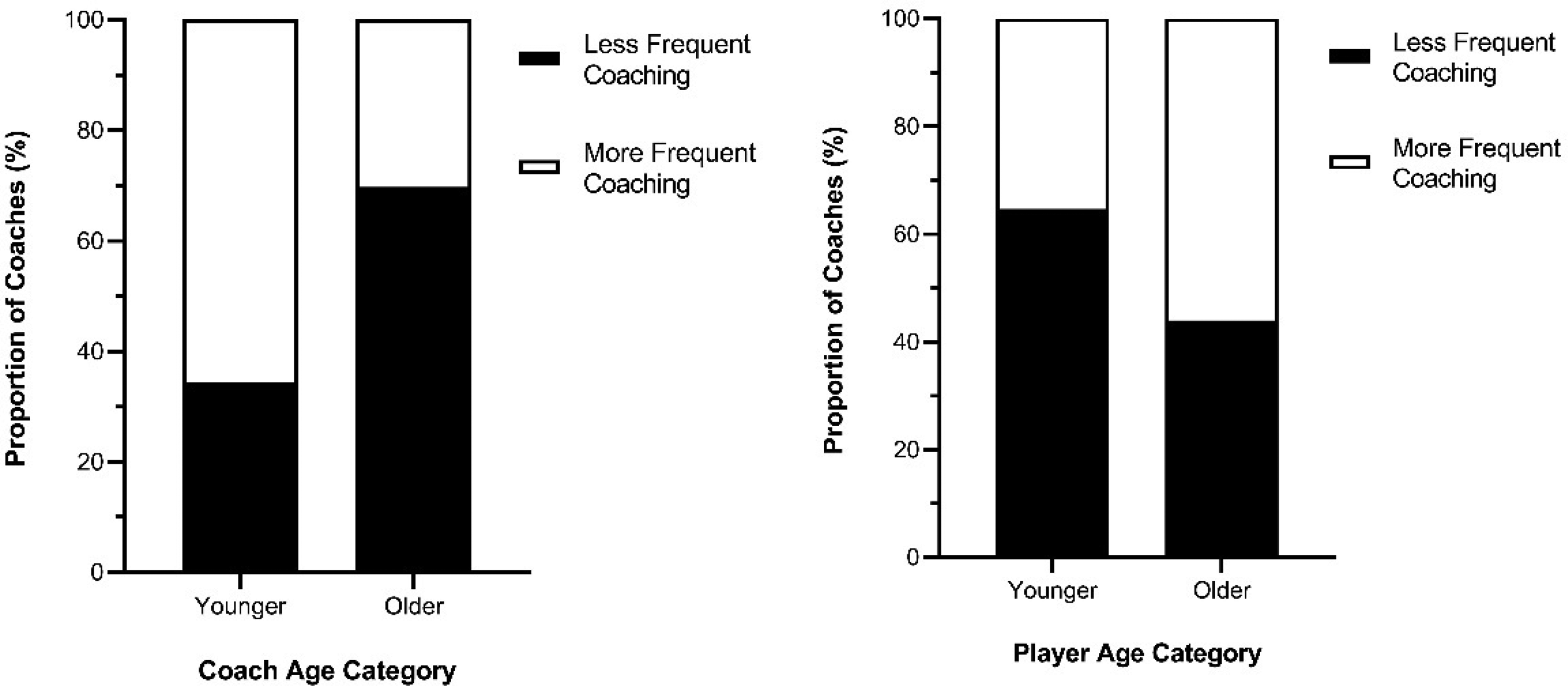
Proportion of coaches reporting to engage “less” or “more” frequently in technical coaching during the off-season, based on coach age category (left) and player age category (right).
Association between coaches’ demographic characteristics and the frequency of technical coaching practices, for the off-season and in-season.
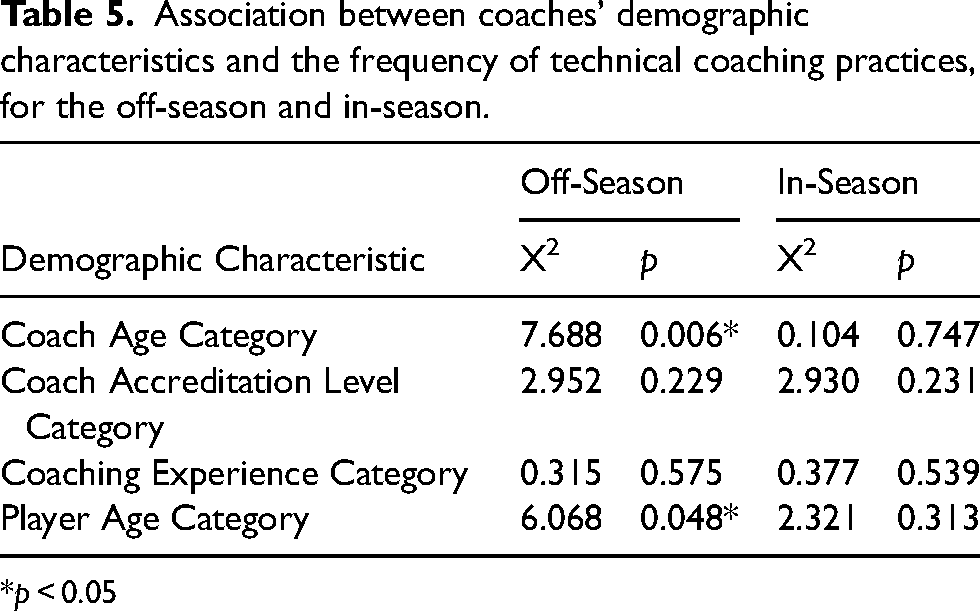
*p < 0.05
Discussion
The primary aim of the study was to investigate the technical coaching methods of cricket coaches in Australia when training adolescent pace bowlers, which potentially assist in enhancing performance while minimising the risk of severe back injuries. Additionally, the study aimed to identify the barriers faced by cricket coaches in implementing such coaching practices and determine the association between the frequency of technical coaching practices and coaches’ demographic characteristics. Many coaches reported they “never” engaged in technical coaching practices during the off season but did so “occasionally” during in-season, typically for one session per week. Limited access to players, lack of knowledge, and time constraints appeared to be prevalent barriers faced by coaches. Moreover, “younger” coaches and “older” players were associated with more frequent technical coaching during the off-season.
Many coaches reported a key barrier in implementing technical coaching practices was players’ involvement in other sports during the off-season. Furthermore, lack of knowledge, skill, experience, and time constraints appeared as barriers preventing coaches from engaging in technical coaching practices. Coaches’ limited engagement with technical bowling coaching during the off-season may be attributed to the diverse sporting landscape in Australia, where various sports are played during distinct times of the year (e.g., cricket in summer and football in winter). The Australian Football League attracts significantly more participants than cricket during the winter. 27 CEP are effective in improving coaches’ confidence with respect to motivation, strategy, technique, and character building,28,29 especially in novice coaches. 28 However, there are barriers to CEP such as course structure, cost, and access. 30 Coaches prefer informal learning (learning through doing and interaction with other coaches) and like to access a variety of resources to develop their coaching practices. 30
During the in-season, which typically consists of approximately 30 sessions, 31 most coaches (93.1%) engaged in technical coaching practices at least once or twice a week. The median duration of sessions during both season phases was “15–30 min”. The findings align with previous findings suggesting that reducing injury incidence in adolescent pace bowlers can be achieved by limiting workload. 32 Many studies advocate for limiting the number of pace bowling sessions per week (including both training and matches), depending on the age group. For instance, bowlers aged U13 to U16 should have a maximum of three days of bowling sessions per week, while those aged U17 to U19 should have a maximum of four sessions per week.33–36
Most coaches prioritised technical aspects of bowling associated with arm and run-up, which likely contribute to performance, such as increasing ball release speed. 37 They emphasised maintaining a vertical (“tall”) position for the non-bowling arm (front arm) during the delivery stride and pulling it down before accelerating the bowling arm. However, no coach mentioned the concept of the delayed bowling arm (bowling arm shoulder angle), a kinematic parameter linked with ball release speed. 37 While the reasons coaches focused on the run-up are unclear, their practice aligns with research evidence. The run-up aims to increase linear momentum, converting it into angular momentum during the delivery stride, with the torso accelerating over the braced front leg. 38 An optimal run-up speed allows pace bowlers to optimise key technical characteristics, significantly impacting ball release speed, with run-up velocity accounting for 37.9–53.4% of the variance in ball release speed across various age groups and playing levels.4,7,37,39–43 Similarly, while coaches did not specify why they prioritise body alignment and follow-through during coaching sessions, their focus on body alignment aligns with previous research highlighting its role in minimising injury risk. Some studies suggests that a mixed bowling action, characterised by significant shoulder and hip angles, is highly susceptible to non-contact injuries, particularly in the back and lower back, and is associated with a higher risk of lumbar disk degeneration.44–47 However, recent findings exhibit no relationship between mixed bowling action and lower back injuries.8,48 The follow-through involves gradually slowing down after ball release and aligning the body toward the batter, but there is no biomechanical data confirming whether this reduces injury incidence. 17
“Younger” coaches tend to engage more frequently in technical coaching practices during the off-season compared to their older counterparts. The scope of the survey questions did not reveal why this is the case among “younger” coaches, but future studies should investigate whether this is common practice and the reasons behind it. Furthermore, a higher proportion (64.7%) of “younger” players experience less frequent technical coaching than “older” pace bowlers (44%), even though younger athletes generally learn new skills and acquire motor learning patterns faster compared to older athletes. 49 However, coaches in the current study appeared to implement technical coaching more frequently with “older” pace bowlers (15–19 years old). This finding aligns with a study in baseball, which concluded that the kinetics of athletes tend to improve with time and that new movement patterns can be effectively coached to players with superior strength and proprioception, characteristics commonly found among senior players. 50 No prior research has been conducted in cricket pace bowling; however, investigations on swimming coaches have demonstrated a link between coaches with more experience and a higher coaching level, and the frequency of technical coaching practices to improve performance and technique. Of interest, the findings of the swimming research contradict what this study found for the off-season phase.51,52
Tailoring the sporting environment to suit adolescent athletes may help to enhance the rate of skill development and reduce the incidence of injury.53,54 In this study, most coaches reported using a modified pitch length (either 16-m or 18-m) when training pace bowlers aged 13 years and below, during the off-season and in-season. These results suggest that most coaches adhere to the pitch length recommendations when training adolescent pace bowlers. 55 Shortening the pitch length to 18 m for pace bowlers under the age of 11 and 13 has been shown to improve bowling accuracy and reduce shoulder counter-rotation (and the likelihood of adopting a mixed bowling action), potentially leading to a safer bowling action. 53 In addition, adolescent pace bowlers bowling on a shorter pitch length (14.6 m) release the ball at an angle equivalent to elite players, with greater consistency. 56 Furthermore, ∼90% of coaches reportedly used the recommended 142-g ball with pace bowlers aged 13 years and under, while ∼78% of coaches reportedly used the recommended 156-g ball (for males) and 142-g ball (for females) with pace bowlers aged 14 years and above. The slight decline in the proportion of coaches utilising the recommended ball mass with adolescents above 14 years of age may be due to coaches catering for bowlers who have a smaller hand length and hand span; such bowlers should bowl better with a smaller sized ball (as not only the mass is lighter, but the ball circumference is slightly smaller). 57
While the current study significantly advances our understanding of the implementation of technical bowling coaching practices of coaches training adolescent pace bowlers, there were limitations. Primarily the results of this study could not be compared with existing cricket-related research, as it was the first to explore technical coaching practices of cricket coaches with respect to pace bowling. Moreover, the participants predominantly consisted of male coaches, and it is unclear how this reflects the gender distribution of cricket coaches in Australia. Additionally, the survey design relies on the honesty and accuracy of responses provided by coaches, introducing the possibility of social desirability bias, where certain coaching practices may not have been implemented during a training session and might have been under- or over-reported due to their perceived social undesirability. 58 The quality of technical coaching practices was not captured in this study; future research should investigate this aspect and the relationships to coach knowledge and experience. The comprehensive nature of the survey, meant that it was time-consuming, resulting in a relatively low sample size and a high dropout rate. The limited sample size compromises the generalisability of the findings to all cricket coaches in Australia.
Another limitation of the study could be the subjectivity in interpreting the responses provided by the participants. Despite the advantages of multi-level rating scales over dichotomous scales, coaches may possess varied perceptions regarding the frequency of engagement in certain coaching practices. 59 For instance, the term “very often” may be interpreted differently, with some coaches considering it as 3 to 4 times a week, while others may view once a week “very often”. Future surveys of cricket coaches should describe coaches’ preferences between skill enhancement and injury risk reduction. Further observation and qualitative research is encouraged to capture actual technical bowling coaching practices throughout the course of the season, and to more deeply understand the barriers faced by cricket teams, coaches, and players surrounding the adoption of these practices.
Conclusion
This novel study provides the first detailed description of technical coaching practices of cricket coaches. The findings revealed a relatively wide range of technical bowling coaching practices among cricket coaches in Australia when training adolescent pace bowlers during the off-season and in-season. Coaches typically implemented technical bowling coaching practices once per week, with sessions lasting 15–30 min during both phases of the season. Less frequent coaching during the off-season was observed as players were occupied playing other sports, reducing coach access to their pace bowlers. Notably, “younger” coaches demonstrated a higher engagement in frequent technical coaching, and these coaching techniques were predominantly applied to “older” players. Most coaches followed the age- and gender-recommended guidelines for pitch length and ball mass across both phases of the season. These insights contribute to a comprehensive understanding of technical coaching practices while training adolescent pace bowlers to improve performance and minimise the risk of severe injuries. Coaches are encouraged to seek formal and/or informal learning opportunities to further develop their knowledge and skills in pace bowling technique. To counter the challenge of limited access to players in the off-season, coaches should provide technical training drills and physical development exercises that can be easily implemented.
Supplemental Material
sj-docx-1-spo-10.1177_17479541241292411 - Supplemental material for Technical pace bowling coaching of adolescent cricketers: A survey on practices and barriers
Supplemental material, sj-docx-1-spo-10.1177_17479541241292411 for Technical pace bowling coaching of adolescent cricketers: A survey on practices and barriers by Dhanur Bhardwaj, Dan B. Dwyer and Simon A. Feros in International Journal of Sports Science & Coaching
Footnotes
Acknowledgements
The authors would like to thank Peter J. Kremer, Anna Saw, Marc Portus, Rian Crowther, Will Vickery, Paul Felton and Alexandra Lascu for their assistance during the survey development process and reviewing the survey questions.
Authors’ contributions
D Bhardwaj: Conceptualisation, Formal analysis, Writing – original draft, Writing – review & editing, Project administration. DB Dwyer
Declaration of conflicting interests
The authors declared no potential conflicts of interest with respect to the research, authorship, and/or publication of this article.
Funding
The authors received no financial support for the research, authorship, and/or publication of this article.

Supplemental material
Supplemental material for this article is available online.
References
Supplementary Material
Please find the following supplemental material available below.
For Open Access articles published under a Creative Commons License, all supplemental material carries the same license as the article it is associated with.
For non-Open Access articles published, all supplemental material carries a non-exclusive license, and permission requests for re-use of supplemental material or any part of supplemental material shall be sent directly to the copyright owner as specified in the copyright notice associated with the article.
