




Abstract
This study examines Swedish principals’ perceptions of their learnings and leadership development and identifies lasting changes to their leadership practices. Data were collected through a digital survey involving 66 novice principals who had previously participated in the National Principal Training Programme. The qualitative inductive content analysis revealed four key themes: (1) development of adaptive leadership, (2) enhanced communication capabilities, (3) improved preparedness for the unexpected, and (4) development of digital leadership. Principals reported that their experiences fostered adaptive and trust-based leadership, collaborative decision-making, and strategic crisis management. Enhanced digital competencies streamlined operations but challenged social cohesion. The findings highlight how adaptive leadership was key to navigating uncertainty, maintaining organisational stability, and fostering innovation during crises. The study suggests that principals’ adaptive practices, initially developed in response to the pandemic, have become embedded in their leadership strategies, contributing to sustainable improvements in school practice. Implications for future research include exploring the long-term impact of these practices on educational outcomes, resilience, and leadership preparation programs across different national contexts.
Introduction
The COVID-19 pandemic has profoundly impacted many aspects of life and people across the globe, with health services being the most seriously affected and overwhelmed. Education has also experienced significant challenges, with schools having been closed during extended periods in most countries, affecting children, their families, and teachers (Bush, 2023; Campbell, 2023; Harris & Jones, 2022). The effects on school leaders have been severe, as reported globally (e.g. Lien et al., 2022; Longmuir, 2023; Thomson & Greany, 2024).
One empirical example is a recent study on Swedish novice principals’ coping strategies during the COVID-19 pandemic. Sahlin et al. (2023) concluded that the principals’ coping strategies were based on adaptive leadership (Harris, 2021) to handle rapidly changing and unclear situations. The uncertainty and stressful situations the principals experienced required adaptive leadership strategies, emotional management, and leadership, as suggested by Oplatka and Crawford (2021). The study by Sahlin et al. (2023) examined how principals coped with leadership during the pandemic but did not explore any potential long-term effects on principals, teachers, or students/children in schools (Ragnarsdottir & Storgaard, 2023). Further study is needed on the process and effect of deinstitutionalisation caused by the COVID-19 pandemic on education from the perspective of school governance and leadership (Ragnarsdottir & Storgaard, 2023).
The short and medium-term effects of the COVID-19 pandemic on school-based professionals have received a significant quantity of empirical attention around the world (e.g. Beauchamp et al., 2021; Harris & Jones, 2022; Longmuir, 2023; Pollock, 2020; and Rima’a et al., 2023). However, given the global impacts of the pandemic and ongoing challenges facing school systems and educational leaders (e.g. Bush, 2023; Campbell et al., 2023; Ragnarsdottir & Storgaard, 2023; Thomson & Greany, 2024), there is a need to continue studying its long-term effects. It remains to be seen whether the lessons learned from the pandemic will sustain or revert to pre-COVID-19 practices.
Sweden adopted a more liberal approach than other countries during the COVID-19 pandemic. The national strategy aimed to keep significant parts of society open, and the educational system was no exception (Lindblad et al., 2021). Upper secondary schools and universities were advised to conduct classes through distance learning methods, while preschools and compulsory schools remained open. Parents, students, and staff members followed the government's recommendations. The Swedish exceptionalism and national strategy were built on trust, which also influenced the work of the principals (Ahlström et al., 2020; Ågren et al., 2023). However, Persson et al. (2022) revealed that schools in Sweden were not adequately equipped to handle low-intensity crises, and the importance of functioning schools during a crisis, such as the COVID-19 pandemic, was highlighted. Furthermore, principals handled situations differently due to individual differences and variations in the coping strategies adopted.
In Sahlin et al.'s (2023) recent study on Swedish novice principals’ coping strategies during the COVID-19 pandemic, the authors concluded that the pandemic led principals to develop their capabilities through new thinking and creative solutions due to the pandemic. Some of the new knowledge included increased communication and collaboration capabilities, increased ability to handle stress, professionalism in decision-making, and daring to set the level in the business as ‘enough for now’, as well as their flexibility and adaptability. The new knowledge and the increased capability to believe in themselves and their colleagues increased trust between principals and their stakeholders. Regarding implications for practice, the findings emphasised that emotionally intelligent leaders are equipped to cope with the crises and challenges currently faced by principals. Additional research could focus on conducting a follow-up survey study of the same principals after 2 years (Sahlin et al., 2023). This study will investigate what they continue to focus on, what they have learned the most, and whether their leadership practices have changed due to their leadership experiences during the COVID-19 pandemic. Consequently, the purpose of this study is to explore principals’ perceptions of their learnings and leadership development following the pandemic, focusing on how they perceive its influence on their leadership practices. The adaptive leadership theory (Heifetz et al., 2009) will be used to interpret the findings of the study more theoretically in the discussion. The following research questions frame the study:
What perceptions do principals have about what they learned from leading during the COVID-19 pandemic, and how have these shaped their current leadership practices? How can principals’ perceptions of their leadership during the COVID-19 pandemic be understood from an adaptive leadership perspective?
This paper begins with a literature review on principal leadership related to the pandemic. It then focuses on the theoretical framework and methodology. The study's findings and analysis are presented, and the paper concludes with a discussion and conclusions.
Literature review: principal leadership related to the COVID-19 pandemic
There is a growing base of research on leadership during the COVID-19 pandemic worldwide. This literature review focuses on pandemic studies relating to principals.
There is a growing body of empirical studies globally (e.g. Heffernan et al., 2022; Jones et al., 2021; and Thomson & Greany, 2024) that emphasises and illustrates leadership roles in schools and education systems. These studies explore how leaders at various levels of education make sense of the challenges they face and the role of leadership learning before, during, and after periods of disruption and uncertainty such as the COVID-19 pandemic (Campbell et al., 2023).
Several studies report on the challenges, workload, and well-being of principals leading in crisis. In England, Thomson and Greany (2024) report how school leaders faced new challenges during the COVID-19 pandemic that adversely affected their health and well-being. They had to work long hours and improvise quickly in response to poorly timed central guidelines. The findings showed that leaders’ pandemic work focused on establishing new management routines and dealing with people. Thomson and Greany (Ibid.) suggest redesigning how leaders’ work is carried out, which is necessary to tackle workload and well-being issues and develop more sustainable leadership careers. Current research on school leaders’ time, the quantity of work, and its intensification addresses the need and focus on sustainability and resilience for school leaders (Creagh et al., 2023; Greany et al., 2023; Heffernan et al., 2022; Nilsson et al., 2022; Skaalvik, 2023). In a study from Hong Kong and Mainland China, Chen (2023) stated that leading during the uncertainties of a crisis requires school principals to respond and react effectively, cohesively, and proactively using their resilience. Chen (2023) concludes that principal resilience is an important quality that supports principals in infusing themselves into their professional lives to pursue the collective good.
Evidence shows how principals have learned to navigate and lead in a crisis. Longmuir (2023) concluded that the eight Australian leaders in her study learned to navigate crisis and disruption through their responses to the significant unplanned change of the COVID-19 pandemic. Longmuir reports on her interviews with eight school leaders conducted at the height of the crisis in 2020 and notes that these school leaders engaged in a rapid process of sense-making and change implementation. Longmuir emphasises the significance of their community engagement, notably in helping stakeholders, including parents, cope with the ambiguity arising from the pandemic. This relates to the US study on school leader responses to the COVID-19 pandemic. De Voto et al. (2023) revealed that districts with adequate expertise and organisational resources were better positioned to respond to the crisis. In contrast, those lacking such capacities experienced increased anxiety/stress. The authors argue that intermediate service agencies’ potential role in developing a more robust crisis response infrastructure for associated districts and schools.
Pashiardis and Brauckmann-Sajkiewicz (2022) concluded their study on how leaders in the business sector deal with crisis and uncertainty by stressing that many of the leadership qualities and characteristics needed in times of ‘normality’ are more or less similar to those needed in times of uncertainty. However, they emphasise that school leaders must learn to act faster with more transparent and constant communication. Adams et al. (2023) concluded that the COVID-19 pandemic has taught school principals in the Philippines that they do not and should not be supported in dealing with crises. The principals had to shift the traditional hierarchical top-down relationship to a horizontal school-community relationship during the pandemic. With joint forces and involvement from teachers, communities, and school authorities, they were able to work in unison to address the challenges posed by the crisis and prepare the schools for the new normal. The school principals in the Philippines are now more responsive to the teachers’ socioemotional needs, echoing other recent studies (e.g. Oplatka & Crawford, 2021; Sahlin et al., 2023).
Another study of interest from England by Floyd et al. (2023) examined what it meant for school leaders to manage online learning during the pandemic and beyond. The findings revealed that critical challenges faced during the restrictions were linked to staff expertise and knowledge, particularly regarding equipment, infrastructure, and the necessary capabilities to support children from diverse backgrounds. Opportunities emerged from increased stakeholder engagement, collaboration, and the development of innovative solutions to enhance children's online learning experiences throughout the restrictions. Reid (2023) interviewed 15 traditional public-school principals in New Jersey, USA. The results indicated that these principals made significant alterations to schooling due to the pandemic. They believe many of these changes have staying power, suggesting the profession will become increasingly virtual in the future. These findings present several practical implications, highlighting the need for states, districts, and leadership preparation programs to intentionally support principals as they transition into virtual leaders (Reid, 2023).
Some studies also report positive outcomes regarding principals’ learning and leadership during the pandemic. A study in Norway by Jones et al. (2021) focused on exploring the complexities of leading schools during the COVID-19 pandemic from a school leader's perspective. The results indicated that while challenges were acknowledged, leaders reported strengthened staff collaboration, greater insights into teaching and learning activities, and a heightened sense of community. As the crisis eased, some respondents reflected that teachers’ willingness to collaborate diminished, while others noted that their schools continued to benefit from the experience of the pandemic. Several leaders were eager to build on the positives, viewing the crisis as an opportunity to redesign and enhance learning and leadership. This aligns with Da’as et al.'s study (2023), in which Israeli Arab and Jewish school principals were interviewed about their leadership roles during a crisis. Three themes were identified: organisational, professional, and emotional roles. Principals felt responsible for maintaining stability and adapting to new conditions beyond school boundaries. They adhered to Ministry of Education instructions while meeting community demands. The principals perceived the crisis as a chance for process renewal, development, and advancement.
To summarise, the literature on educational leadership during the COVID-19 pandemic presents a multifaceted landscape of challenges, adaptations, and resilience. Principals worldwide have faced unprecedented demands on their time, well-being, and leadership approaches. Studies underscore the necessity of redesigning leadership practices to ensure sustainability and well-being amidst intensified workloads (Creagh et al., 2023; Heffernan et al., 2022; Thomson & Greany, 2024). Crucially, in times of crisis, the resilience of principals emerges as a vital attribute facilitating effective responses and proactive engagement (Chen, 2023). Moreover, the pandemic has prompted shifts from traditional hierarchical structures towards more horizontal school-community relationships, fostering collaborative approaches to crisis management (Adams et al., 2023; Sahlin et al., 2023). While challenges persist, there is evidence of positive outcomes, including strengthened staff collaboration and innovative solutions in the face of adversity (e.g. Da’as et al., 2023; Jones et al., 2021). Principals’ experiences reflect a dynamic interplay of professional, emotional, and organisational roles, with many viewing the crisis as a stimulus for renewal and development in educational leadership (Da’as et al., 2023). As we navigate the post-pandemic era, these insights indicate that adaptive leadership, collaborative partnerships, and sustained support structures may be substantial factors in fostering resilience and encouraging positive change in education systems globally. In conclusion, this research review shows that there are still few studies on the long-term effects of the pandemic on education, schools, teachers, students, or principals.
Theory
The decision to apply adaptive leadership theory in this study was informed by the findings of the initial research (Sahlin et al., 2023), which indicated that principals’ coping strategies aligned with adaptive leadership to navigate rapidly changing and unclear situations. Consequently, this follow-up study further explores the adaptive leadership theory (Heifetz et al., 2009; Obolensky, 2014; Yukl & Mashud, 2010) as a theoretical lens to interpret the findings in the discussion. While adaptive leadership is particularly relevant in crisis and extreme contexts, the authors acknowledge that it overlaps with other leadership models—such as transformational, distributed or crisis leadership. However, adaptive leadership uniquely focuses on navigating ambiguity, responding to change, and balancing short-term crisis responses with long-term adaptability (Heifetz et al., 2009), making it suited to this study.
Adapted leadership theory can be useful in understanding how crises are handled in organisations. In this study, adaptive leadership theory will be used to interpret the outcome of the inductive analysis theoretically, using these six steps: (1) Get on the balcony; (2) Identify adaptive challenges; (3) Regulate Distress by creating a holding environment and providing direction, protection, orientation, and conflict management; (4) Maintain disciplined attention; (5) Give the work back to the people; (6) Protect voices from below (Heifetz, Grashow, Linsky, 2009; Heifetz, 1994). To get on the balcony, back off to observe patterns and not be swept away in daily practices. This step serves as a foundation for leaders to identify adaptive challenges, such as enhancing cooperation with colleagues or fostering trust in the relationship between leaders and staff. During times of change, staff may feel overwhelmed by new working conditions. Therefore, leaders must balance change and sustainability to regulate distress. Heifetz et al. (2009) refer to this optimal balance as the ‘Productive Zone of Disequilibrium’: ‘Keeping an organisation in a productive zone of disequilibrium is a delicate task; in the practice of leadership, you must keep your hand on the thermostat’ (Heifetz et al., 2009: 5). This balance entails collaborating with staff's learning processes and reducing avoidance behaviour during conflicts or opposition to remain focused. The fifth step is to give the work back to the people, redistributing power and agency. Lastly, in the final step, leaders emphasise voices from below, focusing on those who think creatively and act innovatively to enhance the organisation.
Method
In the study reported in this paper, a qualitative research approach was employed with a purposive sampling method (Miles et al., 2020) to include the same novice principals who were studying in the National Principal Training Programme (NPTP) at one university in Sweden in a previous study by Sahlin et al. (2023). The study explored principals’ perceptions of their leadership during the pandemic and how it has changed their leadership practices today.
Data collection
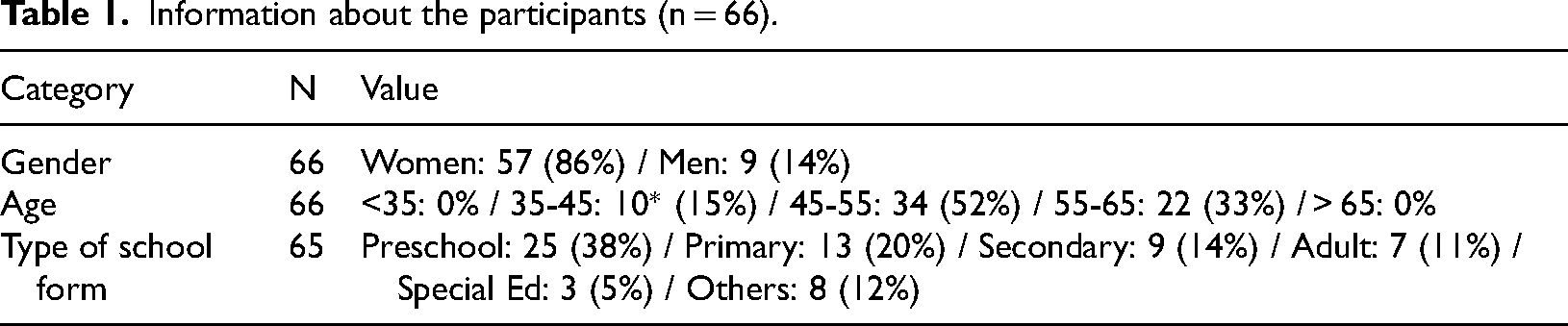
Data was collected from October to December 2023, involving the same novice principals undertaking the NPTP at one university who had participated in the initial study (Sahlin et al., 2023). A digital survey with both closed and open-ended questions was employed, and the link to the survey was sent via email to these 193 principals and deputy principals from preschool, primary, secondary, and adult education who participated voluntarily (see Table 1). Six email addresses were invalid. The survey questions focused on the effects the principals observed in their leadership after the pandemic, what changes they have made in their leadership since then, how these changes are reflected in their leadership actions, the most relevant learnings principals gained from the pandemic, and how these learnings are currently reflected in their leadership and operations. Additionally, the survey inquired about how the principals approach risk analysis today and if there was anything else they wished to emphasise regarding crisis management and leadership. Several reminder emails were sent, resulting in a few more responses. Sixty-six informants completed the survey, yielding a total response rate of 35%.
Information about the participants (n = 66).
Data analysis
This study employed qualitative inductive content analysis (Miles et al., 2020) in line with the study's purpose and research questions. The theoretical framework of adaptive leadership theory (Heifetz et al., 2009) was utilised in this study to interpret the findings of the inductive analysis theoretically in the discussion. Sub-themes were developed through codes that captured the participants’ perceptions of their learning from leading during the COVID-19 pandemic, along with additional codes derived from the inductive and interpretive readings. To ensure an open and data-driven approach to the analysis, the inductive coding process was primarily conducted by two researchers who had no strong prior familiarity with the adaptive leadership theory. This approach helped prevent the risk of theory-driven coding and allowed themes to emerge organically from the data rather than being shaped by pre-existing theoretical assumptions.
The analytical process centred on meanings through coding, condensing, and interpreting insights (Miles et al., 2020). An initial sorting of the material was conducted. Subsequently, codes emerged, addressing themes such as trust, digital tools, and crisis preparedness. Dependability procedures in qualitative research involve controlling transcripts, consistently comparing data with the codes, and cross-checking for intercoder agreement (Miles et al., 2020). These procedures were adhered to in order to ensure both dependability and credibility. Once themes and categories were identified, the research team of four engaged in discussions to interpret the findings through the adaptive leadership theory, ensuring a rigorous and reflexive approach to the analysis (Miles et al., 2020). By structuring the process in this way, the research team aimed to reduce confirmation bias and enhance the trustworthiness of the analysis.
Ethical considerations
The empirical study followed the ethical rules and guidelines for research provided by the Swedish Research Council (Vetenskapsrådet [Research Council], 2024). Four demands were followed: information, consent, confidentiality, and use. All respondents were assured that their personal views and data would not be identifiable in written reports regarding the research. The participants were informed about the research aims, and their participation was voluntary, with the possibility of withdrawing at any time without consequences.
It is essential to be transparent about the researcher's role and status within the research setting (Cohen et al., 2018). Researchers cannot attain complete objectivity as they are constantly immersed in the environment being studied. Researchers must recognise their influence on the research process, acknowledging that it is impossible to eliminate the researcher effect. Therefore, being a highly reflexive researcher is advisable (Cohen et al., 2018; Miles et al., 2020). The research team, composed of four members, regularly discussed the ongoing work, findings, and analyses and made revisions (Cohen et al., 2018).
Findings
The findings elucidate four main themes of interest, followed by categories. The following themes and categories are presented in the text, illustrated by quotations from the survey with the principals. Some quotes have been edited for readability while maintaining their original content, and all sources remain anonymous.
Development of Adaptive Leadership
○ Developed adaptive leadership strategies ○ Cultivated the capacity to be a pedagogical leader ○ Developed trust-based leadership and management Development of Communication Capabilities
○ Enhanced understanding of the significance of adequate information and communication Development of Preparedness for the Unexpected
○ Improved crisis management capabilities ○ Enhanced ability to conduct preventative risk assessments Development of Leading on a Distance through Digitalisation
○ Advanced capabilities of using and leading with digital technologies
Development of adaptive leadership
The development of principals’ adaptive leadership emerged as a prominent pattern in the analysis of the empirical material. It must be seen as a key finding of this study and recurs under several themes and categories, such as developing communicative capabilities, learning to deal with the unexpected, and making quick decisions.
Developed adaptive leadership strategies
Sixty-one principals (n = 61) felt that they had developed their ability to be flexible, both in meeting forms and allowing home or remote work, integrating these options into their daily routines. Some principals (n = 7) deepened their understanding of employees’ differences. One principal (n = 1) described it as follows: ‘I have gained more empathy for employees who require adaptation to perform their jobs, given that the pandemic has created anxiety about even coming to work’. However, issues concerning the work environment emerged as another focus that principals must address. Psychological safety remains an area that principals continually monitor. This impacts principals’ leadership, as each employee needs to be led in different ways, which poses a challenge since some employees can work from home part of the time while others cannot, raising questions of fairness. One principal (n = 1) remarked, ‘It's a perceived feeling of not having a ‘grasp’ of the group, resulting in a greater challenge in maintaining team spirit’. The pandemic presented numerous challenges that tested leadership, prompting the principals (n = 22) to reorganise their approach to work. This new structure has proven advantageous for managing their workloads.
Cultivated the capacity to be a pedagogical leader
The impact of working from home on collegial collaboration and development work has been significant. On one hand, it has posed ongoing challenges for development work; on the other hand, principals have noted that development has occurred when little else was available (i.e. the use and development of digital tools for teaching and meetings). However, several principals (n = 5) observed that they have evolved in their capacity to be the pedagogical leaders they aspire to be. One principal (n = 1) stated, ‘The pandemic has imparted positive effects on my leadership, allowing it to mature and become more clearly defined as pedagogical leadership, while the role of service leader has become more embedded within the organisation in the units’.
Furthermore, delegation has become vital to leadership (n = 21), mainly to encourage participation and, as a principal, to cope with the situation. Several principals (n = 10) noted an increased ability to redistribute resources to teachers and students requiring support and an enhanced capacity to monitor and follow-up on students’ learning progress.
Several principals (n = 20) articulated that the insights gained during the pandemic can be linked to pupils and teaching. In particular, they emphasised the significance of interpersonal interactions and the implications of distance education in shaping the educational experience. For several principals (n = 17), it became evident how central it is to ensure that pupils attend school, not only to acquire knowledge but also to, as one principal (n = 1) reflected, ‘Children and young people need to be in school. The young people's learning and well-being worsened by sitting at home. Those who struggled to make contact at school became increasingly lonely and socially isolated. The importance of human interactions (IRL) for natural discussions and debates cannot be overstated’. While distance education worked, and teachers improved their pedagogical capabilities with digital tools, it also became apparent that this learning mode is unsuitable for everyone. Several principals (n = 7) specifically emphasised the challenges faced by weaker pupils. One principal (n = 1) stated, ‘How important it is to have lessons on site, especially for students who find it difficult to keep up’.
Developed trust-based leadership and management
Several principals emphasised (n = 24) that trust-based leadership has become valuable in their leadership following the pandemic, trusting that employees understand where and how they perform their work best. An example is a principal (n = 1) who stated, ‘I choose to adopt a trust-based leadership approach, allowing my employees considerable trust to decide how and where they perform their work most effectively. We have frameworks, but I seldom question my employees’ priorities’. Fifteen principals (n = 15) noted the importance of structure in their leadership and the necessity to delegate when possible, embracing distributed leadership. Several principals (n = 21) recognised individuals’ diverse support needs, leading to greater empathy for their differences.
Many principals (n = 28) also emphasised the importance of including employees to foster participation and shared responsibility, noting that the pandemic underscored the significance of collaboration and involvement. Eighteen principals (n = 18) emphasised that collaboration was essential for driving organisational success during the pandemic. Numerous principals (n = 18) noted the value of fostering collaboration among various groups, such as departments and other units. One principal (n = 1) succinctly stated, ‘When everyone pulls in the same direction, we achieve remarkable outcomes’. However, concerns regarding participation and collaboration were also raised, particularly during acute staff shortages, which led to anxieties about potential negative peer pressure.
Development of communication capabilities
Many principals (n = 41) reported that their communication capabilities improved due to leading during the COVID-19 pandemic. This specifically related to how principals communicated about mandatory school attendance and the expectations of others, as well as the information that needed to be shared with staff, students, and guardians. The significance of consistency and transparency emerged repeatedly in the principals’ responses.
Sixteen principals (n = 16) also emphasised that they became better at clarifying what employees could manage themselves and what needed to be referred to the principal. One principal (n = 1) mentioned that she had to work towards clarity and assign responsibility ‘back’ to the staff after the pandemic: ‘Clarity, but also attempting to return the responsibility to staff, the responsibility that they were not allowed or dared to take during the pandemic’. Reconciling what had been articulated and what remained unspoken was also identified as an aspect that evolved in their leadership. One principal (n = 1) described, I see and understand the importance of clarity in communication – even with those I think ´know what I meań. For example, it could be during a conversation with a teacher. In the past, I may have taken it for granted that they knew what I meant because they are a teacher at school, but now I explain more about what I mean.
Additionally, 28 principals (n = 28) reported an enhanced emphasis on engaging in dialogue with employees and reflecting on their leadership practices.
Enhanced understanding of the significance of adequate information and communication
A total of forty-five principals (n = 45) indicated that they primarily learned about the significance of clarity in information and communication. One principal noted that texts can be subject to various interpretations but emphasised the importance of unity in their understanding, which became crucial. Another principal (n = 1) reflected that she had improved her communication with employees while expressing that communication had grown in importance: ‘Communication with employees has become clearer and even more vital’. Furthermore, numerous principals (n = 27) emphasised the critical role of communication, asserting that the ability to engage with and respond to information is paramount. One principal (n = 1) exemplified this perspective, articulating how the experiences encountered during the pandemic fundamentally influenced her approach to communication. I understand the importance of clarity in communication… […] … Also, think about summarising conversations to avoid them being perceived differently. More often, I get to know what the staff think about certain things, what they want and how they want to do it.
Development of preparedness for the unexpected
Twenty-three principals (n = 23) stated that they recognised the importance of preparing for unforeseen challenges while leading during the COVID-19 pandemic.
Improved crisis management capabilities
Thirty-five principals (n = 35) believed they had enhanced their ability to make risk assessments and were more prepared to handle crises. One principal (n = 1) remarked, ‘I feel prepared for the unexpected. However, I also believe I can achieve more than I realise’. The principals felt they did not unnecessarily stress themselves.
A pattern in the analysis was that the structural crisis preparedness had been strengthened with the support of the principals’ leadership (n = 20). A crisis plan was drawn up, the importance of being source critical and trying to secure when or if there will be a crisis. Fifteen principals (n = 15) emphasised that they learned to take greater responsibility for action plans and were better prepared for new and unexpected situations.
Twenty-five principals (n = 25) learned the importance of being prepared even for the unpredictable. This also involves prioritising, staying one step ahead, being flexible, and thinking outside the box. However, as a principal (n = 1) reflected, it was challenging to determine whether it was explicitly the pandemic or more experience as a principal that has fostered this developed ability: ‘It is difficult to say whether it is the pandemic or experience in the profession that contributed to being one step ahead, having a “crisis plan”, and always being able to think outside the box’. The experiences of principals during the pandemic demonstrated an enhanced ability to adapt and an increased focus on solutions. They describe how their flexibility has developed, enabling them to pivot quickly and effectively in unpredictable situations. Being adaptable and flexible is regarded as a necessity in their leadership. A positive and solution-oriented mindset emerges clearly, with principals emphasising that ‘everything can be solved’ with the right attitude and that challenges often lead to new opportunities. This optimism and forward-looking perspective have strengthened their capacity to manage difficult situations. They have enhanced their ability to prioritise during high workloads, which one principal (n = 1) articulated as ‘Prioritising tasks in case of high workload’ and proactively analysing risks and consequences. Past experiences of crisis planning have proven invaluable, bolstering their strategic capabilities.
Enhanced ability to conduct preventative risk assessments
Many principals (n = 33) also highlighted their developed ability to carry out risk assessments. However, the principals gave the work with risk assessments varying degrees of importance. Approximately a third (n = 33) indicated that they conduct ongoing risk assessments differently than before. The principals (n = 33) found that this work has become a natural part of their everyday lives. Around a third of the principals (n = 22) are now performing risk assessments more in exceptional circumstances, such as hygiene and the spread of infection, as well as remote working, but also, as previously, in reorganisation cases. Other situations in which principals are now conducting risk assessments include when creating schedules or during schedule-altering activities. One principal (n = 1) noted that although they conduct these risk assessments, they are not always followed up. The final third of the principals (n = 22) indicated that they no longer systematically perform risk assessments or only do so if someone tells them to do so. One principal (n = 1) mentioned that risk assessments are referenced as a reminder when incidents occur, or as another principal (n = 1) stated: ‘Unfortunately, it easily falls through the cracks as long as everything continues as usual’.
Development of leading on a distance through digitalisation
Most principals’ experiences during the pandemic highlighted significant advancements in digital tools and the overall digitalisation of work and teaching practices.
Advanced capabilities of using and leading with digital technologies
Many principals (n = 62) emphasised the substantial experience of digital meetings and how they became effective solutions. One principal (n = 1) stated, ‘It works well to hold certain types of meetings digitally’. Another principal (n = 1) expressed, ‘Teams meetings work well’. These tools not only facilitated communication but also encouraged rapid professional development. One principal noted (n = 1), ‘The importance of everyone learning to use the available digital tools became clear’. This included the enhancement of competencies associated with managing a range of digital tools, which became useful for effective participation in online meetings and the implementation of digital teaching methodologies.
The pandemic served as a catalyst for change, compelling schools to adopt new ways of working at an unprecedented pace. One principal (n = 1) reflected, ‘The development of a digital way of working progressed at record speed’, while another noted, ‘Pedagogical development can happen quickly when necessary’. This transformation was bolstered by the competence and adaptability of staff, students, and parents, as a principal highlighted: ‘We have competent teachers, parents, and students regarding digital tools in Sweden’.
Most principals (n = 62) indicated that they had improved their ability to lead digital meetings. Digital meetings enhanced principals’ efficiency in time management and organisational operations by eliminating travel between meetings, thus saving travel time and benefiting the environment. These meetings were particularly appreciated for their ability to streamline workflows, with remarks such as, ‘Digital meetings are effective’ and ‘We have become better at using digital meetings when they are most efficient’. This transition not only conserved time but also alleviated stress for many staff members. As one principal (n = 1) observed, ‘A positive effect has been less stress for everyone during the pandemic’. However, some principals noted drawbacks of digital meetings, particularly the sense of loneliness as social contact diminishes. One principal (n = 1) mentioned a loss of reflection time that would typically occur during travel between meetings, ‘Now, one simply clicks a new button to join a fresh meeting’. Fourteen principals (n = 14) specifically pointed out efficiency, which refers to the opportunity for more frequent short reconciliations and the ease of scheduling meetings.
Several principals (n = 11) felt they had grown closer to their employees despite the distance. Several principals (n = 15) emphasised that they had become more confident in delegating tasks remotely than before the pandemic. However, one principal (n = 1) expressed a challenge with being present remotely: ‘Exhaustion; it is challenging to see everyone. It is hard to have a present leadership’. Several other principals recognised the limitations of digitalisation, particularly the importance of social interaction and collaboration. One principal (n = 1) highlighted, ‘We need physical meetings, not just digital ones, to maintain social interaction in my leadership’” Another (n = 1) pointed out the potential risks associated with digitalisation, stating, ‘The vulnerability surrounding IT has become apparent’. Overall, the pandemic accelerated the integration of digital tools into daily operations, enabling schools to become more flexible and efficient. While digital solutions proved beneficial for many aspects of school leadership, principals emphasised the need to balance digital and physical interactions to maintain the human aspects of their work.
Discussion
This study explored principals’ perceptions of how their leadership had developed from leading during the COVID-19 pandemic and whether their leadership had changed. The findings of this study underscore how leading through the COVID-19 pandemic prompted transformations in principals’ leadership practices, particularly in adaptive leadership development, communication, crisis preparedness, and digitalisation. These findings offer relevant insights into the long-term implications of crisis-driven leadership development and are consistent with existing literature on adaptive leadership, collaboration, and organisational resilience. This section examines the findings with the research questions and theoretical framework (Heifetz et al., 2009; Obolensky, 2014; Yukl & Mashud, 2010), placing them within broader empirical and theoretical discussions.
First, a key contribution of this study is its demonstration of how principals cultivated adaptive leadership capabilities through crisis management. The findings support the conclusion in previous studies of Heifetz et al. (2009), which state that adaptive leadership requires leaders to navigate adaptive challenges by fostering flexibility, collaboration, and problem-solving while maintaining organisational equilibrium. The principals’ ability to implement adaptive strategies, delegate responsibilities, and balance change with sustainability mirrors the six-step framework of adaptive leadership, particularly the steps of ‘regulating distress’, ‘giving the work back to the people’, and ‘maintaining disciplined attention’.
Principals’ development of trust-based leadership and ability to identify adaptive challenges and develop empathetic leadership was noteworthy expressed. This included adopting flexible working methods and developing pedagogical leadership grounded in trust. Emphasis was placed on participation and collaboration among staff and students, with a strong focus on pupil-centred teaching practices. Principals’ emphasis on promoting participation and collaboration, along with a robust focus on teaching practices, aligns with the findings of Jones et al. (2021), in which leaders reported enhanced staff collaboration and increased understanding of teaching and learning activities. These findings correspond with Heifetz et al.'s (2009) notion of ‘getting on the balcony’, where leaders take a step back to view organisational patterns and address challenges strategically. Trust-based leadership, as reported by many principals, also aligns with emphasising giving power back to employees and leveraging ‘voices from below’. This could be understood as a shift in power dynamics and reflects broader trends in research suggesting that participatory and distributed leadership models gained prominence during the pandemic (Adams et al., 2023; Da’as et al., 2023). The extent to which this shift is perceived as a redistribution of power may vary among different stakeholders. Moreover, this adaptive leadership learning is not temporary—principals indicated that their ability to empathise, delegate, and innovate has become an integral part of their leadership practices. This echoes Sahlin et al.'s (2023) conclusions on novice principals’ long-term leadership development and highlights how emotional intelligence, resilience, and empathy are critical for sustainable leadership post-crisis.
Second, communication capabilities emerged as another development area, with principals reporting improvements in awareness, clarity, consistency, and transparency when disseminating information to staff, students, and parents. This result reflects the initial study by Sahlin et al., (2023), who concluded that principals developed communication and collaboration capabilities. Constant and transparent communication emerged as a crucial capability for principals to master during times of crisis. This is validated by Pashiardis & Brauckmann-Sajkiewicz (2022), who emphasised how principals must learn to act faster with more transparent and constant communication. This development is closely related to the adaptive leadership principle of ‘giving the work back to the people’ (Heifetz et al., 2009), as principals learned to clarify boundaries of responsibility and empower their teams to take ownership of tasks. Many principals noted that communication became central to maintaining organisational stability during uncertainty, reflecting findings by Jones et al. (2021) that crisis periods highlight the importance of transparent leadership. Principals’ increased focus on summarising conversations, aligning expectations, and reflecting on communication underscores progress in collaborative and distributed leadership practices. This development is consistent with prior research, such as Oplatka and Crawford (2021), which highlights the role of emotionally intelligent leaders in navigating crises through effective dialogue and stakeholder engagement. Additionally, leading from a distance through digitalisation resulted in the development of digital technology use, virtual meetings, and innovative working methods, streamlining time and operations for improved efficiency. The long-term implications of these communication capabilities are notable. Principals seem to approach communication as a collaborative tool for fostering organisational cohesion and engagement, suggesting a lasting shift from the more hierarchical communication styles observed pre-pandemic (Reid, 2023).
Third, the findings illustrate how principals improved and strengthened their preparedness for the unexpected and crisis management capabilities, including risk assessments, flexibility, and solution-oriented approaches. Preparing for unexpected situations became relevant, fostering a readjustment and solution-focused mindset, crisis management capabilities, and strict hygiene routines. An adaptive leadership approach (Harris, 2021) was useful for principals during critical situations, as Sahlin et al. (2023) concluded. They had to navigate rapidly changing and ambiguous circumstances, which demanded adaptive leadership strategies and effective emotional management and leadership, as suggested by Oplatka and Crawford (2021). This aligns with Heifetz et al.'s (2009) concept of ‘regulating distress’, wherein leaders maintain a productive zone of disequilibrium by managing anxiety, uncertainty, and conflicting demands. Principals’ enhanced ability to prioritise, delegate tasks, and maintain calm during crises reflects the adaptive leadership capability of keeping the organisational ‘thermostat’ in balance. Principals’ emphasis on developing preventative risk assessment frameworks is consistent with previous studies (e.g. Chen, 2023; Sahlin et al., 2023) highlighting the necessity of proactive crisis planning. However, this study extends the literature by illustrating how risk assessments have become an ongoing practice for many principals, suggesting that the learnings during the pandemic have long-term applications in school practice. Moreover, principals’ ability to adapt and maintain solution-oriented thinking reinforces the argument by Longmuir (2023) that crisis periods serve as key learning opportunities for school leaders. The principals in this study have internalised adaptive habits, such as thinking outside the box and developing contingency plans, which are now integral to their leadership. The adaptive habits of principals align with the research conducted by Thomson and Greany (2024), which emphasises that principals’ roles during the pandemic were centred on establishing new management routines and managing relationships with people.
Fourth, the pandemic accelerated digital transformation within schools, forcing principals to swiftly adopt and master digital tools. This shift considerably impacted leadership practices, as digitalisation facilitated efficient communication, reduced travel, and enhanced time management. Principals’ ability to lead via digital platforms and balance remote work reflects an expansion of their adaptive capacity, especially in navigating technological change. However, as the findings indicate, digitalisation is a double-edged sword. While digital tools enhanced operational efficiency, some principals reported negative side effects, such as diminished informal social interaction and fewer team-building opportunities. This tension underscores the necessity for a balanced approach to digital and physical interactions. Principals recognised that physical presence and interpersonal relationships remain vital, particularly for fostering team spirit and ensuring equitable access to student learning opportunities. The findings on digital leadership also align with Reid's (2023) study, which found that the pandemic has accelerated the development of ‘virtual’ leadership capabilities but cautioned that leadership preparation programmes should deliberately address the challenges of remote leadership. The findings also connect with the work of Floyd et al. (2023) concerning innovative solutions to support children in their online learning experiences during the pandemic.
Implications
The findings of this study contribute to adaptive leadership theory by providing empirical evidence of how principals adapted during a large-scale crisis. The principals’ development of adaptive leadership strategies, trust-based management, and crisis preparedness exemplifies the practical application of Heifetz et al.'s (2009) framework. Furthermore, based on the findings, it is possible to understand that adaptive leadership serves as a framework for navigating crises and a pathway to sustainable, long-term leadership development. The enhanced flexibility, empathy, and collaborative practices reported by the principals suggest that adaptive leadership capabilities could lead to continuous organisational improvement, extending even beyond periods of crisis. This study represents a Swedish contribution to the forefront of research, which hopefully will enhance the global understanding of the impact of the pandemic on the leadership and leadership practices of principals during and after the pandemic.
Conclusions
The findings of this study underscore the enduring impact of the COVID-19 pandemic on principals’ leadership practices, with adaptive leadership emerging as a key driver of change. The findings highlight developing adaptive, empathetic, and trust-based leadership capabilities while acknowledging the challenges of digitalisation and workload intensification. While this study reinforces the relevance of adaptive leadership in understanding principal leadership during crises, it does not exclude the applicability of other leadership models. Some practices identified—such as fostering collaboration and distributing decision-making—could also align with transformational or distributed leadership approaches (Adams et al., 2023; Da’as et al., 2023). The study is limited to principals’ perceptions of leadership development, and any claims regarding changes in actual leadership practices should be treated as subjective, self-reported reflections. The study is limited by its exclusive focus on adaptive leadership, neglecting other leadership theories that could provide a more comprehensive understanding of principals’ leadership practices. Still, the initial study (Sahlin et al., 2023) and this study indicate that adaptive leadership strategies are predominantly expressed in the principals’ perceptions of their leadership development and leadership practices.
Future research should explore how these adaptive leadership practices evolve over time and whether they influence broader educational outcomes, such as teacher retention, student engagement, and school performance. Comparative studies across national contexts could provide valuable insights into how adaptive cultural and policy differences shape leadership. Additionally, because this study is based on principals’ self-reported experiences, future research could involve observational studies and interviews with teachers or staff to validate whether the self-perceived development has been translated into actual leadership practices.
In conclusion, during the COVID-19 pandemic, principals developed an adaptive and trust-based leadership model, learning to delegate, trust and empower their staff, which promoted autonomy and shared responsibility. They also enhanced their communication capabilities, ensuring clarity and consistency to reduce organisational uncertainty. Principals strengthened their preparedness and crisis management capabilities through practical risk assessment and crisis planning, allowing them to anticipate and respond to challenges. Additionally, embracing digital tools streamlined school operations, ensuring continuity and efficiency. However, this shift also posed challenges in maintaining team cohesion and engagement. These developments have developed principals’ leadership capabilities, making them more adaptable and resilient in future crises.
Footnotes
Declaration of conflicting interests
The authors declared no potential conflicts of interest with respect to the research, authorship, and/or publication of this article.
Funding
The authors received no financial support for the research, authorship, and/or publication of this article.
