



Abstract
Purpose:
The role of microRNA (miRNA) in cholangiocarcinoma was not clear. The aim of this study was to find the potential diagnostic and prognostic miRNA in cholangiocarcinoma patients.
Methods:
The miRNA expression profiles in cholangiocarcinoma patients from The Cancer Genome Atlas and Gene Expression Omnibus (GSE53870) were analyzed. The comparison of overall survival was performed using the Kaplan–Meier method. The targeted genes of prognostic miRNA were identified in miRanda, PicTar, or TargetScan, and their cell signaling pathways were analyzed by the Database for Annotation, Visualization and Integrated Discovery.
Results:
In The Cancer Genome Atlas and the Gene Expression Omnibus miRNA dataset, miR-92b and miR-99a were found with concordant directionality, up-regulated and down-regulated, respectively. In The Cancer Genome Atlas survival data, patients with the high level of miR-99b had obviously shorter overall survival time (P=0.038). However, the level of miR-99a was not found to be significant. The 17 shared target genes of miR-92b were identified, such as DAB21IP, BCL21L11, SPHK2, PER2, and TSC1. The related pathways included positive regulation of transcription, positive regulation of cellular biosynthetic process, regulation of programmed cell death, etc.
Conclusion:
miR-92b was up-regulated in cholangiocarcinoma compared with normal controls. The high level of miR-92b was associated with adverse outcomes in cholangiocarcinoma patients, which might be partly explained by the targeted genes of miR-92b and their signaling pathways.
Introduction
Cholangiocarcinoma is a malignant tumor that occurs in the epithelium of the bile duct, and typically includes intrahepatic and extrahepatic cholangiocarcinoma. Most of cholangiocarcinoma is adenocarcinoma. 1 Primary sclerosing cholangitis, hepatolitiasis, liver fluke infections, and inflammatory bowel disease are potential risk factors for cholangiocarcinoma.2,3 Multiple tumors, vascular invasion, and lymph node metastasis portend poor prognosis among cholangiocarcinoma.4,5 The levels of CEA and CA19-9 are useful but are not specific markers for the diagnosis and prognosis of cholangiocarcinoma.6,7 Therefore, more biomarkers associated with cholangiocarcinoma are needed.
In several cancers, microRNA (miRNA) is regarded as a valuable marker and a potential therapeutic target.8,9 miRNAs are a class of highly conserved small non-coding RNAs, which could negatively regulate gene expression post-transcriptionally by translational suppression or target degradation through binding to the 3′-untranslated regions of target mRNA.10,11 miR-92b was found to be upregulated in hepatocellular carcinoma and function by the XIST/miR-92b/Smad7 signaling axis in tumor progression. 12 Also, miR-92b was reported to promote the proliferation, invasion, and migration of glioma cells by targeting the PTEN/Akt signaling pathway. 13 In addition, miR-92b was demonstrated to play a role in non-small cell lung cancer cell growth and motility partially by inhibiting RECK. 14 However, the role of miR-92b in cholangiocarcinoma has not been documented.
In the present study, we found miR-92b was upregulated in the tumor tissue of cholangiocarcinoma in the miRNA expression profiles from both The Cancer Genome Atlas (TCGA) and the Gene Expression Omnibus (GEO). In addition, we demonstrated that high levels of miR-92b were associated with poor survival in cholangiocarcinoma patients.
Methods
The miRNA expression profiles from 45 samples regarding cholangiocarcinoma in TCGA were extracted. The differentially expressed miRNA between nine normal samples and 36 cancer samples was selected by the “edgeR” package in Bioconductor (fold change = 2; false discovery rate < 0.05). In addition, the miRNA expression profiles in 63 cholangiocarcinoma patients and nine normal bile ducts were extracted from the GEO (GSE53870). The “limma” package in Bioconductor was used to find the differentiated miRNA (fold change = 2; adjust P-value < 0.05). The shared differentially expressed miRNA was detected by the “VennDiagram” in R. The targeted genes of miRNA were identified in miRanda, PicTar, or TargetScan. Cell signaling pathways-associated miR-92b were analyzed by Database for Annotation, Visualization and Integrated Discovery (DAVID).
Overall survival (OS) was calculated using the Kaplan–Meier method with the SPSS 17.0 statistics software (SPSS Inc., Chicago, IL, USA). Comparison of survival was performed using the log-rank test. A P-value < 0.05 was considered statistically significant.
Results
Differentially expressed miRNA in cholangiocarcinoma patients and normal controls
The miRNA expression dataset from TCGA was used for analysis, including 36 cholangiocarcinoma patients and nine normal controls (Table 1). We identified 55 up-regulated miRNA and 39 down-regulated miRNA in cancer patients compared with normal controls (P < 0.05; fold change = 2.0; Figure 1; Table 2). In addition, we analyzed the miRNA sequencing data from 63 cholangiocarcinoma patients and nine normal bile ducts in GEO (GSE53870) (Table 1). A total of 41 up-regulated miRNA and 64 down-regulated miRNA were presented (P < 0.05; fold change =2.0; Figure 2; Table 2). Of the two differentially expressed miRNA dataset, only miR-92b and miR-99a were found with concordant directionality, up-regulated and down-regulated, respectively.
Clinical data of the CCA patients and controls from TCGA and GEO.
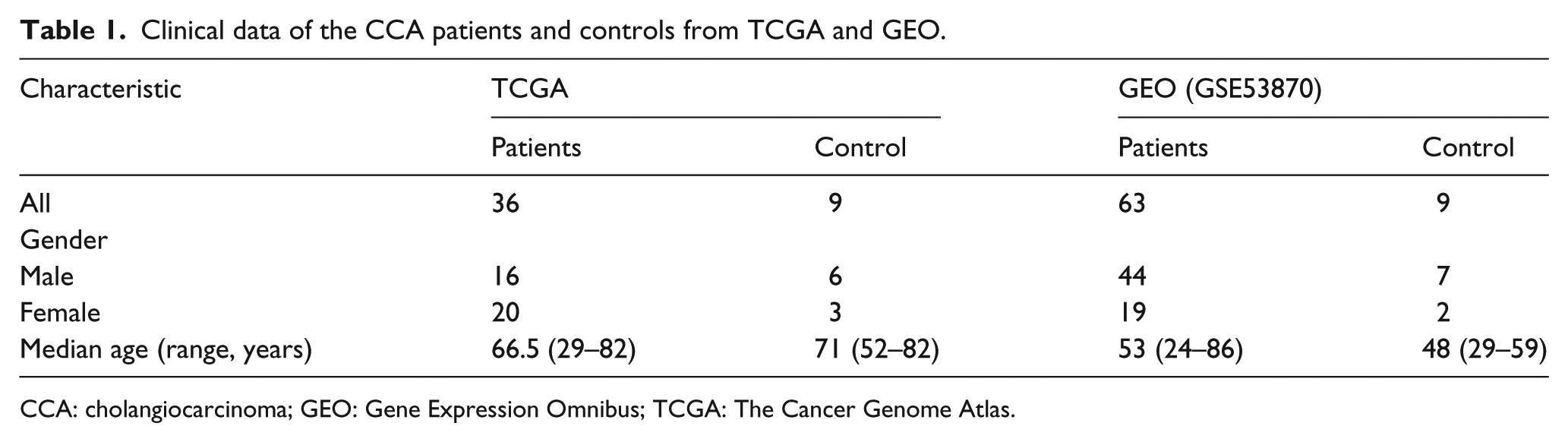
CCA: cholangiocarcinoma; GEO: Gene Expression Omnibus; TCGA: The Cancer Genome Atlas.
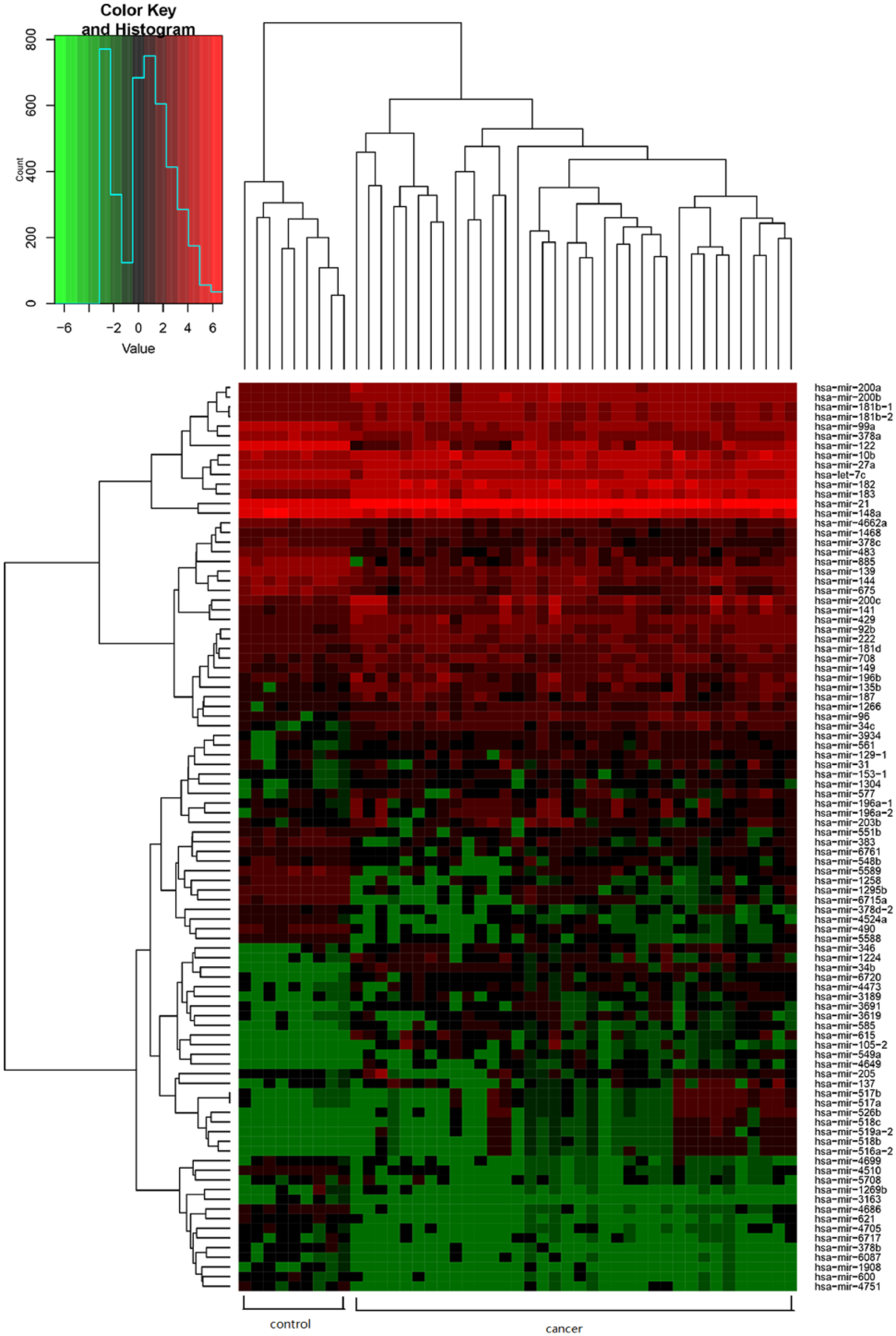
The heatmap of differentially expressed miRNA between nine control samples and 36 cholangiocarcinoma samples from The Cancer Genome Atlas (TCGA) by the “edgeR” package in Bioconductor (fold change = 2, false discovery rate < 0.05).
Differentially expressed miRNA in cholangiocarcinoma patients compared with controls from TCGA and GEO.
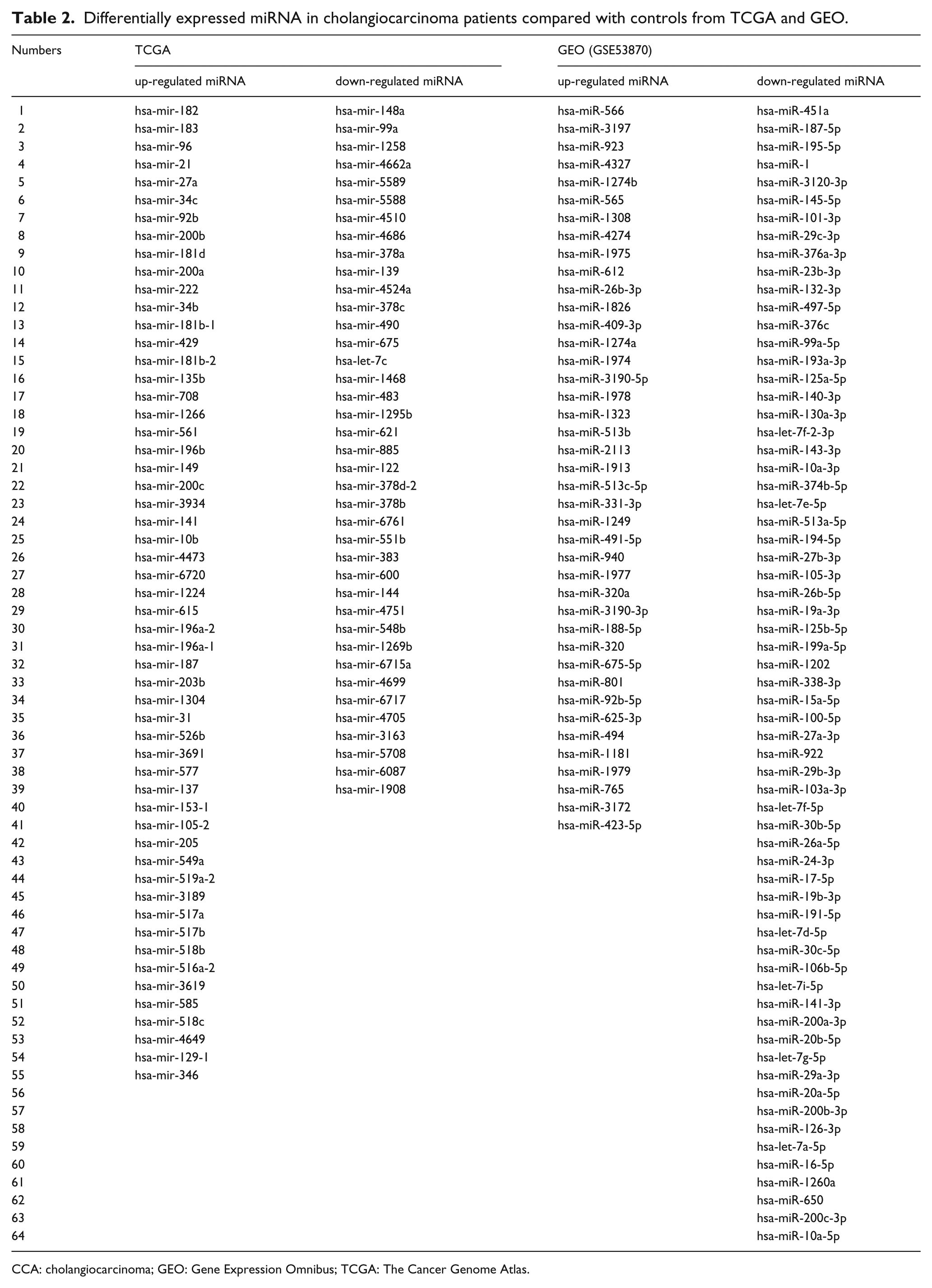
CCA: cholangiocarcinoma; GEO: Gene Expression Omnibus; TCGA: The Cancer Genome Atlas.
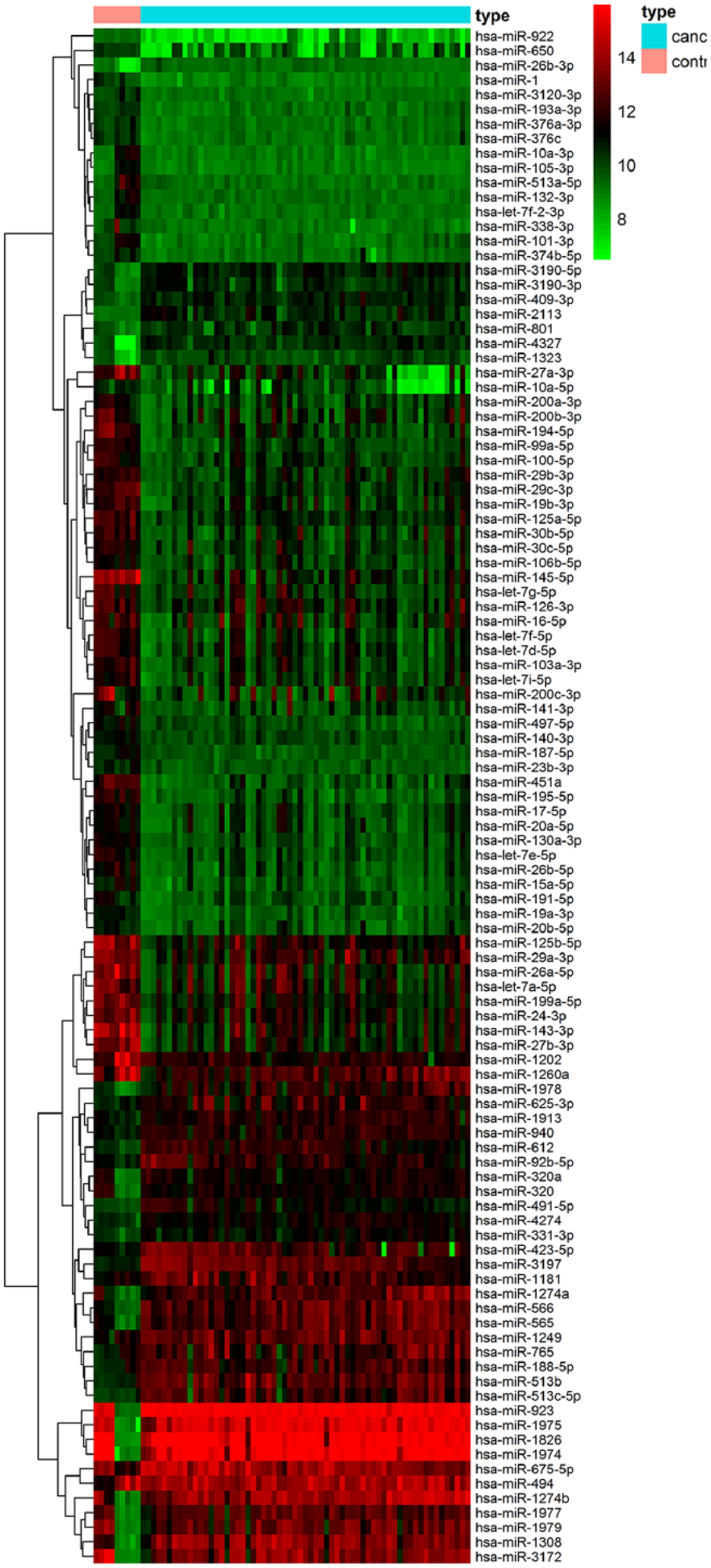
The heatmap of differentially expressed miRNA between nine control samples and 63 cholangiocarcinoma samples from the Gene Expression Omnibus (GEO, GSE53870) by the “limma” package in Bioconductor (fold change = 2, adjust P value< 0.05).
miR-92bhigh was associated with adverse outcomes
In the cholangiocarcinoma data from TCGA, we subdivided the 36 cancer patients into two groups according to the expression level of miR-92b. The lower one-third was regarded as the miR-92blow group and the other two-thirds as the miR-92bhigh group. In the 36 cholangiocarcinoma patients, the miR-92bhigh group had obviously shorter OS time compared with the miR-92blow group (P=0.038; Figure 3). However, the level of miR-99a was not found to be associated with the survival time in cholangiocarcinoma patients.
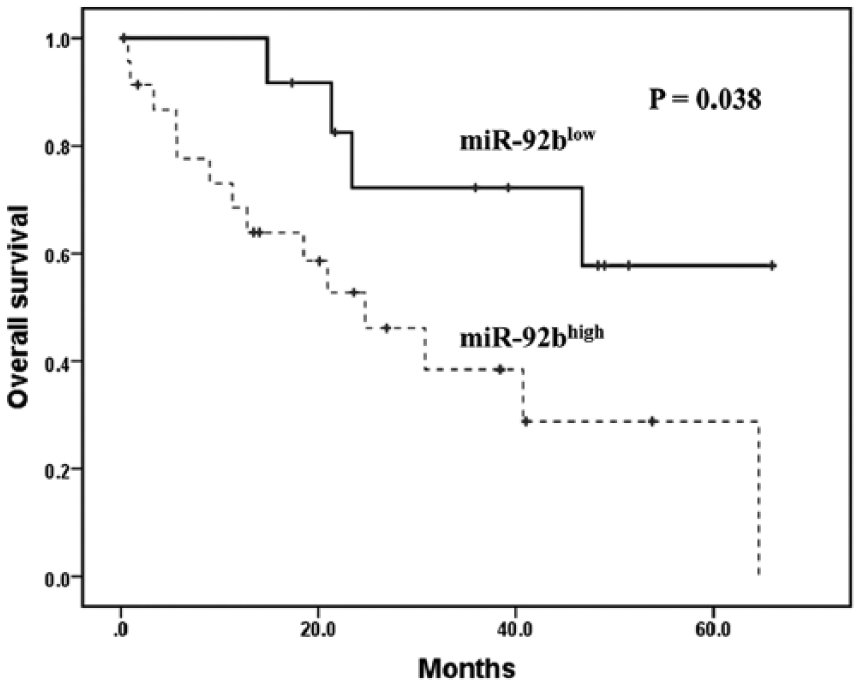
Overall survival of 36 cholangiocarcinoma patients in TCGA: miR-92bhigh group vs. miR-92blow group. According to the expression level of miR-92b, the lower one-third was regarded as miR-92blow group and the other two-thirds as miR-92bhigh group.
miR-92b targeted genes and their cell signaling pathways
To explore the function of miR-92b, the potential target genes of miR-92b were searched through miRanda, PicTar, and TargetScan. The 17 shared target genes were found (Figure 4), including DAB2IP, SPHK2, NFIA, USF2, SLC12A5, BCL2L11, TRAF3, ZDHHC3, RNF44, TCF21, MYO18A, PER2, TSC1, KLF2, E2F3, ARRDC4, and PAPOLB. We further evaluated their cell signaling pathways by DAVID. A total of 21 cell signaling pathways were involved, such as positive regulation of gene expression, positive regulation of the biosynthetic process, and regulation of programmed cell death (Figure 5).
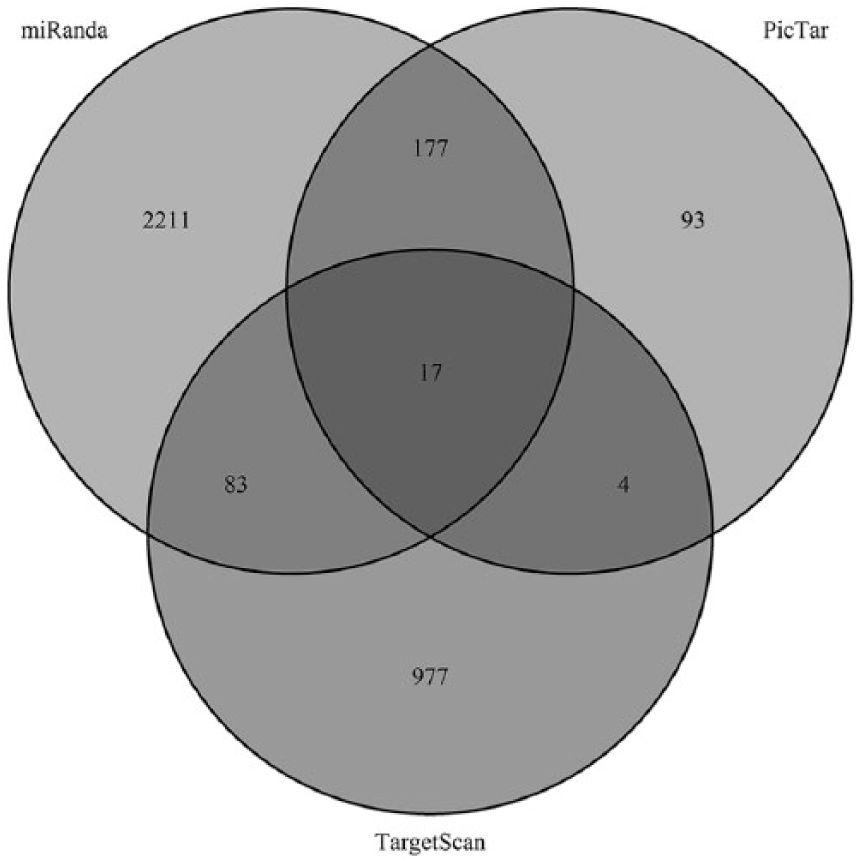
Venn diagram depicting the 17 shared targeted genes of miR-92b by miRanda, PicTar, and TargetScan.
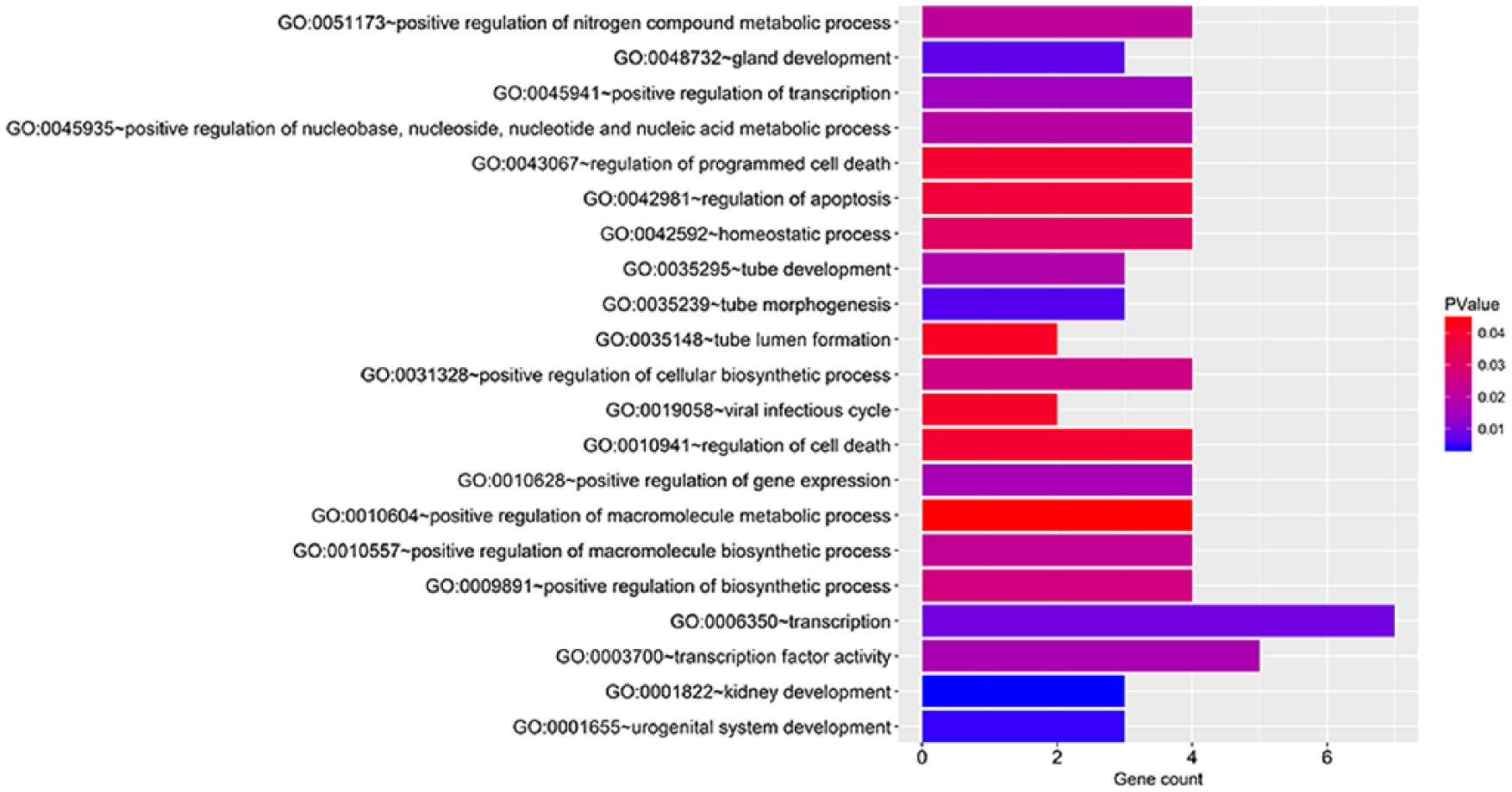
Twenty-one cell signaling pathways of the 17 shared targeted genes of miR-92b by DAVID.
Discussion
Cholangiocarcinoma is a rare malignancy with a very poor prognosis and limited useful biomarkers. Several miRNAs, such as miR-191, miR-29a, and miR-150-5p, have been reported to play a promoting or inhibitive role in the development or prognosis of cholangiocarcinoma, but they are far from being applied in the clinical setting.15–17 More differentially expressed miRNA are required between cholangiocarcinoma and normal controls.
In order to find more differentially expressed miRNA, we analyzed the miRNA expression profiles of cholangiocarcinoma from TCGA and GEO (GSE53870). We identified two differentially expressed miRNA with concordant directionality, miR-99a and miR-92b. Aberrant expression of miR-99a was found to be of significance in breast cancer, 18 endometrial carcinoma, 19 and colorectal cancer. 20 However, according to the TCGA data, there was no association between the level of miR-99a and the survival of cholangiocarcinoma patients. Interestingly, miR-92b was identified as a risk factor of the OS of cholangiocarcinoma. The high level of miR-92b in tumor tissue was associated with decreased survival time, which showed that miR-92b was a possible prognostic biomarker for cholangiocarcinoma patients.
To further elucidate the effect of miR-92b on cholangiocarcinoma, we used three different predictive tools to find the target genes of miR-92b. A total of 17 genes were identified in all three tools. In the targeted genes, DAB2IP and BCL2L11 acted as tumor suppressors in several cancers.21,22 SPHK2 was reported to be overexpressed in human cholangiocarcinoma cell lines and to promote cancer proliferation. 23 The mutation of PER2 was shown to obviously increase the cholangiocarcinogenesis in mice. 24 In 28 cholangiocarcinoma cases, one patient harbored the TSC1 gene alteration. 25 The association of the other targeted genes and cholangiocarcinoma have not been reported. More studies are required on the roles of the targeted genes of miR-92b in cholangiocarcinoma. Cell signaling pathways of the targeted genes were also analyzed. The related pathways included positive regulation of transcription, positive regulation of the cellular biosynthetic process, regulation of programmed cell death, etc., which might be involved in the development of cholangiocarcinoma.
Collectively, mir-92b was found to be up-regulated in cholangiocarcinoma compared with normal controls. Moreover, our finding revealed that miR-92bhigh was associated with adverse outcomes in cholangiocarcinoma patients, which might be partly explained by the targeted genes of miR-92b and their signaling pathways.
Footnotes
Acknowledgements
This work was supported by grants from the Science and Technology Innovation Nursery Fund Project of PLA General Hospital (16KMM39)
Author contributions
Min-hang Zhou, Hong-wei Zhou, and Mo Liu contributed equally to this study.
Declaration of conflicting interest
The author(s) declared no potential conflicts of interest with respect to the research, authorship, and/or publication of this article.
Funding
The author(s) received no financial support for the research, authorship, and/or publication of this article.