




Abstract
The intense competitive manufacturing environment results in small- and medium-sized enterprises searching for strategies to drive cost reduction and increase quality. While these are goals all organizations strive for, small- and medium-sized enterprises must accomplish these continuous improvement objectives with limited resources. The integration of quality tools with the Six Sigma methodology is fundamentally important in this process. This article describes the application of the Six Sigma methodology in a North American plumbing products small- and medium-sized enterprise. In this study, a cross-functional team uses the Six Sigma tools and methodology to reduce cycle time and increase sales. This case study presents a roadmap for studying the production cycle using the DMAIC process (define, measure, analyze, improve, and control). Using a market research study, the team quantitatively defines the problem, measures the process, analyzes the supporting data, and implements a series of solutions resulting in increased customer satisfaction. In addition, strategies are implemented to control the process improvements. The results offer evidence of Six Sigma effectiveness for small- and medium-sized enterprises and offer direction for small- and medium-sized enterprises interested in implementing a similar approach.
Introduction
With the advent of globalization, manufacturing organizations have had to adapt their manufacturing strategies to changes in the global economy. Among these changes is the growing competition and rapid strategic positioning among companies within the same industry. This trend has intensified in the recent decades, resulting in organizations needing to improve productivity and quality parameters.
In this context, we use a case study methodology within the US plumbing industry to illustrate the use of quality tools such as Six Sigma in small- and medium-sized enterprises (SMEs). Developed by Motorola in the 1980s,1,2 Six Sigma tools provide companies the ability to meet the desired goals by leveraging excellence and profitability. In addition,3,4 Six Sigma is a business process that by eliminating product or process defects, reduces costs and increases profitability through stable and capable processes. In addition,5,6 the Six Sigma methodology is a business strategy that is used to reduce the variability of the process through the effective use of tools and statistical techniques. It is a rigorous and disciplined program that uses data and statistical analysis to define a problem, measure the process, improve the company’s operating performance (by eliminating defects, errors, or failures), and control the manufacturing, service, and transactional environment. In this case study, the use of Six Sigma resulted in increased service levels for the end customer and higher sales for the organization. 7
This continuous improvement program has been effectively utilized by many large companies but now has been more recently considered as a potentially effective strategy for many SMEs.8,9 Quality is increasingly viewed as an important indicator of success for organizations. Quality improvement often results in lower production costs but can also result in an improvement in customer service and satisfaction.
One of the differential characteristics of Six Sigma methodology, compared to other quality improvement systems, is that the actions use properly measured data and events as a foundation. Intuitive decisions or anecdotal solutions with minimal support are not appropriate to increase the effectiveness and efficiency of business and do not address the root cause of the problem.10,11
The Six Sigma methodology is fundamental strategy for improvement in an organization. This methodology focuses on the identification and correction of causes rather than effects and focuses on improving processes rather than isolated activities. In addition, individuals are directed to act on the source of problems rather than their symptoms. The program also represents a significant cultural change in organizations and ensures that lasting improvements are achieved. Furthermore, an organization can streamline processes and internal hierarchies by training senior management in multiple different functional areas. 1
Once these issues are identified, one can pose the following research question—RQ1: Is it possible to apply the Six Sigma methodology within an SME?
To answer RQ1 question, this article uses a case study highlighting the implementation of Six Sigma methodology in a North American manufacturer of plumbing products (SME). Each step of the process is properly described, and the results are also presented. Finally, we conclude that it is possible to identify the improvements and benefits achieved by the implementation of the Six Sigma quality program in an SME environment.
Six Sigma
The Six Sigma methodology is a well-known quality management program in the 20th century, having emerged in the US manufacturing industry (Motorola) in 1987. The methodology was designed and implemented to improve the company’s performance using focused studies on the variability of production processes.12,13 It is a disciplined management strategy, characterized by a systemic approach and intensive use of statistical thinking, which aims to dramatically reduce the variability of critical processes and increase profitability of businesses through the optimization of products and processes, seeking satisfaction of customers.14,15
Although Motorola is the precursor of the Six Sigma methodology, it has gained popularity only in 1994, when the president of General Electric (GE) considered it critical to the pursuit of higher quality and profitability. The methodology is grounded on various features of previous quality models, such as the statistical thinking, where there is an increased emphasis on quality control, analysis, and troubleshooting. 16 Furthermore, Six Sigma was a significant advancement compared to the quality management approaches previously used, focusing on both monetary and strategic results. 17
According to Bañuelas and Antony, 10 their difference between Six Sigma and other quality management programs lies in the form of structured application of these tools and procedures and their integration with the goals and objectives of the organization as a whole. This integrates participation and commitment at all levels and functions of the organization which becomes a key factor for the success of its implementation.
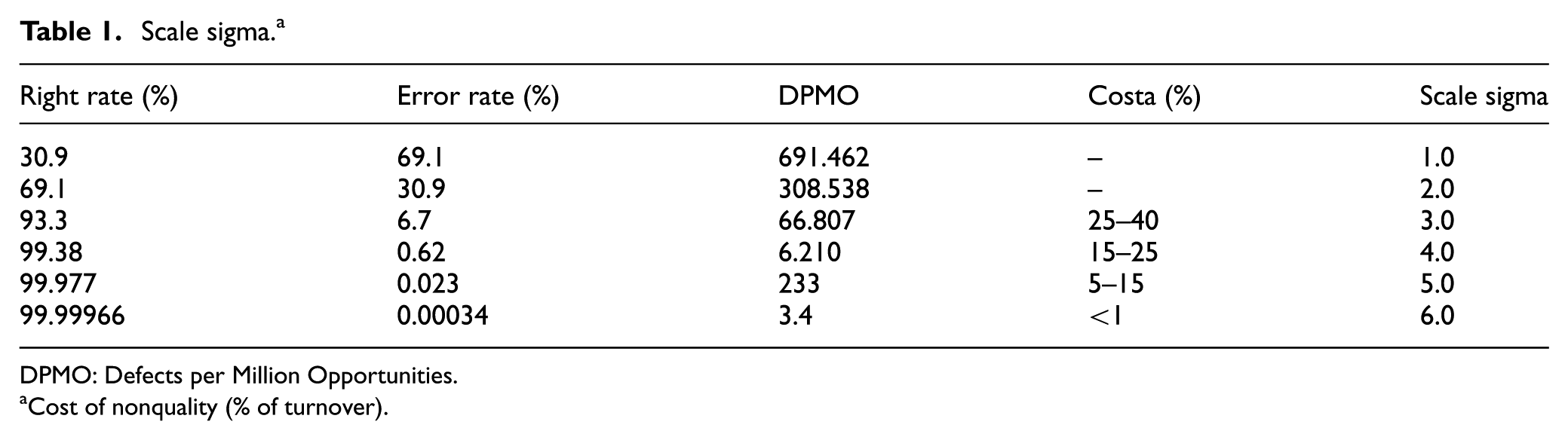
Table 1 shows the meaning of the sigma scale. It has been calculated using Defects per Million Opportunities (DPMO) index, which represents the ratio of the number of defective parts to parts produced, multiplied by 1 million. From this index, it assigns the company a quality level in the sigma scale.
Scale sigma. a
DPMO: Defects per Million Opportunities.
Cost of nonquality (% of turnover).
According to Einset and Marzano 18 and Jacobs et al., 19 the average organization operates on a quality level 3σ, resulting in spending between 15% and 20% of its revenues in waste with rework, inspection, testing, and other losses. This level of quality is much lower than Six Sigma standard, which has an error rate of 0.00034% (3.4 ppm). For example, In Watson, 20 the 6σ means reducing defects, errors, and failures to near zero within the manufacturing process (Table 1).
The authors describe that the main elements of Six Sigma infrastructure is the creation of teams to execute projects that strongly contribute to the achievement of strategic goals from the company.21–23 The development of these projects is carried out based on the so-called DMAIC process (define, measure, analyze, improve, and control):14,24
Define: Develop the project scope and validate their importance, form the team responsible for the project, and identify the main needs of customers/consumers;
Measure: Determine the location or focus of the problem, collect data, checking reliability of such data, identify priority problems, and establish the goal of these problems;
Analyze: Determine the causes of each priority problem, analyze the generating process of these problems, identify and prioritize potential causes of the priority problem, and quantify the importance of the priority potential causes;
Improve: Propose, evaluate, and implement solutions for each priority problem; identify solutions to this problem; test on a small scale the proposed solutions; and develop and implement a plan to implement priority solutions on a large scale;
Control: Ensure that the scope of the long-term goal is maintained, assess the achievement of the goal on a large scale, implement a plan for monitoring performance and taking corrective action in case of emergence of anomalies, summarize the work, and make recommendations.
At each stage of the DMAIC cycle, we use specific statistical analysis tools, which are as follows:21,25,26
Voice of the customer (VoC): This is used for the needs and requirements of customers, thus determining what aspects are relevant for the project;
Quality function deployment (QFD): This transforms the data obtained through the VoC in quality characteristics, which will be classified and evaluated in order to reconcile the interests of consumers and the company and then the most relevant will be taken into consideration throughout the process improvement;
Benchmarking: This is an important management tool that allows the improvement of processes and functions in a company, from the comparison of products, services, and business practices;
Data collection: This is the research phase in order to gather information through specific techniques, which is to gather information of interest to study the performance;
Failure mode and effect analysis (FMEA): This has the function to combat any chance of occurrence of failure in a product or process, and it occurs primarily through the identification of possible faults, which are classified according to frequency of occurrence, effect, criticality, and other, so that the most relevant are resolved;
Pareto diagram: This identifies the causes of problems and also ordering them in the frequency of occurrence in ascending order;
Multiple regression: This a collection of statistical techniques to build models that describe relationships between different variables of a given process;
Statistical processes control (SPC): This allows you to compare results of a process with a standard by identifying and eliminating the causes of unnatural variation and thus keeping the process in statistical control, stable, and capable;
5W2H: This asks the following questions: What is the precise nature of the problem? Who is involved or impacted by the problem? When does the problem occur and how often? Where does the problem take place? Why is the problem occurring? How extensive is the problem? and How much can the problem be resolved in light of resource and budget restraints?
Six Sigma projects use a regimented hierarchical structure. The following list the components of such hierarchy and describe their functions: 1
Sponsors: At the top of the team and have the responsibility to promote and define the guidelines for the implementation of Six Sigma;
Champions: Members of the executive committee, which facilitate the production of resources and the elimination of barriers in the development of improvement projects;
Master black belts: Make the connection between the general management of Six Sigma project and the people responsible for the improvement projects;
Black belts: Lead specific projects, working with tasks related to the identification of new projects and the training of involved staff; they have training in statistical methods, quality improvement process, among others; they work full-time on projects;
Green belts: Dedicated to improvements, with part-time within the project;
Yellow belts and white belts: Make up the so-called “shop-floor” but are trained to use the basic tools of Six Sigma, which apply to the various phases of the projects.
Case study
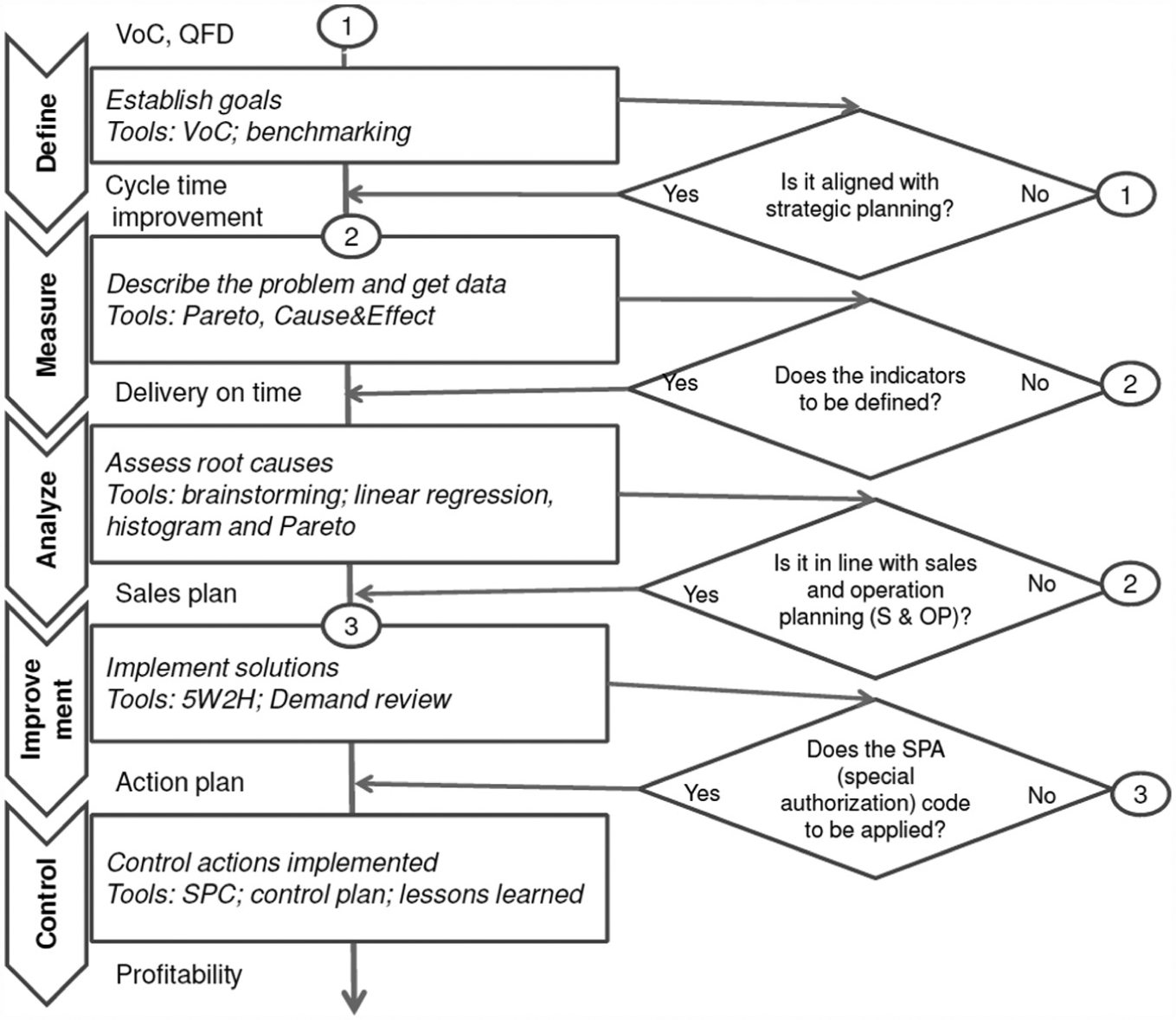
The research was based on the case study, and the assessments were carried out over a period of 1½ years, an empirical way of examining a contemporary phenomenon in its real-life context, particularly when the boundaries between phenomenon and context are unclear. 27 It was developed in an SME of plumbing products in the United States. More specifically, the project took place within the business unit. Prior to starting the project, the process was analyzed in order to strengthen indicators of quality and productivity, in order to lay the foundation of the use of a Six Sigma methodology. A project team was formed, and the group was instructed to use the DMAIC process. Figure 1 presents the details of the DMAIC cycle in a deployment framework format.
Six Sigma framework.
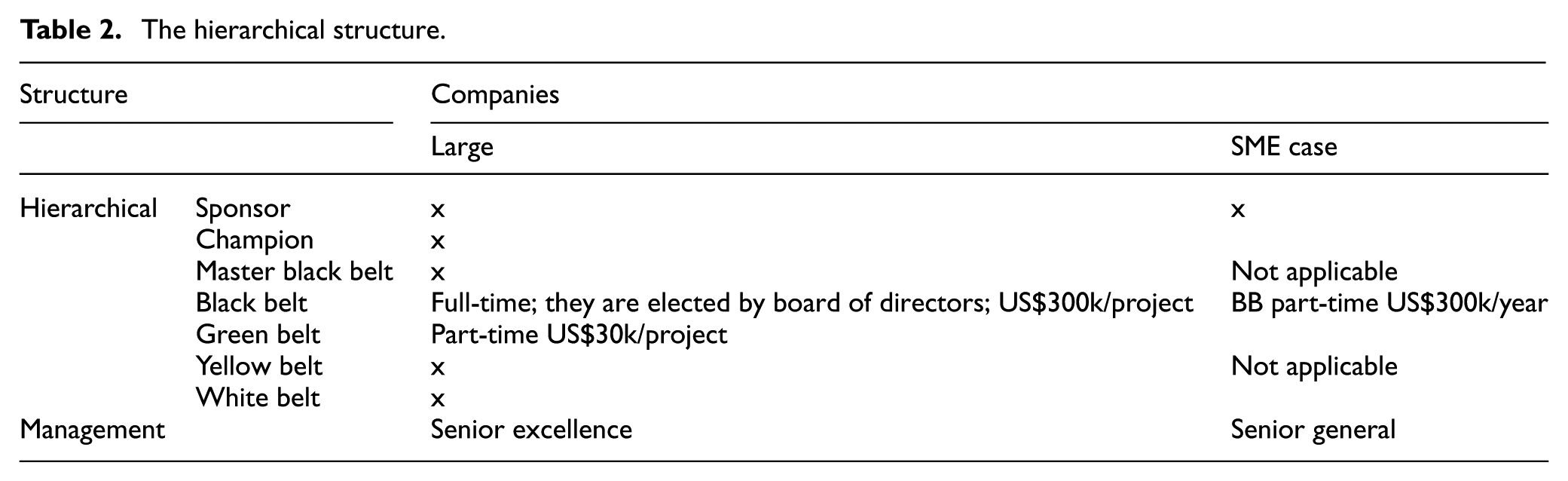
Table 2 shows that in SME case, the black belt must develop at least one high-impact project saving approximately US$300,000 annually and dedicate resources structure on part-time. A committed organizational structure is essential to manage teams. This choice will enable the organization to simplify its manufacturing or administrative processes, resulting in competitiveness. In selecting projects, Six Sigma takes into account alignment with the strategic plan, risk and attractiveness analyses, return on investment, resources, time, and liability.
The hierarchical structure.
Define
The main purpose of Define phase was to determine the objectives and obtain an understanding of the value of Six Sigma project. It also sought to understand what the problem was, the desired goal, the resulting economic impact, and the process related to the problem, in addition to customers affected by it.
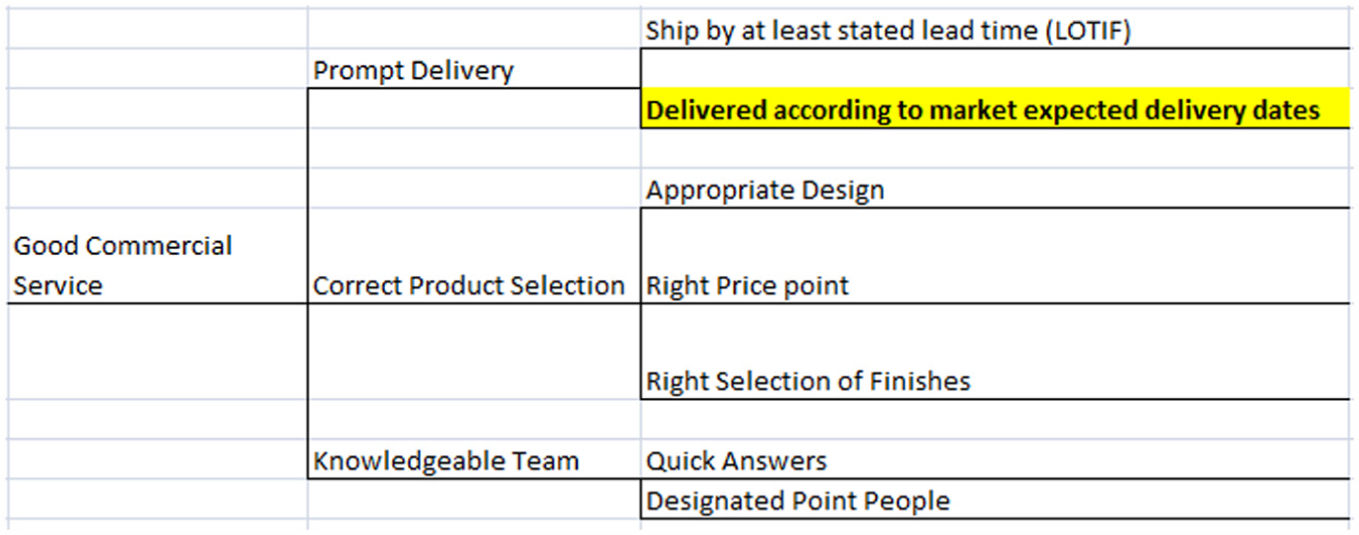
For this purpose, the tool called VoC (Figure 2) was extremely helpful. The method describes the expectations, needs, and perceptions of customers about the company’s products and services. The tool was used in the project through a benchmarking study to compare the company’s performance in relation to the performance of competing organizations.
Discussion of the process being examined and problem addressed.
A market research study revealed that the company did not meet the expectations of customers, and the market as the order fulfillment cycle time (OFCT), which is the estimated time from order entry to delivery of the product. Thus, the project was guided in need of optimization in this direction, focusing on a possible reduction of costs from that logic.
Measure
The Measure phase focused on data collection that sought to measure and describe the problem using data collection tools. There were also certain plans for such collection including how the action will take place, when it will be performed, the sample size, and the operational definition of indicators.
We ultimately found that the SME’s delivery cycle time to customers was 46% more (20.5 vs 14 days) than market competitors, based on the results of the market research study. The documents analyzed for such corroboration date from January to December 2011. The time was calculated using order entry to customer receipt (Figure 3).

Order fulfillment cycle time before implementation of the project (average value: 20.5 days).
Two measures were adopted as primary and secondary metrics. OFCT (estimated time from order entry to delivery of the product) was utilized as the primary metric, and inventory dollars was utilized as the secondary metric (Figure 4). A secondary metric was utilized, because it is counterproductive to solve one problem by creating another. The goal was to keep inventory cost neutral, while decreasing delivery time to the customer.
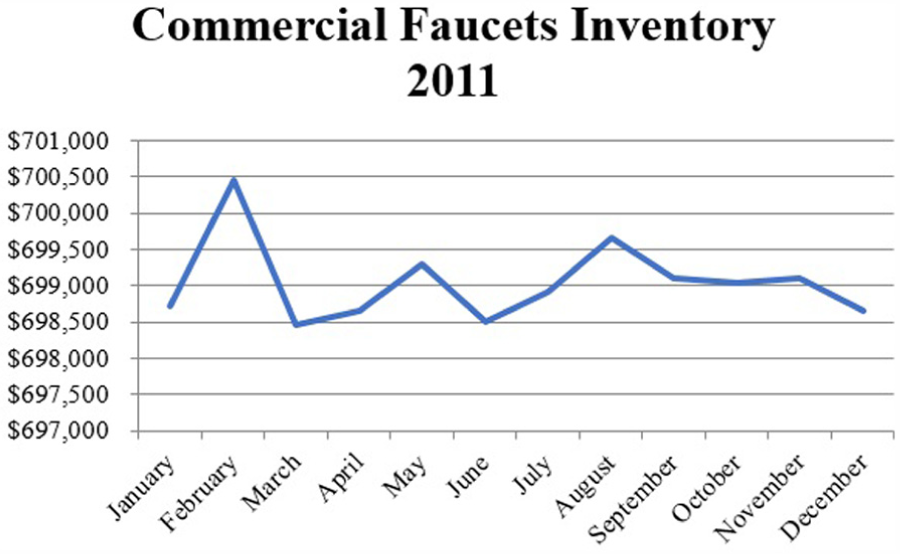
Inventory (US$).
Analyze
The Analyze phase aims to define the main causes of previously identified problem and quantify process importance. Thus, there was a brainstorming session in order to list the possible causes (What are the factors that have the greatest influence in the OFCT in days?) (Table 3). The main elements highlighted were sales plan accuracy, safety stock fill, vendor delivery performance, and manufacturing schedule adherence.
Regression analysis.

From these selected factors, a regression analysis was performed on each independent variable in order to measure which ones would cause greater impact on the dependent variable (OFCT). The most prominent variables were, respectively, safety stock fill (R2 = 0.54) and sales plan accuracy (R2 = 0.29). As a result, these are the main root causes to consider the project.
The regression analysis summary table shows in descending order the relationship that each variable has on delivery performance. A move in safety stock fill will have almost twice as much of an impact on OFCT than any of the other variables. Figure 5 shows the inverse relationship between safety stock fill and OFCT. That is, safety stock fill increases, while the delivery time (OFCT days) decreases (Figure 5).
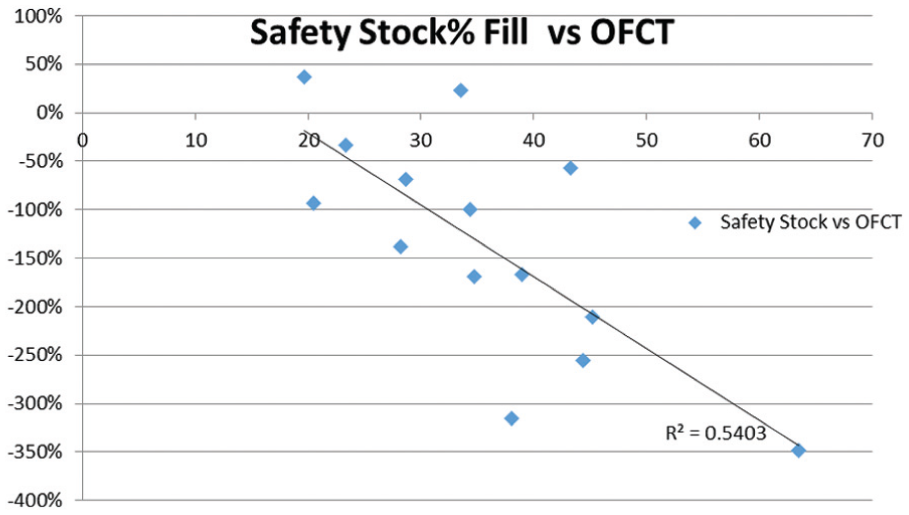
Safety stock.
Following the Analyze phase, a histogram and a Pareto diagram were created in order to understand whether there was a group of stock keeping units (SKUs) where the team could initially focus more effort. The tools revealed that 52 of the 252 SKUs accounted for 74% of the annual demand (Figure 6).
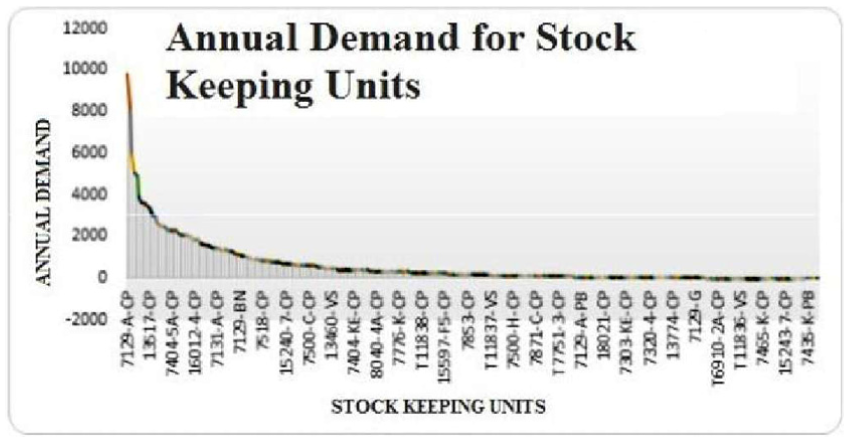
Annual demand for stock.
Improve
In the Improve phase, we had the goal of implementing solutions to analyze which of these solutions should be prioritized through (5W2H). This exercise proved valuable identifying the most relevant areas including safety stock fill and sales plan accuracy.
Our first action was to implement a monthly review of the demand of the 52 major SKUs, which together account for 74% of sales. The second action implemented was code (code SPA) the 52 major SKUs in order to facilitate the processing of forecasts, which would allow a better definition of security and cyclical stocks, and preventing it from fluctuations in demand. The code SPA is a special authorization code within the enterprise resource system (integrated system of business management, information system that integrates all processes, and data of a company in a single system).
Control
The last phase of the DMAIC cycle aimed to ensure that the progress achieved during the project was maintained in the long term. This was done through a monitoring plan and actions to rectify possible complications that may arise using SPC. Among the possible corrective measures, we implemented the two most important. The first is to conduct a monthly demand review over the next 3 months on the 52 high-volume SKUs. The second measure is to implement an annual review of the SPA code, in order to make sure that volume has not shifted on the 52 SKUs that were selected. Based on volume changes, SKUs could be added or removed from the list (Figures 7 and 8).

Order fulfillment cycle time after implementation of the project (average value: 16.8 days).
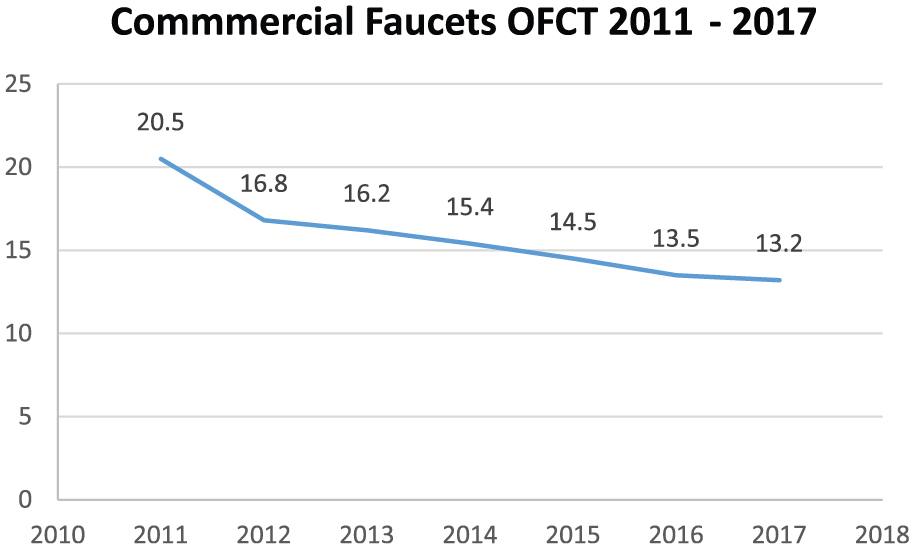
Order fulfillment cycle time after implementation of the project (2011–2017).
Results and discussion
A mini-review of the literature from 2006 to 2014 regarding SME Six Sigma characteristics was conducted, using the ISI Web of Science, Scielo, and Google Scholar databases. The initial screening used the keyword “Six Sigma,” and the results were further refined, using the keywords “implementation” and “SME.” After the redundancies were eliminated, the remaining articles were reviewed, and a new SME Six Sigma framework crafted from the positive aspects of each studied reference was proposed (Table 4).
The proposed (P) versus literature.

DOE: design of experiment; DMAIC: define, measure, analyze, improve, and control; SME: small- and medium-sized enterprise; CTQ: critical to quality; SIPOC: suppliers input processes output and customers.
India, Malaysia, United Kingdom, Singapore, Canada, United States, and China.
SMEs could apply Six Sigma, but there are also several issues with utilizing this methodology that organizations must account for. First, a smaller organization may not be able to afford Six Sigma black belts, and it may be difficult to dedicate employees exclusively to project work considering their organizational responsibilities. In addition, senior management time and resources may be limited, resulting in improvement projects that are underfunded and under prioritized. 7
The application of the Six Sigma methodology in SMEs is increasingly evolving and transforming through the adoption of the DMAIC cycle, which has so far been used in larger scale industries. 24 The current literature reveals a gap, with little research dedicated SMEs utilizing a sigma approach. SMEs may have difficulty in applying statistics because of the advance training required to utilize many of the tools. 11 Many SMEs have turned to Six Sigma methodology out of competitive necessity to better understand the needs of their client. An approach using total quality management is no longer sufficient to make needed organizational improvements. 26 This case study illustrates that quality management and its tools should be increasingly adopted regardless of whether they are SMEs or large companies. Thus, in order to achieve competitiveness, the Six Sigma methodology should be much more applied in the SMEs, due to the interrelationship with the stakeholders and limited use of consultancies. 8
Table 5 shows that the Six Sigma improvement program proved to be very effective in this case. Using the DMAIC process, we show the organizational before and after organizational benefits. Among these developments are the elimination of unnecessary procedures in sales of services and customers, streamlining the delivery process, the improvement in capacity planning for future demands, potential for migration of processes to other production lines, and the growth of satisfaction by meeting supplier and distributor needs.
DMAIC: before versus after.
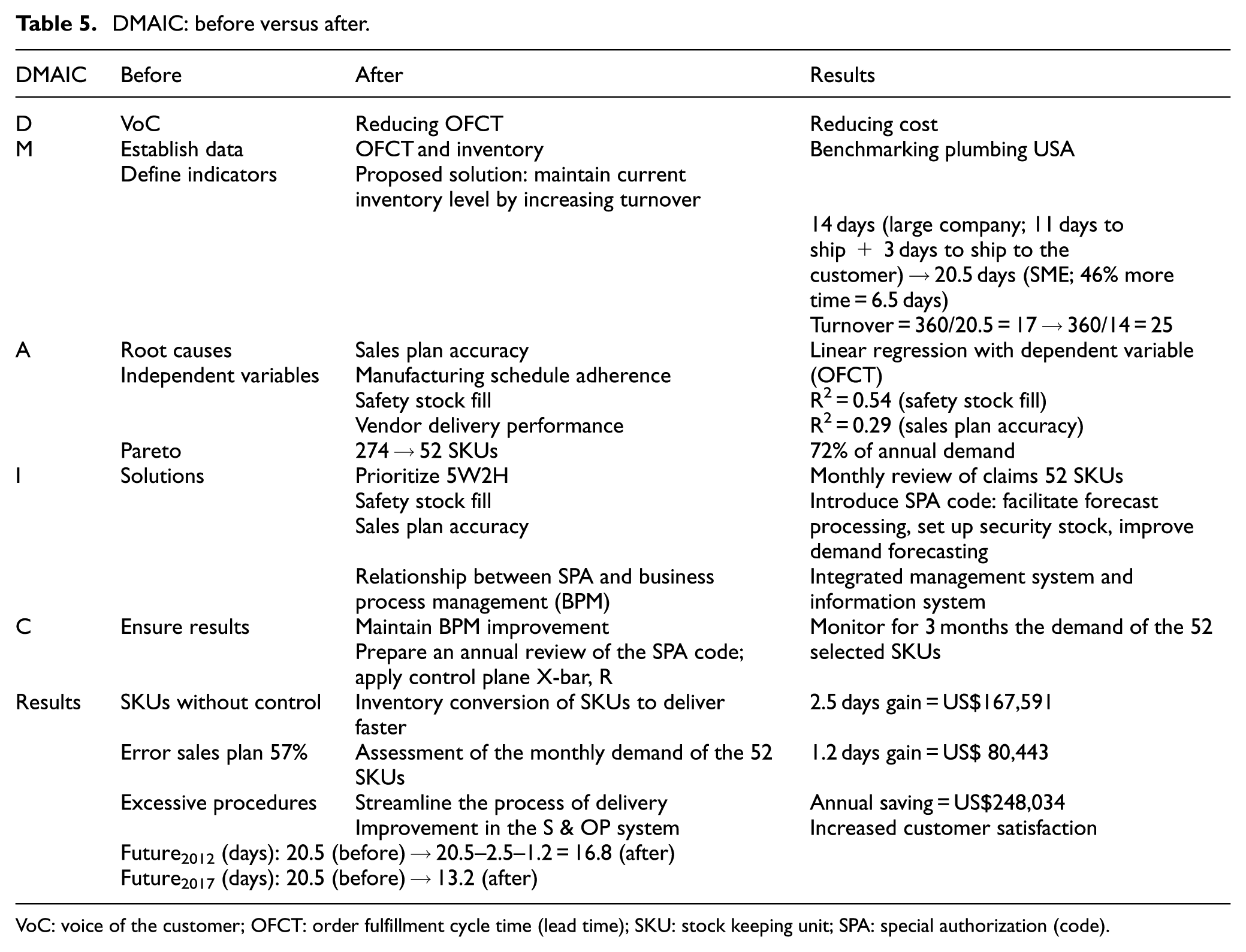
VoC: voice of the customer; OFCT: order fulfillment cycle time (lead time); SKU: stock keeping unit; SPA: special authorization (code).
The use of Six Sigma proved to be financially beneficial as well. The company achieved a total annual sales increase of US$248,034. One of the actions taken was the conversion of inventory stock components to finished products in order to more quickly respond to customer requests. This measure resulted in a reduction of 2.5 days of OFCT, which corresponds to sales increase of US$167,591. The second action of implementing a monthly demand review on the most relevant 52 SKUs was focused on better aligning supply and demand. The 57% forecast error made it difficult to quickly response to customer demand when there was a large deviation in demand. Reducing the forecast error from 57% to 31% resulted in a 1.2-day OFCT reduction and an US$80,443 sales increase.
Conclusion
This article explored the case study of a project carried out in a North American plumbing products SME, thus stimulating the understanding of an improvement process with the Six Sigma approach. This study shows how the project team used the DMAIC tools in a structured manner to develop a solution for poor customer delivery on critical product category. By quantitatively defining the problem, measuring direct and indirect processes, and using statistical tools to analyze the data, the project team was able to implement effective corrective actions to decrease cycle time.
The Six Sigma methodology is a quality tool that is designed to reduce variability in processes, reduce cost, and increase customer satisfaction. As a result, this strategy has become popular in recent years and should be continue to play a role in improving processes for companies worldwide, particularly SMEs. Many estimates indicate that in the short term, companies that do not develop and achieve a Six Sigma level, raising its indicators of quality and productivity, will fail to be competitive within the market in the coming years. This article corroborates the idea that the use of improvement programs within organizations is a global trend. This study confirms that even in a large US company, the methodological implementation is similar to employees in cases of SMEs.
Although the framework has been applied in a single SME, it can be shown that the method can be extended to other SMEs. Thus, more research should evaluate the application of Six Sigma methodology in SMEs from other different sectors of mechanical metal, in which the competitiveness and profitability are key to their survival.
Footnotes
Handling Editor: Kuei Hu Chang
Declaration of conflicting interests
The author(s) declared no potential conflicts of interest with respect to the research, authorship, and/or publication of this article.
Funding
The author(s) received no financial support for the research, authorship, and/or publication of this article.