




Abstract
In the last decades, the growing use of participatory methodologies and creative methods in migration research has opened innovative ways to collect, analyze, and disseminate data. These approaches encourage experimental, interdisciplinary, and collaborative work through artistic methods to study human mobility and expand the community of inquiry and interpretation, often intervening in contexts of social injustice and exclusion. This article is intended as a reflection on the potentialities and limits of the use of arts-based methods in migration research. The contribution opens with a review of how participatory visual methods have been framed in the field of migration studies. The second part explores an example of a collaborative study that adopted photovoice and sensory mapping to reflect on the concept of “welcoming spaces”. Finally, it analyses arts-based methods as a potential space for social change, focusing on three main dimensions: collective learning, relational aesthetics, and knowledge co-construction.
Introduction: Creative Methods at the Crossroads Between Social Sciences and Migration Research
In the last decades, the use of participatory methodologies and arts-based research in exploring migration and mobility has gradually grown (Lenette, 2019; Nikielska-Sekula & Desille, 2021; Sabeti, 2021). In general terms, arts-based methods refer to “any research that adapts the tenets of the creative arts as a part of the methodology” (Jones & Leavy, 2014, p. 1) and can be adopted in various phases of social inquiries, from the research design to the data collection and analysis The growing spread of these methods responds to the need to study migration as a complex phenomenon with new tools and interpretative frameworks and their increasing recognition as valuable and insightful research tools (Jeffery et al., 2019; Simandan, 2019). Such needs also intersect with the recent trends to overcome disciplinary boundaries and create new possibilities for engaging with a “world on the move” (Elliot et al., 2017). Participatory arts-based methodologies can thus be framed as research and enquiry tools that complement the reflexive turn in migration research. In this field, arts-based methods are mostly adopted to study: identity and power relations (Ball, 2020; Kaptani & Yuval-Davis, 2008; Nunn, 2022; O’Neill & Perivolaris, 2014); narratives and discourses (Moralli et al., 2021; Moretti, 2023; Rovisco, 2014; Salzbrunn, 2020); memory and traumas (Jones, 2018; Khorana, 2022; Krakowska Rodrigues, 2022; Rose & Bingley, 2017); mobility justice and border crossing (Horsti, 2021; Melpignano, 2024; Moralli et al., 2019; O’Neill et al., 2019; Pezzani & Heller, 2013); and citizenship and human rights (Erel, 2013; Mijić & Parzer, 2022; Timmermans, 2011). Participatory audio-visual ethnographies and documentaries, graphic novels, bottom-up mappings, collective sound recordings and performances are only some examples of how social sciences can explore empirical and theoretical issues linked to the complexity of contemporary migrations.
Such methodologies show a major shift in the reflection on knowledge production both within and outside the academy (Hawkins, 2019). They help to re-envisage the relations between research, action, and social change (Hui, 2023; Sutherland & Acord, 2007) by opening spaces for different speakers and various forms of knowledge and encouraging experimental, interdisciplinary, and collaborative work through artistic methods. Through direct engagement with artists and activists, creative methodologies also allow the production of new knowledge, enabling the participation of various stakeholders in the academic field and of academics in diverse social spaces. They favour the cross-fertilization between methods, competencies, and disciplines, and redefine the scope of research’s impacts and outcomes (Boydell et al., 2016). As migration research is particularly engaged in studying the inequalities related to the “right to move” and “the right to live” (Wihtol de Wenden, 2013), and other forms of exclusion such as racism, creative methods have been introduced in migration studies as a way to try to answer contemporary challenges as new forms of stigmatization and social inequalities are emerging. They can be conceived as collective procedures and spaces where participants aim to understand and improve specific mobility practices, by expanding the community of inquiry and interpretation and intervening in contexts of discrimination and exclusion. They can even encourage new forms of socialites and support critical reflections by the participants by using more horizontal and accessible research techniques even where there might be language barriers (Moralli, 2020). Due to their immediacy, accessibility, and flexibility, as well as their ability to intervene directly within contexts of injustice, creative methods have thus become a crucial research tool for migration studies.
Drawing from this premise, this contribution aims to reflect on the role of participatory visual methods as a space for social transformation in migration research. What are the potentialities and limits of participatory visual methods in studying migration? What processes are triggered when using these methods and what types of relationality are mobilized? The introductory part presents an insight into the ways in which these original methodological approaches have been declined in the field of migration studies. The second part of the contribution explores an example of a collaborative study that adopted photovoice and sensory mapping to reflect on social research as a potential space of change, by unfolding from three main dimensions: collective learning, relational aesthetics, and knowledge co-construction.
Exploring Participatory Visualities in Migration Research
An analysis of the potential, limits and challenges of participatory creative methods mainly contributes to three crucial issues related to migration studies. The first concerns the strand that studies the mediatization of migration and the ways in which the media and political discourses on migration influence social practices (Georgiou, 2022; Smets et al., 2020). Migration narratives are often characterized by media distortions that dehumanize people on the move, representing them under immobile and deterministic categories that determine different forms of marginalization and social exclusion (Ekman, 2019). When we talk about migration, mobility injustice is often closely connected to narrative injustice, as there is an intrinsically close link between the ways in which migration is represented in media and political discourses, repressive border policies and how people relate to cultural diversity (Smets et al., 2020). The effects of discourses framing migration as an invasion are reflected, for example, in the geopolitics of exclusion and externalization of borders (Mezzadra & Neilson, 2012) – such as those recently implemented by the UK government towards Rwanda, by Italy towards Libya and Albania, by the EU towards Turkey, and by Australia towards Nauru and Manus Island. Building on the need to reframe such often-distorted narratives on migration and the democratization of the research process, visual methods can help to construct new frames to portray and interpret human mobilities.
Second, the “new mobilities paradigm” (Sheller & Urry, 2006, 2016) has articulated the importance of studying the connections between the different forms of movement in migration studies, focusing especially on the relationships between people, places, and human activities. According to this framework, migration can be conceived as a mobile cultural practice, where different actors play an active role within the process of symbolic negotiation of the meanings of everyday practices. By using visual techniques as methods of social inquiry, participatory visual methods can contribute to a better understanding of how different actors play an active role within the process of symbolic negotiation of meanings related to mobility practices. This is because visual elements enable a deeper understanding of the meanings people attribute to their everyday practices, as shown in the case study presented in this contribution.
Third, following the critical theories of “subaltern voices” (Chouliaraki & Georgiou, 2022) and the theory of “migrant agency” (De Haas, 2021), participatory visual methods can unlock alternative spaces for the direct engagement of migrant people in social research. In many cases, visual creative methods open up spaces to speak and to be heard, increase the accessibility of data collection and analysis devices, and make it easier to co-assess and disseminate research. They tend to be more accessible and flexible and more suitable to move beyond the language and psychological barriers often encountered when studying migration. Indeed, as Pain (2012, p. 307) suggests, visual methods usually facilitate “communication on topics that are difficult to raise either because they are largely subconscious or subject to social or psychological inhibitions”.
Although these methods were first recognized through the spread of visual anthropology (MacDougall, 1998; Mead, 1995), one of the first use of visual methods in studying human mobility dates back to the beginning of the 20th century, when pioneering ethnographers and photographers worked on the documentation of migrant communities, their journeys, and their new life in host countries, as in the case of the visual narratives captured in Ellis Island (Moralli et al., 2024). The first visual tools used in social research were, therefore, photographs, often used as records to integrate written ethnographic notes on the living conditions, cultural practices, and challenges faced by people on the move in new societies. Despite all along the century visual methods started to be adopted in various disciplines of the social sciences – first in visual anthropology (Birdwhistell, 1970; Hall, 1968; Wright, 1998), and then in sociology (Bourdieu et al., 1990; Goffman, 1979; Harper, 1997), and geography (Foster, 1988; Harley, 1989) – it is only in the last part of the century that visual methods became more collaborative and participatory, especially through the direct engagement of research subjects in the collection, analysis, and dissemination of the data. The historical roots of this “participatory turn” are multiple. First, post-structuralism advanced the importance of considering a plurality of viewpoints. Post-structuralists suggested that the idea we have of reality is not definitive and completely objective, but partial and flexible (Deleuze, 1962; Foucault & Velen, 1966). Second, the claims of feminist scholars advocated the need to overcome an extractivist approach to social research, the importance of embodiment (Pink, 2011; Vacchelli, 2018), affective practices and emotions (Ahmed, 2013) and the “research as care” perspective (Moralli, 2023; Oakley & Cracknell, 1981). Such claims were also accompanied by those advanced by post-colonial scholarship, which criticized Western and ethnocentric epistemologies and underlined the need to find new methodologies foregrounding non-Western knowledge and practices (Said, 1978; Spivak, 2003). A final stream of influence is represented by the coeval “community turn” in the arts (Wyatt et al., 2013), understood both as opening up the space of artistic creation for a wider range of subjects and the spread of what is called “socially engaged arts” (Badham, 2013) and, in a second moment, artivism (Oso et al., 2024; Salzbrunn, 2019). Such new forms of artistic production have made the creative process collaborative and accessible, thus becoming a space for negotiating and critically answering social urgencies.
These original and innovative types of visual research techniques have flourished in recent years, also thanks to the possibility to use mobile devices and the growing accessibility of digital tools, thus encouraging the generation of self-created content by the research participants and researchers. They intend to transcend the traditional researchers-participants hierarchies by allowing them to become active co-authors. Their main focus is not only on the scientific production of research results but also on the relationship with participants, in doing research with and not on participants (Genat, 2009). In doing so, they open what Bhabha (1994) calls a “third space”, a process of knowledge production that takes into account the knowledge of the experts with the daily experiences of the participants. Despite the collaborative essence of these methods, some scholars (Bhattacharya, 2013; Coemans & Hannes, 2017; Leavy, 2018) emphasize some critical aspects, first and foremost the difficulty in fully eliminating hierarchies between experts and non-experts since the academic community tends to favour a certain type of knowledge. However, participatory visual methods have proved very useful in challenging hierarchical forms of knowledge production and discursive regimes based on individualism, whiteness, and power.
In migration studies, participatory visual methods can refer to different ways of doing research with creative and participatory tools, including filmmaking (Decherney, 2023; Gutiérrez Torres, 2023; Mai & Winslet, 2022; Trencsényi & Naumescu, 2021), photos (Augustová, 2021; Lenette, 2019; Sutherland & Cheng, 2009), artistic works (Bagnoli, 2009; Guruge et al., 2015; Pizzolati, 2024; Sabeti, 2021; Shaidrova et al., 2022), mapping (Bose, 2012, 2022; Mekdjian, 2015; Pezzoni, 2020), and digital visual tools (Alexandra, 2008; Aljouni & Uddin, 2023; Ham et al., 2022; López-Bech & Zúñiga, 2017).
Inspired by Rouch’s (2003) ethno-fiction, Mai, for example, adopted the method of collaborative ethnographic filmmaking for co-producing a collaborative documentary on the lived experiences and rights of trans-Latinx people working in the sex industry in Queens (New York). He engaged research subjects as active producers and performers of their interpretations, “transcending established distinctions between fiction and non-fiction, participation and observation, as well as knowledge and emotions within conventional documentary filmmaking” (Mai & Winslet, 2022, p. 131). The result of this experience is CAER 1 , an ethno-fiction featuring the collaboration with the Colectivo Intercultural TRANSgrediendo (TRANSgrediendo Intercultural Collective), a grassroots association that advocates for the rights of migrant Latinx trans people.
Artmaking is used in qualitative social research to explore unveiled and often inaccessible perspectives, ideas, and live experiences (Mannay, 2015). The process of creative production can concern various phases of the research and a wide range of artistic practices – for example, plastic art, collages, drawings, and comics. In a study about inequalities and discrimination experienced in access to care services by migrant women in the United Kingdom, for example, Vacchelli (2018) adopted the practice of collage-making to produce qualitative data within a sensitive context. In this research, the potentiality of collage to generate data for sensitive social inquiries was mainly connected to its flexibility, accessibility, and gradualness of the composition process – a process where the participants were in control of what they chose to represent and the way they represented their experiences. Another interesting typology of visual methods concerns the creation of graphic narratives that are conceived and drawn by migrant people themselves. In her last book Documenting Trauma in Comics, for example, Rifkind (2020) explores how comics about the migrant experience often make the audiences more aware of and responsive to refugee realities at large, by making storytelling a powerful mode of self-expression.
Collaborative mapping and cartographies have been often adopted to explore the conjunctions between spatial and social terms of human mobility (Pase et al., 2021). An interesting example of how participatory cartography can be adopted in migration studies has been developed by Mekdjian (2015) for documenting and portraying the lived experiences of people during their migratory paths. In particular, her study explores the potentialities of the use of maps as research methods to negotiate how space is represented through the active engagement of research participants. Moreover, such a collaborative process unwrapped accessible spaces where to openly express situations of discomfort, violence and the feelings related to mobility injustice perceived by the participants while migrating.
Digital participatory visual methods present a wide range of research tools as well. Digital storytelling, for example, consists of short videos made with digital tools that tell a story based on objects that are shown in the video (e.g., photos, drawings, videos), thus integrating verbal narrative elements (telling a story) with visual and musical features. Engaging research participants coming from African, Middle Eastern, Asian, and Eastern European countries in documenting their everyday lives as newcomers to Ireland, Alexandra (2008), for example, designed a longitudinal and participatory approach adopting digital storytelling. In her project “Visualizing Migrant Voices: Co-Creative Documentary and the Politics of Listening” 2 , the role of images and objects facilitate a “poetic engagement” with life stories, providing an original and moving account of contemporary migration.
These examples show the potentialities of main different types (films, photos, visual arts, maps, and digital tools) of participatory visual methods in migration research, amplifying the possibilities of self-representation for people on the move, raising awareness and inviting to a critical reflection on human mobility (Lenette, 2019; Nikielska-Sekula & Desille, 2021). The next section of this article will introduce a specific research project where two participatory visual methods were adopted: photovoice and mapping. The overview of this case will serve as a lens for further methodological reflections on the transformative role of new forms of visualities as processes of collective learning, knowledge co-construction, and relational spaces.
The Methodological Approach
Where (and How) the Research Came into Being
In 2021, I was with a group of colleagues in a small pueblo (village) located in the Castilla Y Leon province, one of the most depopulated areas in Spain, to coordinate a PhD school on “Migration and Sociological Change”, organized by Utrecht University in the frame of “Welcoming Spaces” 3 , a Horizon European project aimed to study the impacts and the challenges for non-EU migration in European shrinking regions. As in the project I was responsible for the analysis of the media narratives on migration and shrinking areas, I shared the first results of the analysis with my colleagues, and I particularly pointed out the existence of stigmatizing narratives both on the issue of international migration and on the matter of rural and peripheral areas in mostly all the contexts studied. In addition, we all perceived a certain conceptual ambiguity concerning the concept of welcoming spaces, which was difficult to investigate universally while respecting the ecological, economic, and socio-cultural diversity of the contexts studied. At that point, a question spontaneously came up: why do not we ask directly the people living in these areas? Is it possible to construct new representations and discursive frames starting from the lived experience of the people who daily inhabit these places?
We realized that visual methods could be a valid tool to answer these questions for two main reasons. First, because they amplify the possibility of exploring people’s everyday experiences and transforming them into symbolic and visual representations. Second, because they are often accessible methods, useful for working in multilingual contexts without the use of materials that are either too heavy to transport, since the research took place in very isolated areas, or too expensive, as the research had limited funding. The aim of the research was to co-construct a “third imaginary” on non-European migration in small villages and towns, working in particular on the concept of “welcoming” or “unwelcoming” spaces through the life experiences of the local communities. To answer this objective, we explored three interrelated themes: the dynamics and evolution of migration in Europe, moving beyond urban contexts by understanding migration and societal change in marginalized towns and villages; the processes of adaptation, integration and transformation of migrant people and receiving societies in European shrinking regions by focusing on the narratives produced by local communities; and cultural and political self-understanding of receiving societies and migrant people through the co-construction of alternative narratives. The research fieldwork was conducted in small villages or towns of five European countries, all characterized by an ongoing process of depopulation and the arrival of non-Eu newcomers. In particular, the fieldwork was conducted in Bedum (the Netherlands), located in the Groningen region; Camini (Italy), located in the southern region of Calabria; Talayuela (Spain), located in Extremadura, at the border with Portugal; Altenburg in East Germany; and Łomża (Poland), at the border with Belarus. The research involved both long-term residents and newcomers, due to the willingness to amplify their voices while considering different backgrounds, perspectives, and life experiences but also to reduce the possible effects of social polarization and conflict if inviting only one group. The aim was to visualize and analyze the concepts of “welcoming” and “unwelcoming”, by adopting visual research as a means to co-construct new narratives together with residents. In every country, we worked together with local partners - Colourful het Hogeland (the Netherlands), Jungi Mundu (Italy), Ocalenie Foundation (Poland), CEPAIM (Spain), Plattform e.V. and Integratives Zentrum Futura (Germany) – which became the gatekeepers to access the fieldwork and engage the research participants, due to their strong local presence in the selected shrinking areas of the research. Moreover, in every country, the research involved a professional photographer who was already working on topics such as migration and human rights, to share some basic knowledge about photographic techniques during the workshops and collaborate in the post-production of the visual outcomes.
A Focus on the Methods
We adopted a combined methodology of photovoice and emotional mapping, due to the need, firstly, to generate welcoming spaces within the research itself, and secondly, to visually explore and reflect on how welcoming everyday spaces are shaped in rural shrinking European environments.
The method of photovoice embodies a participatory research approach, blending photography with narrative storytelling to enable participants to visualize and reflect upon their personal experiences and issues that hold significance in their lives. It centers on photographs primarily captured by research participants, involving the initial step of taking pictures and subsequently crafting narratives around them. This method was first described by Wang and Burris (1997) to refer to research where images are produced by participants. In a similar vein, Gold (2007) explores the empowering role of photography within immigrant communities in the research process, emphasizing its capacity to encourage community members to actively engage as participants and storytellers. Also, Green and Kloos (2009) highlight the potential of photovoice for community engagement and political impact for instance in the context of forced migration. Rather than simply representing human experience, we chose this method for its capacity to develop into another method for understanding (Pink, 2006) the perceptions of the participants on the spaces related to their daily experience, their sense of belonging (or not) to the village, their projects for the future and their individual and collective aspirations. Hence, thanks to the photovoice method, an emphasis was given to the collaborative process for co-constructing visual knowledge (Green & Kloos, 2009) on the new communities living in shrinking areas. Photovoice’s marking featured is thereby the inception of a collaborative creative process wherein research participants capture photographs in response to a shared research theme. These images subsequently ignited discussions, story exchanges, and the sharing of experiences and emotions intricately tied to the visuals captured. Widely used to empower communities in the realms of representation and communication, this method equipped participants with tools and original avenues to articulate their concerns and priorities (Molloy, 2007).
The same approach was adopted in the preliminary mapping research phase. Mapping refers to the understanding of the image of a space as an “aggregate of all stimuli” (Lynch, 1960). Lynch, for example, argues how a clear spatial image generates an important sense of emotional security in the person who possesses it, allowing to establish new symbolic and narrative relations with the world. Moreover, Pezzoni (2020) shifts the attention to the representation of the city by migrant people and the meaning of places for new inhabitants. According to the author, mapping can be transformed into a collective tool for discussion through which to enter mutual relations, facilitating the feeling of being part of a community. Emotional cartography departs from the presumption that mapping serves as a potent tool for visualizing and representing space and the relation between individuals, groups, and space, thereby enhancing our comprehension of mobility practices. To this scope, Herb et al. (2009) emphasize the transformative potential inherent in maps, which can either perpetuate dominant narratives and ideologies or serve as instruments of subversion and empowerment.
The data collection lasted 3–4 days in every area, including an intensive 2-day workshop. For each workshop, between 6 and 11 people participated, in order to create a space of dialogue and exchange. On the first day, we introduced the research and met the participants through a “break-the-ice” performing dispositive. Then, the participants drew maps of their village according to what they wanted to represent about their daily life and their relations with the space. During the mapping, the guidelines given to the participants were very basic in order not to influence their representations and to inspire a better understanding of the place concerning their perceptions, emotions, and sense of belonging. In particular, we asked the participants to draw a personal map of their village by using different colors to represent the emotions they related to their everyday spaces. During this part of data collection, we asked to represent the following spaces/emotions: the place where you live (yellow); places you usually go (blue); places you like most (red); places where you feel good (green); places you do not like (brown). In a second moment, the participants presented their maps, explaining why they chose to associate specific colors (emotions) with specific places. During this phase, we decided not to give spatial limits to the representation in order to leave the participants free to express their own emotional geographies. Some of the participants, in fact only represented the area in which they lived while others also represented connections with neighboring places or, in some cases, with those places they passed through during their migratory journey (e.g., some participants drew the Mediterranean Sea). In the afternoon, the group did some preparatory work on the use of cameras together with a local photographer engaged in the research. On the second day, the participants took pictures of what they considered “welcoming” or “unwelcoming” spaces (photovoice) and we asked each of them to select five pictures that they considered particularly significant in relation to the concept of welcoming or unwelcoming. In a second moment, we asked them to choose two out of these five pictures and to present them to the group (due to time limits). In doing so, we tried to reduce the power imbalances in the research process, as the pictures were not selected by the researcher(s) and the photographer(s) according to our “aesthetic standards” but by the participants according to what they prioritize to represent. However, it is important to specify that each participant’s subjectivities influenced the process of picture selection and the comments they presented – for example, older residents’ experiences differed from those lived by newcomers, as well as the narratives of women who did not have a job differed from those presented by those who were working as cultural mediators. In the afternoon, all the participants met with the researchers and the societal partners for the collective data analysis. The collective data analysis part was divided into three phases. The first was to present the reasons why each participant chose those two photographs as representing the concept of welcoming or unwelcoming. In a second moment, we reflected together with the participants on the types of new narratives and visualities that were emerging (e.g.: spaces of sociability, aspirations for change, territorial connections). This phase was important for helping us to understand the nuances of the meanings attributed to the various pictures by the participants. In a third moment, we assessed the methods together with the participants, asking them to evaluate the experience, expressing what they felt during the workshop, what they liked best and what they found most challenging. This last phase was important to understand the strengths of participatory visual methods for this kind of research and their potential for transformation in methodological terms.
During the research, the collection was focused on different kinds of data, combining both research outputs and processes (Bachelet & Jeffery, 2019; Giorgi et al., 2021). In particular, the data collected consisted of the notes by the researchers taken during the whole workshop, the maps and the photos developed by the participants, the photos taken by the researchers and the photographers, the notes related to the final collective reflections with the participants and the transcription of the recordings of the workshop. The focuses of these data were mainly three: the relations during the workshops (researchers, societal partner and photographer included), the impact of the process on the participants, and the photos, the maps and the related narratives produced by the participants.
Ethical Issues
In terms of ethics, we encountered three main challenges. The first concerned our positionality as researchers. Indeed, as Hesse-Biber (2013) advises, it is crucial to recognize that the knowledge that emerges during the research process is always subjective, and also depends on the position of the researcher with regard to the theme of the research and the social identities of the participants. To bring a concrete example, in my specific case, I felt an outsider with regard to the theme of migration, but I felt an insider in relation to the theme of living in a rural area – as I lived for almost twenty years in a small village in the Italian Alpes. Therefore, I already started the fieldwork from a position that I defined as ambiguous; that is, half outsider and half insider with respect to the two main themes of the research (migration and shrinking areas). This meant continuously negotiating the boundaries between my private and public self according to my personal feelings as both an outsider and an insider (Ganga & Scott, 2006, p. 2). I, therefore, experienced a sort of “third position” (Carling et al., 2014) during the entire fieldwork, expanding the insider/outsider binomial through various in-between positionalities. The second challenge was to create a community of practice that could engage the voices of older and new residents at the same time so as not to support further polarization at the local level. For this reason, as explained earlier, it was crucial to be supported by local gatekeepers who allowed us to have direct access to the field and invite participants with different backgrounds to the workshop. However, as we will explain in the next section, the participation of both groups in some cases failed. Third, sometimes we found ourselves in a condition of tension between the need to represent participants’ voices and the need to protect their experiences, especially if they were delicate and intimate. To address this issue, we not only collected conventional ethical forms but also agreed with participants before, during and after the research process so that we would not publish sensitive information. Indeed, we adopted the following principles suggested by Wang and Redwood-Jones (2001): respect for autonomy, promotion of social justice, active promotion of good and avoidance of harm. These principles were not only met during the collection of four different documents signed by the participants (participation in the research, privacy, use of portraits and copyright) but also and foremost by the continuous interactions with them while recognizing relationships, interdependencies, and affectivities – in other words, by adopting the “ethics of care” approach (Zapata-Barrero & Yalaz, 2020).
Main Findings
The research was undertaken in small villages in five European countries, all characterized by an ongoing process of depopulation and the arrival of non-Eu residents. Although they had these characteristics in common – that led the team to choose these five locations for the fieldwork, along with the presence of gatekeepers in the area that facilitated the access – these territories were nonetheless marked by different spatial, cultural, economic, and social features. Therefore, before going into the field, we organized a meeting where we considered the methodology and guidelines for the workshop. This allowed us, albeit partially adapting the tool to the needs of the moment 4 , to be able to relate the research experiences that were made in the different territories. Even if it was precisely because of these specificities that the research did not have comparative objectives, in fact, we tried to trace the main narratives that emerged from the voice of the inhabitants, thus identifying some common characteristics of welcoming and unwelcoming spaces. 5
Nostalgia and the Willingness to Change Things
Many participants decided to represent places connected to “nostalgia”. Albeit with different aesthetic devices, many of the participants took photographs depicting the places where they currently live in relation to their history and background. These places of “nostalgia” connected to their personal experience in different ways: through a common element (e.g., a flower, a stream, a bridge, clothes hanging outside), through aesthetic elements (e.g., the orange color reminding the desert), or through more abstract and symbolic references (e.g., a railing reminding the son living far away). Other times, however, it was the architectural element that referred to buildings in the country of origin, as in the case of the Altenburg castle which resembles an Azerbaijani castle according to a participant in Germany or the shop in Talayuela with Arabic writings (Figure 1). Paisajes marroquíes/Moroccan scenery (by Asmaa al-Mustafa, Talayuela, Spain).
From the participants’ stories and the captions of the photographs, unwelcoming spaces also emerged (e.g., spaces with restricted access, dirty spaces, or spaces of political conflict). The denunciation of these unwelcoming spaces seems to demonstrate a willingness to participate in the public life of the village/town (e.g., unclean public benches in Łomża) or to find spaces for negotiation and transformation to improve specific situations (e.g., the strong need to restore the abandoned grandfather’s garden in Camini). Sometimes, these unwelcoming spaces were connected to the specificities of the village where the workshop took place. In Talayuela, for example, the striking fact that no older resident came to the workshop was already indicative of the disengagement of the population in creating welcoming spaces for all. This aspect also emerged in the narratives of the participants, as shown in the excerpt below: “The place where I had the worst experience here in Talayuela was in a bar where they made me stand up just because I wasn’t Spanish. It’s shocking. I also had the same look on my face when they did it to me, I said: “Is this a joke?” No, it was not a joke” (anonymized, Talayuela, Spain).
Moreover, reflecting on the relationship with space, whether through mapping or photography, the use of participatory visual methods opened new spaces for imagining the future and reflecting critically on one’s aspirations. Such imagination for future actions was also connected to concrete possibilities of change. The aesthetic and visual elements contributed, therefore, to re-imagine the space according to multiple desires, needs and aspirations, but also a willingness to participate in the transformation of everyday life spaces. In the image below, for example, a participant included in his map a mosque as a materialization of his desire to have a place to pray in Camini, thus expressing his commitment to change things and make the space more welcoming (Figure 2). Map of Camini (Zakaria Jlousi, Camini, Italy).
A Renovated Connection with Nature
Second, the relation with nature had a predominant role: many of the pictures taken by the participants (both newcomers and older residents) connected the anthropic landscape with natural elements, such as the green fields, trees, mountains, and water (the sea, rivers, lakes, etc.). This opens new reflections on the public and collective use of public space, on nature as a commons and, in general, the access to nature. Although migration is often connected to urban life, and very anthropized spaces, the research showed that for the participants natural spaces had a crucial role, also in terms of well-being. This aspect emerged not only in small villages such as Camini or Talayuela but also in larger centers such as Altenburg or Bedum (Figure 3). Poppies at the waterside (Lana, Bedum, the Netherlands).
Typologies of Spaces: Private/Public and Processual
A heterogeneity of private and public spaces emerged, without the prevalence of one type on another. However, most of the participants highlighted the importance of public or collectively shared spaces (a square, a church, a café, a lawn, etc.) as social infrastructures, capable of sustaining social relations over time and creating spaces of conviviality. The photographs also demonstrated different spaces of participation in public life (as in the case of cafés or cultural centers), as well as real processes of appropriation of public space, as in the case of a collective public mural made by teenagers in Altenburg or the re-significant of sacred spaces as spaces for chilling or to make friends. Some of the participants thus demonstrated their active contribution to the place-making processes, shaping their everyday lives in these often underrepresented shrinking areas (Figure 4). Home is a feeling, not a place (Susann Feiert, Altenburg, Germany).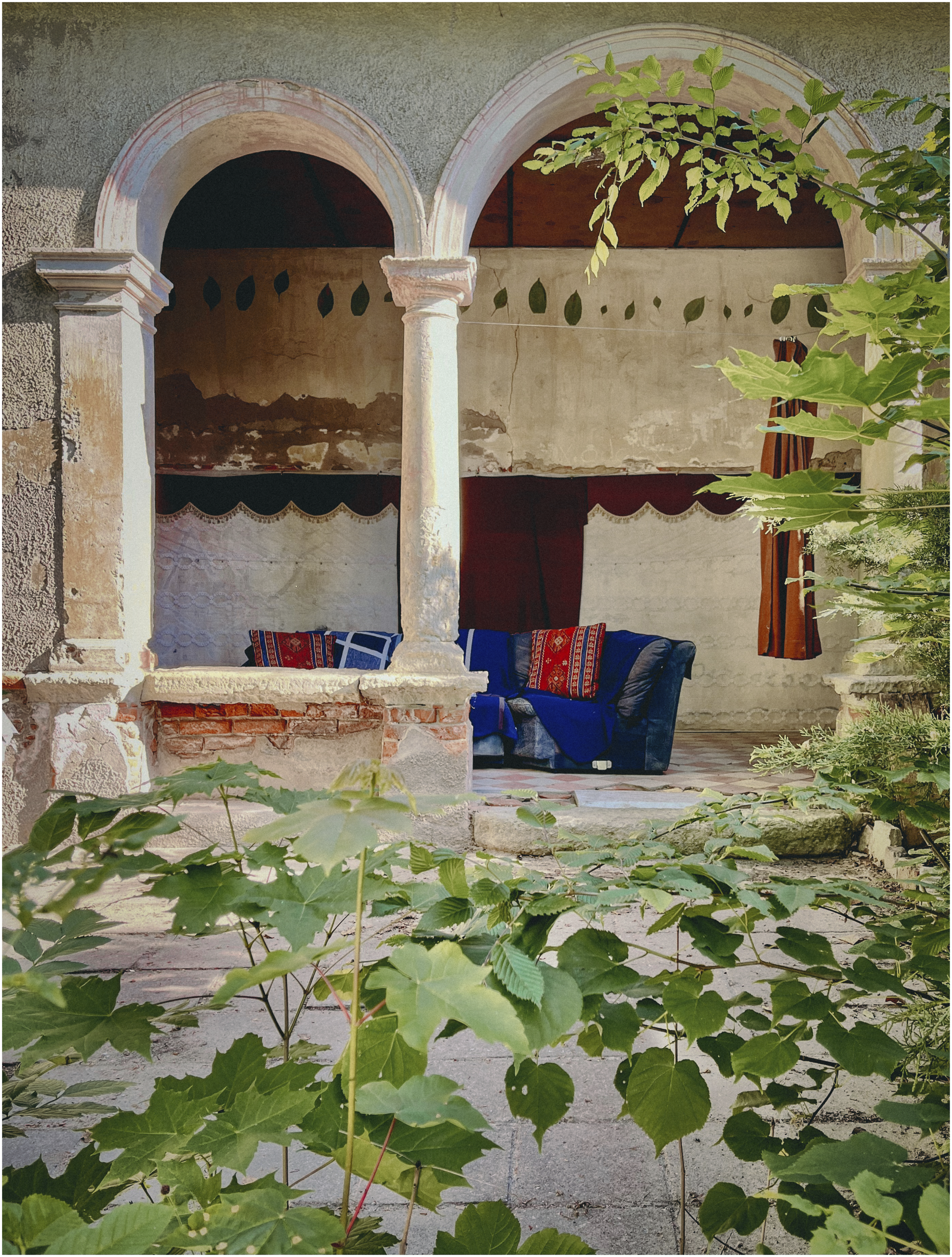
Sometimes the features described by the participants as welcoming spaces were not real places but activities. They are, therefore, spaces with a processual nature, that narrate the daily activities of people living in isolated and shrinking areas, as in the case of the English lessons in Aziz’s garage in Talayuela or the 8 a.m. bus that all the inhabitants of Camini take on Saturdays to go shopping in a bigger supermarket in the valley (Figure 5). “A place where I feel good is in the house of culture with Aziz, my uncle’s house, and also the meeting of young people in Aziz’s garage…” (Hanan Khalloufi, Talayuela, Spain). Map of Camini (by Chiara Scolastica Mosciatti, Camini, Italy).
Applying Creative Visual Methods in the Study of Migration: a Three-Layer Perspective
Research as a Collective Learning Process
Participatory research can transform into a process of “collective learning”. In our case, it proved to be a collective educational space through two main dynamics. The first concerned the possibility of transforming fieldwork into a pedagogical space. In particular, the involvement of a professional photographer and the use of cameras by us and the participants constituted a moment of learning basic knowledge about photography. The teaching of basic photography skills and image composition and the support during the workshop operated as a “mediation of migrant voices” (Cabanes, 2017), aimed at creating new possibilities of auto-representations through the adoption of visual methods. This aspect was even more important in the case of our research. First, because the training courses organized for people with a migrant background usually do not concern artistic and creative training; second, because, in general, isolated areas do not offer such educational opportunities for the local community as a whole. In the final co-assessment on the last day of the fieldwork, the added value of involving a professional photographer emerged clearly, together with the appreciated opportunity to discuss the concept of “welcoming” in an open and safe space.
The research was also conceived as a co-learning process since the continuous collaboration between the researchers, the photographer, and local inhabitants led to a process of collective reflexivity on the participants’ daily lives and relations. The research facilitated a critical and symbolic understanding – through the images and their analysis – of the social practices and processes in which people participated (Barnes, 2018). The aesthetic inquiry, the creation of self-authored maps and photos, and the process of selecting and discussing them within a community of practice interrogated the participants to critically deconstruct the concept of “welcoming” and “unwelcoming”, and their relation with daily spatial practices. The dialogical research process facilitated by the use of visual methods and informal moments of exchange sustained the participants to reflexively engage with their lived experiences, interactions and memories in generative and engaging fashions. This process helped to develop connections and discover ruptures or new alliances between the participants and their daily spaces, thus becoming a powerful form of individual and collective inquiry about stories that are often made invisible. A central aspect of participatory visual methods is indeed the collective learning experience in which participants aim to critically understand and improve specific social, spatial, and cultural practices. Going beyond the positivist approach, these methods engage people as research “subjects”, supporting “their capacity for self-reflection and their ability to collaborate in diagnosing their problems and generating knowledge” (Susman & Evered, 1978, p. 586). Moreover, through participation, individuals claimed a new symbolic common horizon and spoke up, contributing to the pluralization of the public space. This aspect emerged very strongly and within different contexts (e.g., Camini, Talayuela, and Bedum) in the case of women newcomers and especially unemployed women. Their participation unveiled the connections between private and public spaces related to their daily tasks, very often connected to family activities (such as grocery shopping or walking to pick up children from school), pluralizing the narratives and visualities as contrasted to other spaces characterized by predominantly male gazes (e.g., the bar or the soccer field).
It is important, however, to consider the intersection between the overall methodological frame and ethical challenges. In our study, for example, auto-reflexivity was not only sustained by the participatory approach to the research but also by a flexible ethical framework that privileged the well-being of all participants. Hence, as Zapata-Barrero and Yalaz (2020) suggest, studies on migration – where there is a high probability of dealing with vulnerabilities – should apply a “moment-to-moment” ethical thinking depending on the specific circumstances connected to the participants and the contexts. This approach passed not only through ethical documents but also through continuous informal exchanges with the participants and the adaptation of the fieldwork to their specific needs. 6
Research as Relational Space
By opening up a space for exchange and participation in social enquiry, visual methods can also act on the relationships and social capital of the participants. In particular, the research itself was conceived as a space of sociability, where relations between the different actors were gradually reconfigured. Firstly, between the participants themselves, creating unexpected opportunities for dialogue between old and new inhabitants; but also between us (often from different disciplines) and between us and the participants. Nonetheless, the geographies of these relational possibilities changed according to the context in which the research took place. In Bedum and Łomża, for example, it became an important and unprecedented space for relationships between people from different backgrounds. In other cases, the gender dimension played an important role. In Camini and Talayuela, for example, the research unlocked spaces for self-expression for some women who claimed it was the first time they felt like presenting their views publicly.
The research space became then a space of (although temporary) mutual care, building intimate relationships between us and the participants (Douglas, 1985; Moralli, 2023). By subverting countering hegemonic discourses and visualities and reconfiguring social relations in more equitable and dialogical ways, we tried to overcome an extractivist approach to social research to become a temporary community of mutual care and exchange (Madge et al., 1997; Olesen, 2011). These aspects were introduced by many participants – especially women – at the end of the workshops, during both the co-evaluation and more intimate and informal moments with us, but also during the visual research itself. For example, in many cases, the participants invited their children to take part in the workshop. Similarly, during the photo exhibition that we organized a few months after the fieldwork in Camini, the same participants invited their entire families to this final event and cooked dishes from their countries of origin as a moment of collective exchange within the whole community.
In our analysis, it is exactly the use of maps and photos that facilitated these moments of sociability. Indeed, as Zebracki (2020, pp. 135–136) claims taking from Bourraiud (2002), visual participatory research can be considered a form of “relational aesthetics”, laying “emphasis on human experiences and relations that define the social production of the art spaces beyond its material context”. Supporting ethics of representation and solidarity, it destabilizes conventional and hegemonic values and interpretative frames through which we envisage migration through aesthetic and relational practices. The core features of relational aesthetics – intersubjectivity, encounter, togetherness, conviviality, and sociability – have inspired participatory practices in social research to engage “in the (re)presentation of the storied nature of everyday events” in open and accessible fashions (Jones, 2018, p. 73). In our research, photovoice and mapping were not passive research tools, but became transformative platforms for an active “encounter” (Richardson-Ngwenya et al., 2019) where knowledge was co-produced, and not merely conveyed.
However, we embrace Bishop’s (2012) critics of participation and relational aesthetics as a magic formula and ritual capable of automatically supporting social change. Participation should not be considered good per se and follow the same paths in all contexts. In the same direction, Gielen (2013) suggests a distinction between digestive and subversive practices and interventions. The term “digestive” refers to the “integration of social groups without questioning the dominant values, norms, or habits” conforming to “the rules that are already in place within society” (Ivi, p. 21). On the contrary, subversive practices should support both a capacity for dissensus and the capacity to aspire through political subjectivation (Allegrini, 2020). Though embracing Foucault’s perspective suggesting that power intrinsically constitutes social relations, we sustain that participatory approaches to social research can be useful both to answer the scopes of the inquiry in terms of results, especially in situations of vulnerability and marginality and to overcome – at least partially – a “digestive” approach to empirical research. To do so, the research design should be carefully contextualized to specific situations – as previously described – and the choice of the methods should depart from a critical analysis of power relations and inequalities among the research participants, researchers’ positionality included (Andreassen & Myong, 2017; Van Ramshorst, 2020). Nevertheless, power inequalities emerged during the fieldwork. For example, especially at the beginning of the workshops, the power-related differences between us (researchers) and the participants were tangible, especially in terms of roles. While we were presenting the project and sharing the guidelines, for example, some participants seemed to be uncomfortable (some of them asked: “Will I be able to draw a map?”). Therefore, we chose to draw and take pictures with them to reduce these differences and create a more collaborative atmosphere. Differences between older and new residents also emerged sometimes, particularly in the articulation of the description of the chosen maps and photographs due to language issues.
For this reason, it was even more crucial to integrate the adoption of participatory research methods with appropriate ethical tools to avoid any harm and generate further inequalities within the group. In Talayuela, for example, the fact that the participants were all migrant women in their twenties and thirties, made it possible to create a “safe environment” where they felt free to discuss also intimate experiences. This sense of security extended to both the workshop sessions and the collaborative work and the learning dynamics they facilitated.
Research as Knowledge Co-construction
In participatory visual research, the collective production of concepts, methods and approaches is possible thanks to the engagement of different forms of knowledge: not only academic but also practical (Shani & Coghlan, 2014) and situated knowledge (Genat, 2009; Haraway, 1988). In our research, it is exactly the intersection and compositions of these types of viewpoints and experiences that contributed to building original visualities on welcoming spaces in European peripheries. However, it is not our intention to support an ontological separation or opposition between various forms of knowledge, as the distinction “between academics and workers must not be taken to imply a distinction between ‘theoreticians’ and ‘practitioners’ as if theory resided in one place and its implementation in another” (McTaggart, 1997, p. 30). The adoption of the methods of emotional mapping and photovoice opened interesting and unusual spaces for collective reflection on actual political and social challenges (Smithner, 2019) of remote and isolated European spaces. This was possible thanks to a process of co-construction of knowledge that considered different perspectives and opinions while identifying their negotiated, reflexive cores and interdependences, thus transforming into a “horizontal strategy of openness to dialogue among different epistemic positions” (Mbembe, 2016, p. 42). Considering the process of knowledge construction as a process of collective reflection but also of conflict and negotiation, we drew from our interdisciplinary knowledge as researchers and embraced research participants’ interconnecting and crossing forms of knowledge and experiences. These intersections can be helpful to overcome the “limitations and weaknesses of single discipline knowledge systems and methods and engage us in collaboration, not only with other disciplines but with non-academic partners” (Brydon-Miller et al., 2003, p. 21). Indeed, our intention was not only to collect multiple voices of those protagonists who are living in European shrinking areas but also to co-construct new visualities by gathering different perspectives without necessarily synthesizing them into a consensus.
However, despite the inclusion of an initial collective data analysis phase, the fact that the final analysis of the collected data was carried out by the researchers was one of the limitations of this research in terms of knowledge co-construction. To solve, in part, this limitation, we decided to publicly present the results and visualities that emerged by organizing an event for each of the localities where the research took place, in order to have a form of “back talk” (Frisina, 2006) from the participants.
Discussion: towards Social Change?
Participatory visual methods can help to methodologically capture the intersections and mutuality between imaginaries, actions, and representations, as the narrative turn in the social sciences has shown in these last decades (Brown, 2006). By delving into the visual components of human mobilities and encounters, these new visualities offer a unique perspective on the relation between the participants and their daily life experiences and spaces, unveiling often overlooked aspects of displacement, emplacement, and transformation. In participatory visual research, participants’ direct involvement can lead to a different conception of identity and subjectivity, since the latter is framed at the crossroads between social relations and discursive practices (Kemmis, 2009). The use of a participatory methodology aligns seamlessly with the evolving trends of critical migration studies, where visual methods are harnessed not merely for representational purposes but rather as a means to foster heightened engagement and empowerment (Rydzik et al., 2013). In this frame, empowerment could lead to collective self-consciousness and community action (Moralli, 2020). However, it is important not to fall into the participation and empowerment trap: not all collaborative research leads to the empowerment of participants and not all participants derive the same benefits from the research process. Although these methods pave the way for more horizontal, accessible, and open modes of inquiry, it is difficult to completely eliminate the power hierarchies that are inherent in the relationship between researchers and participants and between the participants themselves. Secondly, we should ask ourselves which impacts research has on participants, what empowerment processes can (or cannot) be established and especially for whom.
As far as visual methods are concerned, for example, this shift in perspective usually seeks to amplify the voices of participants, enabling self-representations while rebalancing the power dynamics inherent in research interactions. Participatory visual methods can sustain processes of collective learning, constant social interactions, and knowledge co-construction; in doing so, they can ultimately promote social change through alternative socio-spatial representations by reshaping the existing distorted imaginaries of human mobility (Mitchell et al., 2017). Such social change can pass both through the research as a relational and pedagogical space, and through the co-production of epistemologies that bring original viewpoints (Piemontese, 2021; Zavala, 2013). In this perspective, participatory visual research promotes empowerment by opening new spaces of representation through social inquiry in migration studies, involving those actors who are daily confronted with issues of social (in)justice, marginalization, and territorial inequalities, while trying to avoid forms of romanticism and paternalism towards who is in a situation of exclusion (Susman & Evered, 1978). In migration research, visual methods can amplify the possibilities to co-construct new senses of the world through plural voices, experiences, and angles. At the same time, they support plural representations, combining the “right to speak” (Rodenburg, 1993) with the “right to be heard” (Valentine & Skelton, 2007).
In the case of our research, the presence of plural viewpoints and experiences sustained a collective work unveiling the “relationships between the elements that make up” (Winter, 1996, p. 9) migration in different shrinking contexts through continuous negotiation and symbolic redefinitions (Caister et al., 2011). Such “situated imaginations” on the concept of welcoming offered a common ground and discursive shelter for the “human potential for social change - although ‘change’ does not, of course, necessarily mean emancipatory change” (Stoetzler & Yuval-Davis, 2002).
Moreover, the results of this collaborative research were disseminated through a digital open-access photobook and exhibitions organized in the villages where the research took place but also in many European cities (Madrid, Warsaw, Bologna, etc.). Our aim was indeed to reverse representative and discursive dynamics concerning migration, starting from the gazes and the knowledge of people living in marginal areas and bringing such visualities to European centers. As migration (often) stigmatizing narratives come from the centers – mainstream media, political discourses, academic contributions, etc. – we worked together so that, for once, these narratives originated from those living in European peripheries. Although we recognize it is difficult to change the structural inequalities that underlie the (in)hospitality of places, the objective was to stimulate small-scale changes that passed through the cultural and discursive dimension. In other words, we wanted to shift from an ethics of representation (Pickering & Kara, 2017) to an ethics of self-representation. Participatory methods prove to be important tools to overcome colonial power relations that often emphasize and legitimize a unique and dominant vision of the world, mostly the Western one, unveiling the ever-changing and subjective character of knowledge. As Leavy (2015, p. 17) advocates, they can “illuminate something about the social world, sensitively portray people and their circumstances, develop new insights about the relationships between our sociohistorical environments and our lives, or disrupt dominant narratives and challenge biases”. In this sense, we tried to construct the research space as a potential catalyst for social change through new epistemologies, concepts and visualities, while paying particular attention to the aspects related to (mis)representation, power, diversity, and gender. However, while broadening the data collection and analysis community and supporting alternative ways of disseminating scientific findings, it is also important to consider the limitations of participatory visual methods for migration research. First, socio-cultural limitations in the sense that participants’ subjectivities (in terms of class, gender, age, origin, etc.) can affect both how data are collected and analyzed. Some possible risks are, for example, cultural homogenization, the reduction of complexity in favor of the dominant culture, the spectacularization of some stories over others, and their oversimplification. To mitigate these processes, it is important to employ tools to reduce exclusions and ensure a more inclusive representation (e.g., facilitating the taking of the floor by all participants without forcing their exposure, “break-the-ice” activities before starting data collection, or the possibility, including through informal moments, to create a dialogical space in which everyone feels comfortable expressing themselves). The second type of limitation concerns the process of knowledge construction. Indeed, as Simandan (2019) suggests, the research process always implies position-taking, both on the part of the participant(s) and the researcher(s). It follows that research cannot be completely neutral: knowledge is always partial and dependent on several elements. Moreover, it is very difficult for the narrator to have full freedom of expression because often, as in the case of our research, guidelines are decided beforehand by the researchers. This asymmetry also leads to power disparities between the researcher and the participants. From an ethical point of view, visual participatory methods often require emotional commitment and can sometimes put participants at risk through their exposure. For this reason, it is important to adopt a processual approach to research ethics (Giorgi et al., 2021), as we have shown in the previous sections, to make sure that the safe space of research not only relates to the fieldwork but also to the protection of the participants in the dissemination phase (e.g., in case of sensitive data or traumas related to the migration journey). 7
Finally, in order for these methods to act as catalysts for social change, we believe they must be framed within a broader critique that does not overlook the systems of power and inequality within which they are embedded (Hui, 2023). In our case, for example, the alternative representation “of the margin from the margin”, as hooks (2000) would put it, aimed to serve as enacting mechanisms of discursive reallocation that bring communities’ claims for self-representation back to the center. It remains, however, necessary to stress the mechanisms of narrative exclusion within broader structures of inequalities and discrimination. In the case of our research, such inequalities concerned, for instance, the intersections between arenas for local communities from rural areas to be hard politically on higher scales and their isolation in relation to larger European centers, together with the lack of infrastructure and services. For this reason, it was crucial for the research to be able to bring the demands of these communities into public discussion in urban centers and to amplify the arenas of visibility of their demands and prospects for possible change.
Conclusion
Researchers are recognizing the need to incorporate participatory and visual methods in migration research, “to be able to see and think differently” (Leavy, 2015, p. 2). There is a general call to combine traditional research methodologies with new approaches and research tools which incorporate different viewpoints and forms of knowledge in a process connected to a gradual democratization of social research. In this sense, the study has shown how visual participatory methods can open up new spaces capable of promoting an ethics of self-representation capable of stimulating social change by acting on discursive and recognition codes. The research space can thus become a device of change, acting on three layers: research as a collective learning space, research as a relational space, and research as knowledge co-construction. We believe, however, that in order for these changes to last over time and reach different scales, we need to rethink participatory methodologies within an epistemological shift - that is, one that acts on the concepts with which we interpret the world - and a critical reflection on the power structures in which social research is embedded. Therefore, we believe that social change can be achieved through a cross-fertilization of participatory methods in research together with a deep and critical reflection on the epistemic injustices and historical inequities that characterize contemporary migration.
Footnotes
Acknowledgements
The project was coordinated by Melissa Moralli (University of Bologna) and Bianca Szytniewski (Utrecht University). The research network that contributed to the research is the following. Italy: Melissa Moralli, Alice Lomonaco, Pierluigi Musarò, Chiara Davino (University of Bologna); Spain: Keina Espiñeira, Leticia Santaballa, Laura Oso Casas (A Coruña University); Germany: Sabine Meier (Hochschule RheinMain), Dominic Danz (University of Siegen); Poland: Marta Pachocka, Joanna Popławska, Dominik Wach (SGH Warsaw School of Economics), Karolina Łukasiewicz (Centre of Migration Research, University of Warsaw); The Netherlands: Sara Miellet, Bianca Szytniewski (Utrecht University).
Declaration of Conflicting Interests
The author(s) declared no potential conflicts of interest with respect to the research, authorship, and/or publication of this article.
Funding
The author(s) disclosed receipt of the following financial support for the research, authorship, and/or publication of this article: Project financed by the Seed Money Call - Focus Area Migration and Societal Change (Utrecht University) and the H2020 Welcoming Spaces project (H2020-SC6-Migration-2019-870952).
