




Abstract
Photo novella is presented as an effective and creative data collection method that has the ability to engage participants in the process of critical thinking and reflection. This reflective practice provides rich insight that can be of great benefit when exploring complex and multi-faceted health issues. In this study, oncology and palliative care nurses were asked to think about what spirituality meant to them and then take photographs that represented these concepts. Once developed, the nurses were asked to select 4–6 photographs that were most meaningful and the most representative of what spirituality meant to them. These photographs then guided the semi-structured interview. The photographs provided great insight into the nurses' perceptions and meanings associated with spirituality and highlight the benefits of utilizing photographs within qualitative nursing research.
Introduction
Individual interviews and focus groups have been the mainstay of qualitative health research for many years. Undoubtedly these are incredibly rich opportunities that gain insight and understanding into personal stories and experiences. With the advent of technology new methods of data collection have become available. The use of photographs in the digital age is incredibly easy and, with some topics and age groups, particularly relevant and rewarding. Photo novella as a research method encourages critical thinking and reflection on an in-depth level which provides rich and meaningful data. It is therefore proposed as a valuable tool for researchers exploring complex and multi-faceted health issues. In this research, exploring the meaning of spirituality in nursing, photographs as data were provocative and insightful. The aim of this article is to provide an overview of photo novella followed by a description of a study that highlights the benefits of utilizing photographs within nursing research.
Background to the Study: Understanding Photo Novella
Photo novella or ‘picture stories’ (Hurworth, 2003) refers to the use of photographs in research and includes other terms such as photo-interviewing, photo elicitation, reflexive photography, and photovoice. Participants are asked to take photographs relating to the topic of interest. It is hoped that this will encourage critical thinking and reflection on behalf of the participant. The images become transformed into data during the interview where their significance and meaning are discussed by participants with a reflective depth as they relate them to their experiences (Schwartz, 1989). Hurworth (2003) describes photo novella in the following passage:
A key component of the photo novella process is dialogue where participants show their photographs and talk about their significance and meaning. This grounding of the images in real experience is the key and makes the photographs infinitely more valuable than a set of images created by outsiders.
This process also invites the participants to take the lead in the inquiry. The need to maintain the focus on participants' experiences and their meanings associated was particularly relevant in this research which explored meanings of spirituality and was grounded in oncology and palliative care nurses' perceptions of spirituality.
Utilizing Photo Novella in Qualitative Nursing Research
The use of photographs is not a recent phenomenon in qualitative research. According to Riley and Manias (2004), who conducted a literature review to study the uses of photography in clinical nursing practice and research, photo novella was originally employed as a tool to assist in social research. Photography has been utilized by researchers to document complex dimensions in social interaction and behavior, uncover economic realities, explore relationships, examine cultural patterns, and gain insider perspectives (Collier & Collier, 1986). Hergenrather, Rhodes, Cowan, Bardhoshi and Pula (2009) completed a qualitative review of community-based participatory research that utilized photovoice. They found that “photovoice enables participants to build upon experience to engage in personal and community change…photography provides participants a voice and language through which to voice salient concerns” (p. 694-5). Utilizing photographs in research has and continues to have its basis within community as a means to explore activity and meaning (Purcell, 2009).
In recent years health and nurse researchers have recognized the benefits of photo novella and have utilized photographs as a way to explore and better understand the experiences of men and women, the young and the old, and people from a variety of ethnic backgrounds. These researchers strove to uncover and gain insight into a variety of health issues that ranged from women's health issues (Frith & Harcourt, 2007; Vaughn, Rojas-Guyler, & Howell, 2008); war (Berman, Ford-Gilboe, Moutrey, & Cekic, 2001); rural home care (Magilvy, Congon, Nelson, & Craig, 1992); living with HIV (Rhodes, Hergenrather, Wilkin, & Jolly, 2008), and living with chronic mental health illness (Thompson et al., 2008). Recent Canadian research suggests that photovoice is also an effective tool for community-based research with indigenous peoples as it was found to be valuable in balancing power and “creat[ing] a sense of ownership in the research, fostering trust, building capacity, and implementing a culturally appropriate research project in the community” (Castleden, Garvin, & Huu-ay-aht First Nation, 2007, p. 1398). After reviewing the literature, Riley and Manias (2004) recognized the benefits of creative photographic approaches for nursing research: “The use of photography needs to be promoted in nursing as a method that can enrich traditional forms of data collection and provide different perspectives on clinical practice and approaches to research” (p. 402). Hansen-Ketchum and Myrick (2008) concur and recognize that photo methods are valuable both for qualitative nursing research and for the participants in that they contribute to knowledge that matters to the participants as well as informing nursing practice. Indeed, photographs provide a creative and appealing method for participants to communicate their thoughts and beliefs on a variety of topics conducive for inquiry.
Uncovering the Spiritual using Photo Novella
The literature indicates that spirituality is subjective, complex, and difficult to define (Emblen, 1992; Kendrick & Robinson, 2000; Mayer, 1992; McSherry & Draper, 1998; McSherry & Ross, 2002). Utilizing photo novella as a method of data collection provided a tangible and creative way for the nurses in this research to describe their thoughts and perceptions, and it provided a platform on which they were able to discuss their beliefs, feelings and meanings of spirituality. Participants also had the opportunity to creatively document what spirituality meant to them in their own terms, within their own lives and work. Taking images to capture meanings of spirituality encouraged participants to critically think about the topic prior to being interviewed. It was anticipated that this would encourage a more in-depth discussion of participants' perspectives.
The Study Described
This research was conducted to partially fulfill the requirements for the degree of Master of Nursing and explored nurses understanding of spirituality, their perceptions of the spiritual needs of patients, and the relationship between nurses' perceptions of spirituality. Specific questions explored in this research sought to uncover what spirituality meant to nurses; how spirituality was present in their nursing practice; nurses' perceptions of patient's spiritual needs and of meeting these needs; and how nurses' personal meaning of spirituality influences the spiritual care they provide to patients. It was also anticipated that this research would contribute to nurses' understanding of the complex subject of spirituality and religion, and highlight the important role nurses play in meeting the health care needs of patients and their families.
The Setting and Recruitment of Participants
Potential participants were made aware of the research by the nurse educator who explained the proposed study. Details regarding the study were provided by handing out posters to interested participants. Those interested in either participating or learning more contacted the researcher directly by phone. Those agreeing to participate then met with the researcher on an individual basis; the project was then described and any other questions were answered. Following this, informed consent forms were signed and each participant was provided with a camera.
The research included five female, Caucasian, registered nurses as participants. They were employed in the areas of palliative care or oncology and worked in a variety of hospitals within an adult tertiary centre in Atlantic Canada; all had at least two years experience within these specialties. These specialty areas of nursing were selected because of the life-threatening nature of patients' illnesses, end of life issues, and the associated need for spiritual care. It was anticipated that nurses working in these fields may have increased opportunities to examine their own spiritual beliefs as they met the spiritual needs of patients and their families.
Ethics
Ethical approval for this research study was obtained through the tertiary centre where the study was conducted. As requested by the Ethics Committee, participants were advised that if they chose to take identifiable images of people, release consent forms had to be signed by those being photographed. No features that would identify a person were to be visible in the photographs. Participants were asked to choose an alias to protect their identity (pseudonyms were Sing, Nazaha, Trudy, Jo & Rita).
Procedure
Each participant was given a disposable camera and asked to take up to 12 images that reflected their understanding of spirituality. They were also advised that there were no limitations or constraints on what they could photograph – it was their personal decision to select images that captured the meaning of spirituality as they understood it. The participants were given two weeks to take the images. At a pre-arranged time the cameras were picked up and the film was developed.
Semi-structured Interviews
Semi-structured interviews were arranged between the researcher and participants in the spring of 2005. Each interview began by returning the developed photographs and asking the participants to select four to six images that were the most meaningful and the most representative of what spirituality meant to them; these then became the focus of the interview. To encourage conversation and gather the necessary data, it was imperative that effective communication skills such as open-ended questions, clarification, active listening and empathy be endorsed to help guide and encourage participants during the interview (Smith, 1992). In addition, an interview guide was utilized as a tool to encourage discussion. Interview guides are helpful as they help to ensure that similar questions and data are collected from all participants. They can also assist in ensuring that the purpose of the study and all areas of the topic of interest are explored (Holloway & Wheeler, 2002). In formulating the questions included in the interview guide, stem phrases such as ‘Tell me…’ or ‘I am interested to hear…’ were utilized as they encouraged each participant to tell their story in their own way and style (Leininger, 1985). This guide helped to gather the needed information, facilitate interviewer focus, and assist participants as they openly and freely expressed their views of spirituality.
The semi-structured interviews took place at a mutually agreed on time and location that afforded both privacy and confidentiality. The length of the interviews was approximately an hour and a half, however, it was recognized that flexibility was both warranted and desired as the length of the interview ultimately depended on each participant (Holloway & Wheeler, 2002). Interviews were audio taped and transcribed verbatim. This ensured that participants' stories were preserved as accurately as possible for data analysis (Burnard, 1991; Holloway & Wheeler, 2002; Morse & Field, 1995). Following the interview, notes were made regarding the overall impression of the interviews, ideas and observations that could act as memory joggers during data analysis (Burnard, 1991).
It became quickly evident that participants had put a great deal of thought into what they had chosen to photograph. It was moving and surprising to see their creativity in looking for the perfect photo to capture a meaning, a feeling, and/or a belief. The participants described enjoying the process; it encouraged them to contemplate the meaning of spirituality and caused them to then consider how best to capture these perceptions in a visual manner.
Narrative Analysis
Narrative research is a method used to gain access to feelings, thoughts, and experiences and is recognized as a broad approach because it can incorporate other qualitative approaches (Holloway & Wheeler, 2002). Narrative analysis was chosen as a tool in data analysis as it is an excellent way of representing and understanding experience (Clandinin & Connelly, 2000). As mentioned previously, spirituality is multi-faceted, deeply complex and very personal. As such the flexible permeability of narrative inquiry was appealing because it honours the participants' experiences, whether they are similar or different.
Once the narrative data had been transcribed, the text was then coded and categorized into key concepts or categories. These key concepts were then linked and clustered into themes. Themes from individual participants were then compared to other narratives to discover overall patterns (Aronson, 1994; Burnard, 1991; Holloway & Wheeler, 2002; Polit, Beck, & Hungler, 2001). In this research, photos were also used as data and contributed to the analysis of themes in a surprising and unexpected manner. The images held many similarities and, because of these similarities, assisted in reaffirming the themes identified within the narrative.
The Findings: The Power of the Visual
Spirituality is revealed to be a complex and subjective phenomena which is often defined or captured in multiple dimensions. Meraviglia (1999) identified these dimensions as faith, connectedness, integration, and a unique dynamic process. Martsolf and Mickley (1998) suggested that meaning, value, transcendence, connecting, and becoming are also dimensions of spirituality. Wright (1998) described spirituality in terms such as hope, meaning in life, and forgiveness.
Dimensions and meaning of spirituality captured in the photographs and participant's stories included the need for, and importance of connection, love and community. Participants' described spirituality as an interconnection with family, patients, and with God. They subsequently found representations that symbolically captured the importance of feeling connected, of loving others and being loved. The importance of interconnectedness was just one of several themes apparent within the narrative that was validated and affirmed within the photographs. The narrative along with the visual provided rich insight in the participants understanding of spirituality as interconnectedness. In the section that follows we share examples of how uniting narratives and photographs has great merit and should be considered as an excellent research method within qualitative nursing research.
Spirituality as Interconnectedness
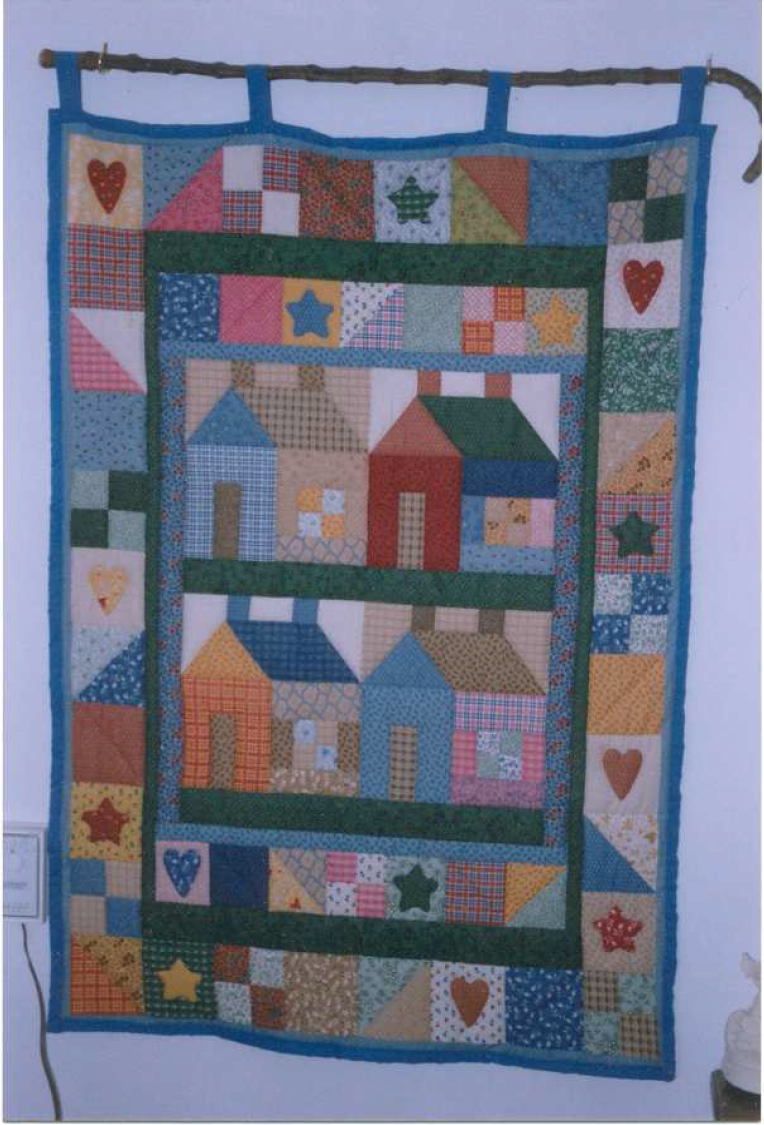
Sing's photograph of a tapestry (see Photograph 1) captured how relationships with patients and feelings of connection can be likened to a sense of community – that as the threads of nurses' lives and threads of others' lives touch and connect with each other, they become interwoven.
A tapestry (Sing)
And spirituality to me, if I were to look at it in a very simple way, is interconnectedness. And the fabric does speak about interconnectedness: the threads that run through our lives and the threads that run through the lives of other people that we touch and connect with. (Sing)
Both Nazaha and Trudy shared similar views; they described spirituality as connecting with others. Nazaha, for example, stated: “I'm talking about spirituality; I'm talking about human connection which is to me spirituality.”Participants strongly related the importance of connecting with others through the development of caring, therapeutic relationships and they viewed this interconnectedness as spirituality.

A leaning tree being sustained (Nazaha)
The need to connect with others was captured beautifully in a photograph taken by Nazaha. Within the maze of trees there is a solitary tree leaning against another. Nazaha described it as follows:
And we just need to reach out to others. And no matter what direction, hopefully, you'll find someone. It's all about reaching out and touching, or having some contact. That you'll find someone to help you and bring you into being…I don't know how long that tree had been sustained, but it's an indefinite period of time, there's not a statute of limitations on it.
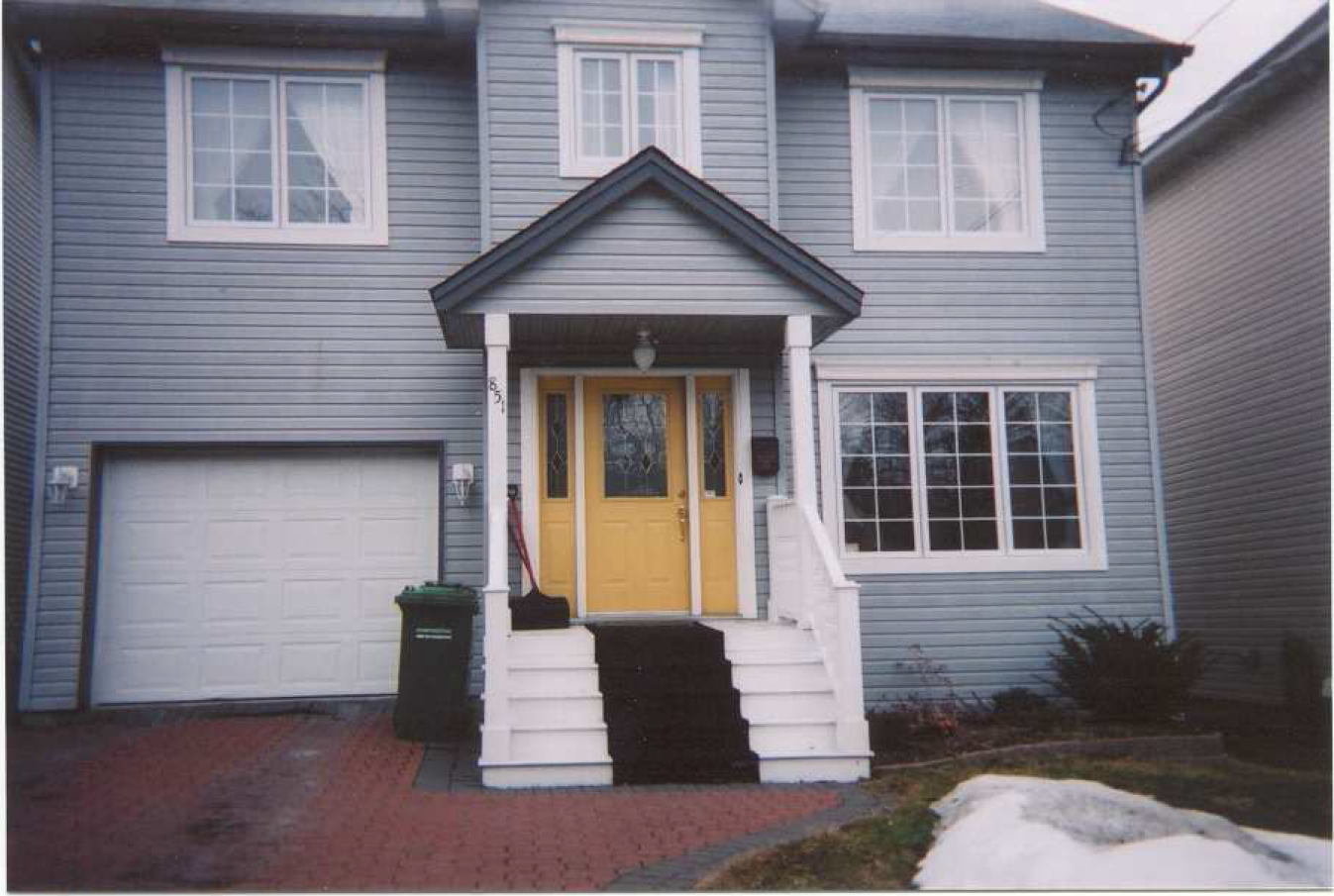
Trudy also acknowledged her need to establish/maintain connections in her life; she chose to photograph a home (see Photograph 3) as it characterized loving connections and was a symbol of comfort and security, a retreat after a hard day at work. “I think I'm a spiritual person, so I think it really does come out. Obviously from the pictures I've chosen I need people in my life. So I try to establish relationships with my patients and their families” (Trudy). Later in the interview, Trudy related that developing connections with patients encourages a sense of belonging, a sense of community. “For me spirituality is not necessarily a religious thing. It's a variety of emotions that people have, and for me, one of them is feeling safe and secure and comfortable, and being with people who you feel safe with.”
A home (Trudy)

An open door (Sing)
Sing photographed an open door (see Photograph 4) and then described the need for nurses to be amenable and willing to embrace different beliefs and practices surrounding spirituality: “The quality of presence. There has to be that willingness to move into that inner part of a person's life, to help them through, or to be with them on their journey.”
Jo's own spiritual journey encouraged her to seek after the spiritual welfare of her patients. Like Sing, she likened it to be willing to open the door.
In terms of recognizing the need to reach some kind of spiritual peace, in order to have a more positive death experience, because I believe that there is a possibility someone else may have a spiritual nature, it just enables me to open that door. I don't believe its phony or a waste of time, or any of those things, and I think if I didn't accept my own spirituality I probably would be even more timid in approaching somebody else who I didn't know very well.
The magnitude of connecting with family and patients was made visible when participants' chose to photograph friends and family members. They felt that spirituality was so closely aligned to relationships that they embarked on a creative journey that enabled the participants to photograph people in such as way as ensure their anonymity. Overcoming this ethical limitation allowed the participants to capture their understanding and meaning of spirituality within the photographs and at the same time enabled the researcher to still use the photographs.
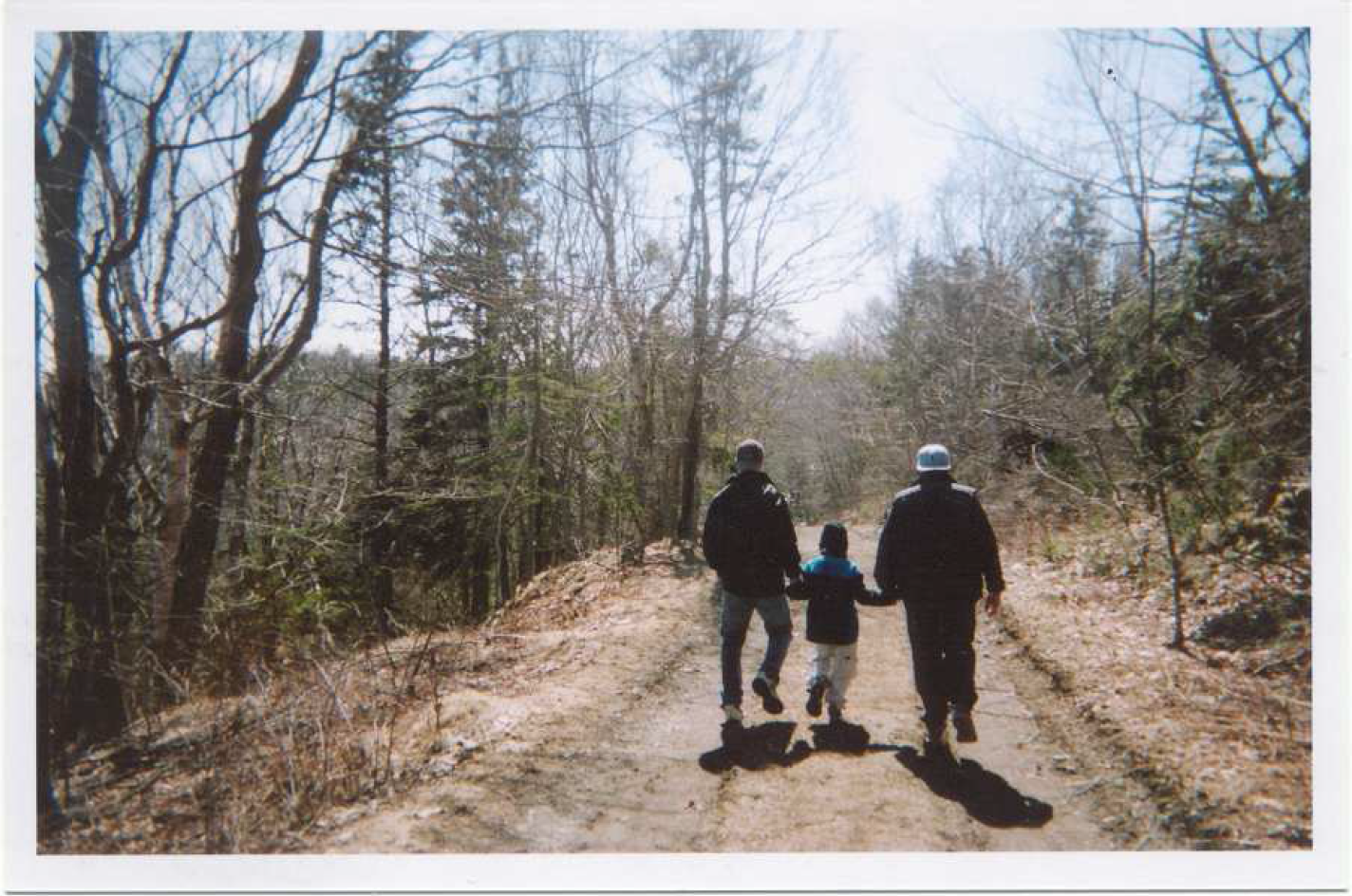
Nazaha's picture of three brothers holding hands walking down a forest path (see Photograph 5) symbolizes how family and family bonds reflect the essence of community and connection. The nature of this connection often breeds a sense of safety, security and comfort that enables challenges to be more easily faced and coping to be enhanced.
Three brothers hand in hand (Nazaha)
Spirituality's much clearer to me when I have human beings in the picture. It's three brothers going down the road, it's an unpaved road, so it's not always smooth, and it's a little uneven and a little rough. They're holding hands, they're moving forward, and to me I think it just symbolizes that as long as you have someone to hold on to…that you can get down that road, no matter how rough it is. So by holding onto each other they will journey through life and manage all the unevenness and challenges, and that we all need help and that it's in giving that we receive. (Nazaha)
The photographs that participants selected captured the importance of connecting with others – not only families but also with patients. Trudy's picture of friends walking in the woods (see Photograph 6) depicts the spiritual significance of being connected with others. In addition to recognizing her need to feel connected to patients, Trudy also acknowledges the patients' need to feel connected with nurses.

Friends walking together in the woods (Trudy)
…relationships that we establish with patients are one of the most important parts of what we do, because with the cancer word and the ‘C’ word, all of a sudden the patients and family's life just collapses and really, even for myself, I think I'd really need to have…the presence of people. And so you have to really be able to establish rapport, and you need to have people skills and the environment to do it. (Trudy)
When these photographs are viewed solely as a picture, each is subject to individual interpretation of the view. However, when these pictures of a home, a tapestry, people walking together, or a door are coupled with the narrative, the photographs become powerful vehicles which encourage discourse and the description of experiences and meanings. As such, the photos become an extremely effective research tool.
Discussion
The method of photo novella in this research greatly assisted participants as they reflected on their own meanings of spirituality. In the following discussion we present four reasons for photo novella's strong currency as a tool for self-reflection within the context of qualitative research.
First, the process of photo novella affords the participants with time to reflect and think about what they want to capture in the photograph, what is meaningful to them, and what they wish to communicate. This time of inward reflection is extremely beneficial to qualitative researchers, especially when studying complex and multifaceted issues, as it provides a time of contemplation for the participant before the interview, allowing the discussion to be richer, more in-depth, and more insightful than would have been possible without such a tool. In this study, photo novella was extremely successful in encouraging participants to explore complex issues surrounding spirituality and nursing. Taking photographs enabled participants to contemplate and more readily articulate their thoughts, expressions and experiences about a concept often considered intangible and complex.
Second, photographs are powerful communication tools which can convey an added depth of feeling and understanding when research results are disseminated. Qualitative researchers seek to understand experiences and meanings of others' experiences. When researchers then seek to communicate these findings it is vital to consider that photographs, when united with descriptions, have the potential to be much more powerful and expressive than the written word alone. They therefore have the potential to be an excellent communication tool to enhance the written account.
The ability to use photographs to communicate ideas, thoughts and lived experiences, provides an incredible possibility for those who are limited in their ability to speak or articulate. Facilitating communication through photos has the potential to provide great insight into lived experiences. For nurses who deal with extremely complex phenomenon, photographs can provide a way to think and learn about issues that are personal and difficult to articulate.
Finally, because interviews focus explicitly on participants' descriptions of what the photographs mean to them and why they took the images, photo novella can assist researchers as they strive to engage in ‘participant-centred’ research. Participants and their descriptions of the photographs guide the interview. In this research project, photo novella ensured that perspectives of spirituality presented in the final account actually represented participants' meanings, not the researchers.
A Critical Reflection on Lessons Learned
Recognizing that photo novella was extremely successful in encouraging participants to explore complex issues surrounding spirituality and nursing, it raises questions about whether other innovative methods such as art, music, videos and perhaps even dance might also be used to explore the complexities of the human experience.
Although the financial constraints of this research prohibited the use of digital cameras, in future research the use of digital cameras would be highly recommended as these recording devices would provide immediate feedback to the participants regarding their subject.
When discussing complex topics one might expect the conversation to wane and participants might be limited in their ability to express themselves. In this experience, however, participants were extremely open and freely shared their thoughts and beliefs about the research topic. While an interview guide had been prepared to assist during the interviews, it was found that it was rarely used. This may have been due to the time spent by the participants prior to the interview contemplating the subject and their photos. Perhaps the amount of time reflecting and thinking about the topic enabled the participants to more clearly, freely and openly articulate their thoughts.
Recognizing that the process of taking photos is a powerful tool which encourages participants to enter into self-reflection, the writer has since incorporated photo novella into creative educational assignments for undergraduate nursing students with compelling results that provide evidence of in-depth reflection, learning and growth.
Conclusion
The use of photographs in qualitative nursing research has the potential to provide rich, powerful insight into the experiences and understanding of phenomena by others. Indeed, utilizing photo novella as a data collection tool may actually enable researchers to delve into topics that were previously considered too complex to research. Photographs add another dimension to research. They encourages participants to contemplate and critically think about the subject matter, enrich the spoken word, and may facilitate expression for those previously unable to share their lived experiences. Photo novella, therefore, adds a valuable dimension to the collection, analysis, and discussion of qualitative data thereby enriching research and society as a whole.