Phytochemicals (Pch) present in fruits, vegetables and other foods, are known to inhibit or induce drug metabolism and transport. An exhaustive search was performed in five databases covering from 2000 to 2021. Twenty-one compounds from plants were found to modulate CYP3A and/or P-gp activities and modified the pharmacokinetics and the therapeutic effect of 27 different drugs. Flavonols, flavanones, flavones, stilbenes, diferuloylmethanes, tannins, protoalkaloids, flavans, hyperforin and terpenes, reduce plasma concentration of cyclosporine, simvastatin, celiprolol, midazolam, saquinavir, buspirone, everolimus, nadolol, tamoxifen, alprazolam, verapamil, quazepam, digoxin, fexofenadine, theophylline, indinavir, clopidogrel. Anthocyanins, flavonols, flavones, flavanones, flavonoid glycosides, stilbenes, diferuloylmethanes, catechin, hyperforin, alkaloids, terpenes, tannins and protoalkaloids increase of plasma concentration of buspirone, losartan, diltiazem, felodipine, midazolam, cyclosporine, triazolam, verapamil, carbamazepine, diltiazem, aripiprazole, tamoxifen, doxorubicin, paclitaxel, nicardipine. Interactions between Pchs and drugs affect the gene expression and enzymatic activity of CYP3A and P-gp transporter, which has an impact on their bioavailability; such that co-administration of drugs with food, beverages and food supplements can cause a subtherapeutic effect or overdose. Therefore, it is important for the clinician to consider these interactions to obtain a better therapeutic effect.
In recent decades, the quality of dietary and lifestyle habits has changed substantially compared to the second half of the twentieth century. In today’s society, the intake of organic foods and food supplements has significantly increased as a result of the generalized concern about healthy lifestyles and disease prevention. The use of dietary supplements continues to increase every year among patients interested in “natural” remedies. It is estimated that the consumption of dietary supplements increased by 42% in people over 20 years of age between 1988 and 1994. Half of the USA adult population has reported using at least one dietary supplement.1
The interaction between drugs and food, such as fruits, vegetables, roots, tubers, honey, olive oil, drinks, wine, tea, and chocolate, has begun to attract the attention of researchers due to compounds present in food that can interact with the enzymes that metabolize and excrete drugs. This occurs because of the similarity in chemical structure between some food compounds and drugs.2-4 With increasing frequency, medications prescribed by physicians interact with food products, mainly in patients undergoing chronic therapy.2,5 Until a few decades ago, these interactions were not suspected.
Cases of therapeutic ineffectiveness and adverse drug reactions have been reported as a consequence of the interaction between medications and plant products consumed as an alternative herbal medicine or nutritional supplements. This type of interaction happens whenever the effect of a drug is altered as a result of previous or simultaneous administration with a plant product or nutrient.3-5
The influence of dietary components on the effect of drugs depends on numerous variables, including the physicochemical properties and the biological, clinical, and cultural characteristics of the patients, such as age, sex, genetic background, diet quality and dietary patterns, nutritional status, etc.6
Food-drug interactions can manifest as changes in the blood levels of drugs due to alterations in the processes of absorption, distribution, metabolism and excretion.5,7 It has been reported that some plant molecules phytochemicals (Pch) interfere with the modulation of the expression and activity of cytochrome CYP3A and P-gp, changing the pharmacokinetics of drugs.8 The National Health and Nutrition Examination Survey reported that the most widely used nutritional supplements in the US are coenzyme Q10, cranberries, echinacea, fish oil, garlic, ginseng, Ginkgo biloba, glucosamine/chondroitin, green tea, melatonin, methylsulfonylmethane, milk thistle, probiotics/prebiotics, saw palmetto and valerian.1 Therefore, it is relevant to study how Pchs consumed in the diet can interact with the metabolic and drug transport processes.
Based on the above the purpose this review focuses on the importance os Pchs present in food and nutrients in the daily diet, which can either inhibit or promote the action of cyp3a/CYP3A and abcb1/P-gp, and the role they have with the metabolism and transport of drugs.
Methods
A systematic review without meta-analysis was conducted in biomedical databases, including the Cochrane Library, Embase, Medline (PubMed), Lilacs, and Web of Science to identify articles providing evidence of phytochemical-drug interaction in preclinical and clinical studies. Likewise, those in which the AUC of the drug alone and in co-administration with Pchs. Additionally, a complementary review was carried out in the same databases to establish which Pchs are present in the plants.
Inclusion criteria: Studies published between 2000 and 2021, no language filters were applied, and the following MeSH terms were used: phytochemical, herb, food, nutrient, drug, AUC, drug concentration, modification, induction, inhibition, CYP3A, P- gp, expression of the cyp3a, abcb1 genes. Excluded manuscripts did not report the pharmacokinetic value of AUC or their results did not show significant differences between controls and co-treatments; duplicate articles were also removed.
Thus, one hundred and thirty-one results were obtained through the search in the databases. After critical reading, 54 articles were included and 77 were eliminated because they did not report the AUC or did not present significant differences between the control and the co-treatment. The remaining 123 articles correspond to the complementary review of the phytomolecules present in plants. Total of 177 articles were included in this review.
Cytochrome
Cytochrome (CYP) is an enzymatic system of heme proteins that catalyze the oxidative metabolism of a large number of exogenous and endogenous compounds.9-11 Cytochromes are constitutively expressed in the endoplasmic reticulum of hepatocytes and various extrahepatic tissues, including the intestine, kidney, lung, skin, adrenal cortex, testes, placenta, and various brain regions.10-14
The main function of CYP is to transform poorly soluble (lipophilic) xenobiotics into water-soluble (hydrophilic) metabolites to accelerate urinary excretion.3,10 It metabolizes a large number of medications, including neuropsychiatric, antineoplastic, cardiovascular, immunosuppressive, antibiotic, antiviral, and antifungal drugs. The most important property of CYP is that it can be induced and/or inhibited by xenobiotics, including drugs.10,13 CYP3A is a genetically conserved enzyme. For this reason, it has very little genetic variability and a low frequency of polymorphisms.10 However, it should be noted that the expression of CYP3A could be affected by exogenous compounds present in different foods and herbs consumed in the daily diet.5,10,15-17
P-Glycoprotein Transporter
P-glycoprotein (P-gp) is a protein encoded by the abcb1 gene (Multridrug resistance 1 or MDR1), which belongs to the group of adenosine-triphosphate binding cassette (ABC) transporter genes. It is a membrane protein whose function is to protect cells through the expulsion of unknown toxic substances. P-gp also contains multiple binding sites for xenobiotics (including drugs), and it is capable of simultaneously binding to multiple substrates at overlapping binding sites.18
This transporter is highly expressed in tissues that have direct contact with xenobiotics, such as the epithelium of the gastrointestinal tract, the proximal renal tubule, the pulmonary bronchi, the canalicular surface of hepatocytes, and the surface of the endothelial cells of the blood-brain barrier. Since drugs are expelled from these tissues, P-gp helps to reduce the systemic concentration of drugs.19
Due to the importance of P-gp in the transport and excretion of drugs, the concomitant administration of any drug, food, and/or medicinal herb that modifies the expression and activity of P-gp can have important pharmacological consequences7,20 regarding the concentration and bioavailability of administered drugs.21-27
Interaction Mechanisms
The mechanisms that affect the drug concentration can involve the modulation of cyp3a/abcb1 (gene activation or repression) or inhibition of CYP3A and P-gp proteins.9,11
Gene Expression (Activation or Repression)
Activation of gene expression by Pchs can be done through nuclear receptors such as PXR, PXR is a transcription factor (TF) found in the cytoplasm, Pch as hyperforin can act as a ligand and binds to PXR, this allows that the ligand-TF complex translocates to the nucleus and transcribes target genes such as cyp3a and abcb1. In repression, Pchs like flavonoids, decrease the mRNA levels of CYP3A and P-gp by unknown mechanisms (Figure 1).28-41
Mechanisms involved in the modulation: (1) Some Pch such as hyperforin and some flavonoids modulate cyp3a and abcb1 gene expression by activation or repression modify mRNA transcription for CYP3A and P-gp.8,31,35,93,94 However, the exact mechanism by which the repression of both proteins is carried out is unknown.11,31,95 (2) Flavonoids such as bergamottin and other Pchs bind competitively or noncompetitively to CYP3A and P-gp proteins,96,97 resulting in inhibition of the activity of both proteins. Both mechanisms result in changes in blood concentration of drugs and prodrugs.
Inhibition of Protein Activity (Metabolism or Transport)
Some Pchs inhibit CYP3A and P-gp by binding directly to the protein: in the CYP3A, Pchs bind to the catalytic site; meanwhile for P-gp, they bind to the cytosolic site (Figure 1).27-29,35,39-42
The inhibition mechanism has been reported mainly in flavonoids, which interact directly through the binding of hydroxyls located on carbons C7, C5, and C4 to the heme group of the catalytic site of CYP3A.28,40-42 These bonds can be competitive and/or non-competitive. Catechin and piperine, for example, bind to CYP3A non-competitively,28,43,44 while the Pchs of grapefruit, such as bergamottin and its isomers, bind competitively of cytochrome with a Ki equal to that of ketoconazole, a drug considered as a strong inhibitor of CYP3A.27,41,43,45 The mechanism of inhibition of P-gp is reportedly similar to that of cytochrome, in which the hydroxyls of the flavonoids located in the carbons C5 and C7 bind to the binding site that carries out the transport activity.46,47
The timely identification of interactions between medicinal herbs and food components with the same affinity as certain drugs to bind to CYP3A and/or P-gp would greatly help to avoid possible therapeutic failures or adverse reactions produced by changes in drug concentrations.
Based on the above, it can be summarized that Pchs can modify the therapeutic effect of a number of drugs by affecting the expression and activity of the proteins that metabolize and transport them. For example, some drugs produce their therapeutic effect without being metabolized by CYP3A, as is the case with midazolam, because when it is metabolized by CYP3A, inactive metabolites are generated,31,48-50 while others, such as carbamazepine, need to be metabolized by CYP3A to generate the active metabolites (10,11 epoxi-carbamazepine) that carry out the therapeutic effect.51 On the other hand, hyperforin activates the expression of cyp3a and abcb1, resulting in increased therapeutic effect of pro-drugs.33 Unlike Pchs, as galangin and capsaicin, which cause the repression of these genes, producing a decrease in the drugs efficacy.11,31
Phytochemical Sources and Pharmacological Effects
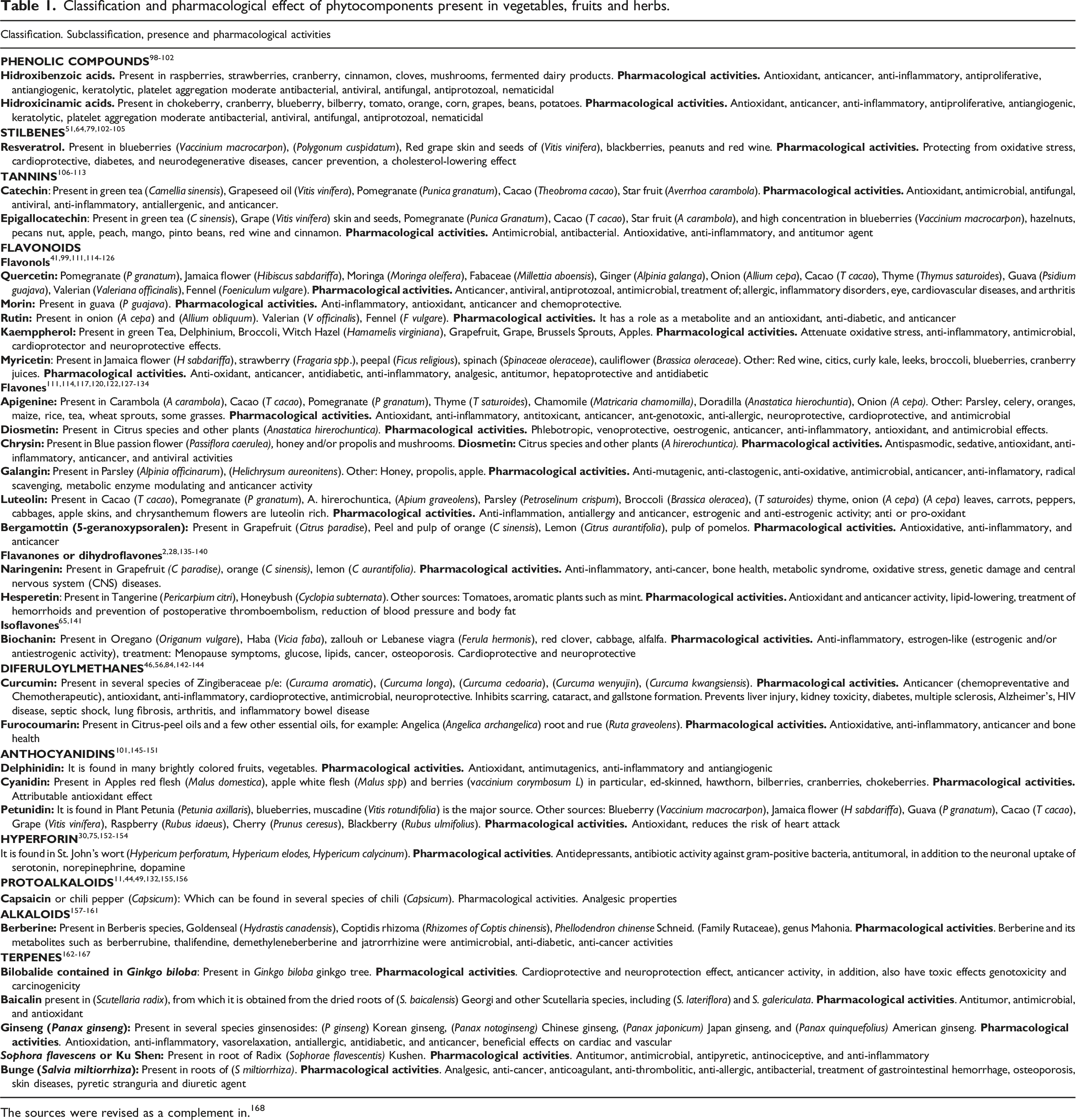
Pchs are substances naturally present in vegetables, fruits and herbs. Over time, they have been incorporated into various food supplements as adjuvants to prevent numerous diseases, especially degenerative ones. Various health benefits has been attributed to Pchs, and this is a reason which they are widely used as everyday products (Table 1).
Classification and pharmacological effect of phytocomponents present in vegetables, fruits and herbs.
Classification. Subclassification, presence and pharmacological activities
STILBENES51,64,79,102-105 Resveratrol. Present in blueberries (Vaccinium macrocarpon), (Polygonum cuspidatum), Red grape skin and seeds of (Vitis vinifera), blackberries, peanuts and red wine. Pharmacological activities. Protecting from oxidative stress, cardioprotective, diabetes, and neurodegenerative diseases, cancer prevention, a cholesterol-lowering effect
TANNINS106-113 Catechin: Present in green tea (Camellia sinensis), Grapeseed oil (Vitis vinífera), Pomegranate (Punica granatum), Cacao (Theobroma cacao), Star fruit (Averrhoa carambola). Pharmacological activities. Antioxidant, antimicrobial, antifungal, antiviral, anti-inflammatory, antiallergenic, and anticancer. Epigallocatechin: Present in green tea (C sinensis), Grape (Vitis vinífera) skin and seeds, Pomegranate (Punica Granatum), Cacao (T cacao), Star fruit (A carambola), and high concentration in blueberries (Vaccinium macrocarpon), hazelnuts, pecans nut, apple, peach, mango, pinto beans, red wine and cinnamon. Pharmacological activities. Antimicrobial, antibacterial. Antioxidative, anti-inflammatory, and antitumor agent
FLAVONOIDS Flavonols41,99,111,114-126 Quercetin: Pomegranate (P granatum), Jamaica flower (Hibiscus sabdariffa), Moringa (Moringa oleífera), Fabaceae (Millettia aboensis), Ginger (Alpinia galanga), Onion (Allium cepa), Cacao (T cacao), Thyme (Thymus saturoides), Guava (Psidium guajava), Valerian (Valeriana officinalis), Fennel (Foeniculum vulgare). Pharmacological activities. Anticancer, antiviral, antiprotozoal, antimicrobial, treatment of; allergic, inflammatory disorders, eye, cardiovascular diseases, and arthritis Morin: Present in guava (P guajava). Pharmacological activities. Anti-inflammatory, antioxidant, anticancer and chemoprotective. Rutin: Present in onion (A cepa) and (Allium obliquum). Valerian (V officinalis), Fennel (F vulgare). Pharmacological activities. It has a role as a metabolite and an antioxidant, anti-diabetic, and anticancer Kaemppherol: Present in green Tea, Delphinium, Broccoli, Witch Hazel (Hamamelis virginiana), Grapefruit, Grape, Brussels Sprouts, Apples. Pharmacological activities. Attenuate oxidative stress, anti-inflammatory, antimicrobial, cardioprotector and neuroprotective effects. Myricetin: Present in Jamaica flower (H sabdariffa), strawberry (Fragaria spp.), peepal (Ficus religious), spinach (Spinaceae oleraceae), cauliflower (Brassica oleraceae). Other: Red wine, citics, curly kale, leeks, broccoli, blueberries, cranberry juices. Pharmacological activities. Anti-oxidant, anticancer, antidiabetic, anti-inflammatory, analgesic, antitumor, hepatoprotective and antidiabetic Flavones111,114,117,120,122,127-134 Apigenine: Present in Carambola (A carambola), Cacao (T cacao), Pomegranate (P granatum), Thyme (T saturoides), Chamomile (Matricaria chamomilla), Doradilla (Anastatica hierochuntia), Onion (A cepa). Other: Parsley, celery, oranges, maize, rice, tea, wheat sprouts, some grasses. Pharmacological activities. Antioxidant, anti-inflammatory, antitoxicant, anticancer, ant-genotoxic, anti-allergic, neuroprotective, cardioprotective, and antimicrobial Diosmetin: Present in Citrus species and other plants (Anastatica hirerochuntica).Pharmacological activities. Phlebotropic, venoprotective, oestrogenic, anticancer, anti-inflammatory, antioxidant, and antimicrobial effects. Chrysin: Present in Blue passion flower (Passiflora caerulea), honey and/or propolis and mushrooms. Diosmetin: Citrus species and other plants (A hirerochuntica).Pharmacological activities. Antispasmodic, sedative, antioxidant, anti-inflammatory, anticancer, and antiviral activities Galangin: Present in Parsley (Alpinia officinarum), (Helichrysum aureonitens). Other: Honey, propolis, apple. Pharmacological activities. Anti-mutagenic, anti-clastogenic, anti-oxidative, antimicrobial, anticancer, anti-inflamatory, radical scavenging, metabolic enzyme modulating and anticancer activity Luteolin: Present in Cacao (T cacao), Pomegranate (P granatum), A. hirerochuntica, (Apium graveolens), Parsley (Petroselinum crispum), Broccoli (Brassica oleracea), (T saturoides) thyme, onion (A cepa) (A cepa) leaves, carrots, peppers, cabbages, apple skins, and chrysanthemum flowers are luteolin rich. Pharmacological activities. Anti-inflammation, antiallergy and anticancer, estrogenic and anti-estrogenic activity; anti or pro-oxidant Bergamottin (5-geranoxypsoralen): Present in Grapefruit (Citrus paradise), Peel and pulp of orange (C sinensis), Lemon (Citrus aurantifolia), pulp of pomelos. Pharmacological activities. Antioxidative, anti-inflammatory, and anticancer Flavanones or dihydroflavones2,28,135-140 Naringenin: Present in Grapefruit (C paradise), orange (C sinensis), lemon (C aurantifolia). Pharmacological activities. Anti-inflammatory, anti-cancer, bone health, metabolic syndrome, oxidative stress, genetic damage and central nervous system (CNS) diseases. Hesperetin: Present in Tangerine (Pericarpium citri), Honeybush (Cyclopia subternata). Other sources: Tomatoes, aromatic plants such as mint. Pharmacological activities. Antioxidant and anticancer activity, lipid-lowering, treatment of hemorrhoids and prevention of postoperative thromboembolism, reduction of blood pressure and body fat Isoflavones65,141 Biochanin: Present in Oregano (Origanum vulgare), Haba (Vicia faba), zallouh or Lebanese viagra (Ferula hermonis), red clover, cabbage, alfalfa. Pharmacological activities. Anti-inflammatory, estrogen-like (estrogenic and/or antiestrogenic activity), treatment: Menopause symptoms, glucose, lipids, cancer, osteoporosis. Cardioprotective and neuroprotective
DIFERULOYLMETHANES46,56,84,142-144 Curcumin: Present in several species of Zingiberaceae p/e: (Curcuma aromatic), (Curcuma longa), (Curcuma cedoaria), (Curcuma wenyujin), (Curcuma kwangsiensis). Pharmacological activities. Anticancer (chemopreventative and Chemotherapeutic), antioxidant, anti-inflammatory, cardioprotective, antimicrobial, neuroprotective. Inhibits scarring, cataract, and gallstone formation. Prevents liver injury, kidney toxicity, diabetes, multiple sclerosis, Alzheimer’s, HIV disease, septic shock, lung fibrosis, arthritis, and inflammatory bowel disease Furocoumarin: Present in Citrus-peel oils and a few other essential oils, for example: Angelica (Angelica archangelica) root and rue (Ruta graveolens). Pharmacological activities. Antioxidative, anti-inflammatory, anticancer and bone health
ANTHOCYANIDINS101,145-151 Delphinidin: It is found in many brightly colored fruits, vegetables. Pharmacological activities. Antioxidant, antimutagenics, anti-inflammatory and antiangiogenic Cyanidin: Present in Apples red flesh (Malus domestica), apple white flesh (Malus spp) and berries (vaccinium corymbosum L) in particular, ed-skinned, hawthorn, bilberries, cranberries, chokeberries. Pharmacological activities. Attributable antioxidant effect Petunidin: It is found in Plant Petunia (Petunia axillaris), blueberries, muscadine (Vitis rotundifolia) is the major source. Other sources: Blueberry (Vaccinium macrocarpon), Jamaica flower (H sabdariffa), Guava (P granatum), Cacao (T cacao), Grape (Vitis vinífera), Raspberry (Rubus idaeus), Cherry (Prunus ceresus), Blackberry (Rubus ulmifolius). Pharmacological activities. Antioxidant, reduces the risk of heart attack
HYPERFORIN30,75,152-154 It is found in St. John's wort (Hypericum perforatum, Hypericum elodes, Hypericum calycinum). Pharmacological activities. Antidepressants, antibiotic activity against gram-positive bacteria, antitumoral, in addition to the neuronal uptake of serotonin, norepinephrine, dopamine
Capsaicin or chili pepper (Capsicum): Which can be found in several species of chili (Capsicum). Pharmacological activities. Analgesic properties
ALKALOIDS157-161 Berberine: Present in Berberis species, Goldenseal (Hydrastis canadensis), Coptidis rhizoma (Rhizomes of Coptis chinensis), Phellodendron chinense Schneid. (Family Rutaceae), genus Mahonia. Pharmacological activities. Berberine and its metabolites such as berberrubine, thalifendine, demethyleneberberine and jatrorrhizine were antimicrobial, anti-diabetic, anti-cancer activities
TERPENES162-167 Bilobalide contained in Ginkgo biloba: Present in Ginkgo biloba ginkgo tree. Pharmacological activities. Cardioprotective and neuroprotection effect, anticancer activity, in addition, also have toxic effects genotoxicity and carcinogenicity Baicalin present in (Scutellaria radix), from which it is obtained from the dried roots of (S. baicalensis) Georgi and other Scutellaria species, including (S. lateriflora) and S. galericulata. Pharmacological activities. Antitumor, antimicrobial, and antioxidant Ginseng (Panax ginseng): Present in several species ginsenosides: (P ginseng) Korean ginseng, (Panax notoginseng) Chinese ginseng, (Panax japonicum) Japan ginseng, and (Panax quinquefolius) American ginseng. Pharmacological activities. Antioxidation, anti-inflammatory, vasorelaxation, antiallergic, antidiabetic, and anticancer, beneficial effects on cardiac and vascular Sophora flavescens or Ku Shen: Present in root of Radix (Sophorae flavescentis) Kushen. Pharmacological activities. Antitumor, antimicrobial, antipyretic, antinociceptive, and anti-inflammatory Bunge (Salvia miltiorrhiza): Present in roots of (S miltiorrhiza). Pharmacological activities. Analgesic, anti-cancer, anticoagulant, anti-thrombolitic, anti-allergic, antibacterial, treatment of gastrointestinal hemorrhage, osteoporosis, skin diseases, pyretic stranguria and diuretic agent
A recent intervention study by Fraga et al.,52 evaluated the metabolism of citrus flavanone and the effect of orange juice on cardiometabolic biomarkers. The authors reported a significant reduction in body fat and blood pressure, suggesting that the consumption of these substances is a good cardioprotective strategy.
Pchs can also have an “anti-diabetic” effect53 by reducing the absorption of carbohydrates in the small intestine, suppressing tissue gluconeogenesis, increasing tissue glucose uptake, protecting pancreatic beta cells, and increasing insulin secretion.53 An in vivo study showed that oral administration of rutin-loaded nanophytosomes for 4 weeks was more effective than free rutin in controlling hyperglycemia and hyperlipidemia in streptozotocin-induced diabetic rats. This “antidiabetic” effect is also evident in the management of blood glucose.54
It should be noted that the beneficial health effects attributed to various Pchs have not yet been fully demonstrated, since there is very little scientific evidence on the pharmacological effect of Pchs. Most of the existing evidence is based on the personal experience of the people who consume them (Table 1).
It is important to consider that consuming Pchs from herbs, fruits, and/or vegetables is not always as safe as it seems. It is generally assumed that “everything natural” is beneficial; however, this is not always true, since it depends on many factors such as dose, characteristics of the population, time of consumption, etc.55
Drug interactions involving cytochrome CYP3A enzymes and P-gp transporter are mediated through genes activation/repression or protein inhibition. The therapeutic importance of these mechanisms can be observed in clinical practice when drugs that are metabolized and/or transported by CYP3A and P-gp are co-administered with Pchs, which produces an alteration of the bioavailability of the drug and/or the elimination of its compounds.
Decrease in Drug Concentrations by Modulation cyp3a/CYP3A by Phytochemicals
One of the most important pharmacokinetic parameters related to drug metabolism is the area under the curve (AUC), which involves: the relationship between maximum concentration (Cmax), maximum time (Tmax), time in which the drug reaches its maximum concentration, and clearance (Cl), the most important parameters used to evaluate the absorption and bioavailability of drugs.
Different substances found in plants, mainly flavonoids or alkaloids, can change the expression of the cyp3a and abcb1 genes and activity of CYP3A cytochrome and P-glycoprotein.
Tables 2 and 3 show the results of preclinical and clinical studies that demonstrated a decrease in the AUC of different drugs. This interaction is highly relevant because it can result in ineffective treatments.
Decrease in drug concentrations by modulation Cyp3A/CYP3A by phytochemicals.
Sophora extract decreases (55%) the IND plasma concentration. Cmax decreases and Tmax and clearance increases.**The expression of CYP3A was increased at nivel mRNA and protein8
EFFECT IN PROTEIN ACTIVITY IN CLINICAL STUDIES IN HUMANS IN HEALTHY VOLUNTEERS
Phenolic compounds
Hyperforin (8 mg) content in tablet with 900 mg of SJW
S miltiorhirza decreases (50%) plasma concentration of CLP. Cmax, Tmax decrease and clearance increase66
*AUC value of drug administered alone (control) and co-administered with (Pch). ** Article reporting expression of cyp3a genes.
***Kidney transplant patients. All PCH were co-administered orally with drug in both preclinical or clinical studies. The Pch structure were obtained from the database of Sigma-Aldrich.168
Decrease in drug concentrations by modulation abcb1/P-PG BY phytochemicals.
Sophora decreases (55%) the IND plasma concentration. Cmax decreases, Tmax and clearance increase. **The expression of P-gp was increased at nivel mRNA and protein8
EFFECT IN PROTEIN ACTIVITY IN CLINICAL STUDIES IN HEALTHY VOLUNTEERS
TERPENES
Bilobalide and ginkgolide in tablets with 240 mg of ginkgo leaf (GBE)
Hyperforin decreases (32%) the plasma concentration of TLOL. Cmax decreases and Tmax increases57
*AUC value of drug administered alone (control) and co-administered with (Pch). **Article reporting expression of abcb1 genes. All PCH were co-administered orally with drug in both preclinical or clinical studies. The Pch structure were obtained from the database of Sigma-Aldrich.168
For example, the AUC of everolimus or cyclosporine decreases after consuming different Pchs, reducing the efficacy of the immunosuppressive treatment (Table 2).26,56
Decreased plasma concentrations of celiprolol, talinolol, digoxin, and nadolol, either due to activation/repression of cyp3a and abcb1 or inhibition of CYP3A and P-gp an result in cardiac decompensation, atrioventricular block and acute myocardial infarction.57-60
There are also reports of a decrease in the systemic concentration of simvastatin, which is used in the treatment of hypercholesterolemia.61
A decrease in the plasma concentration of anxiolytics such as midazolam, alprazolam and buspirone can prevent the desired anxiolytic effect to be achieved, causing patients to suffer anxiety episodes, phobias, panic attacks and intense stress. For midazolam, such a decrease may impair the sedative effect.50,62
It has also been reported that a decrease in the plasma concentration of quazepam due to the administration of St John’s wort could put epileptic patients at risk by interfering with the control of seizures, which could then increase in number and making difficult to control the disease.63
The plasma concentrations of both saquinavir and indinavir decrease in the presence of some Pchs. Treatment failure can be the cause of disease in HIV-positive patients or in those who require antiviral treatment by preventing the viral load to be adequately reduced, thus failing to stop the disease progression.8,64
Patients receiving antineoplastic therapy must take special care with the type and amount of Pchs that are consumed, to avoid a possible therapeutic failure. Some studies have found that biochanin A, present in oregano and broad beans, causes a reduction in the systemic concentration of tamoxifen and its metabolite 4-hydroxytamoxifen (Table 1).25,65
The plasma concentration of the antiplatelet clopidogrel decreases when co-administered with the flavonoids found in Salvia miltiorrhiza,66 which could increase the risk of blood thrombosis and cause cerebrovascular disease or coronary heart disease.
The bioavailability of the antihistamine fexofenadine is affected by the consumption of Ginseng,50,67 which reduces its plasma concentration and increases its Tmax and clearance, diminishing its therapeutic effect (Tables 2 and 3).
The components of Ginkgo biloba affect the bioavailability of theophylline,67 reducing its blood concentration. It is important to avoid co-administration of these two substances since it could lead to asthmatic attacks, bronchospasms, and lack of ventilation, among other conditions.68
Increase in Drug Concentrations by Modulation cyp3a/CYP3A by Phytochemicals
An increase in the AUC of a drug can also be a consequence genes activation/repression cyp3a/abcb1 or inhibition CYP3A/P-gp as shown in Tables 4 and 5.
Increase in drug concentrations by modulation of cyp3a/CYP3A by phytochemicals.
Capsaicin increases (44%) the CSP plasma concentration. Cmax and Tmax increased. Clearance decreases. **The mRNA expression of CYP3A was repressed in the intestine and liver11
CLINICAL STUDIES IN HEALTHY VOLUNTEERS
FLAVONOLS
Quercetin contents in valerian tablets (1.0 g)
Alprazolam (ALP) (2 mg)
AUC ALP alone= 472.18 ng/mL/hAUC ALP+Valerian= 538 ± 240 ng/mL/h
Quercetin increases (14%) the ALP plasma concentration. Cmax increased83
ANTHOCYANINS
300 mL of juice (BBJ) contained a concentration of 700- 2100 mg/mL of total anthocyanins predominated: Delphinidin 44.5 μg/mL, Cyanidin 22.7 μg/mL, Petunidin 29.5 μg/mL)
Bilobalide increased (70%) the LSN plasma concentration. Cmax, Tmax increased and clearance decreased72
*AUC value of drug administered alone (control) and co-administered with (Pch). ** Article reporting expression of cyp3a genes. All PCH were co-administered orally with drug in both preclinical or clinical studies. The Pch structure were obtained from the database of Sigma-Aldrich.168
Increase of drug by modulation of abcb1/P-gp by phytochemical.
Capsaicin increases (44%) the CSP plasma concentration. Cmax and Tmax increased, Clearance is decreased. **The mRNA expression of abcb1 was repressed in the intestine and liver11
Ginseng increased (57%) the PCX plasma concentration. Cmax, Tmax increased and clearance decreases89
*AUC value of drug administered alone (control) and co-administered with (Pch). ** Article reporting expression of abcb1 genes. All Pch were co-administered orally with drug in both preclinical or clinical studies. The Pch figures were obtained from the database of Sigma-Aldrich.169
Concomitant use of Pchs and medications that are CYP3A substrates may expose the patient to drug interactions and severe side effects, thereby affecting treatment adherence, safety and clinical outcome.
Cardiovascular drugs such as verapamil, norverapamil, losartan, diltiazem, felodipine, nicardipine, dihydrofelodipine and nifedipine increase their plasma concentration when combined with some Pchs, which can lead to severe arterial hypotension, bradycardia, and high toxicity, among others.21,28,31,46,57,69-79
An increase in the plasma concentration of anticonvulsants such as triazolam and carbamazepine can produce ataxia, hypotonia, hypotension, respiratory depression, coma, arrhythmia, hemodynamic instability, and death. Carbamazepine, an antiepileptic drug with a narrow therapeutic window, is metabolized to carbamazepine-10,11-epoxide, active metabolite generated by CYP3A. Resveratrol markedly increased the systemic exposure and brain concentration of carbamazepine and its metabolite by inhibiting the CYP3A and P-gp activities. Co-administration of resveratrol with carbamazepine increase the concentration of the drug and its active metabolite in plasma, brain, liver and kidney.51,80,81
An unplanned increase in the plasma concentration of the anxiolytics midazolam, alprazolam and buspirone could cause serious problems: increased respiratory rate, lightheadedness, confusion, depression of superficial reflexes, slightly decreased alertness, ataxia, slurred speech, postural instability and even death.48,59,82-85
An increase in the plasma concentration of immunosuppressants such as cyclosporine could produce toxicity in kidneys and brain.11,86
For some antineoplastic drugs such as methotrexate, doxorubicin, paclitaxel and tamoxifen an increase in their plasma concentrations can cause hematological or myeloid alterations (toxicity) associated with fever, infections, septicemia, septic shock, hemorrhages, tissue hypoxia or death.22-24,33,87-89
An increase in the concentration of the antidepressant aripiprazole can produce mild side effects such as blurred vision, fatigue, headache, insomnia, tremors, but also serious side effects such as suicidal tendencies, cardiovascular disorders (hypotension, venous thromboembolism), seizures, neuroleptic malignant syndrome, among others90 (Tables 4 and 5).
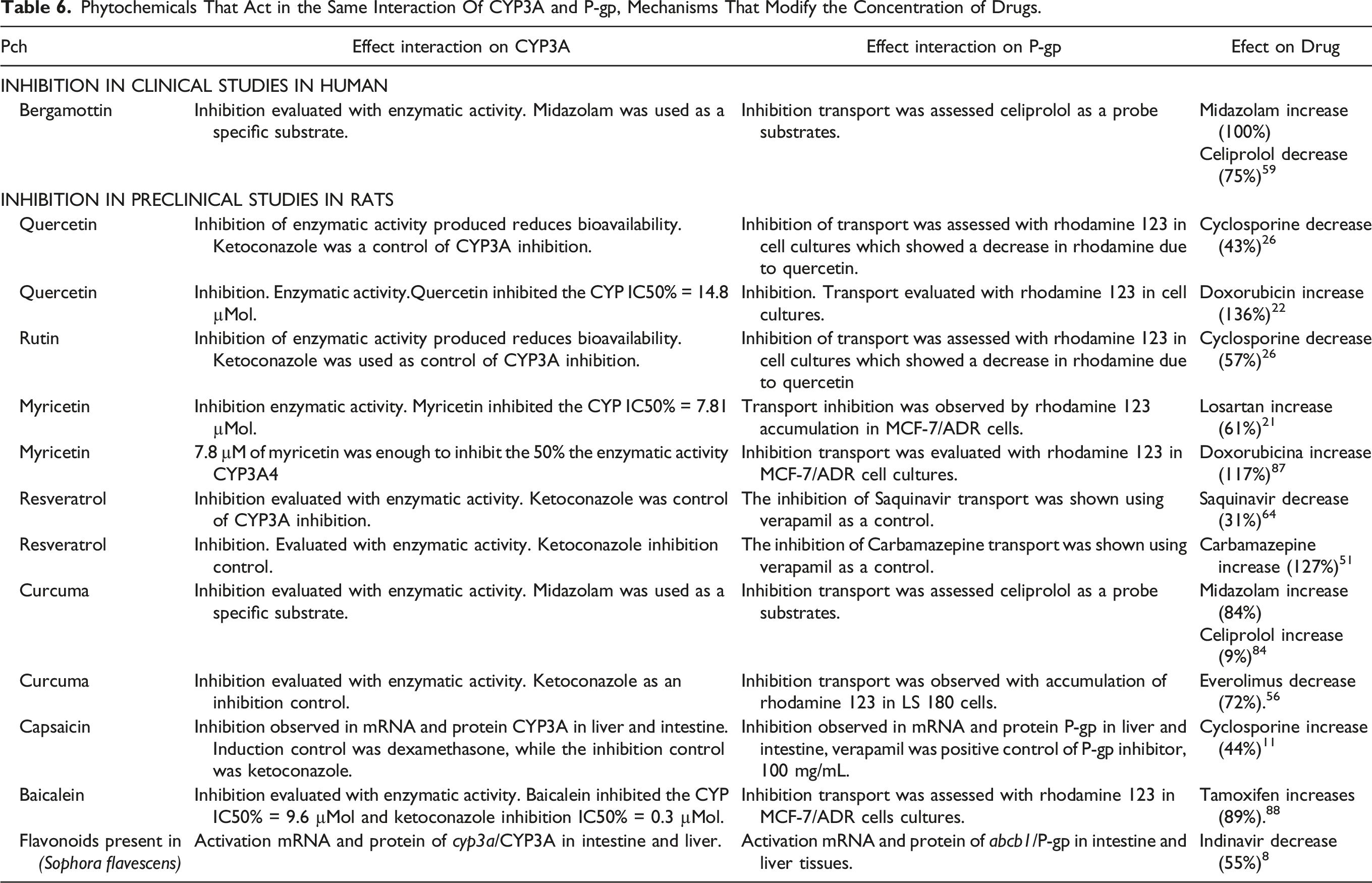
Some terpenes presents in the extract of S. flavescens produces a transcriptional activation of cyp3A and abcb1 genes, meanwhile, capsaicin compounds exhibit cyp3A/abcb1 repression8 (Table 6).
Phytochemicals That Act in the Same Interaction Of CYP3A and P-gp, Mechanisms That Modify the Concentration of Drugs.
Pch
Effect interaction on CYP3A
Effect interaction on P-gp
Efect on Drug
INHIBITION IN CLINICAL STUDIES IN HUMAN
Bergamottin
Inhibition evaluated with enzymatic activity. Midazolam was used as a specific substrate.
Inhibition transport was assessed celiprolol as a probe substrates.
Inhibition observed in mRNA and protein CYP3A in liver and intestine. Induction control was dexamethasone, while the inhibition control was ketoconazole.
Inhibition observed in mRNA and protein P-gp in liver and intestine, verapamil was positive control of P-gp inhibitor, 100 mg/mL.
On the other hand, quercetin, bergamottin, myricetin, naringenin, resveratrol, curcumin, baicalein and capsaicin exhibit inhibition of CYP3A and P-gp proteins; this inhibition affects the AUC of different drugs (increase/decrease), for example: quercetin and rutin reduce the cyclosporine plasma concentration by inhibiting both CYP3A and P-gp,26 however, baicalein increases the tamoxifen concentration by inhibiting the same proteins88
Pchs are popularly associated with various beneficial effects such as antioxidant, anticancer and antidiabetic activity and/or good health in general. However, the existing evidence shows that the co-administration of Pchs with some drugs should be further studied to avoid interactions that cause an increase or decrease in the systemic concentrations of the drug and impact in the effectiveness and/or safety of the treatment.
The evidence also shows that interactions between drugs and Pchs have their origin in the modulation of genes cyp3a/abcb1 or in the inhibtion of both proteins CYP3A/P-gp.
These interactions influence the bioavailability of different drugs that are co-administered with food, fruits, vegetables, beverages, and/or food supplements containing different Pchs, and can cause an underdose or an overdose of the drug.3-5 It is well known that phytomolecules are metabolized through various pathways by phase 1 and 2 enzymes and that they can serve as substrates for drug transporters.91,92 However, further studies are required to evaluate the influence of the various compounds present in the vegetables consumed in the diet, in medicinal herbs, and generally in any food supplement of vegetable origin.
Conclusion
The identification of drugs that interact with Pchs is of great clinical importance. Mainly, for any drug that is a substrate of CYP3A and/or P-gp caution may need to be exercised when prescribing them. This review provides evidence that drug-Pchs interactions may be as important as drug-drug interactions.
A decrease in drug concentration can lead to therapeutic failure, whereas an increase in concentration for some drugs can lead to toxicity. The information gathered in the present review leads to suggest a better understanding of a patient’s diet to make appropriate recommendations for when to take their medication, if drug-food interactions are possible. Additional research is needed to determine the “dose” of the food that provides sufficient concentrations of these compounds to lead to clinically significant interactions.
Limitations of this Literature Review
A limitation was the impossibility to cover all information that has been reported in the literature about the interaction between Pchs and drugs that are substrates of CYP3A and P-gp. This review included data from the last 2 decades. Thus, significant references on this subject may have been omitted.
Footnotes
Abbreviations
Pch. Phytochemical
CYP. Cytochrome
AUC. Area under the curve
P-gp. P-glycoprotein
Authors’ Contributions
All authors meet the following criteria for authorship: (i) made a substantial contribution to the concept or design of the work; or acquisition, analysis or interpretation of data, (ii) drafted the article or revised it critically for important intellectual content, and (iii) approved the version to be published. (iv) All author participated sufficiently in the work to take public responsibility for appropriate portions of the content.
Declaration of Conflicting Interests
The author(s) declared no potential conflicts of interest with respect to the research, authorship, and/or publication of this article.
Funding
The author(s) disclosed receipt of the following financial support for the research, authorship, and/or publication of this article: This article was supported by Project 065/2019 was supported by the E022 program from the resources assigned to the National Institute of Pediatrics.
ORCID iDs
Ailema Gonzalez-Ortiz
Liliana Rivera-Espinosa
References
1.
MaturaJMSheaLABankesVA. Dietary supplements, cytochrome metabolism, and pharmacogenetic considerations. Ir J Med Sci. 2021:20-21. doi:10.1007/s11845-021-02828-4.
2.
ChoiJKoC. Food and drug interaction. J Lifestyle Med. 2017;7(1):1-9. doi:10.15280/jlm.2017.7.1.1.
ZhouSFZhouZWLiCG, et al.Identification of drugs that interact with herbs in drug development. Drug Discov Today. 2007;12(15-16):664-673. doi:10.1016/j.drudis.2007.06.004.
5.
JensenKNiYPanagiotouGKouskoumvekakiI. Developing a molecular roadmap of drug-food interactions. PLoS Comput Biol. 2015;11(2):1-16. doi:10.1371/journal.pcbi.1004048.
ZhouSKohHLGaoYGongZYLeeEJD. Herbal bioactivation: the good, the bad and the ugly. Life Sci. 2004;74(8):935-968. doi:10.1016/j.lfs.2003.09.035.
8.
YangJMIpSPXianY, et al.Impact of the herbal medicine Sophora flavescens on the oral pharmacokinetics of indinavir in rats: the involvement of CYP3A and P-Glycoprotein. PLoS One. 2012;7(2):e31312. doi:10.1371/journal.pone.0031312.
9.
van WaterschootRABSchinkelAH. A critical analysis of the interplay between cytochrome P450 3A and P-glycoprotein: recent insights from knockout and transgenic mice. Pharmacol Rev. 2011;63(2):390-410. doi:10.1124/pr.110.002584.
10.
ZangerUMSchwabM. Cytochrome P450 enzymes in drug metabolism: regulation of gene expression, enzyme activities, and impact of genetic variation. Pharmacol Ther. 2013;138(1):103-141. doi:10.1016/j.pharmthera.2012.12.007.
11.
ZhaiXShiFChenFLuY. Capsaicin pretreatment increased the bioavailability of cyclosporin in rats: involvement of P-glycoprotein and CYP 3A inhibition. Food Chem Toxicol. 2013;62:323-328. doi:10.1016/j.fct.2013.08.068.
12.
Hernández-MartínezNCaballero-OrtegaHDorado-GonzálezV, et al.Tissue-specific induction of the carcinogen-inducible cytochrome P450 isoforms in the gastrointestinal tract. Environ Toxicol Pharmacol. 2007;24(3):297-303. doi:10.1016/j.etap.2007.07.004.
13.
SillsGJBrodieMJ. Pharmacokinetics and drug interactions with zonisamide. Epilepsia. 2007;48(3):435-441. doi:10.1111/j.1528-1167.2007.00983.x.
14.
Vences-MejíaALabra-RuizNHernández-MartínezN, et al.The effect of aspartame on rat brain xenobiotic-metabolizing enzymes. Hum Exp Toxicol. 2006;25:453-460. doi:10.1191/0960327106het646oa.
15.
IzzoAAErnstE. Interactions between herbal medicines and prescribed drugs: an updated systematic review. Drugs. 2009;69(13):1777-1798. doi:10.2165/11317010-000000000-00000.
16.
LiuKHKimMJJeonBH, et al.Inhibition of human cytochrome P450 isoforms and NADPH-CYP reductase in vitro by 15 herbal medicines, including Epimedii herba. J Clin Pharm Ther. 2006;31(1):83-91. doi:10.1111/j.1365-2710.2006.00706.x.
17.
RamanathanMRPenzakSR. Pharmacokinetic drug Interactions with Panax ginseng. Eur J Drug Metab Pharmacokinet. 2017;42(4):545-557. doi:10.1007/s13318-016-0387-5.
18.
LundMPetersenTSDalhoffKP. Clinical implications of P-Glycoprotein modulation in drug–drug interactions. Drugs. 2017;77(8):859-883. doi:10.1007/s40265-017-0729-x.
19.
LazarowskiACzornyjLLubieniekiFGirardiEVazquezSD’GianoC. ABC transporters during epilepsy and mechanisms underlying multidrug resistance in refractory epilepsy. Epilepsia. 2007;48(suppl 5):140-149. doi:10.1111/j.1528-1167.2007.01302.x.
20.
ZhouSF. Structure, function and regulation of P-glycoprotein and its clinical relevance in drug disposition. Xenobiotica. 2008;38(7-8):802-832. doi:10.1080/00498250701867889.
21.
ChoiD-HLiCChoiJ-S. Effects of myricetin, an antioxidant, on the pharmacokinetics of losartan and its active metabolite, EXP-3174, in rats: possible role of cytochrome P450 3A4, cytochrome P450 2C9 and P-glycoprotein inhibition by myricetin. J Pharm Pharmacol. 2010;62(7):908-914. doi:10.1211/jpp.62.07.0012.
22.
ChoiJSPiaoYJKangKW. Effects of quercetin on the bioavailability of doxorubicin in rats: role of CYP3A4 and P-gp inhibition by quercetin. Arch Pharm Res (Seoul). 2011;34(4):607-613. doi:10.1007/s12272-011-0411-x.
23.
KumarKKPriyankaLGnananathKBabuPRSujathaS. Pharmacokinetic drug interactions between apigenin, rutin and paclitaxel mediated by P-glycoprotein in rats. Eur J Drug Metab Pharmacokinet. 2015;40(3):267-276. doi:10.1007/s13318-014-0203-z.
24.
LiCLimSCKimJChoiJS. Effects of myricetin, an anticancer compound, on the bioavailability and pharmacokinetics of tamoxifen and its main metabolite, 4-hydroxytamoxifen, in rats. Eur J Drug Metab Pharmacokinet. 2011;36(3):175-182. doi:10.1007/s13318-011-0036-y.
25.
SinghSPWahajuddinRajuKSRAliMMKohliKJainGK. Reduced bioavailability of tamoxifen and its metabolite 4-hydroxytamoxifen after oral administration with Biochanin A (an Isoflavone) in rats. Phyther Res. 2012;26(2):303-307. doi:10.1002/ptr.3652.
26.
YuCPWuPPHouYC, et al.Quercetin and rutin reduced the bioavailability of cyclosporine from Neoral, an immunosuppressant, through activating P-glycoprotein and CYP 3A4. J Agric Food Chem. 2011;59(9):4644-4648. doi:10.1021/jf104786t.
27.
ZhaoYHellumBHLiangANilsenOG. Inhibitory mechanisms of human CYPs by three alkaloids isolated from traditional chinese herbs. Phyther Res. 2015;29(6):825-834. doi:10.1002/ptr.5285.
28.
BaileyDGDresserGKBendJR. Bergamottin, lime juice, and red wine as inhibitors of cytochrome P450 3A4 activity: Comparison with grapefruit juice. Clin Pharmacol Ther. 2003;73(6):529-537. doi:10.1016/S0009-9236(03)00051-1.
29.
ChuVEinolfHJEversR, et al.In vitro and in vivo induction of cytochrome P450: a survey of the current practices and recommendations: a pharmaceutical research and manufacturers of America perspective. Drug Metab Dispos. 2009;37(7):1339-1354. doi:10.1124/dmd.109.027029.
30.
MooreLBGoodwinBJonesSA, et al.St. John’s wort induces hepatic drug metabolism through activation of the pregnane X receptor. Proc Natl Acad Sci USA. 2000;97(13):7500-7502. doi:10.1073/pnas.130155097.
31.
MaYLZhaoFYinJT, et al.Two approaches for evaluating the effects of galangin on the activities and mRNA expression of seven CYP450. Molecules. 2019;24(6):1171. doi:10.3390/molecules24061171.
32.
ZhaiXFengYLiuJ, et al.Pharmacokinetic effects of capsaicin on vinblastine in rats mediated by CYP3A and Mrp2. Fundam Clin Pharmacol. 2019;33(4):376-384. doi:10.1111/fcp.12448.
33.
YangSYJuangSHTsaiSYChaoPDLHouYC. St. John’s wort significantly increased the systemic exposure and toxicity of methotrexate in rats. Toxicol Appl Pharmacol. 2012;263(1):39-43. doi:10.1016/j.taap.2012.05.020.
34.
KluthDBanningAPaurIBlomhoffRBrigelius-FlohéR. Modulation of pregnane X receptor and electrophile responsive element-mediated gene expression by dietary polyphenolic compounds. Free Radic Biol Med. 2007;42(3):315-325. doi:10.1016/j.freeradbiomed.2006.09.028.
35.
LemmenJTozakidisIEPGallaHJ. Pregnane X receptor upregulates ABC-transporter Abcg2 and Abcb1 at the blood-brain barrier. Brain Res. 2013;1491:1-13. doi:10.1016/j.brainres.2012.10.060.
36.
SacharMMaX. Nuclear receptors in herb-drug interactions. Drug Metab Rev. 2013;45(1):73-78. doi:10.3109/03602532.2012.753902.
37.
ViswakarmaNJiaYBaiL, et al.Coactivators in PPAR-regulated gene expression. PPAR Res. 2010;2010:250126. doi:10.1155/2010/250126.
38.
XuCHuangMBiH. PXR- and CAR-mediated herbal effect on human diseases. Biochim Biophys Acta. 2016;1859(9):1121-1129. doi:10.1016/j.bbagrm.2016.02.009.
39.
LeeKYChoiHSChoiHS, et al.Quercetin directly interacts with vitamin D Receptor (VDR): structural implication of VDR activation by quercetin. Biomol Ther. 2016;24(2):191-198. doi:10.4062/biomolther.2015.122.
40.
HoPSavilleDWanwimolrukS. Inhibition of human CYP3A4 activity by grapefruit flavonoids, furanocoumarins and related compounds. J Pharm Pharm Sci. 2001;4(3):217-227.
41.
TsujimotoMHorieMHondaHTakaraKNishiguchiK. The structure-activity correlation on the inhibitory effects of flavonoids on cytochrome P450 3A activity. Biol Pharm Bull. 2009;32(4):671-676. doi:10.1248/bpb.32.671.
42.
KentUMLinHNoonKRHarrisDLHollenbergPF. Metabolism of bergamottin by cytochromes P450 2B6 and 3A5. J Pharmacol Exp Ther. 2006;318(3):992-1005. doi:10.1124/jpet.105.099887.
43.
MisakaSKawabeKOnoueS, et al.Effects of green tea catechins on cytochrome P450 2B6, 2C8, 2C19, 2D6 and 3A activities in human liver and intestinal microsomes. Drug Metab Pharmacokinet. 2013;28(3):244-249. doi:10.2133/dmpk.DMPK-12-RG-101.
44.
ShamsiSTranHTanRSJTanZJLimLY. Curcumin, piperine and capsaicin: a comparative study of spice mediated inhibition of human cytochrome P450 isozyme activities. Drug Metab Dispos. 2016;45:49-55. doi:10.1124/dmd.116.073213.
45.
CesarTMantheyJMyungK. Minor furanocoumarins and coumarins in grapefruit peel oil as inhibitors of human cytochrome P450 3A4. J Nat Prod. 2009;72(9):1702-1704. doi:10.1021/np900266m.
46.
PaineMFWidmerWWHeartHL, et al.A furanocoumarin-free grapefruit juice establishes furanocoumarins as the mediators of the grapefruit juice – felodipine interaction 1 – 3. Erratum in. Am J Clin Nutr. 2006;83(5):1097-1105. doi:10.1093/ajcn/83.5.1097.
47.
SheuMTLiouYBKaoYHLinYKHoHO. A quantitative structure - Activity relationship for the modulation effects of flavonoids on P-glycoprotein-mediated transport. Chem Pharm Bull. 2010;58(9):1187-1194. doi:10.1248/cpb.58.1187.
48.
NishikawaMAriyoshiNKotaniA, et al.Effects of continuous ingestion of green tea or grape seed extracts on the pharmacokinetics of midazolam. Drug Metab Pharmacokinet. 2004;19(4):280-289. doi:10.2133/dmpk.19.280.
49.
ZhuHDGuNWangMKongHRZhouMT. Effects of capsicine on rat cytochrome P450 isoforms CYP1A2, CYP2C19, and CYP3A4. Drug Dev Ind Pharm. 2015;41(11):1824-1828. doi:10.3109/03639045.2015.1011166.
50.
MalatiCYRobertsonSMHuntJD, et al.Influence of panax ginseng on cytochrome P450 (CYP)3A and p-glycoprotein (P-gp) activity in healthy participants. J Clin Pharmacol. 2012;52(6):932-939. doi:10.1177/0091270011407194.
51.
ChiYCLinSPHouYC. A new herb-drug interaction of Polygonum cuspidatum, a resveratrol-rich nutraceutical, with carbamazepine in rats. Toxicol Appl Pharmacol. 2012;263(3):315-322. doi:10.1016/j.taap.2012.07.003.
52.
FragaLNCoutinhoCPRozenbaumAC, et al.Blood pressure and body fat % reduction is mainly related to flavanone phase II conjugates and minor extension by phenolic acid after long-term intake of orange juice. Food Funct. 2021;12(22):11278-11289. doi:10.1039/d1fo02664j.
53.
Al-ishaqRKAbotalebMKubatkaPKajoKBüsselbergD. Flavonoids and their anti-diabetic effects : cellular mechanisms and effects to improve blood sugar levels. Biomolecules. 2019;9(9):430-435. doi:10.3390/biom9090430.
54.
AmjadiSShahnazFShokouhiB, et al.Nanophytosomes for enhancement of rutin efficacy in oral administration for diabetes treatment in streptozotocin-induced diabetic rats. Int J Pharm. 2021;610(Cdc):121208. doi:10.1016/j.ijpharm.2021.121208.
55.
TachjianAMariaVJahangirA. Use of herbal products and potential interactions in patients with cardiovascular diseases. J Am Coll Cardiol. 2010;55(6):515-525. doi:10.1016/j.jacc.2009.07.074.
56.
HsiehYWHuangCYYangSY, et al.Oral intake of curcumin markedly activated CYP 3A4: in vivo and ex-vivo studies. Sci Rep. 2014;4:1-7. doi:10.1038/srep06587.
57.
SchwarzUIHansoHOertelR, et al.Induction of intestinal P-glycoprotein by St John’s wort reduces the oral bioavailability of talinolol. Clin Pharmacol Ther. 2007;81(5):669-678. doi:10.1038/sj.clpt.6100191.
58.
GurleyBSwainAWilliamsDKBaroneGBattuKS. Gauging the significance of P-glycoprotein mediated herb-drug: Comparative effects of St.John’s wort, echinacea, claritromycin, and rifampin on digoxin pharmacokinetics. Mol Nutr Food res. 2008;52(7):772-779. doi:10.1002/mnfr.200700081.
59.
TanakaSUchidaSMiyakawaS, et al.Comparison of inhibitory duration of grapefruit juice on organic anion-transporting polypeptide and cytochrome p450 3A4. Biol Pharm Bull. 2013;36(12):1936-1941. doi:10.1248/bpb.b13-00538.
60.
MisakaSYatabeJMüllerF, et al.Green tea ingestion greatly reduces plasma concentrations of nadolol in healthy subjects. Clin Pharmacol Ther. 2014;95(4):432-438. doi:10.1038/clpt.2013.241.
61.
DaiLLFanLWuHZ, et al.Assessment of a pharmacokinetic and pharmacodynamic interaction between simvastatin and Ginkgo biloba extracts in healthy subjects. Xenobiotica. 2013;43(10):862-867. doi:10.3109/00498254.2013.773385.
62.
MarkowitzJSDonovanJLDeVaneCL, et al.Effect of St John’s wort on drug metabolism by induction of cytochrome P450 3A4 enzyme. J Am Med Assoc. 2003;290(11):1500-1504. doi:10.1001/jama.290.11.1500.
63.
KawaguchiAOhmoriMTsuruokaSI, et al.Drug interaction between St John’s wort and quazepam. Br J Clin Pharmacol. 2004;58(4):403-410. doi:10.1111/j.1365-2125.2004.02171.x.
64.
LiJLiuYZhangJYuXWangXZhaoL. Effects of resveratrol on P-glycoprotein and cytochrome P450 3A in vitro and on pharmacokinetics of oral saquinavir in rats. Drug Des Devel Ther. 2016;10:3699-3706. doi:10.2147/DDDT.S118723.
65.
SaeedIAAliLJabeenAKhasawnehMRizviTAAshrafSS. Estrogenic activities of ten medicinal herbs from the middle east. J Chromatogr Sci. 2013;51(1):33-39. doi:10.1093/chromsci/bms101.
66.
ZhouhuaCXuMYuHBZhengXTZhongZFZhangtongL. Effects of Danshen capsules on the pharmacokinetics and pharmacodynamics of clopidogrel in healthy volunteers. Food Chem Toxicol. 2018;119:302-308. doi:10.1016/j.fct.2018.02.051.
67.
TangJSunJZhangYLiLCuiFHeZ. Herb-drug interactions: effect of Ginkgo biloba extract on the pharmacokinetics of theophylline in rats. Food Chem Toxicol. 2007;45(12):2441-2445. doi:10.1016/j.fct.2007.05.023.
ChoiJSBurmJP. Effects of oral epigallocatechin gallate on the pharmacokinetics of nicardipine in rats. Arch Pharm Res (Seoul). 2009;32(12):1721-1725. doi:10.1007/s12272-009-2209-7.
70.
SandeepMSSridharVPuneethYBabuPRBabuKN. Enhanced oral bioavailability of felodipine by naringenin in Wistar rats and inhibition of P-glycoprotein in everted rat gut sacs in vitro. Drug Dev Ind Pharm. 2014;40(10):1371-1377. doi:10.3109/03639045.2013.819885.
71.
SridharVSandeepMSBabuPRBabuKN. Evaluation of first-pass cytochrome P4503A (CYP3A) and P-glycoprotein activities using Felodipine and Hesperetin in combination in wistar rats and everted rat gut sacs in vitro. Phyther Res. 2014;28(5):699-705. doi:10.1002/ptr.5040
72.
DongBYuanSHuJYanY. Effects of Ginkgo leaf tablets on the pharmacokinetics of losartan and its metabolite EXP3174 in rats and its mechanism. Pharm Biol. 2018;56(1):333-336. doi:10.1080/13880209.2018.1481107.
73.
ParkJ-wonChoiJ. Role of kaempferol to increase bioavailability and pharmacokinetics of nifedipine in rats. Chin J Nat Med. 2019;17(9):690-697. doi:10.1016/S1875-5364(19)30083-4.
74.
ZhaoQWeiJZhangH. Effects of quercetin on the pharmacokinetics of losartan and its metabolite EXP3174 in rats. Xenobiotica. 2019;49(5):563-568. doi:10.1080/00498254.2018.1478168.
75.
CantoniLRozioMMangoliniAHauriLCacciaS. Hyperforin contributes to the hepatic CYP3A-inducing effect of Hypericum perforatum extract in the mouse. Toxicol Sci. 2003;75(1):25-30. doi:10.1093/toxsci/kfg174.
76.
GoosenTCCilliéDBaileyDG, et al.Bergamottin contribution to the grapefruit juice-felodipine interaction and disposition in humans. Clin Pharmacol Ther. 2004;76(6):607-617. doi:10.1016/j.clpt.2004.08.019.
77.
ChoiJHanH. Pharmacokinetic interaction between diltiazem and morin, a flavonoid, in rats. Pharmacol Res. 2005;52(5):386-391. doi:10.1016/j.phrs.2005.05.011.
78.
KimHJChoiJS. Effects of naringin on the pharmacokinetics of verapamil and one of its metabolites, norverapamil, in rabbits. Biopharm Drug Dispos. 2005;26(7):295-300. doi:10.1002/bdd.459.
79.
HongpyoSChoiD-HChoiJ-S. Effects of resveratrol on the pharmacokinetics of Diltiazem and its major metabolite, desacetyldiltiazem, in rats. Cardiovasc Ther. 2008;26(4):269-275. doi:10.1111/j.1755-5922.2008.00060.x.
80.
BedadaSKNeeratiP. Effect of resveratrol on the pharmacokinetics of Carbamazepine in healthy human volunteers. Phyther Res. 2015;29(3):701-706. doi:10.1002/ptr.5302.
81.
Culm-MerdekKVon-MoltkeLGanL, et al.Effect of extended exposure to grapefruit juice on cytochrome P450 3A activity in humans : Comparison with ritonavir. Clin Pharmacol Ther. 2006;79(3):243-254. doi:10.1016/j.clpt.2005.11.009.
82.
GreenblattDJVon MoltkeLLHarmatzJS, et al.Time course of recovery of cytochrome P450 3A function after single doses of grapefruit juice. Clin Pharmacol Ther. 2003;74(2):121-129. doi:10.1016/S0009-9236(03)00118-8.
83.
DonovanJLDevaneCLChavinKD, et al.Multiple night-time doses of valerian (Valeriana officinalis) had minimal effects on CYP3A4 activity and no effect on CYP2D6 activity in healthy volunteers. Drug Metab Dispos. 2004;32(12):1333-1336. doi:10.1124/dmd.104.001164.
84.
ZhangWTanTMCLimLY. Impact of curcumin-induced changes in P-glycoprotein and CYP3A expression on the pharmacokinetics of peroral celiprolol and midazolam in rats. Drug Metab Dispos. 2007;35(1):110-115. doi:10.1124/dmd.106.011072.
85.
HanleyMJMasseGHarmatzJS, et al.Effect of blueberry juice on clearance of buspirone and flurbiprofen in human volunteers. Br J Clin Pharmacol. 2013;75(4):1041-1052. doi:10.1111/j.1365-2125.2012.04450.x.
86.
PaineMFWidmerWWPusekSN, et al.Further characterization of a furanocoumarin-free grapefruit juice on drug disposition: studies with cyclosporine. Am J Clin Nutr. 2008;87(4):863-871. doi:10.1093/ajcn/87.4.863.
87.
ChoiSJShinSCChoiJS. Effects of myricetin on the bioavailability of doxorubicin for oral drug delivery in rats: possible role of CYP3A4 and P-glycoprotein inhibition by myricetin. Arch Pharm Res (Seoul). 2011;34(2):309-315. doi:10.1007/s12272-011-0217-x.
88.
LiCKimMChoiHChoiJ. Effects of baicalein on the pharmacokinetics of tamoxifen and its main metabolite, 4-hydroxytamoxifen, in rats: possible role of cytochrome p450 3A4 and P-glycoprotein inhibition by baicalein. Arch Pharm Res (Seoul). 2011;34(11):1965-1972. doi:10.1007/s12272-011-1117-9.
89.
BaeJKKimYJChaeHS, et al.Korean red ginseng extract enhances paclitaxel distribution to mammary tumors and its oral bioavailability by P-glycoprotein inhibition. Xenobiotica. 2017;47(5):450-459. doi:10.1080/00498254.2016.1182233.
90.
ZhanYYLiangBQLiXY, et al.The effect of resveratrol on pharmacokinetics of aripiprazole in vivo and in vitro. Xenobiotica. 2016;46(5):439-444. doi:10.3109/00498254.2015.1088175.
91.
VenkataramananRKomoroskiBStromS. In vitro and in vivo assessment of herb drug interactions. Life Sci. 2006;78(18):2105-2115. doi:10.1016/j.lfs.2005.12.021.
92.
SjögrenEAbrahamssonBAugustijnsP, et al.In vivo methods for drug absorption - Comparative physiologies, model selection, correlations with in vitro methods (IVIVC), and applications for formulation/API/excipient characterization including food effects. Eur J Pharm Sci. 2014;57(1):99-151. doi:10.1016/j.ejps.2014.02.010.
93.
ŠemelákováMJendželovskýRFedoročkoP. Drug membrane transporters and CYP3A4 are affected by hypericin, hyperforin or aristoforin in colon adenocarcinoma cells. Biomed Pharmacother. 2016;81:38-47. doi:10.1016/j.biopha.2016.03.045.
94.
MoyaMJosé Gómez-LechónMCastellJVJoverR. Enhanced steatosis by nuclear receptor ligands: a study in cultured human hepatocytes and hepatoma cells with a characterized nuclear receptor expression profile. Chem Biol Interact. 2010;184(3):376-387. doi:10.1016/j.cbi.2010.01.008.
95.
BogaczAMrozikiewiczPMKarasiewiczM, et al.The influence of standardized valeriana officinalis extract on the CYP3A1 gene expression by nuclear receptors in in vivo model. BioMed Res Int. 2014;2014:819093. doi:10.1155/2014/819093.
96.
SaljéKLedererKOswaldSDazertEWarzokRSiegmundW. Effects of Rifampicin, Dexamethasone, St. John’s Wort and Thyroxine on maternal and foetal expression of Abcb1 and organ distribution of Talinolol in pregnant rats. Basic Clin Pharmacol Toxicol. 2012;111(2):99-105. doi:10.1111/j.1742-7843.2012.00866.x.
97.
HongSChoiDChoiJ. Effects of resveratrol on the pharmacokinetics of Diltiazem and its major metabolite, Desacetyldiltiazem, in rats. Cardiovasc Ther. 2008;26:269-275. doi:10.1111/j.1755-5922.2008.00060.x.
98.
MohamadNEYeapSKLimKL, et al.Antioxidant effects of pineapple vinegar in reversing of paracetamol induced liver damage in mice. Chinese Med (United Kingdom). 2015;10(1):7-8. doi:10.1186/s13020-015-0030-4.
99.
VlaseLParvuMParvuEAToiuA. Chemical constituents of three Allium species from romania. Molecules. 2013;18(1):114-127. doi:10.3390/molecules18010114.
100.
ChatuphonprasertWJarukamjornK. Impact of six fruits-banana, guava, mangosteen, pineapple, ripe mango and ripe papaya-on murine hepatic cytochrome P450 activities. J Appl Toxicol. 2012;32(12):994-1001. doi:10.1002/jat.2740.
101.
MartinDABollingBW. A review of the efficacy of dietary polyphenols in experimental models of inflammatory bowel diseases. Food Funct. 2015;6(6):1773-1786. doi:10.1039/c5fo00202h.
102.
HanXZShenTLouHX. Dietary polyphenols and their biological significance. Int J Mol Sci. 2007;8(9):950-988. doi:Doi 10.3390/I8090950
103.
BasheerLKeremZ. Interactions between CYP3A4 and dietary polyphenols. Oxid Med Cell Longev. 2015;2015. doi:10.1155/2015/854015.
104.
CiuluMSpanoNPiloMISannaG. Recent advances in the analysis of phenolic compounds in unifloral honeys. Molecules. 2016;21(4):451. doi:10.3390/molecules21040451.
105.
PandeyKBRizviSI. Plant polyphenols as dietary antioxidants in human health and disease. Oxid Med Cell Longev. 2009;2(5):270-278. doi:10.4161/oxim.2.5.9498.
106.
García-ZebadúaJCReyes-chilpaRHuerta-ReyesM, et al.El árbol tropical Calophyllum brasiliense : una revisión botánica, química, y farmacológica. Rev LA Fac QUÍMICA Farm. 2014;21(2):126-145.
107.
BaeJKimNYunyoungSSoo-YeonKYou-JeongK. Activity of catechins and their applications. Biomed Dermatology. 2020;8(4):1-35. doi:10.1186/s41702-020-0057-8.
108.
Olivas-AguirreFJWall-MedranoAGonzález-AguilarGA, et al.Hydrolyzable tannins; biochemistry, nutritional & analytical aspects and health effects. Nutr Hosp. 2015;31(1):55-66. doi:10.3305/nh.2015.31.1.7699.
109.
CheynierV. Polyphenols in foods are more complex than often thought. Am J Clin Nutr. 2005;81(1 suppl l):15640485. doi:10.1093/ajcn/81.1.223s.
110.
Sharifi-radMRedaelliMZorzanMChoWCSharifi-radJ. Preclinical activities of Epigallocatechin Gallate in signaling pathways in cancer. Molecules. 2020;25(467):1-29.
111.
StarkTBareutherSHofmannT. Sensory-guided decomposition of roasted cocoa nibs (Theobroma cacao) and structure determination of taste-active polyphenols. J Agric Food Chem. 2005;53(13):5407-5418. doi:10.1021/jf050457y.
112.
HosoiSShimizuEArimoriK, et al.Analysis of CYP3A inhibitory components of star fruit (Averrhoa carambola L.) using liquid chromatography-mass spectrometry. J Nat Med. 2008;62(3):345-348. doi:10.1007/s11418-008-0239-y.
113.
ChouTYangMTsengSLeeSChangC. Tea silkworm droppings as an enriched source of tea flavonoids. J Food Drug Anal. 2018;26(1):41-46. doi:10.1016/j.jfda.2016.11.011.
114.
SalamiMRahimmalekMEhtemamMH. Inhibitory effect of different fennel (Foeniculum vulgare) samples and their phenolic compounds on formation of advanced glycation products and comparison of antimicrobial and antioxidant activities. Food Chem. 2016;213:196-205. doi:10.1016/j.foodchem.2016.06.070.
115.
Pereira-CaroGBorgesGNagaiC, et al.Profiles of phenolic compounds and purine alkaloids during the development of seeds of Theobroma cacao cv. Trinitario. J Agric Food Chem. 2013;61(2):427-434. doi:10.1021/jf304397m.
116.
El-SaberBGMagdy BeshbishyAGWasefL, et al.Chemical constituents and pharmacological activities of garlic (Allium sativum L.): a review. Nutrients. 2020;12(3):872. doi:10.3390/nu12030872.
117.
EnogieruABHaylettWHissDCBardienSEkpoOE. Rutin as a potent antioxidant: Implications for neurodegenerative disorders. Oxid Med Cell Longev. 2018;27:6241017. doi:10.1155/2018/6241017.
118.
Calderón-MontañoJBurgos-MorónEPérez-GuerreroCLópez-LázaroM. A review on the dietary flavonoid kaempferol. Mini Rev Med Chem. 2011;11(4):289-344. doi:10.2174/138955711795305335.
119.
JaganathIBCrozierA. Plant Phenolics and Human Health: Biochemistry, Nutrition, and Pharmacology. NJ: John Wiley and Sons; 2010. FragaCG ed, Vol. 223. doi:10.1002/9780470531792.
120.
López-TenorioFADel Valle-MondragónLPastelín-HernándezG. Los flavonoides y el sistema cardiovascular: ¿Pueden ser una alternativa terapéutica?Arch Cardiol Mex. 2006;76(suppl 4):33-45.
121.
Da-Costa-RochaIBonnlaenderBSieversHPischelIHeinrichM. Hibiscus sabdariffa L. - A phytochemical and pharmacological review. Food Chem. 2014;165(165):424-443. doi:10.1016/j.foodchem.2014.05.002.
122.
BrahmiZNiwaHYamasatoM, et al.Effective cytochrome P450 (CYP) inhibitor isolated from thyme (Thymus saturoides) purchased from a Japanese market. Biosci Biotechnol Biochem. 2011;75(11):2237-2239. doi:10.1271/bbb.110328.
123.
Rodríguez-PérezCGilbert-LópezBMendiolaJAQuirantes-PinéRSegura-CarreteroAIbáñezE. Optimization of microwave-assisted extraction and pressurized liquid extraction of phenolic compounds from Moringa oleifera leaves by multiresponse surface methodology. Electrophoresis. 2016;37(13):1938-1946. doi:10.1002/elps.201600071.
124.
RattanachaikunsoponPPhumkhachornP. Contents and antibacterial activity of flavonoids extracted from leaves of Psidium guajava. J Med Plants Res. 2010;4(5):393-396. doi:10.5897/JMPR09.485.
125.
ChudiwalAKJainDPSomaniR. Alpinia galanga Willd.- An overview on phyto-pharmacological properties. Indian J Nat Prod Resour. 2010;1(2):143-149.
126.
SimmenUSaladinCKaufmannPPoddarMWallimannCSchaffnerW. Preserved pharmacological activity of hepatocytes-treated extracts of valerian and St. John’s wort. Planta Med. 2005;71(7):592-598. doi:10.1055/s-2005-871262.
127.
PatelDKPatelKGadewarMTahilyaniV. Pharmacological and bioanalytical aspects of galangin-a concise report. Asian Pac J Trop Biomed. 2012;2(1 suppl L):449-455. doi:10.1016/S2221-1691(12)60205-6.
128.
LinYShiRWangXShenH-M. Luteolin, a flavonoid with potential for cancer prevention and therapy. Curr Cancer Drug Targets. 2008;8(7):634-646. doi:10.2174/156800908786241050.
129.
PalatiniPDe MartinS. Pharmacokinetic drug interactions in liver disease: an update. World J Gastroenterol. 2016;22(3):1260-1278. doi:10.3748/wjg.v22.i3.1260.
130.
CazarolliLHKappelVDPereiraDF, et al.Anti-hyperglycemic action of apigenin-6-C-β-fucopyranoside from Averrhoa carambola. Fitoterapia. 2012;83(7):1176-1183. doi:10.1016/j.fitote.2012.07.003.
131.
AlgamdiNMullenWCrozierA. Tea prepared from Anastatica hirerochuntica seeds contains a diversity of antioxidant flavonoids, chlorogenic acids and phenolic compounds. Phytochemistry. 2011;72(2-3):248-254. doi:10.1016/j.phytochem.2010.11.017.
132.
FahadSBajwaAANazirU, et al.Crop production under drought and heat stress: Plant responses and management options. Front Plant Sci. 2017;8:1-16. doi:10.3389/fpls.2017.01147.
133.
Benavente-GarcíaOCastilloJ. Update on uses and properties of citrus flavonoids: new findings in anticancer, cardiovascular, and anti-inflammatory activity. J Agric Food Chem. 2008;56(15):6185-6205. doi:10.1021/jf8006568.
134.
PatelKGadewarMTahilyaniVPatelDK. A review on pharmacological and analytical aspects of diosmetin: a concise report. Chin J Integr Med. 2013;19(10):792-800. doi:10.1007/s11655-013-1595-3.
135.
LlanesPRVillamilAPLópezCO. Determinación por HPLC de flavanonas en jugos cítricos de variedades cultivadas en Santander. Sci Tech. 2007;33(33):293-294.
136.
ManachCScalbertAMorandCRémesyCJiménezL. Polyphenols: food sources and bioavailability. Am J Clin Nutr. 2004;79(5):727-747. doi:10.1093/ajcn/79.5.727.
137.
Di MajoDGiammancoMLa GuardiaMTripoliEGiammancoSFinottiE. Flavanones in citrus fruit: structure-antioxidant activity relationships. Food Res Int. 2005;38(10):1161-1166. doi:10.1016/j.foodres.2005.05.001.
138.
MaitiKMukherjeeKMuruganVSahaBPMukherjeePK. Exploring the effect of hesperetin-HSPC complex-a novel drug delivery system on the in vitro release, therapeutic efficacy and pharmacokinetics. AAPS PharmSciTech. 2009;10(3):943-950. doi:10.1208/s12249-009-9282-6.
139.
Dugrand-JudekAOlryAHehnA, et al.The distribution of coumarins and furanocoumarins in citrus species closely matches citrus phylogeny and reflects the organization of biosynthetic pathways. PLoS One. 2015;10(11):1-25. doi:10.1371/journal.pone.0142757.
140.
ChenRQiQLWangMTLiQY. Therapeutic potential of naringin: an overview. Pharm Biol. 2016;54(12):3203-3210. doi:10.1080/13880209.2016.1216131.
141.
YuCZhangPLouLWangY. Perspectives regarding the role of biochanin A in humans. Front Pharmacol. 2019;10:1-11. doi:10.3389/fphar.2019.00793.
142.
BambaYYunYSKunugiAInoueH. Compounds isolated from Curcuma aromatica Salisb. inhibit human P450 enzymes. J Nat Med. 2011;65(3-4):583-587. doi:10.1007/s11418-011-0507-0.
143.
BeeversCHuangS. Pharmacological and clinical properties of curcumin. Bot Targets Ther. 2011;1:5-18. doi:10.2147/btat.s17244.
144.
HungWLSuhJHWangY. Chemistry and health effects of furanocoumarins in grapefruit. J Food Drug Anal. 2017;25(1):71-83. doi:10.1016/j.jfda.2016.11.008.
Ben-SimhonZJudeinsteinSTraininT, et al.A “white” anthocyanin-less pomegranate (Punica granatum L.) caused by an insertion in the coding region of the leucoanthocyanidin dioxygenase (LDOX; ANS) gene. PLoS One. 2015;10(11):1-21. doi:10.1371/journal.pone.0142777.
147.
DreiseitelASchreierPOehmeALocherSHajakGSandPG. Anthocyanins and their metabolites are weak inhibitors of cytochrome P450 3A4. Mol Nutr Food Res. 2008;52(12):1428-1433. doi:10.1002/mnfr.200800043.
148.
LeusinkGJKittsDDYaghmaeePDuranceT. Retention of antioxidant capacity of vacuum microwave dried cranberry. J Food Sci. 2010;75(3):311-316. doi:10.1111/j.1750-3841.2010.01563.x.
149.
LiangZLiangHGuoYYangD. Cyanidin 3-o-galactoside: a natural compound with multiple health benefits. Int J Mol Sci. 2021;22(5):1-23. doi:10.3390/ijms22052261.
150.
PatelKJainAPatelDK. Medicinal significance, pharmacological activities, and analytical aspects of anthocyanidins ‘delphinidin’: a concise report. J Acute Dis. 2013;2(3):169-178. doi:10.1016/s2221-6189(13)60123-7.
151.
RajanVKRagiCMuraleedharanK. A computational exploration into the structure, antioxidant capacity, toxicity and drug-like activity of the anthocyanidin “Petunidin”. Heliyon. 2019;5(7):e02115. doi:10.1016/j.heliyon.2019.e02115.
MadabushiRFrankBDrewelowBDerendorfHButterweckV. Hyperforin in St. John’s wort drug interactions. Eur J Clin Pharmacol. 2006;62(3):225-233. doi:10.1007/s00228-006-0096-0.
154.
ZanoliP. Role of hyperforin in the pharmacological activities of St. John’s wort. CNS Drug Rev. 2004;10(3):203-218. doi:10.1111/j.1527-3458.2004.tb00022.x.
155.
VidalMACalderónERománDPérez-BustamanteFTorresLM. Capsaicina tópica en el tratamiento del dolor neuropático. Rev la Soc Esp del Dolor. 2004;11(5):306-318.
156.
FriasBMerighiA. Capsaicin, nociception and pain. Molecules. 2016;21(797):3-33. doi:10.3390/molecules21060797.
157.
WangKFengXChaiLCaoSQiuF. The metabolism of berberine and its contribution to the pharmacological effects. Drug Metab Rev. 2017;49(2):139-157. doi:10.1080/03602532.2017.1306544.
158.
ZhouMDengYLiuM, et al.The pharmacological activity of berberine, a review for liver protection. Eur J Pharmacol. 2021;890(1166):173655. doi:10.1016/j.ejphar.2020.173655.
159.
ZhiDFengPFSunJL, et al.The enhancement of cardiac toxicity by concomitant administration of Berberine and macrolides. Eur J Pharm Sci. 2015;76:149-155. doi:10.1016/j.ejps.2015.05.009.
160.
WangYJiangYMWangYT, et al.Inhibiton of cytochrome P450 isoenzymes and P-gp activity by multiple extracts of Huang-Lian-Jie-Du decoction. J Ethnopharmacol. 2014;156:175-181. doi:10.1016/j.jep.2014.08.044.
161.
ShanYQZhuYPPangJ, et al.Tetrandrine potentiates the hypoglycemic efficacy of berberine by inhibiting P-glycoprotein function. Biol Pharm Bull. 2013;36(10):1562-1569. doi:10.1248/bpb.b13-00272.
162.
HeXFangJHuangLWangJHuangX. Sophora flavescens Ait.: traditional usage, phytochemistry and pharmacology of an important traditional Chinese medicine. J Ethnopharmacol. 2015;172:10-29. doi:10.1016/j.jep.2015.06.010.
163.
HuangTLiuYZhangC. Pharmacokinetics and bioavailability enhancement of Baicalin: a review. Eur J Drug Metab Pharmacokinet. 2019;44(2):159-168. doi:10.1007/s13318-018-0509-3.
164.
KumKYKirchhofRLuickRHeinrichM. Danshen (Salvia miltiorrhiza) on the global market: what are the implications for products’ quality?Front Pharmacol. 2021;12:1-14. doi:10.3389/fphar.2021.621169.
165.
LiYWangQYaoXLiY. Induction of CYP3A4 and MDR1 gene expression by baicalin, baicalein, chlorogenic acid, and ginsenoside Rf through constitutive androstane receptor- and pregnane X receptor-mediated pathways. Eur J Pharmacol. 2010;640(1):46-54. doi:10.1016/j.ejphar.2010.05.017.
166.
MeiNGuoXRenZKobayashiDWadaKGuoL. Review of Ginkgo biloba-induced toxicity, from experimental studies to human case reports. J Env Sci Heal C Env Carcinog Ecotoxicol Rev. 2017;35(1):1-28. doi:10.1080/10590501.2016.1278298.
167.
RajaramanGChenJChangTKH. Ginkgolide A contributes to the potentiation of acetaminophen toxicity by Ginkgo biloba extract in primary cultures of rat hepatocytes. Toxicol Appl Pharmacol. 2006;217(2):225-233. doi:10.1016/j.taap.2006.09.005.
KimS-BChoS-SChoH-JYoonI-S. Modulation of hepatic cytochrome p450 enzymes by curcumin and its pharmacokinetic consequences in sprague-dawley rats. Pharmacogn Mag. 2015;11(44):580. doi:10.4103/0973-1296.172965.
171.
AroldGDonathFMaurerA, et al.No relevant interaction with alprazolam, caffeine, tolbutamide, and digoxin by treatment with a low-hyperforin St John’s wort extract. Planta Med. 2005;71(4):331-337. doi:10.1055/s-2005-864099.
172.
TannergrenCEngmanHKnutsonLHedelandMBondessonULennernäsH. St John’s wort decreases the bioavailability of R- and S-verapamil through induction of the first-pass metabolism. Clin Pharmacol Ther. 2004;75(4):298-309. doi:10.1016/j.clpt.2003.12.012.
173.
BauerSStörmerEJohneA, et al.Alterations in cyclosporin A pharmacokinetics and metabolism during treatment with St John’s wort in renal transplant patients. Br J Clin Pharmacol. 2003;55(2):203-211. doi:10.1046/j.1365-2125.2003.01759.x.
174.
MaiIBauerSPerloffES, et al.Hyperforin content determines the magnitude of the St John’s wort-cyclosporine drug interaction. Clin Pharmacol Ther. 2004;76(4):330-340. doi:10.1016/j.clpt.2004.07.004.
175.
NdukaSOOkontaMJAjaghakuDLAmorhaKCUkweCV. Inhibition of cytochrome P450 3A enzyme by Millettia aboensis: its effect on the pharmacokinetic properties of efavirenz and nevirapine. Rev Bras Farmacogn. 2017;27(2):228-235. doi:10.1016/j.bjp.2016.10.008.
176.
DresserGKUrquhartBLProniukJ, et al.Coffee inhibition of CYP3A4 in vitro was not translated to a grapefruit-like pharmacokinetic interaction clinically. Pharmacol Res Perspect. 2017;5(5):1-10. doi:10.1002/prp2.346.
177.
GurleyBJSwainaHubbardMa, et al.Supplementation with goldenseal (Hydrastis canadensis), but not kava kava (Piper methysticum), inhibits human CYP3A activity in vivo. Clin Pharmacol Ther. 2008;83(1):61-69. doi:10.1038/sj.clpt.6100222.