



Abstract
This study investigates how different fabric types and joining methods affect the mechanical and thermal properties of medical textiles. Thirteen nonwoven fabrics were physically tested, and a selection process was performed using a multi-criteria decision-making approach, specifically, the TOPSIS method, to identify the most suitable materials. The four selected fabrics were then assembled using lockstitch, overlock, and ultrasonic welding techniques, and their mechanical and thermal performances were compared. Results indicated a significant fabric–joining method interaction, showing that no single joining technique achieved optimal performance across all materials. To evaluate real-use thermal behavior, protective coveralls were produced using the two most suitable fabrics (F1 and F6) and assessed through thermal manikin trials. Tests were conducted under standardized conditions, with the manikin dressed in medical scrubs to simulate actual layering during use. The findings revealed that Fabric 6 exhibited higher total and effective thermal insulation compared to Fabric 1, demonstrating better thermal protection without compromising breathability. These outcomes were supported by fabric property tests, in which Fabric 6 showed higher bursting strength and balanced air permeability. Overall, the study highlights the necessity of integrating fabric selection, joining technology, and garment design into a holistic framework to achieve optimal protection and comfort in medical protective clothing.
Keywords
Introduction
Medical textiles refer to textile structures produced for a variety of medical applications and represent a major growth area within technical textiles, which are defined as materials and products manufactured primarily for their technical performance and functional properties rather than esthetic purposes. 1 Medical textiles comprise an extensive range of products, within which nonwoven structures constitute a substantial proportion due to their functional versatility and suitability for diverse healthcare applications, and they are widely utilized in protective garments such as coveralls. Nonwoven technology has recently emerged as a key innovation in textile manufacturing, driving strong growth and being applied across a wide range of disposable and long-lasting products. 2 The global nonwoven fabrics market was valued at approximately USD 56.7 billion in 2024 and is projected to expand to around USD 75.7 billion by 2030, reflecting a compound annual growth rate of about 4.9% during the forecast period. 3
The critical role of medical textiles, particularly nonwoven structures, became even more evident during the COVID-19 pandemic, when the demand for effective protective materials reached unprecedented levels. The COVID-19 pandemic created a profound global health crisis and placed unprecedented strain on healthcare systems, with healthcare workers (HCWs) among the most severely affected groups.4,5
Alongside heavy workloads and intensive care demands, HCWs faced infection risks up to three times higher than the general population. 6 The pandemic highlighted the essential role of personal protective equipment (PPE)-including gowns, masks, gloves, eye protection, and full-body nonwoven coveralls recommended by the WHO-in preventing exposure to biological hazards. 7 However, prolonged use of protective clothing has been linked to adverse health reactions and significant thermal discomfort, particularly under high temperature and humidity, underscoring the need to balance protection with wearer comfort.8,9
A review of the literature reveals that protective coveralls manufactured without considering comfort criteria have led to excessive sweating and moisture-induced skin irritation among healthcare workers and have similarly caused various physiological and psychological discomforts. Fan et al. evaluated healthcare workers’ experiences with PPE use during the COVID-19 outbreak in a Wuhan hospital and identified key challenges, including inappropriate PPE sizing, complex design, doubts about quality and effectiveness, donning/doffing risks, layout of clean/contaminated areas, and discomfort. Ill-fitting coveralls increased contamination risk and physical strain, while overheating and difficulty in removal further reduced comfort and efficiency. 10 Garibaldi et al. compared standard PPE (A) with a redesigned PPE (B) in a study involving healthcare workers in Liberia and a U.S. biocontainment unit. They evaluated range of motion, donning/doffing time, comfort, and perceived risk during simulated patient care activities. All participants reported preferring the newly designed PPE, citing it as more comfortable. 11 Shukla et al. provided a comprehensive technical assessment of the types of fabrics used in the production of personal protective coveralls, the stitching methods employed, and the technical challenges encountered throughout the process. 12 Saran et al., through a review of the literature focusing on the technical aspects of PPE, emphasized the need for the development of materials with antimicrobial coatings, adequate tensile strength, and breathability. They also highlighted the necessity for universal technical specifications and accessible testing infrastructures. 13 Zhu et al. investigated the perceived heat stress caused by PPE among healthcare workers operating under hot weather conditions in Guangzhou during the Delta variant outbreak and revealed an urgent need for improvements in PPE design and implementation. 14 Wang et al. investigated the thermal comfort of medical protective clothing under high temperature and humidity conditions at varying physical activity levels, using physiological indicators (heart rate, sweat rate, skin temperature) and subjective assessments (thermal sensation, wetness, comfort level). Findings indicated that ambient temperature had the most significant impact on mean skin temperature and thermal sensation, with the greatest cooling demand localized in the head, chest, back, and neck areas. The results provide technical insights for the development of localized cooling and environmental control strategies. 9 Jiang et al. examined the thermo-physiological and psychosocial responses of individuals using PPE under different temperatures and activity levels; Yao et al. investigated the impact of indoor temperature and workload on thermal comfort inside PPE; and Jia et al. experimentally analyzed the effects of PPE use on physiological parameters such as respiration, heart rate, and blood pressure.15–17
Turan and Nacar conducted a study with 65 healthcare workers assigned to COVID-19 pandemic units, examining PPE usage durations and related adverse reactions; they reported that coveralls were used for an average of 2.03 ± 1.97 h during an 8-h shift and caused skin reactions such as itching (71.4%), acne (42.9%), and rashes (21.4%). 18 Hu et al. (2020), in a study conducted with 61 healthcare workers, reported that 60.7% experienced adverse skin reactions due to PPE use. The most commonly reported symptoms were dry skin (36.1%), itching (34.4%), rash (11.5%), and swelling (3.28%). 19 Darlenski and Tsankov noted that prolonged contact with PPE and excessive hygiene practices exacerbated pre-existing skin conditions and led to various dermatological issues. 20 Similarly, Vidua et al. stated that extended PPE usage resulted in significant physical discomforts such as fatigue, dehydration, headaches, and excessive sweating, which also contributed to occupational difficulties. 21
One of the methods used to evaluate the comfort parameters of personal protective equipment is thermal manikins. Along with thermal manikins, modeling of the human body, clothing, and environmental systems is also important for predicting human performance under various conditions. Thermal manikins are critically important tools for the objective and accurate assessment of thermal comfort or stress. Pamuk et al. (2008) analyzed the thermal comfort properties of different disposable surgical gowns using a thermal manikin, evaluating factors such as air permeability and garment insulation, and emphasized that thermal manikin tests are effective in assessing the thermal performance of fabrics under real-use conditions. 22 Abreu et al. evaluated the thermal comfort of 12 different SMS non-woven disposable surgical gowns used by healthcare professionals in operating rooms using a thermal manikin. The results showed statistically significant differences in thermal insulation among the gowns and emphasized that surgical garments should be breathable, comfortable, and capable of facilitating heat exchange to reduce thermal stress in healthcare professionals. 23
Another critical factor determining the protective efficiency, durability, and overall performance of personal protective coveralls is the joining method (such as stitching or welding) used in the assembly of these garments from the selected fabrics. Single-use personal protective equipment is typically manufactured from nonwoven fabrics. In the assembly of these materials, both conventional sewing techniques and ultrasonic welding systems are employed. This constitutes a distinct area of research, with existing studies available in the literature addressing this subject.24–28
This study aimed to investigate the physical and thermal comfort properties of nonwoven fabrics, which are widely preferred in the production of medical textiles. Thirteen fabric structures, commonly used in the manufacturing of protective coveralls, were procured and subjected to mechanical and thermal comfort tests. To evaluate the applicability of different joining techniques in coverall production, the physical and thermal properties of these 13 nonwoven surfaces were comparatively assessed using the TOPSIS method, one of the Multi-Criteria Decision-Making (MCDM) approaches. Based on this analysis, four fabrics with the best performance characteristics were identified. Subsequently, joining tests were conducted on these selected fabrics, leading to the determination of the most suitable single fabric. Using this fabric, two different protective cover all models were produced, and their thermal comfort properties were objectively analyzed under controlled climatic conditions through thermal manikin tests. In this way, a holistic evaluation encompassing both material selection and model design was achieved, resulting in the development of a coverall design that provides optimal comfort for healthcare workers.
Material and method
This study involves a multi-stage research process aimed at reducing thermal discomfort problems encountered by healthcare workers during long-term use, focusing on the design of a new generation protective cover all. The study was conducted in five main stages: (1) procurement of fabrics and mechanical and physical testing, (2) multi-criteria decision-making (TOPSIS) analysis, (3) evaluation of joining methods, (4) determination of the most suitable fabric and production of the coverall, (5) performance analysis of different coverall models during use (Figure 1).

Experimental flow diagram.
Material
Thirteen different nonwoven surfaces with varying structural and functional properties, commonly used in the field of medical textiles, were evaluated. The selected fabrics differ in terms of fiber type (polypropylene, polyester, polyethylene, etc.), surface structure (spunbond, melt blown, etc.), and the number of layers. The details of the evaluated surfaces are presented below (Table 1).
Characteristics of fabric samples.
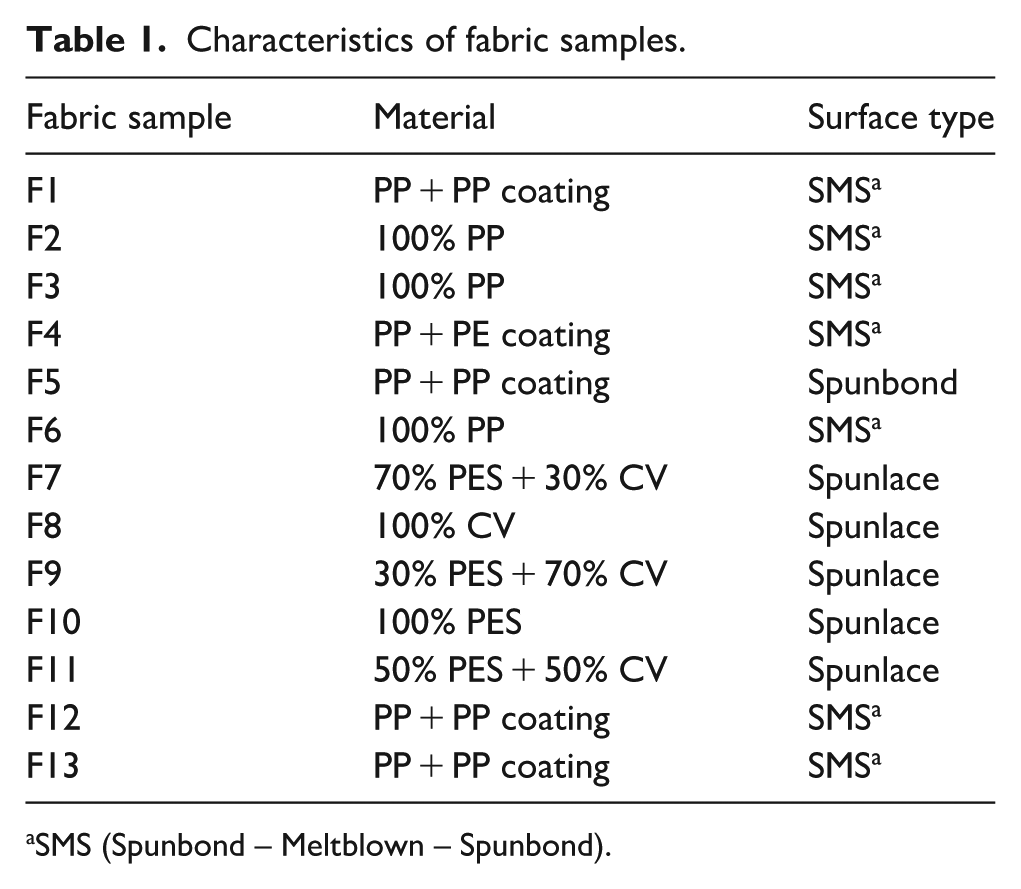
SMS (Spunbond – Meltblown – Spunbond).
Methodology
The methodology of the study consists of five steps, as illustrated in Figure 1, and is explained below.
Step-1: Fabric procurement & preliminary tests
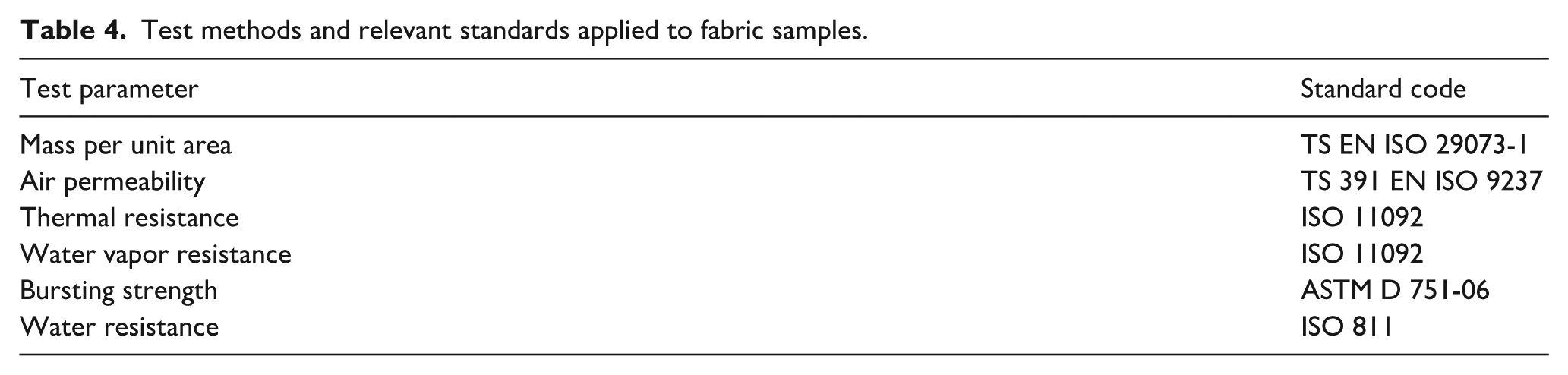
All fabrics included in the experimental plan were initially subjected to the following tests29–33:
The measurements obtained from these tests were used to quantitatively determine the thermal comfort, barrier properties, and usability of the fabrics.
Step-2: TOPSIS analysis
In this study, a total of 13 fabric samples with different structural characteristics were subjected to a series of mechanical and thermal tests in order to comprehensively evaluate their performance. The overarching goal was to identify the most suitable fabric for protective cover all production by considering parameters related to comfort, barrier efficiency, and durability. Given the multiplicity of evaluation criteria, the study is particularly well-suited for the application of Multi-Criteria Decision-Making (MCDM) techniques to ensure an objective and systematic selection process. In light of the complex and multi-dimensional nature of the evaluation, TOPSIS was selected as a suitable MCDM technique to ensure an objective ranking of fabric alternatives.
TOPSIS method was introduced for the first time by Yoon and Hwang. The main idea of the method is to obtain the solution which is closest distance from the positive ideal solution and farthest from the negative ideal solution. Process steps of the TOPSIS methods are presented below (Table 2).34,35
Application steps of the TOPSIS method.
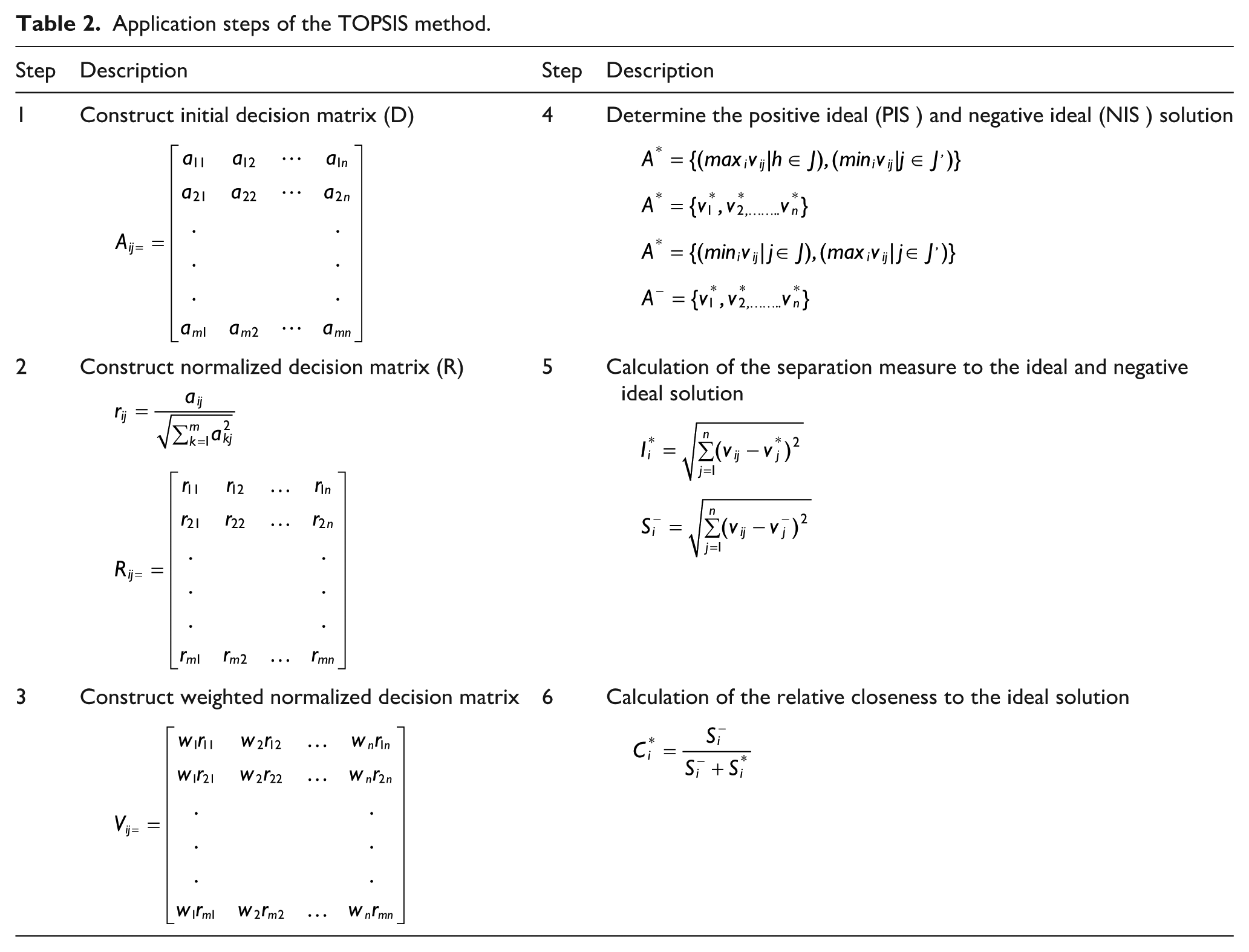
The value of
Step-3: Joining methods evaluation
The four fabrics selected as a result of the TOPSIS analysis were evaluated in terms of different joining methods that could be used in the production stage. The fabrics were joined using conventional joining methods (double-stitch sewing, 3-thread overlock sewing) and the ultrasonic welding method. After the joining processes of the surfaces, an analysis of the air permeability and water resistance properties is planned to ensure medical protection in the seam areas. In addition to these tests, the strength of the seams during wear and use was also checked. A decrease in strength in the seam areas means that these areas are damaged during wear and use, resulting in a loss of protection. Therefore, it is considered that the strength of these areas should be higher than that of the surface itself. To verify this, seam strength tests were performed on the samples.
Step-4: Selection of optimal fabric & cover all production
Considering both the fabric test results and the joining performance results, two fabrics were deemed the most suitable. Using these selected fabrics, was determined a one-piece protective cover all with a hood, one of the most common model on the market. The production of the protective cover all was carried out by taking into account the test results of the joining methods examined in the study.
Step-5: Performance evaluation & analysis
In addition to conventional two-dimensional fabric measurements, three-dimensional evaluations are essential to realistically assess the thermal performance of garments in actual use. While fabric-level tests are performed on flat, two-dimensional surfaces, thermal manikin testing enables the evaluation of materials after they are transformed into three-dimensional garment forms, thereby capturing the effects of garment fit, air layers, and body–clothing interaction. Thermal manikin testing provides such an approach by simulating the interaction between the human body, clothing, and the environment. In this study, thermal manikin evaluations were conducted to analyze the thermal insulation of protective cover all models under standardized conditions. Since the thermal manikin used in this research is a dry thermal manikin, it should also be noted that the present study focused on dry heat transfer and thermal insulation properties. Therefore, moisture transport (e.g. sweating simulation or evaporative resistance) was not assessed.
The experiments were carried out using a female thermal manikin (PT-Teknik, Denmark), corresponding to European size 38 with a height of 170 cm. The manikin is divided into 20 thermally independent zones, each capable of measuring dry heat transfer. Tests were performed in a climate-controlled chamber maintained at 22°C ± 1°C air temperature and 68% ± 2% relative humidity (In order to simulate the hospital environment). 36 The manikin was operated in the Constant Skin Temperature (CST) mode with a skin temperature set at 33°C ± 0.2°C, in accordance with ISO 9920:2007. 37 During the trials, the manikin was positioned approximately 0.1 m above the floor with freely hanging arms and legs to simulate a natural standing posture. Each thermal manikin test was conducted over a 30-min measurement period and the data were recorded at 1-min intervals. The statistical evaluations were performed by considering each minute-based data as an individual repetition, resulting in 30 repeated measurements.
To represent real-life use conditions, the manikin was first dressed in medical scrubs set, commonly worn by healthcare professionals. Each protective cover all was then worn over the scrubs during testing (Figure 2). The air layer insulation (Ia) was calculated based on the heat loss data obtained while the manikin was dressed in scrubs only. This procedure enabled the evaluation of the thermal performance of the protective cover alls as the outermost layer in a layered clothing system.

The visuals of the thermal manikin dressed in both scrubs and protective cover all’s.
The total clothing insulation (IT) was calculated according to the global method,38–41 as presented in equation (1):

Where:
The effective clothing insulation (Icle) was then obtained as the difference between the total clothing insulation and the boundary air layer insulation, as shown in equation (2):

Results and discussion
In this section, the findings obtained from the experimental studies on the developed protective cover all’s are presented. The evaluation of fabrics using the TOPSIS method, the performance analysis of joining techniques, and the comparative results regarding the comfort properties of different model designs are examined in detail. The data obtained provide a holistic assessment of protective cover all’s in terms of both material selection and design optimization.
Fabric test results
The test results obtained from the analyses conducted on the fabrics are presented below (Table 3).
Test results of the fabric samples.

TOPSIS analysis
According to the test results, the TOPSIS method was employed to identify the four most suitable fabric types. In the application of the TOPSIS method, the 13 selected nonwoven surfaces constituted alternatives, while both comfort-related parameters (air permeability, water vapor permeability, and thermal resistance) and protective performance parameters (water resistance and fabric mass per unit area) were defined as evaluation criteria. The test results of the 13 fabric alternatives according to the related criteria, presented in Table 4, constitute the initial decision matrix of the method.
Test methods and relevant standards applied to fabric samples.
A systematic scoring method, informed by expert opinions and a literature review, was employed to determine both the relative importance and the optimization orientation of each criterion (benefit- or cost-oriented). The stage of determining and weighting the criteria during the analysis process was carried out based on the opinions of 20 experts consisting of experienced industry professionals and academic researchers in the field of medical textiles and protective clothing. The experts were asked to evaluate the relative importance of the identified criteria considering the functional requirements of protective cover all’s based on their knowledge of the literature and practical experience. Accordingly, pairwise comparison matrices were used, and the final criterion weights were calculated based on these evaluations. These values were then incorporated into the TOPSIS analysis to ensure a balanced and robust evaluation. Experts rated each criterion on a 0–100 scale, and the resulting weights are presented in Figure 3.

Decision criteria, weights, and type of orientation.
In the TOPSIS analysis, the criterion orientation is defined according to the nature of performance. Parameters that enhance user comfort and durability, such as air permeability, bursting strength and water resistance are evaluated as maximization, while parameters that could increase thermal load, such as mass per unit area, thermal resistance and water vapor resistance are considered minimization. The selection process was performed using the TOPSIS method based on the criteria and weights presented in the evaluation framework. In this approach, Air Permeability (0.30), Bursting Strength (0.10), and Water Resistance (0.05) were defined as benefit criteria to be maximized, while Mass per Unit Area (0.25), Thermal Resistance (0.15), and Water Vapor Resistance (0.15) were defined as cost criteria to be minimized. Accordingly, fabrics that simultaneously maximize desirable properties and minimize unfavorable parameters were identified as the most suitable alternatives. Therefore, the rationale for selecting the most suitable fabrics is that they represent the alternatives that best satisfy these defined conditions. Accordingly, the decision matrix was normalized, a weighted normalized decision matrix was created, and positive/negative ideal solutions were determined.
Based on this information, TOPSIS scores and ranking values are presented in Table 2. Since a higher Ci* value indicates greater proximity to the positive ideal solution, the alternative with the maximum Ci* represents the most suitable choice, and the descending ranking of the alternatives is given in Table 5.
TOPSIS results and ranking of fabric samples.

Accordingly, based on the TOPSIS scores, fabrics 6, 4, 1, and 3 were identified as ranking among the top four.
It should be noted that seam leakage was not included as a primary criterion in the TOPSIS-based material selection stage, as it is predominantly influenced by the joining method and process parameters rather than the intrinsic properties of the fabric. Therefore, seam-related performance, including water resistance and leakage behavior, was evaluated separately in the subsequent stage of the study through joining method analysis. This approach enabled a clearer distinction between material-dependent and assembly-dependent performance characteristics.
Joining methods results
The four fabrics identified through the TOPSIS analysis were joined using three different joining methods: lockstitch, 3-thread overlock stitch, and ultrasonic welding. Subsequently, the specified tests were applied to these samples and the obtained results are presented in Table 6. The obtained results revealed significant variations in the performance of the joining methods depending on the structural characteristics of the fabrics.
Seam strength (N), air permeability (100 Pa, l/m2/s, 5 cm2) and water resistance (mmH2O column) test results.
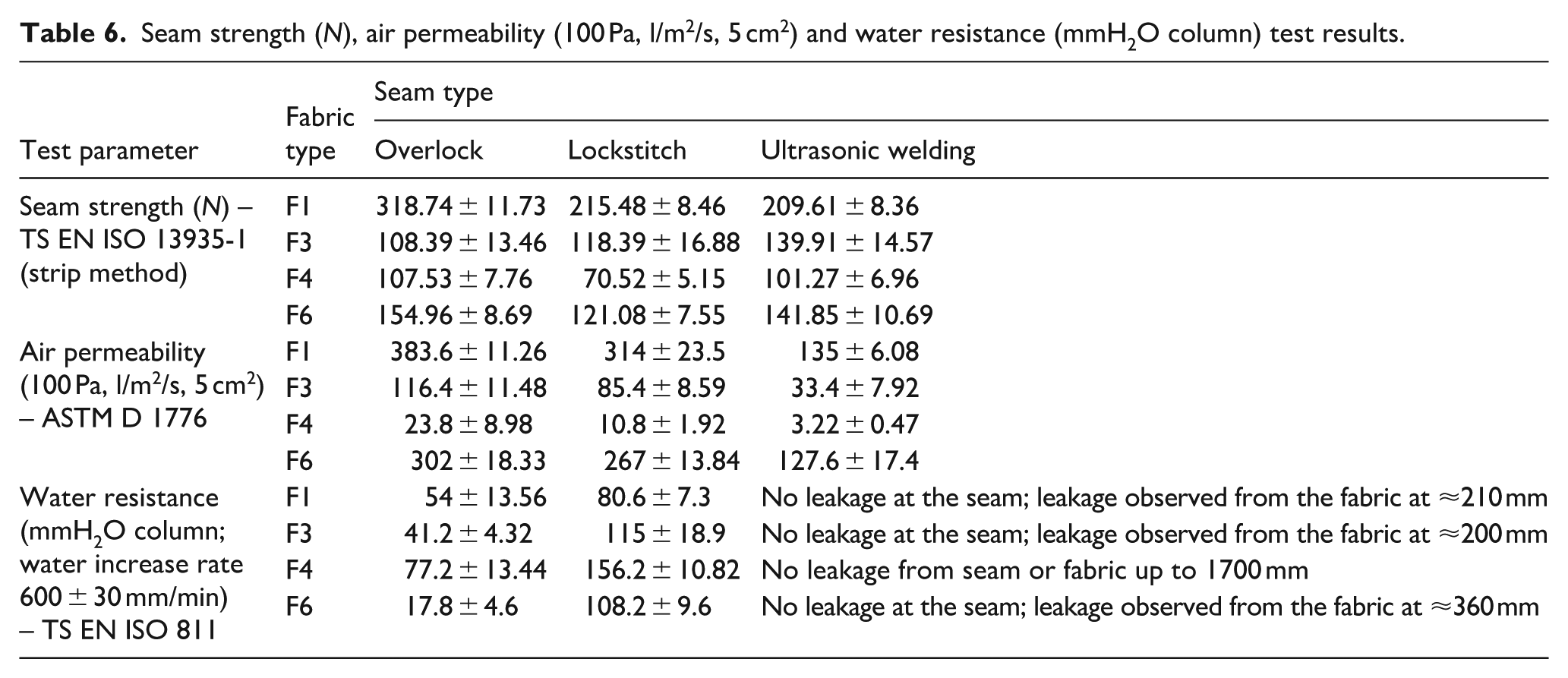
In the seam strength tests, the overlock stitch yielded the highest average values for Fabric 1 and Fabric 6, while the ultrasonic method showed the highest result for Fabric 3, and for Fabric 4, the overlock was slightly superior to the ultrasonic seam. This indicates a clear fabric–joining method interaction, suggesting that no single technique demonstrates universal superiority across all fabrics. Moreover, the overlock seam, among conventional mechanical joining techniques, provided up to approximately 30% higher strength.
For all four fabrics, the performance ranking followed the order: Overlock > Lockstitch > Ultrasonic. The overlock seam exhibited the highest air permeability, whereas the ultrasonic seam restricted air passage the most. These findings indicate that the ultrasonic joining process partially seals the fabric pores, reducing air permeability by about 65%–70%. While this offers an advantage in terms of barrier performance, it requires careful consideration with respect to thermal comfort. Although Fabric F4 exhibited zero air permeability at the fabric level due to its coated structure, a small amount of air permeability (3.22 l/m2/s) was observed after ultrasonic welding. This can be attributed to the combined effect of pressure and ultrasonic energy during the welding process, which may locally modify the coated surface by thinning the laminate layer and displacing the coating material to the sides of the seam line. As a result, micro-scale pathways may form in the seam region, allowing limited air passage. This phenomenon is more likely to occur in thin laminated nonwoven structures. Increasing the coating thickness or optimizing welding parameters may help prevent such localized permeability changes.
In all four fabrics, the lockstitch seam showed higher average hydrostatic head values compared to the overlock. Although no numerical averages were provided for the ultrasonic seams, experimental observations clearly revealed no leakage along the seam line; instead, water penetration generally occurred through the fabric body itself (particularly in Fabrics 1, 3, and 6). For Fabric 4, however, no leakage was observed through either the seam or the fabric up to 1700 mm, highlighting the remarkable superiority of the Ultrasonic + Fabric 4 combination in terms of water barrier performance.
Fabric selection and cover all production details
In general evaluation:
In terms of seam strength: Fabrics 1 and 6 provided the highest average values (318.74 and 154.96 N, respectively), particularly when joined with the overlock seam. These fabrics are suitable candidates for protective garments that require high mechanical durability.
In terms of air permeability: Fabrics 1 and 6 again stood out; both showed higher permeability values with the overlock method (382.6 and 302 l/m2/s) compared to the other fabrics. This provides an advantage in terms of thermal comfort during prolonged use.
In terms of water resistance: When Fabric 4 was tested using the ultrasonic joining method, it withstood water pressure up to 1700 mm without any penetration through either the seam or the fabric, making it the most suitable option for environments that demand high barrier performance.
When the relationships between fabric mass, air permeability, and thermal resistance were evaluated, it was observed that thermal insulation did not decrease proportionally with increasing air permeability. Although Fabrics 1 and 6 exhibited relatively high air permeability values (292.1 and 286.2 l/m2/s, respectively), Fabric 6 demonstrated a higher thermal resistance (10.60 m2K/W) than Fabric 1 (7.07 m2K/W), despite comparable mass per unit area (41.77 vs 31.37 g/m2). This indicates that thermal insulation in nonwoven fabrics is governed not only by air permeability, but also by fabric mass and the ability of the fibrous structure to entrap still air.
Since the design aimed for long-term wear and comfort, Fabrics 1 and 6 were selected, and the samples were primarily assembled using the overlock seam method. Only the front zipper joints of the cover all’s were produced using the ultrasonic welding technique, as it provides a strong barrier and prevents liquid penetration.
Based on the findings obtained from the joining performance tests, protective cover all’s were produced using the fabric types considered most suitable. The protective cover all was designed as a one-piece garment with an integrated hood, representing a commonly used PPE configuration. The pattern was developed with a relatively loose fit to allow sufficient air layers between the body and the garment, which is critical for thermal comfort. Seam placements were distributed along major body lines (such as side seams, sleeve joints, and leg connections) to ensure structural integrity while minimizing restriction of movement. This design approach reflects typical industrial PPE construction and enables a more realistic evaluation of thermal performance under use conditions. Overlock stitching and ultrasonic welding were employed in the garment assembly, and the details of these seams are presented below (Figure 4). The superimposed seam method was used for both overlock stitching and ultrasonic joining.
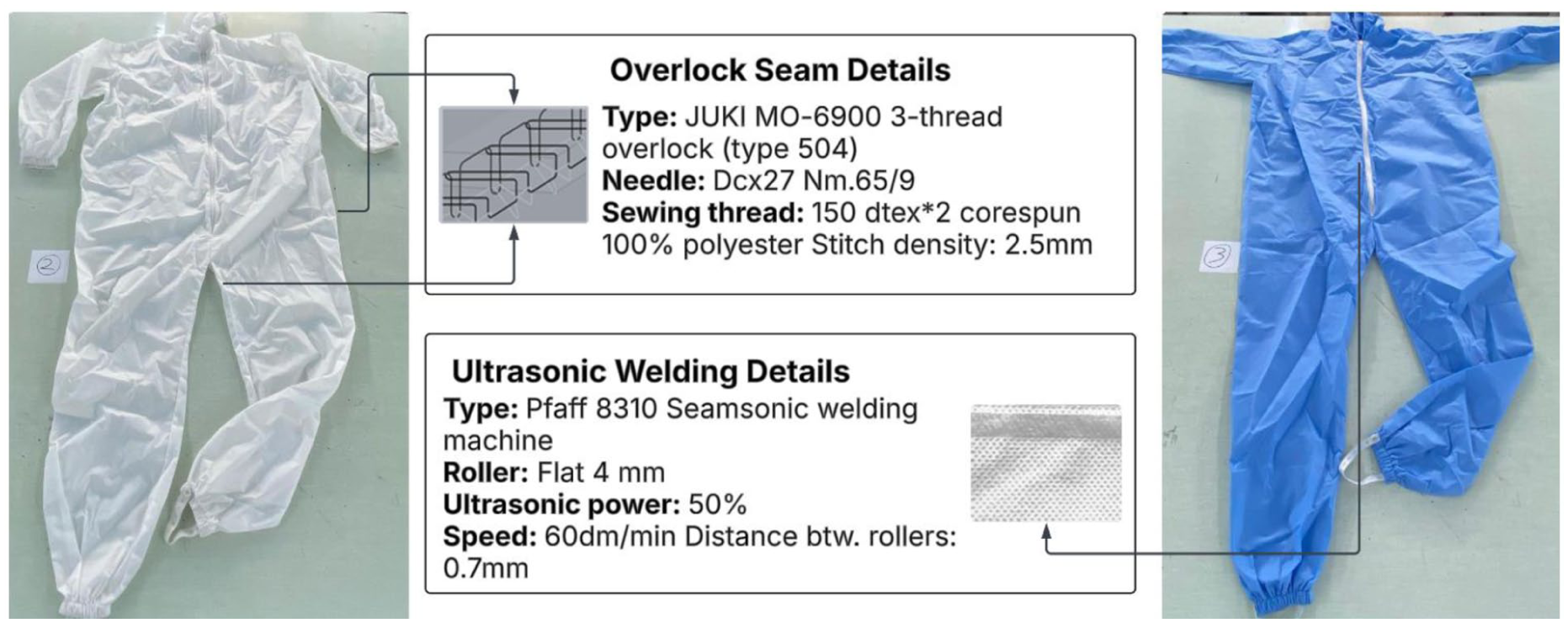
Technical parameters of the joining methods and the sewn coverall models.
Thermal manikin evaluation results
Thermal manikin evaluations were conducted on the protective cover all model produced with two selected fabric structures. The total clothing insulation (IT), air layer insulation (Ia), and effective clothing insulation (Icle) values are presented in Table 7.
The thermal insulation and the effective clothing insulation values of evaluated samples.

As shown in Table 7, both fabrics exhibited comparable total insulation (Figure 5), however, when the boundary air layer insulation (Ia) was subtracted, a clear difference in effective insulation (Icle) emerged. Fabric 6 demonstrated significantly higher Icle values (0.051 ± 0.004 m2K/W) compared to Fabric 1 (0.034 ± 0.008 m2K/W, p < 0.001), indicating superior thermal performance of Fabric 6 under standardized conditions.

Thermal insulation comparison of protective coveralls.
Statistical analyses were conducted to compare the thermal insulation values of the protective coveralls produced with Fabric 1 and Fabric 6. Shapiro–Wilk tests indicated that Icle values of both fabrics were normally distributed (p > 0.05), whereas IT values did not follow a normal distribution (p < 0.05). Levene’s test revealed unequal variances for Icle (p < 0.05), while variances were homogeneous for IT (p > 0.05).
Independent samples t-tests demonstrated that both IT and Icle values differed significantly between the two fabrics. Fabric 6 exhibited higher total insulation (IT; t = −7.40, p < 0.001) and effective clothing insulation (Icle; t = −10.19, p < 0.001) compared to Fabric 1. These results indicate that Fabric 6 provides superior thermal protection under standardized testing conditions.
The results of the fabric property tests supported the findings of the thermal manikin evaluations. Fabric 6 exhibited higher weight (241 vs 194 g/m2) and superior bursting strength (320 vs 210 kPa) compared to Fabric 1. Although Fabric 6 demonstrated higher air permeability (10.6 vs 7.1 mm/s), which typically enhances breathability, its overall structure provided greater effective thermal insulation. This may be explained by the balance between material density and air entrapped within the fabric, which contributed to improved insulation while maintaining adequate air exchange. Similar trends have been reported in previous studies, where the relationship between fabric mass, density, and air permeability in nonwoven structures was highlighted and the low thermal conductivity values of nonwoven fabrics were shown to provide effective thermal insulation.42,43 The superior mechanical performance of Fabric 6 also suggests greater durability under practical use conditions, further reinforcing its suitability for protective coveralls.
In general, the findings of this study are in good agreement with previous research on protective nonwoven materials and personal protective equipment (PPE), particularly regarding the trade-off between barrier performance and thermal comfort. Earlier studies have consistently reported that high barrier efficiency in PPE, while essential for protection, often leads to increased thermal burden and discomfort during prolonged use.9,14 Similar to the observations of Pamuk et al. (2008) and Abreu et al. (2014), the present thermal manikin results demonstrate that differences in fabric structure and assembly significantly influence effective clothing insulation, even when total insulation values appear comparable.22,23 The superior performance of Fabric 6 in terms of effective thermal insulation (Icle), despite its relatively high air permeability, supports previous findings indicating that thermal behavior in nonwoven PPE is governed not only by permeability but also by fabric mass, fiber arrangement, and the ability to entrap still air. 44 Furthermore, the observed interaction between fabric type and joining method aligns with earlier studies emphasizing that seam construction plays a critical role in determining both durability and barrier integrity in protective garments. 12 Overall, the results reinforce the view that optimal PPE performance can only be achieved through a holistic design approach that simultaneously considers material selection, joining technology, and garment configuration.
Conclusions
Medical textiles play a critical role in protecting workers in healthcare settings against biological and chemical risks. The use of nonwovens is becoming increasingly widespread in this field due to their lightweight, economical nature and their suitability for single-use production. However, feedback from healthcare workers during the pandemics has shown that existing protective coveralls can cause significant thermal discomfort, intense sweating, and skin irritation with prolonged use. Therefore, not only barrier properties but also user comfort and ergonomic suitability have become key criteria for protective clothing design.
In this study, 13 different nonwoven fabrics suitable for protective cover all production were evaluated for their physical and thermo-physiological properties, and the four most suitable fabrics were identified using the multi-criteria decision-making method TOPSIS. These four fabrics were then tested using different joining methods (overlock, lockstitch, and ultrasonic welding) to examine the performance changes depending on the fabric structure. The findings demonstrate that no single joining method provides the highest performance for all fabric types, and therefore, it is necessary to evaluate the material and joining technique together. The findings obtained during the performance evaluation of joining methods indicate that joining performance is not solely determined by the method applied but also results from a material-process interaction determined by the microstructural parameters of the fabric. In traditional sewing methods (overlock and lockstitch), needle penetration causes local cutting and displacement in the fiber network structure, which affects the mechanical strength of the fabrics. On the other hand, bonding in ultrasonic joining is based on the principle of local melting and recrystallization of thermoplastic fibers. Therefore, the crystallization that occurs during this process is closely related to the polymer type, fiber fineness, and surface porosity. A stronger and more continuous weld line is formed on surfaces with a high thermoplastic content and homogeneous fiber distribution, while the opposite behavior is observed in structures with low fiber density or heterogeneous layers, and strength may decrease. Furthermore, the closure of the pore structure in the ultrasonic weld line increases liquid barrier performance but leads to a decrease in air permeability. Accordingly, the high liquid barrier provided by the F4 fabric when combined with ultrasonic welding, offered a significant advantage in conditions requiring high protection. In contrast, fabrics coded F1 and F6 demonstrated better thermal comfort potential over long periods of use thanks to their air permeability and strength.
A coverall model produced using two different fabric types (F1 and F6) was evaluated using thermal mannequin tests, and it was determined that the design directly impacted thermal management. Design features that increased air circulation reduced the wearer’s thermal load, increasing comfort. Overall, the study demonstrated that fabric structure, assembly method, and model design should be considered holistically, rather than in isolation, when designing protective coveralls. This holistic approach has enabled the development of products that provide both protection and comfort.
Future studies should focus on testing selected fabric–assembly combinations under varying climatic conditions, prolonged-use scenarios, and post-laundering performance. Additionally, integrating functional finishes, such as antimicrobial coatings, heat-reflective layers, or moisture-management enhancements may further improve user comfort and extend protective functionality.
Footnotes
Acknowledgements
The authors express their appreciation to Mogul Tekstil for supplying the fabric samples used in this research. The authors used an AI-assisted language tool (ChatGPT, OpenAI) solely for language editing and wording refinement during manuscript preparation. All scientific content, data interpretation, and conclusions were developed and verified by the authors.
Funding
The authors disclosed receipt of the following financial support for the research, authorship, and/or publication of this article: This research was funded by the Ege University Scientific Research Projects Branch Office under grant number 24027. Additional support was provided by national funds through FCT – Fundação para a Ciência e a Tecnologia, I.P., and by the Portuguese Recovery and Resilience Plan (PRR), supported by NextGenerationEU from the European Union, under the Strategic Projects UID/00264/2025 and UID/PRR/00264/2025 of the 2C2T – Centro de Ciência e Tecnologia Têxtil (https://doi.org/10.54499/UID/00264/2025;  ).
).
Declaration of conflicting interests
The authors declared no potential conflicts of interest with respect to the research, authorship, and/or publication of this article.