Abstract
Looking inside rural gentrification.
Leadville, Colorado occupies a stunning setting in the wide valley between the Sawatch and Mosquito mountain ranges. Socially distant from highly affluent “super-gentrified” mountain towns such as neighboring Aspen—described by sociologist Jenny Stuber in her 2021 book Aspen and the American Dream—Leadville’s community takes pride in its hardscrabble past and continues to value grit over luxury. The city showcases its “Old West” settler-colonial history, centered on Harrison Avenue. Yet Leadville is changing. As a sociologist, long-time tourist, and now second homeowner, I have had to confront my own place in Leadville’s evolving residential and touristic shifts.
Leadville just barely meets the U.S. Census Bureau’s current threshold for an “urban” area, with a 2020 population of 2,633, inside an urban area population of 4,538, and some 2,606 households. But located within non-metropolitan Lake County, it is classed as “rural” by researchers who use county classifications. Here, urban processes and rural context intersect.
Natural resources and amenities form Leadville’s economic foundation, both historically and in the present. Mining of various resources has been a source of riches since the 19th century (e.g., the 1877 discovery of silver and lead that formed the basis of the Guggenheim and other fortunes). Extraction of molybdenum, or “moly,” a mineral used in steel alloys, began at the Climax mine north of town in 1918. This site grew to be the largest underground mine in the world before its near shutdown in the early 1980s deeply affected the local economy as documented in journalist Martha Hamilton’s detailed coverage for the Washington Post in 1982. Moly mining eventually resumed, though the local economy is less dependent on it.
As a consequence of Leadville’s heavy-metal mining history (which includes cadmium and zinc), much of the city and surrounding area were designated a “Superfund” site in 1983. This official term refers to highly contaminated locations designated as requiring remediation according to legislation passed by U.S. Congress in 1980. Many sections of the “California Gulch Superfund Site,” which includes Leadville, have since been remediated, but some work remains; detailed government information about the site and its cleanup can be accessed online via the Environmental Protection Agency.
Despite its legacy of unhealthy conditions, Leadville has become a destination for health-conscious outdoor enthusiasts. The historic East Side Mining District is now a recreation space, and the city hosts notable endurance-sports events. The Leadville Trail 100 Run, a 100-mile ultramarathon first held in 1983 in a bid to support the struggling local economy, has expanded into a racing industry of sorts and now includes an annual series of running and mountain-biking events. Furthermore, at less than two hours’ drive from Denver, Leadville is a gateway to several Colorado “14ers” (peaks over 14,000 feet that, by drawing adventure-driven tourists and residents, have become a focal point for Colorado tourism promotion) and the Colorado Trail (a 486-mile hiking trail that cuts a diagonal swath through the state’s mountainous central and western portions). And during winter, Leadville stands in contrast to large-scale resorts like Vail and Breckenridge, with its small, rustic ski operation serving devotees. Like the community itself, these events and recreation opportunities are infused with notions of grit and authenticity. As the extractive economy fades, the city is developing a tourist economy— growth that both supports the area and strains its already taxed local services.
Leadville, it seems, is experiencing a period of rural gentrification. American Community Survey 5-year estimates from 2010 and 2020 show the percent of city residents aged 25 years and older, with a bachelor’s degree, rose from 31.9% to 46.7% and median gross monthly rent (rent itself plus utilities) rose from $441 to $1,078. As is widely documented across the Rocky Mountain region of the United States, these statistics indicate an unfolding housing crisis. Efforts to increase market-rate and affordable housing are underway, but progress is slow, and it is extremely difficult for middle- and working-class individuals, whether single or with families, to access quality housing in and around Leadville.
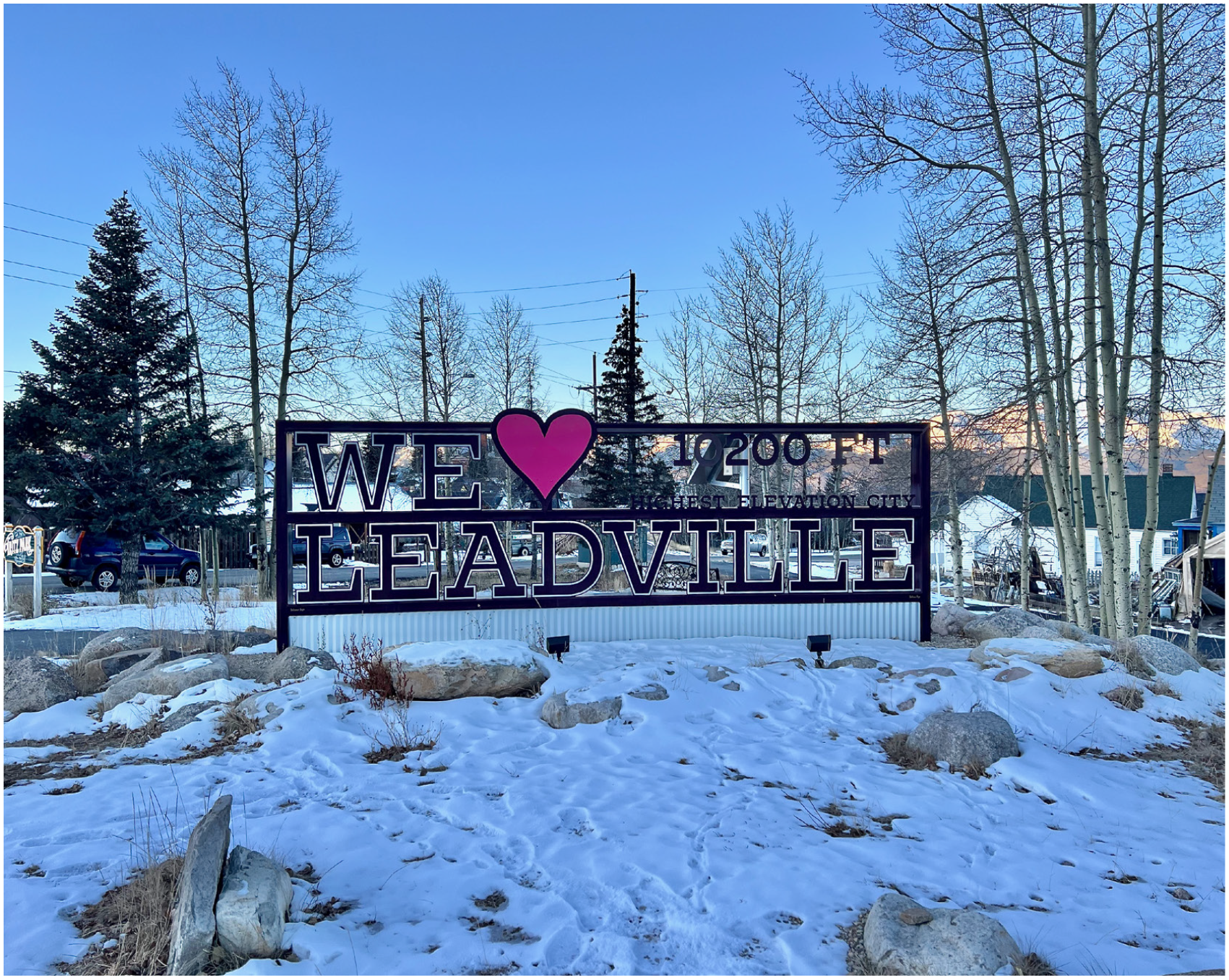
The new “We ♥ Leadville sign.” The previous sign was removed for the Railyard Leadville housing development. The change in signage is a symbol of broader change in the community and many residents mourn the old sign. Leadville is the highest incorporated city in the United States (“two miles high”).
All photos © Eileen Avery
Rural gentrif ication, as a phenomenon, has been under-studied. The dynamics of rural versus urban gentrif ication may differ, but, on the whole, it can be described as an upward shift in a community’s overall cost of living and class character. This can be visualized via changes in the residential and commercial built environments that cater to newer, comparatively more affluent residents’ tastes. Common examples include the arrival of upscale restaurants and art galleries, upgraded housing, and refurbished businesses. These changes can be exciting, while also leaving long-term residents with a sense of loss and, depending on the extent of displacement, fractured social networks.
Further, when a significant portion of housing is consumed by second homeowners and/or short-term rentals (STRs), rural gentrification becomes entwined with tourist gentrification, or community changes representing the desires of economy-boosting tourists rather than residents’ values. Because the amenities that draw both new residents and tourists can overlap, local policies that promote economic revitalization through tourism may increase gentrification, change culture, and exacerbate housing crises.
Contemporary tourists, seeking a more “local” feeling, often expect to experience places in ways they view as authentic. This expectation has fueled changes in tourism infrastructure, most notably in the STR market. Yet STRs can contribute to the loss of valuable, limited housing. Second homeowners arguably are a type of tourist and some second homes are also utilized as STRs. As rates of second-homeownership rise throughout the United States, particularly in amenity-rich areas, community-minded second homeowners must work with local leaders to increase their contributions and lessen the burdens they impose in towns like Leadville.
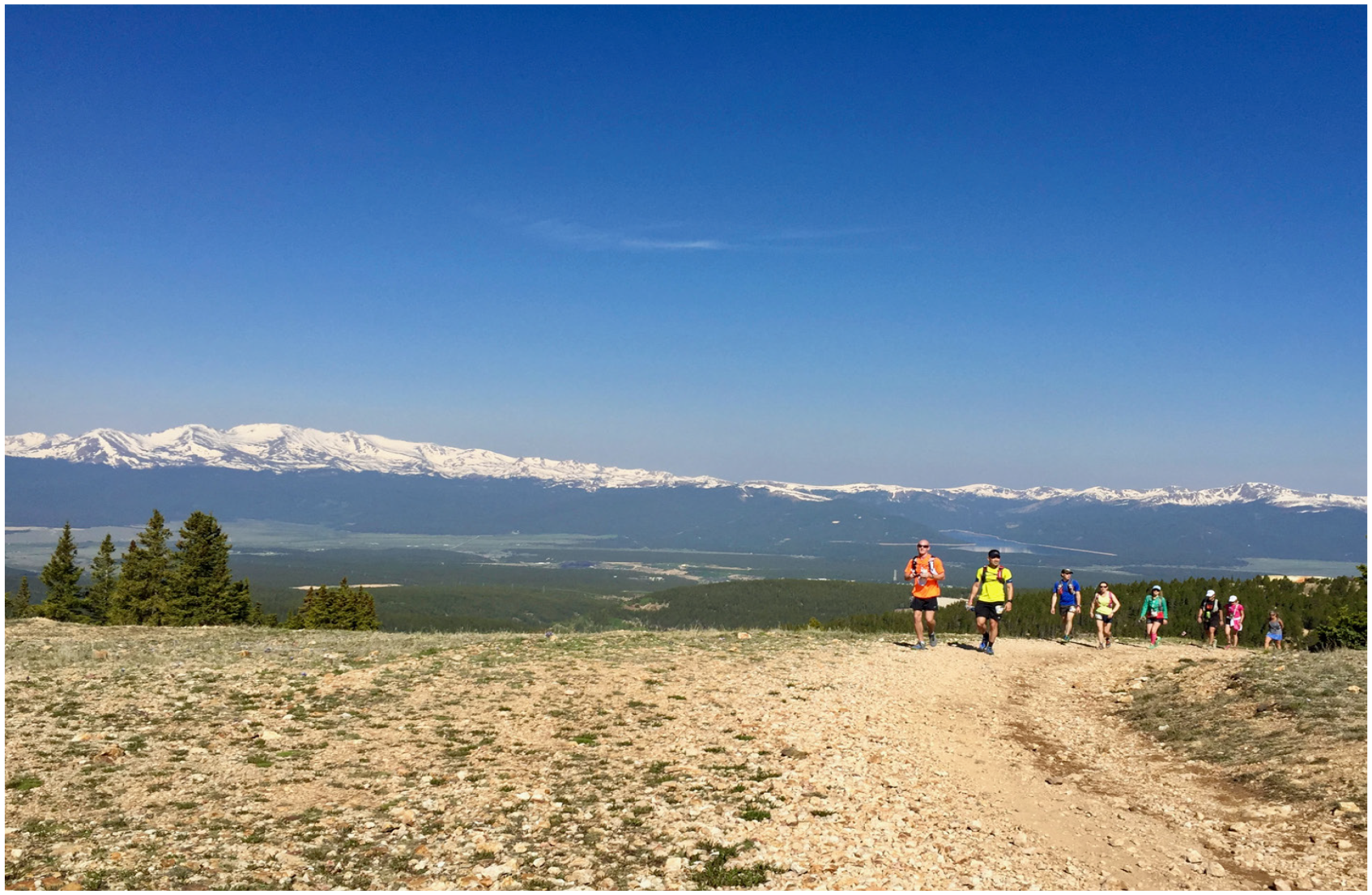
Runners on course during the 2015 Leadville Marathon. The Leadville Race Series is a key driver of summer tourism. The run/bike race series features several events each year.
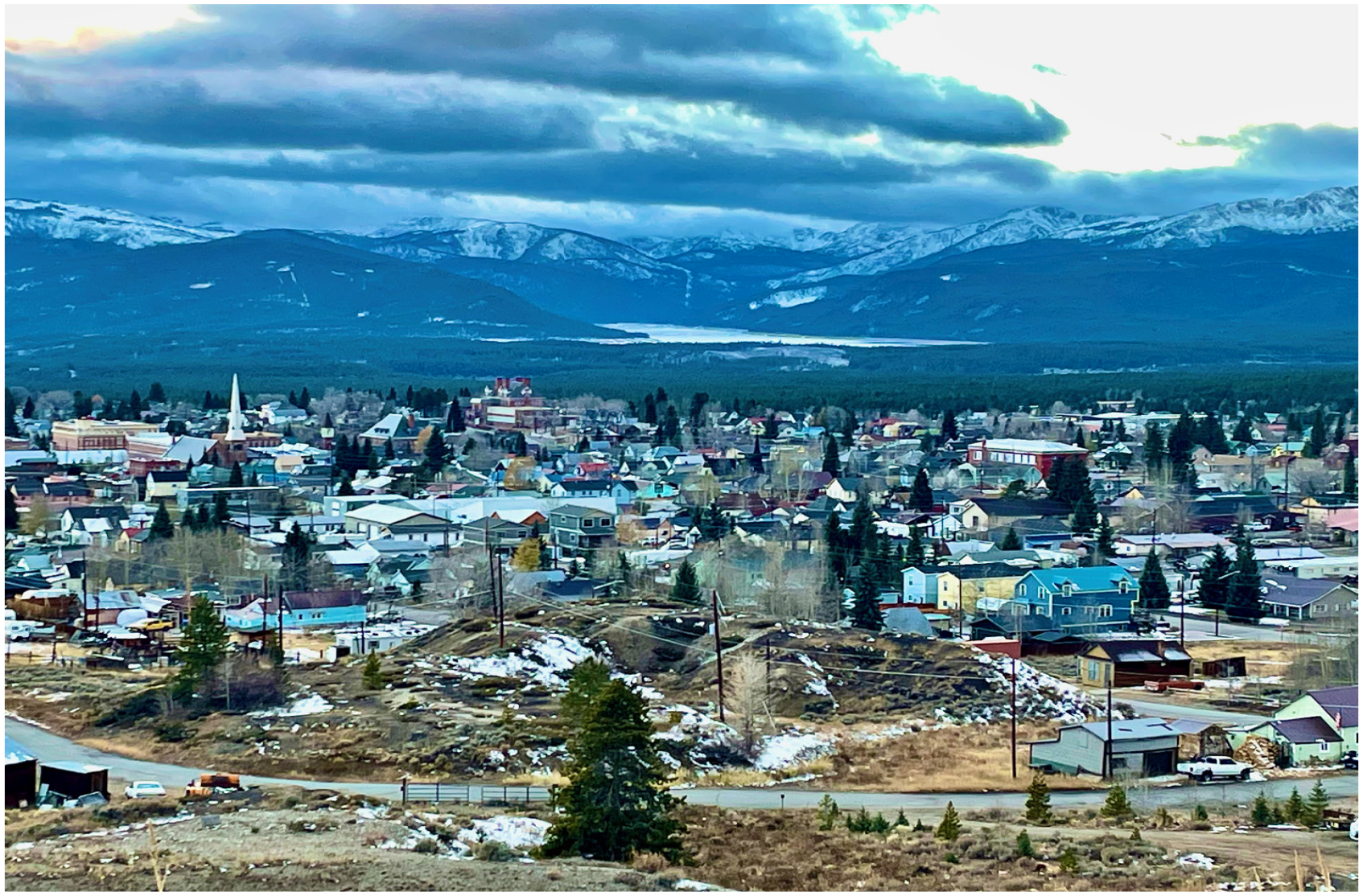
Overlook of Leadville looking west.
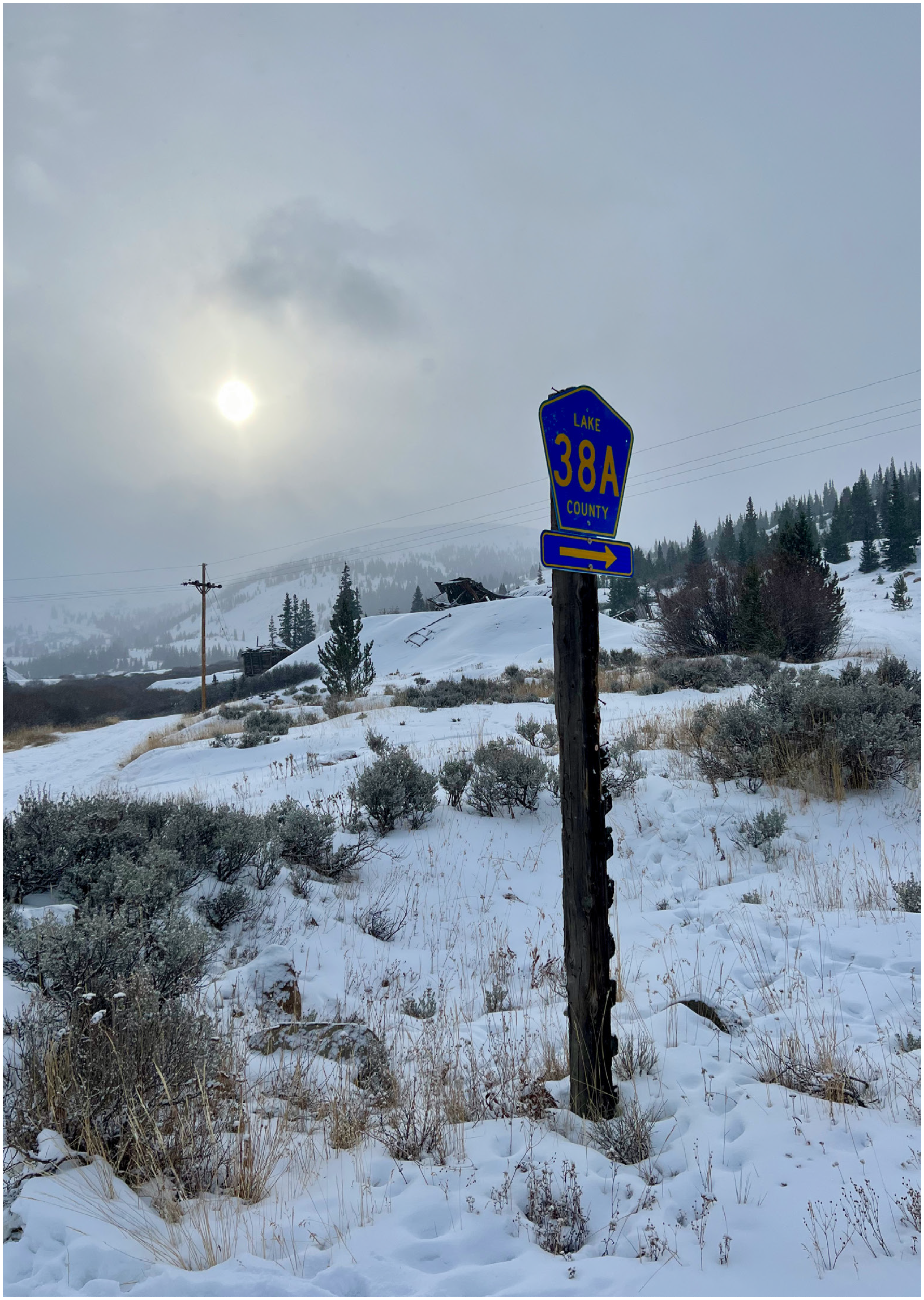
Taken during a winter walk in the East Side Mining District. Mining ruins are visible in the background. Outdoor recreation is the main draw for both residents and tourists.
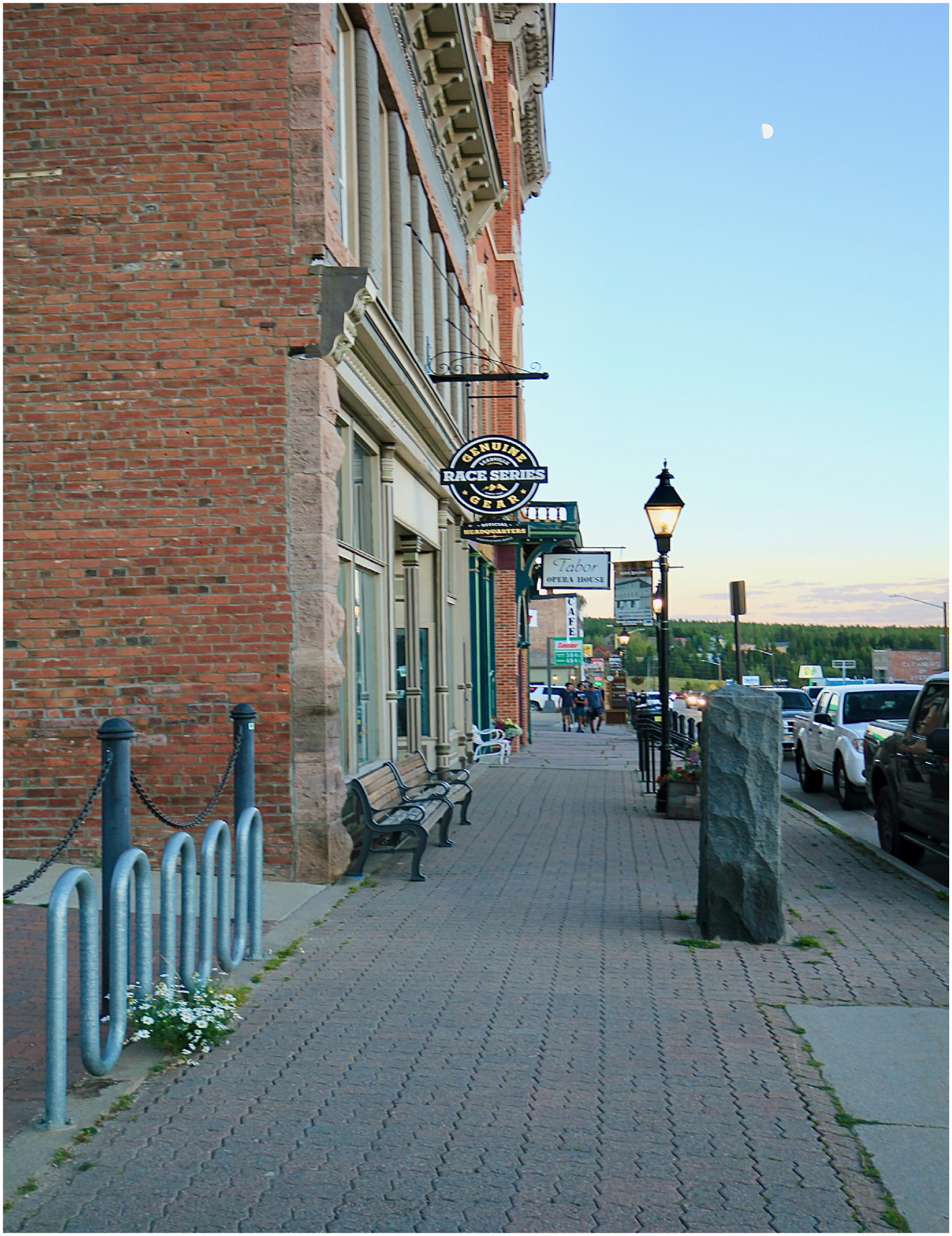
Sidewalk view in which the Leadville Race Series store signage is visible.
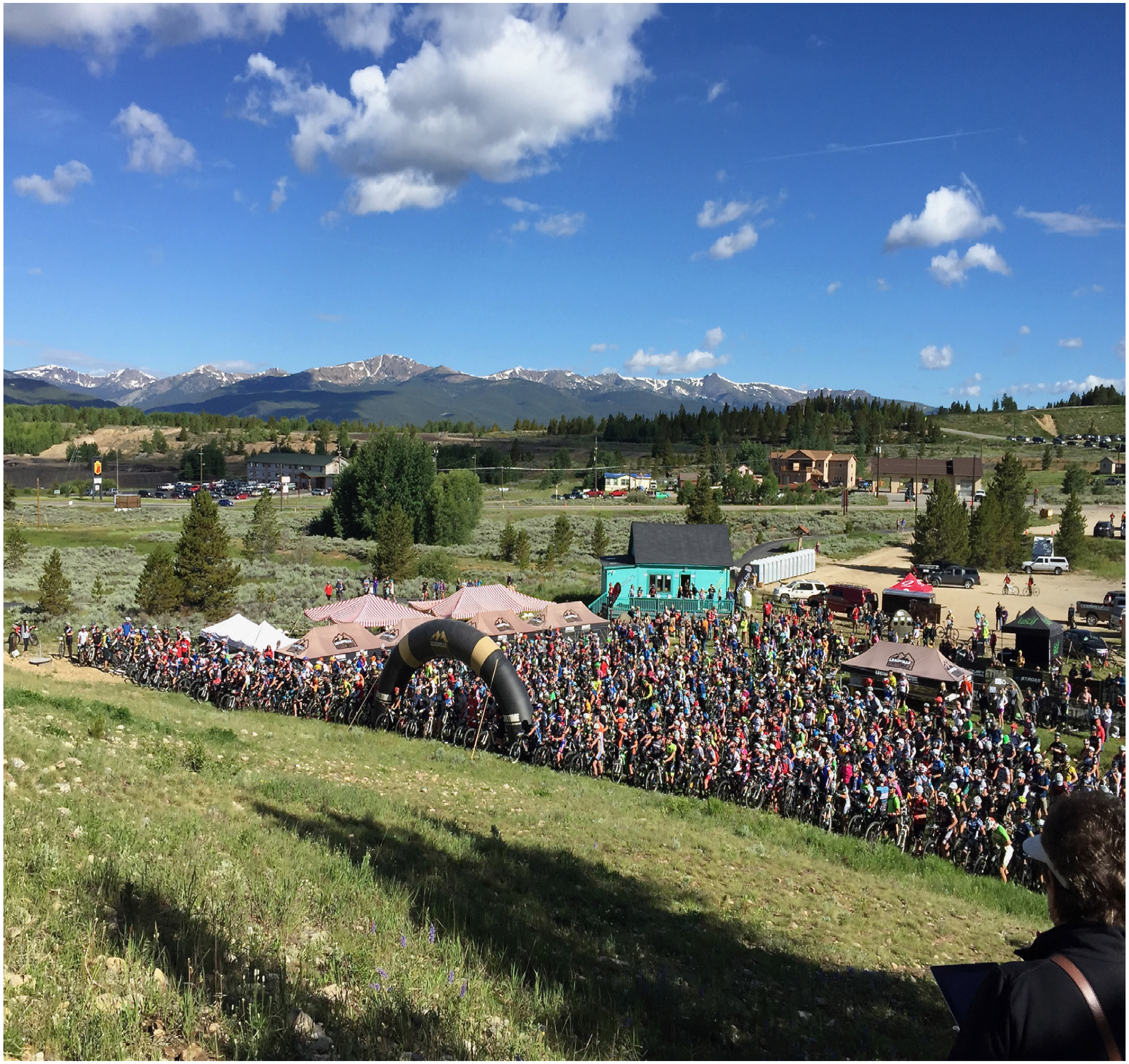
Start of the Silver Rush, a 50-mile mountain bike race, in 2015.
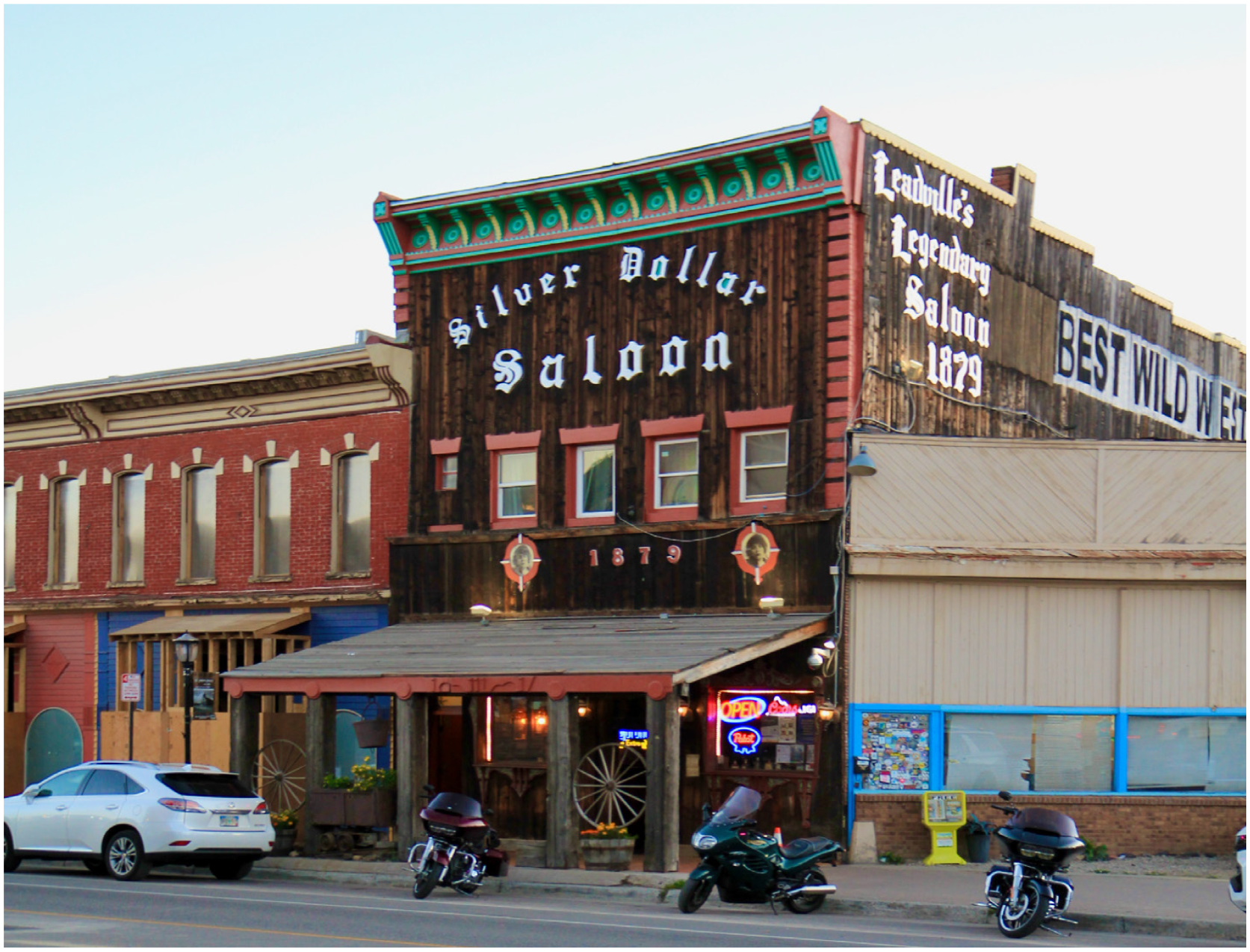
The Silver Dollar Saloon emphasizes its historic past, including notable visitors Molly Brown and Doc Holliday.
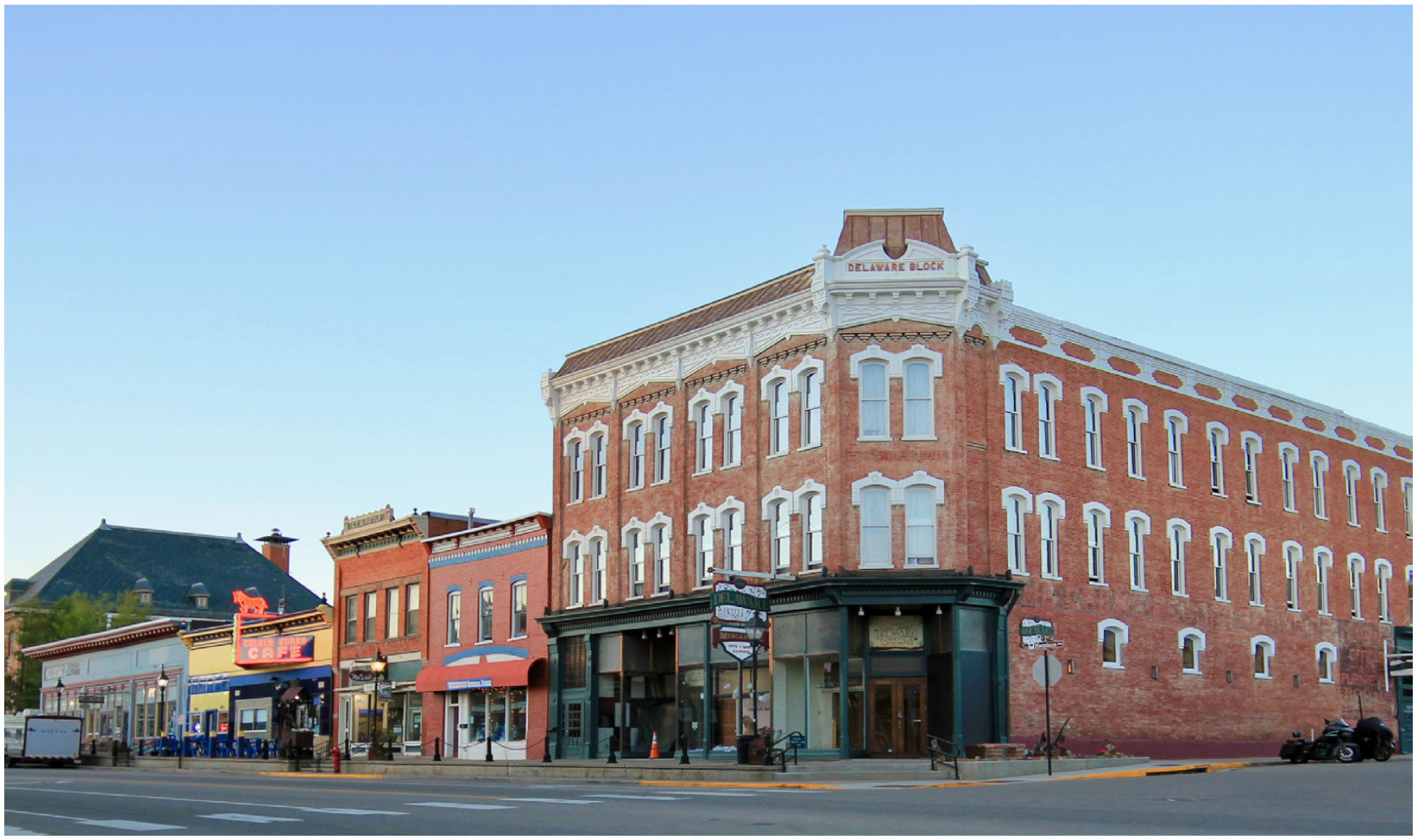
The corner of Harrison Avenue and 7th Street. The historic Delaware Hotel is visible at the corner. It was recently refurbished, including the addition of a new restaurant. The Golden Burro is visible to the left. Formerly a no-frills cafe serving staples such as biscuits and gravy and chicken fried steak, it now features a plant-based menu.
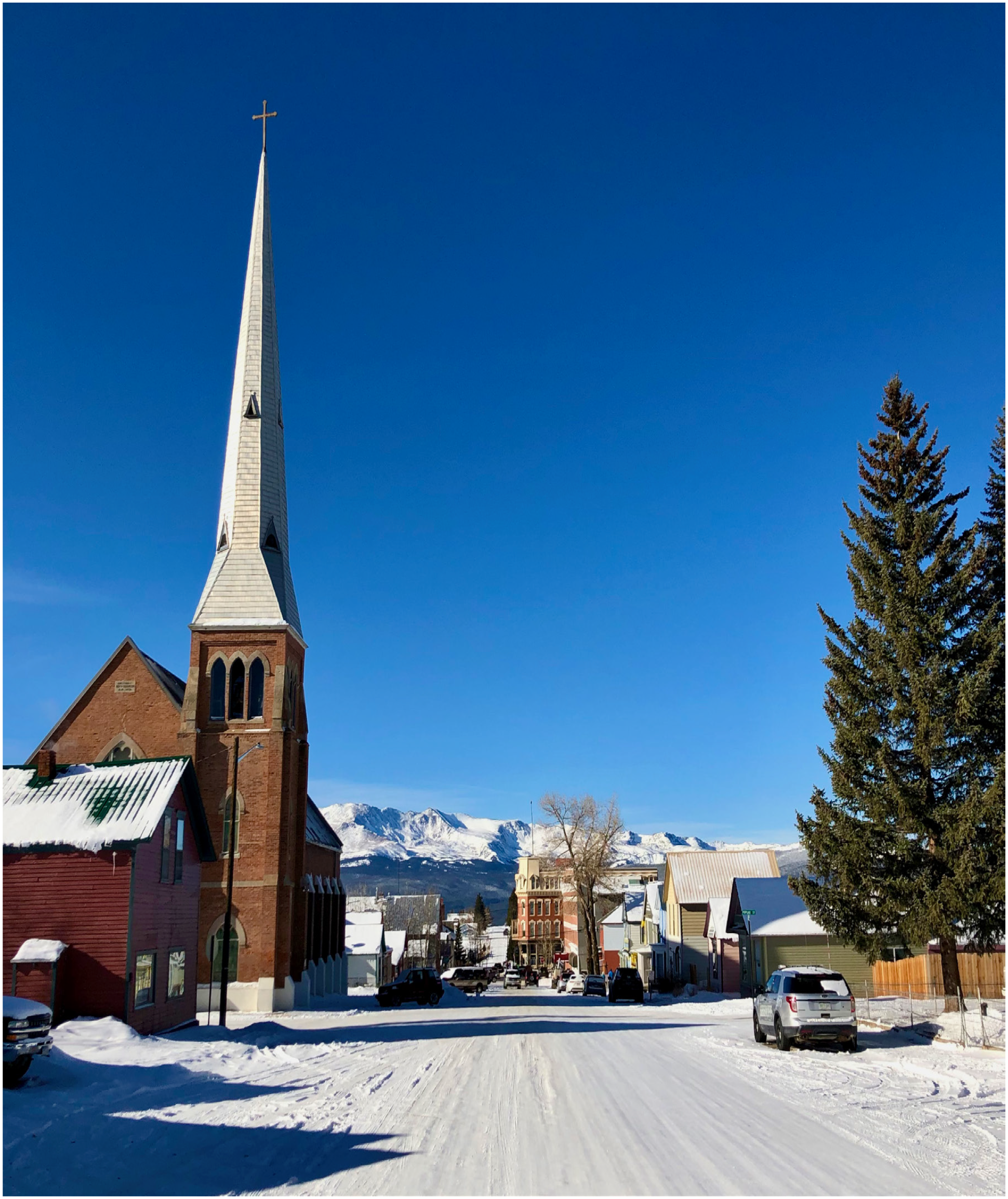
Looking west down 7th Street. The steeple of Annunciation Catholic Church, Delaware Hotel, refurbished historic mining cabins, and Mount Massive are all visible.
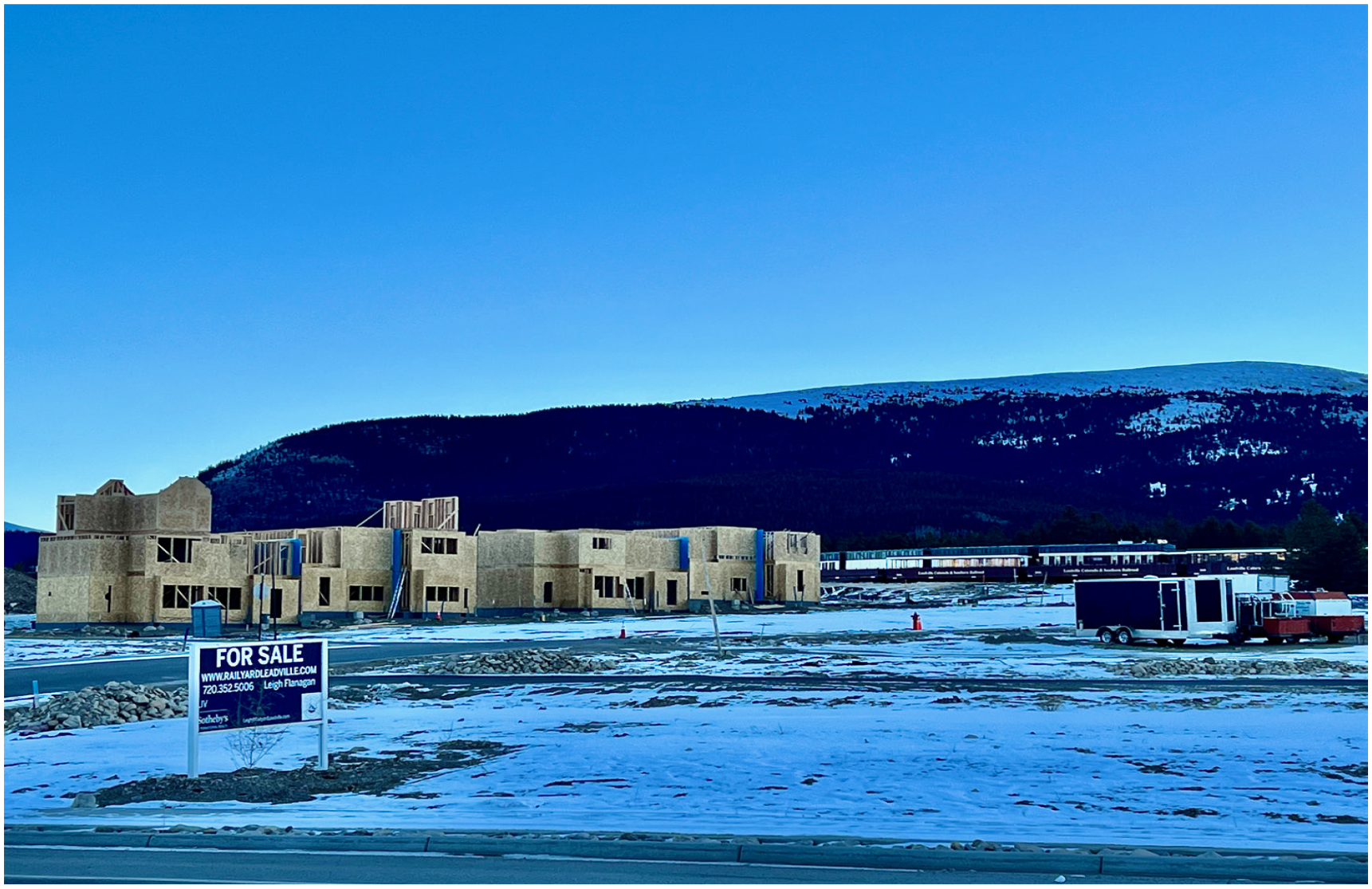
The Railyard housing development, a multiphase project on a portion of the remediated superfund site. The scenic railroad can be seen behind construction.
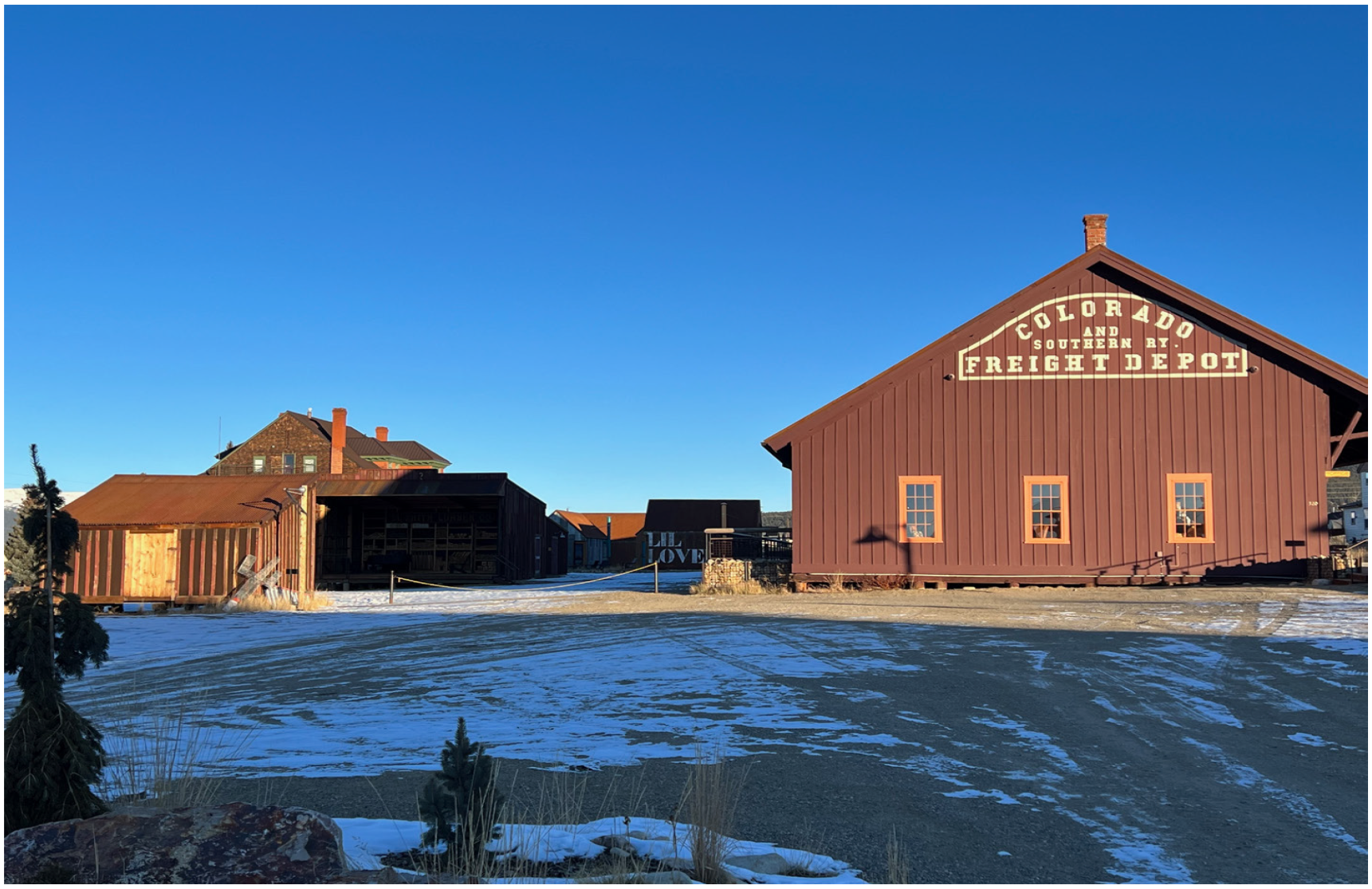
Freight is a newer women-owned event venue. It contains event space and small cabins available for overnight stays. Each cabin is named for a historic Leadville area sex worker.
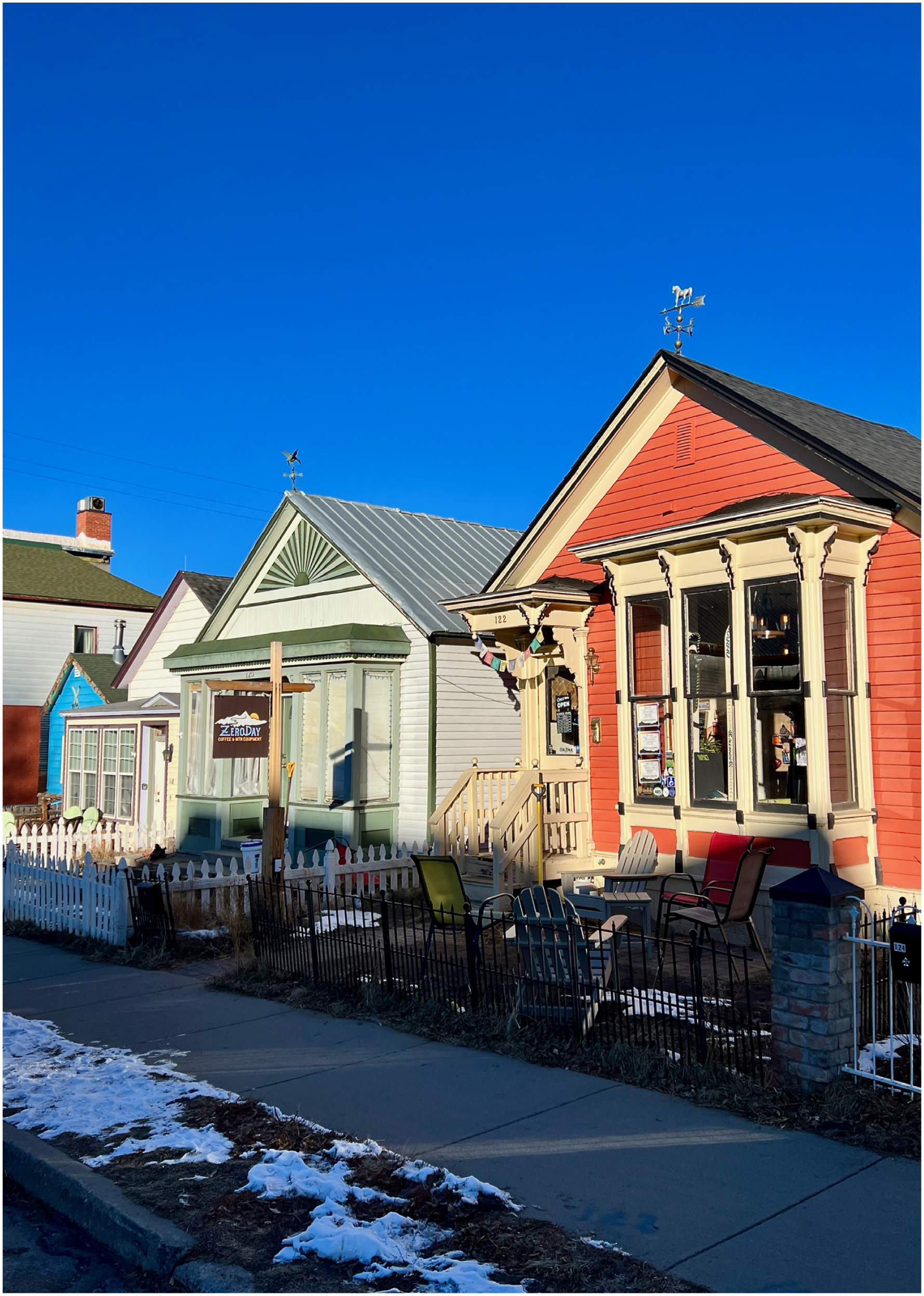
Miner’s cabin that has recently been converted into a coffee shop called Zero Day. A zero day is a day a thru-hiker completes 0 miles.