Abstract
Phil Hubbard and Stuart Leech on the politics of a bulwark shore.
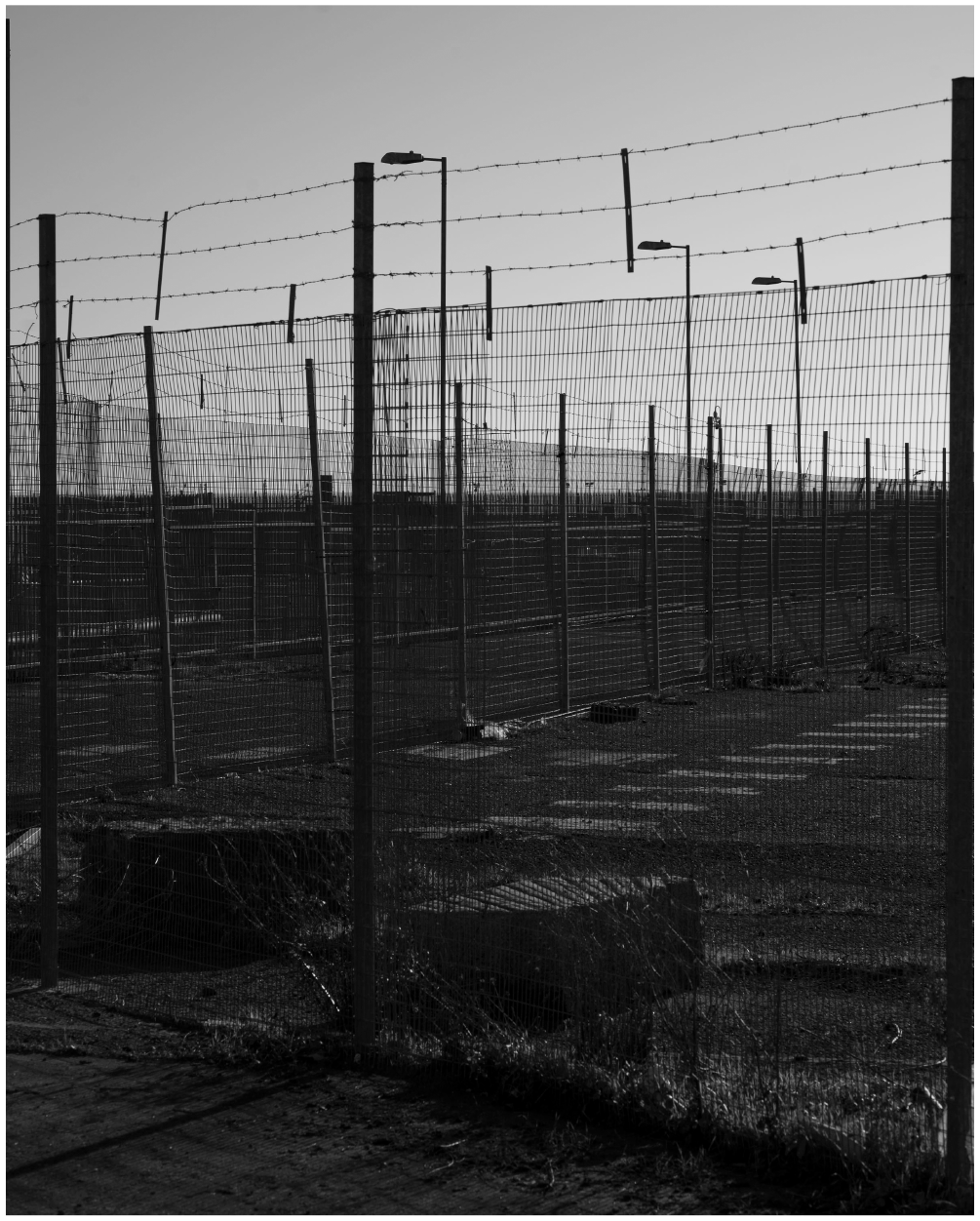
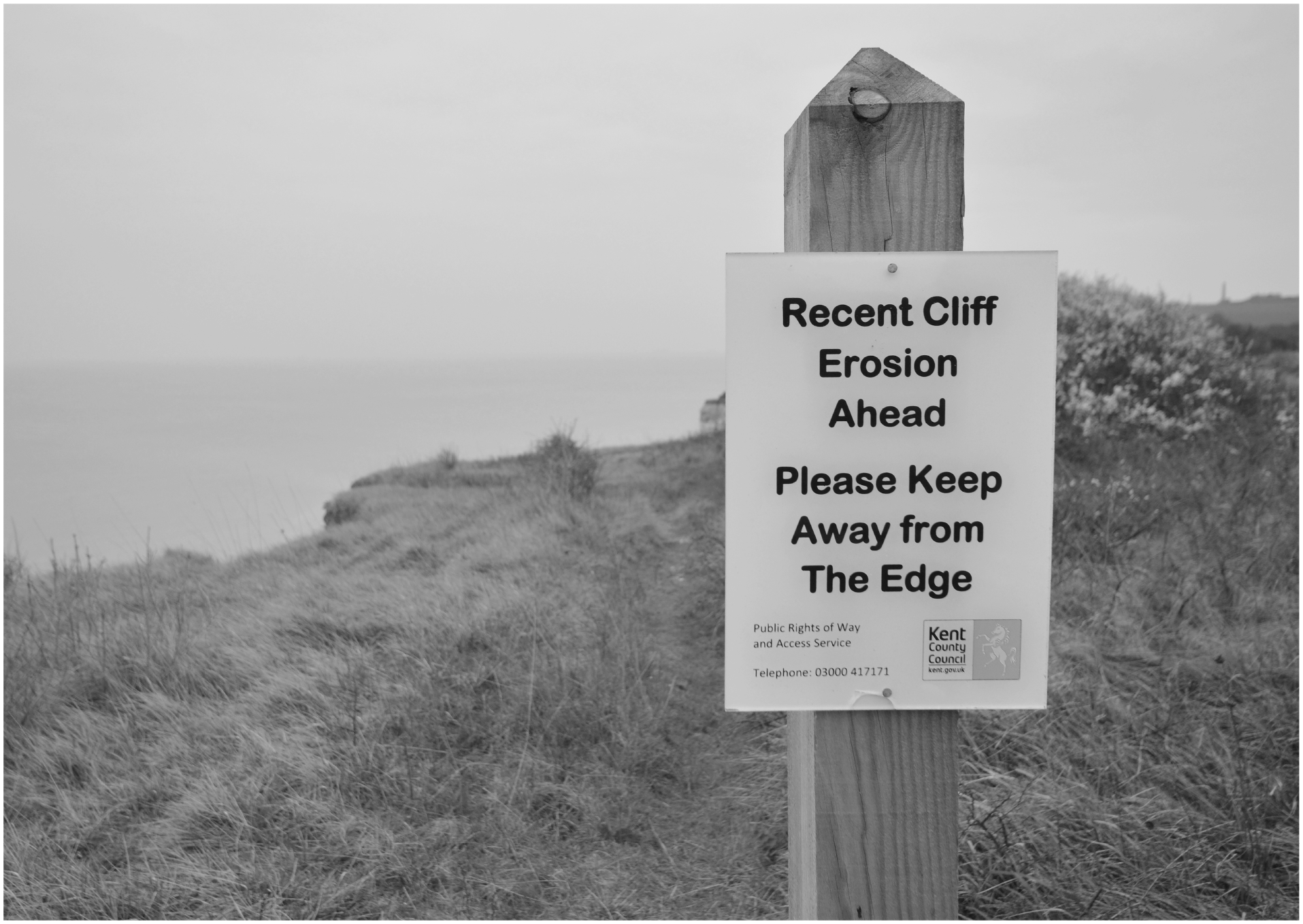
Standing on the white cliffs of Dover, even on a cloudy day it is possible to glimpse a blue-grey smudge of land 21 miles distant. When the haze lifts, Cap Gris-Nez and Cap Blanc-Nez on the Calais headland are visible, made of the same chalk as the ground beneath your feet. Between these English and French headlands stands Sangatte, which for nearly a decade hosted an informal refugee camp. When Sangatte was shut down by French President Sarkozy in 2002, the refugees were displaced to the notorious “Calais Jungle.” Following rising anxieties about the numbers attempting to hitch a ride on lorries departing for the U.K., in 2016 this squatter settlement was separated from the N116 highway by “the Great Wall of Calais.” Over 1,000 meters long and 4 meters high, the wall reportedly cost the British and French governments over £23 million (roughly $28.5 million).
Making the journey successively harder for refugees inevitably resulted in unprecedented numbers crossing the Channel by sea, the cliffs of Dover standing witness to the U.K.’s contemporary “border crisis.” Since 2017, U.K. media have used images of refugees cowering from the waves in rubber dinghies, or brazenly strolling on Kentish beaches, as evidence of the refugee “threat.” Except they are rarely referred to as refugees: more usually, they are described as economic migrants, a dehumanizing category that ignores the factors pushing these people from their homes.
The fact that increasing numbers of refugees have managed to evade cross-channel border patrols and were pictured standing on England’s beaches has emboldened some sections of the pro-Brexit media to discuss a de facto “invasion,” a discourse subsequently invoked by U.K. Home Secretary Suella Braverman, a Conservative Member of Parliament. Simultaneously, politicians pin blame for the cargo trucks stacked up on Britain’s M20 motorway, causing days-long delays at the Port of Dover, on the U.K’s European neighbors, insisting the back-up is the result of the E.U.’s bureaucratic excesses or the intransigence of the strike-prone French.
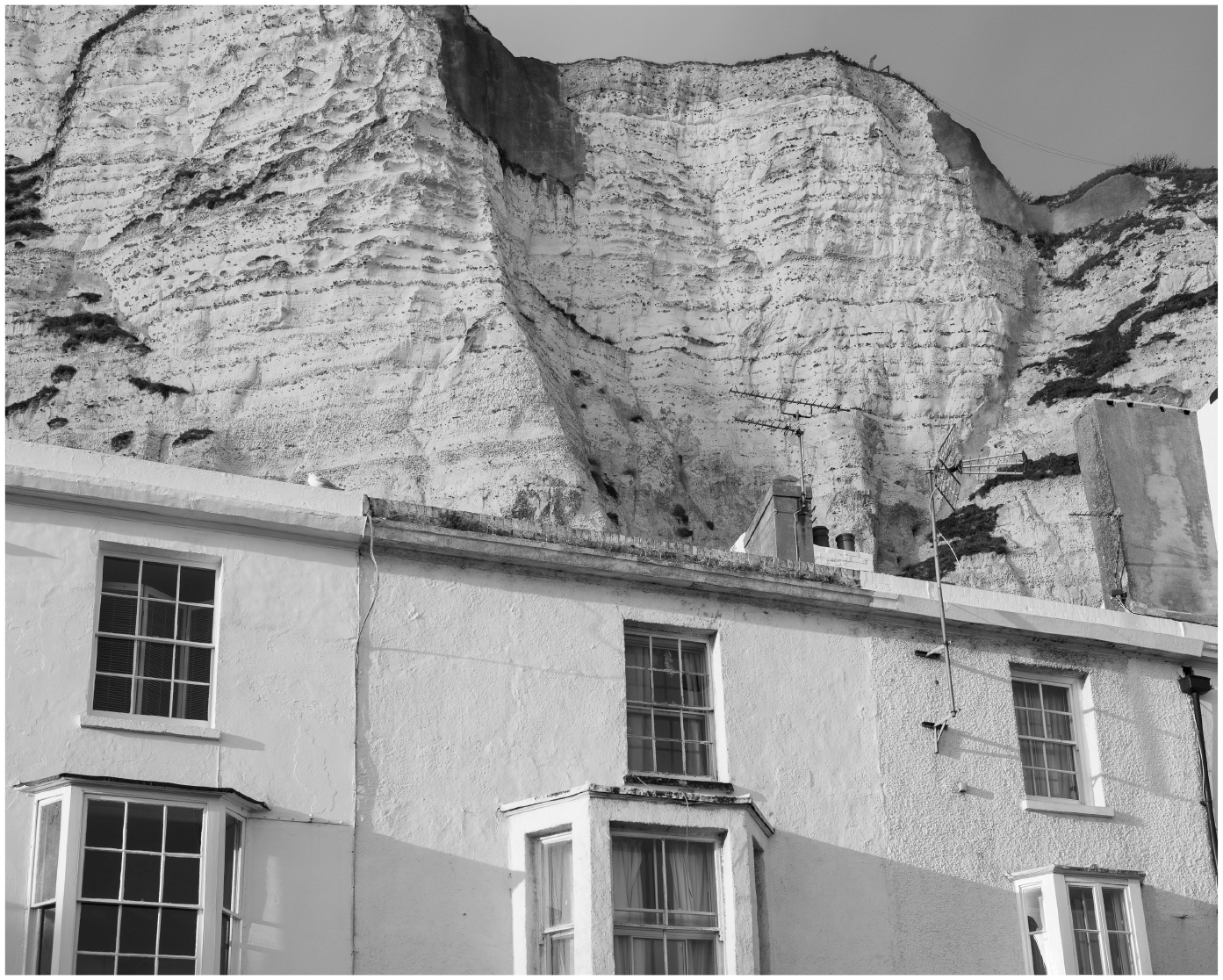
The confluence of Brexit, border delays, and the rise in asylum-seekers arriving by boat has led to the Dover cliffs taking on new symbolism in debates about national identity. Tellingly, on “Brexit Day” (January 31, 2020), the white cliffs of Dover appeared on the front of right-wing tabloid Daily Mail’s Brexit “souvenir edition,” hailing “A New Dawn for Britain.”
The white cliffs have been used to bolster British identities since at least the 19th century. Famously, Matthew Arnold’s 1867 lyrical poem “On Dover Beach” employed the cliffs as a metaphor for national values he felt were besieged, invoking both patriotism and faith via reference to the “calm cliffs” protecting from the “grating roar” below.
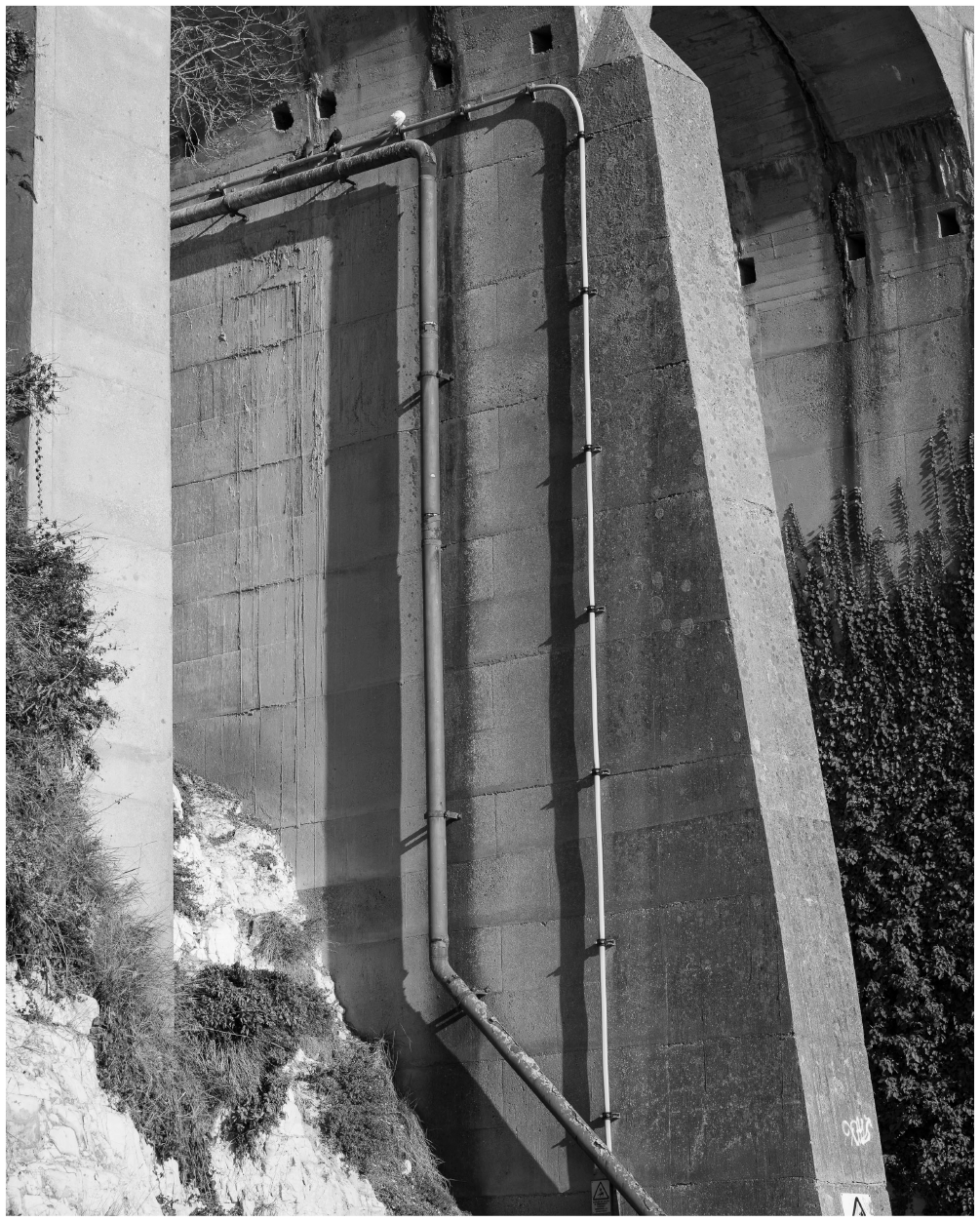
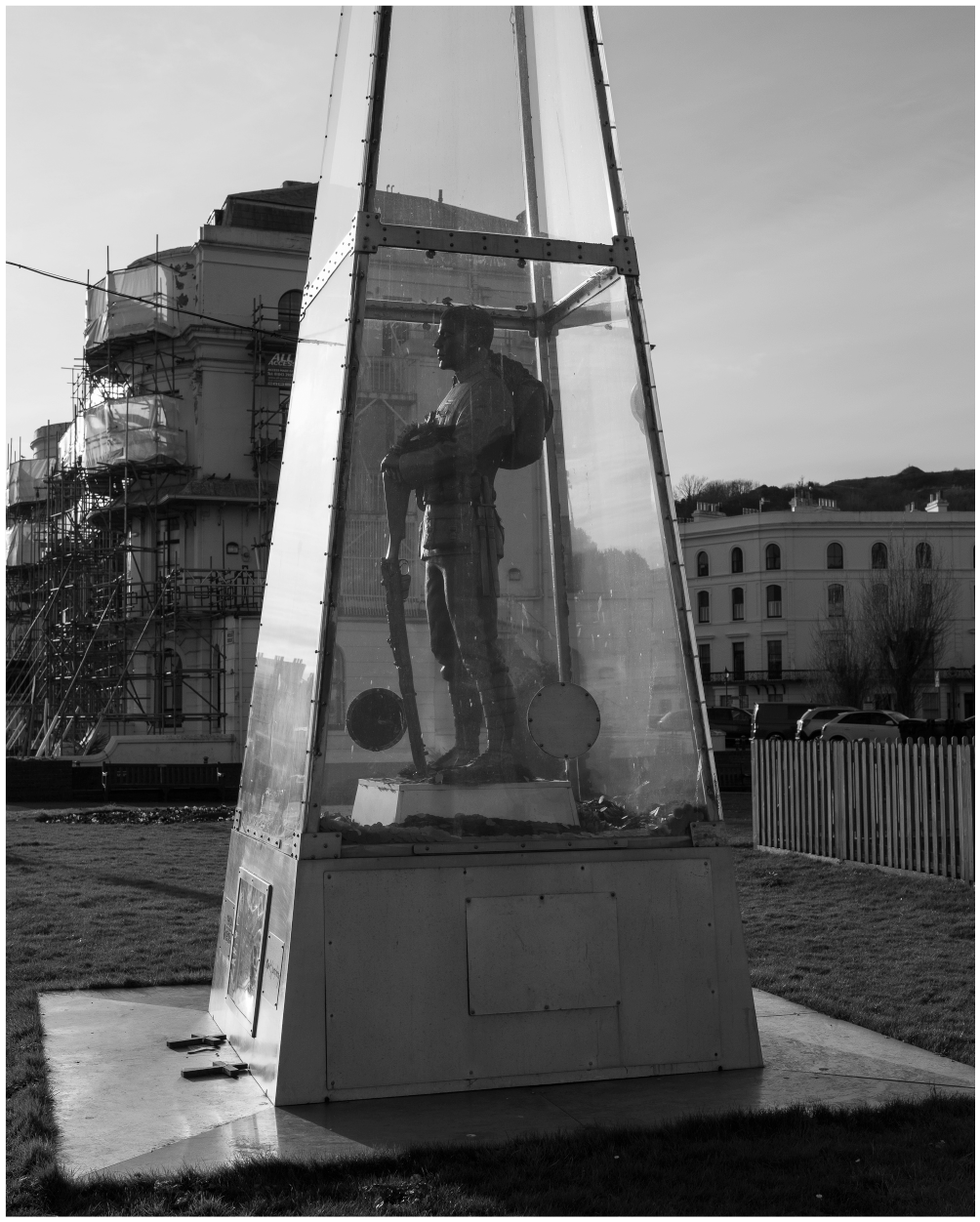
By the 20th century, they were firmly fixed into national psyche as the gateway to England: writing in 1920, travel journalist Walter Jarrold memorably termed them “the white walls of Albion” (England’s original Roman name of Albion being derived from the Latin albus, for white). The First and Second World Wars consolidated this mythology: For soldiers on continental battlefields, the idea that they would once again view the white cliffs was pivotal in rituals of military departure and homecoming. Local memorials continue to consolidate this wartime consciousness.
Given the persistence of these myths of military endeavor and national sacrifice, it is not surprising that patriotic representations of the white cliffs of Dover have been invoked by those arguing that severing ties with the E.U. is the best thing Britain has ever done. For some, they have become iconic of Britain’s elemental insularity, propping up myths of the proud “island-nation.”
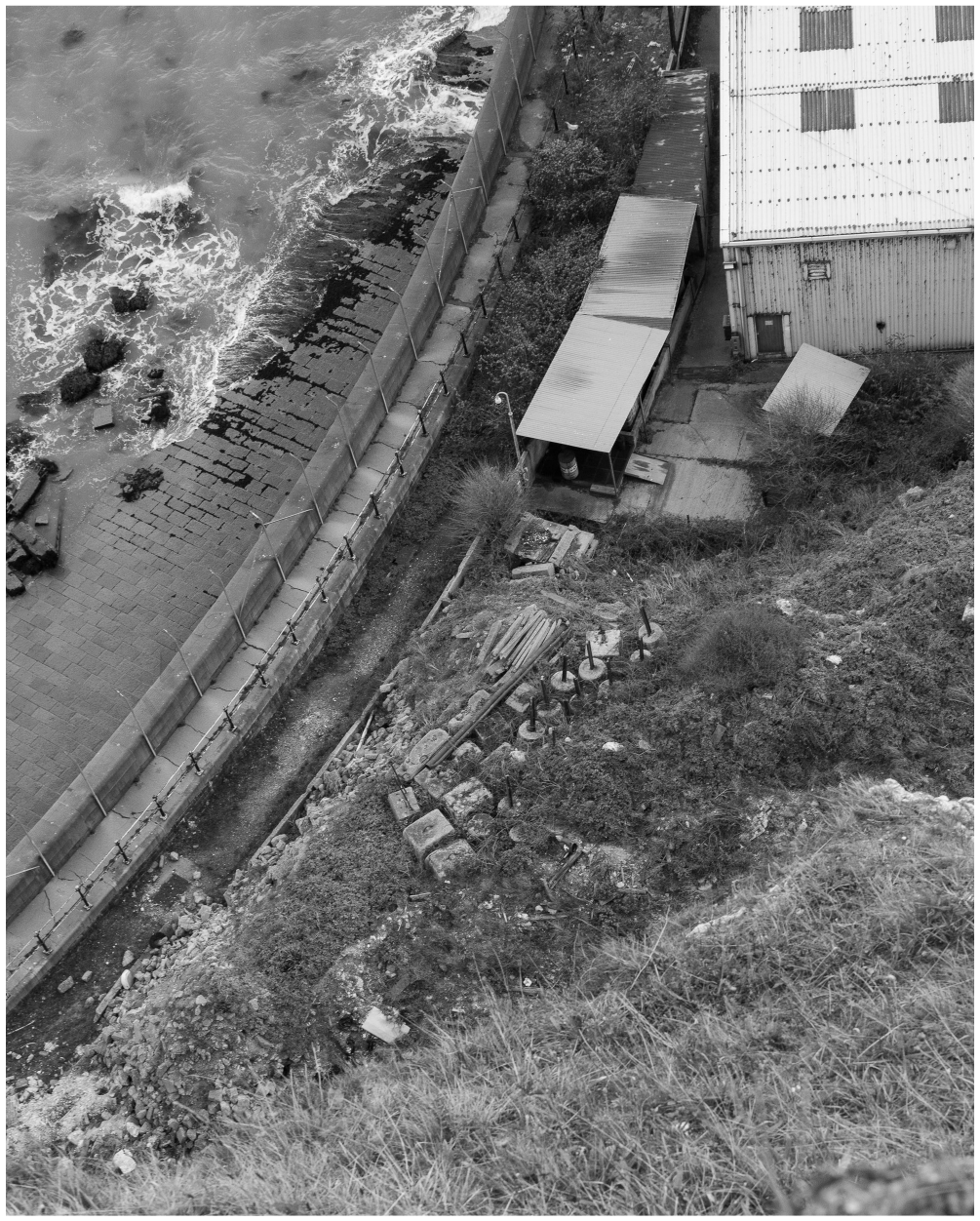
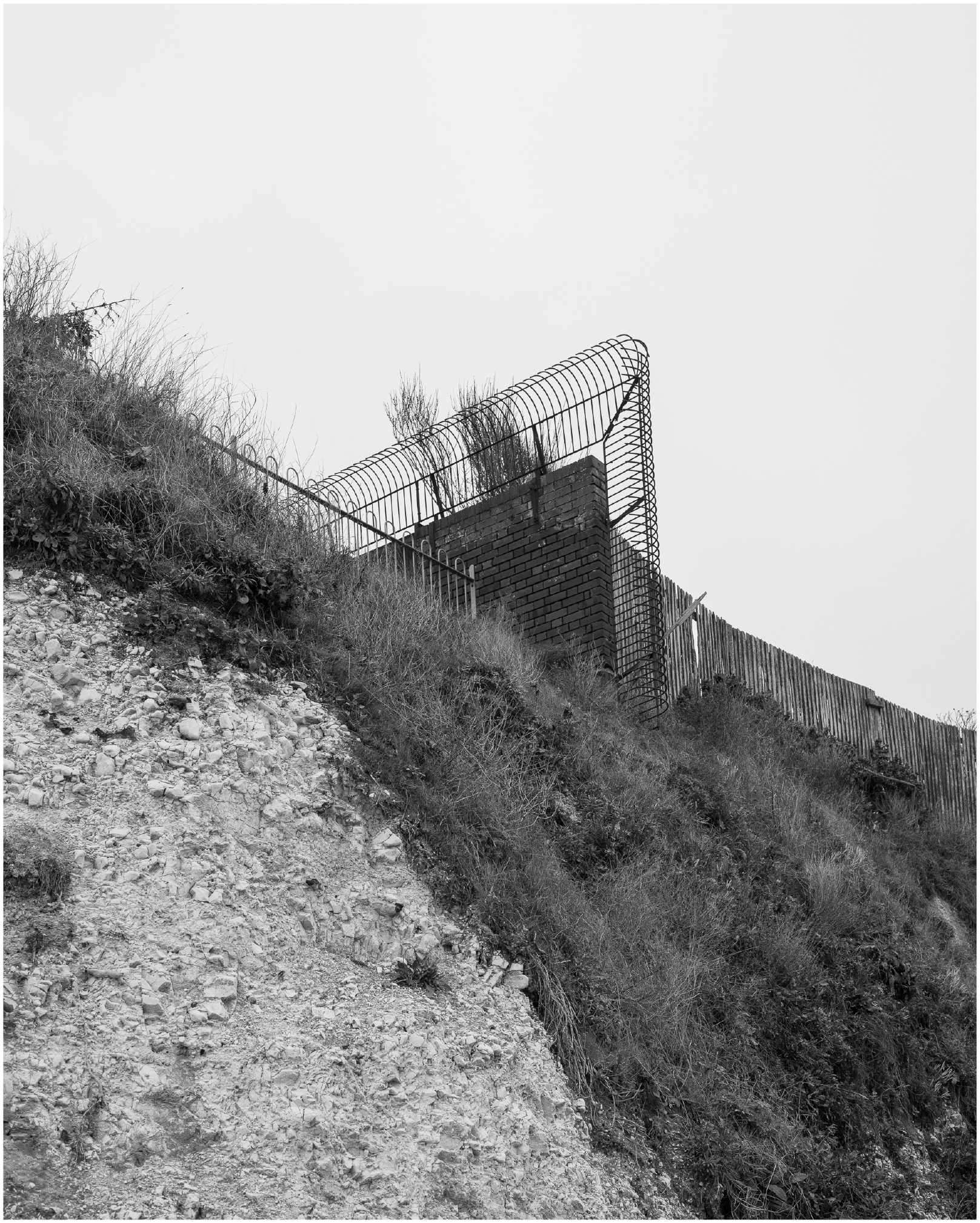
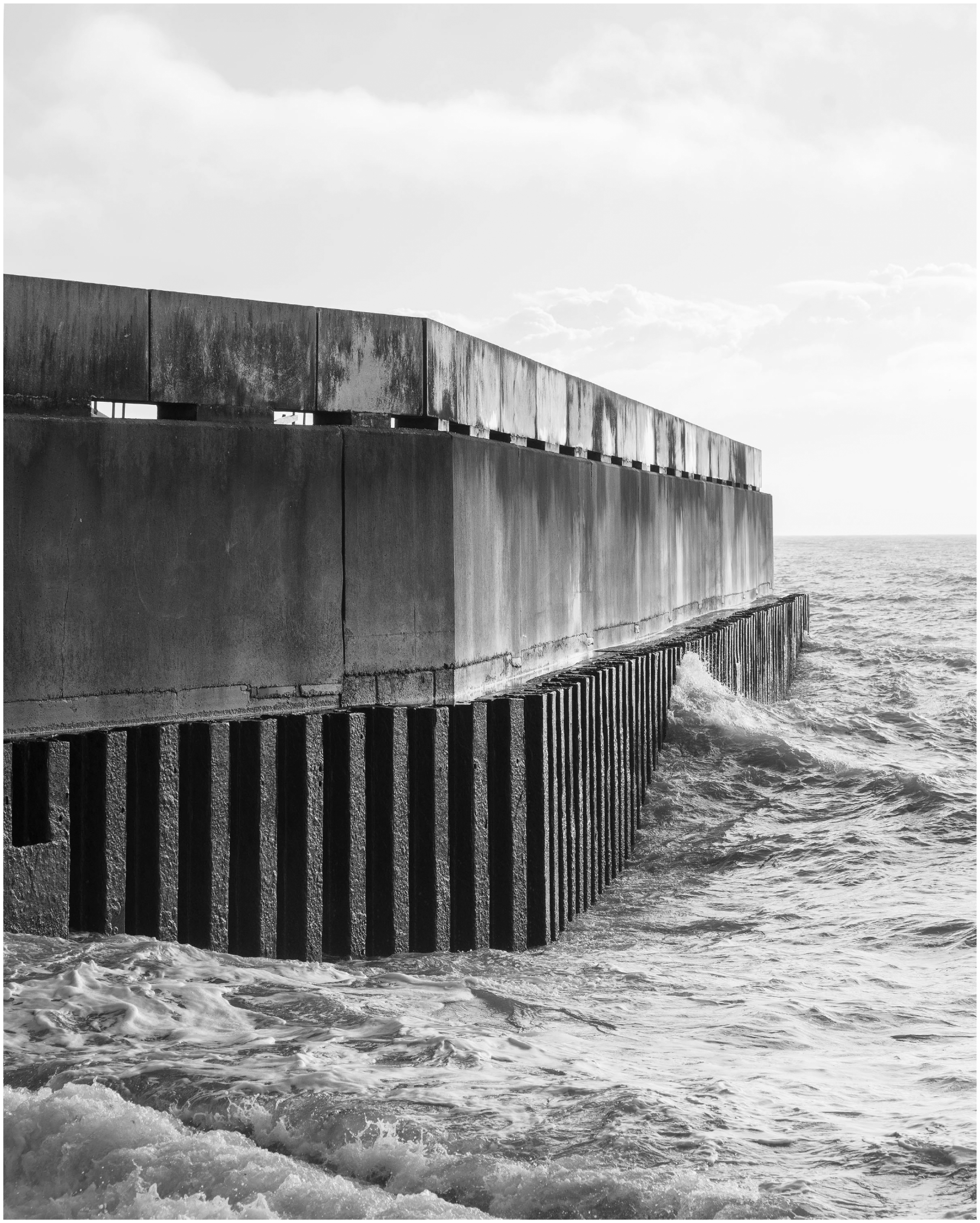
The Kent coast is then a landscape central to English identities, but also on the margins—a bulwark shore, repelling those who would threaten national sovereignty, as well as the bridging point on the short journey that links Britain and the European continent. In the aftermath of Brexit, when much is uncertain, it is perhaps not surprising that the white cliffs, and the Kent coast in general, have been caught up within the mythology of the “island fortress.”
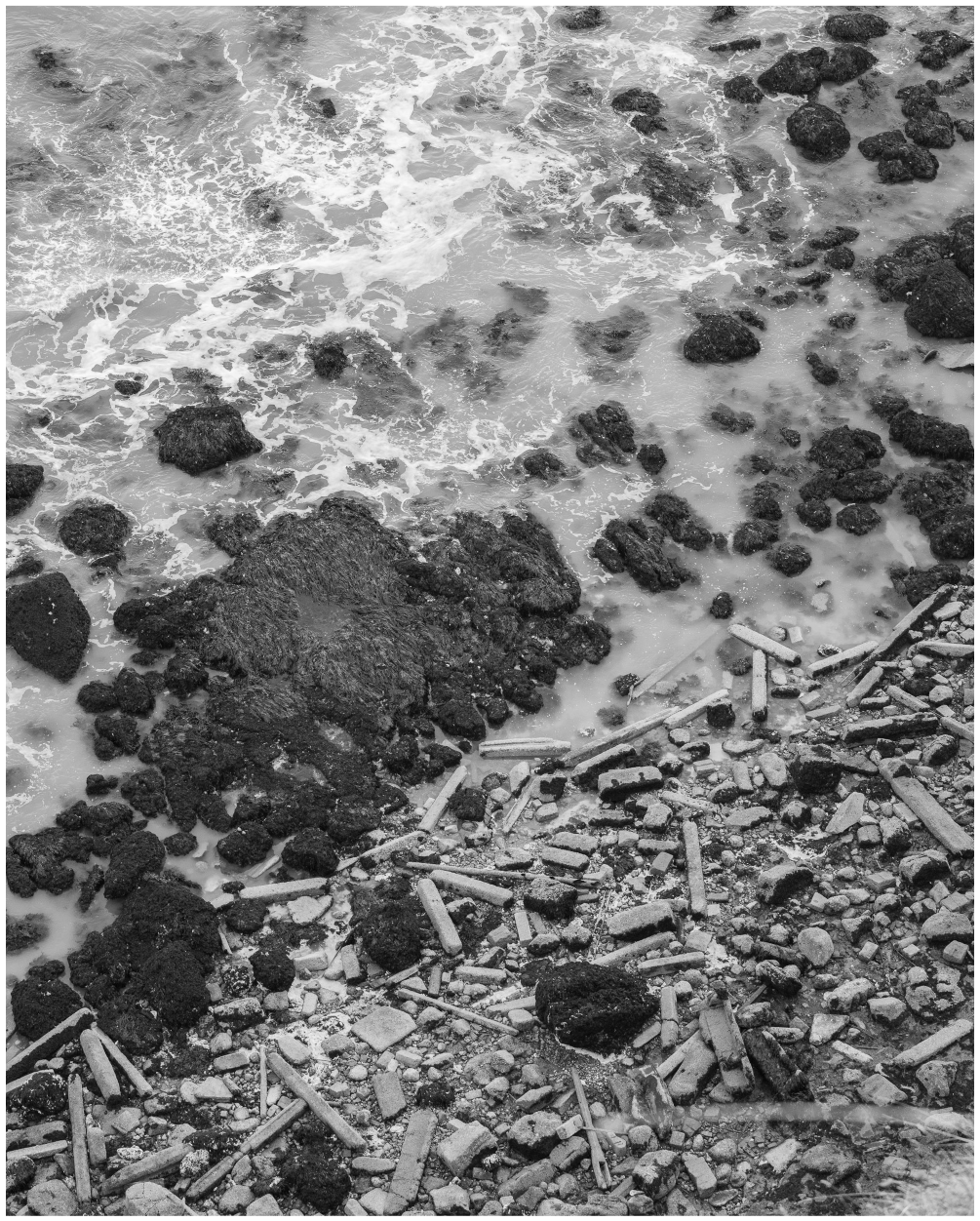
All photos © Stuart Leech except final image, p. 59, which is © Phil Hubbard.
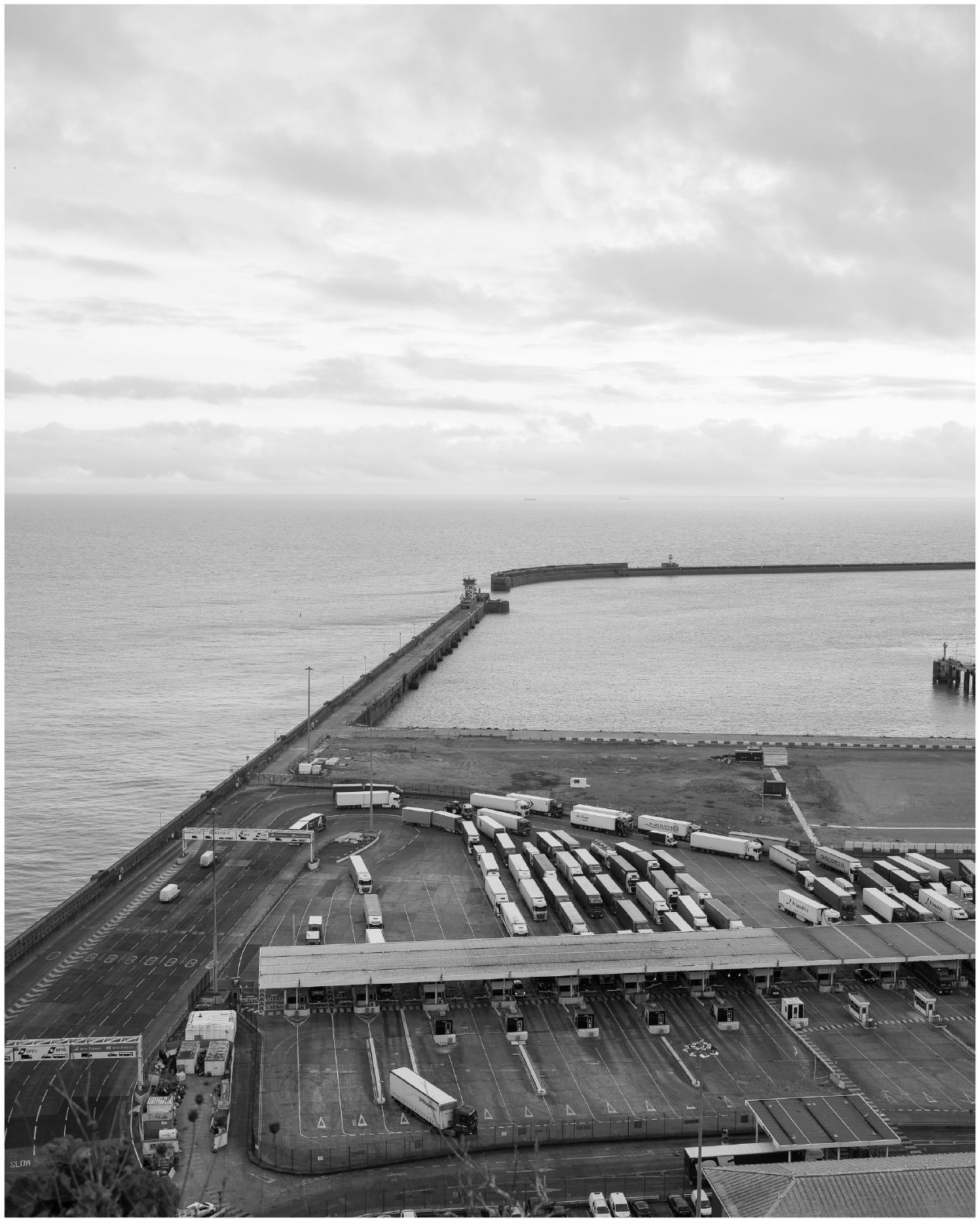
Here, the Kent coast has been increasingly figured as the vulnerable boundary of the island-nation, in need of protection. The “proud patriots” who descended on Kent during the “migrant crisis,” patrolling local waters, have hence been involved in a modern-day re-enactment of the “beating of the bounds,” staking out an insular version of Englishness as they patrol the “white walls of Albion.”
But looking beyond such displays of exclusionary nationalism is vital if we are to imagine an alternative future for this corner of England. This is a coast where backward-looking versions of Englishness, embodied in stories of wartime heroism, need to be tempered by the recognition that the greatest threat the U.K. faces today is arguably not immigration, but an impending climate emergency that will scorch the land at the same time it floods people’s homes. This is a challenge that requires international cooperation, not isolation.