



Abstract
DIY activists creating change in communities around the world.
In the wake of the Great Recession, community activists across the United States filled the voids left by the contraction of government spending. To address local social problems, they created new places to connect community members and redistribute resources—tangible outcomes seemingly echoed by the ascendent idea of creative placemaking.
As Ann Markusen and Anne Gadwa Nicodemus, who coined the term, wrote in a 2010 National Endowment for the Arts report, “Creative placemaking animates public and private spaces, rejuvenates structures and streetscapes, improves local business viability and public safety, and brings diverse people together to celebrate, inspire, and be inspired. In turn, these creative locales foster entrepreneurs and cultural industries that generate jobs and income.”
In short, by strategically investing in place-based initiatives, governments could produce major social benefits without broad financial outlays. It was cheap, it was flexible, and it was fast. It also drew on a long theoretical and practical history heavily influenced by such scholar-activists as Jane Jacobs and William H. Whyte. These authors argued for the centrality of place in the desirability of cities, emphasizing the small, the social, and community. This bottom-up vision was the antithesis of the dominant theories of the day, which emphasized the broad sweep of global history and social "progress" rather than the daily experience of people in place.
In the post-Great Recession era of fiscal austerity, it was easy to see the appeal of creative placemaking. But so many of the new crop of would-be creative placemakers believed in a top-down approach, overlooking scholars’ key insights. Jane Jacobs, for instance, drew attention to the importance of political and economic systems to street-level changes, while later scholars including Sharon Zukin and Richard Lloyd drew attention to the explicitly political and cultural consequences of place-based planning. Instead, the policymakers who seized on this approach favored a supposedly apolitical variety, focused on using development to enhance the “third places” that bring people together.
In our 2021 book The City Creative: The Rise of Urban Placemaking in Contemporary America, we embrace this intellectual history and foreground the do-it-yourself community activists who have always been conscious of the social, political, and economic contexts and consequences of creating change in their own communities. Over a decade, we connected with more than 200 such organizations in 40 U.S cities.
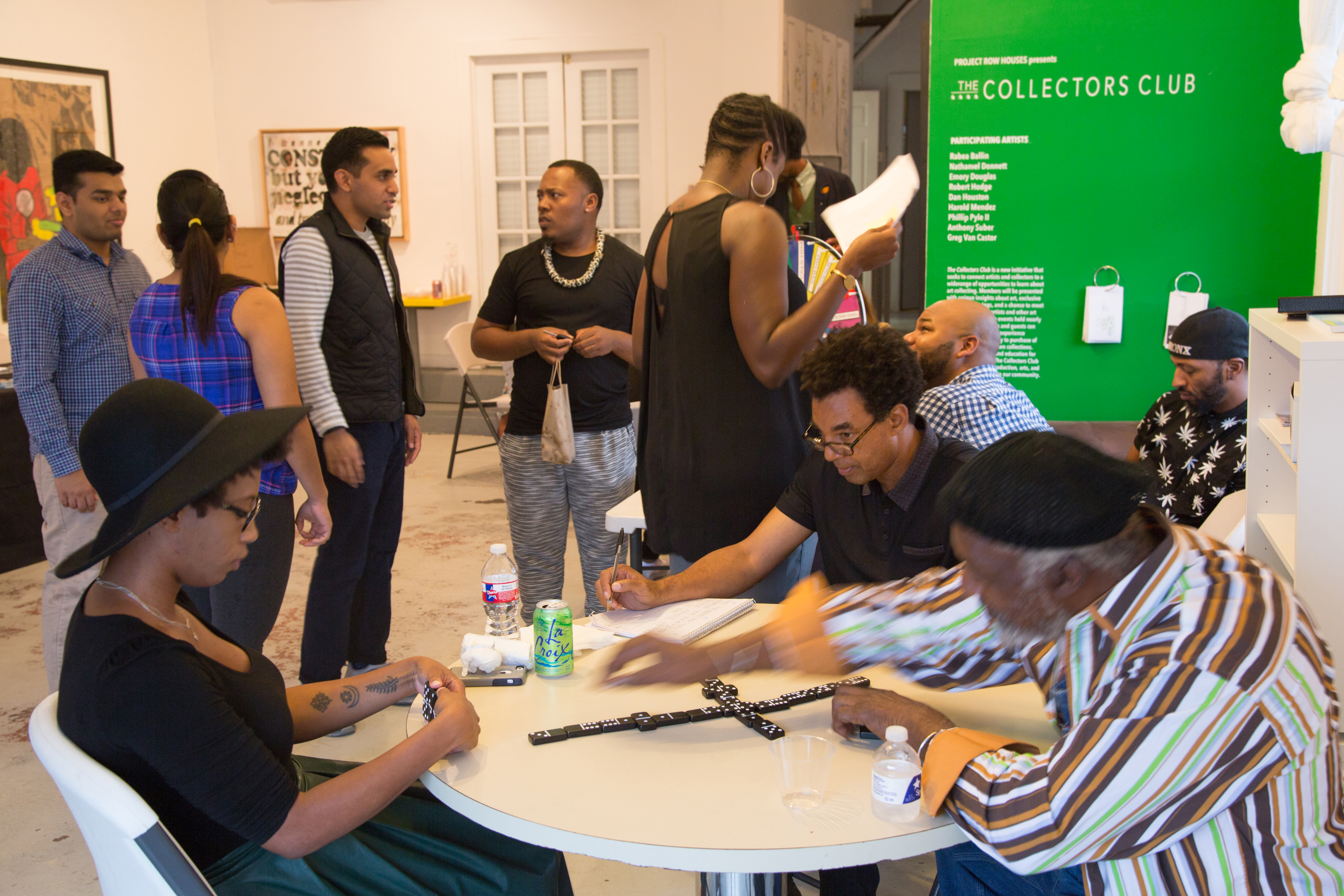
We highlight the efforts of such well recognized artist-activists as Rick Lowe, whose Project Rowhouses in Houston, TX transformed vernacular buildings destined for demolition into a Black-led artist and community support space. The organization now addresses the results of 20th-century Houston’s racial and economic systems by supporting artists and helping people seek affordable housing in their now-rapidly gentrifying neighborhood. And in Buffalo, NY, we introduce the not-for-profit organization Assembly House 150, which saved a church from almost-certain demolition and repurposed it as an atypical educational and job training center. Its flagship program provides free intensive, three-month courses in construction trades. The participants, who are paid a stipend during their training, are then placed with local employers.
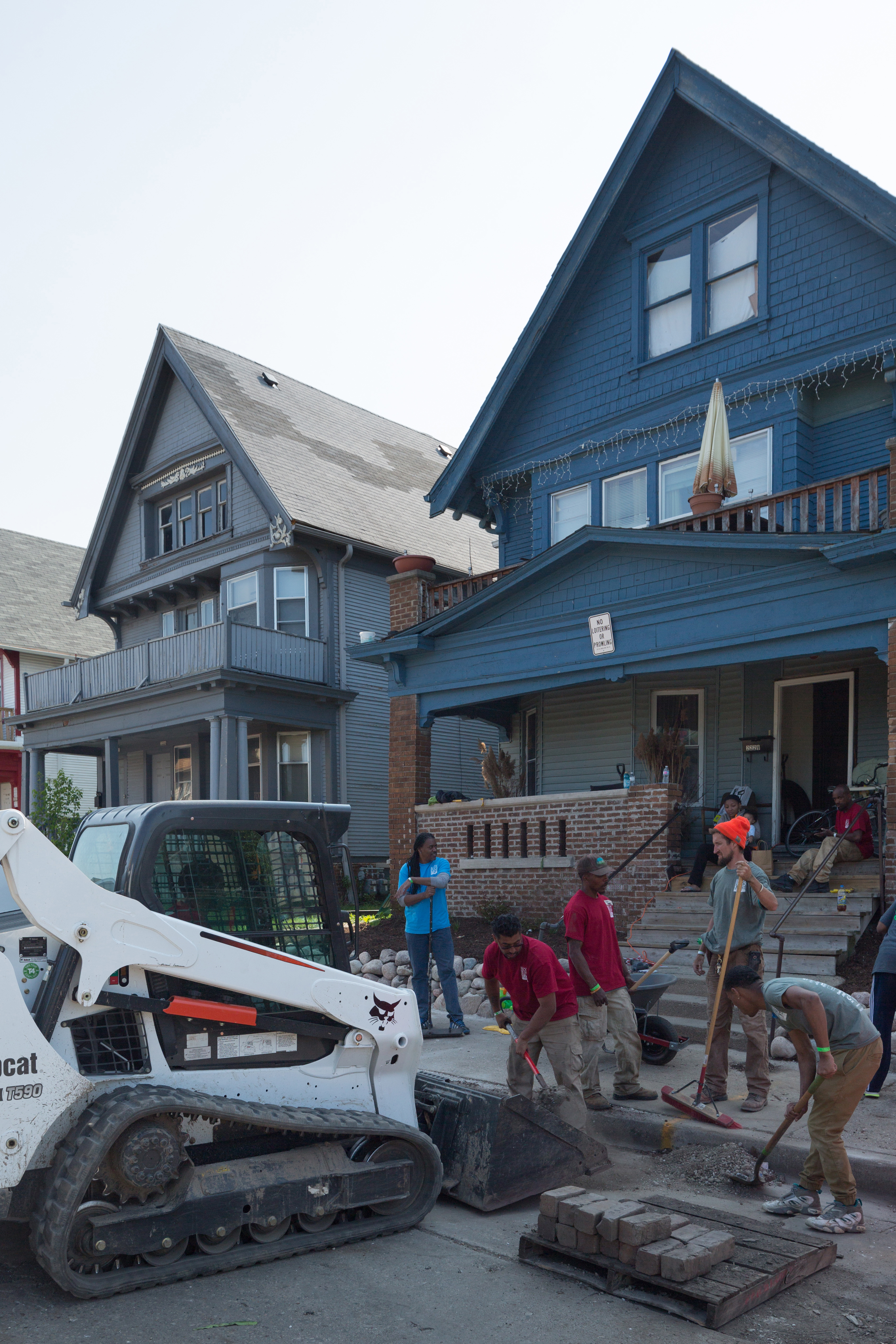
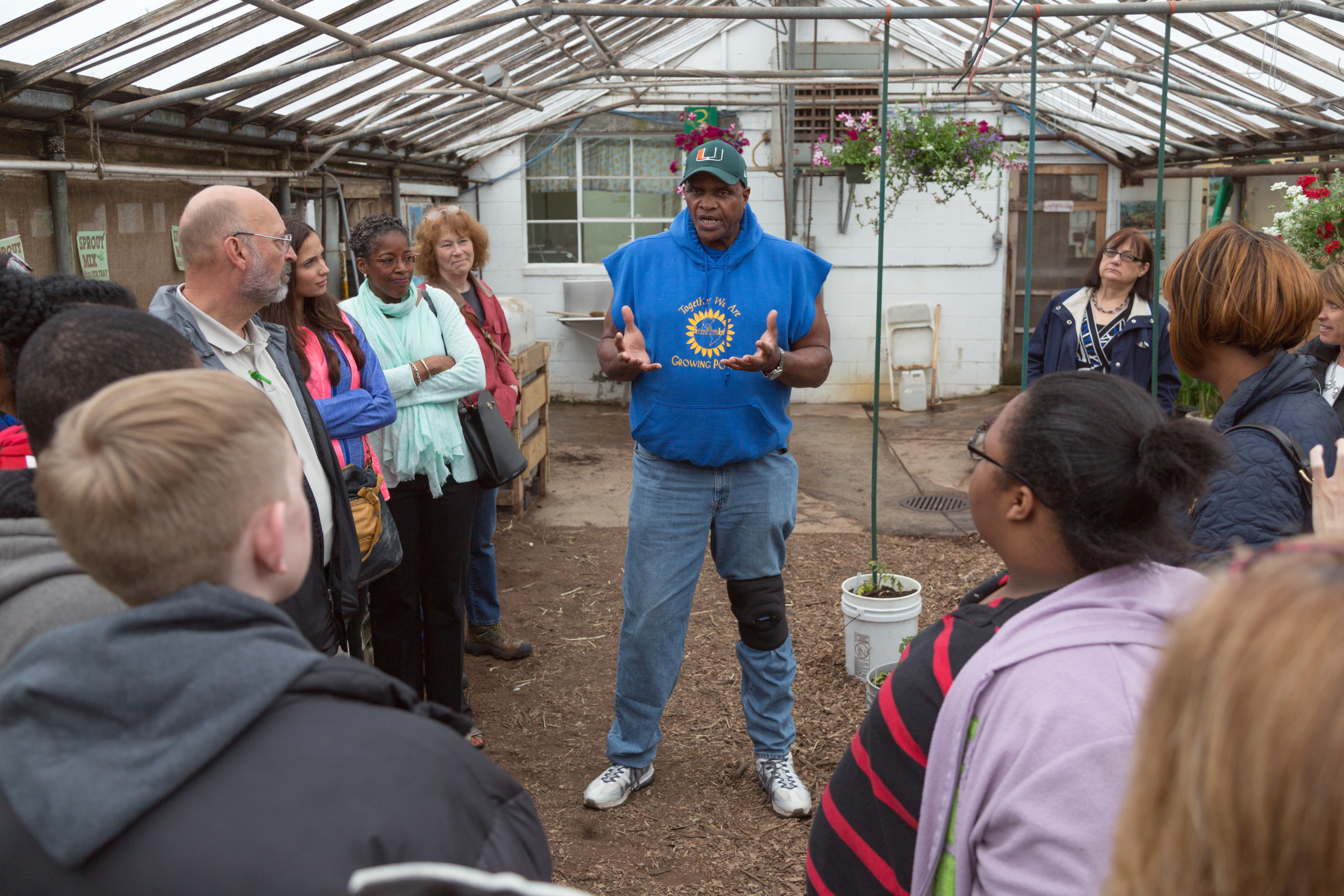
In Milwaukee, WI, we emphasize the long history of community gardening and its role in bringing healthy food, job skills, and a place to connect into the city’s racially and economically segregated North Side. Walnut Way Conservation Corps was founded by Sharon and Larry Adams when they returned to the neighborhood after years away. Today, it undertakes a dynamic constellation of activities supporting everything from community cleanup efforts to employment opportunities for the formerly incarcerated, all with an environmental focus. And gardeners around the world have been influenced by Milwaukee’s own Will Allen, whose Growing Power farm converted what was once a flower shop into a massive growing operation and training center. Allen’s organization has taught thousands to establish community agriculture, from U.S. cities like Detroit, Denver, and New Orleans to countries including Kenya, Macedonia, and Ukraine.
Indeed, the issues these activists address in the United States are not confined by its borders. In recognition of the global power of some of these social, political, and economic structures, we have also begun to study non-U.S. groups addressing the problems they define as most critical to their local communities.
All photos © David Schalliol.
Artist-activist Rick Lowe (center, seated) plays dominoes at Project Row Houses’ administrative office and community gallery.
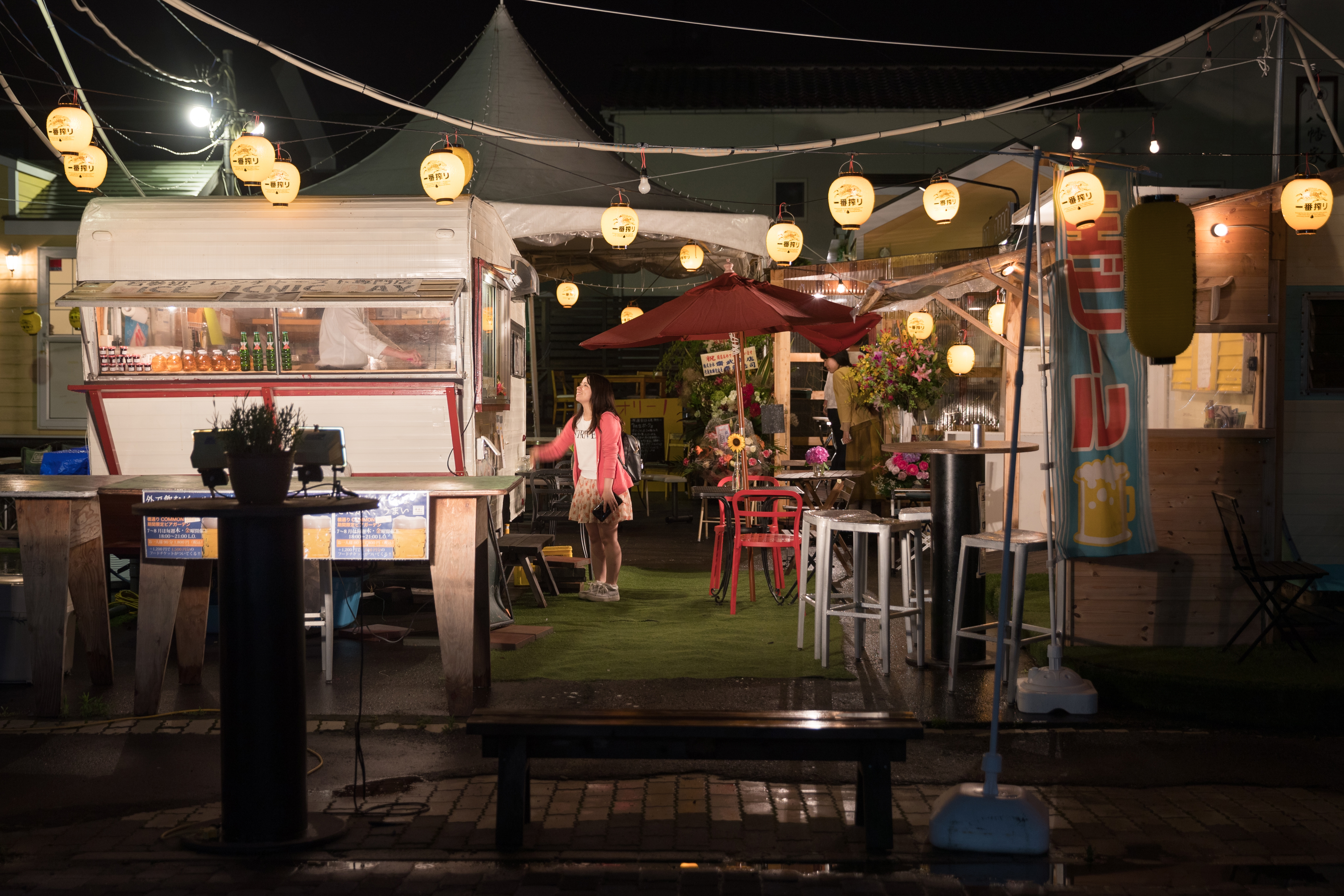
As in post-Katrina New Orleans, some of these interventions reside at the intersection of human and non-human systems. Following the earthquake and tsunami of the 2011 Great Thoku Disaster, Japanese cities like Ishinomaki became home to initiatives like Hashidori Common, a community center and food vendor hybrid supported by the local development company to provide opportunities for entrepreneurship and social connection in the still-rebuilding city. In earthquake-damaged Christ-church, New Zealand, the organization Gap Filler has created installations on the sites of destroyed buildings; they’ve ranged from traditional-yet-innovative placemaking activities like the Dance-O-Mat, which turns a commercial laundry machine into the centerpiece of a dance party, to the more redistributive Inconvenience Store, a pop-up installation featuring local artists in an unoccupied storefront.
In Charleroi, Belgium, arts-community spaces like Le Vecteur are wrestling with urban contractions associated with the collapse of heavy industry, as well as the reemergence of a vibrant city buoyed by a new generation of immigrants. Making use of under-utilized buildings in the city’s lower city, Le Vecteur mounts exhibitions, hosts artist residencies, and serves as a center for experimental connections with the broader community. At the same time, in Audun-le-Tiche, France, volunteers with the Association des Mines Terres Rouges are transforming the shuttered Saint-Michel iron ore mine into a museum and cultural space dedicated to industrial workers, including miners and their families.
All these efforts to conceptualize place-based initiatives have become crucial as crises become ever-more global. Assessing these groups together, as we have in our ongoing research, reminds us that capital is not the only force constructing the globalized city. The power of community cannot be overlooked in efforts to mitigate the worst impacts of (and sometimes provide active alternatives to) globalized phenomena, including deindustrialization and climate change. In many of these sites we explored, the productive forces of globalization have been extractive; the local acts of resistance we witnessed demonstrate an alternate, powerful form of place-based production and possibility.


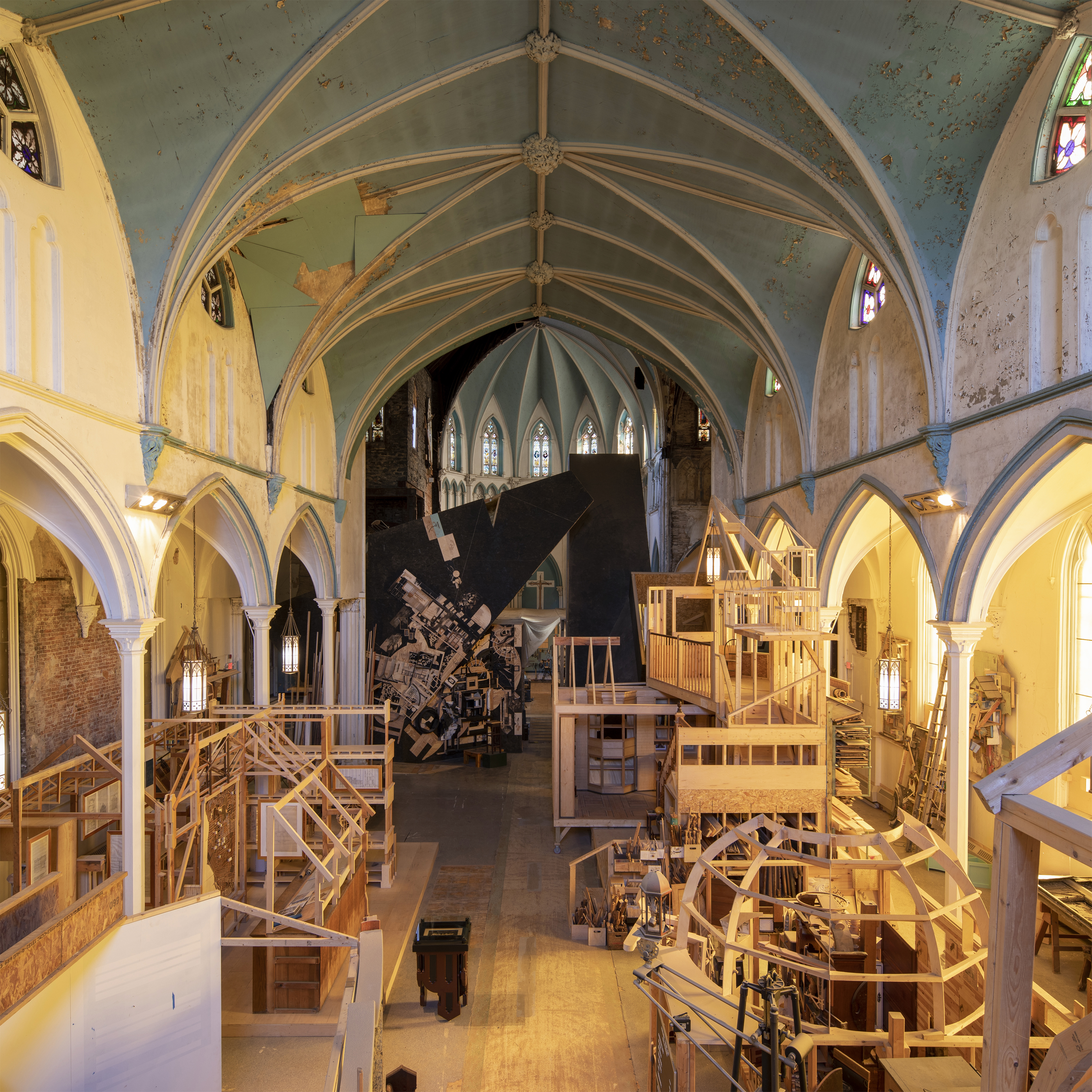
Artist Dennis Maher’s Assembly House 150 headquarters in Buffalo, New York in August 2014, December 2014, June 2019, and August 2022 (from top left).

Volunteers work on a Walnut Way Conservation Corps block cleanup day in Milwaukee, WI.
Growing Power’s founder Will Allen talks with visiting students and guests at his organization’s former home in Milwaukee, WI.
The parent- and activist-led community center La Casita’s opening-day celebration in Chicago’s Pilsen neighborhood.
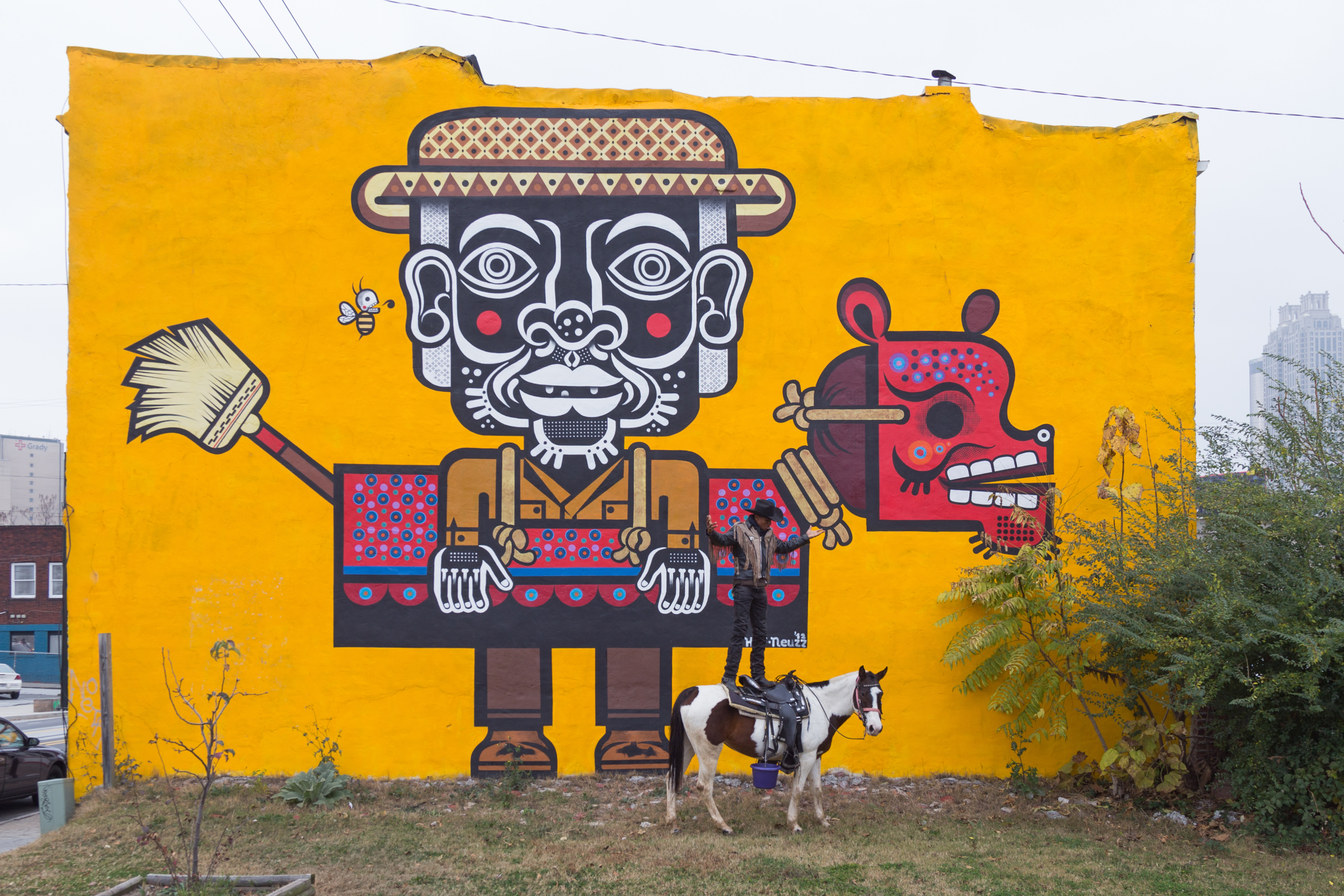
Mexican artist Neuzz’s mural (with a self-professed urban cowboy) is part of Atlanta-based Living Walls’ robust and inclusive mural program in Atlanta, GA.
The hammock forest, one of the more traditional Gap Filler projects in Christchurch, New Zealand, is part of an experimental placemaking initiative to invite social interaction with a long-term urban redevelopment project, instead of fencing off the area during the years-long construction period.
A customer orders food from a small restaurant at Hashidori Common in Ishinomaki, Japan.
Lucas Ravinale and Loup Uberto perform traditional Italian songs at Le Vecteur in Charleroi, Belgium. The city is known for its Italian immigrant population, dating to the days when coal mining dominated the city.
Since 2015, Theid Johanns’s CUEVA artist collective has drawn attention to places slated for demolition. This section of installations is part of their Metzeschmelz CUEVA 2022 exhibition at the former Arcelor Mittal Schifflange-Esch steel works in Luxembourg.
Volunteers with the Association des Mines Terres Rouges in Audun-le-Tiche, France salvage former mine track for use in what will become the bar in the organization’s museum.
